





An Arabian Sea port on the Malabar coast, Mangalore lies on the backwaters formed by the Netravati and Gurpur rivers. Engaged in Persian Gulf trade in the 14th century, it was occupied by the Portuguese in the mid-16th century. Under the Mysore sultans (1763) it became a shipbuilding base, ceded to the British in 1799 after numerous sieges. Seat of a Roman Catholic bishopric and a Lutheran mission, Mangalore has many government colleges, an institute of social services, St. Aloysius College (founded by Jesuits in 1880), St. Agnes and St. Ann's Colleges, all affiliated with the University of Mangalore. The languages spoken here include Konkani (Indo-European) are Tulu (Dravidian).
With half-a-million residents, the town, still dotted with coconut plantations, is a busy transshipment centre; ships must anchor 5 km offshore because of sandbars; a deepwater port, however, has been developed for the shipment of mineral ores. Cashews, coffee, and sandalwood are brought from Mysore and Coorg districts; rice, areca nuts, coir yarn (coconut fiber), fish, and cardamom are local products. Other industries include boatbuilding, coffee curing, pottery works, and the making of roofing tiles and brick kilns. [Adapted from Encyclopedia Britannica]
Sultan's Battery 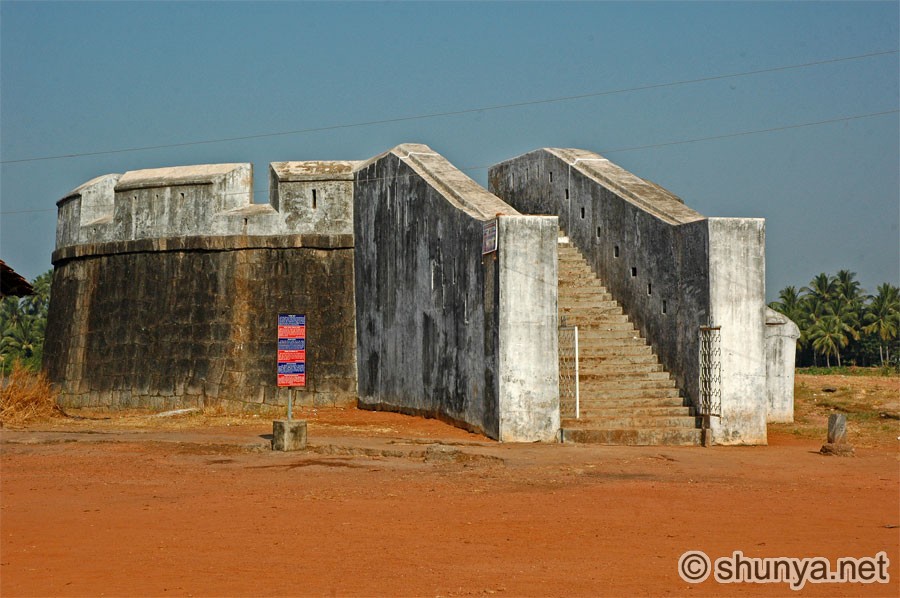 |
Gurpur River 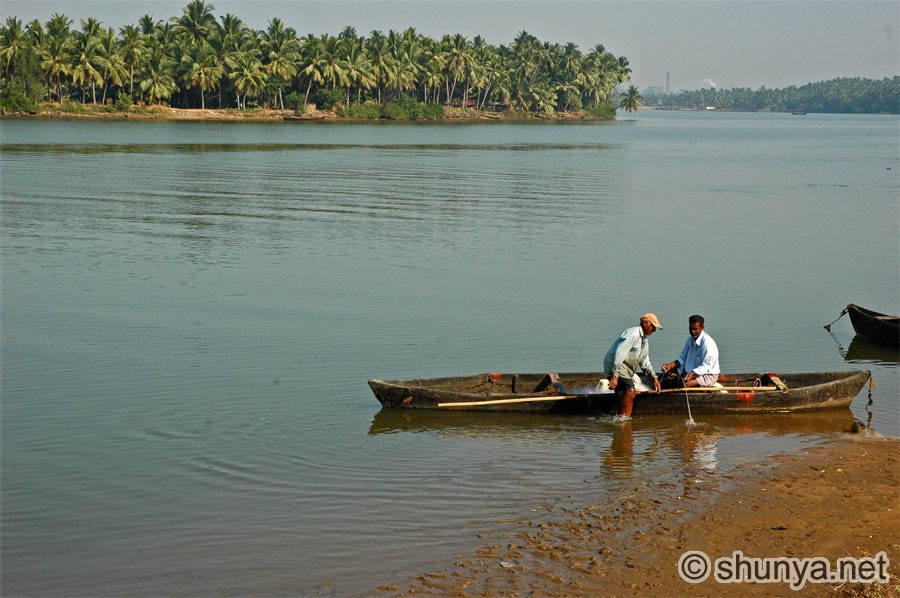 |
Gurpur River 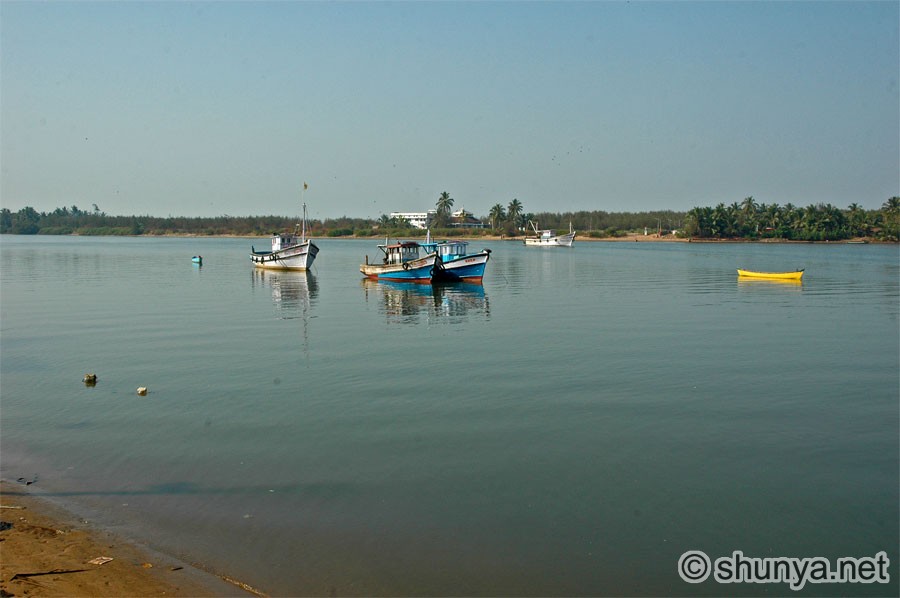 |
Milagres church (inside) 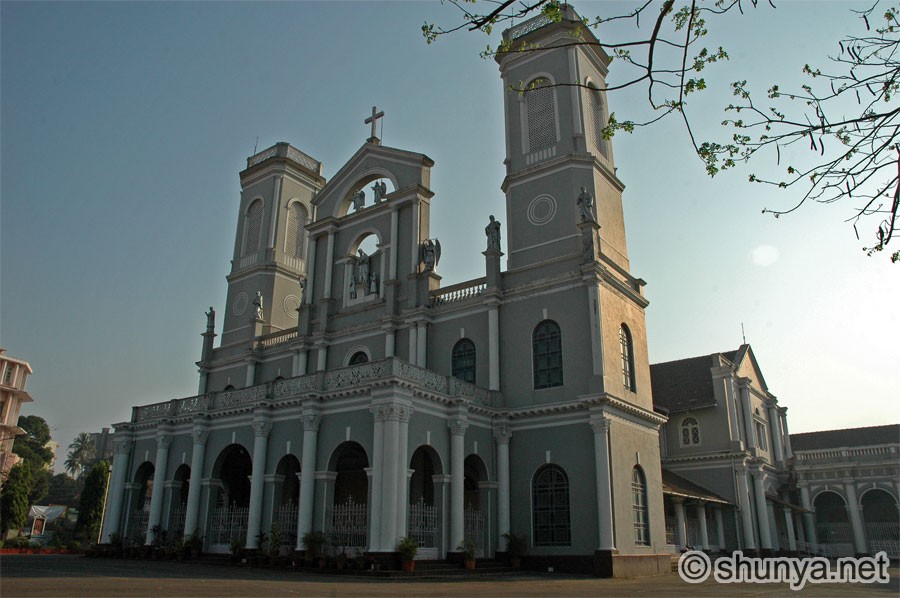 |
Kadri
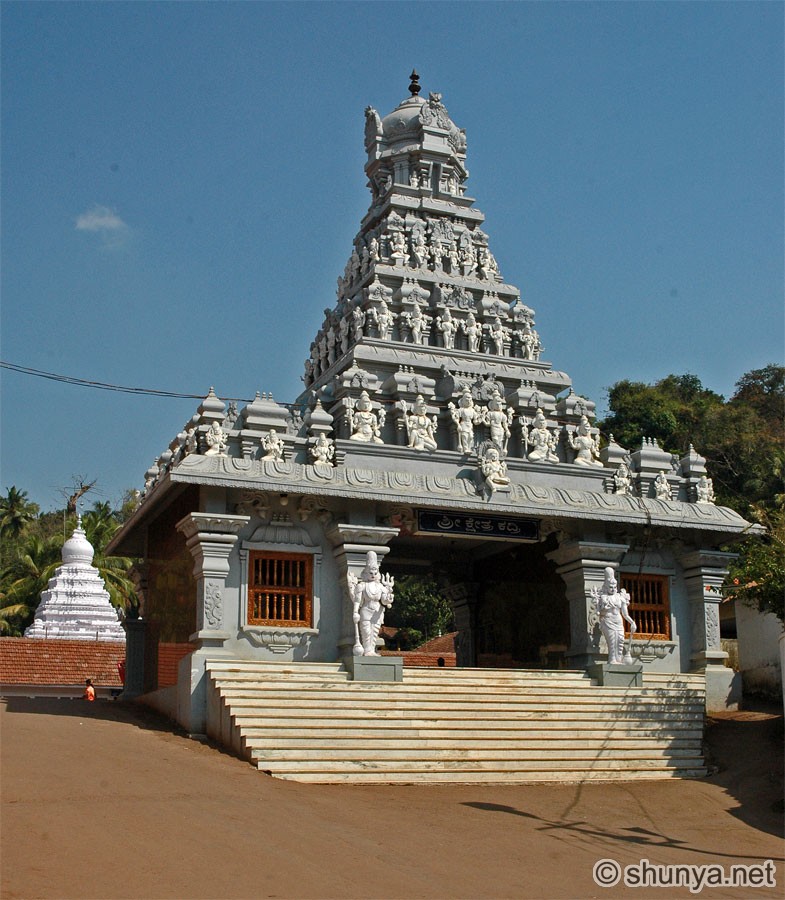
Manjunath temple 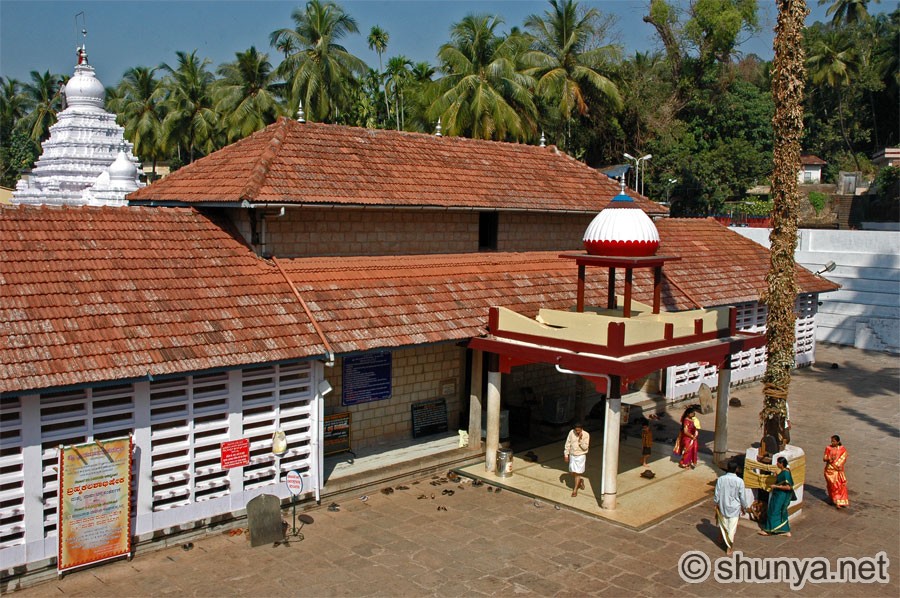 |
Temple visitors 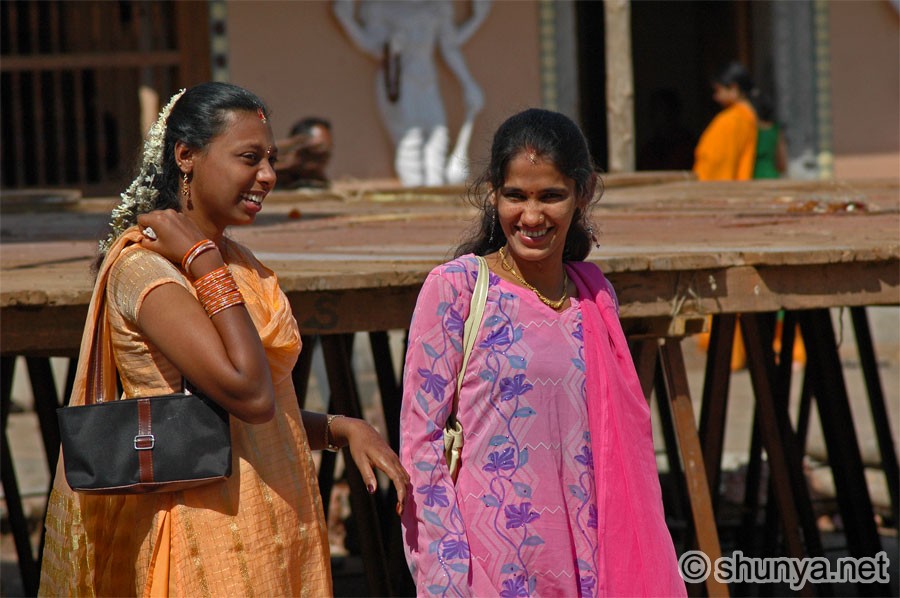 |
||
Inside the temple 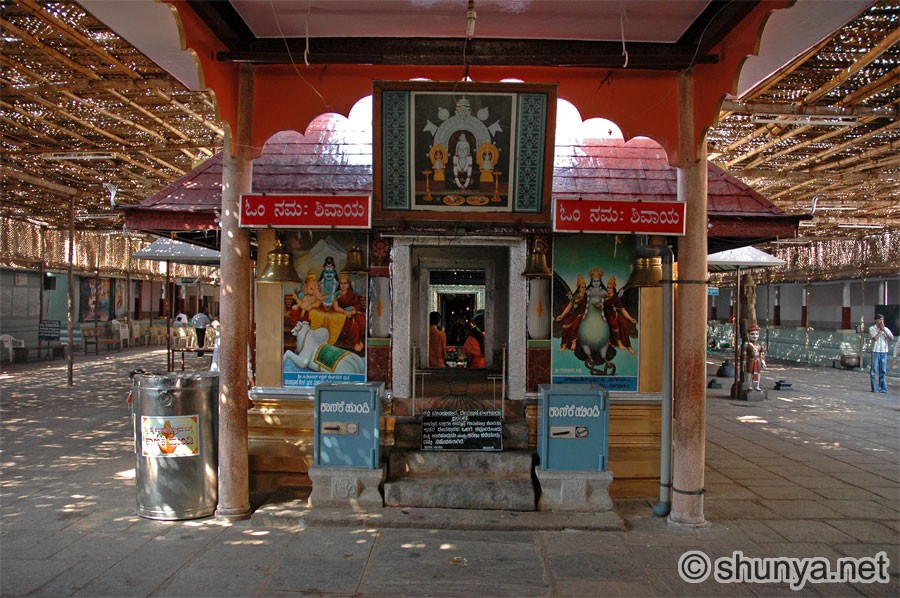 |
Pujari at subsidiary shrine 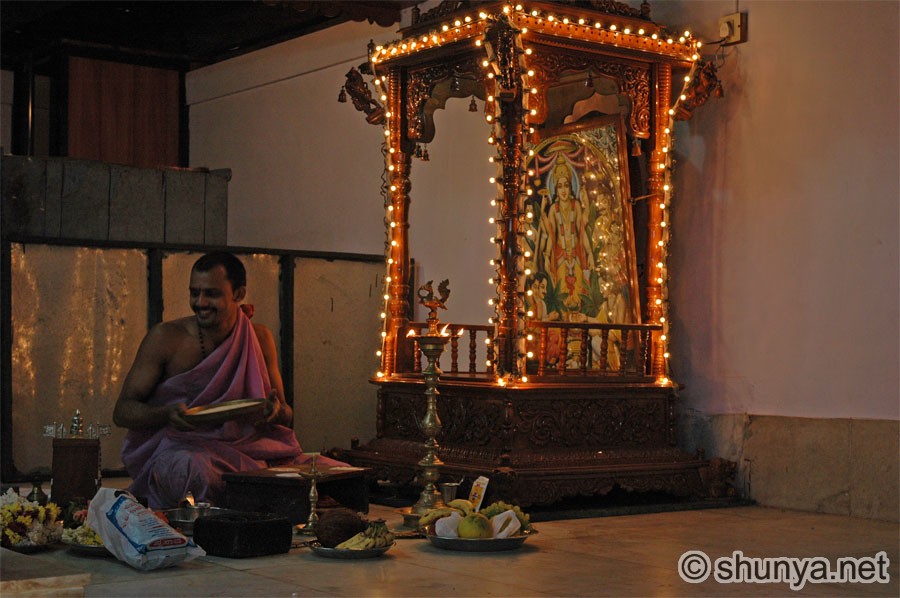 |
||
Shreemanthi
Bai Memorial 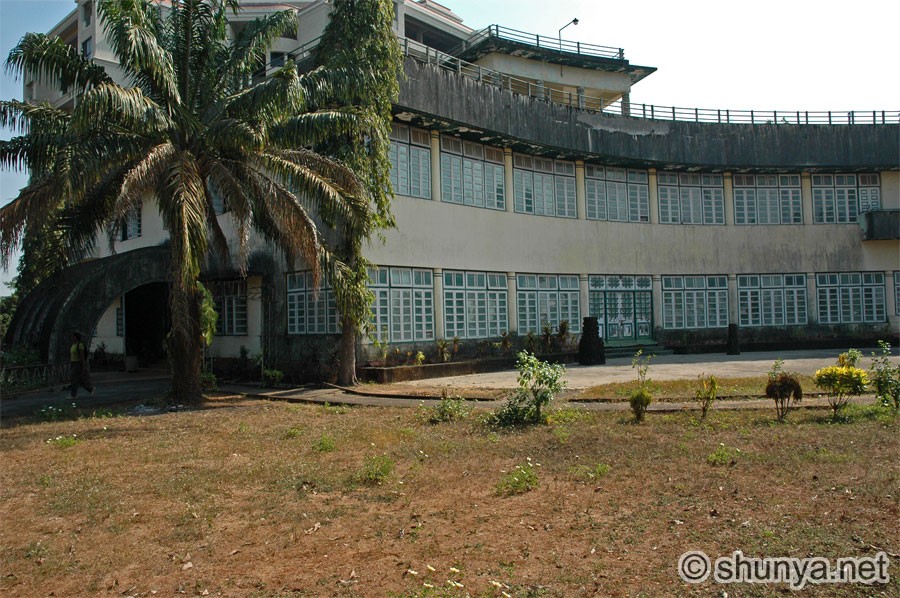 |
Saraswati 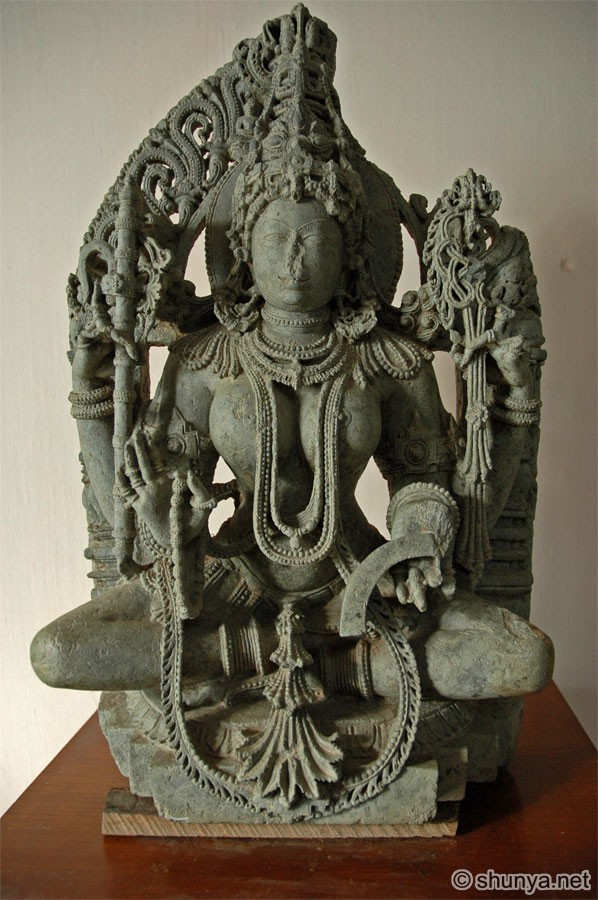 |
Mangalore shining? 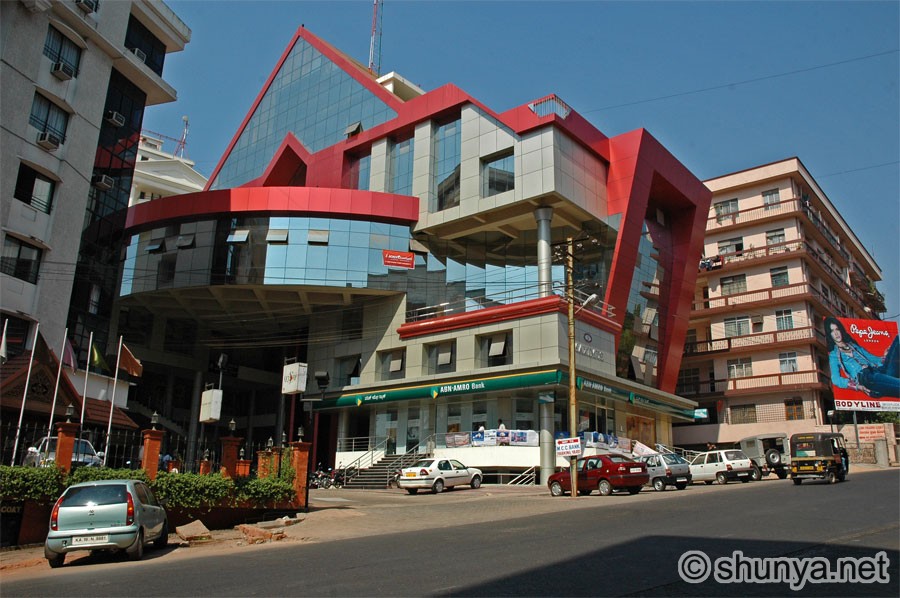 |
Ad for
Sadguru
Sri Mata 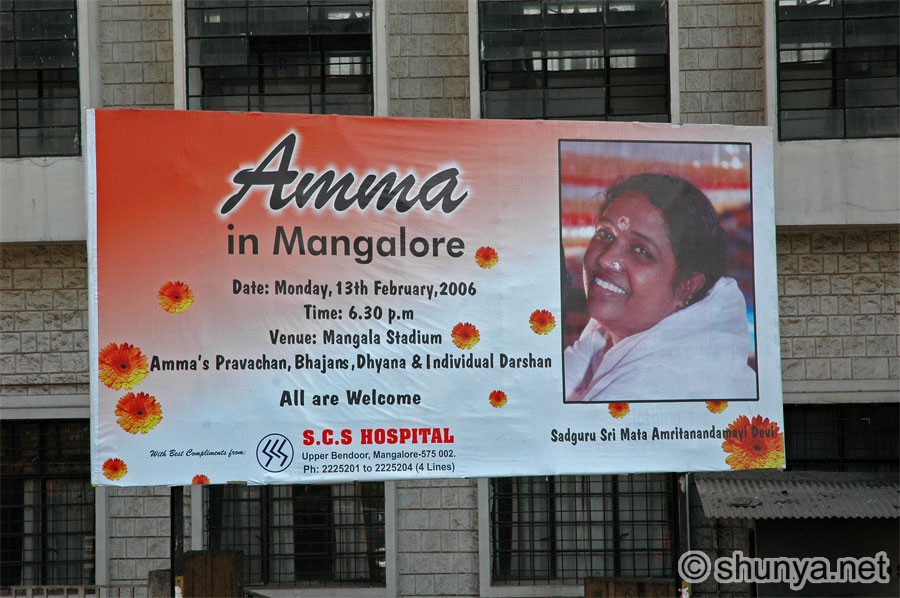 |
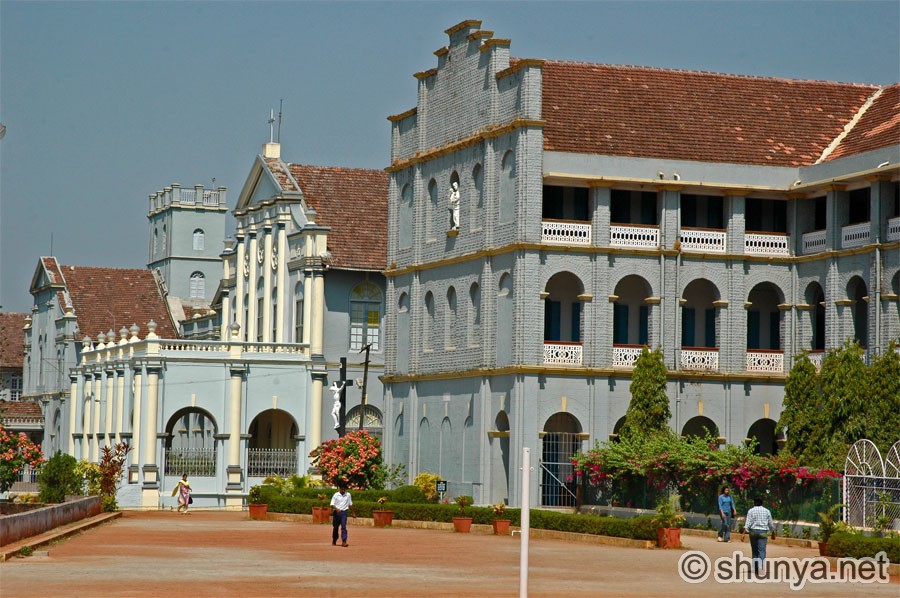
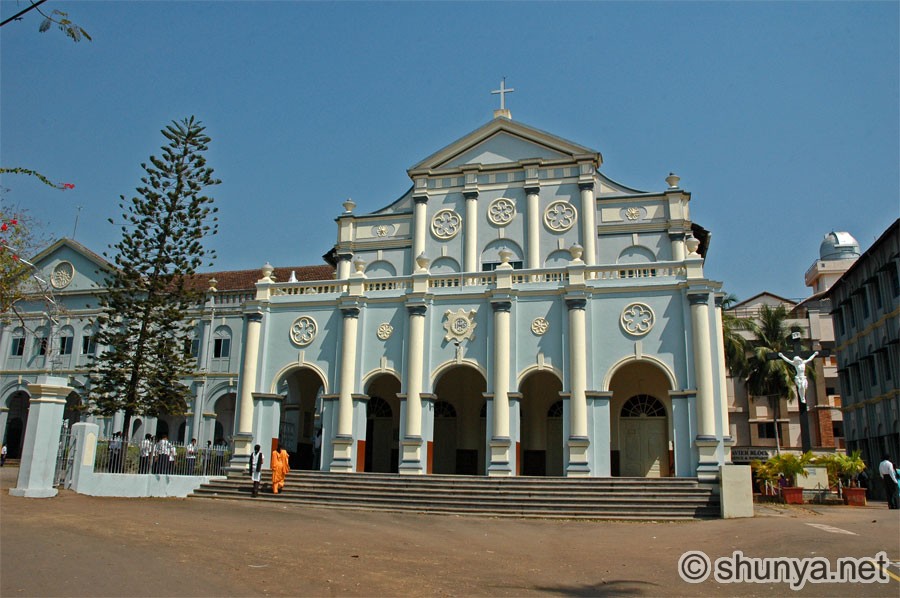
St. Aloysius College (more) 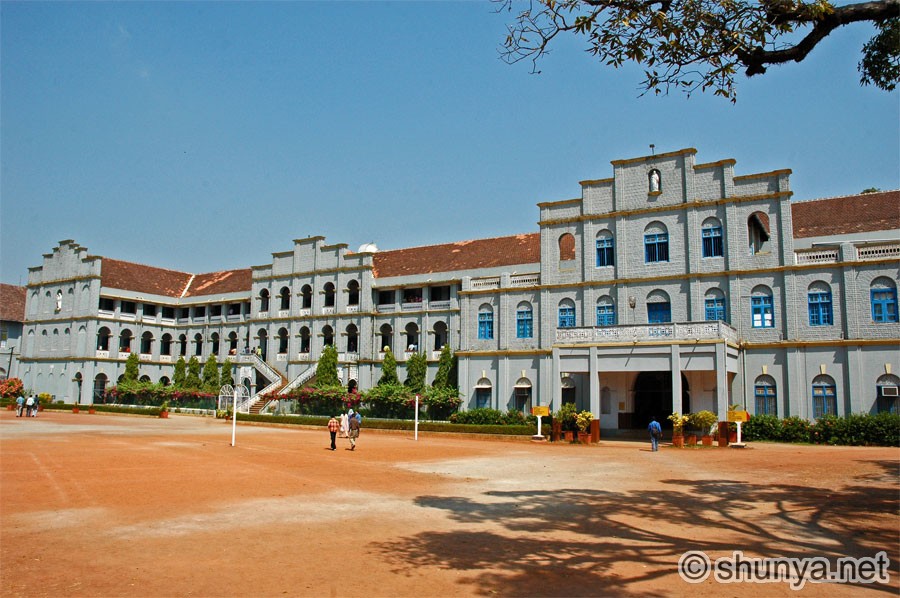 |
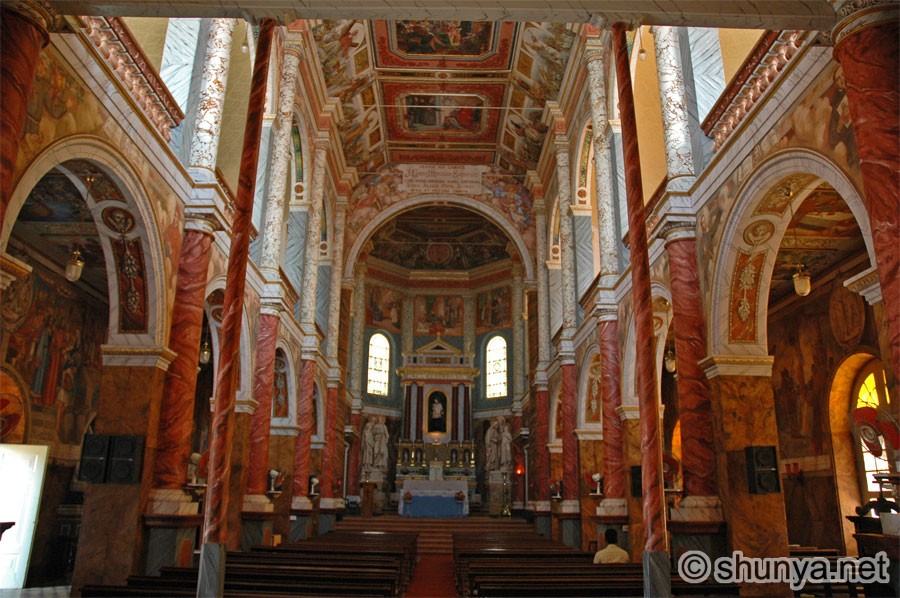 |
||
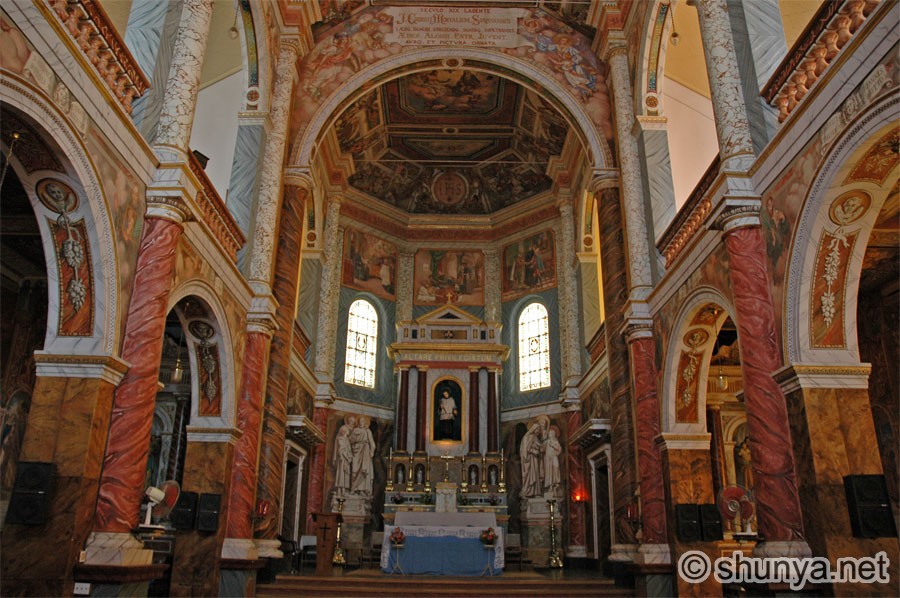
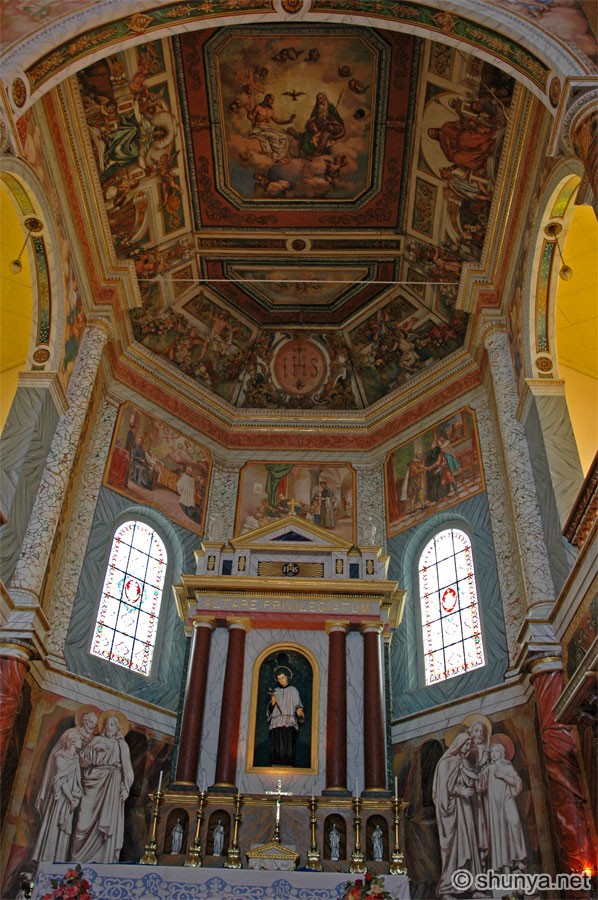
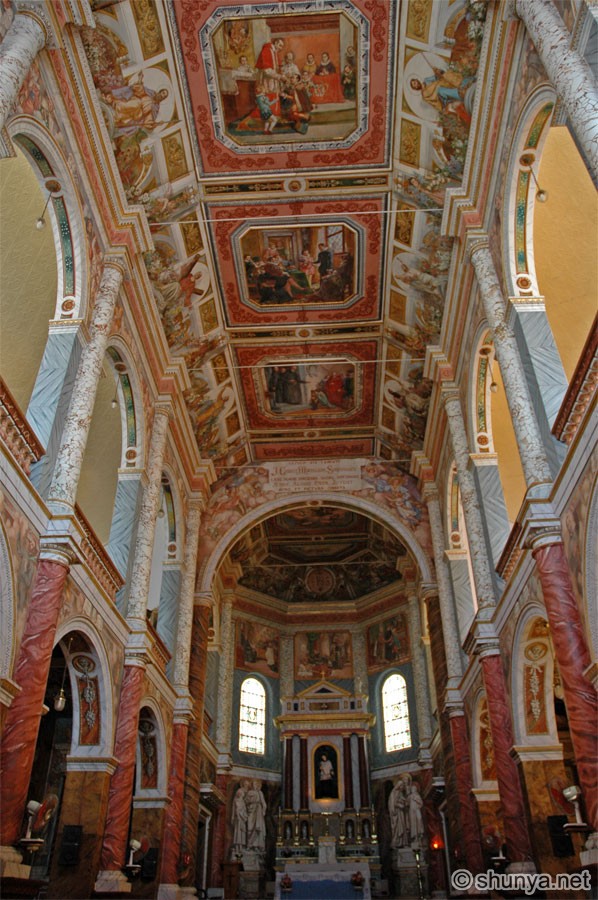
College chapel (more) 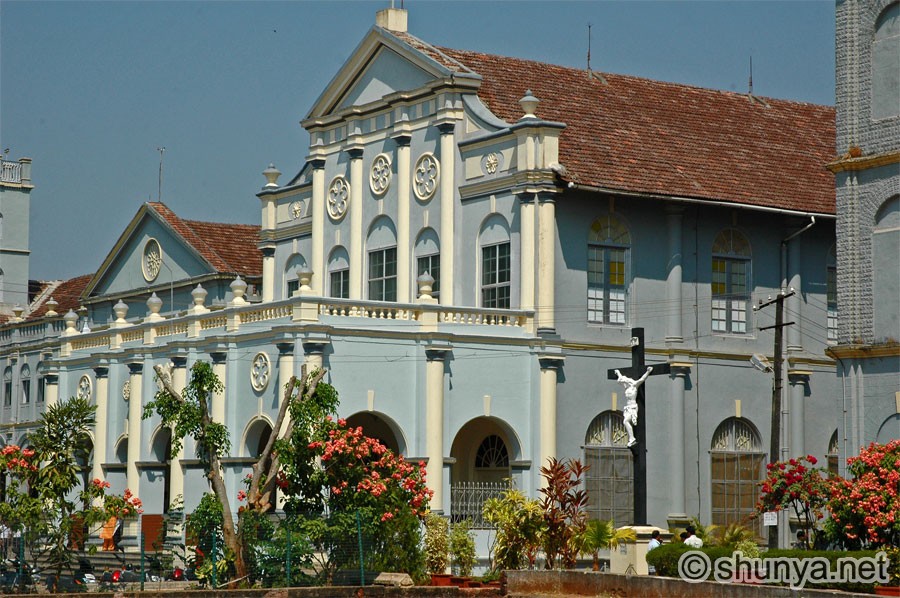 |
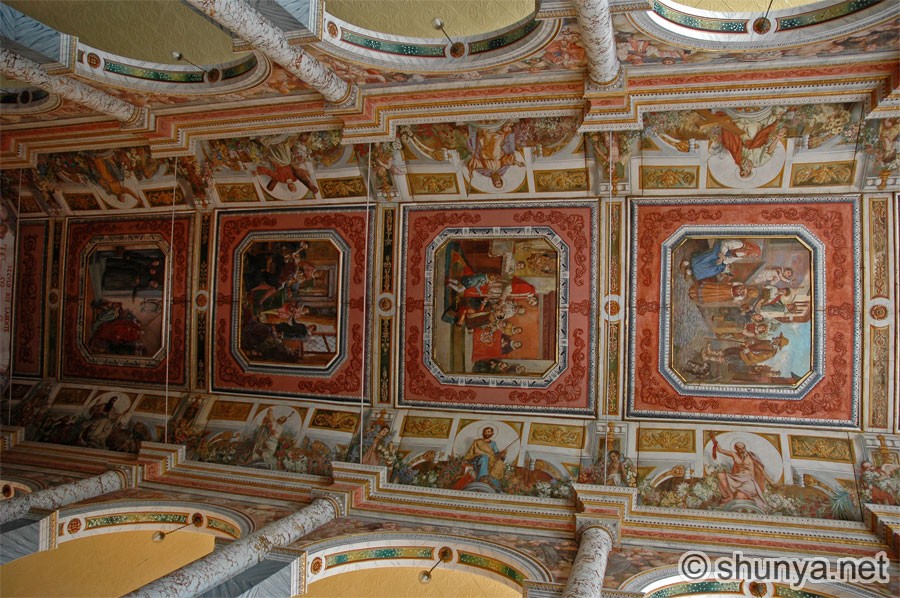
Chapel ceiling (more) 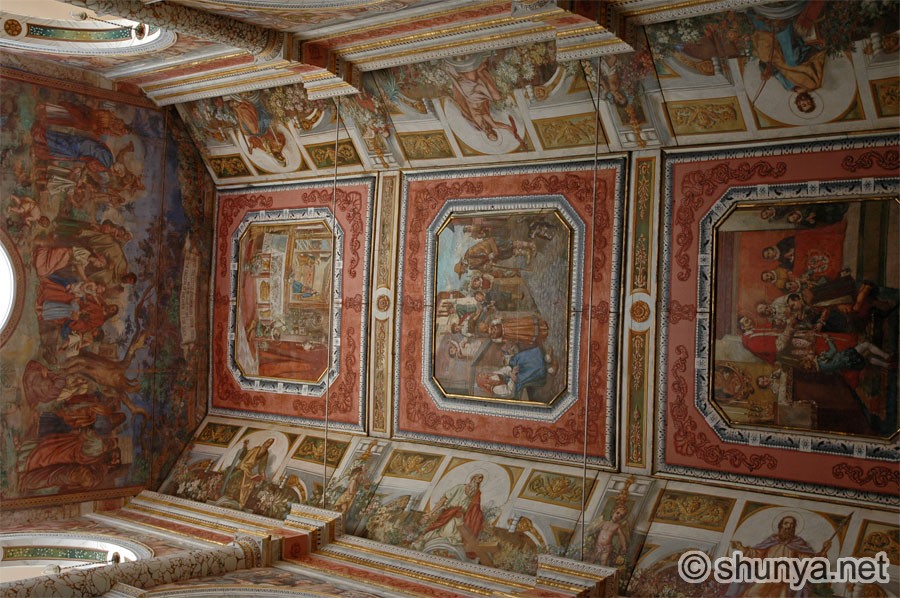 |
||
Jesus born in Bethlehem 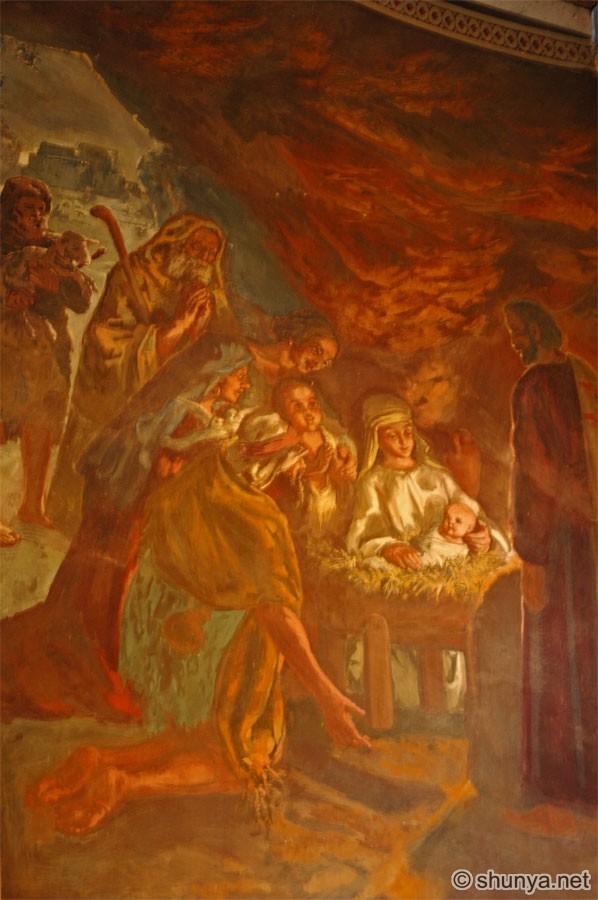 |
Jesus baptized in river Jordan 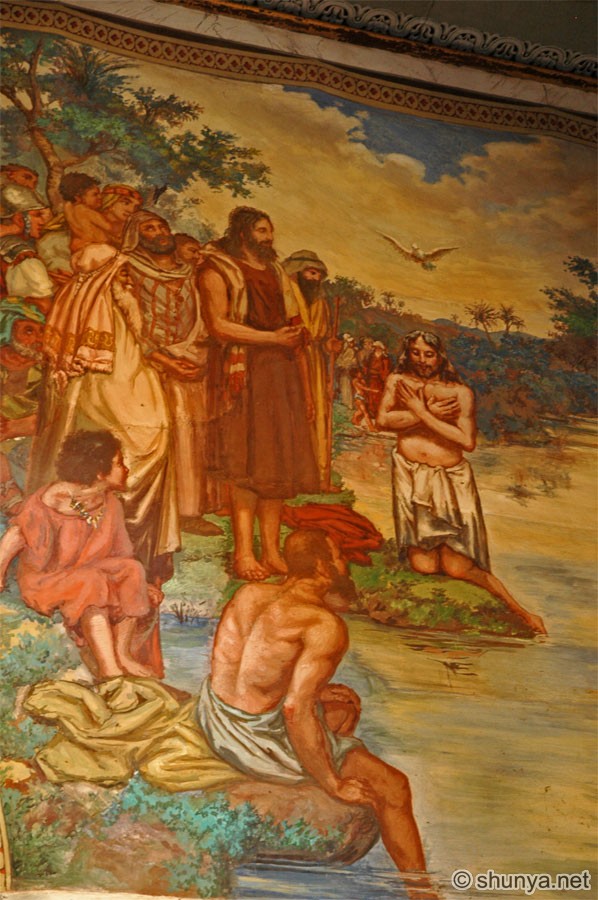 |
The last supper 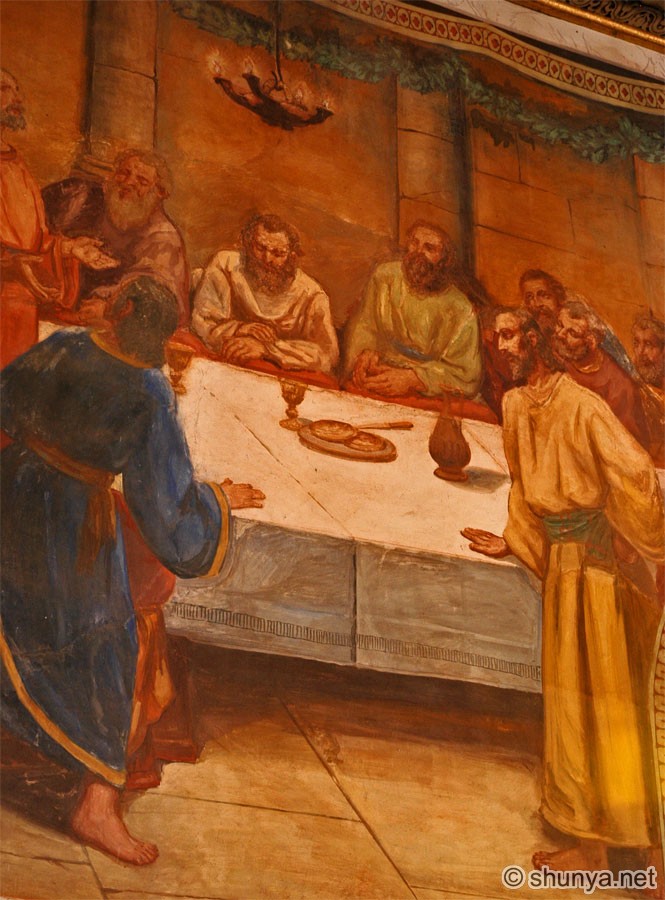 |
Jesus ascends to heaven 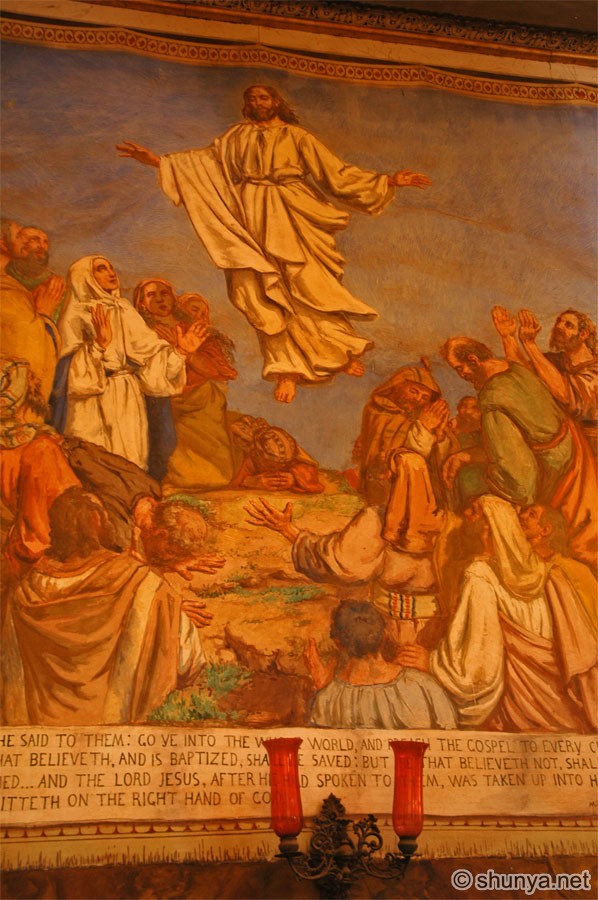 |
Designed in collaboration with Vitalect, Inc. All rights reserved. |