

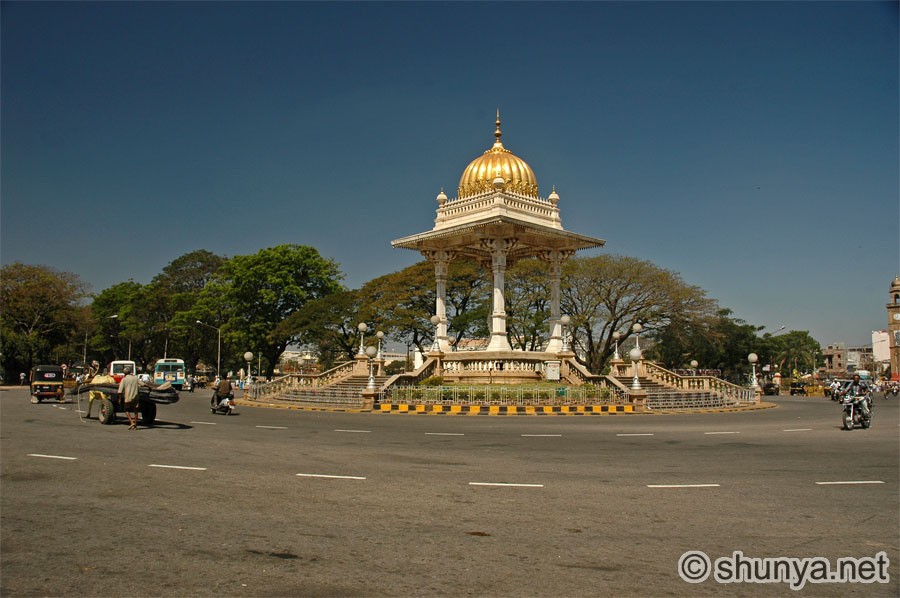
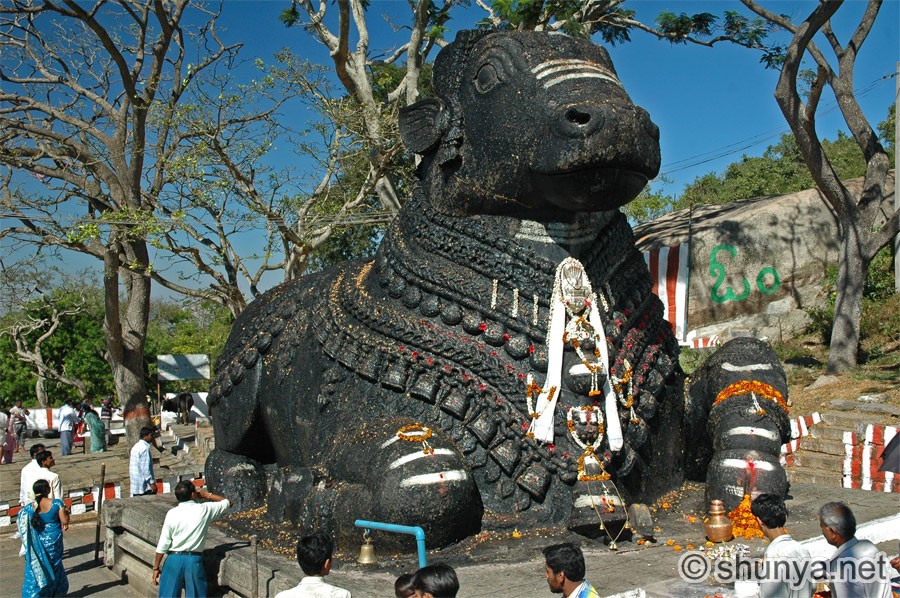
Before India's independence in 1947, Mysore was a landlocked princely state of 30,000 sq. miles. The transfer of additional territories to the state in 1953 and 1956 united the Kannada speaking peoples, gave the state access to the sea, and greatly extended its boundaries; it was named Karnataka ("Lofty Land" in Kannada) in 1973. Mysore city center contains the Maharaja's Palace (1897) with its ivory and gold throne, Curzon Park, the Silver Jubilee Clock Tower (1927), Gandhi Square, and two statues of maharajas. West of the city center are the former British residency (1805), the noted Oriental Library, university buildings, and public offices. Jaganmohan Palace now hosts a museum. Pilgrims visit Chamundi Hill (3,490 ft) with its monolith of Nandi, the sacred bull of Shiva. The area around Mysore is drained by the Cauvery River and its tributaries. [Adapted from Encyclopedia Britannica]
|
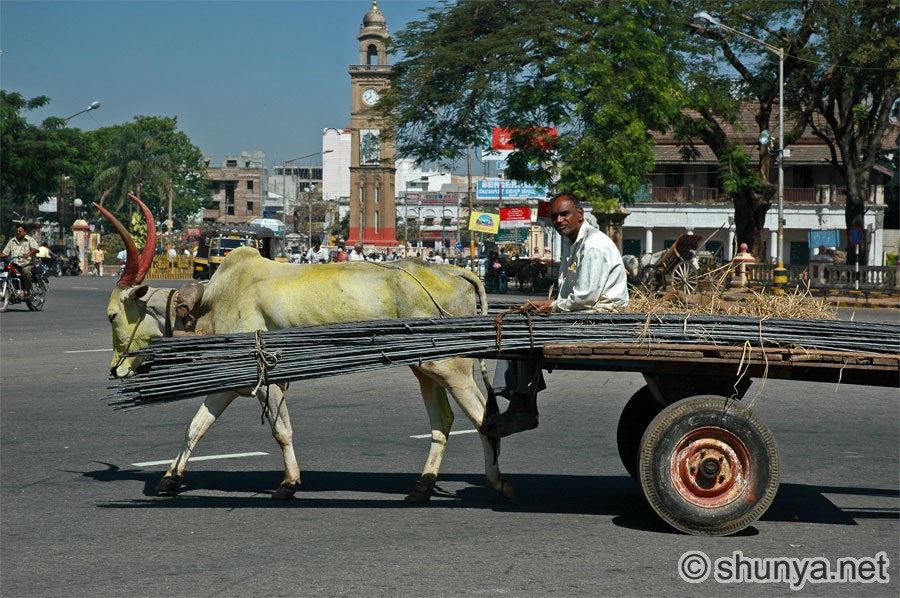
Holy cow (with clock tower) 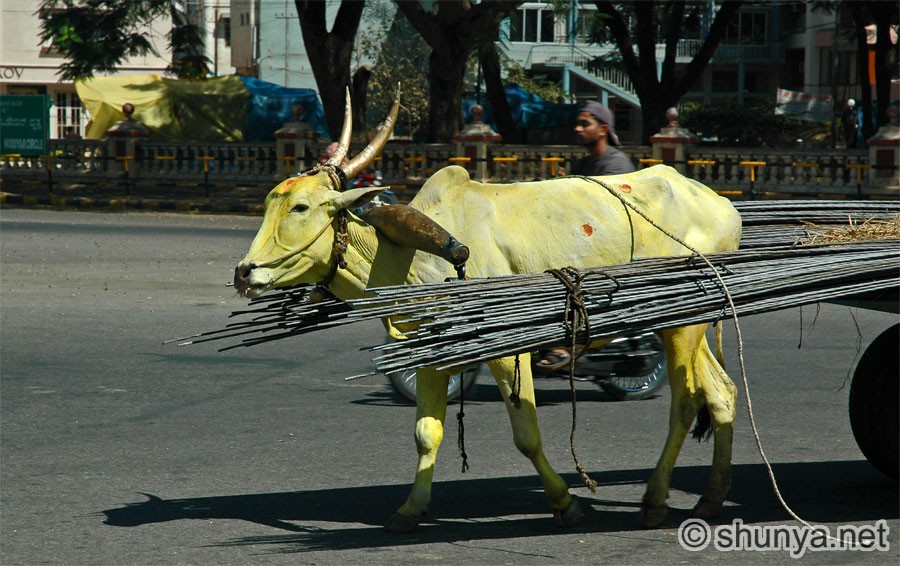 |
New Statue Circle (more) 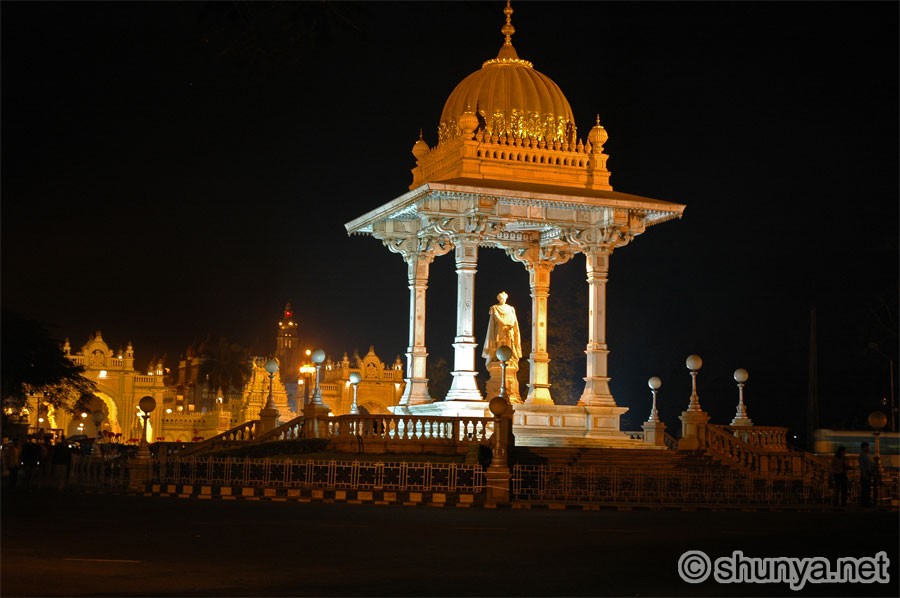 |
KR circle 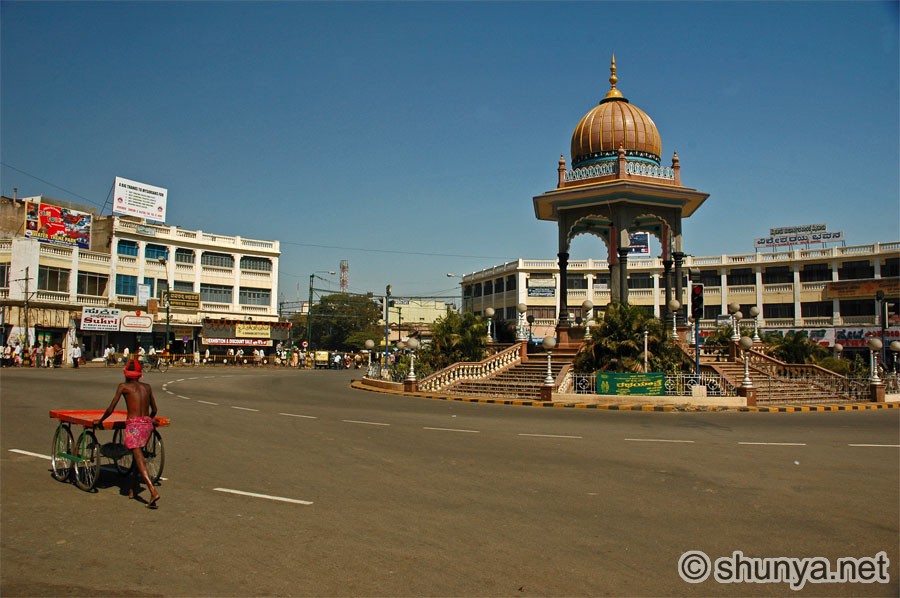 |
Jagmohan palace & museum 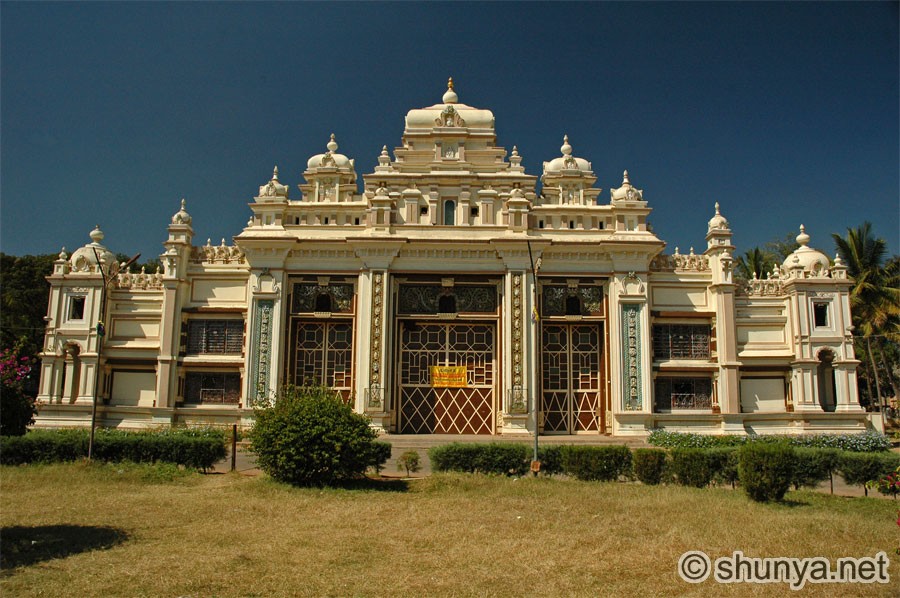 |
Gandhi Square 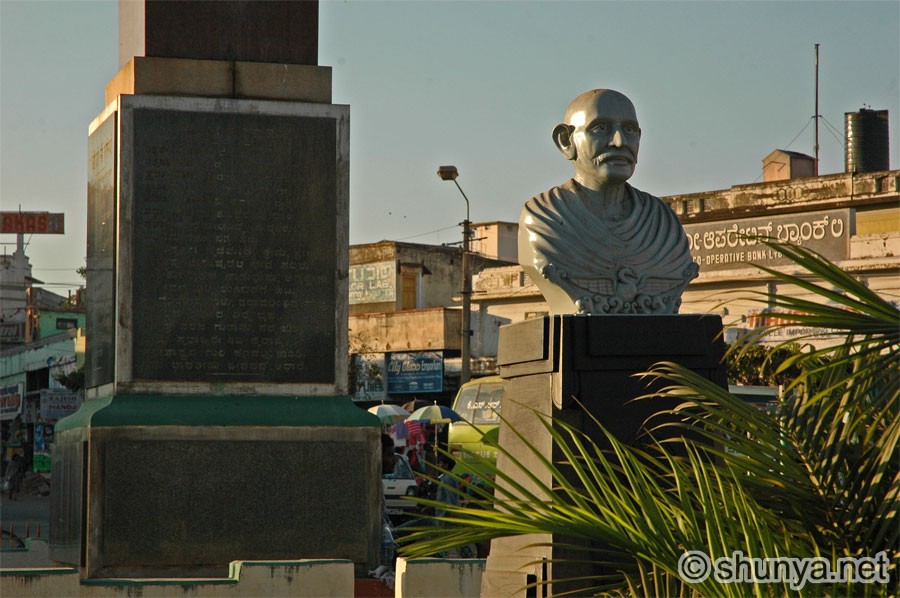 |
Street sleeper 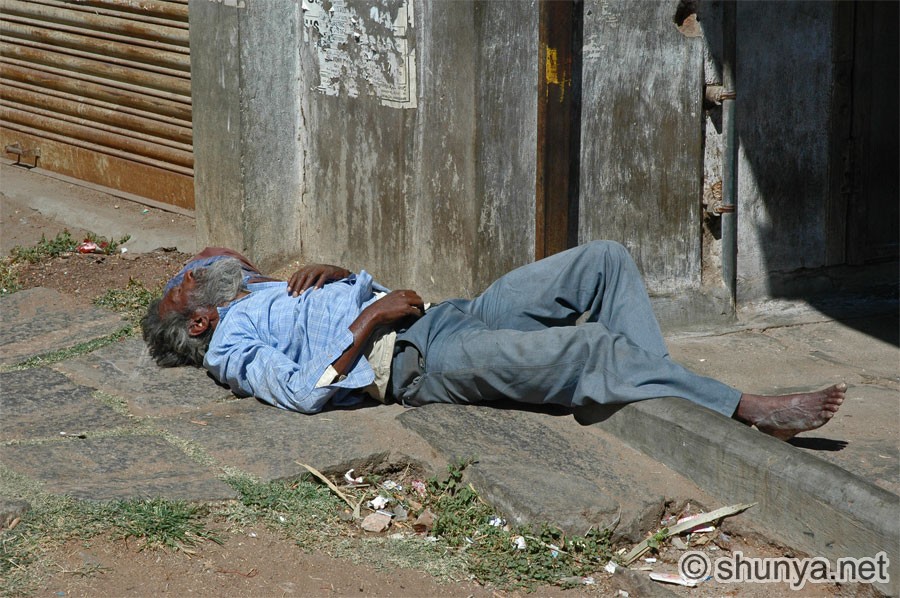 |
||
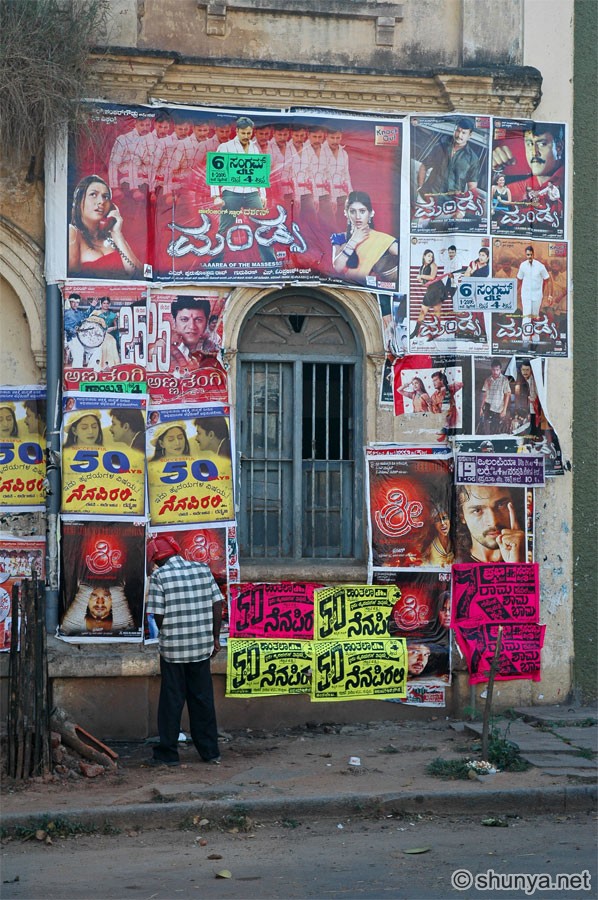
Now playing (more) 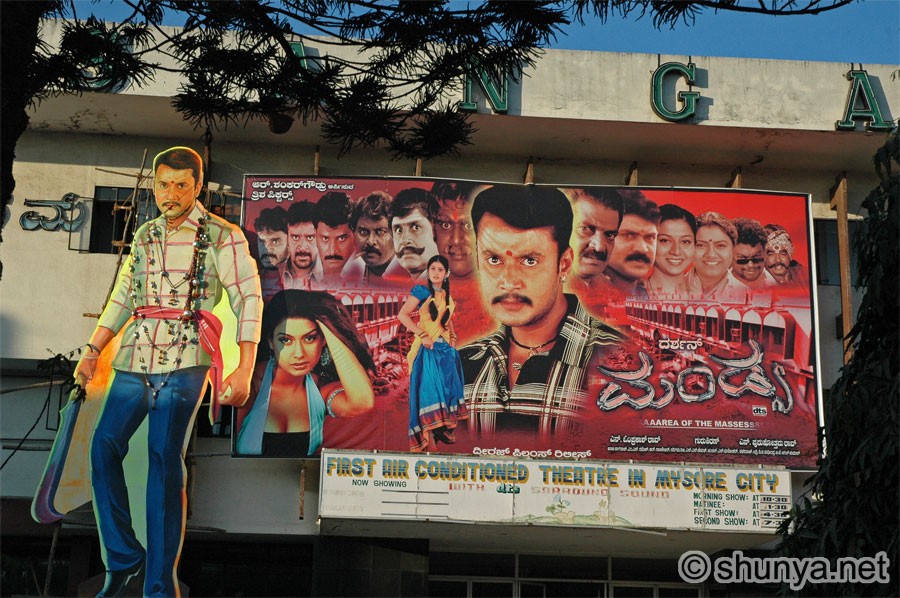 |
Mysore from above 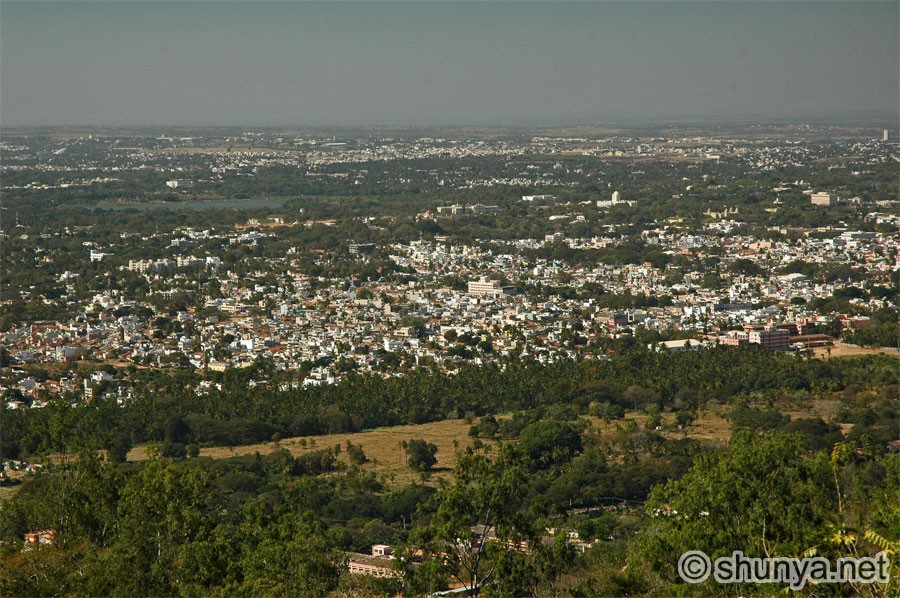 |
||
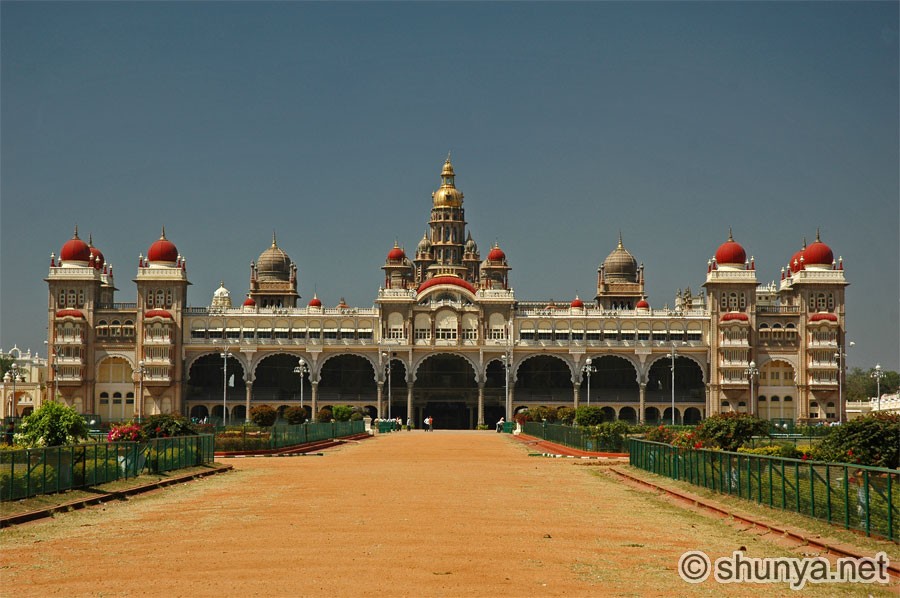
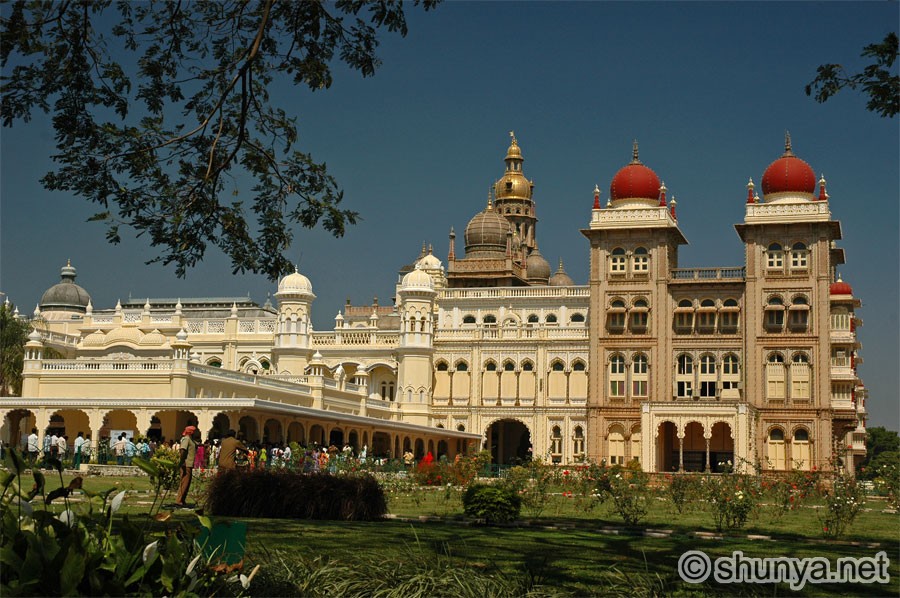
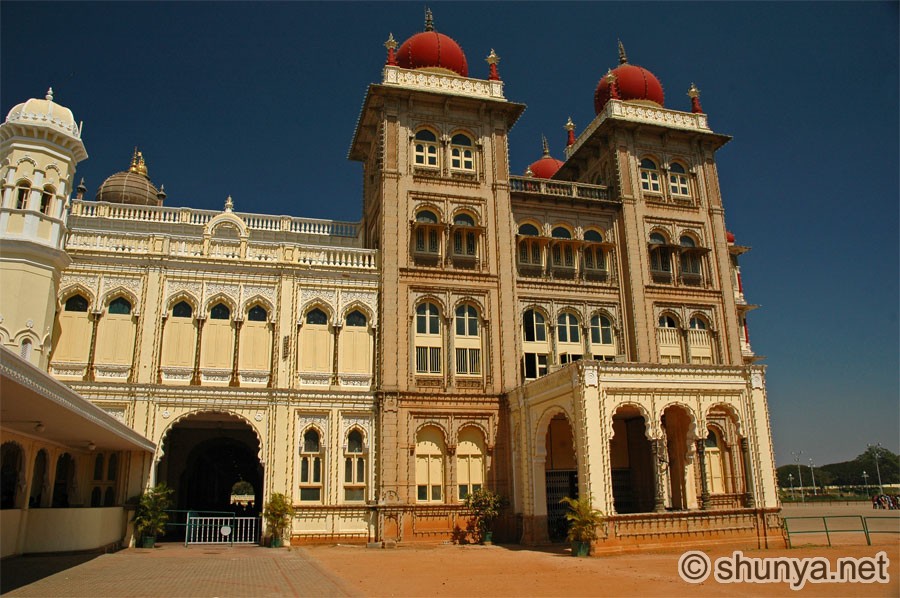
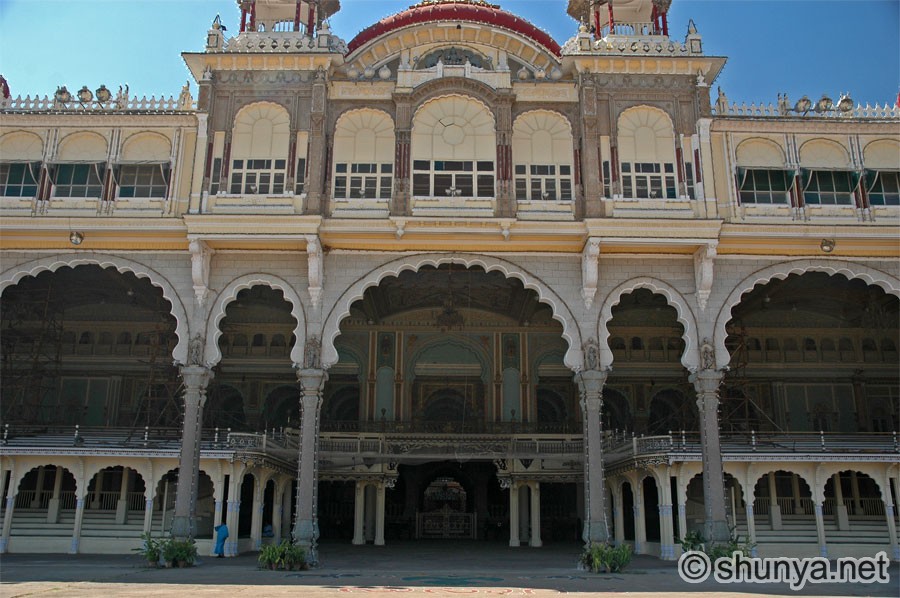
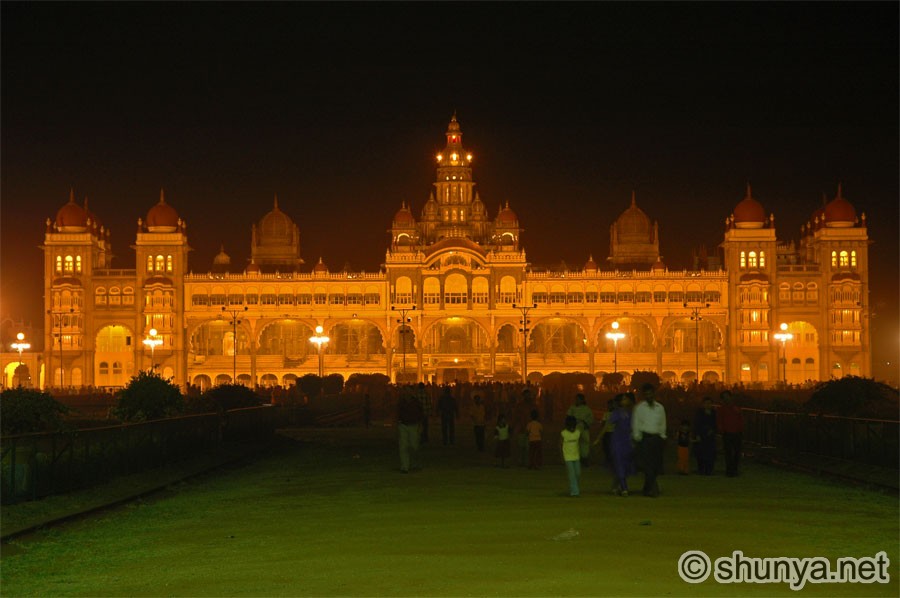
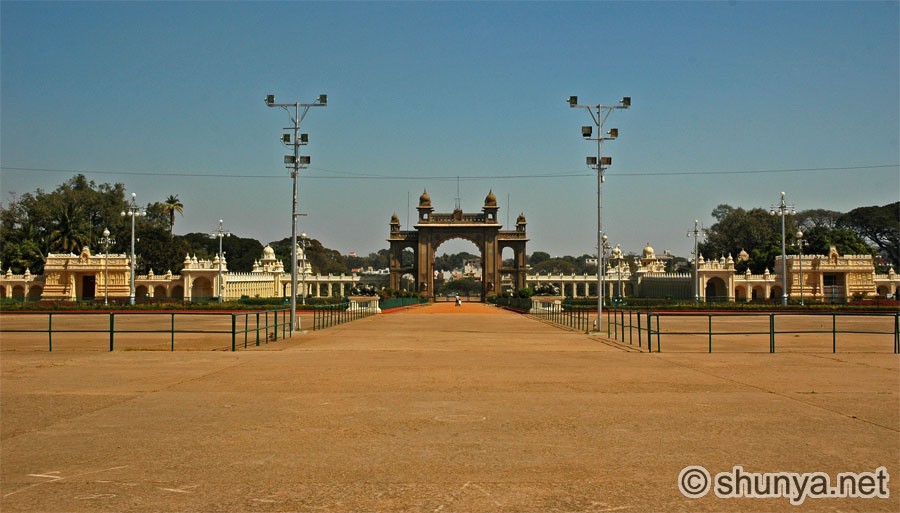
| Mysore Palace When Vijayanagar empire fell in 1565, its domains were usurped by one of their feudatories, the rajas of Mysore, and the Mughals. In the 17th century the wodeyars ("rulers") of Mysore, profiting from the conflict between the Mughals and the Marathas in western India, as well as from the confusion after the death (1707) of Aurangzeb, expanded their rule. But wodeyar misrule at home and their interference in wars of succession in the plains led to their ousting in 1761 by Haidar Ali, a military adventurer. His invasions of Malabar and the Karnataka plains extended Mysore's dominion but eventually led, after the Mysore Wars, to the death of his son Tipu Sultan in 1799 at the hands of the British, who sponsored the restoration of wodeyar rule. Mysore was governed by a British commissioner from 1831 to 1881, when administration was once again restored to the wodeyar. The last of the wodeyars became governor of the state after the territorial reorganizations of 1953 and 1956 and the formation of Karnataka in 1973.♣ |
|||
|
Palace of the Wodeyars 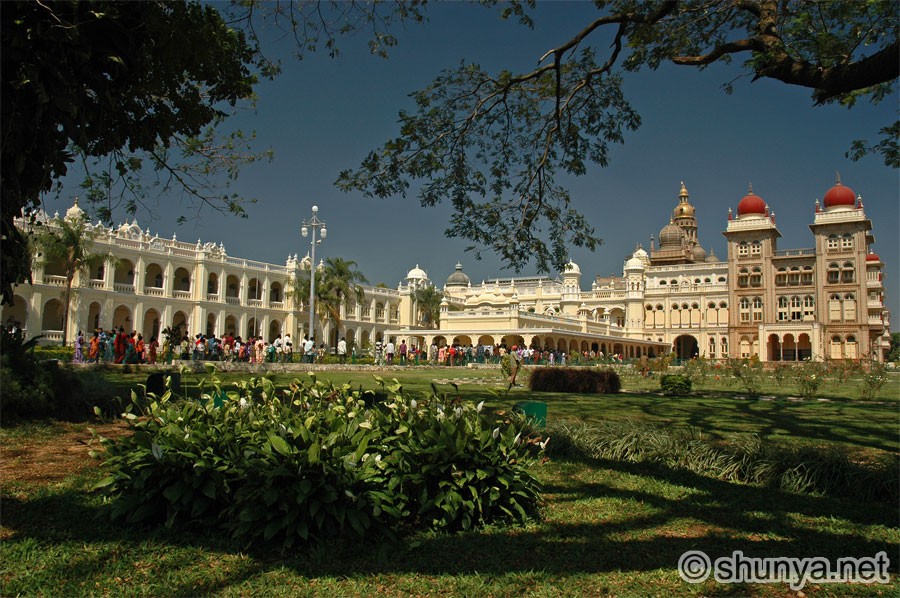 |
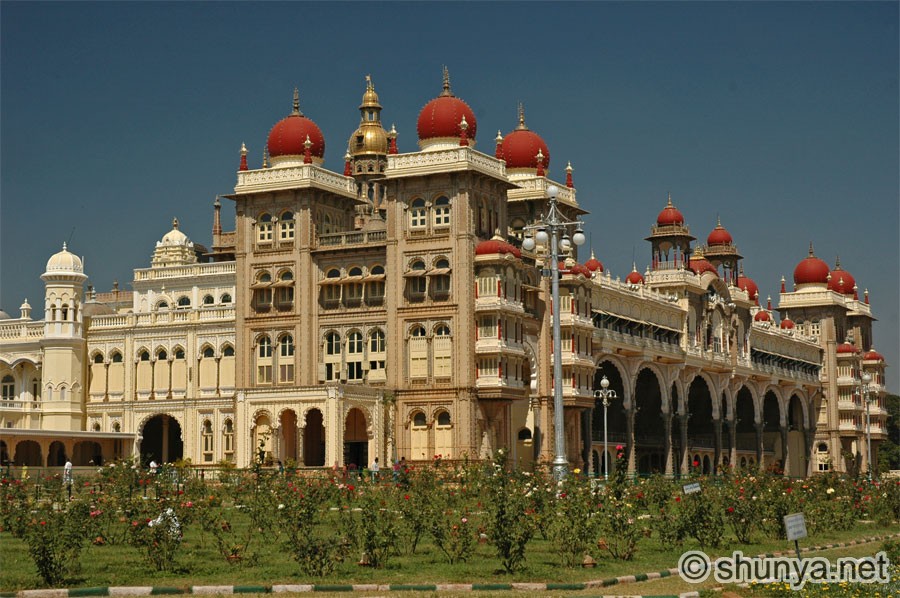 |
Built between 1897-1912 CE 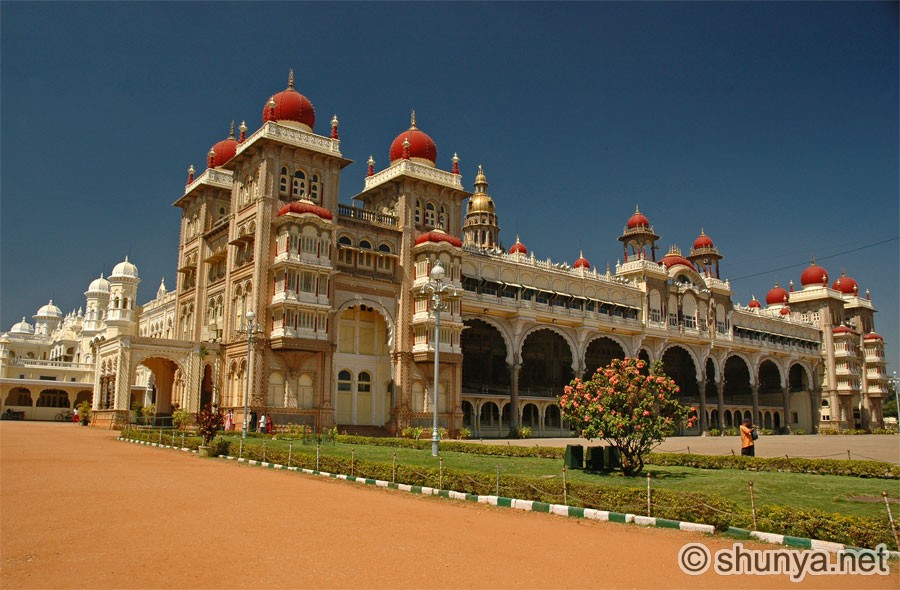 |
South gate (North gate) 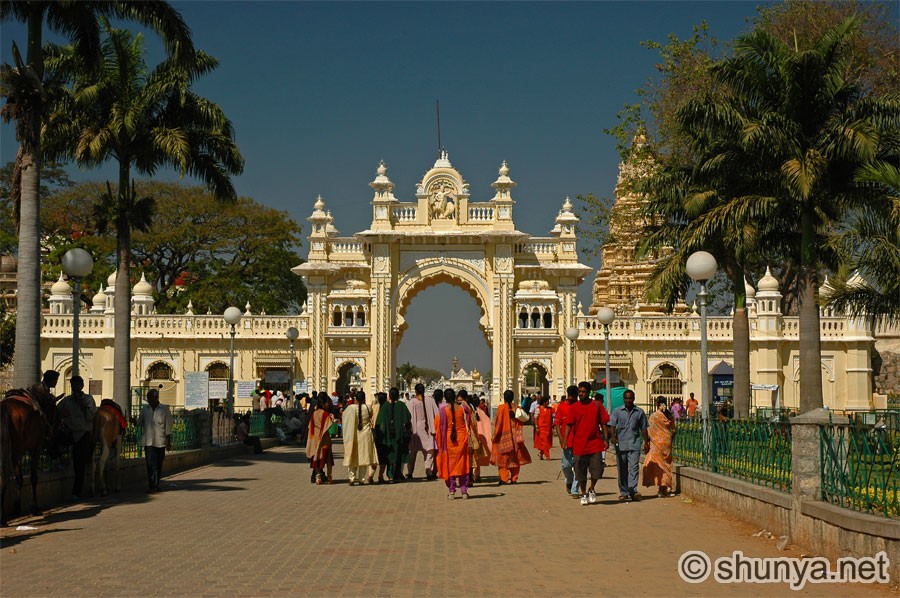 |
View from western gate 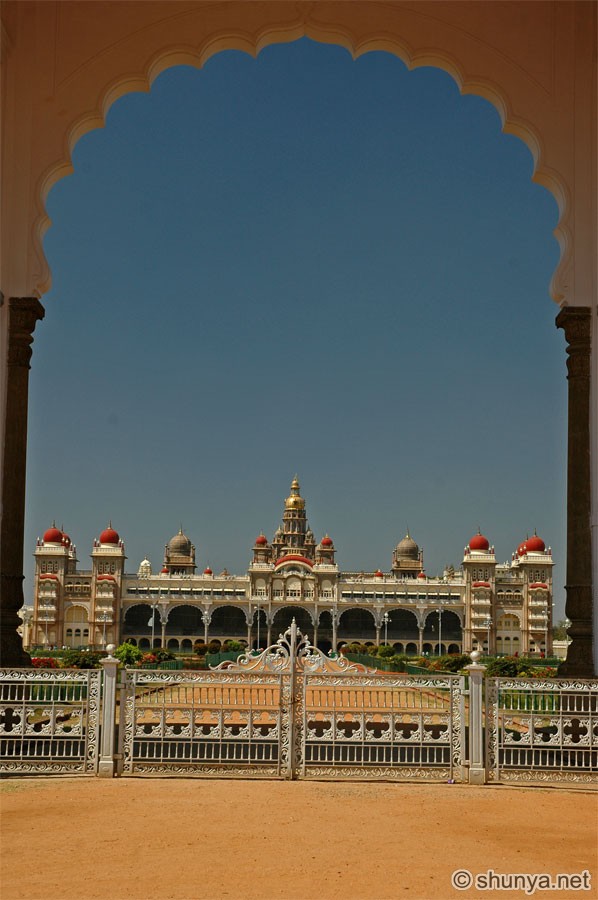 |
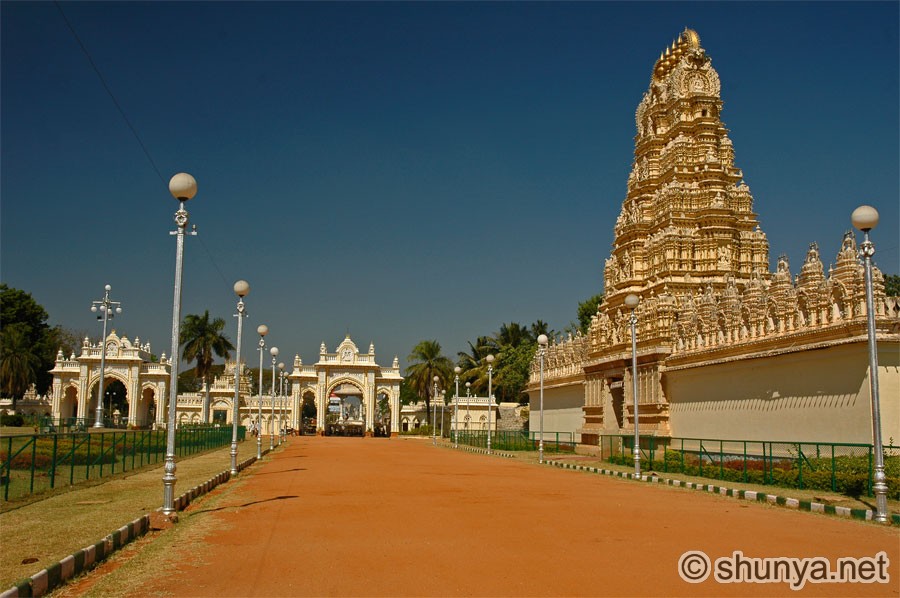
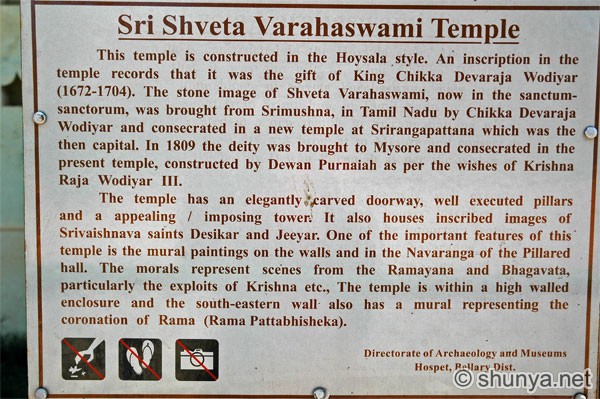
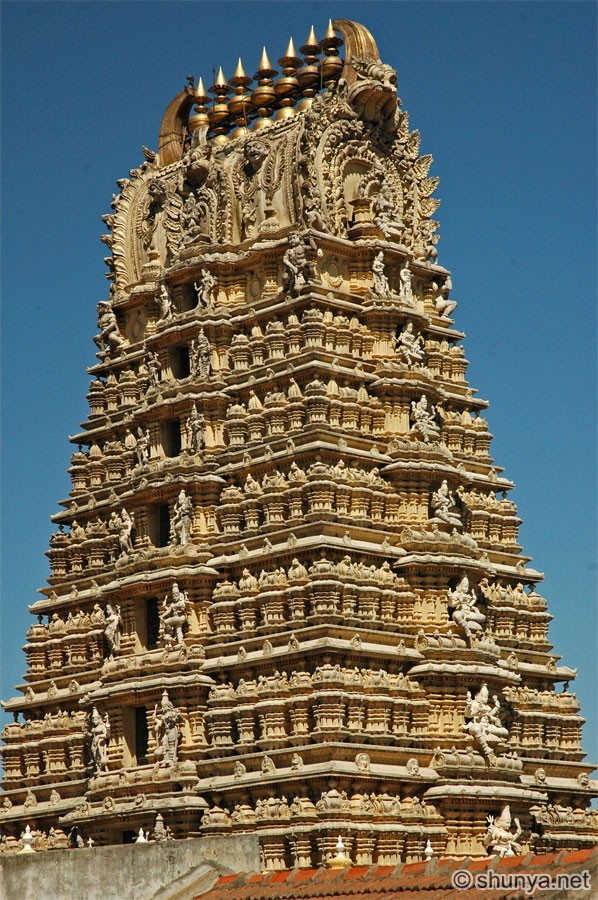
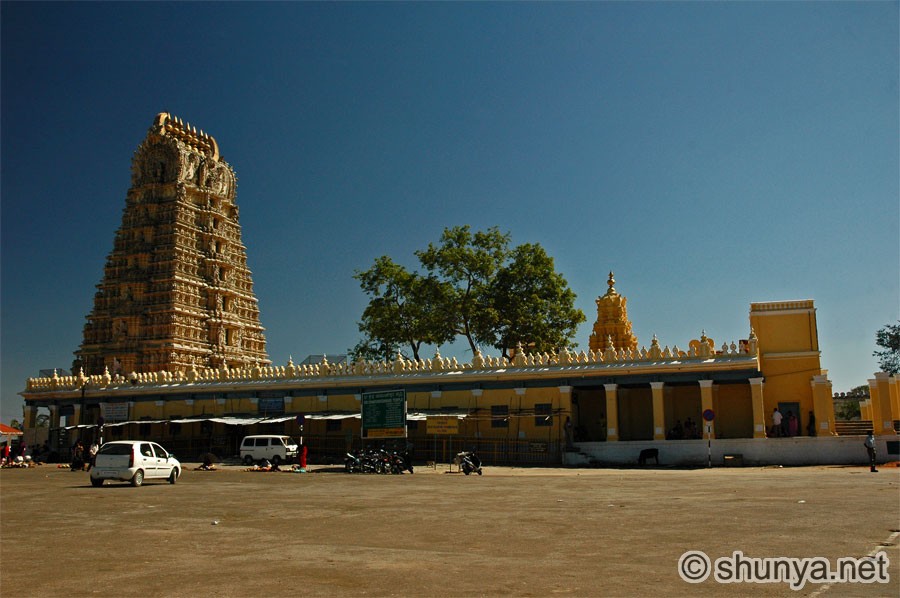
Sri Shveta Varahaswami temple ▒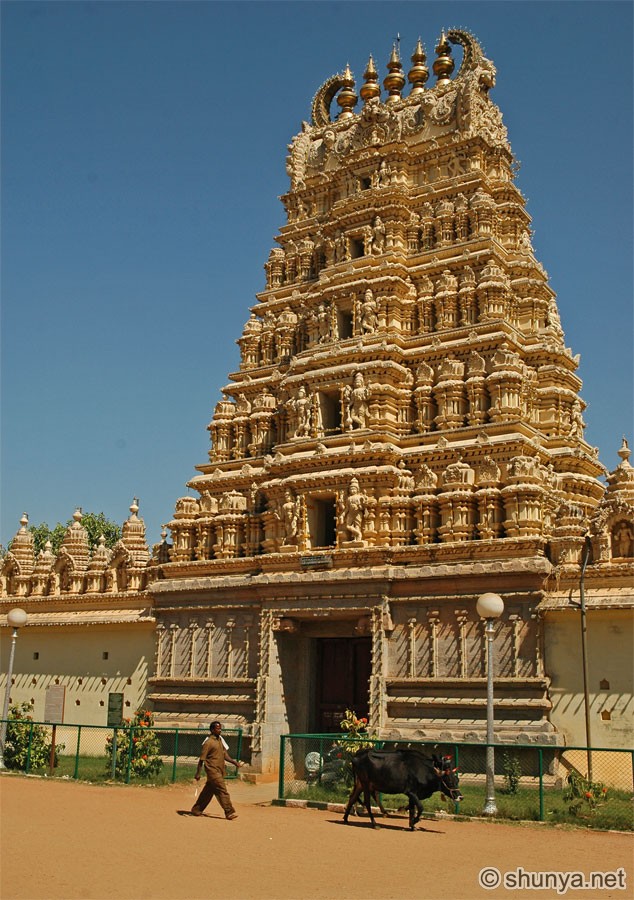 |
||
 |
Western boundary (more) 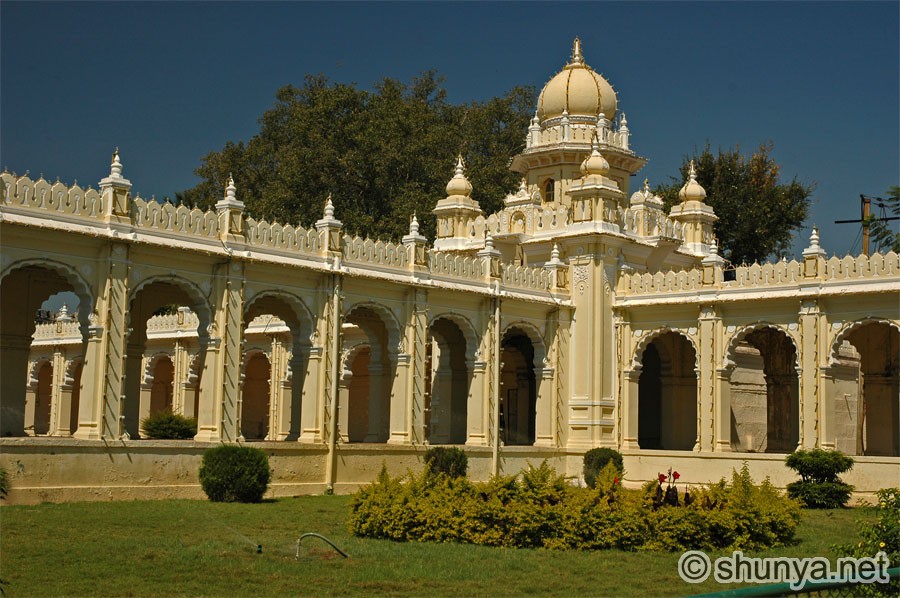 |
||
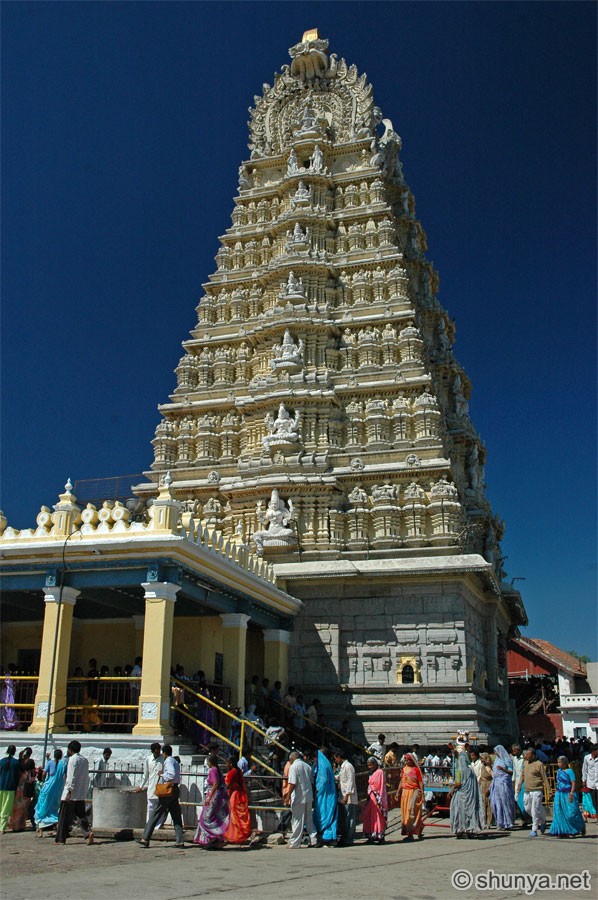
| Chamundi Hill |
|||
 |
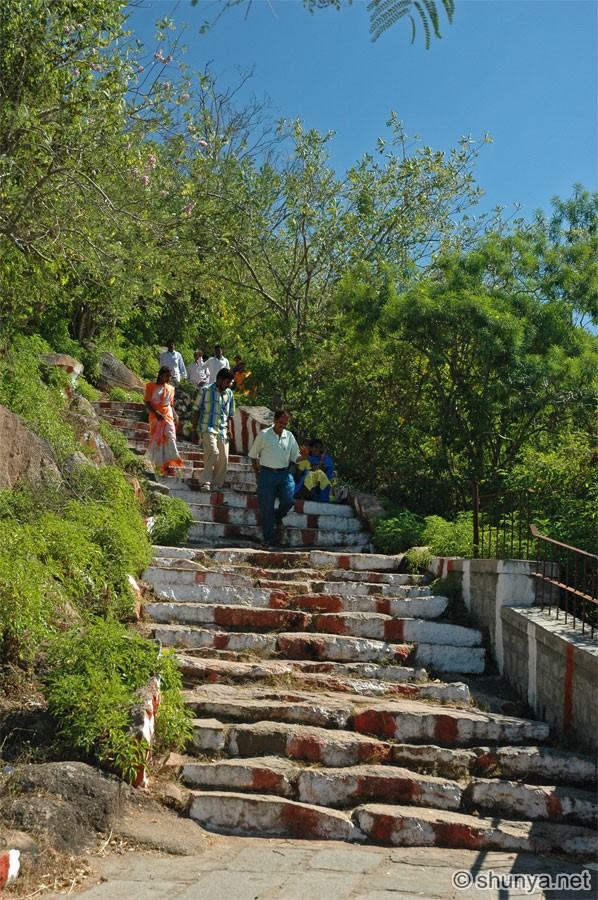
Chamundi hill climb (more) 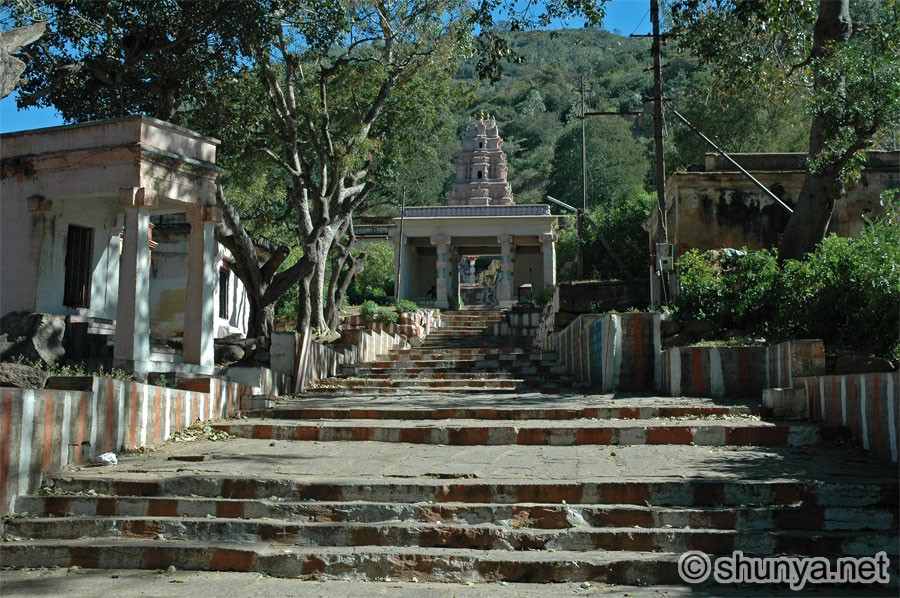 |
Nandi statue (more) 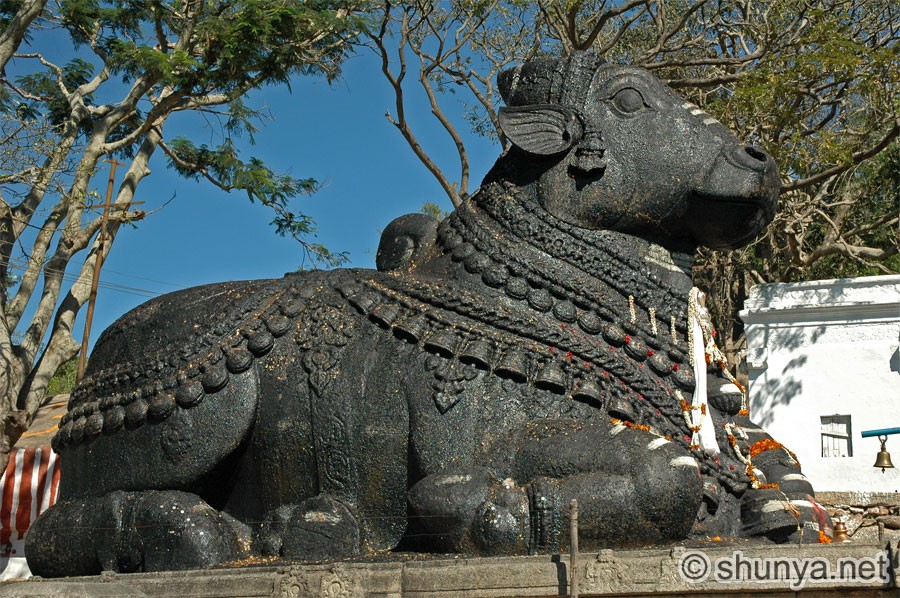 |
Damroos anyone? 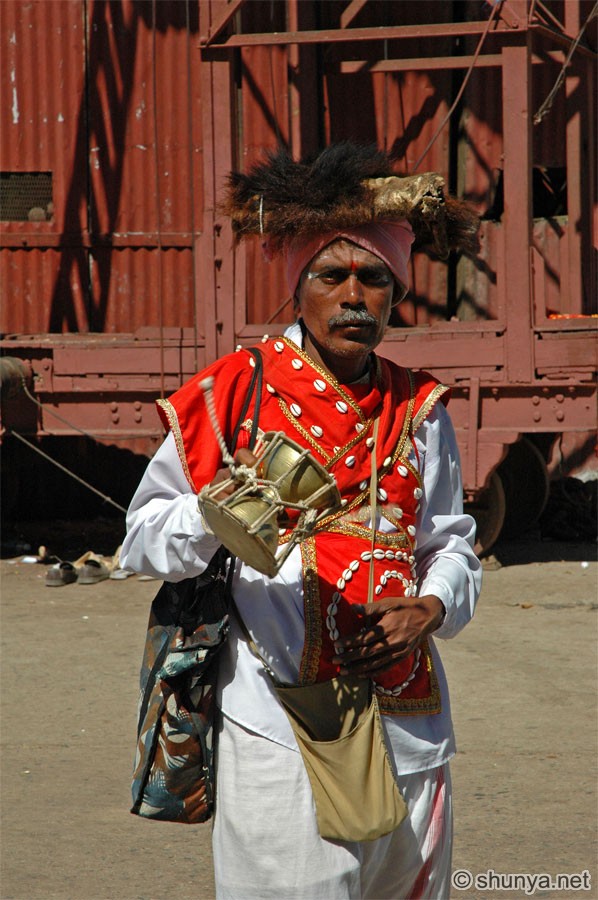 |
|
Devaraja Fruit & Vegetable market |
|||
|
Market facade 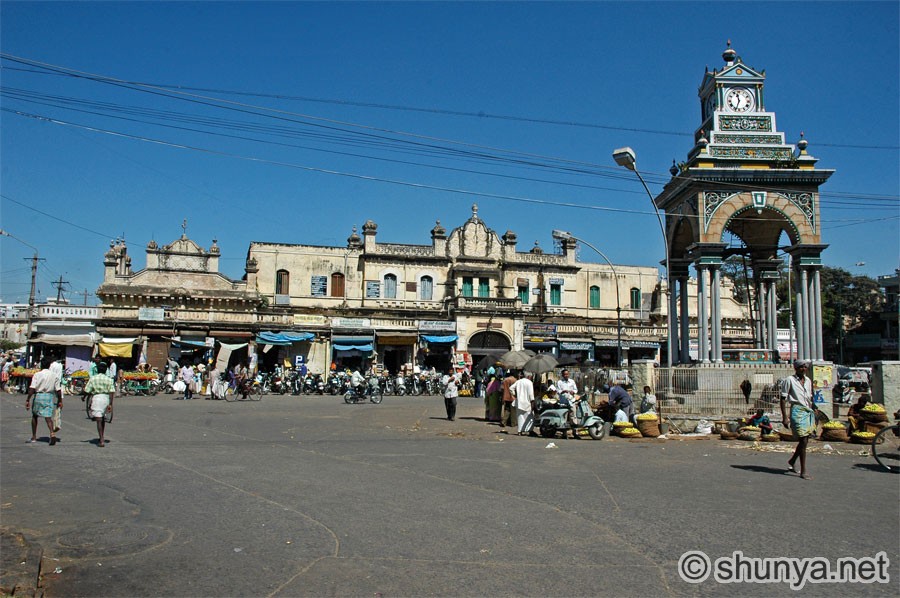 |
Heaps o' dyes 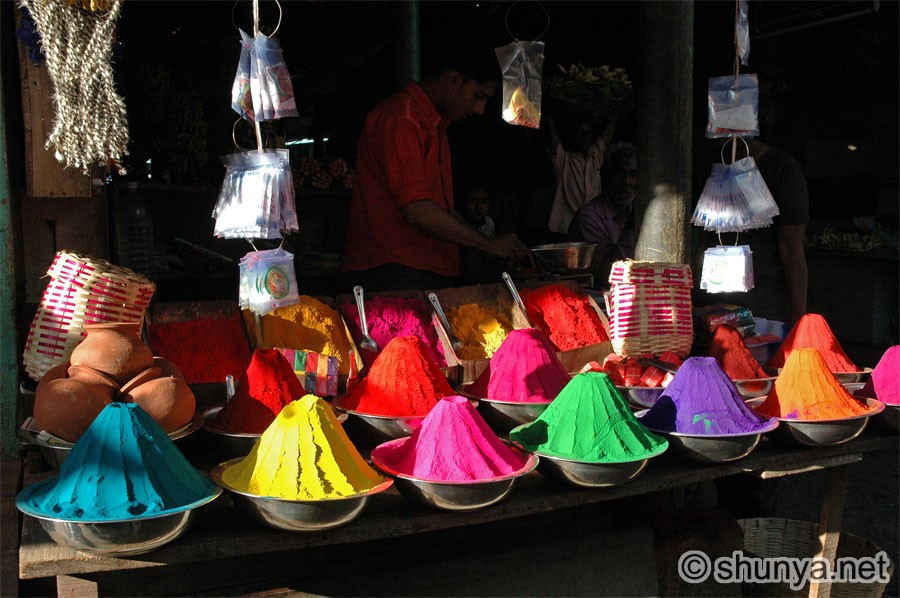 |
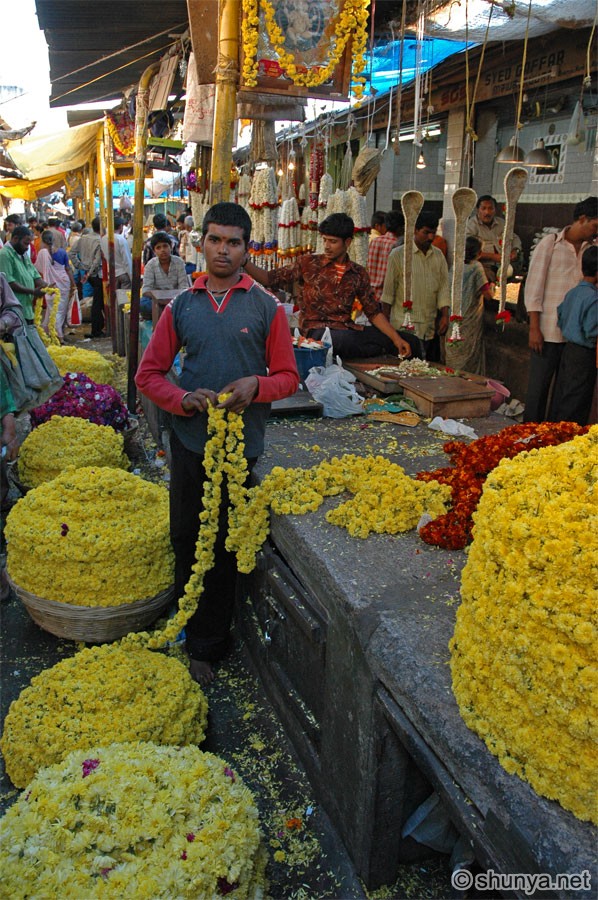
Flowers by the kilo 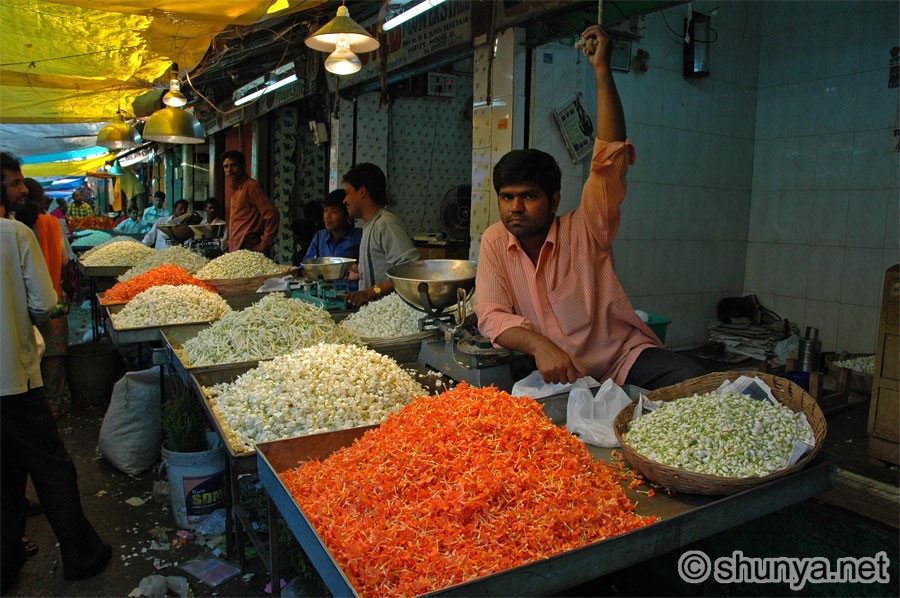 |
Betel nuts 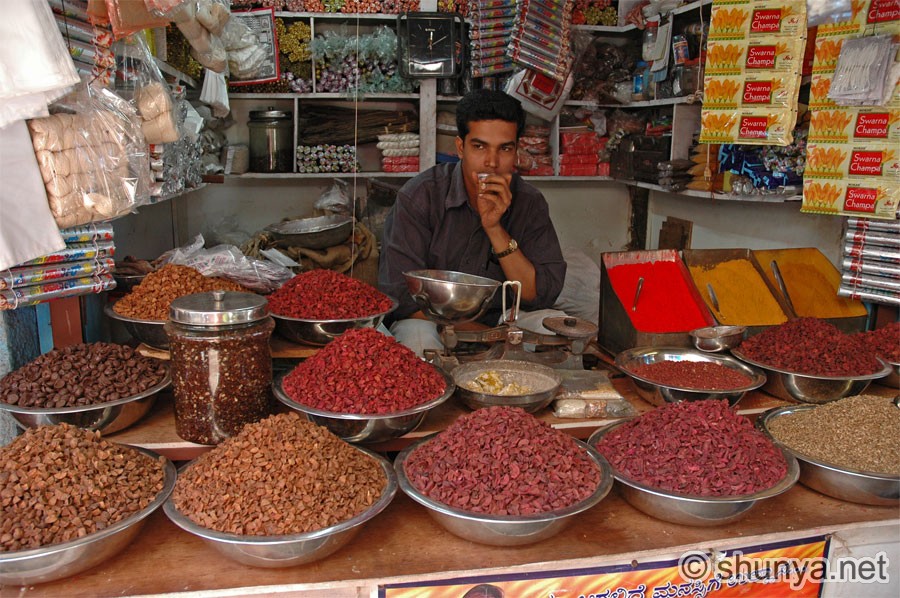 |
Garland seller (more) 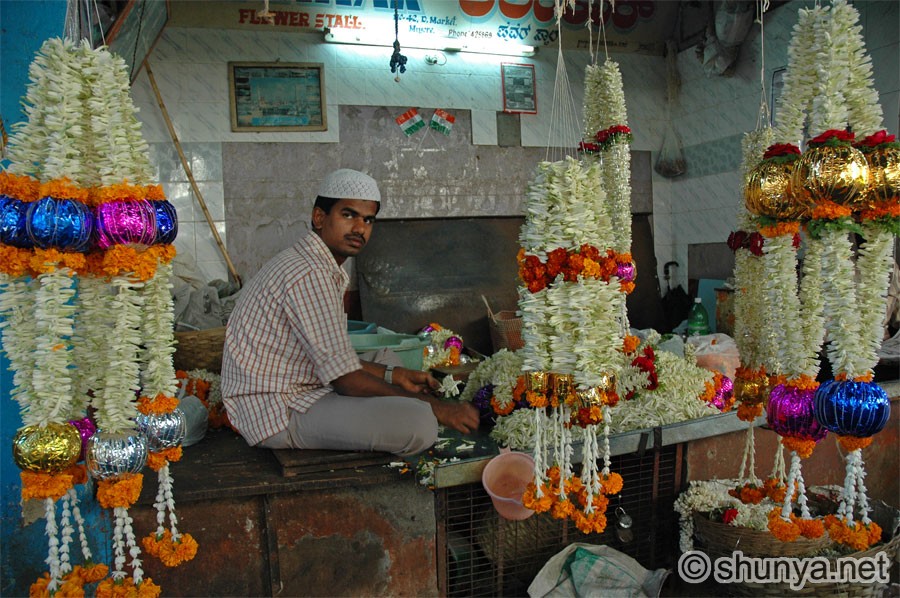 |
Paan leaves seller 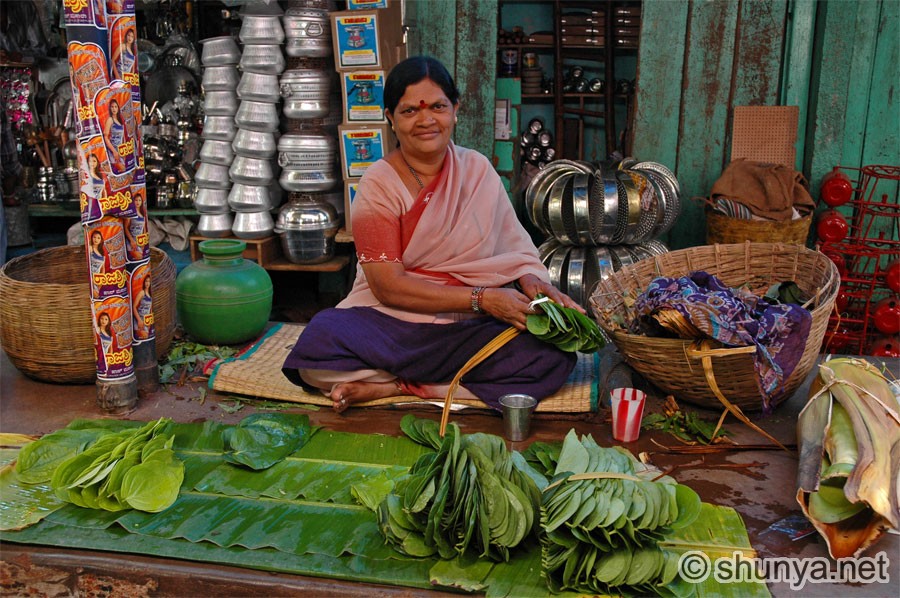 |
Paan leaves sellers 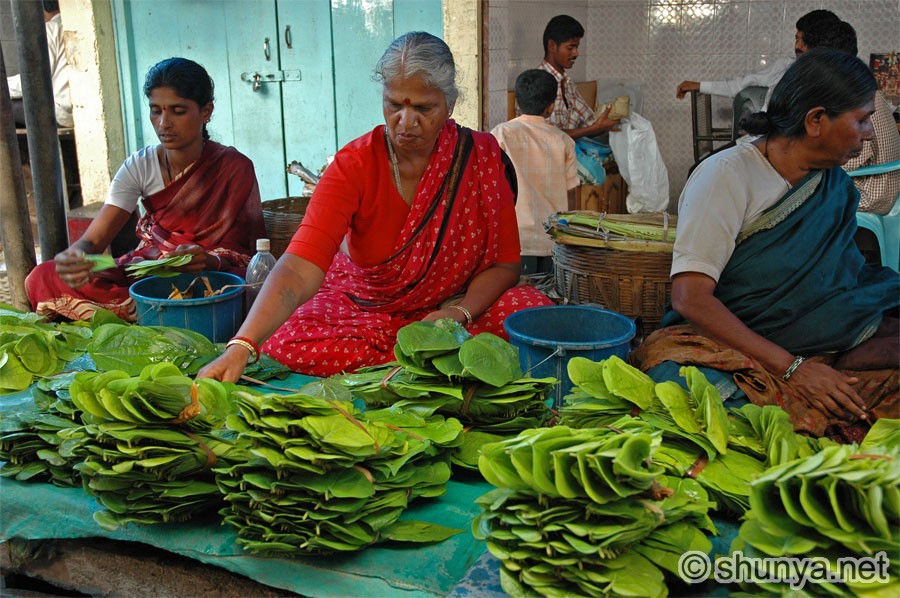 |
Boy rolling an incense stick 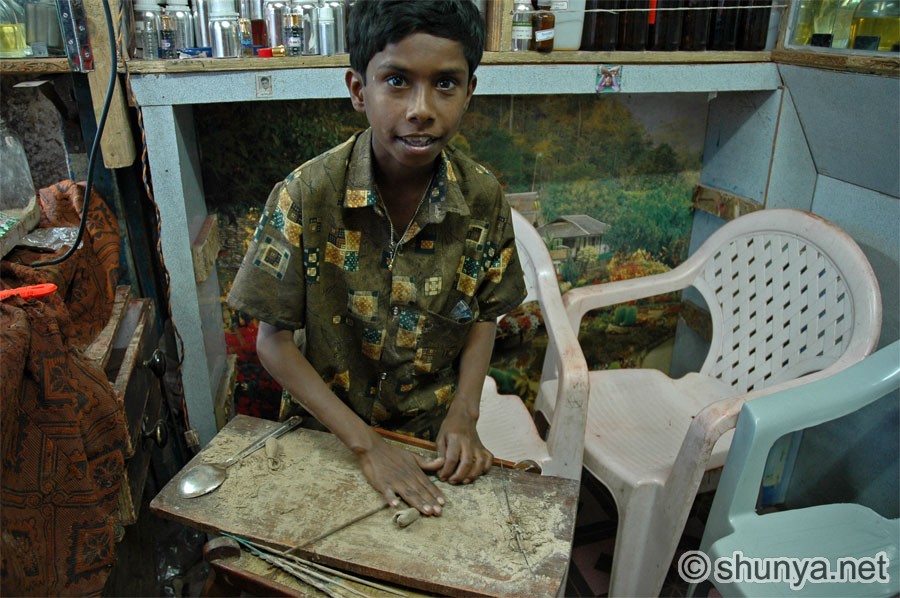 |
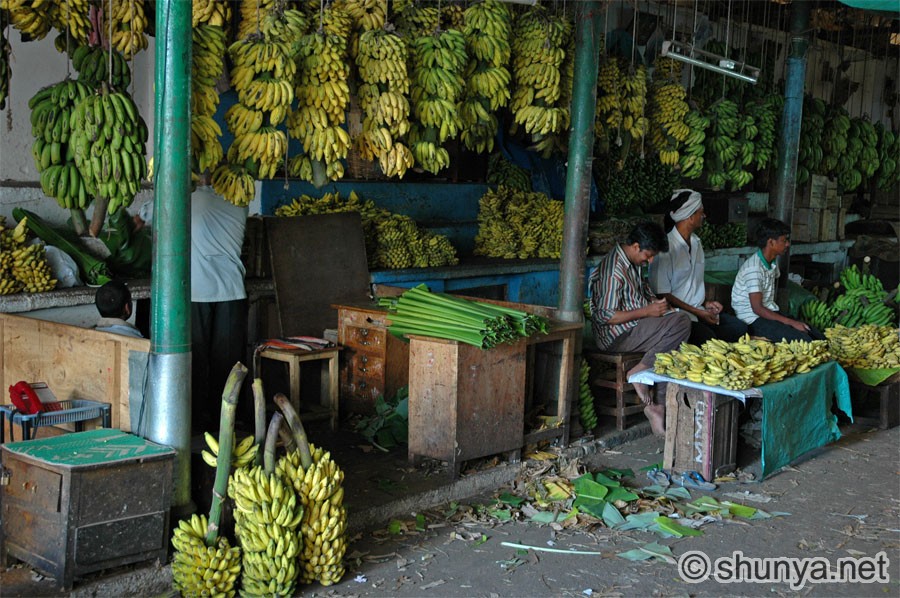 |
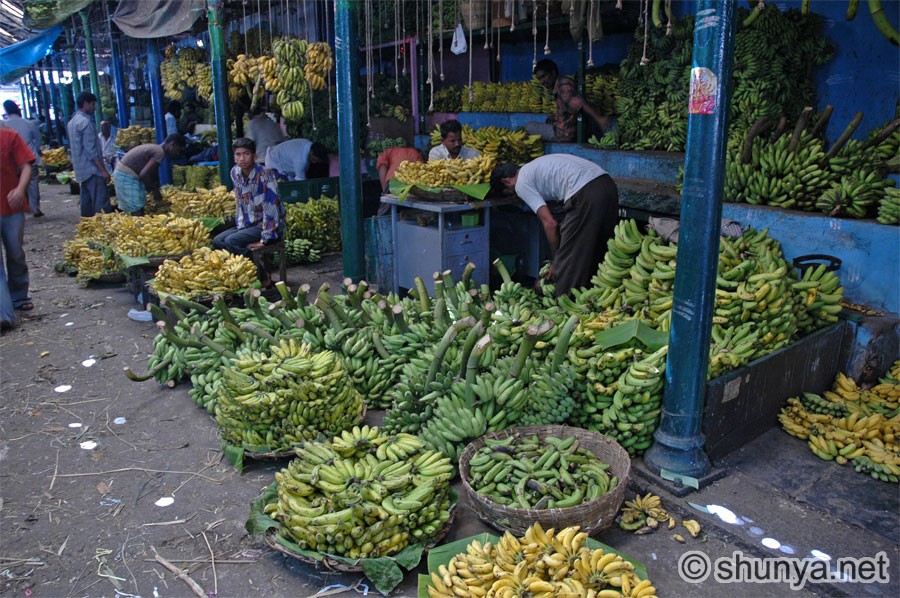
Banana boy 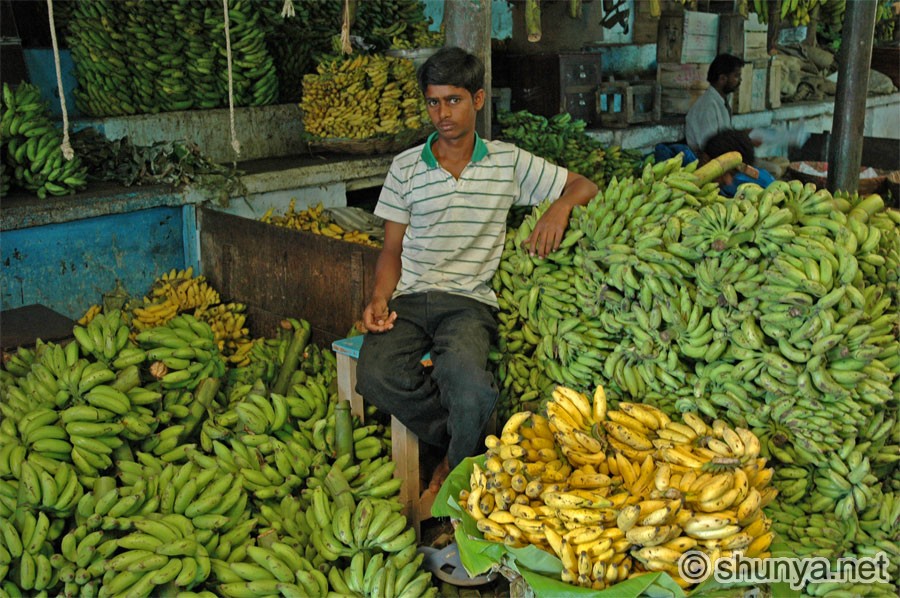 |
Flower seller 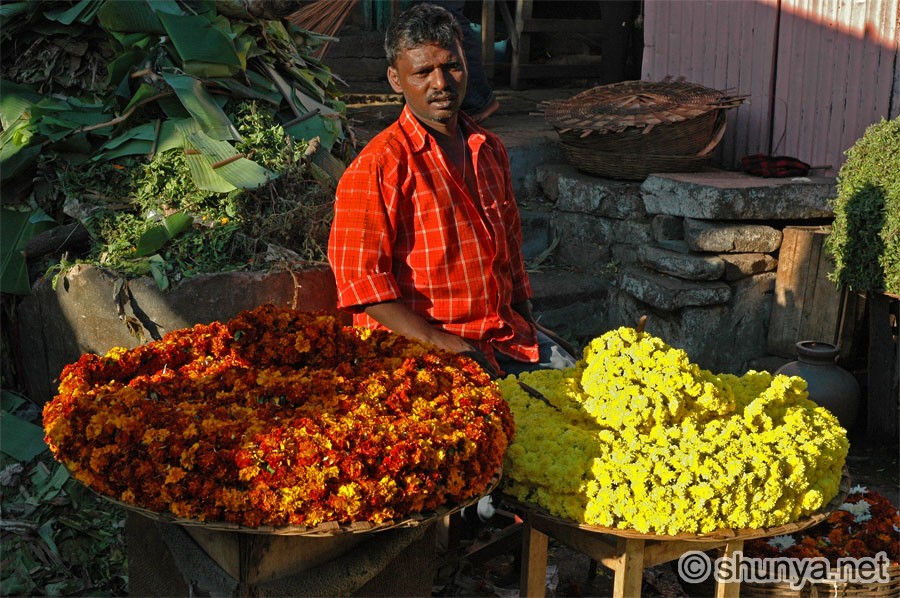 |
Flower seller 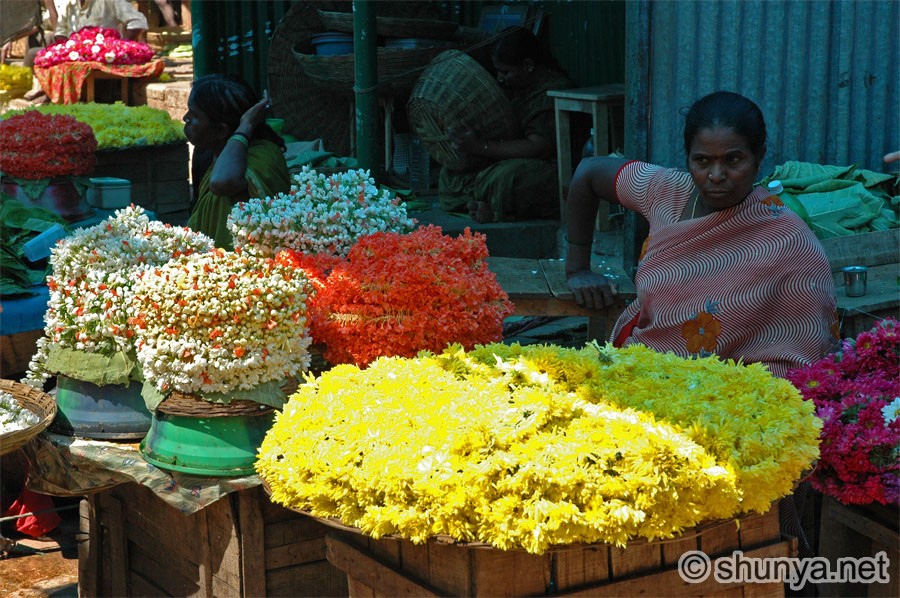 |
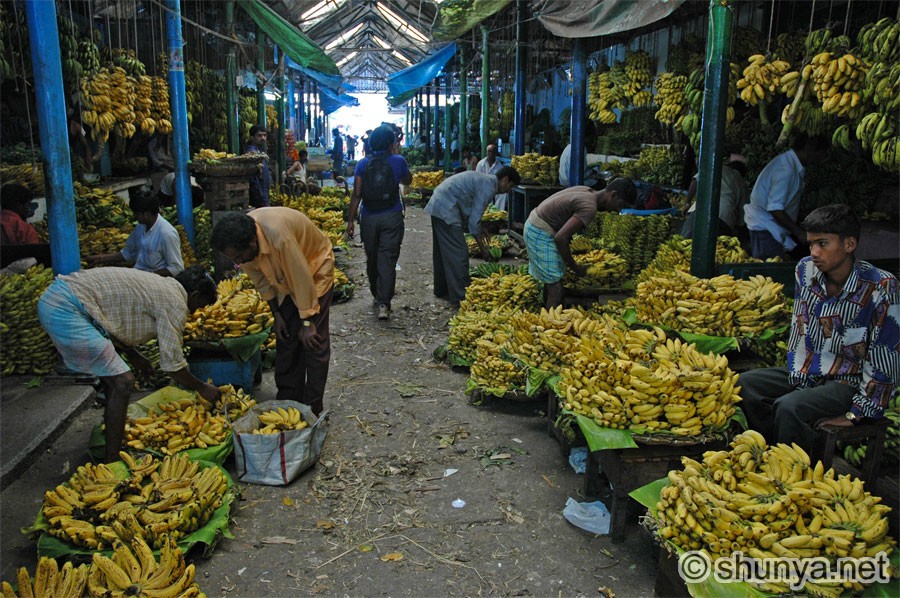
Fruit stall 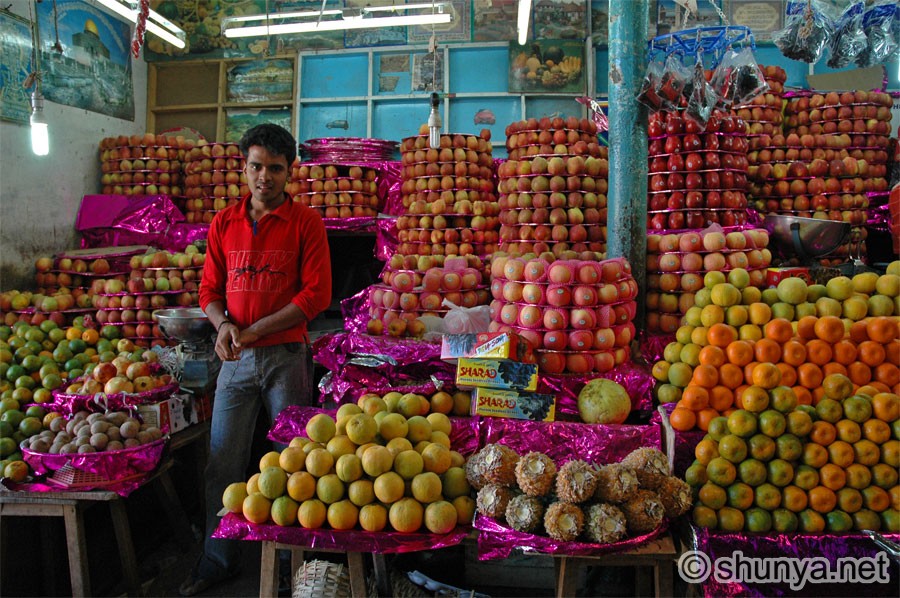 |
Fruit stall 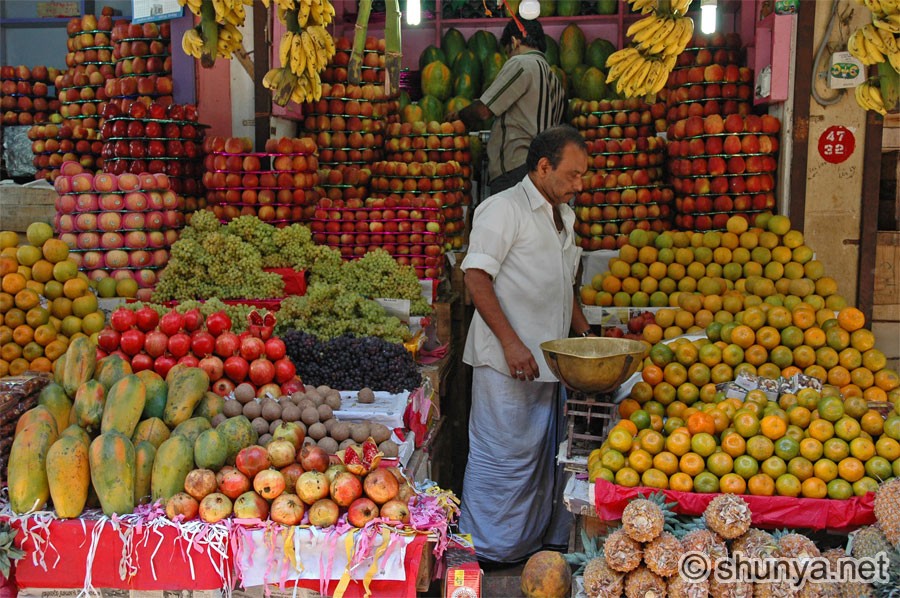 |
Fruit stall 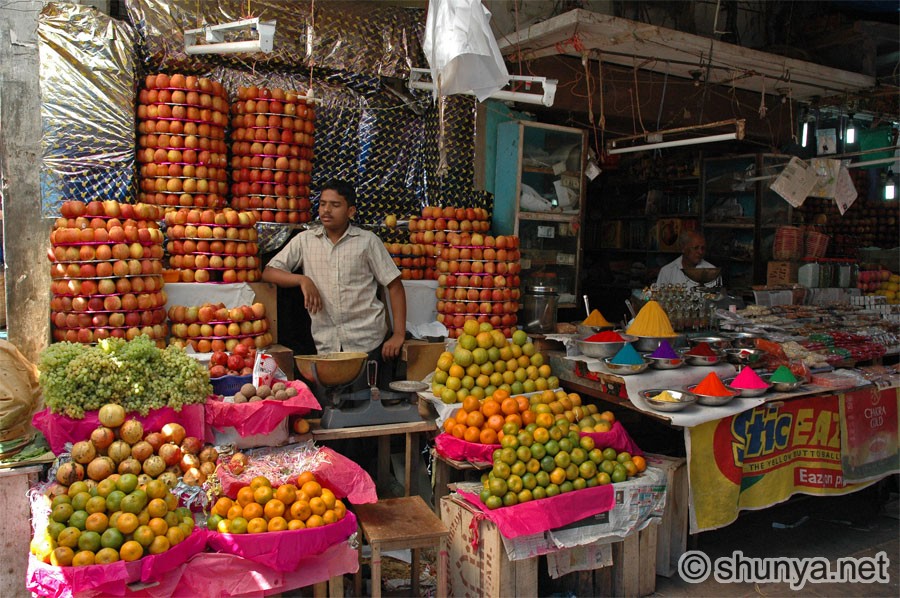 |
Fruit stall 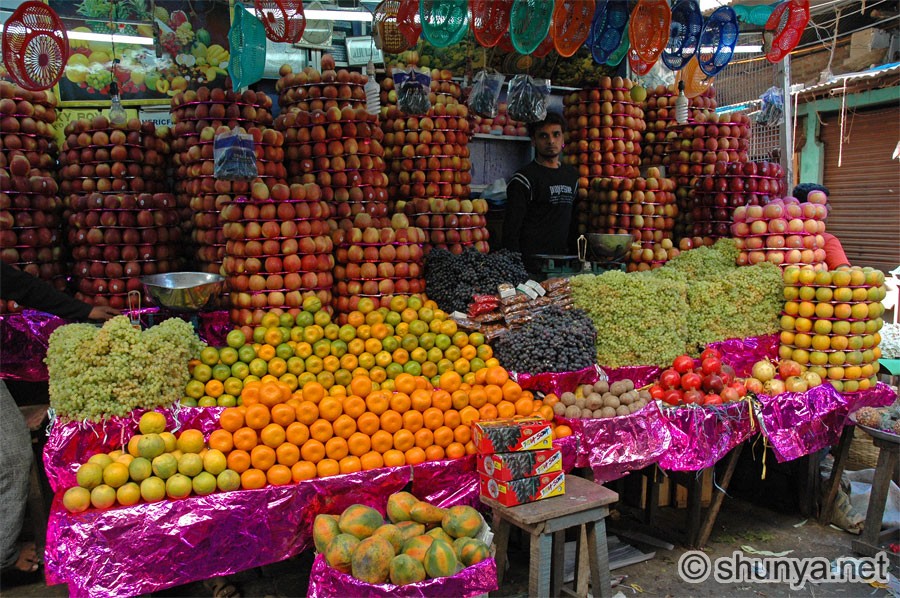 |
Incense stall (more) 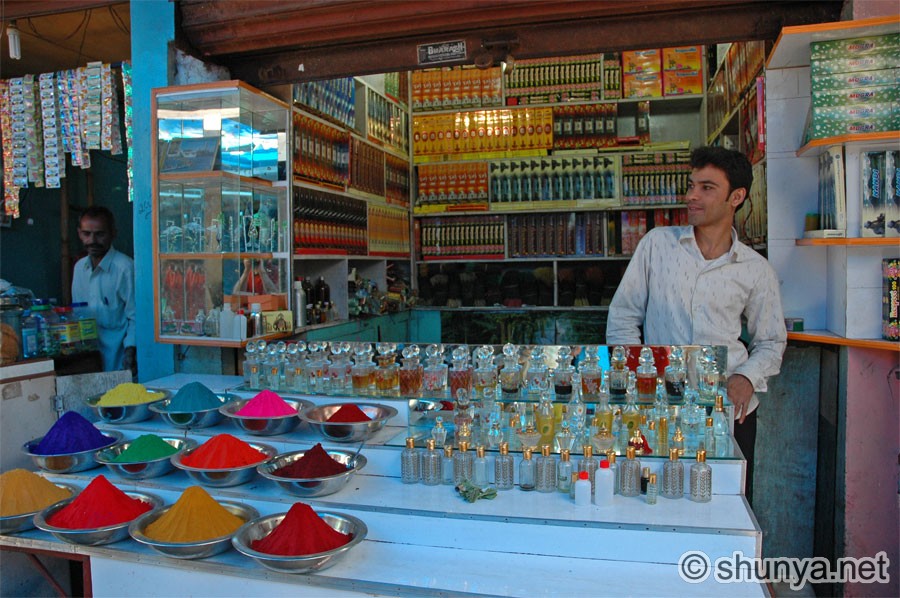 |
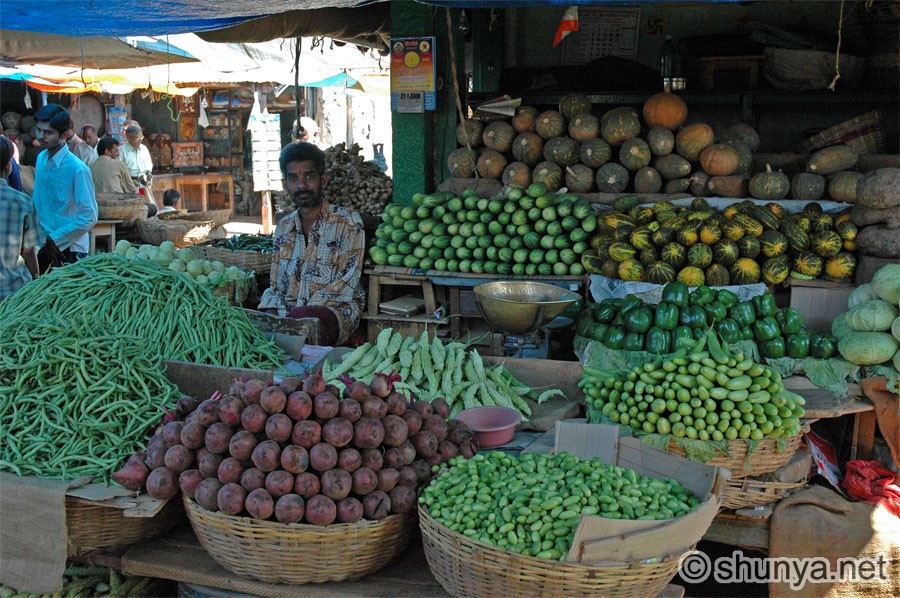
Veggies stall 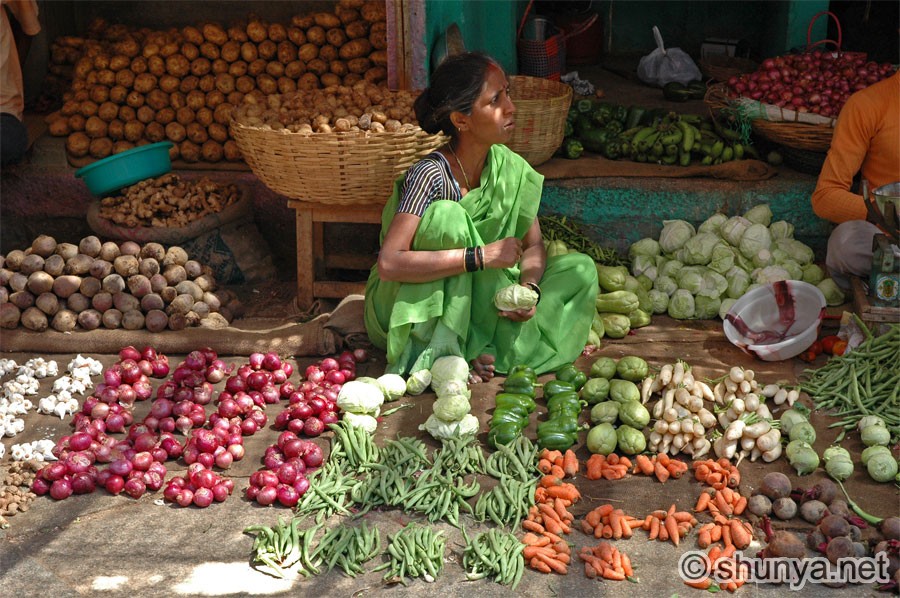 |
Veggies stall (more) 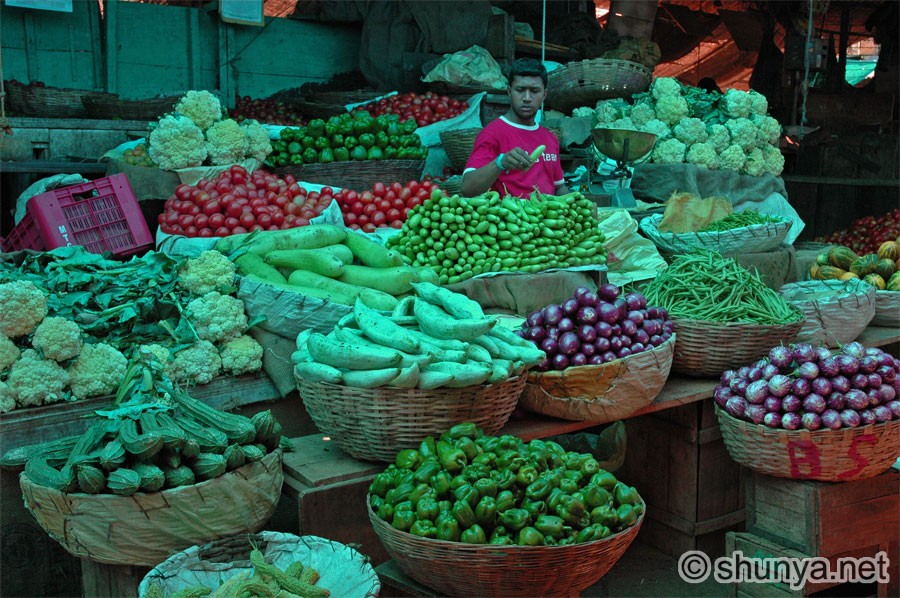 |
Veggies stall 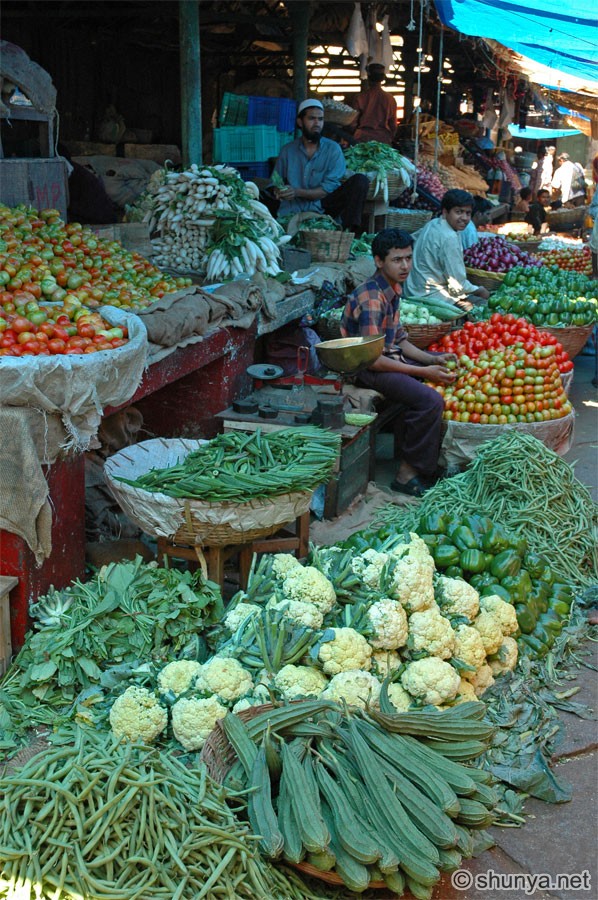 |
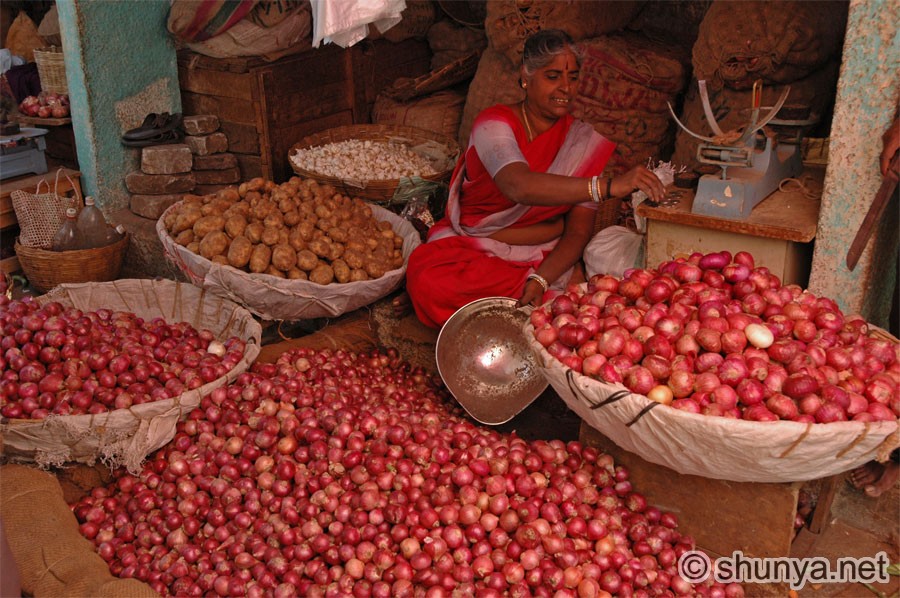
Onion seller (more) 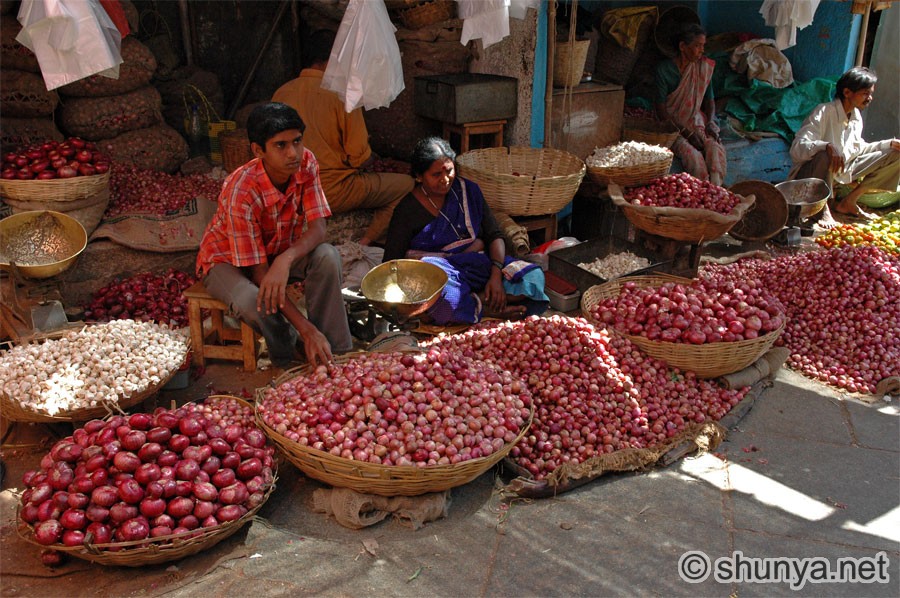 |
Onion seller (more) 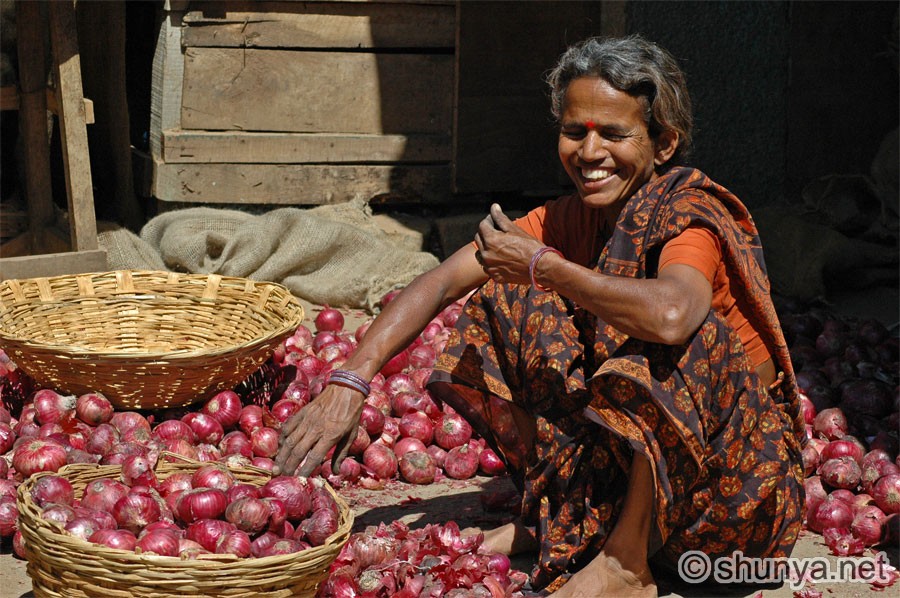 |
Jaggery 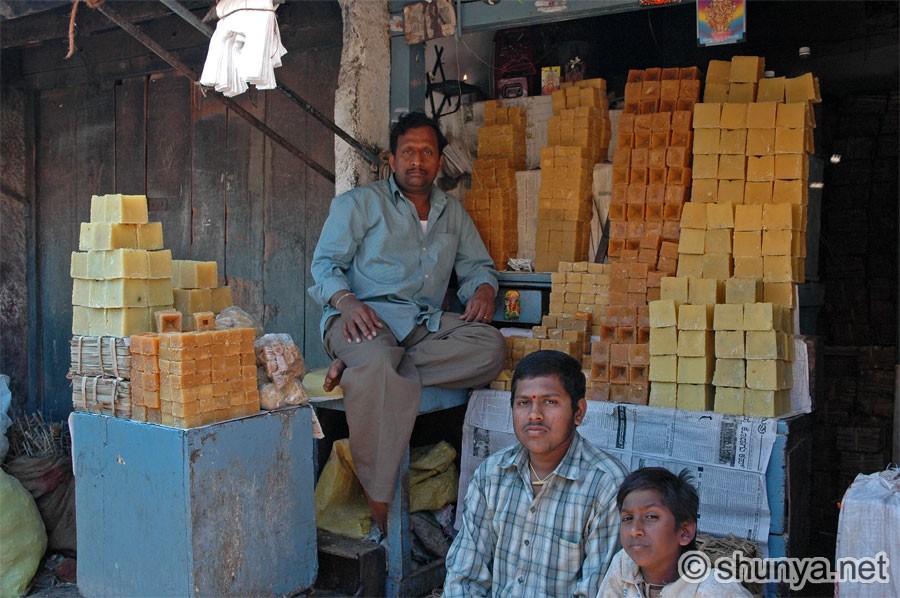 |
Smoking man 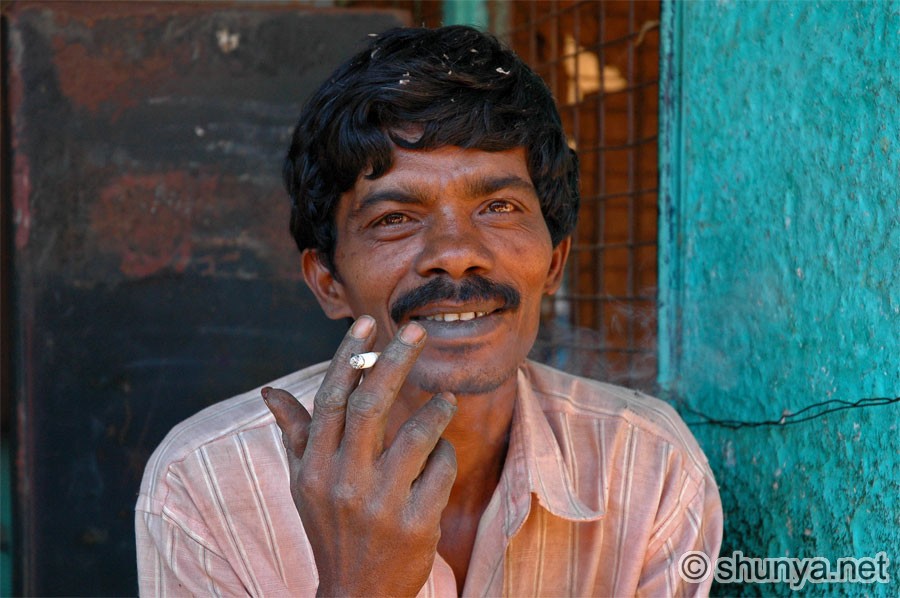 |
|
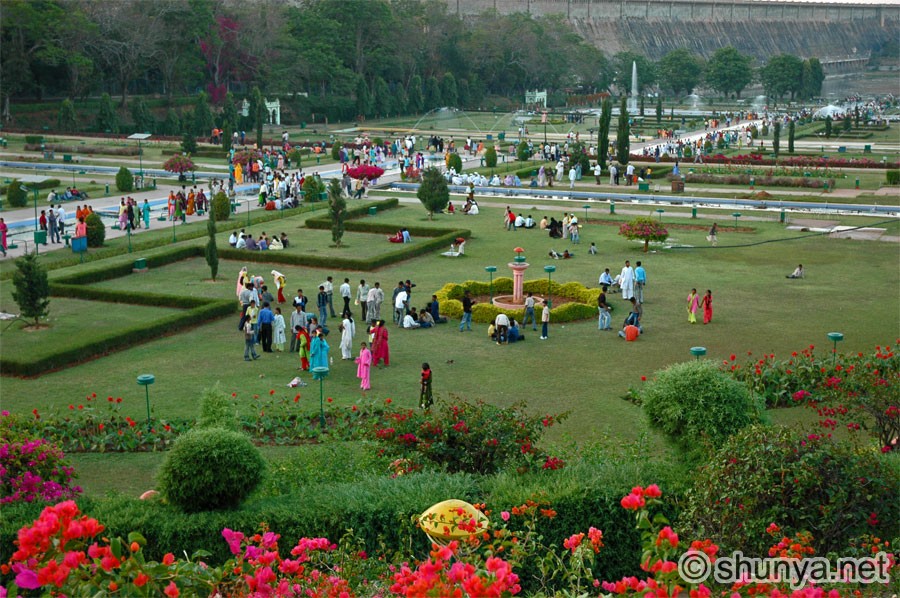
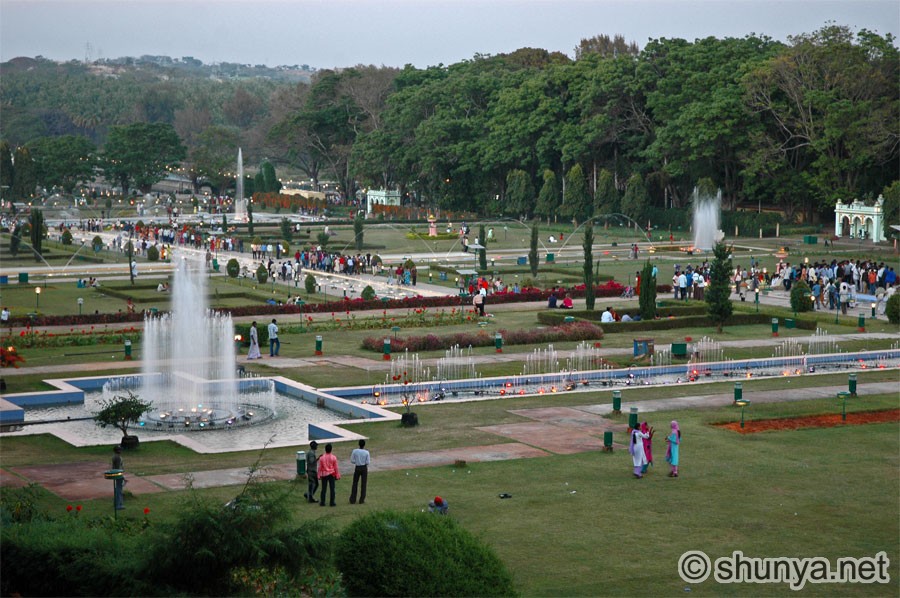
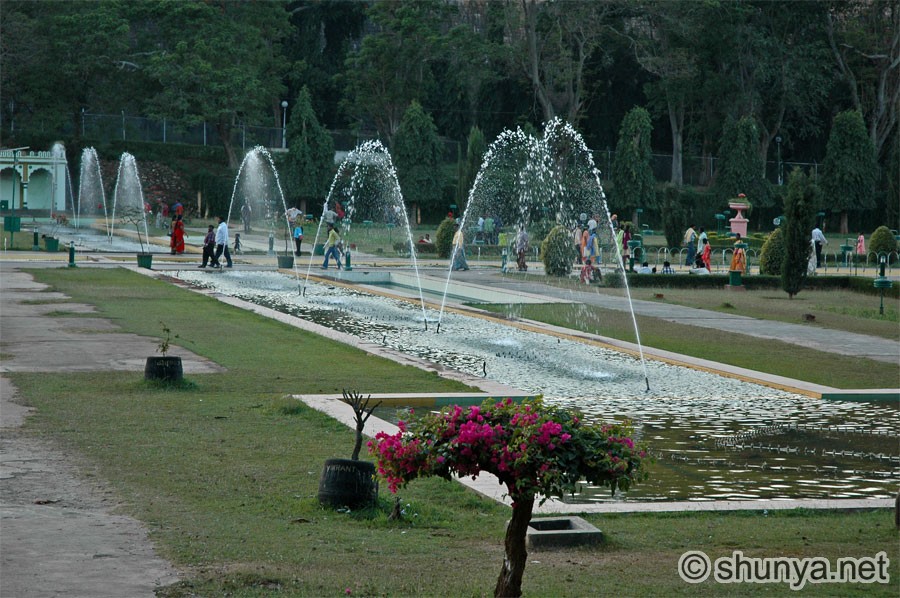
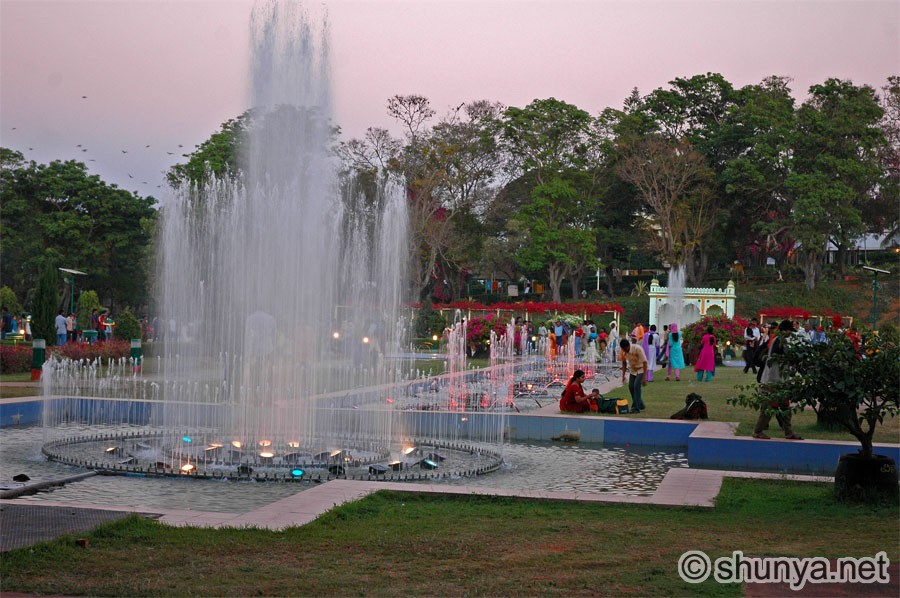
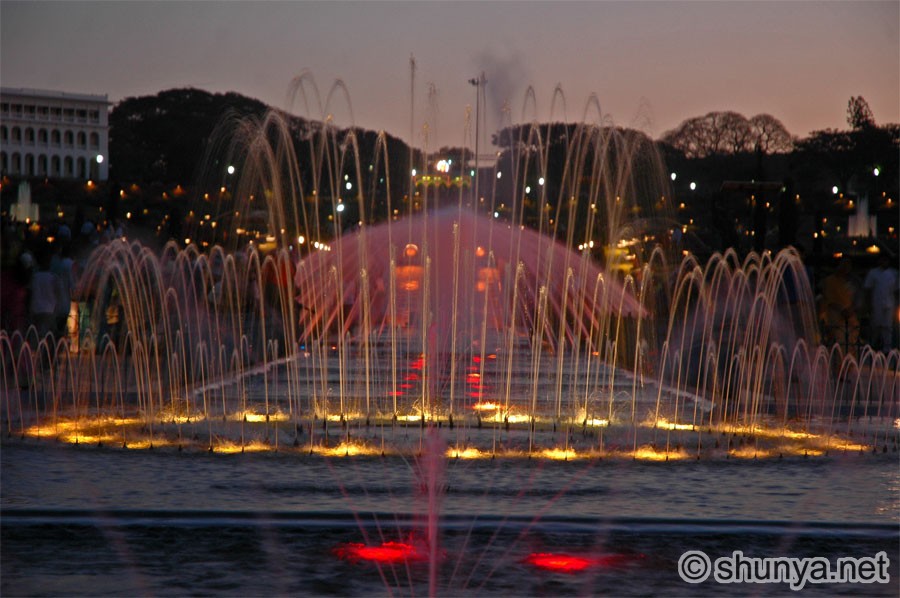
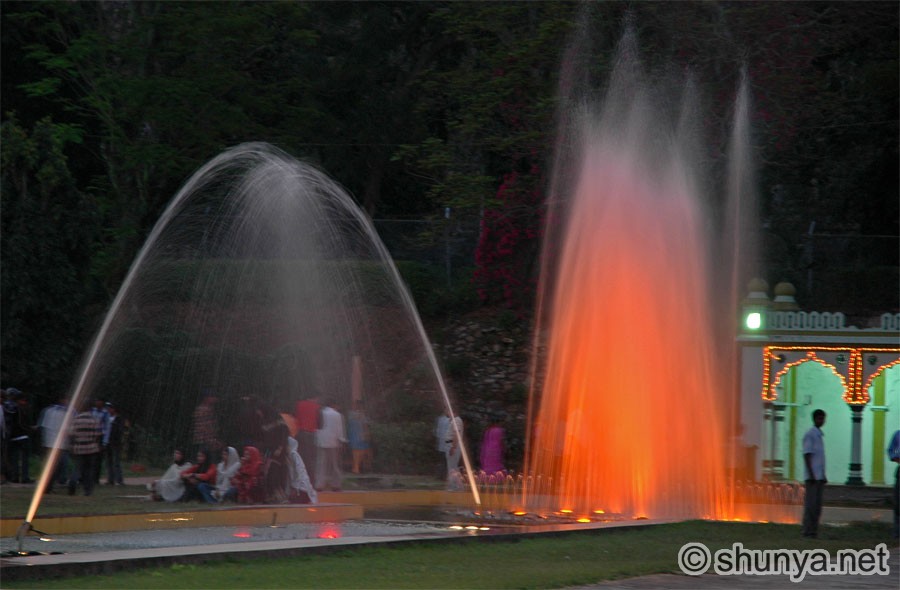
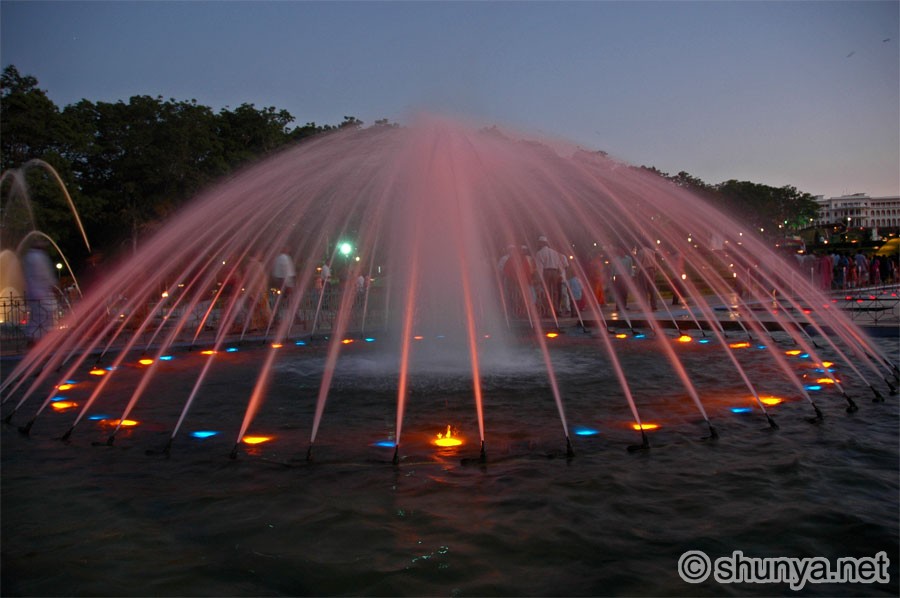
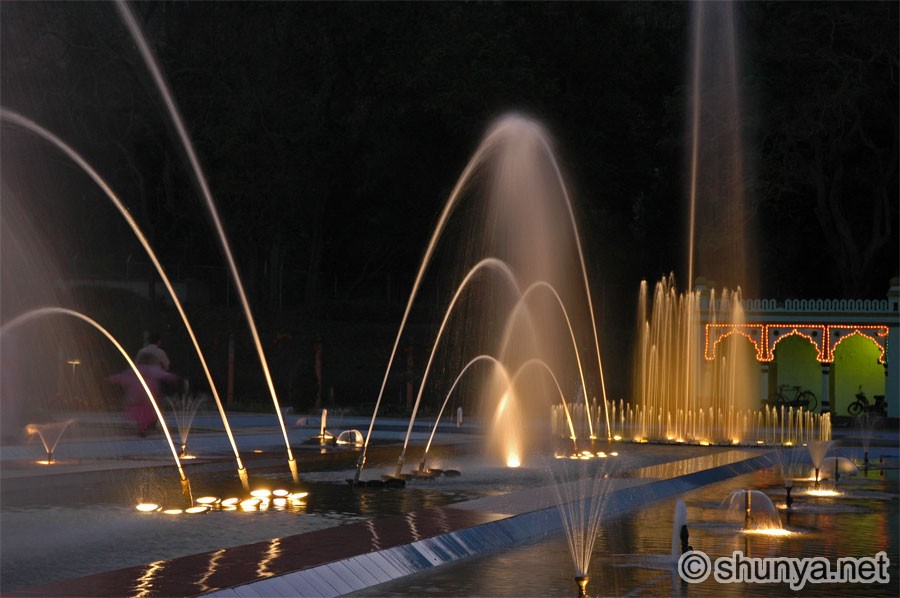
Brindavan Gardens |
|||
 |
 |
 |
 |
 |
 |
 |
 |
Designed in collaboration with Vitalect, Inc. All rights reserved. |