



Ahmedabad, founded in 1411 by Sultan Ahmad Shah on the eastern banks of the Sabarmati, grew larger and wealthier until dynastic decay and anarchy caused a decline and its capture by Akbar in 1572. Its renewed eminence under the Mughals ceased after Aurangzeb's death in 1707. The British annexed Gujarat in 1818 and the city's first cotton mills were opened in 1859-61. The city grew again and became the largest inland industrial centre in India. It was the temporary capital of Gujarat in 1960, until the state administration shifted to Gandhinagar in 1970. In 2001 the city was rocked by a massive earthquake that killed thousands of people, and in 2002 the city witnessed one of the worst communal riots since the partition; over a thousand people, mostly Muslims, were killed, allegedly with the tacit support of the ruling right wing Hindu nationalist party, BJP.
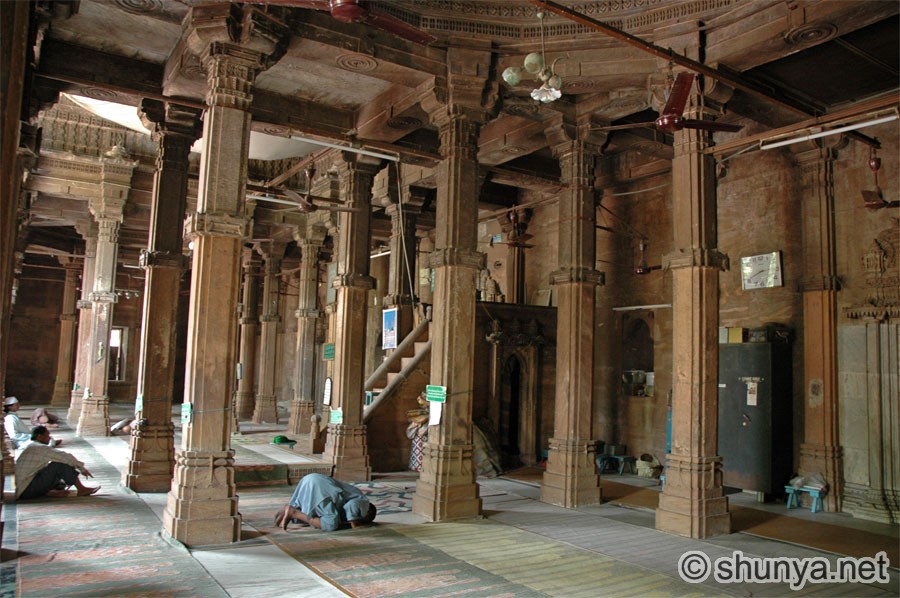
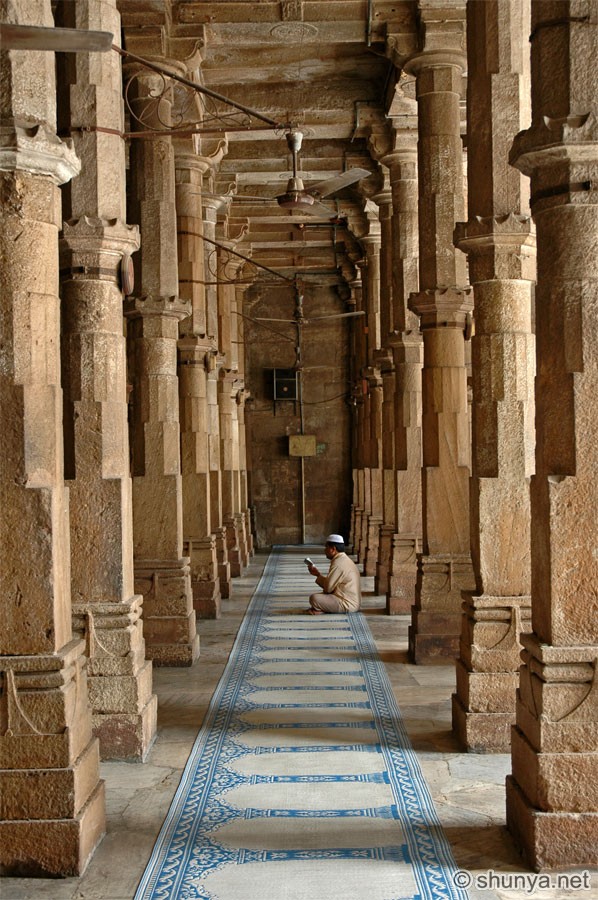
Ahmedabad's architectural history fuses Hindu, Muslim, and Jain traditions. Ahmad Shah and his successors converted Hindu temples to mosques. This gave many mosques and tombs a Hindu flavor in their form and decoration. The dense "forest" of 260 richly carved columns in the Jumma Masjid (Great Mosque), completed in 1423, recalls the hall of a Hindu temple. At the mosque's entrance is the domed tomb of Ahmad Shah (1441), and on the road leading to it is the Teen Darwaza, or triple arch (c. 1425). Other fine Muslim buildings include the mosque at Rani Sipri's tomb (c.1505) and the exuberantly rich Rani Rupmati mosque (1515). An interesting feature of the old city is its division into pols, or self-contained blocks of houses that shelter thousands of people each and are bounded by gateways. Several wavs, or stepped wells, abound in the city and its vicinity. Ahmedabad's city museum was designed by the architect Le Corbusier. Sabarmati, a suburb west of the river, became well known as the seat of Mahatma Gandhi's ashram. [Adapted from Encyclopedia Britannica; Apr 06]
|
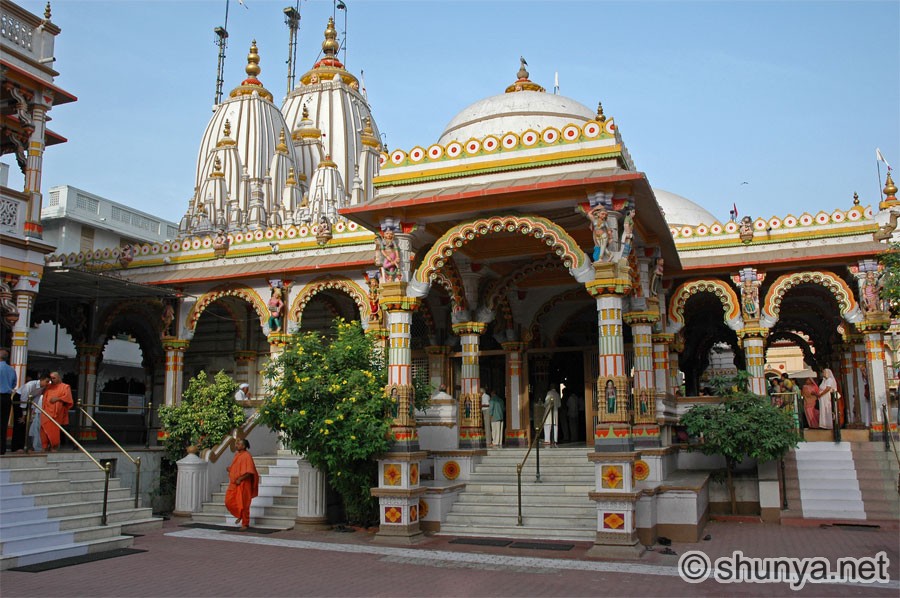
Swami Narayan temple (more) 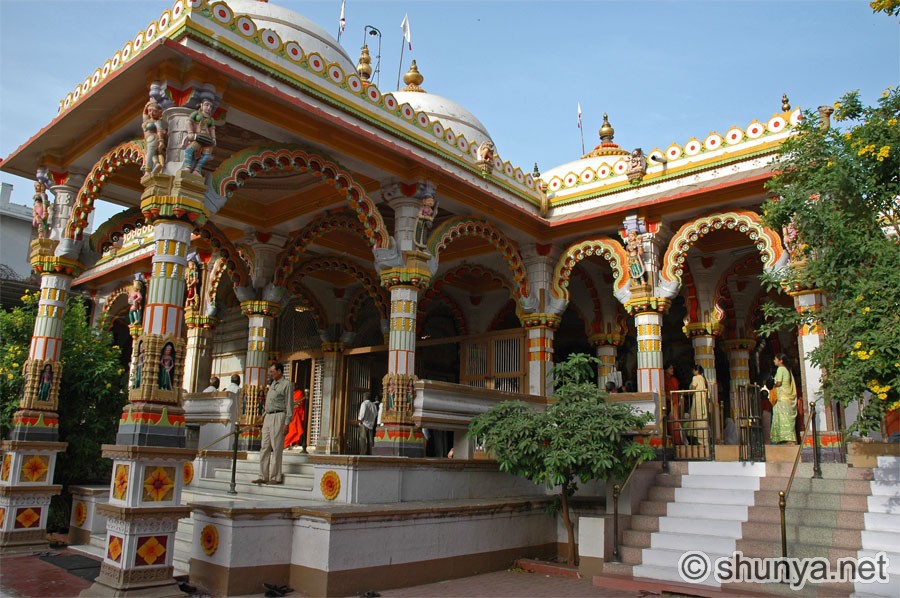 |
Gunman on temple gateway 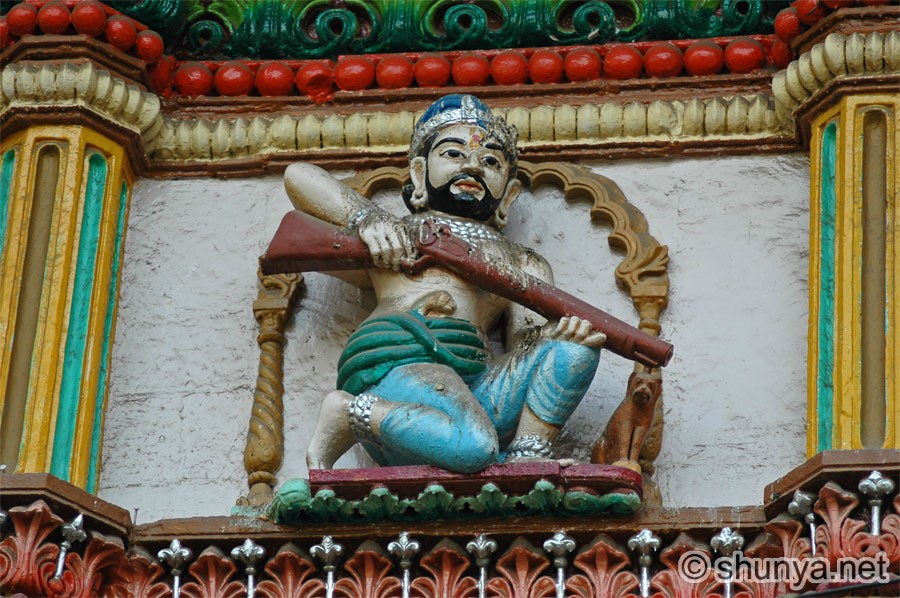 |
Wrestlers on temple gateway 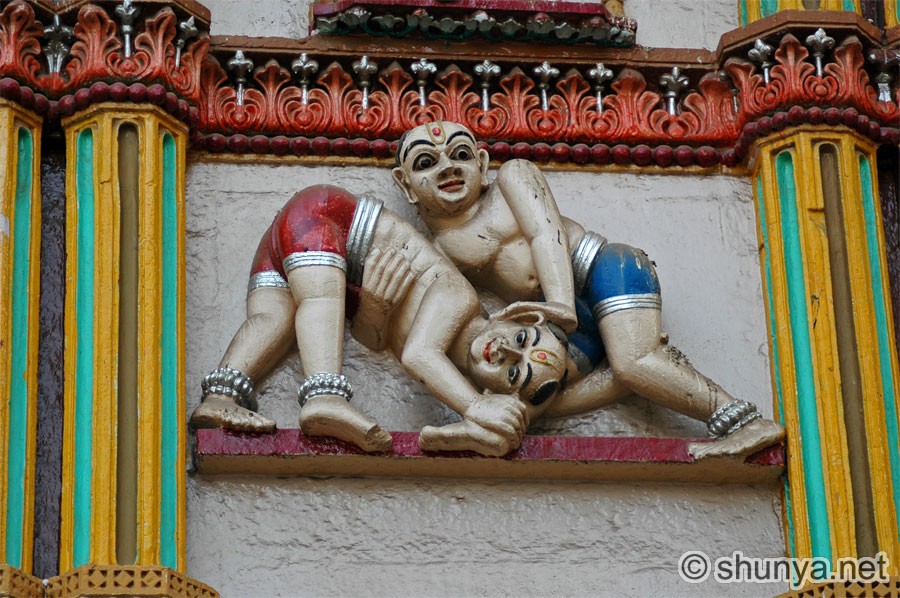 |
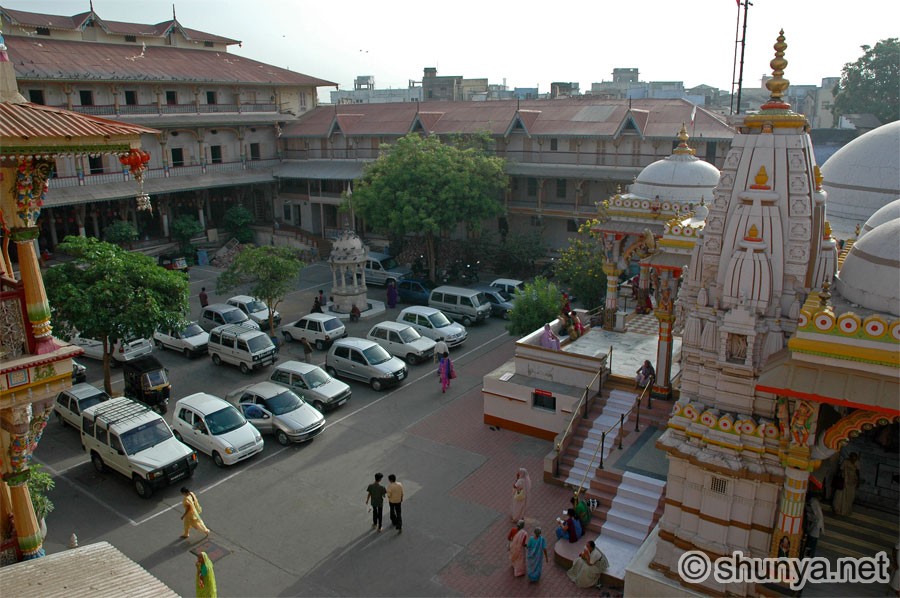
Temple dorm (more) 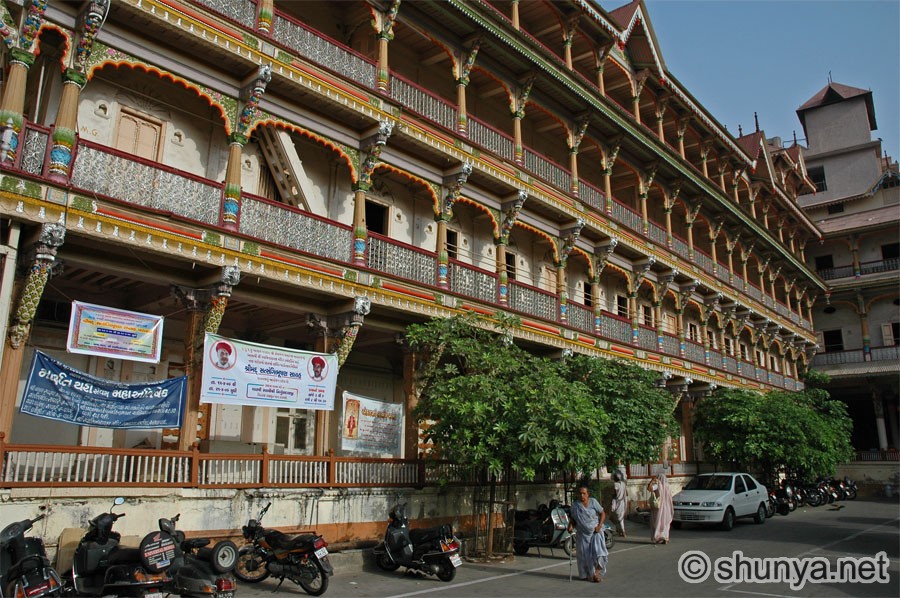 |
Priest with layman 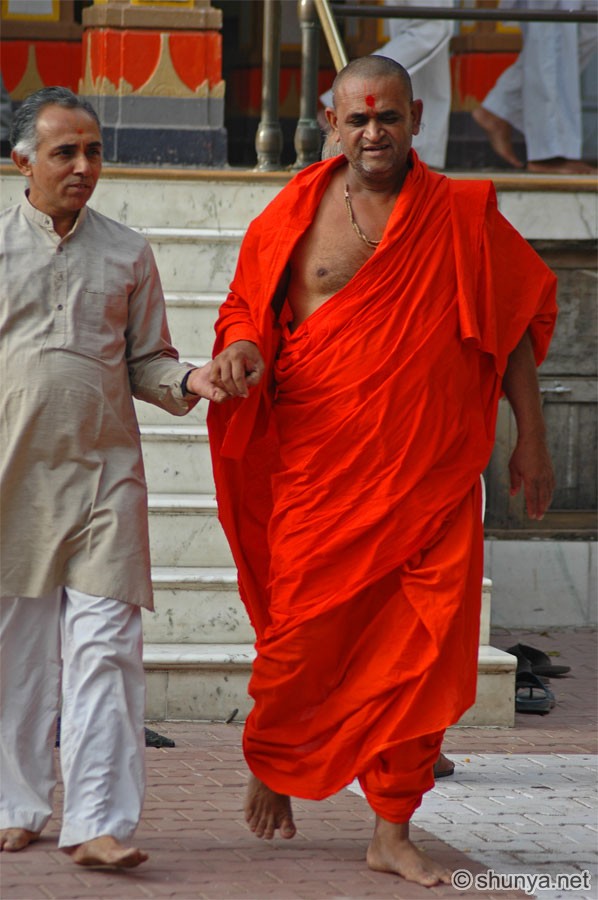 |
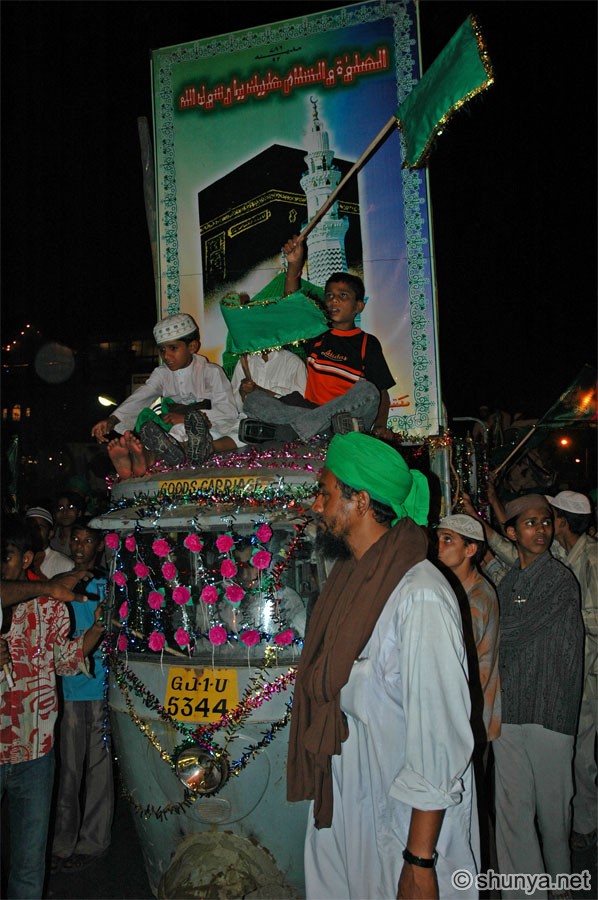
Shia Muslim festival (more) 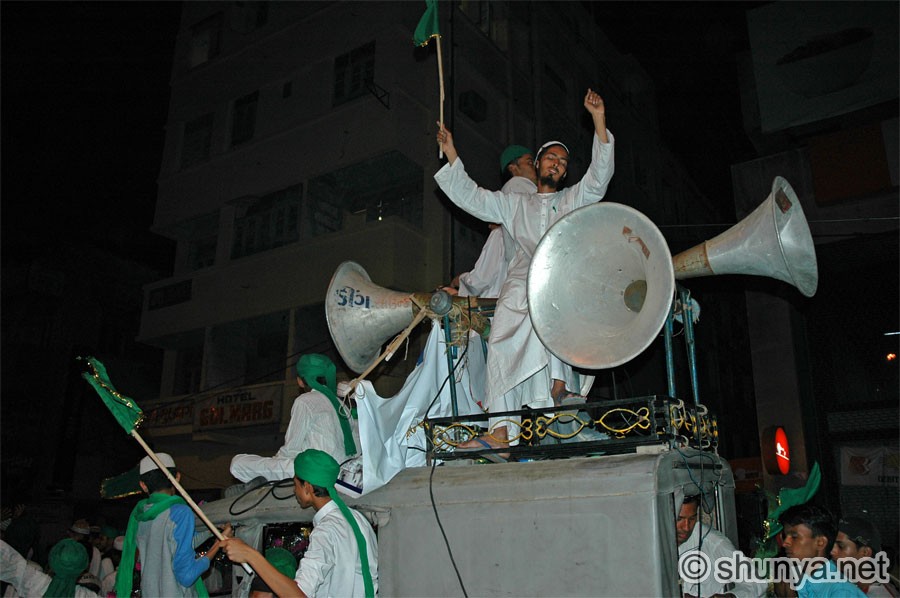 |
||
Deformed man 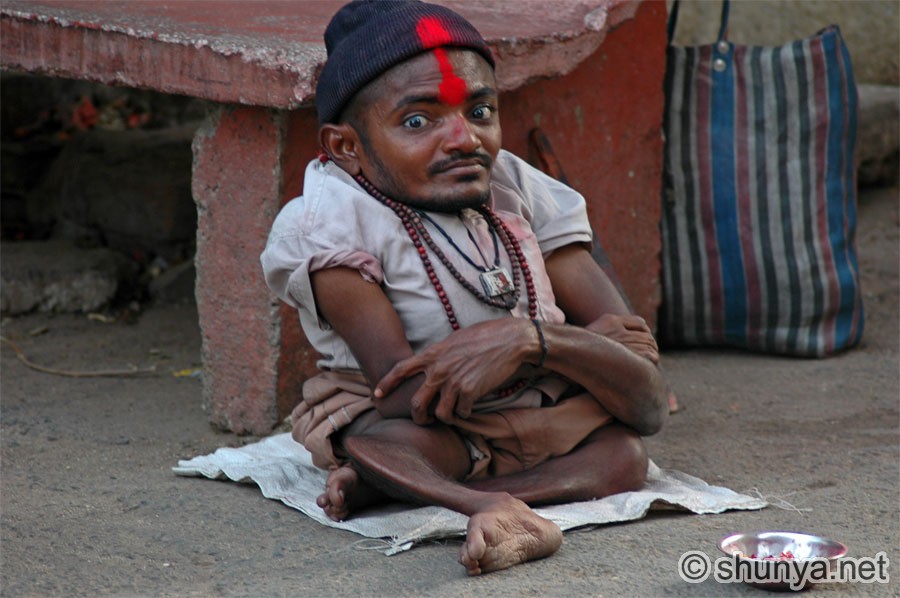 |
Teen Darwaza 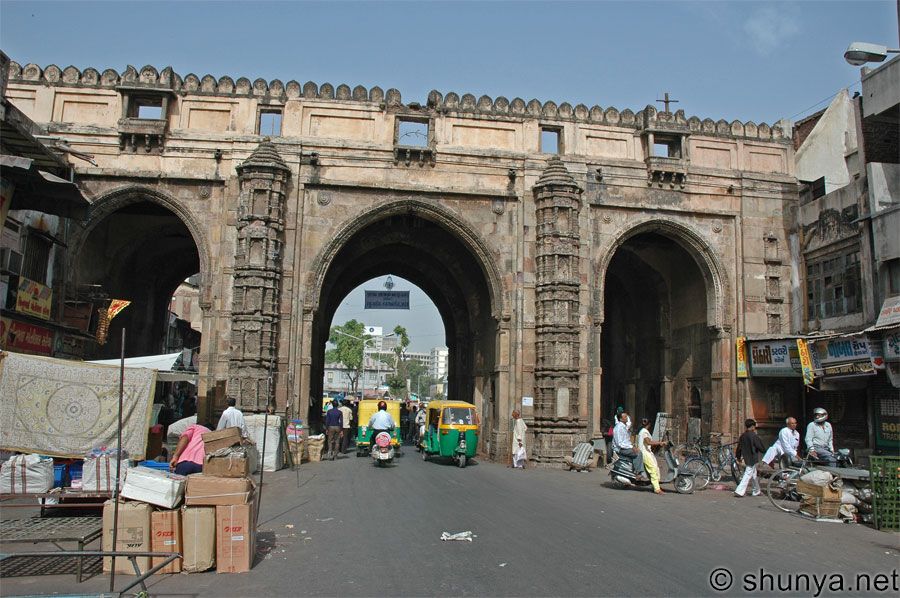 |
||
Old city homes 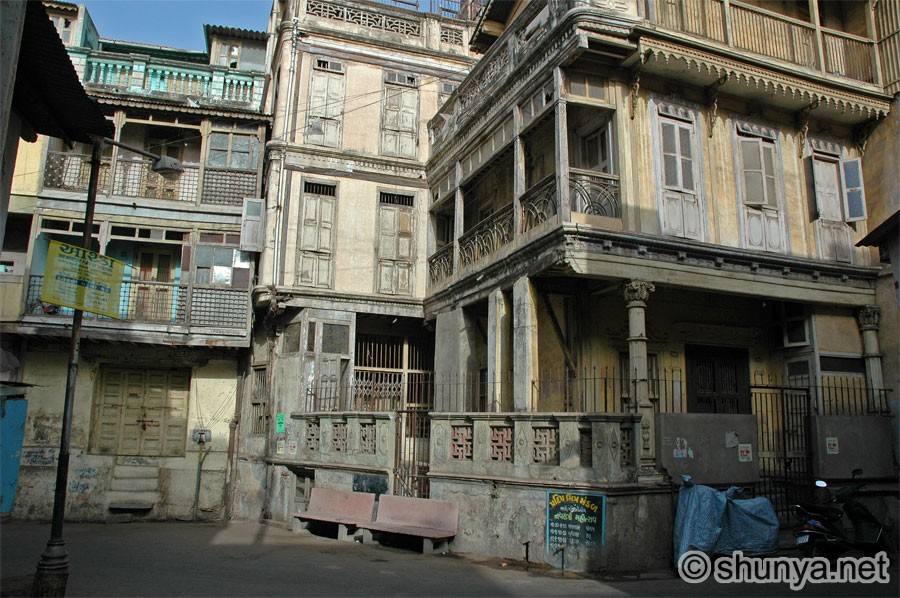 |
Old city square 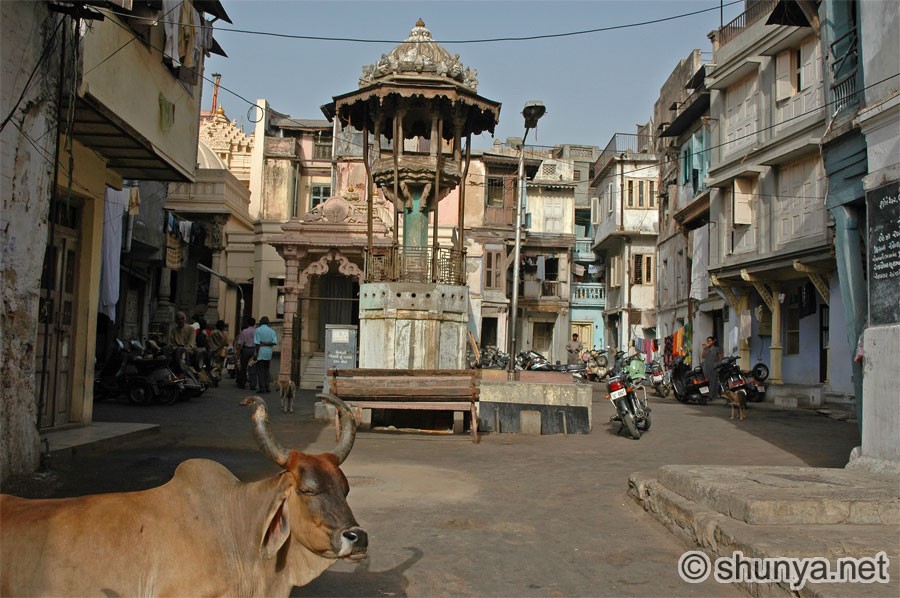 |
Old city buildings 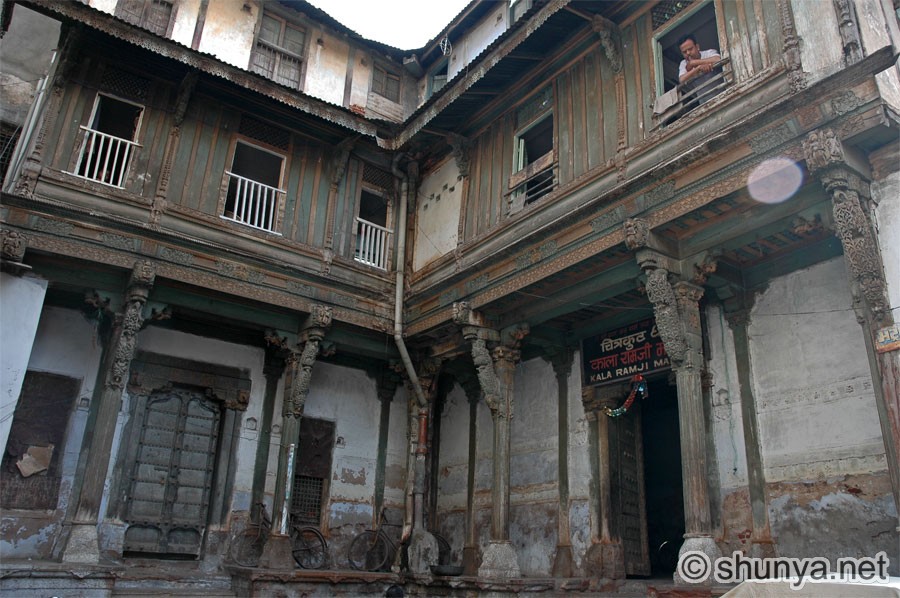 |
Artwork over doorway 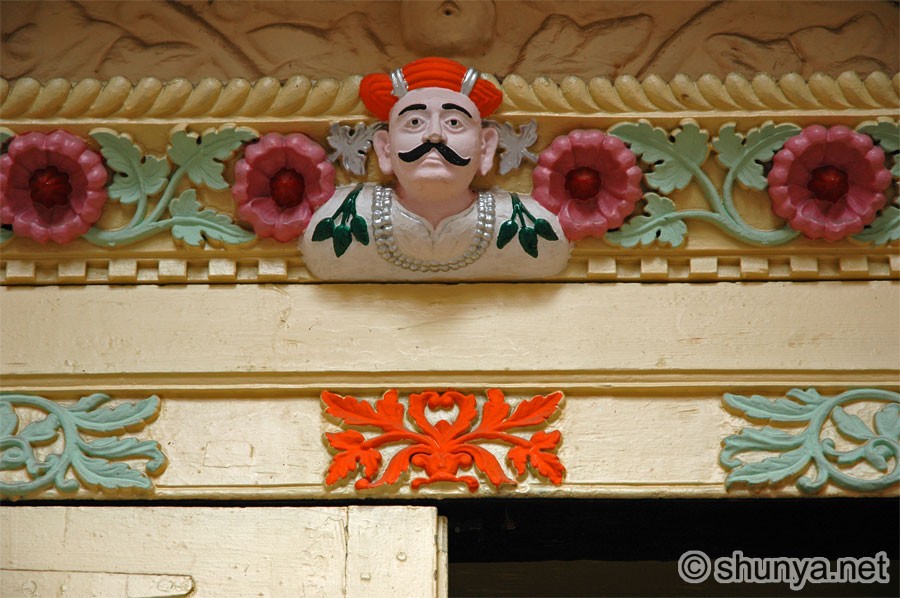 |
Doshivada ni pol 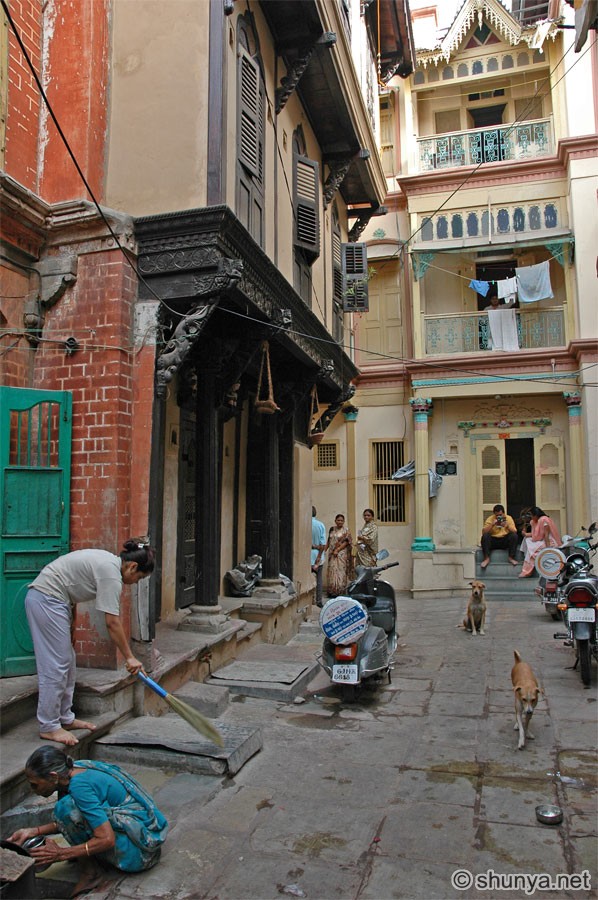 |
Old City street 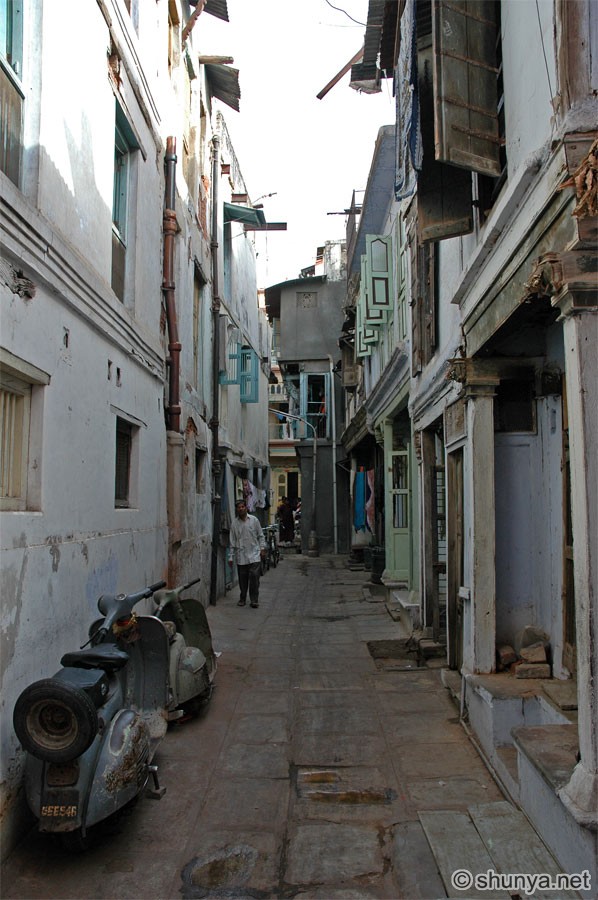 |
||
Doshivada ni pol 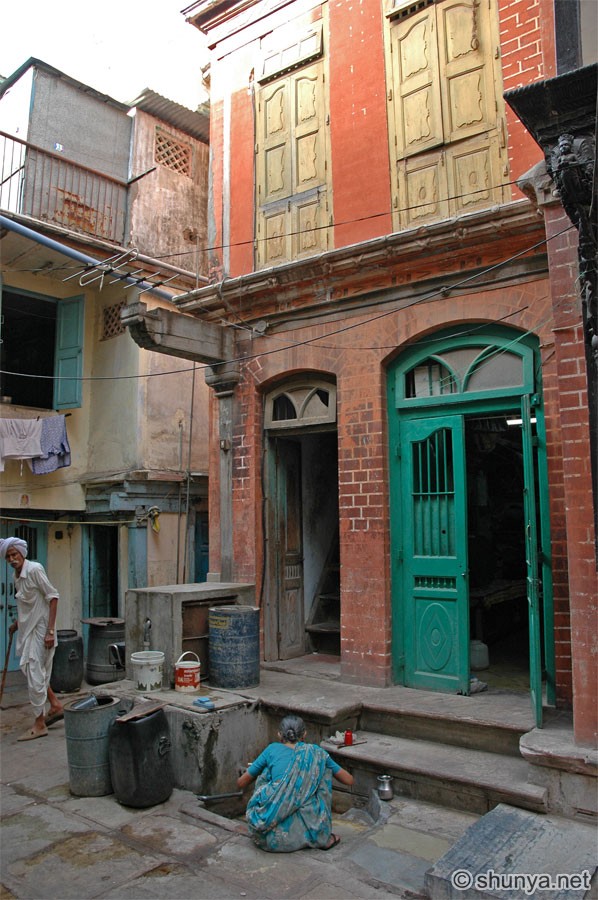 |
Window with squirrels 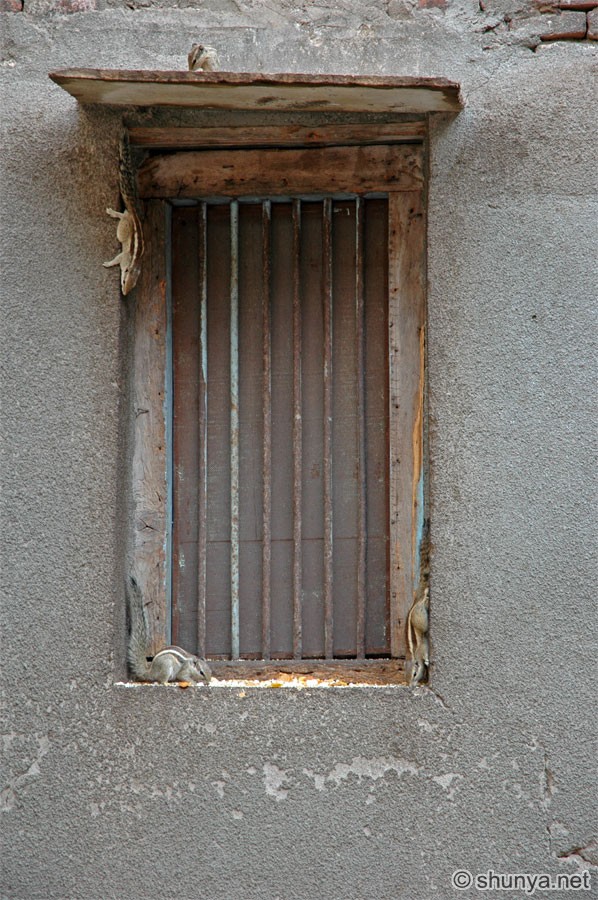 |
||
Harkunvar Shethani ni haveli 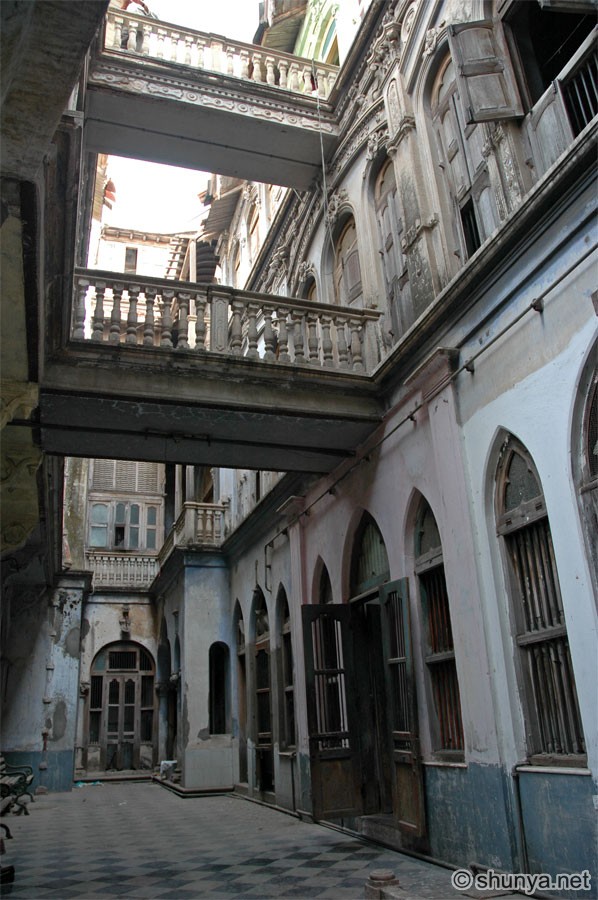 |
Large bracket 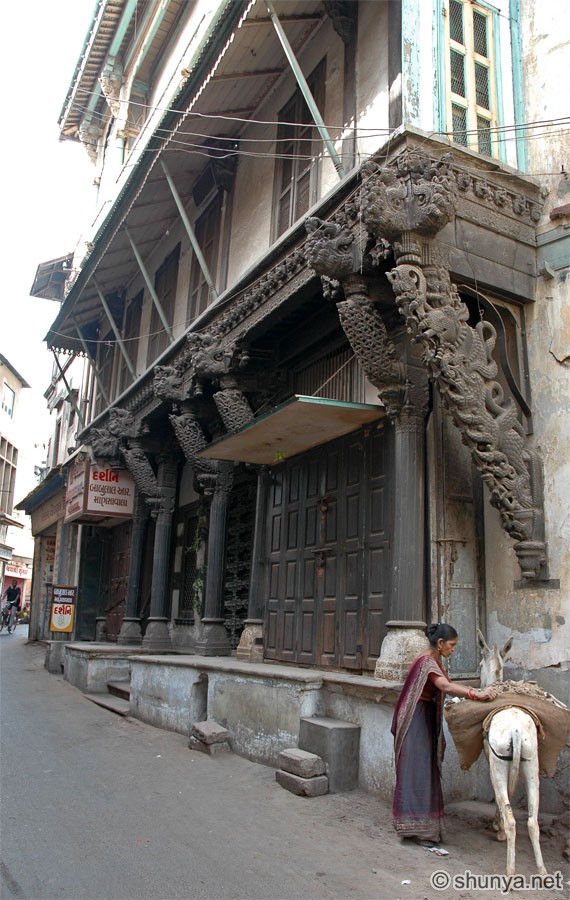 |
Street scene 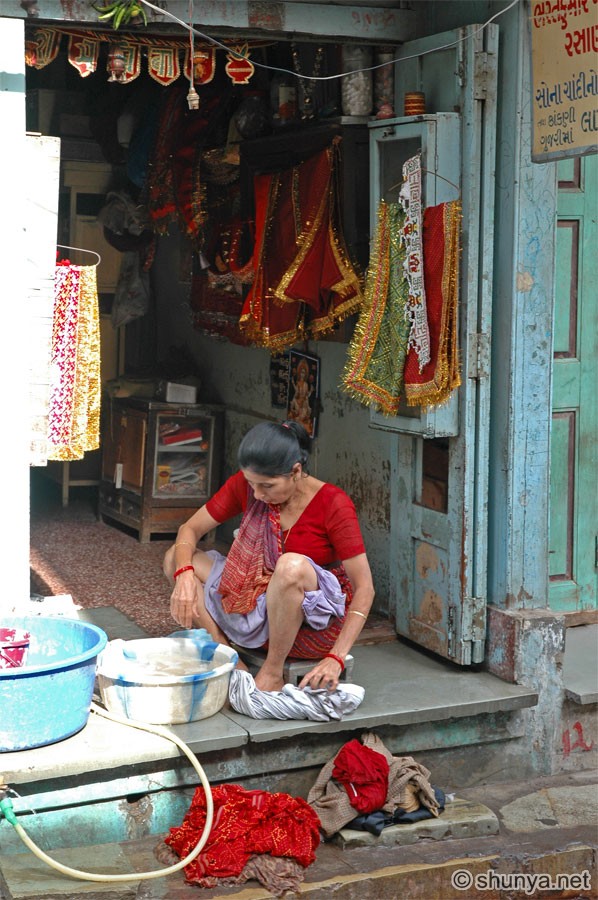 |
Chabutara, or bird feeder (more) 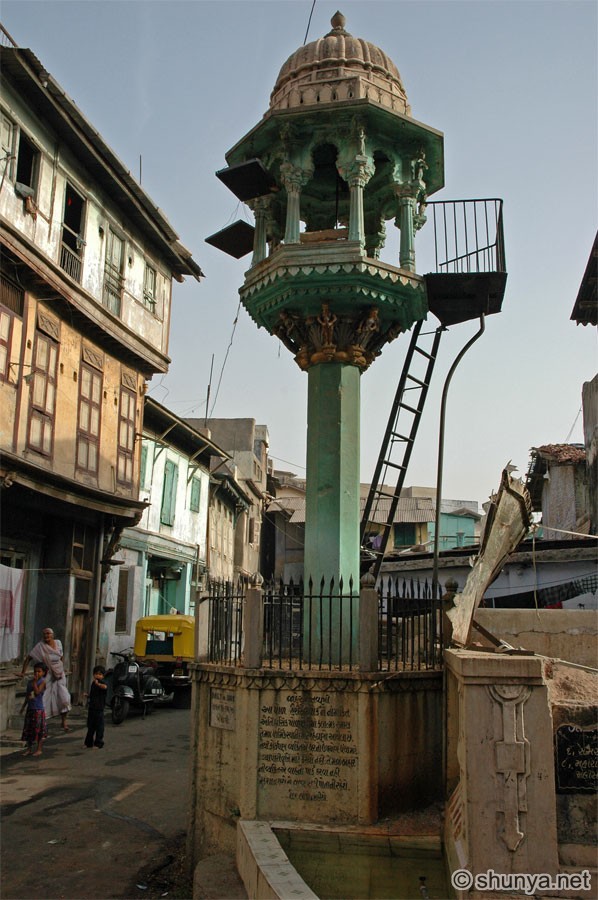 |
Wooden balconies 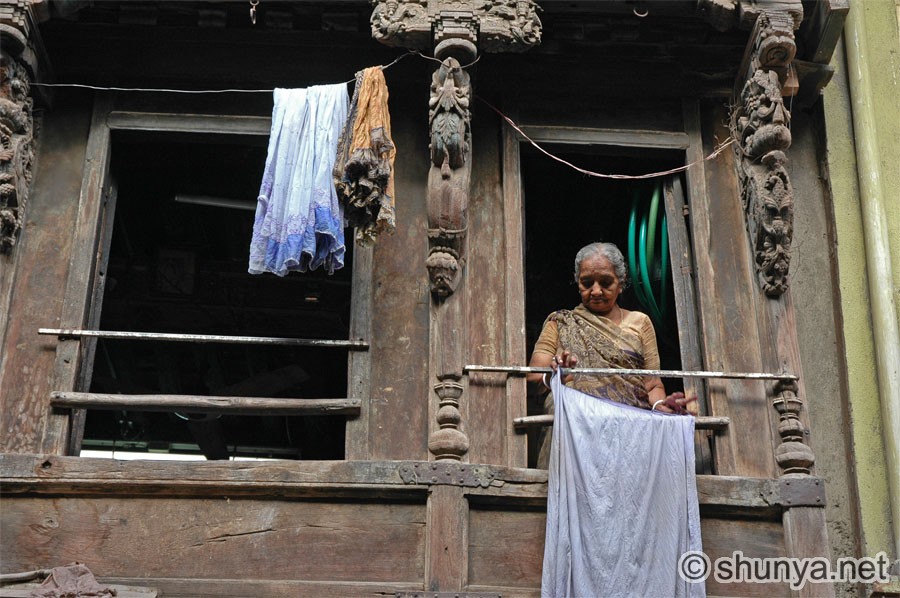 |
Old quarter buildings 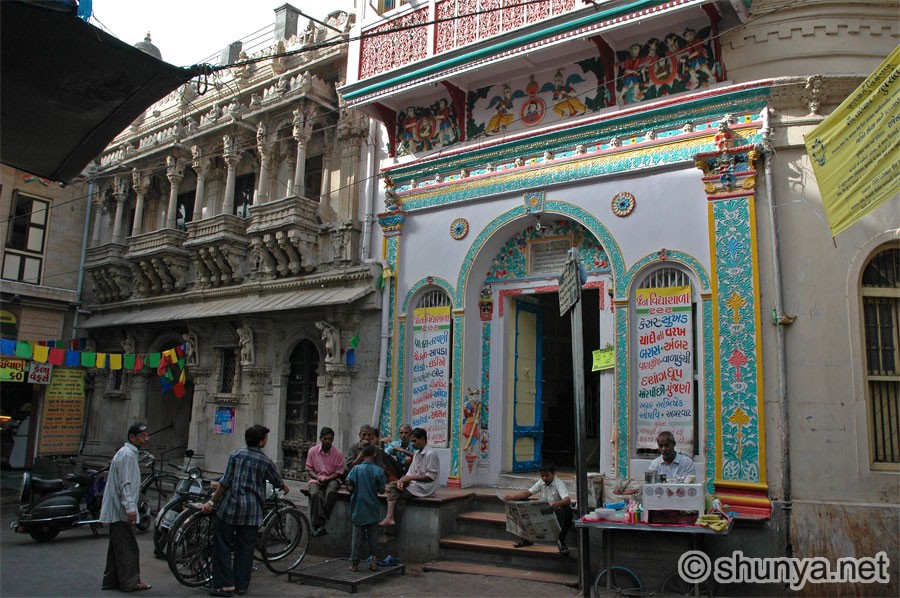 |
Wooden balconies 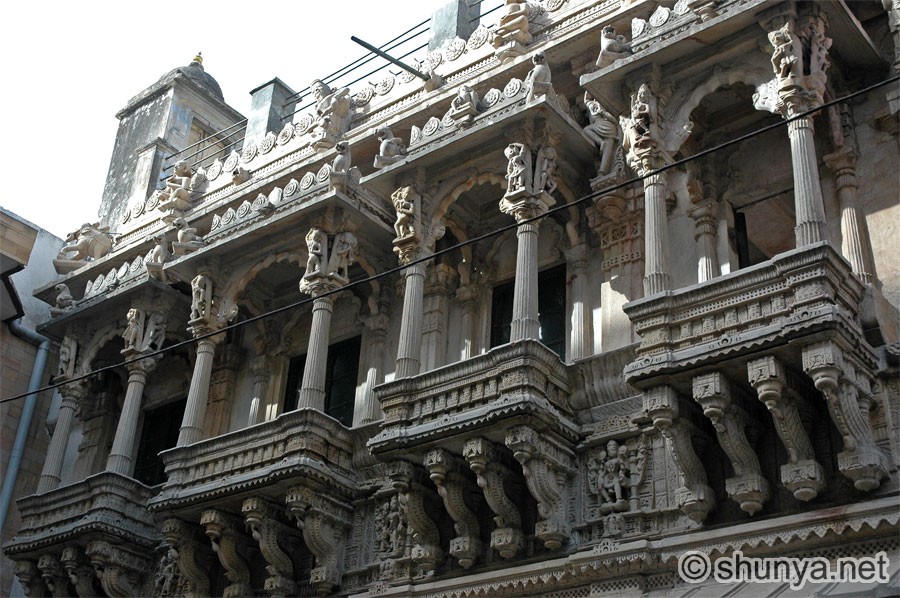 |
Walled city street 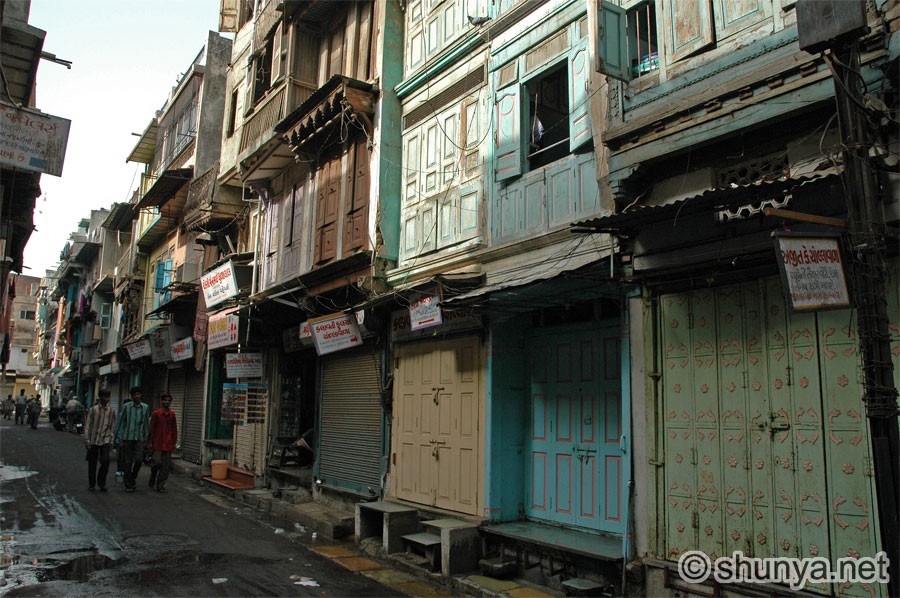 |
Red alert at Shantinath temple 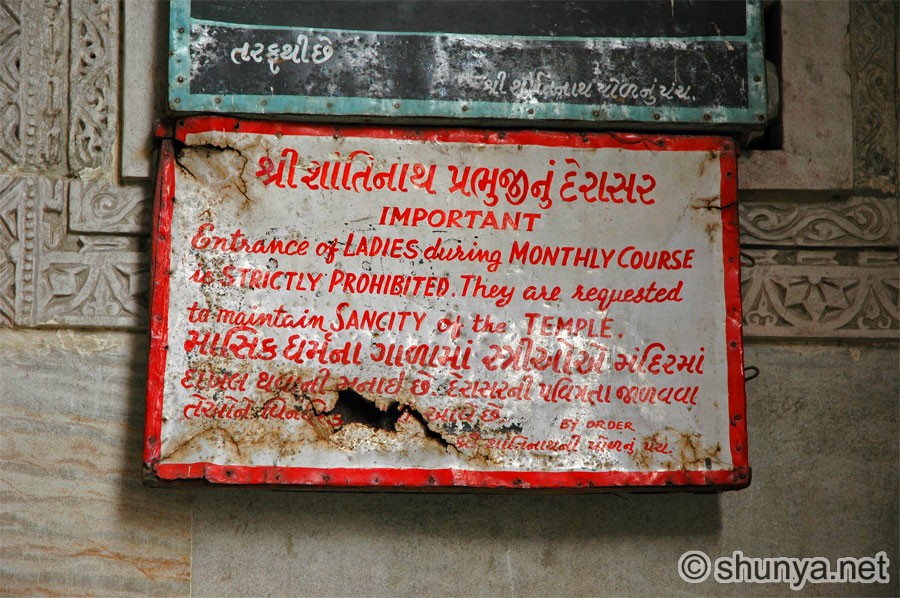 |
Manek chowk 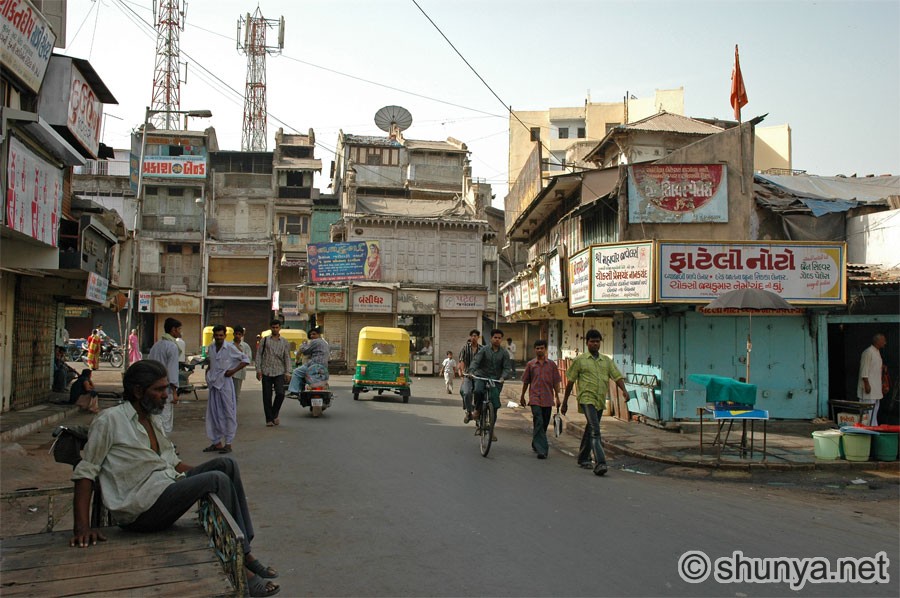 |
Beasts of burden 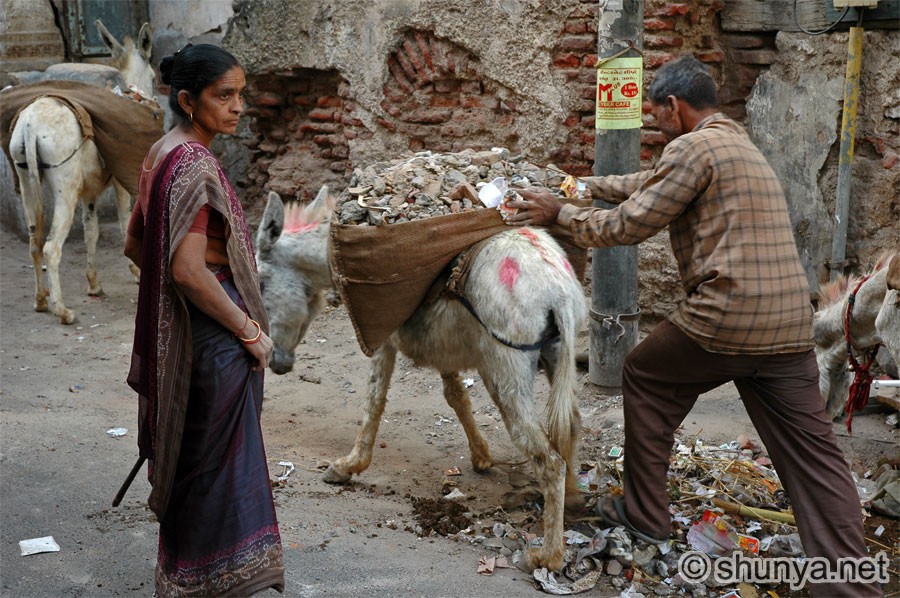 |
Rani Sipri's tomb 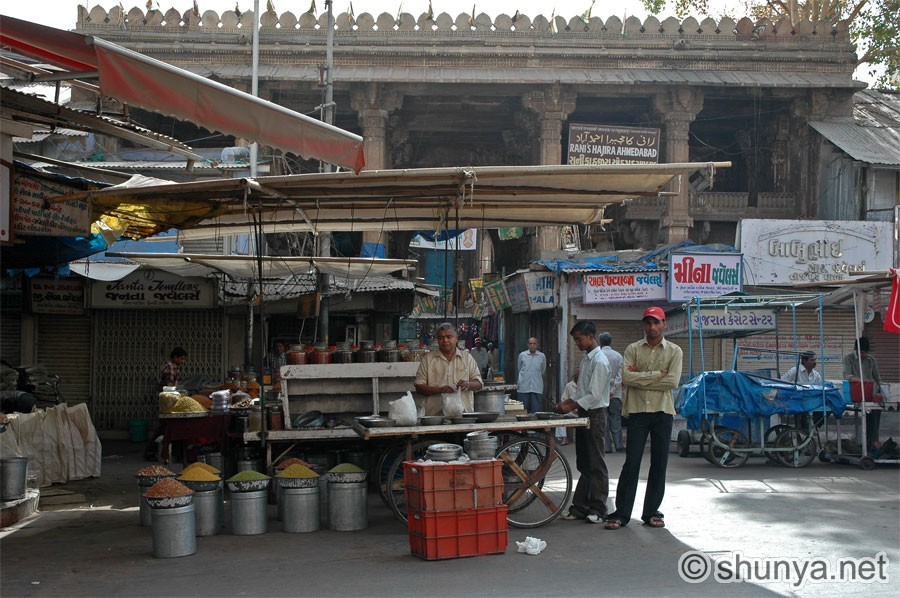 |
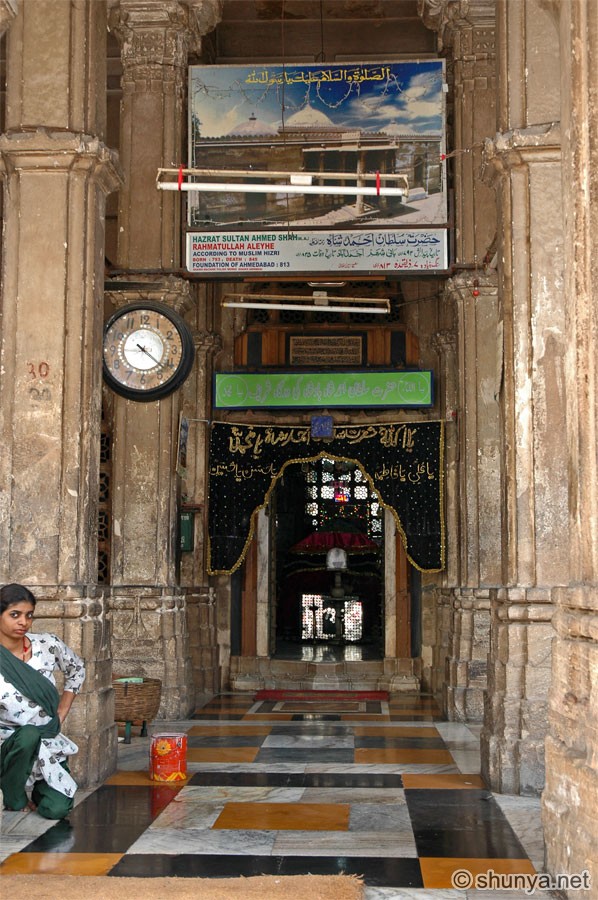
Gateway to Ahmed Shah's tomb (1, 2) 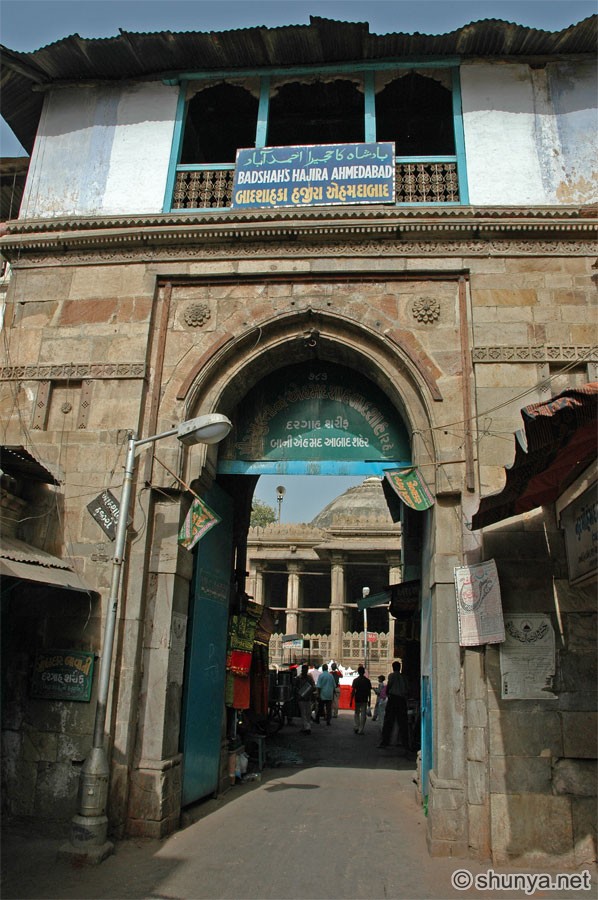 |
Bracket at Kala Ramji temple 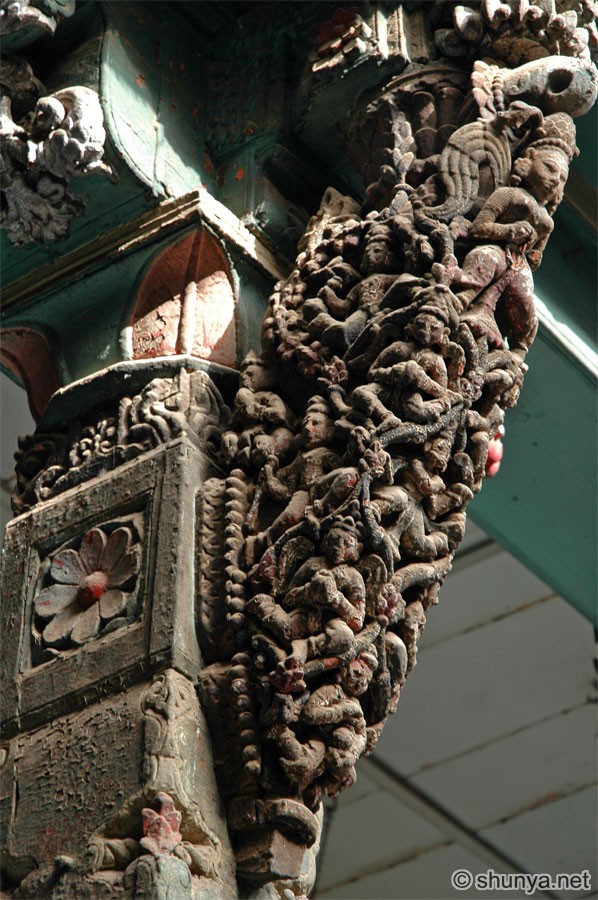 |
Yet another temple 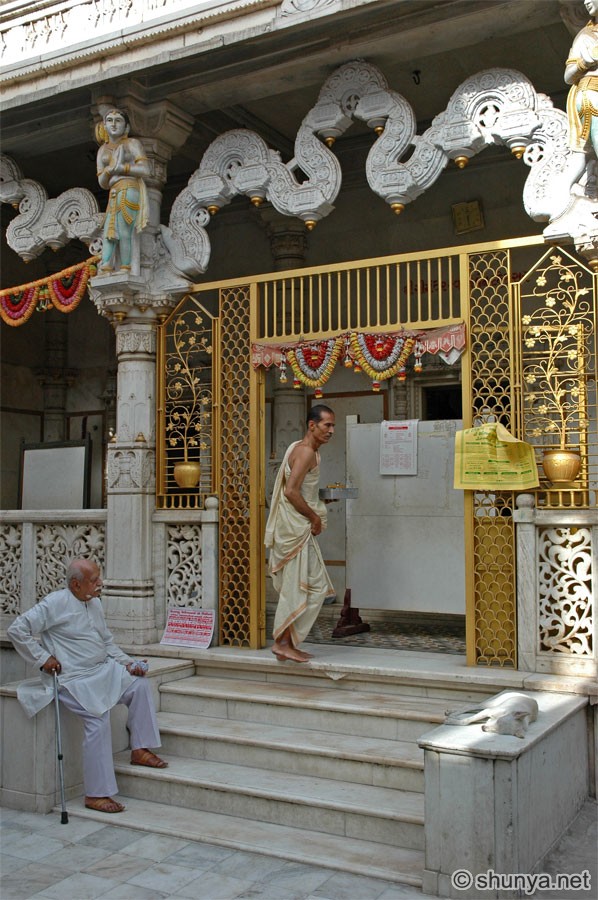 |
Kavi Dalpatram chowk 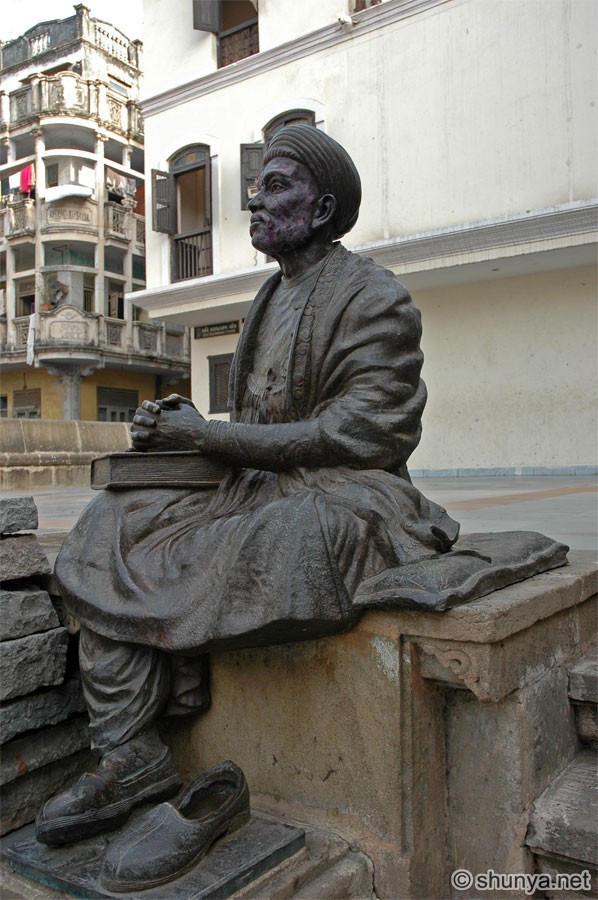 |
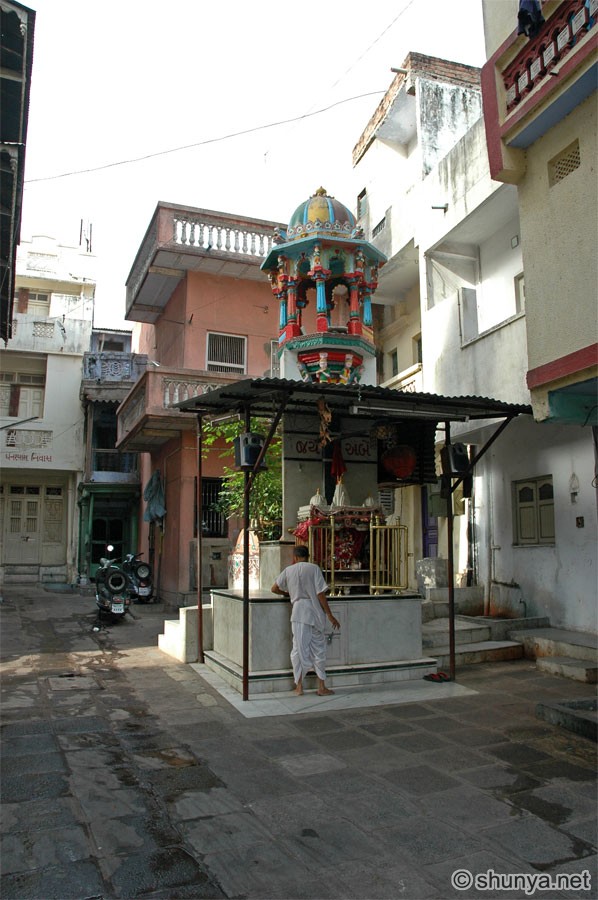
A temple in old city (shrine) 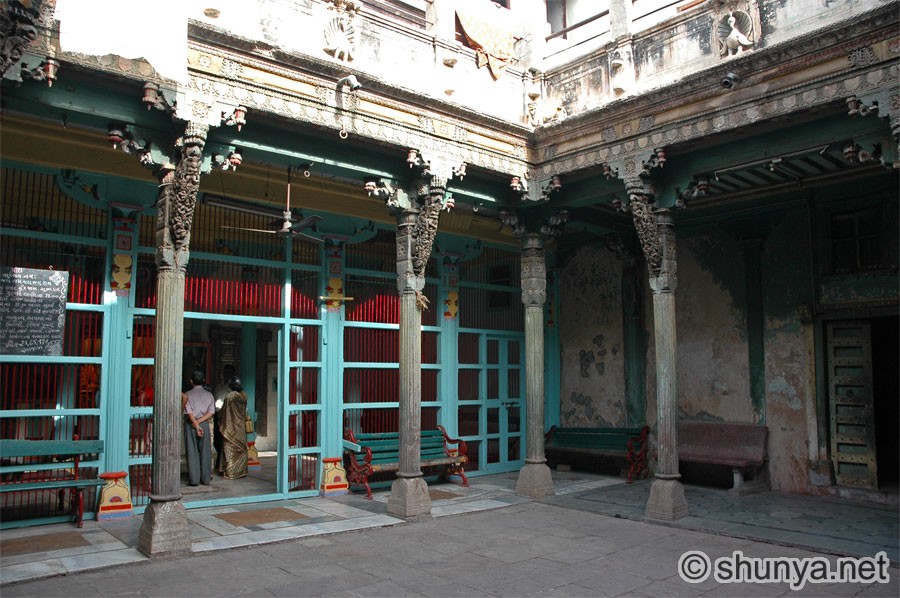 |
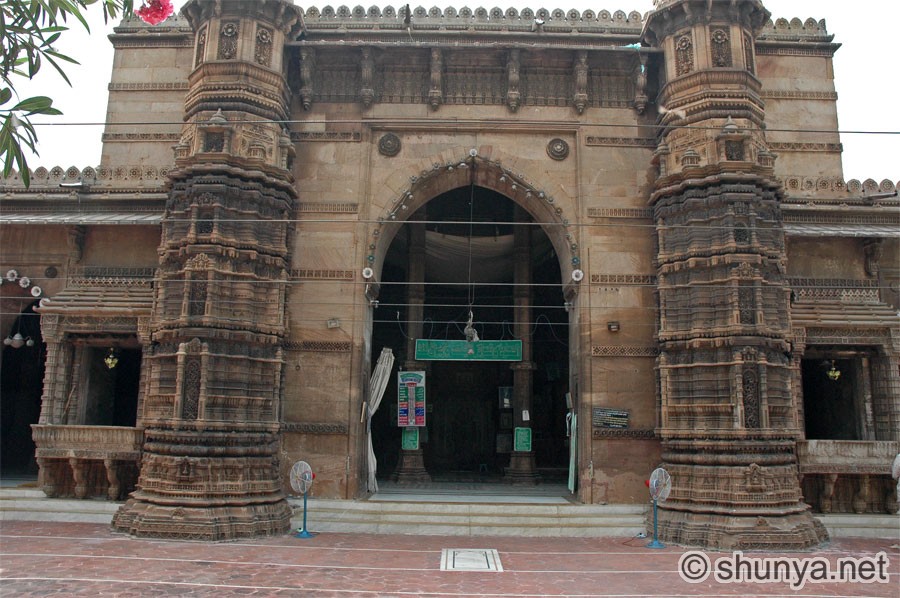 |
Before a religious procession 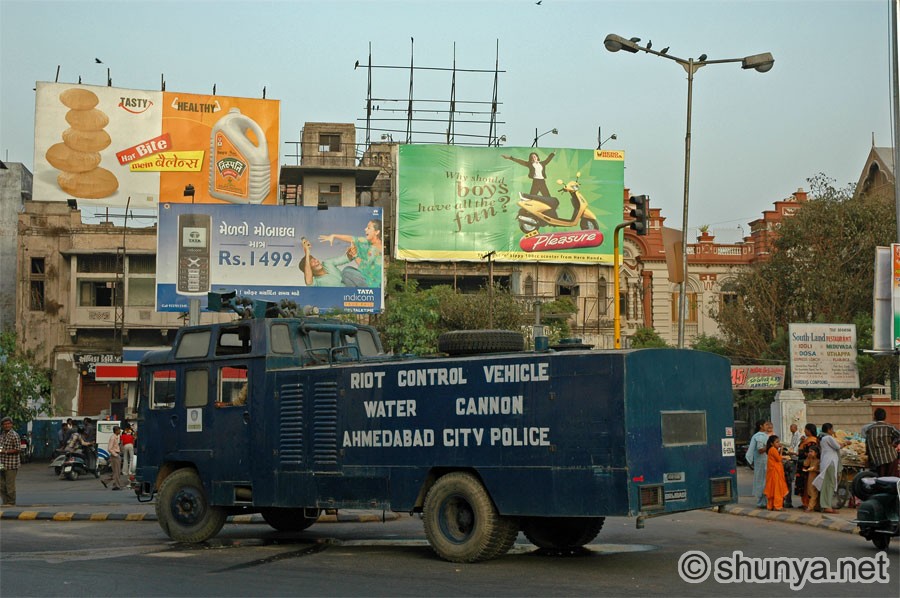 |
"Take my picture please" 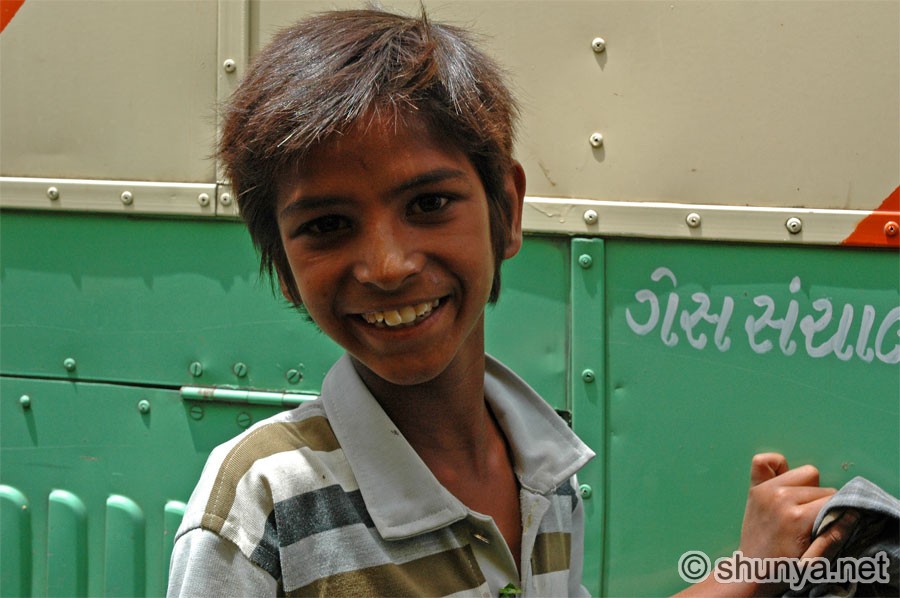 |
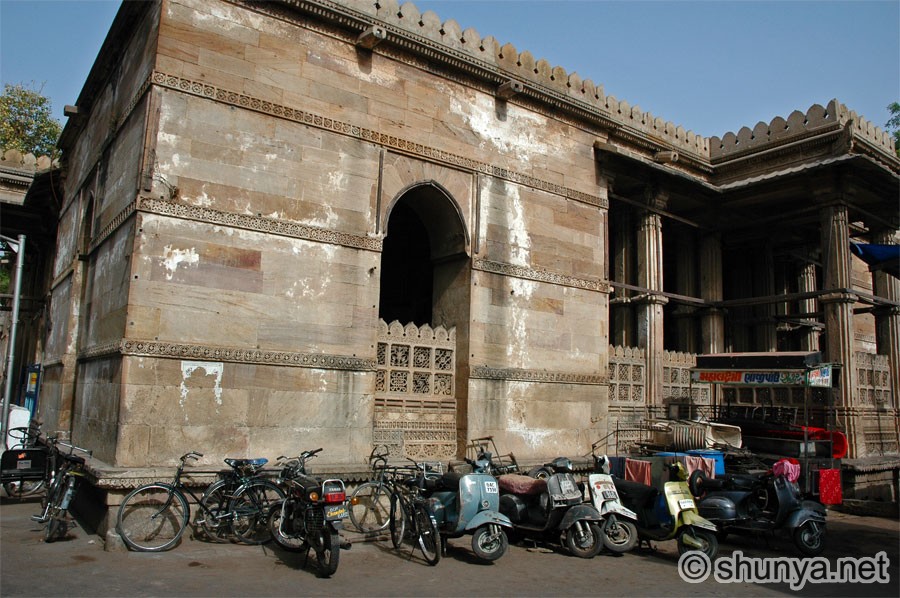
Ahmed Shah's mosque 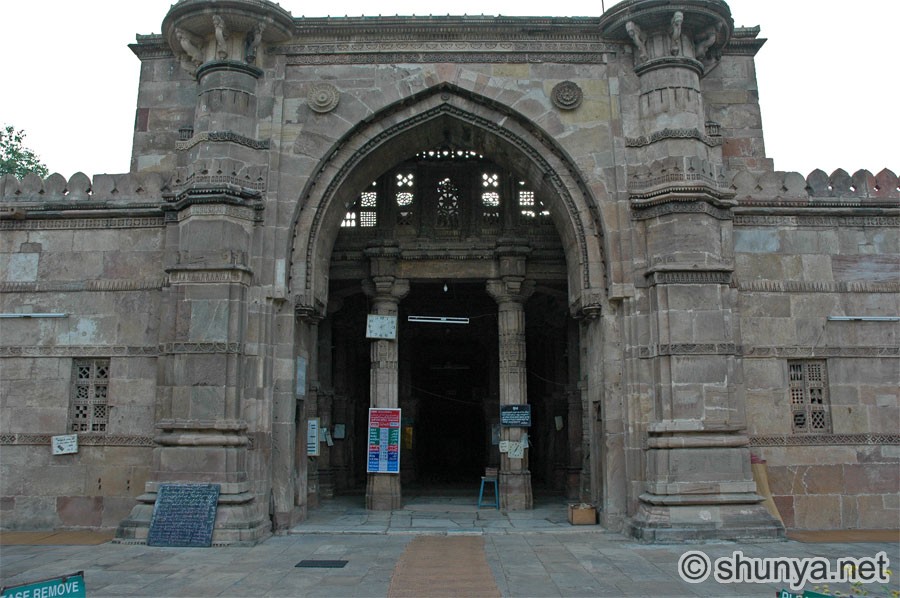 |
Bhadra fort 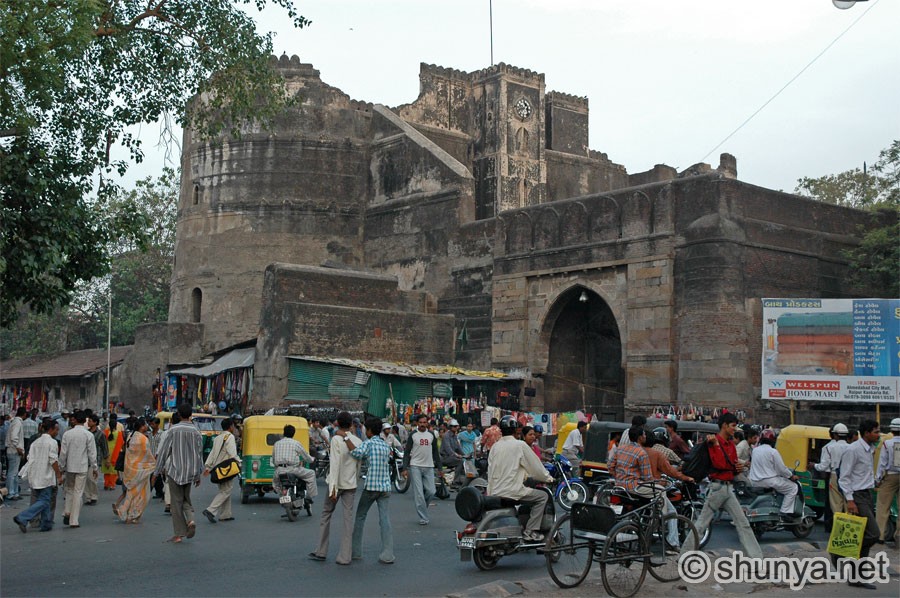 |
Quit India movement 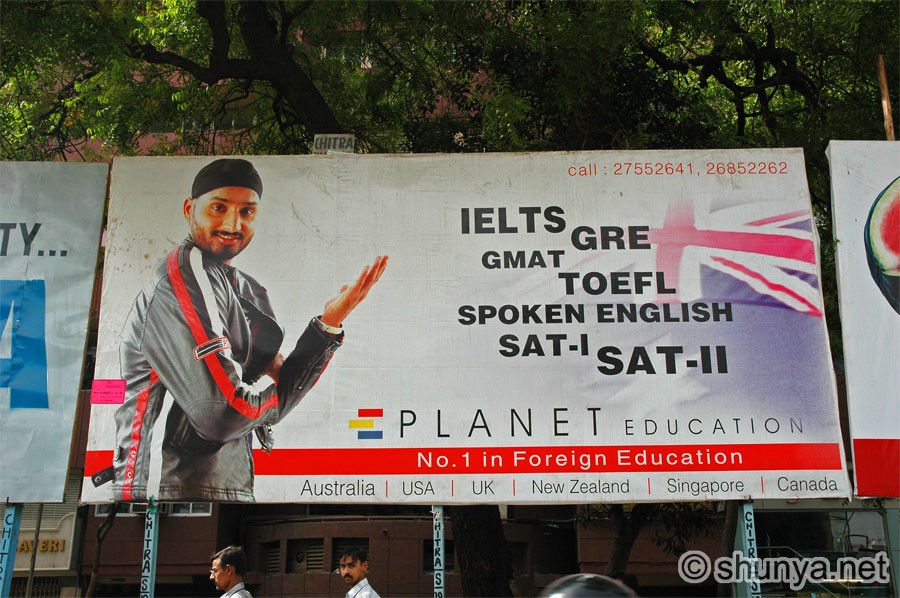 |
City museum 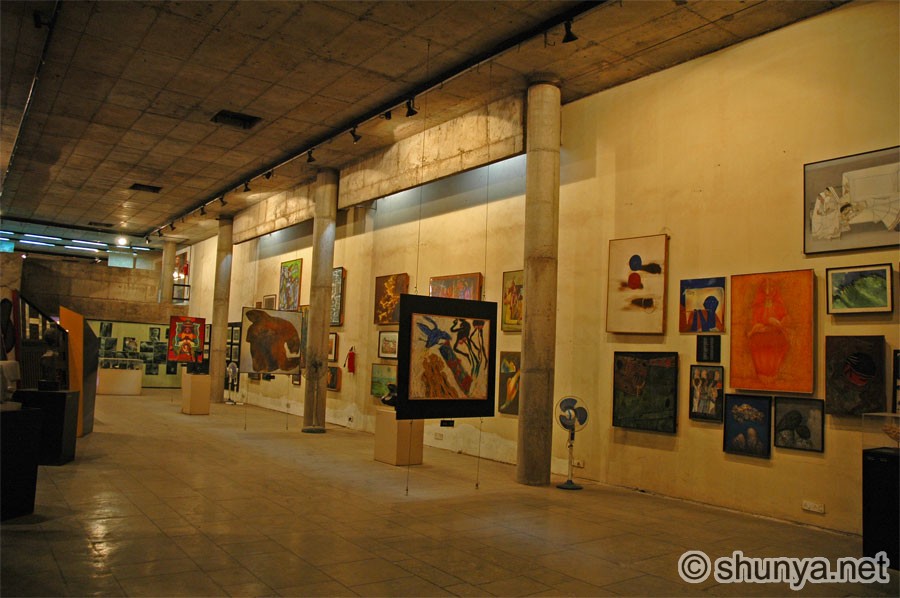 |
Courtesan, 12th cent CE 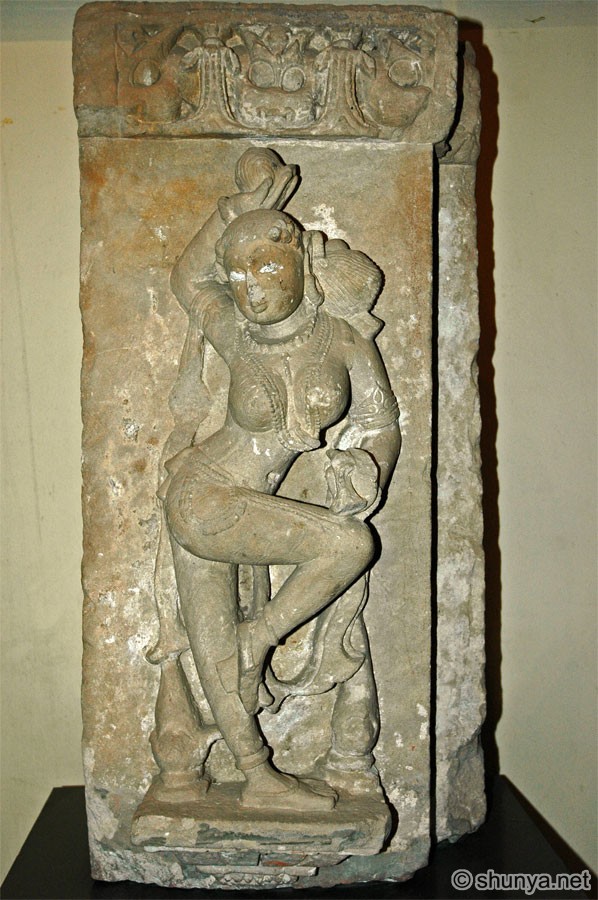 |
Tazia 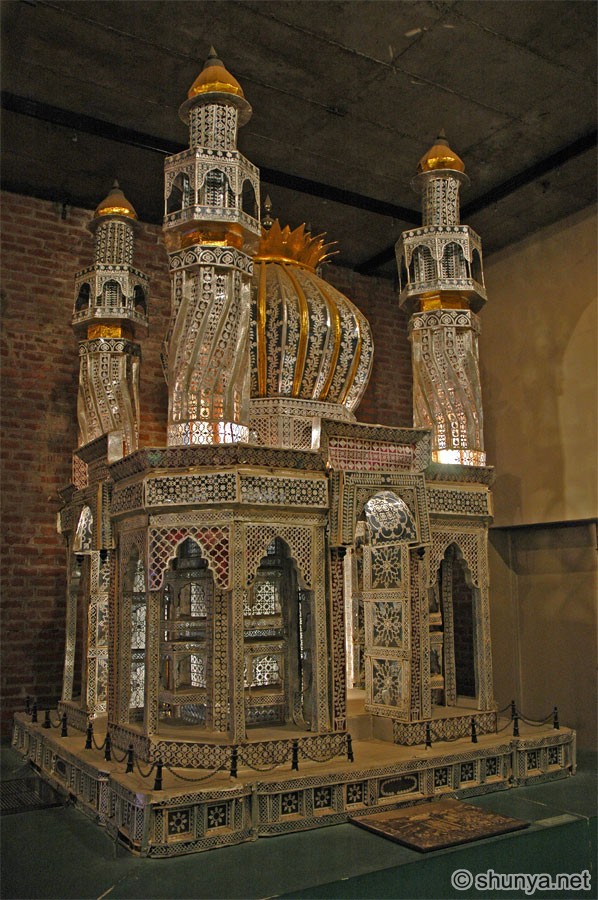 |
Tower near Hathee Singh temple 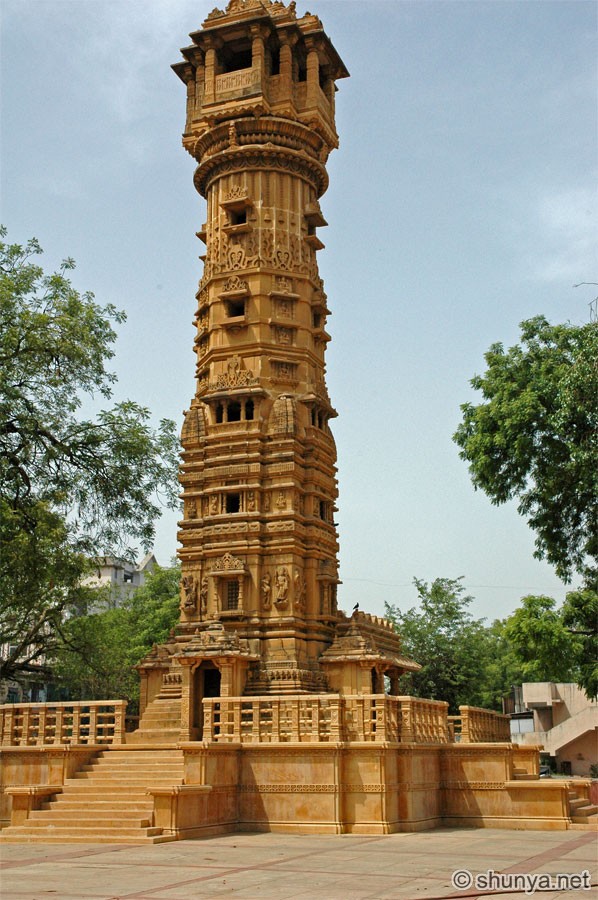 |
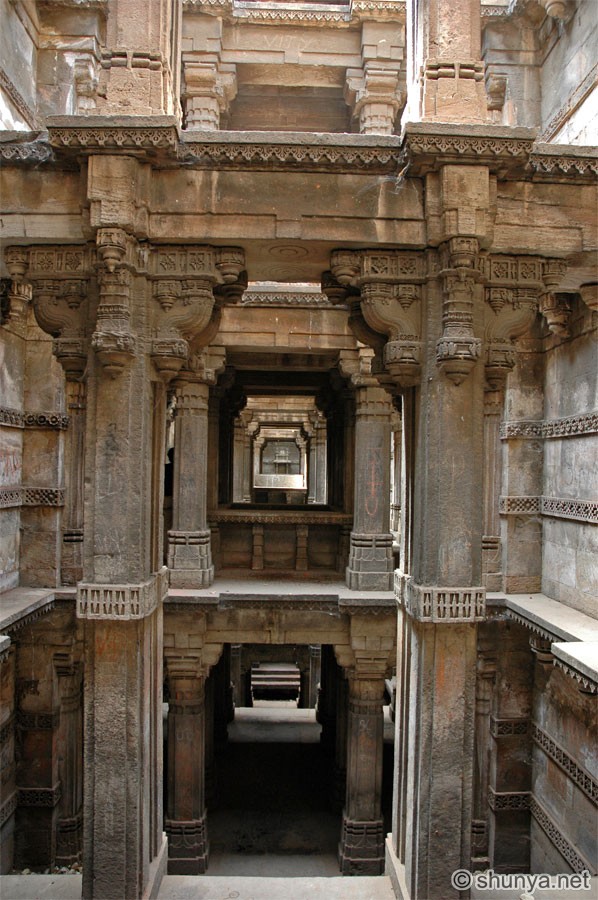 |
Dada Hari Wav 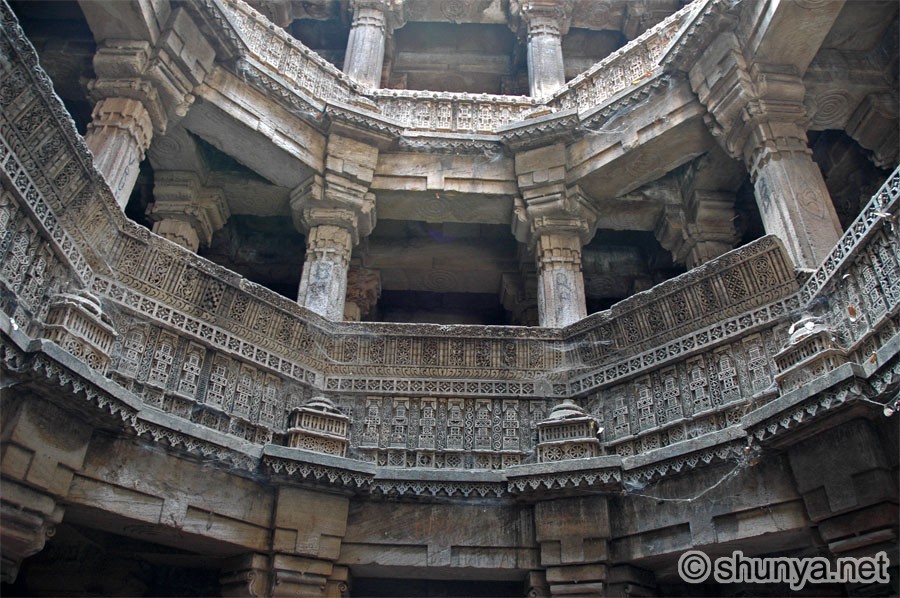 |
Hathee Singh temple entrance 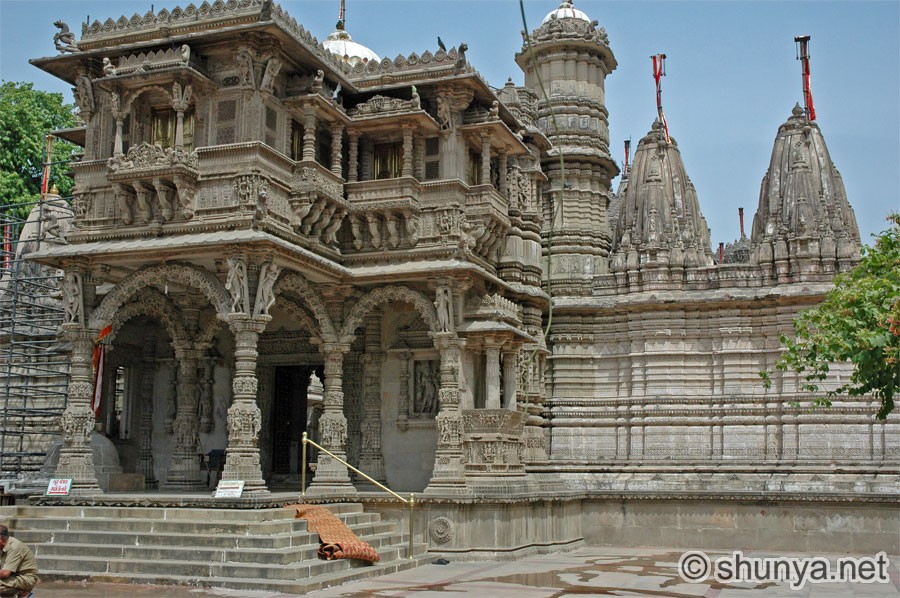 |
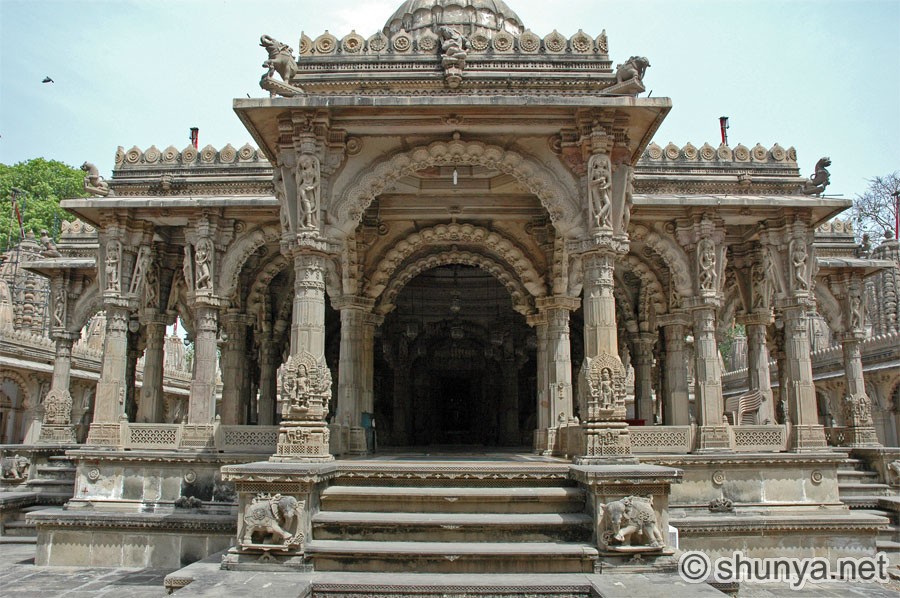 |
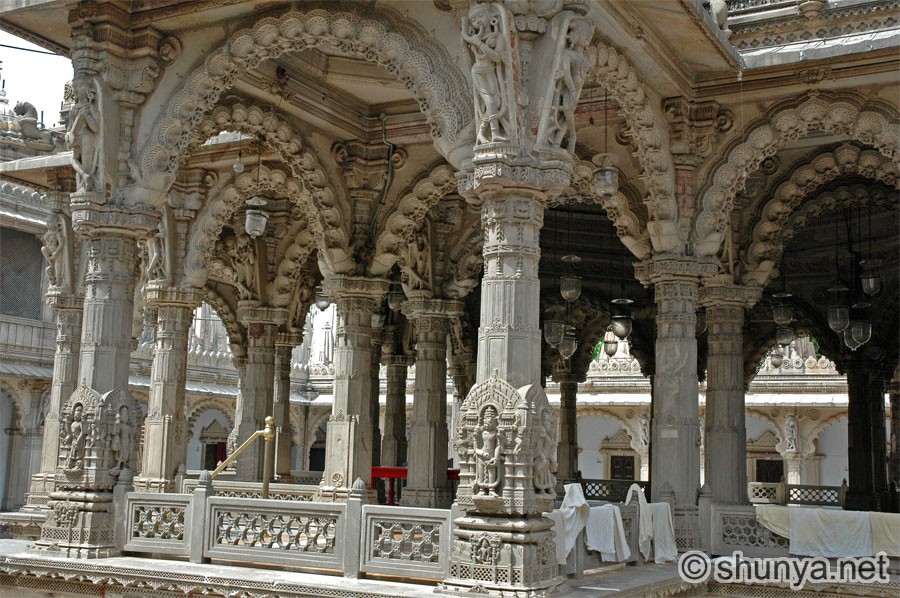
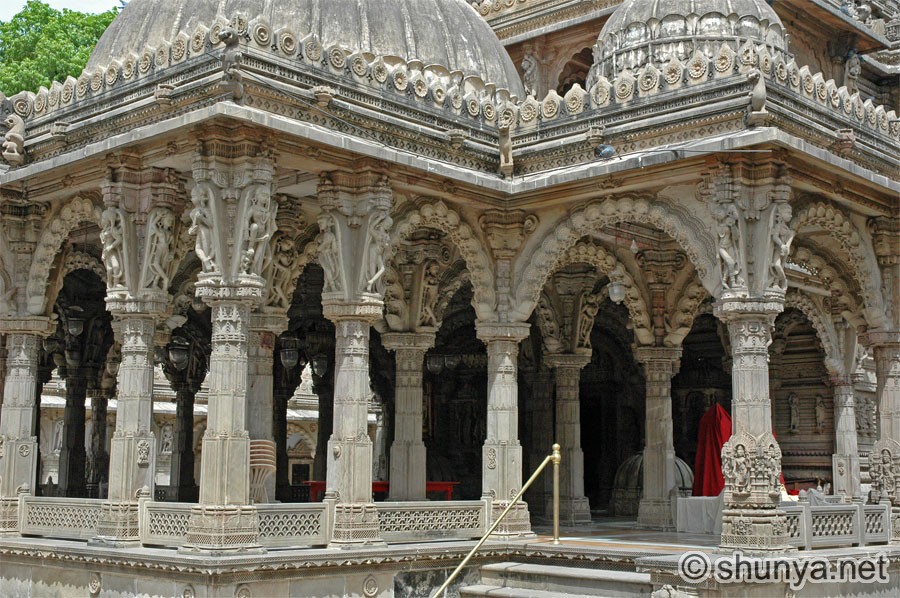
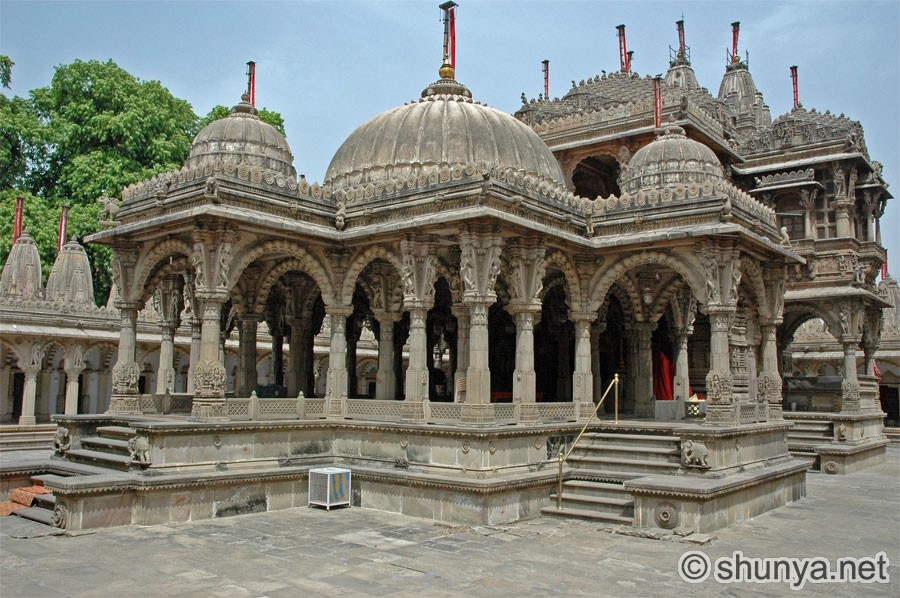
Temple courtyard (more) 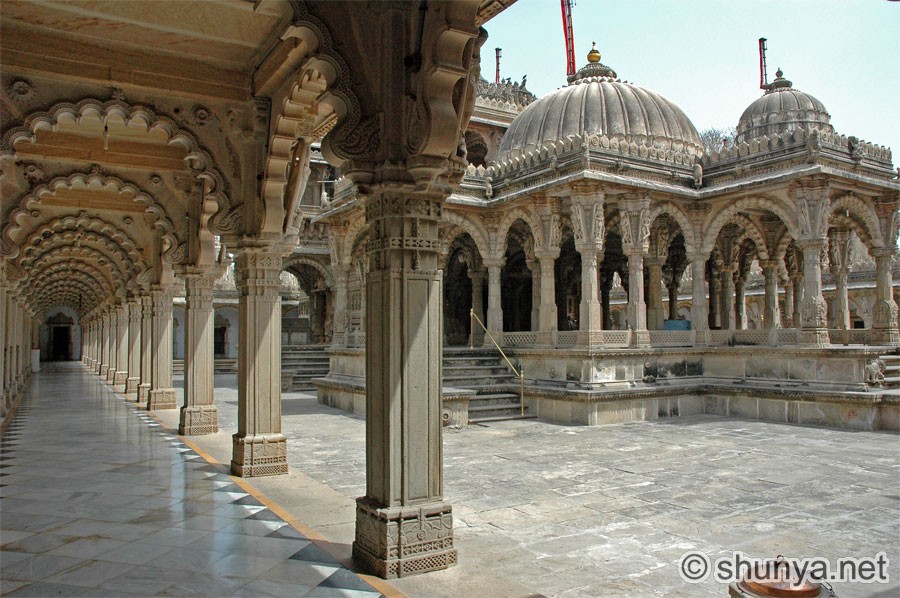 |
Jumma Masjid complex 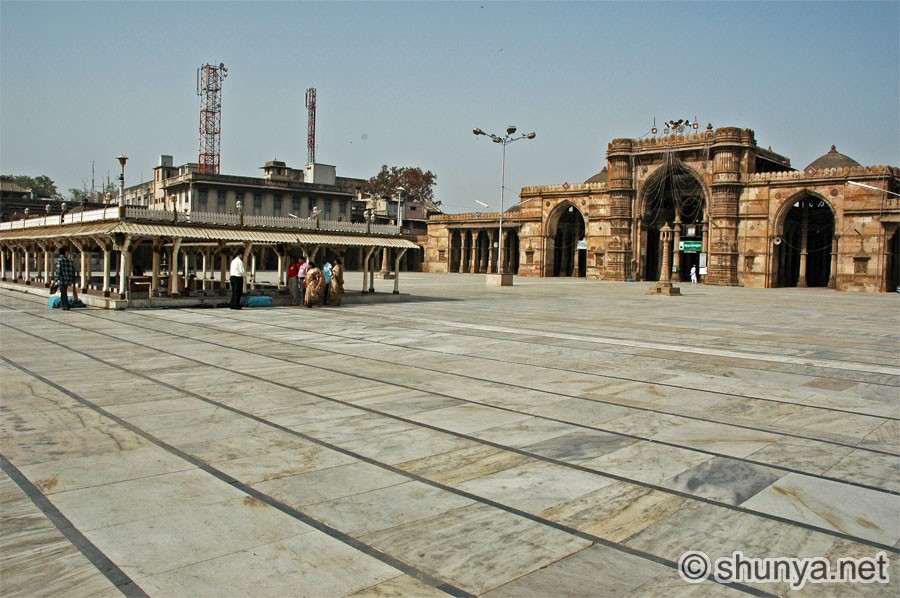 |
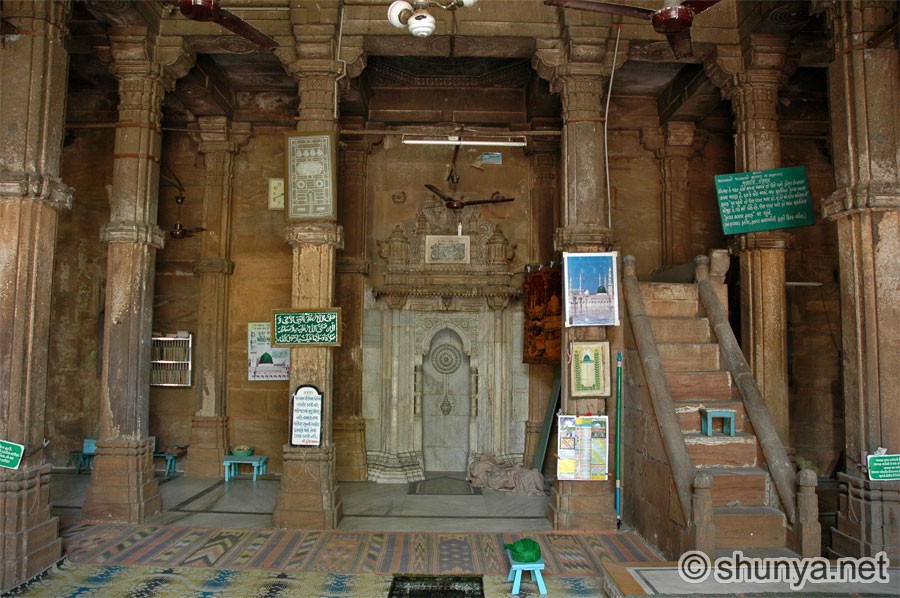
Jumma masjid 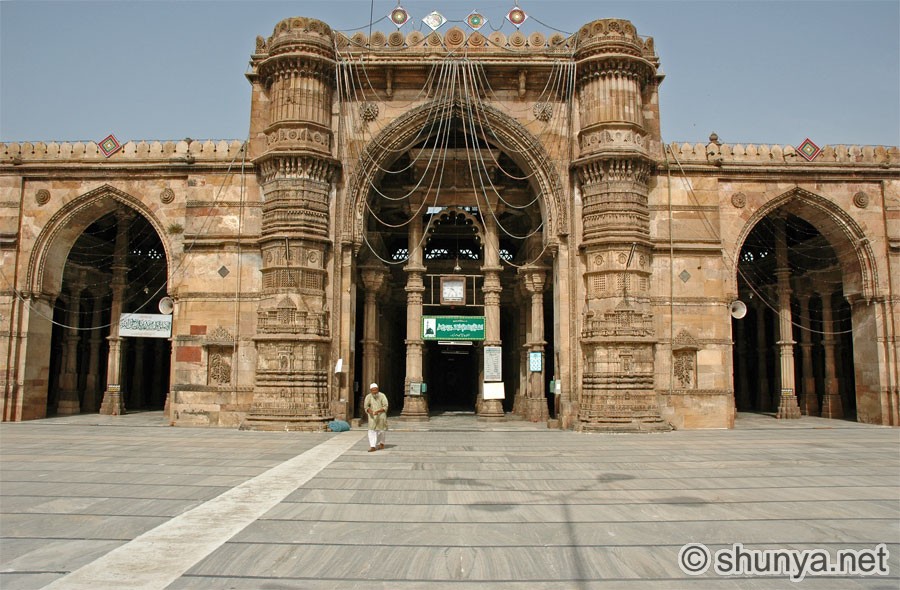 |
Pillared hall (more) 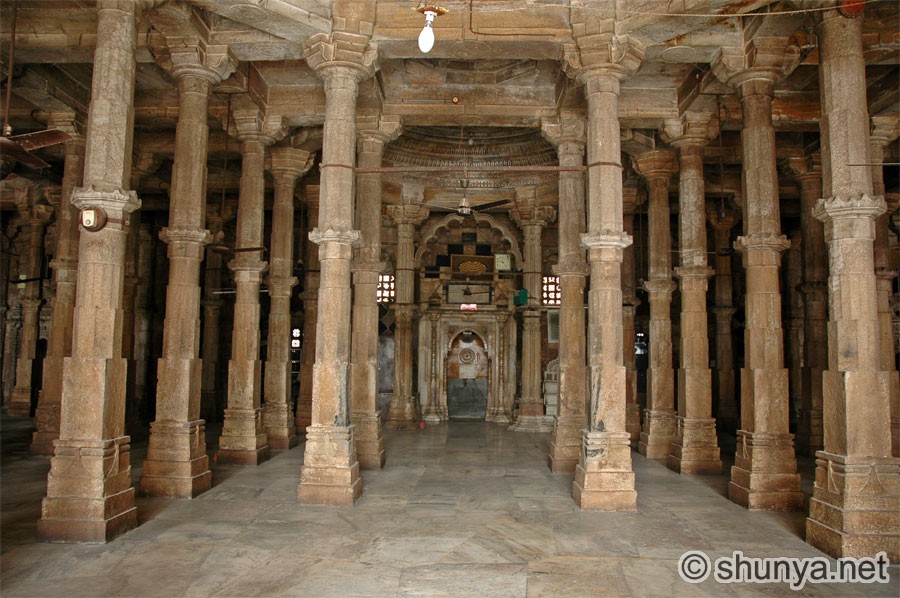 |
Raised enclosure for women 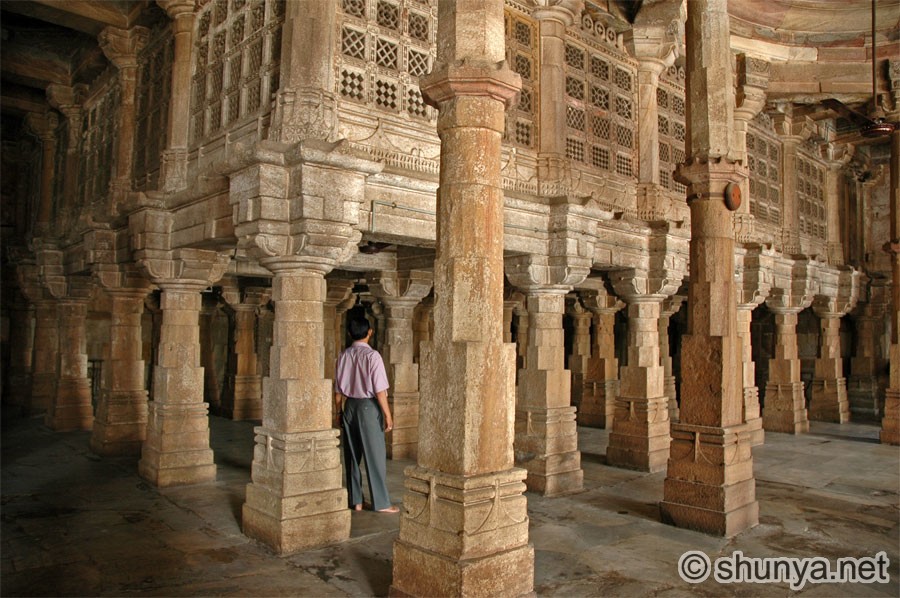 |
|
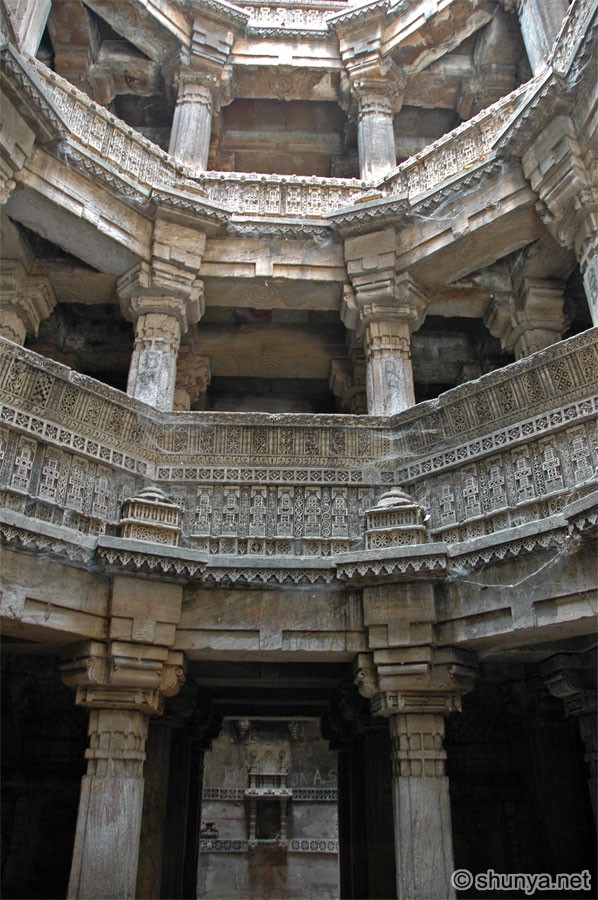
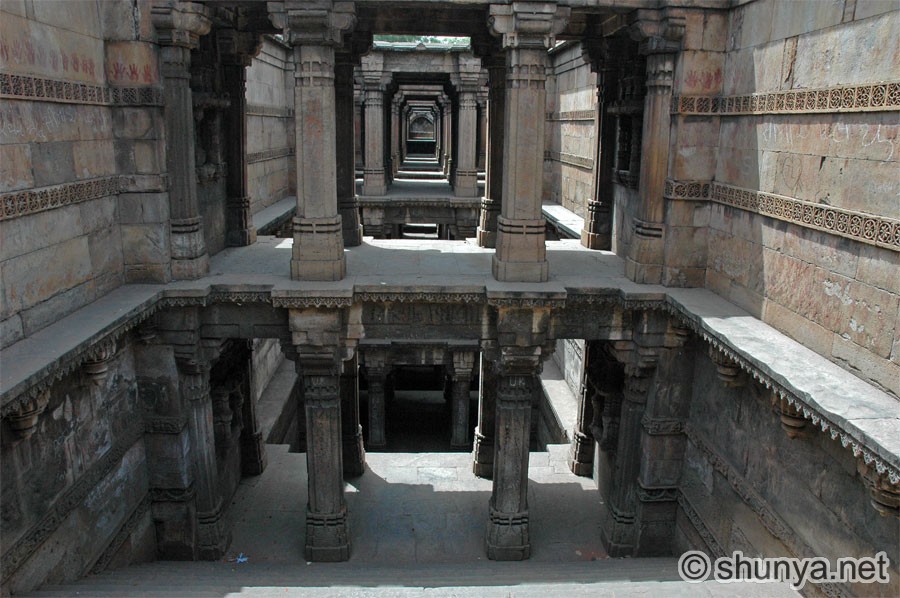
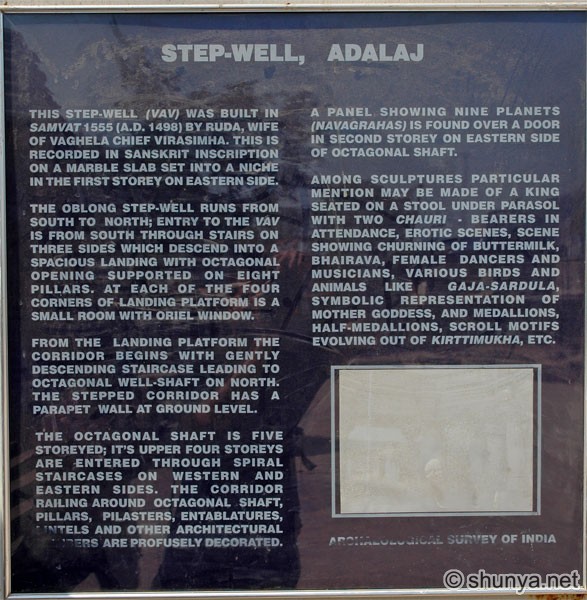
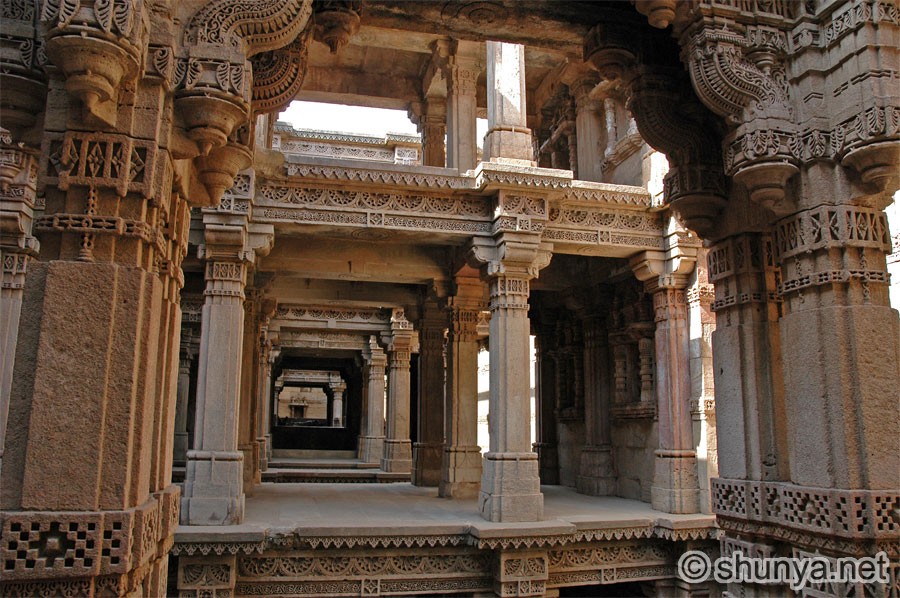
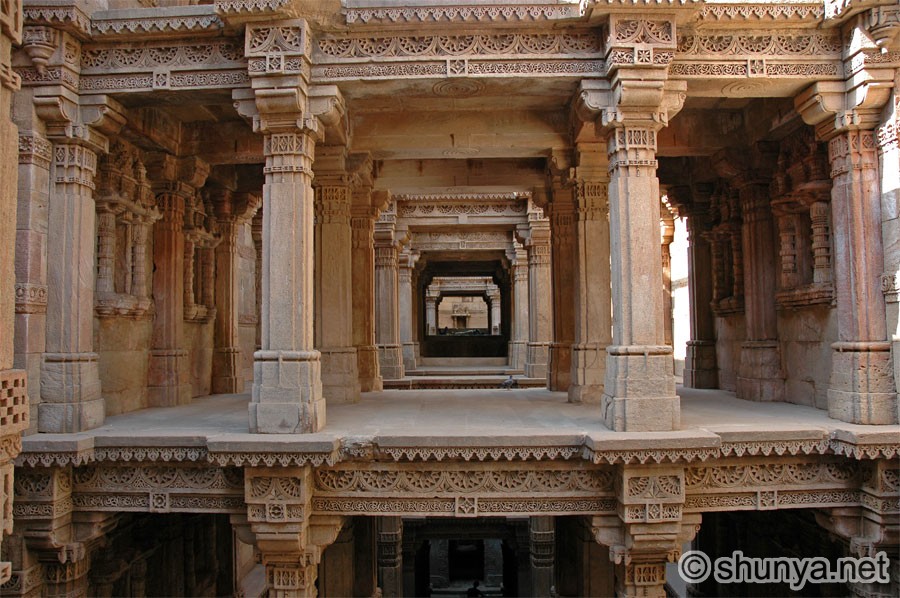
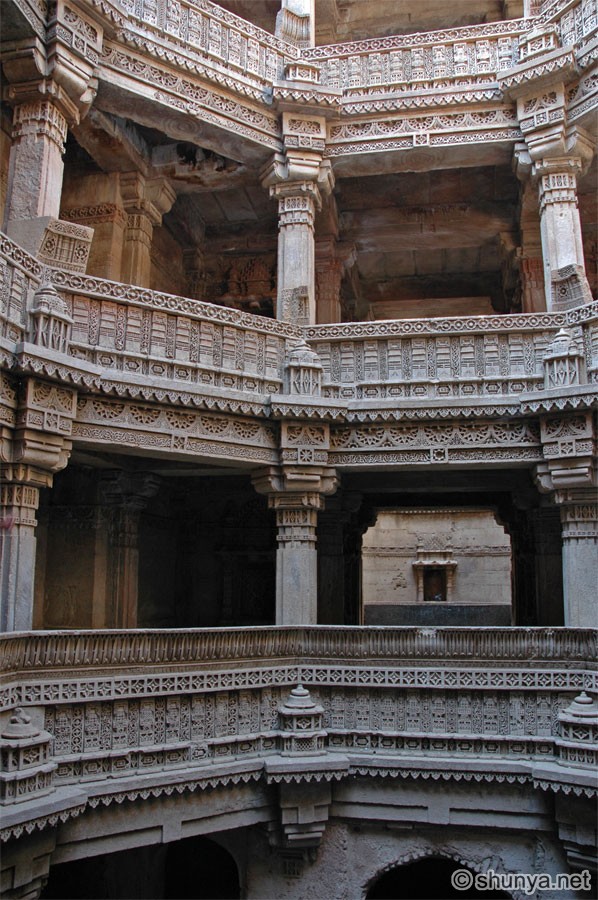
Adalaj Wav (or baoli, a stepped well) ▒ |
|||
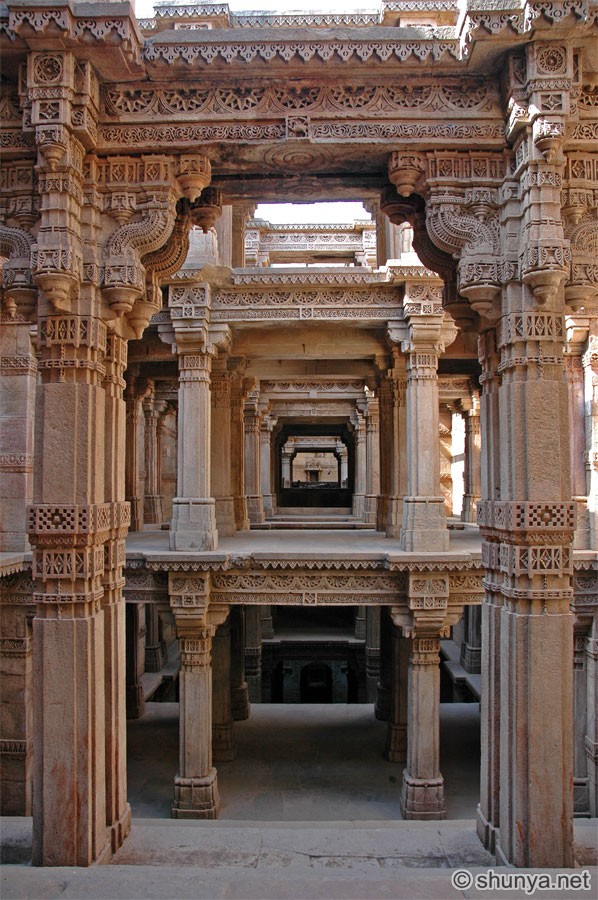 |
Wall decor 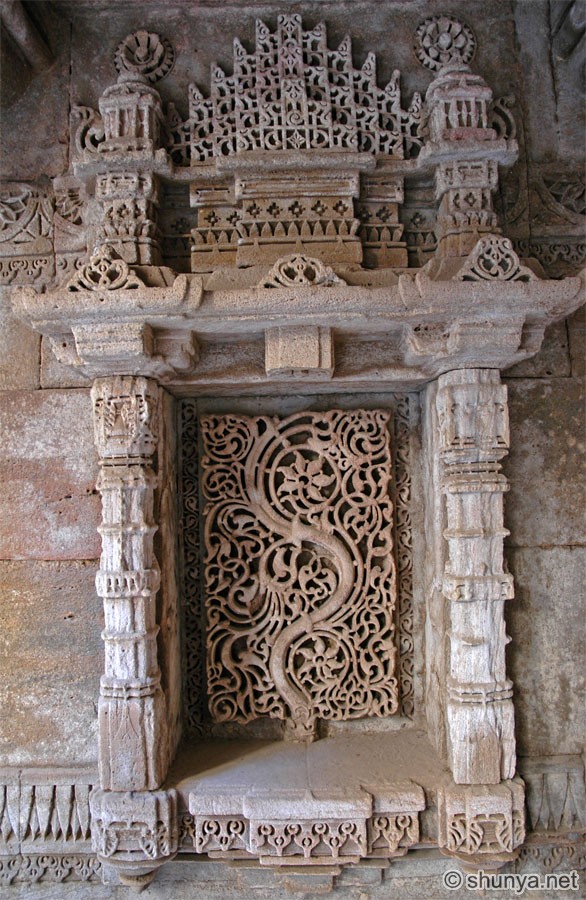 |
Pillars with window frame 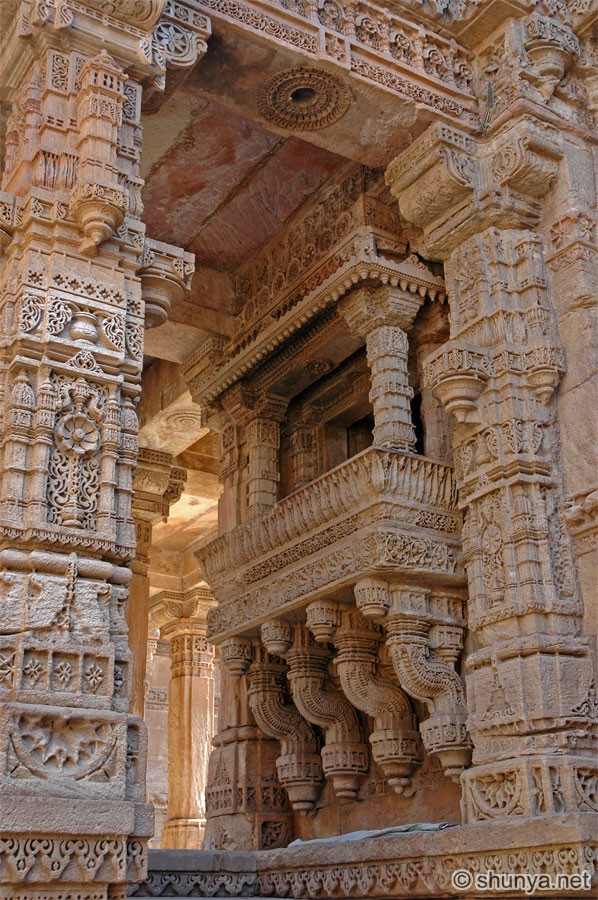 |
Mock window frame 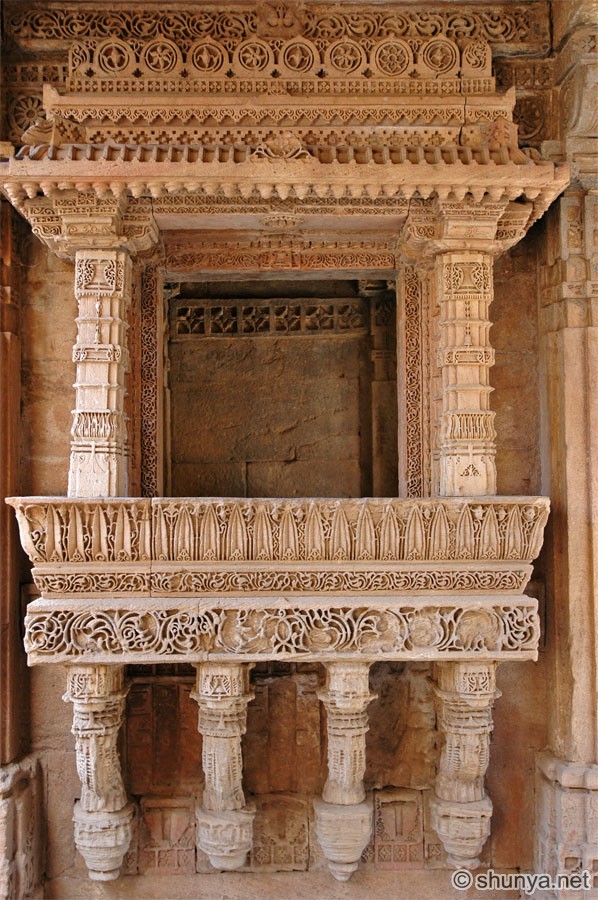 |
Multiple floors (more) 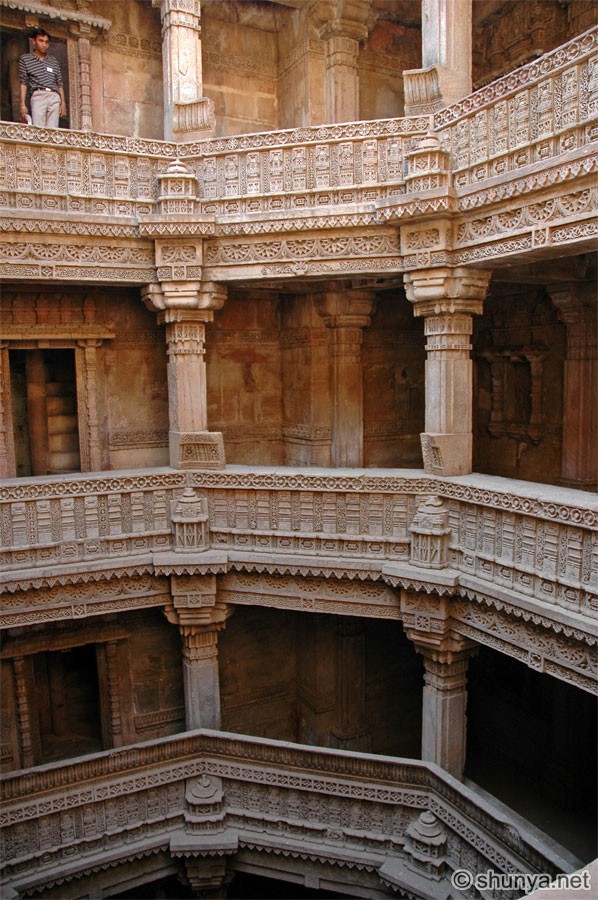 |
View from the well 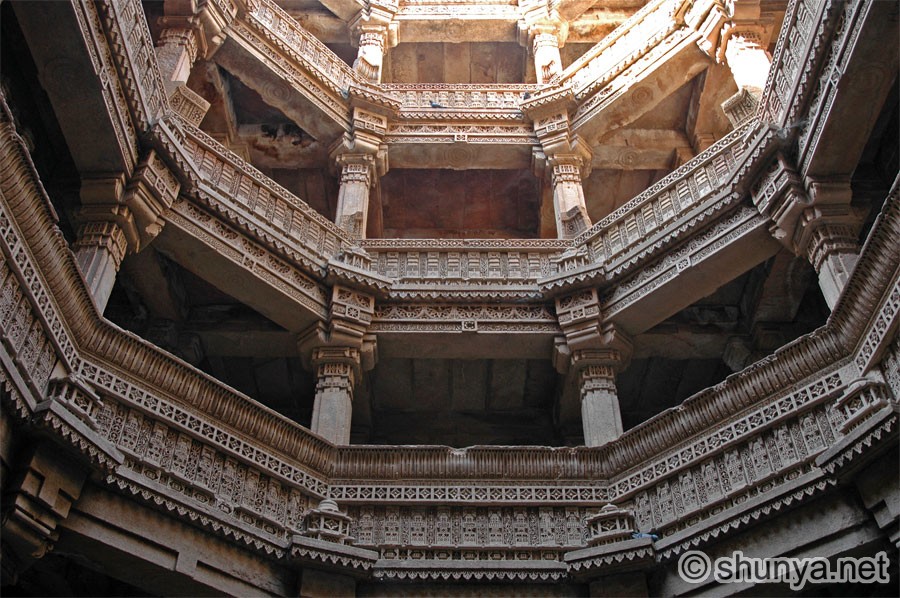 |
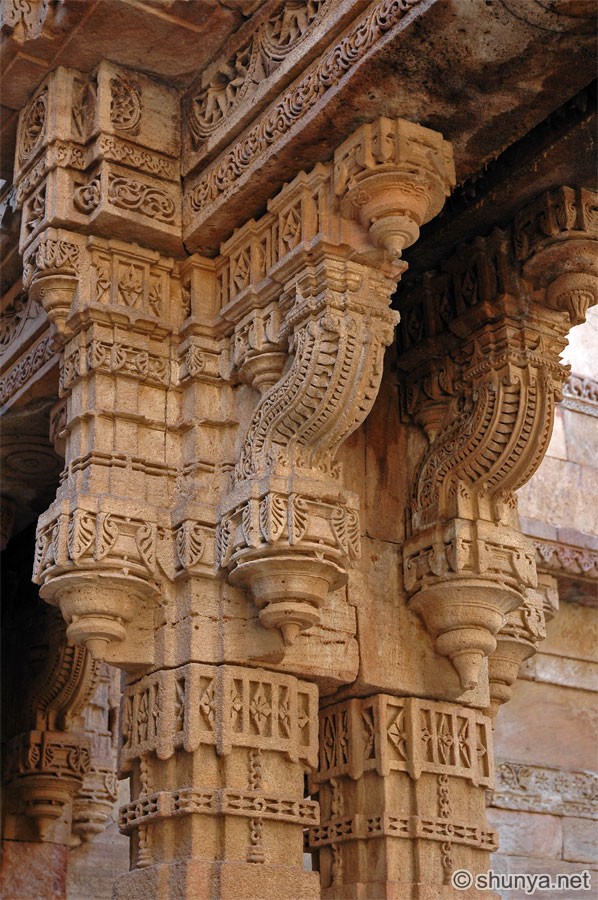
Pillar brackets (more) 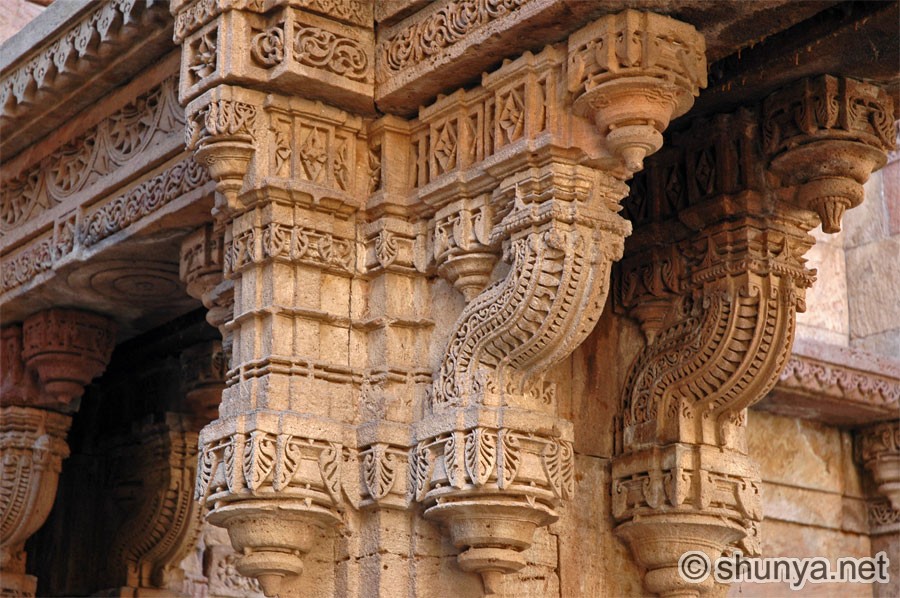 |
Bottom of the baoli 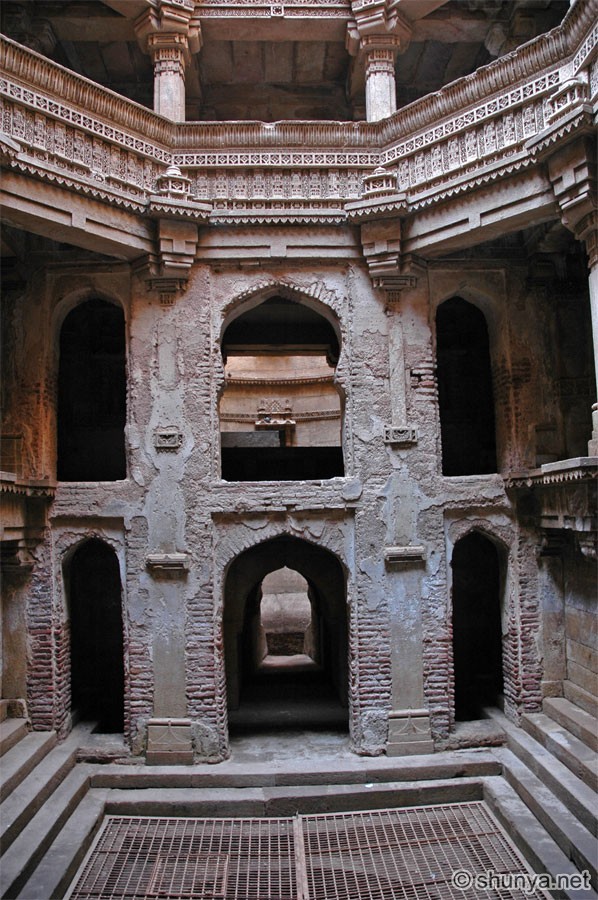 |
|
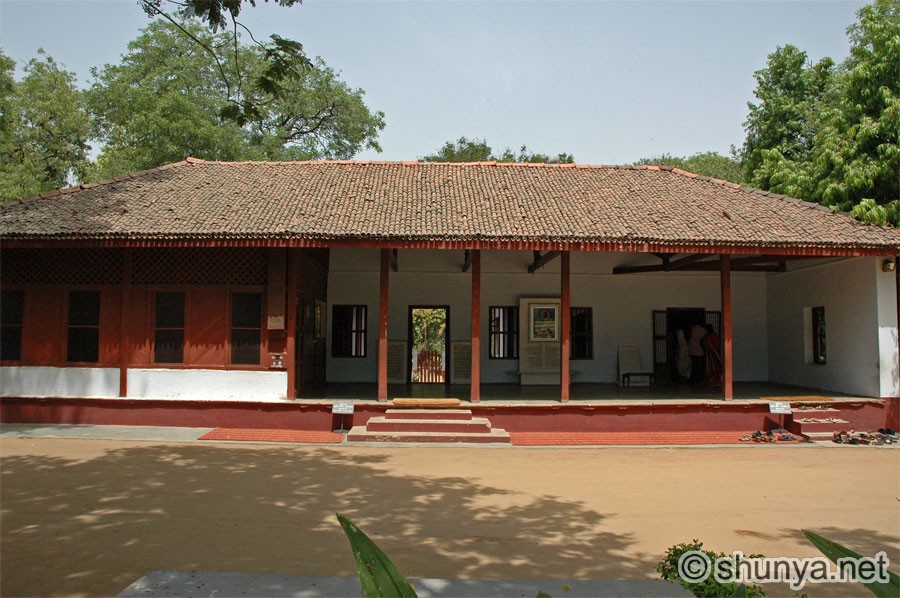
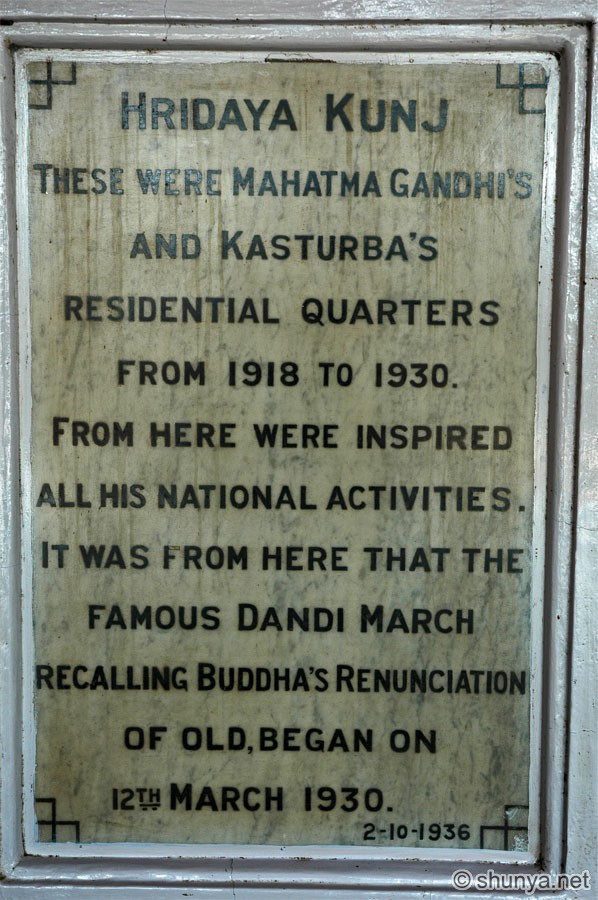
Gandhi's Sabarmati Ashram |
|||
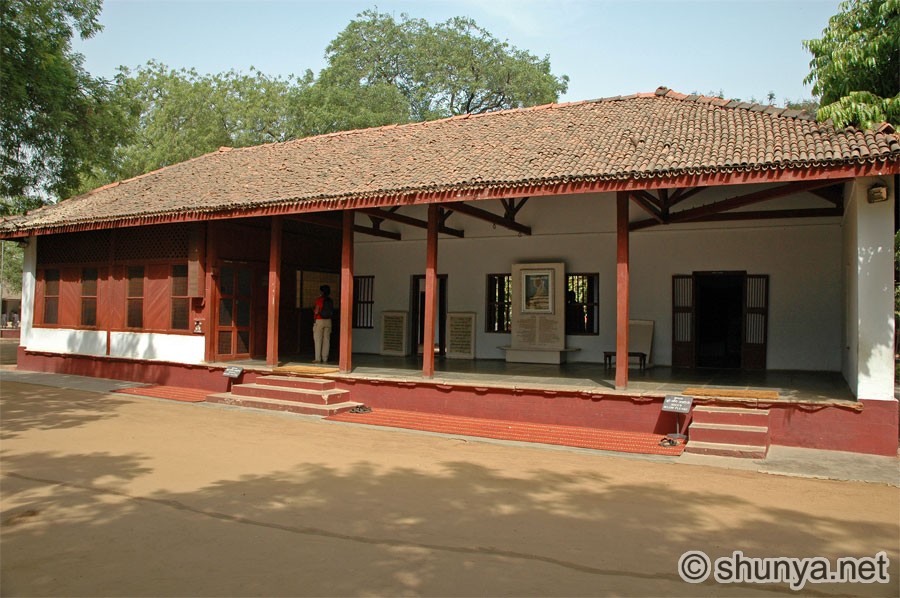 |
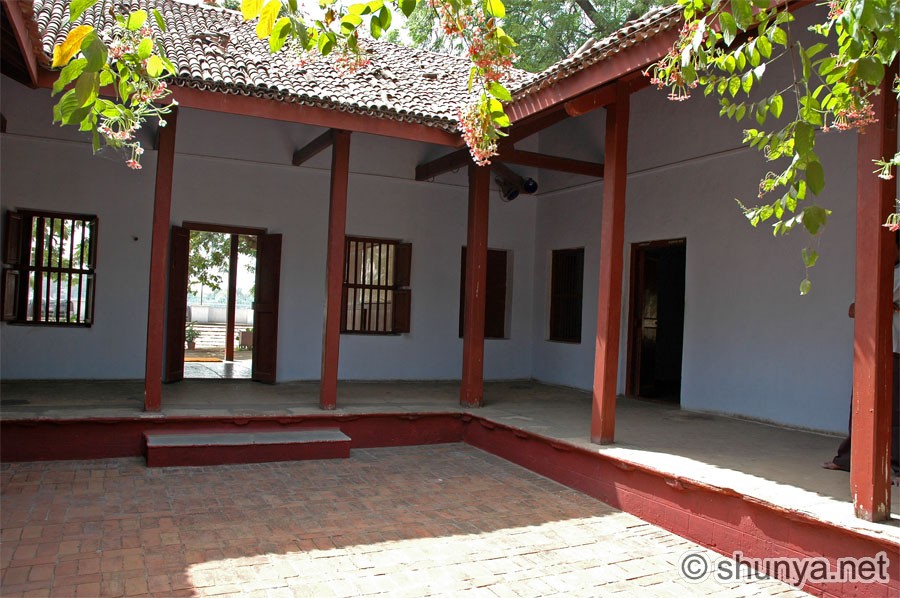
Inner courtyard (more) 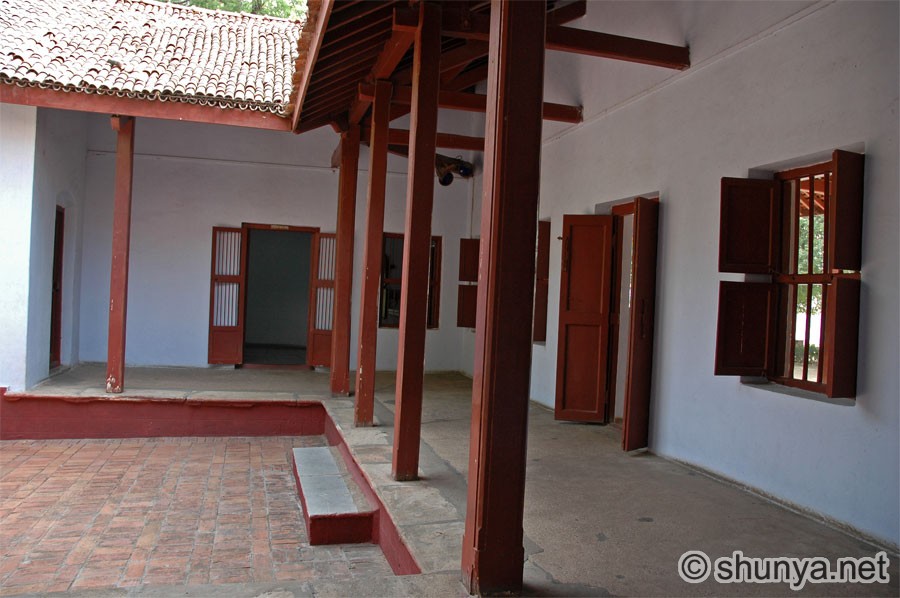 |
Kitchen 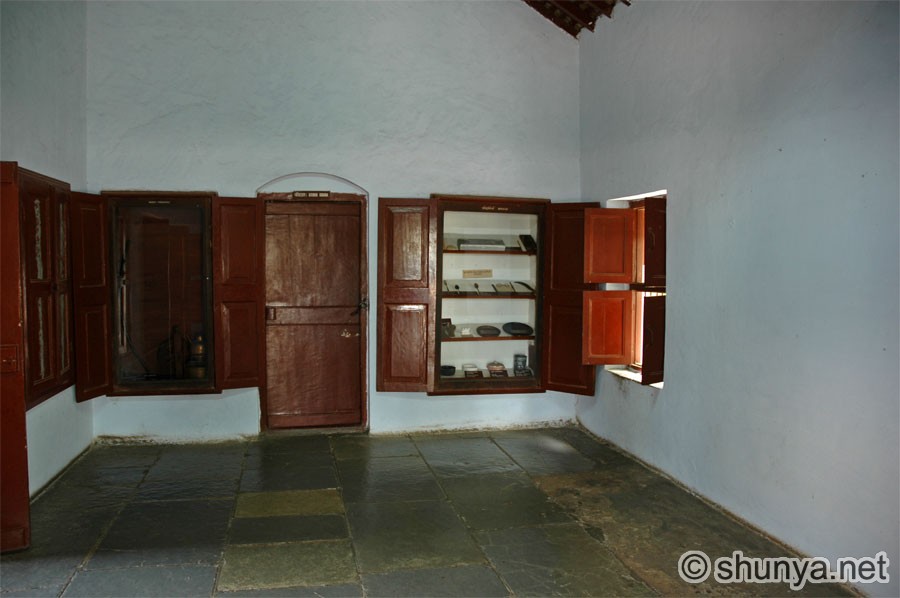 |
Meeting room 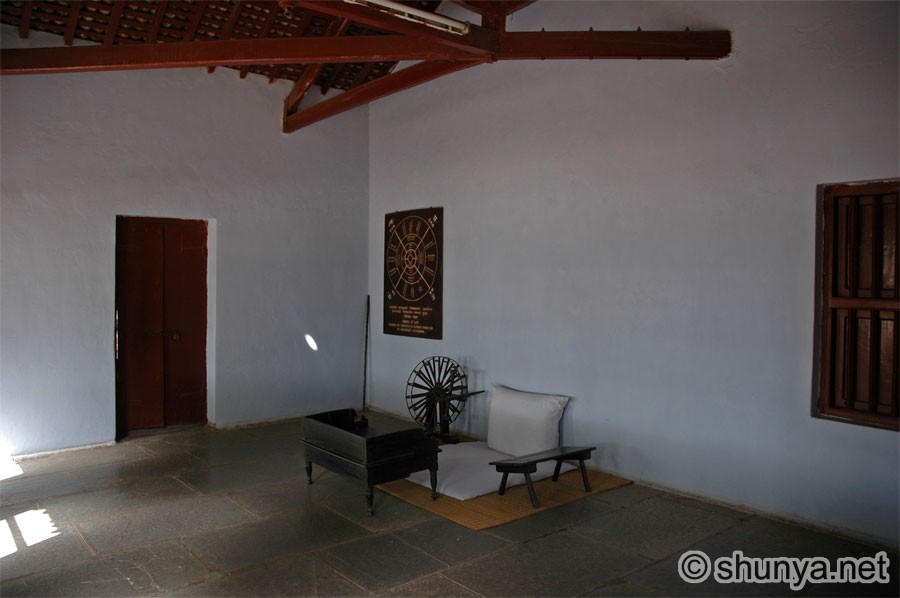 |
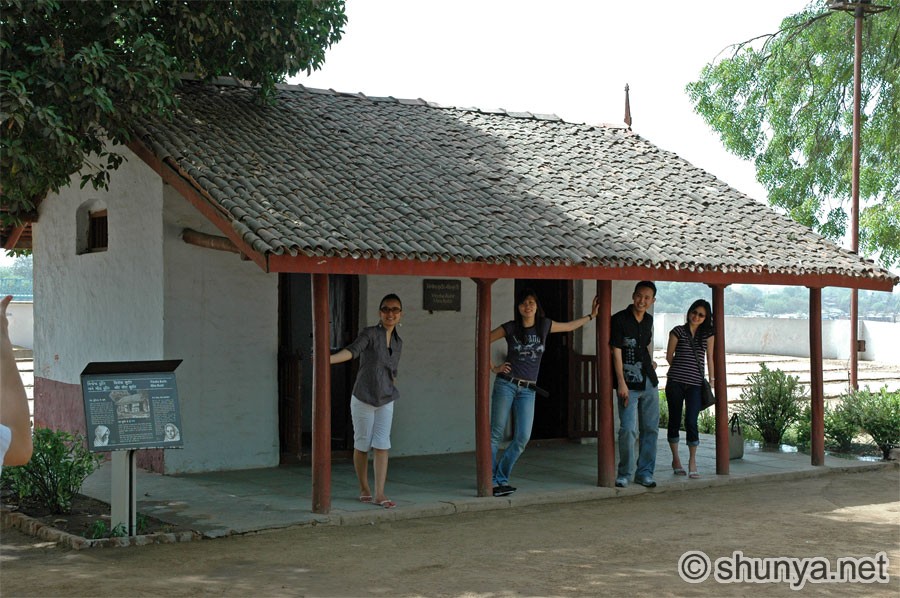
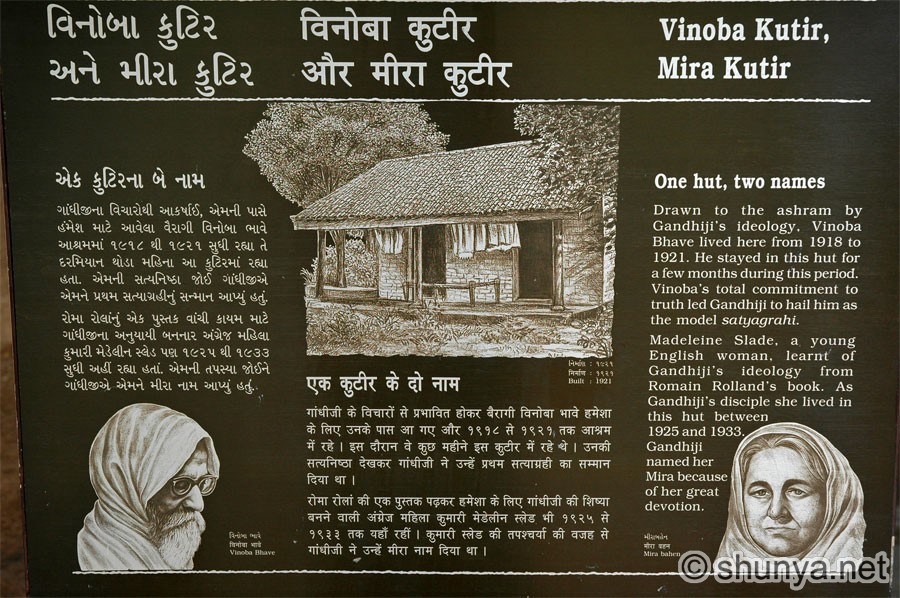
Vinoba kutir,
Mira kutir 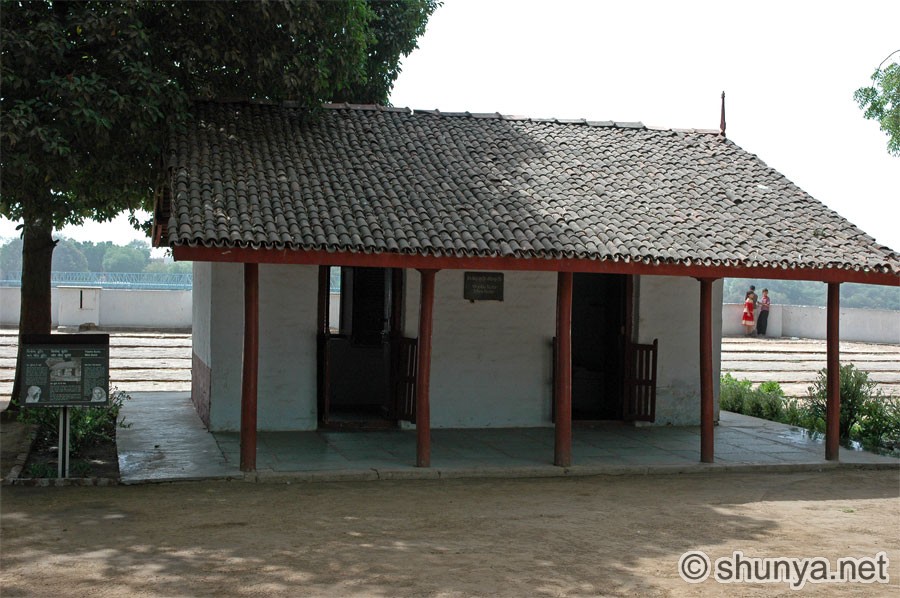 |
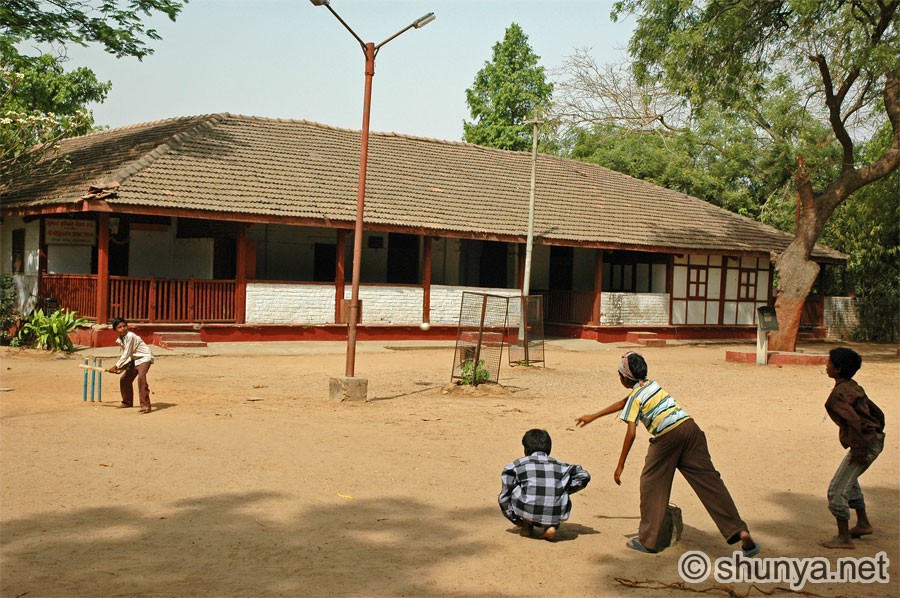
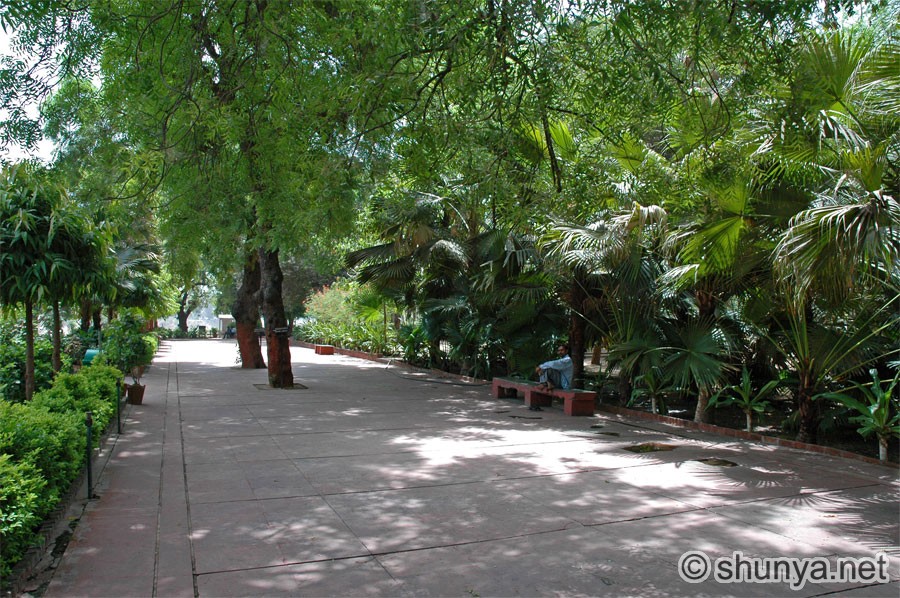
Ashram grounds (cricket) 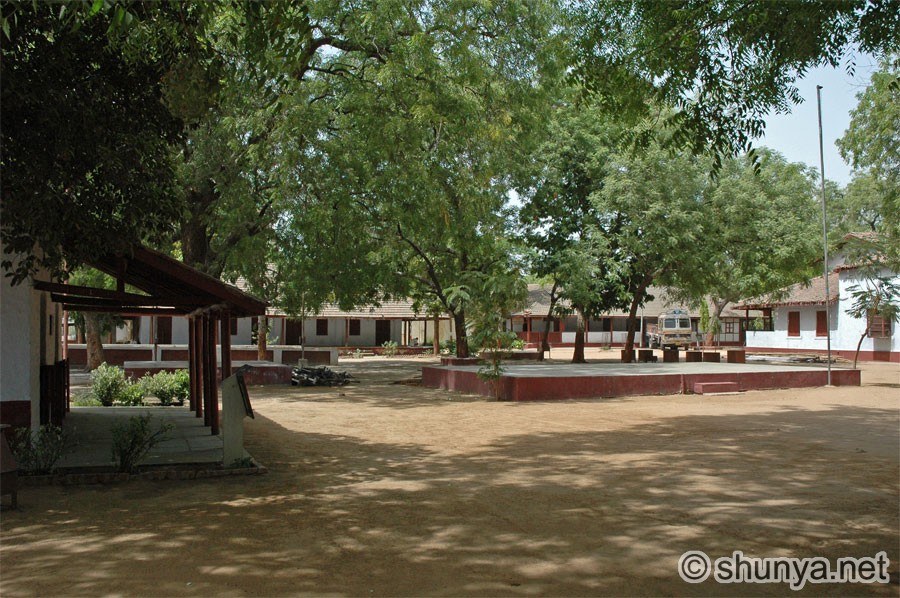 |
Hot afternoon (entryway) 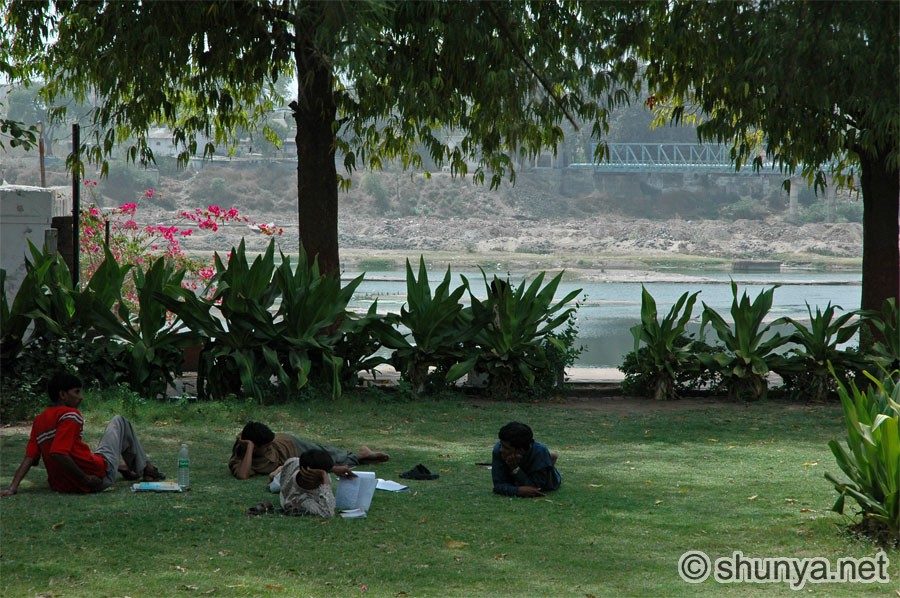 |
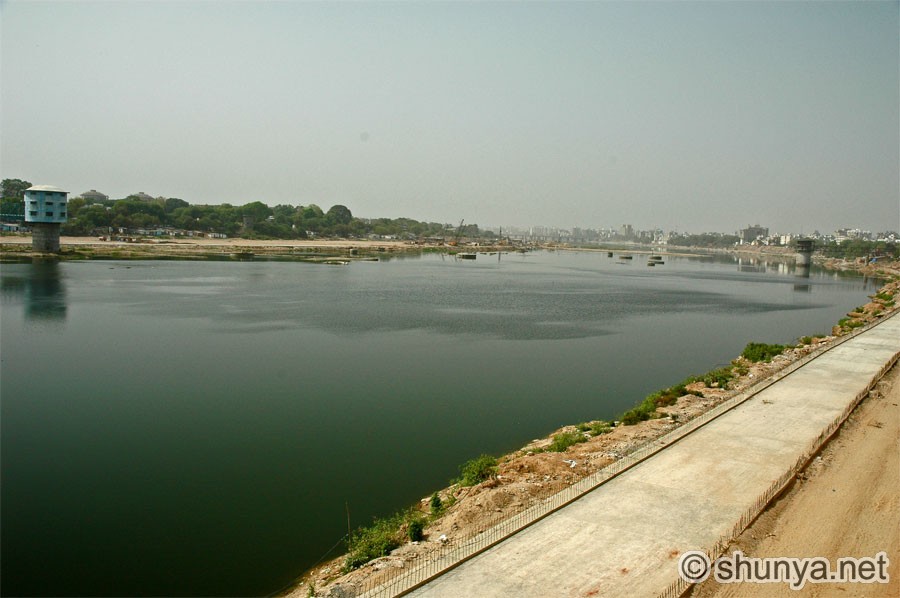
Sabarmati river (more) 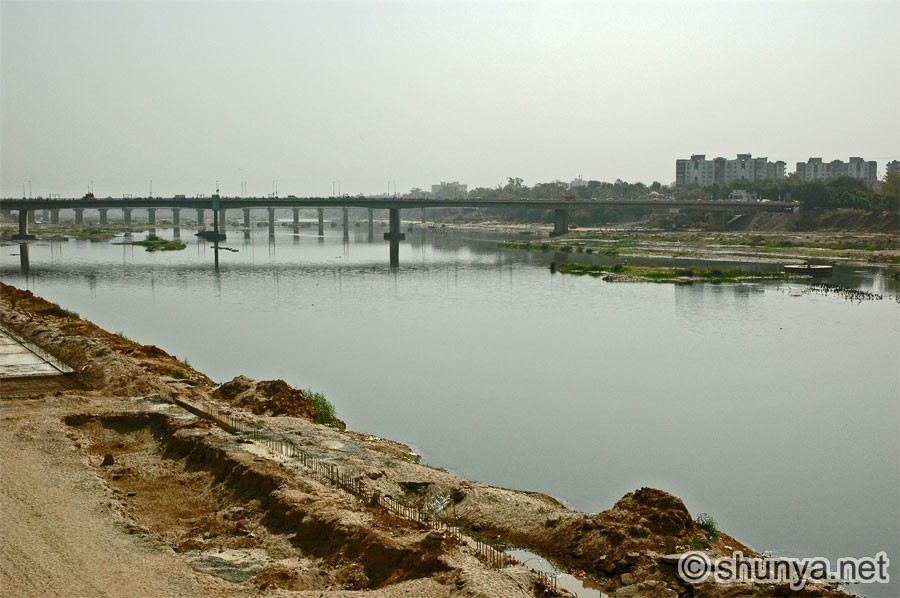 |
An ashram visitor 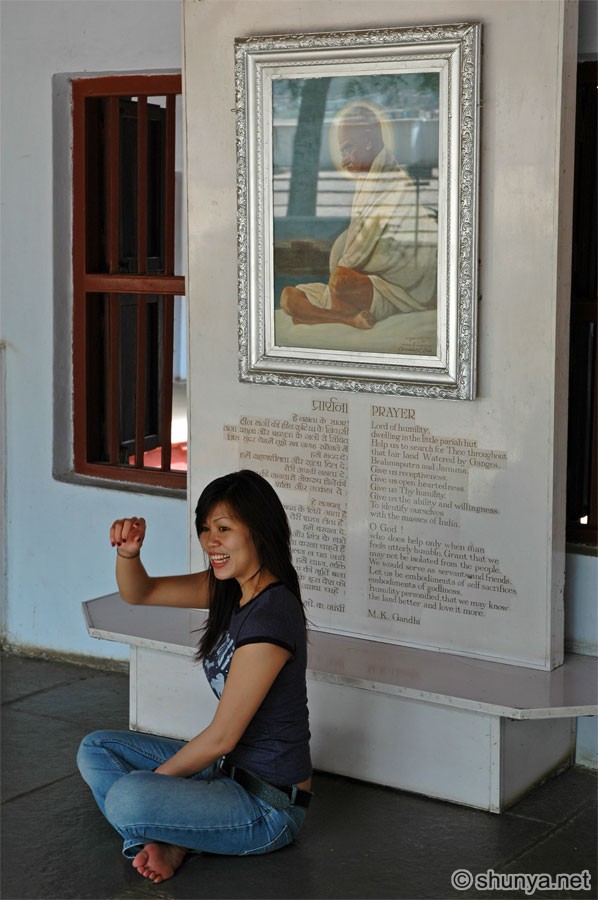 |
Painting at the museum 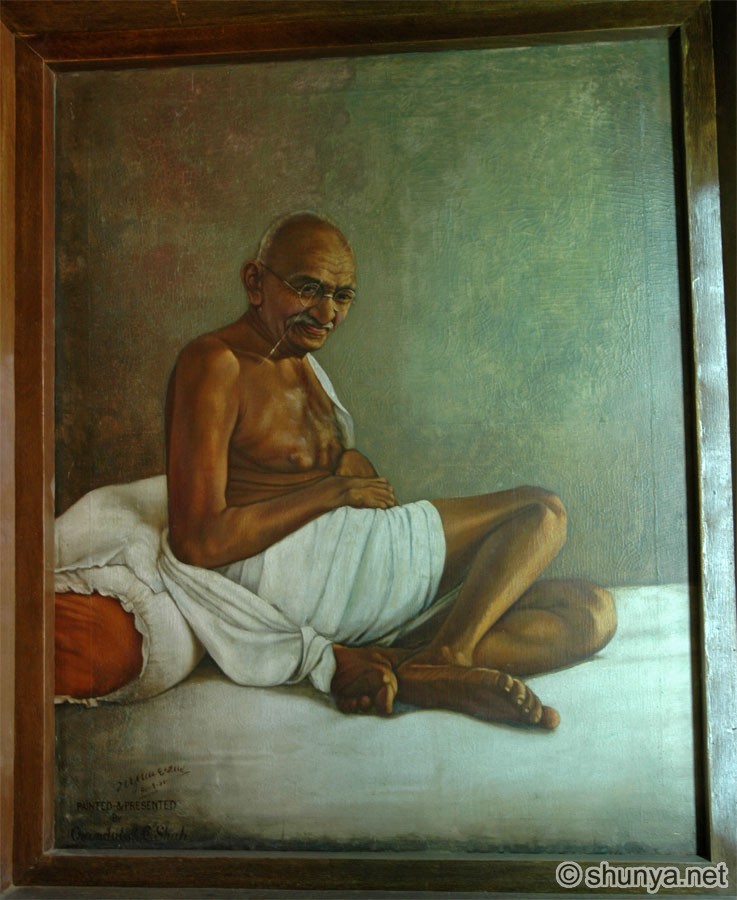 |
Painting at the museum 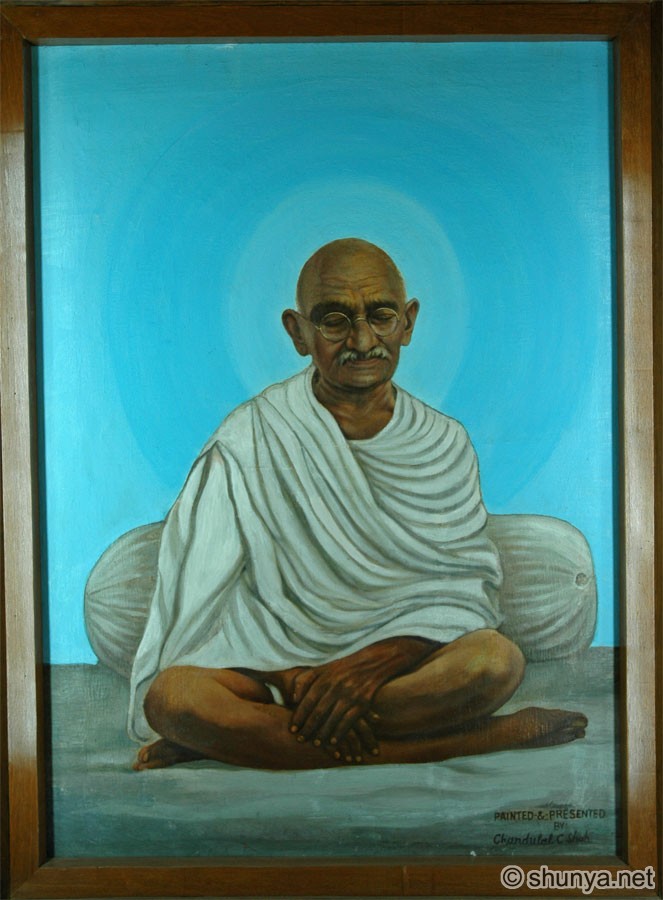 |
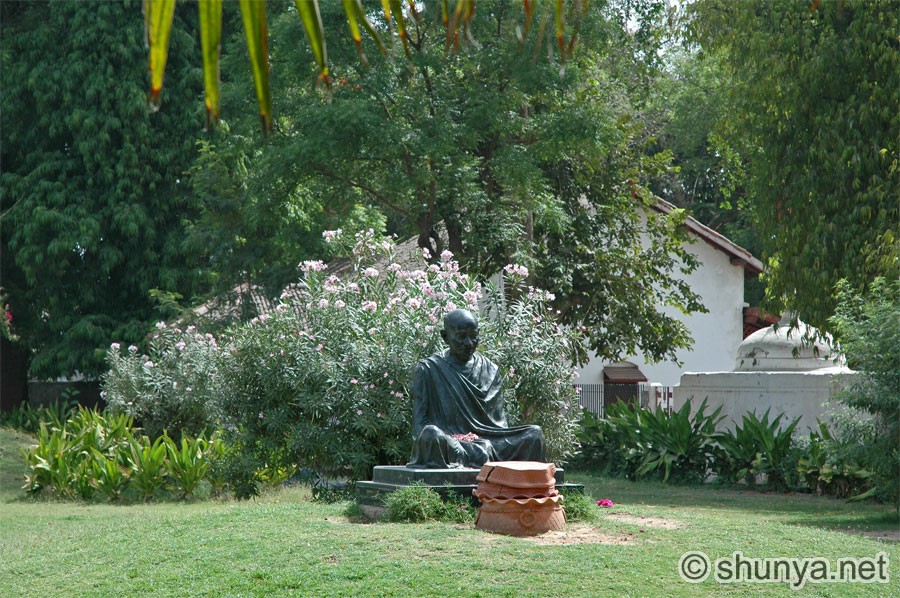
MK Gandhi statue (more) 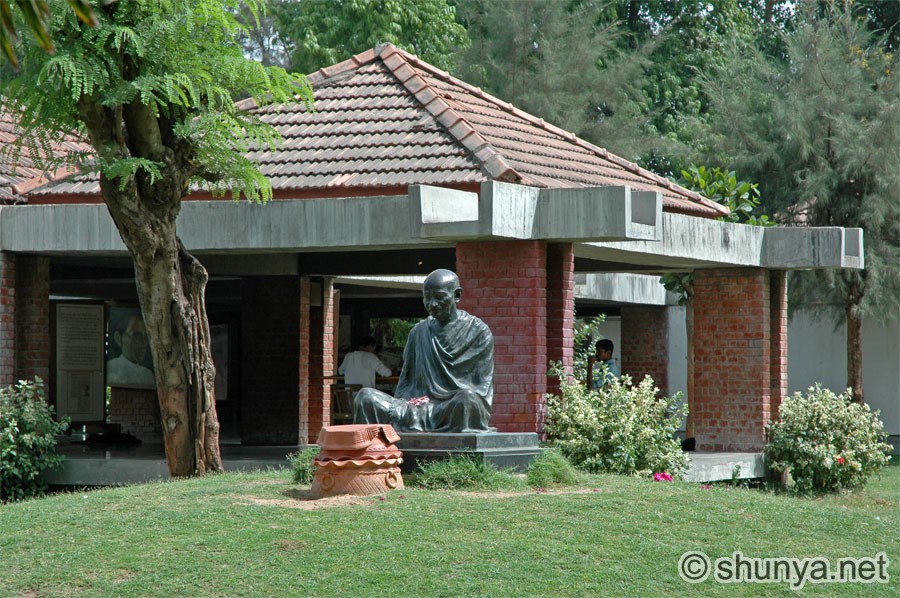 |
Dandi march 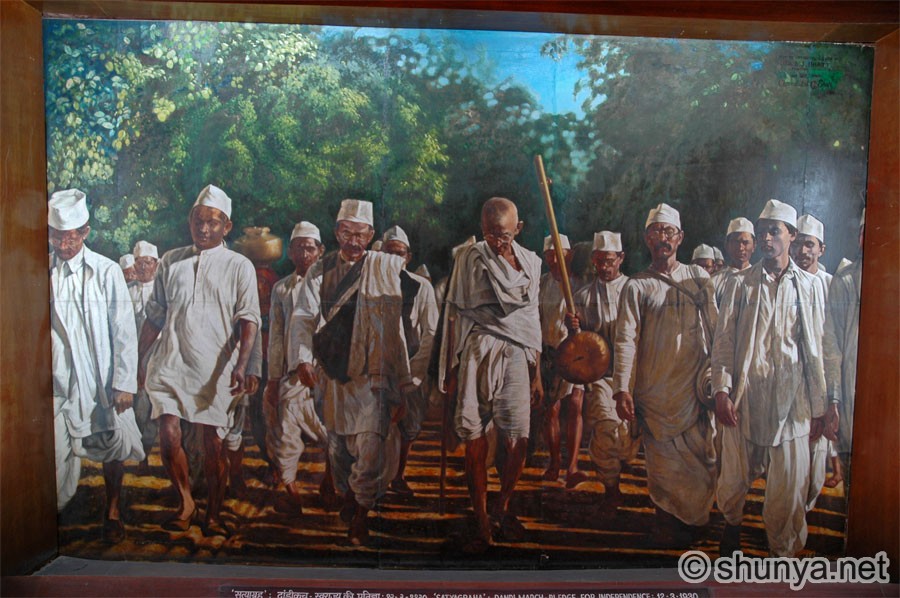 |
At his spinning wheel 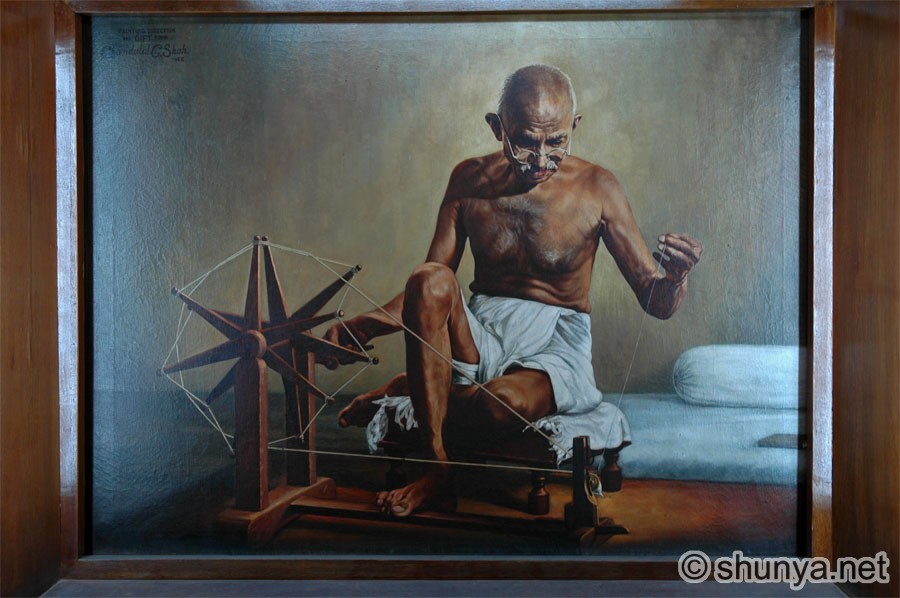 |
Presiding at dalit marriage 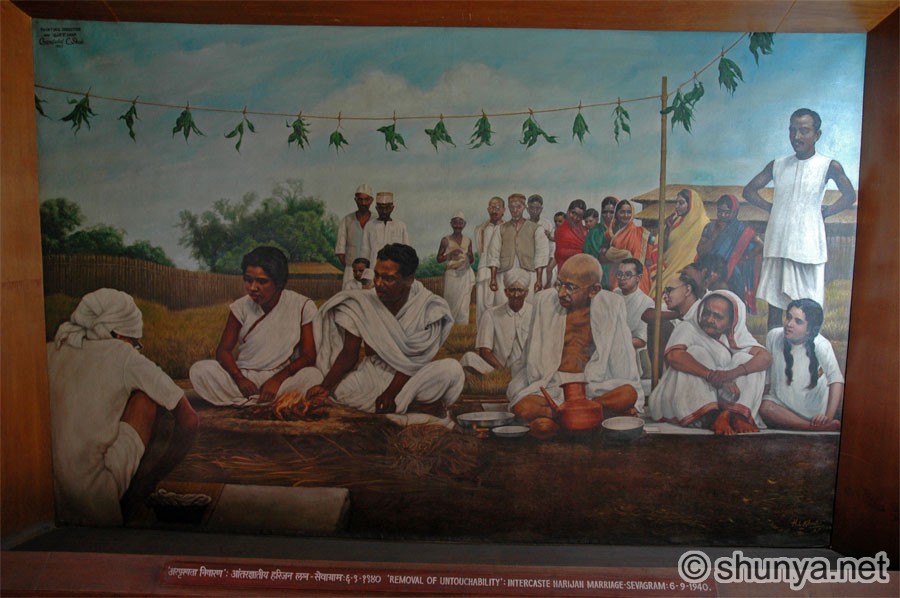 |
Marching with other leaders 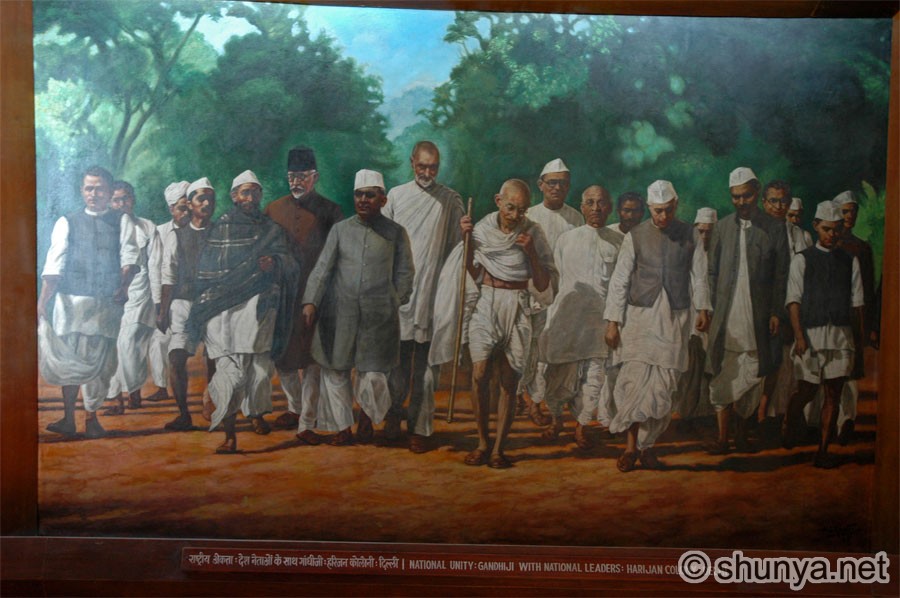 |
Ending a fast 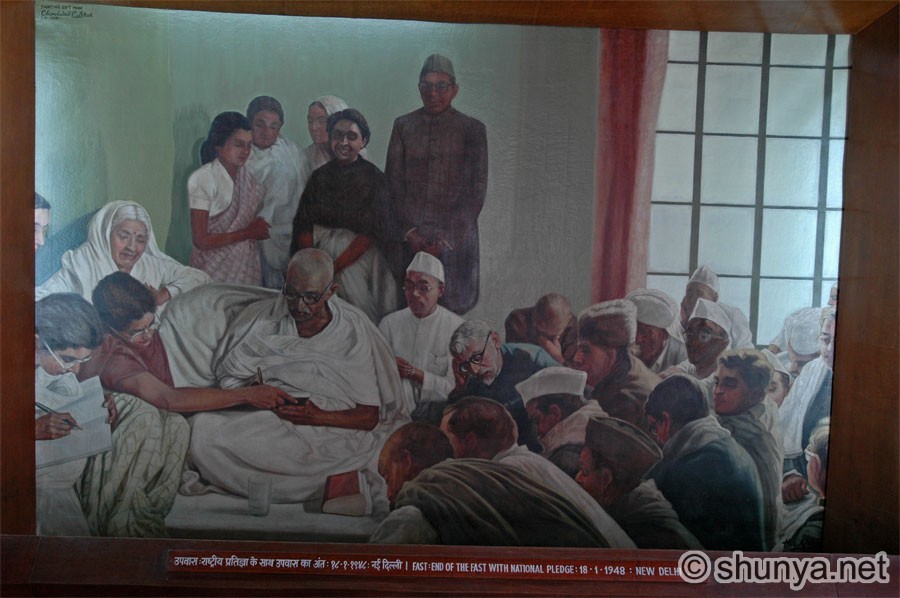 |
"Tragedy of a great soldier" 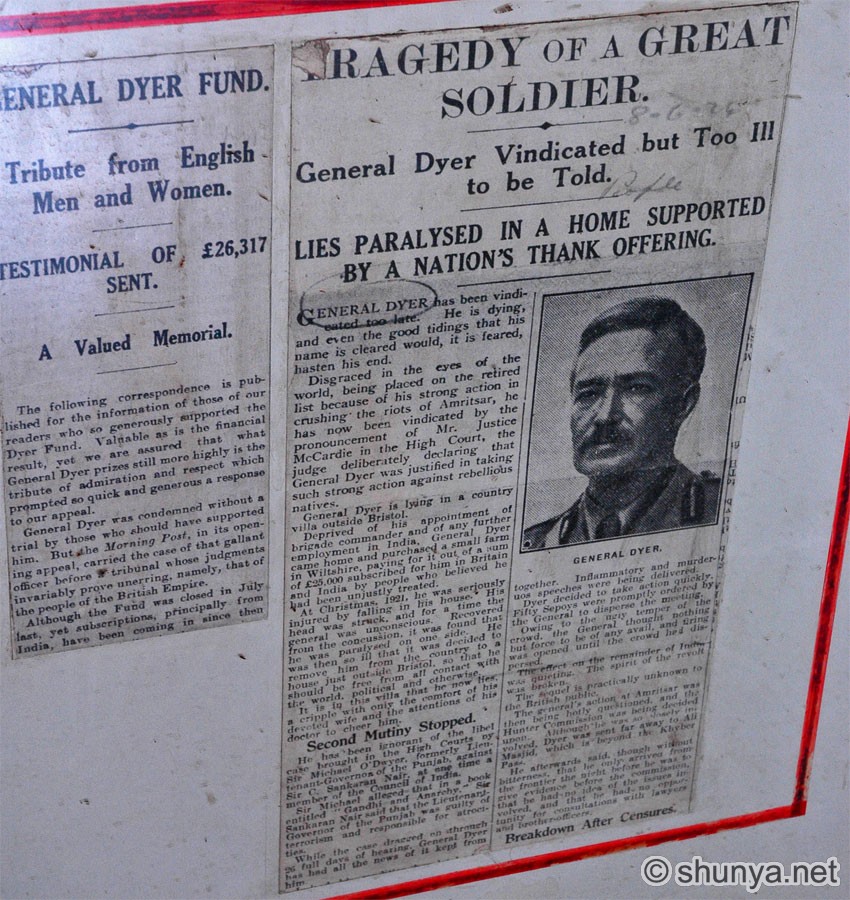 |
MK Gandhi 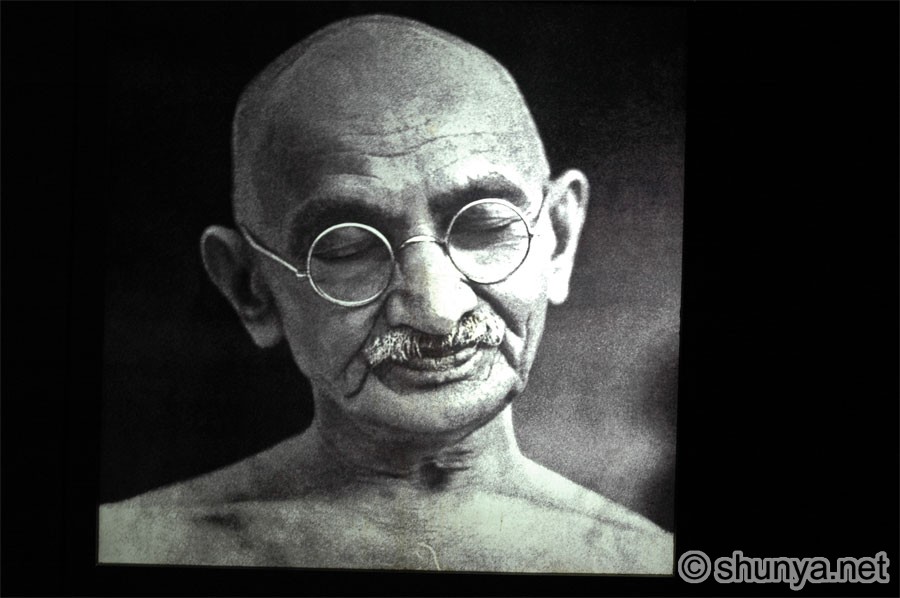 |
His spinning wheel 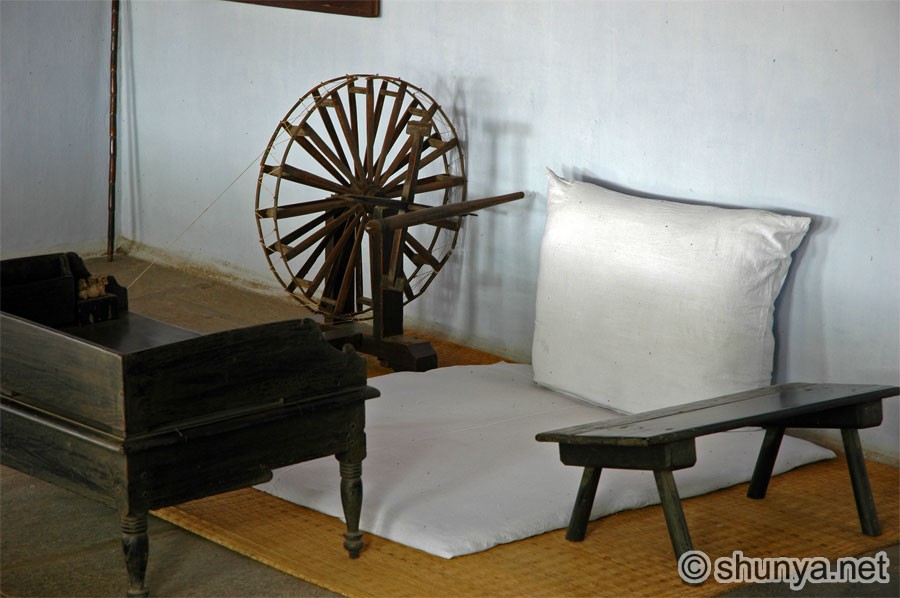 |
MLK Jr. on Gandhi 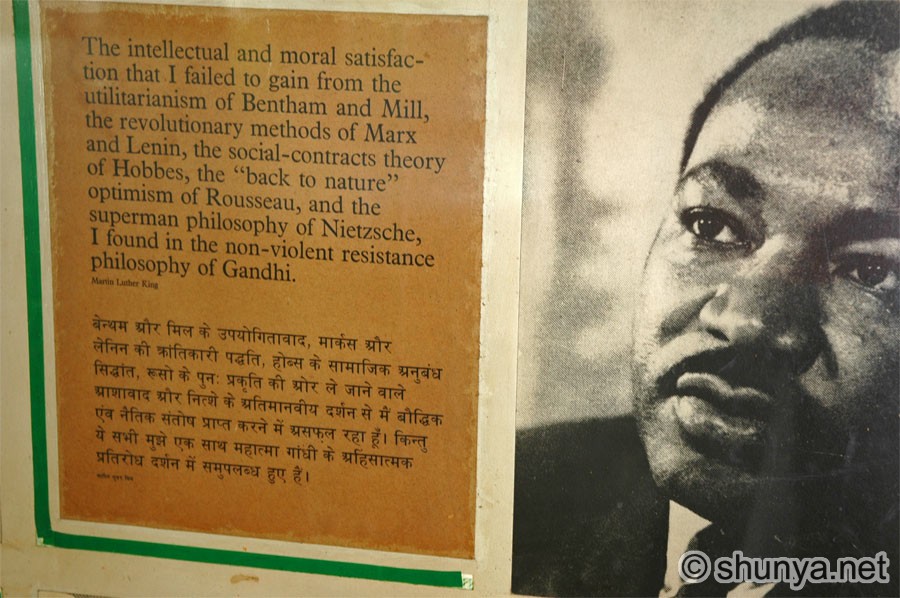 |
Toynbee on Gandhi 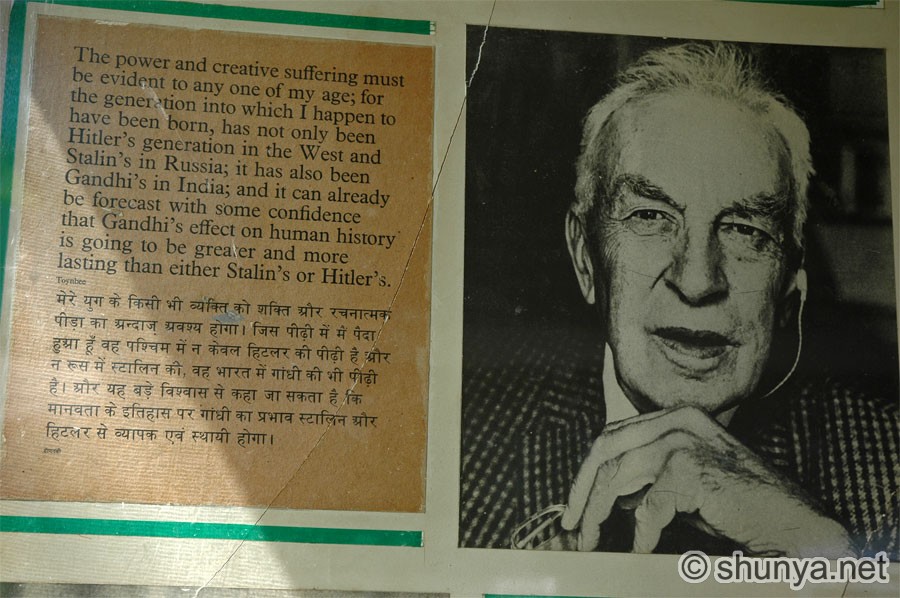 |
Aldous Huxley on Gandhi 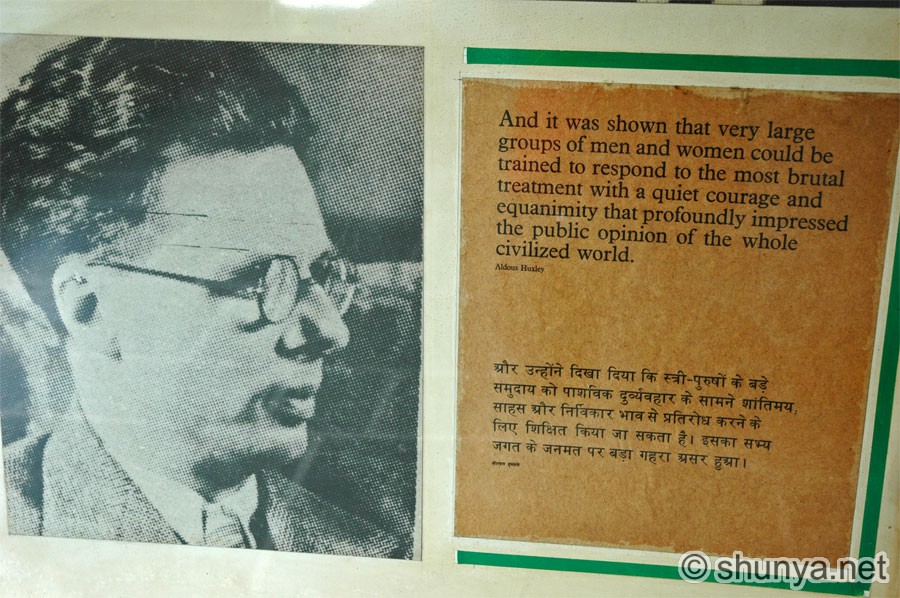 |
Albert Einstein on Gandhi 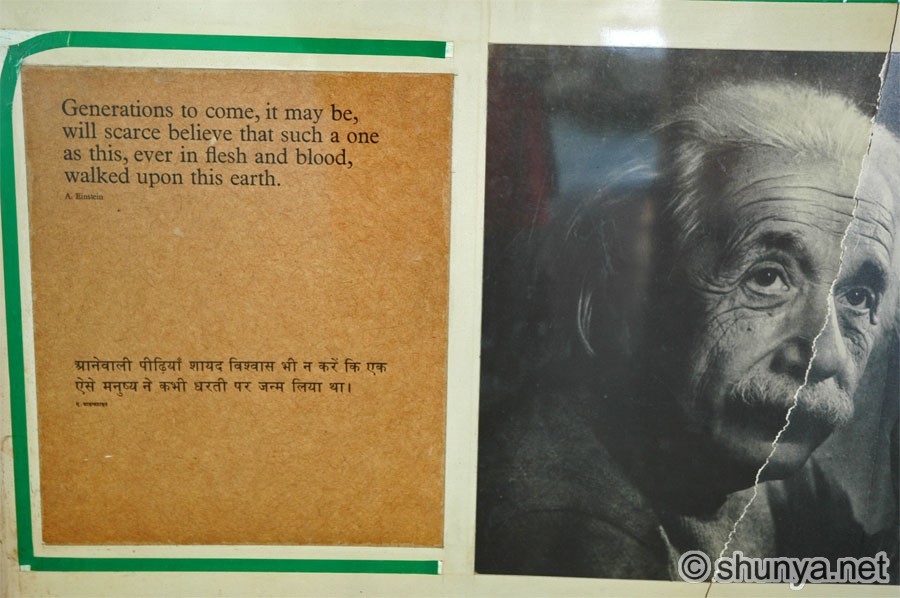 |
Designed in collaboration with Vitalect, Inc. All rights reserved. |