




Nagarjunakonda, Andhra Pradesh, India (Dec 2005, Sep 2018)
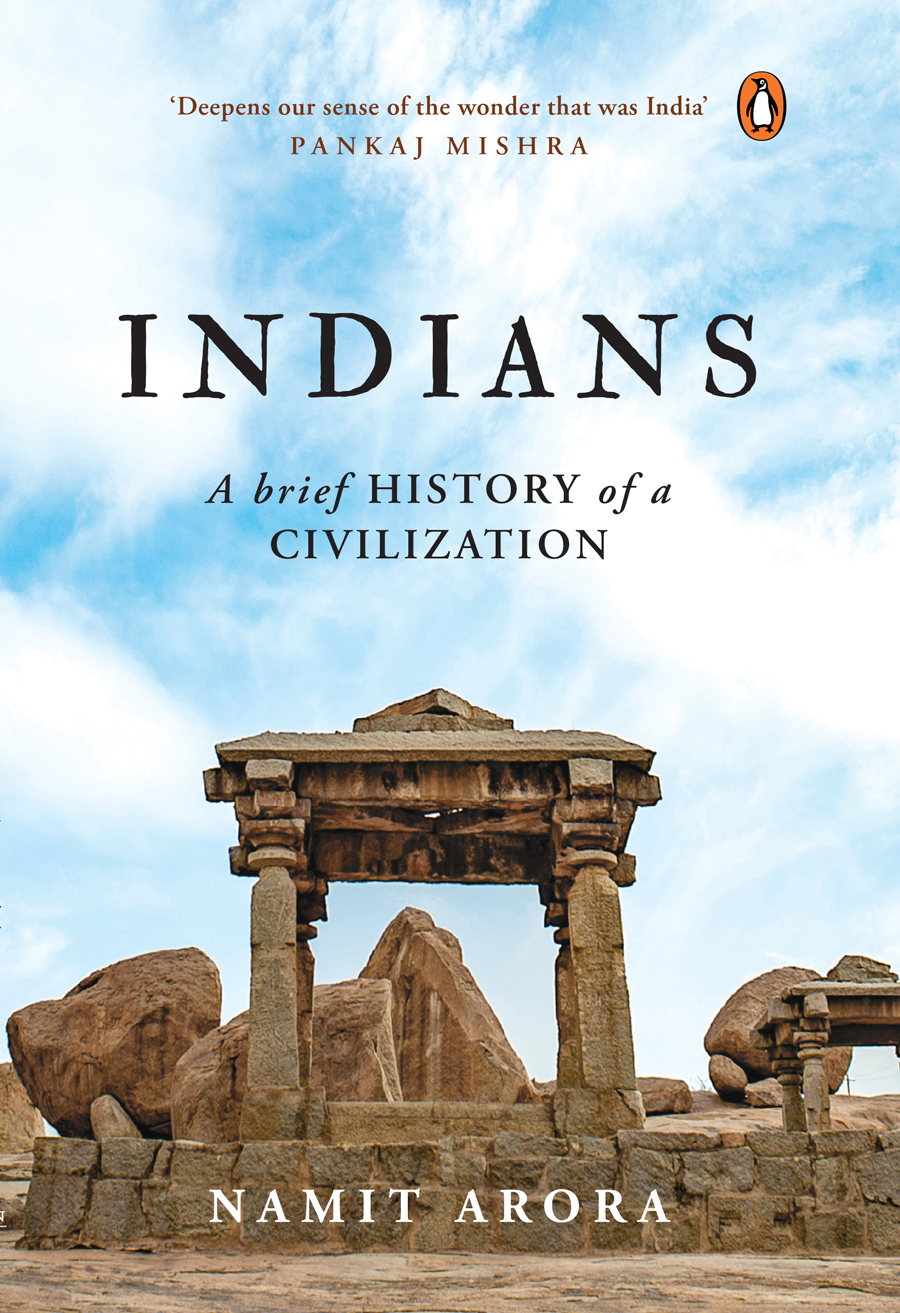
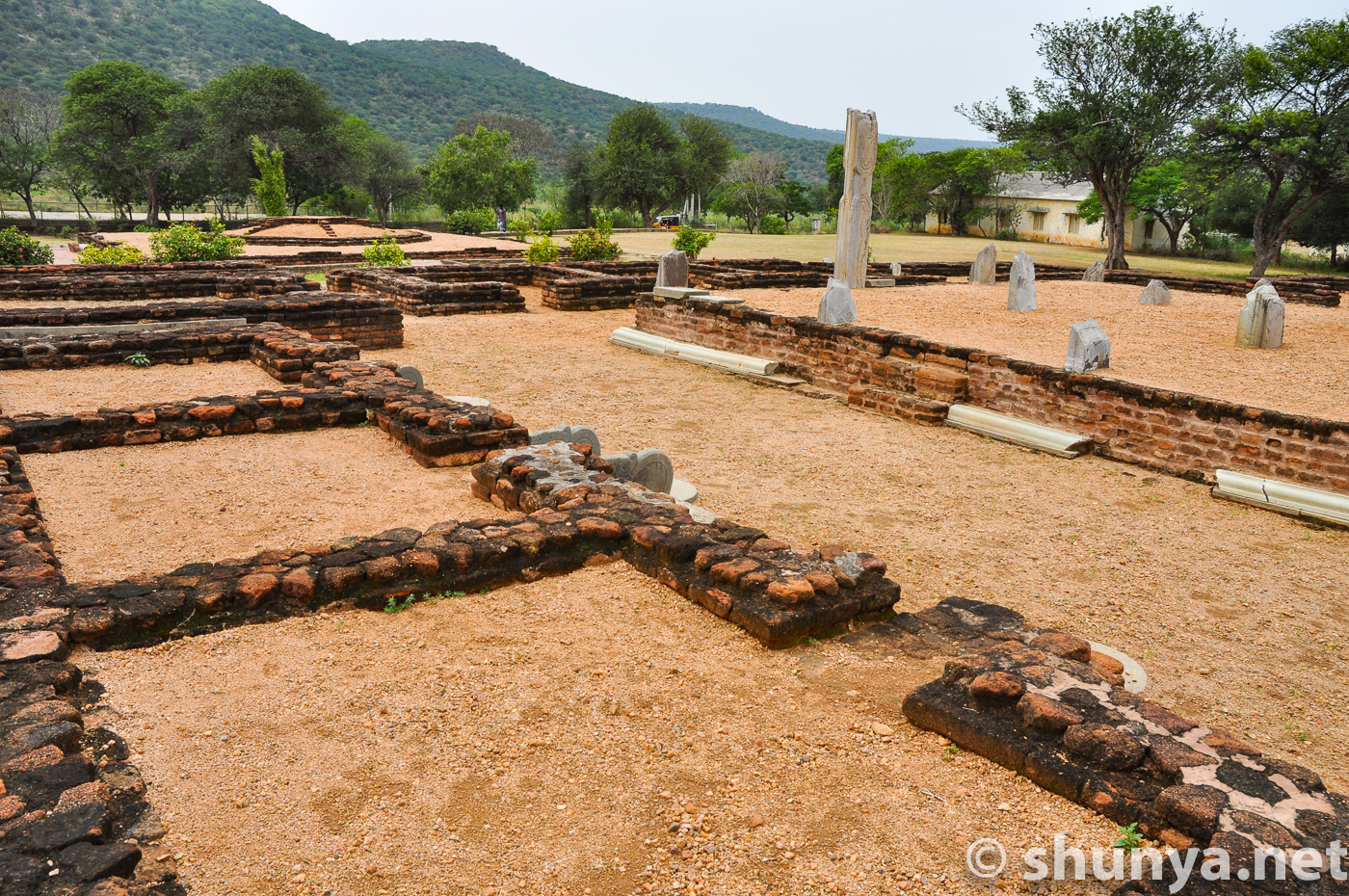
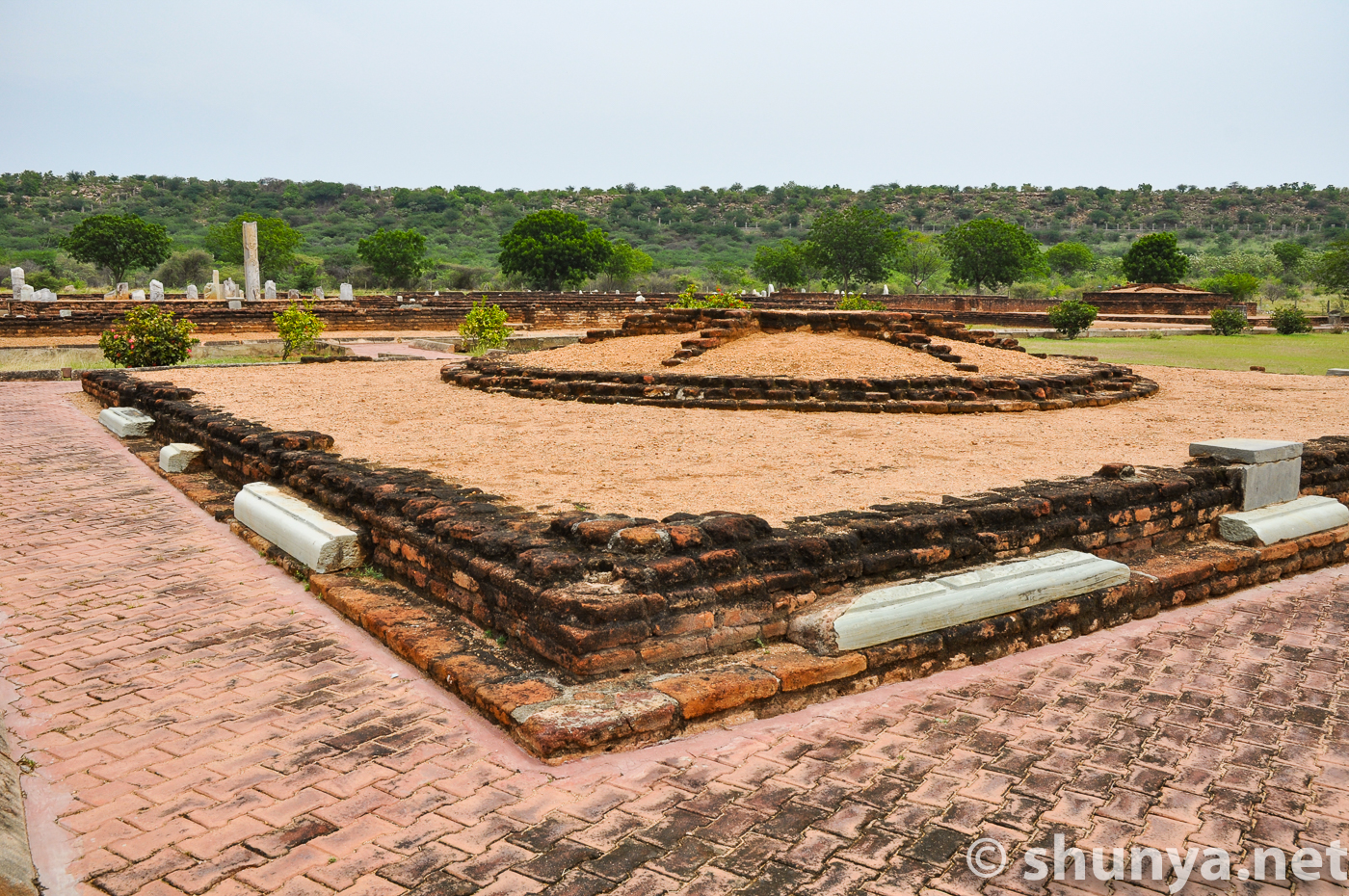
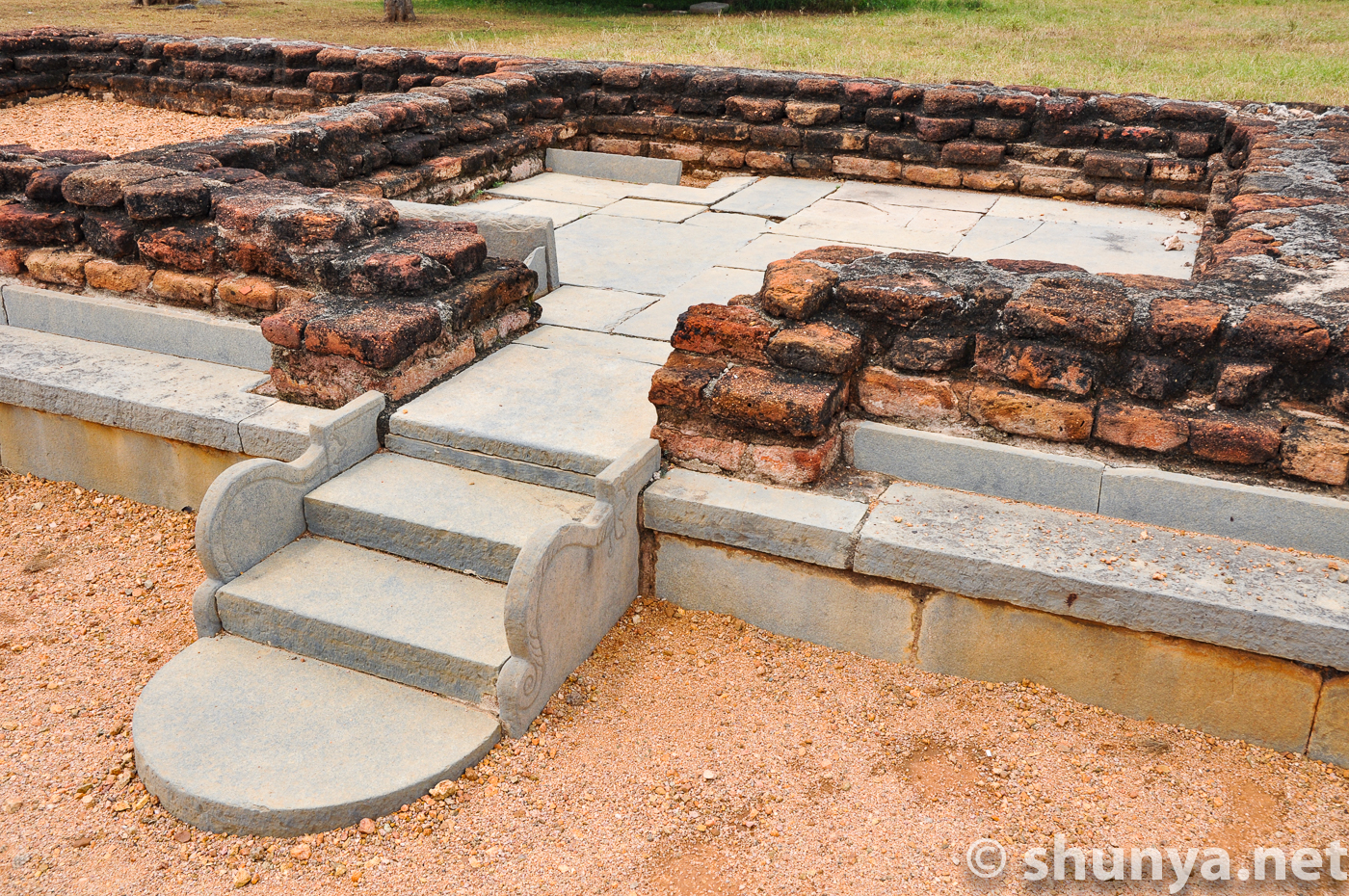
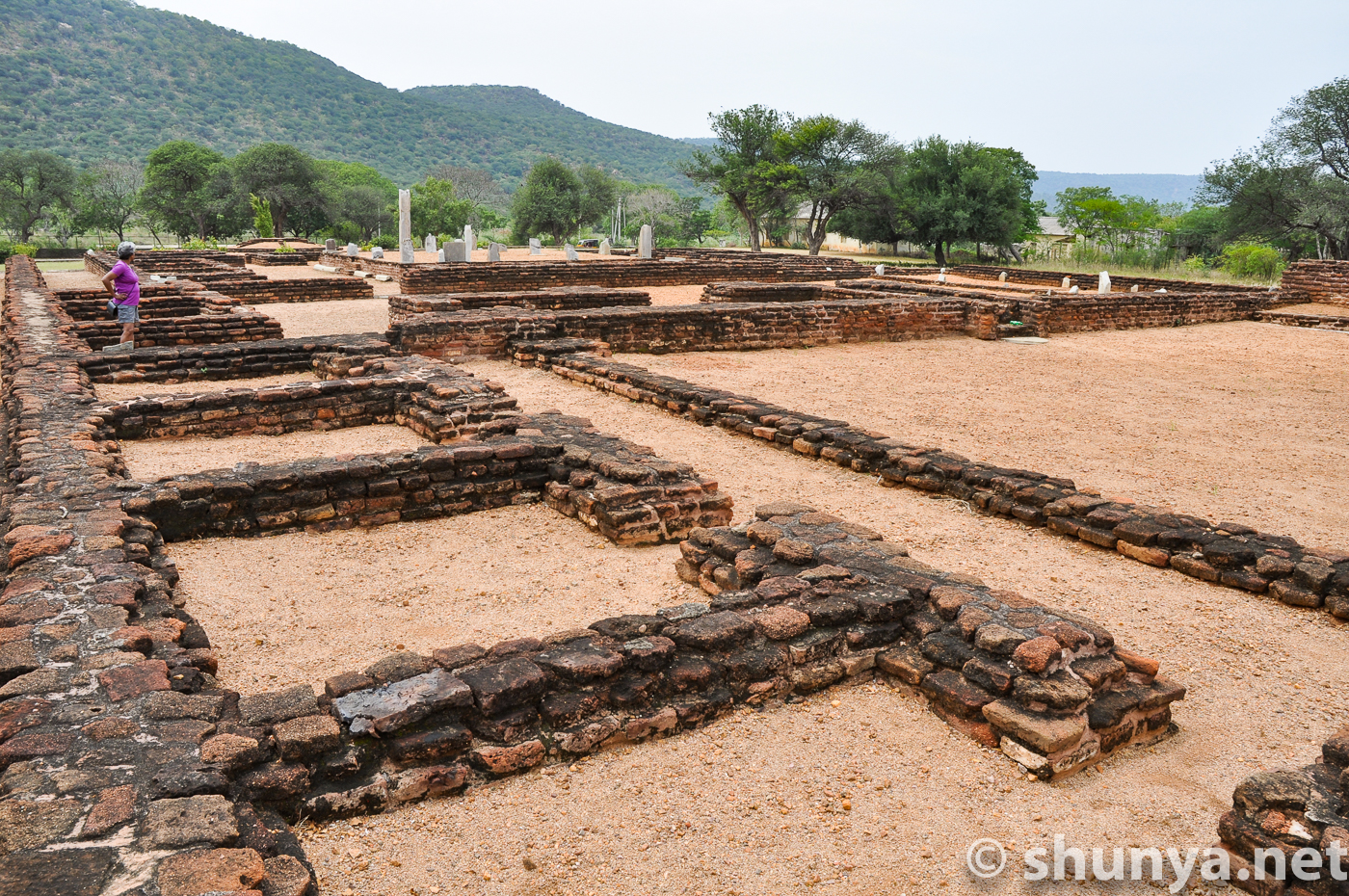
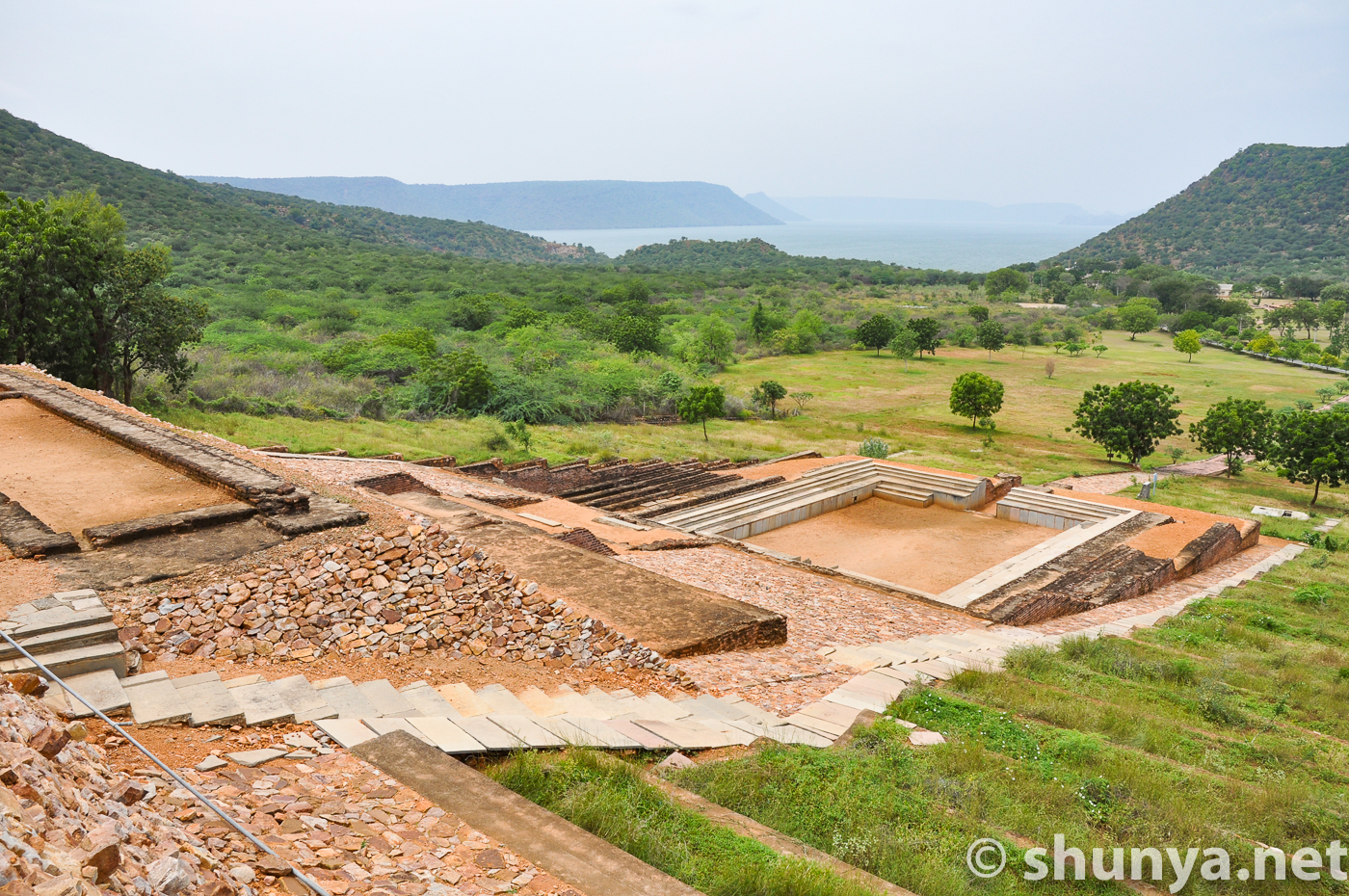
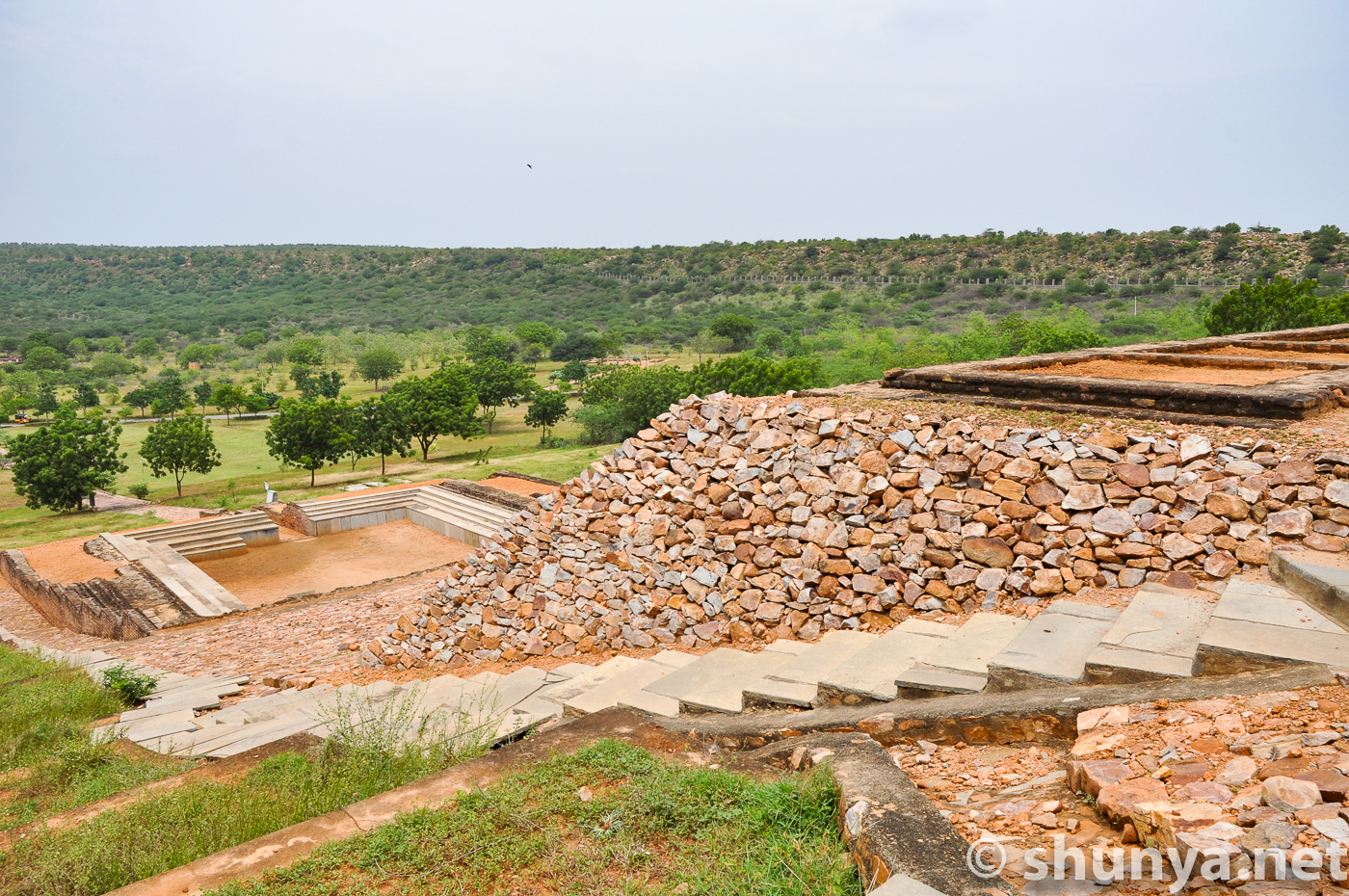
"I then visit Nagarjunakonda, a lost world found in 1920. Once called Vijayapuri, it was the capital of the Ikshvaku Kingdom (c. 220–320 CE) that traded with Rome and whose Buddhist institutions were mainly patronized by wealthy women. Among its remains is the only amphitheatre found in ancient India. I take an imaginary walk through the ancient city and consider the ideas of Nagarjuna, founder of the 'Middle Path' school of Mahayana Buddhism'best known for the concept of shunyata—and one of the greatest philosophers of all time."
—From the Introduction of Namit Arora's Indians: A Brief History of a Civilization.
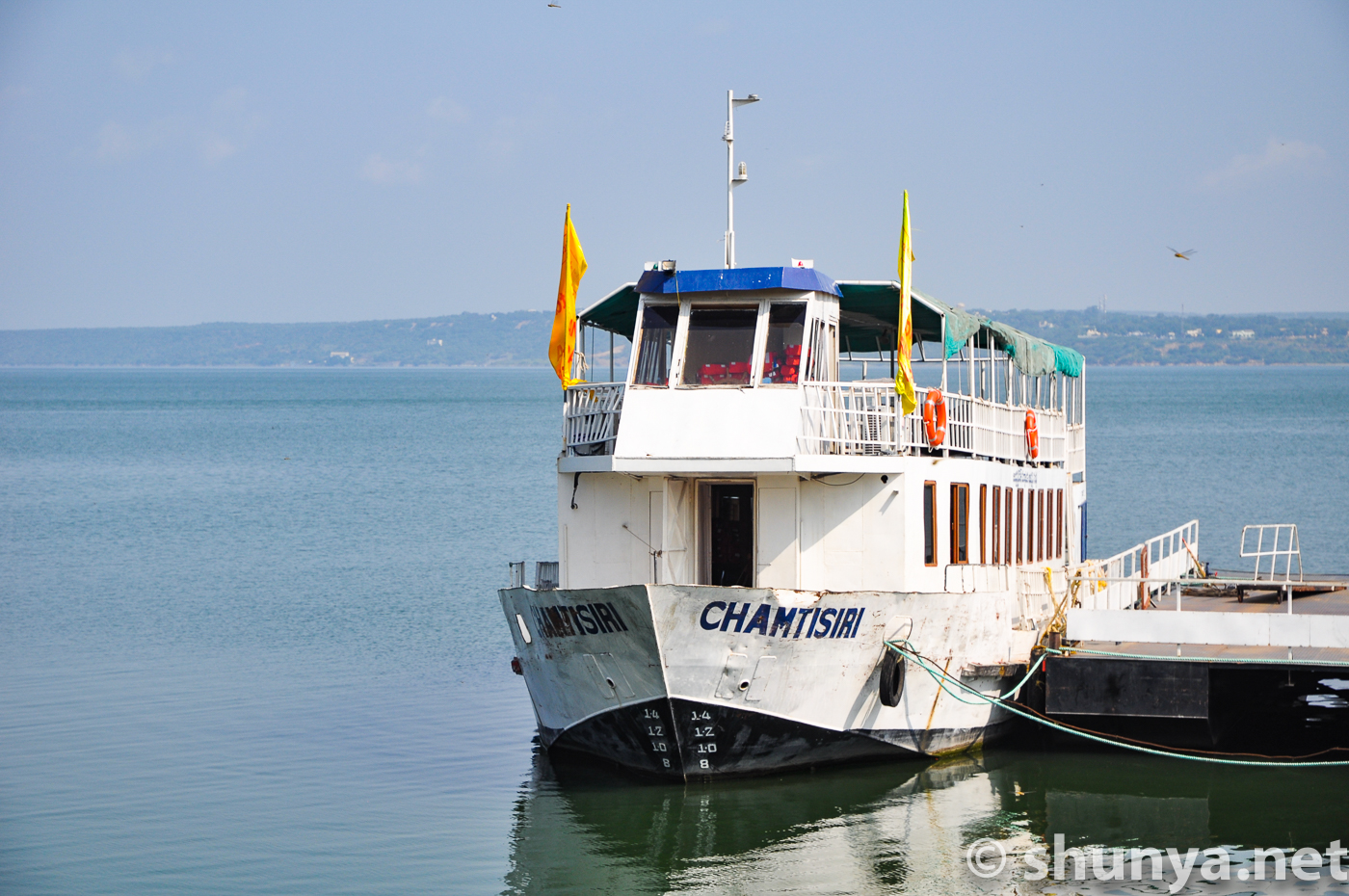
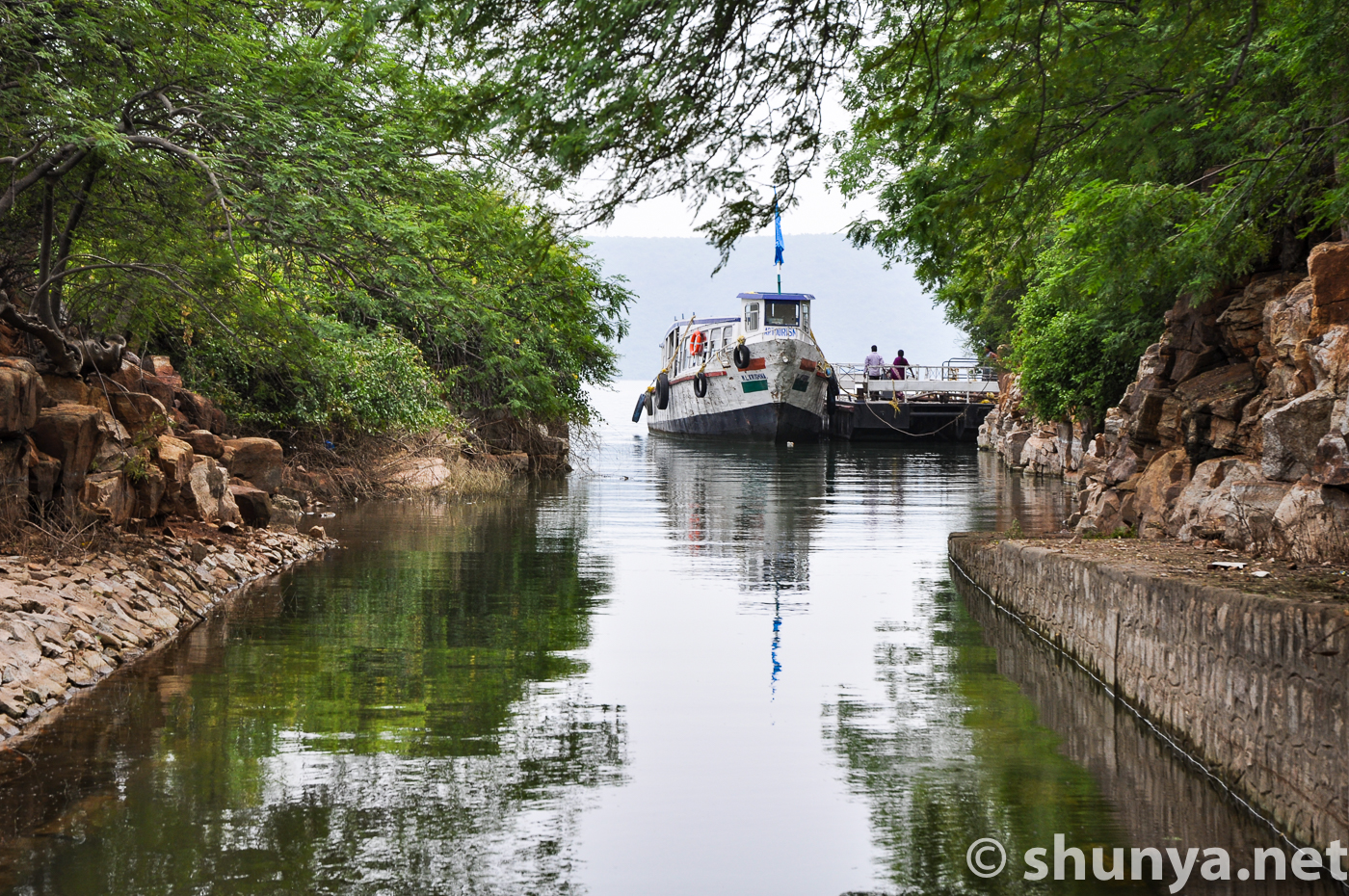
Passenger Ferry, Vijayapuri
|
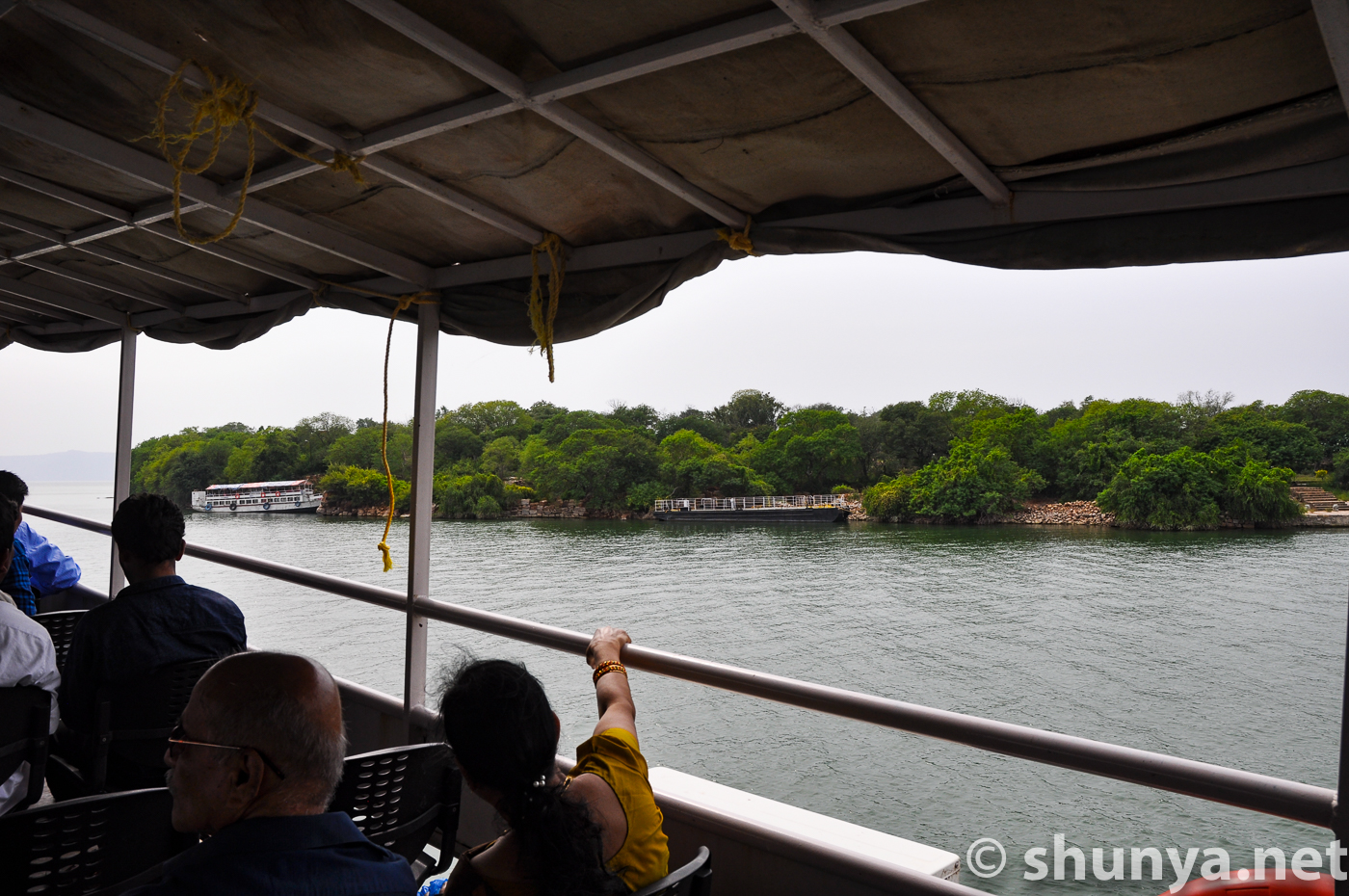
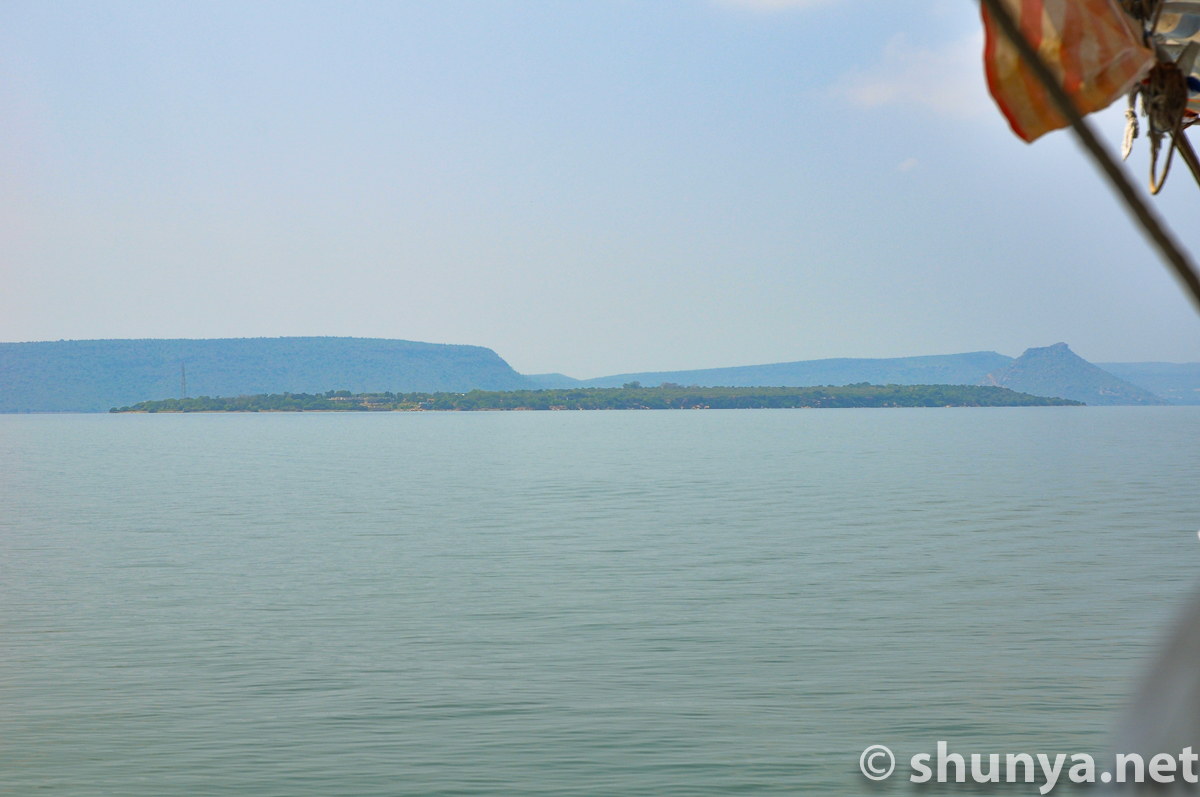
Approaching
|
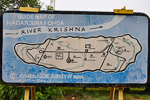
Island map
|
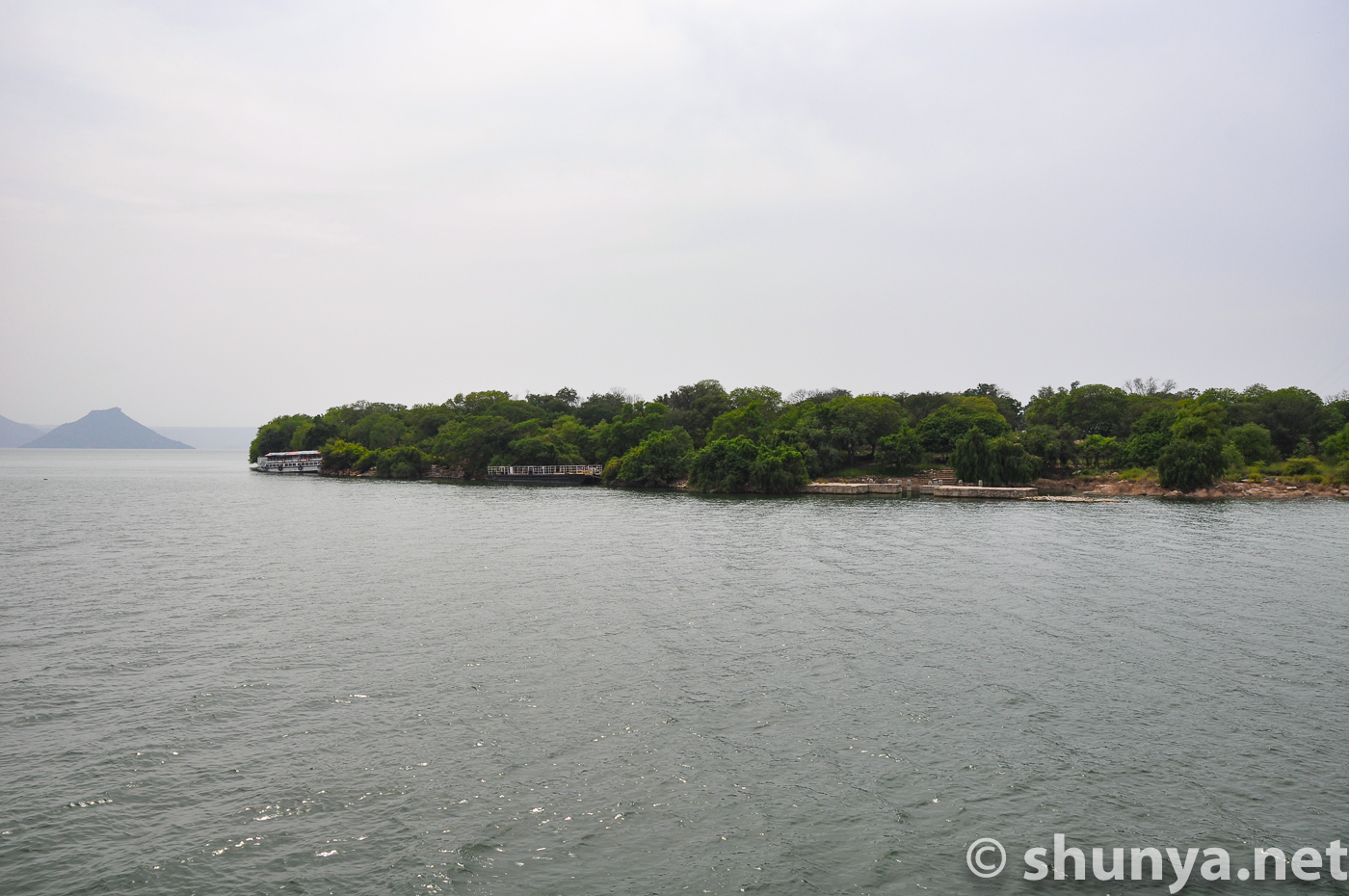
Ferry boat at the island
|
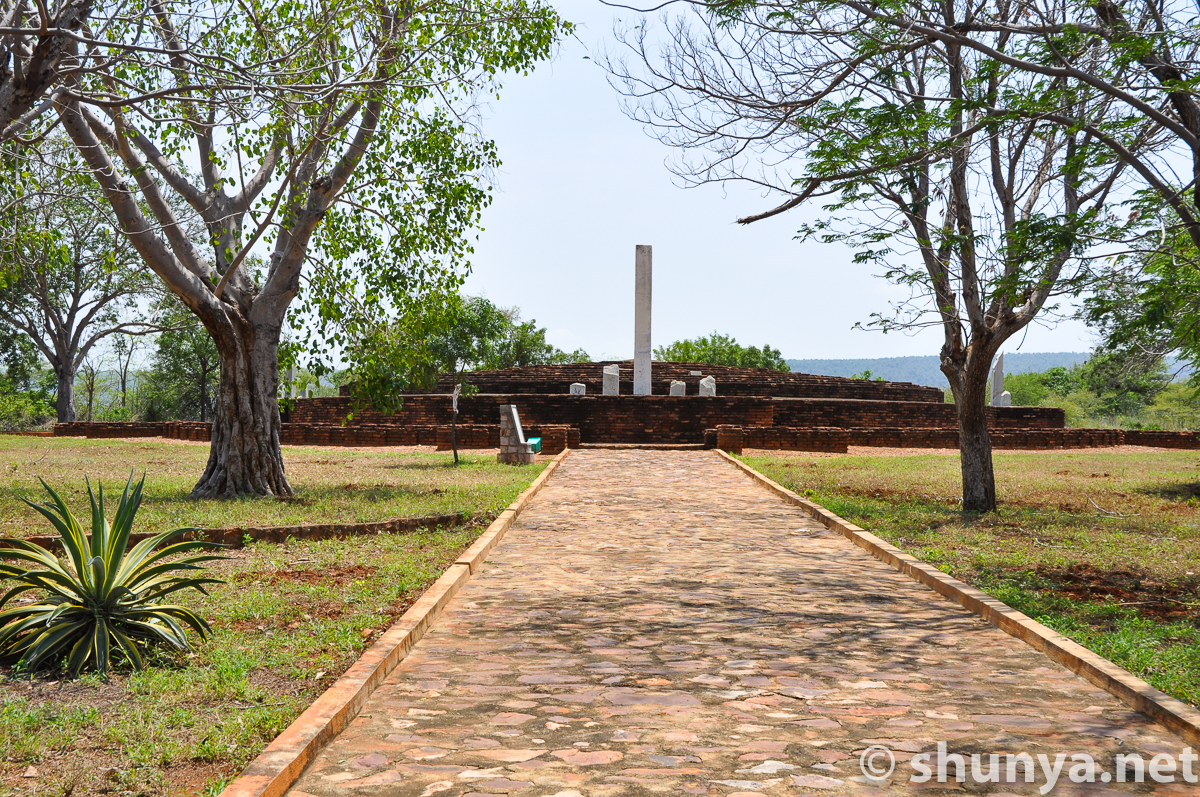
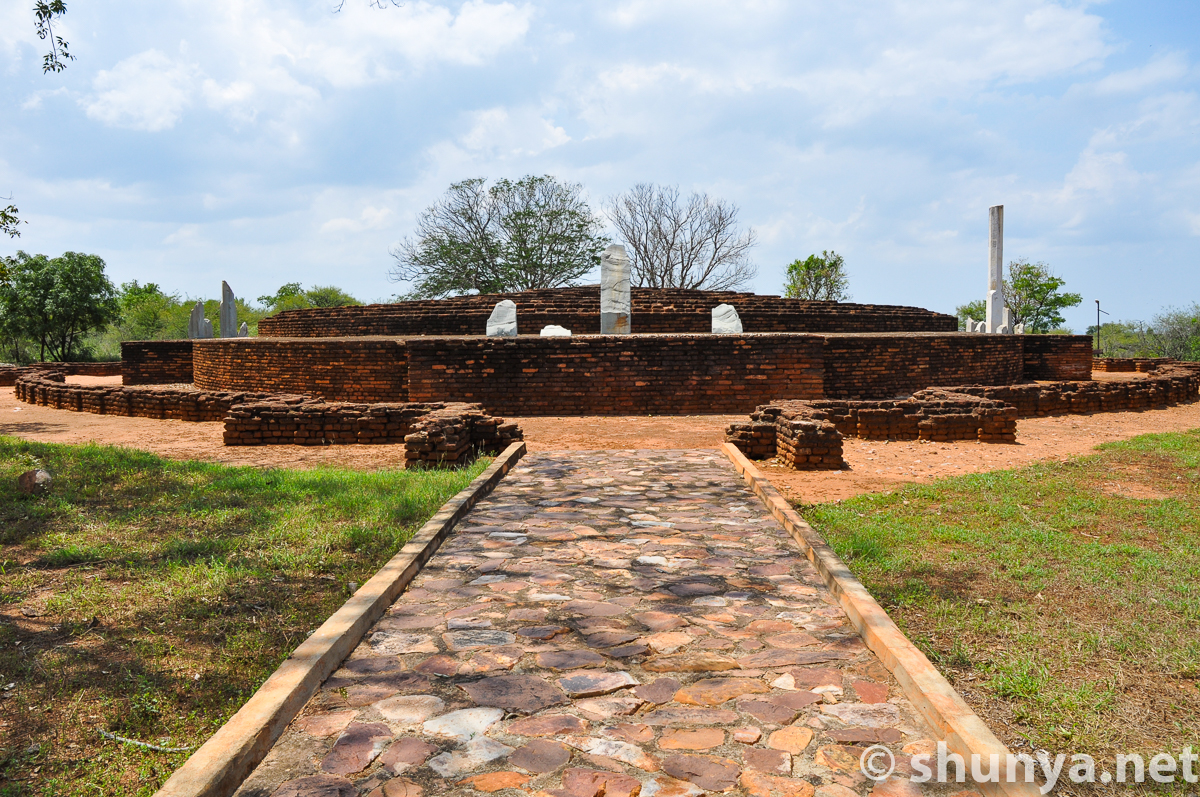
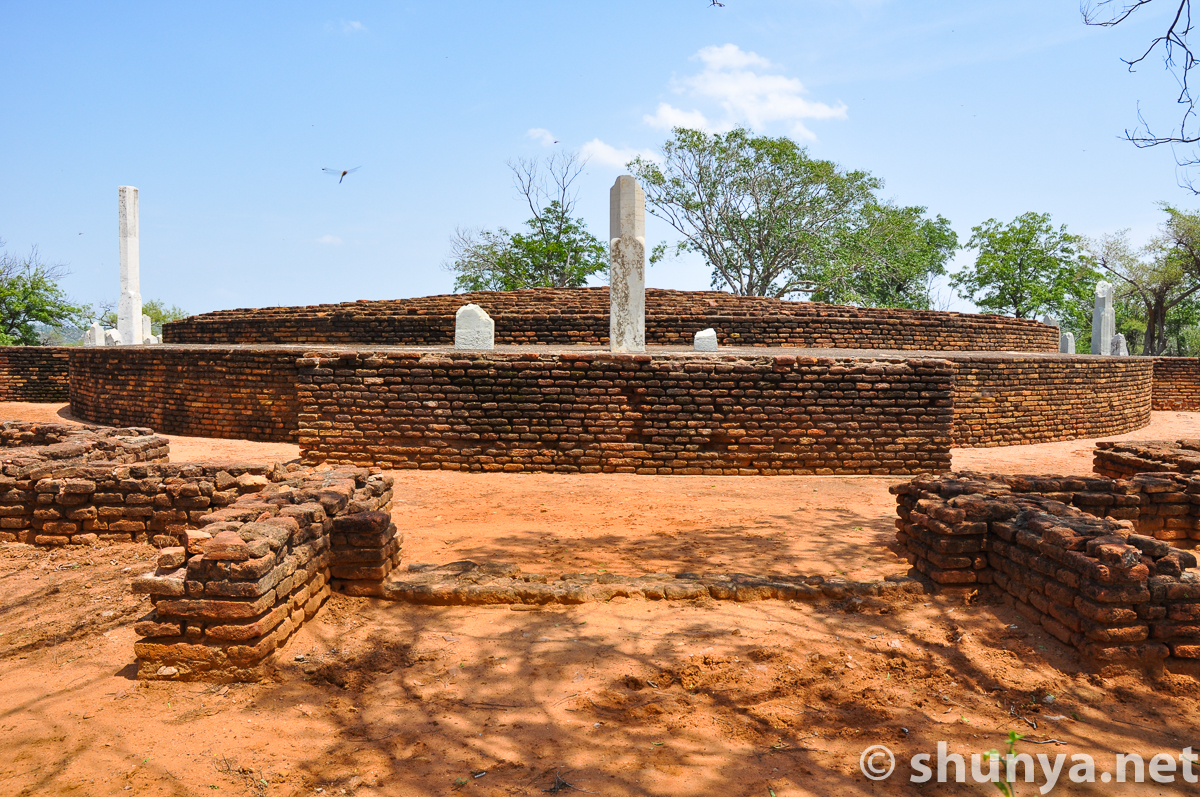
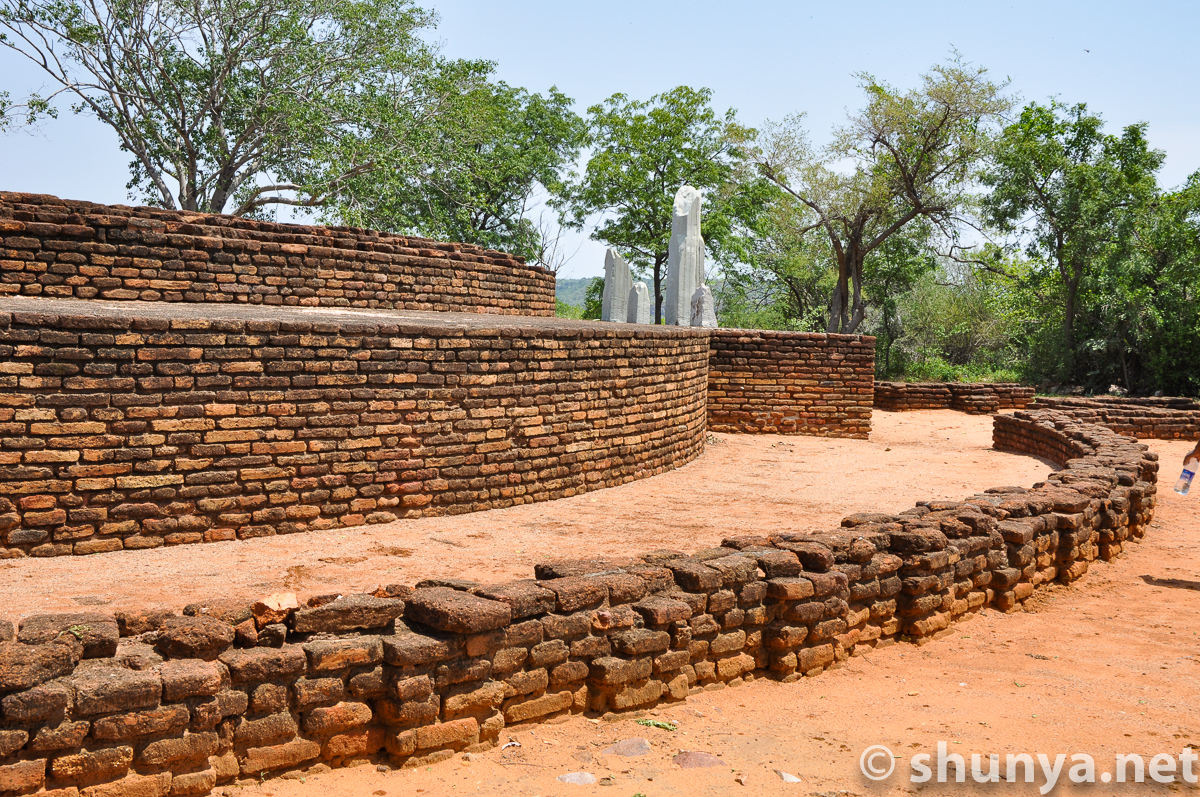
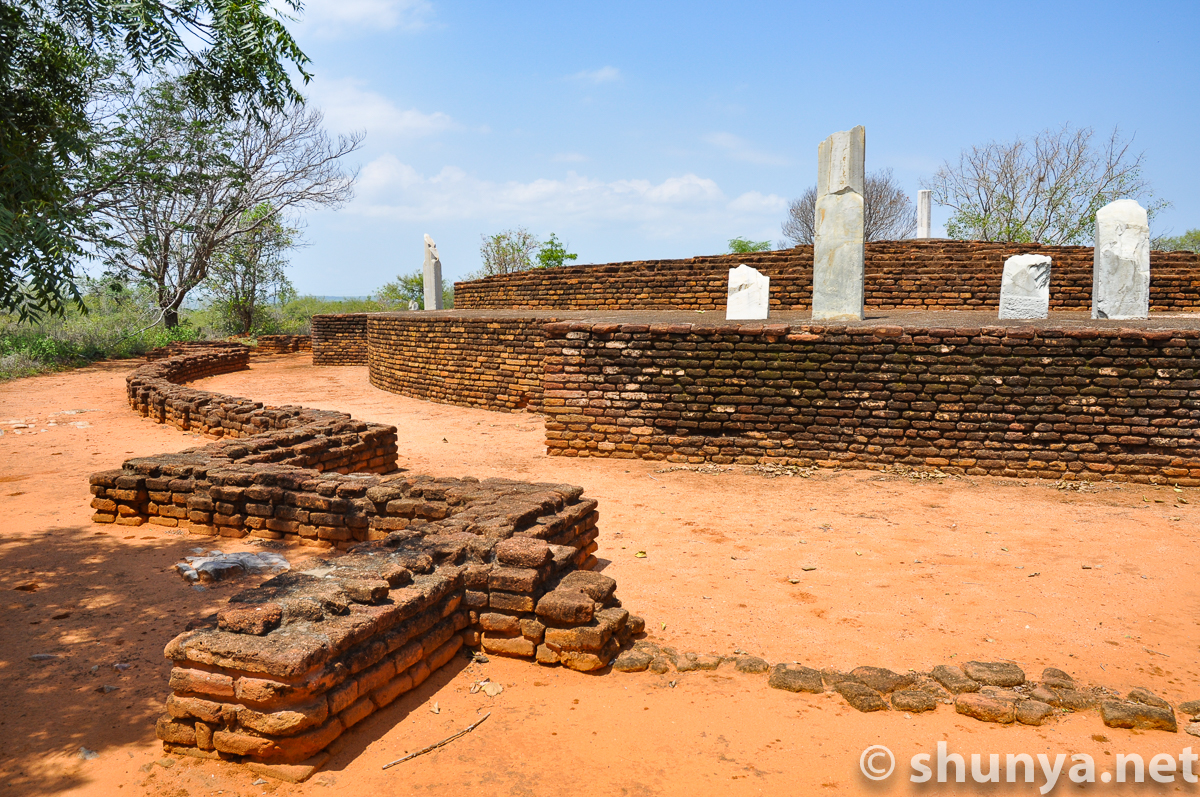
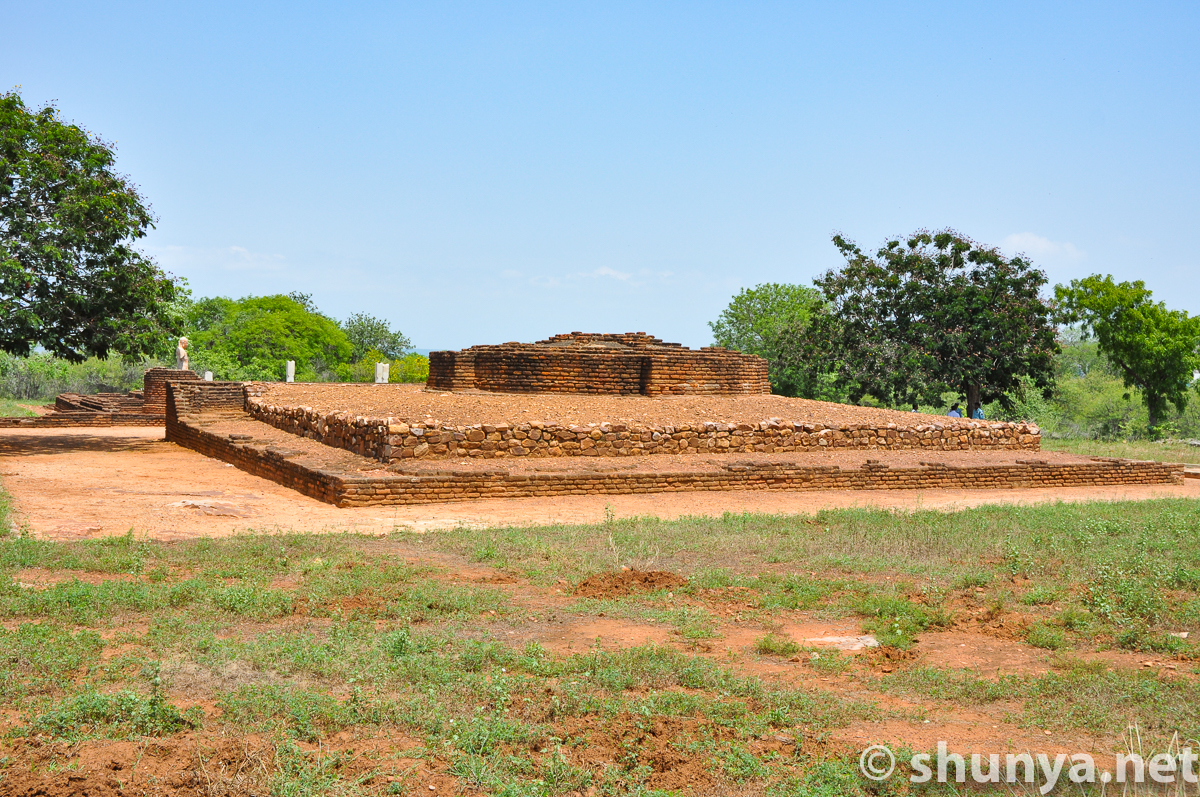
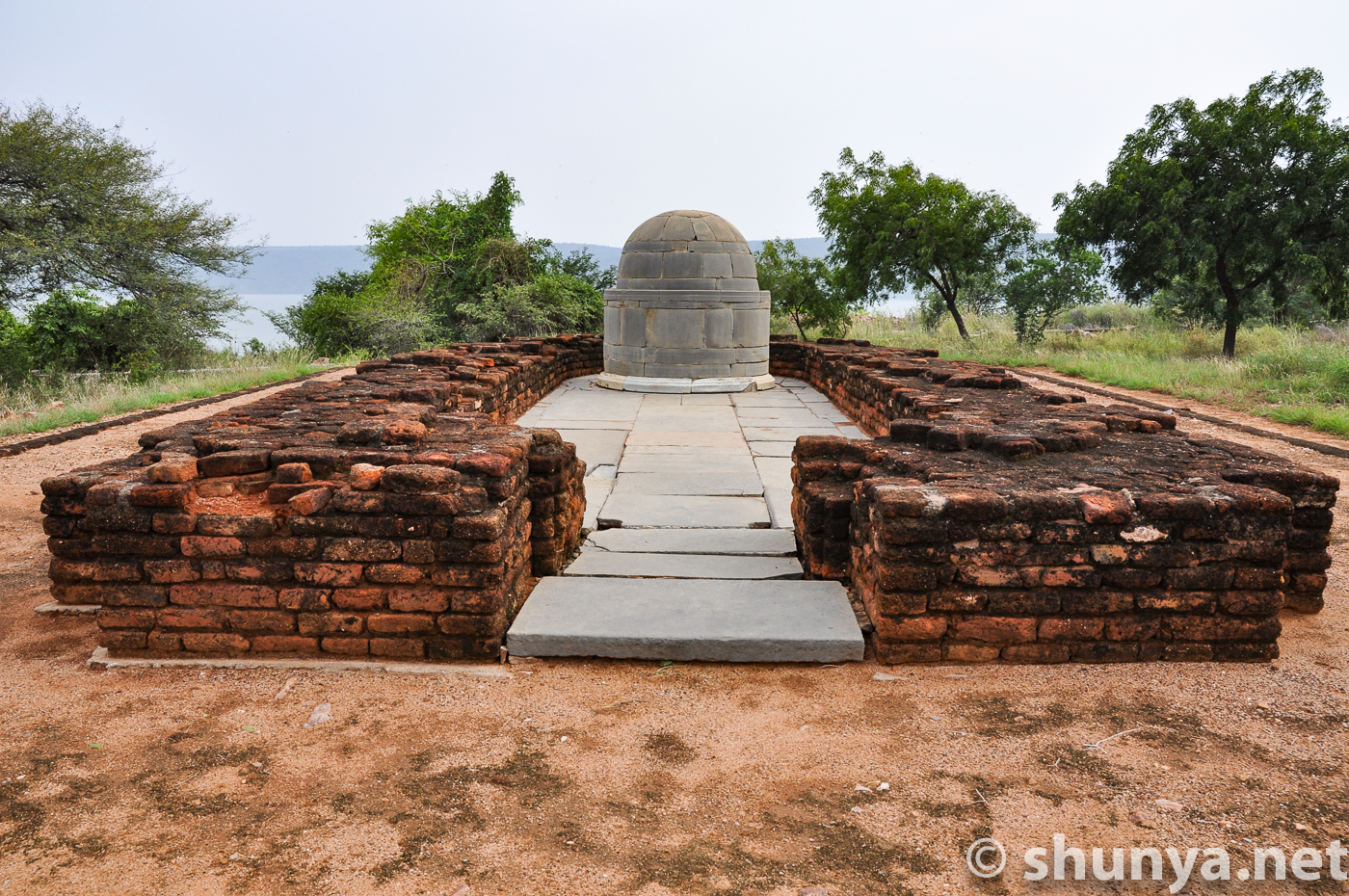
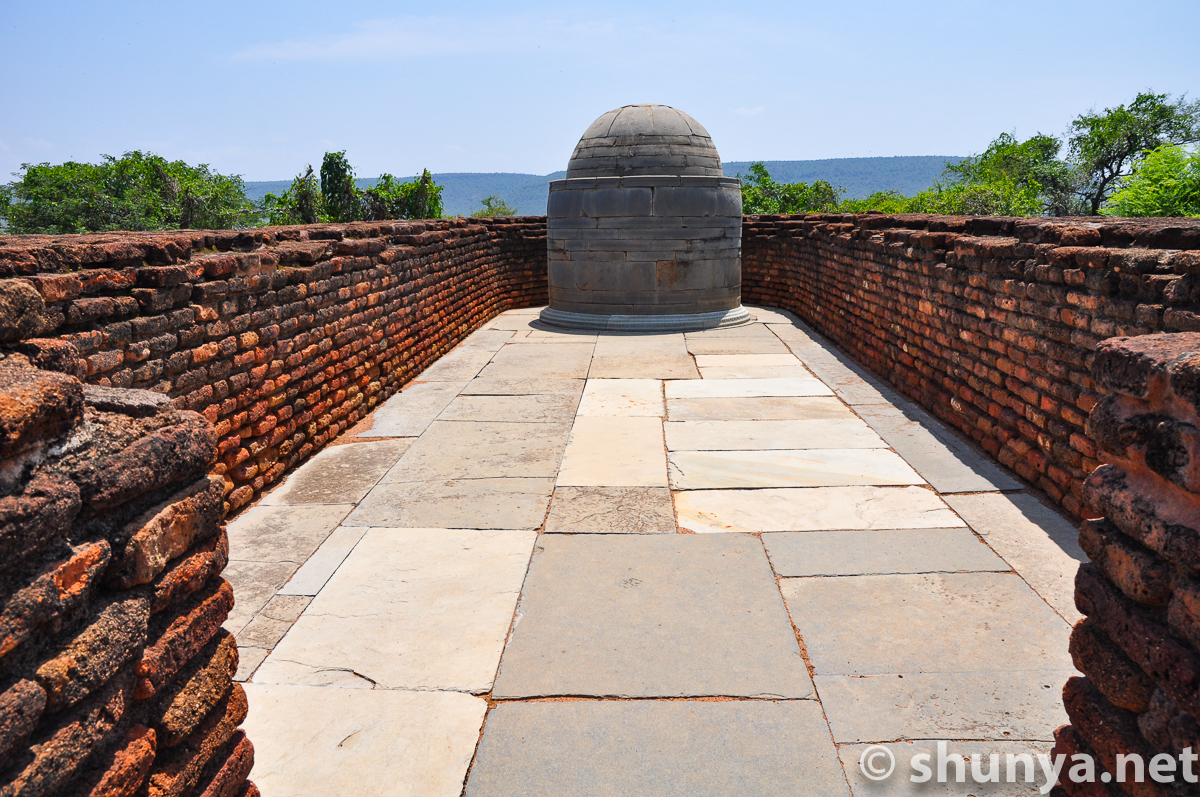
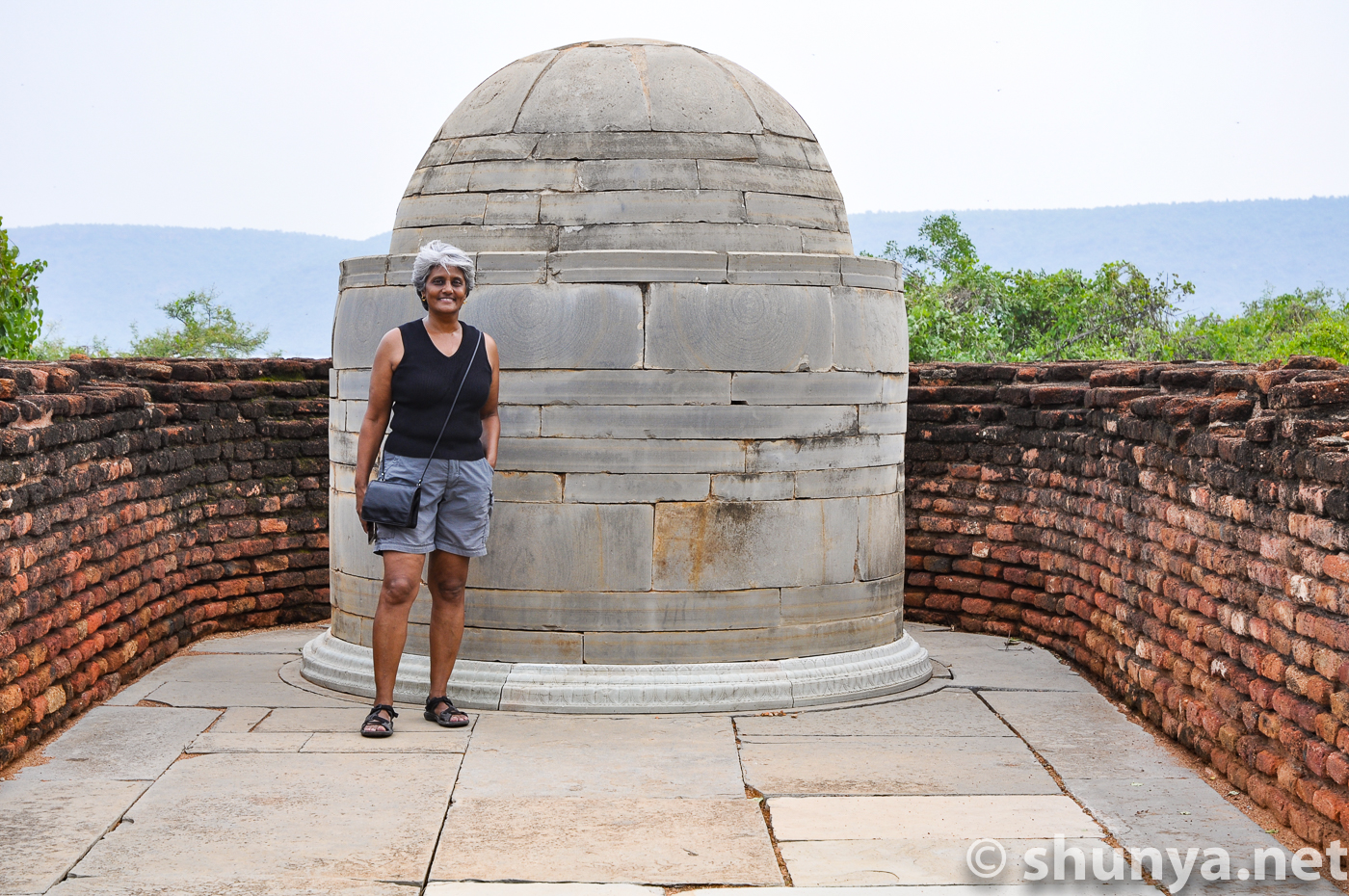
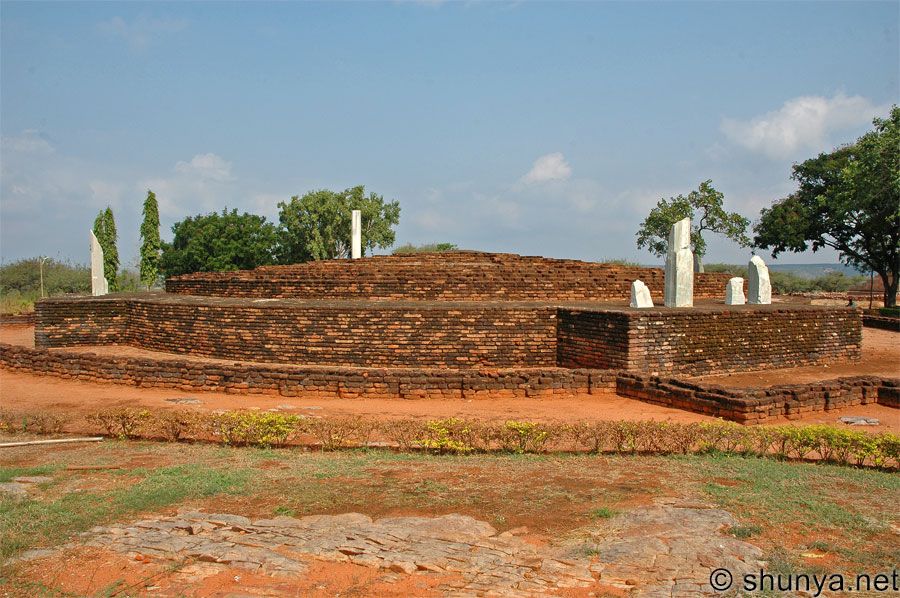
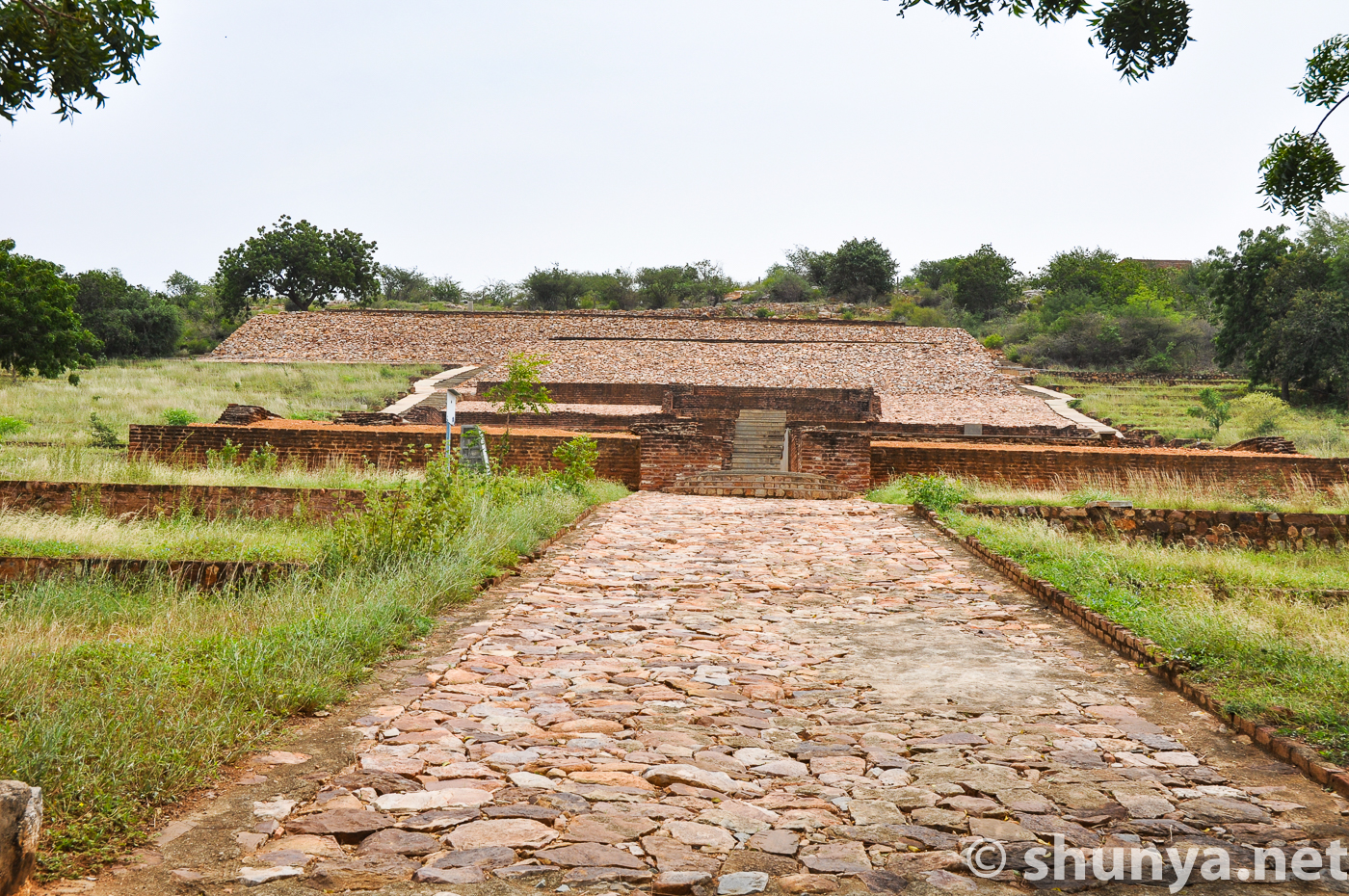
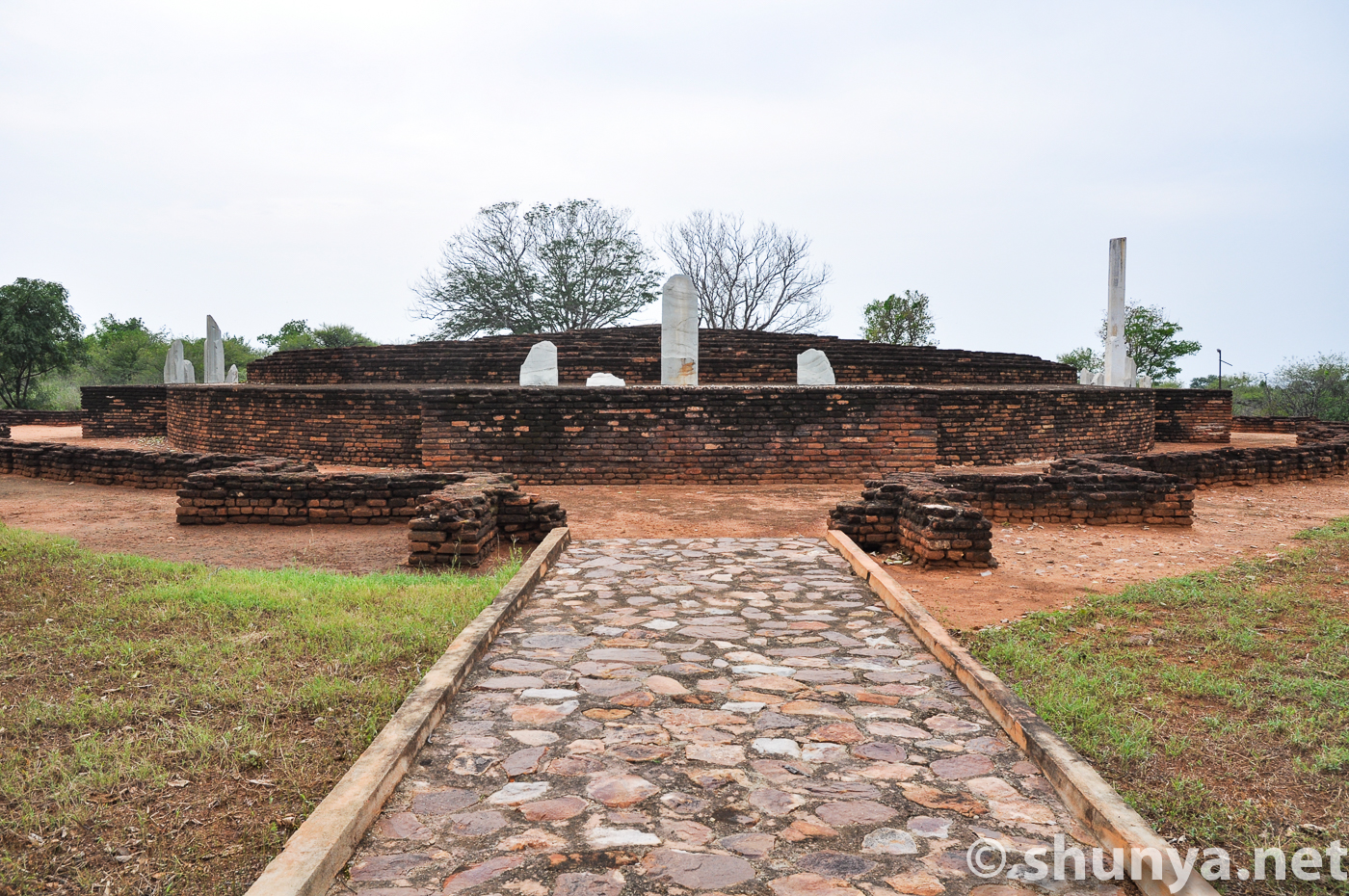
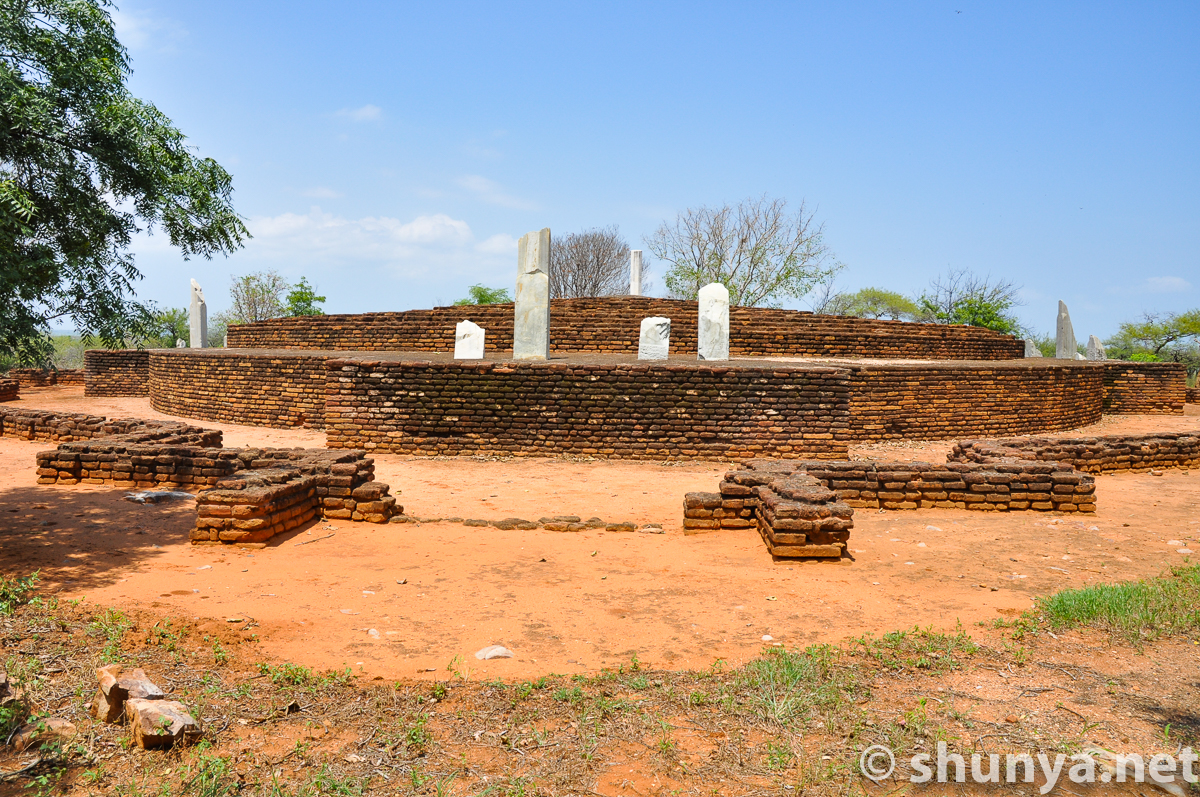
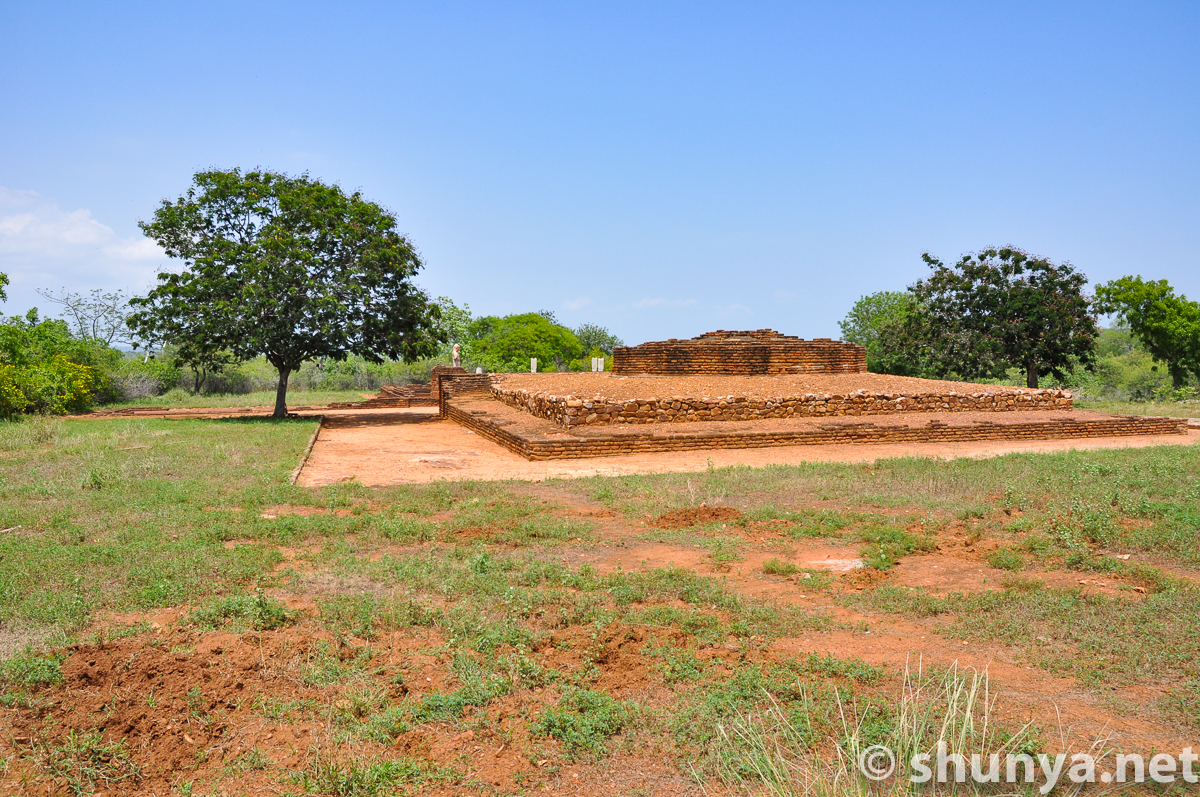
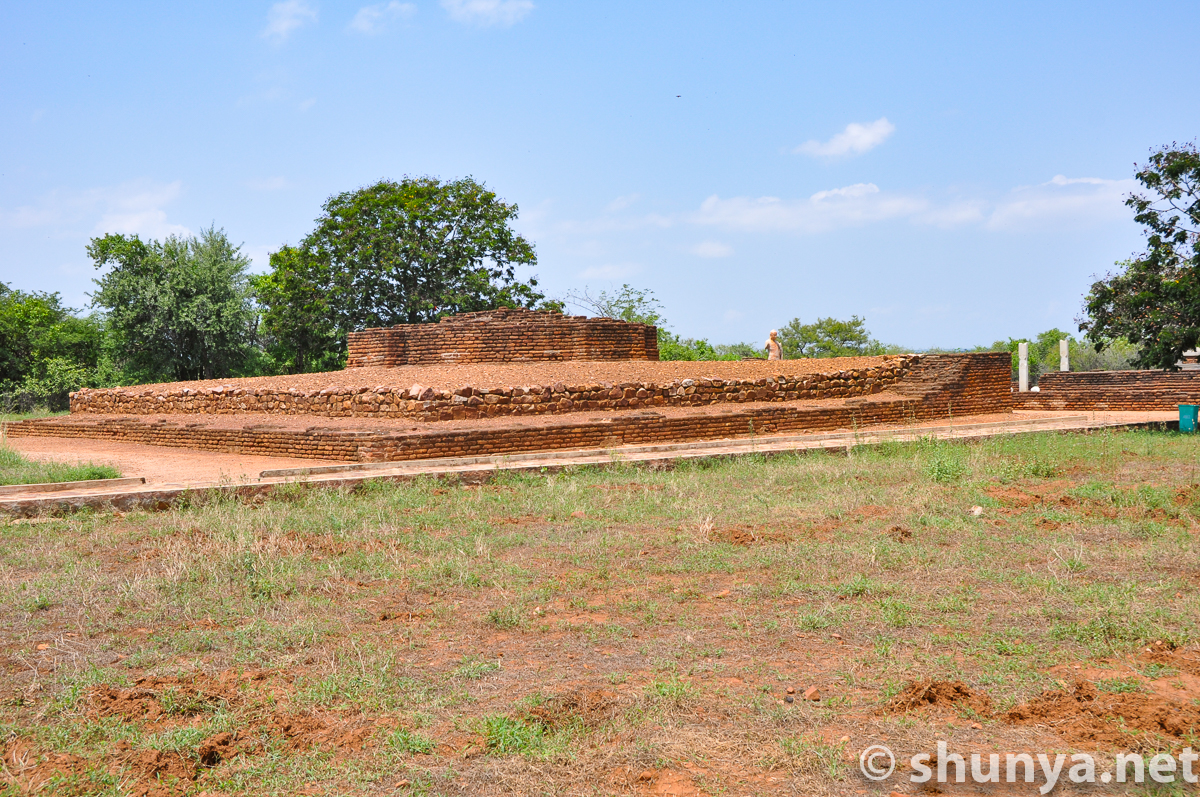
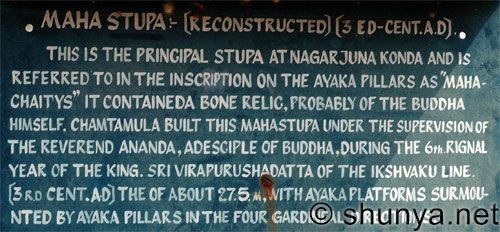
Great Stupa, Nagarjunakonda
|
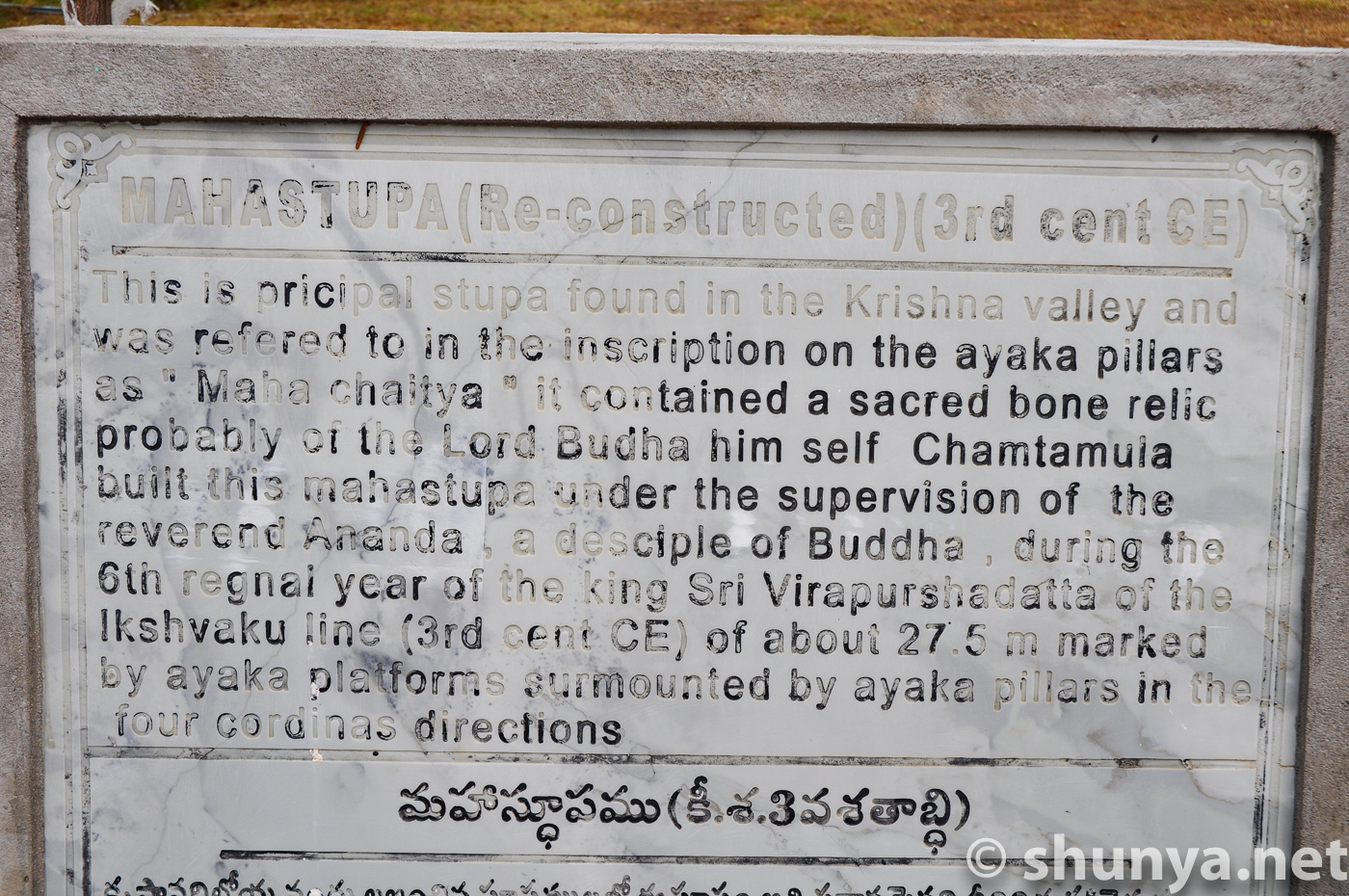
Contained a bone relic
|
Once 70�80 feet high and
|
Patronized by prominent
|
Once had finely carved
|
View from the south
|
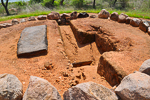
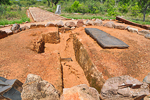
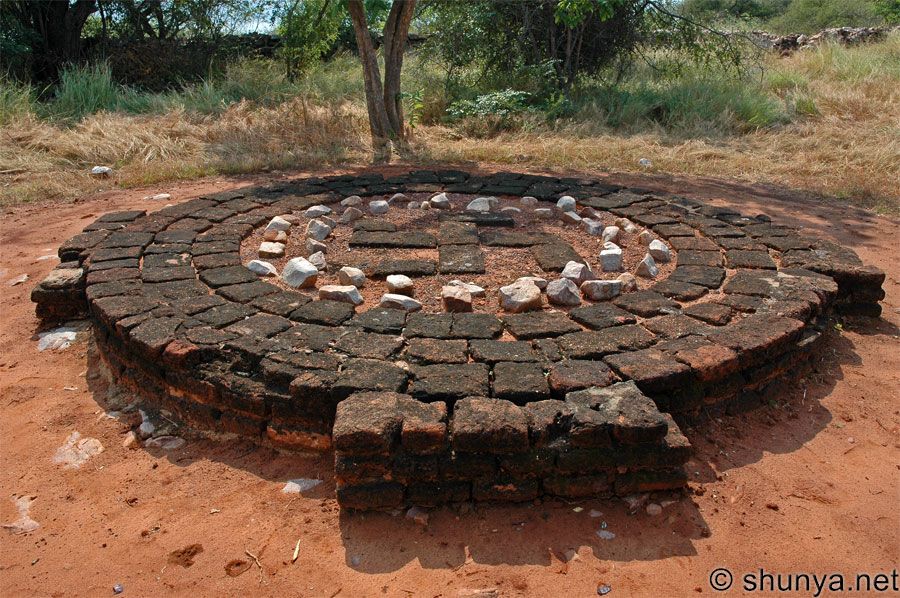
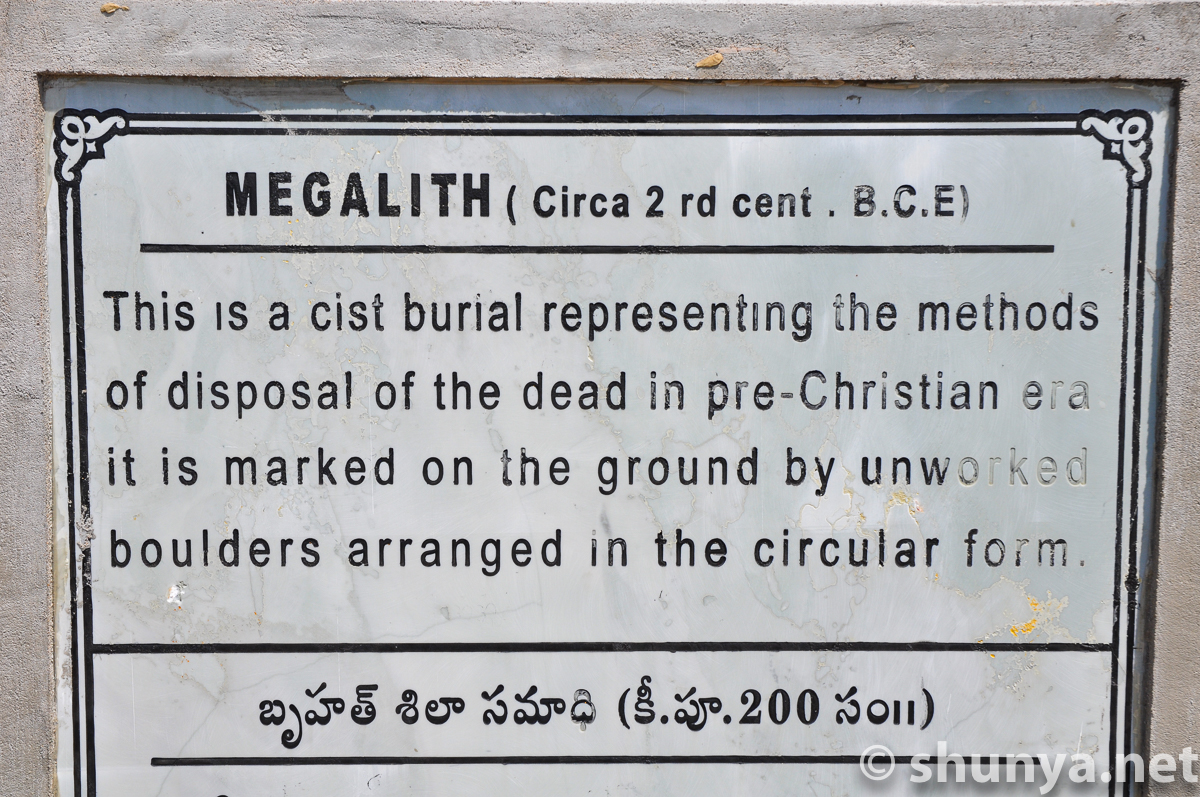
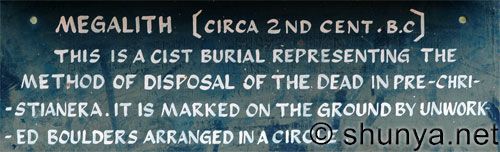
Megalith -- burial site (info)
|
Megalith -- burial site (info)
|
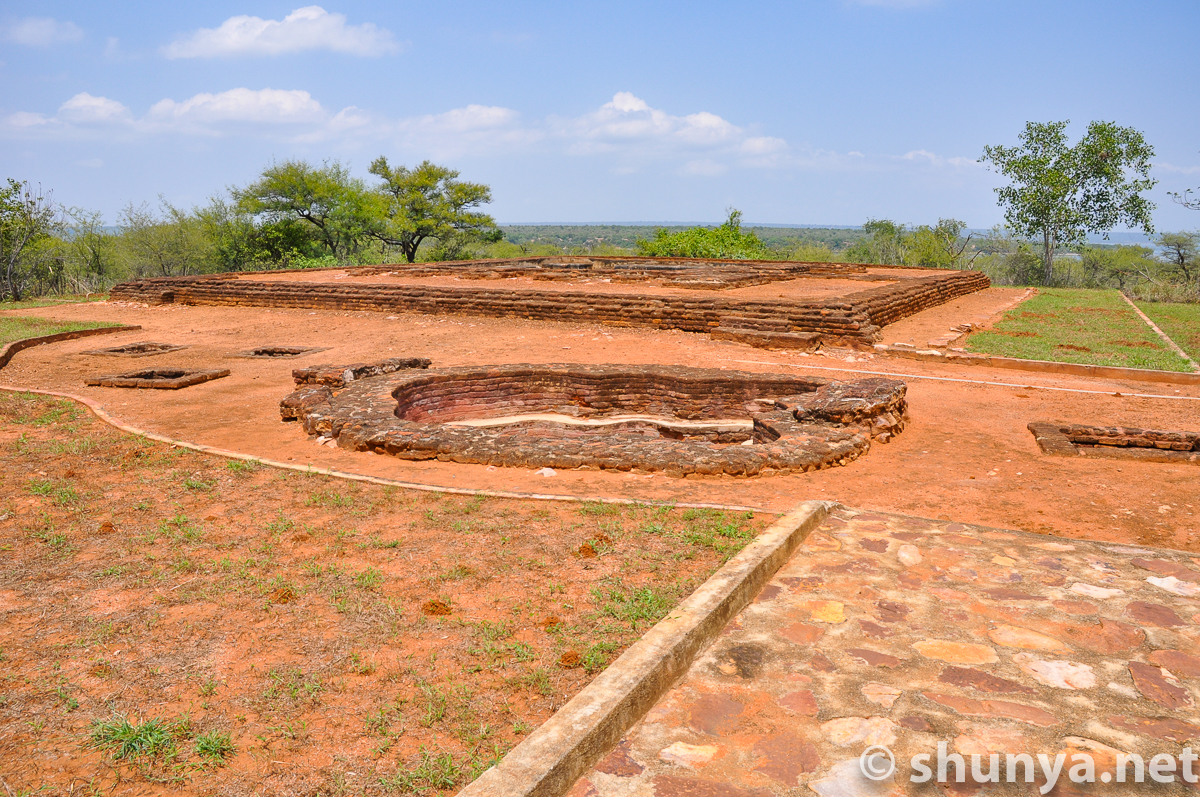
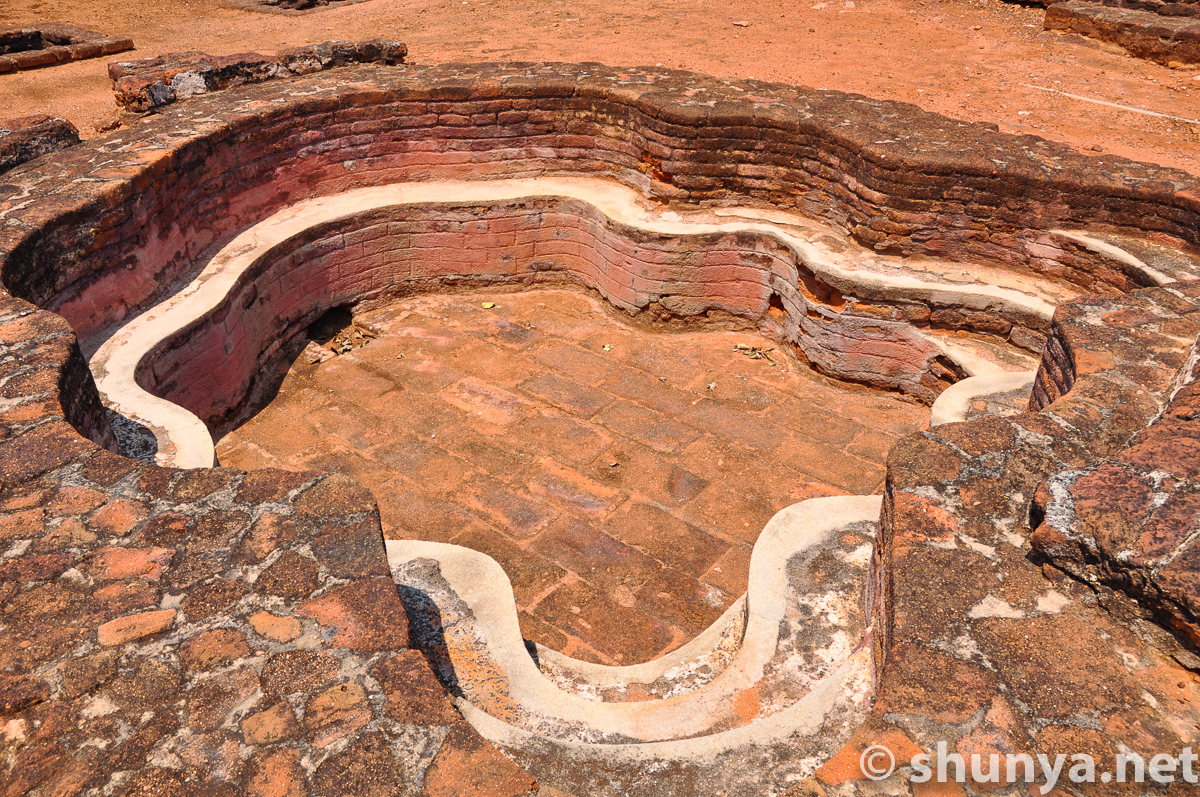
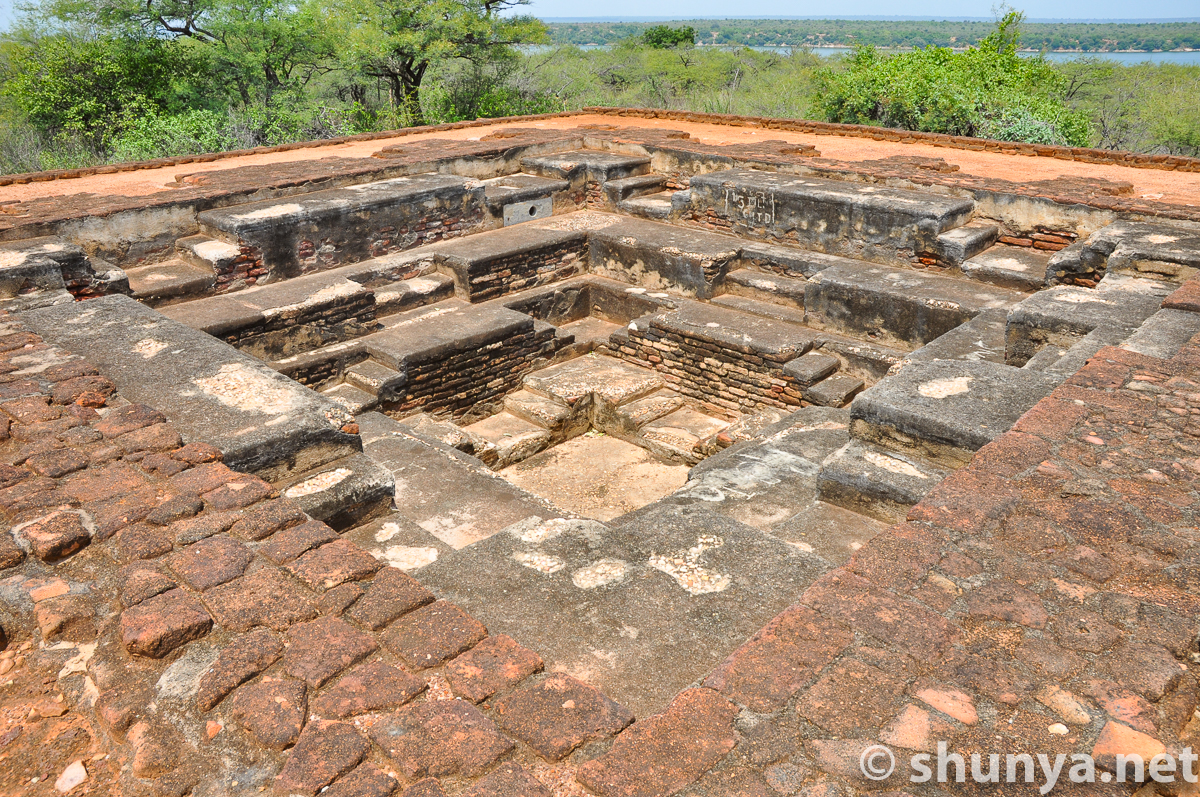
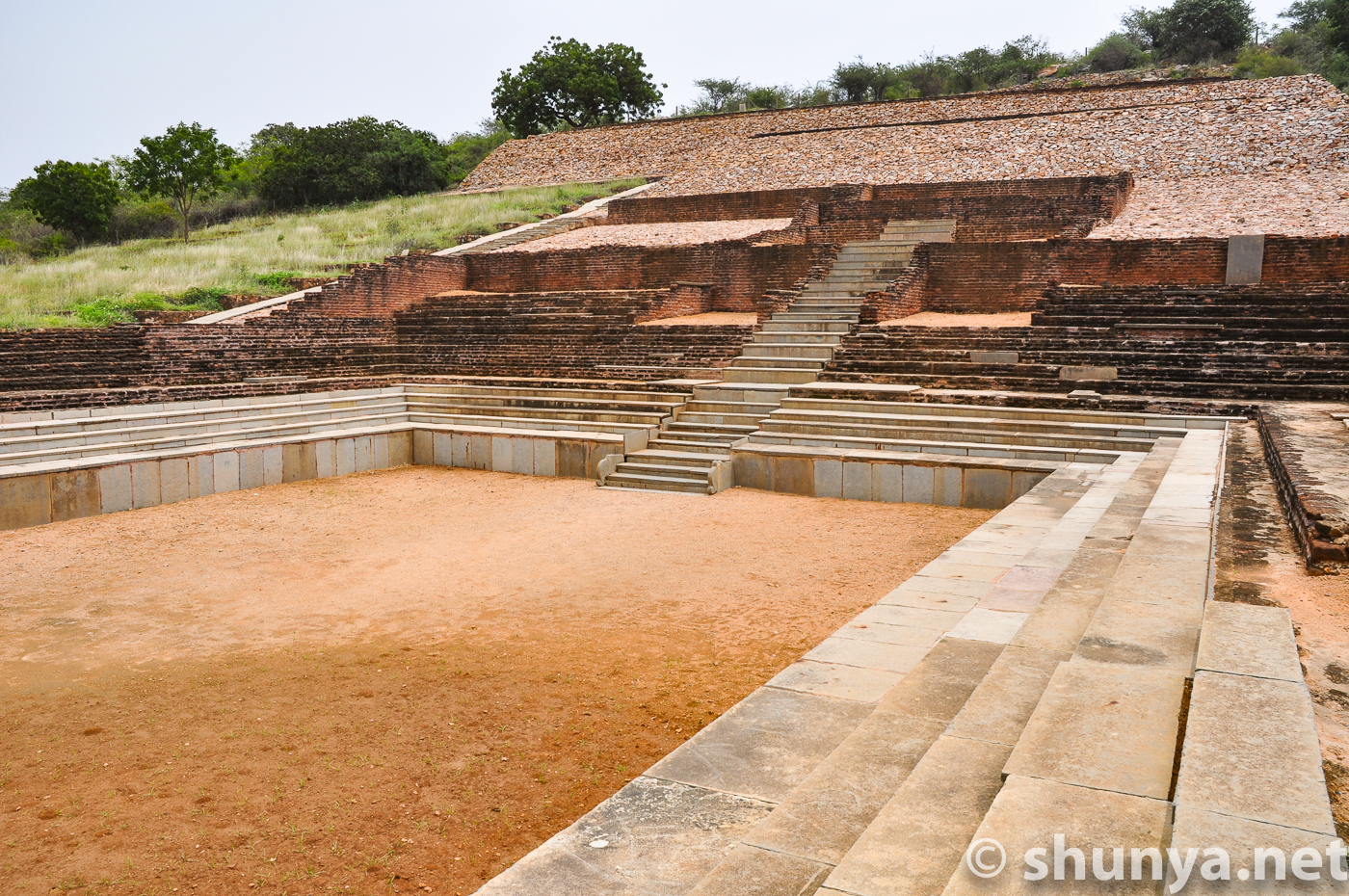
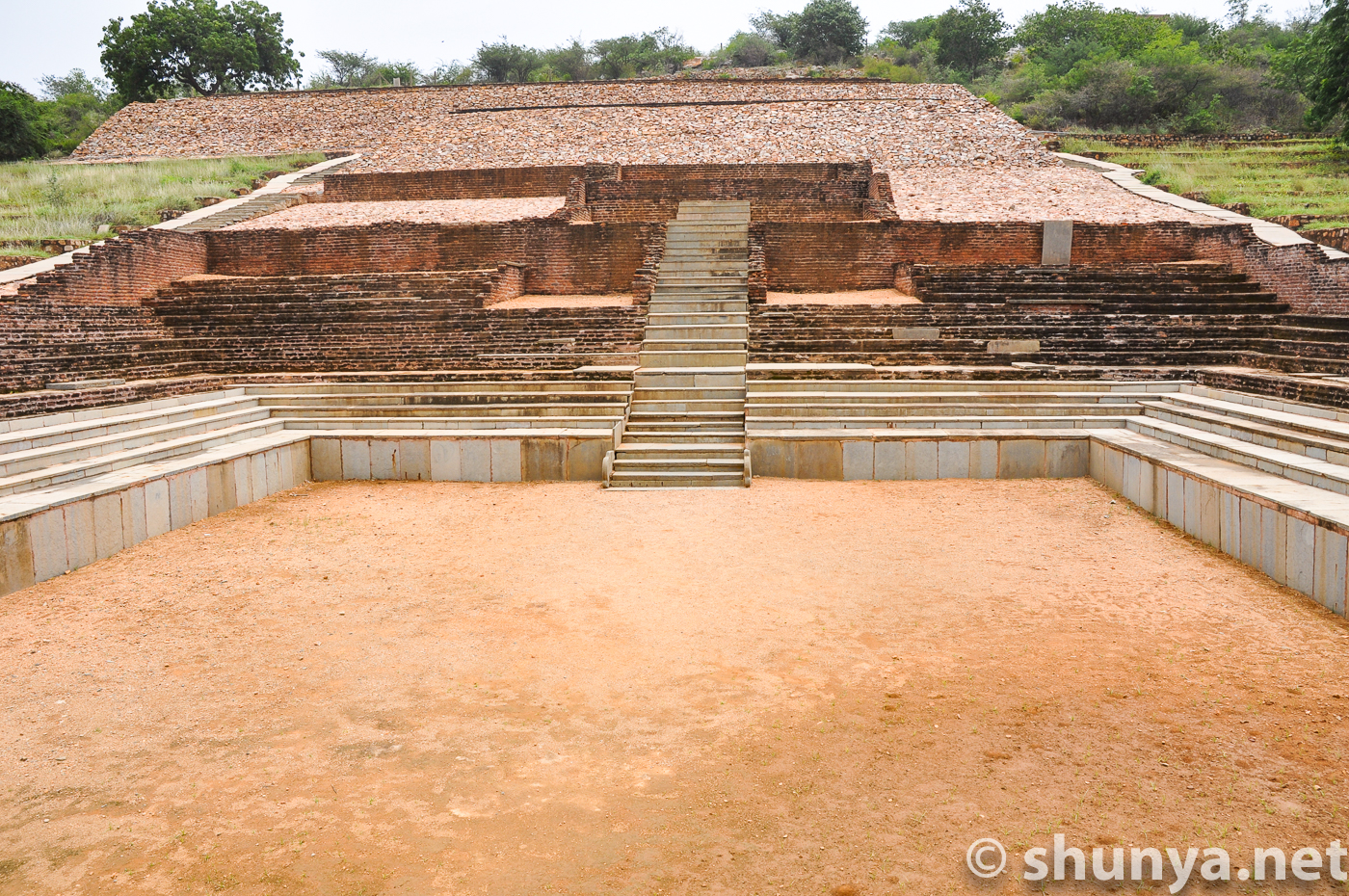
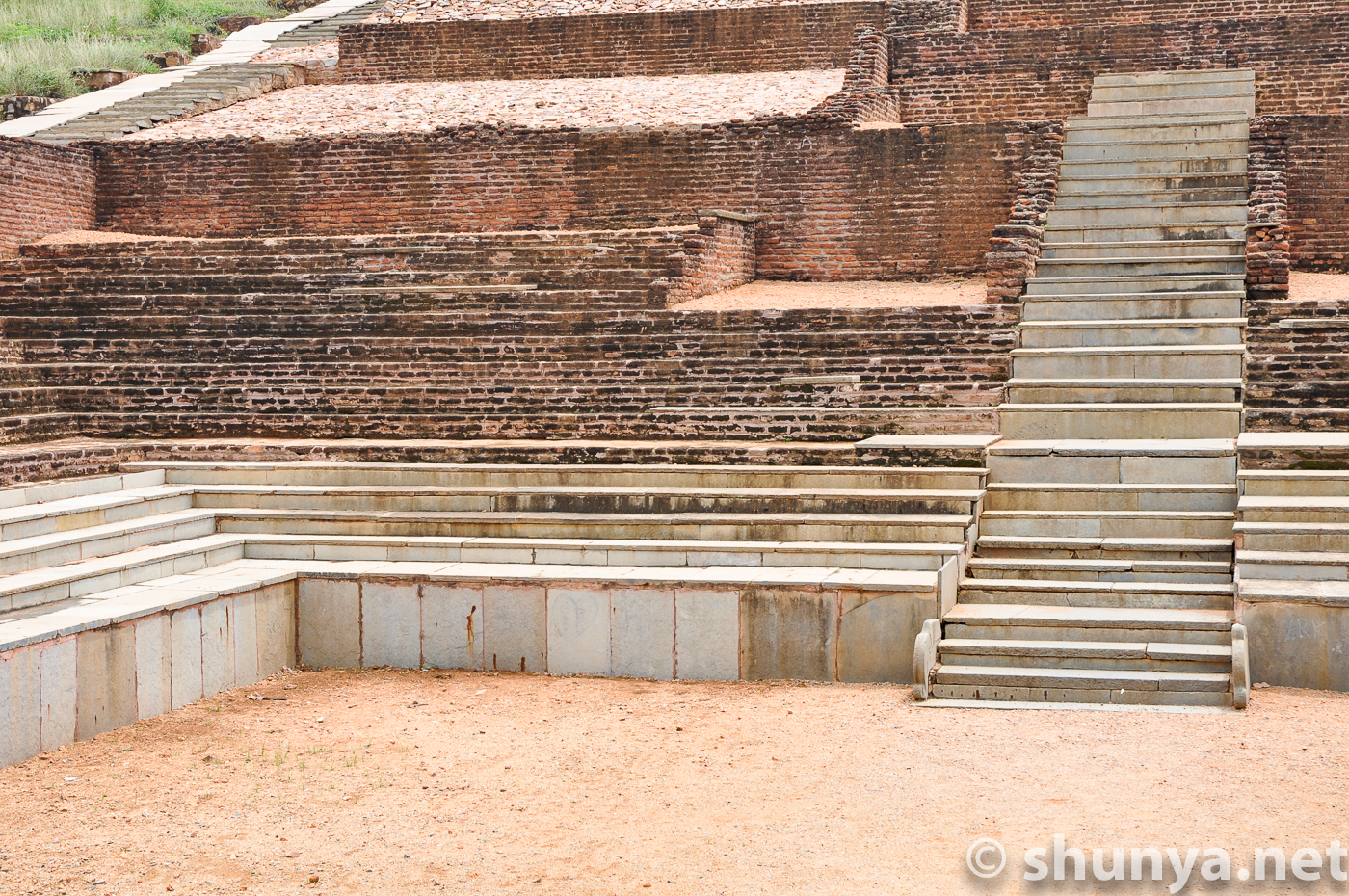
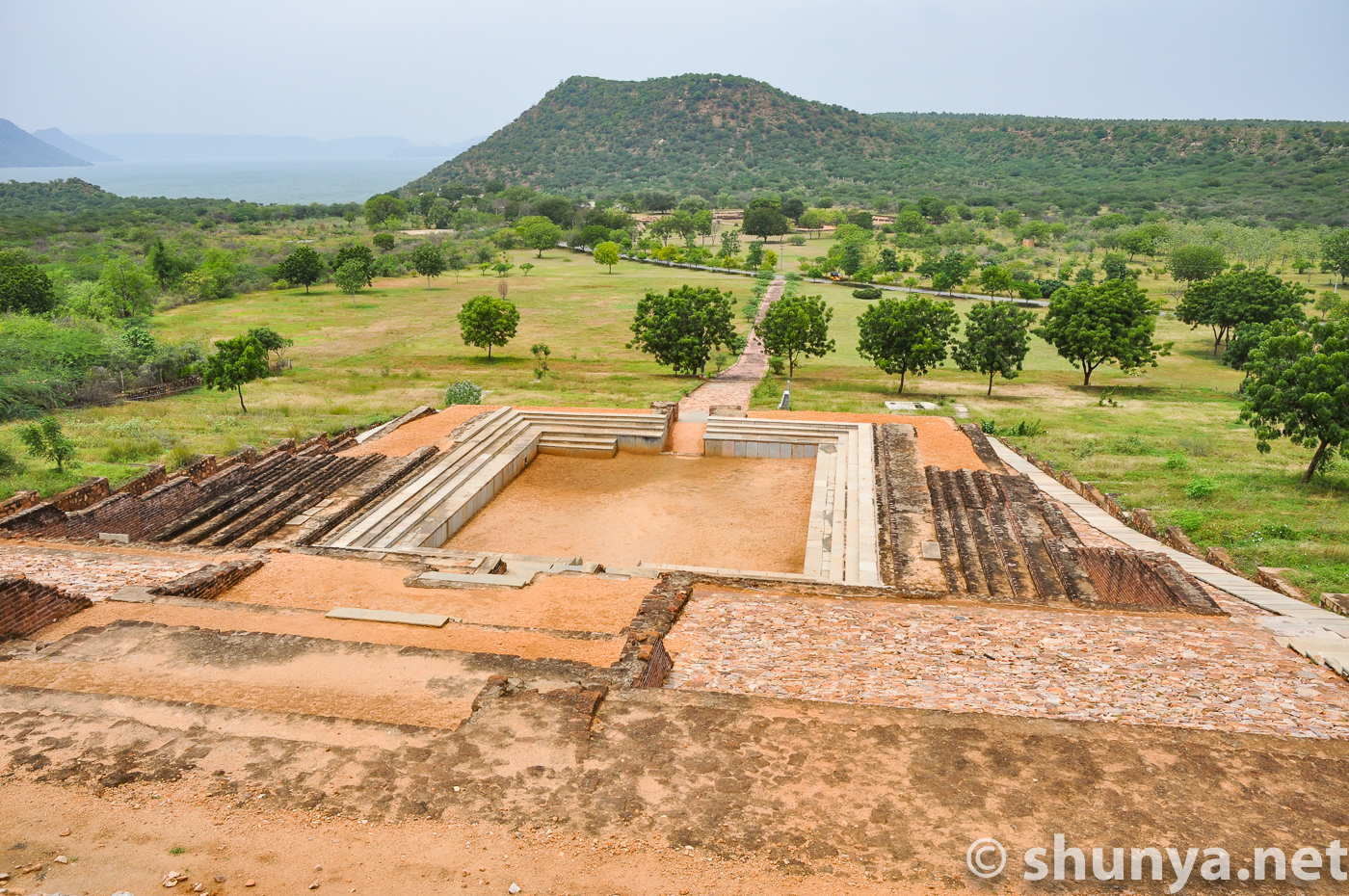
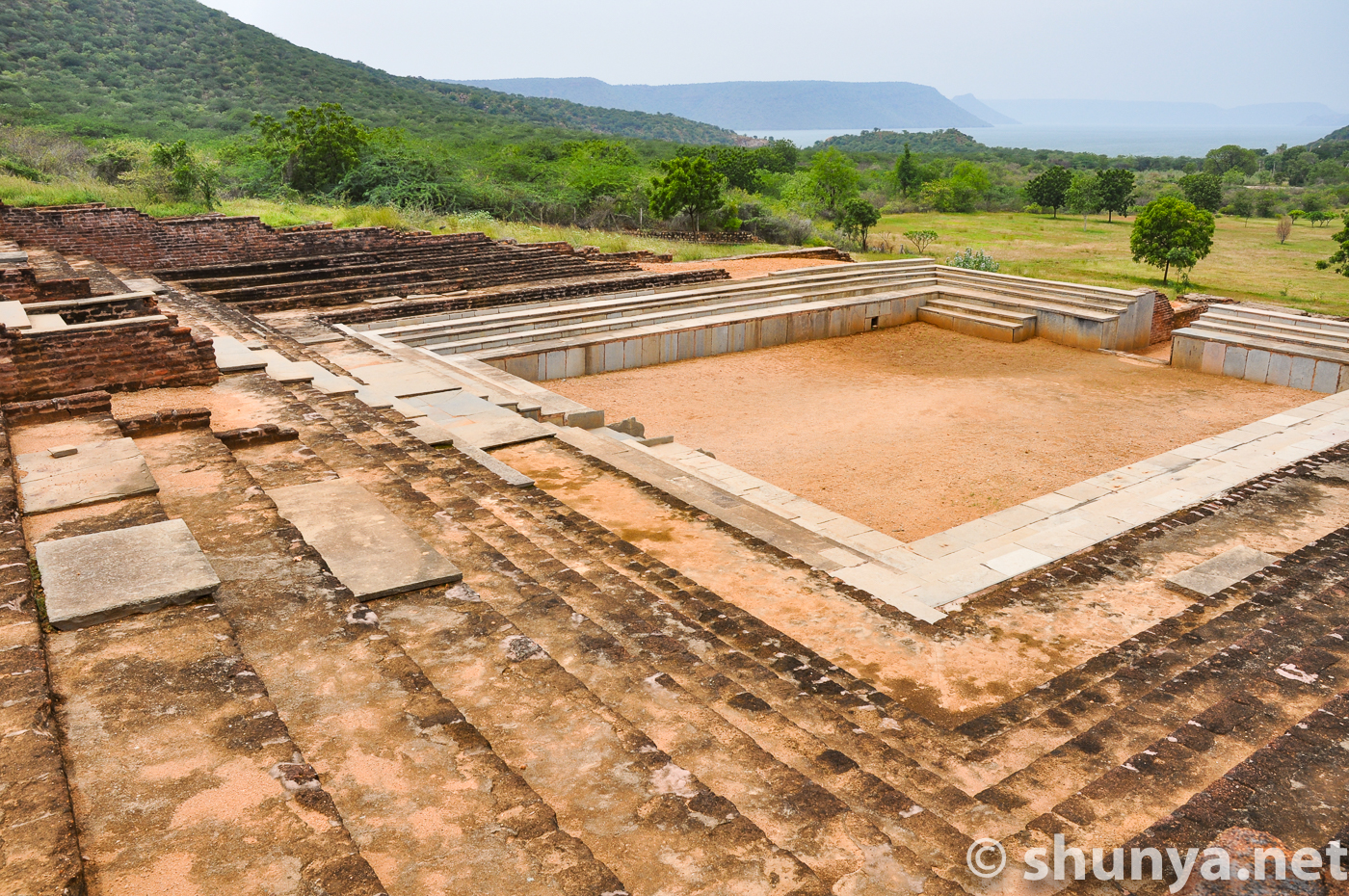
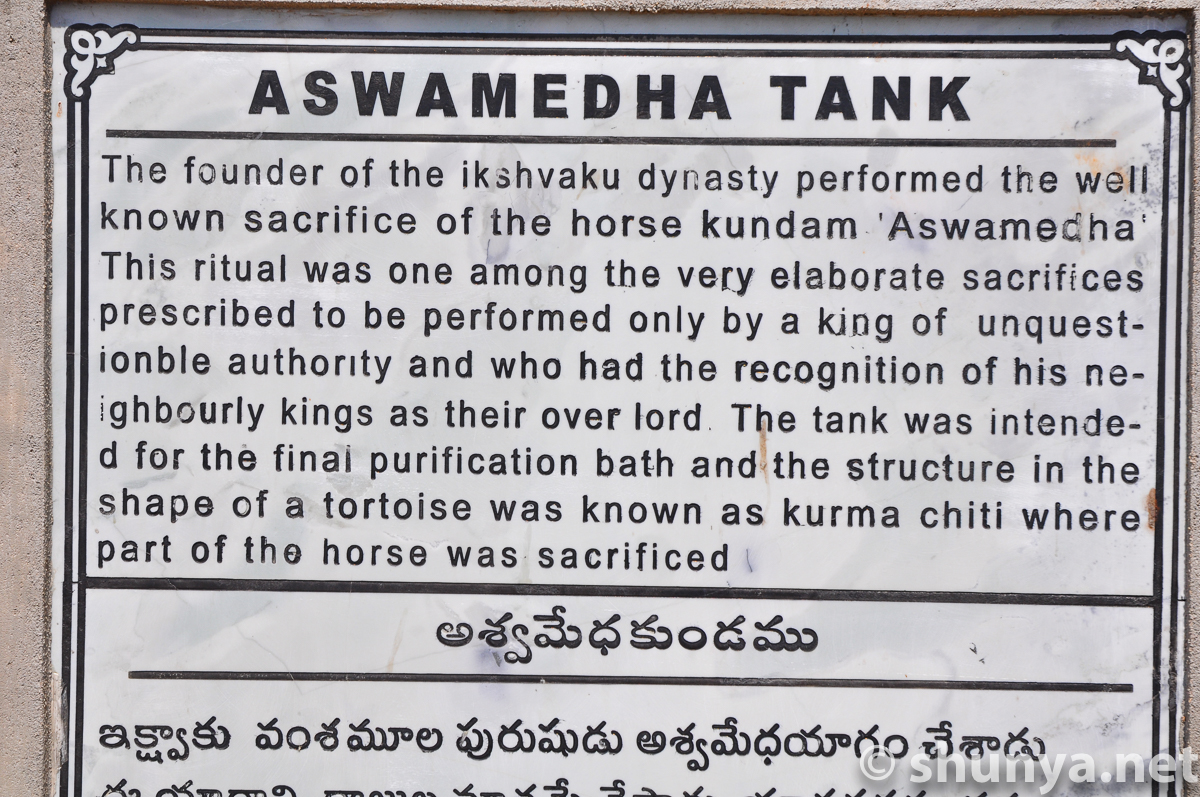
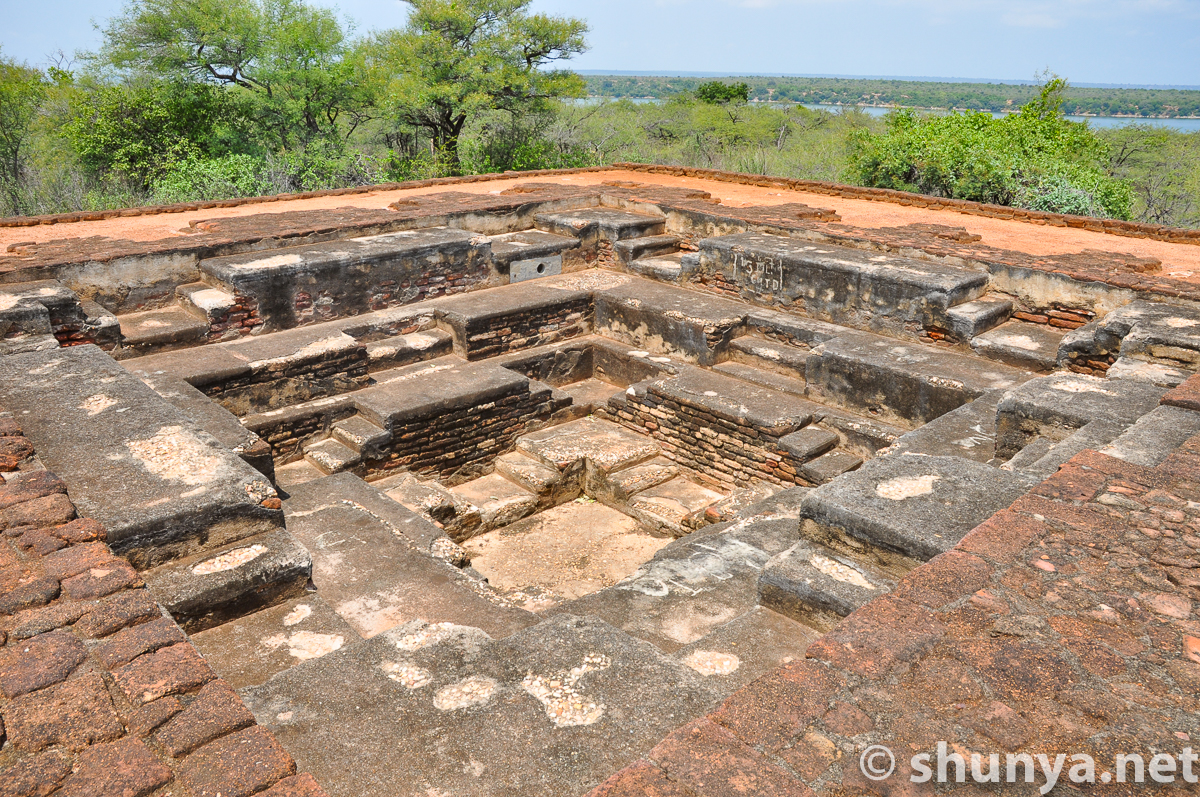
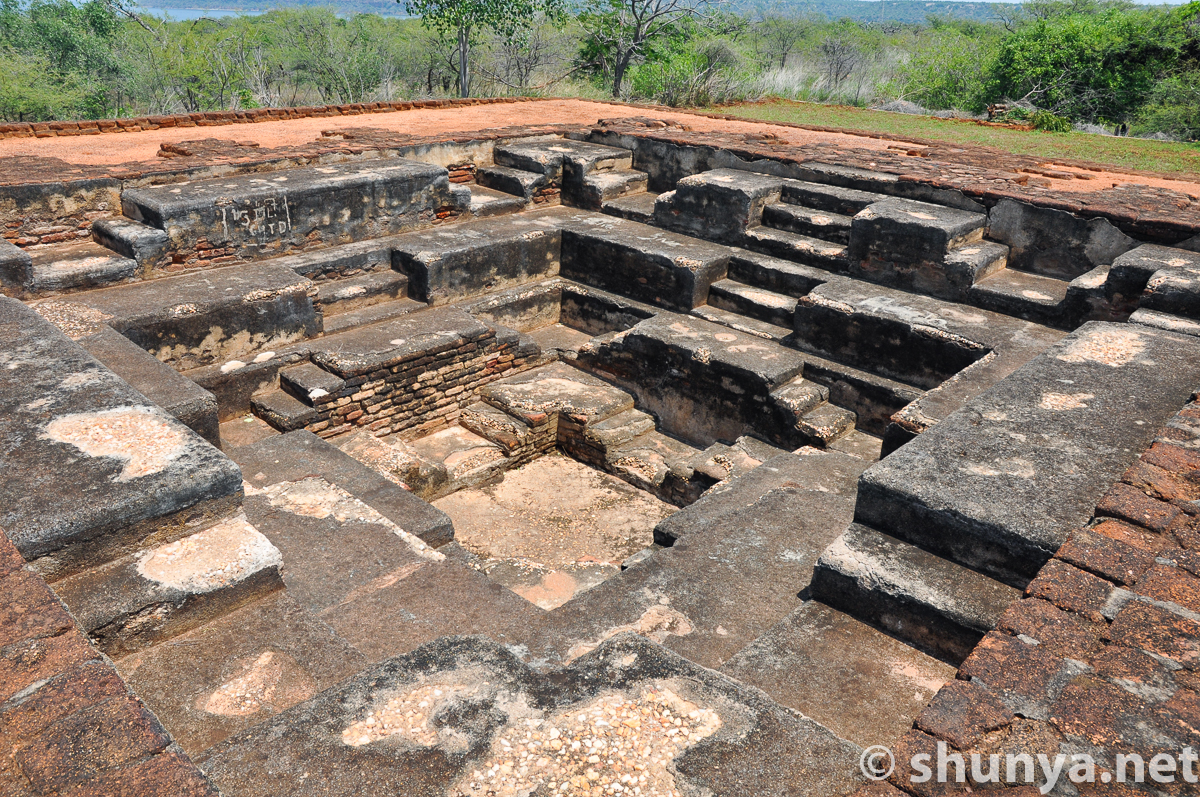
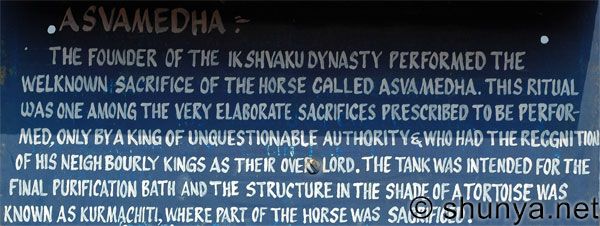
Kurma Chitti tank (info)
|
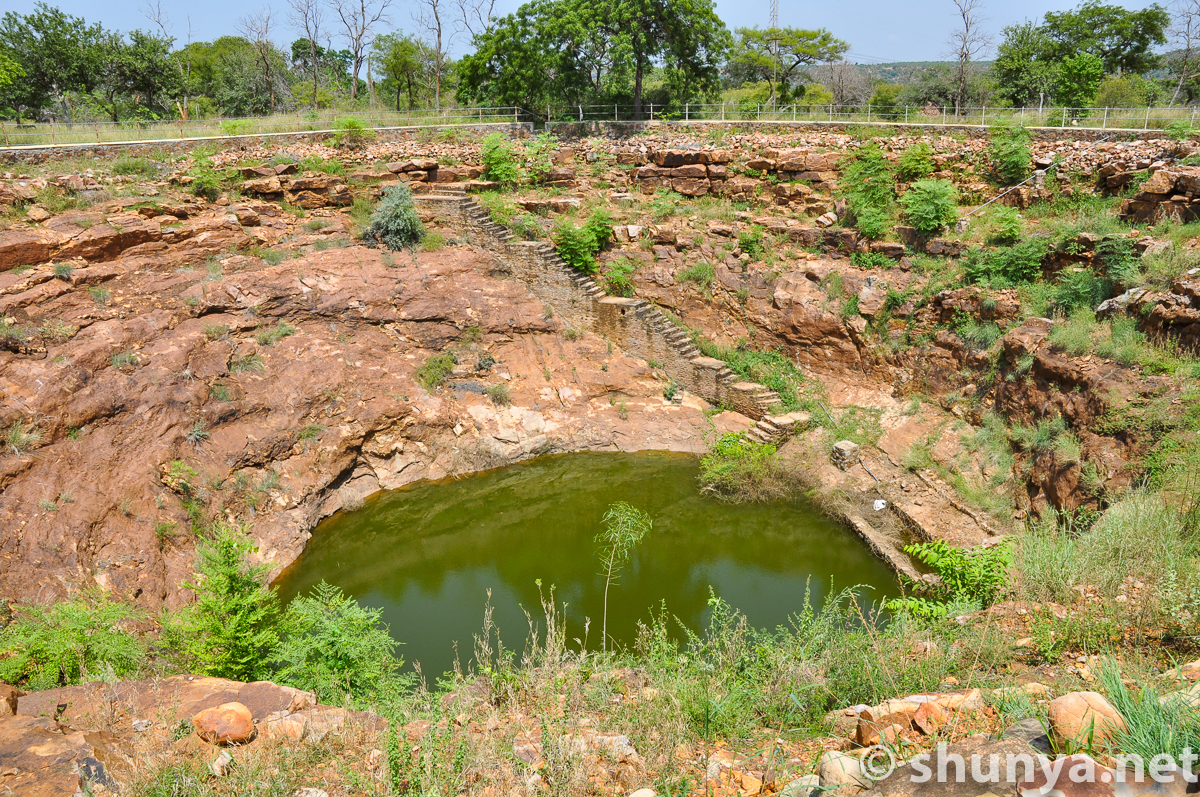
"Tortoise shaped" tank,
|
Tank for ritual bathing, incl.
|
|
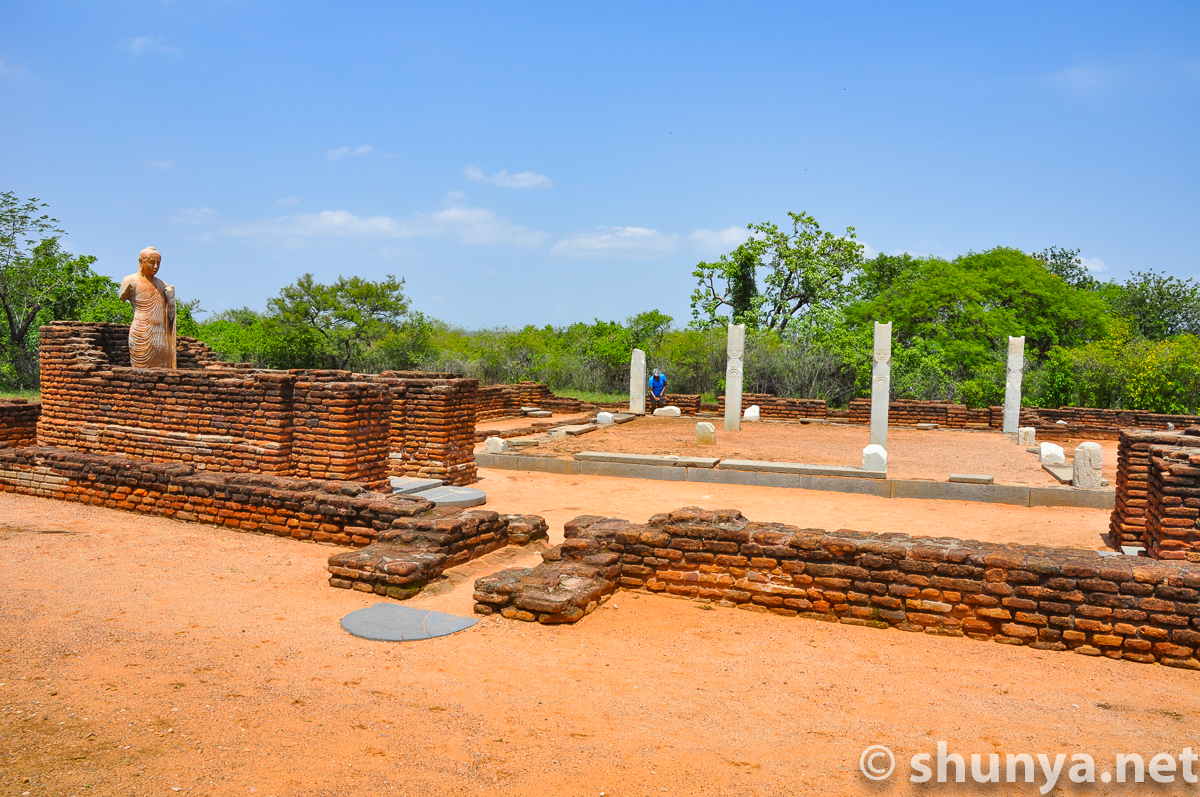
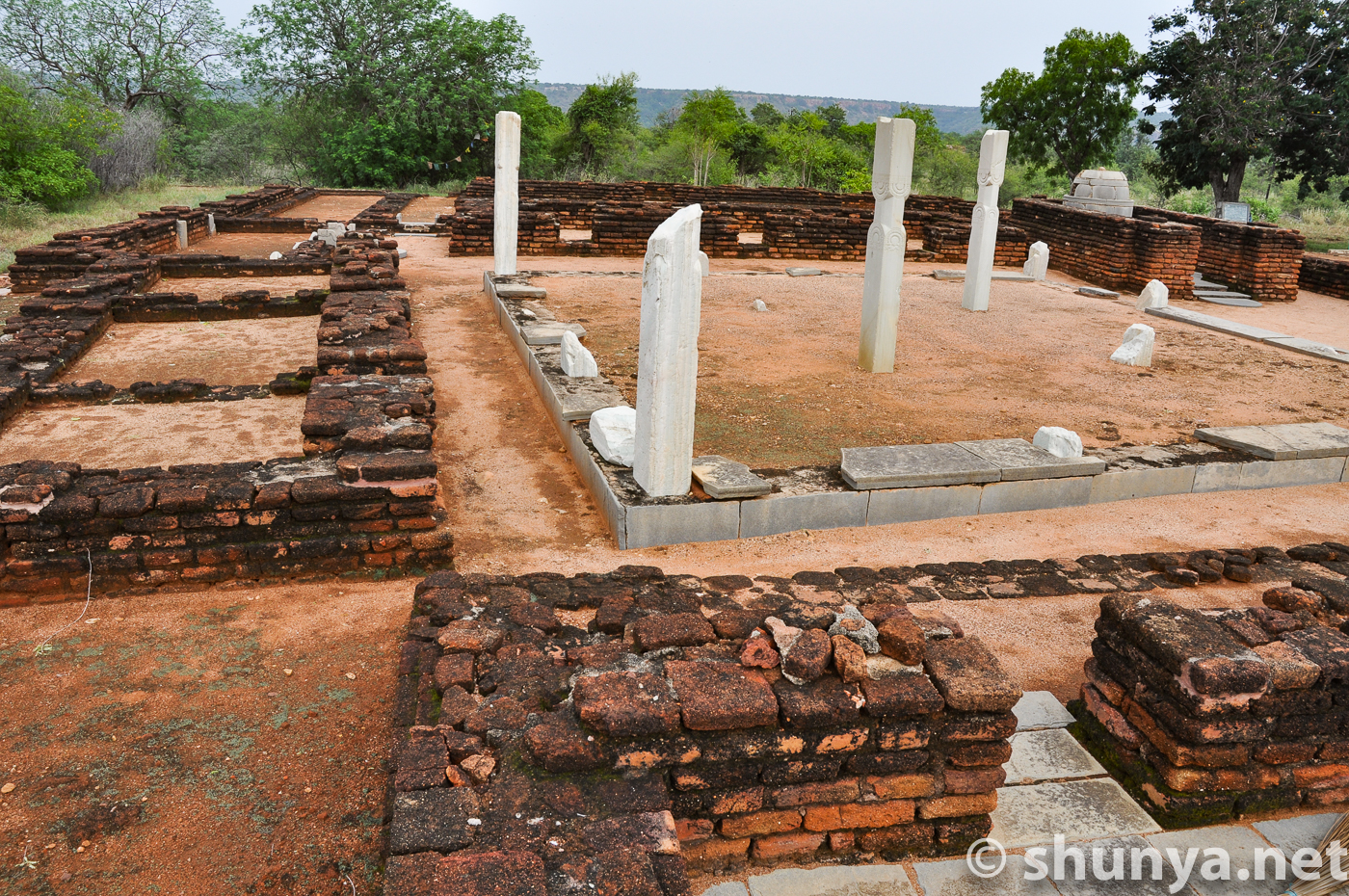
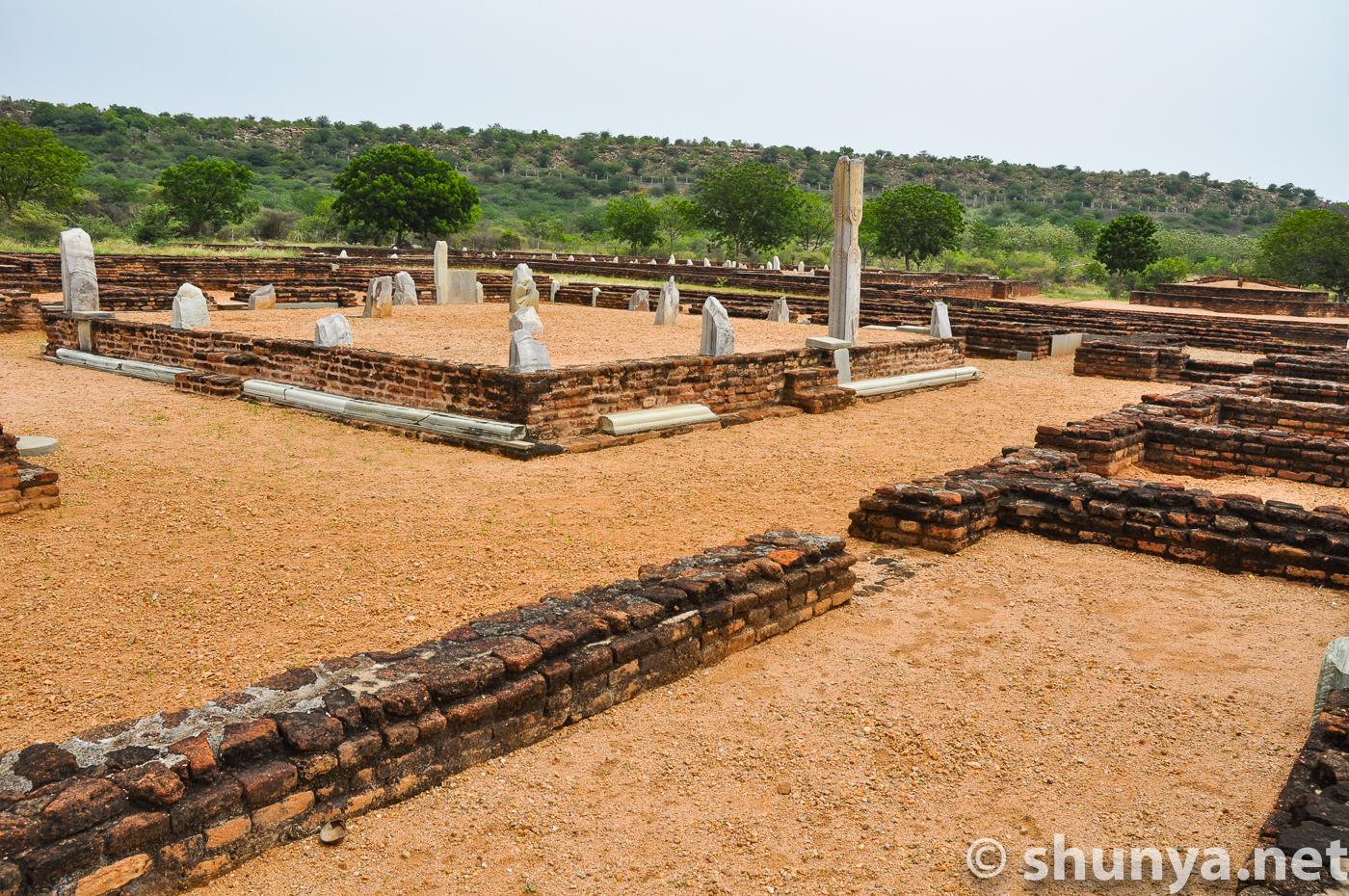
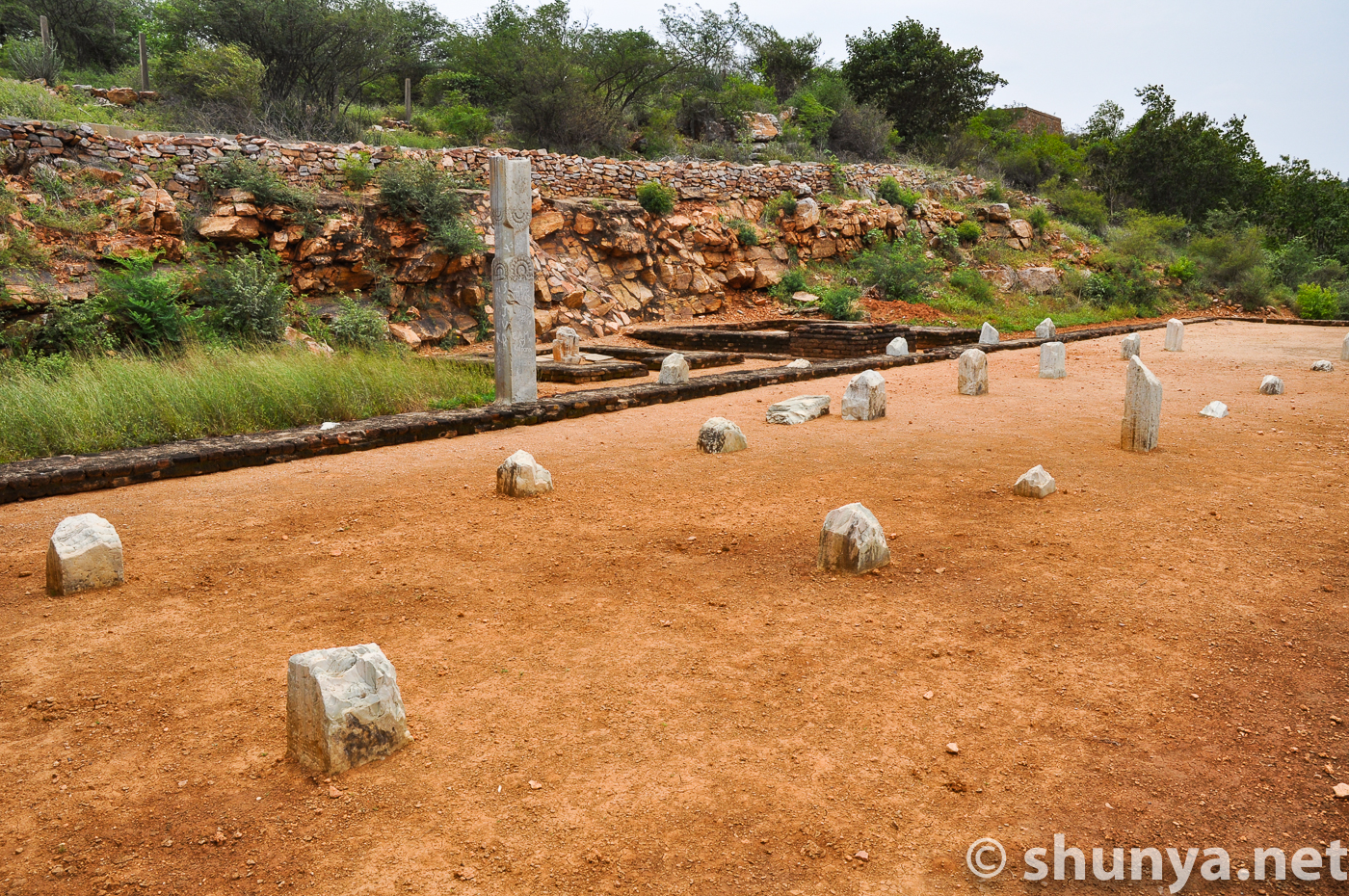
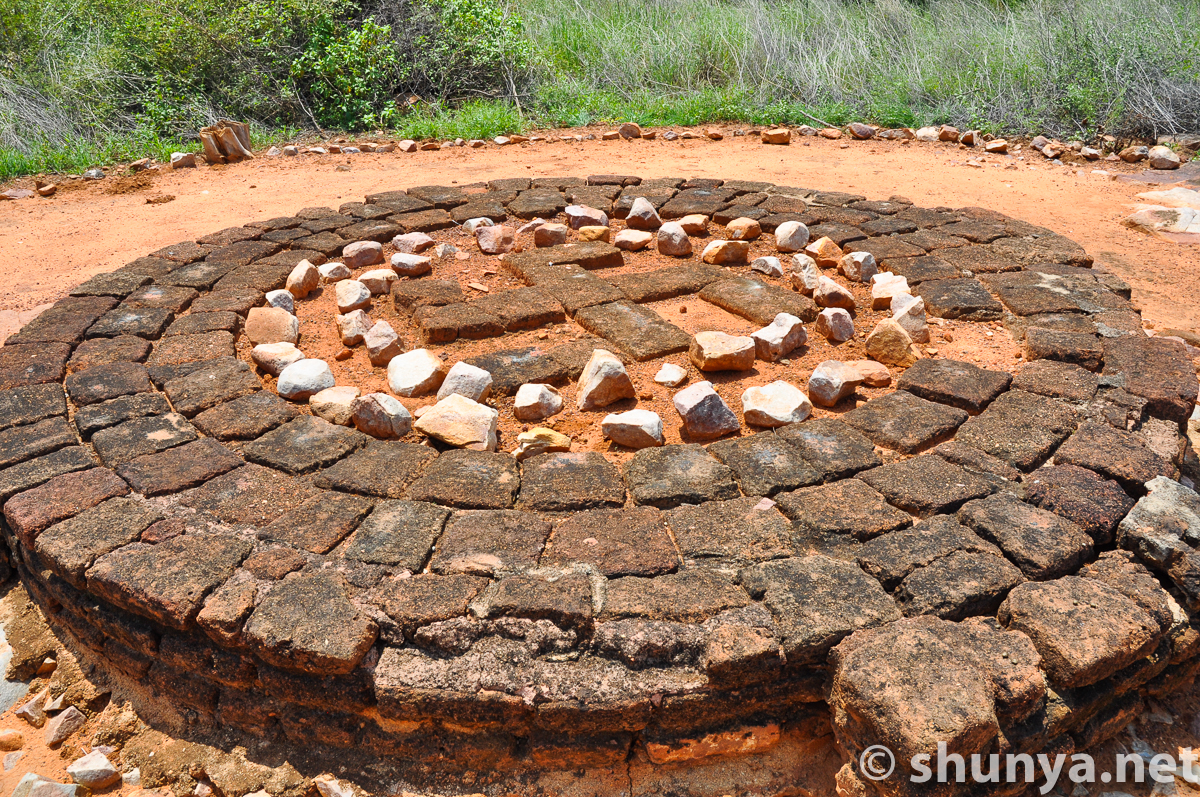
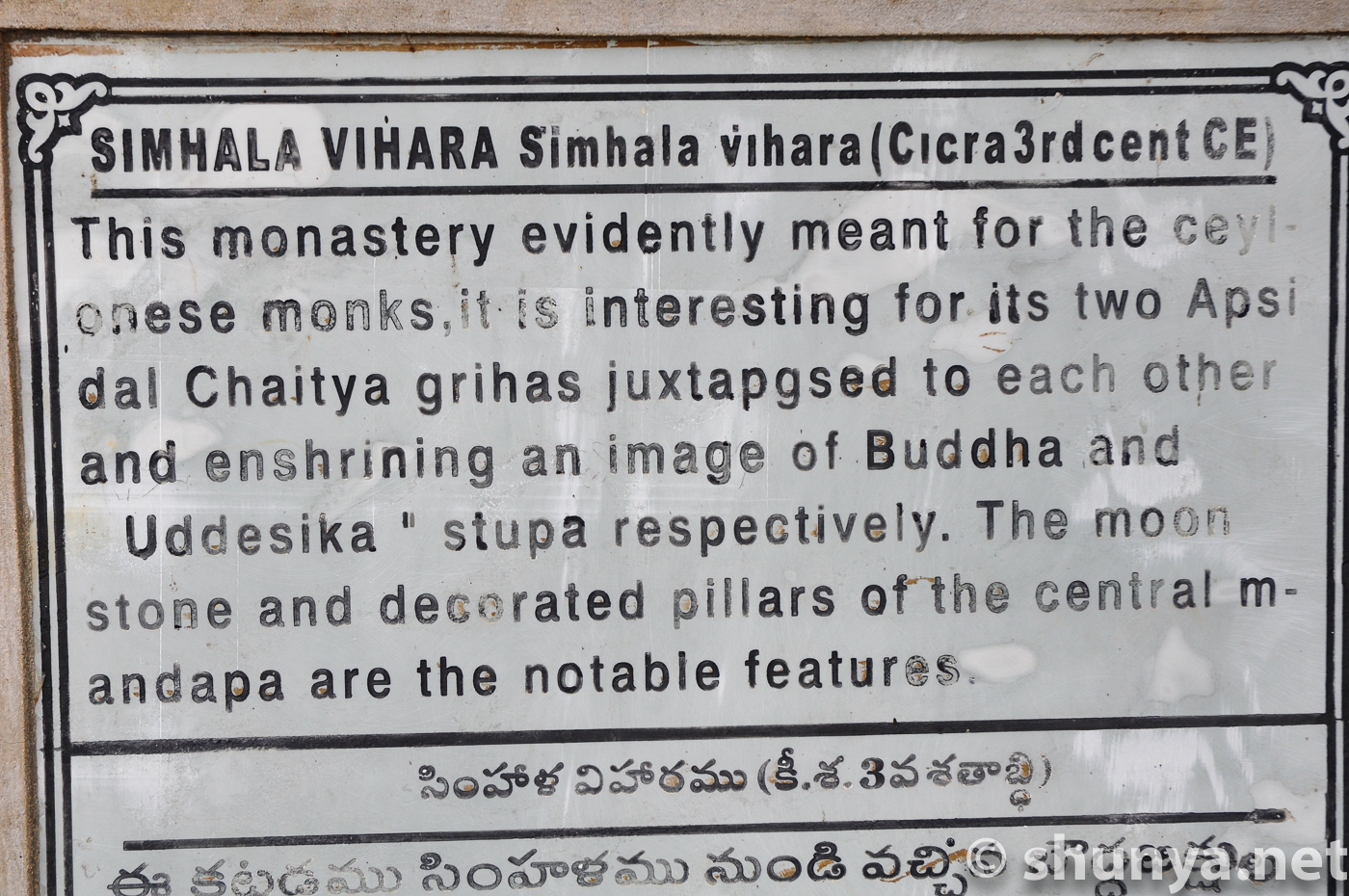
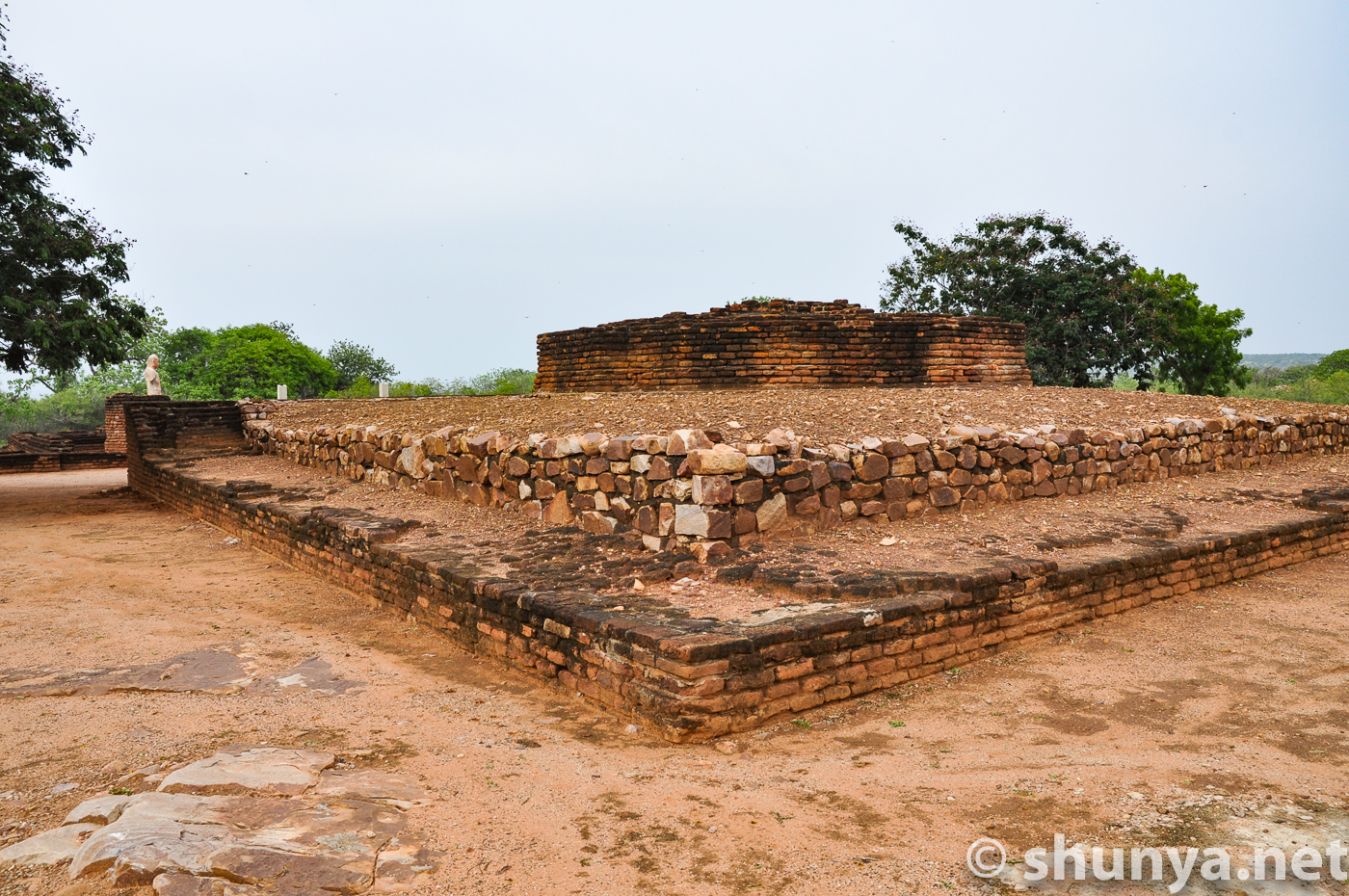
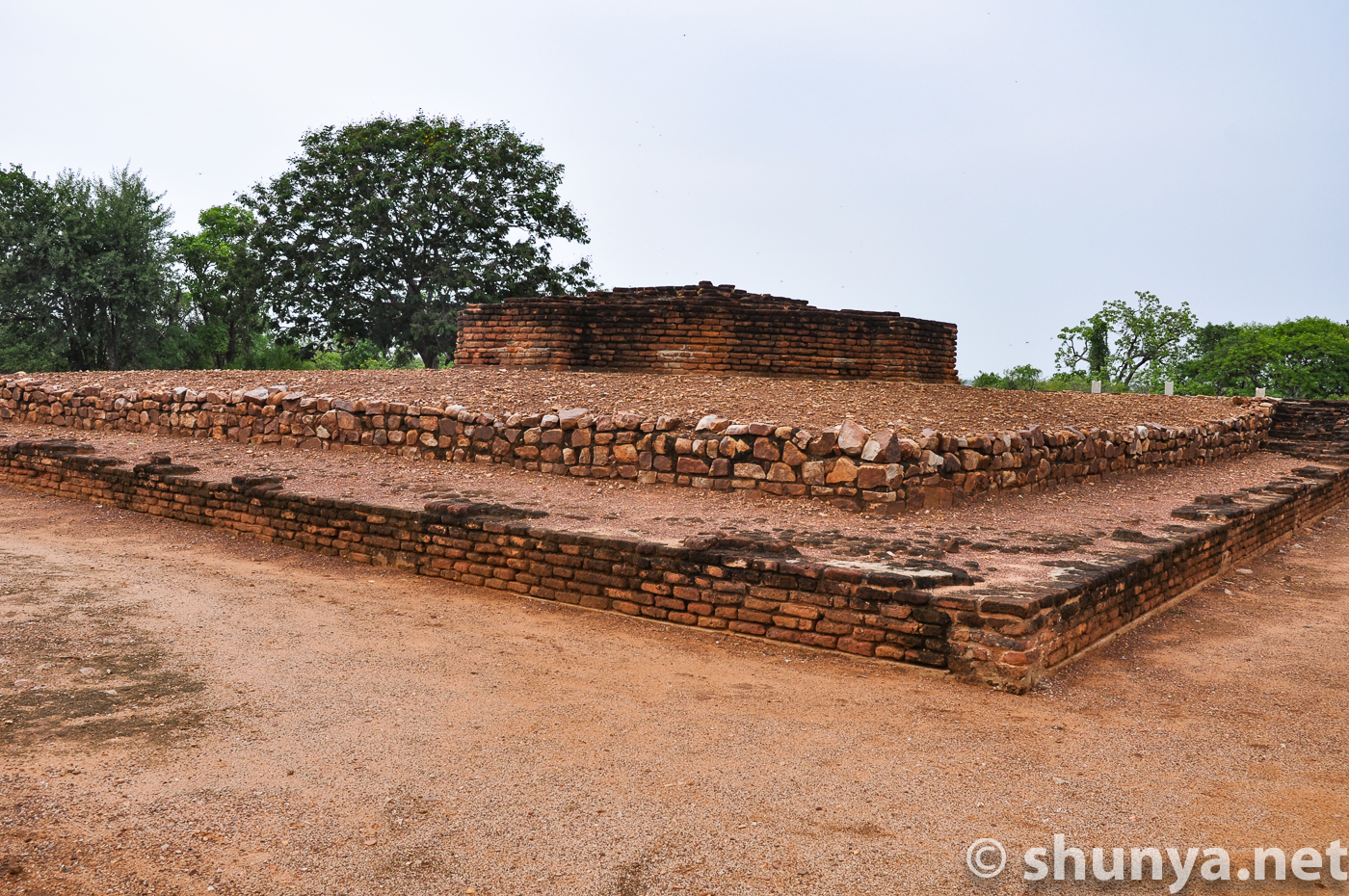
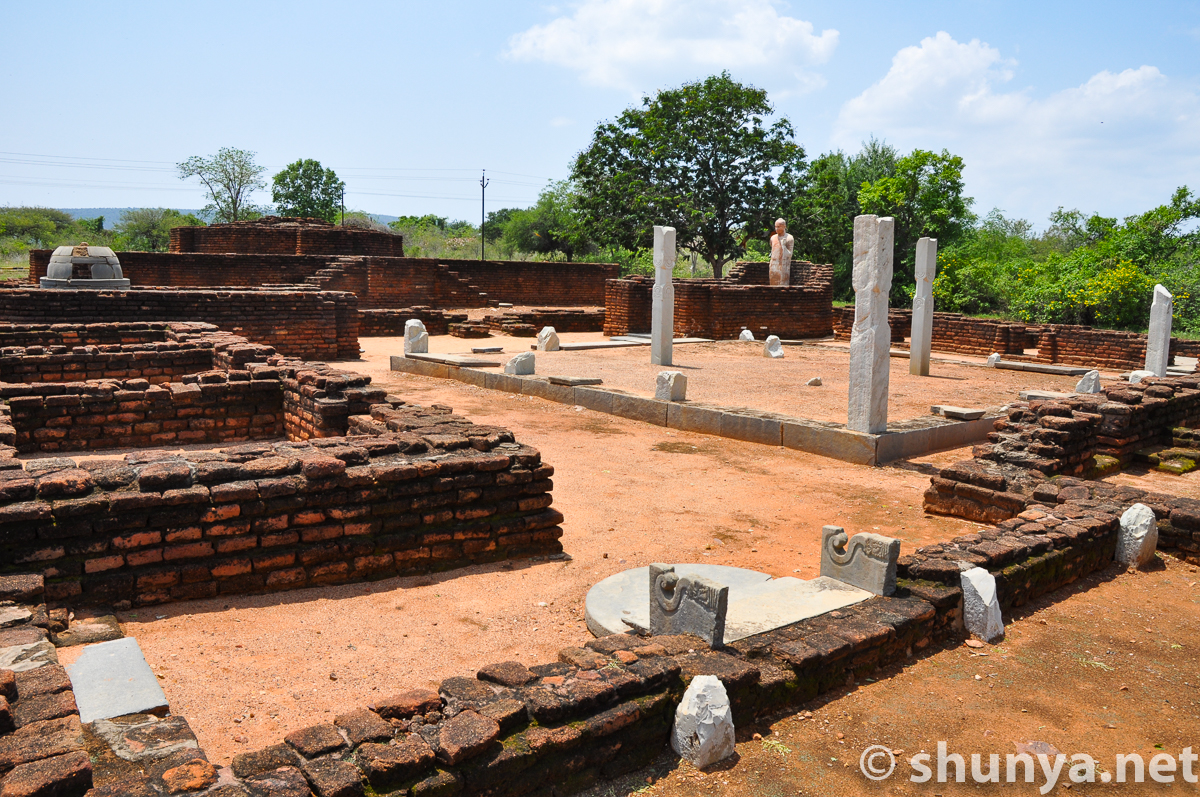
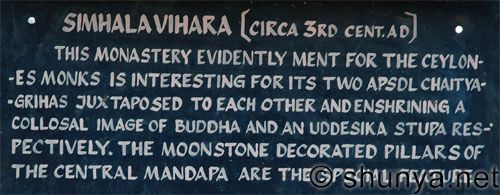
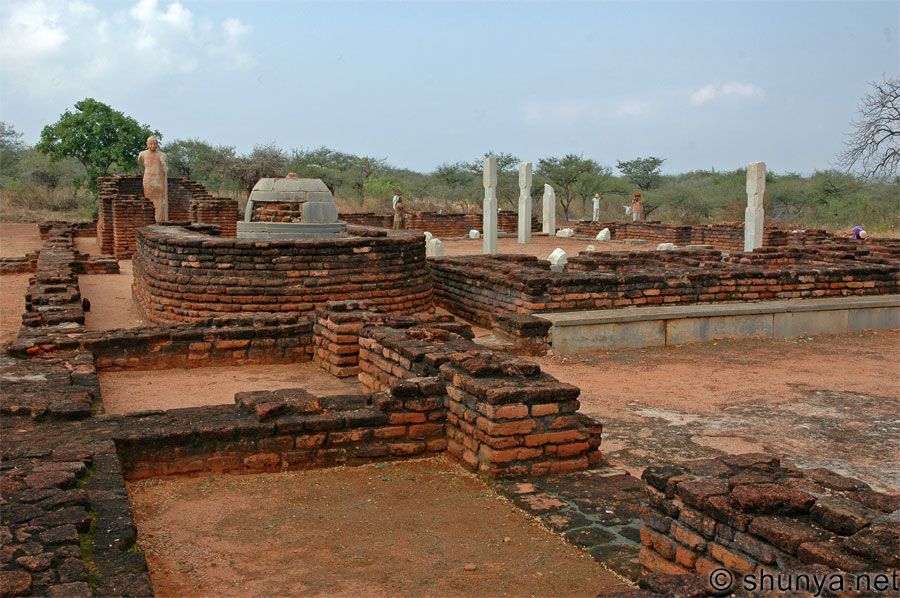
Simhala Vihara complex
|
Monastery for Sri Lankan
|
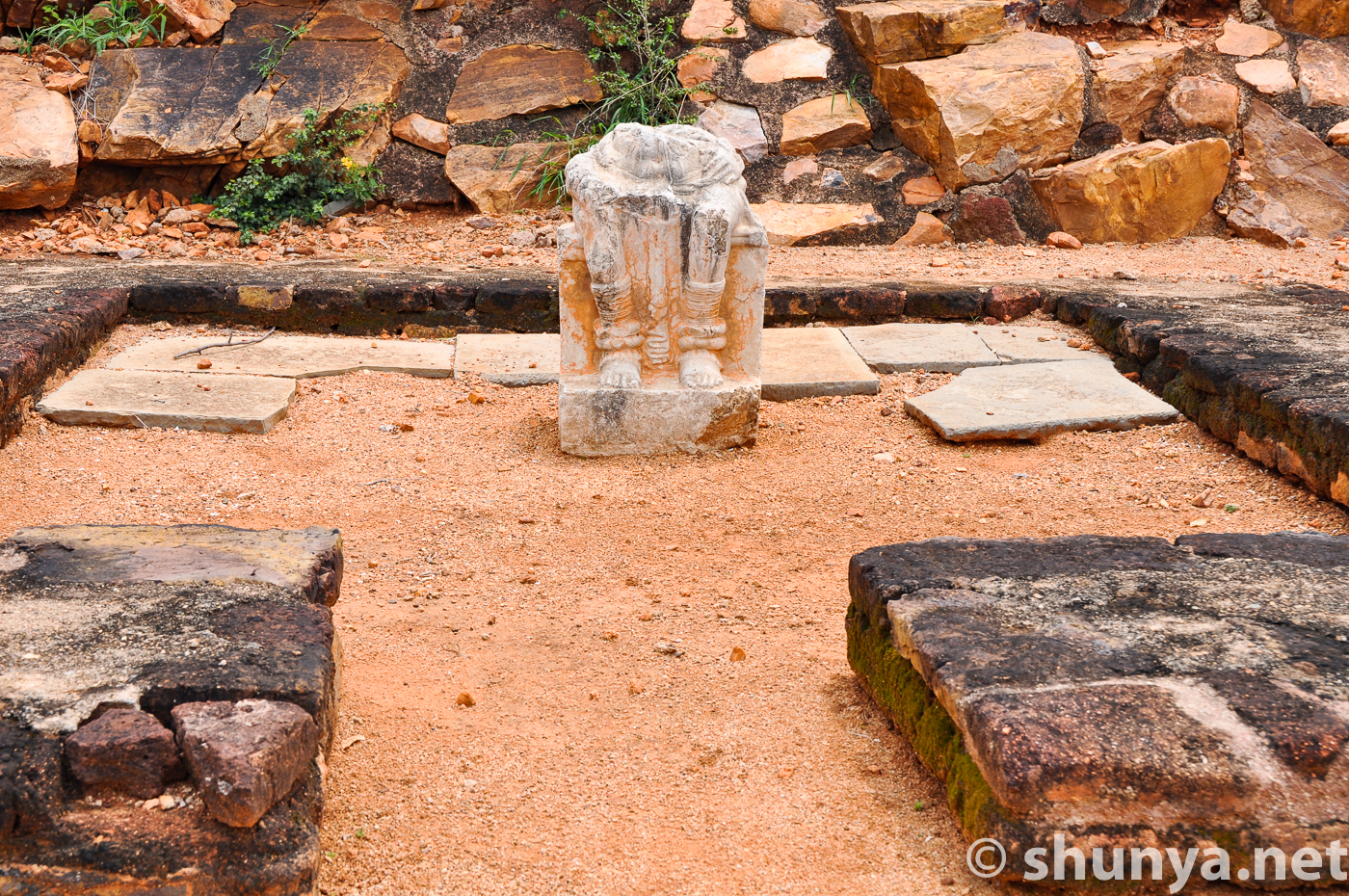
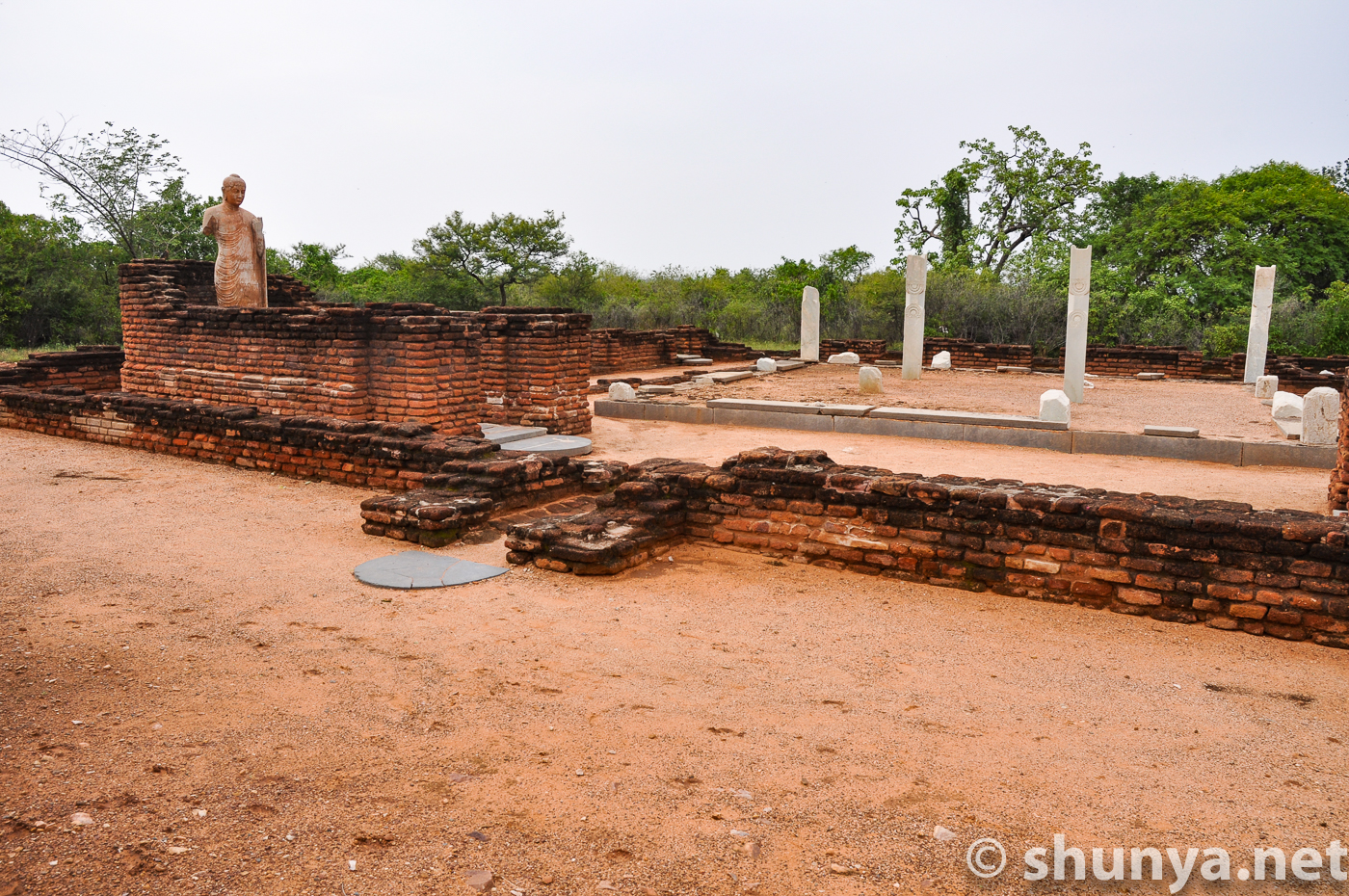
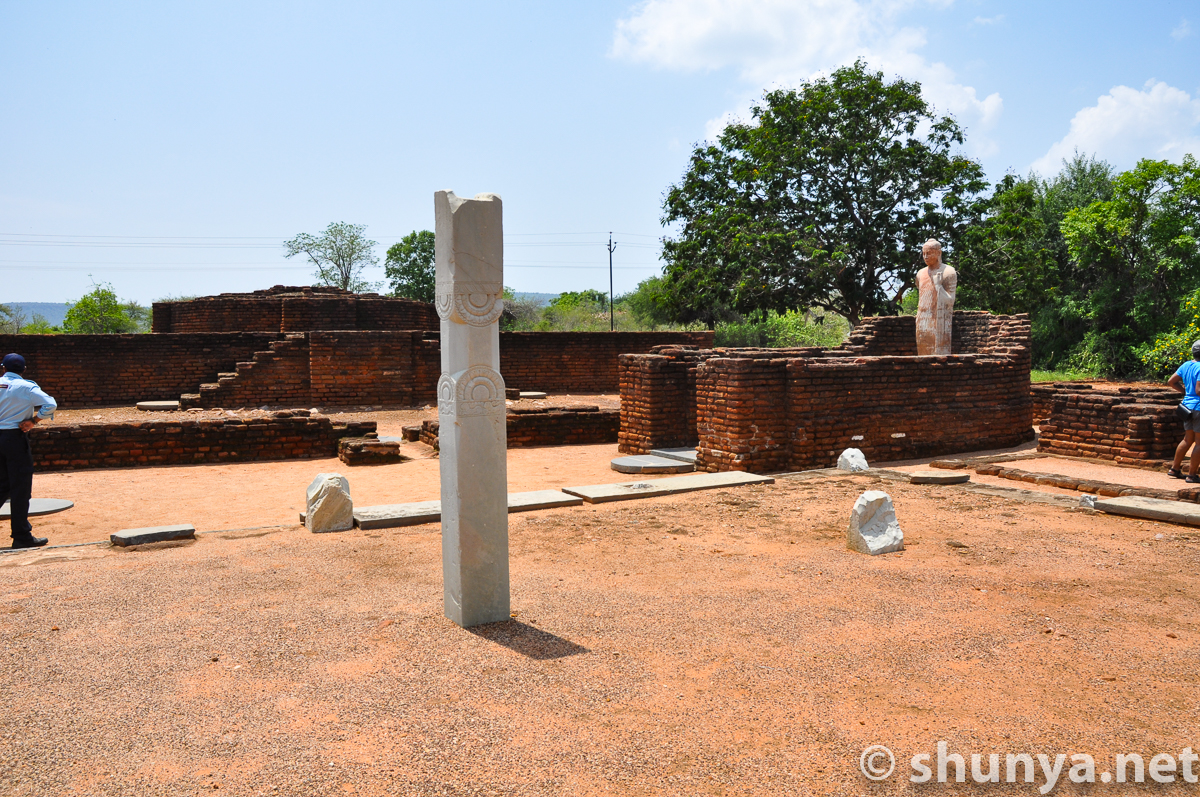
Chaitya Griha with giant
|
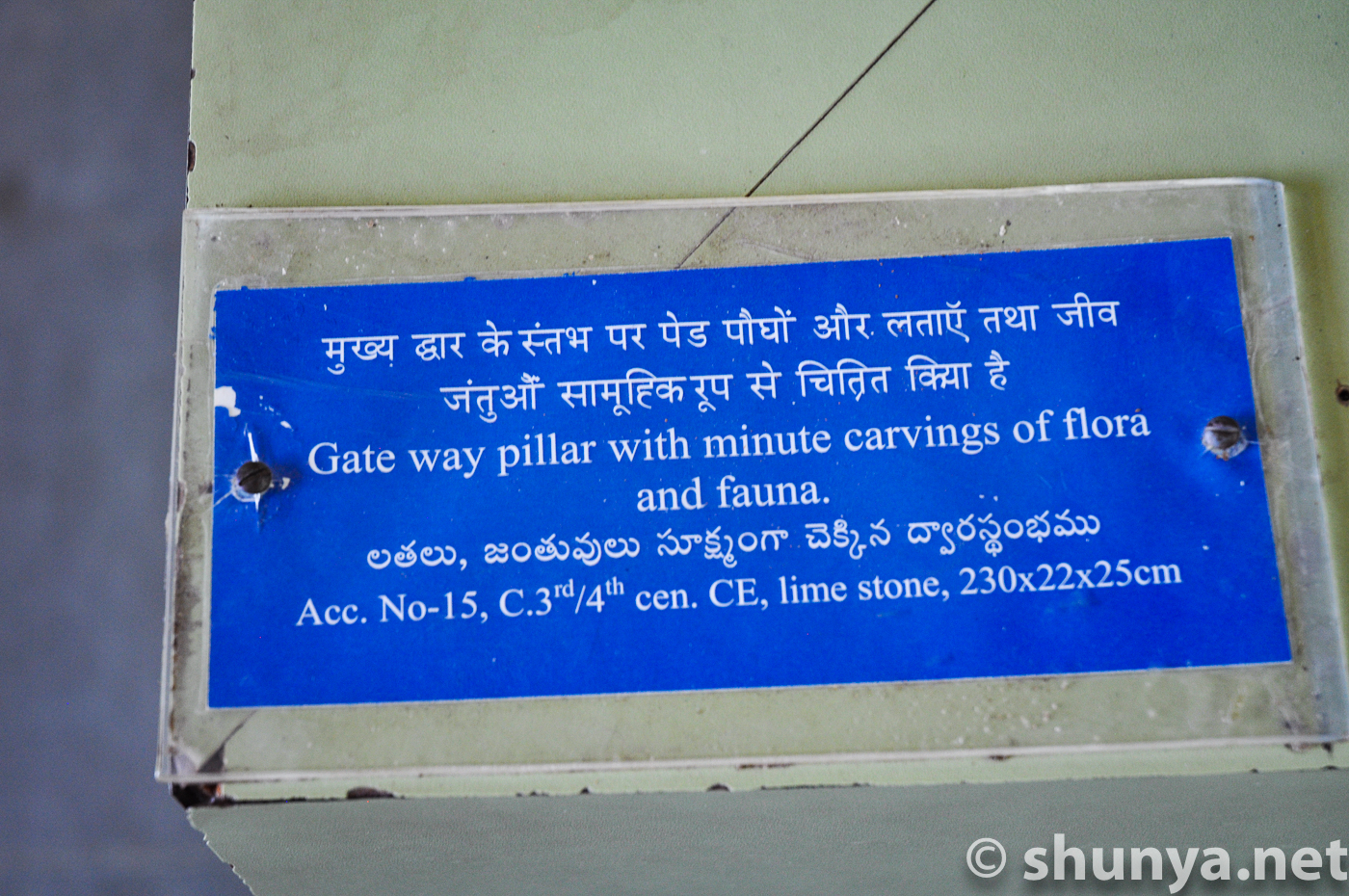
Decorated pillars of the
|
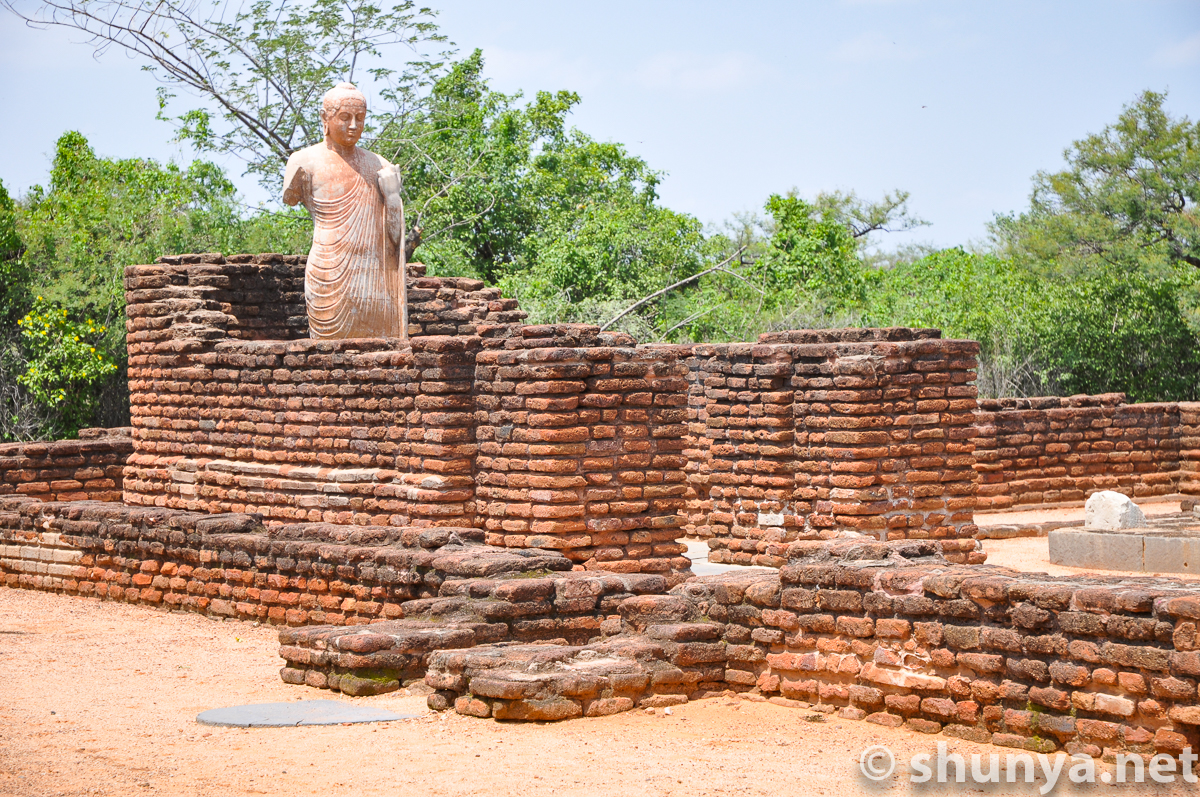
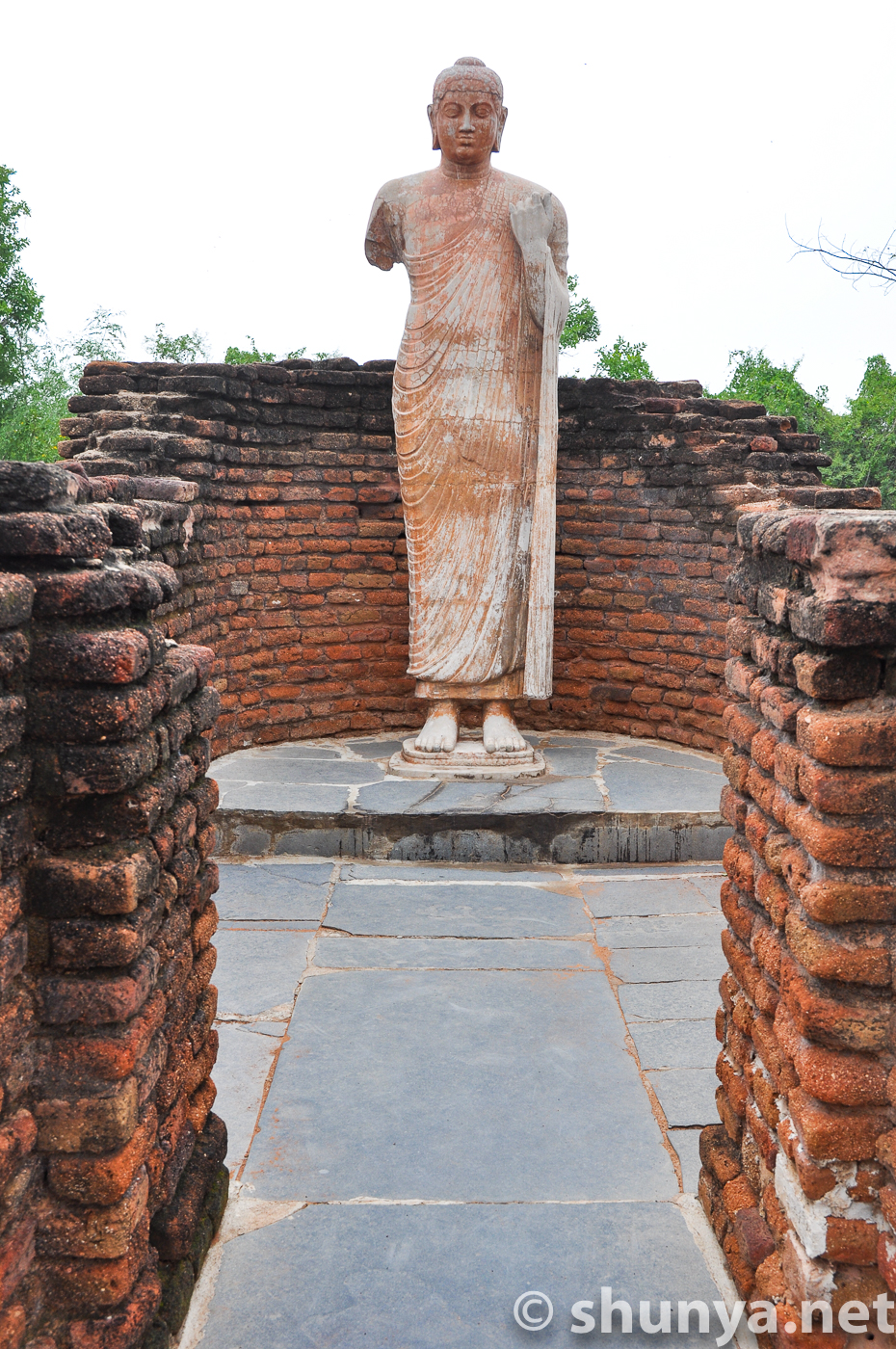
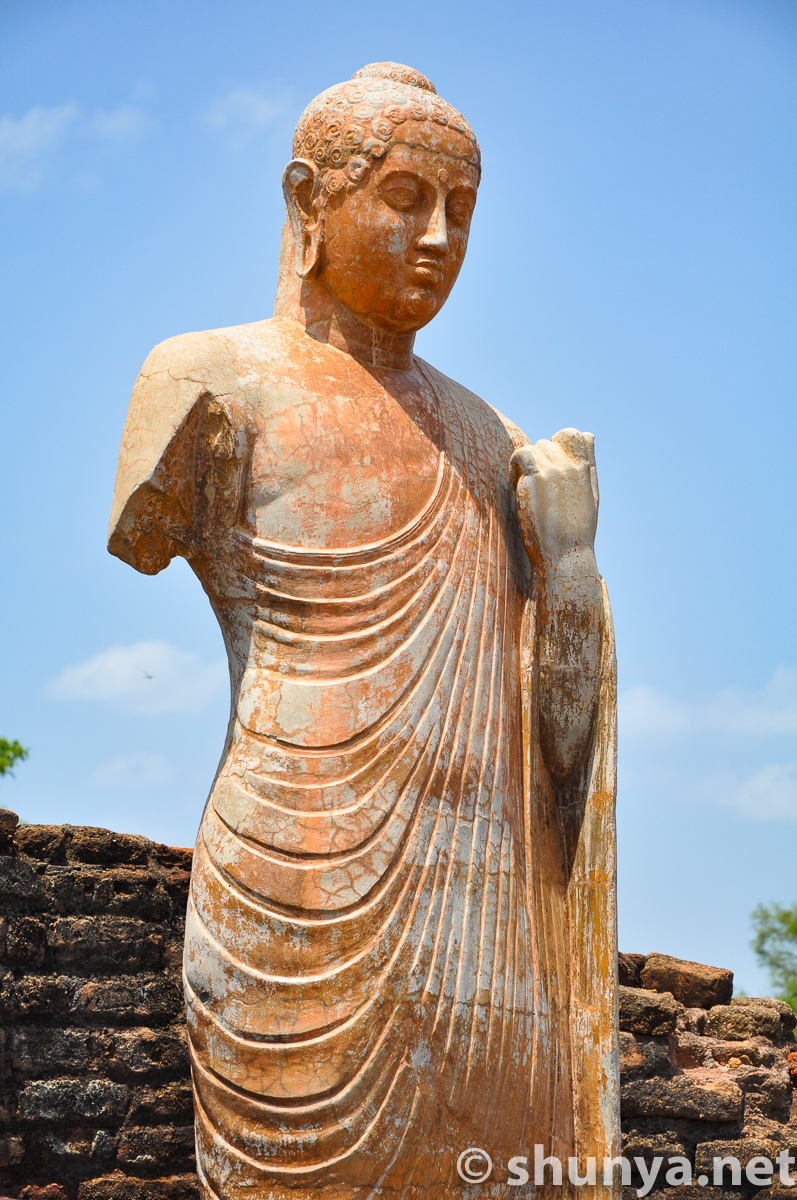
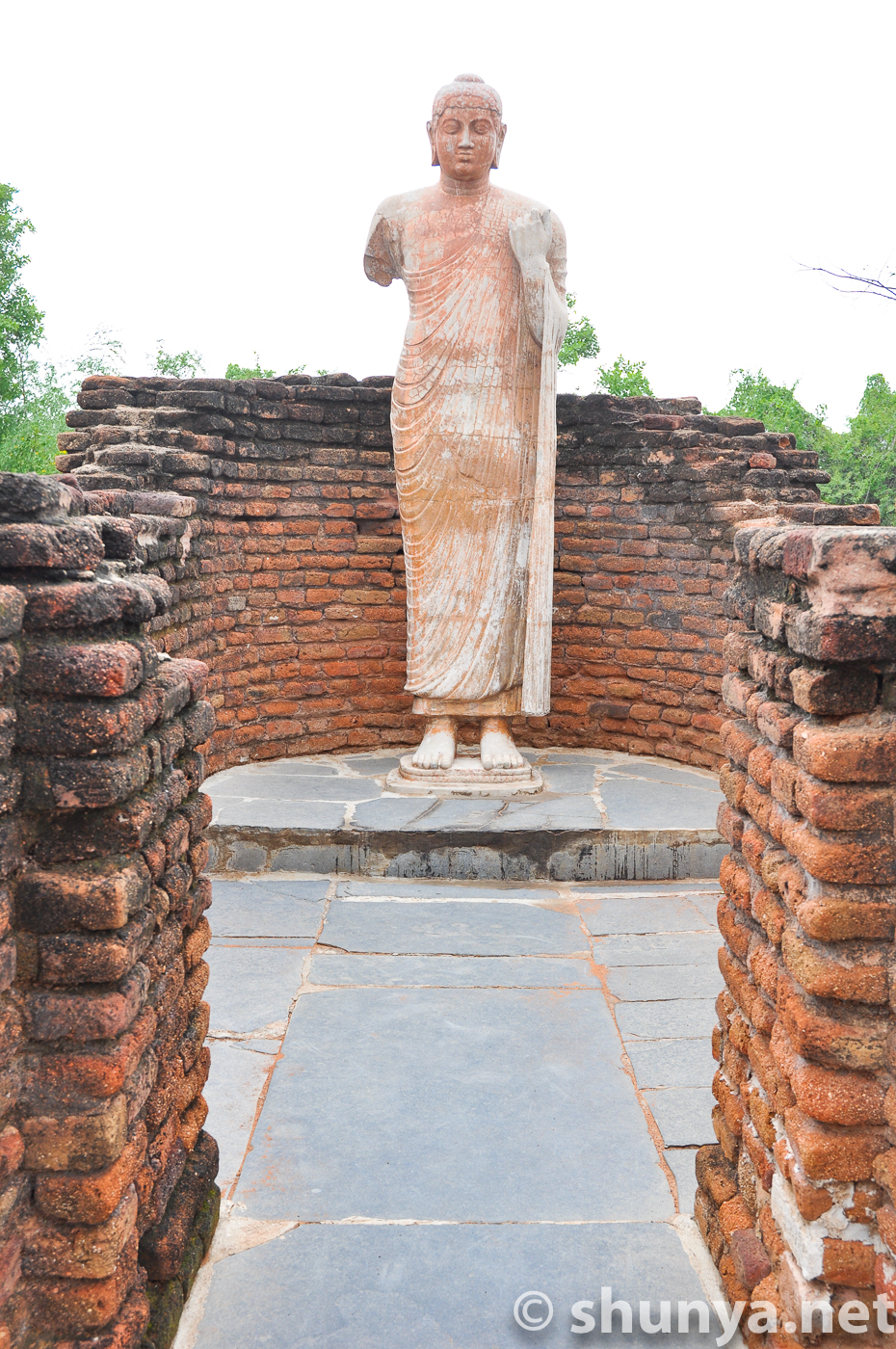
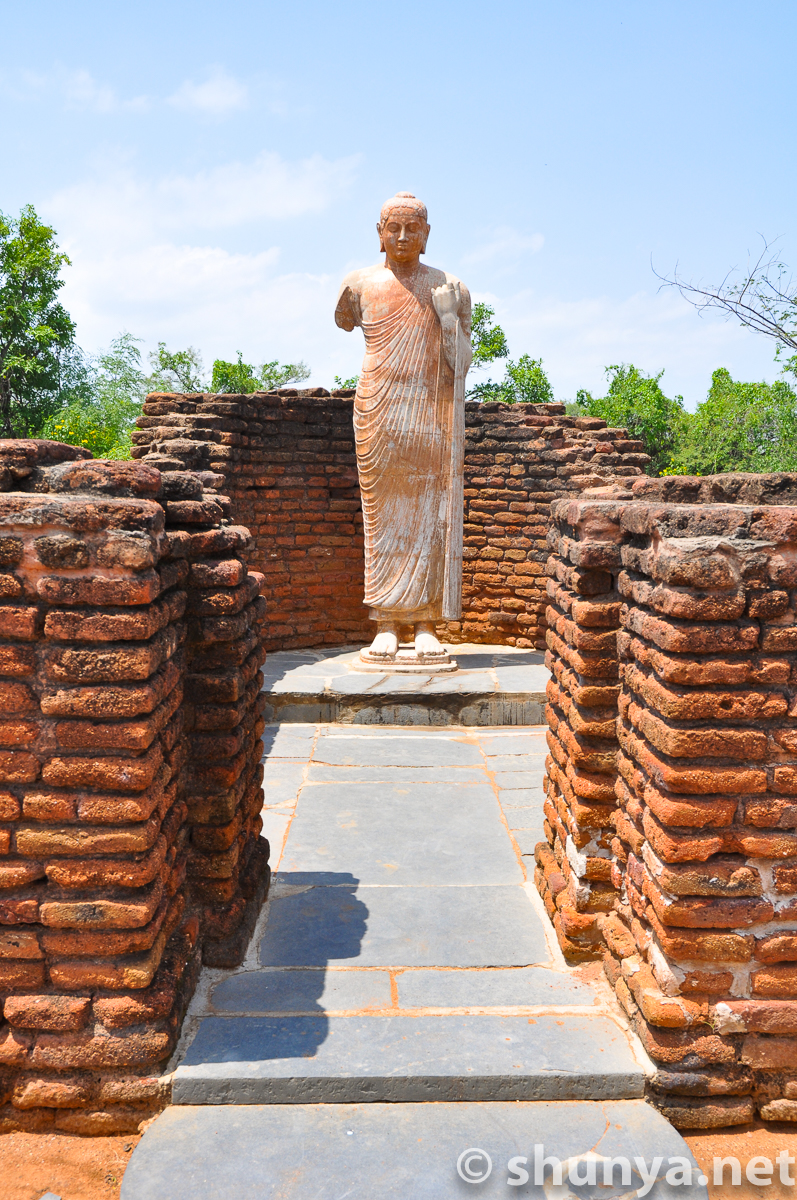
Standing Buddha (more)
|
Apsidal Chaitya griha
|
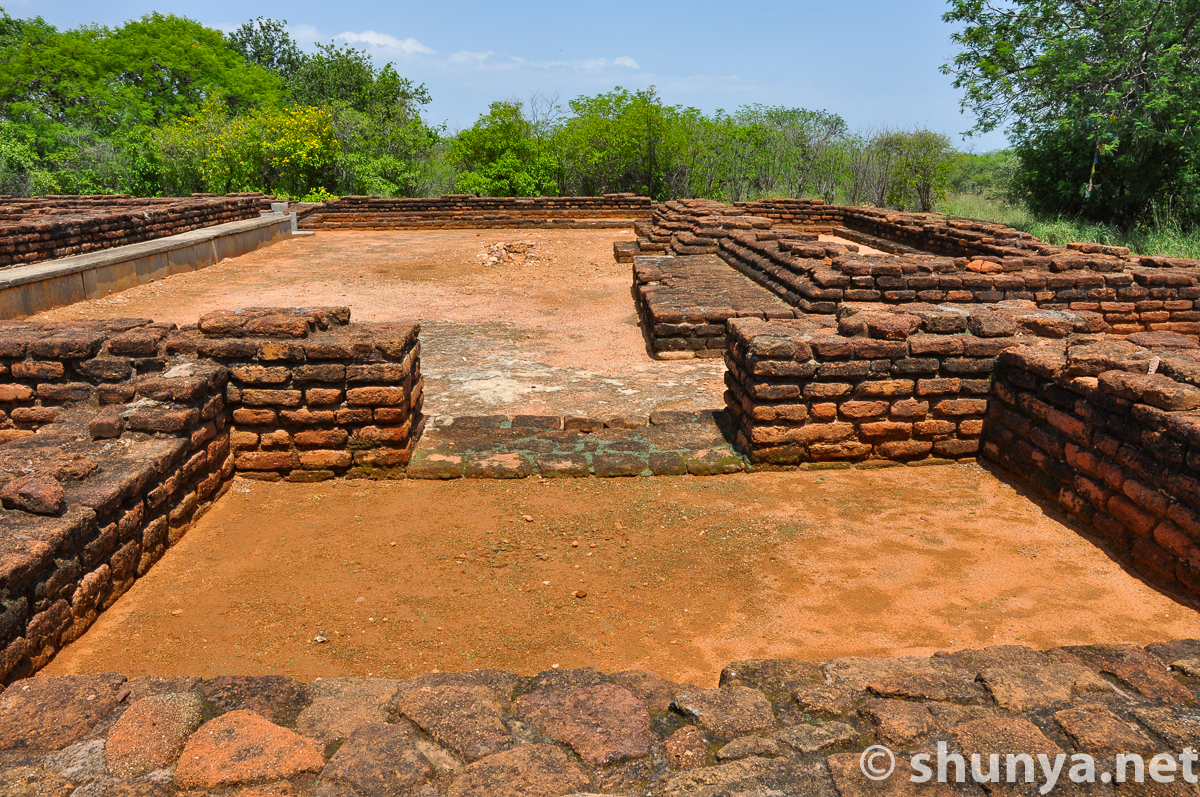
Monastery cells (more)
|
Original is in the museum
|
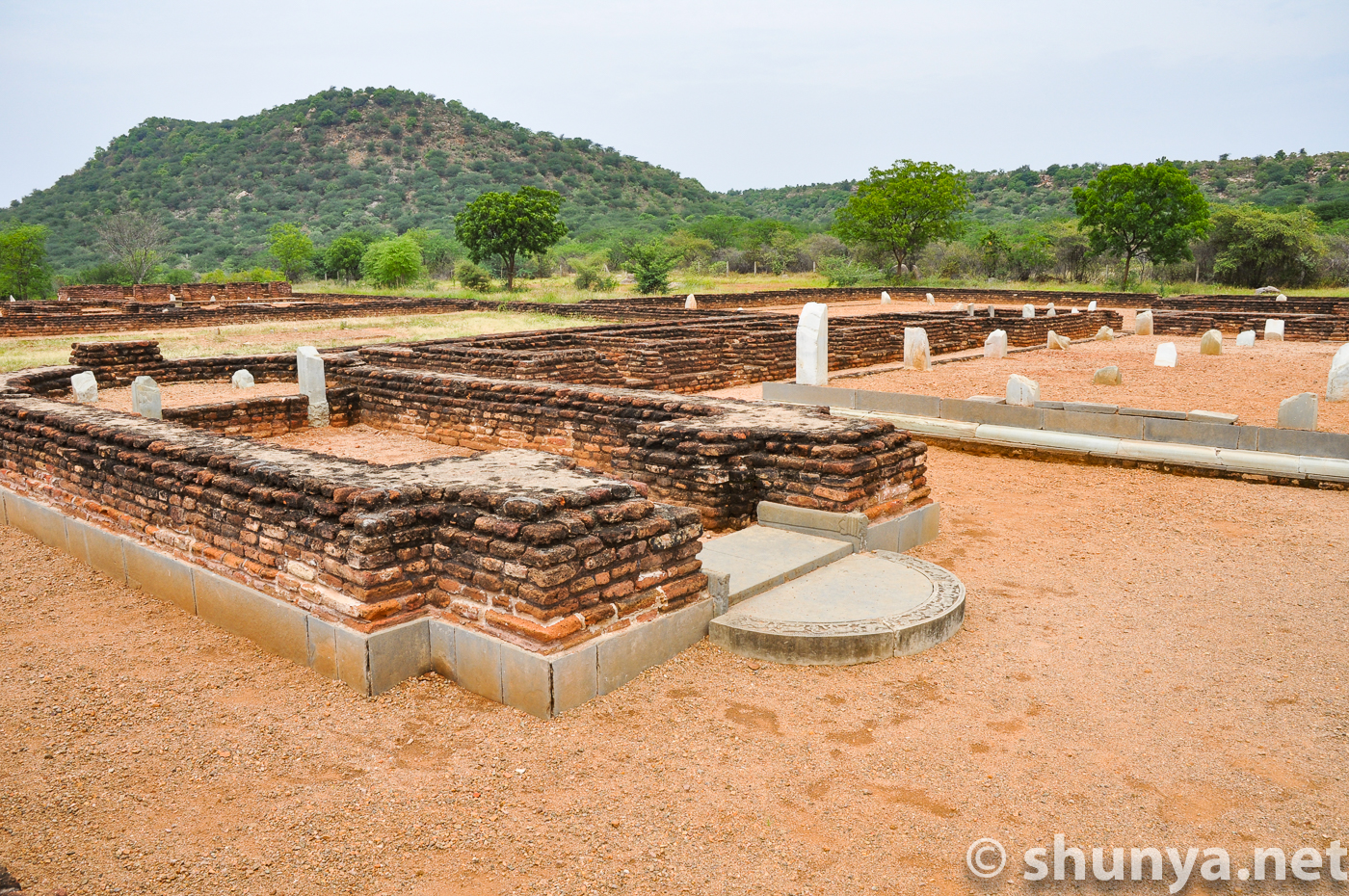
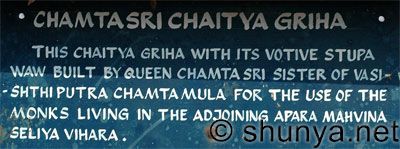
Chaitya Griha built by
|
Chaitya Griha built by
|
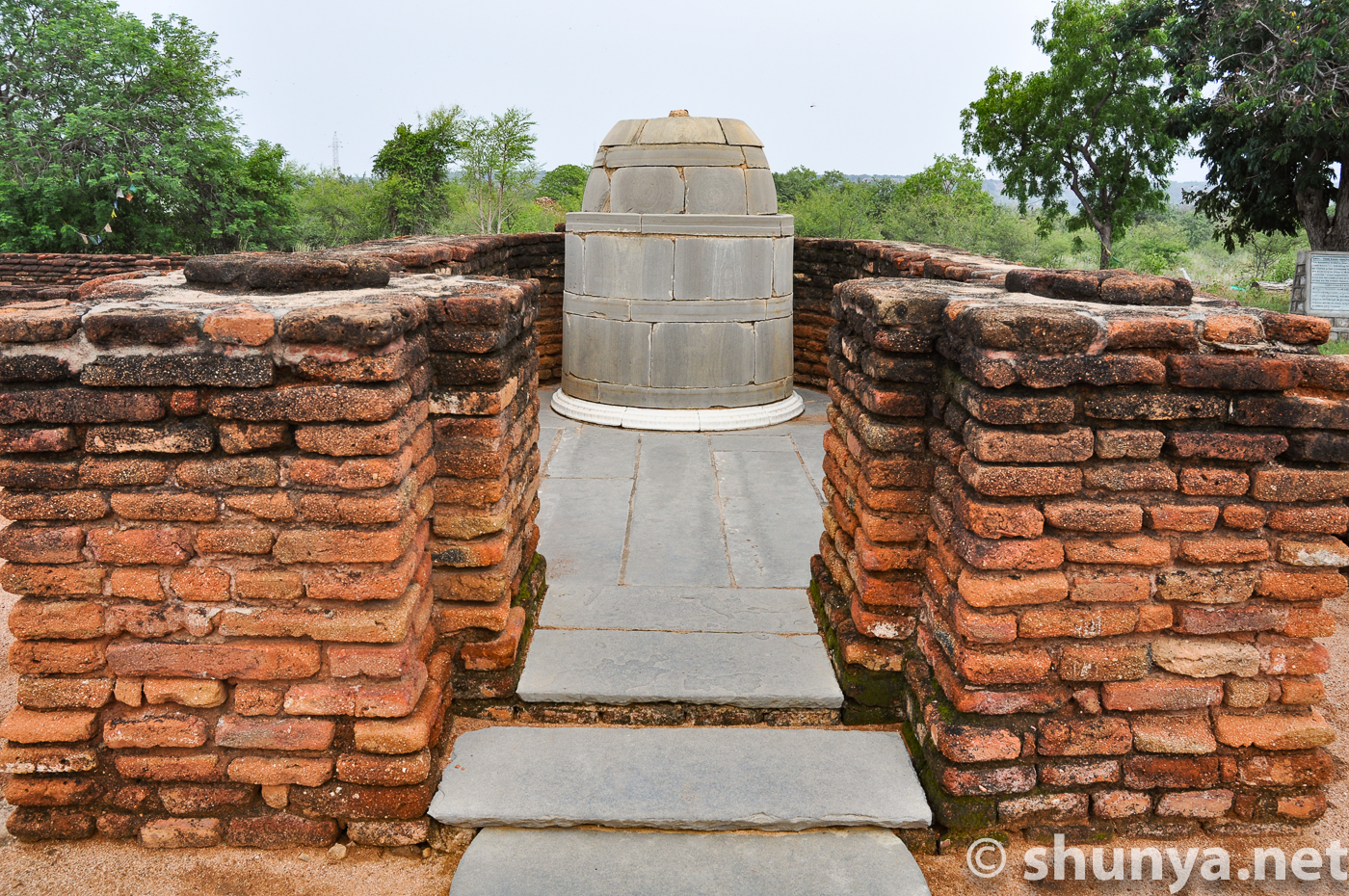
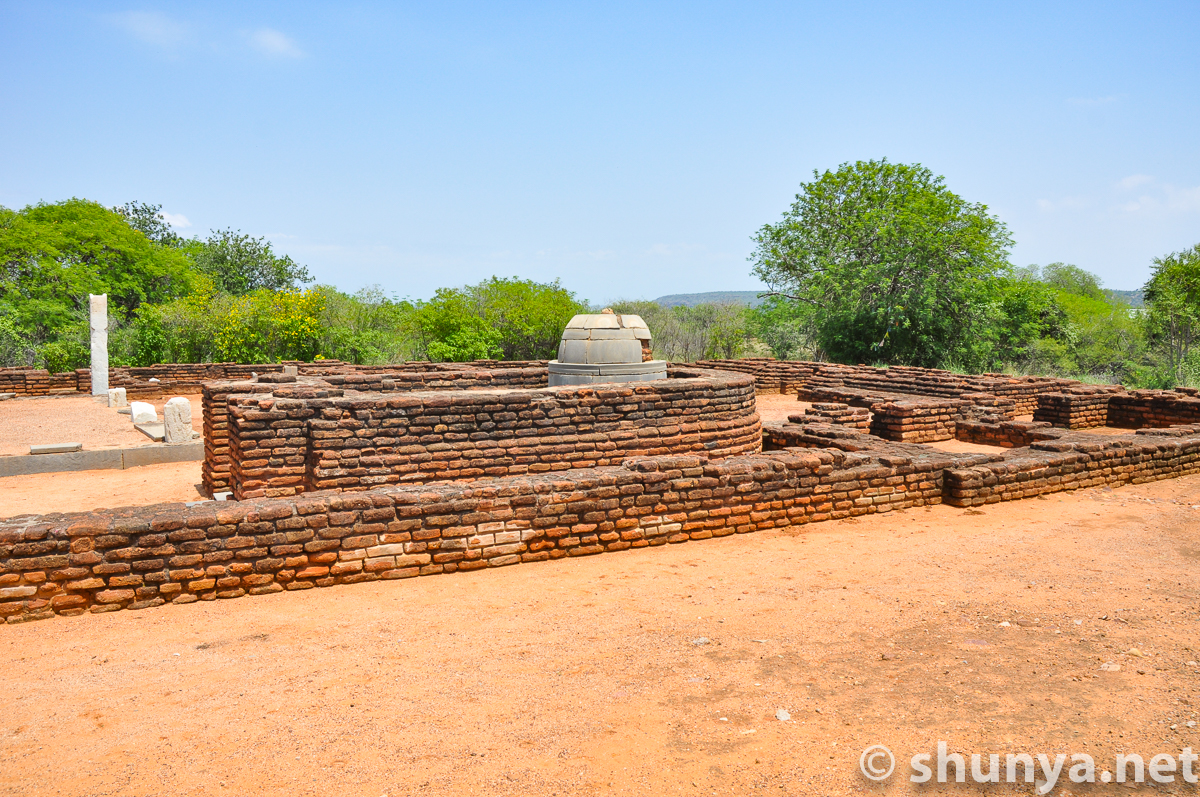
Votive stupa (more)
|
Once part of a monastery
|
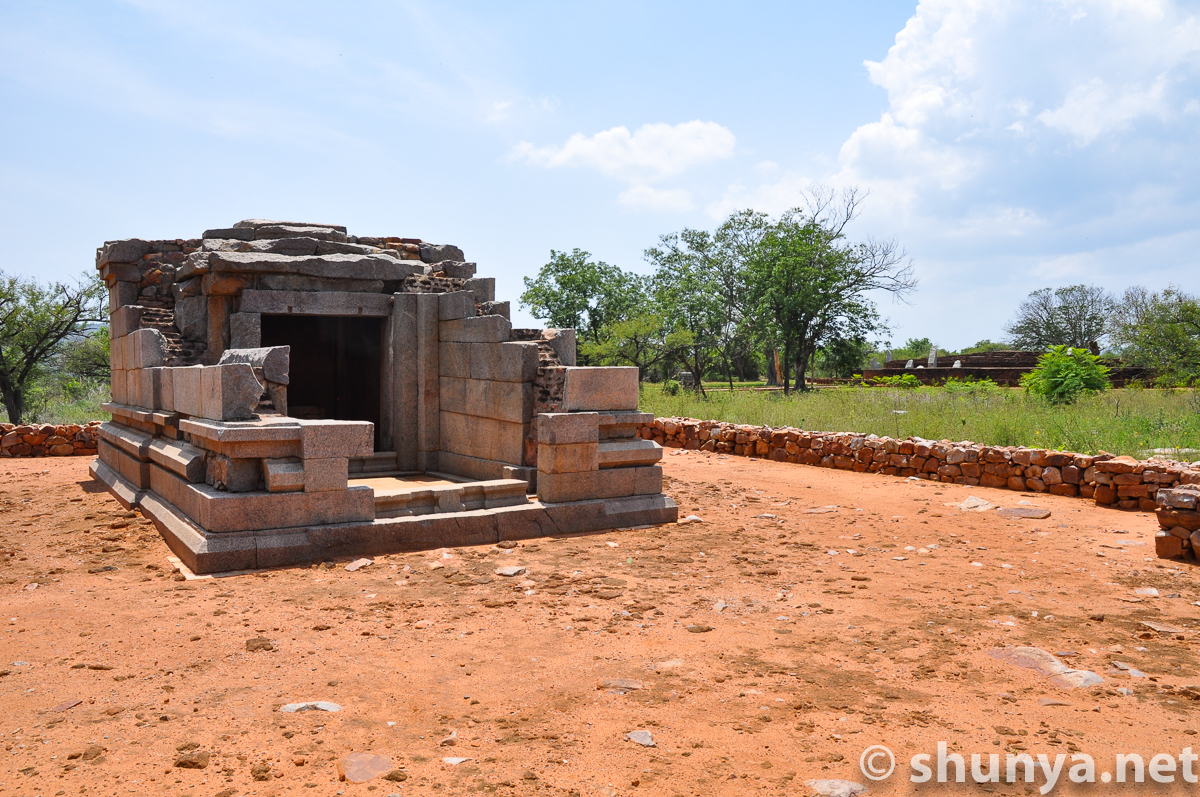
Medieval Jain shrine (more)
|
Medieval Jain shrine (more)
|
Water well
|
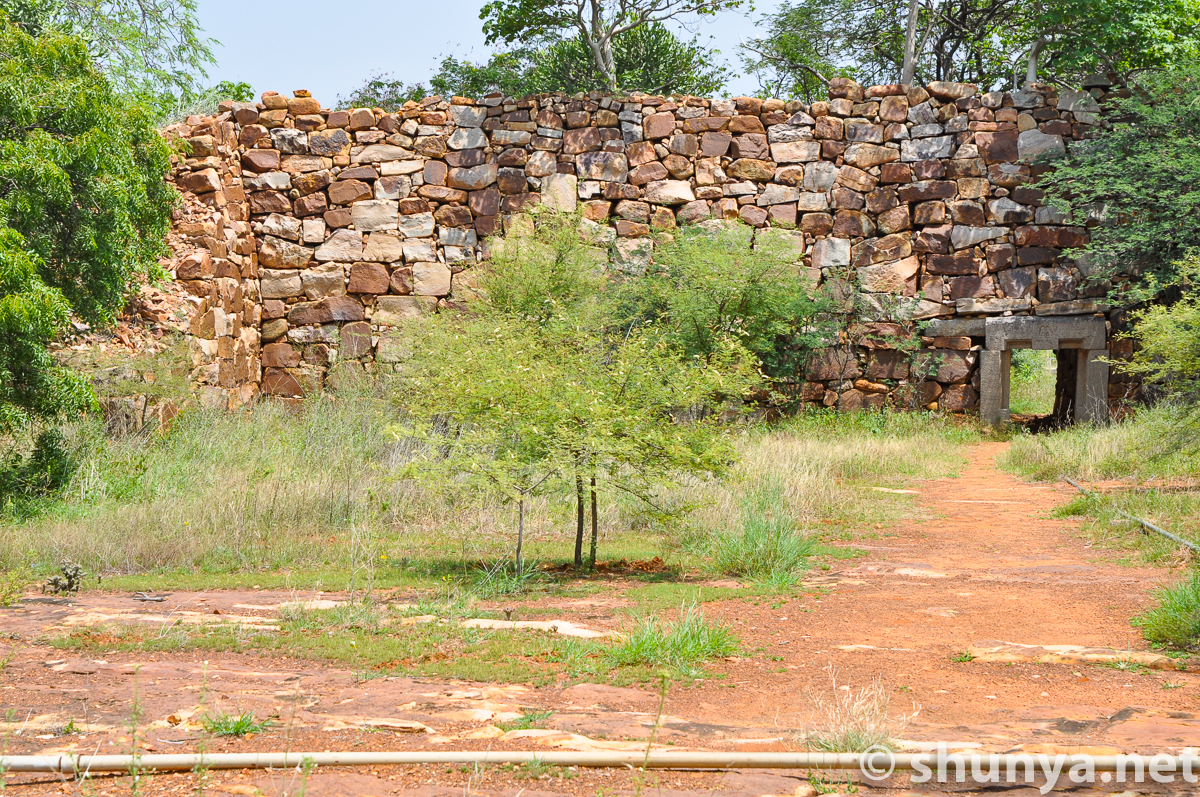
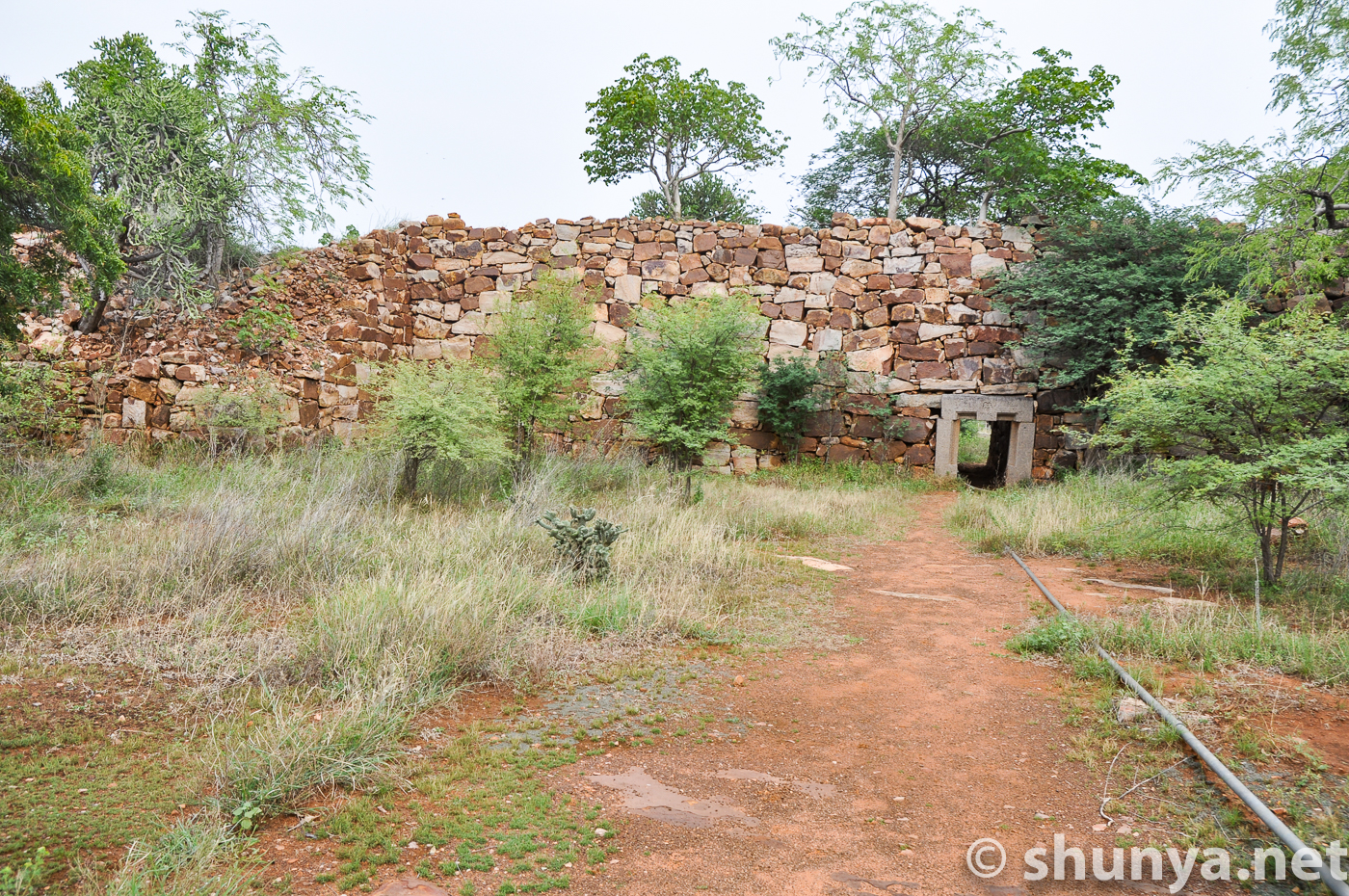
Medieval fort wall (more)
|
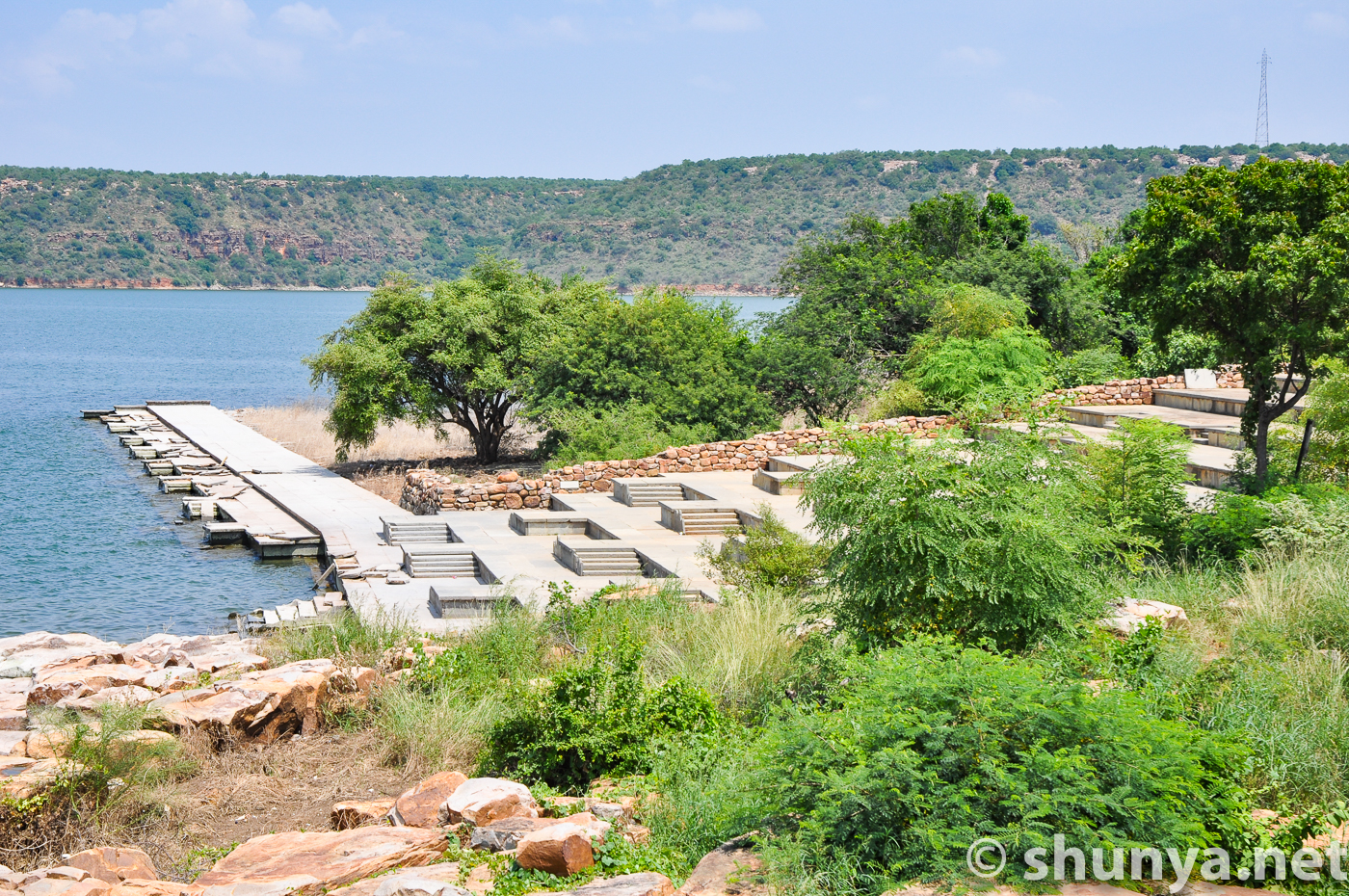
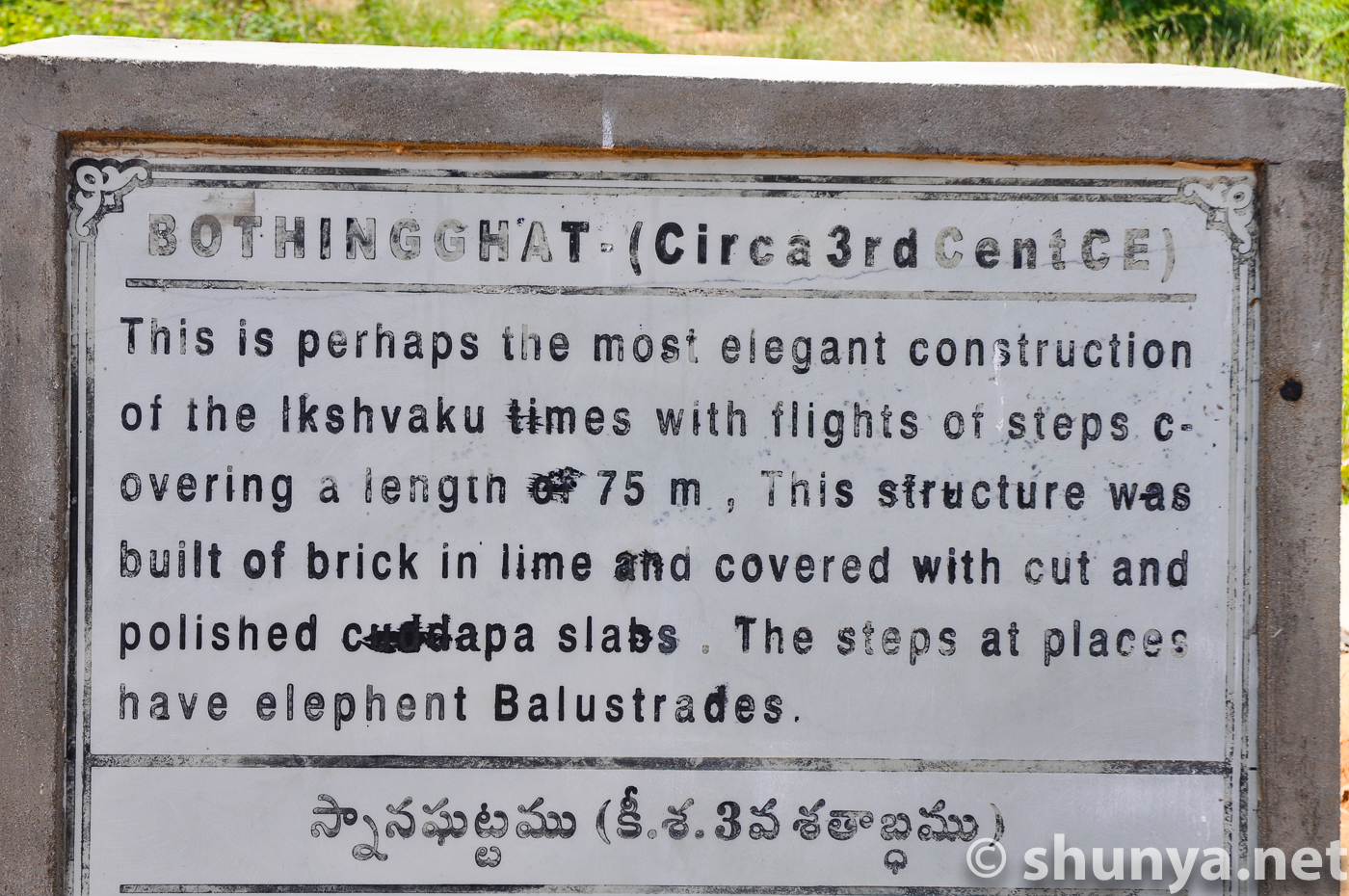
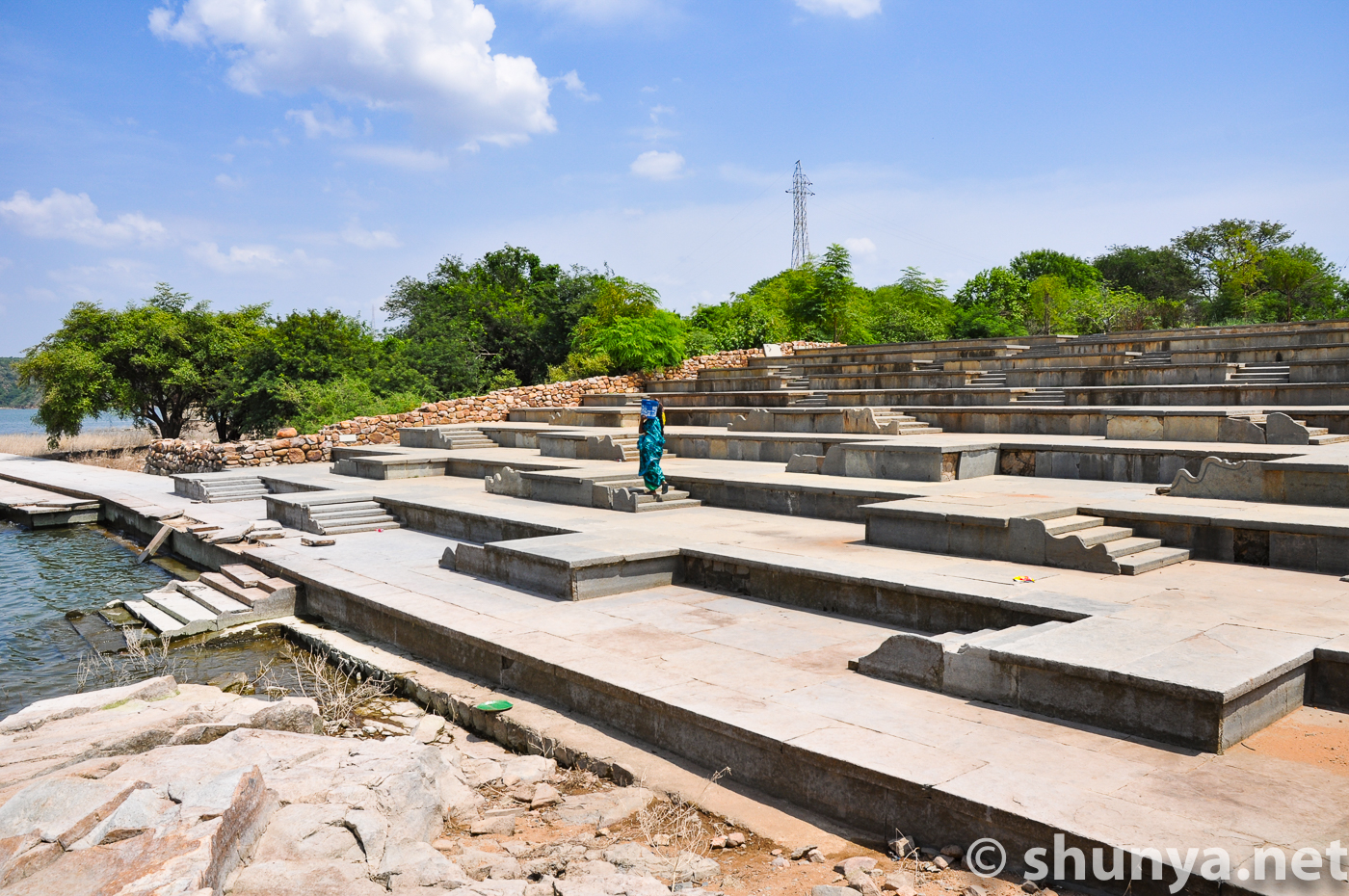
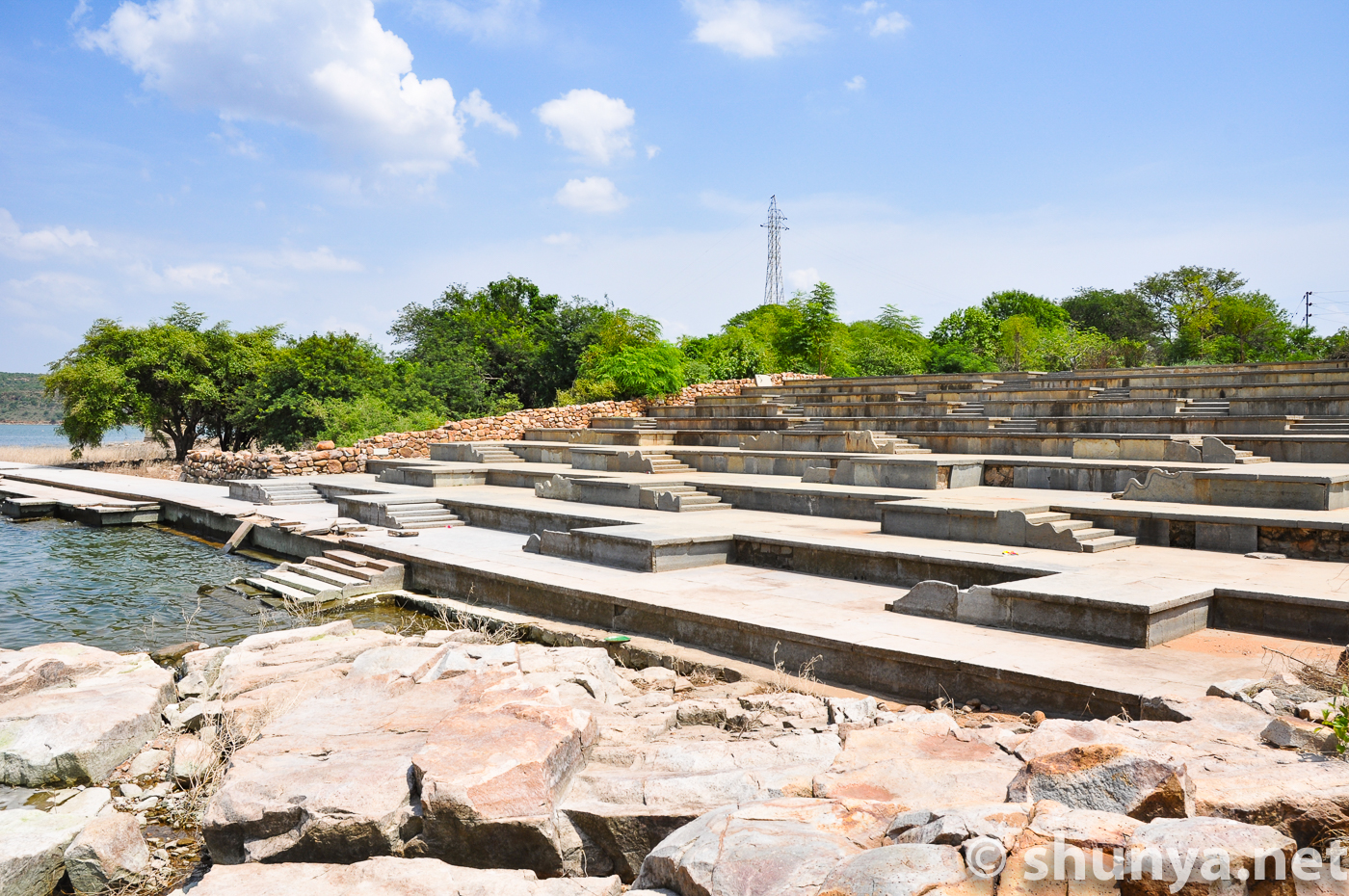
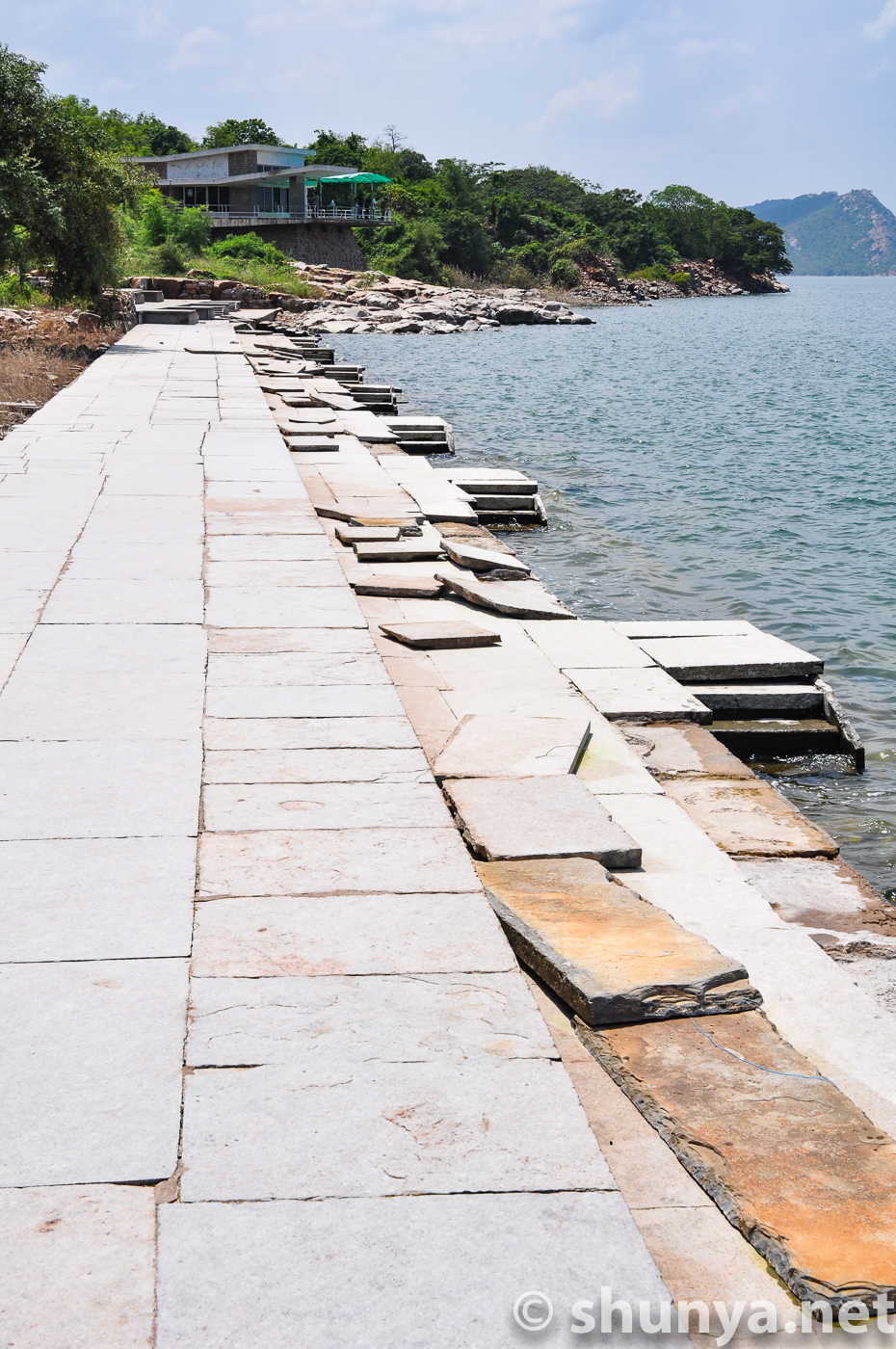
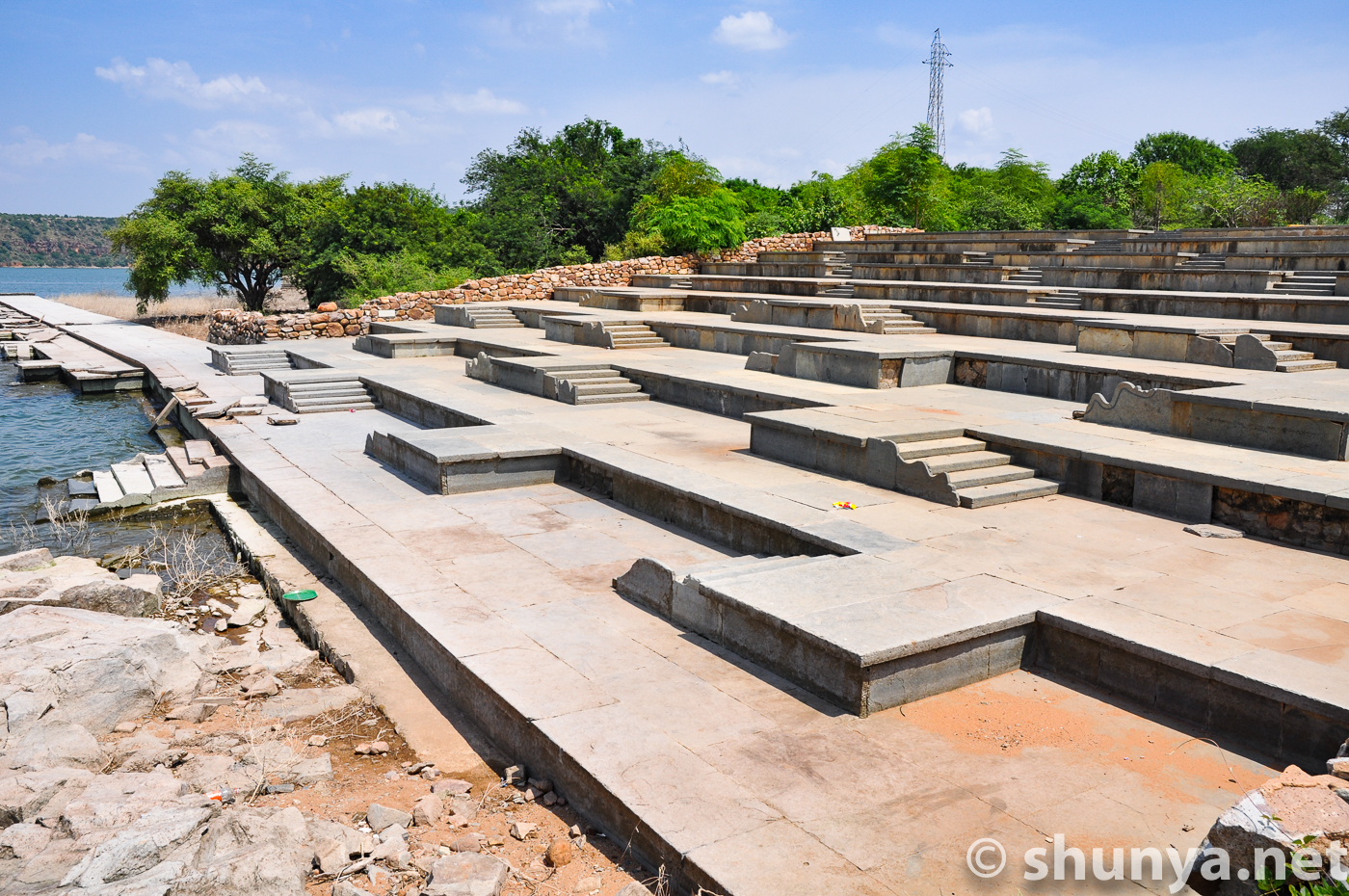
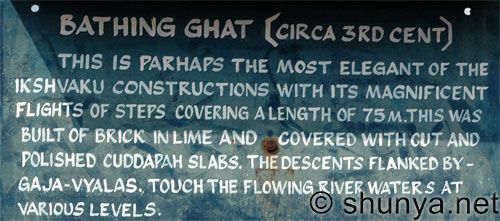
Ancient bathing ghat (info)
|
|
|
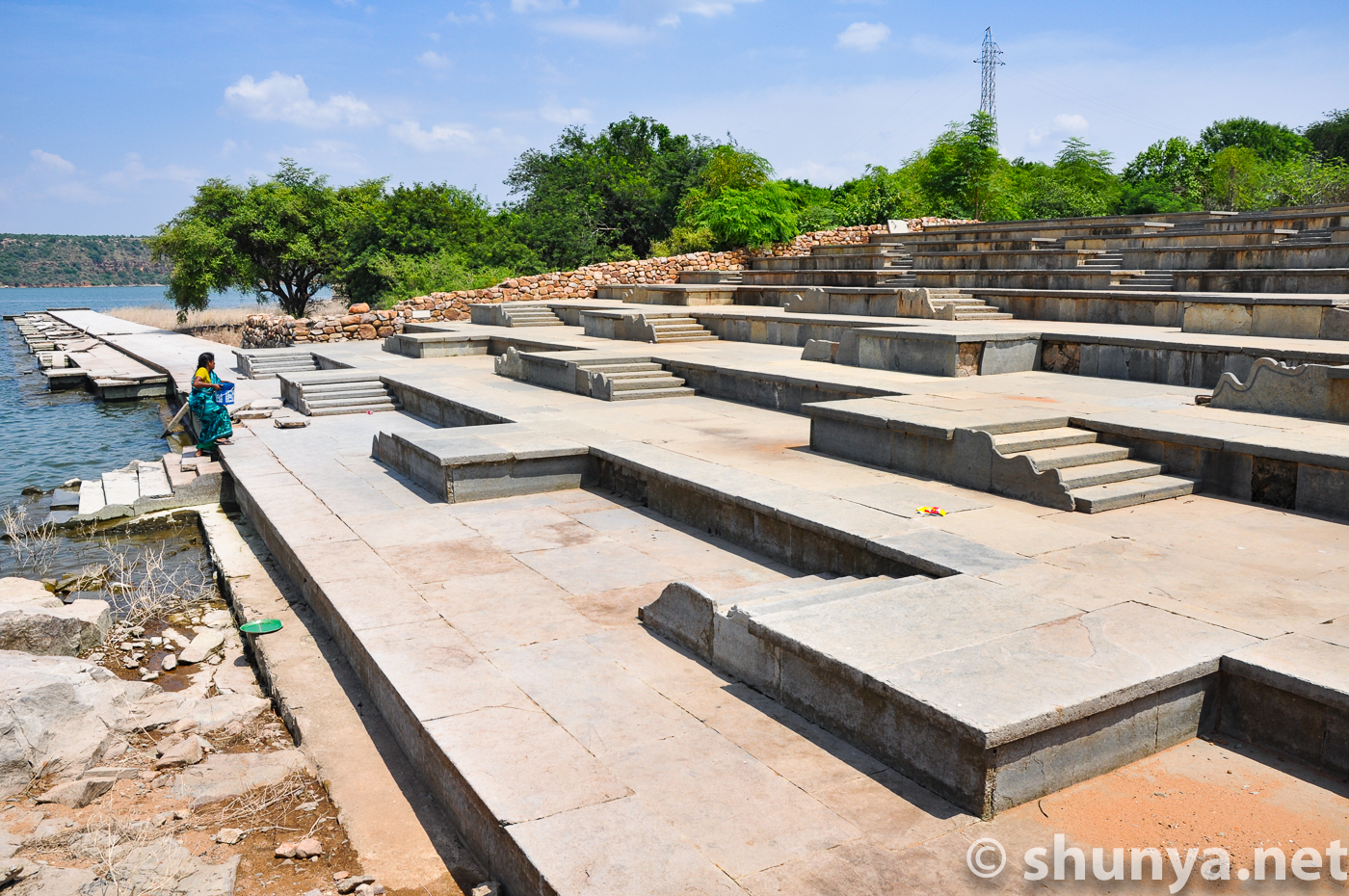
~1800-year-old ghat
|
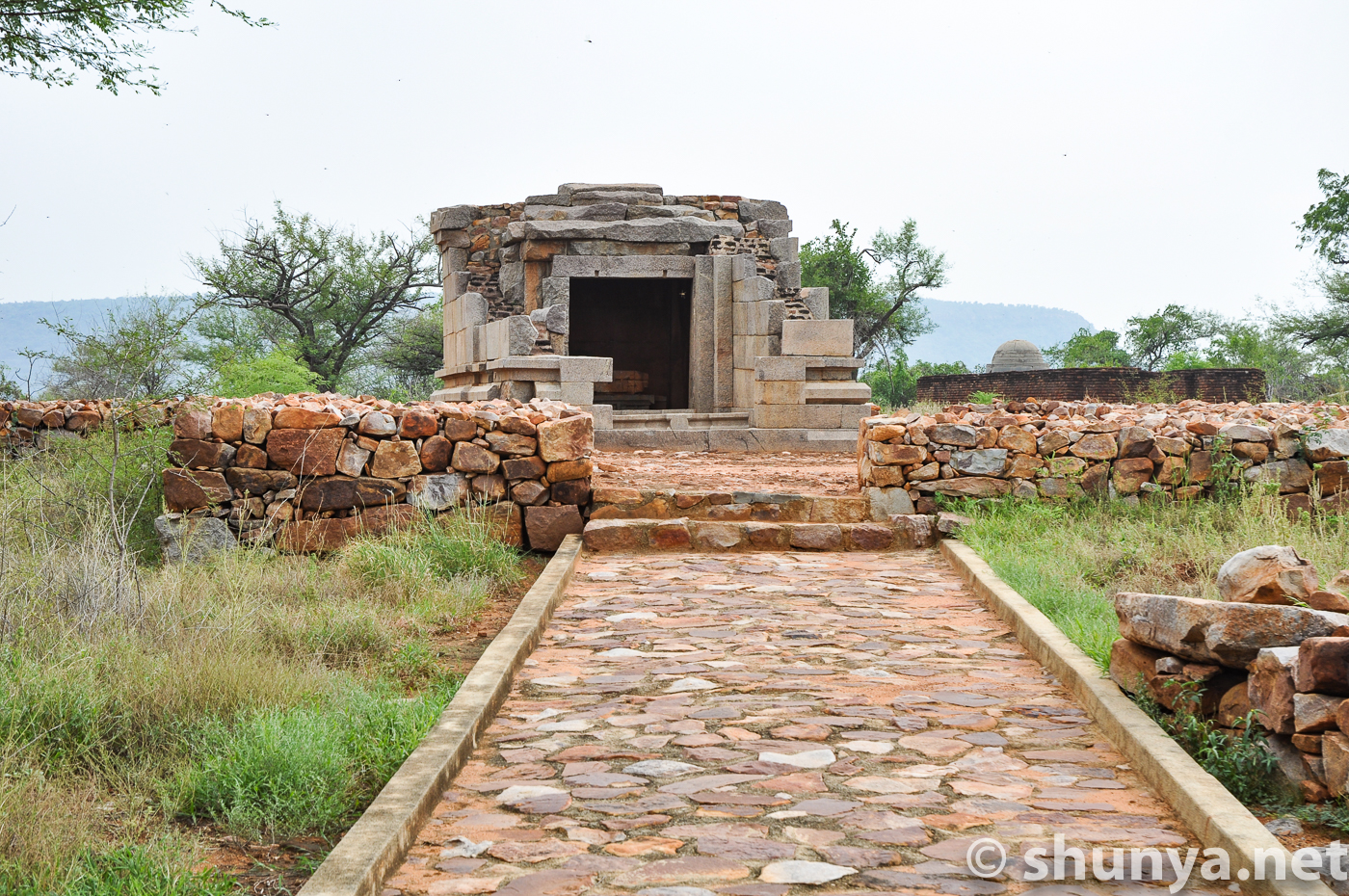
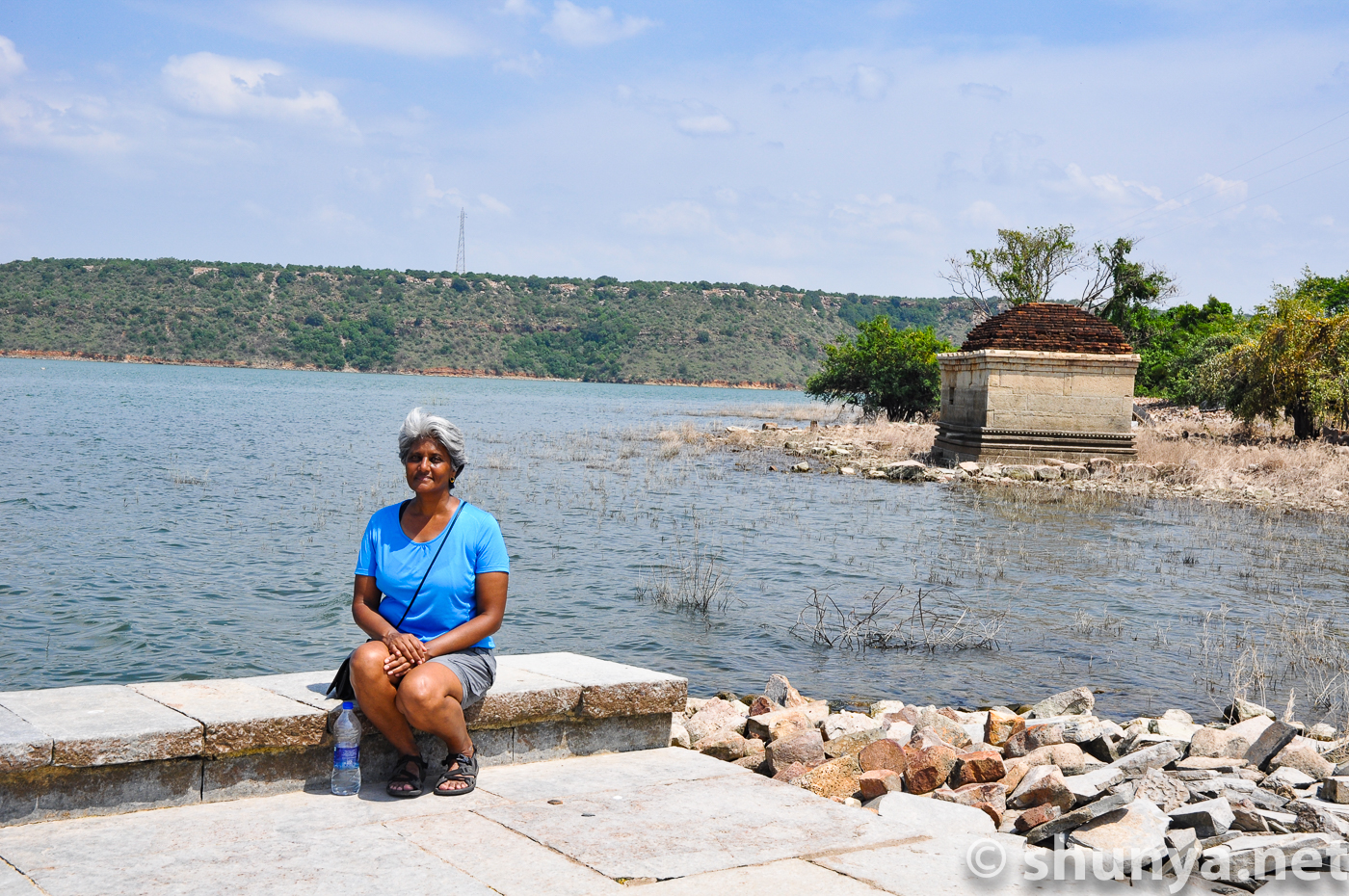
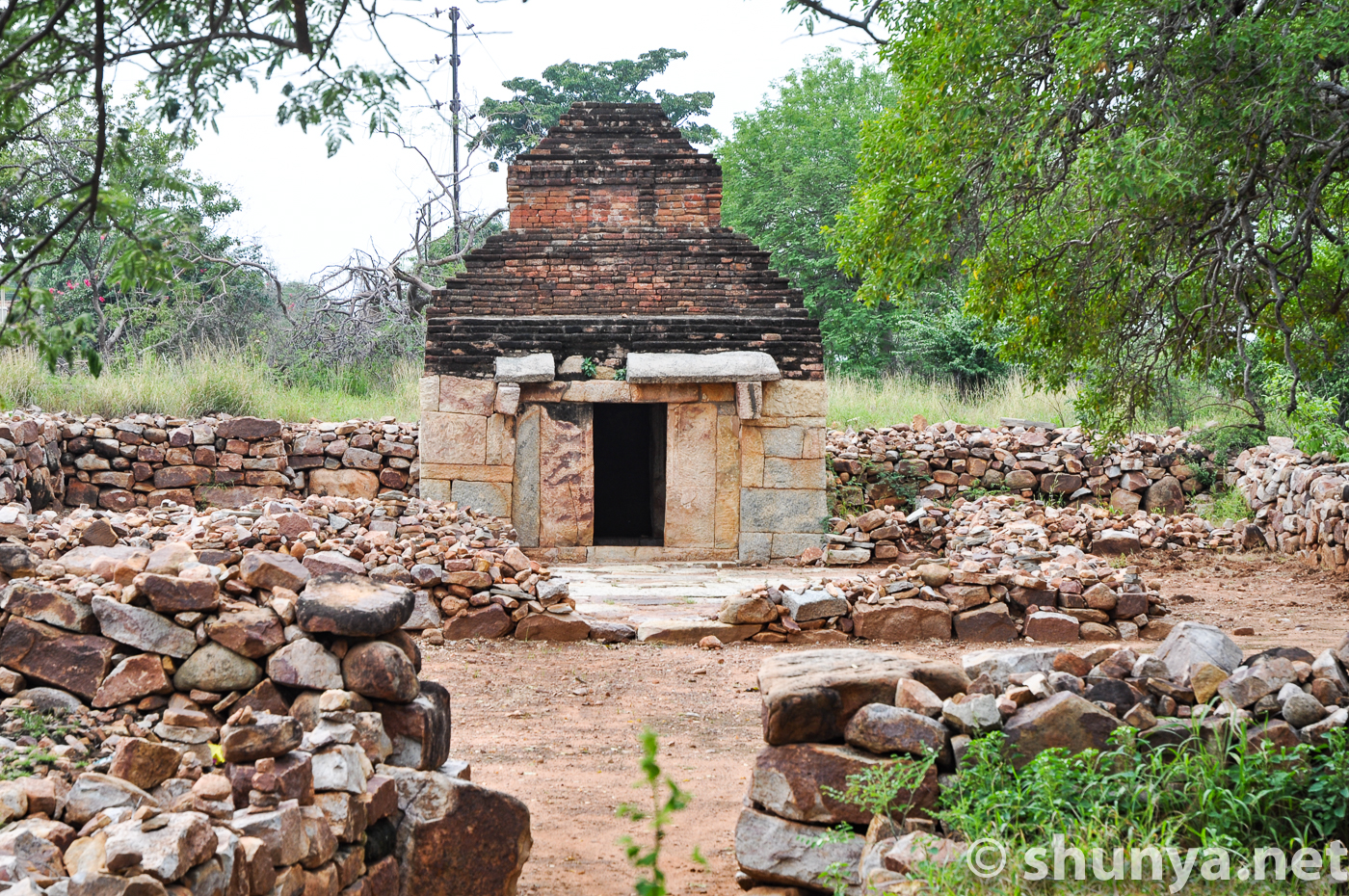
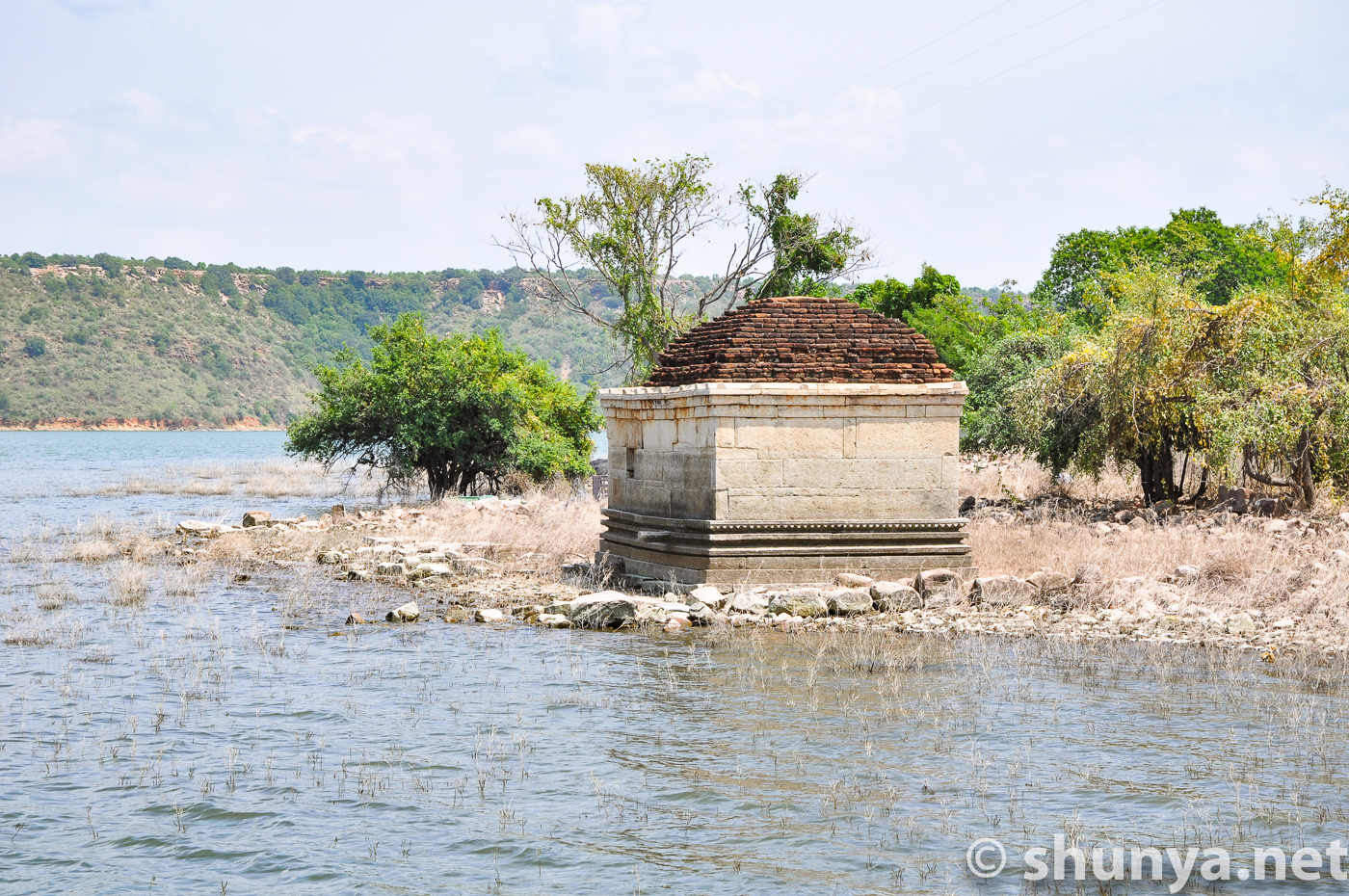
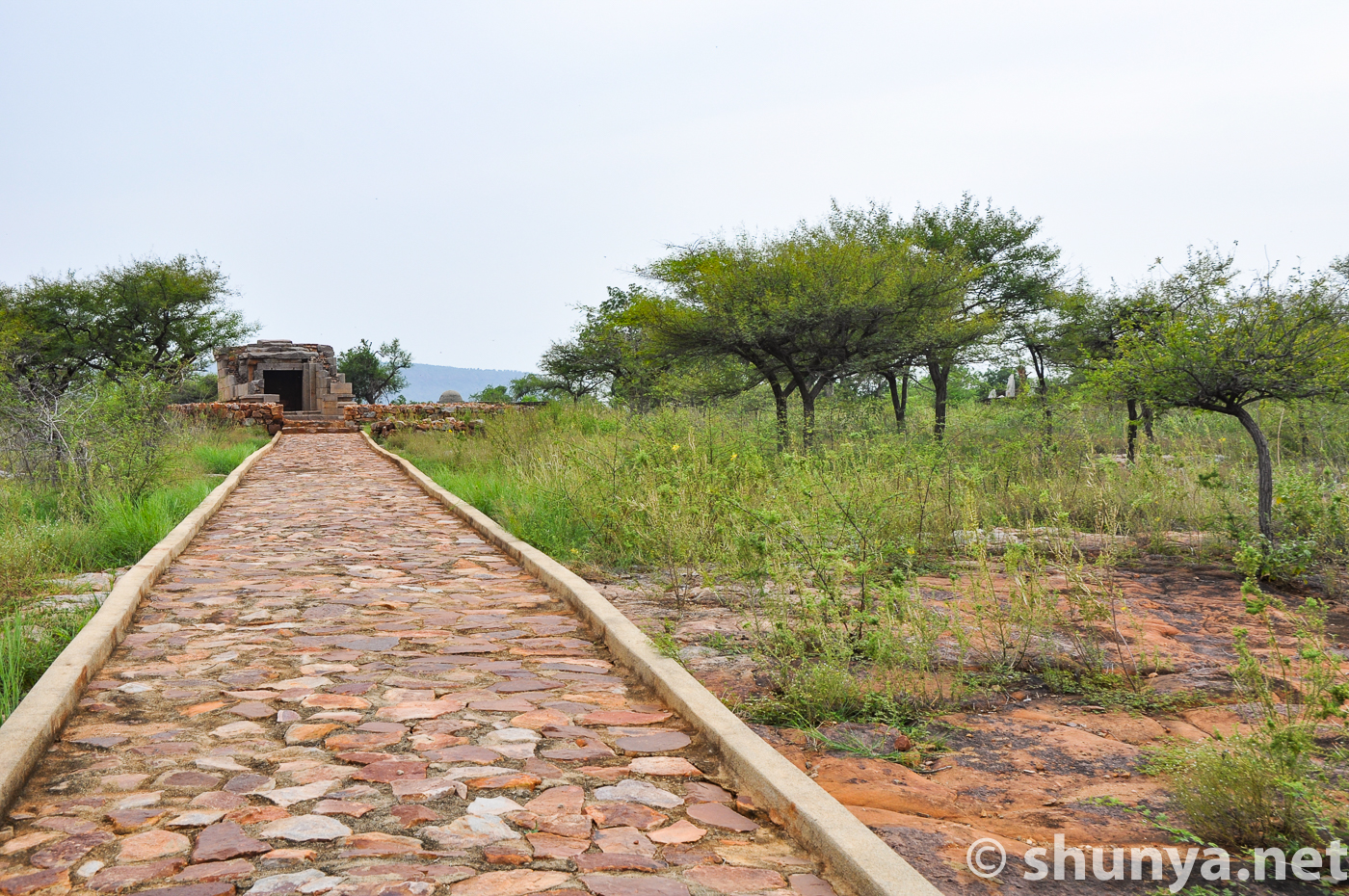
Medieval Hindu temple
|
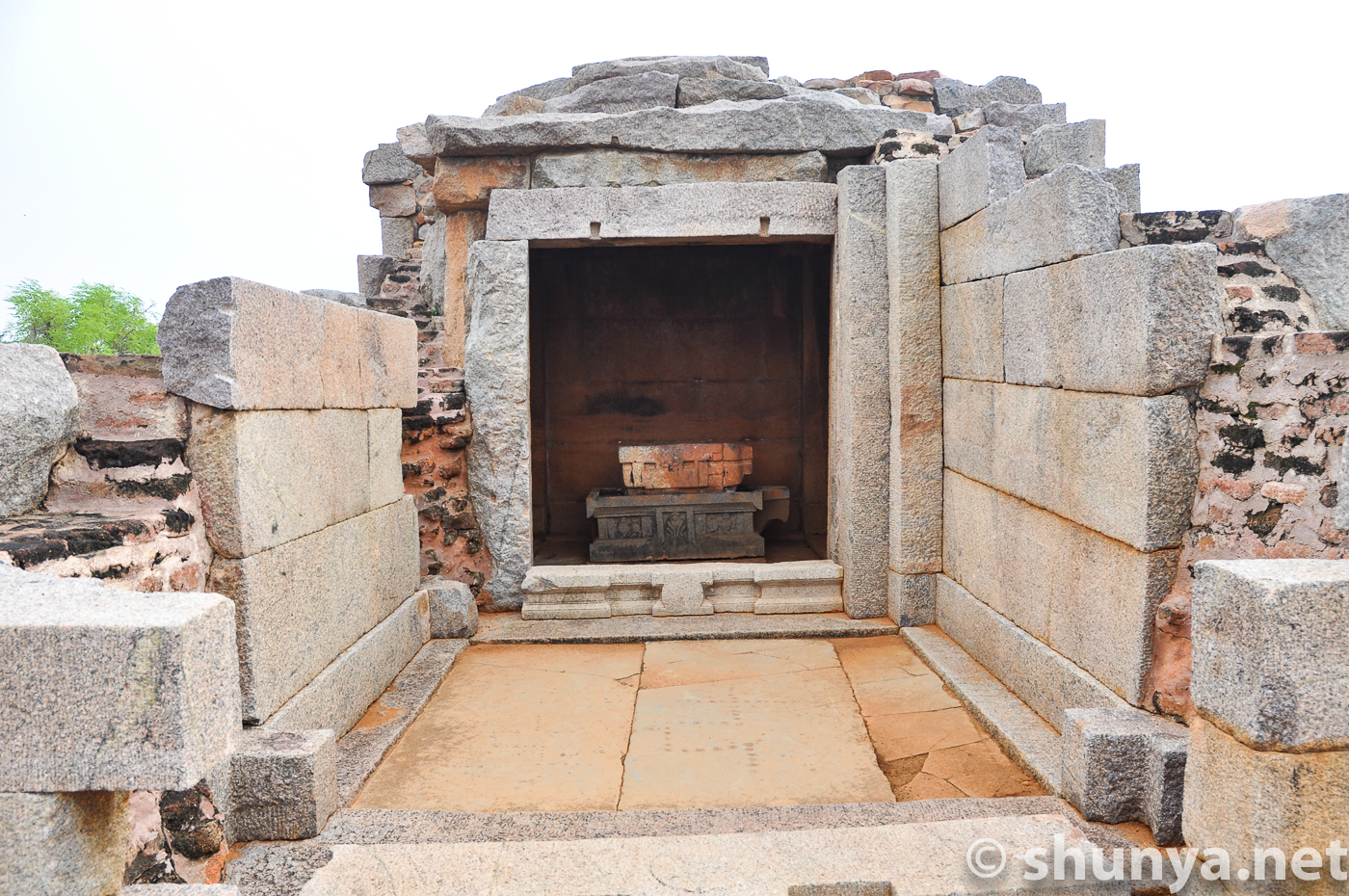
Medieval Hindu temple
|
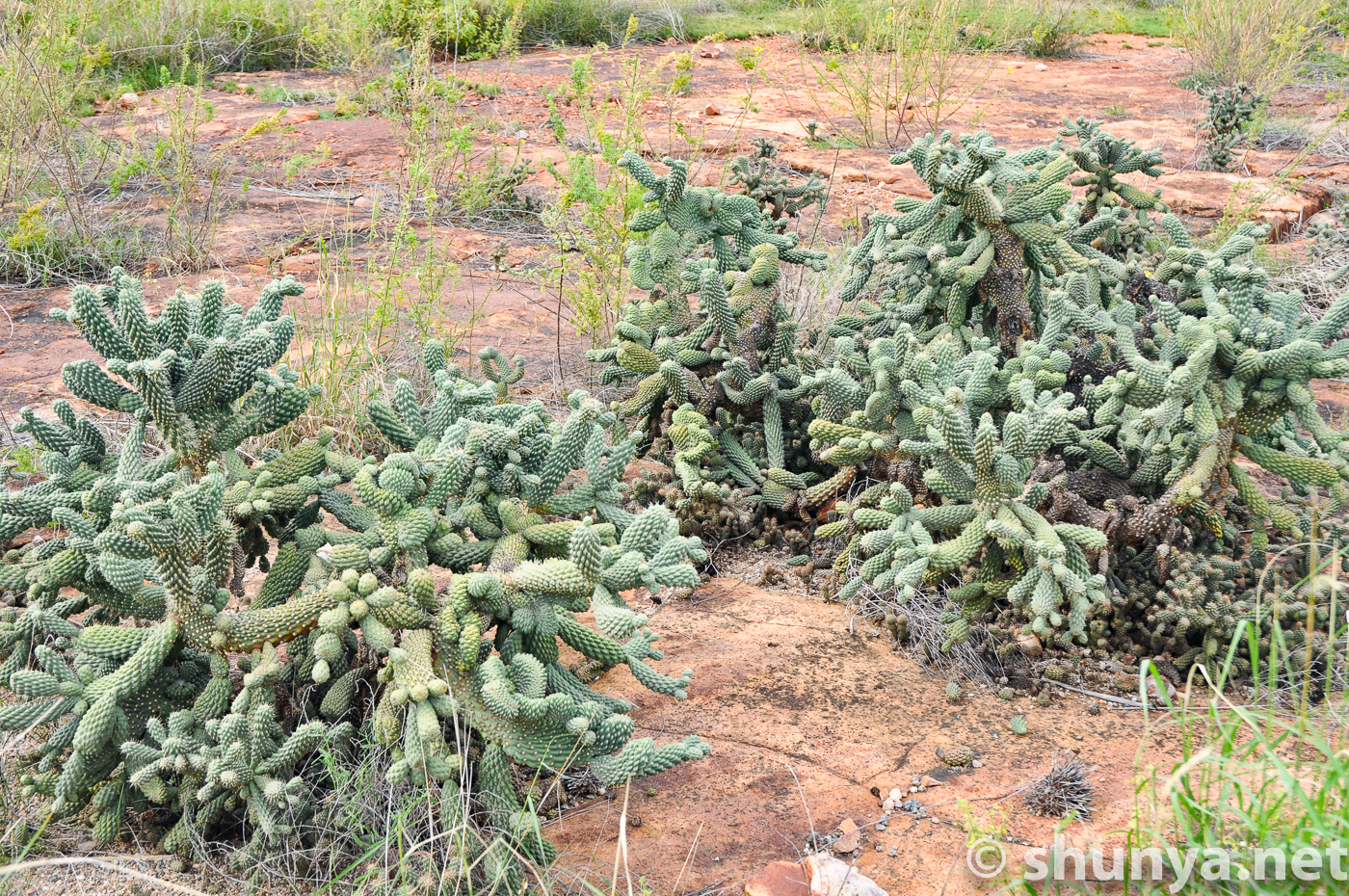
Local vegetation
|
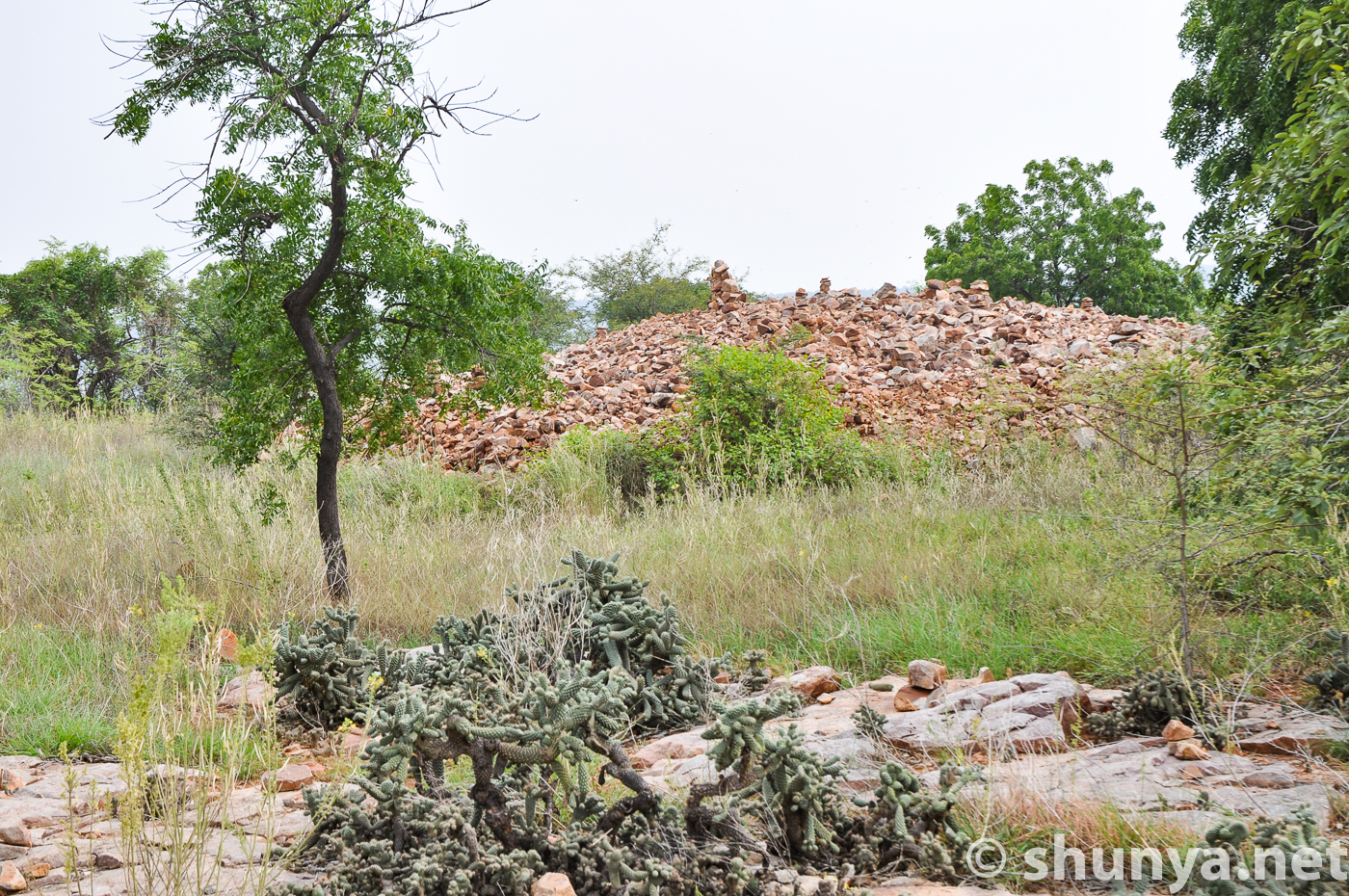
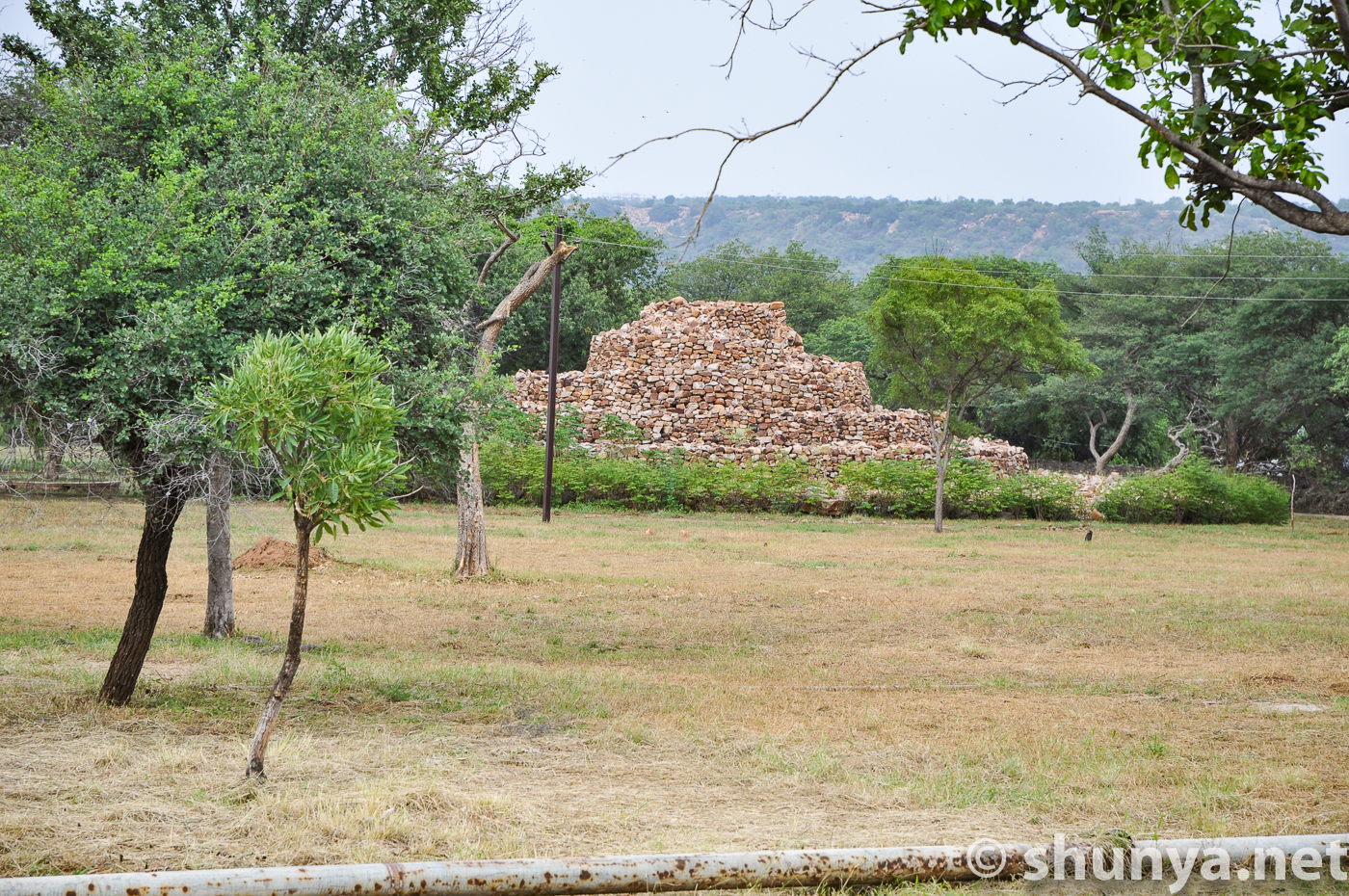
Heaped stones or ?
|
|
|
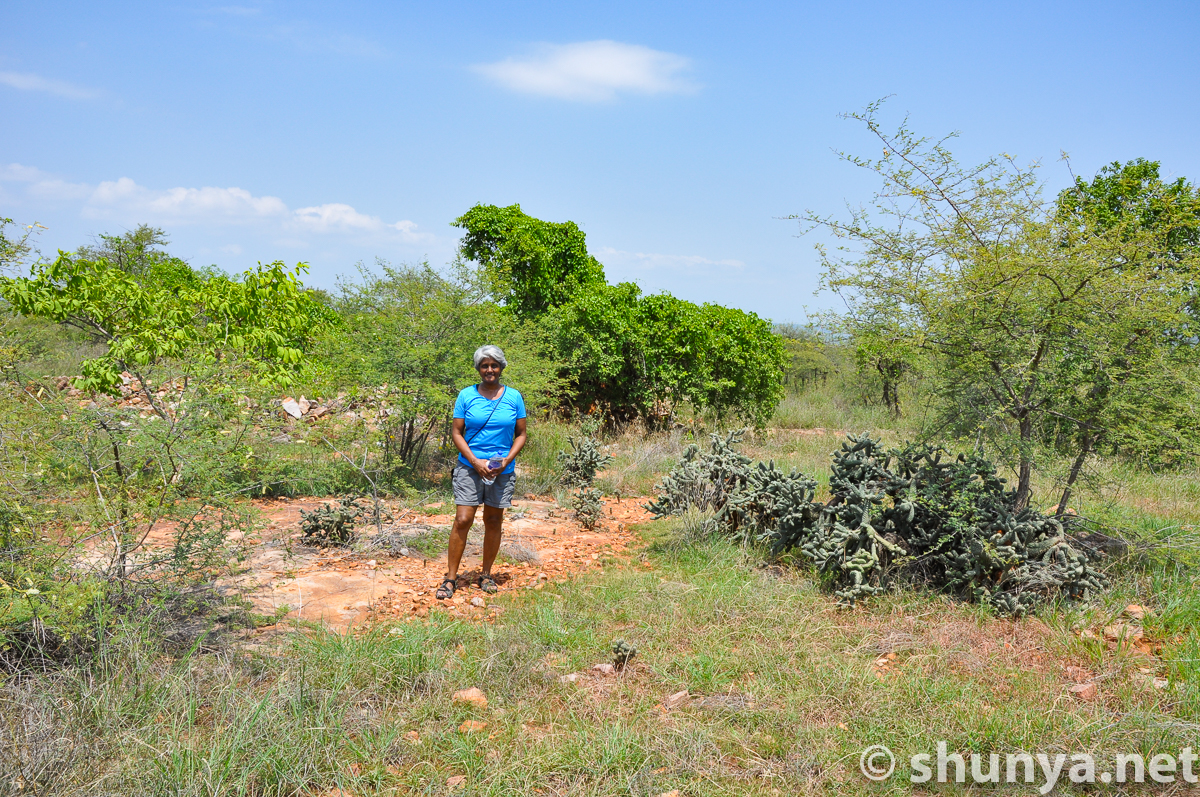
Visitor
|
Sombody's house
|
Remains near ferry point
|
Ferry between island
|
Vijayapuri South
|
Circle view
|
BR Ambedkar
|
Autorickshaw ride
|
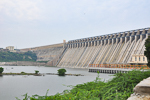
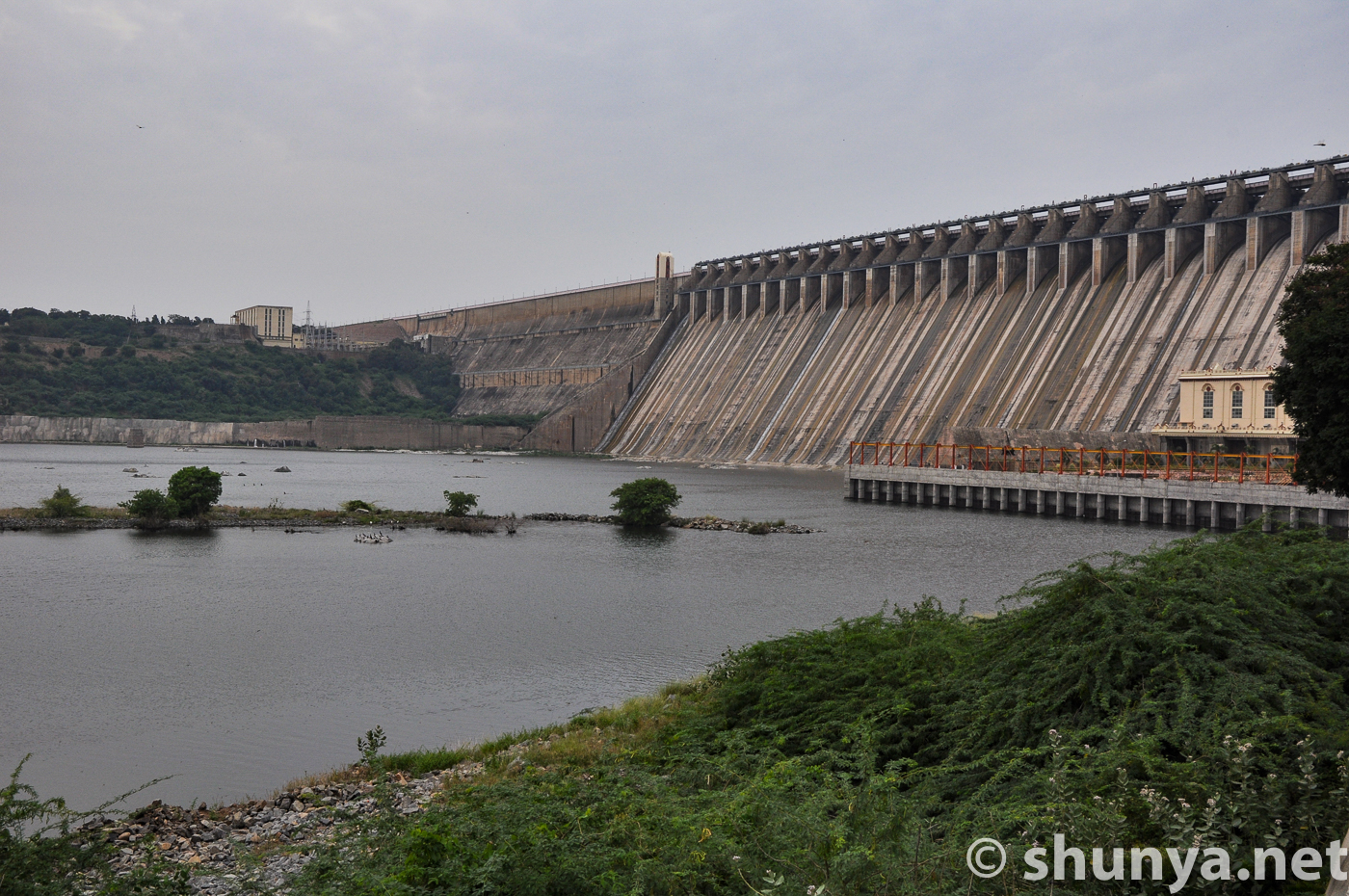
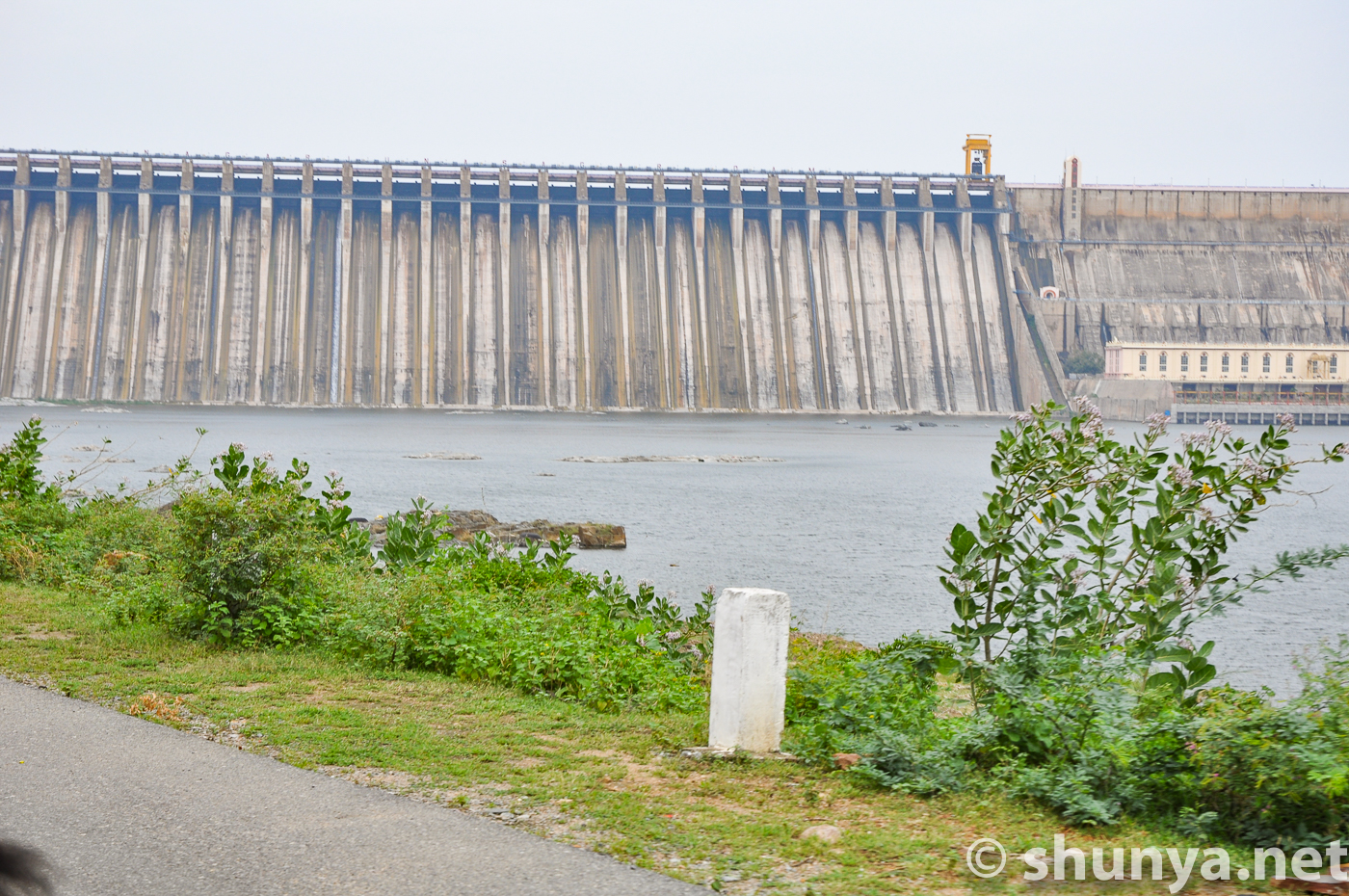
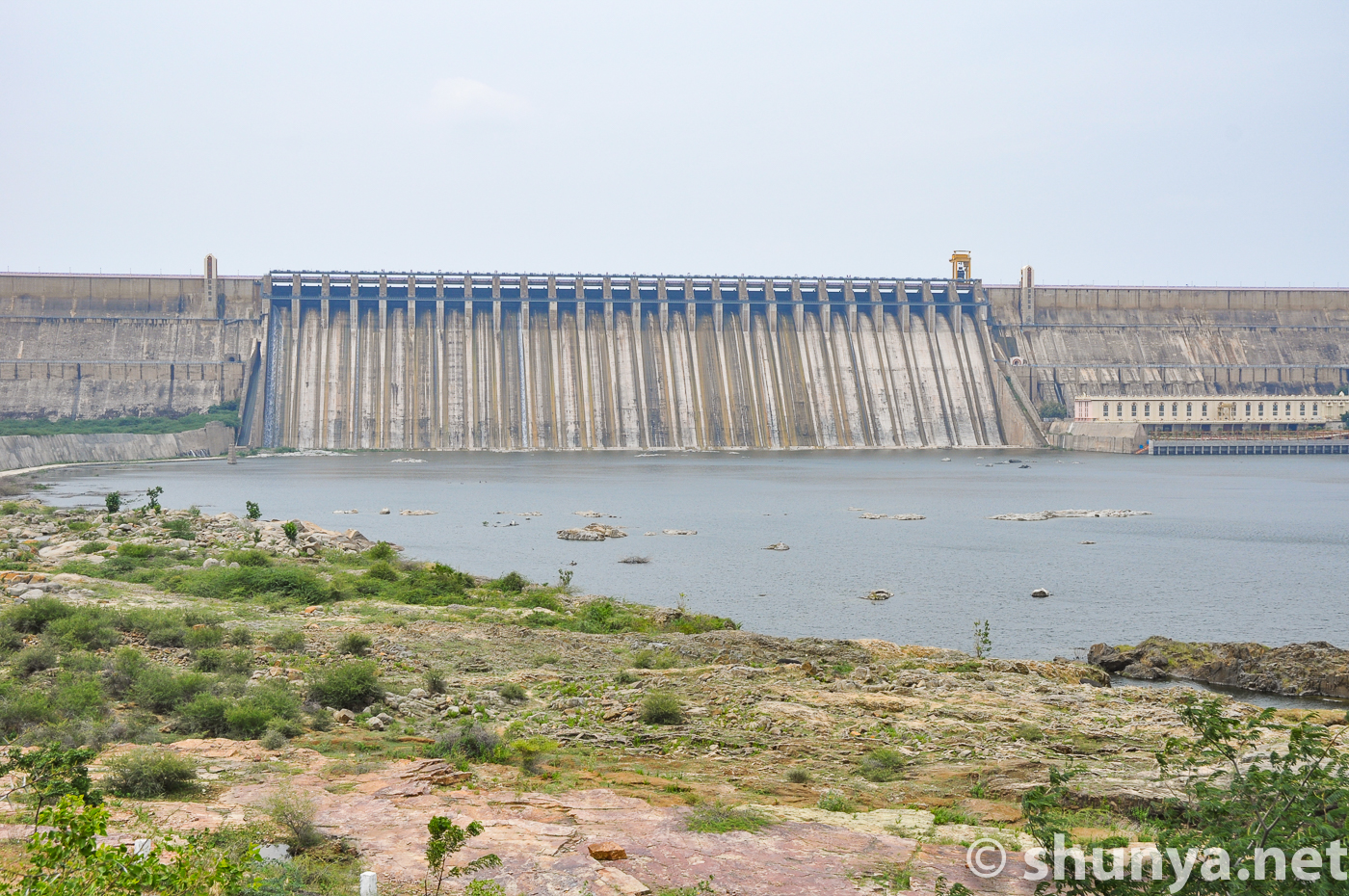
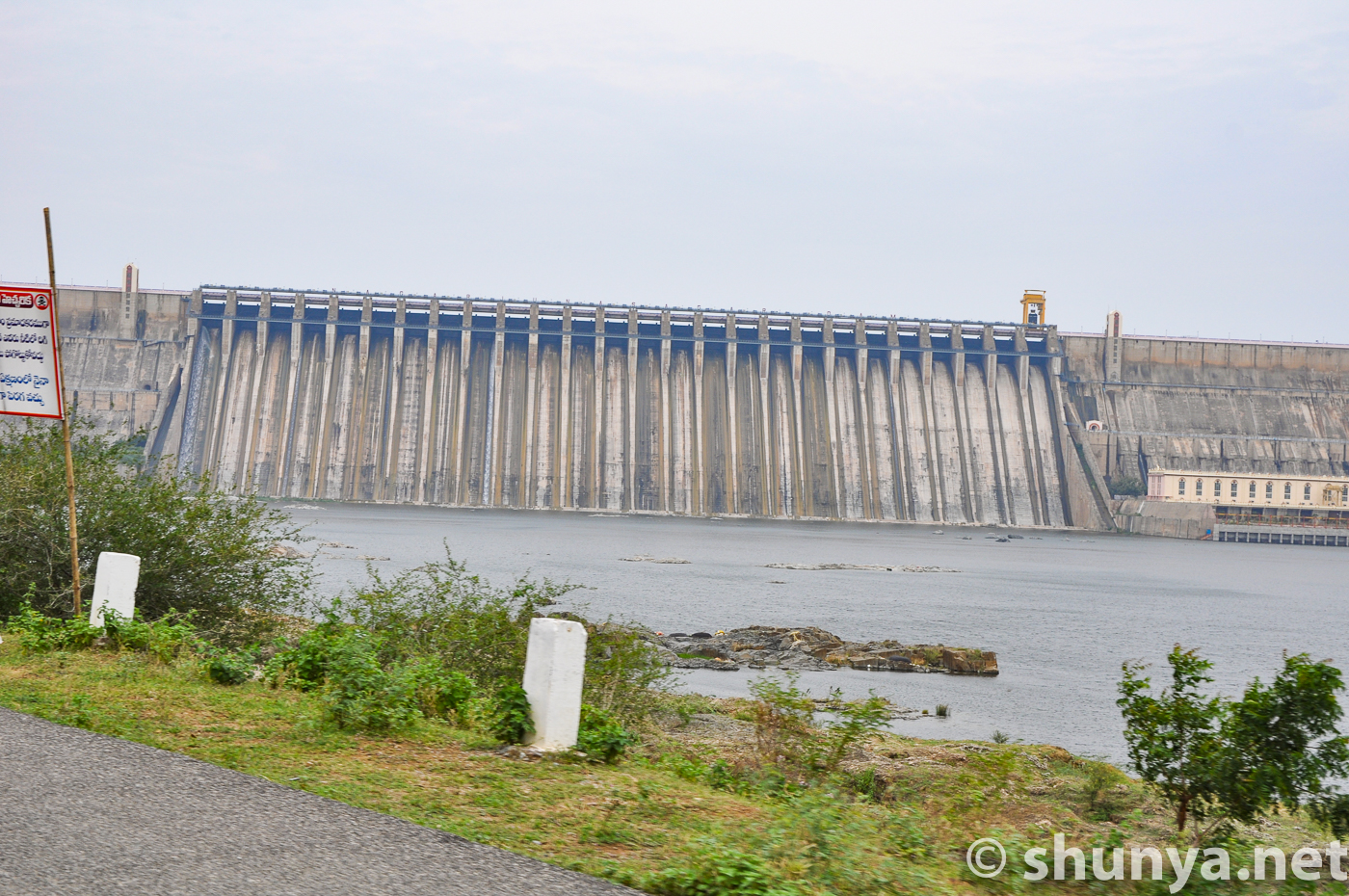
Nagarjuna Sagar Dam (1)
|
|
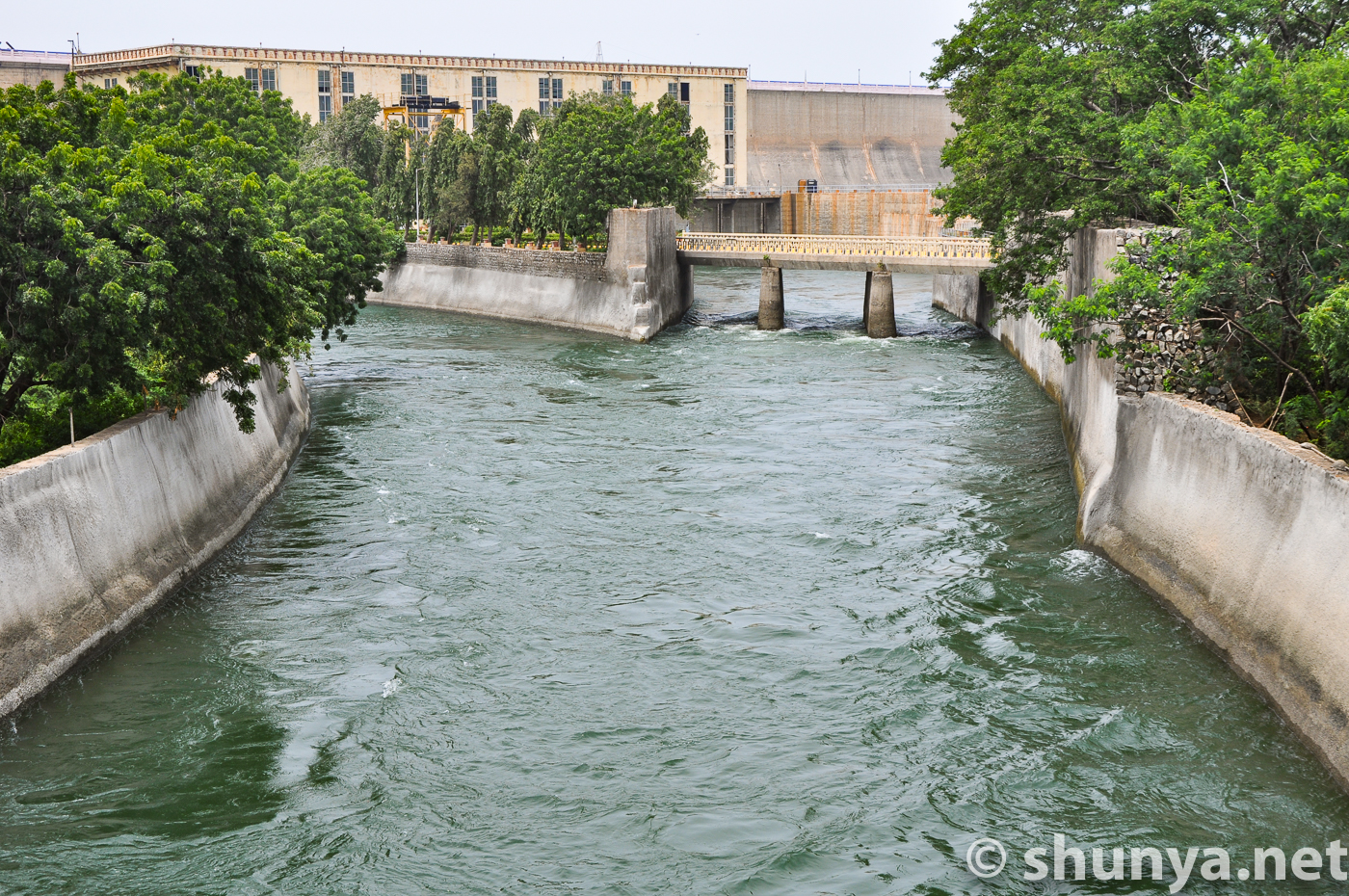
Water channel near Dam
|
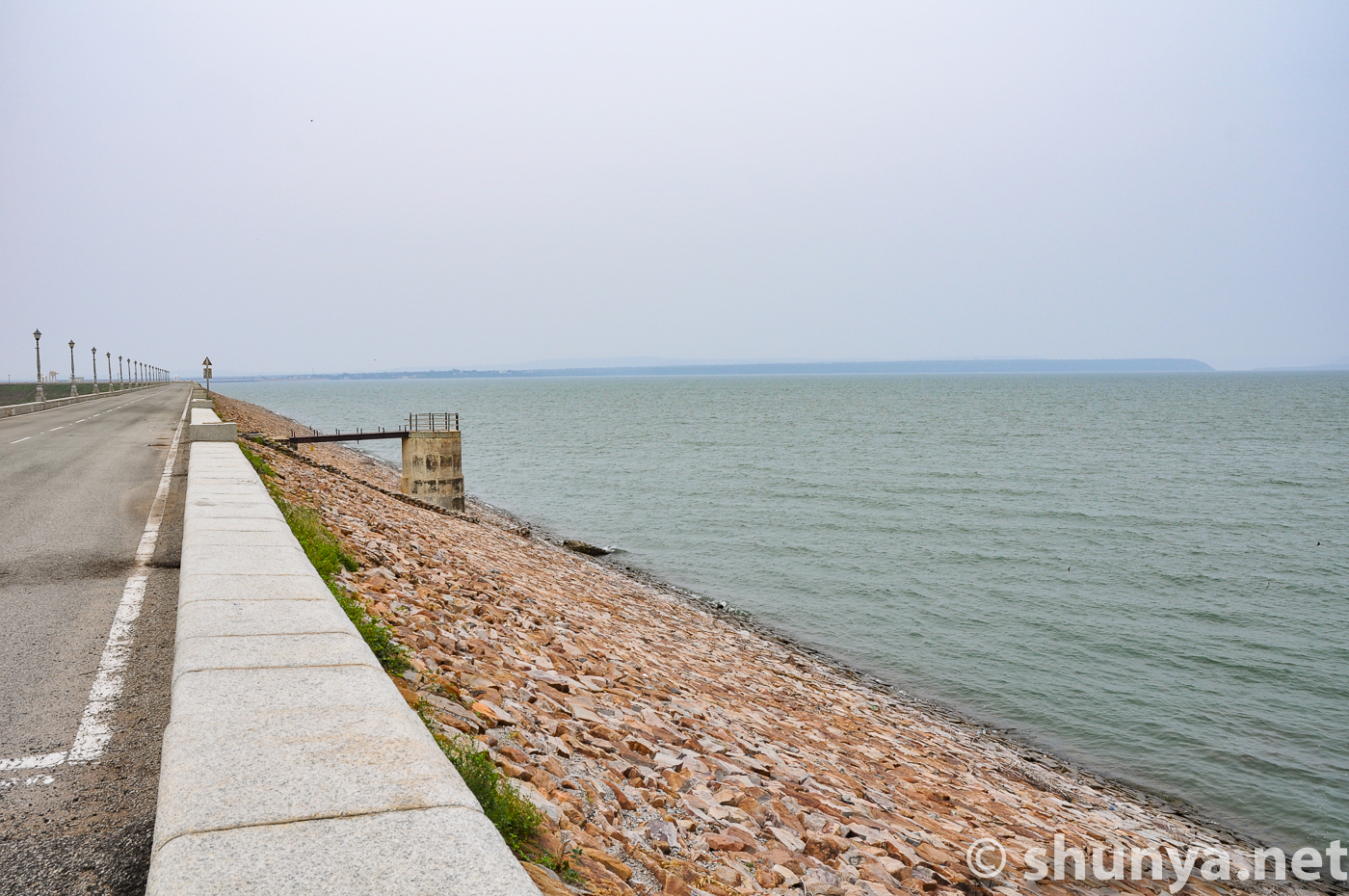
Road across Dam
|
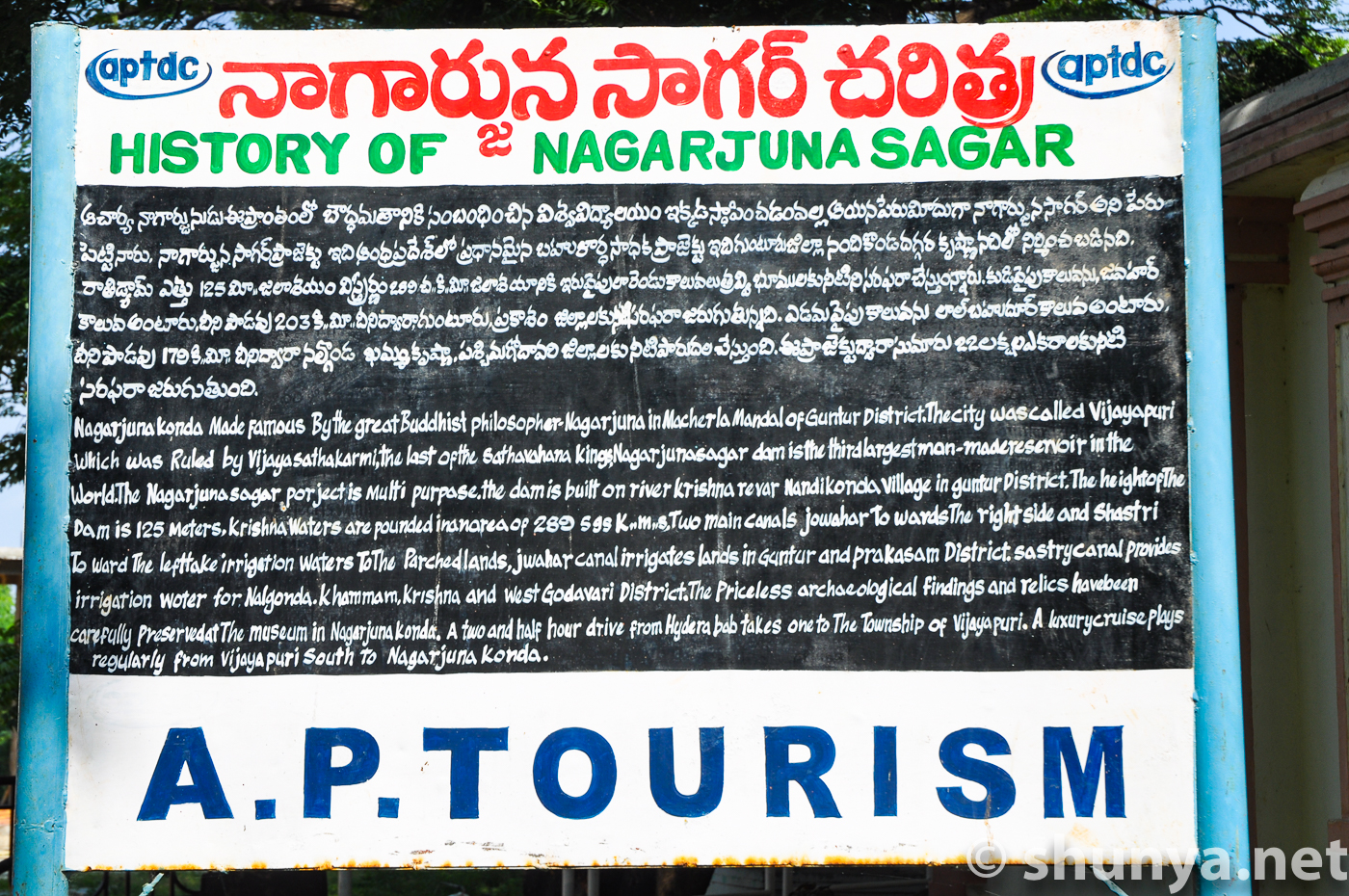
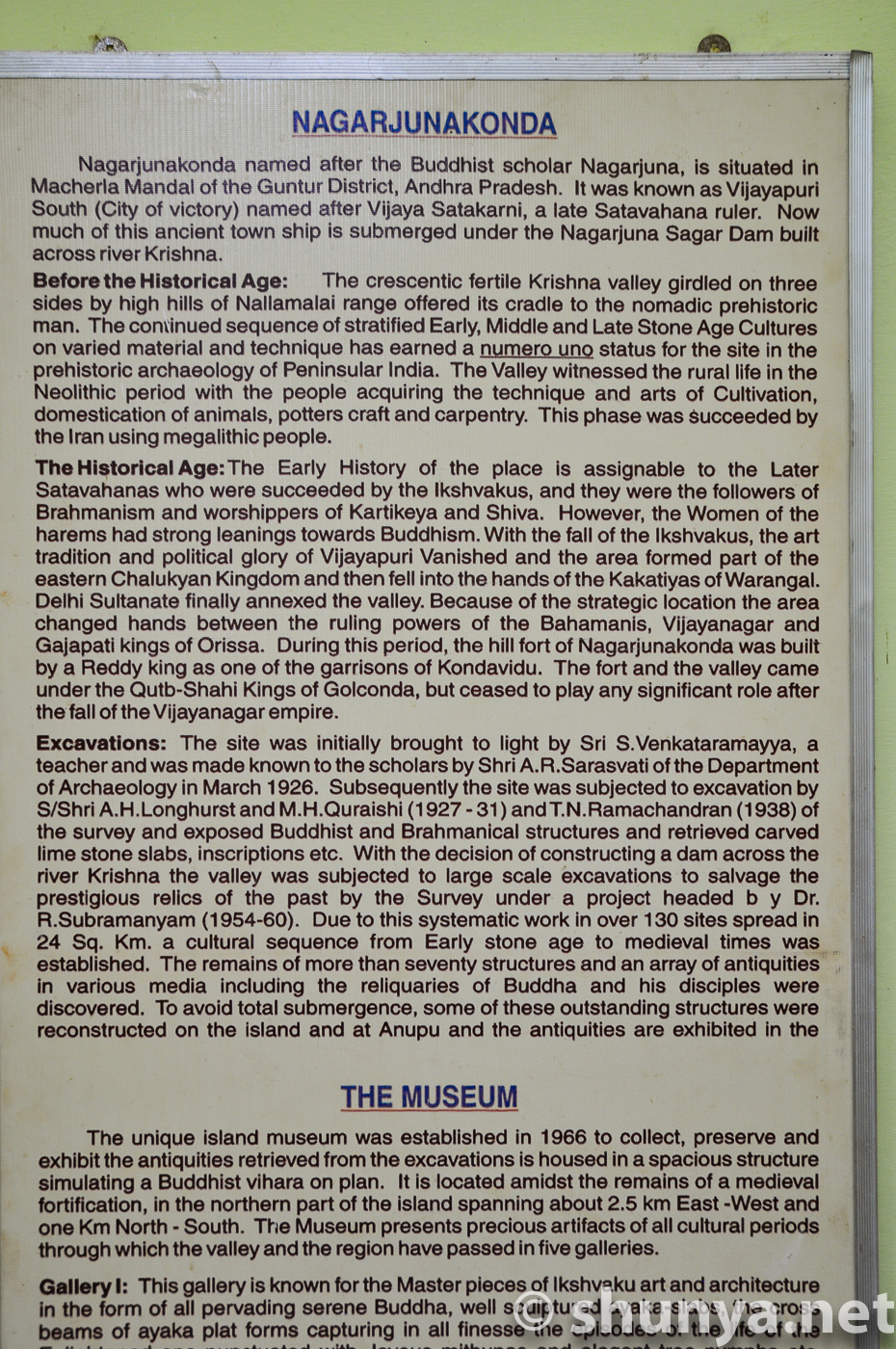
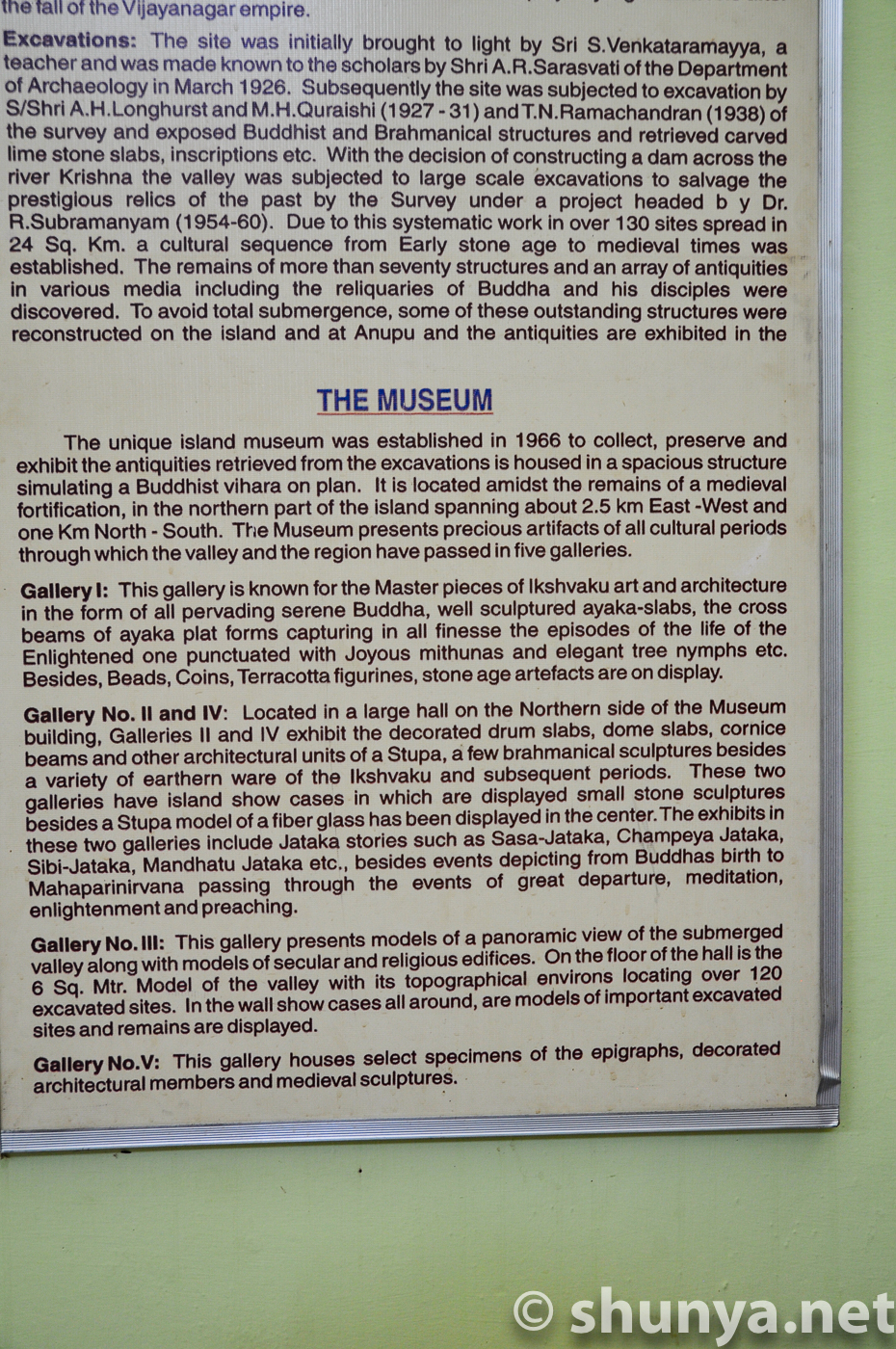
Official "history blurb"
|
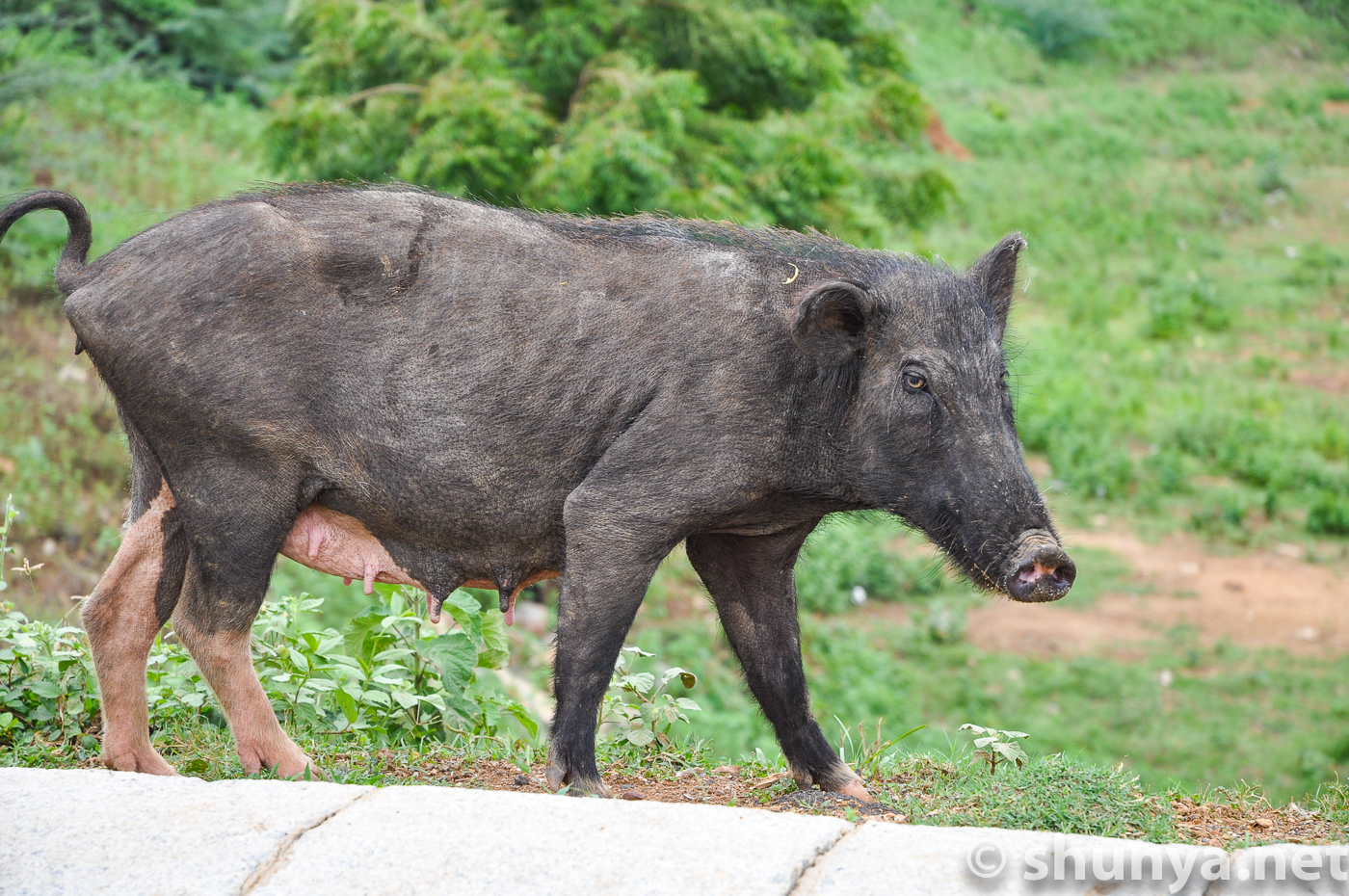
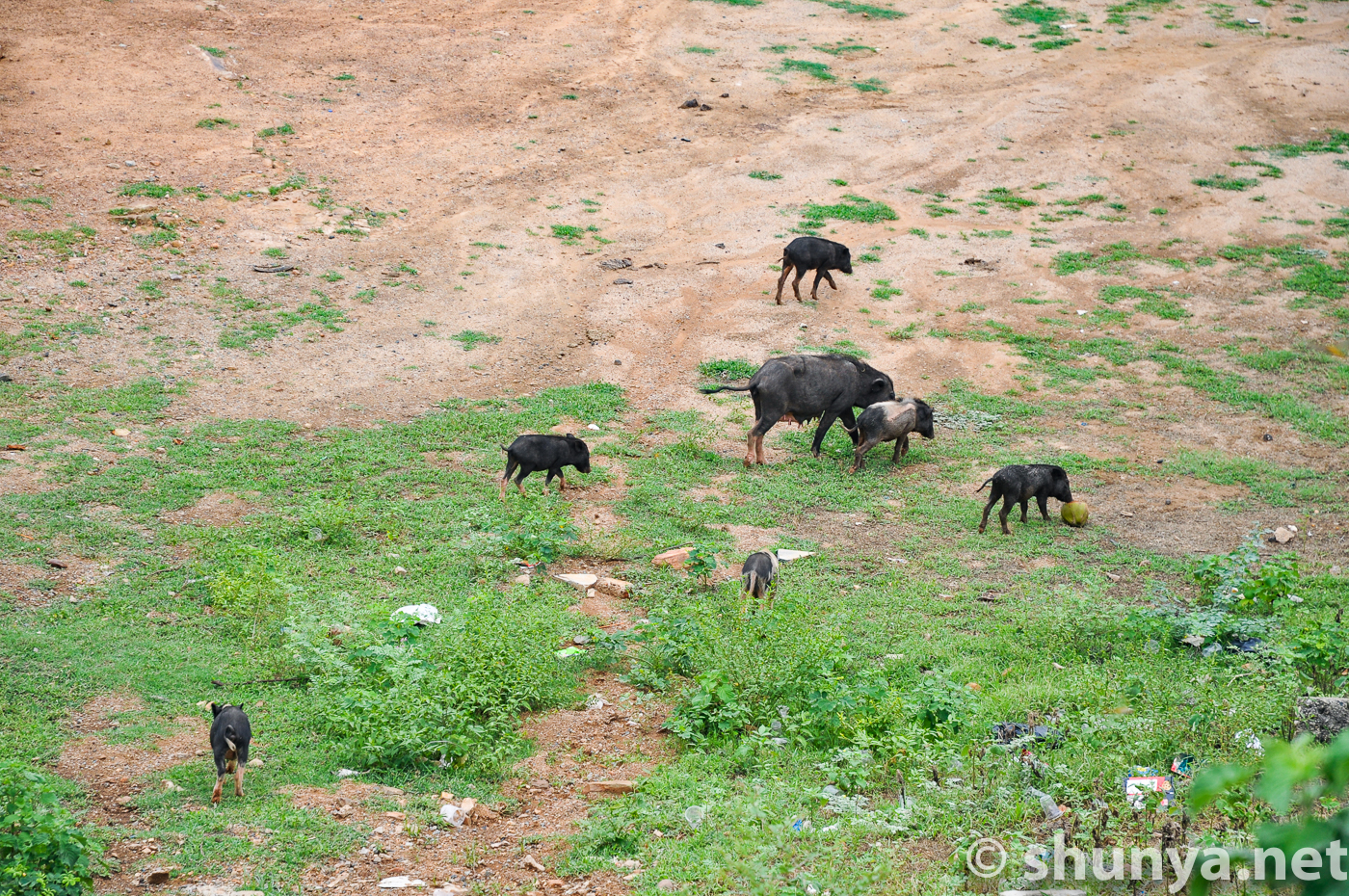
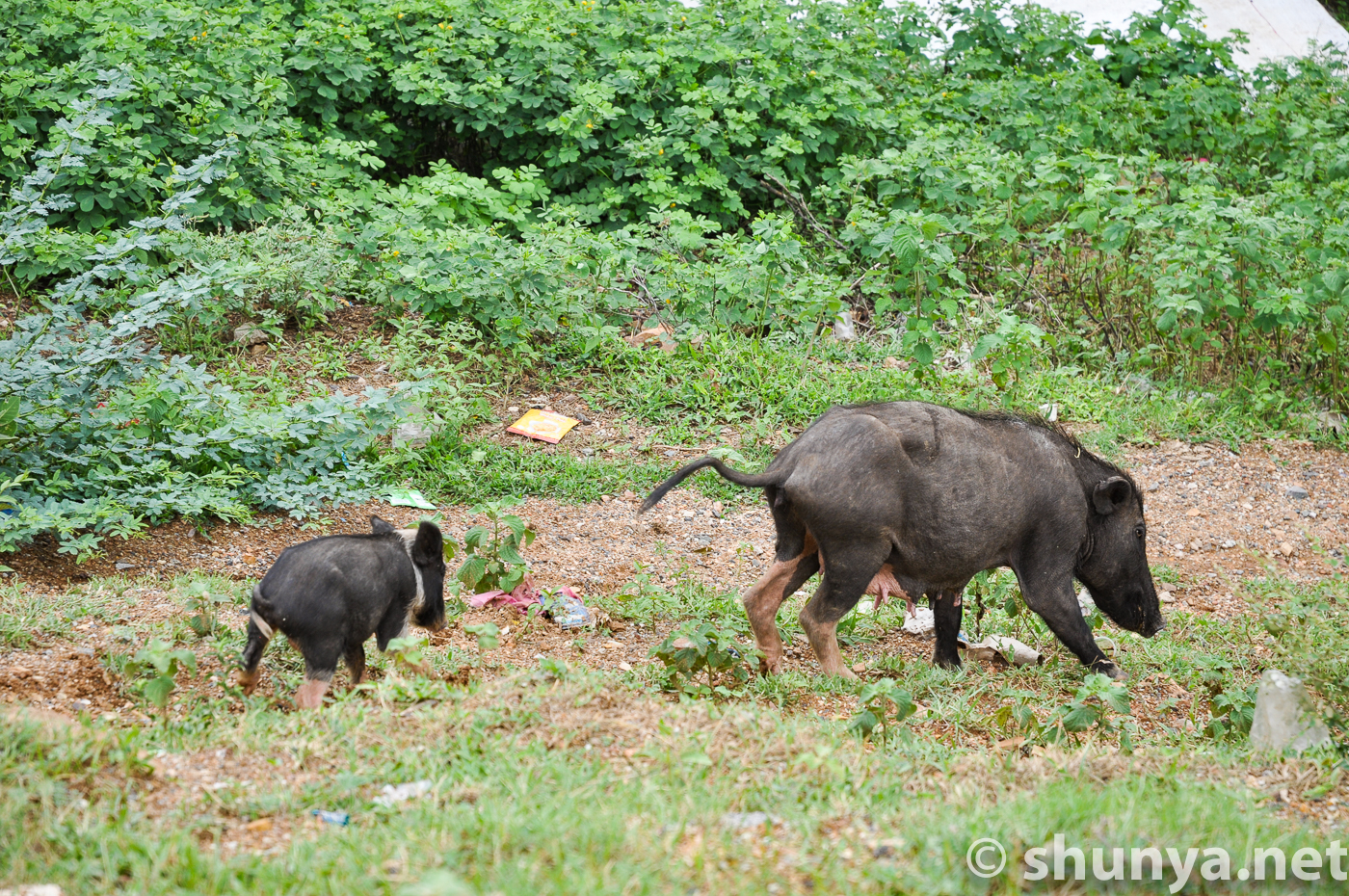
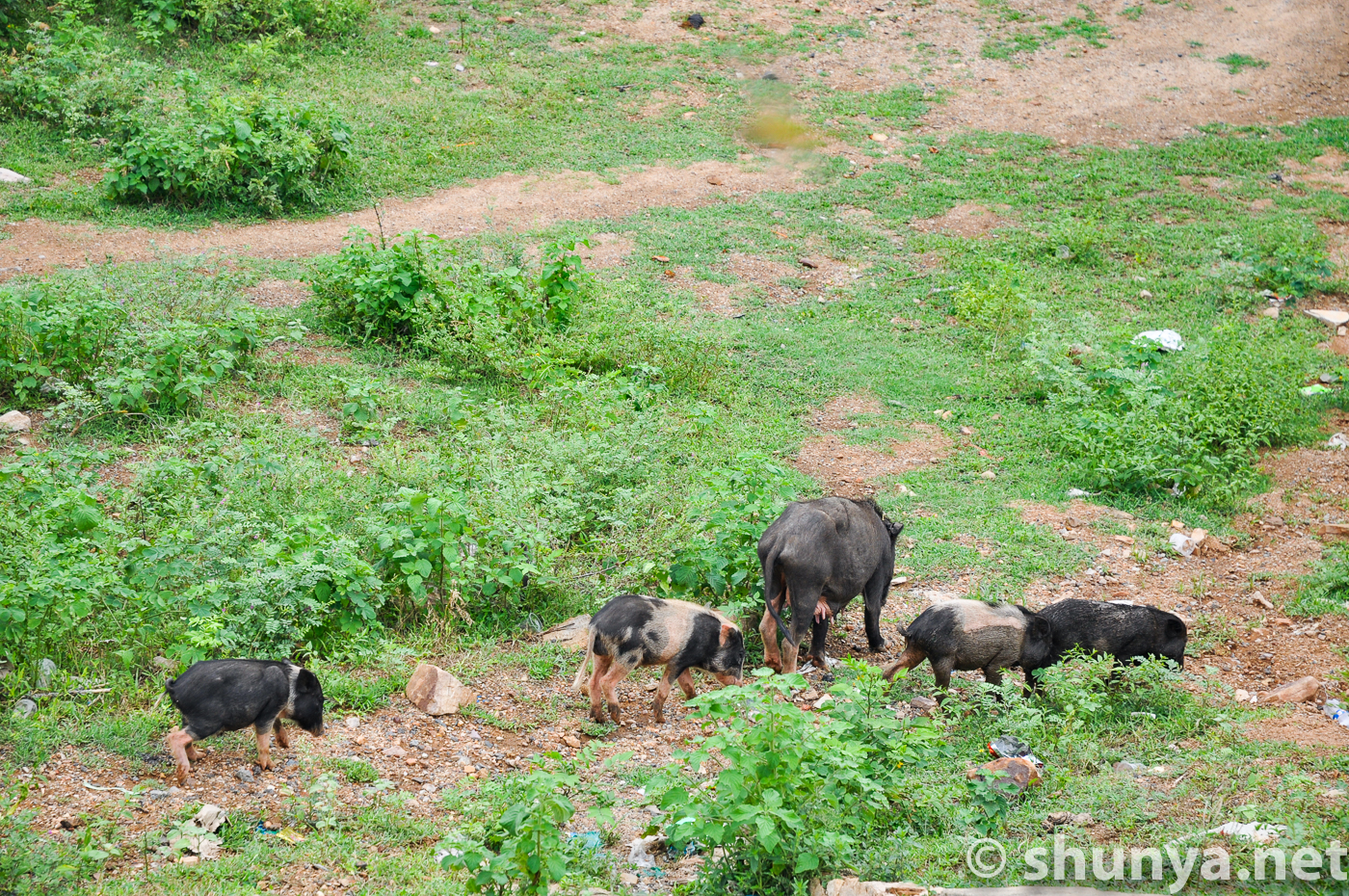
Wild boar
|
|
|
Pictures of Nagarjunakonda island in this shaded inset are from January 2006 |
|||
|
Nagarjuna Sagar 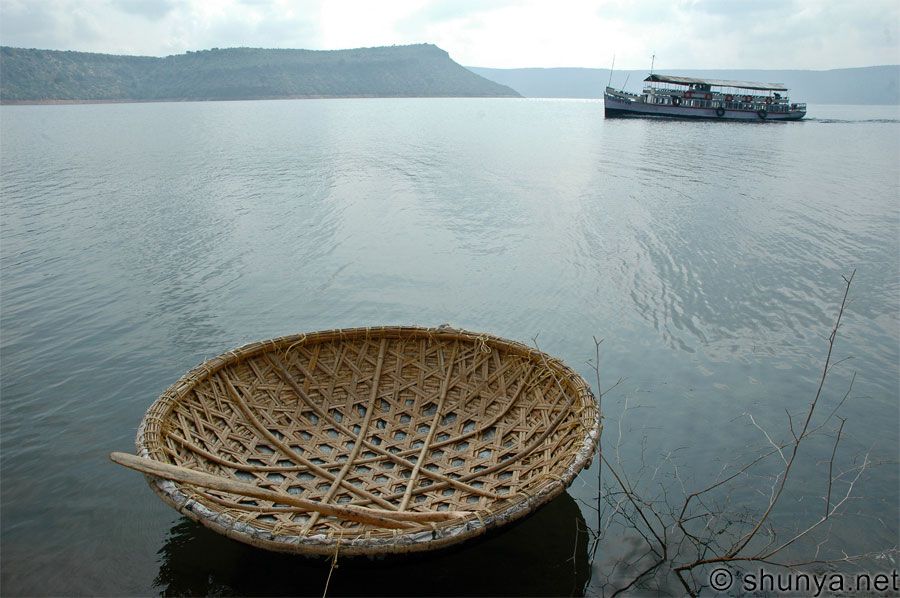 |
Medieval Hindu temple 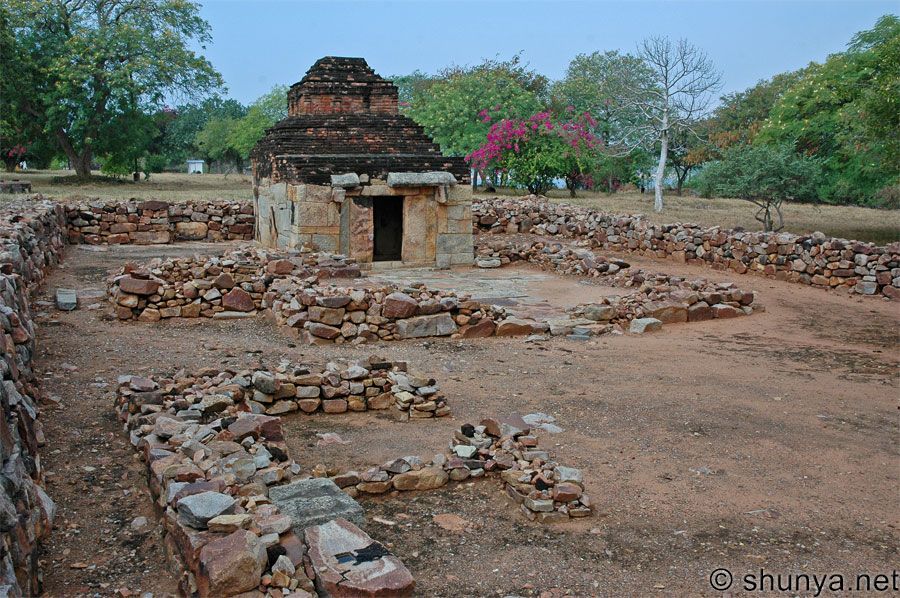 |
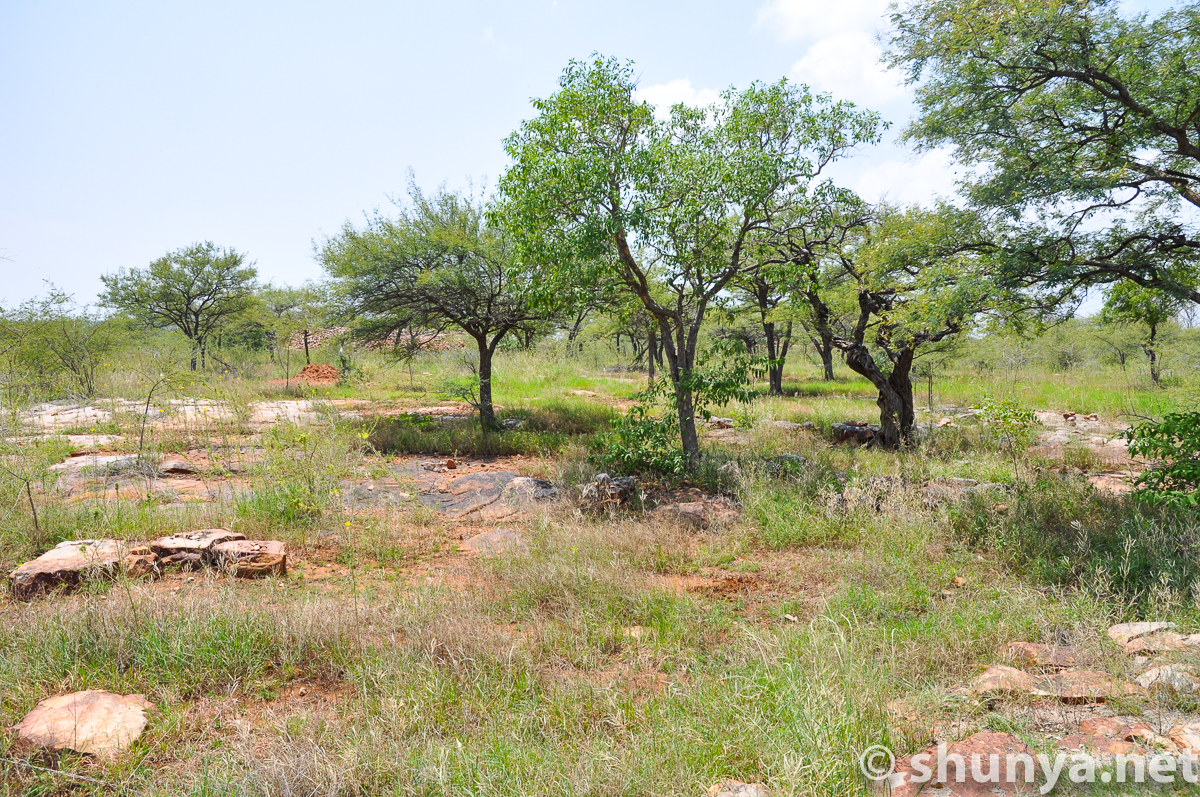
Island vegetation 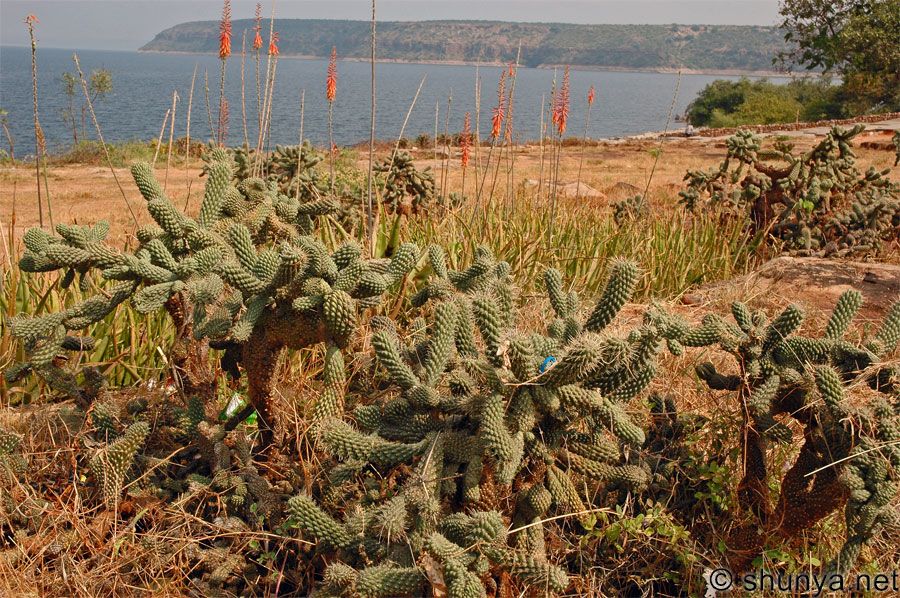 |
 |
Hindu temple 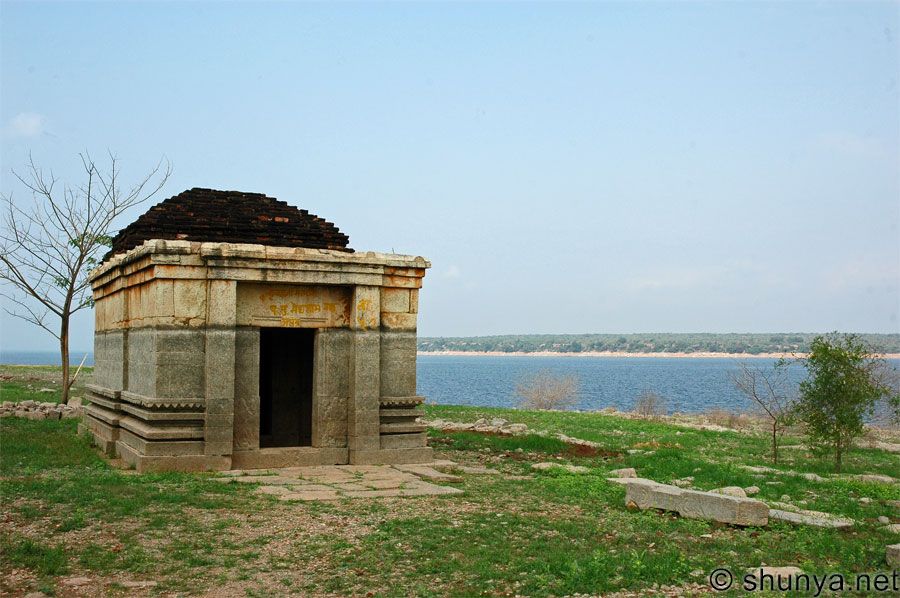 |
Megalith ▒ 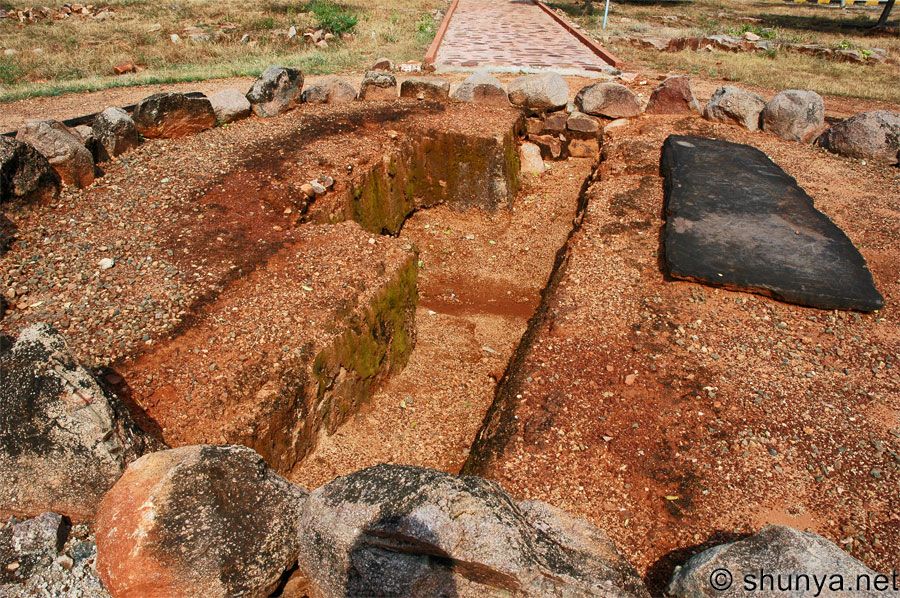 |
Simhala Vihara ▒ 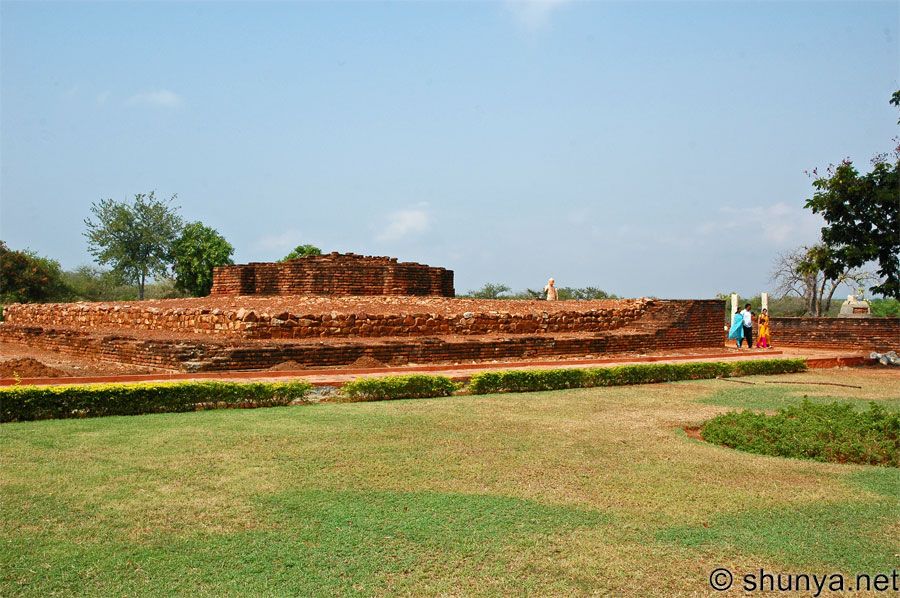 |
The Buddha of Sri Lanka 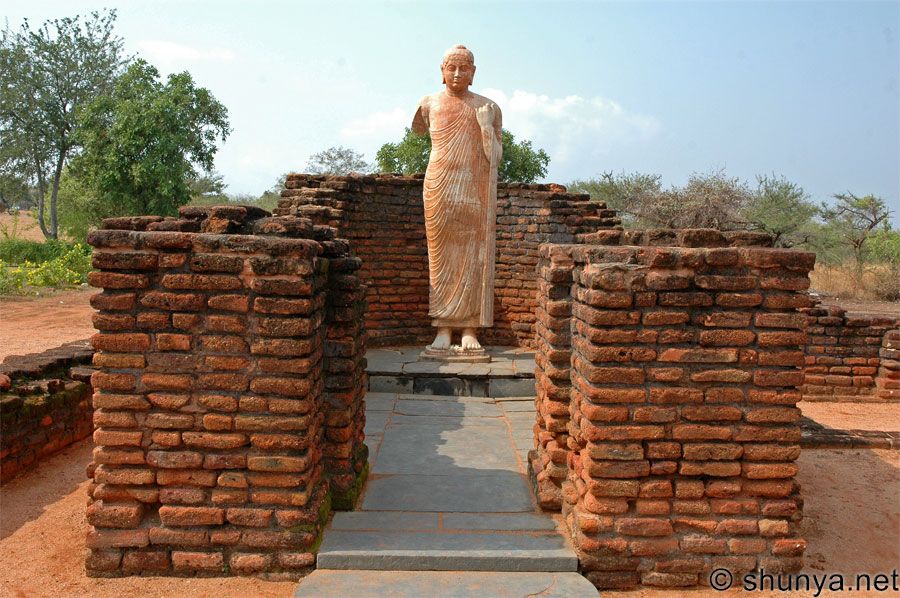 |
|
The Buddha 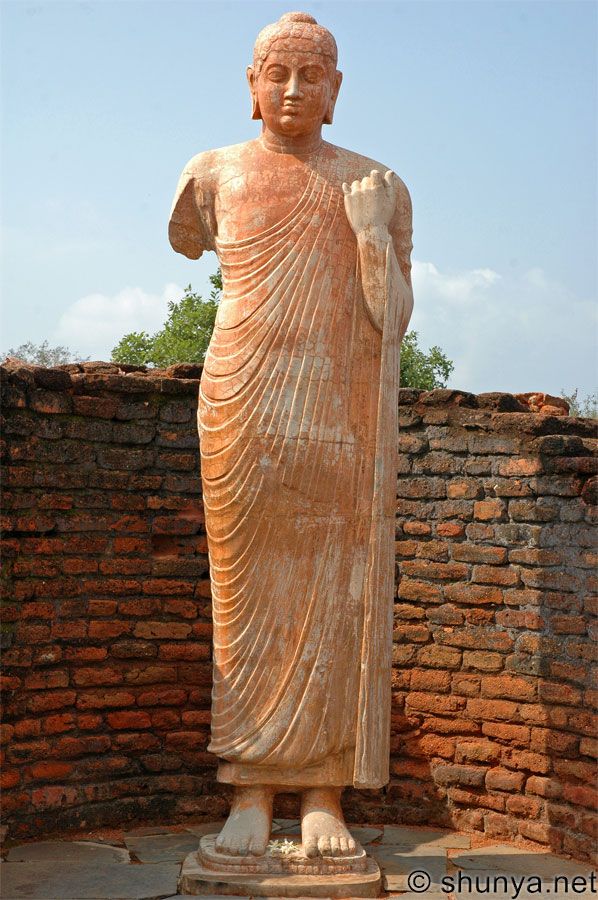 |
Chaitya, or Buddhist 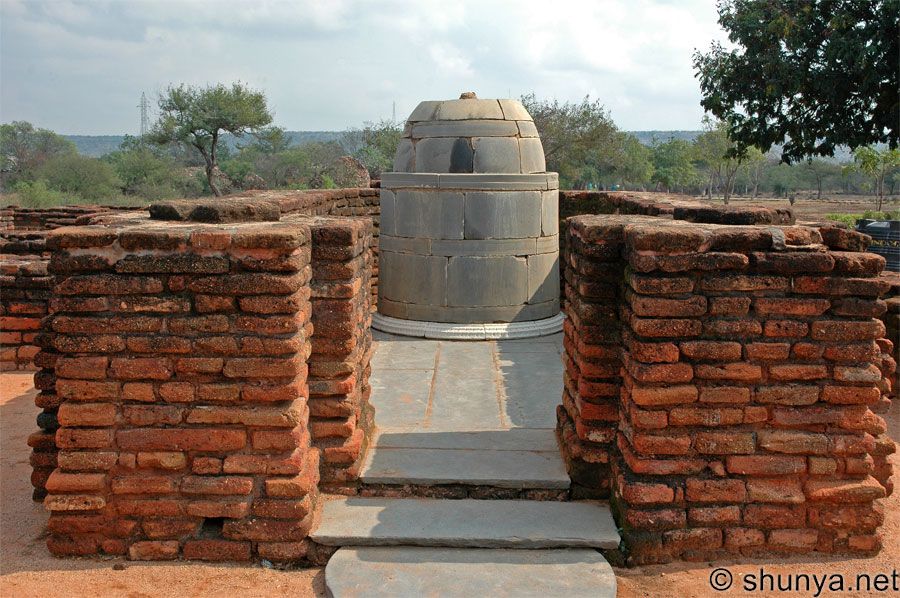 |
Simhala
monastery for 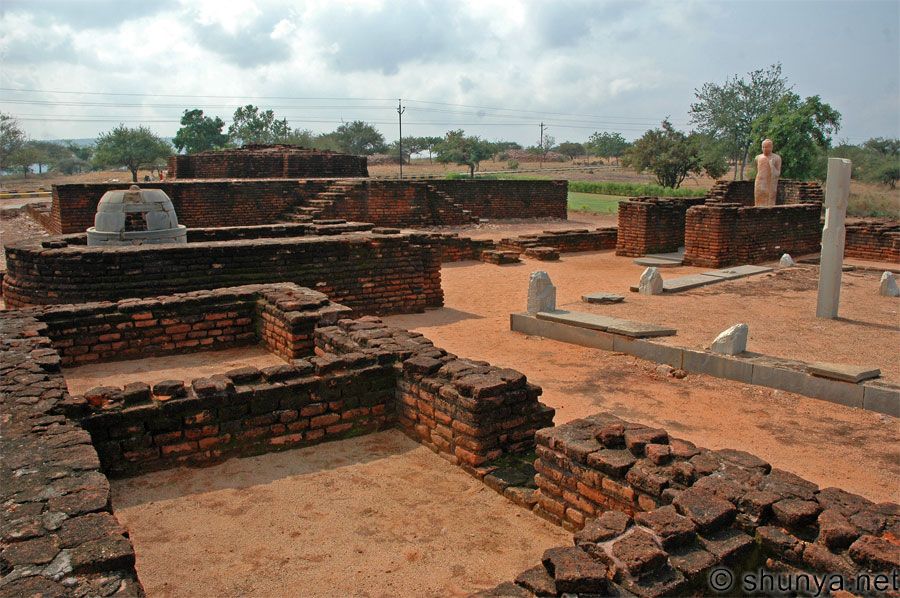 |
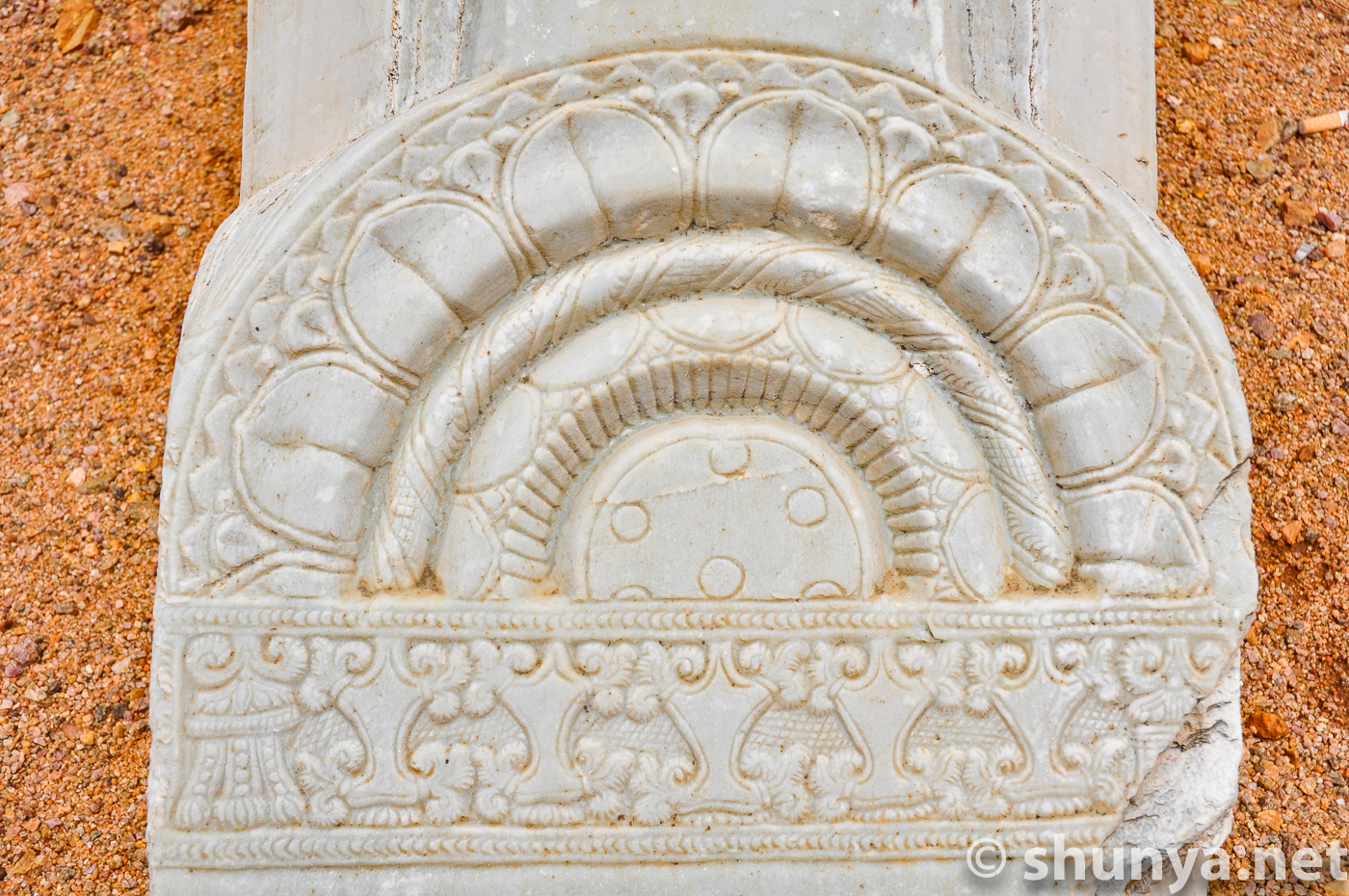
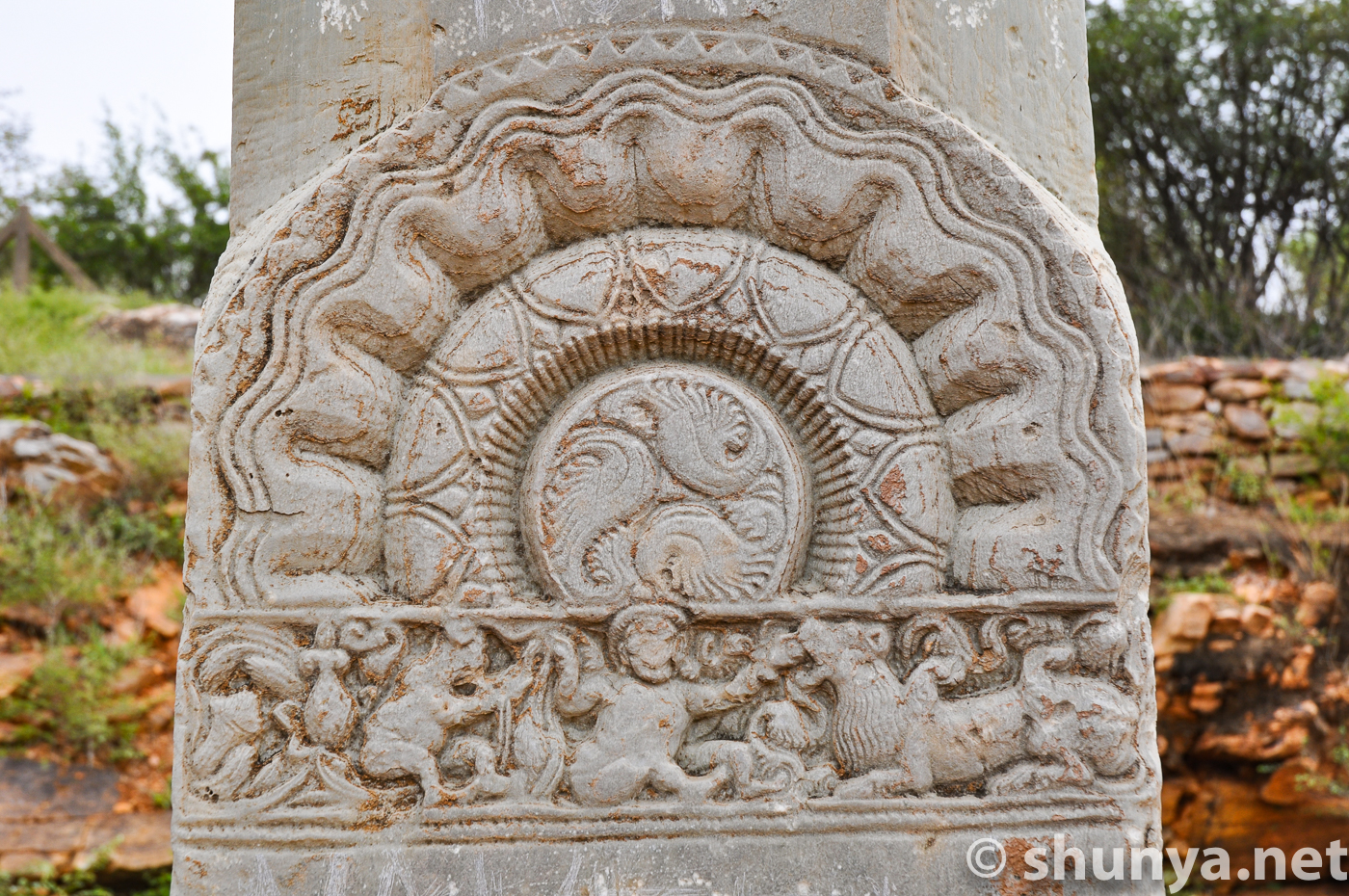
Pillar detail 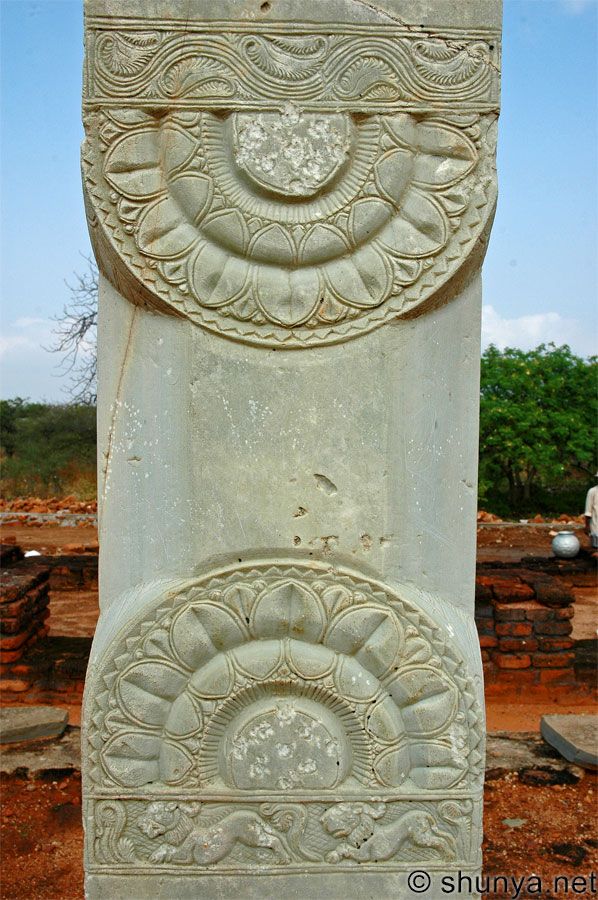 |
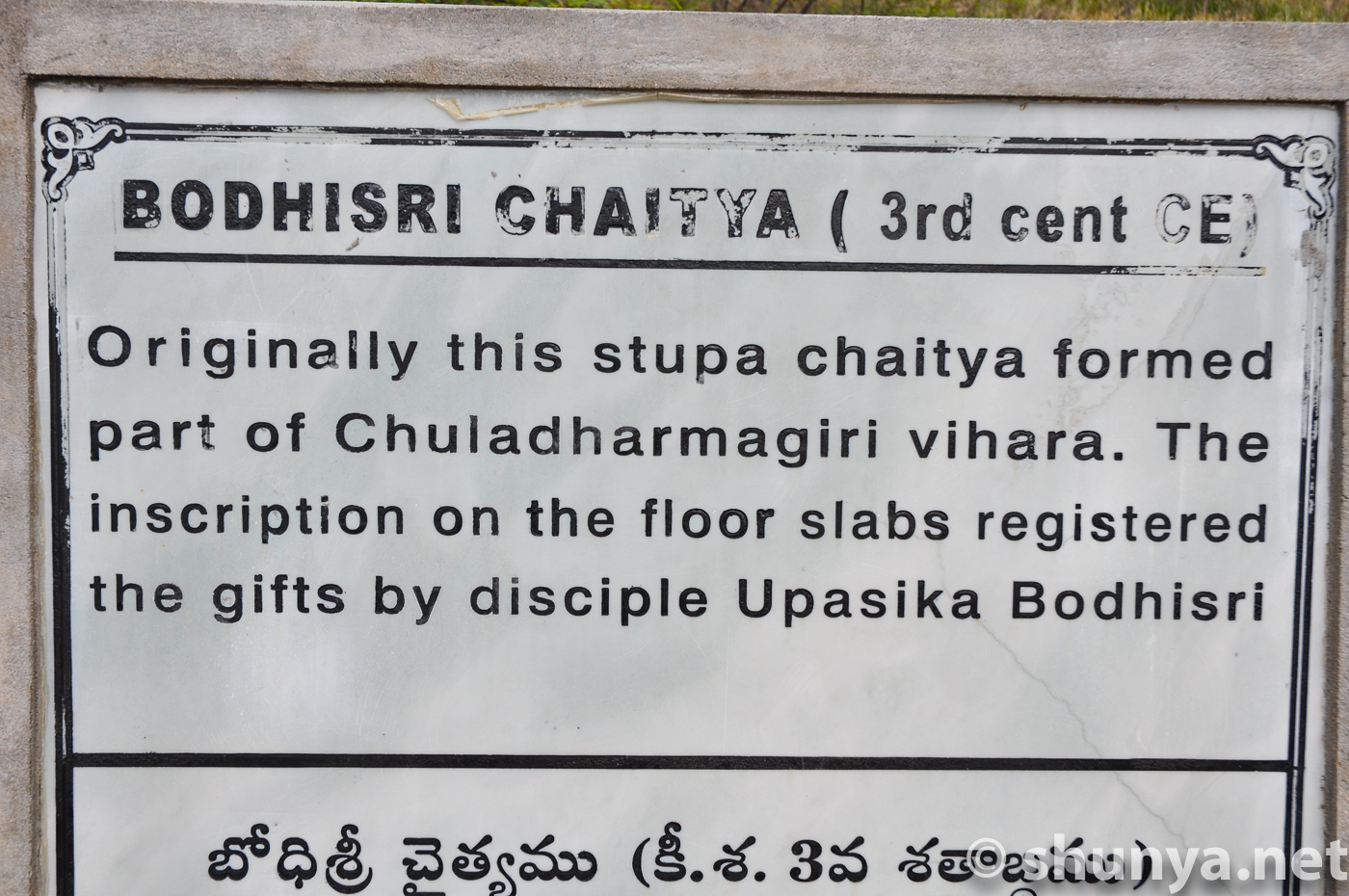
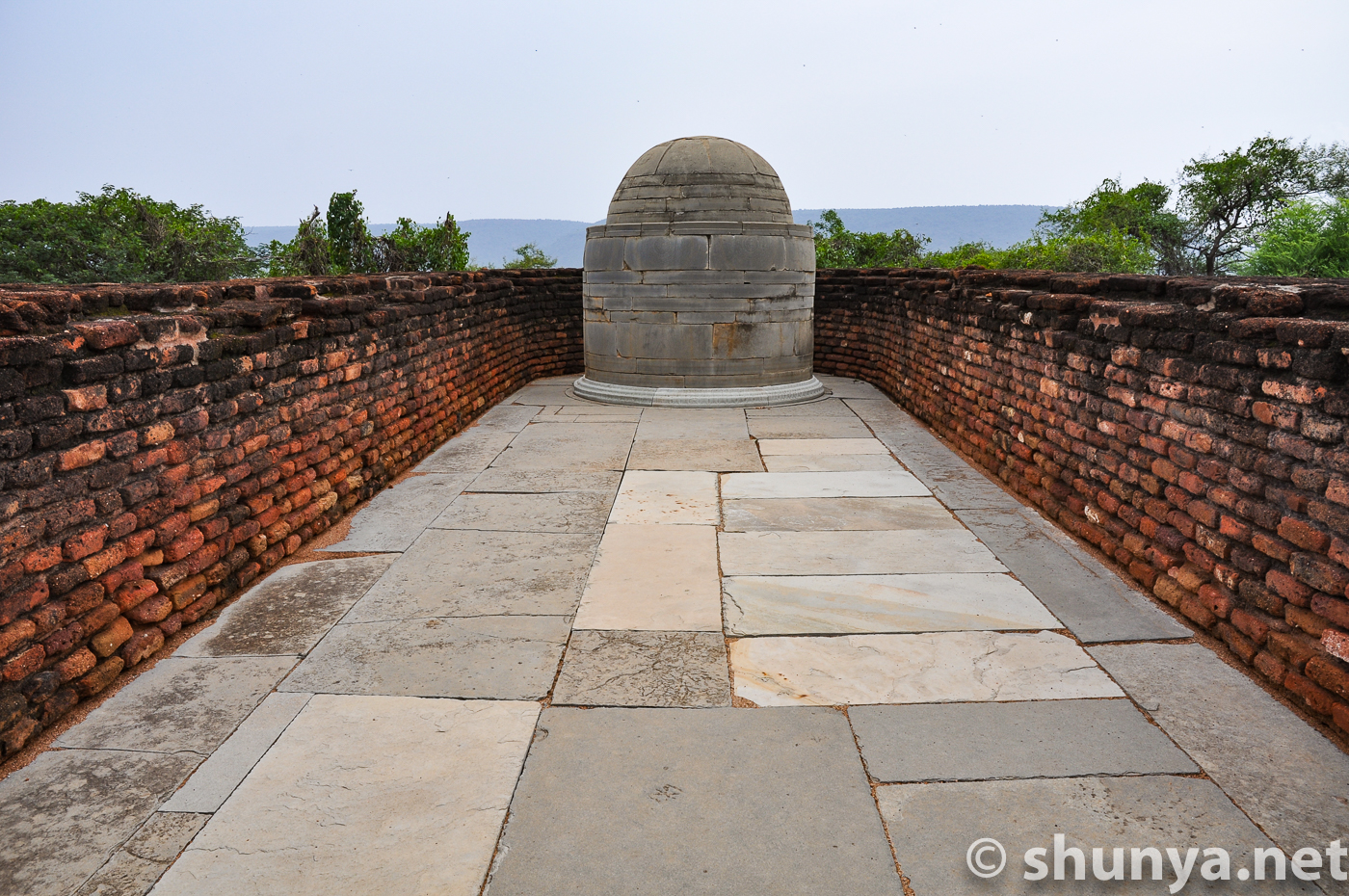
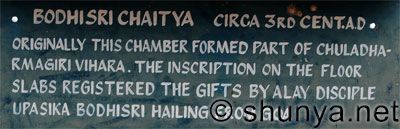
Bodhi Sri Chaitya ▒ 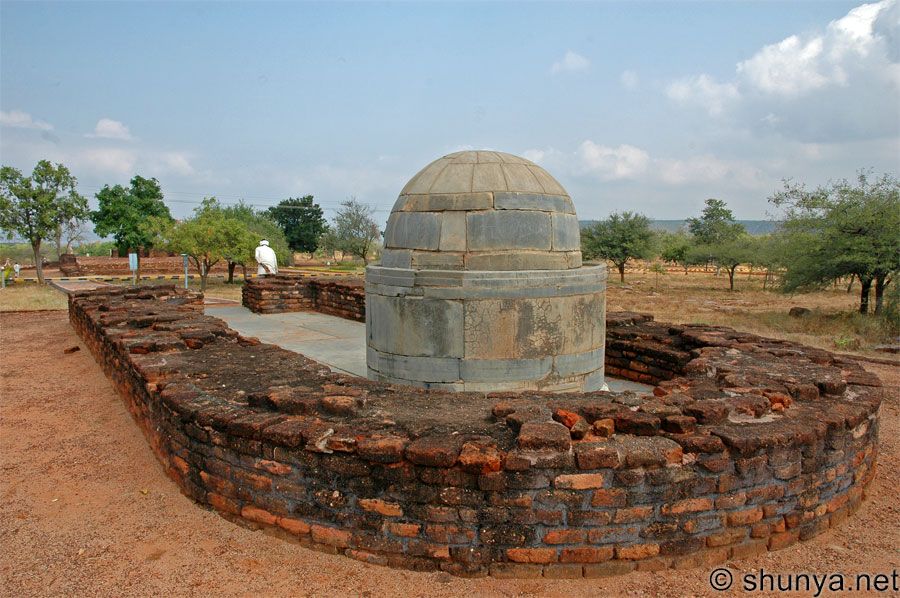 |
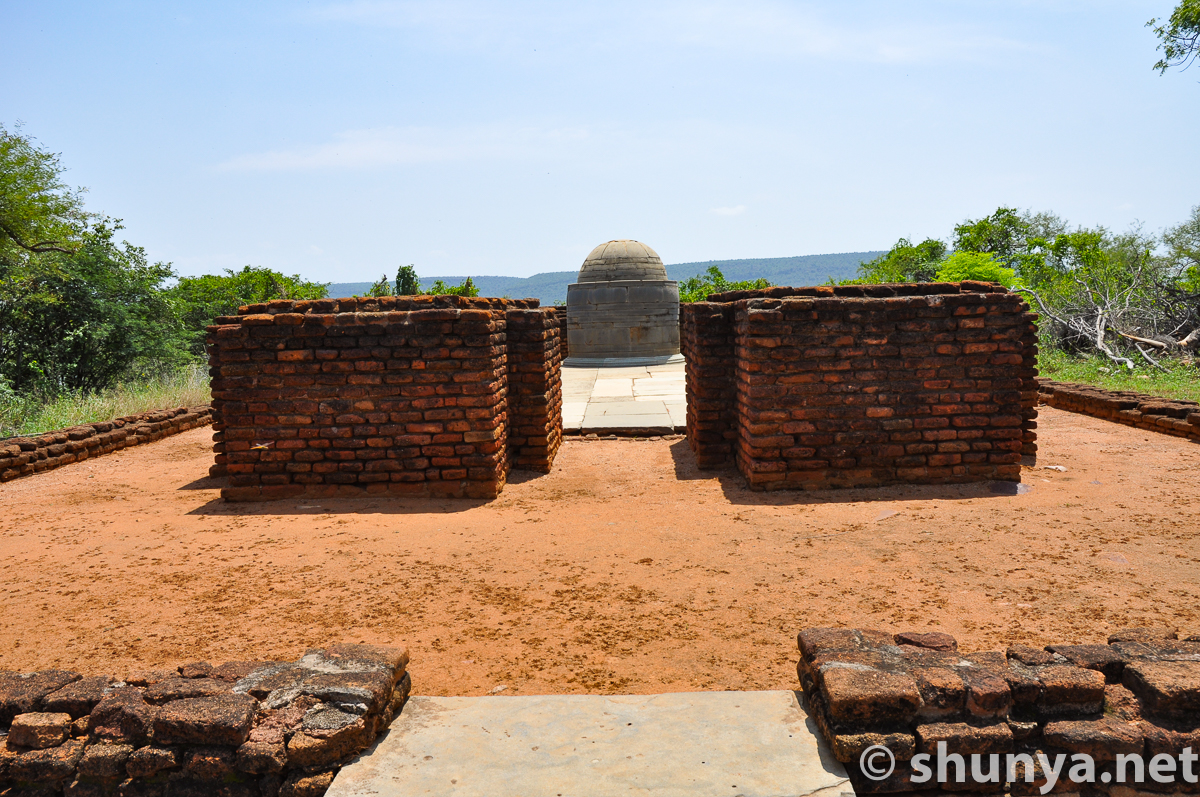
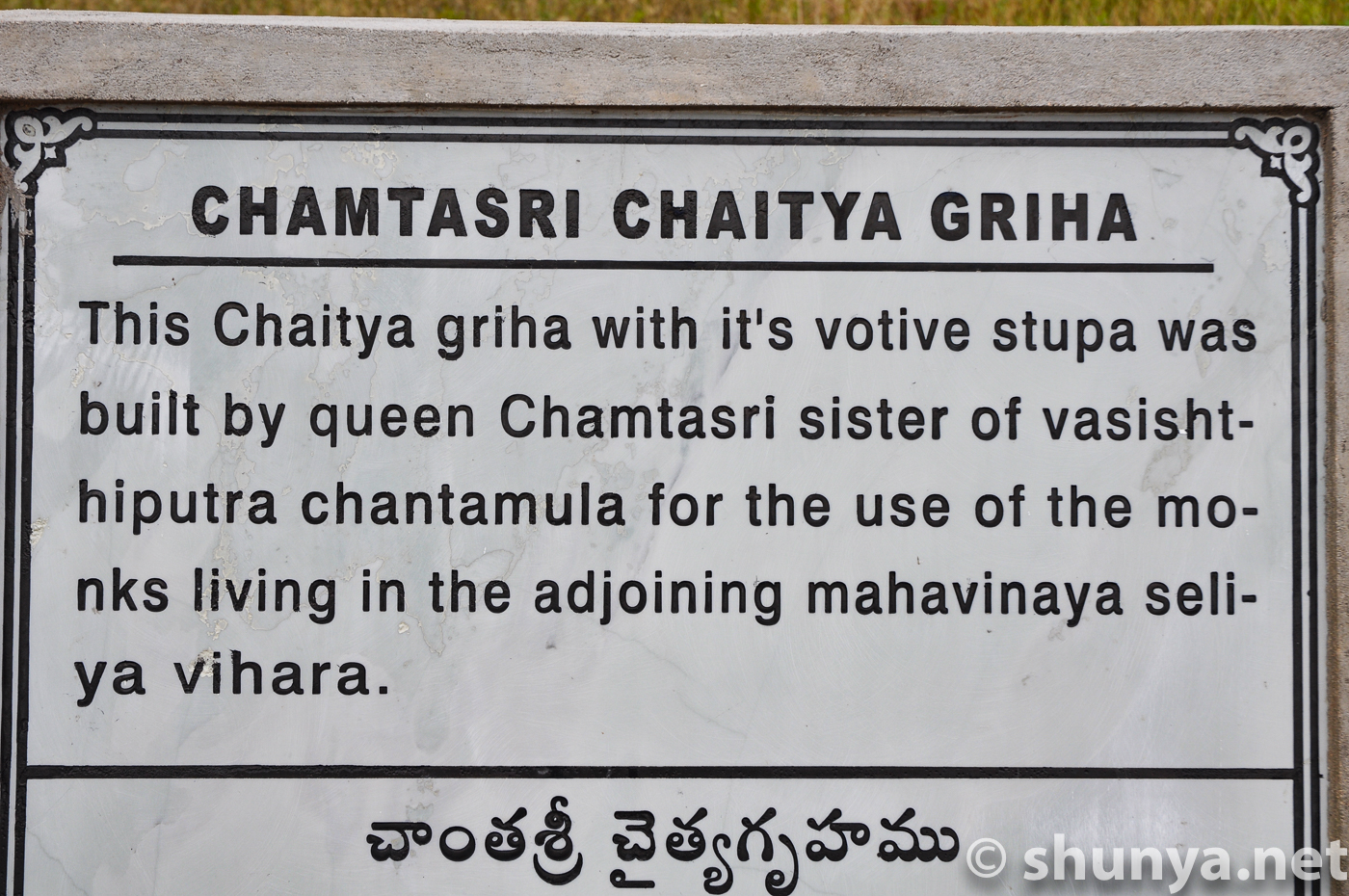
Chamtisri Chaitya Griha ▒ 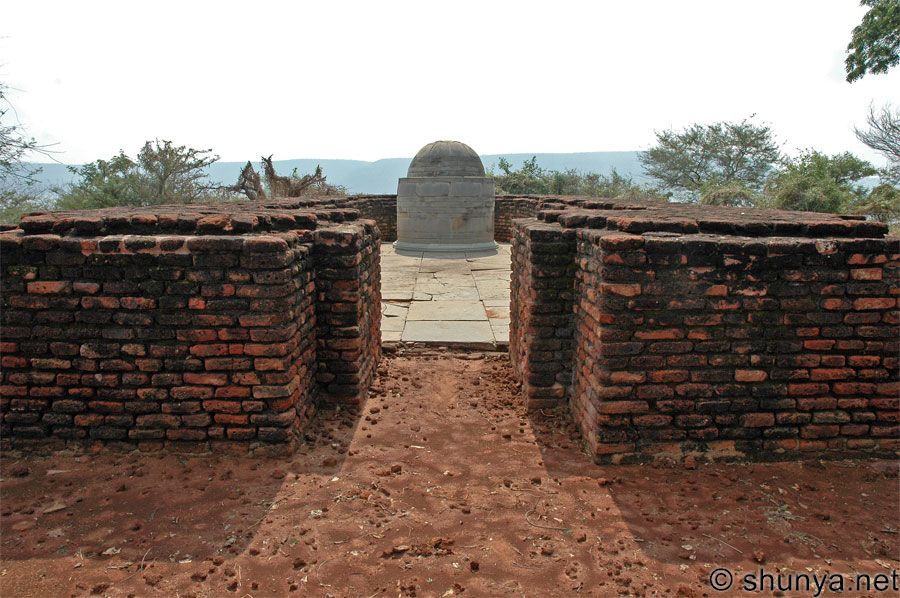 |
Medieval temple 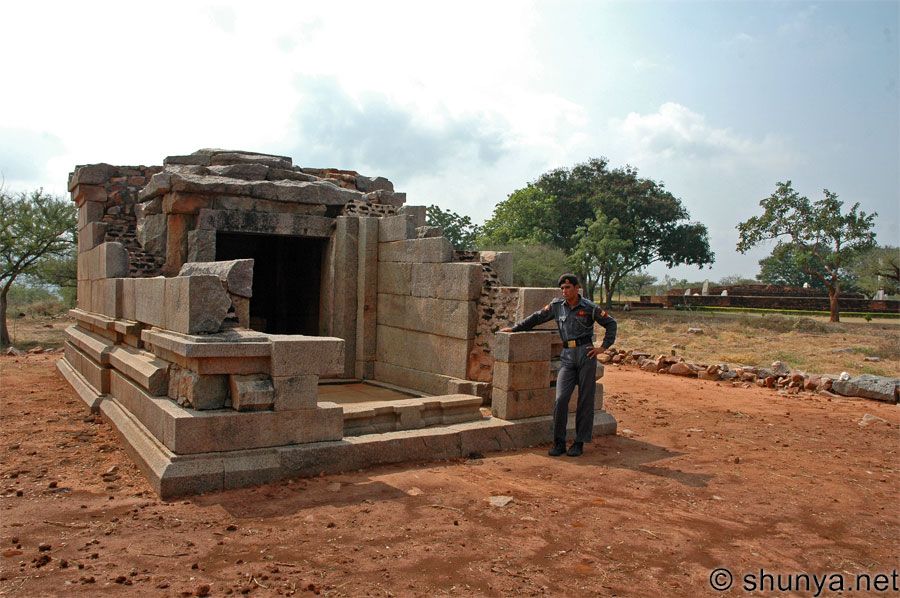 |
Landscape 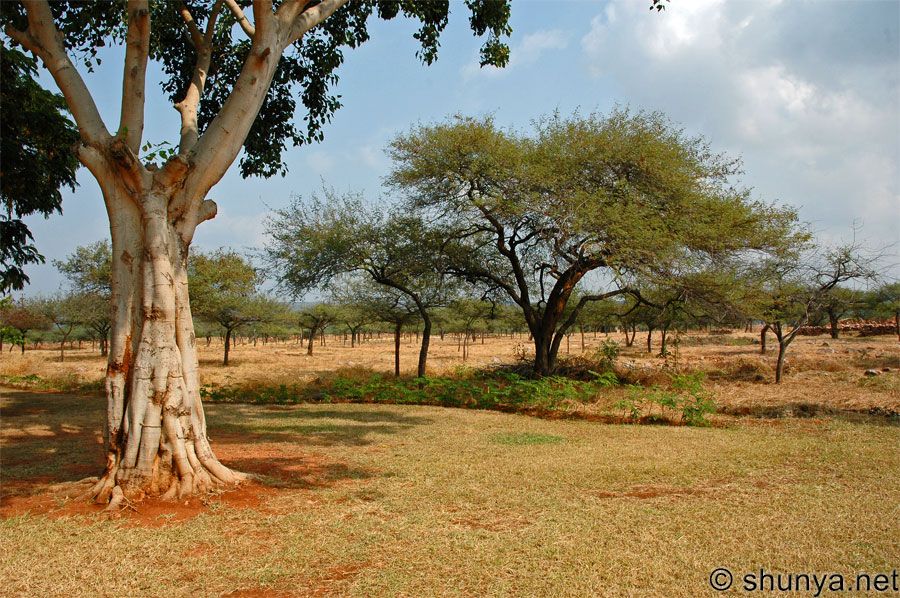 |
Maha stupa ▒
|
Landscape 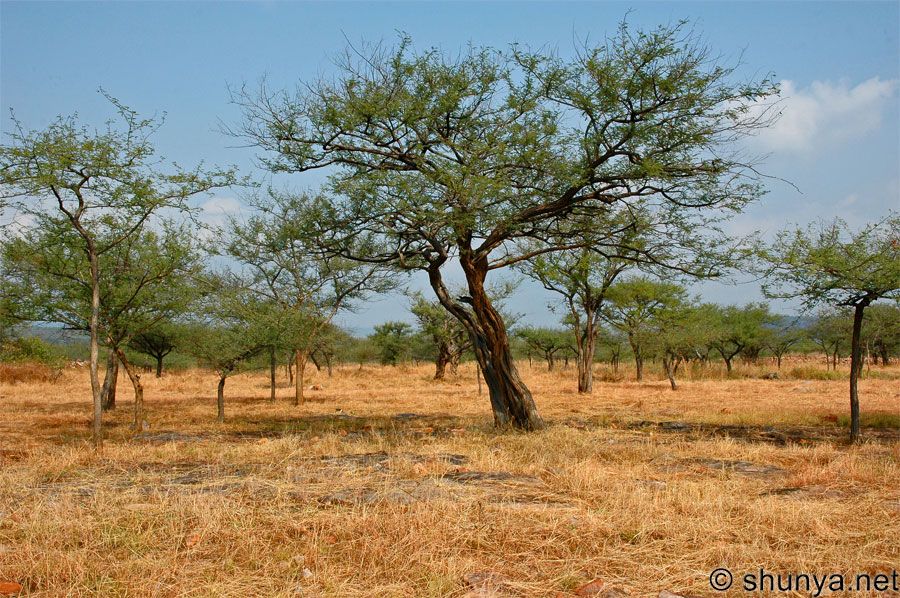 |
Ritual bathing site (info) 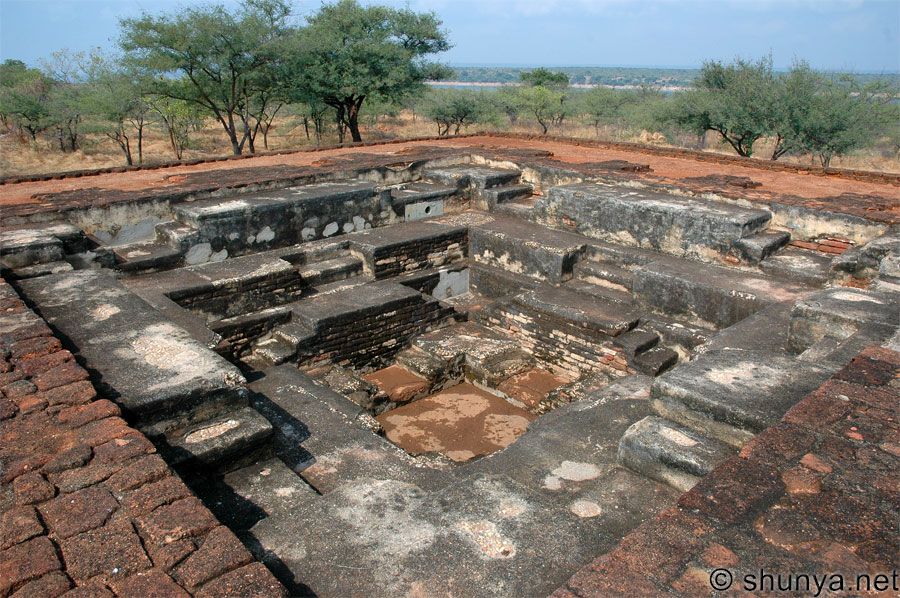 |
Horse sacrifice point 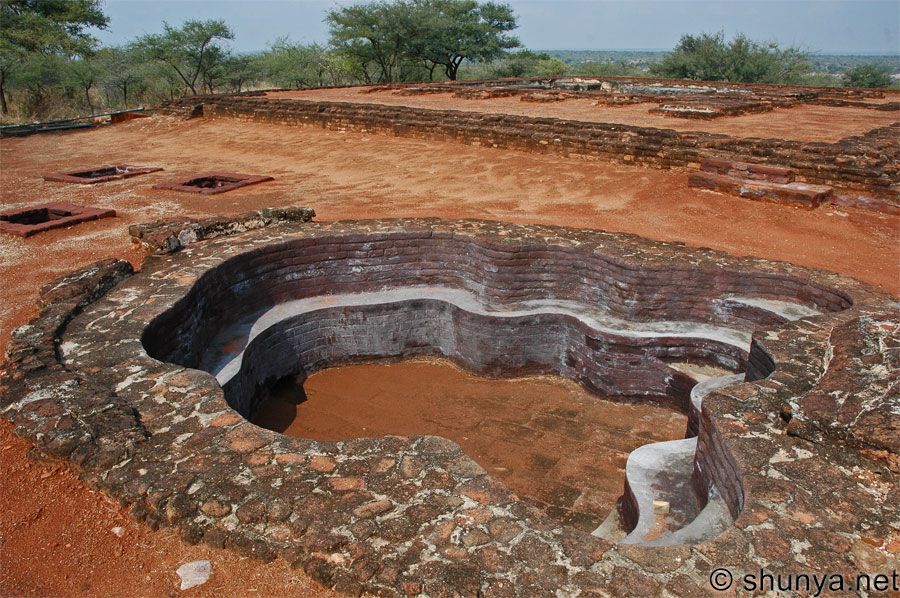 |
|
Bathing ghat ▒ 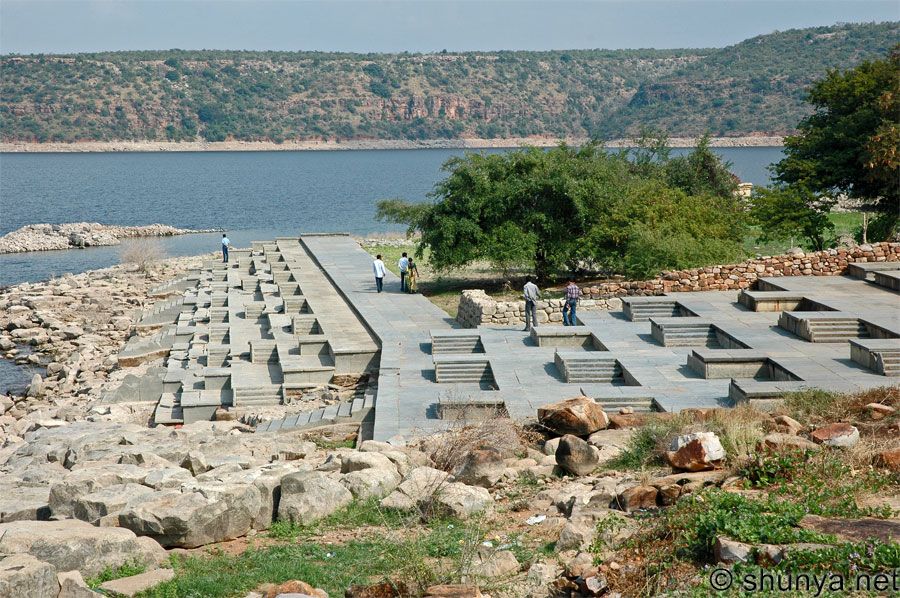 |
Serpent in stone 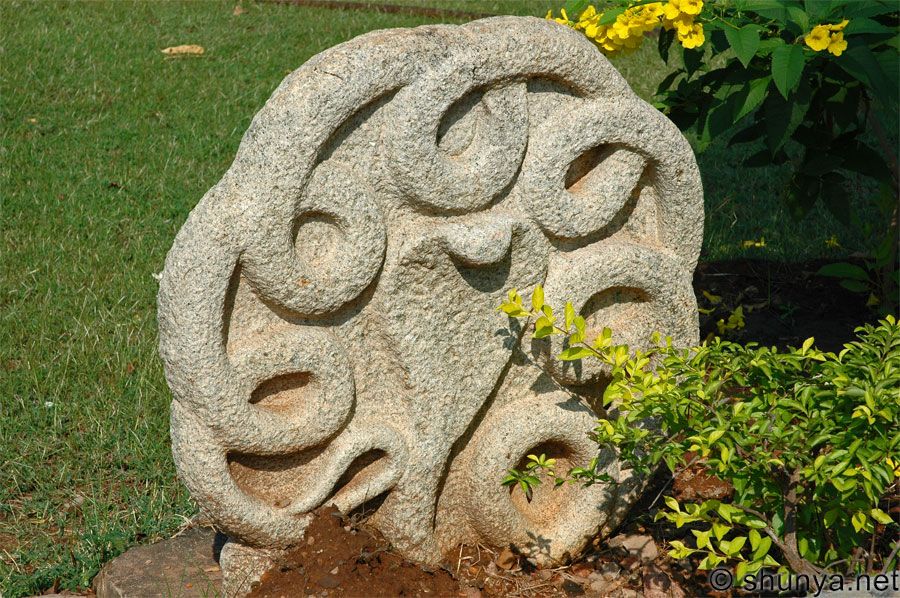 |
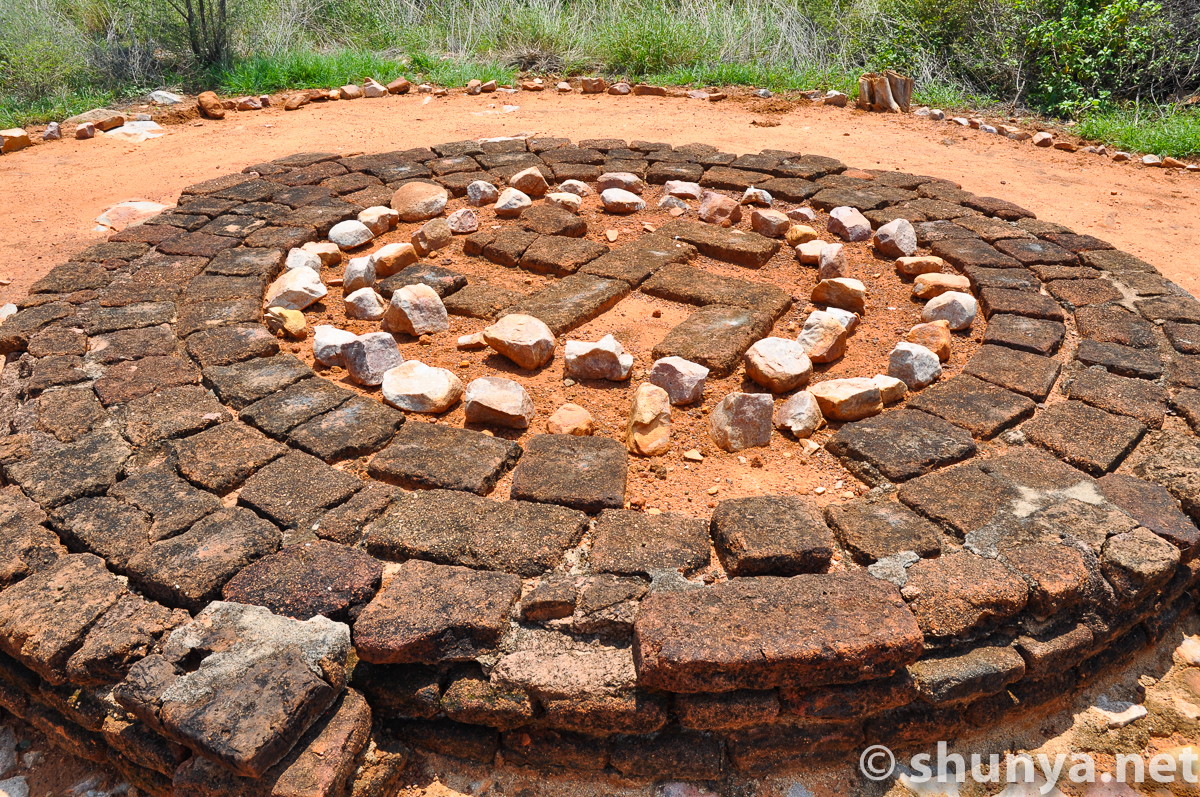
Swastika stupa
|
Remains of a stupa? (more) 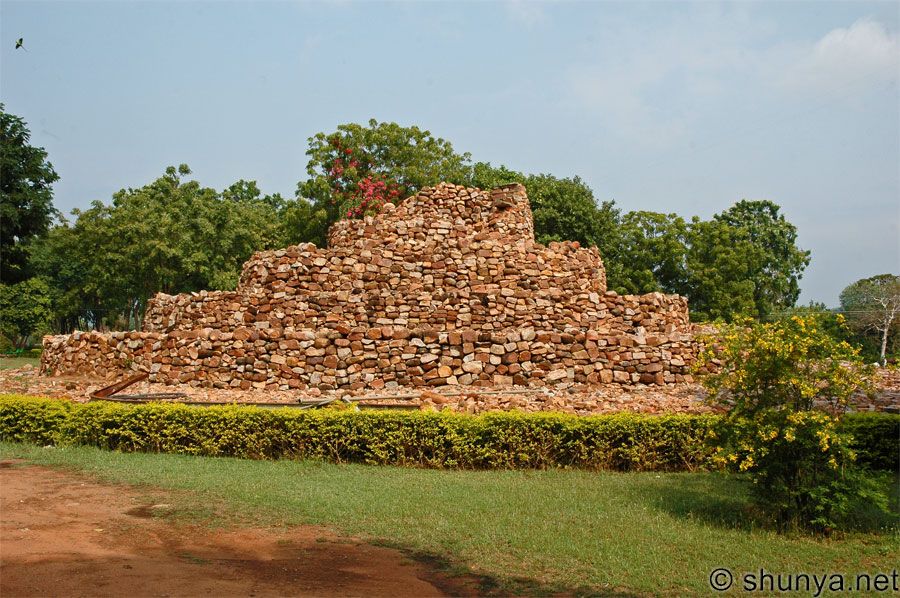 |
|
Posing tourists 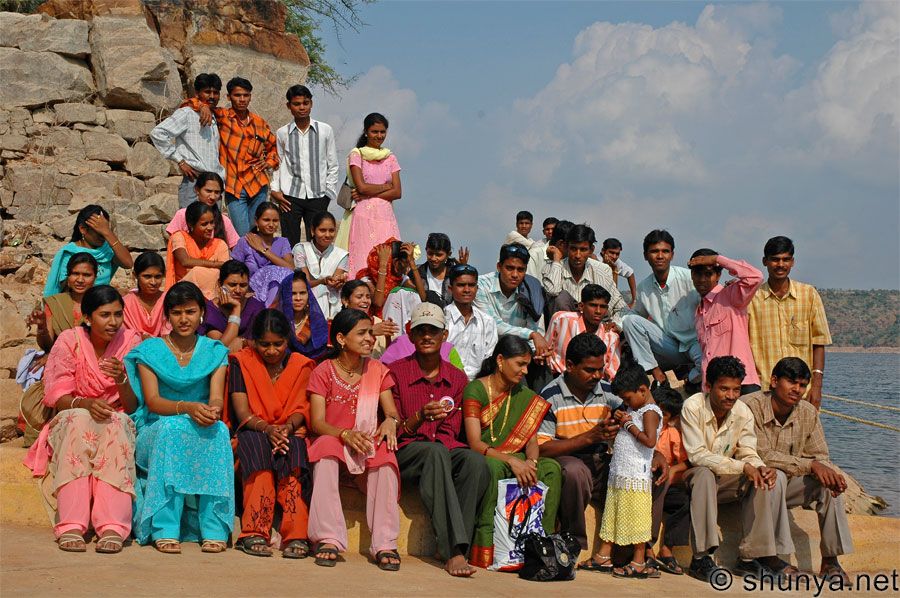 |
West view from dam 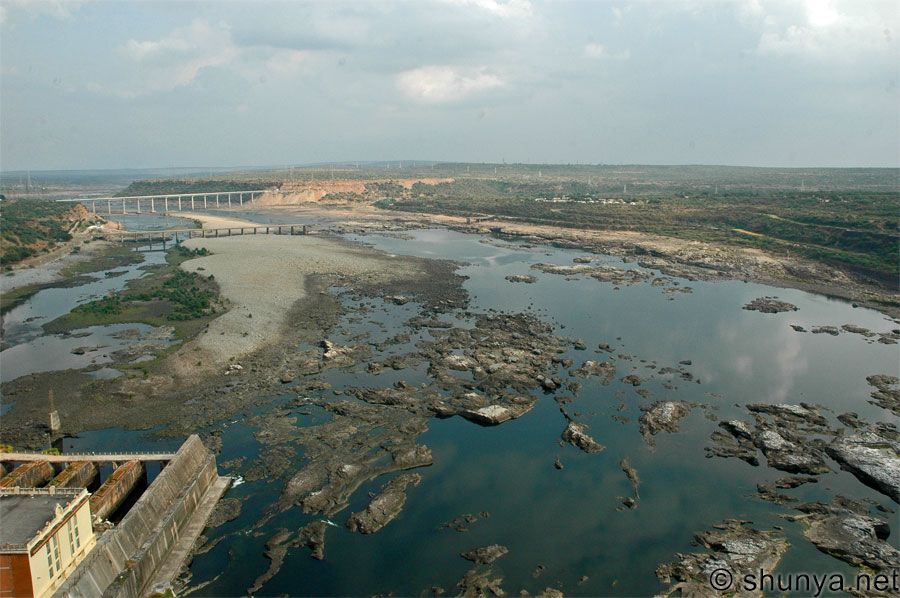 |
East view from dam 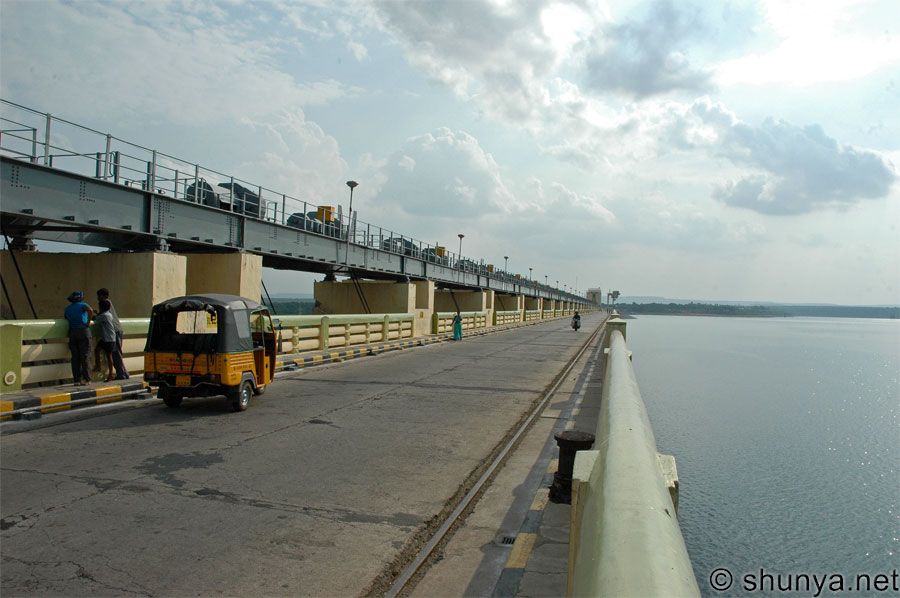 |
Cop 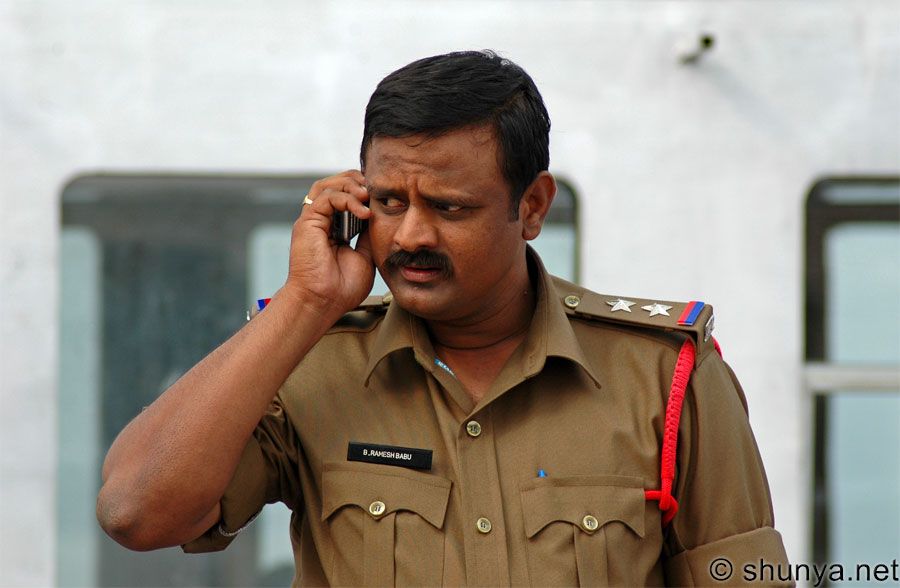 |
|
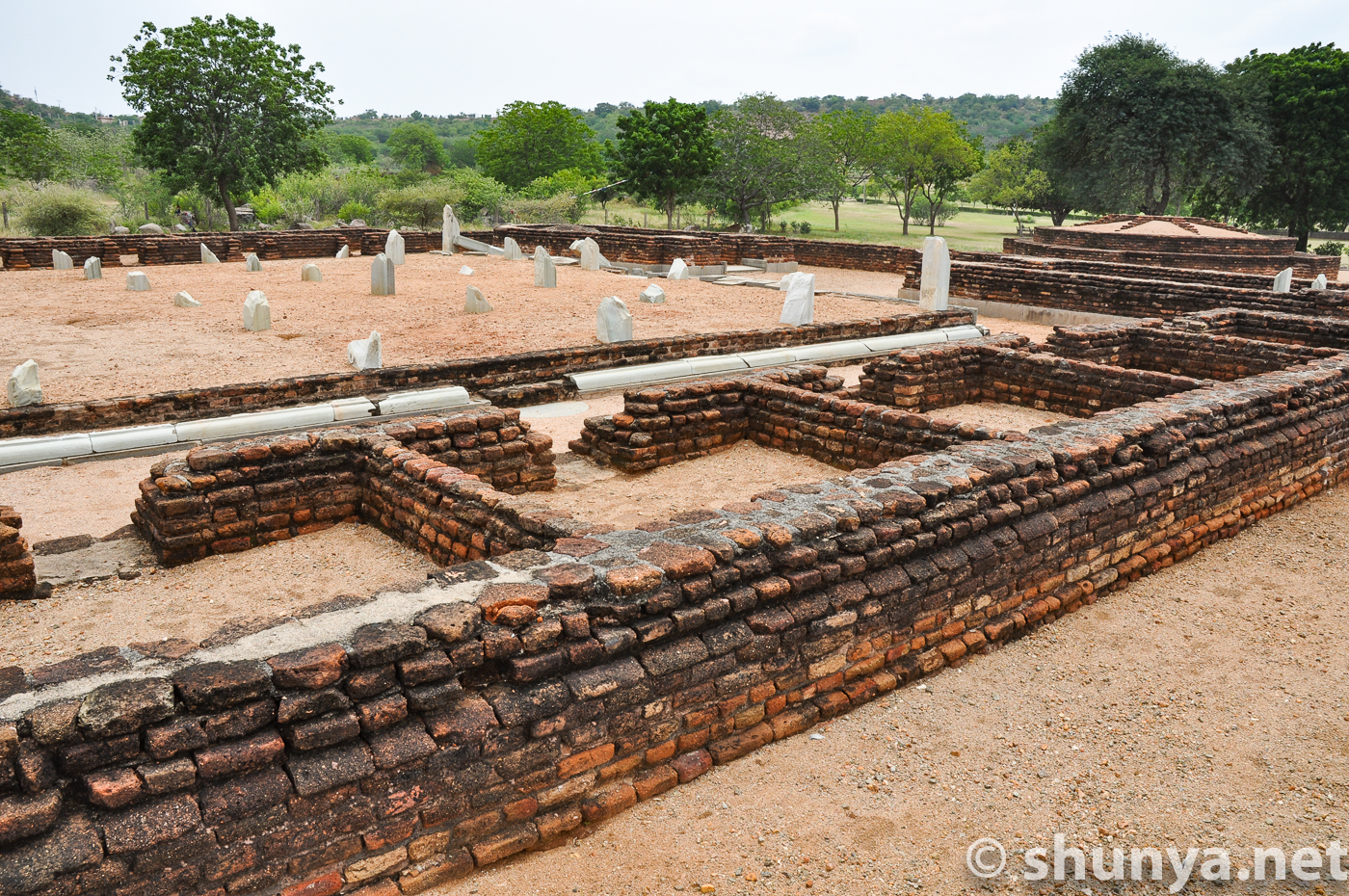
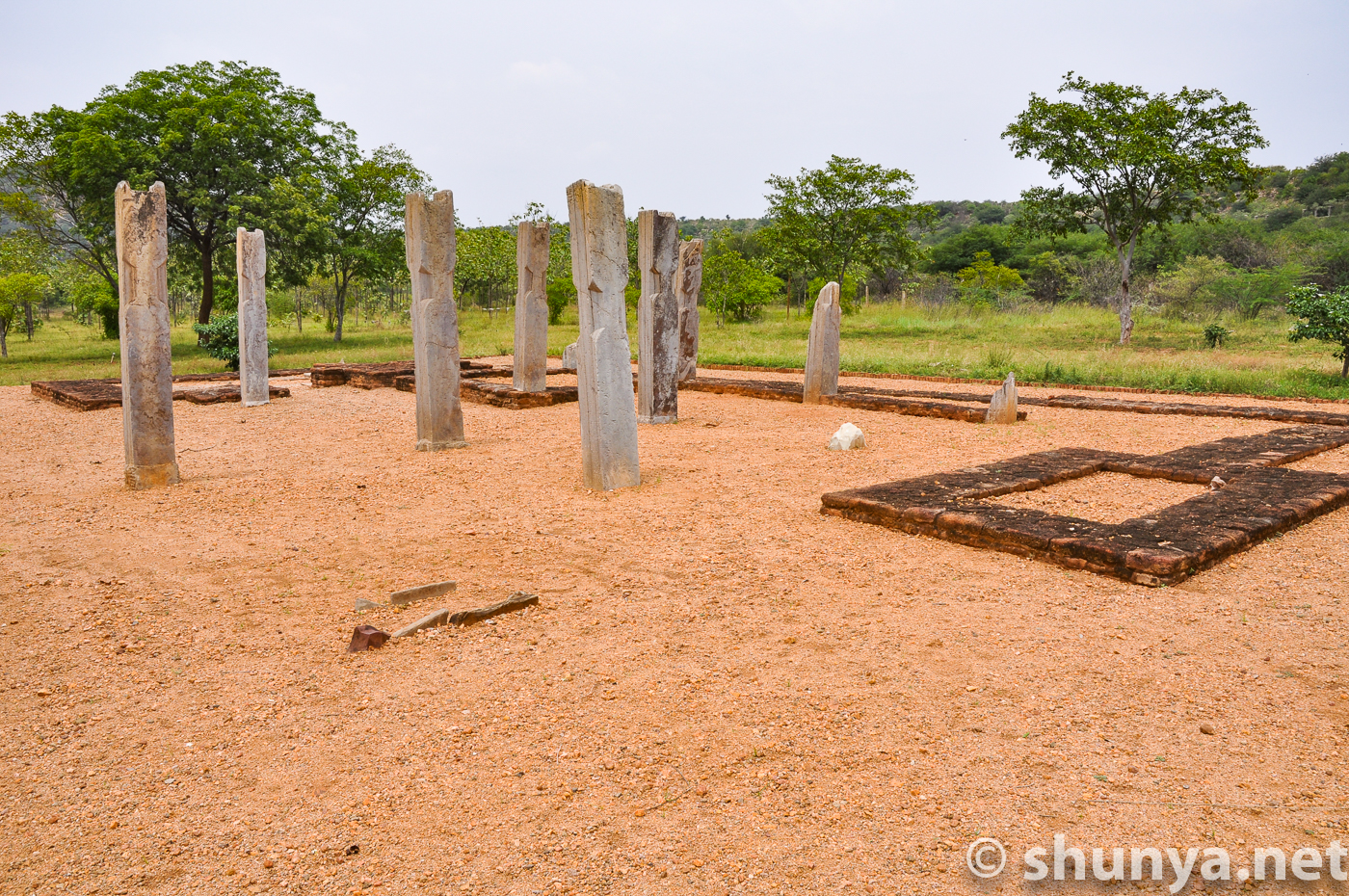
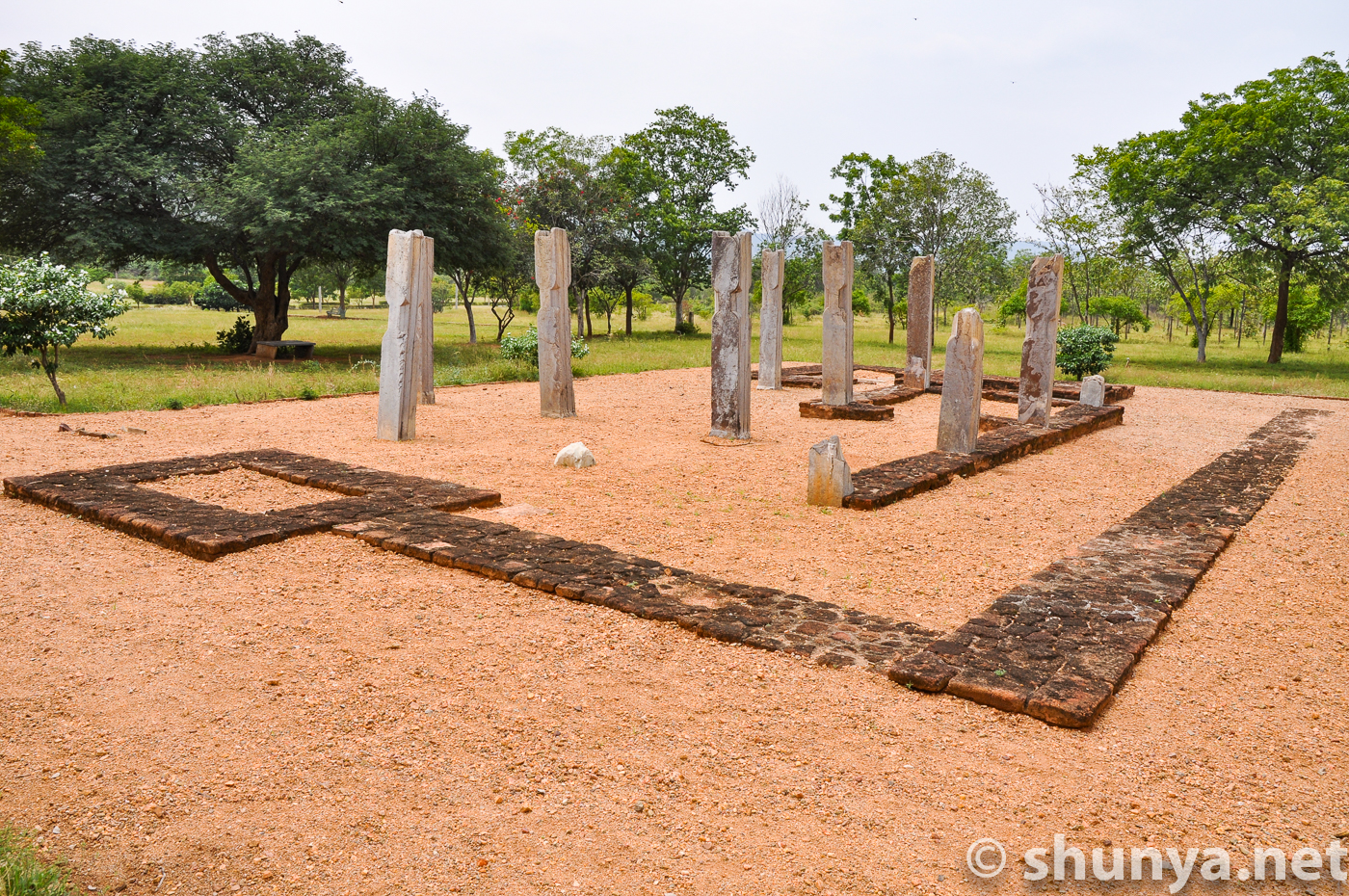
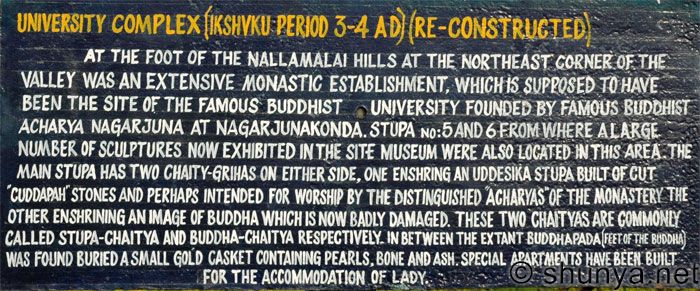
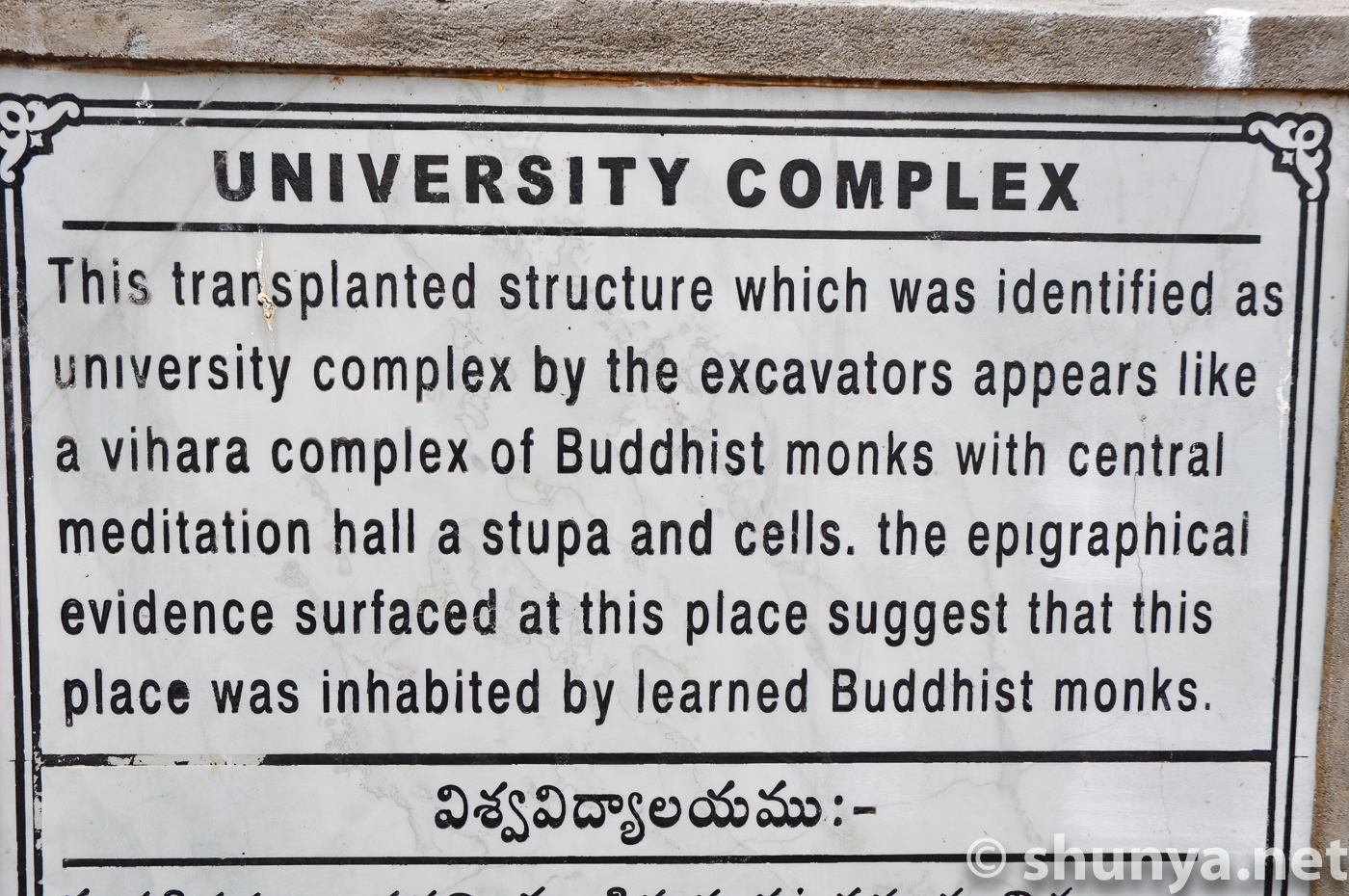
Ancient "University" Complex at Anupu ▒ |
|||
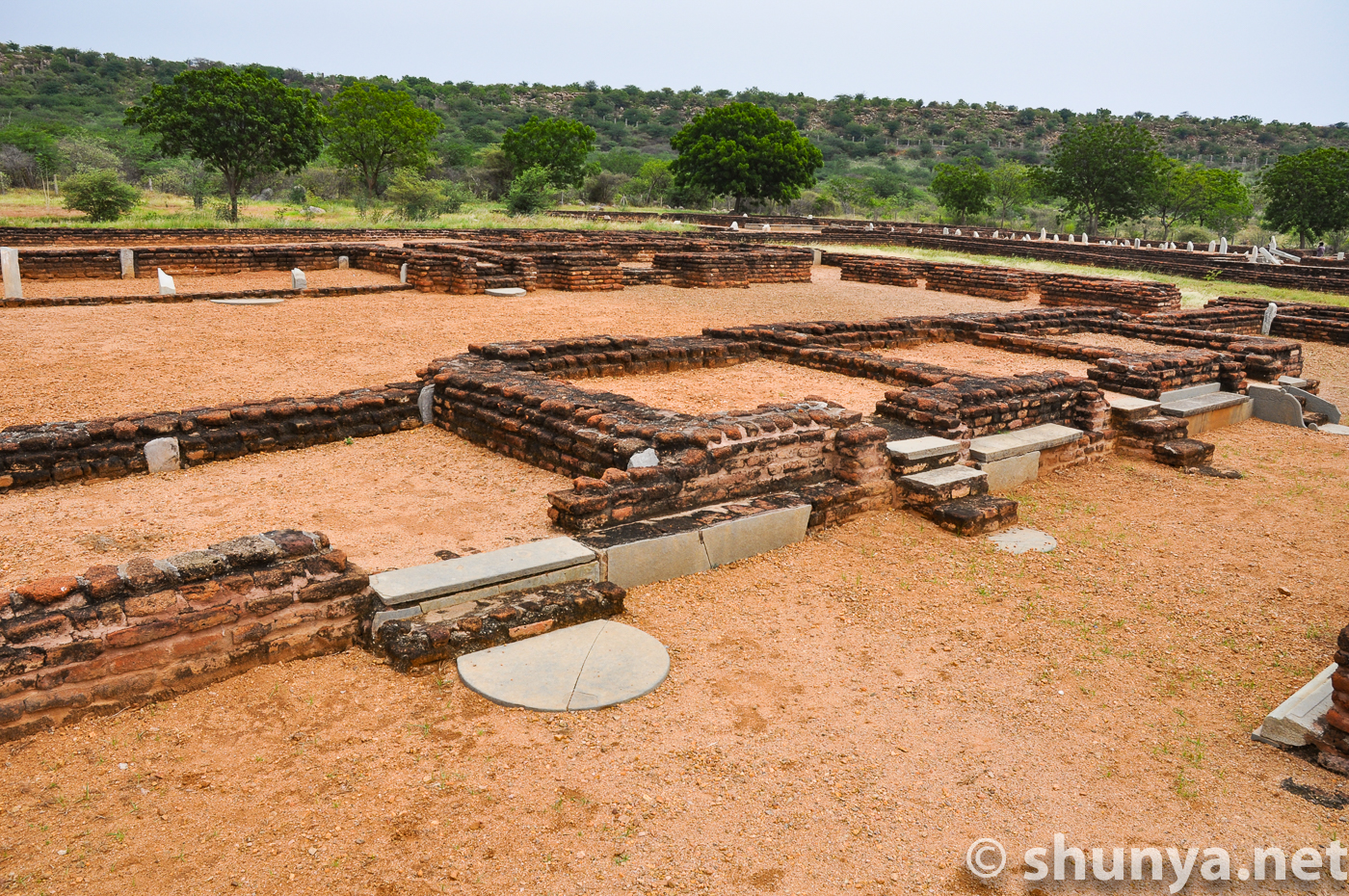
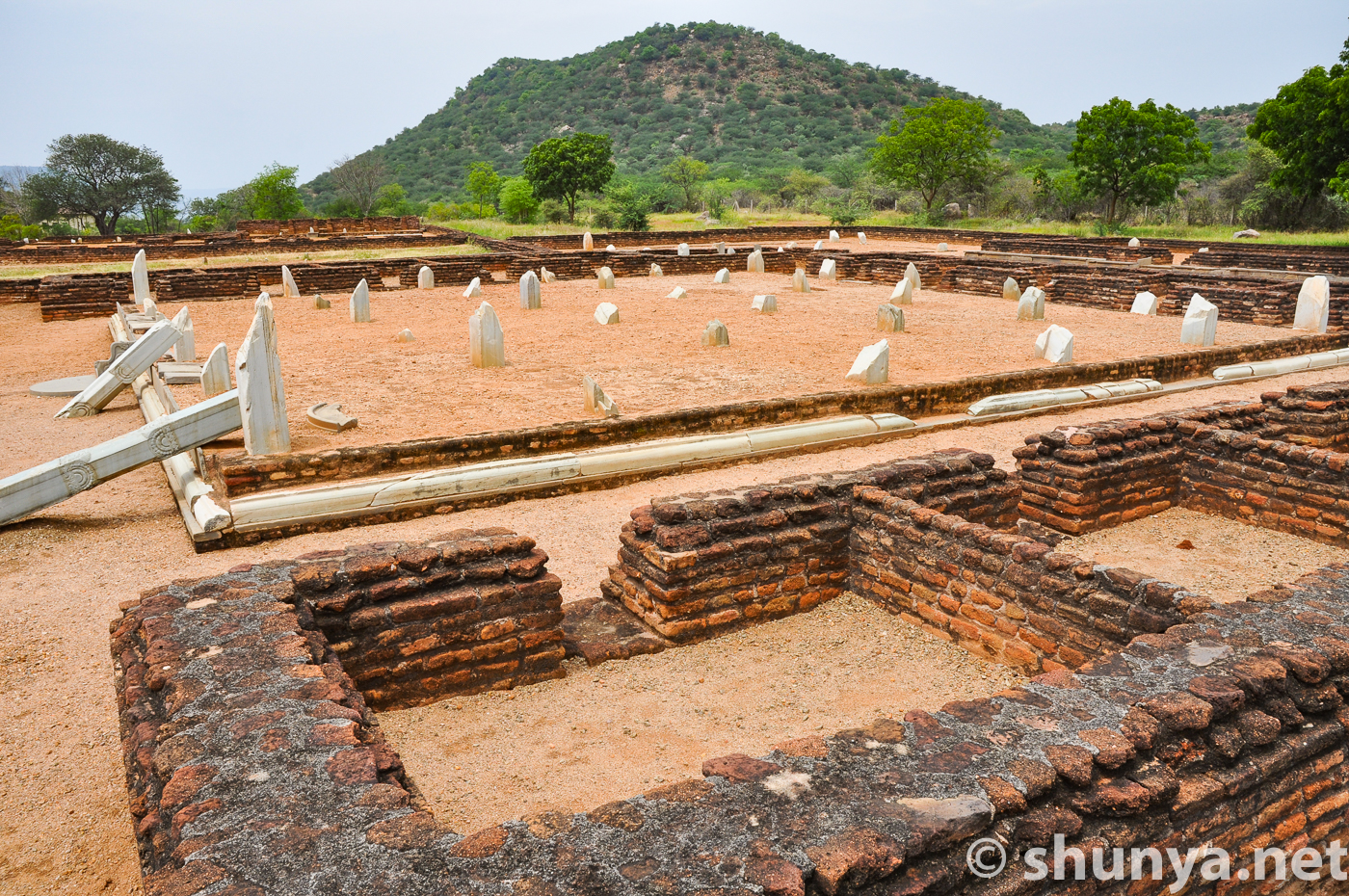
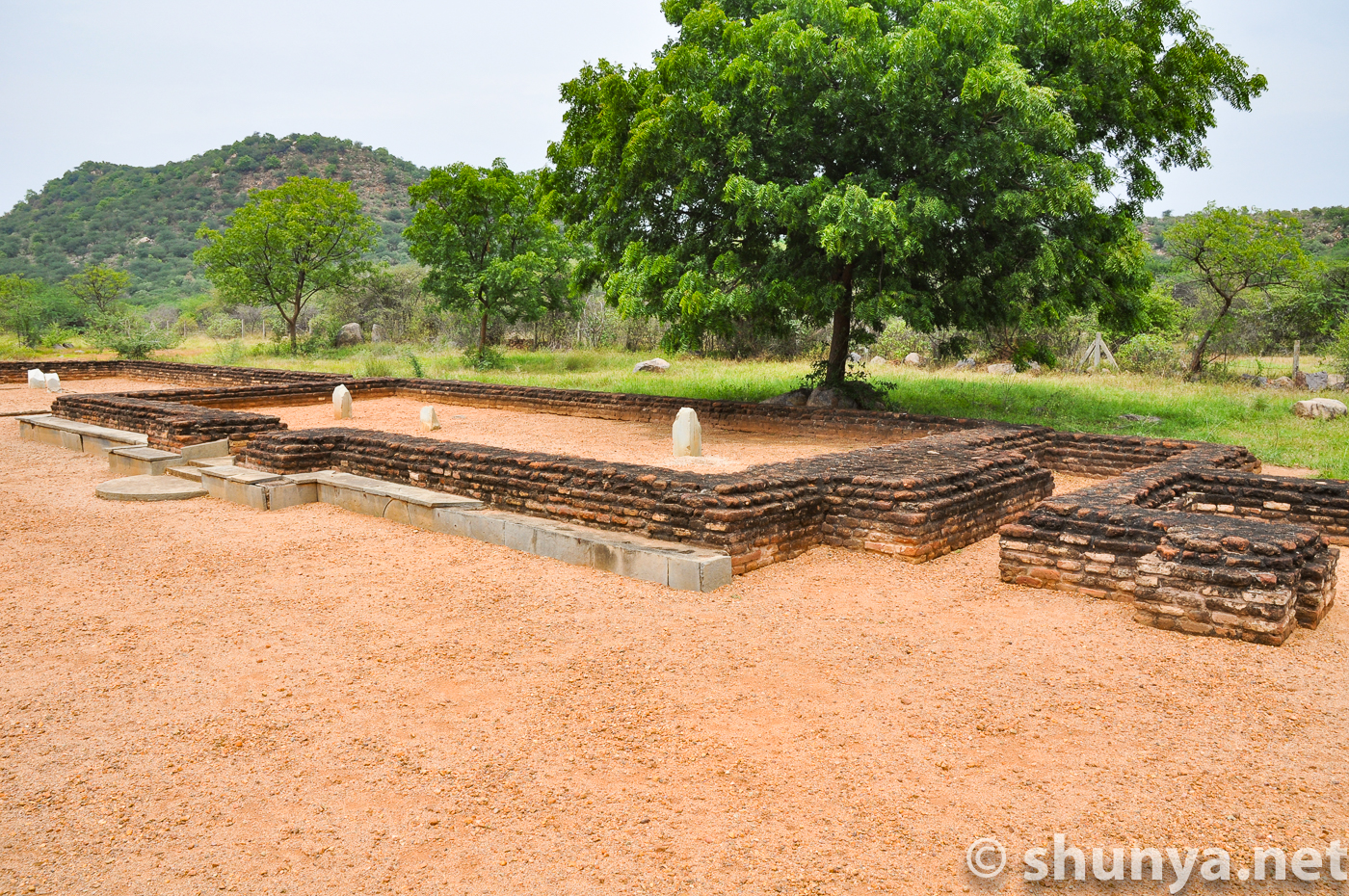
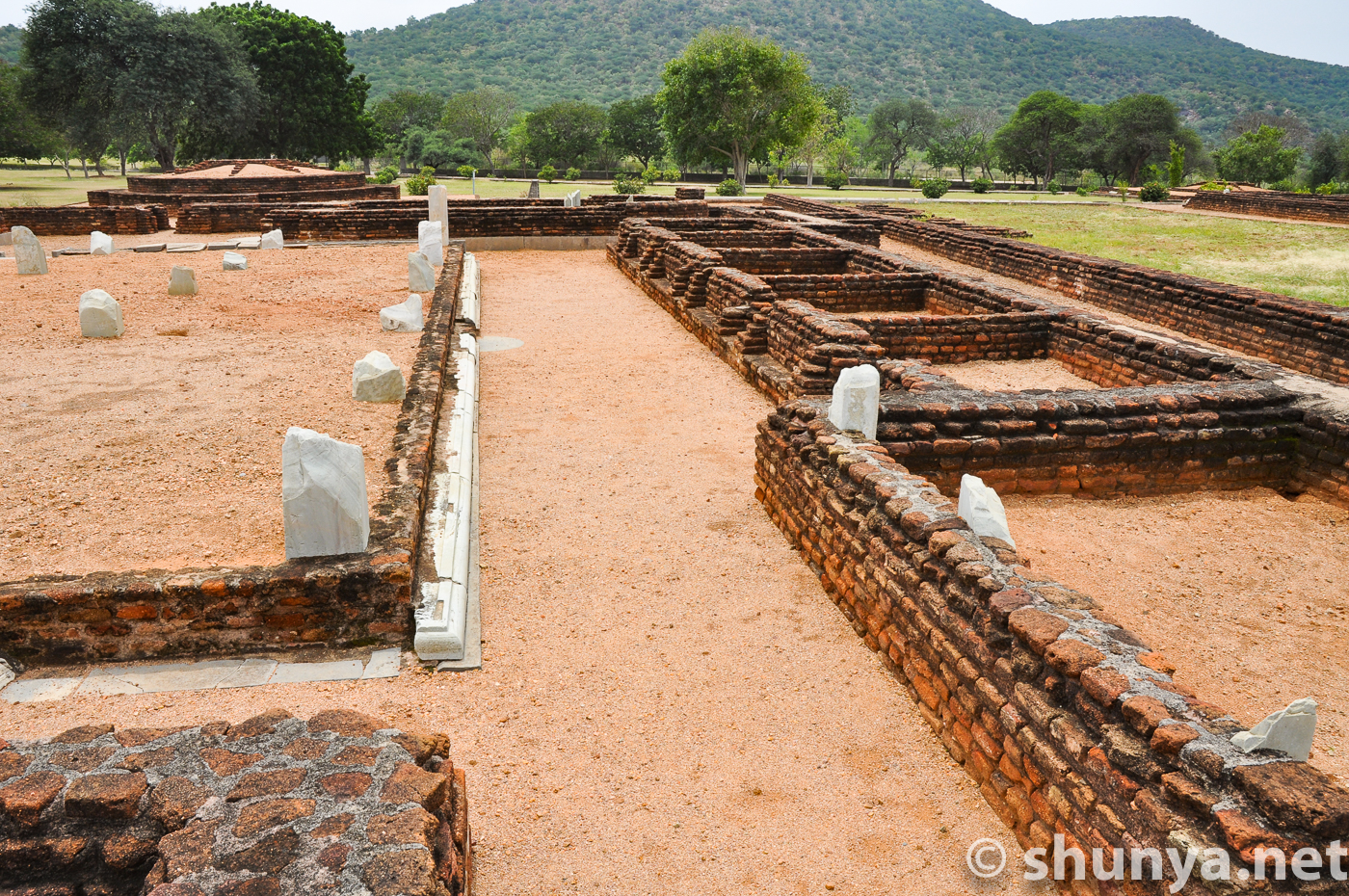
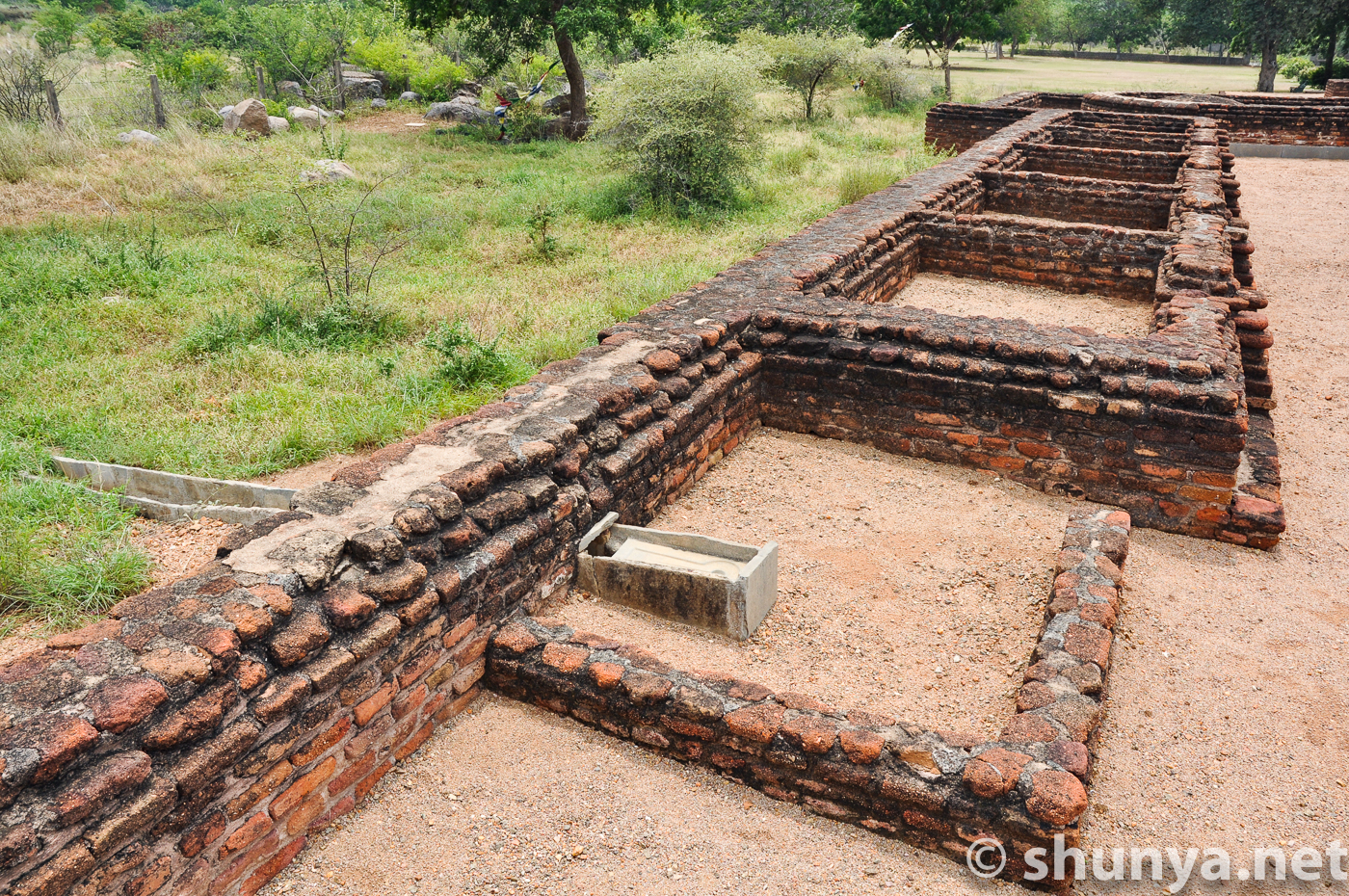
Monastery complex? (info)
|
Home to Nagarjuna?
|
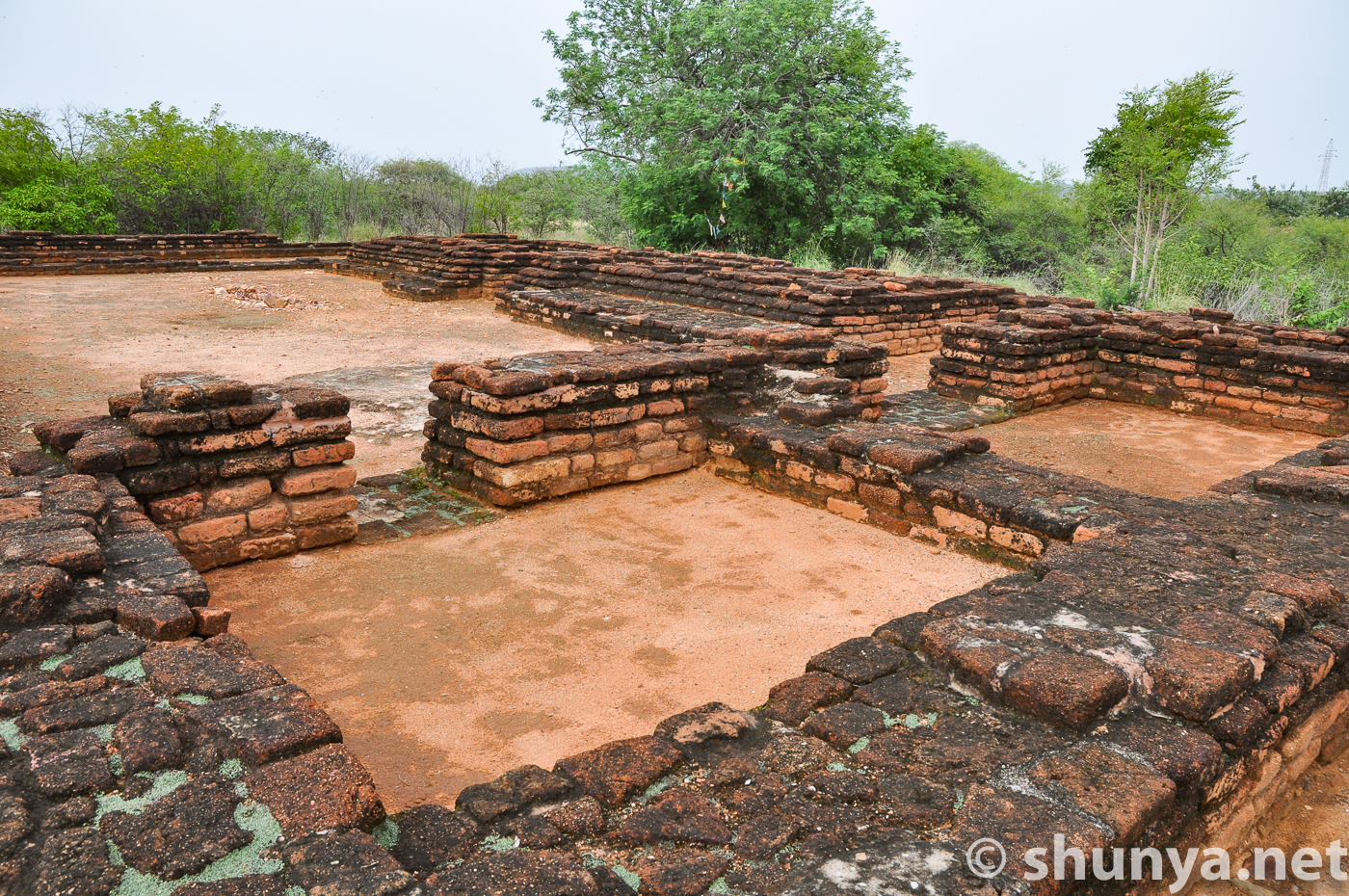
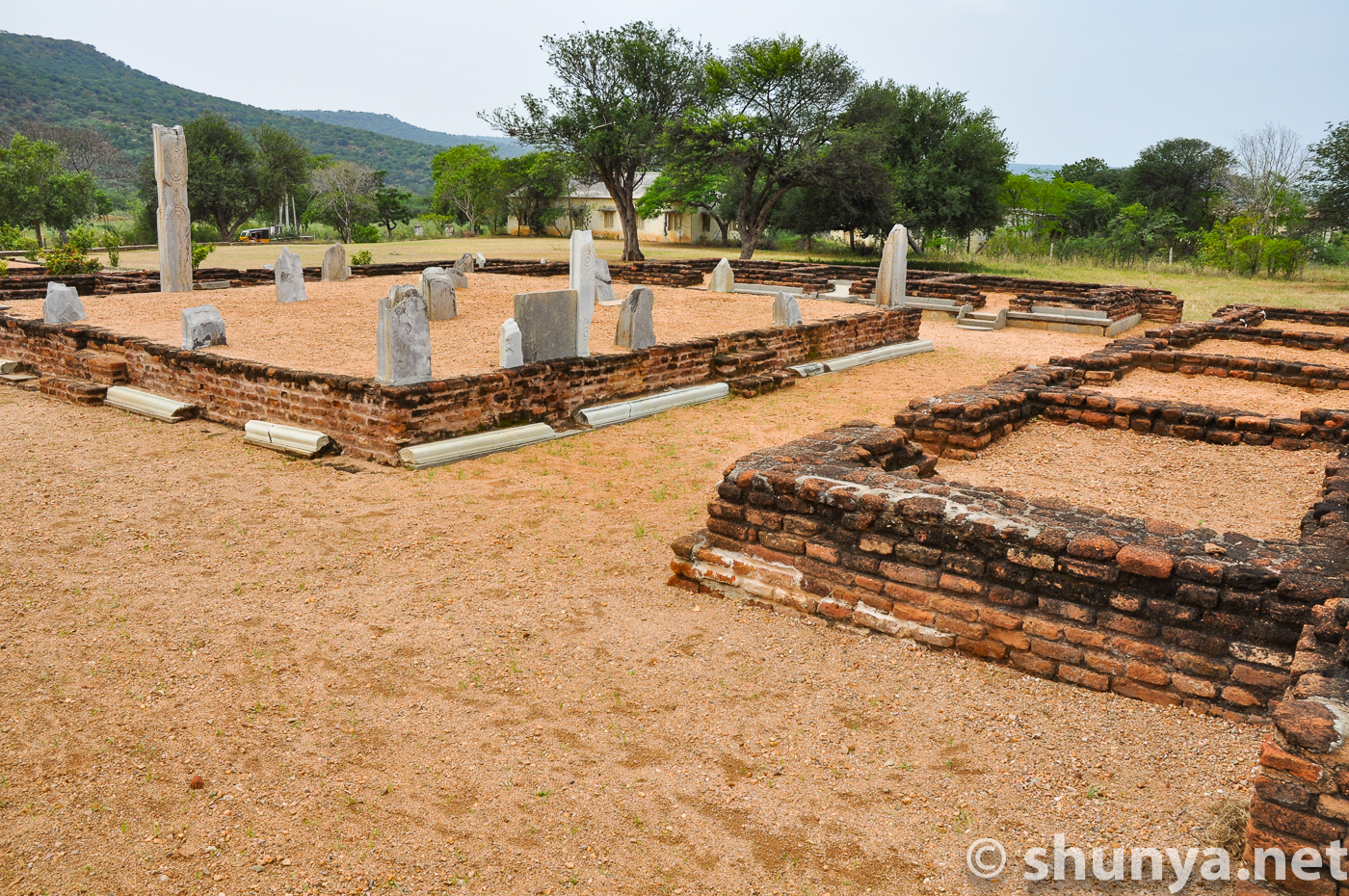
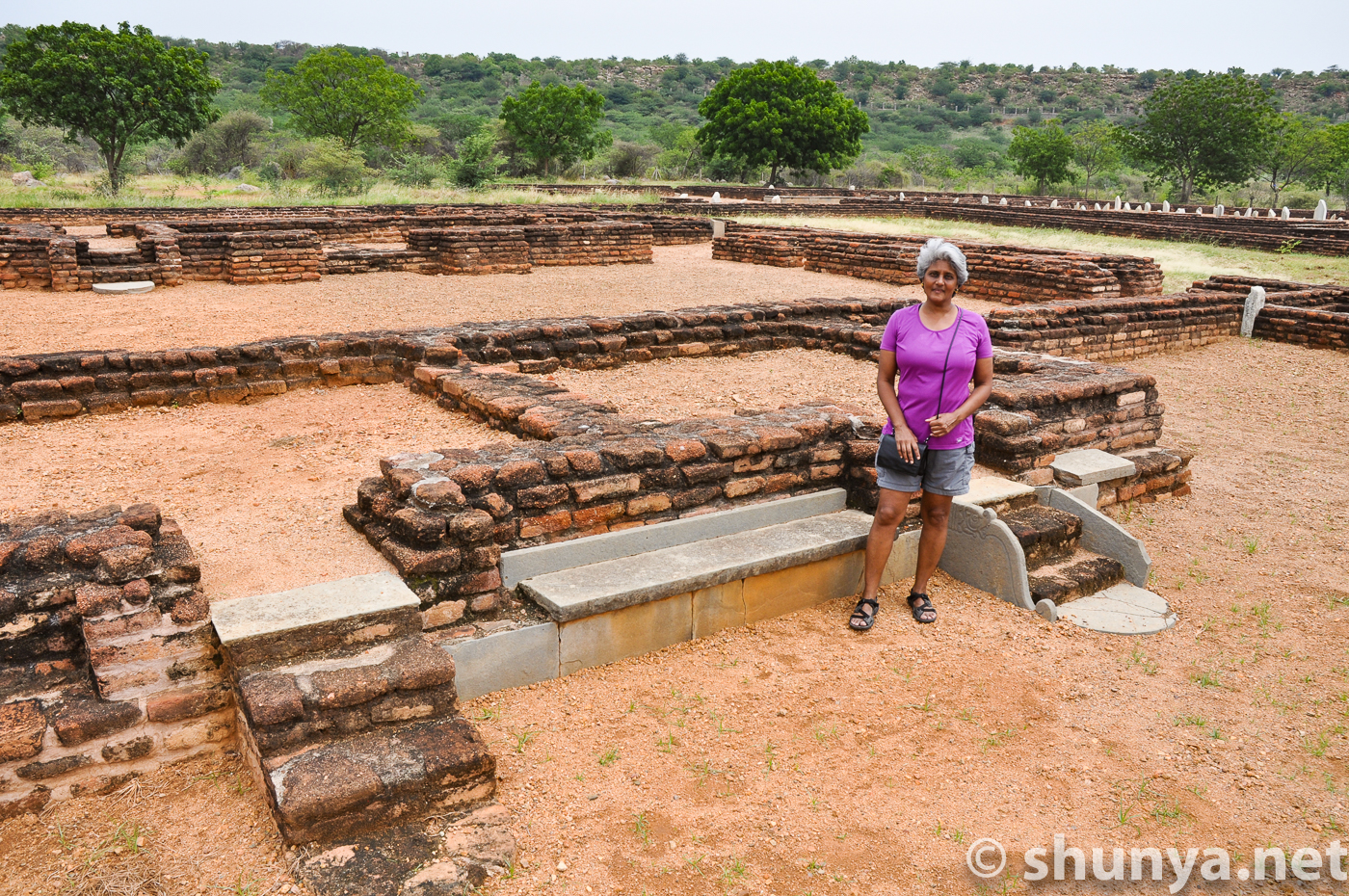
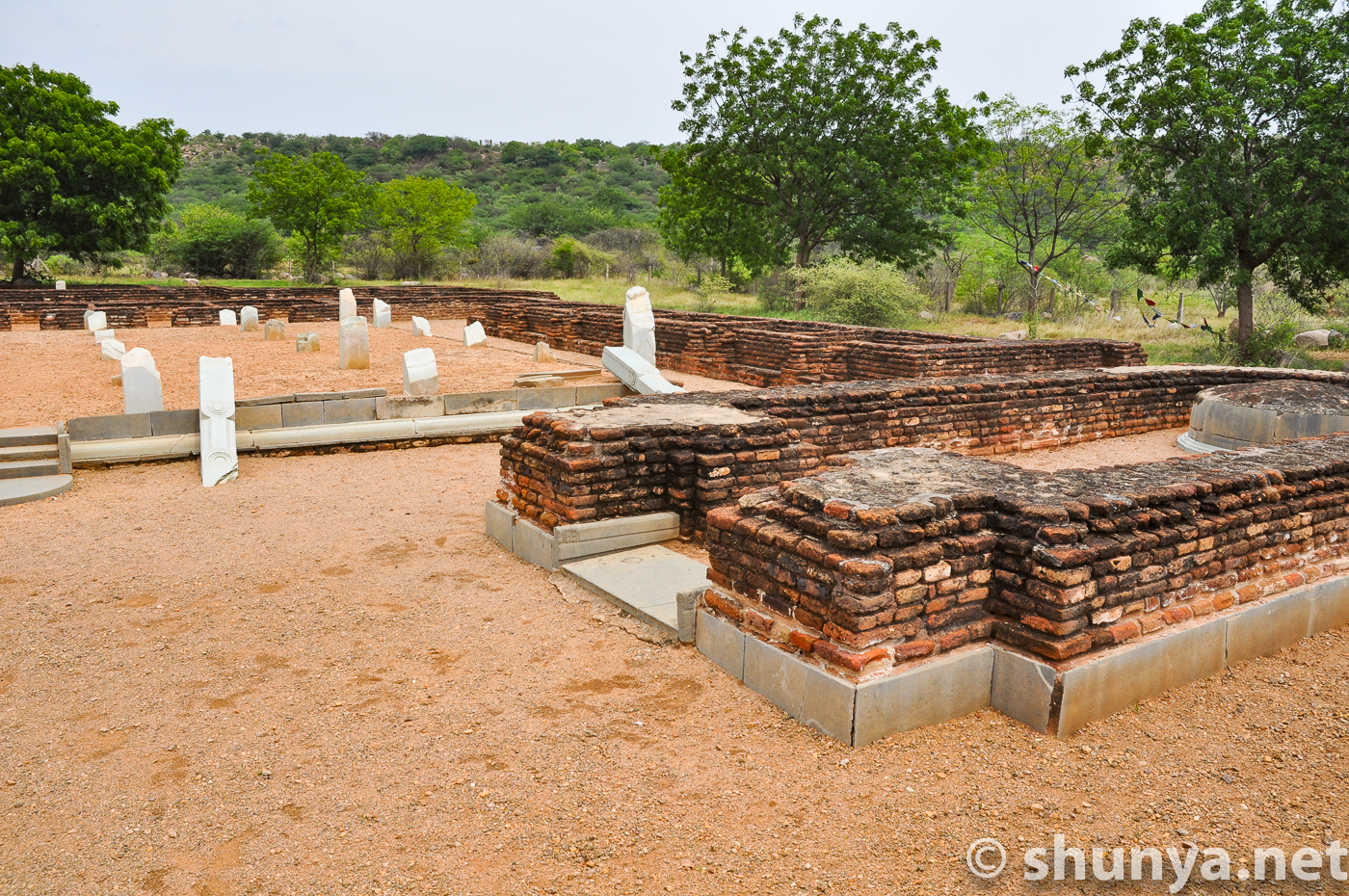
Monks' residential cells
|
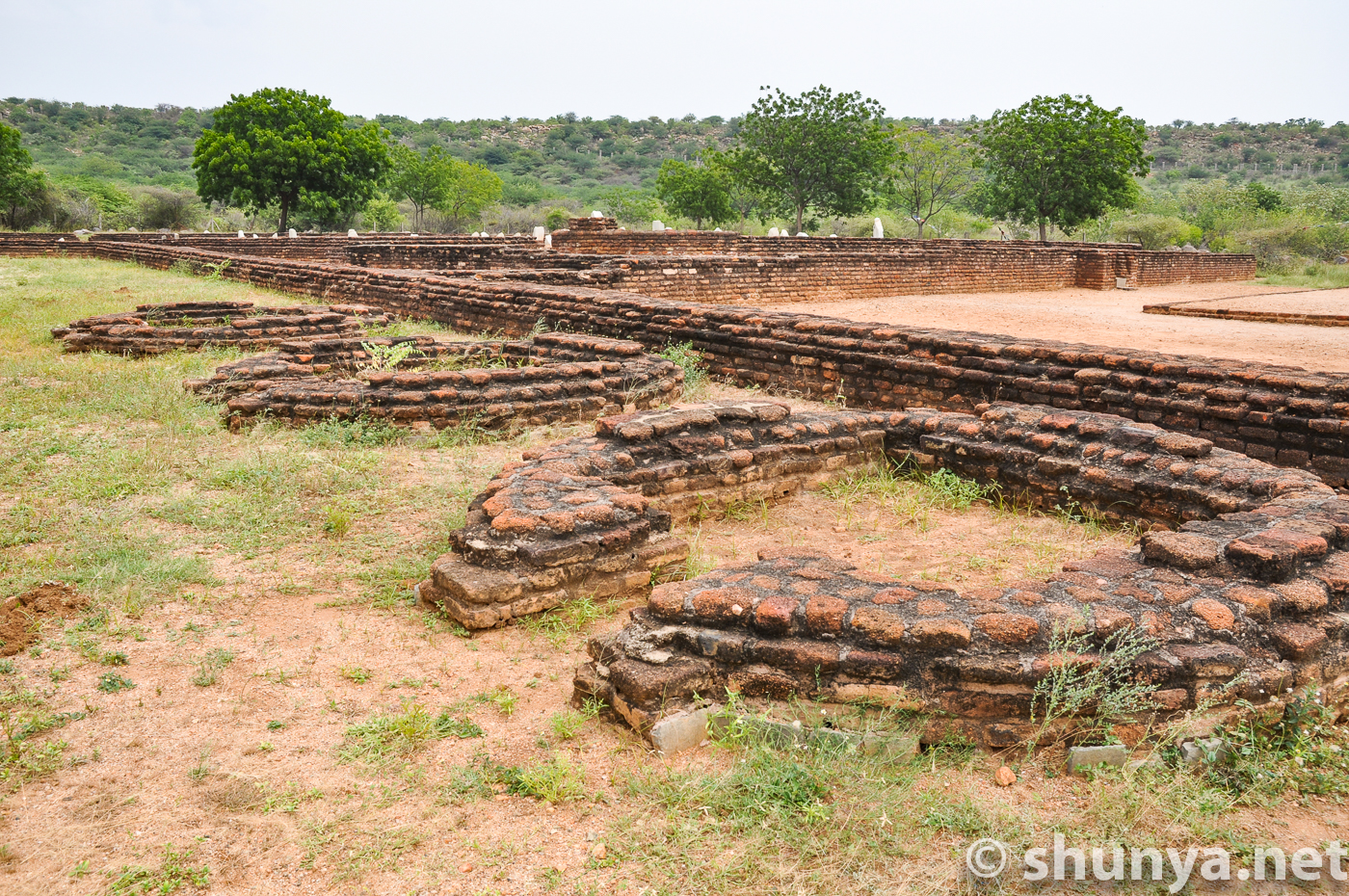
Stupa next to monastery
|
Stepping stones into a
|
Monks' residential cells
|
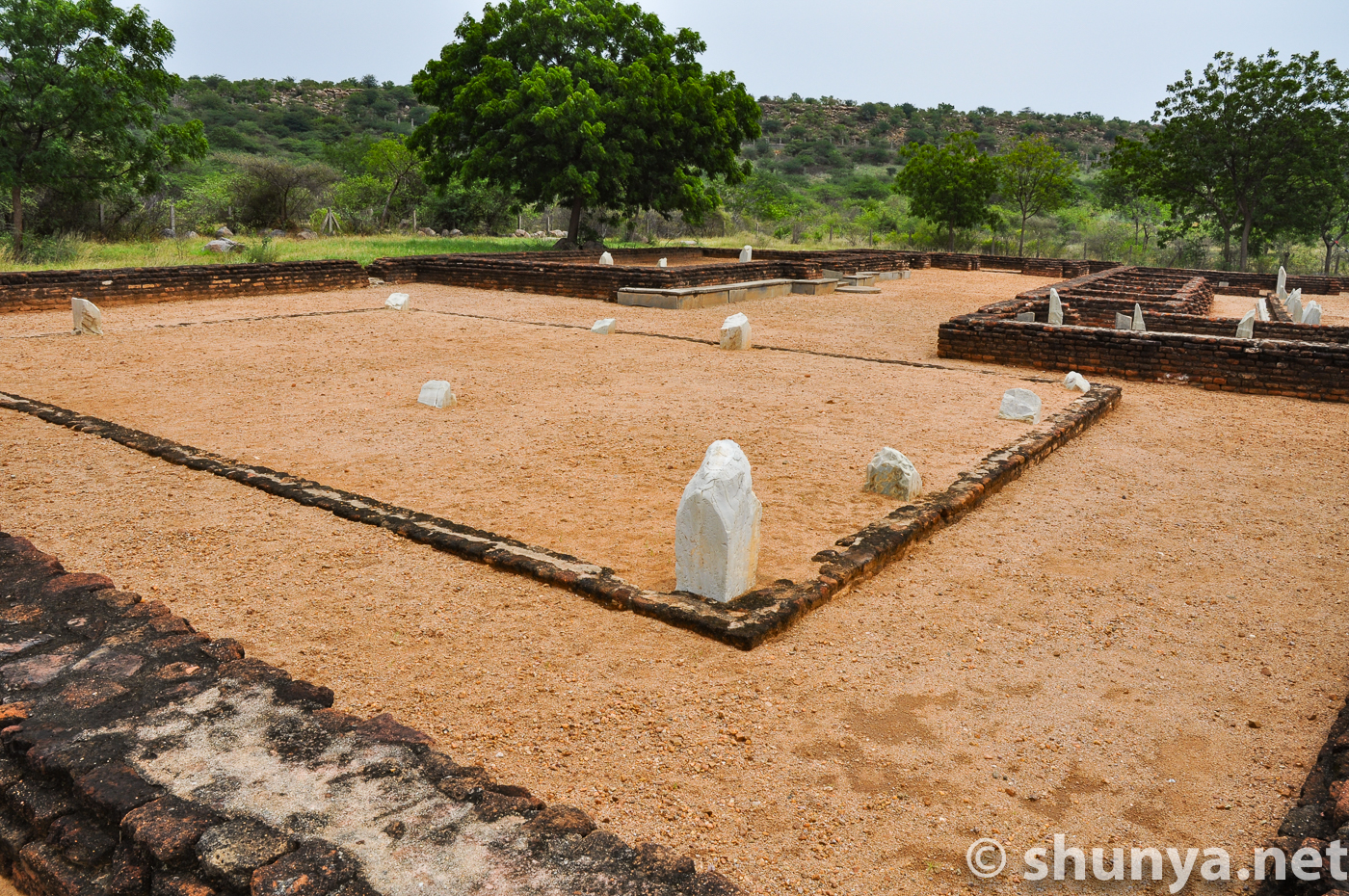
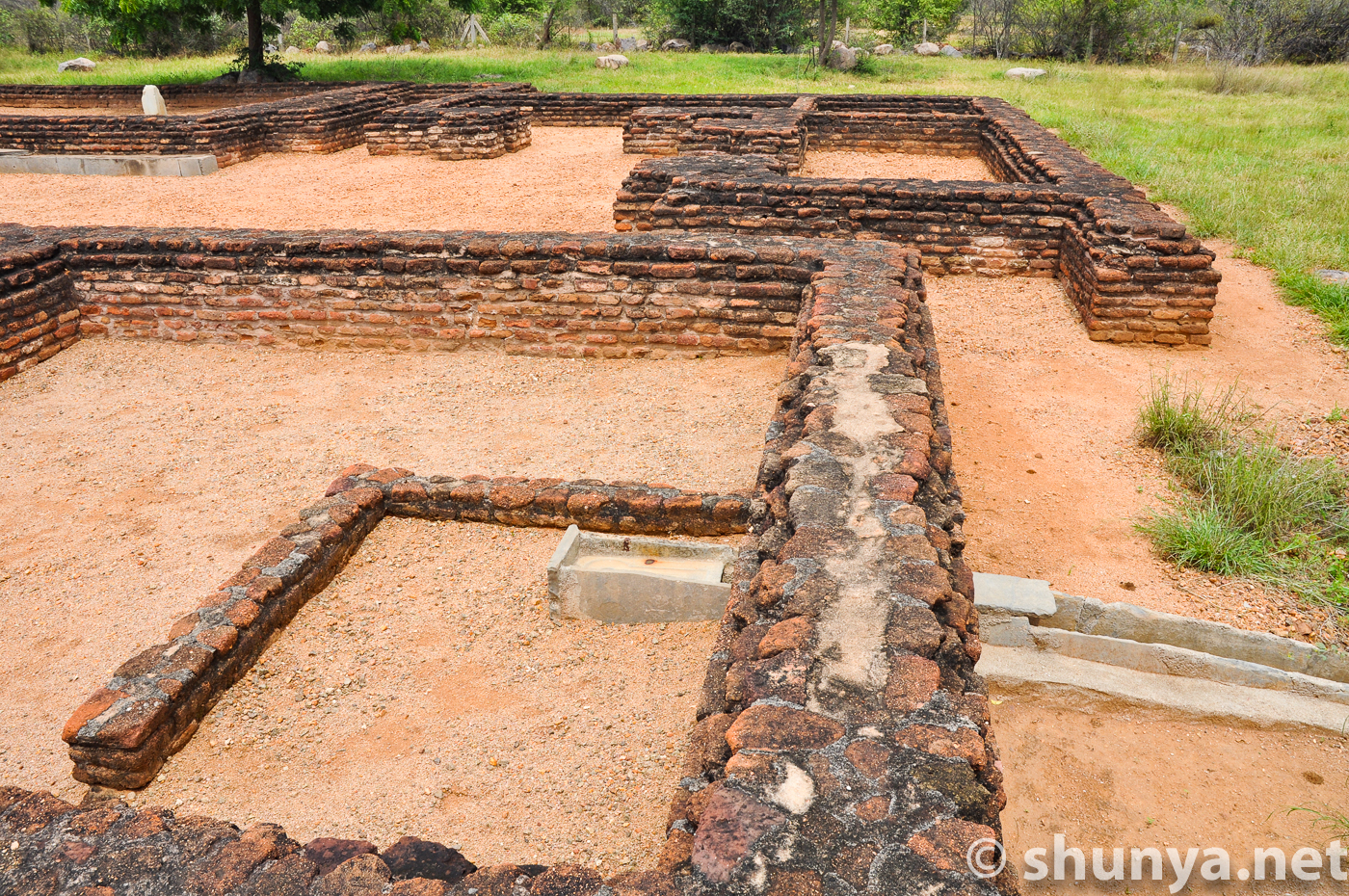
Stone walls
|
Rooms of the monastery
|
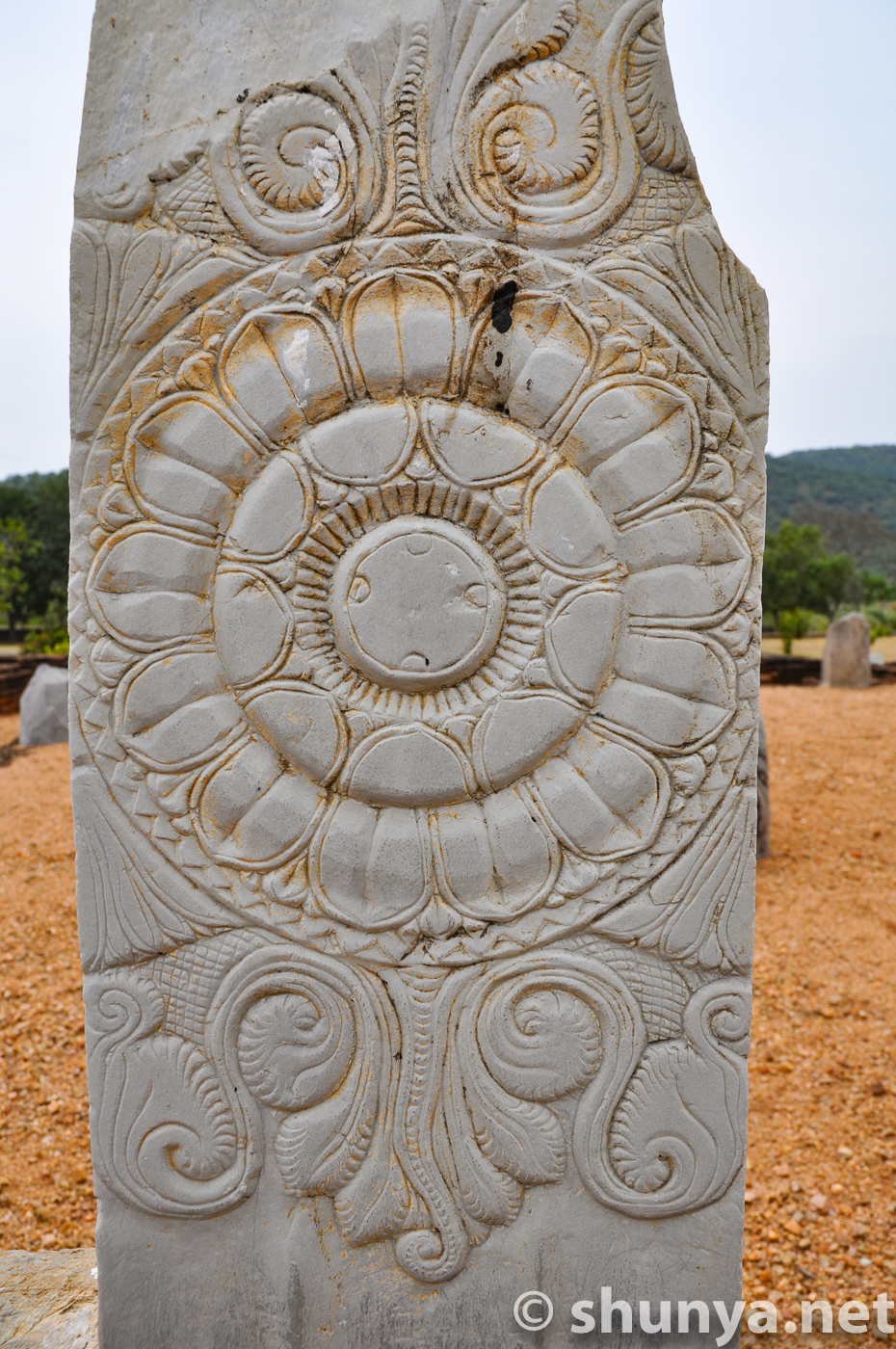
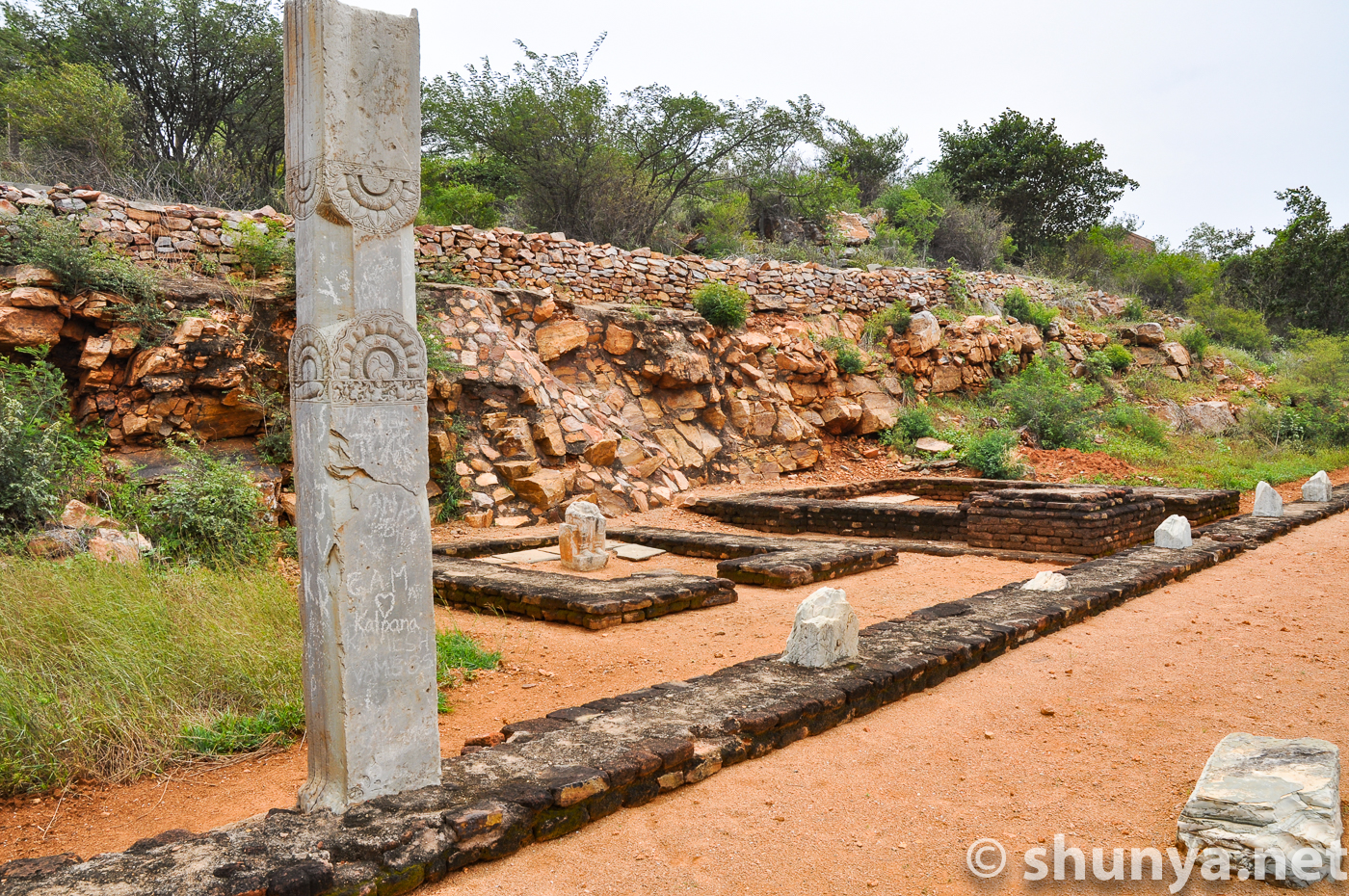
Carved pillar
|
Central courtyard with pillars
|
Monks's residential cells
|
Carved pillar
|
Monastery front
|
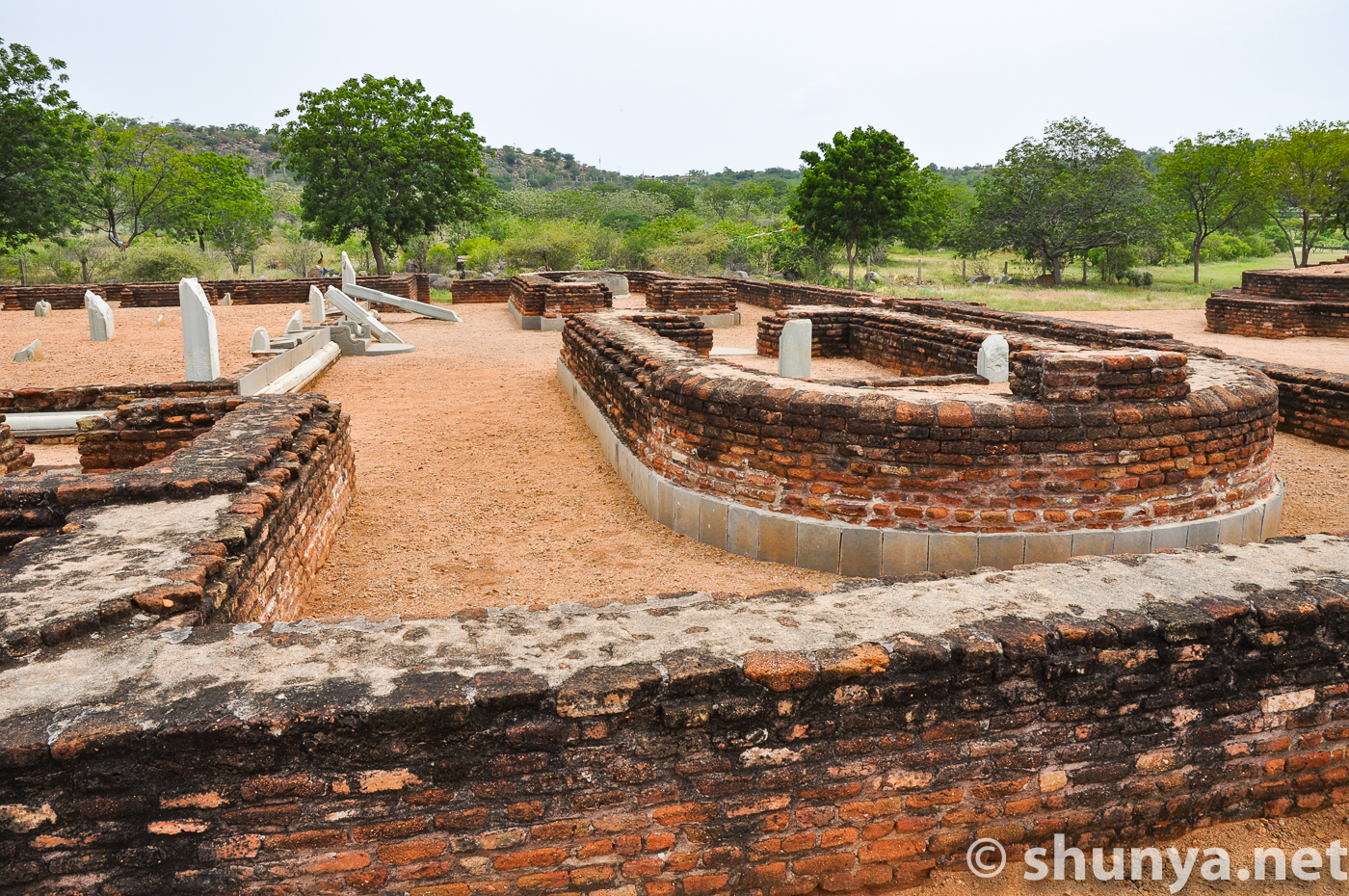
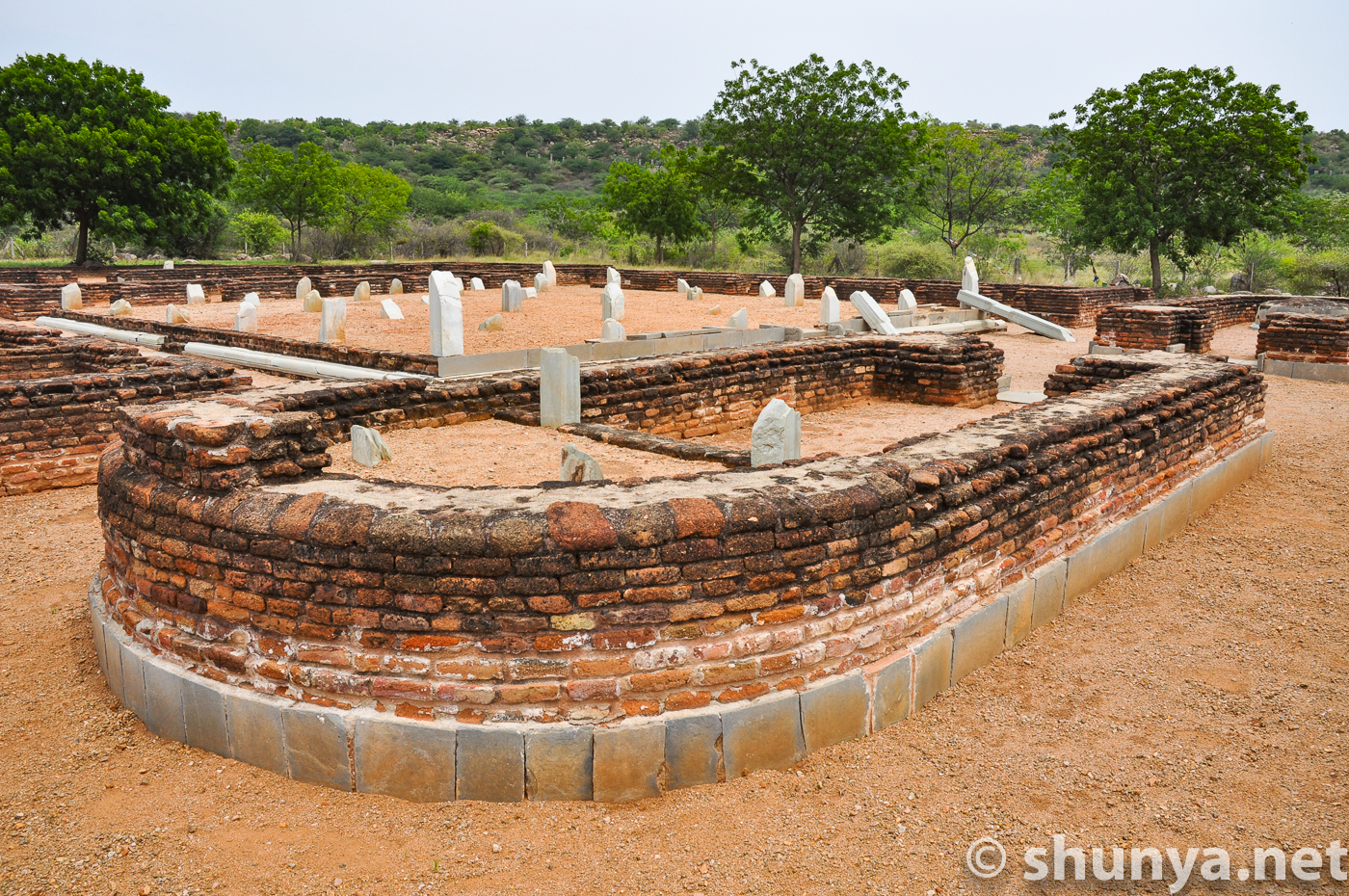
Apsidal chaitya
|
Apsidal chaitya (more)
|
Stone pedestal
|
Another monastery
|
Pillared hallways with
|
Courtyard and monks'
|
A bigger hall in the rear
|
Ancient corridor
|
A shared toilet
|
A shared toilet
|
Outer rooms
|
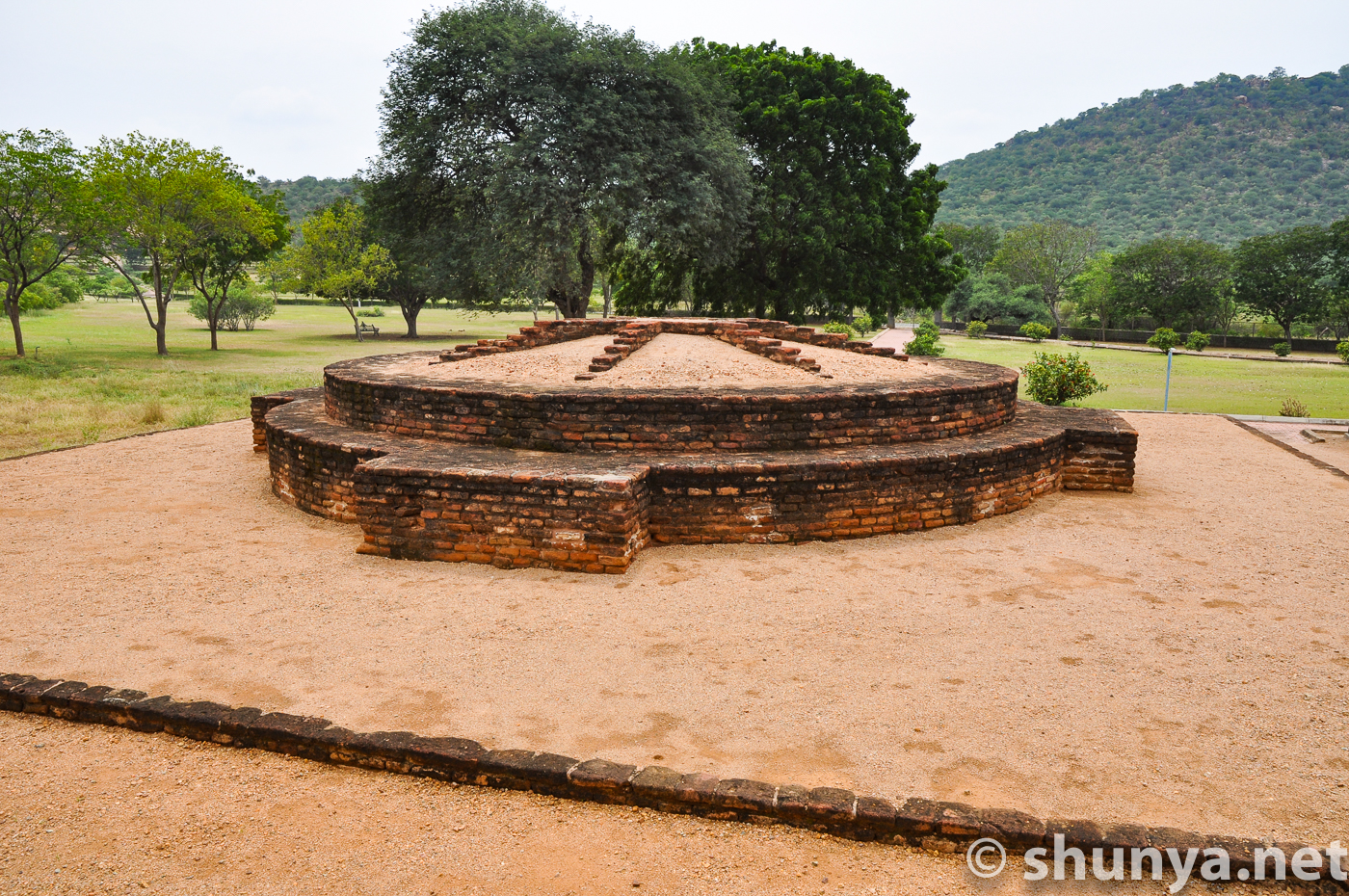
Stupa by the monastery
|
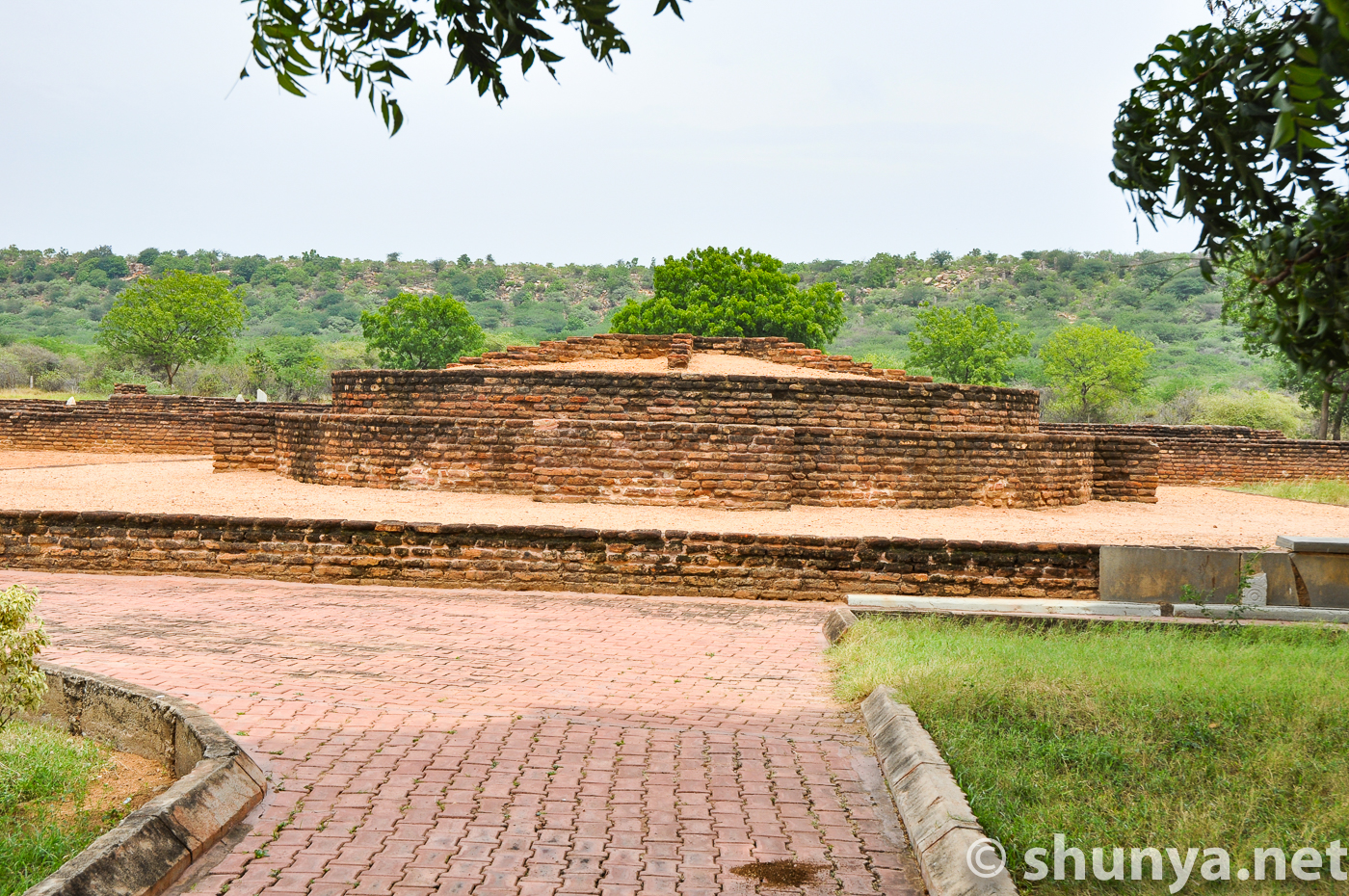
Stupa by the monastery
|
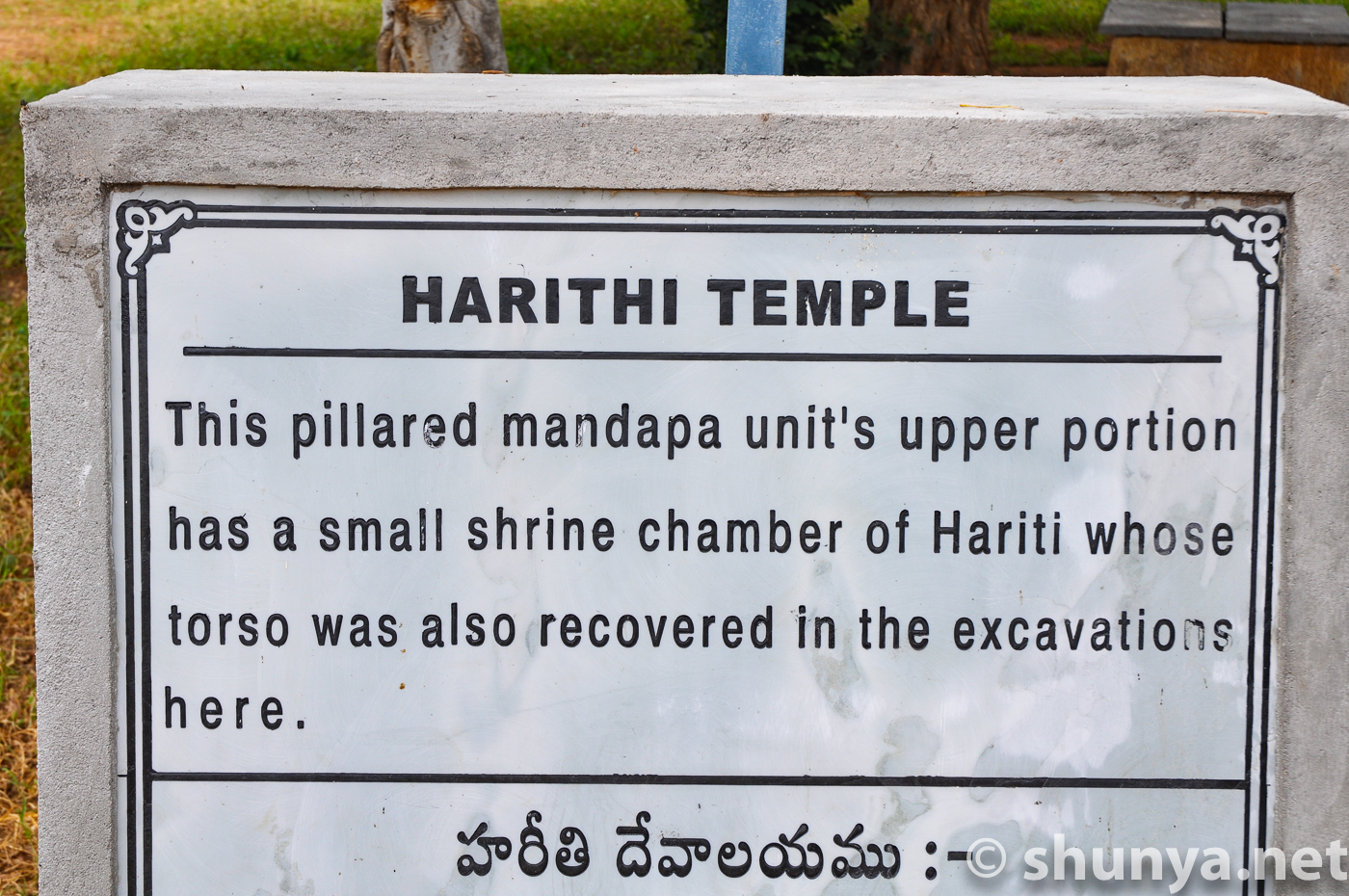
Hariti goddess temple (info)
|
Protector of children (info)
|
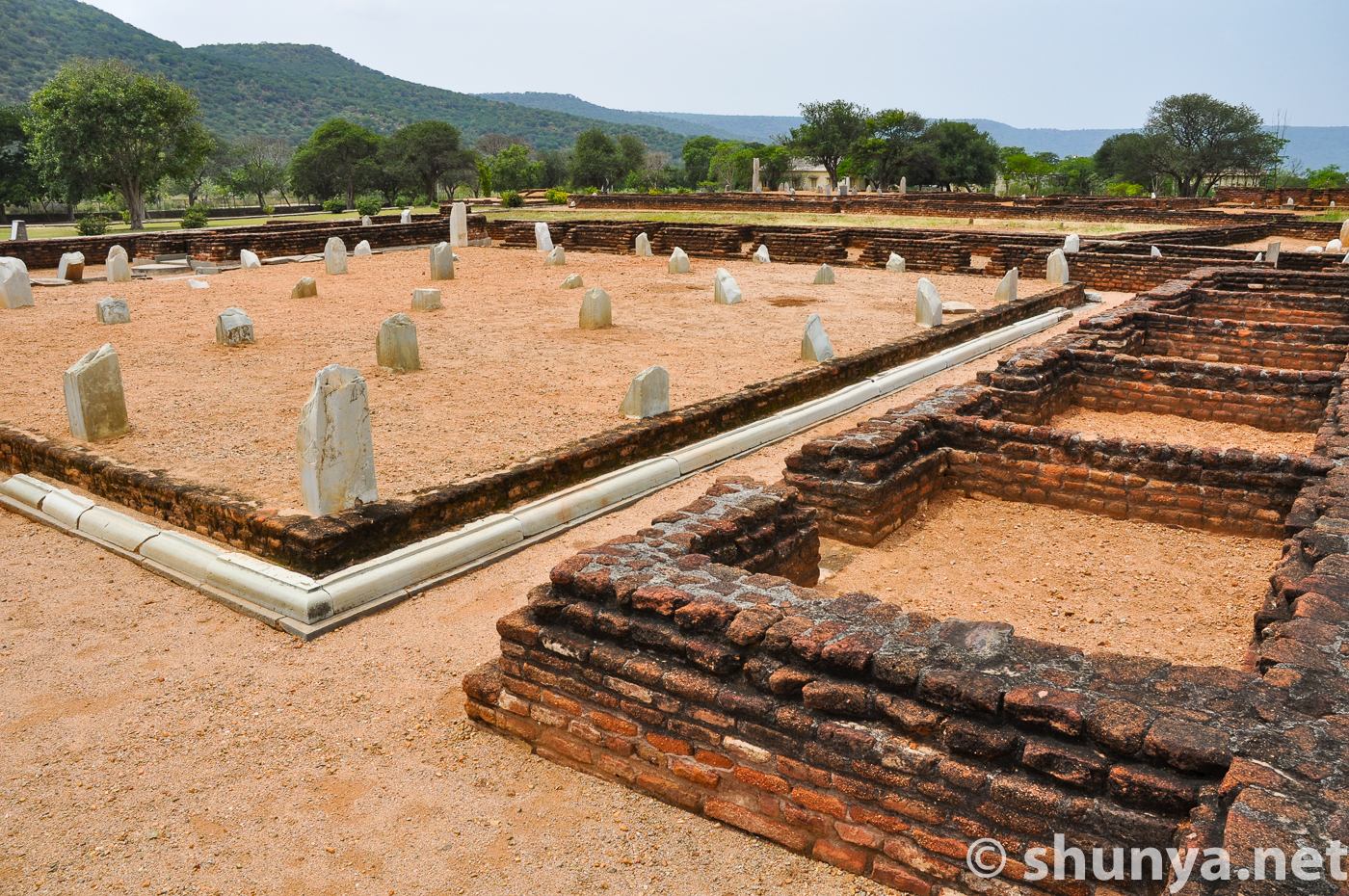
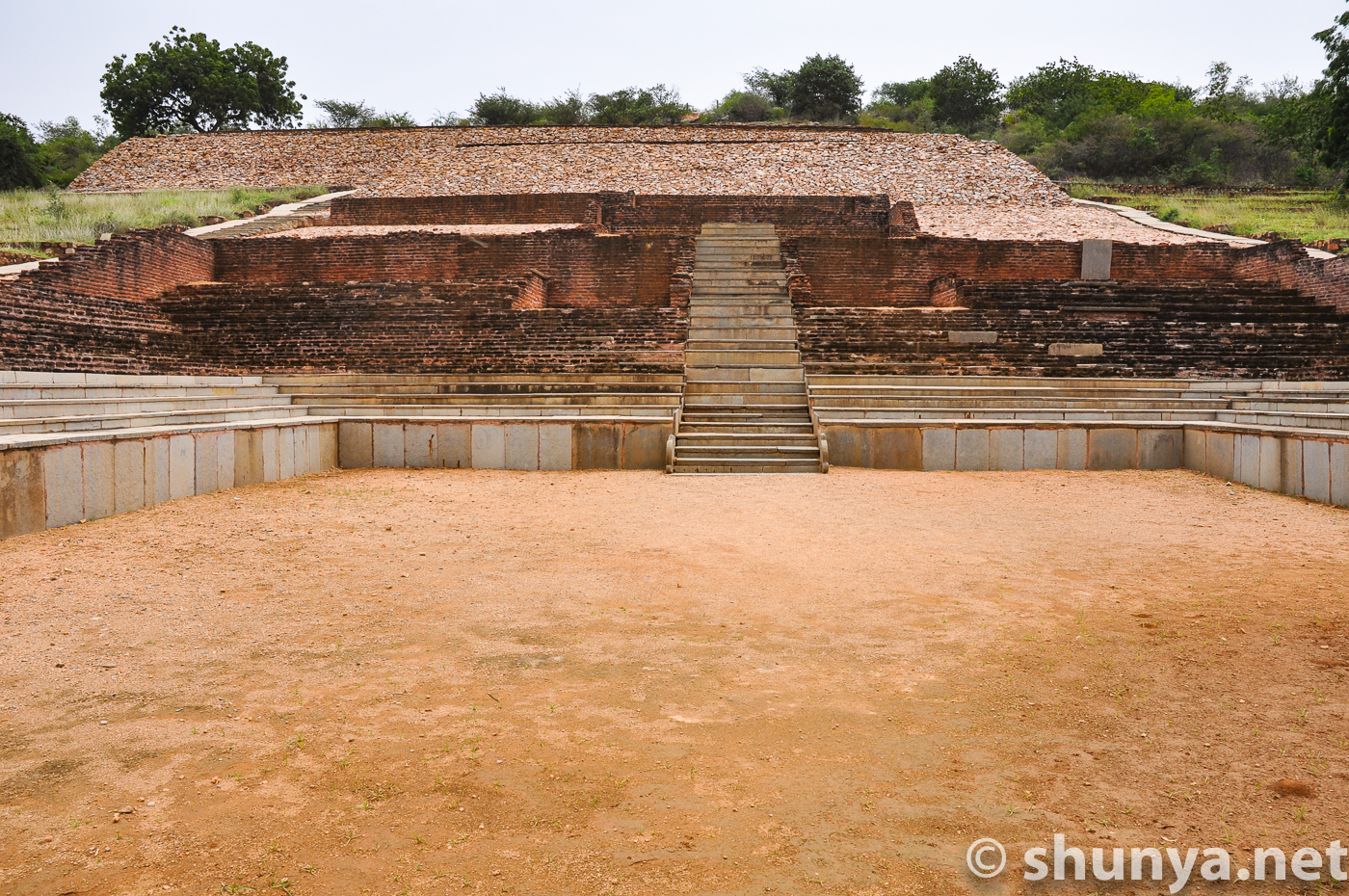
Approaching amphitheater
|
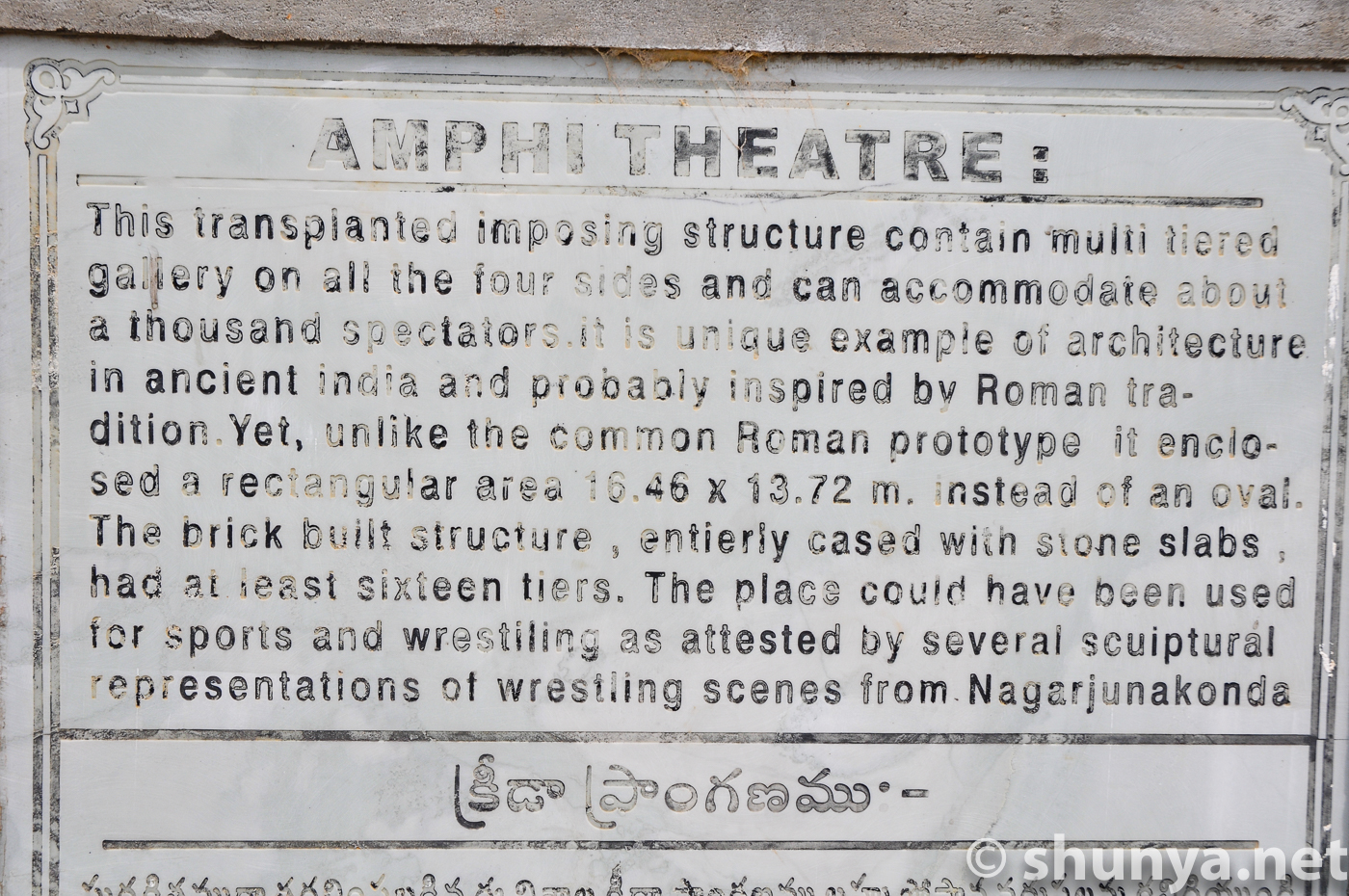
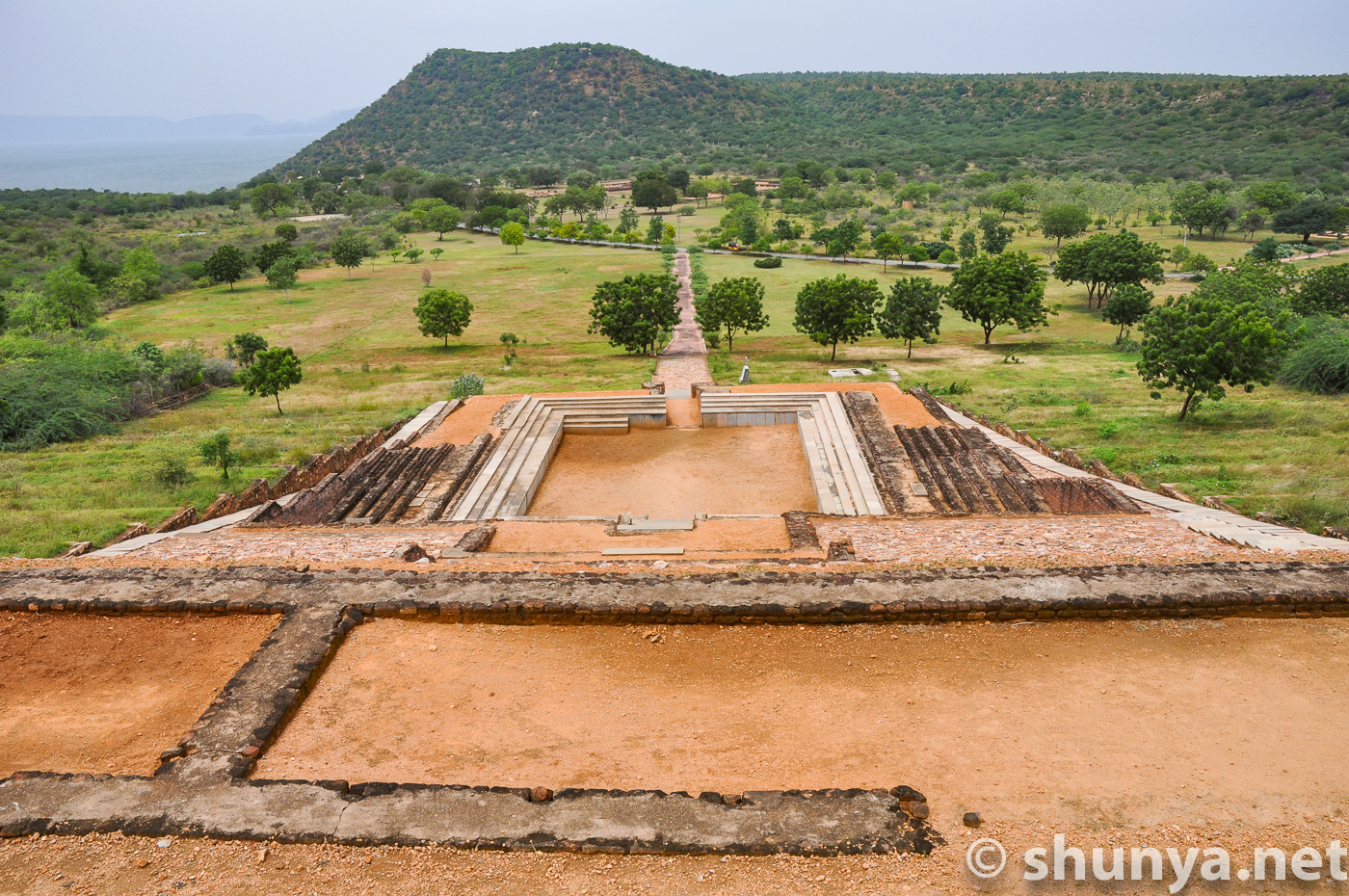
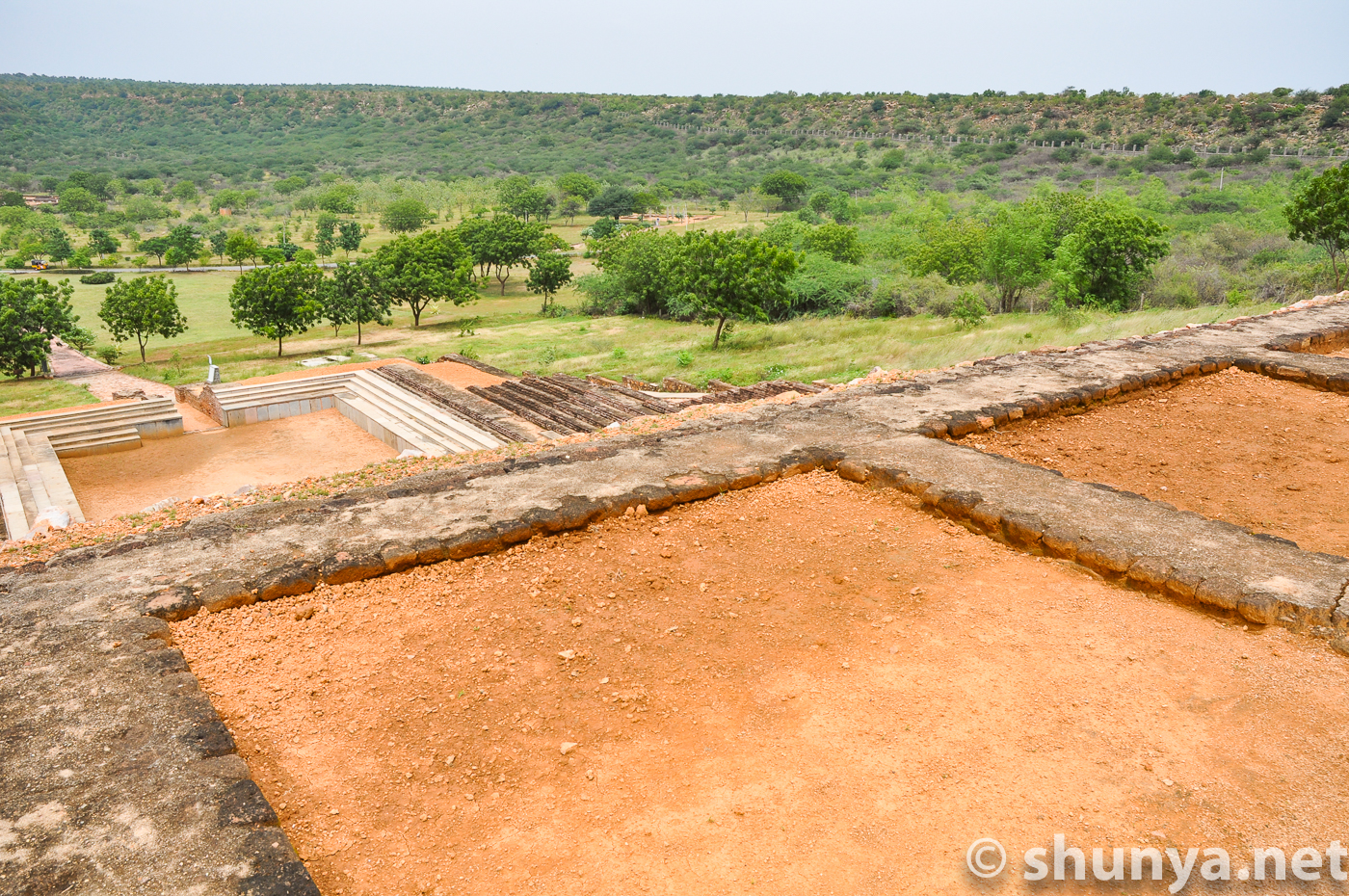
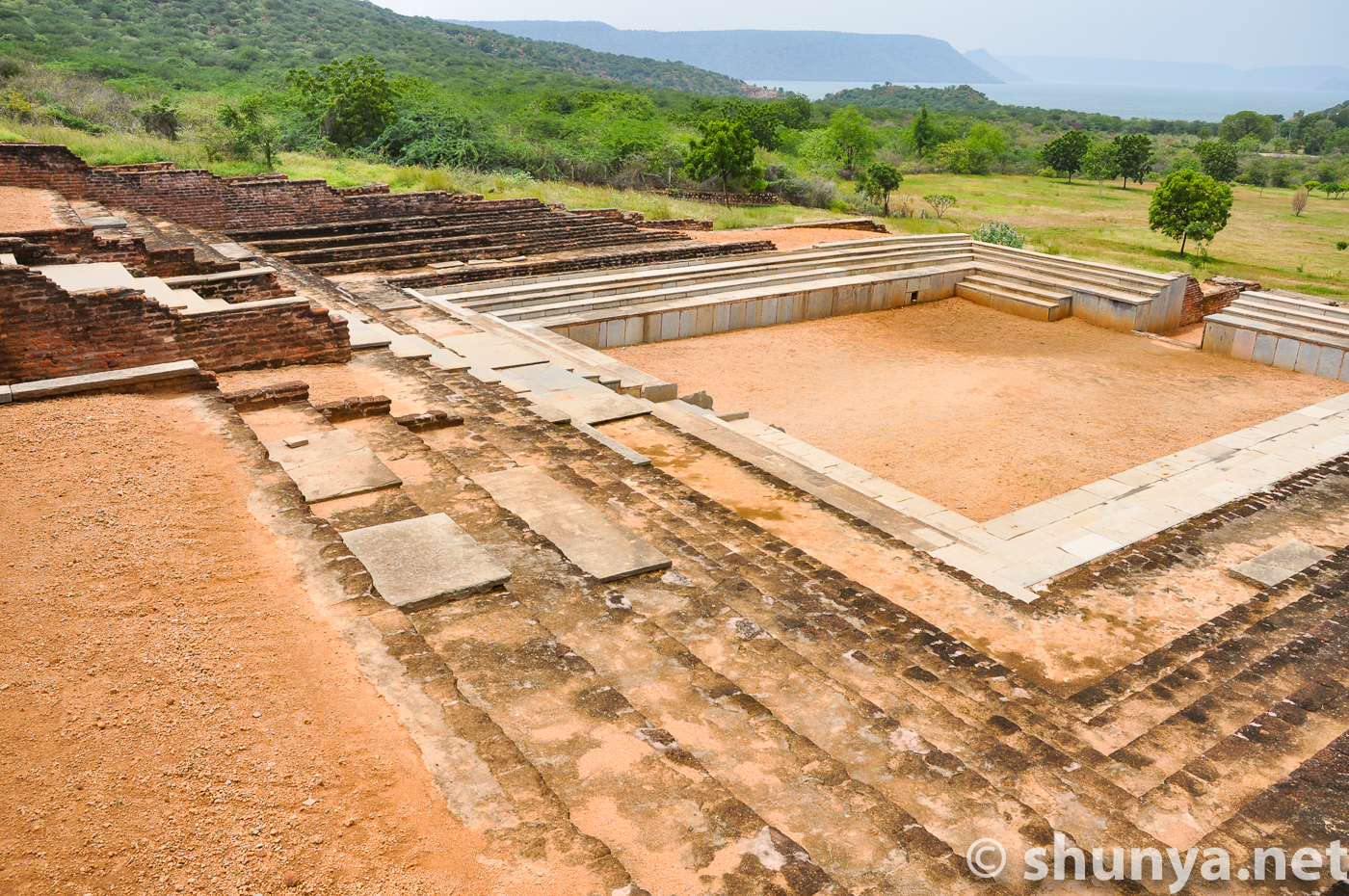
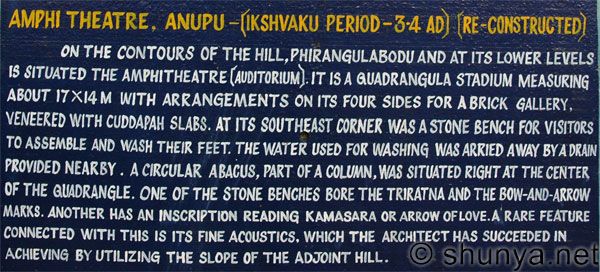
The Amphitheater of
|
One amphitheater found
|
Well-designed acoutics,
|
Royalty sat above in a
|
Space for public debates,
|
... music and theatre acts,
|
Likely inspired by Ikshvaku
|
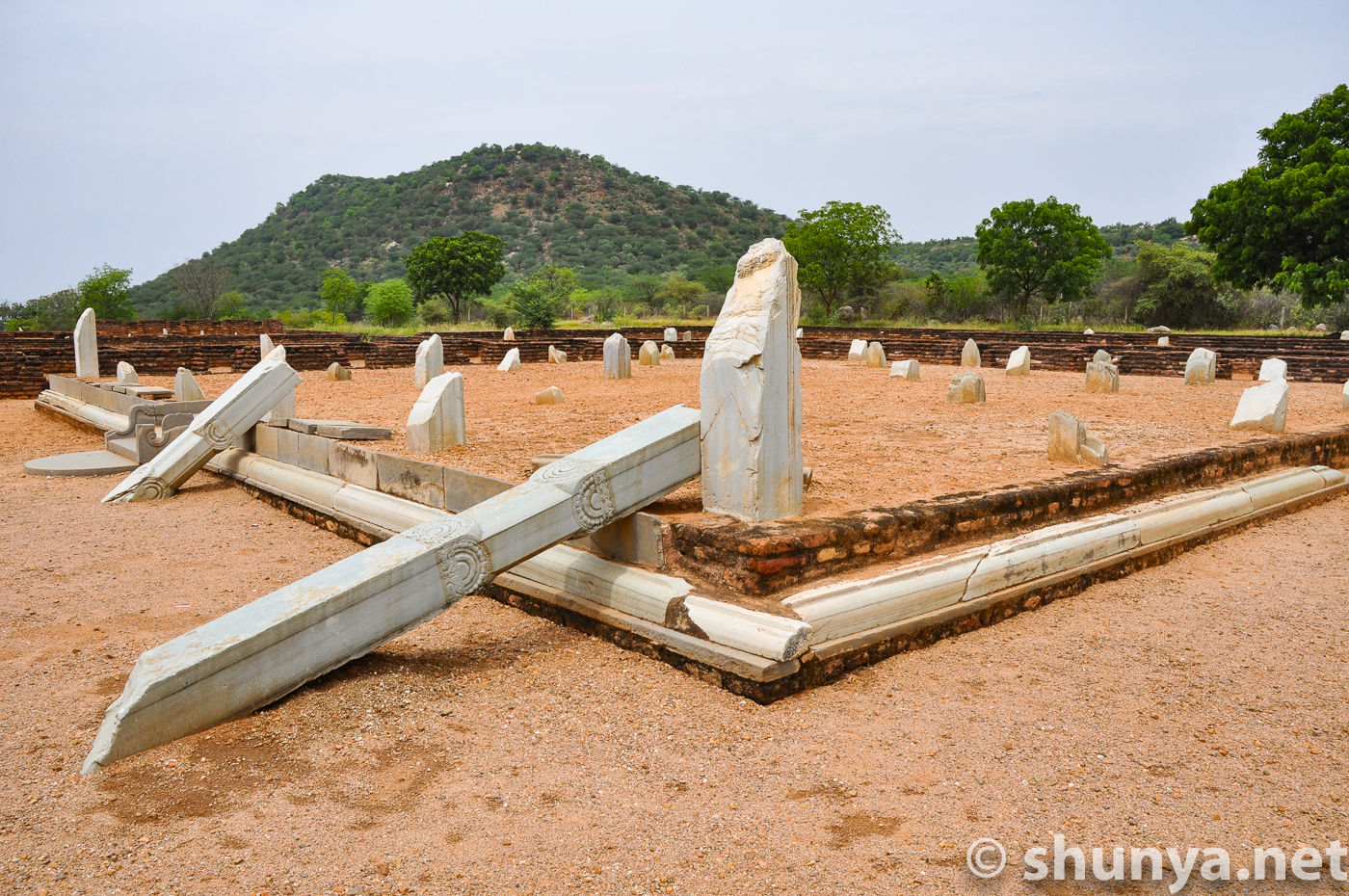
Temple structures on top
|
Pillar carving
|
Hariti shrine on top (more)
|
Once a pillared hall on top
|
|
Pictures of Anupu in this shaded inset are from January 2006 |
|||
Medicine school 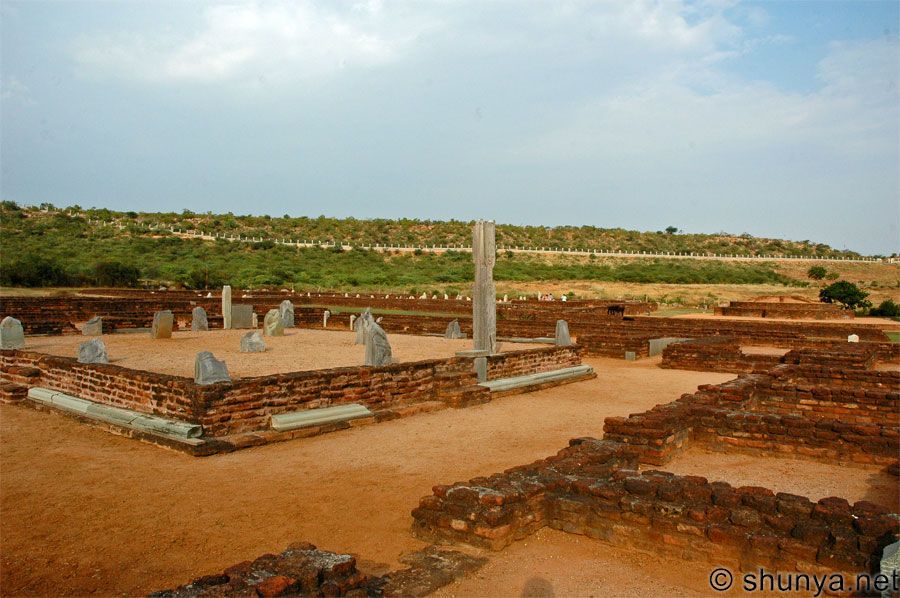 |
Rooms 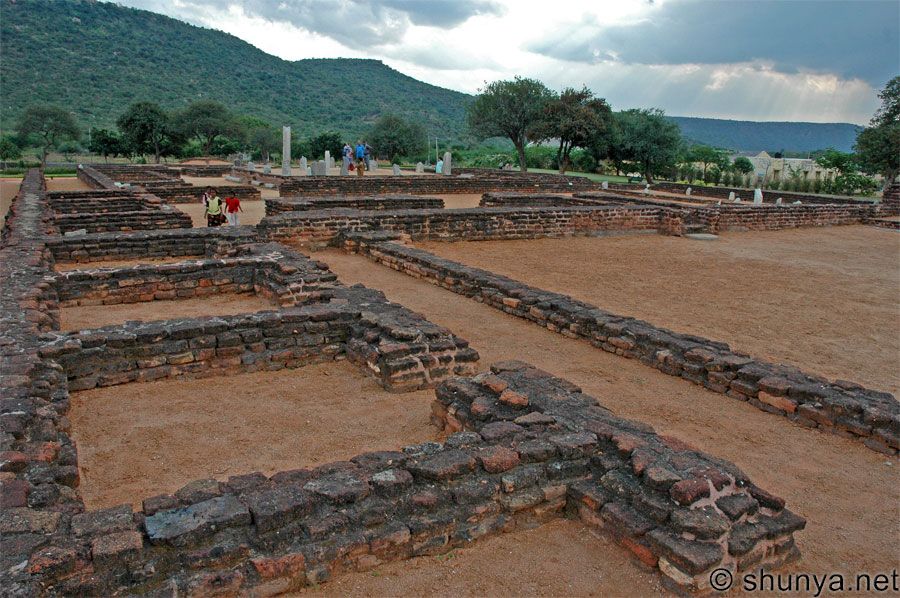 |
Lecture hall 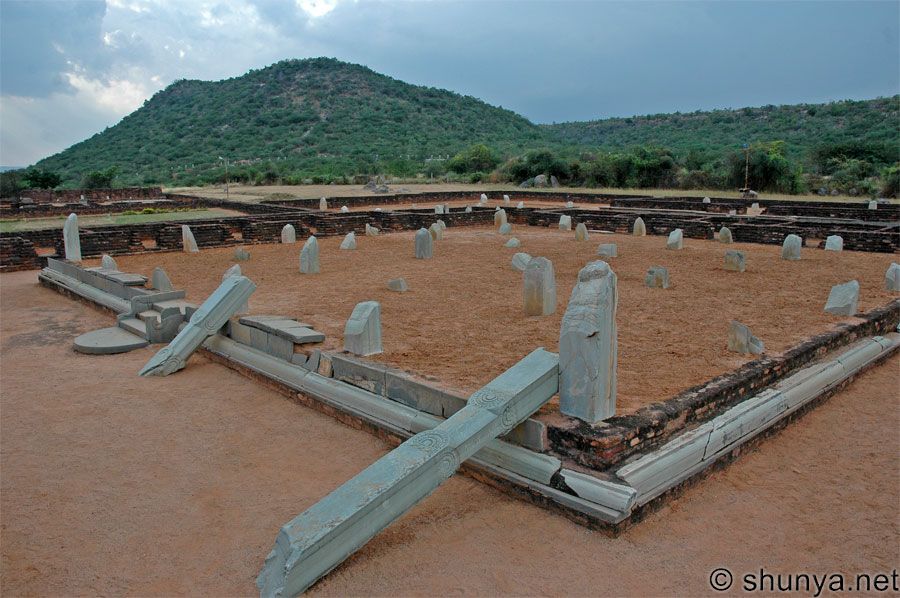 |
Chaitya 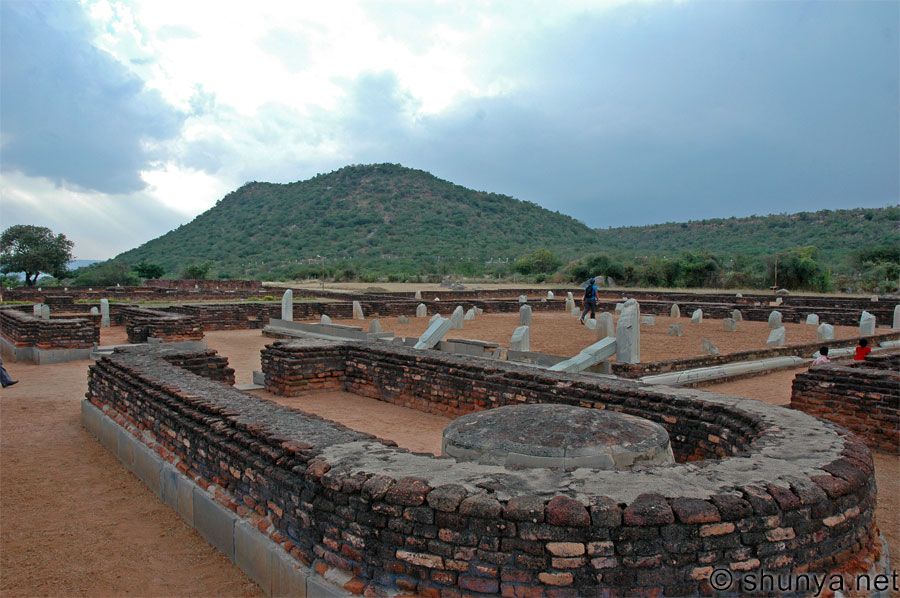 |
|
Mas ruinas 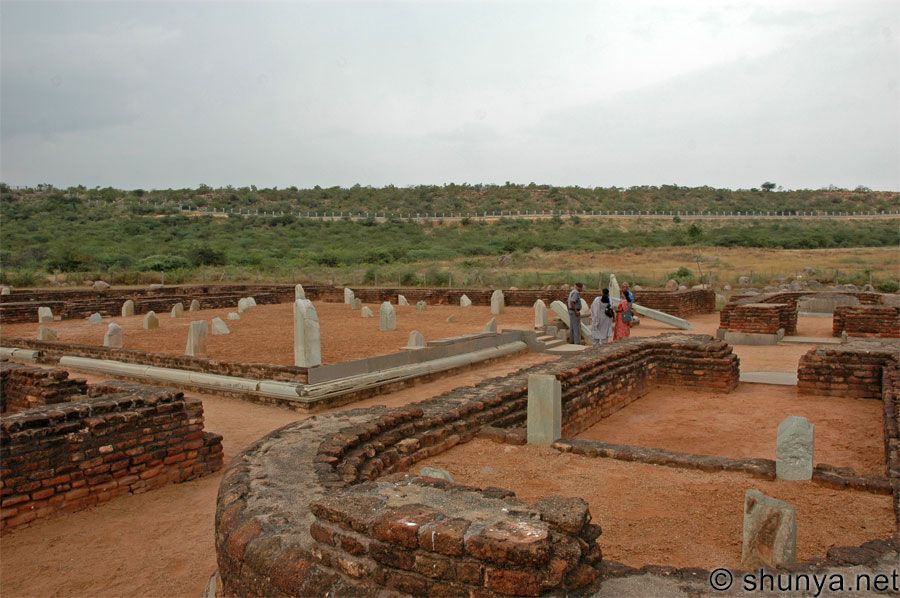 |
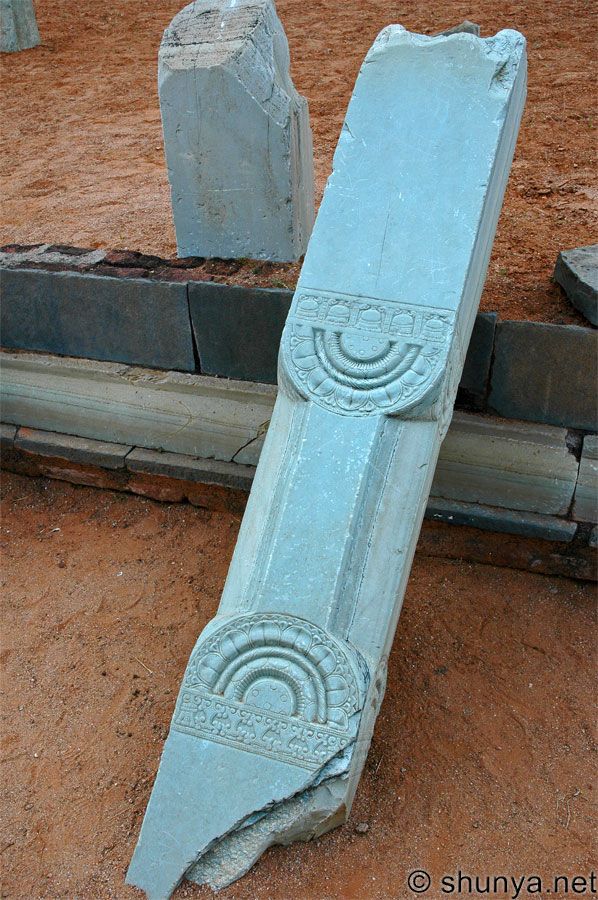
Pillar detail (more) 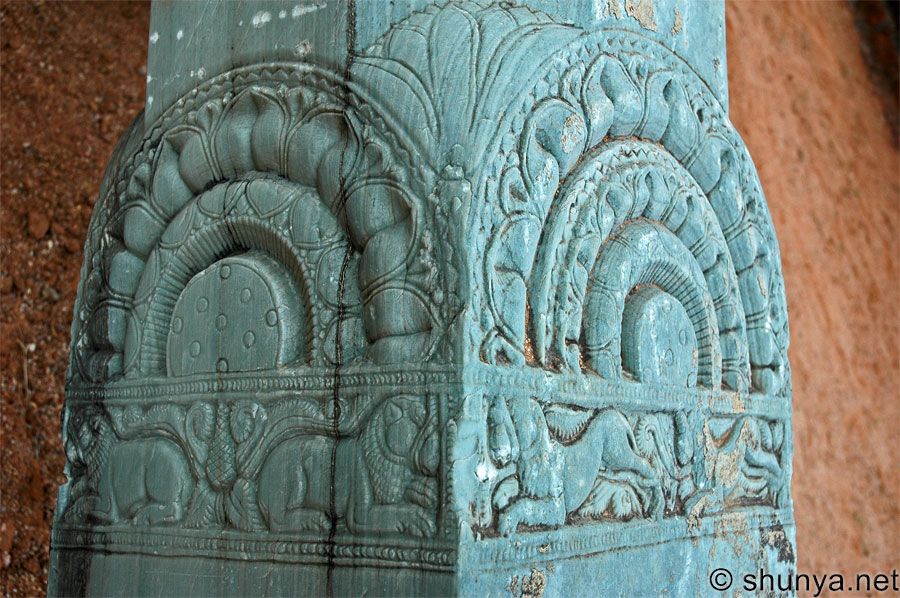 |
Stupa base 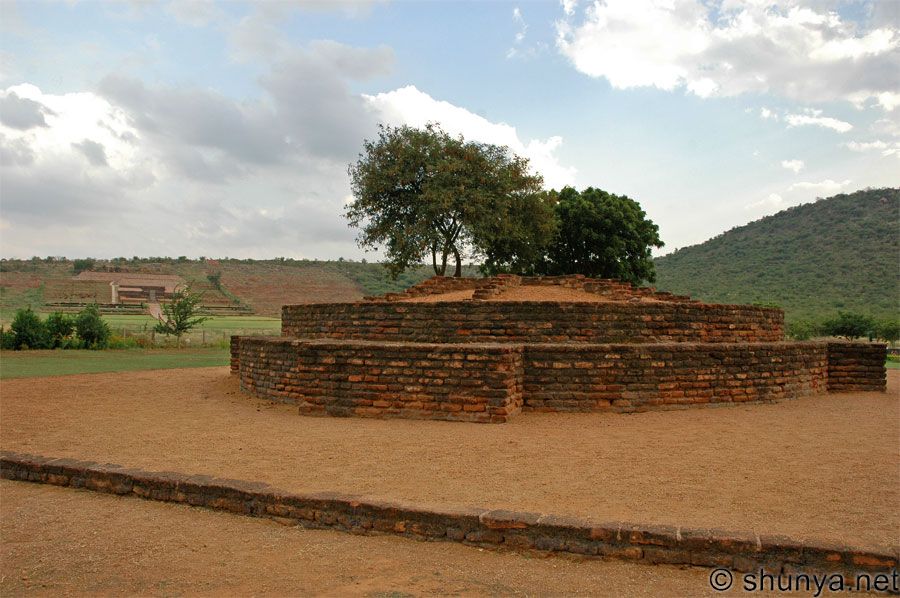 |
Amphitheater ▒ 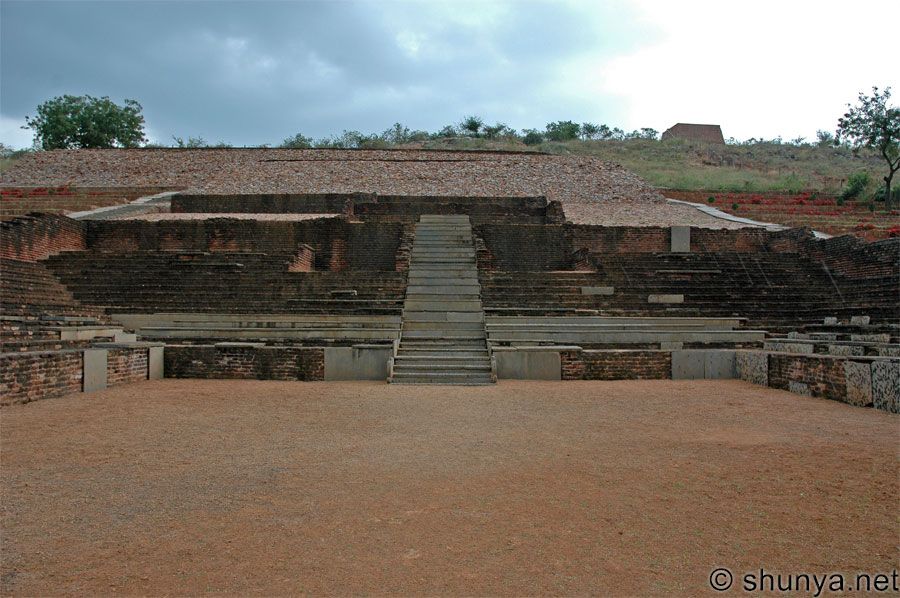 |
|
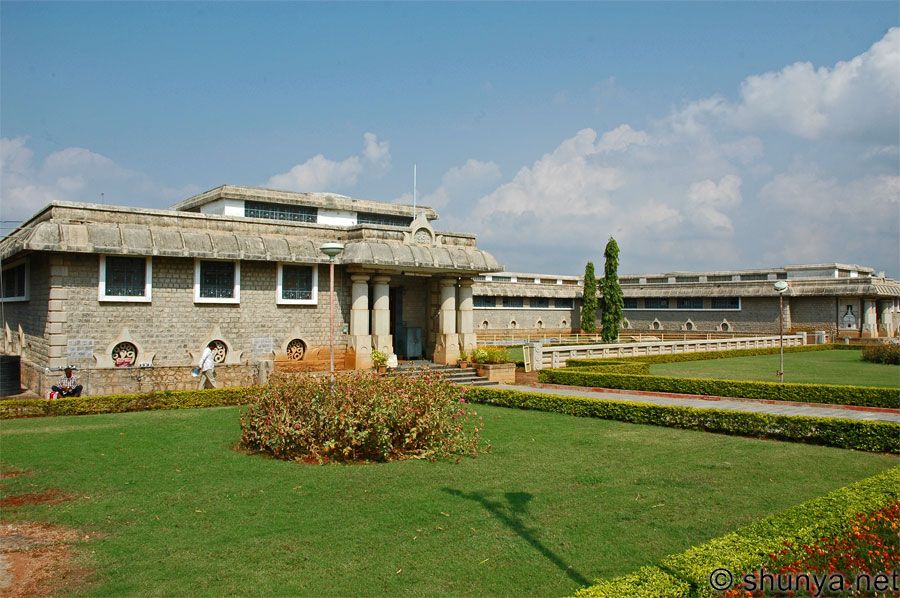
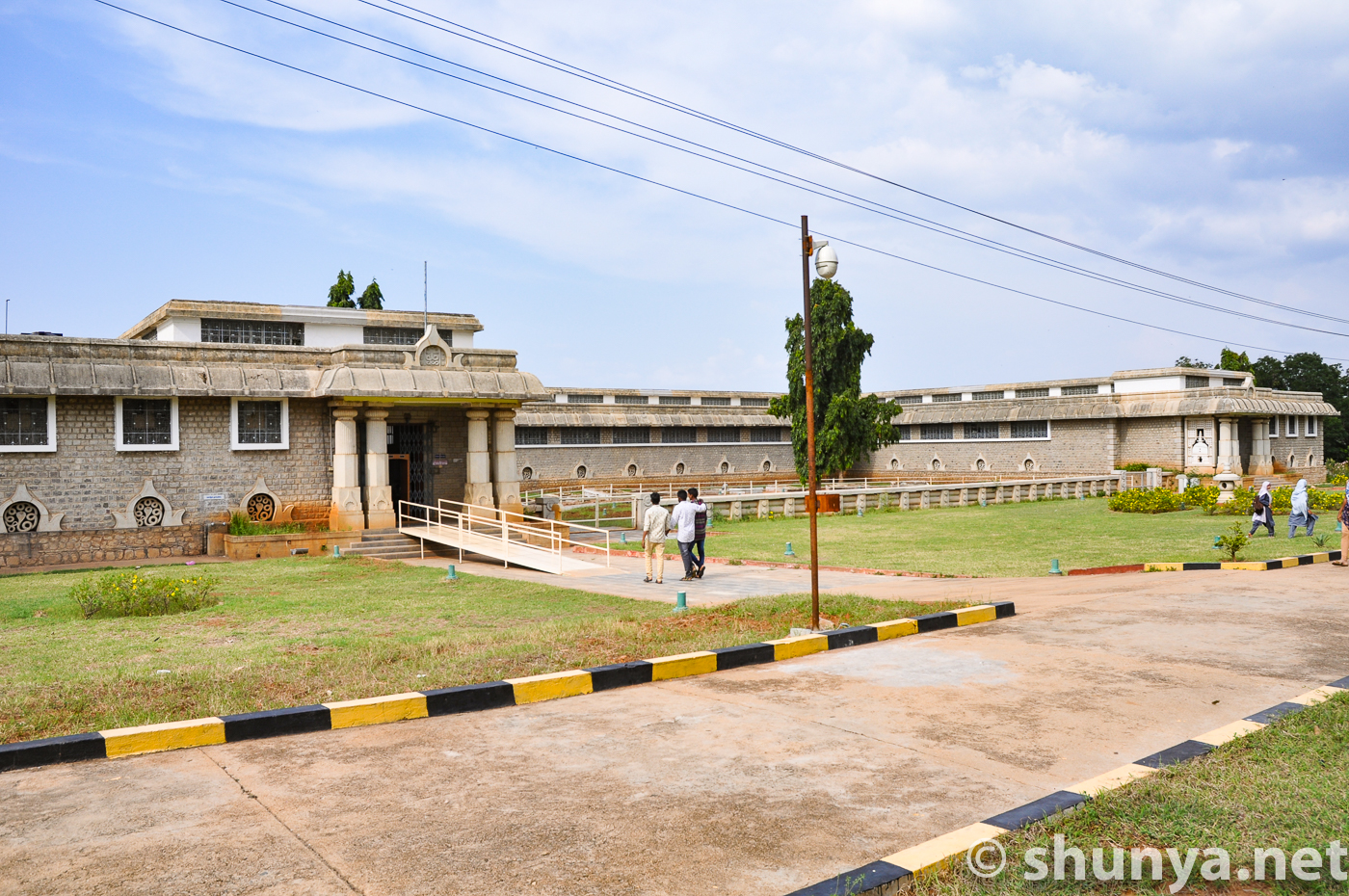
ASI Museum on Nagarjunakonda Island (2018) |
|||
Museum building
|
|
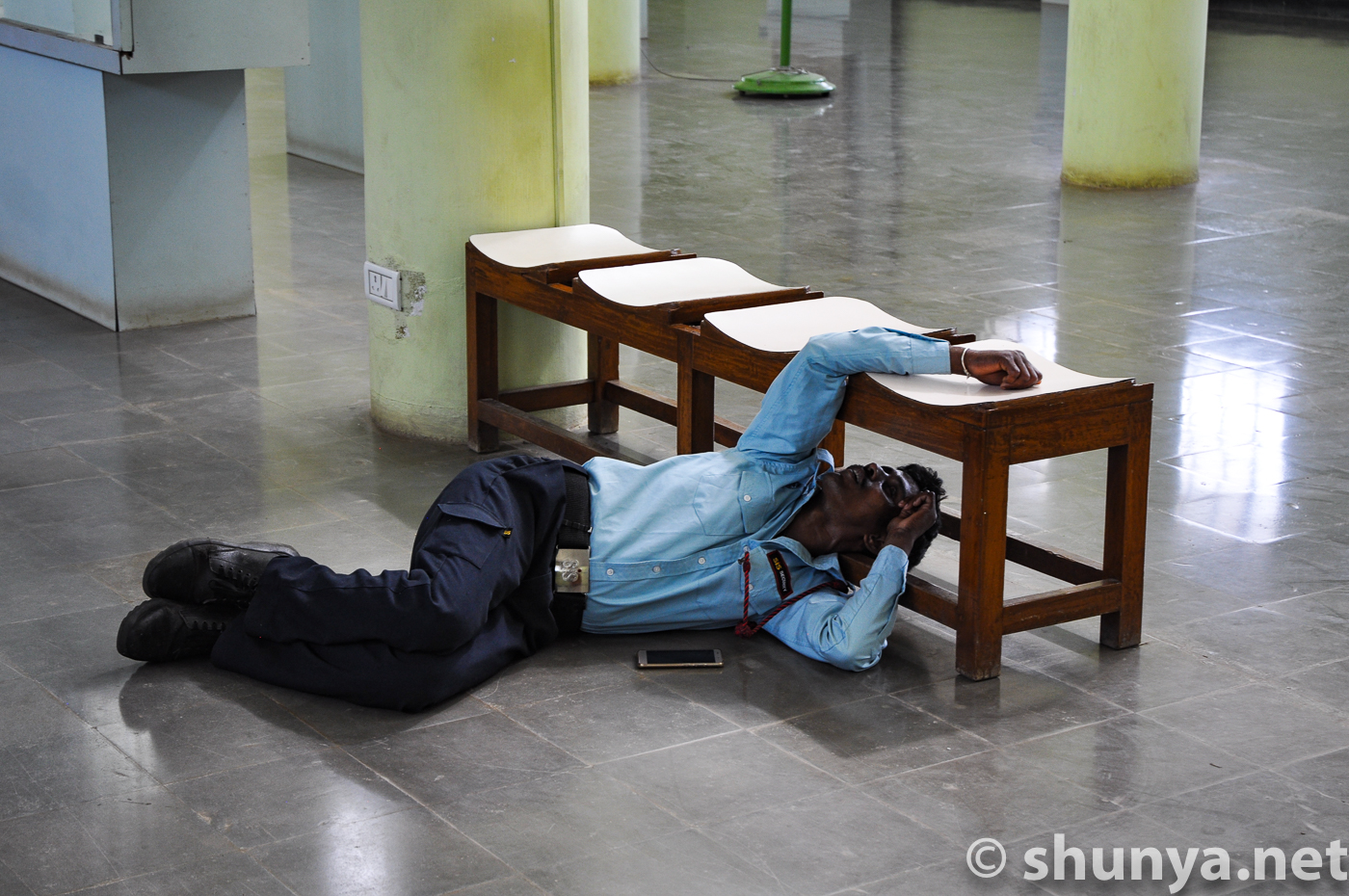
Guard napping in the
|
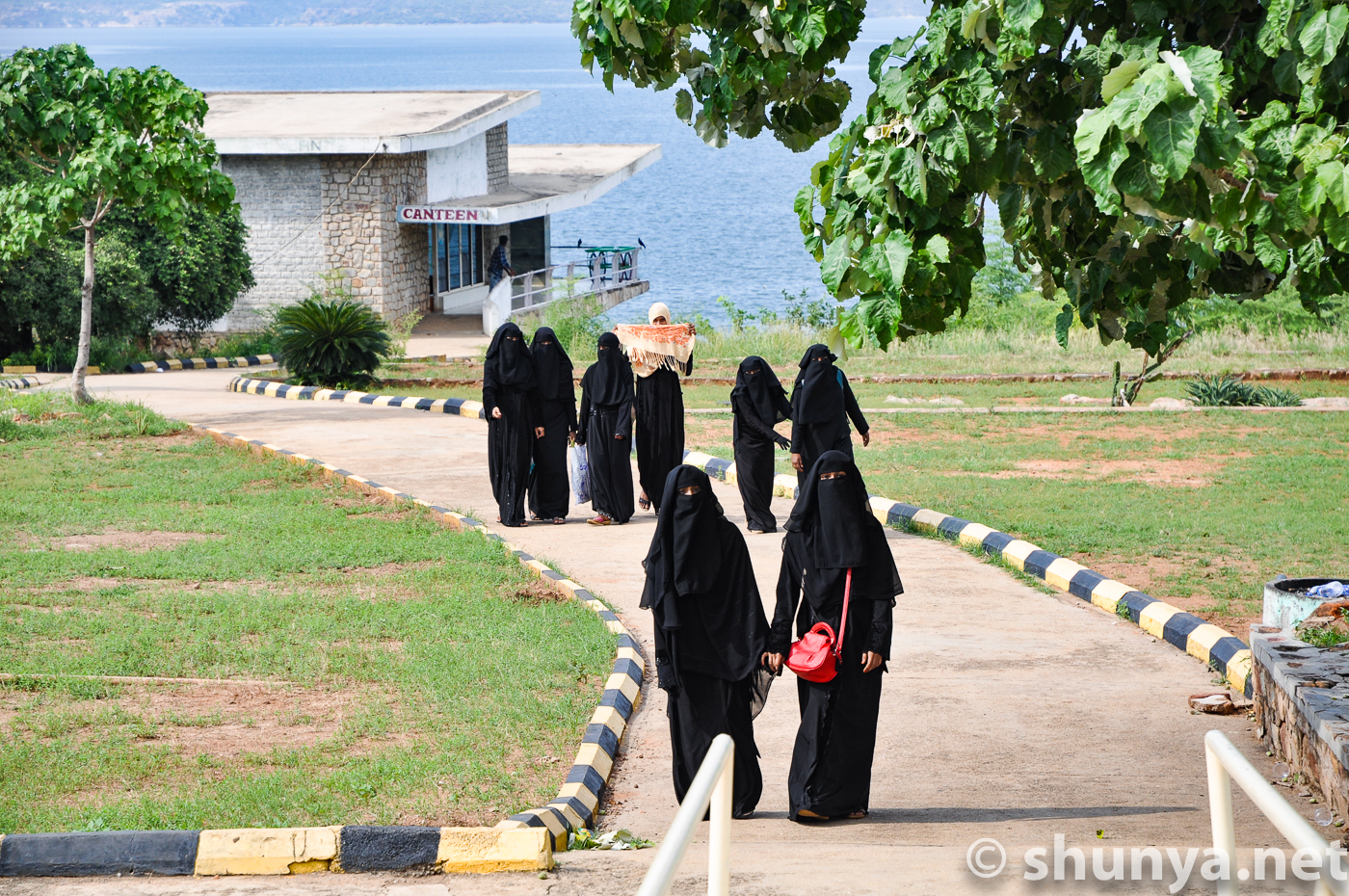
Tourists approaching
|
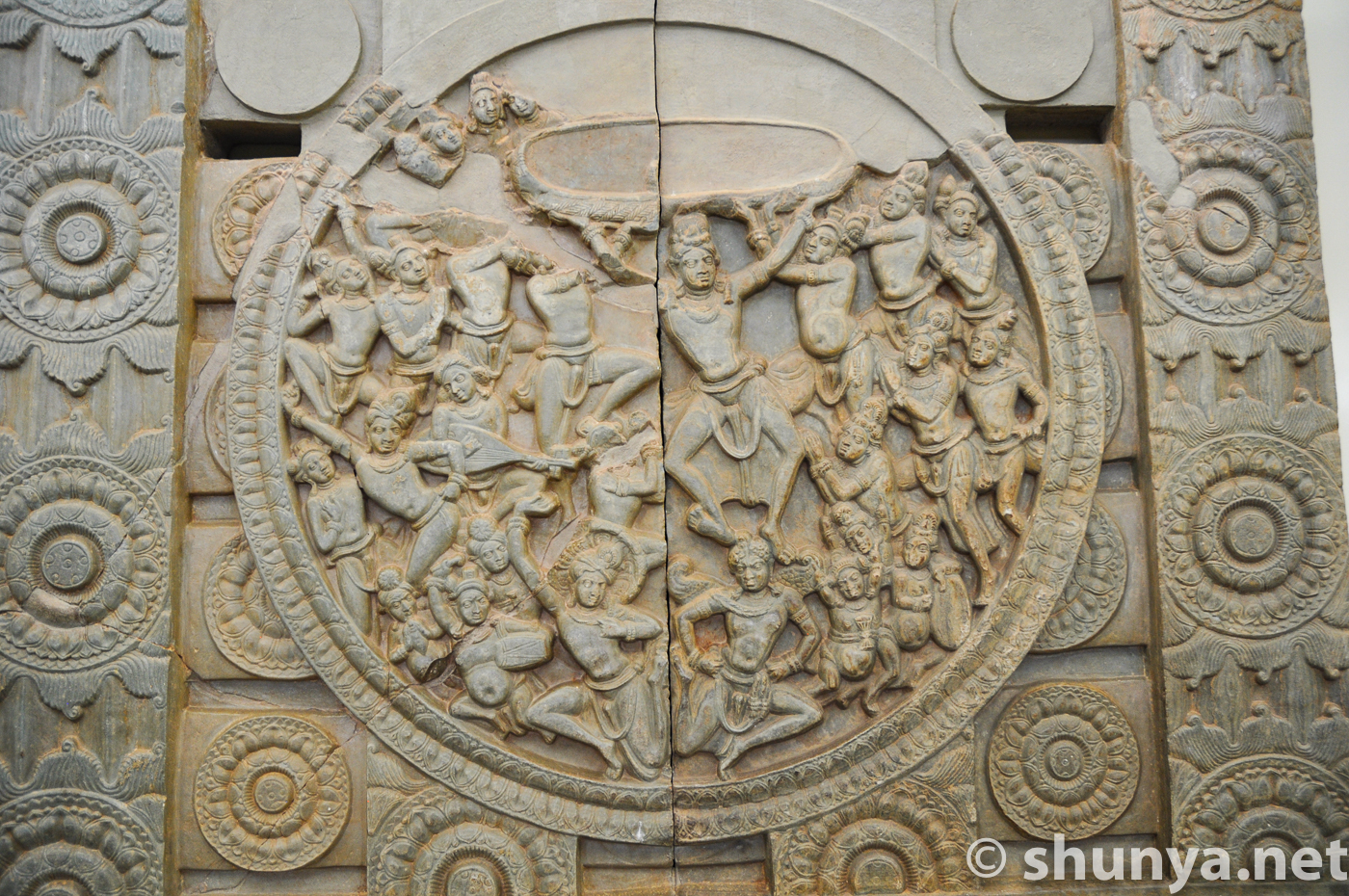
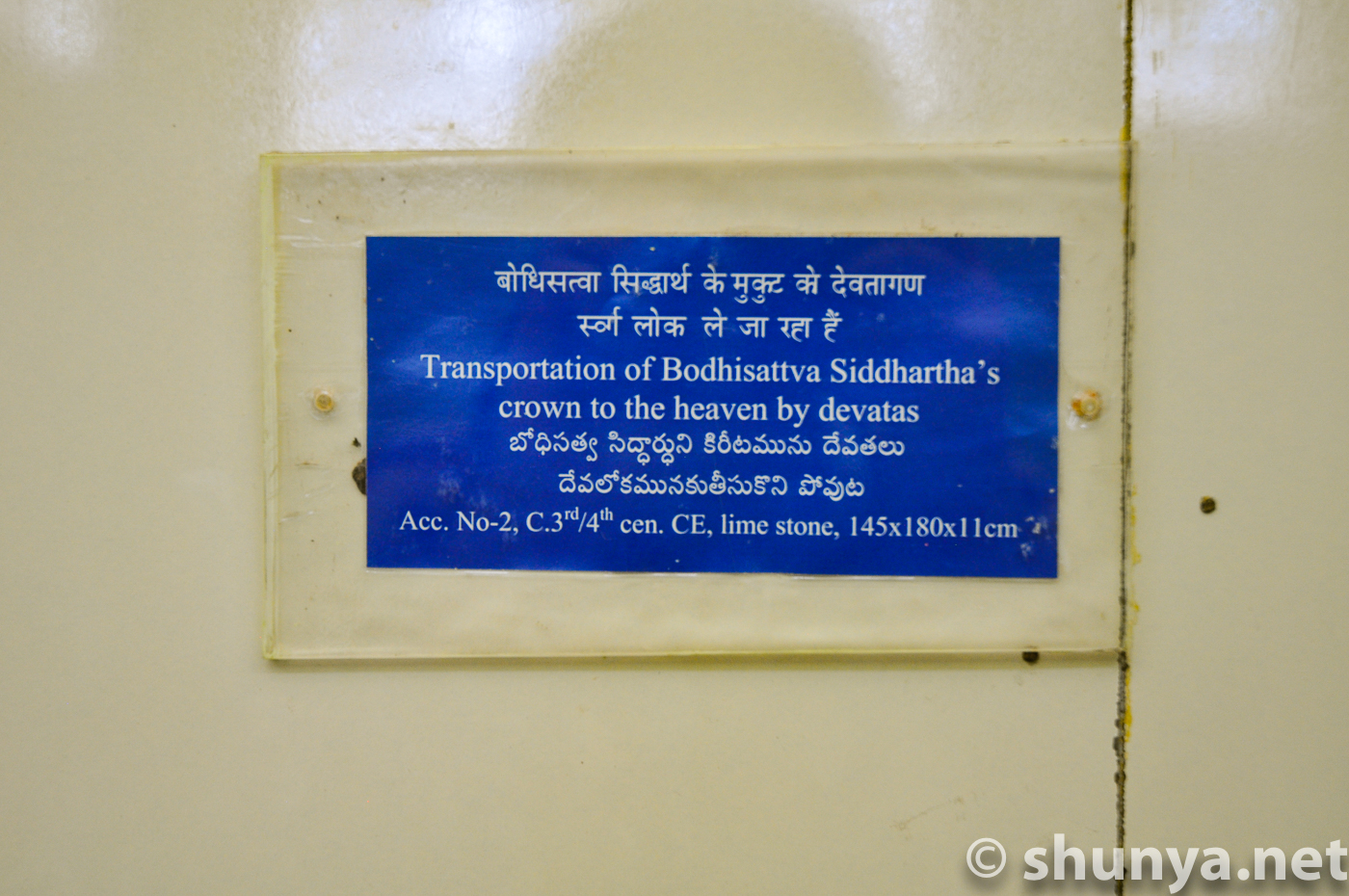
"Transportation of Bodhisattva
|
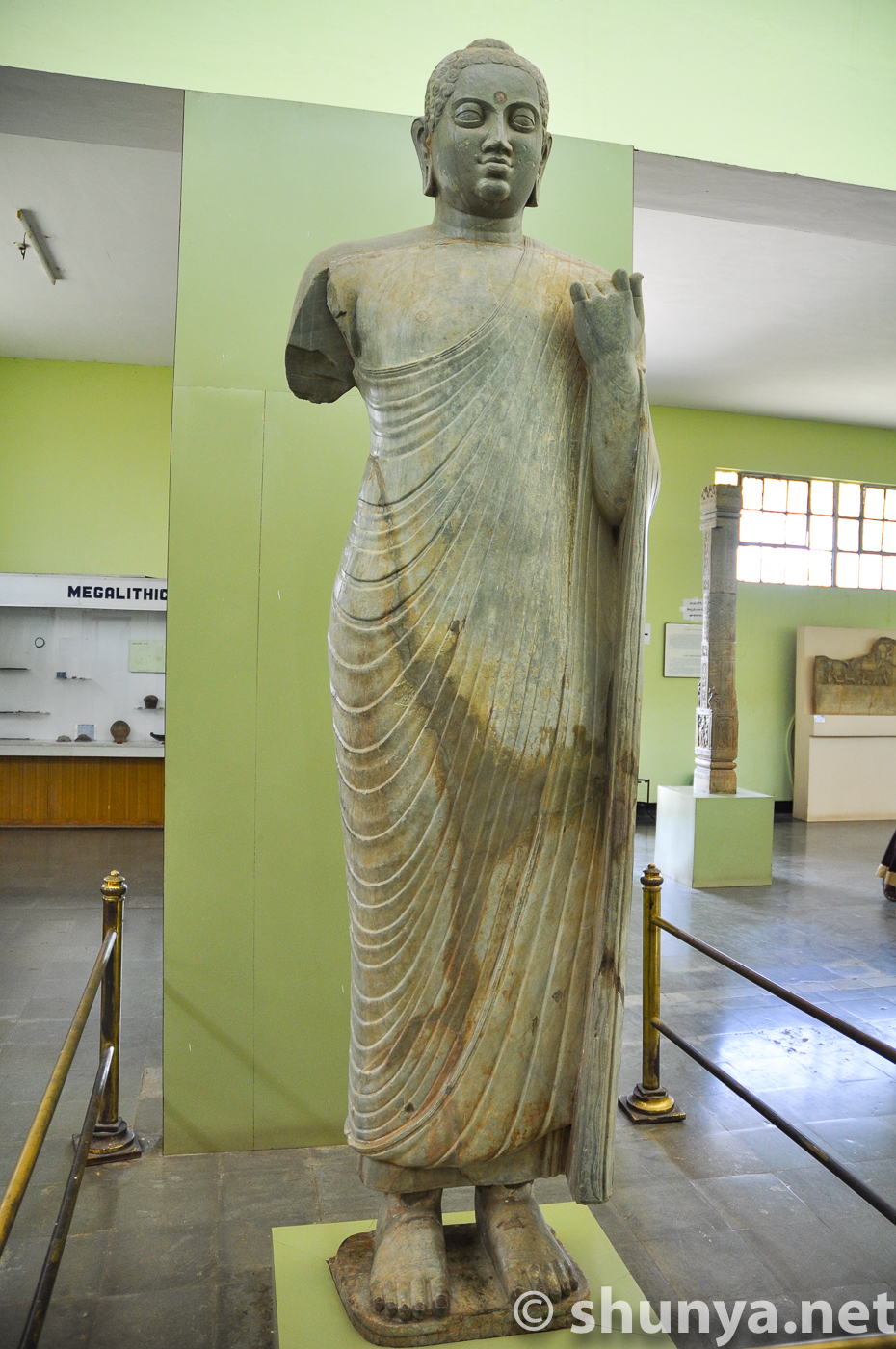
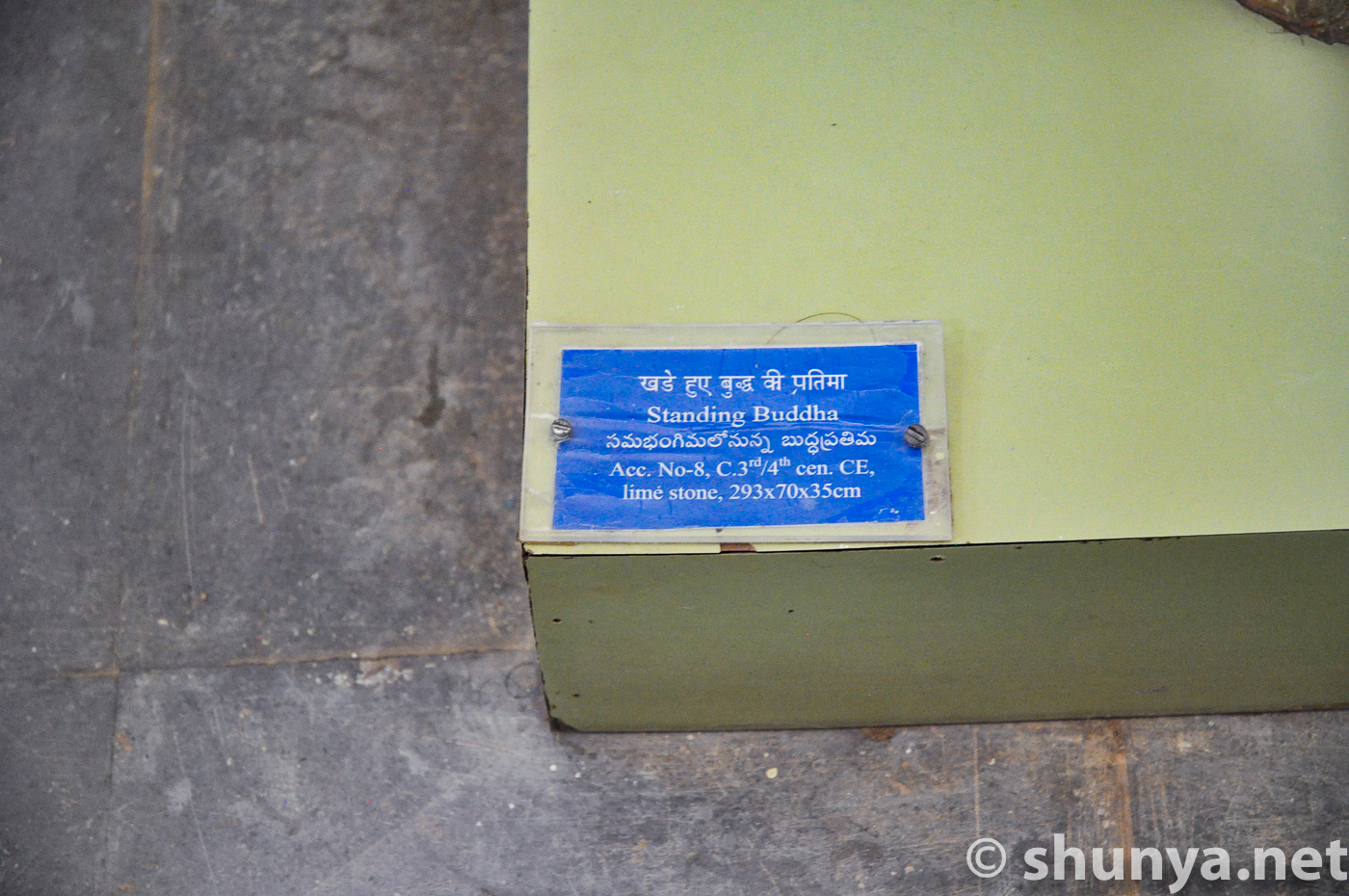
Standing Buddha
|
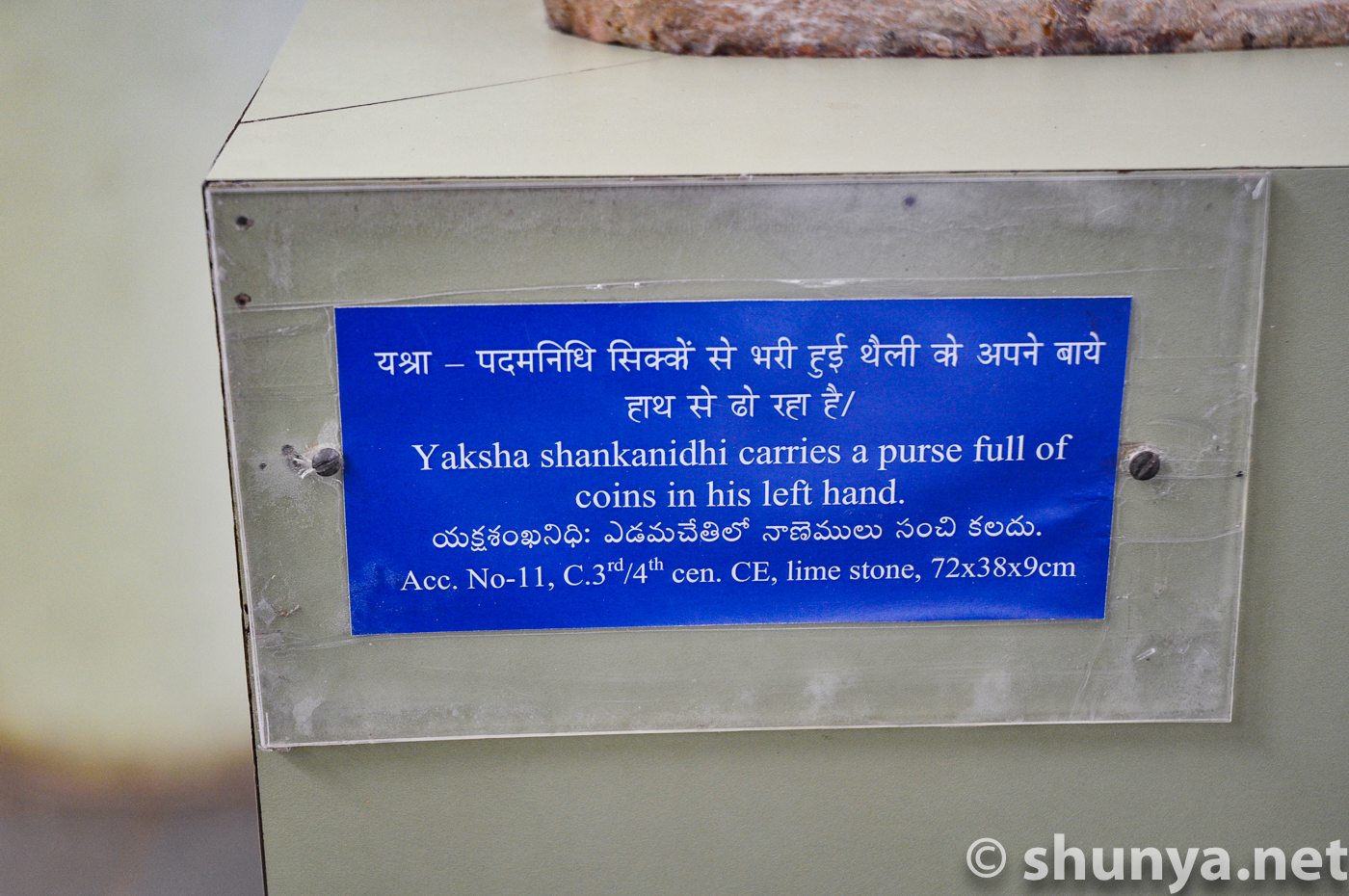
Yaksha Shankanidhi (info)
|
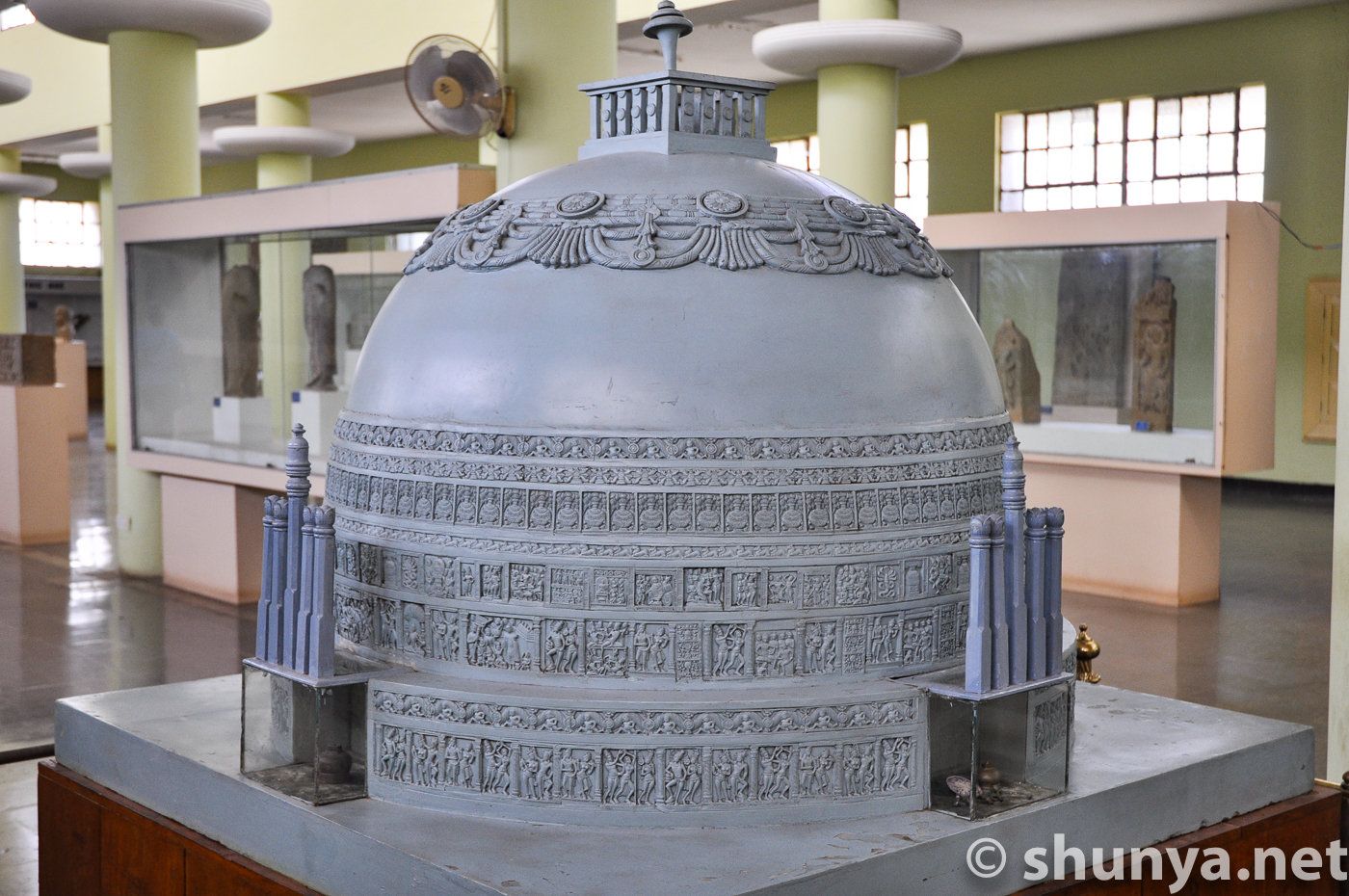
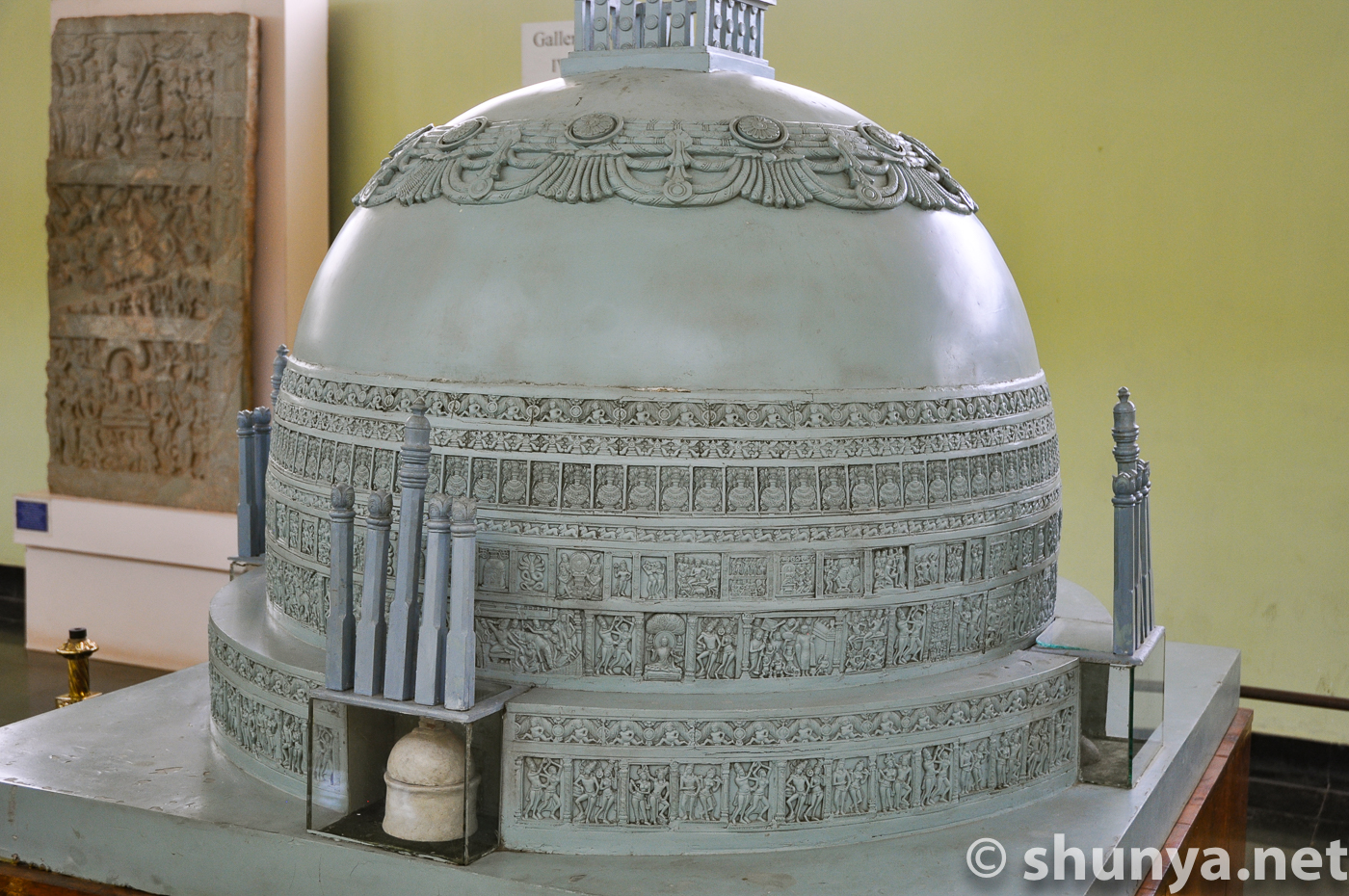
A model of the Maha
|
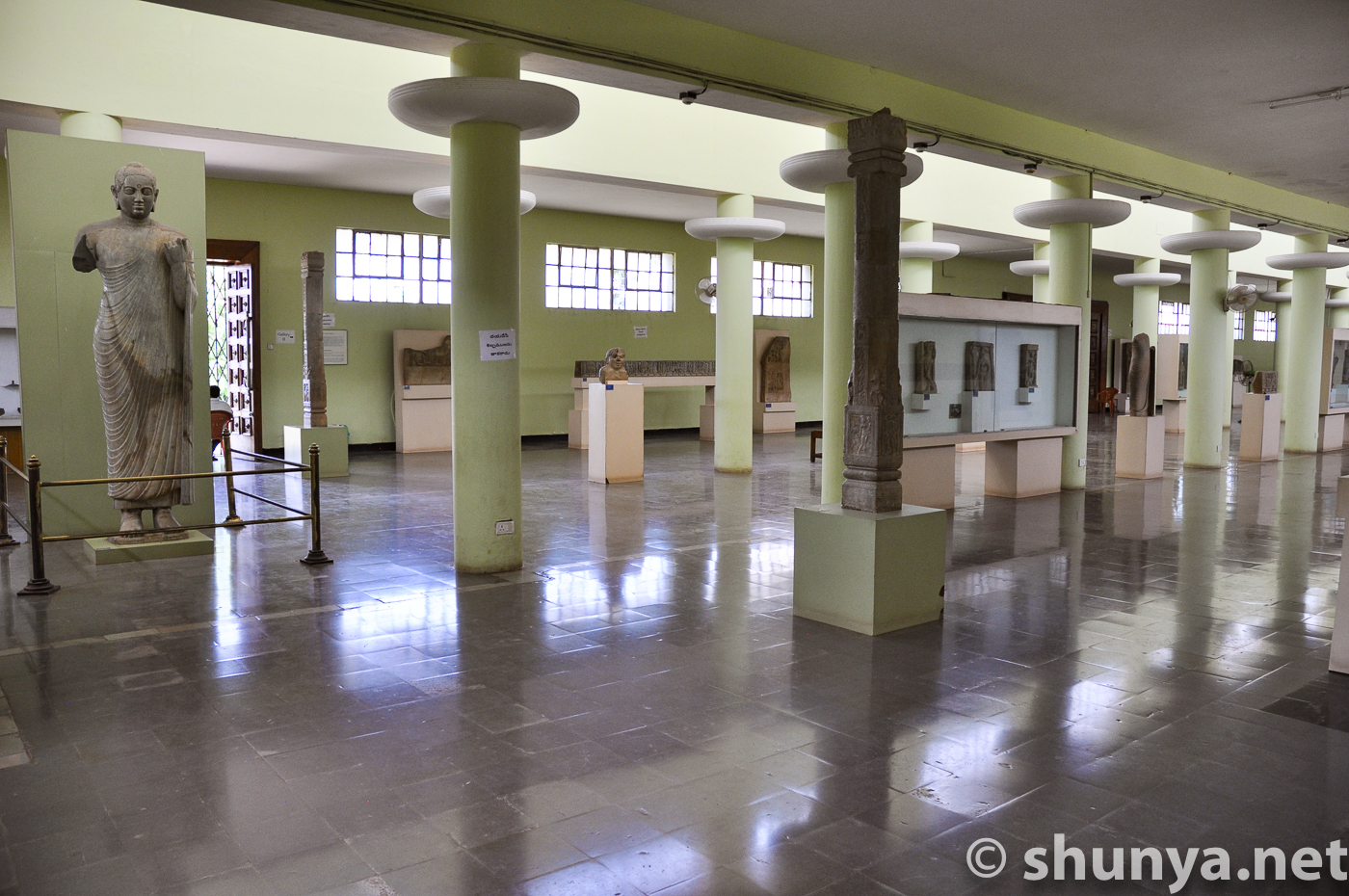
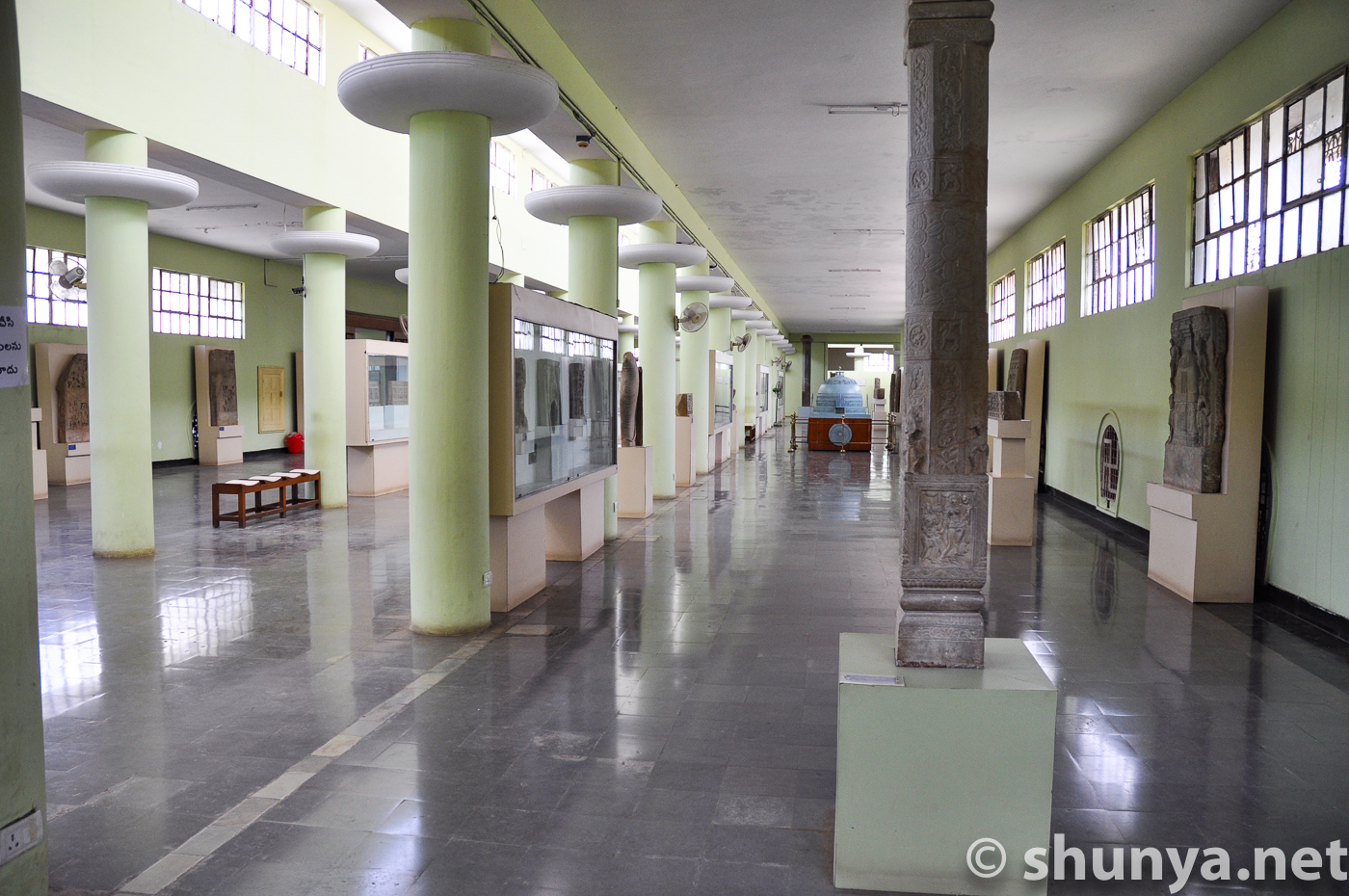
Museum main hall
|
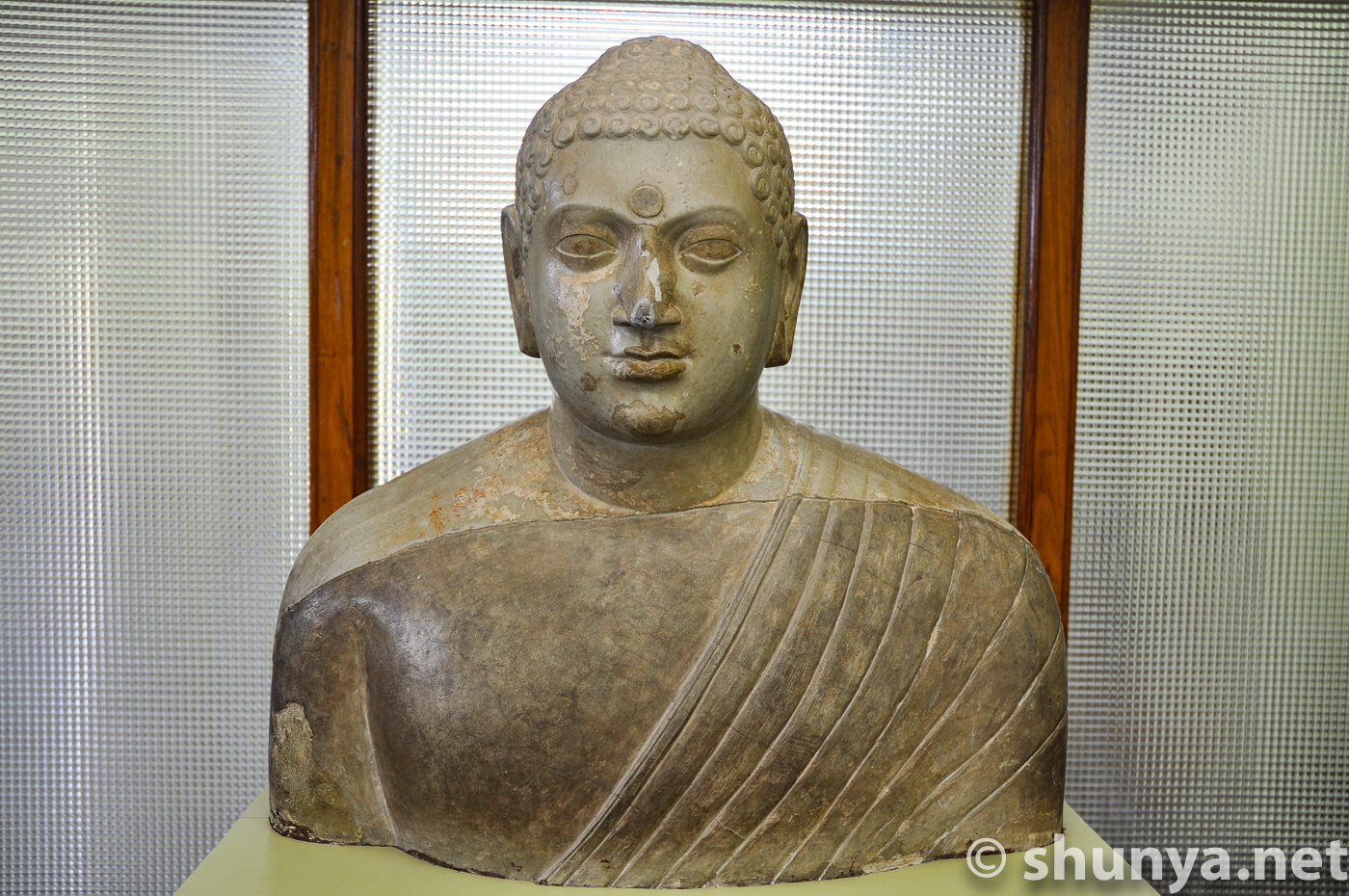
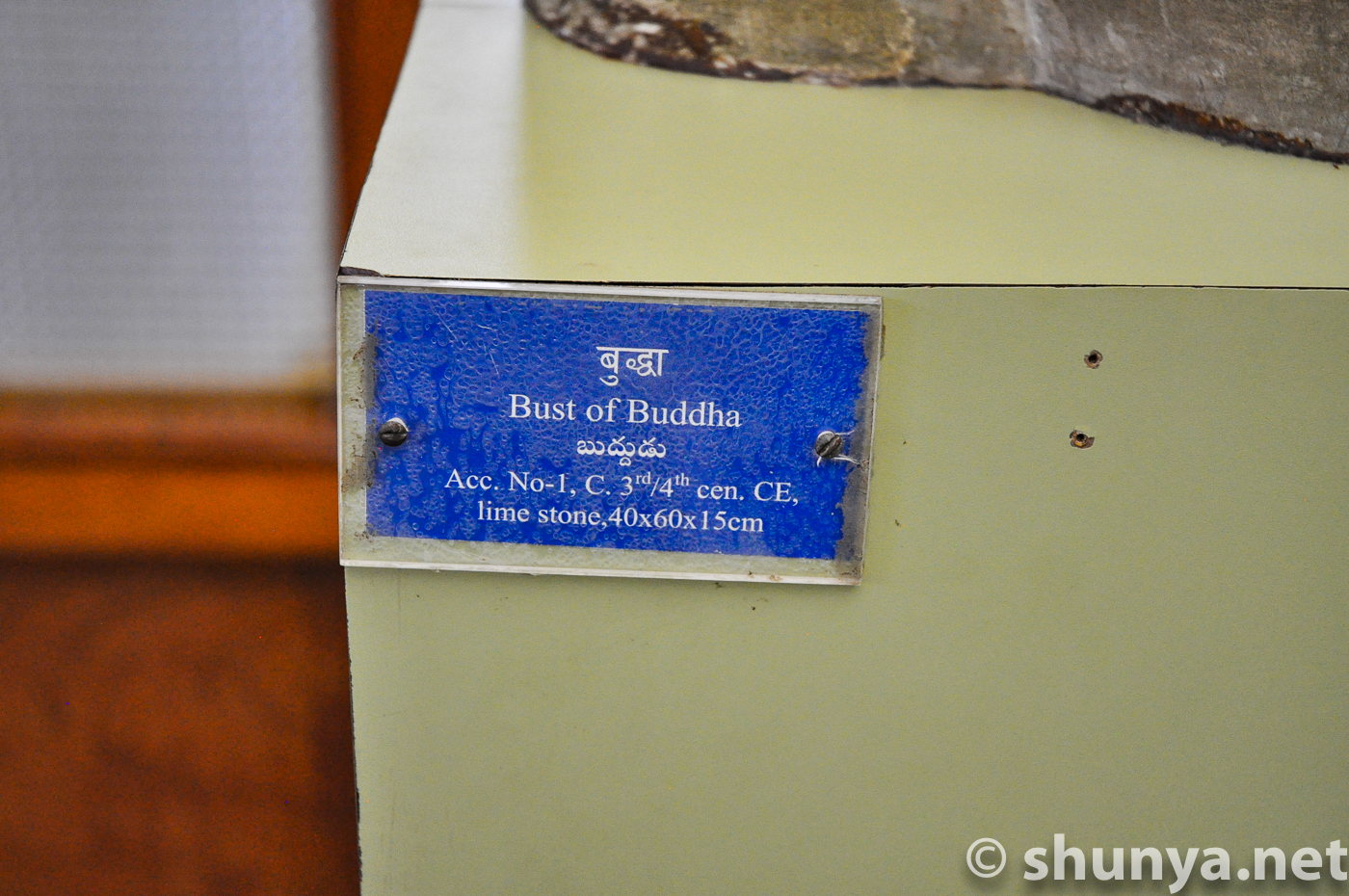
Bust of Buddha (info)
|
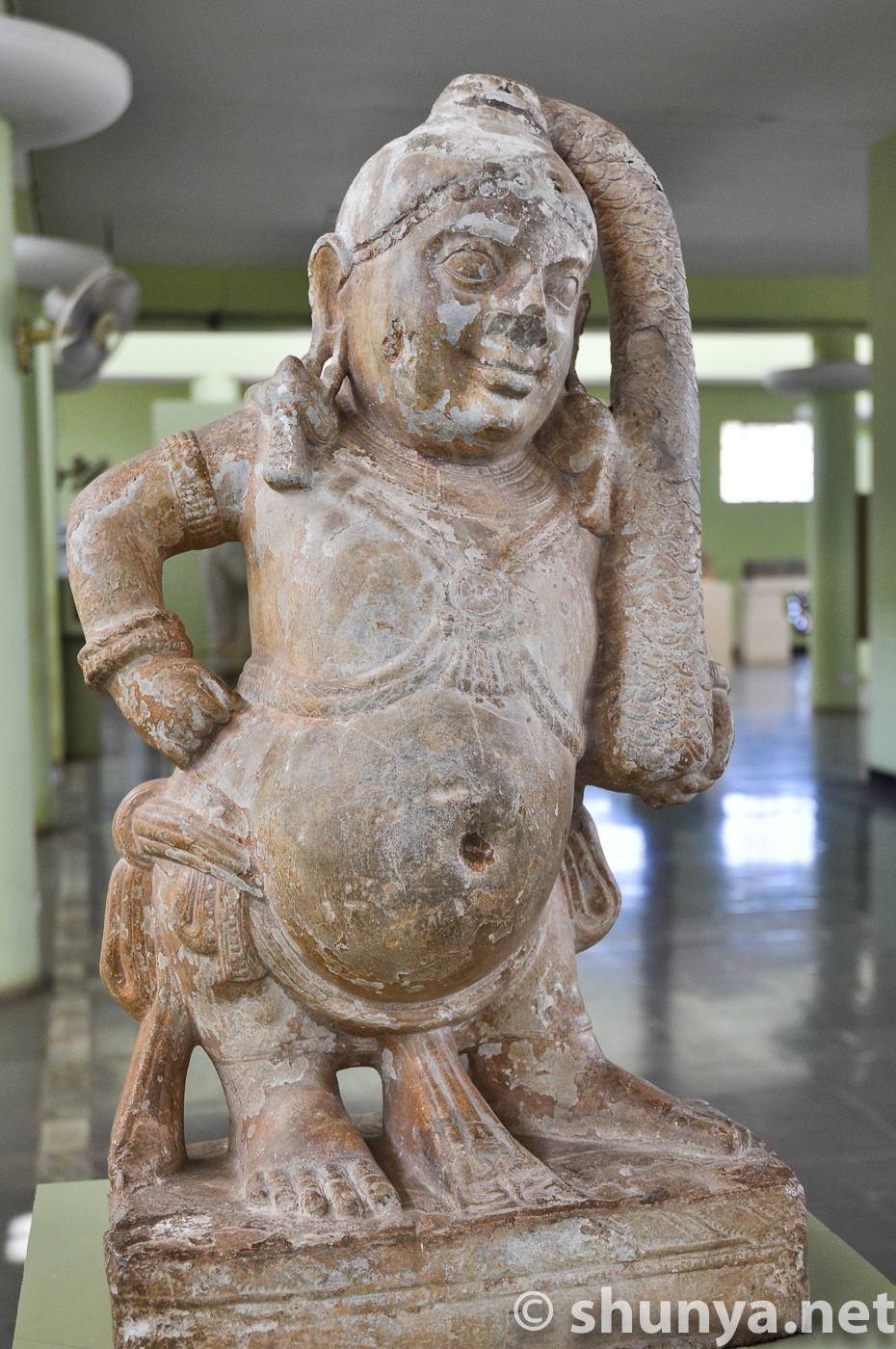
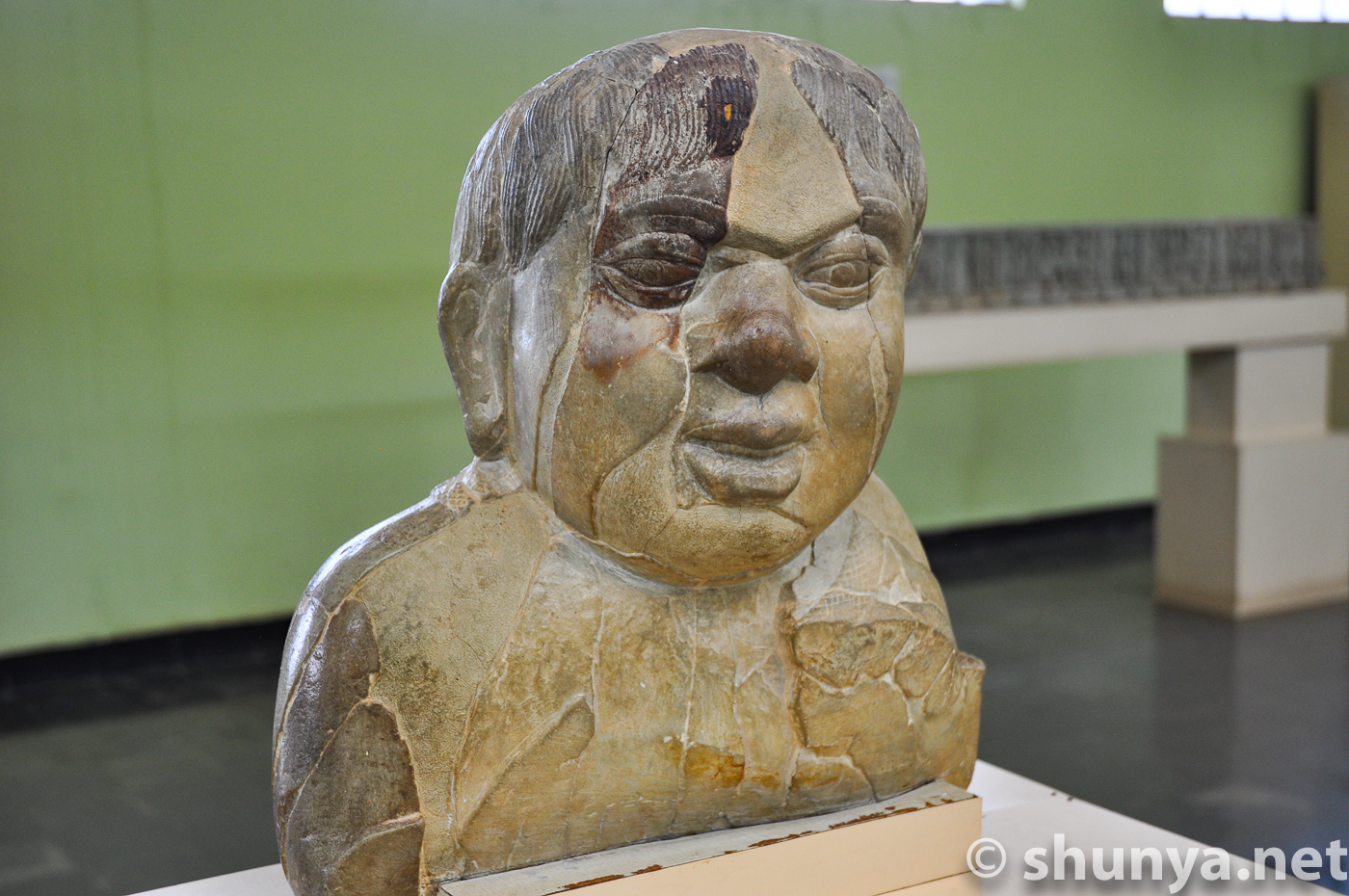
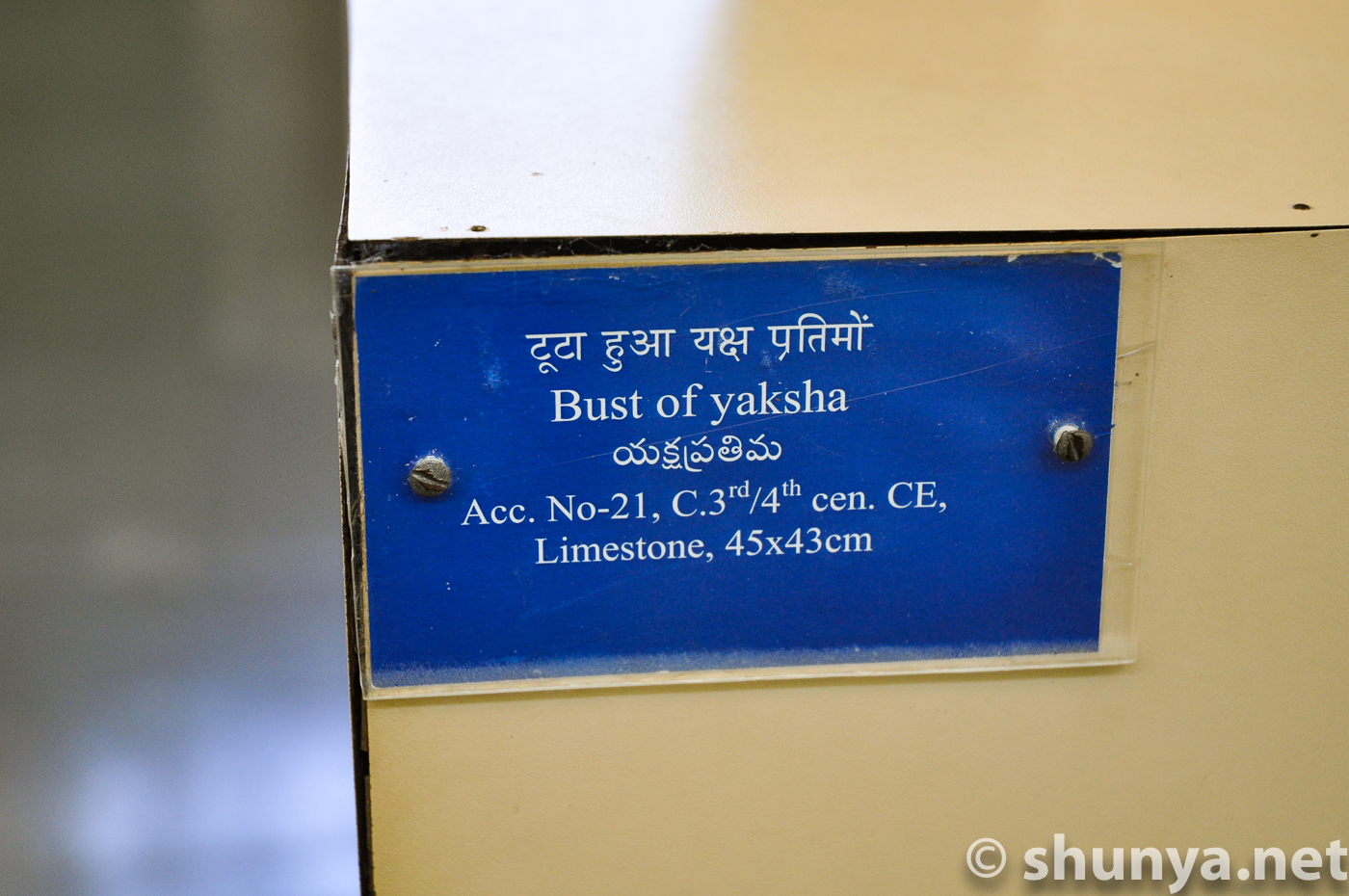
Bust of Yaksha (info)
|
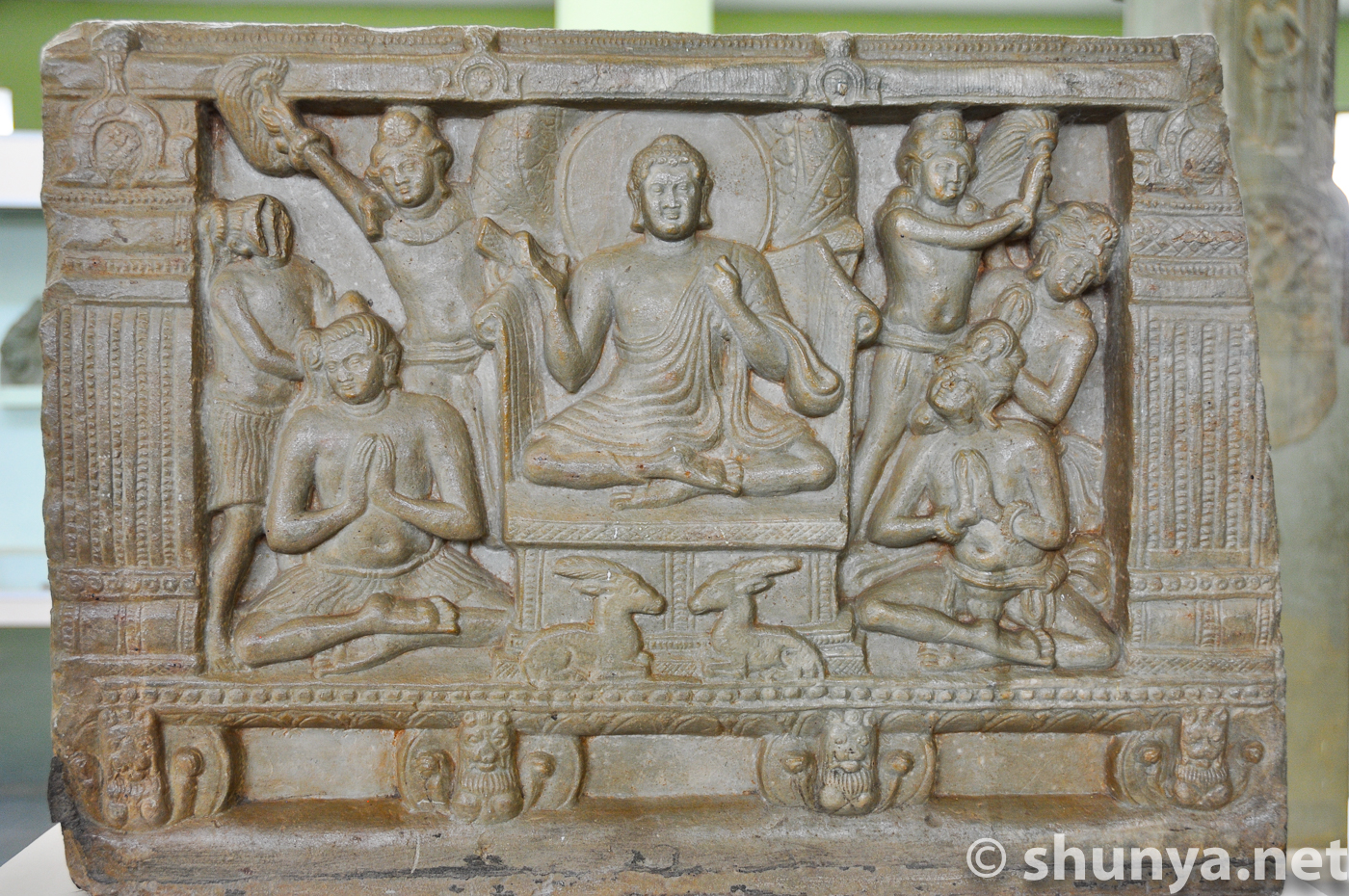
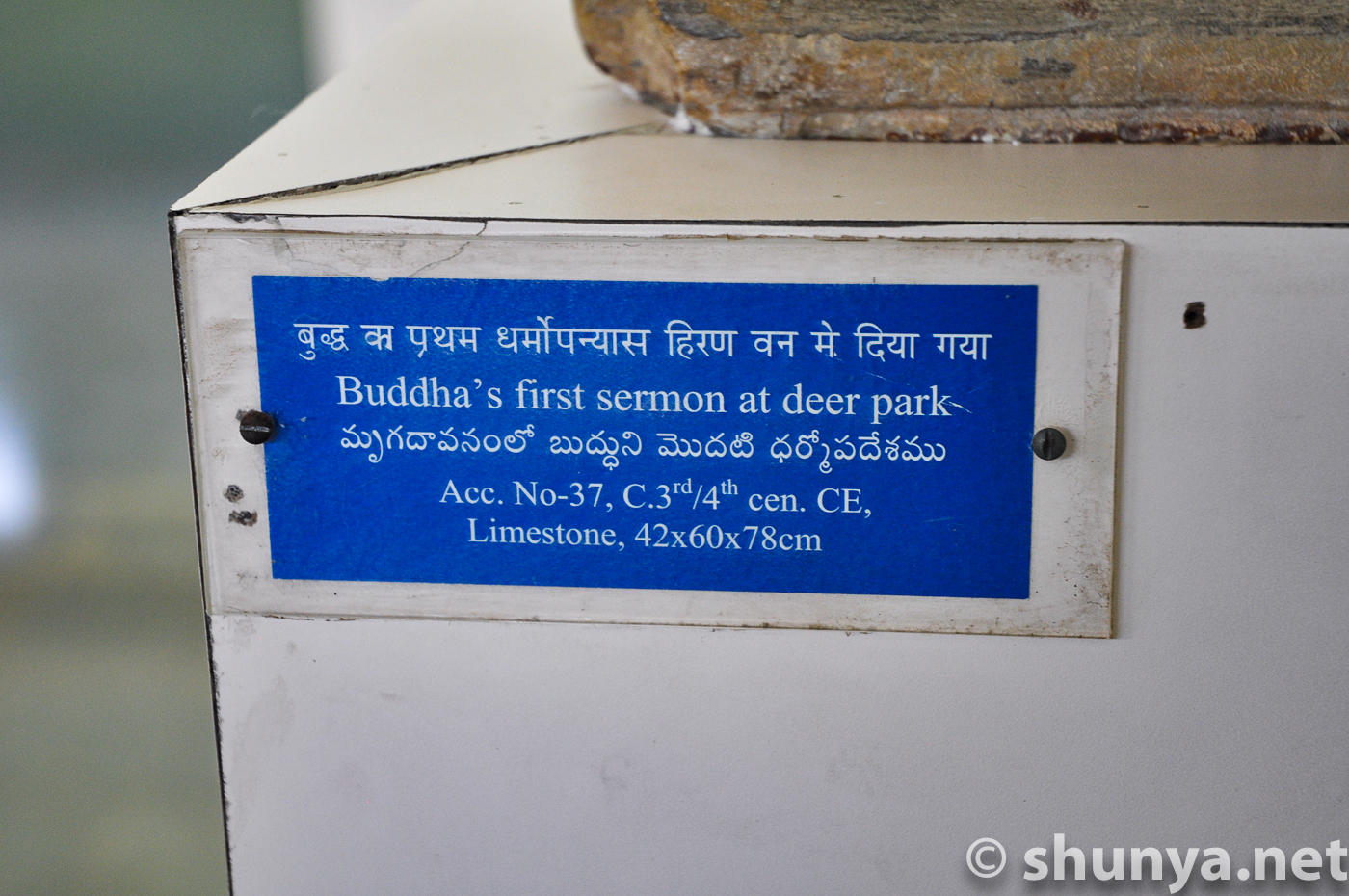
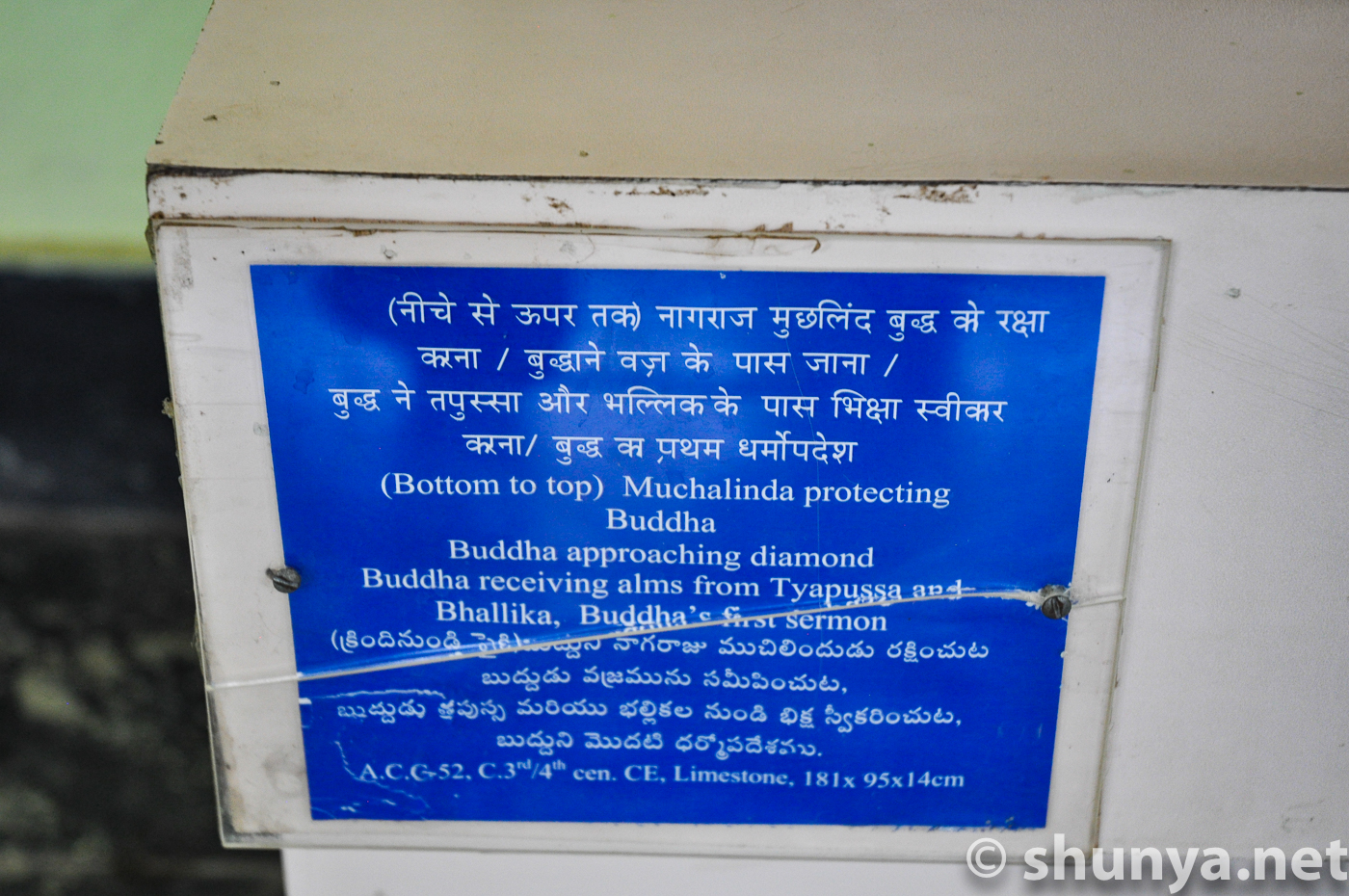
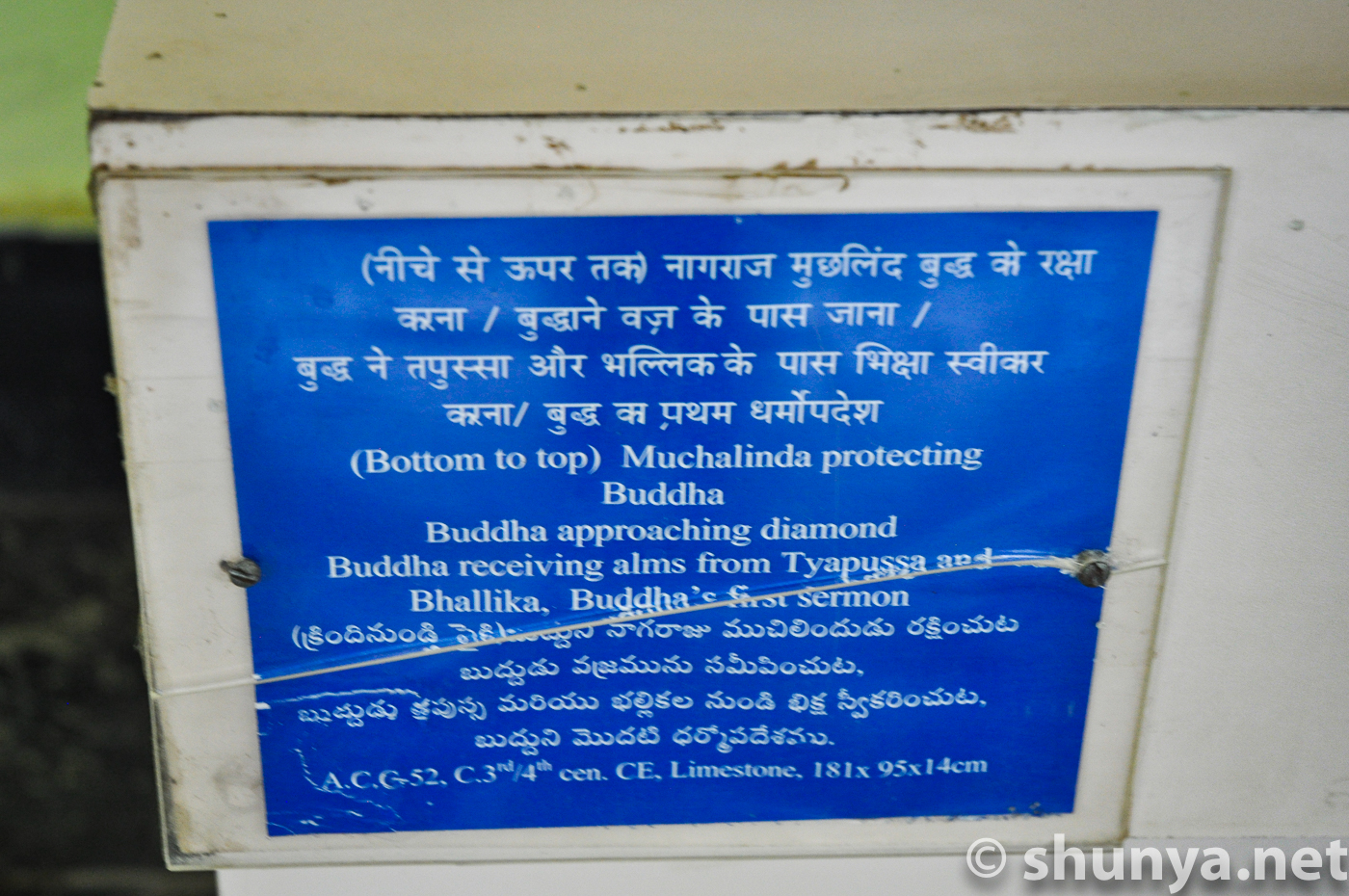
Buddha's first sermon
|
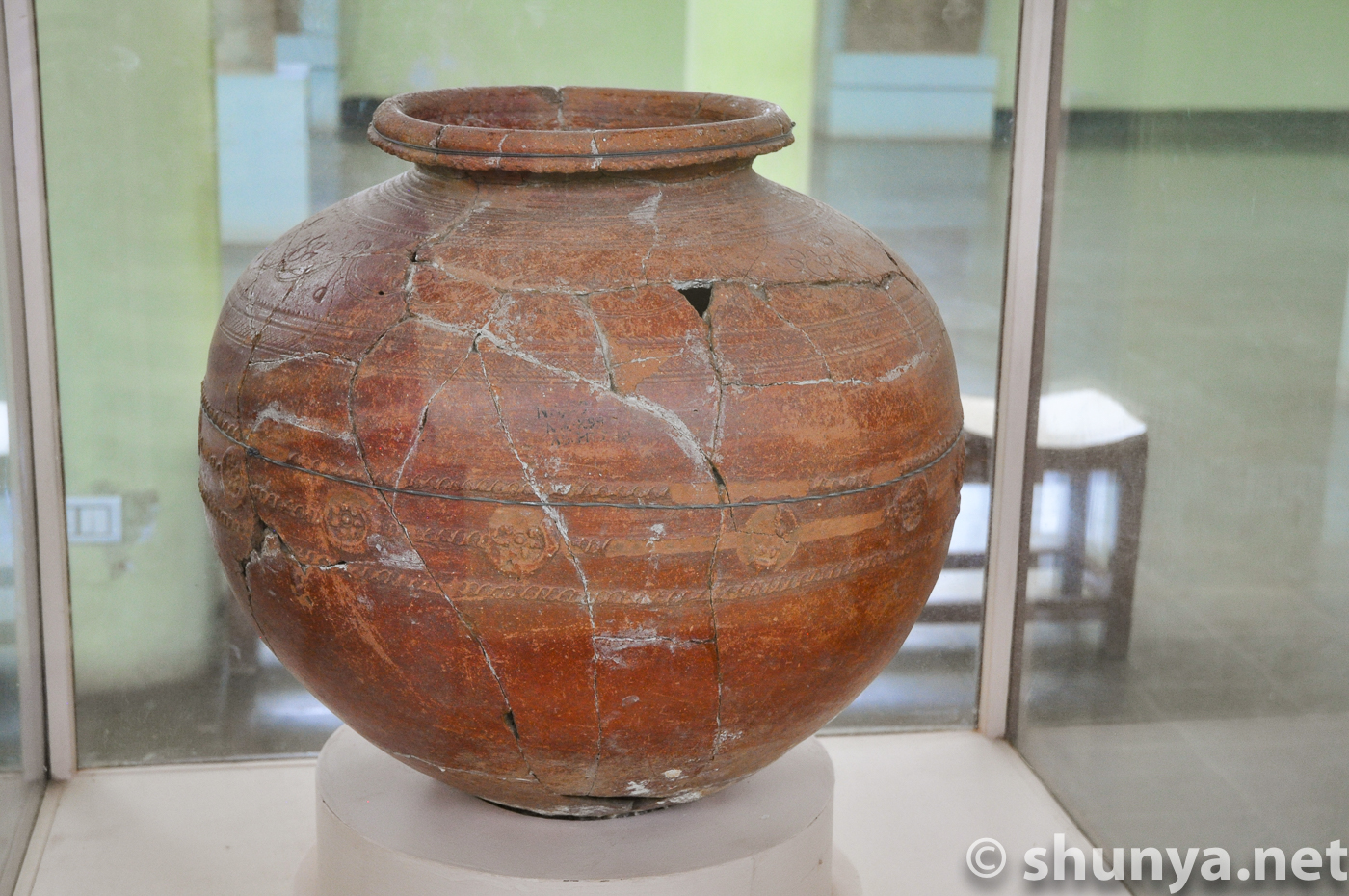
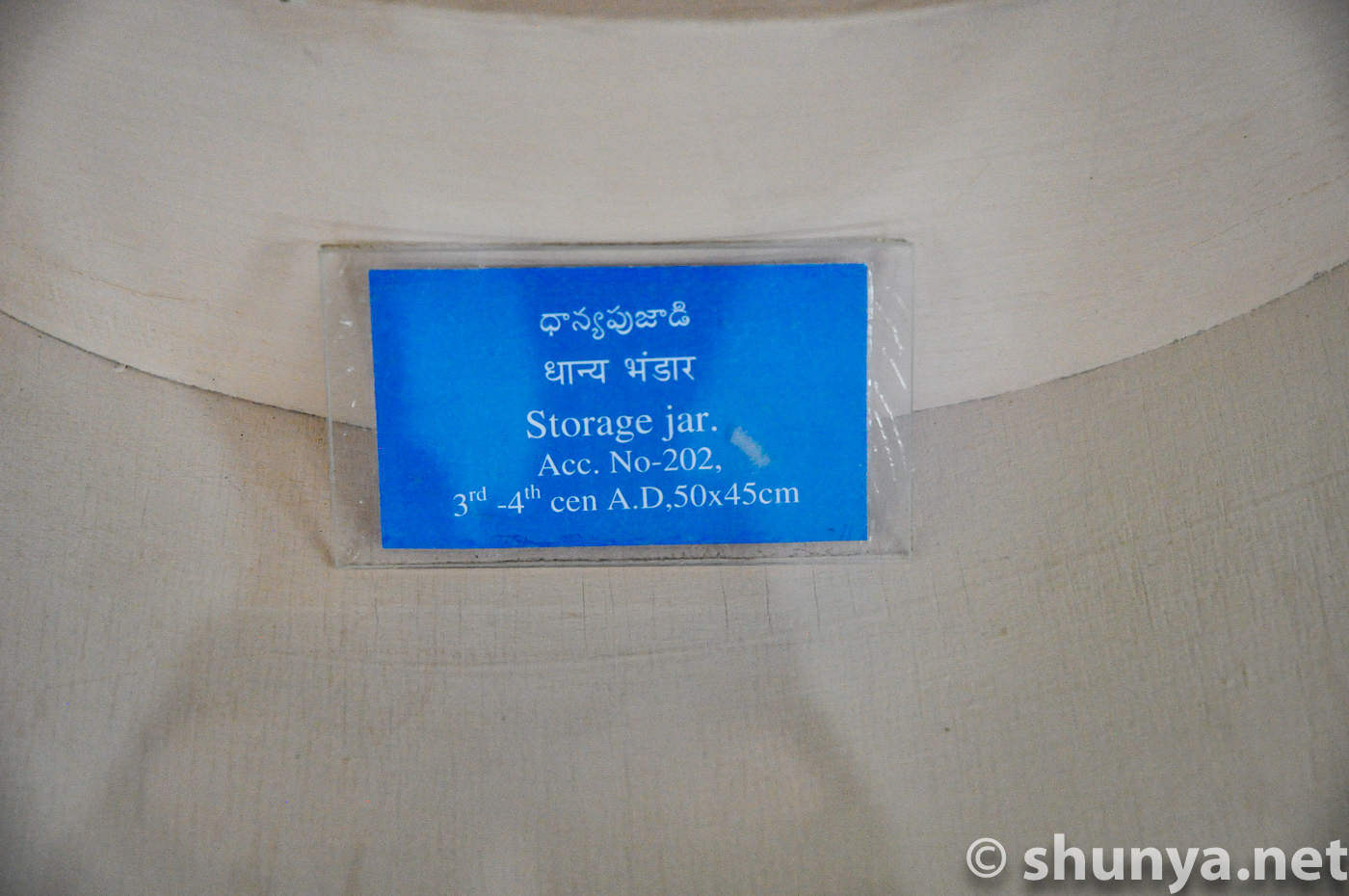
Storage jar (info)
|
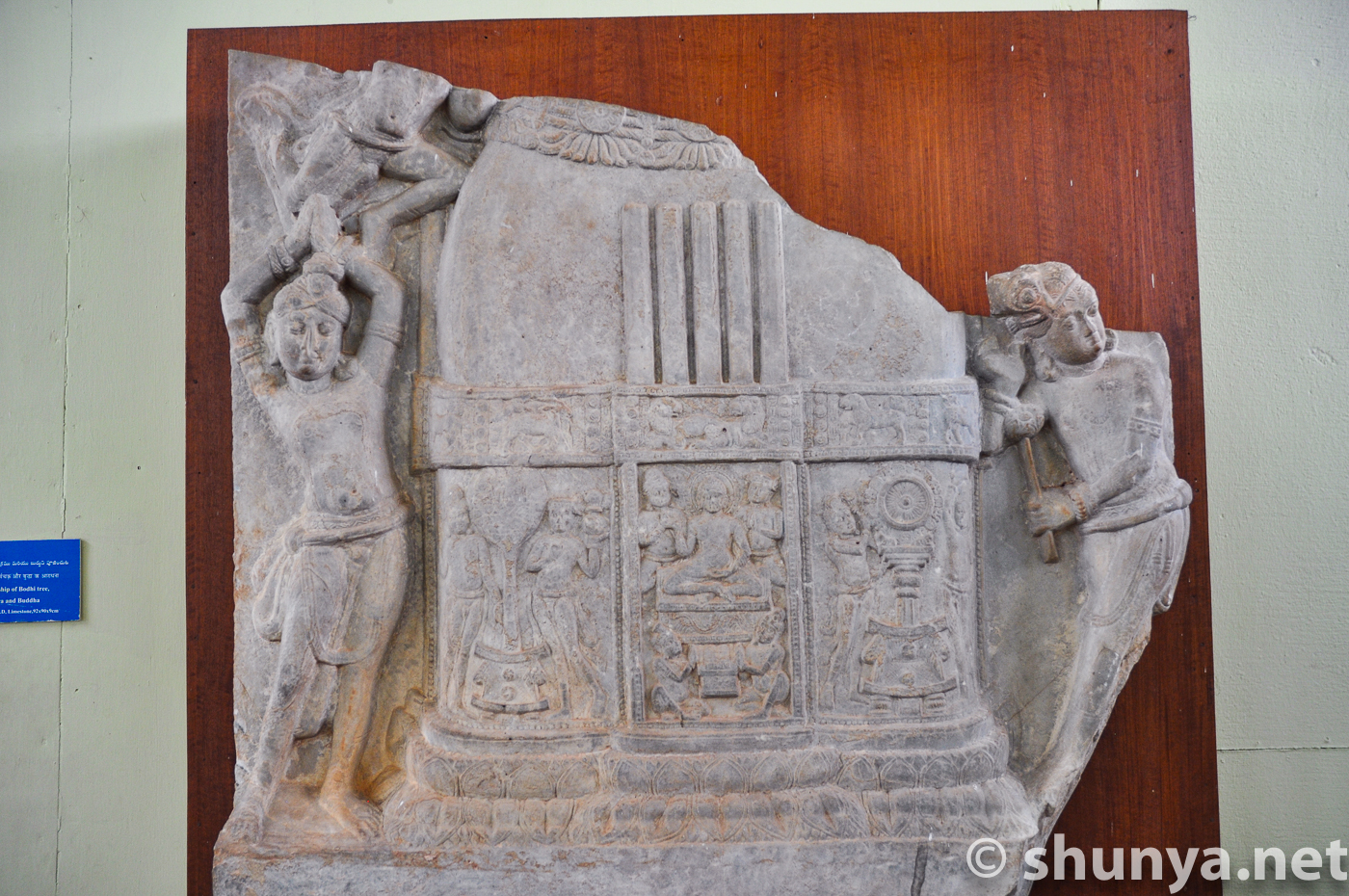
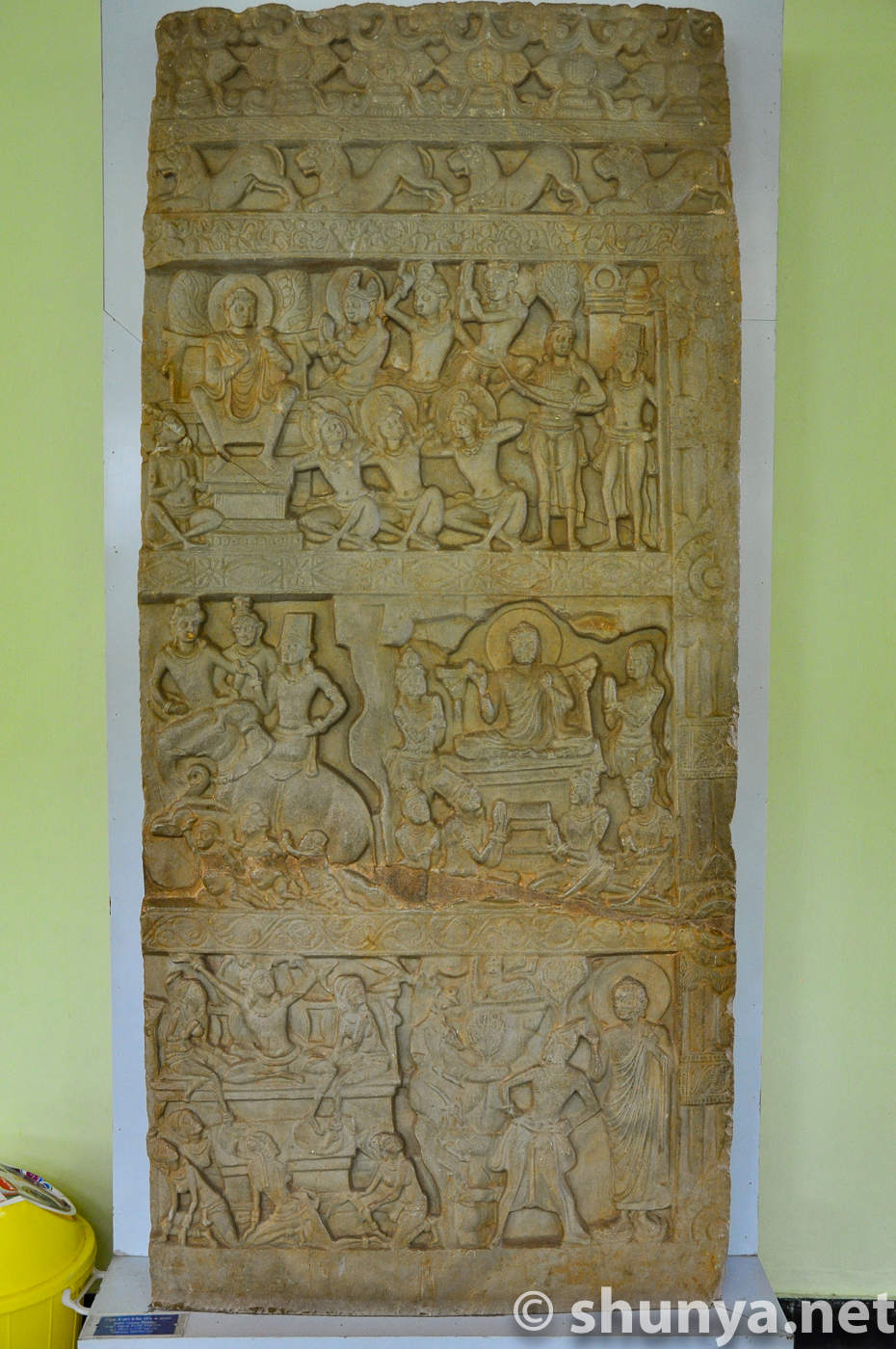
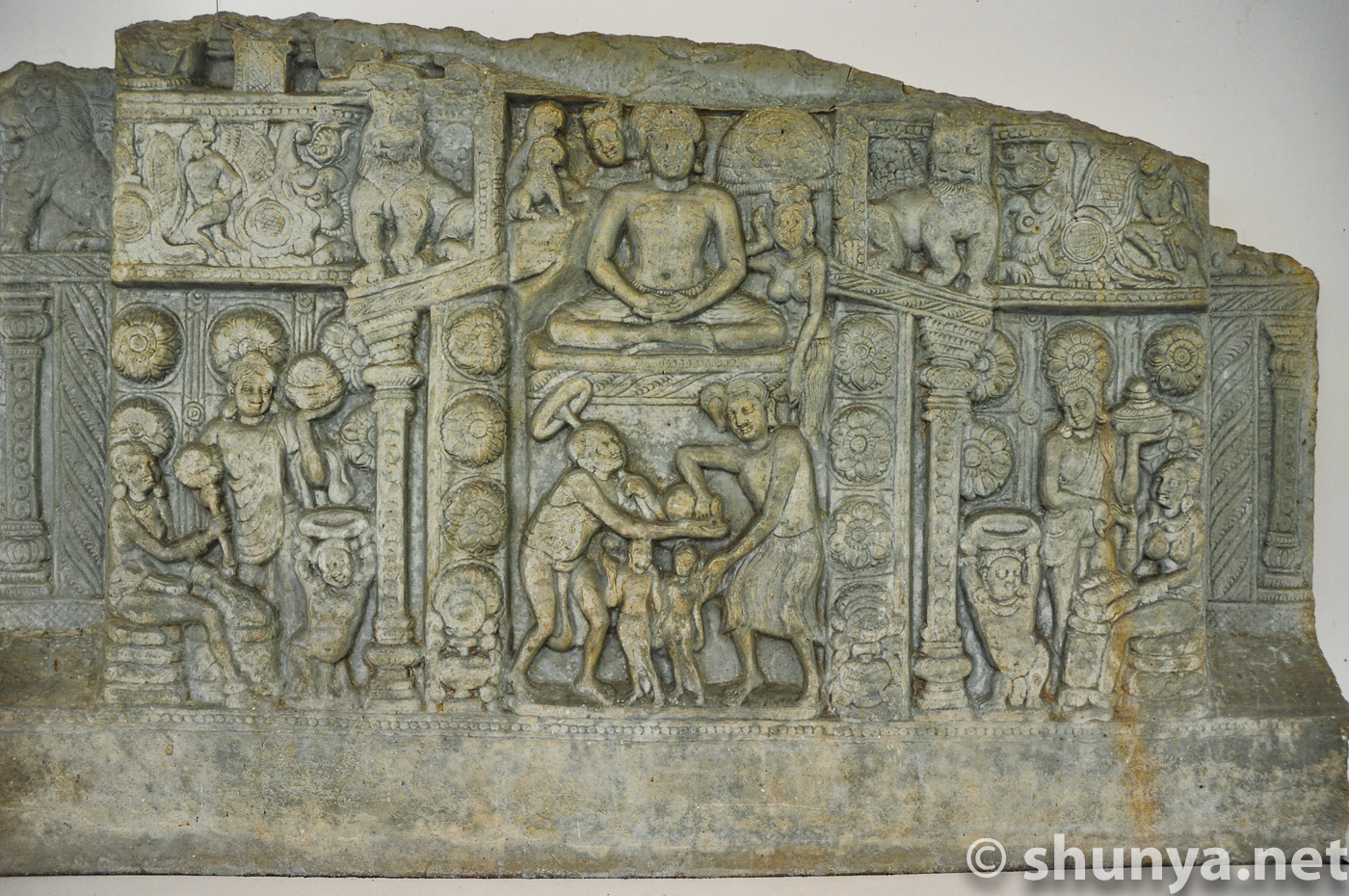
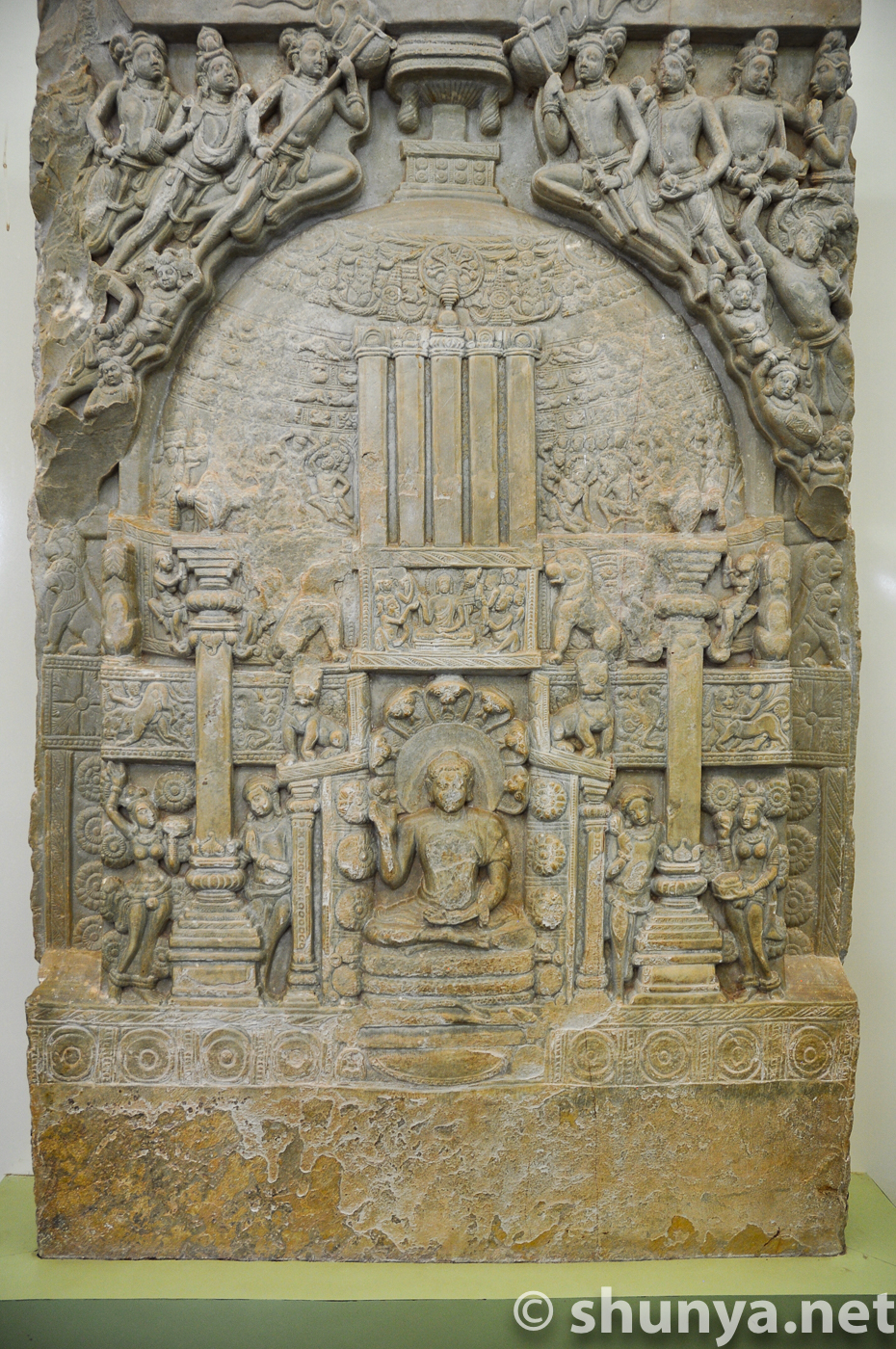
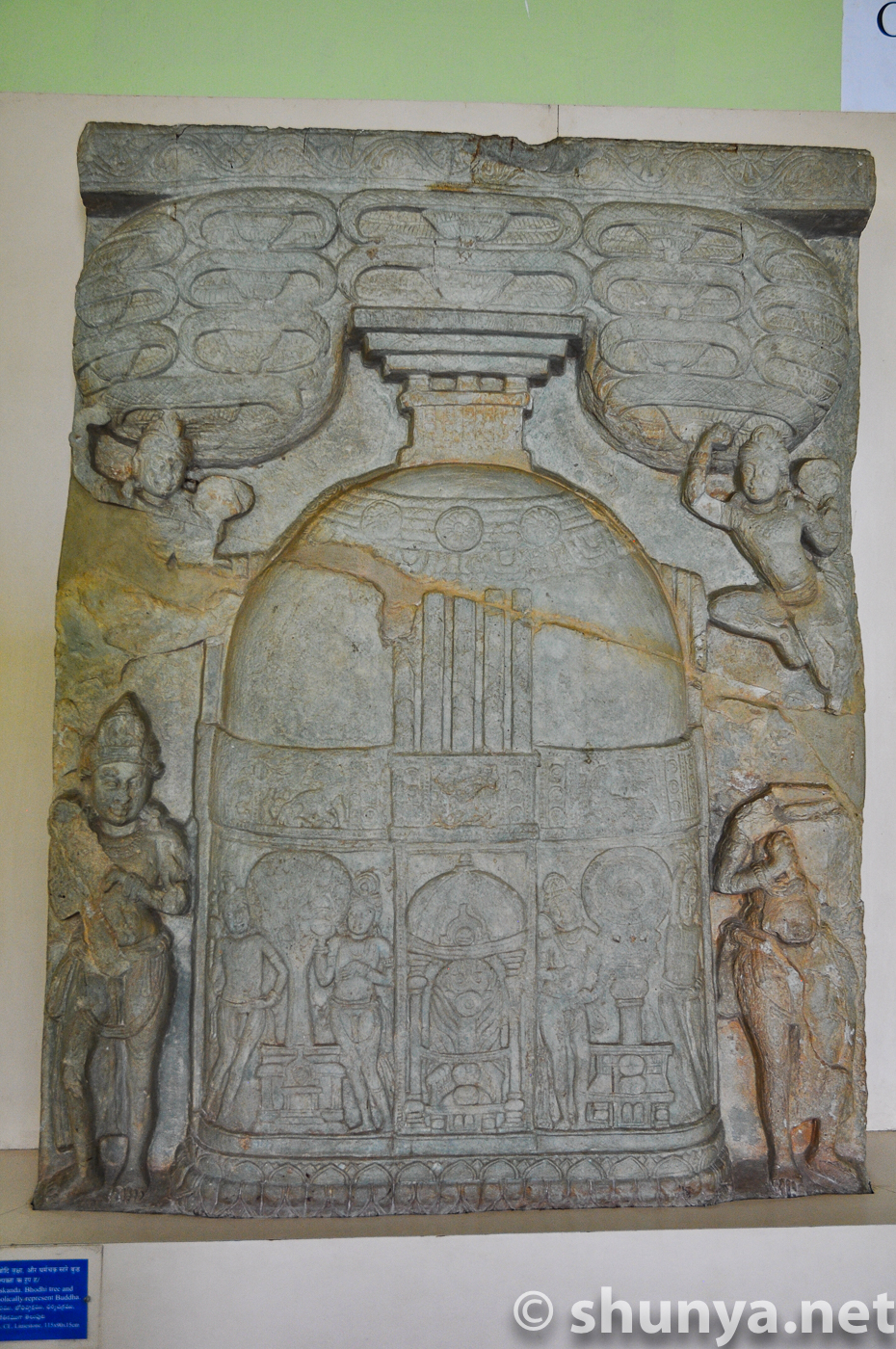
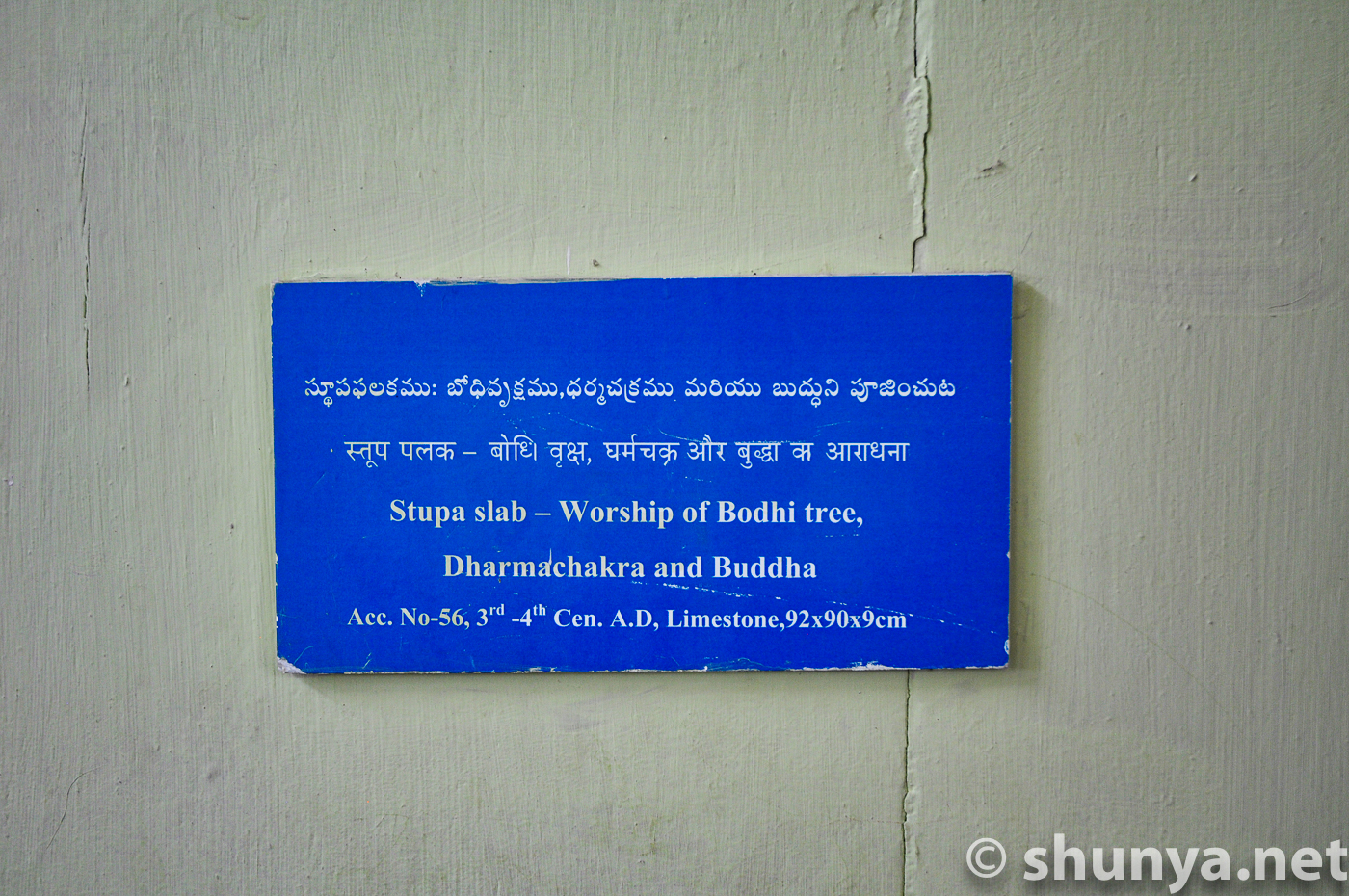
Stupa slab: worship of
|
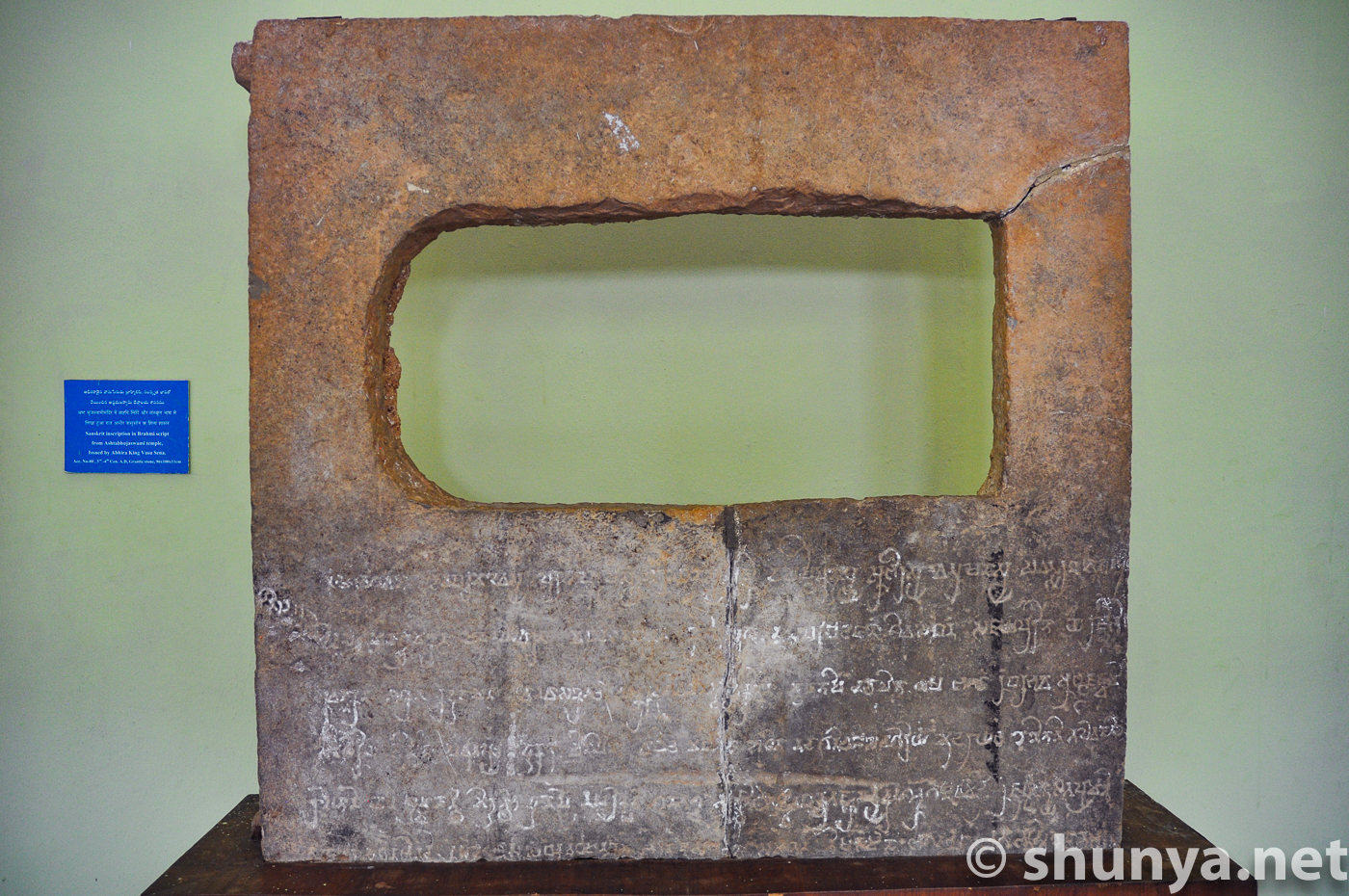
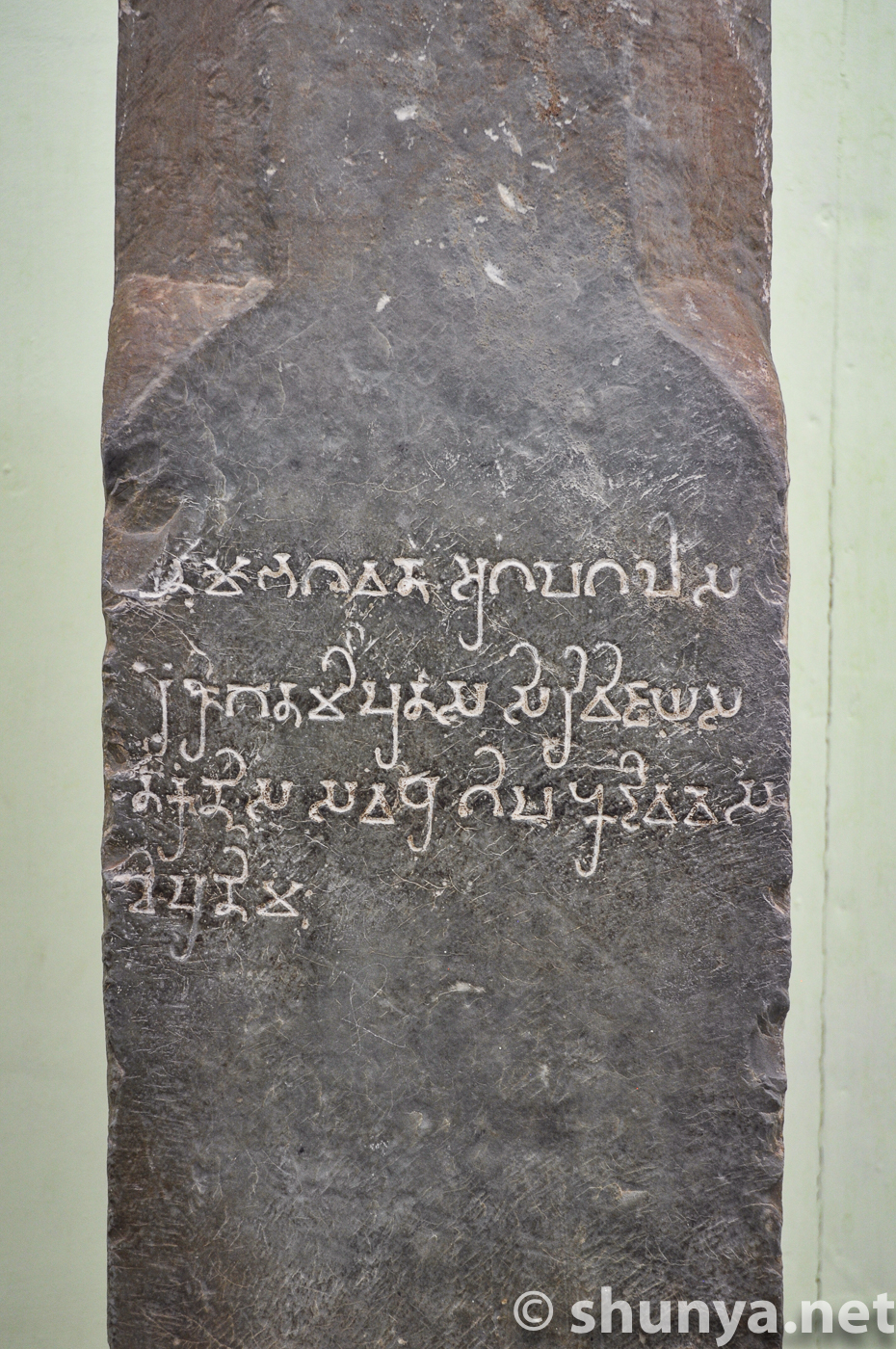
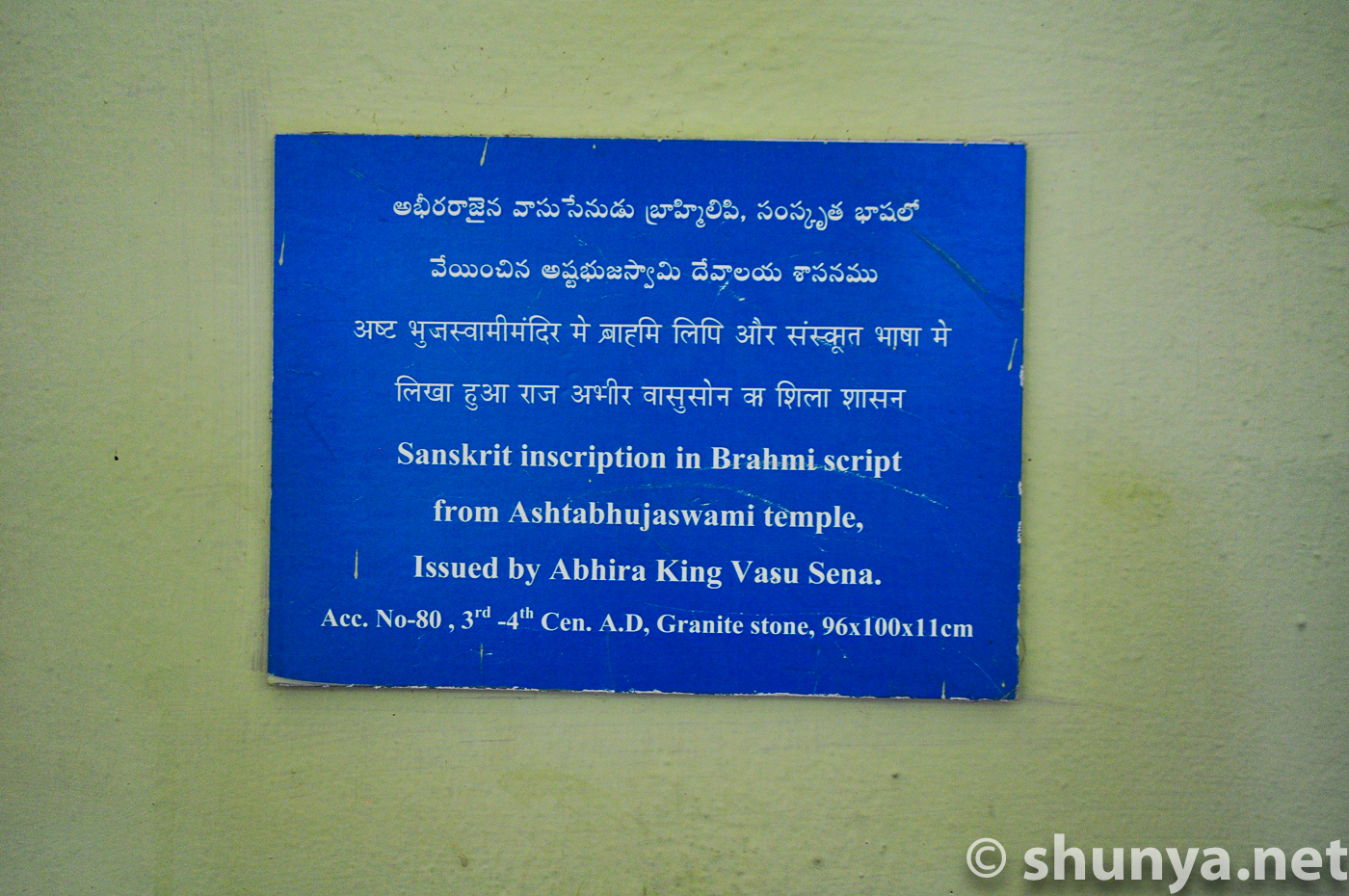
Sanskrit inscription in
|
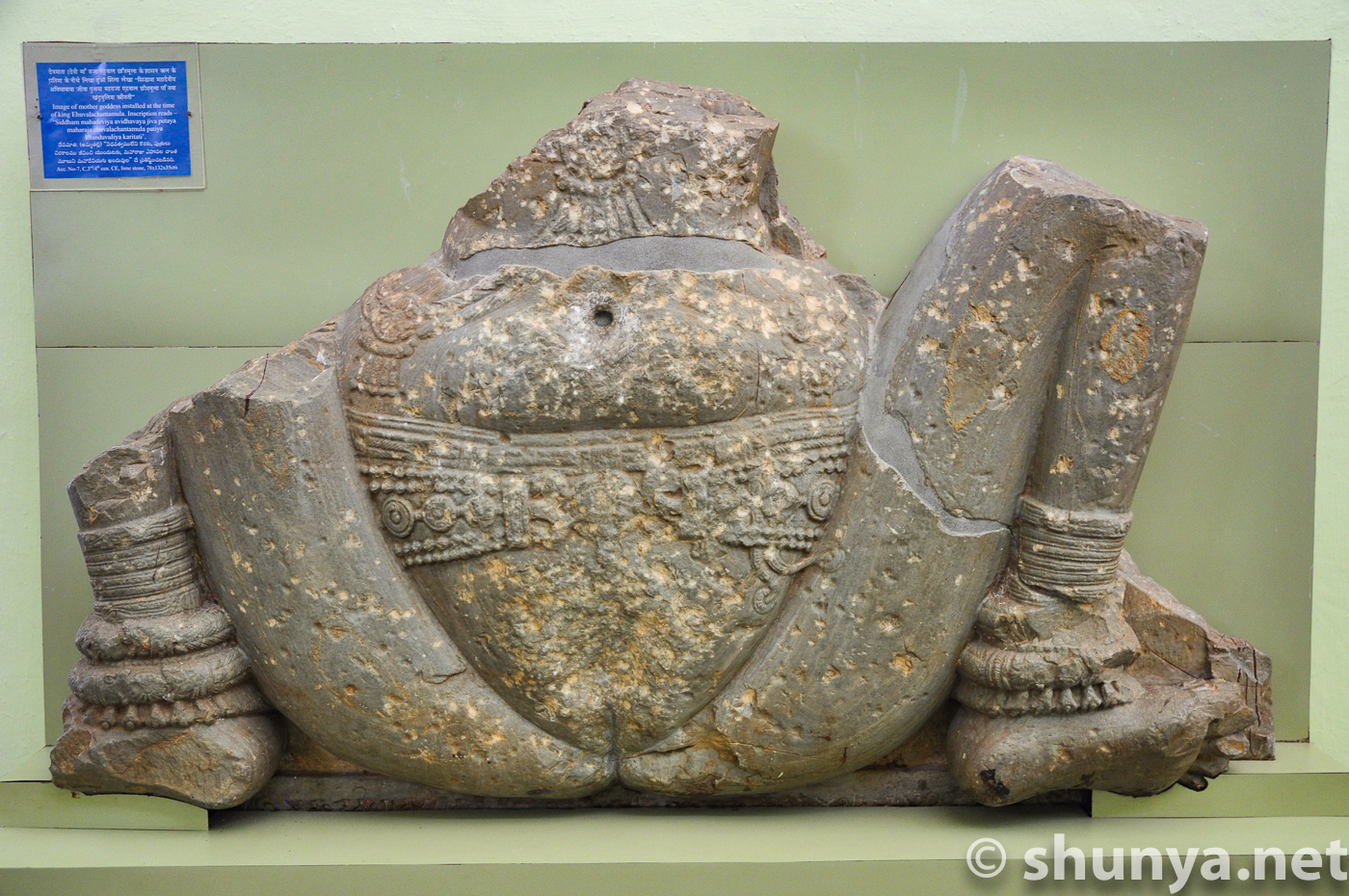
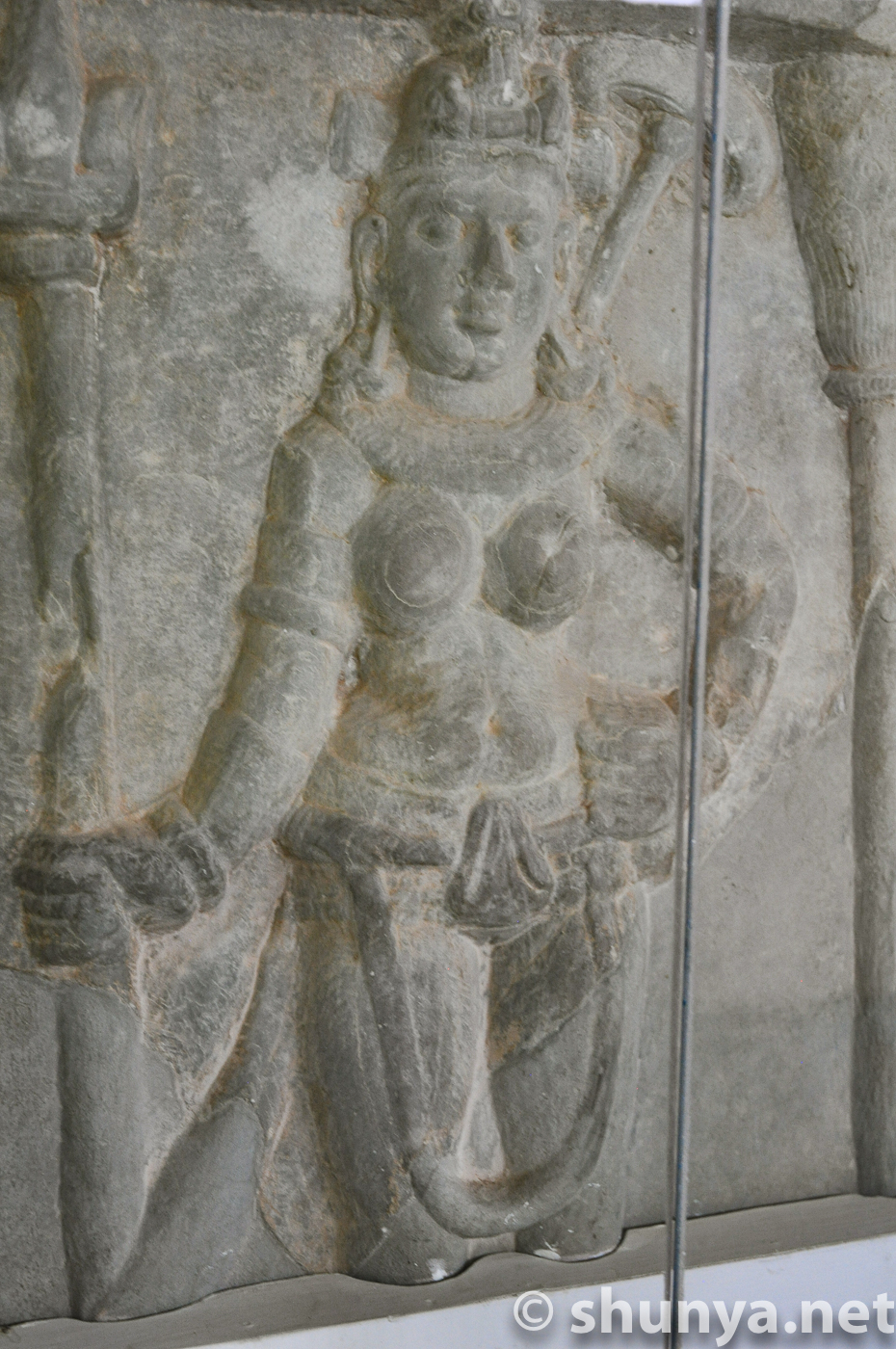
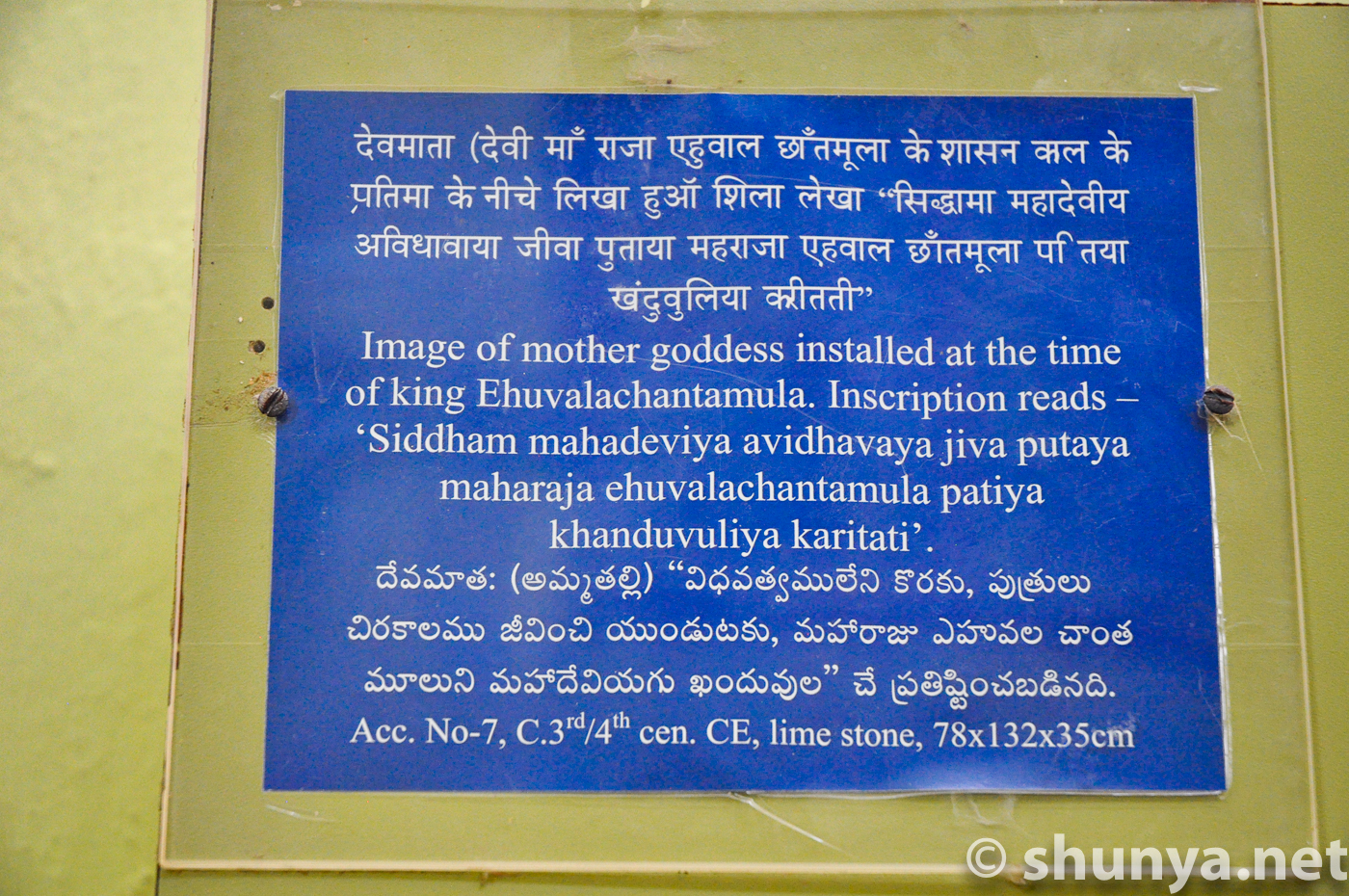
Mother goddess (info)
|
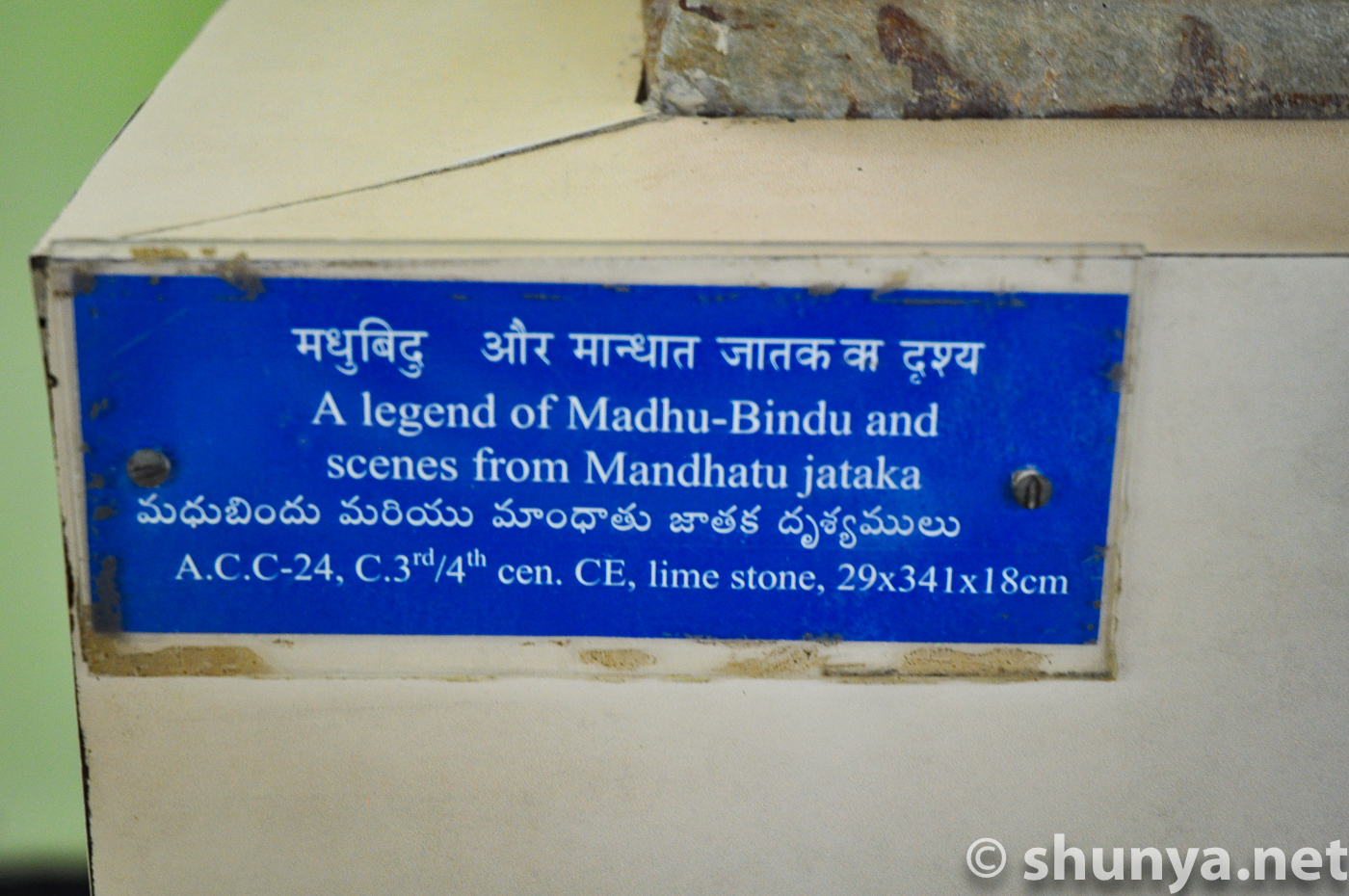
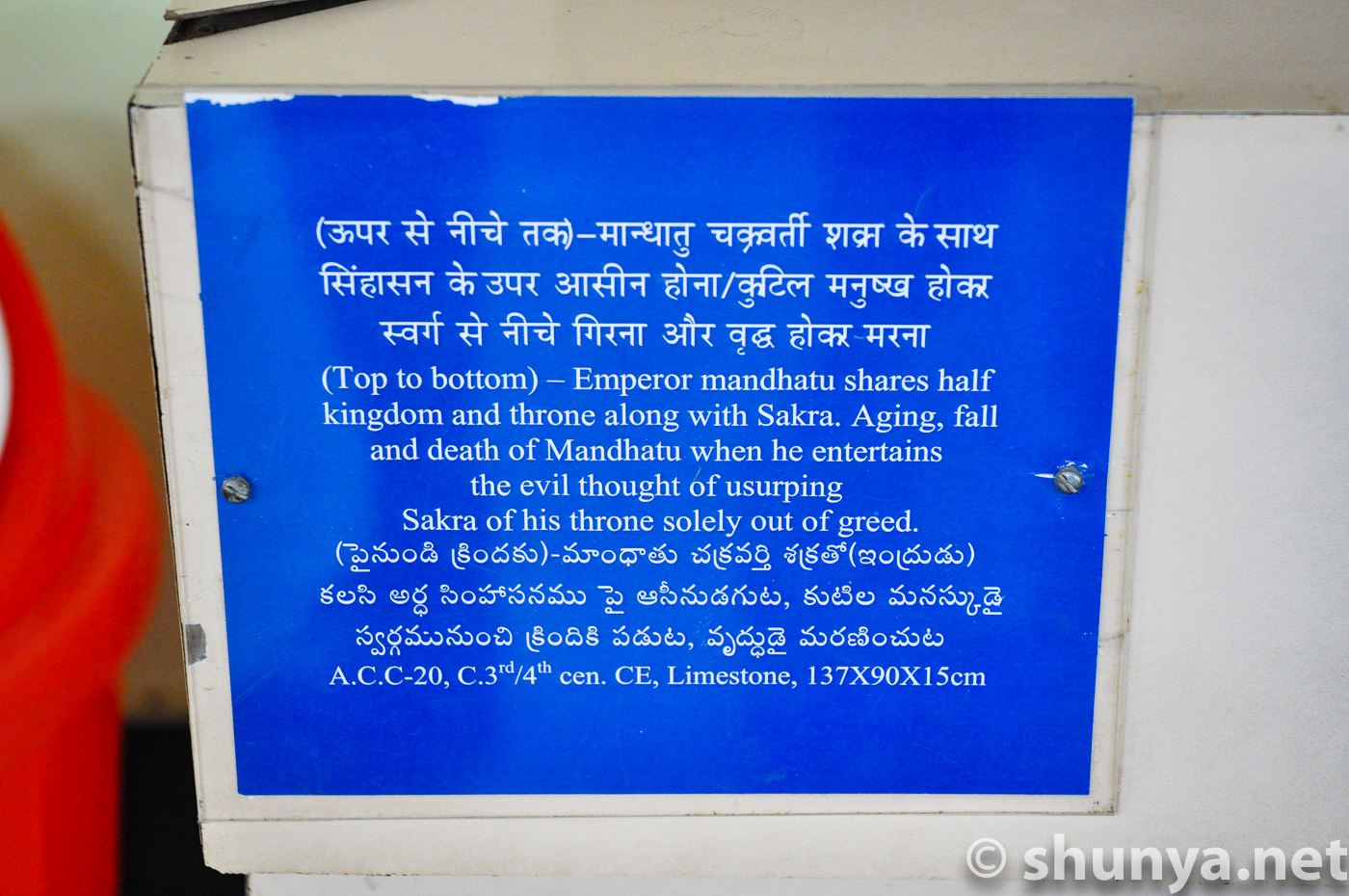
"A legend of Madhu-Bindu and scenes from Mandhatu jataka" (info)
|
|||
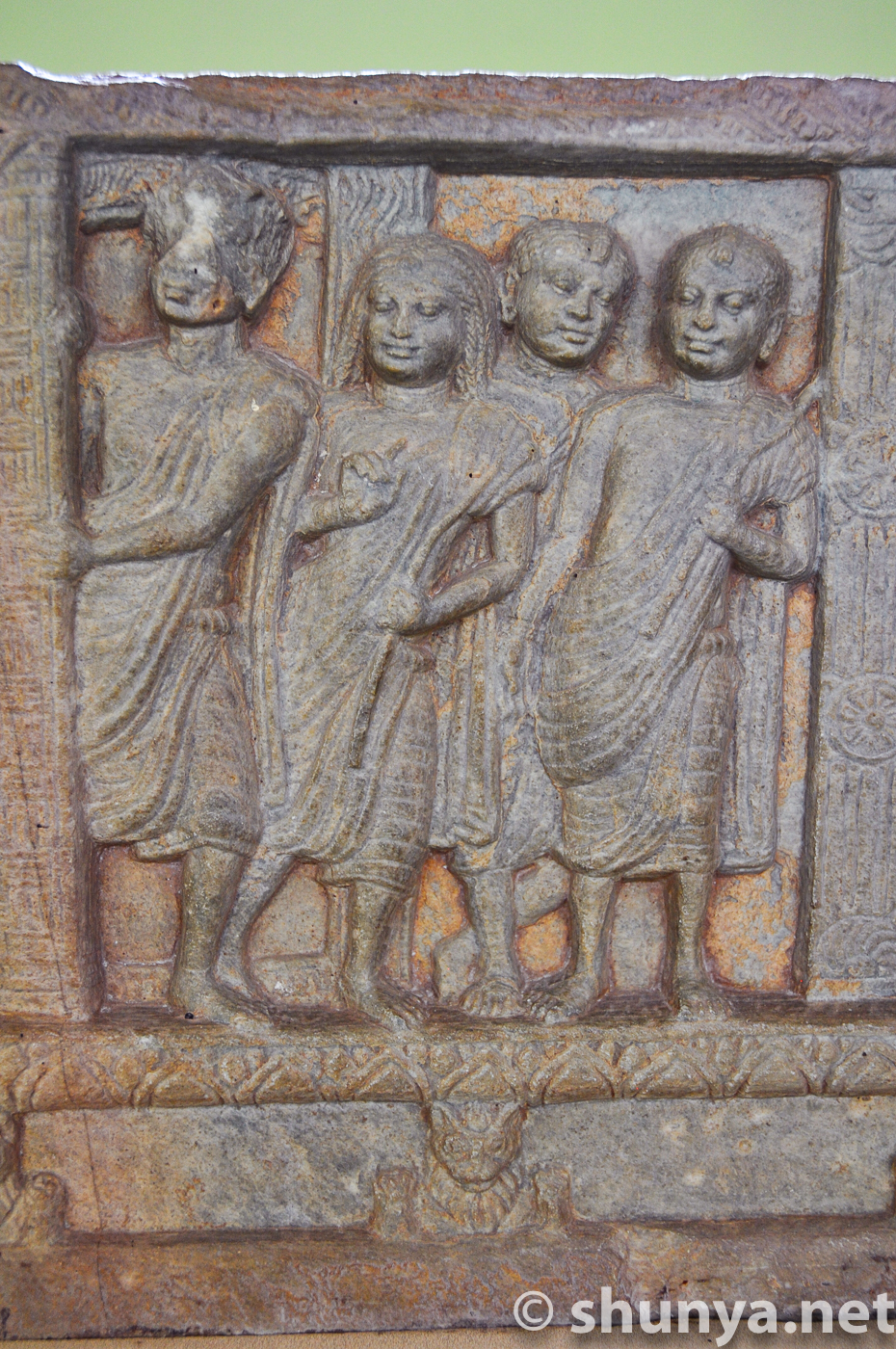 |
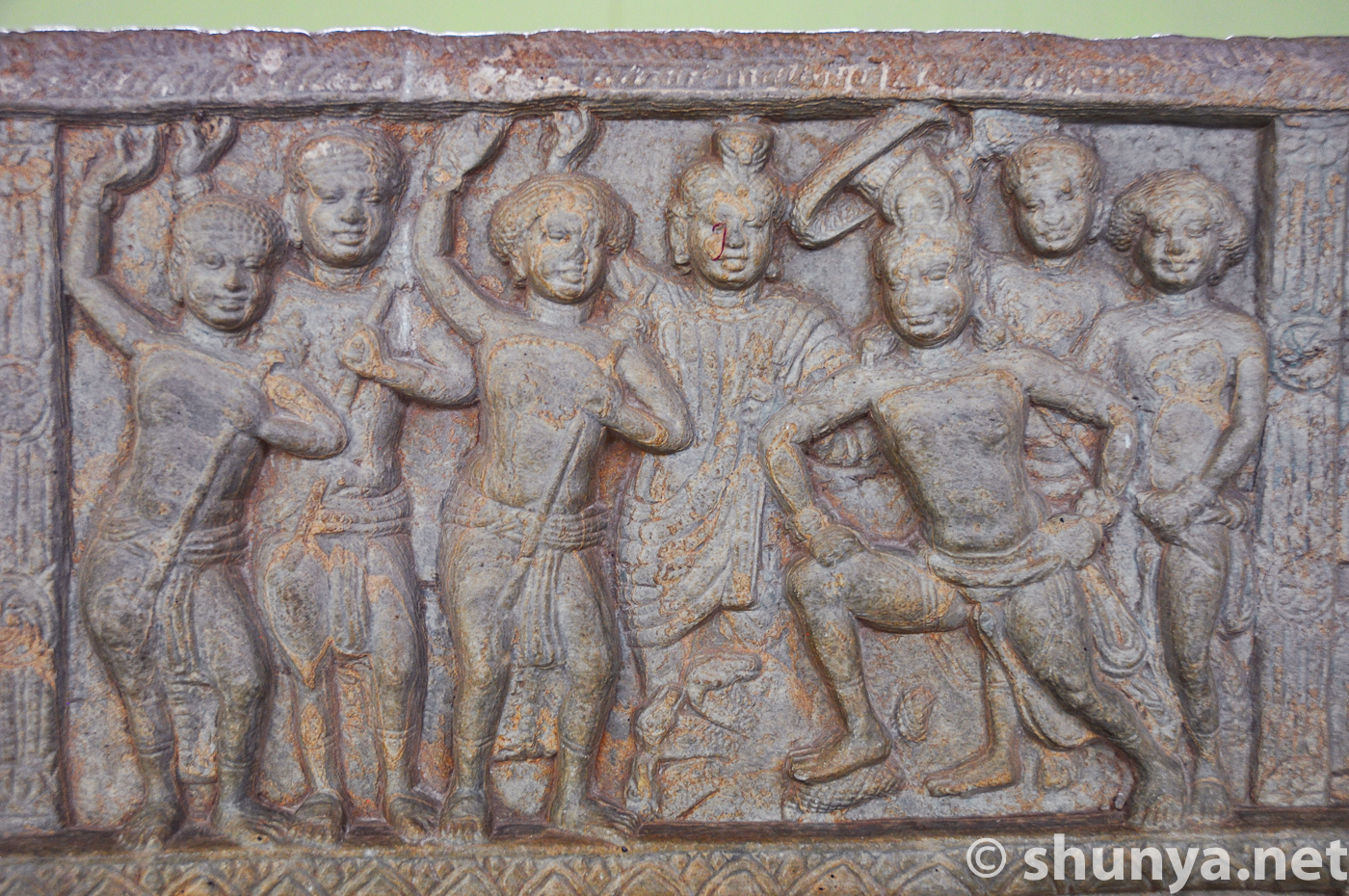 |
 |
 |
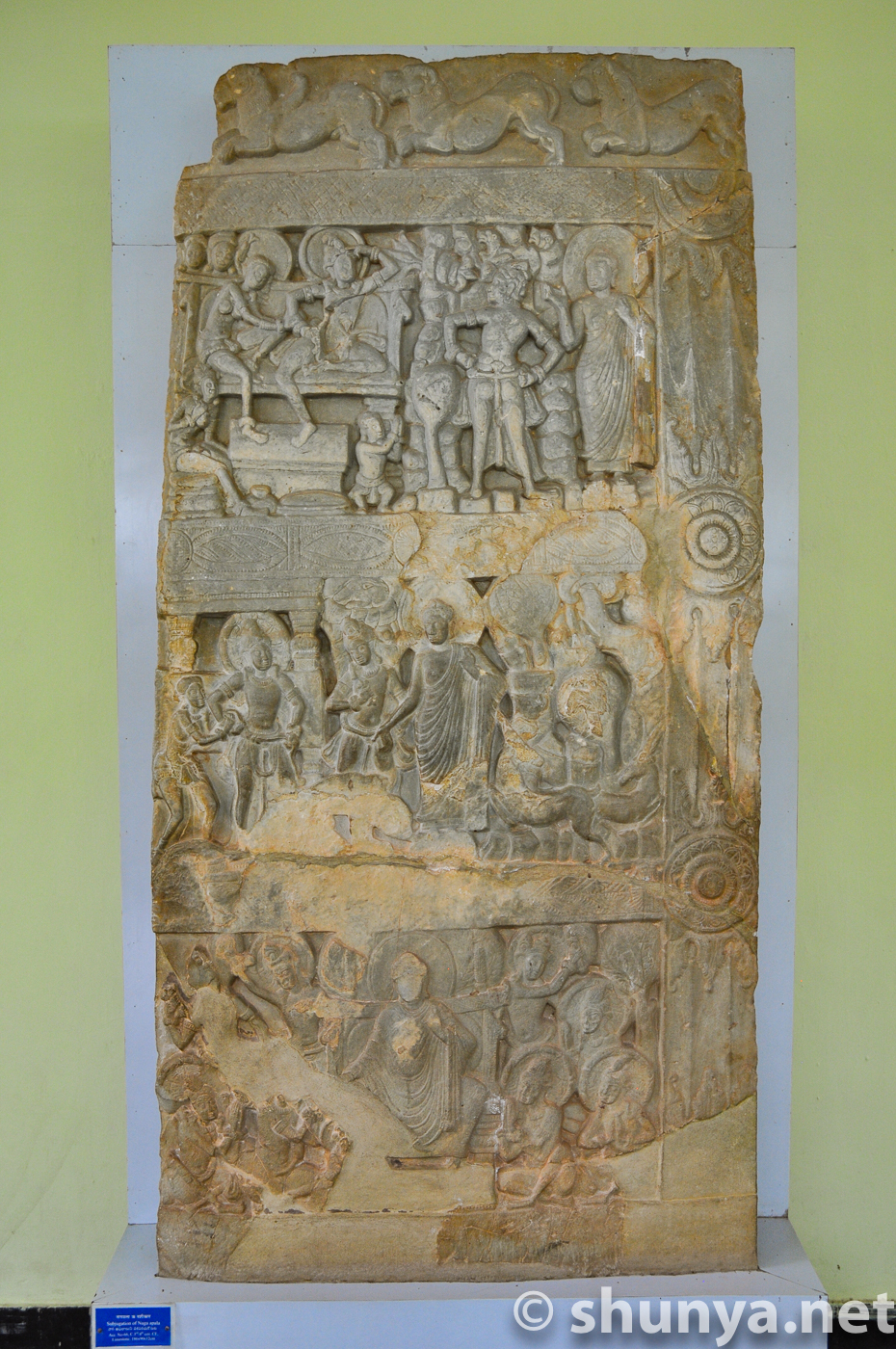
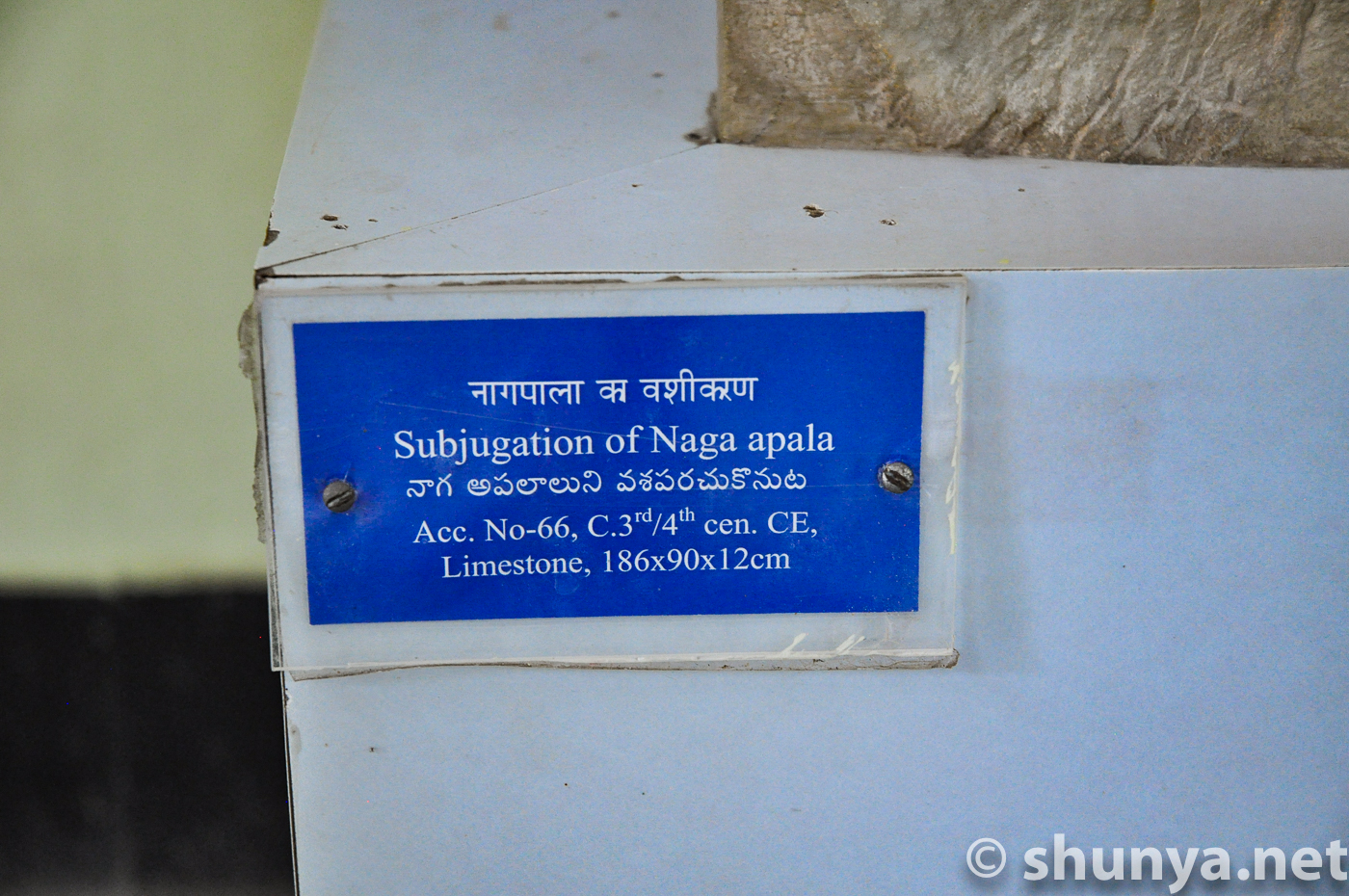
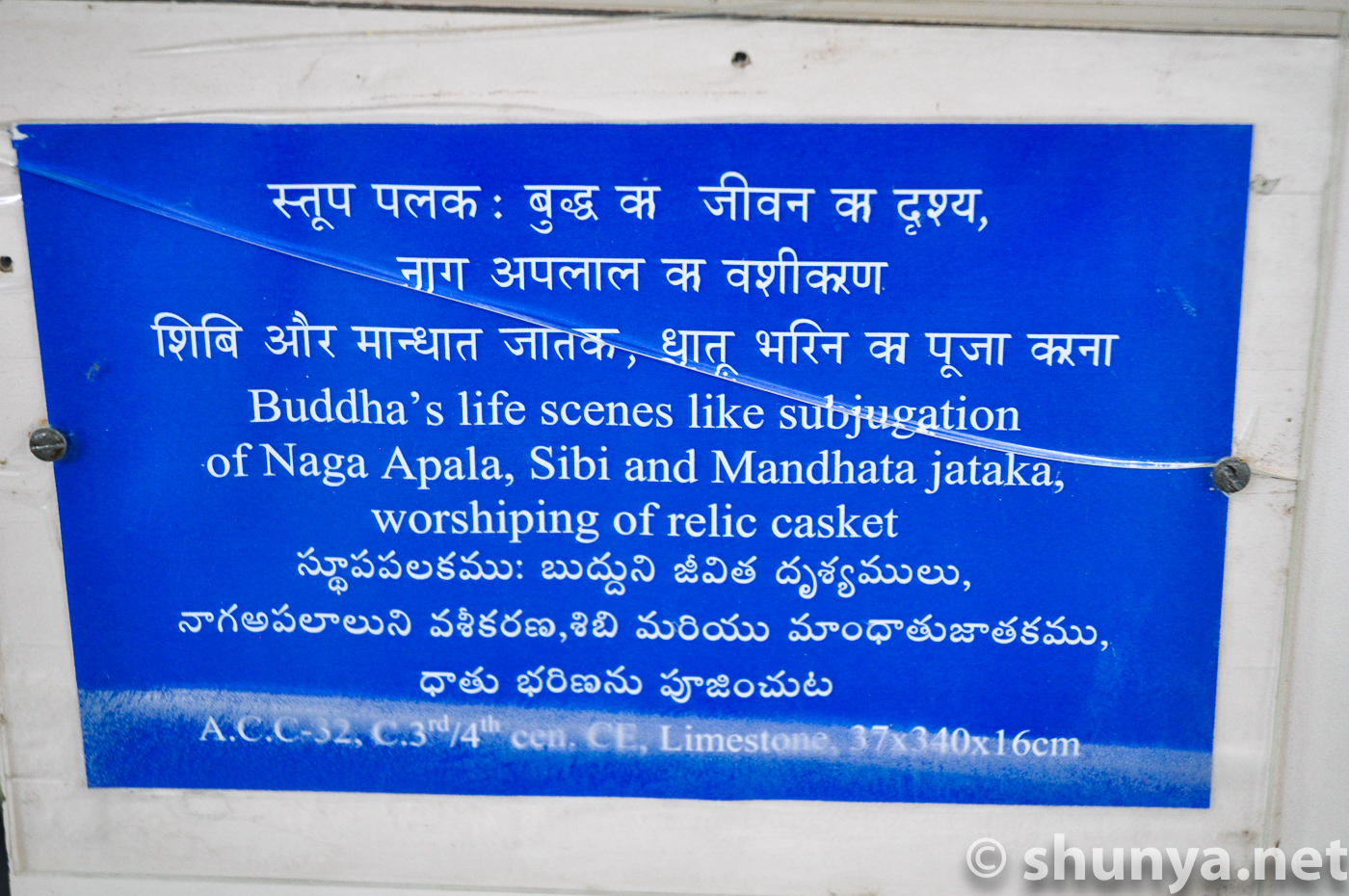
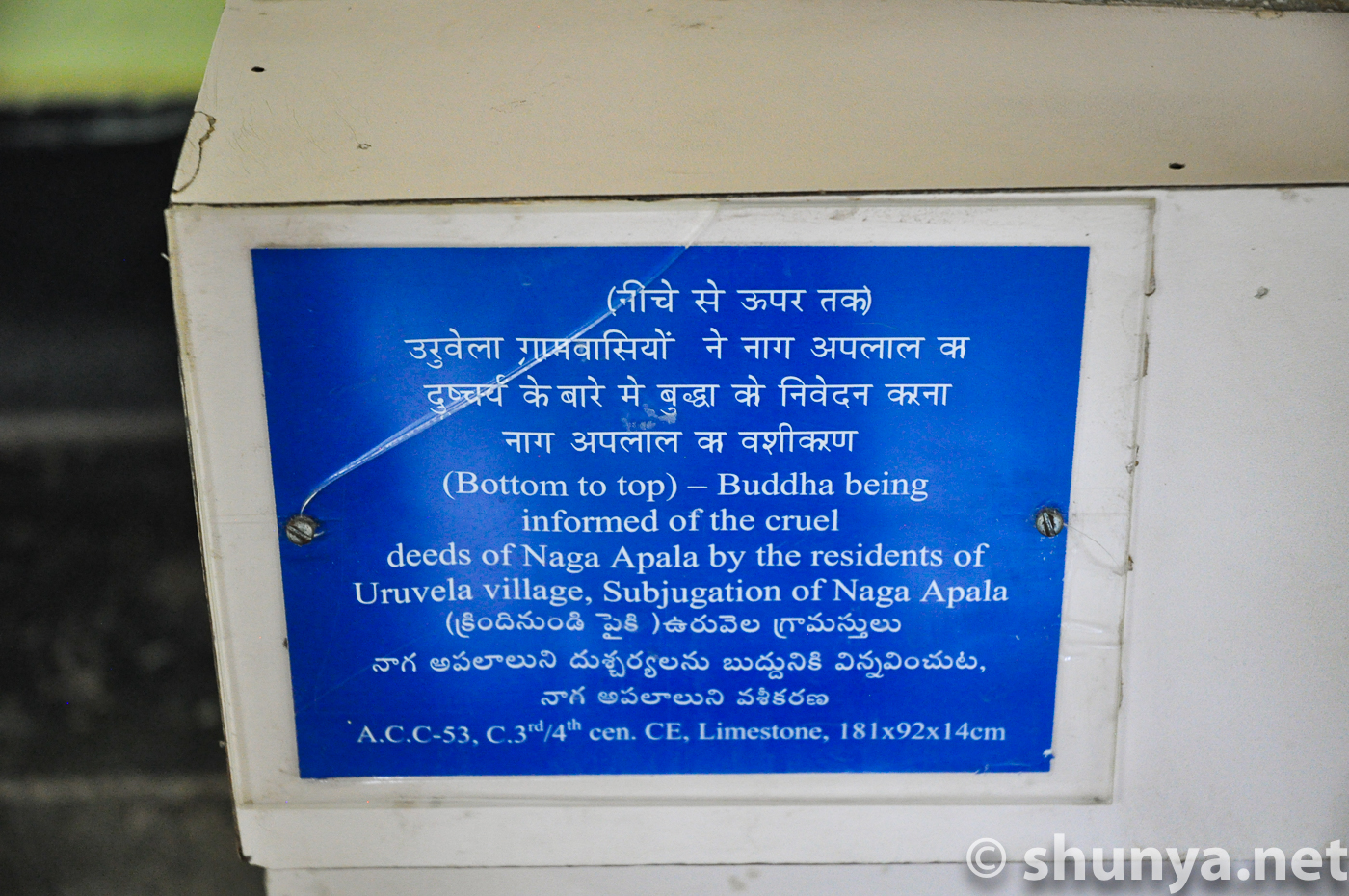
"Subjugation of Naga
|
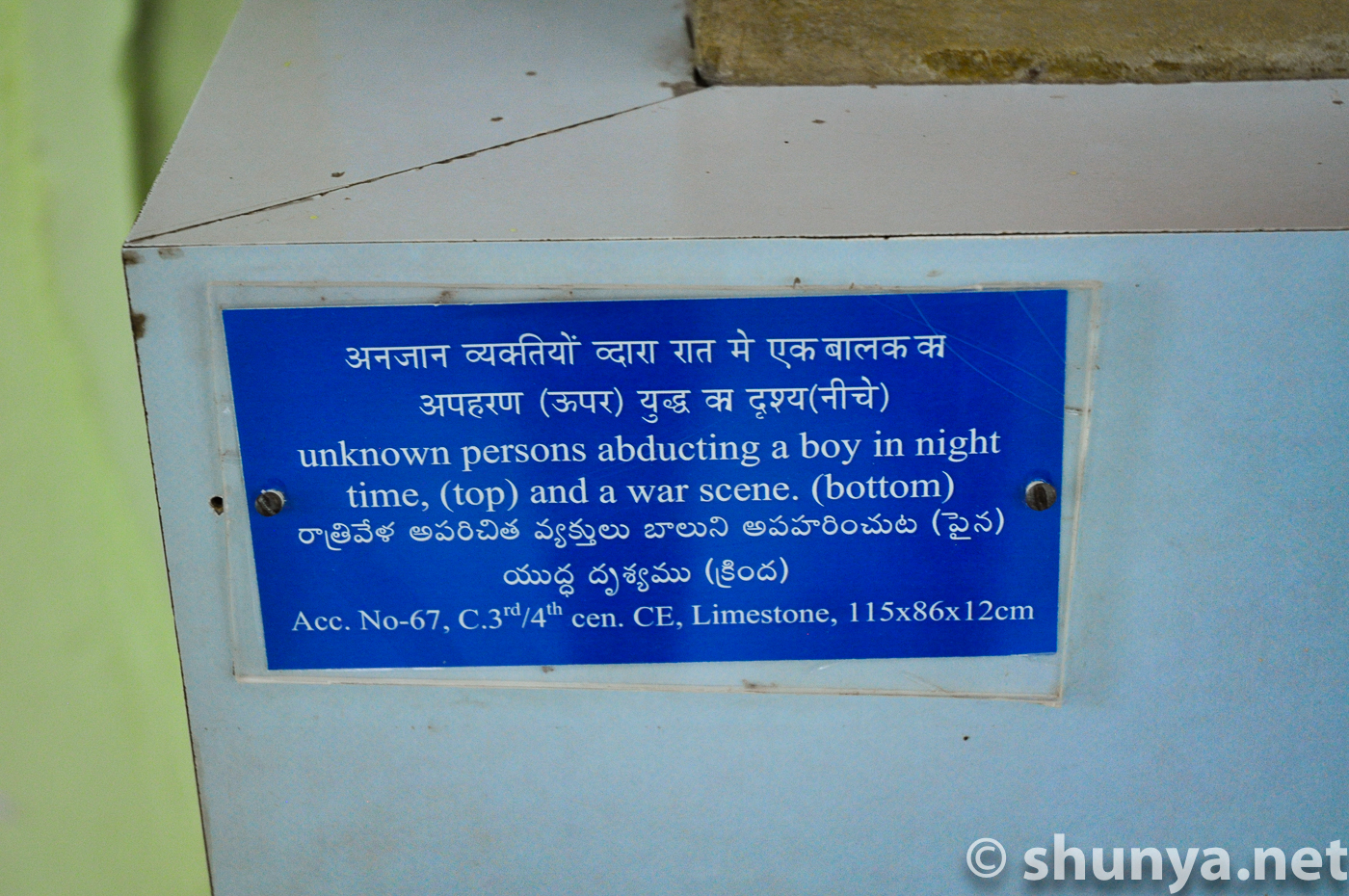
"Unknow persons abducting
|
Scenes from the
|
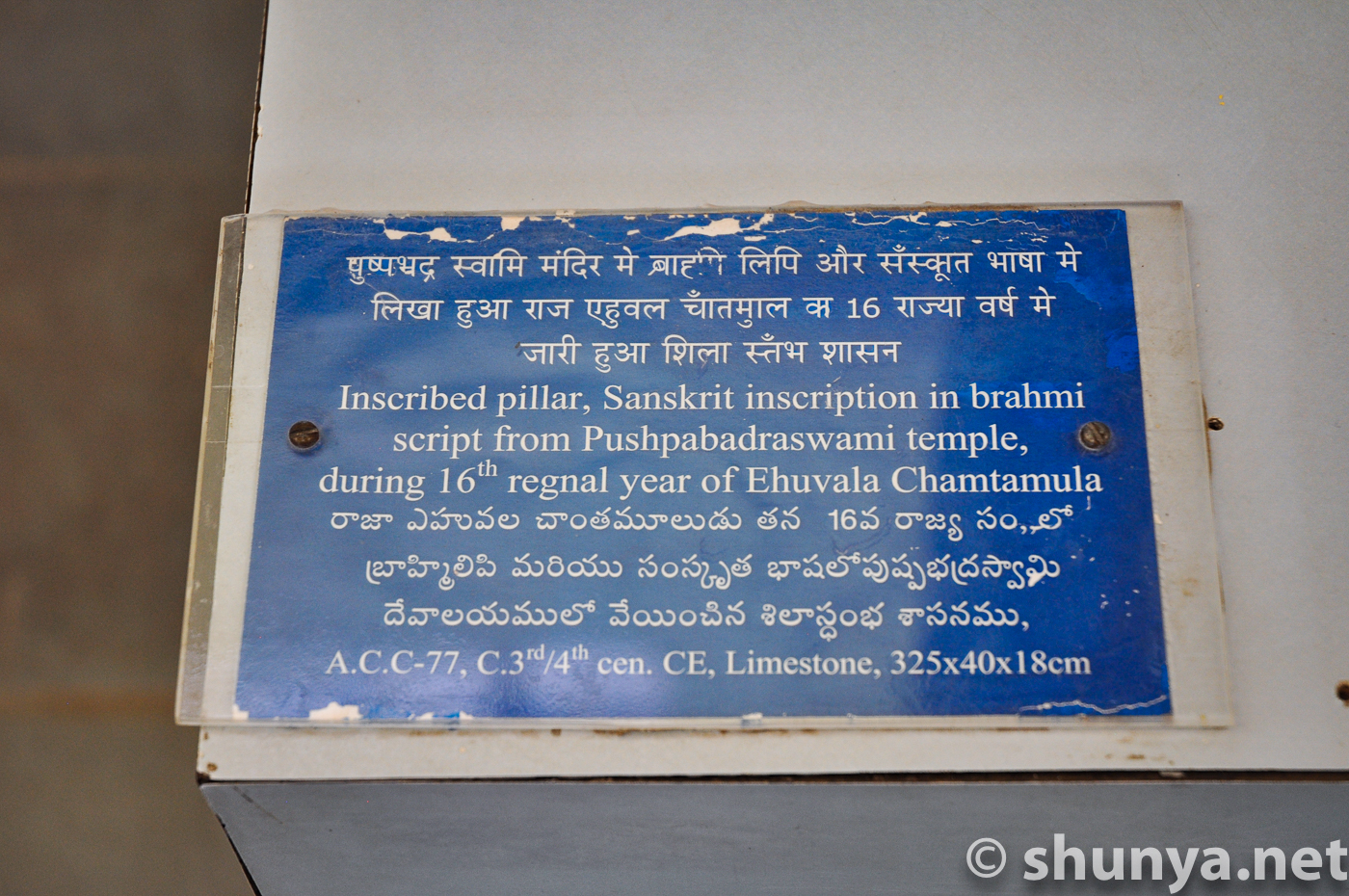
"Inscribed pillar, Sanskrit
|
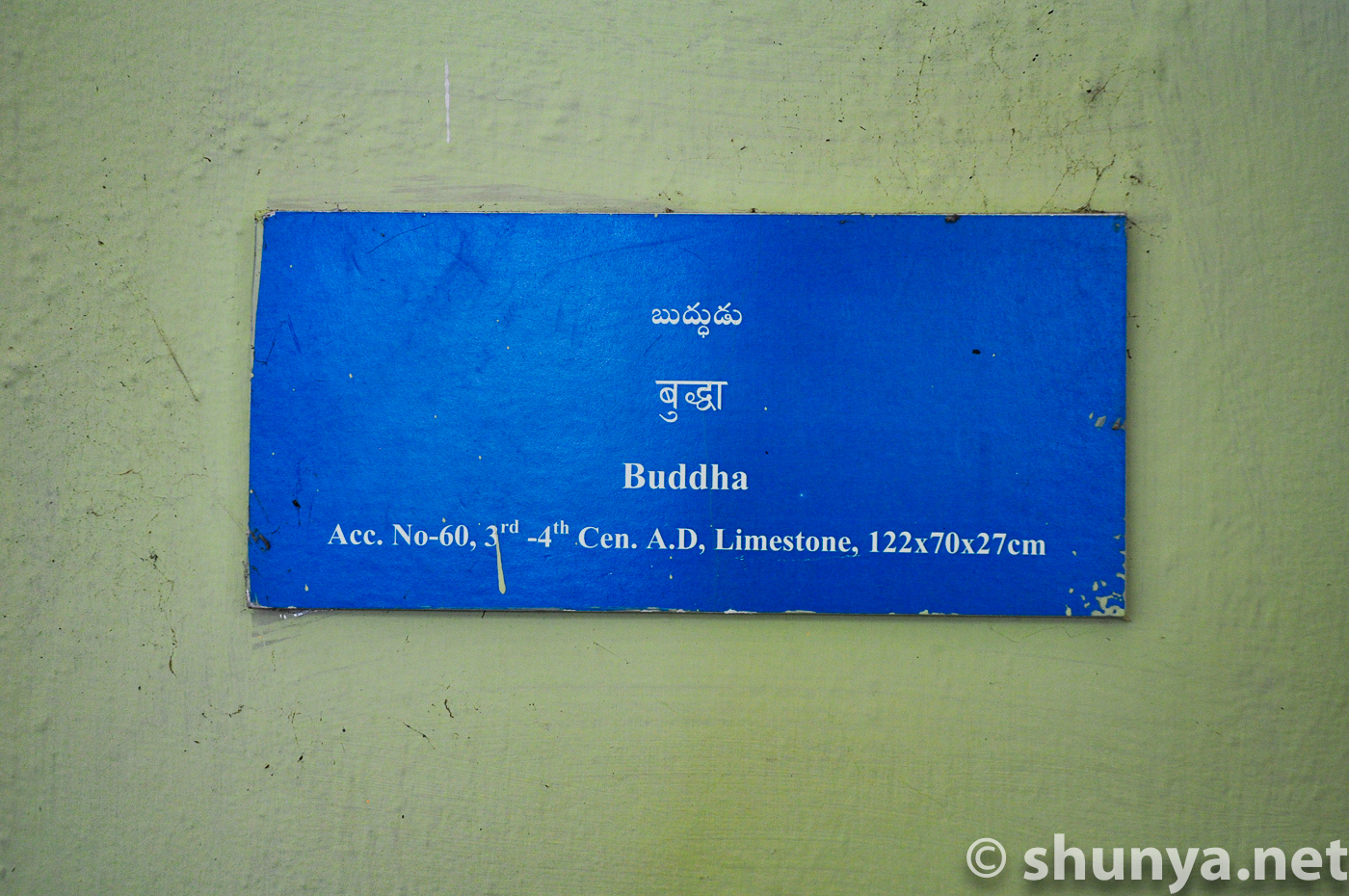
"Buddha" (info)
|
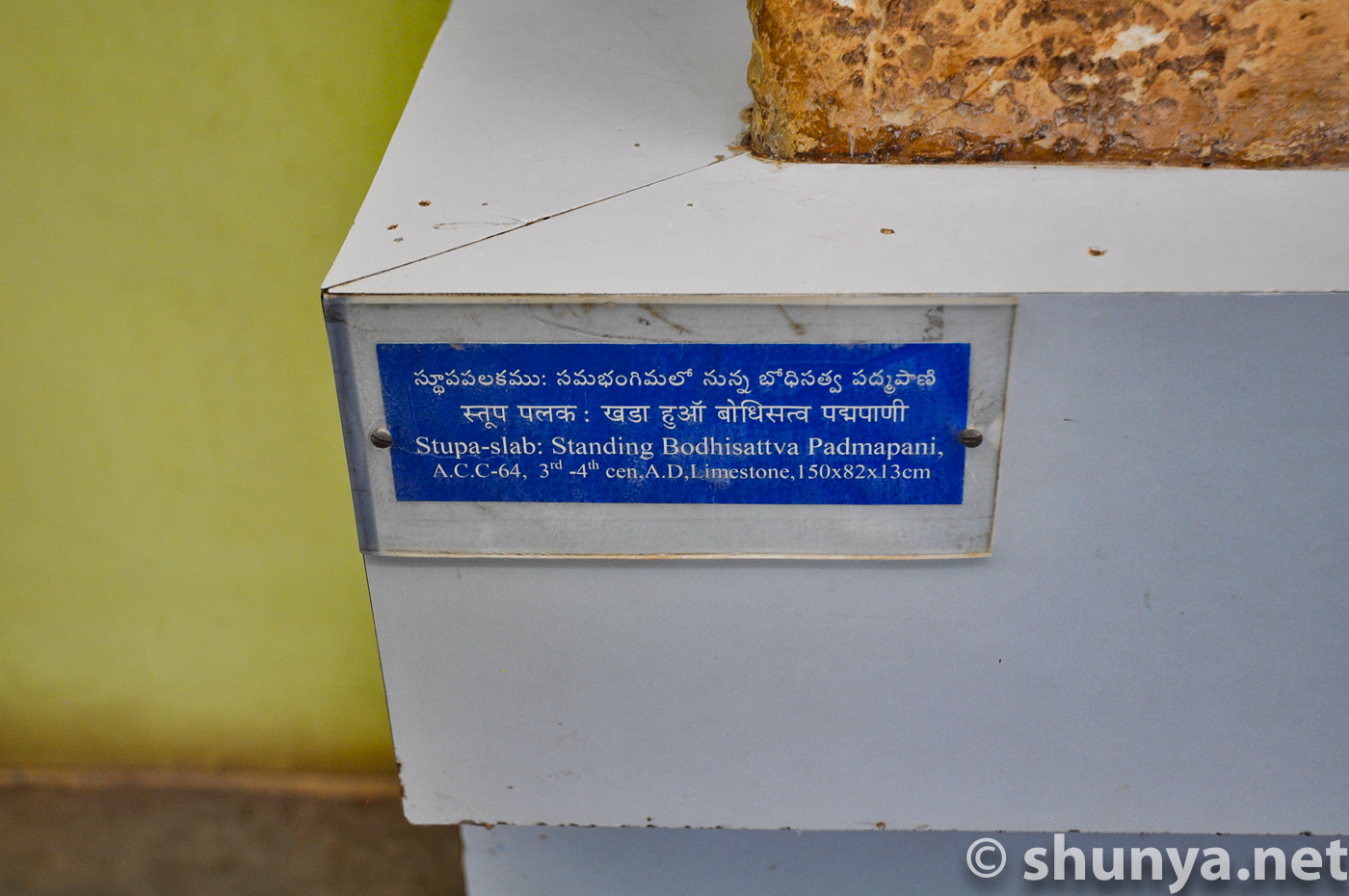
"Stupa-slab: Standing
|
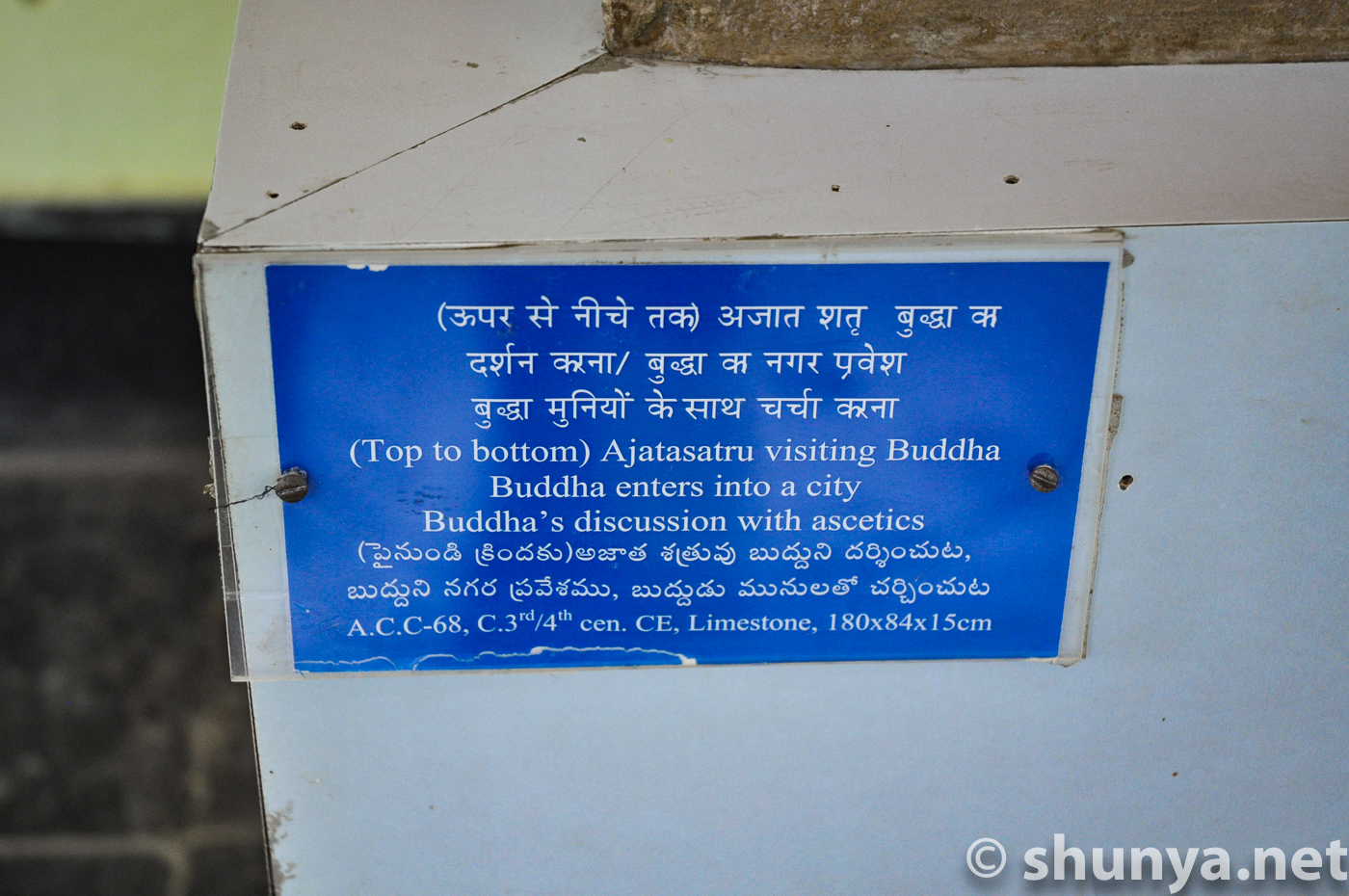
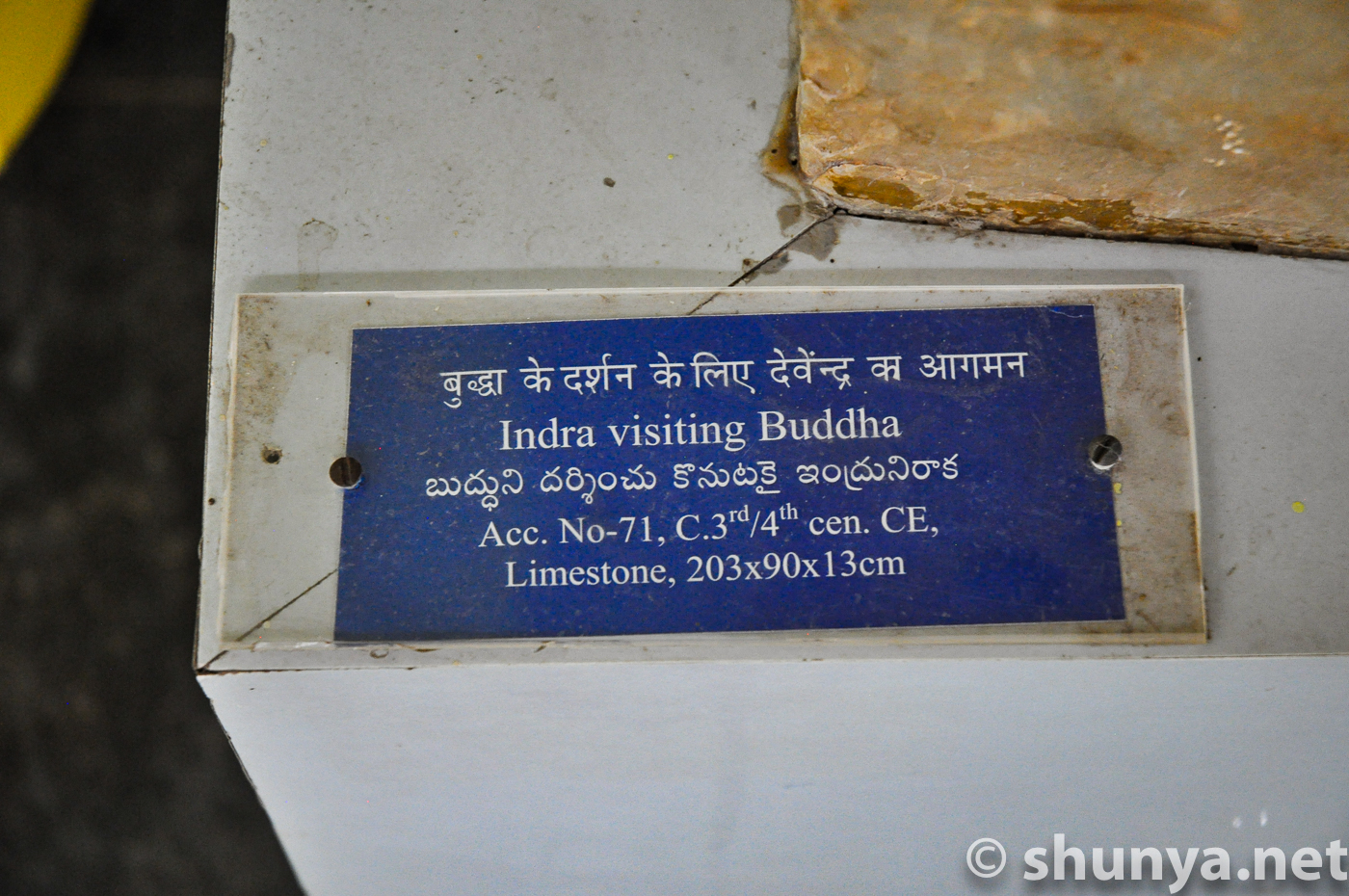
"Indra visiting Buddha"
|
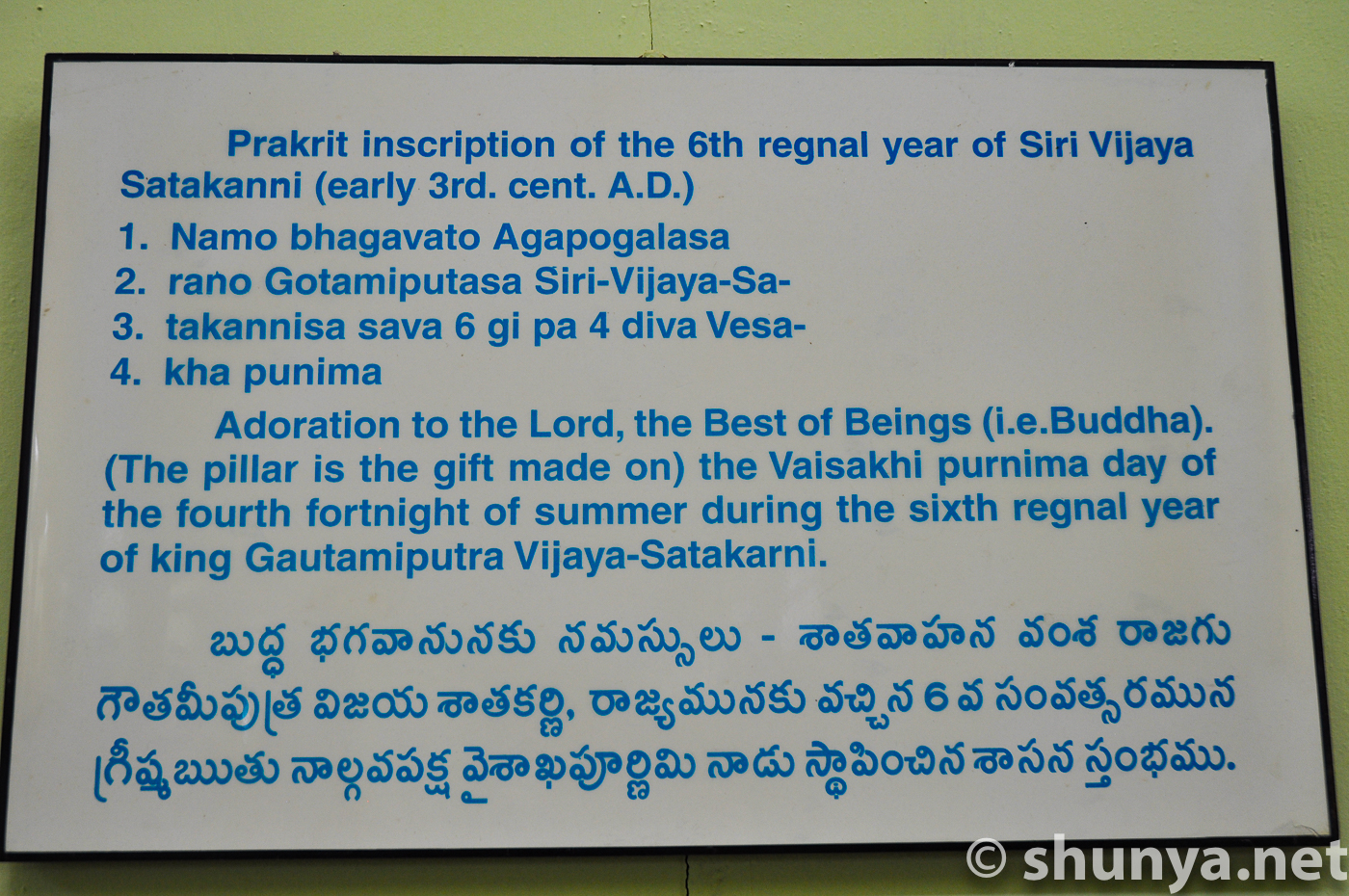
Prakrit inscription (info)
|
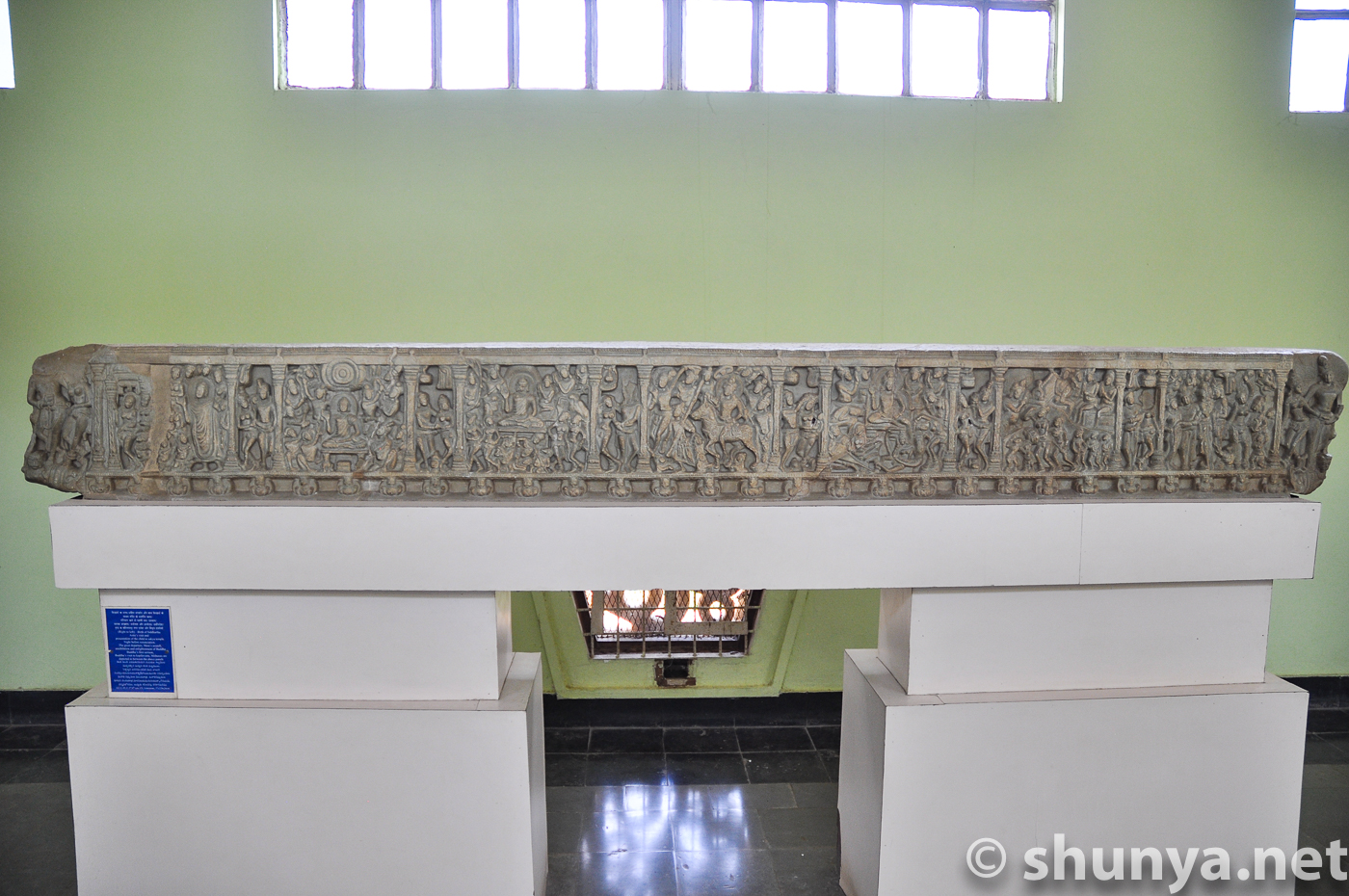
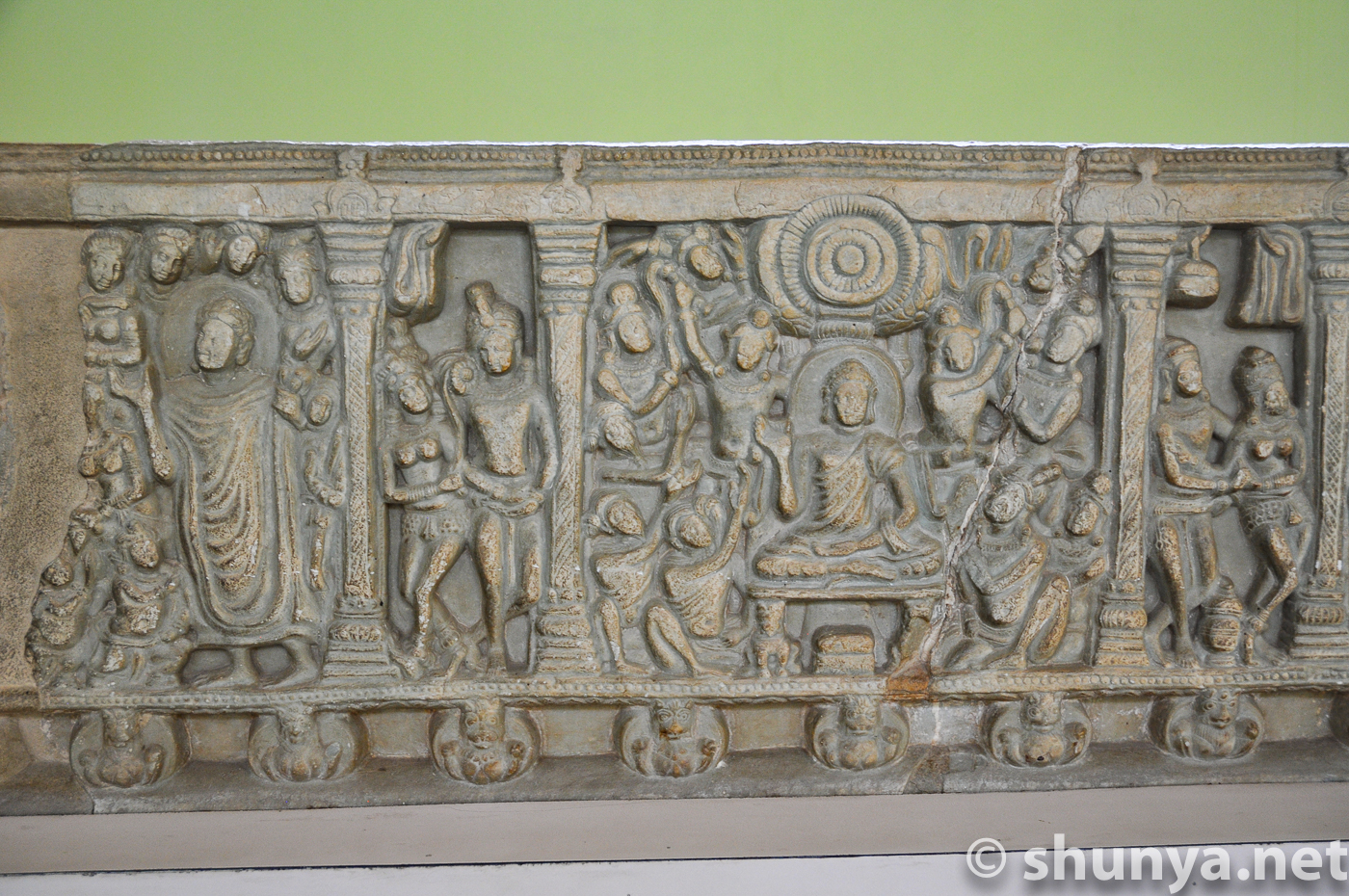
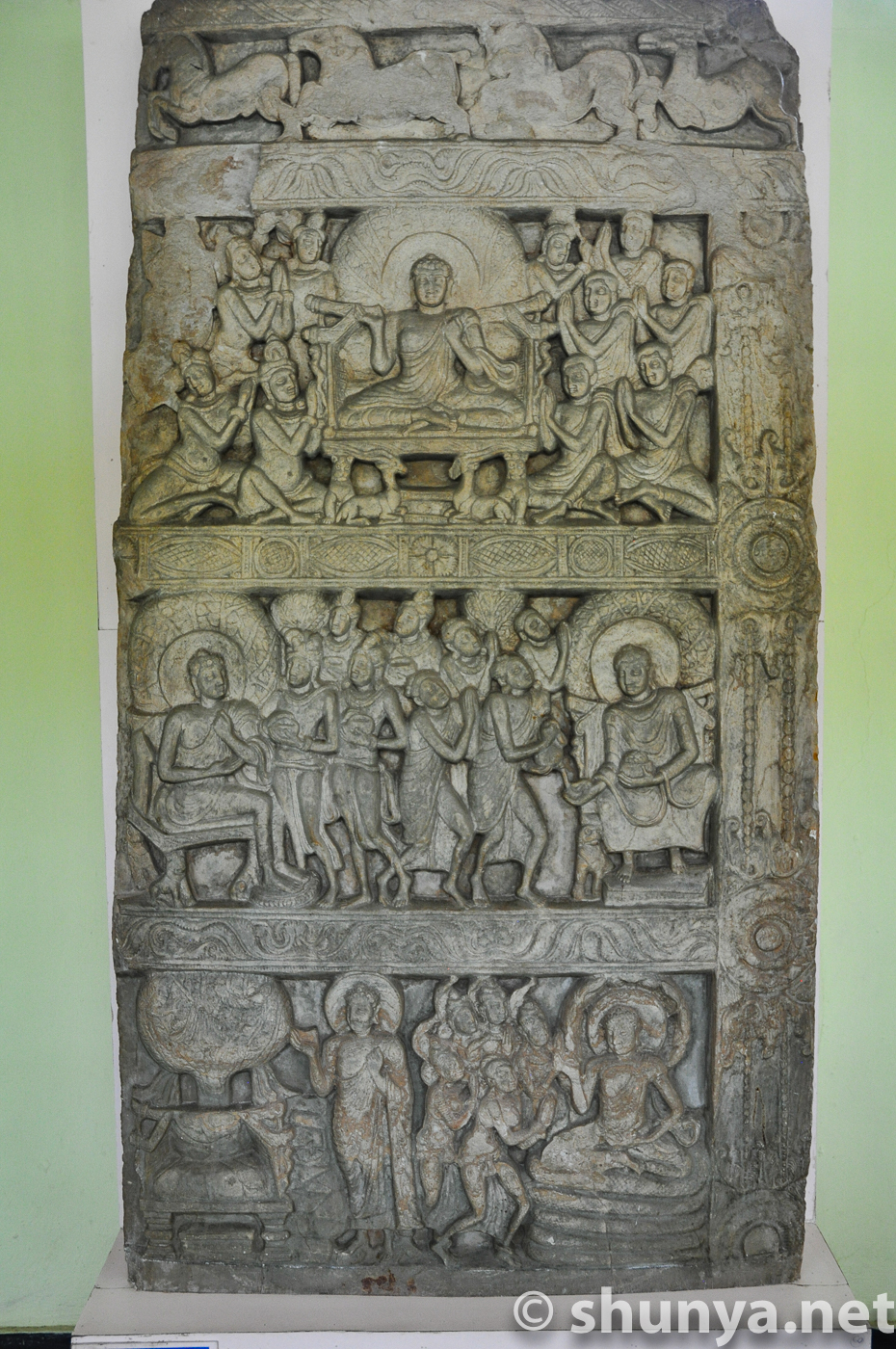
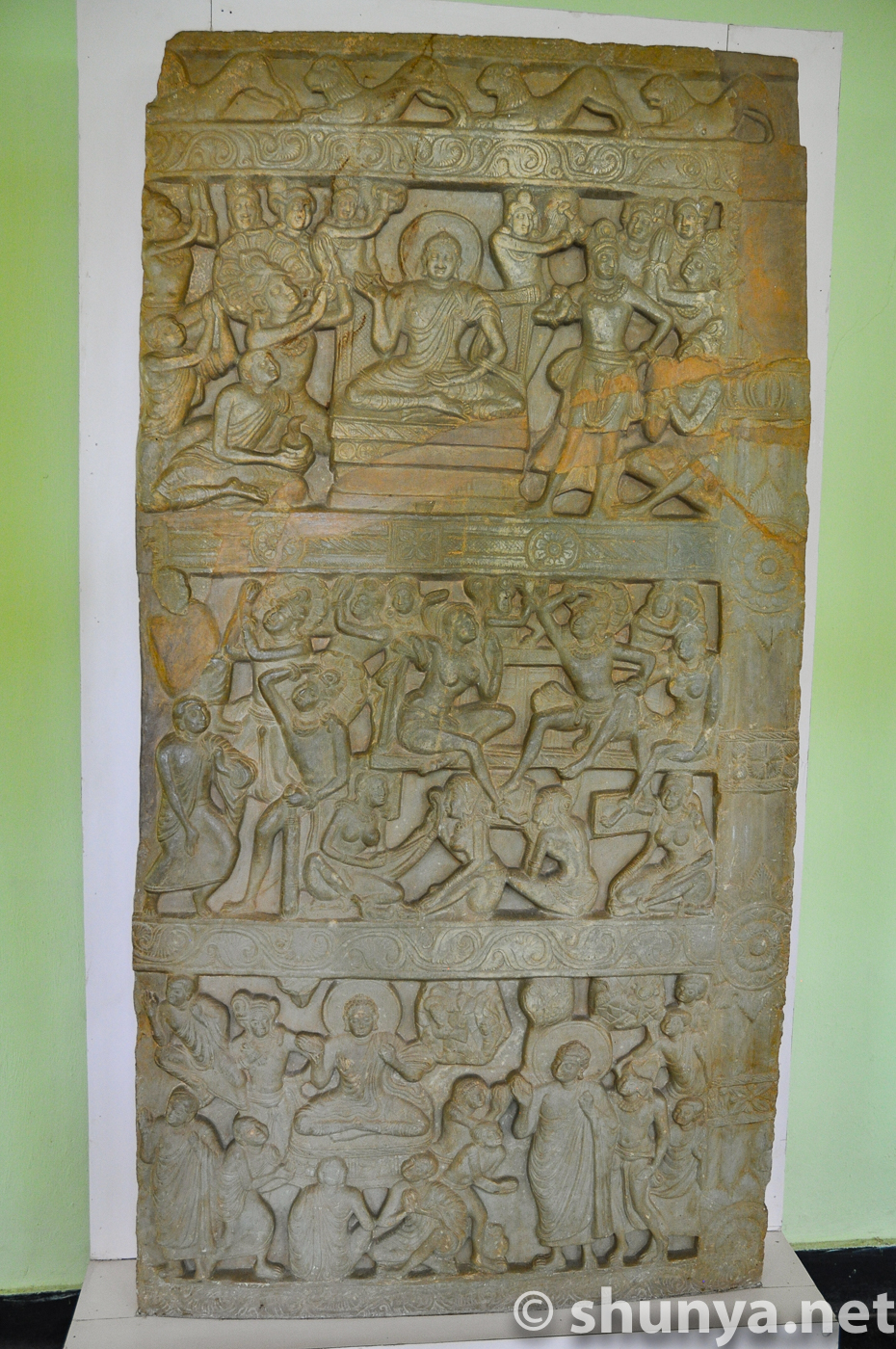
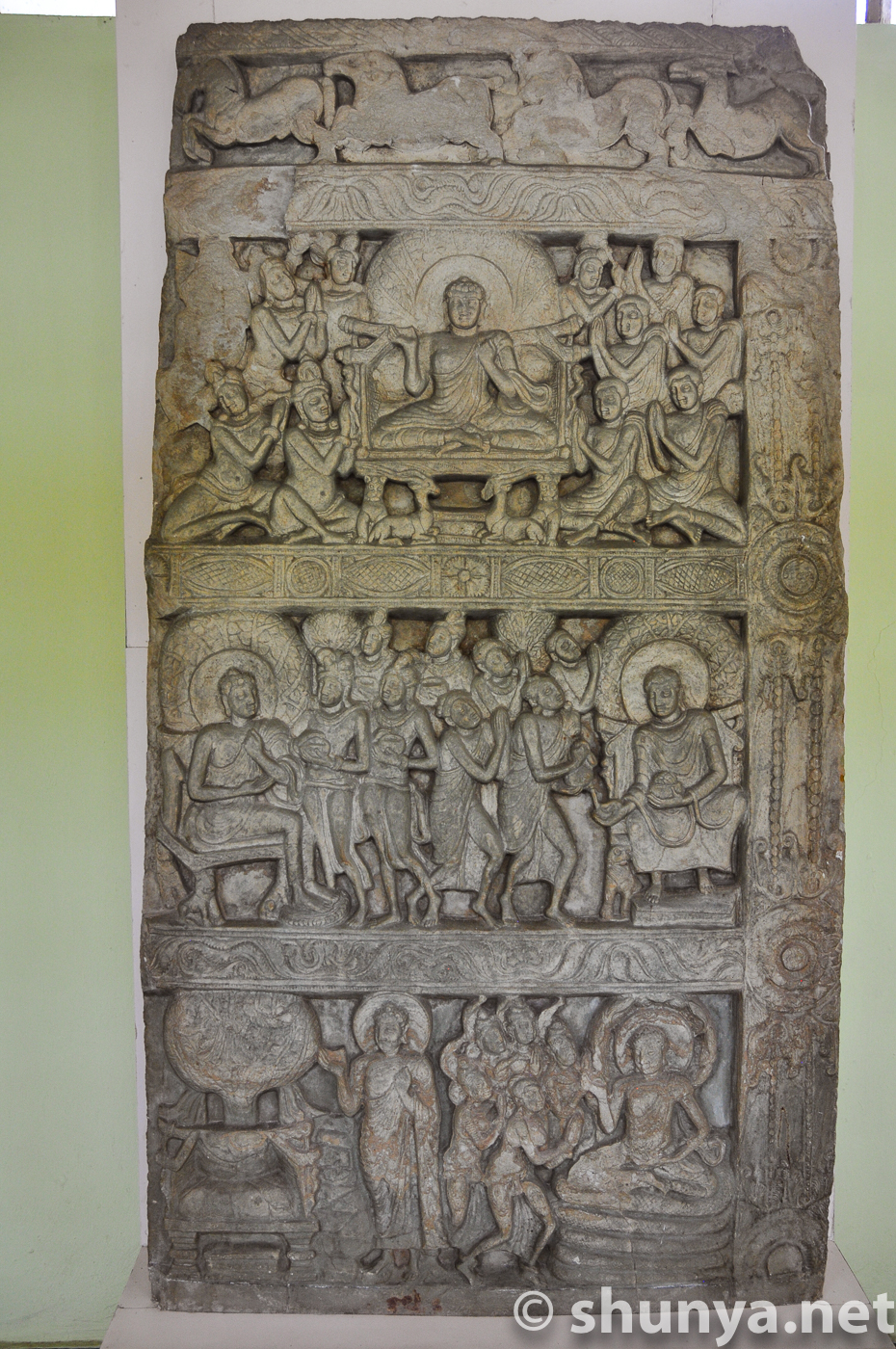
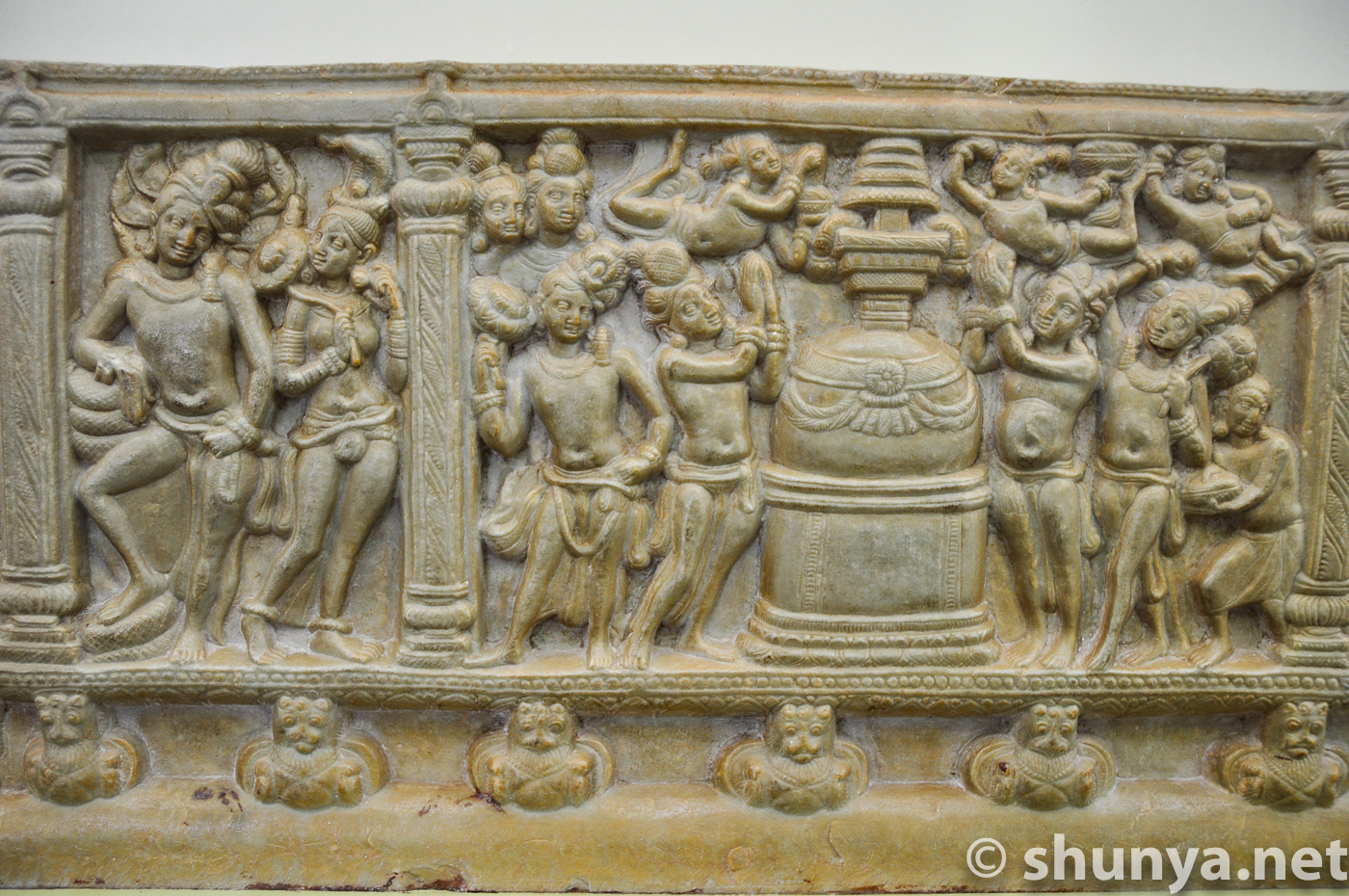
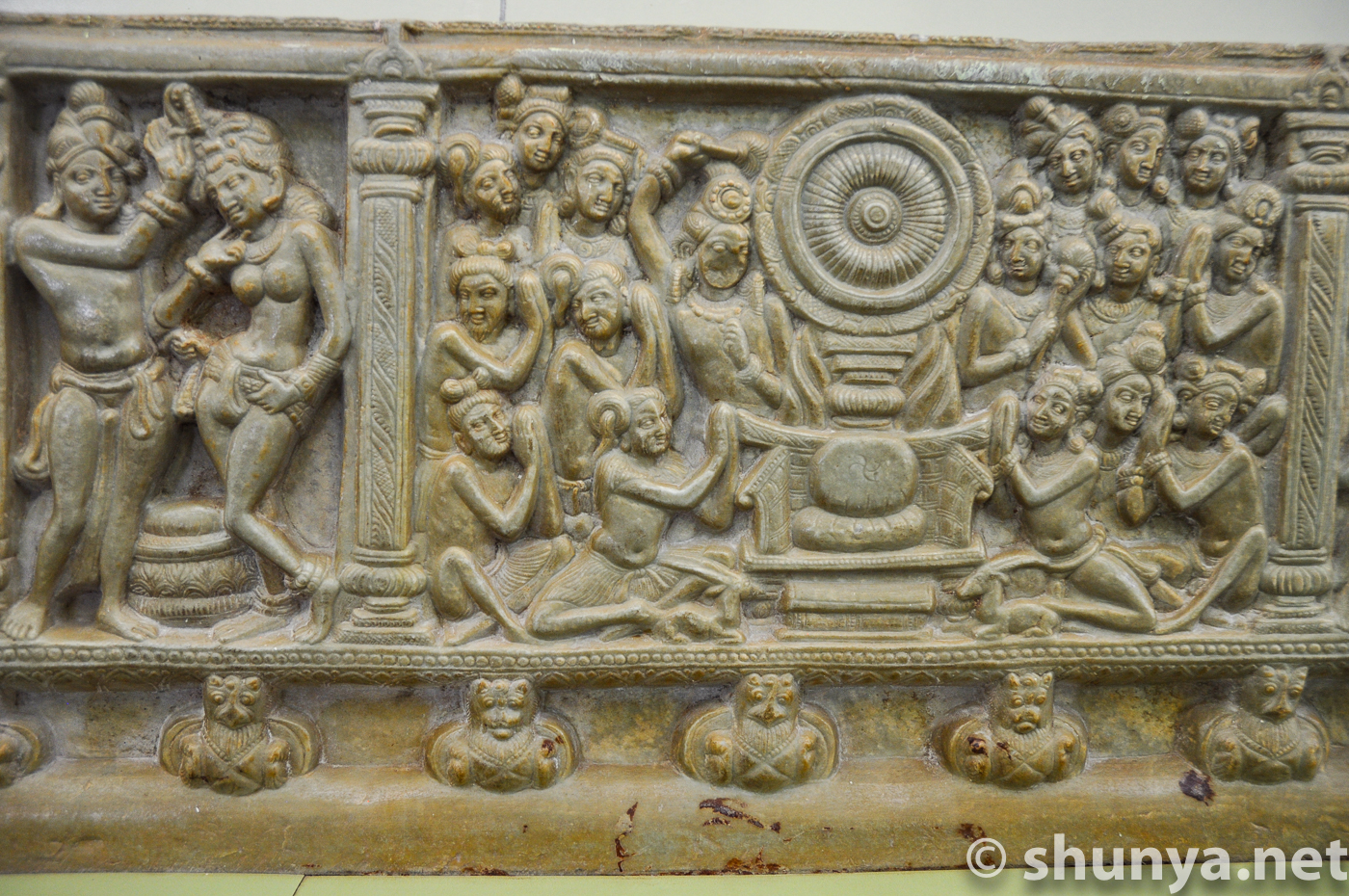
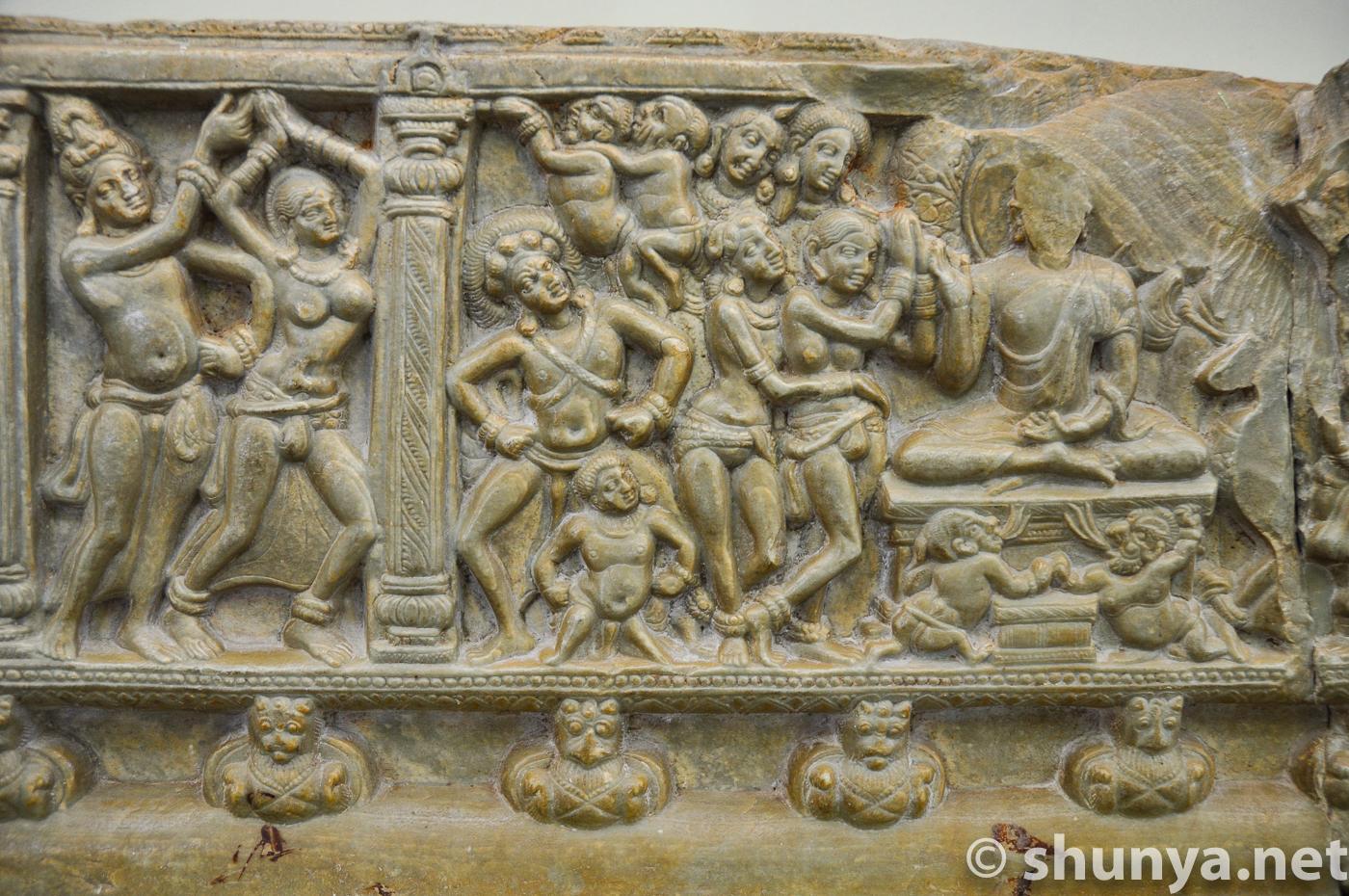
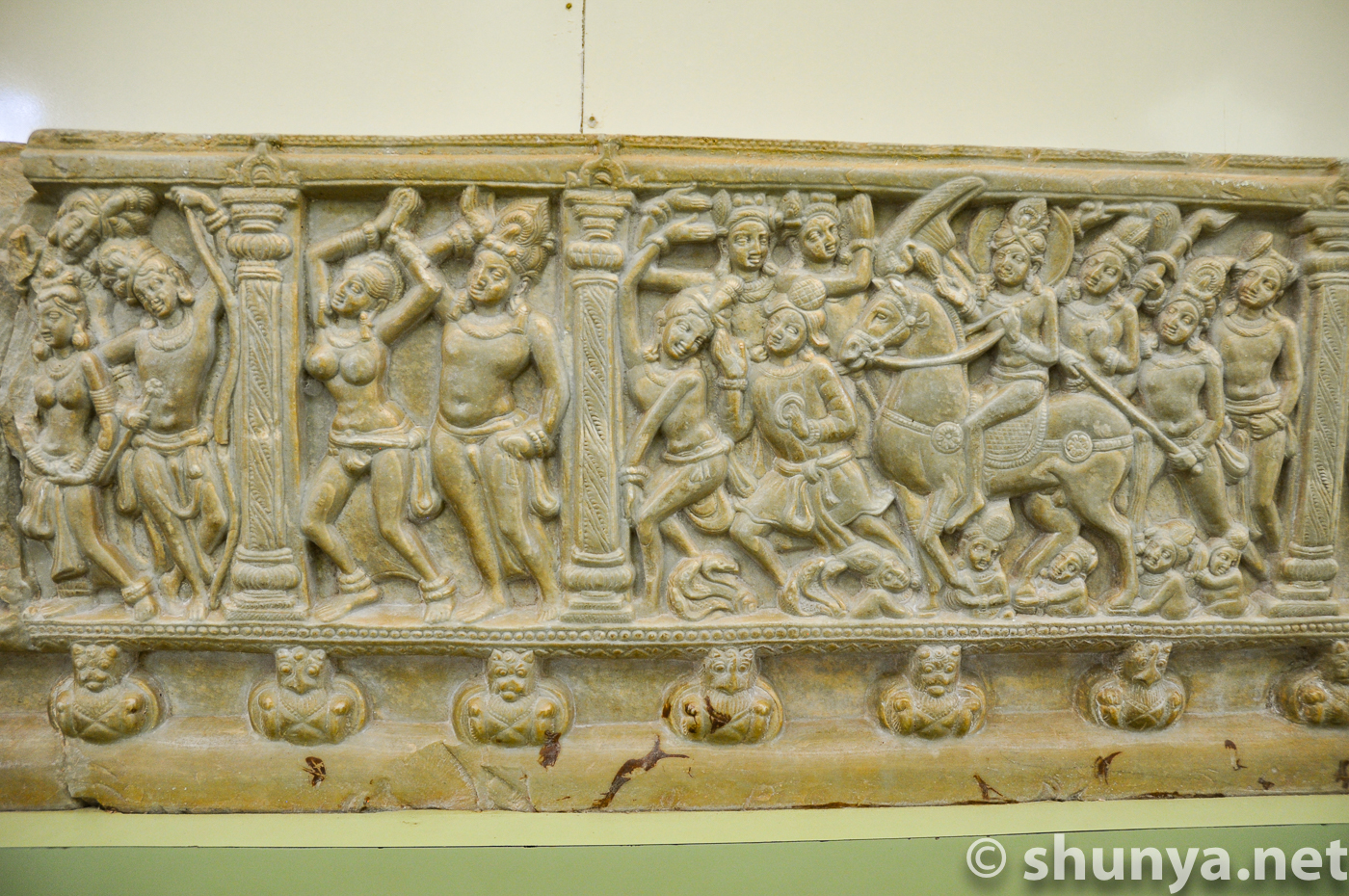
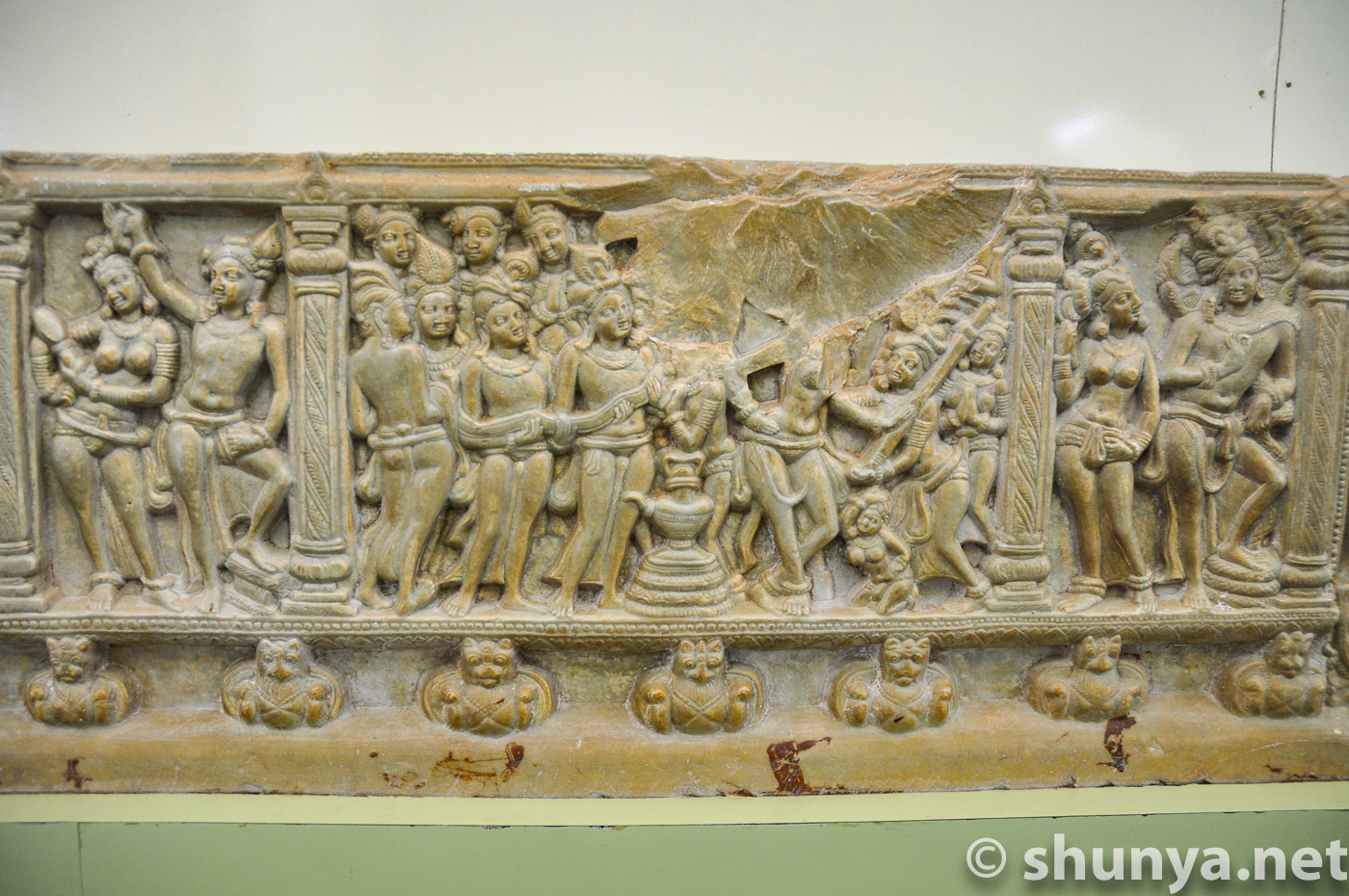
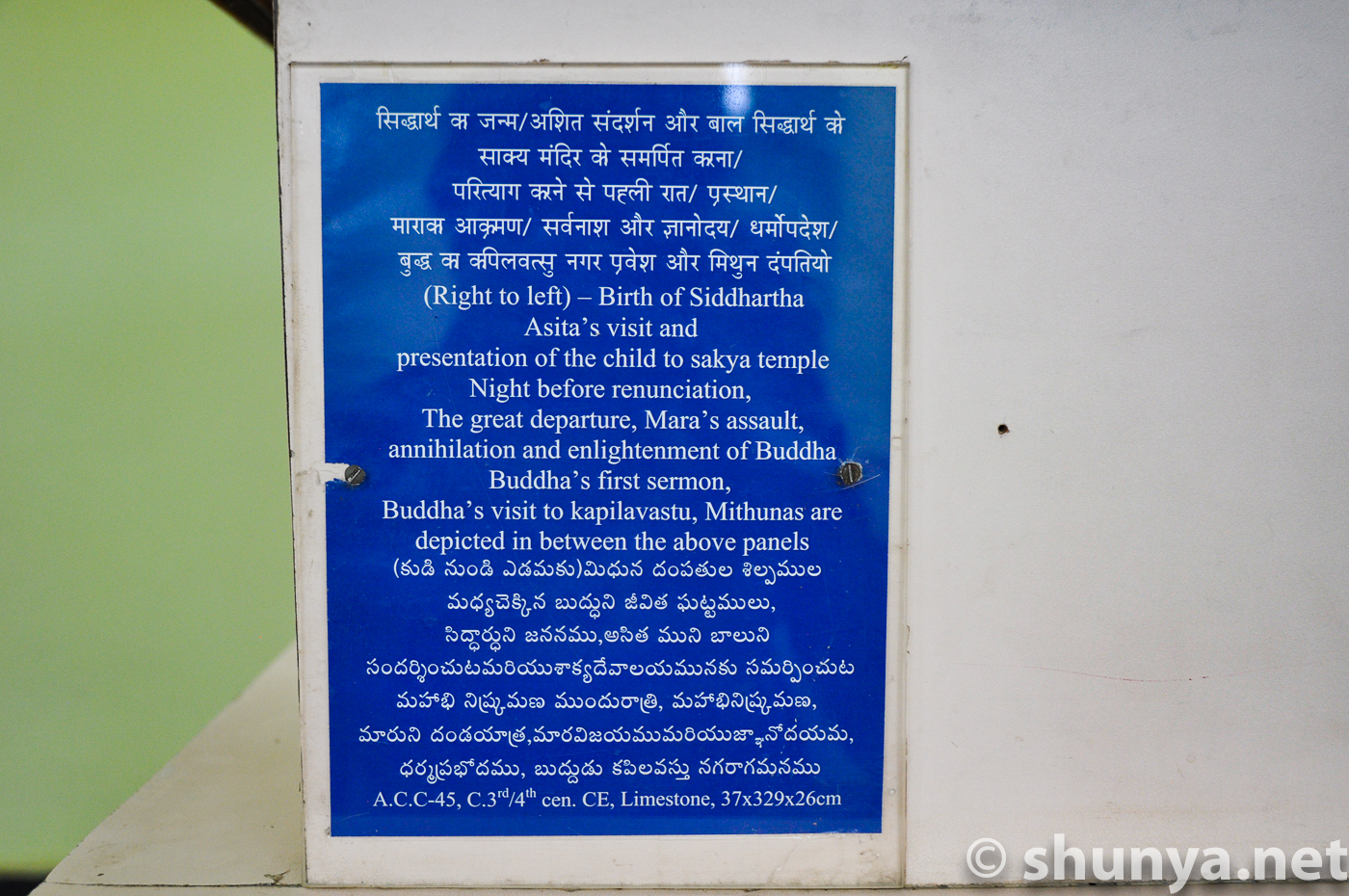
Scenes from Buddhist
|
Scenes from Buddhist
|
Scenes from Buddhist
|
Scenes from Buddhist
|
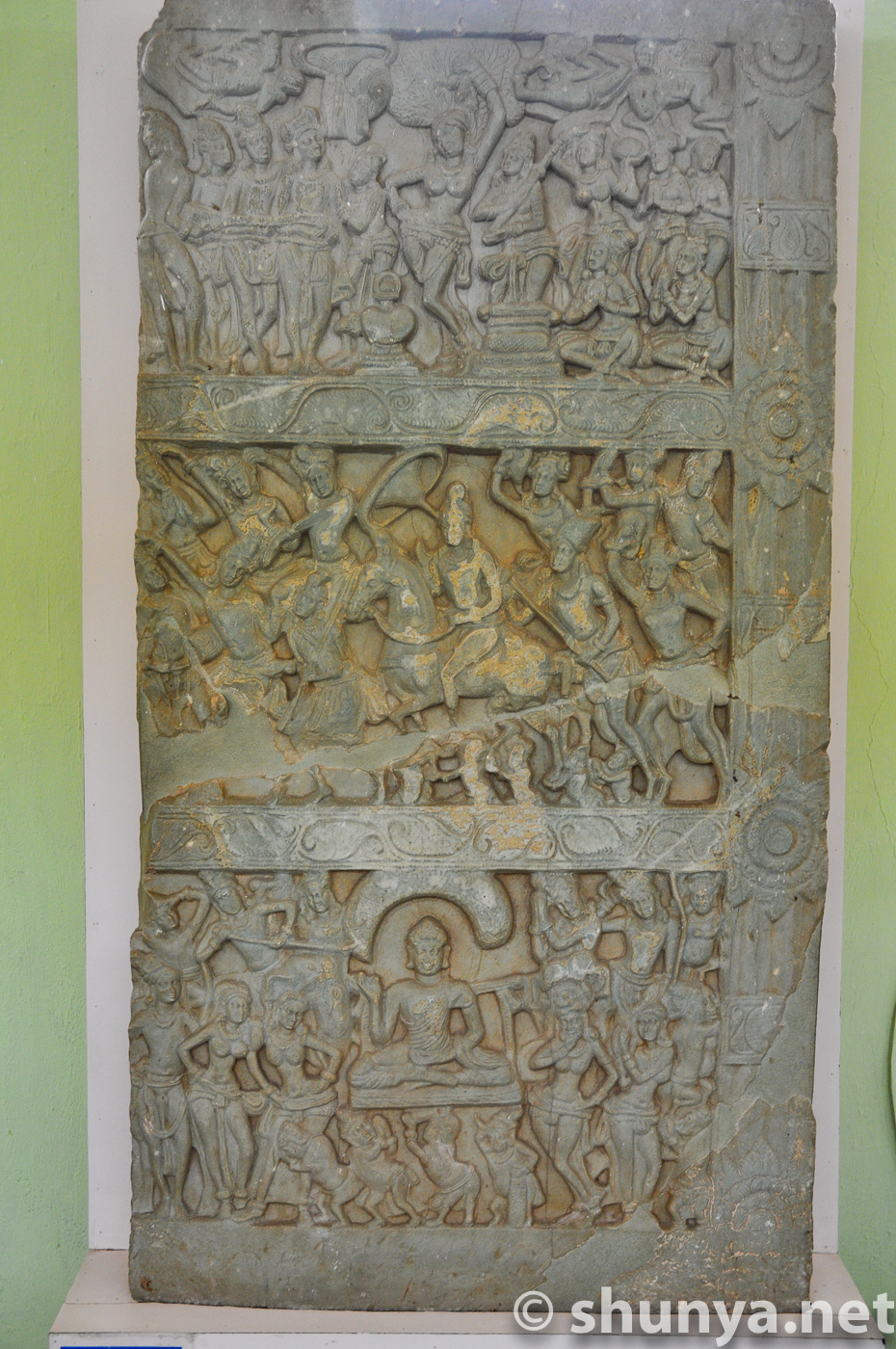
Scenes from Buddhist
|
Scenes from Buddhist
|
Scenes from Buddhist
|
Scenes from Buddhist
|
Scenes from Buddhist
|
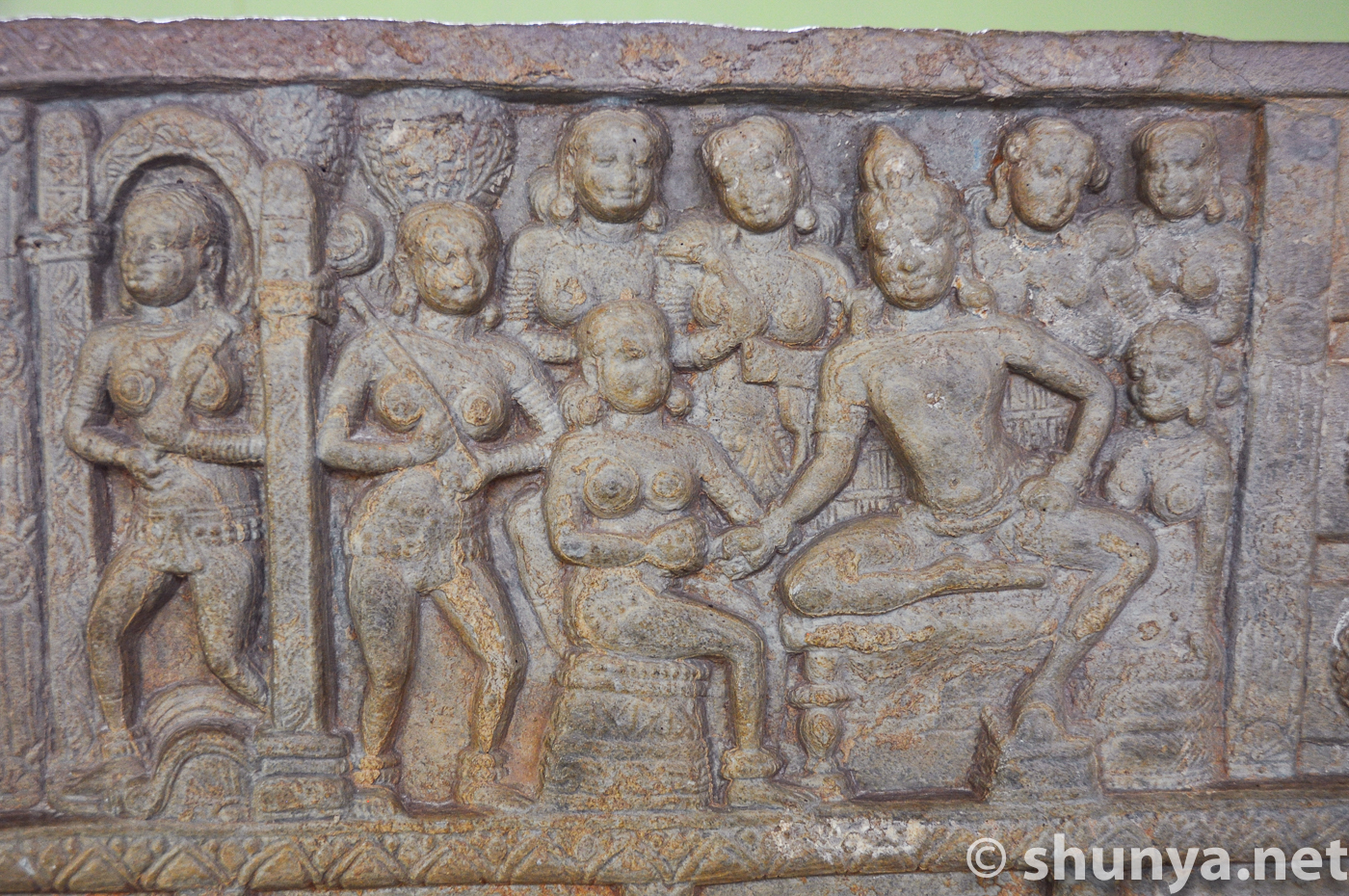
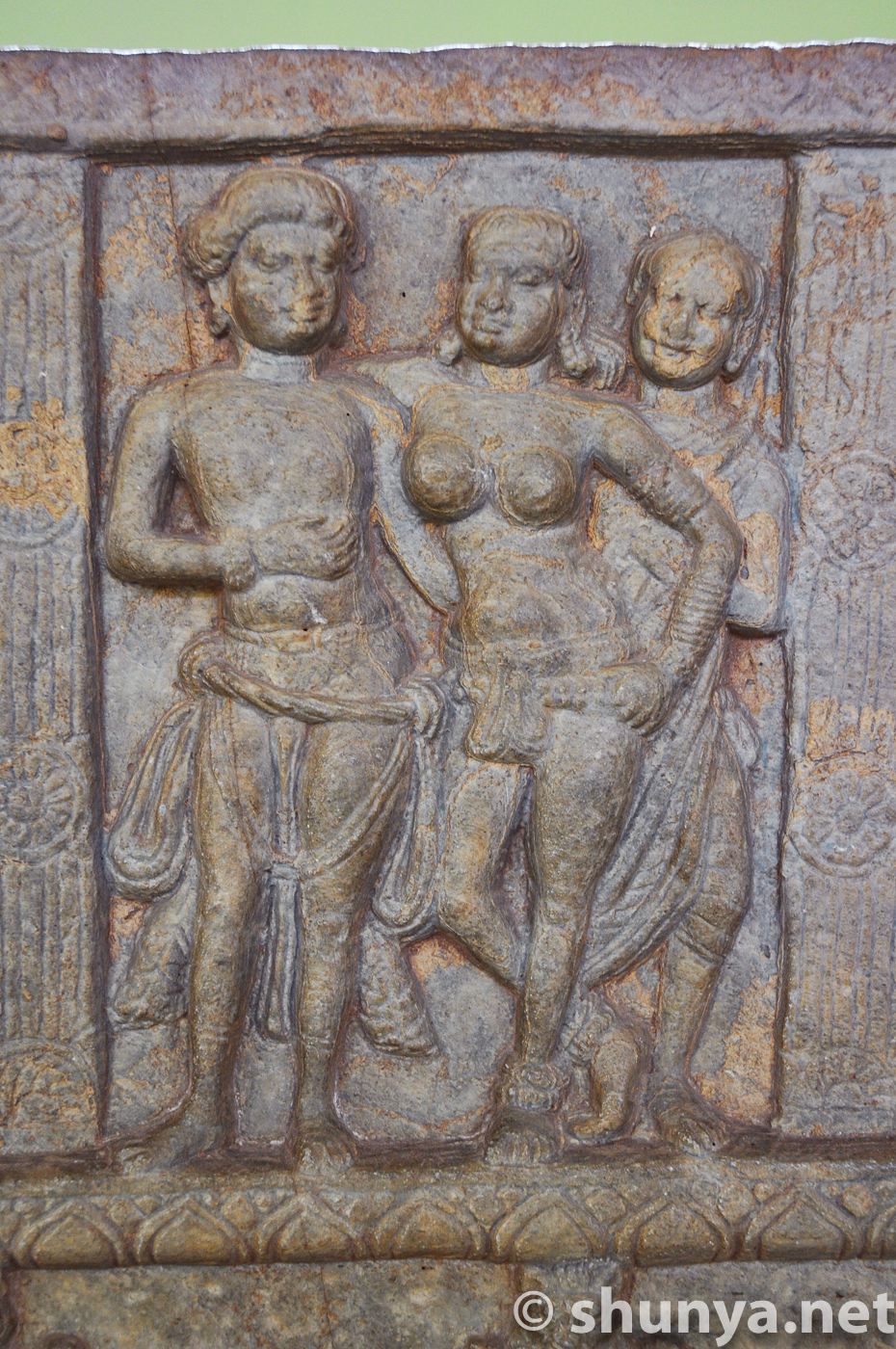
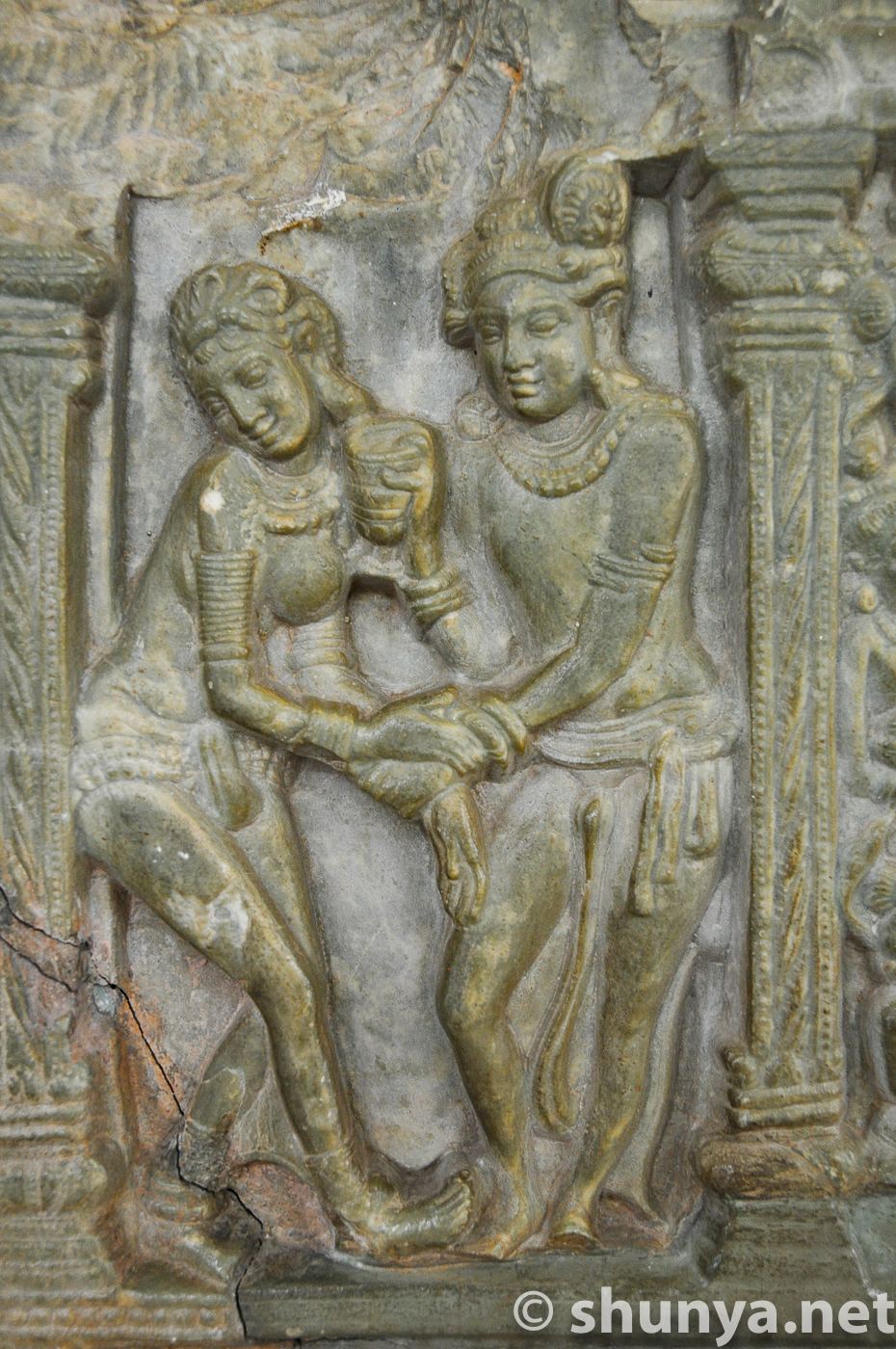
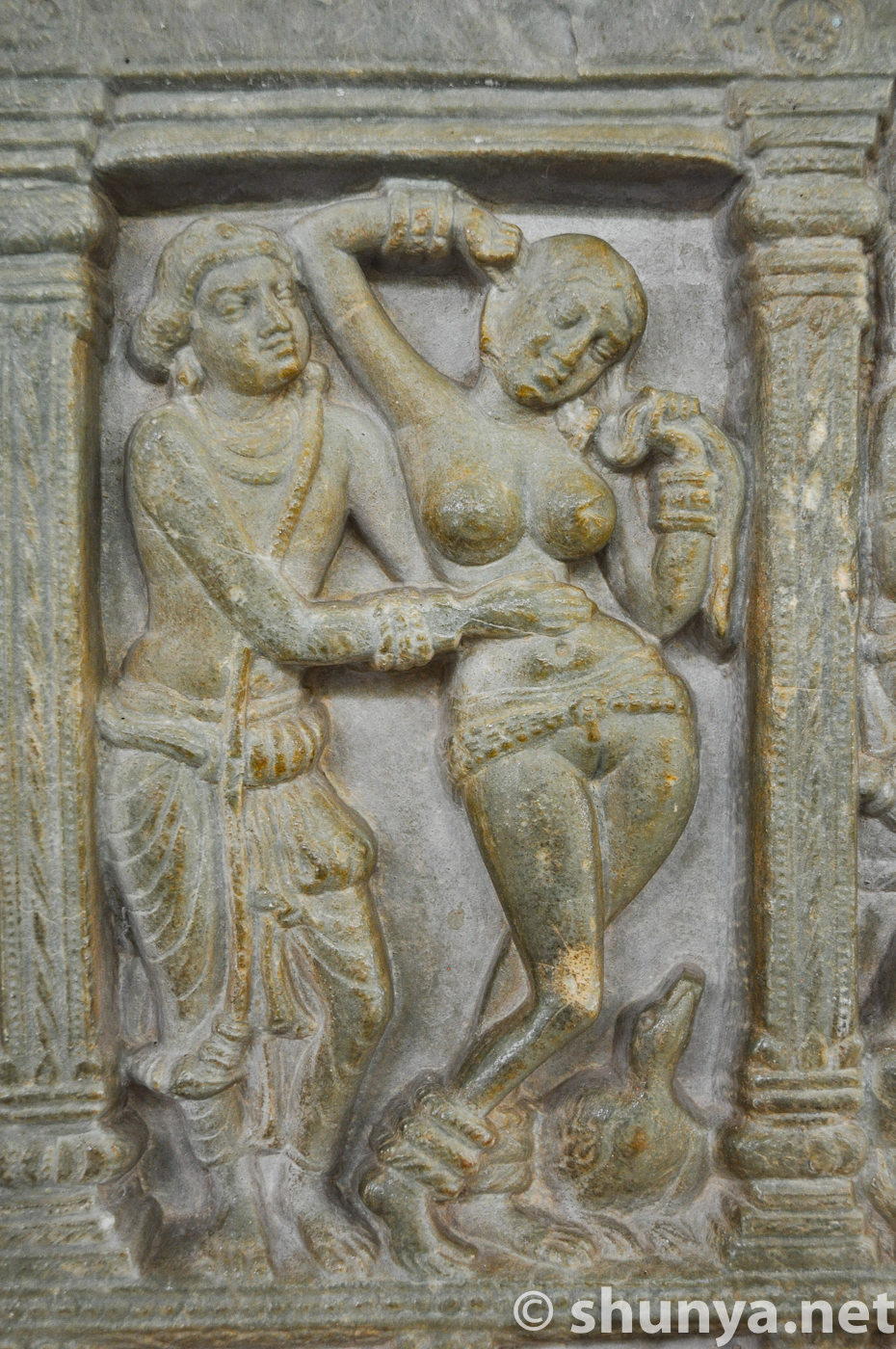
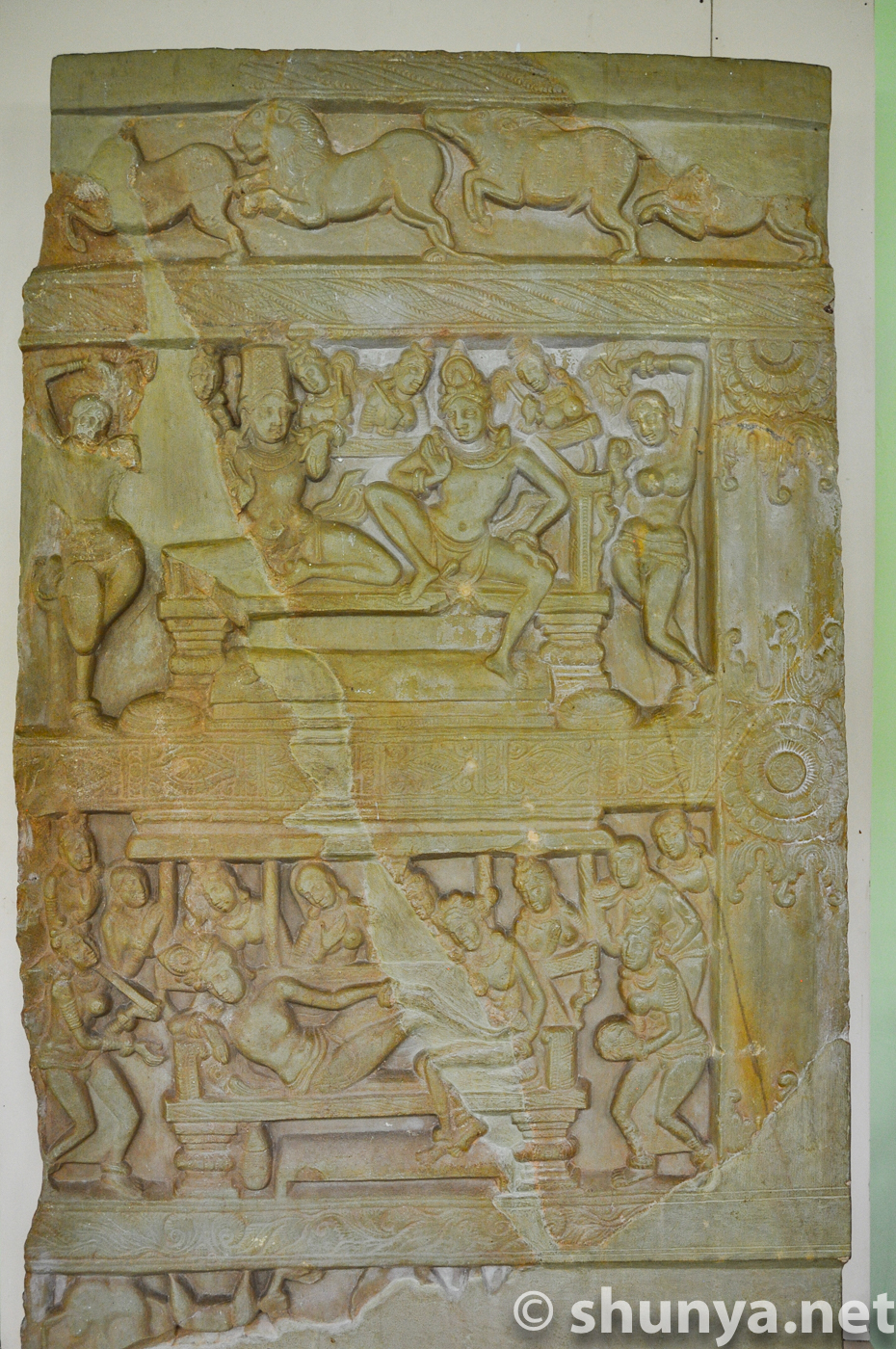
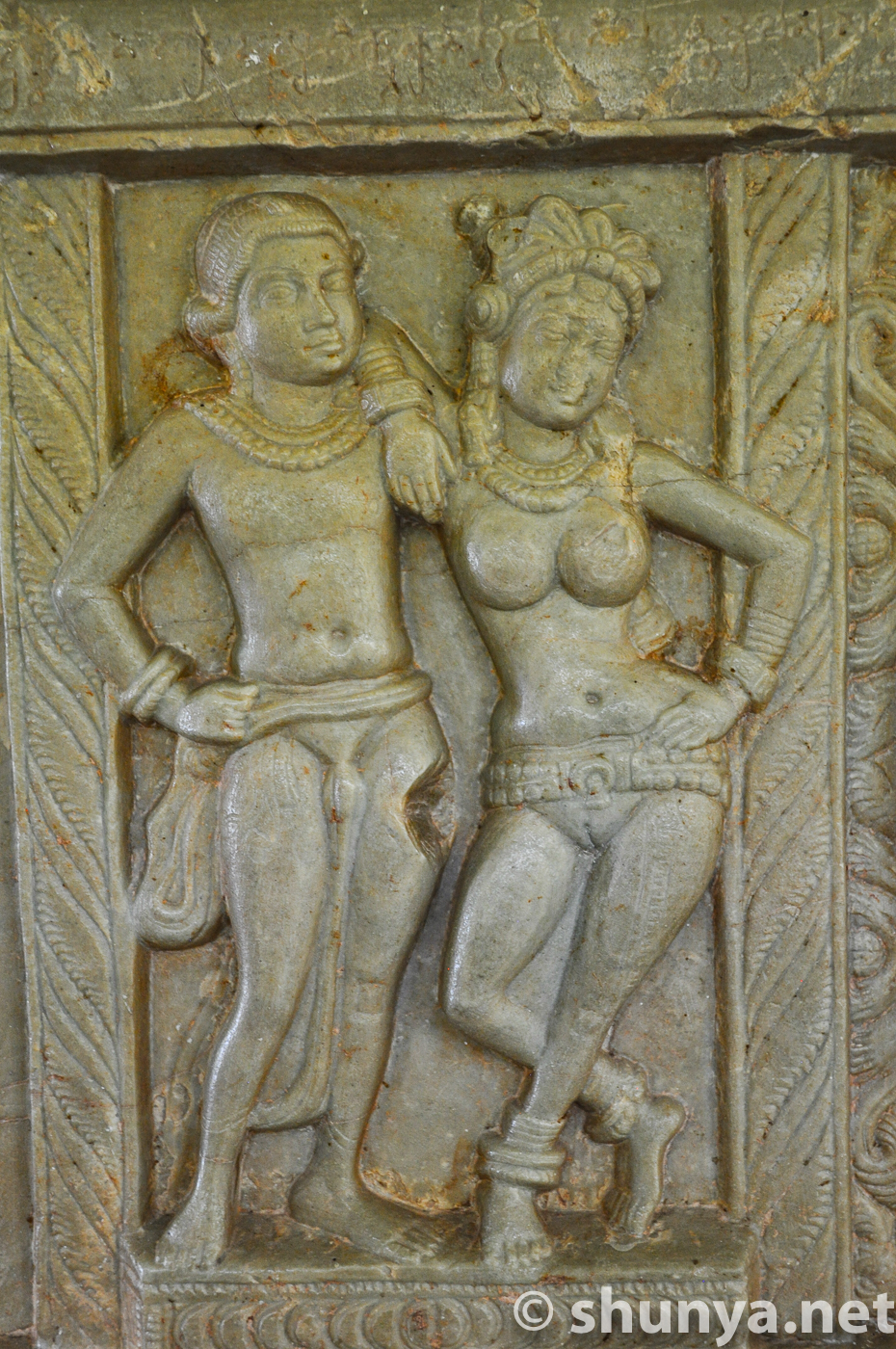
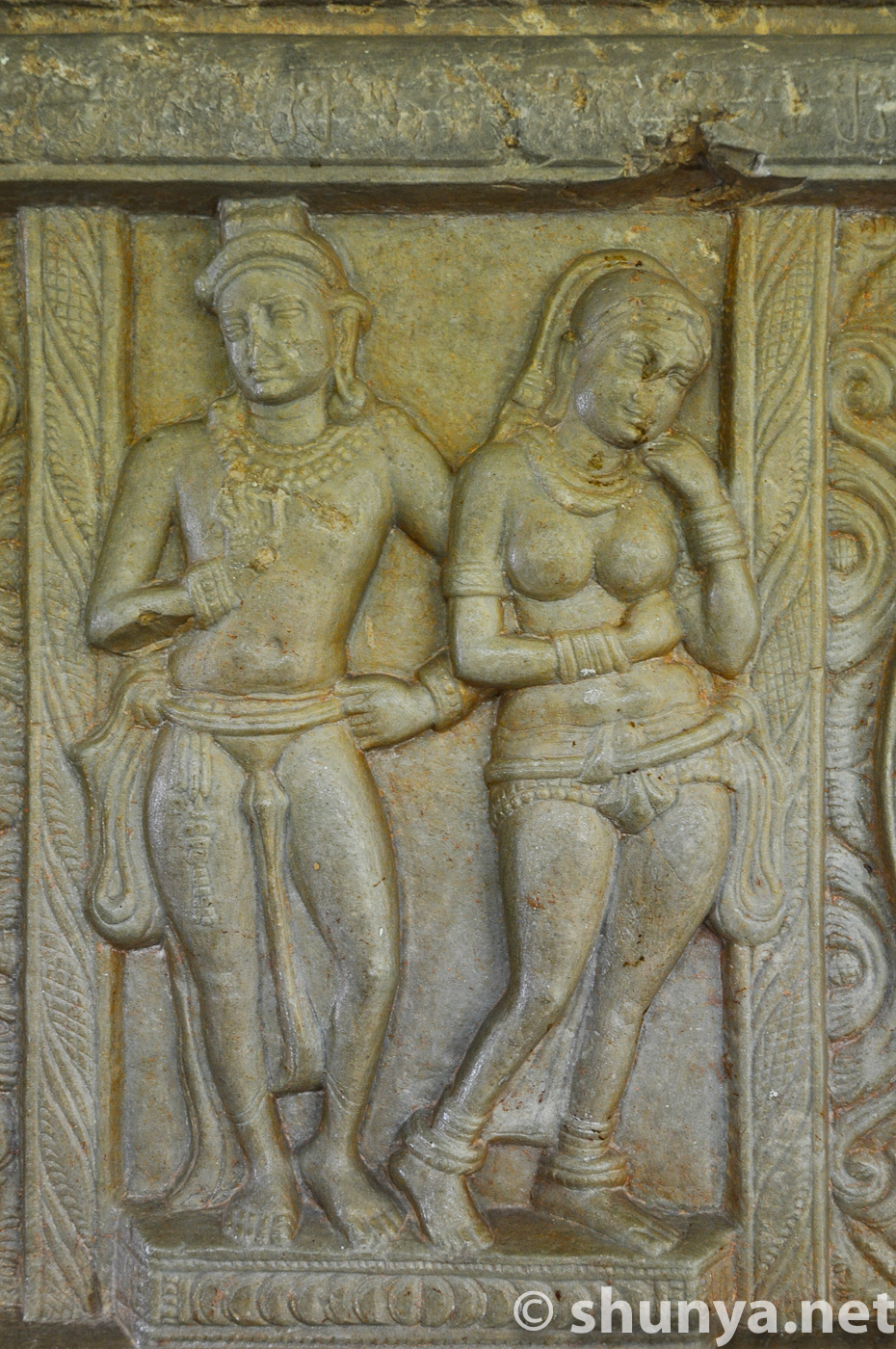
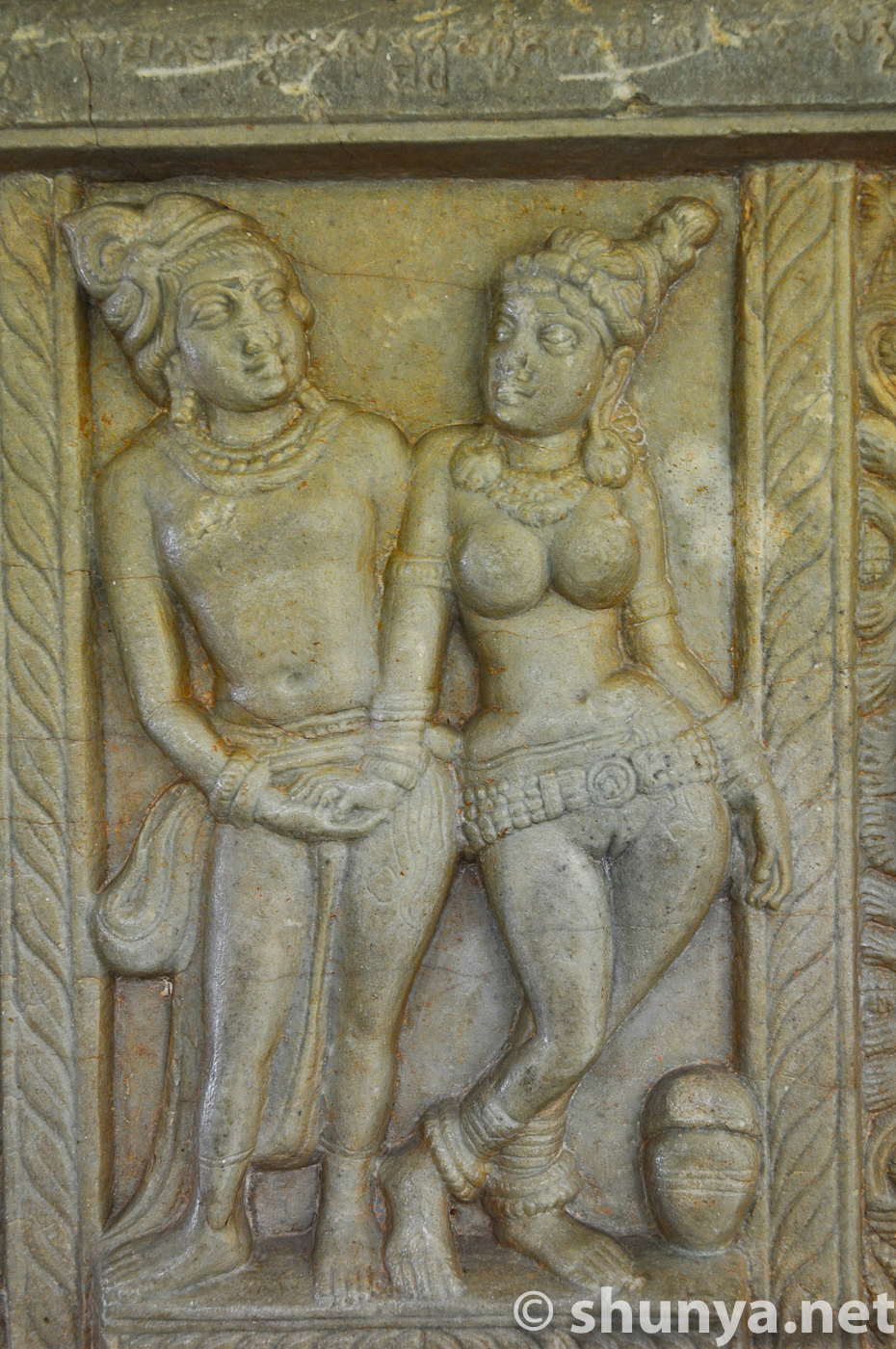
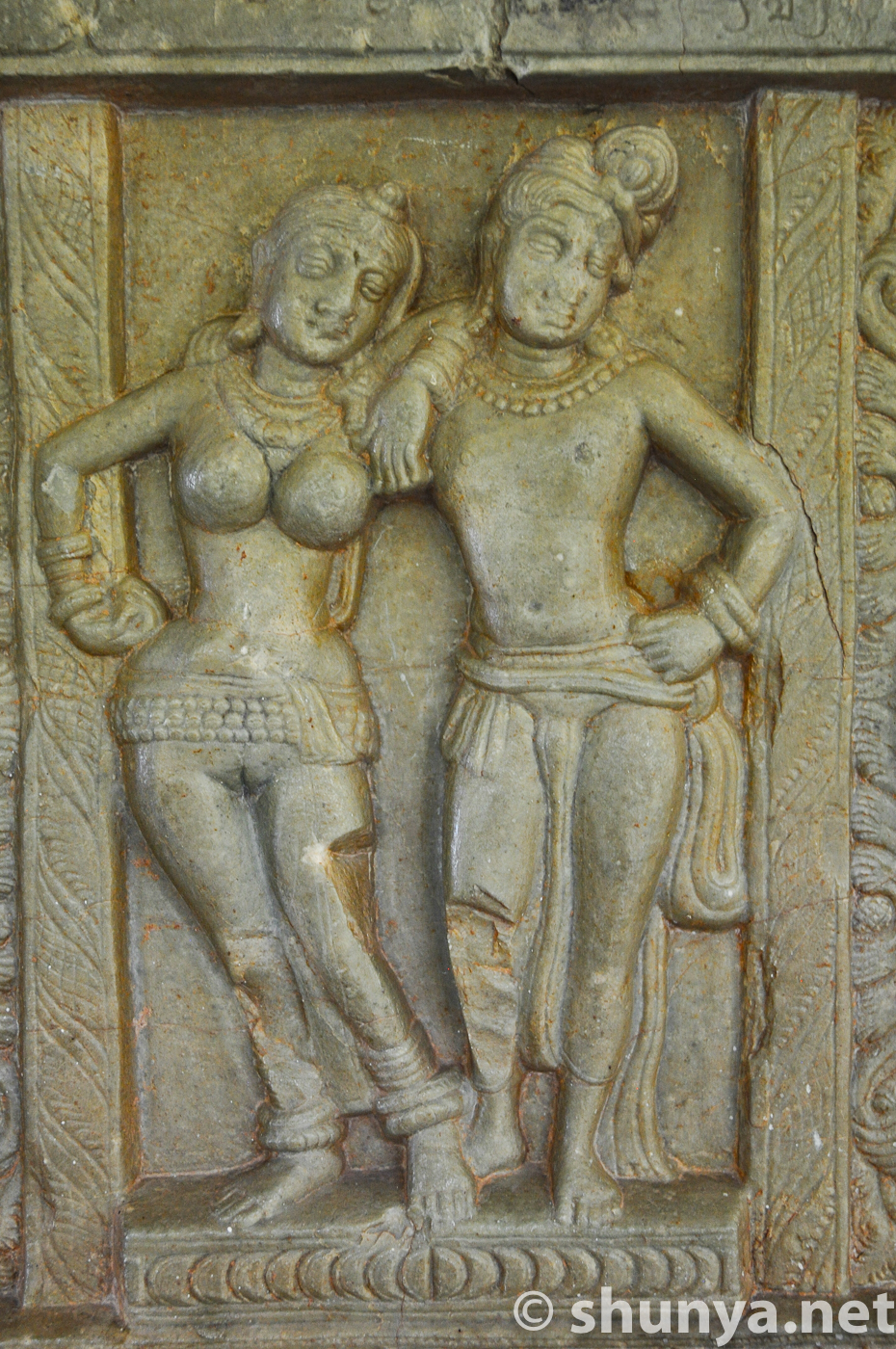
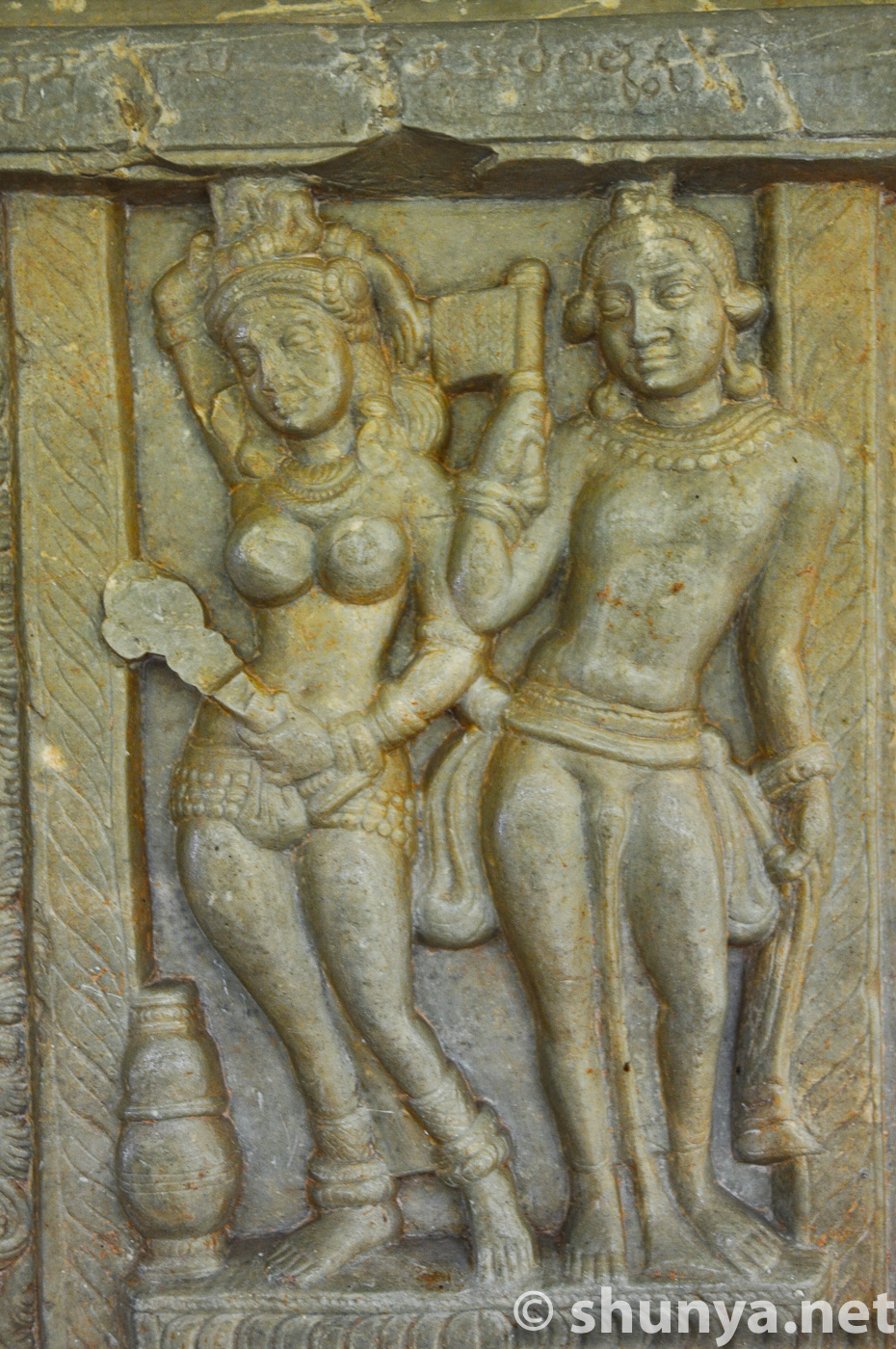
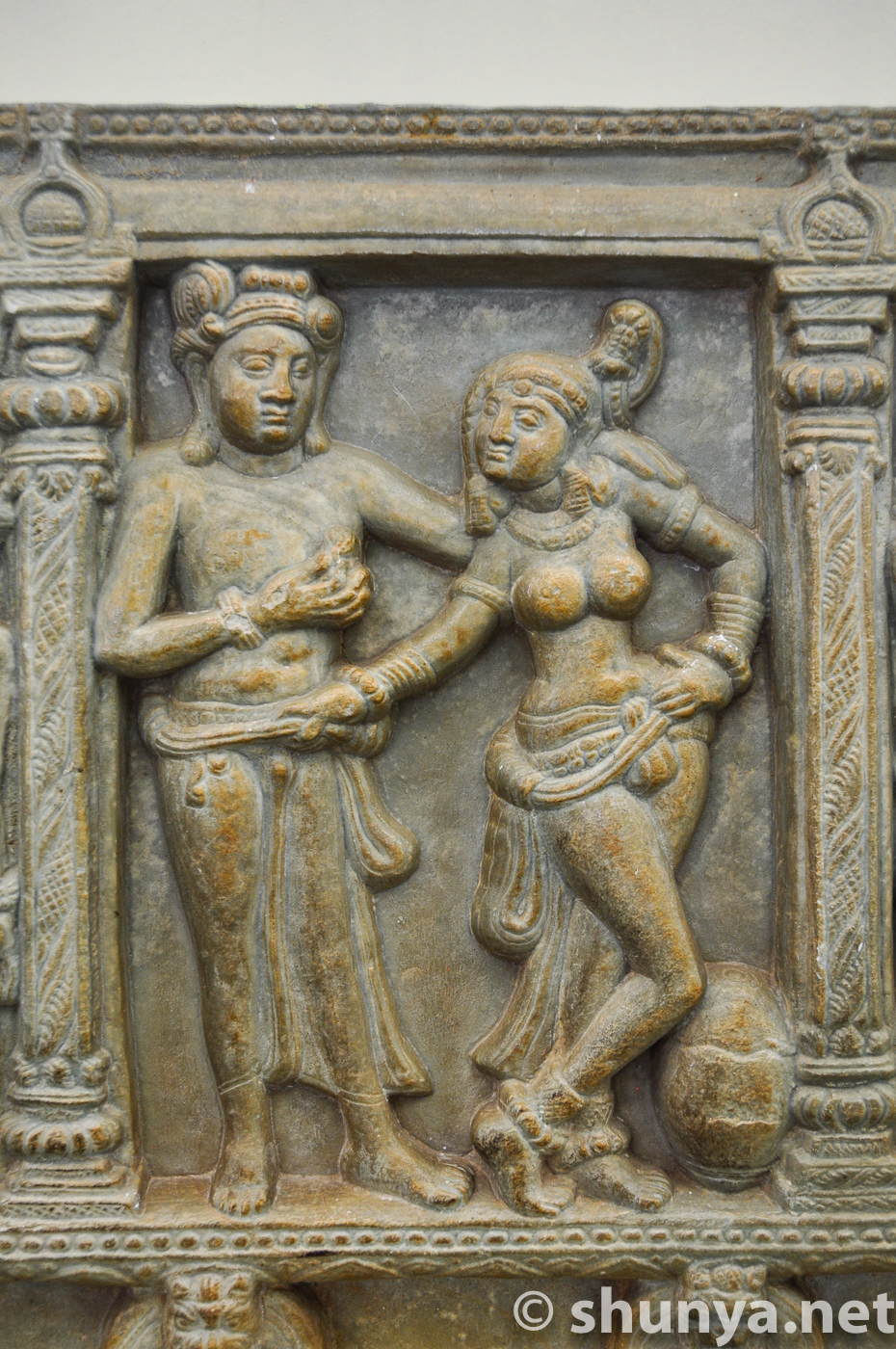
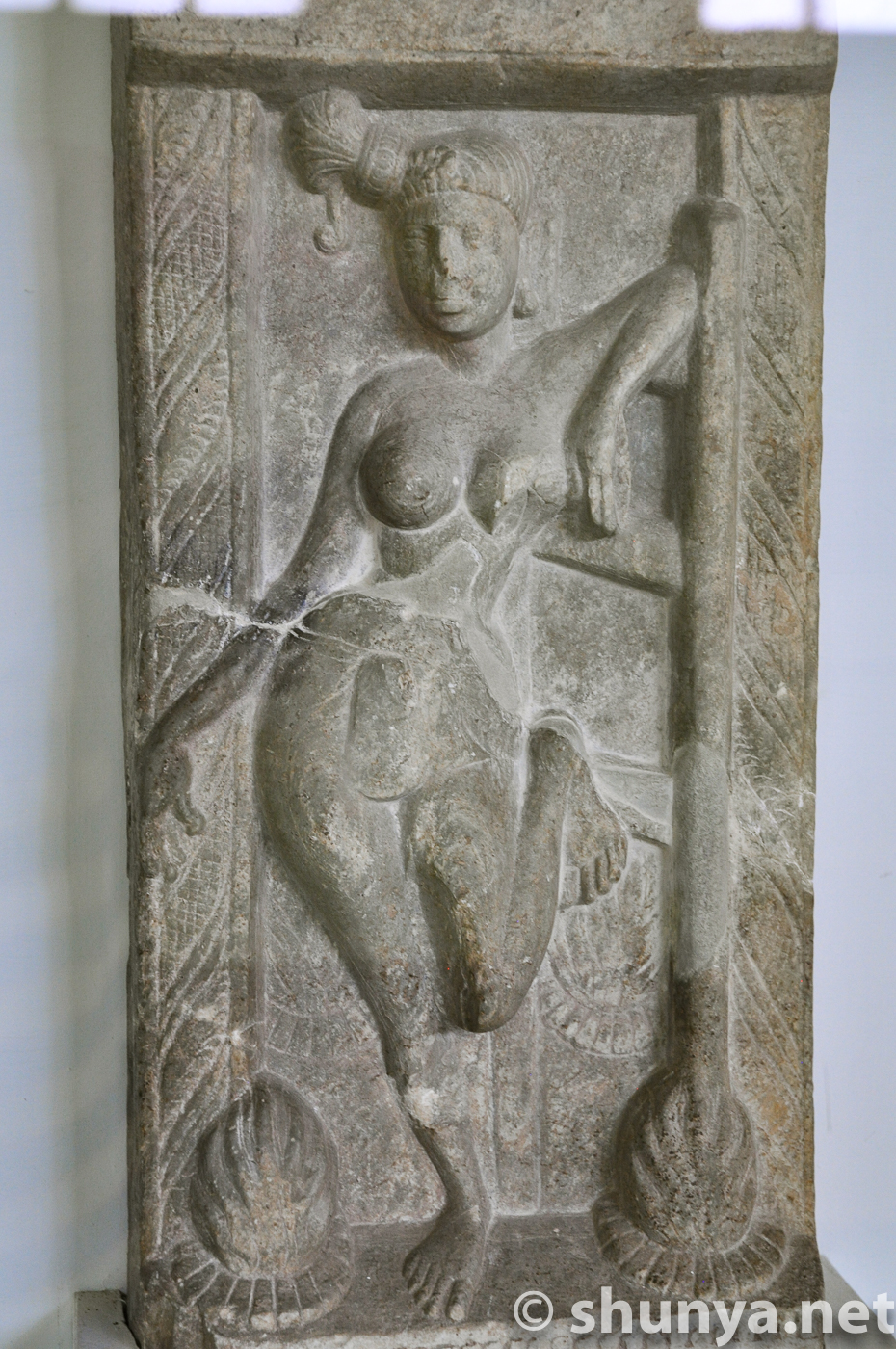
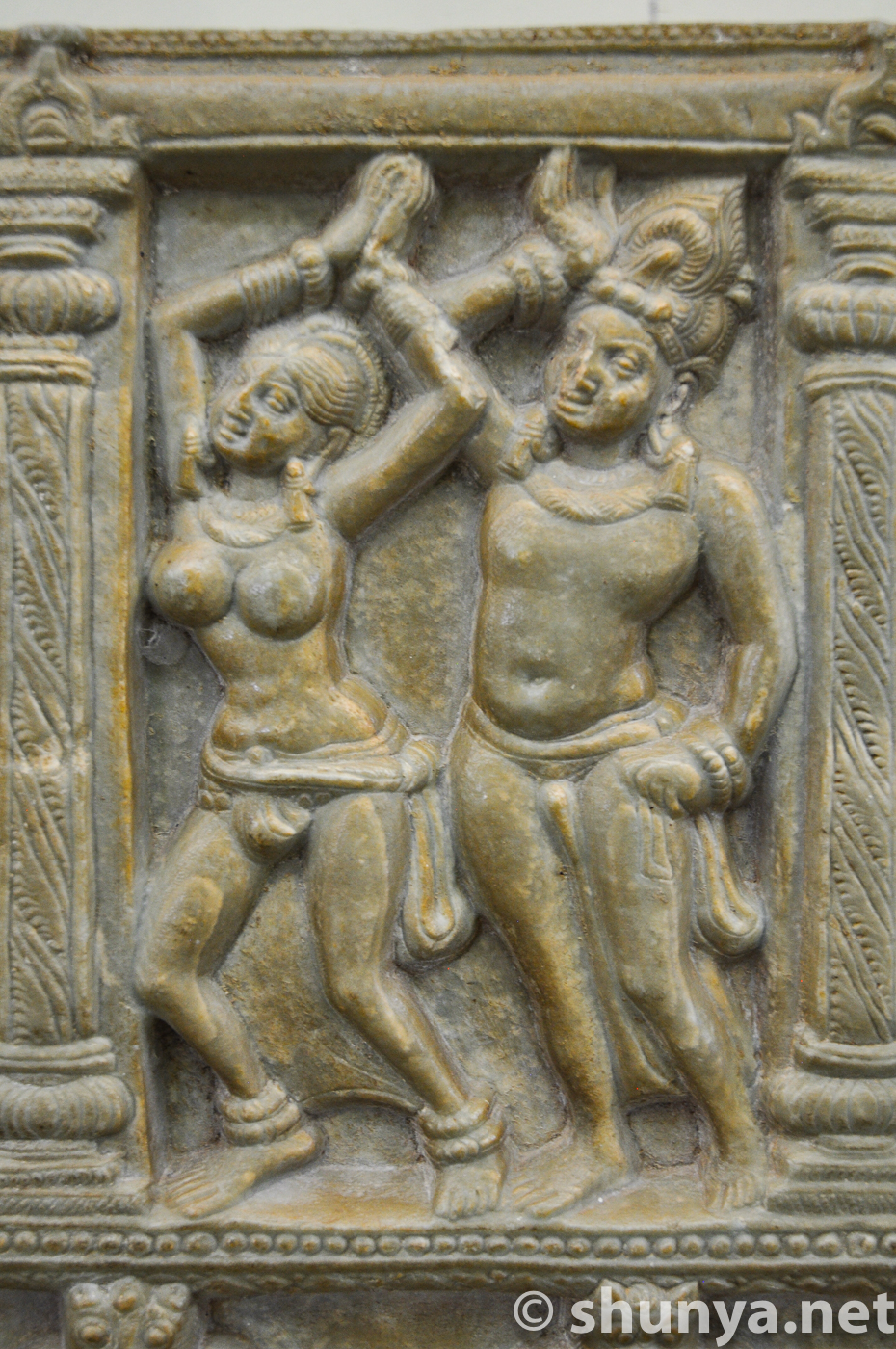
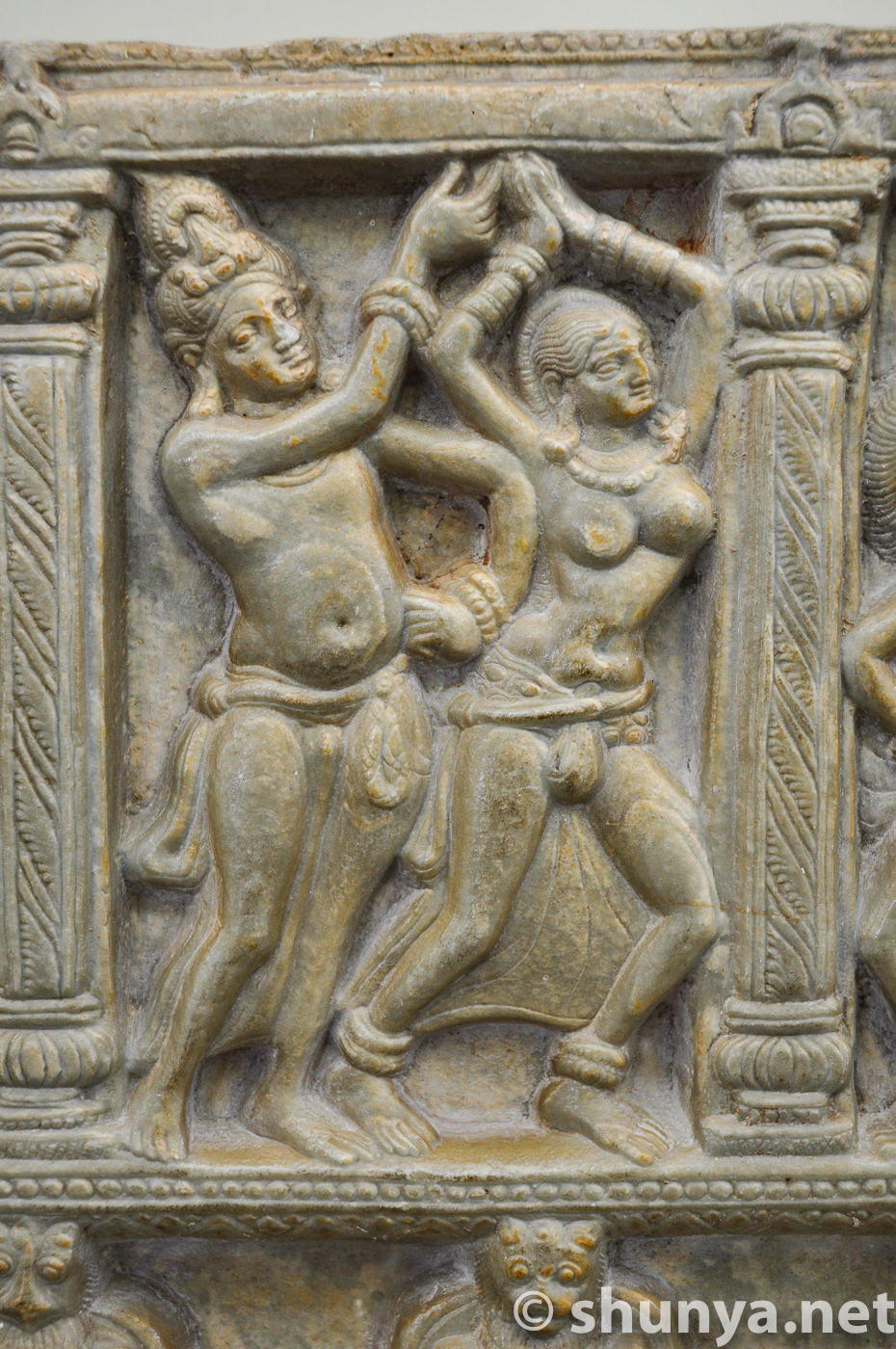
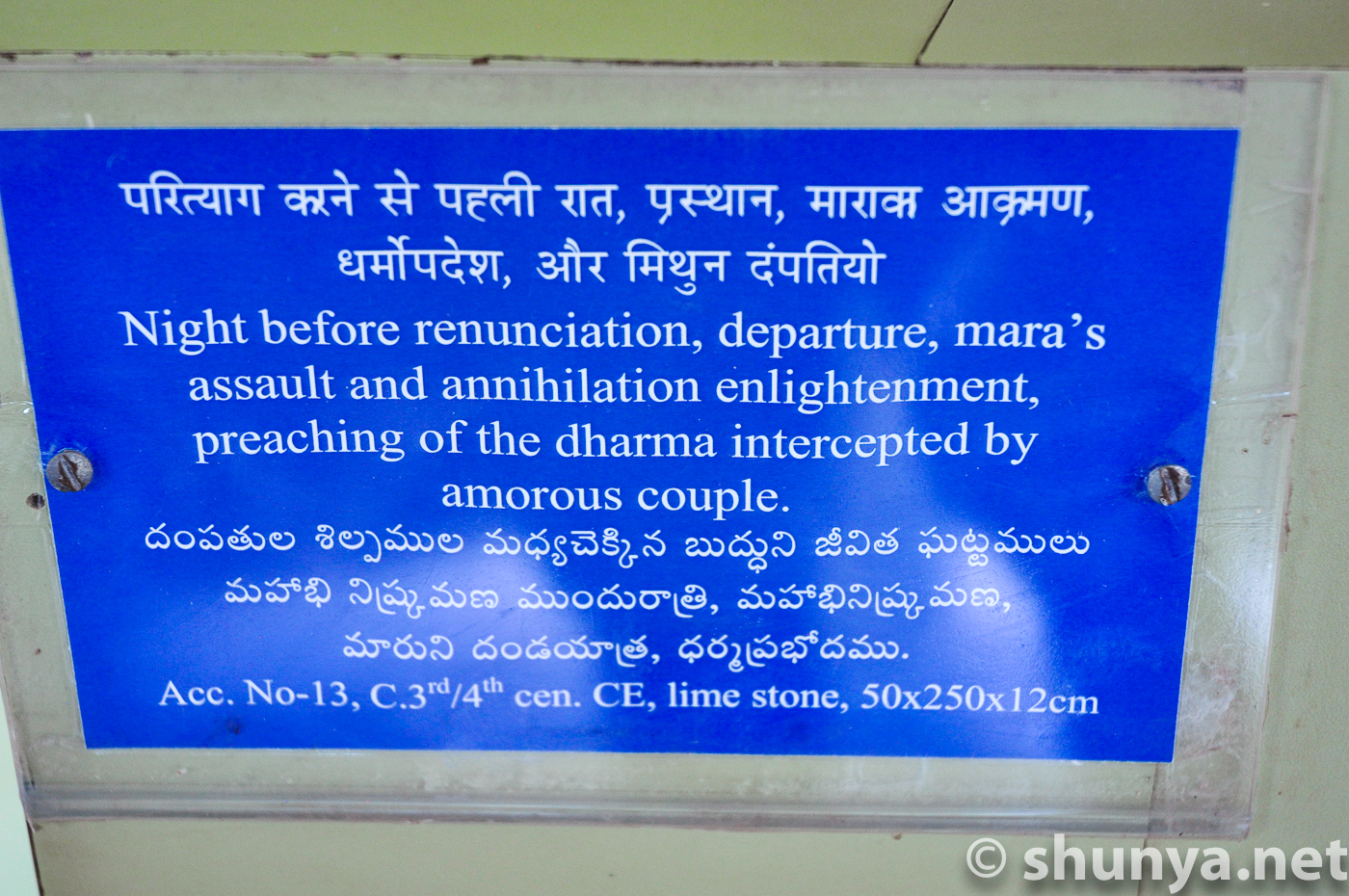
Amorous couple (info)
|
Amorous couple (info)
|
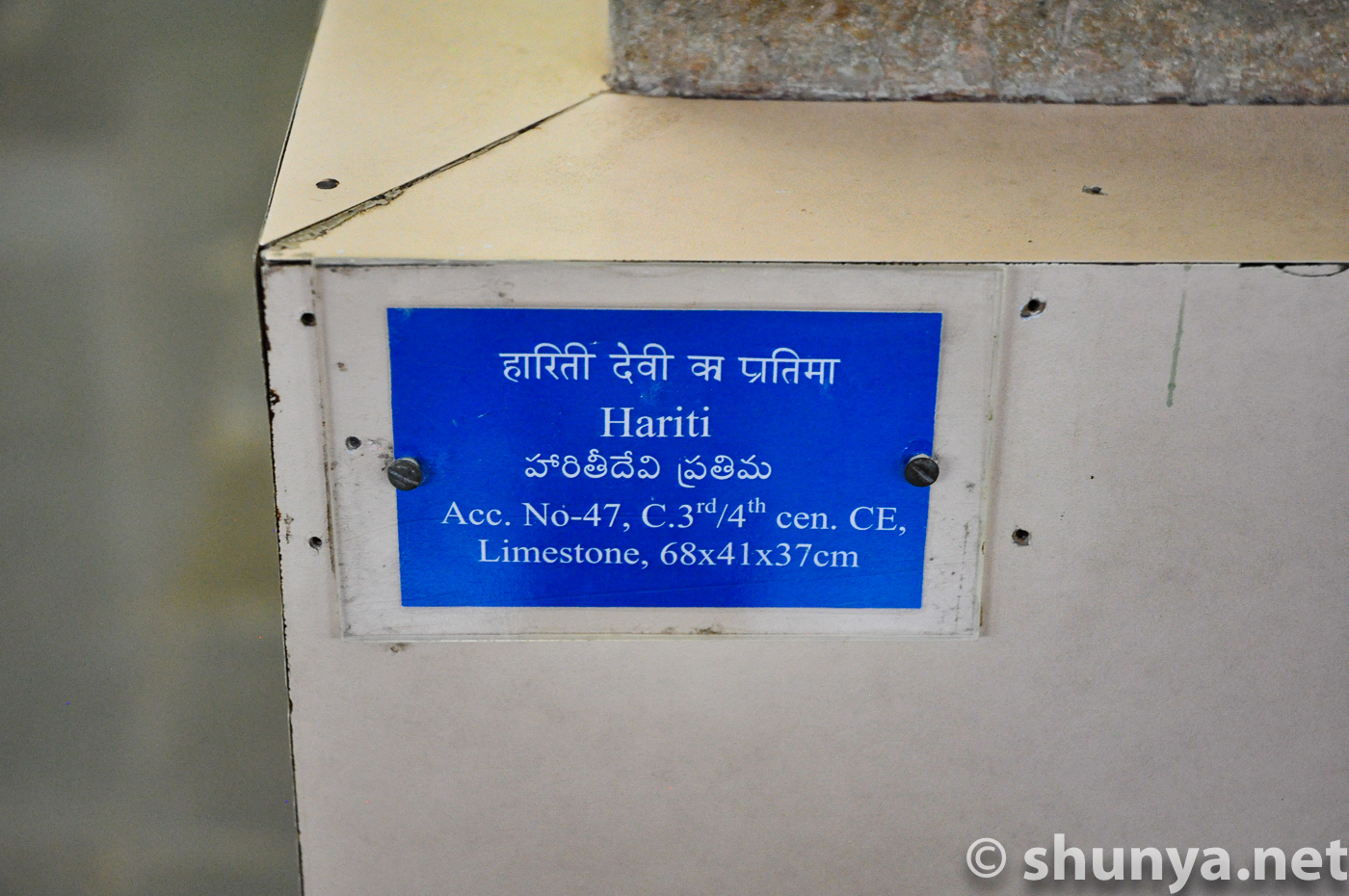
Hariti (info)
|
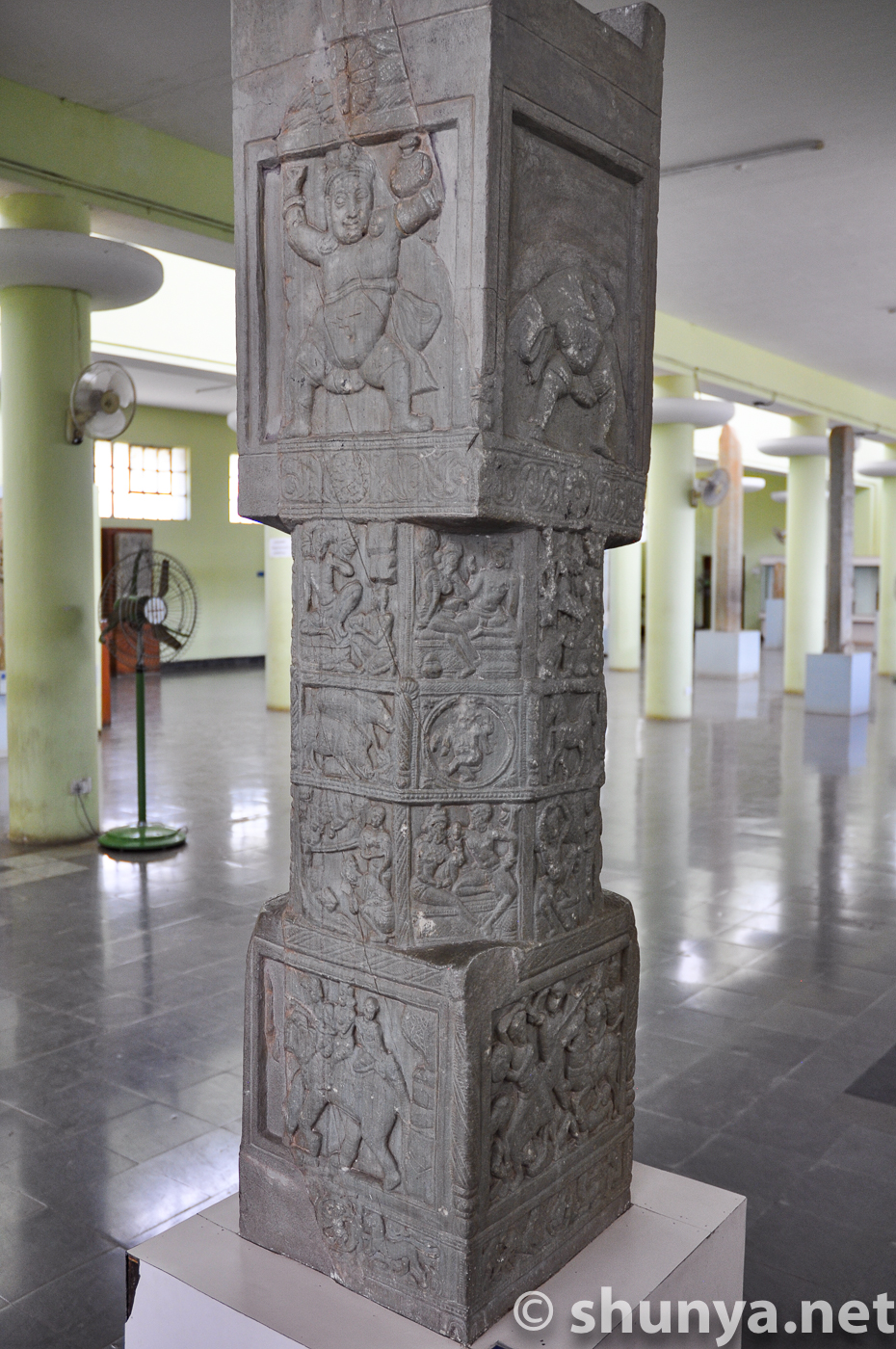
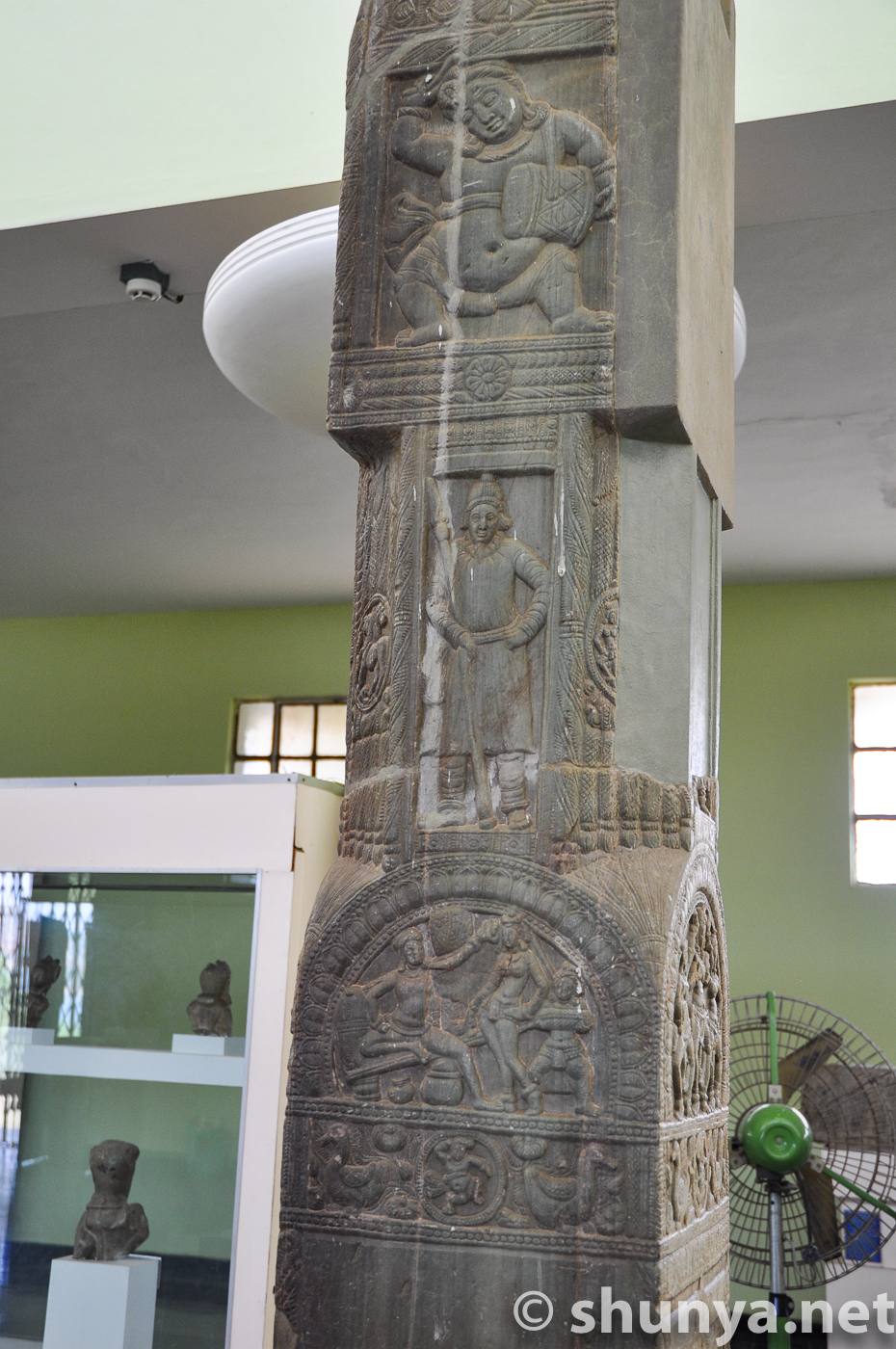
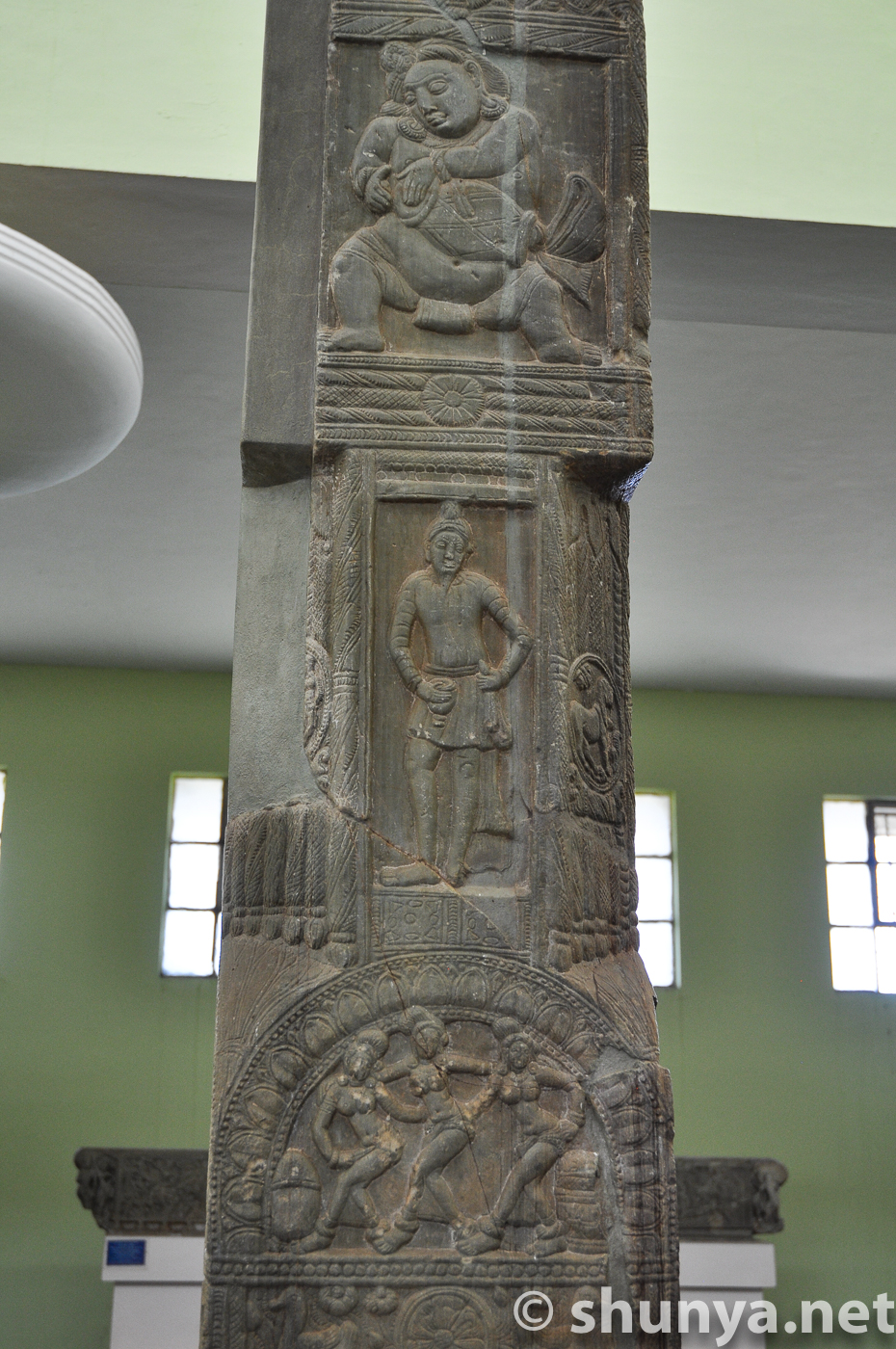
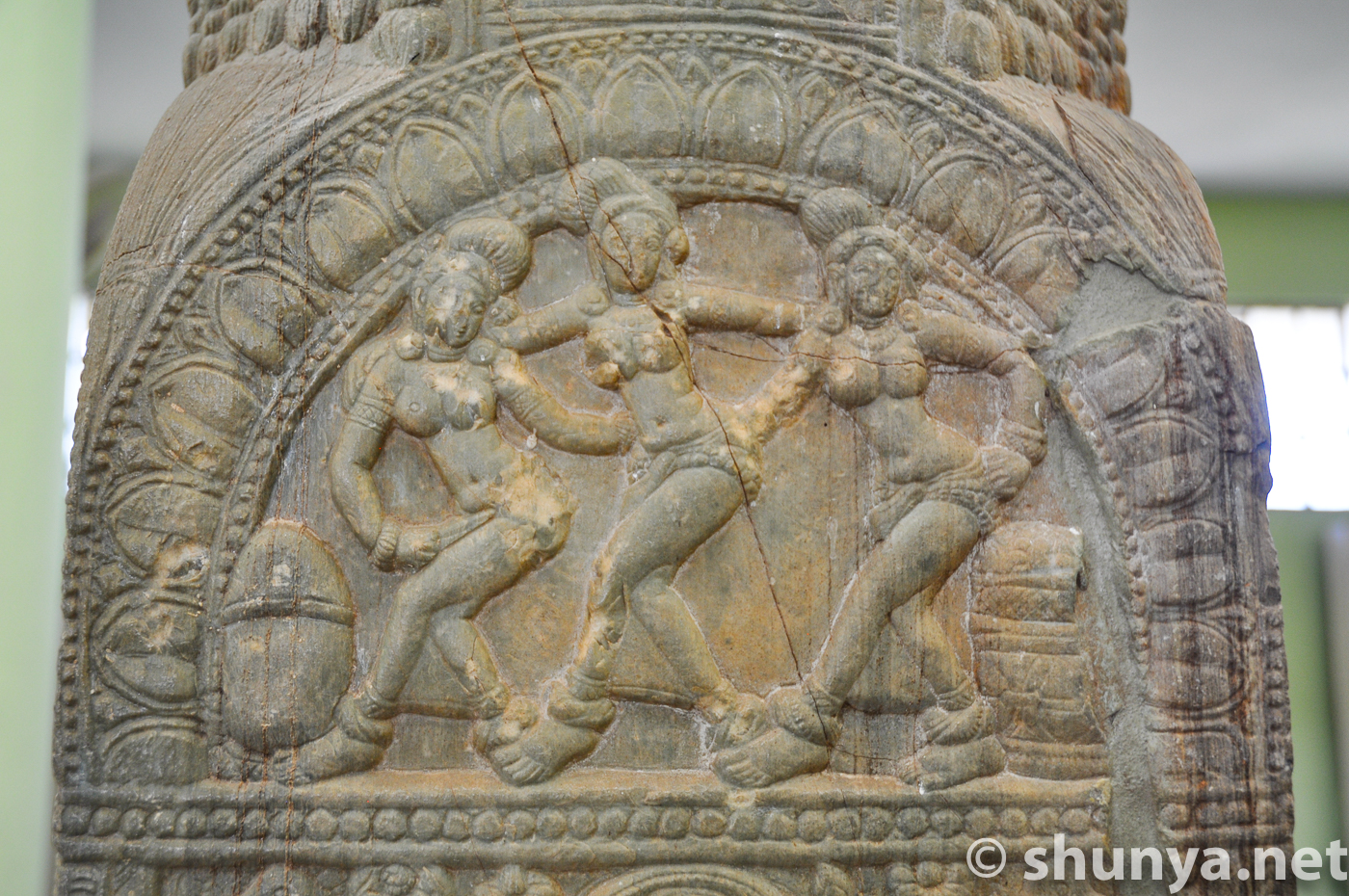
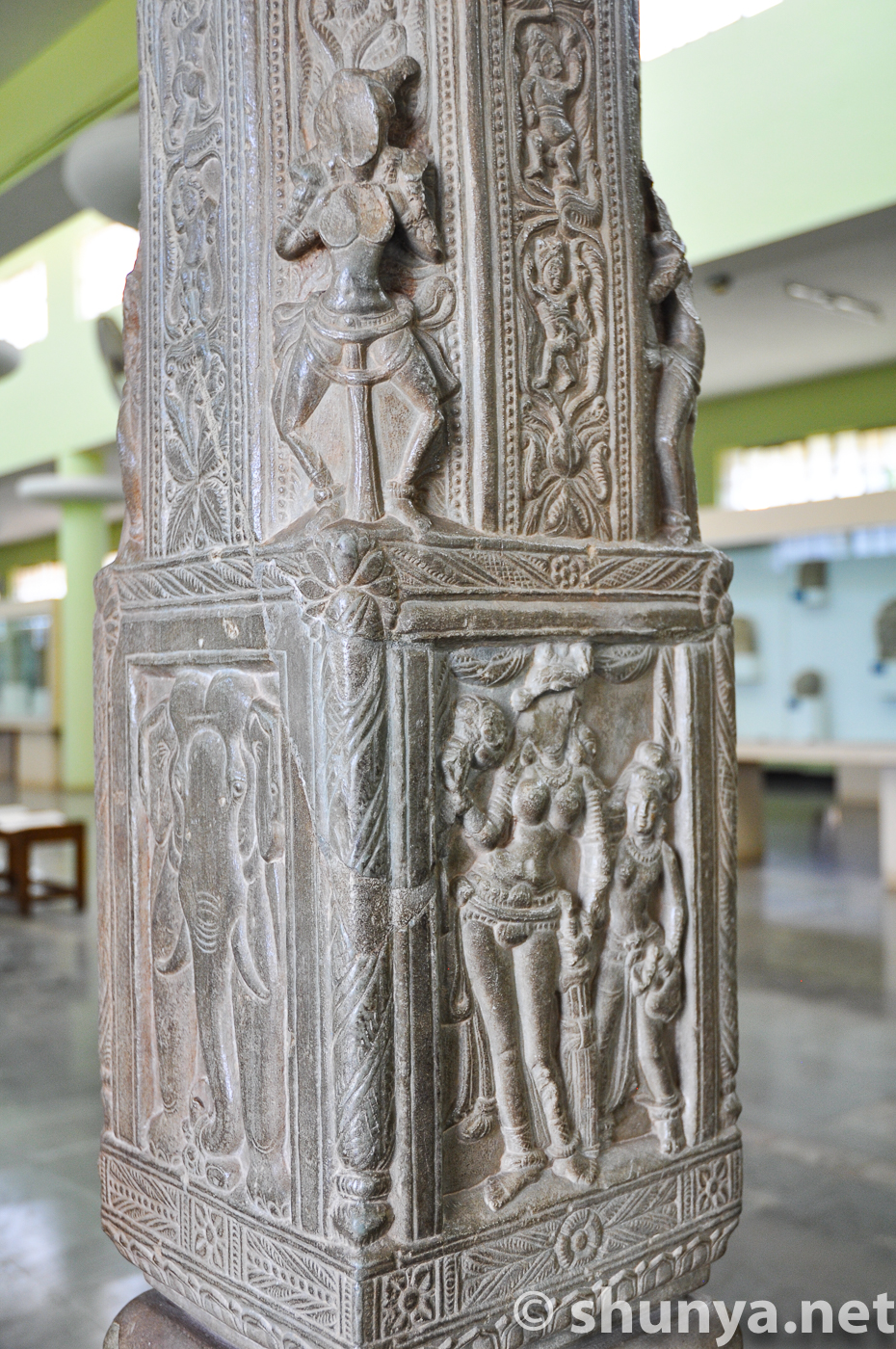
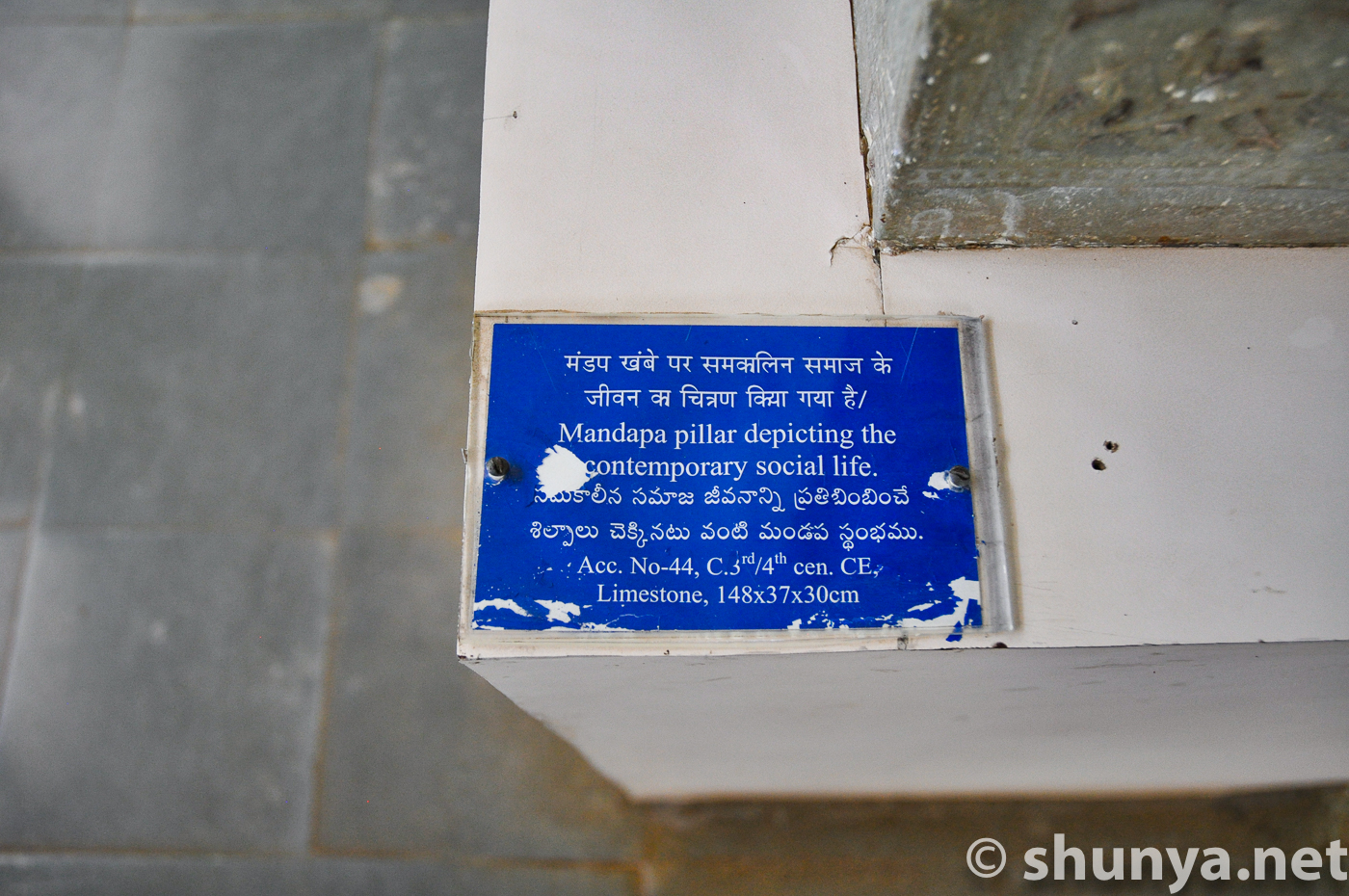
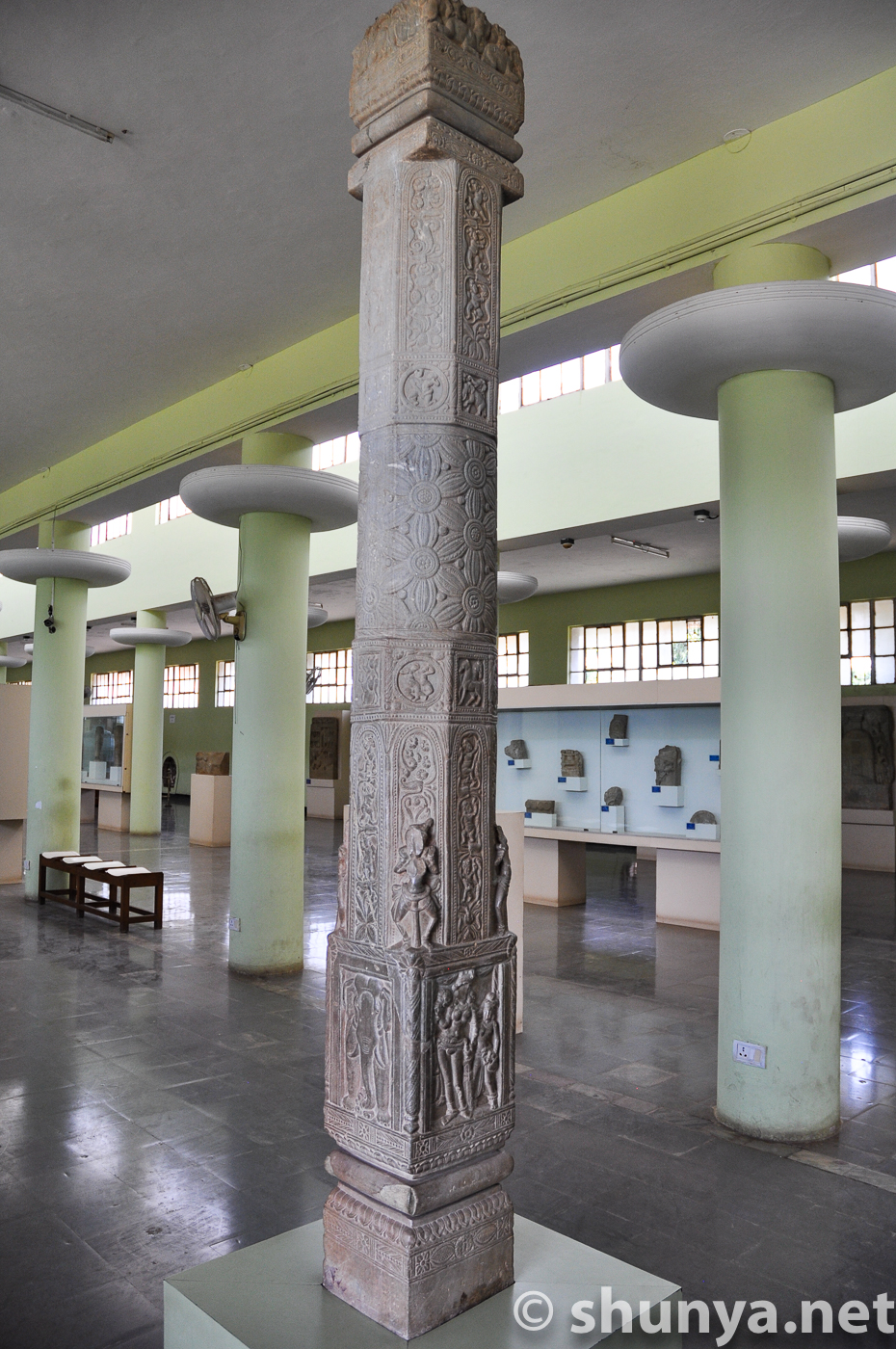
Mandapa pillar depicting
|
Scenes from the
|
Scenes from the
|
Scenes from emperor
|
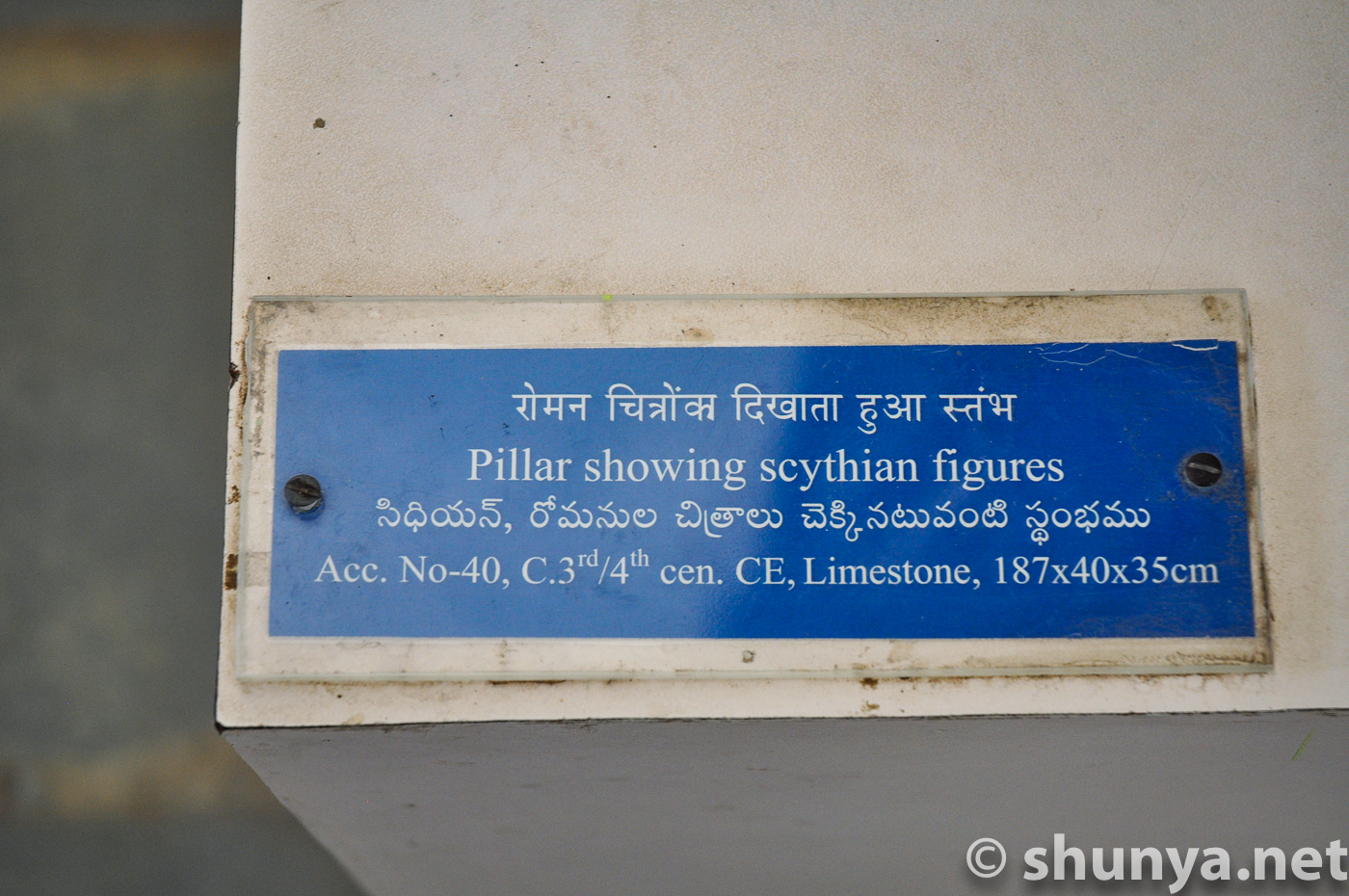
Pillar showing Scythian
|
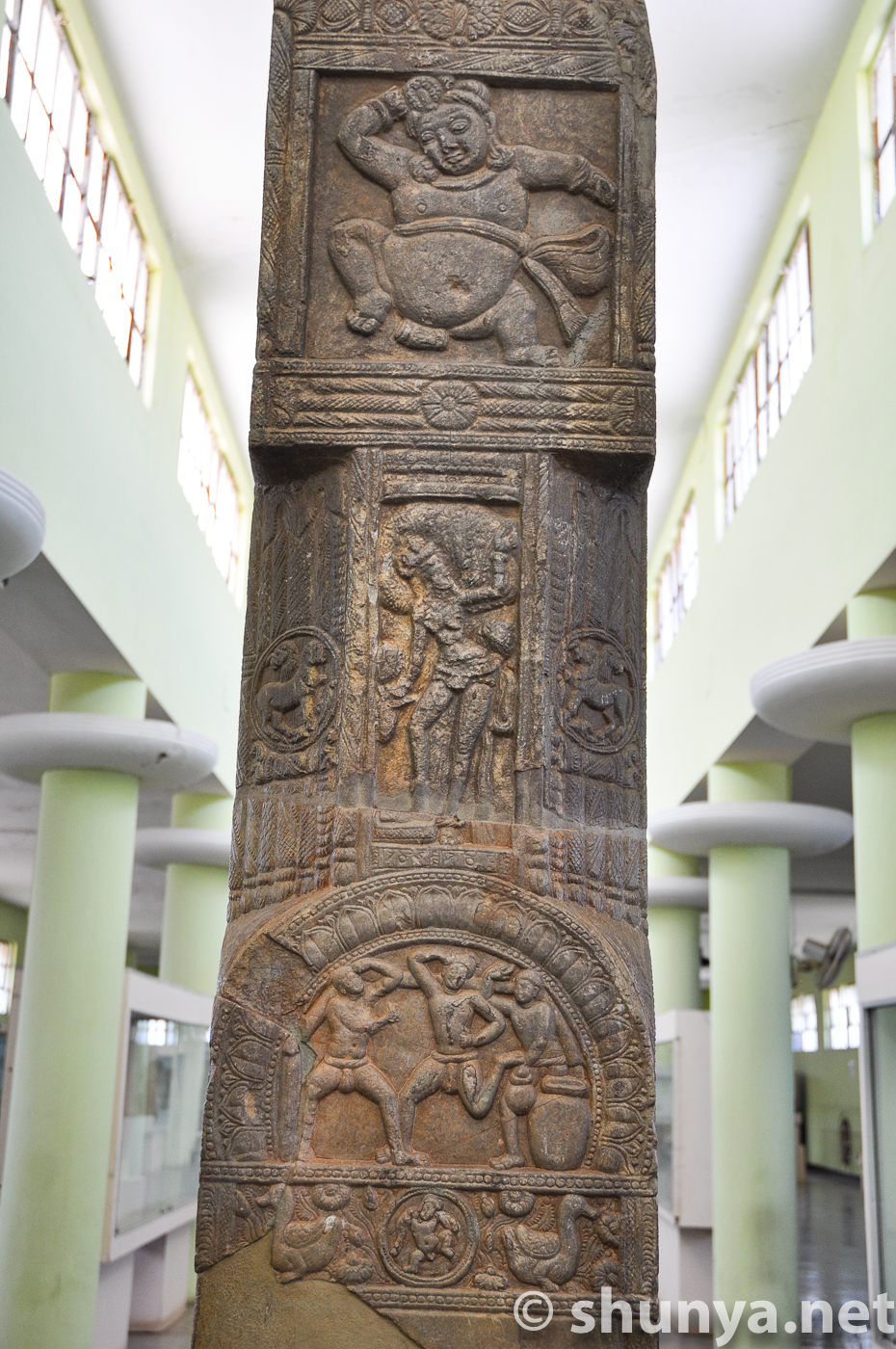
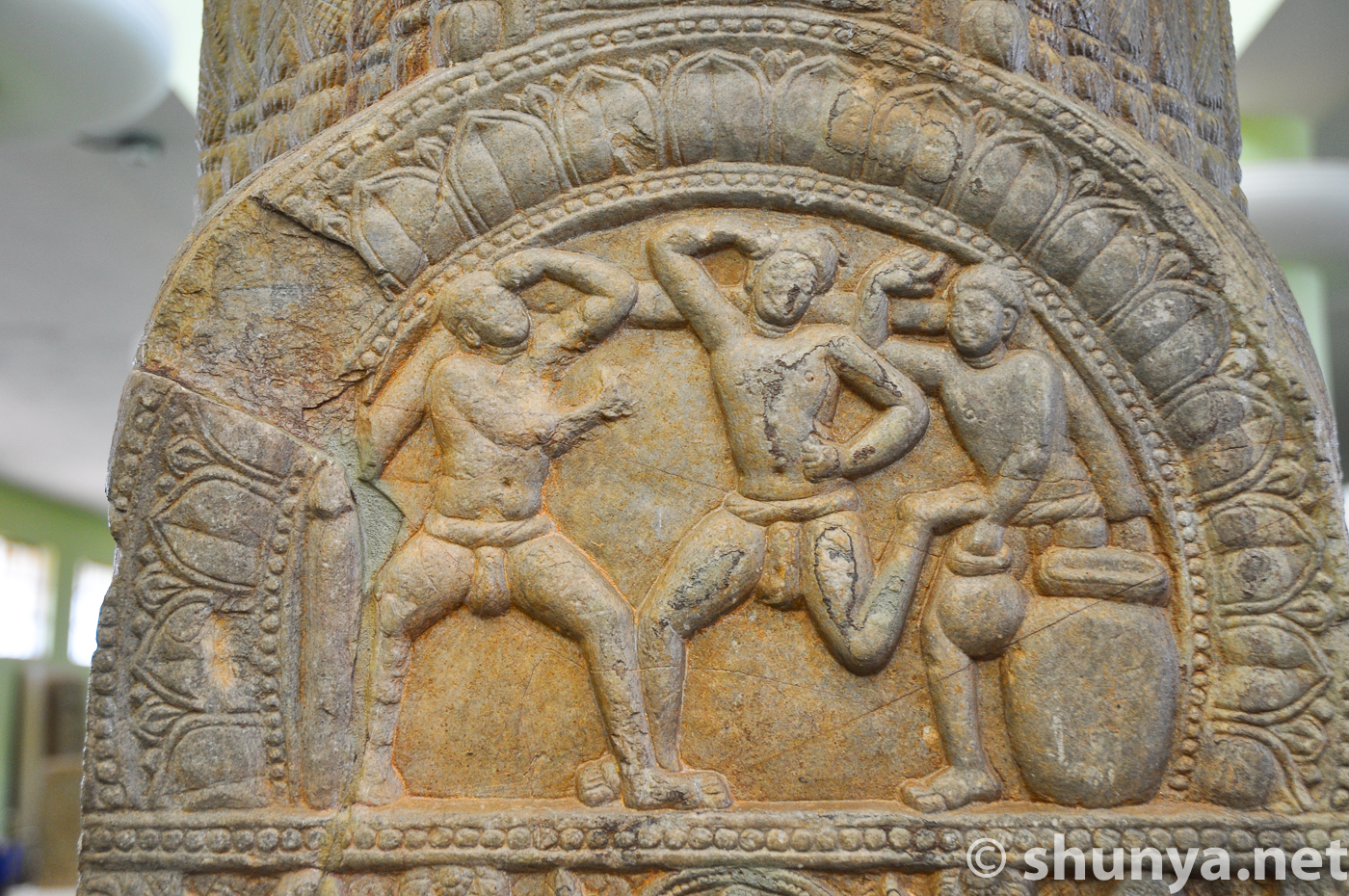
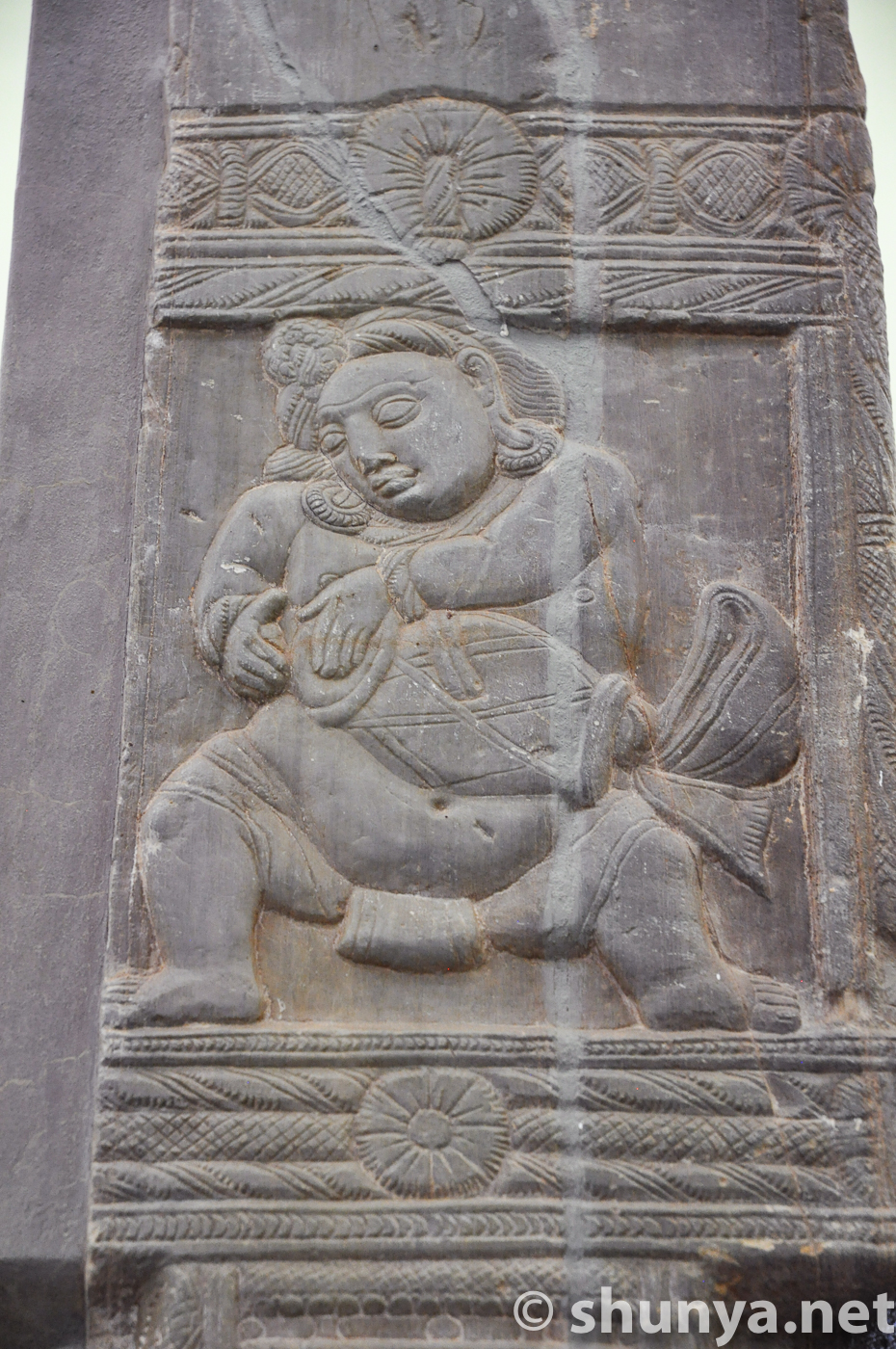
Wrestlers (info)
|
Pillar showing Scythian
|
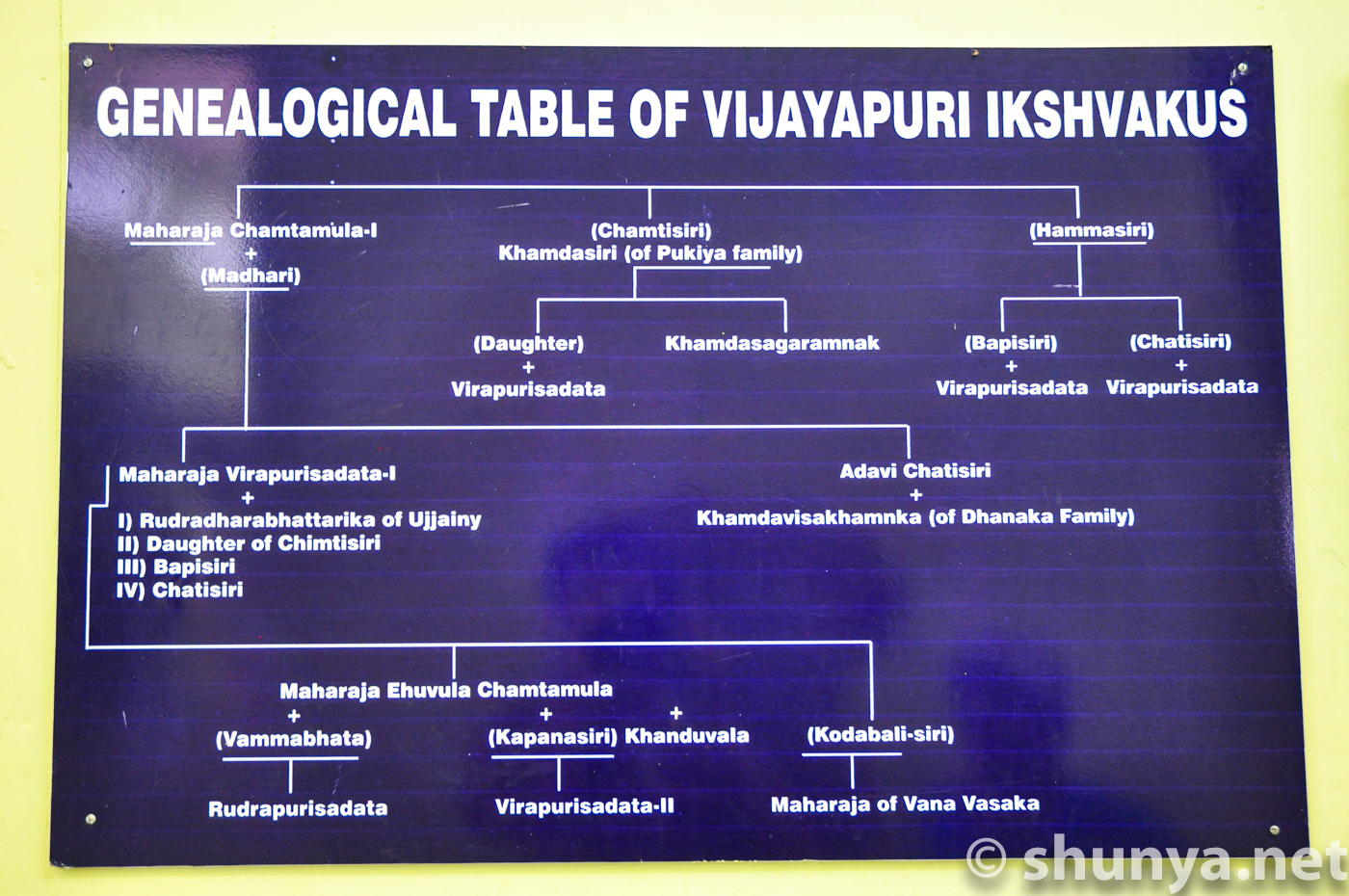
Ikshvaku royal geneology
|
Pillar showing scenes
|
Pillar showing scenes
|
Pillar showing scenes
|
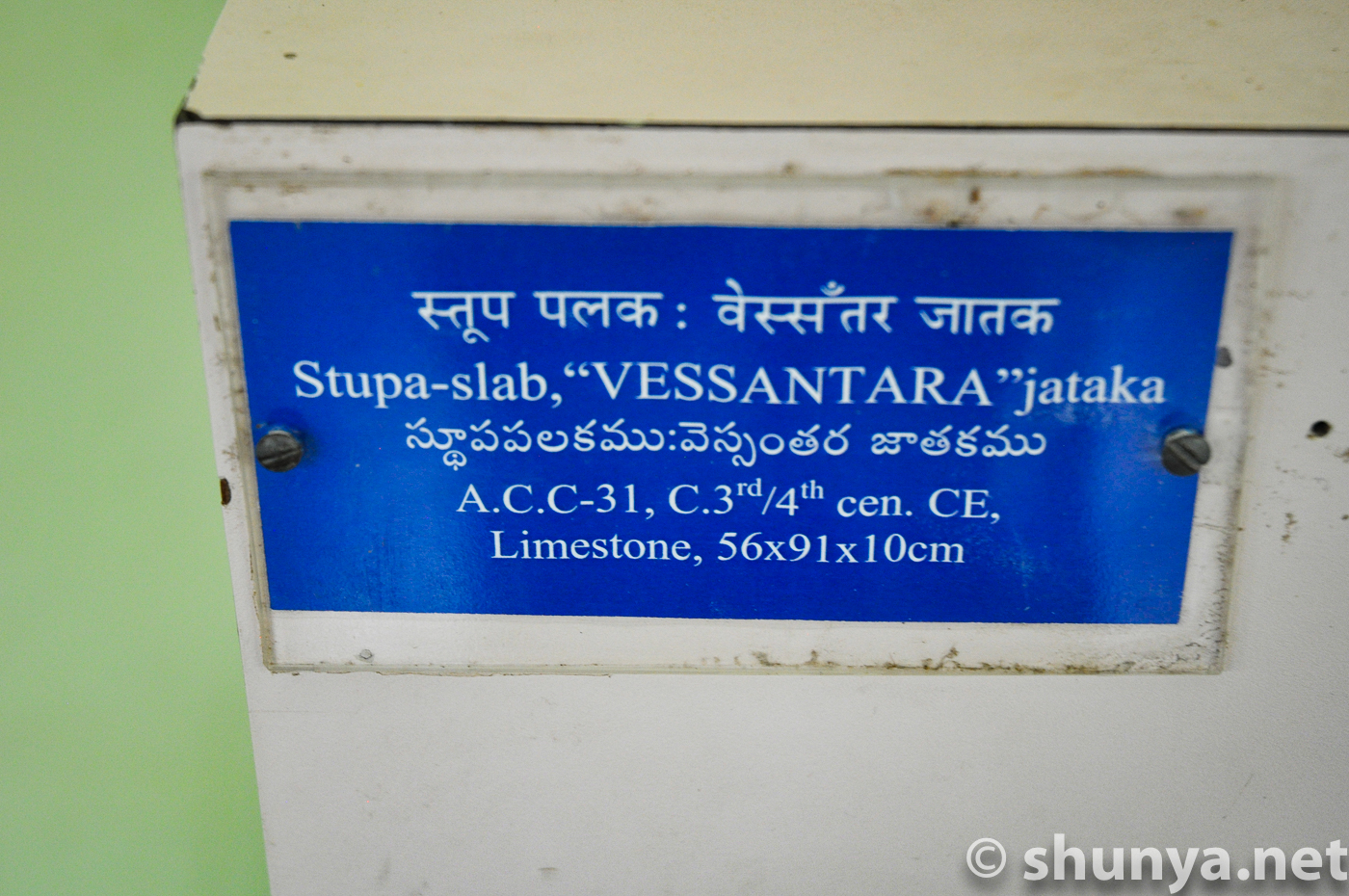
Stupa-slab: "Vassantara"
|
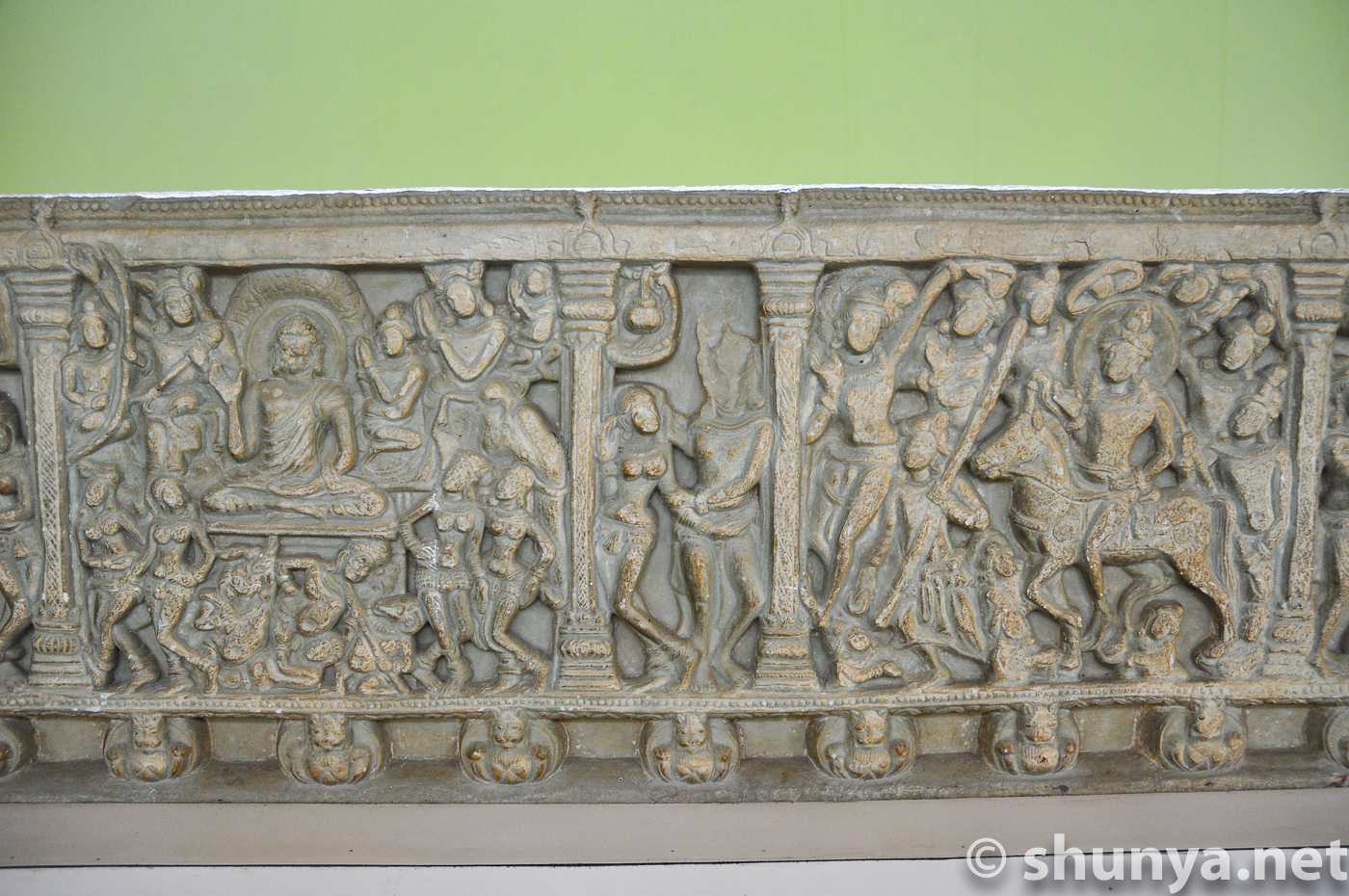
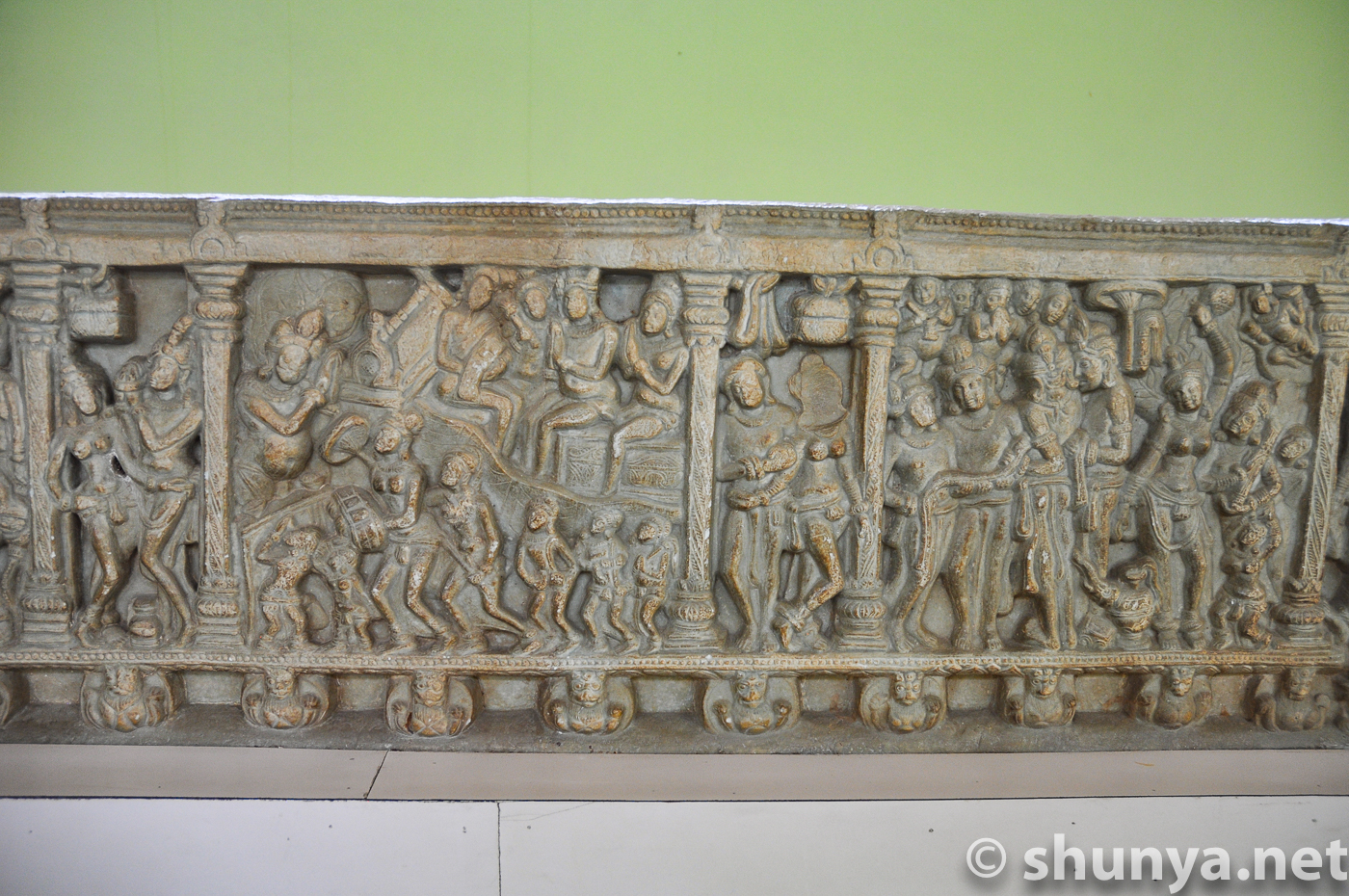
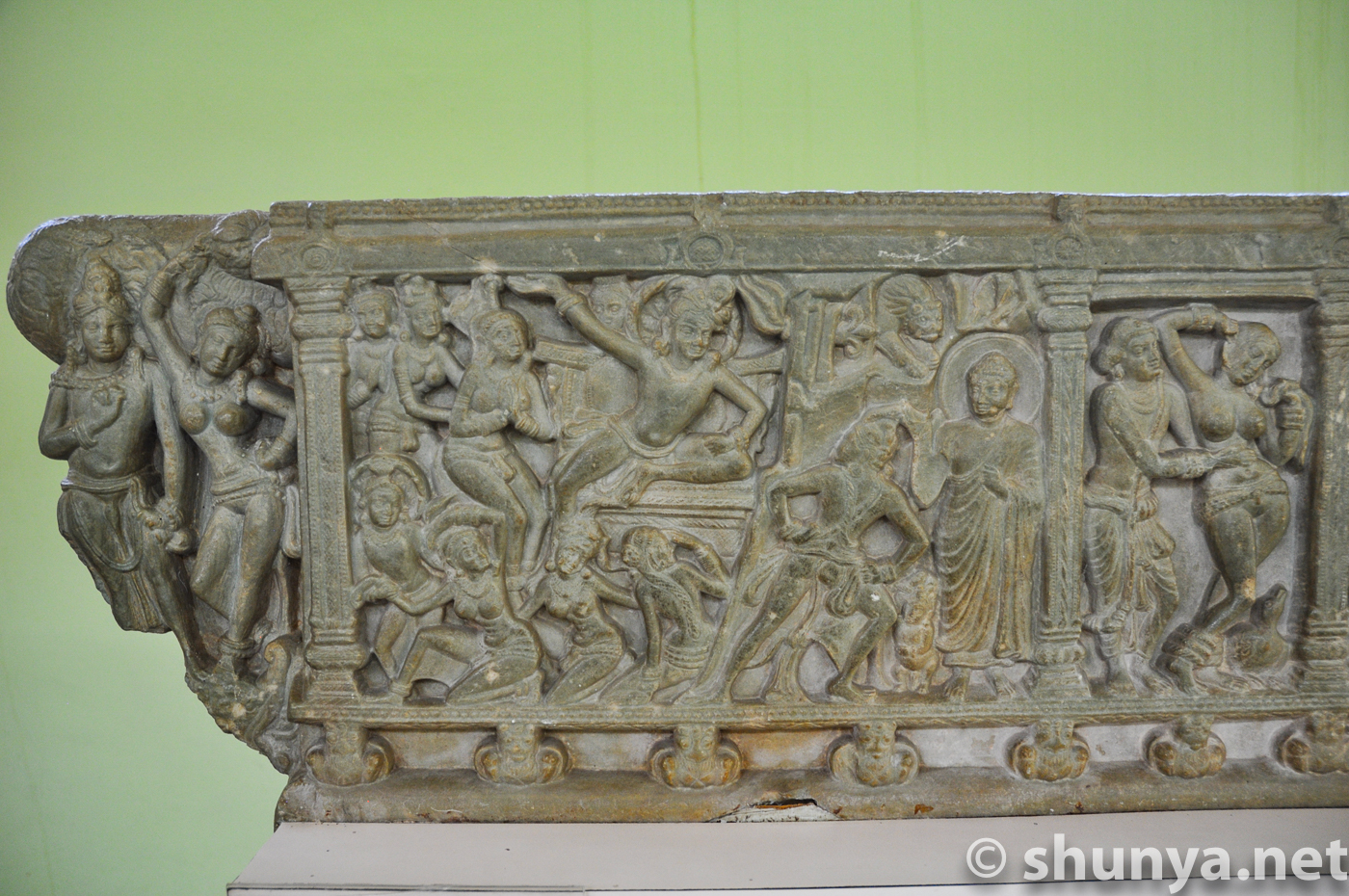
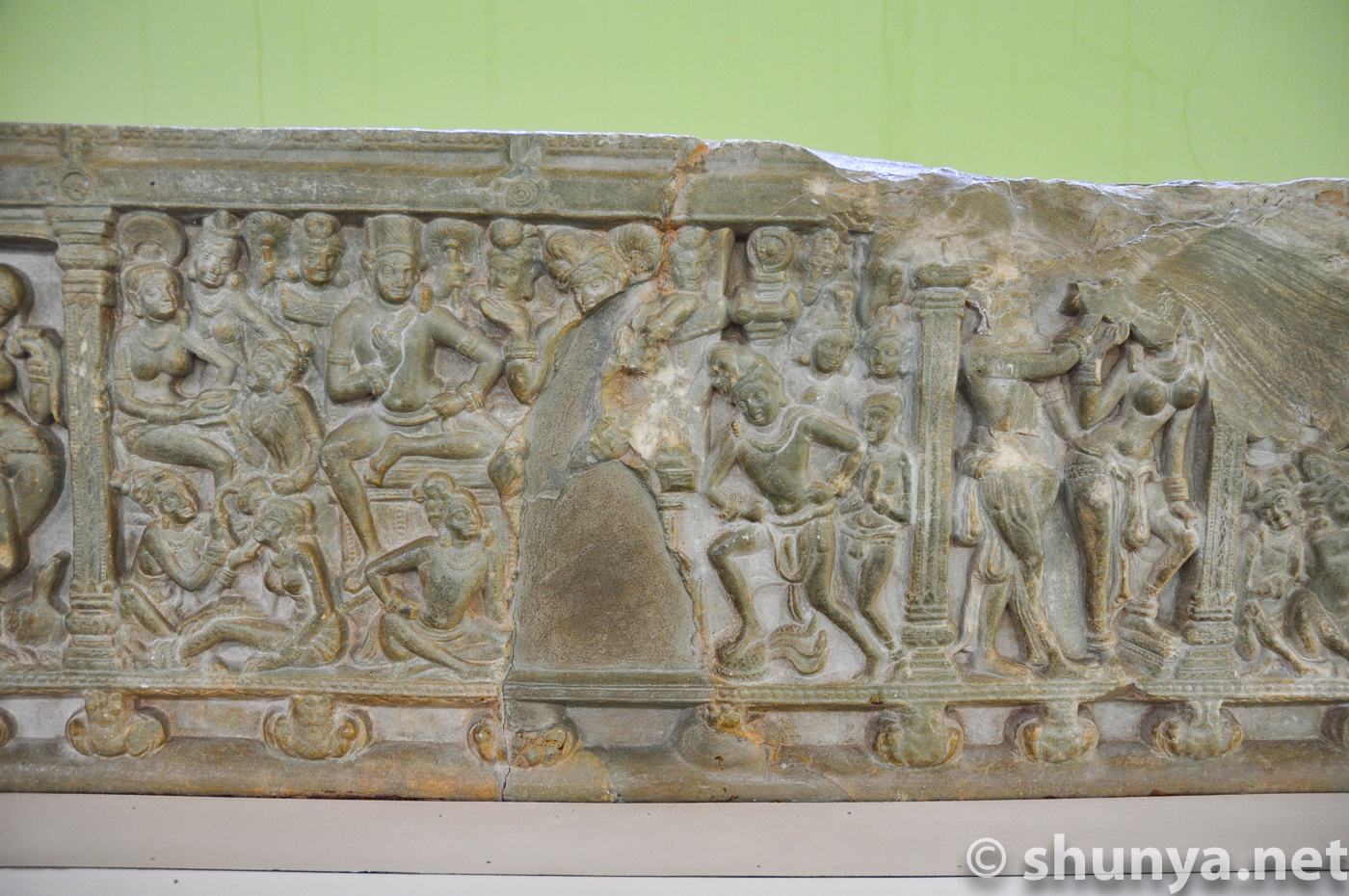
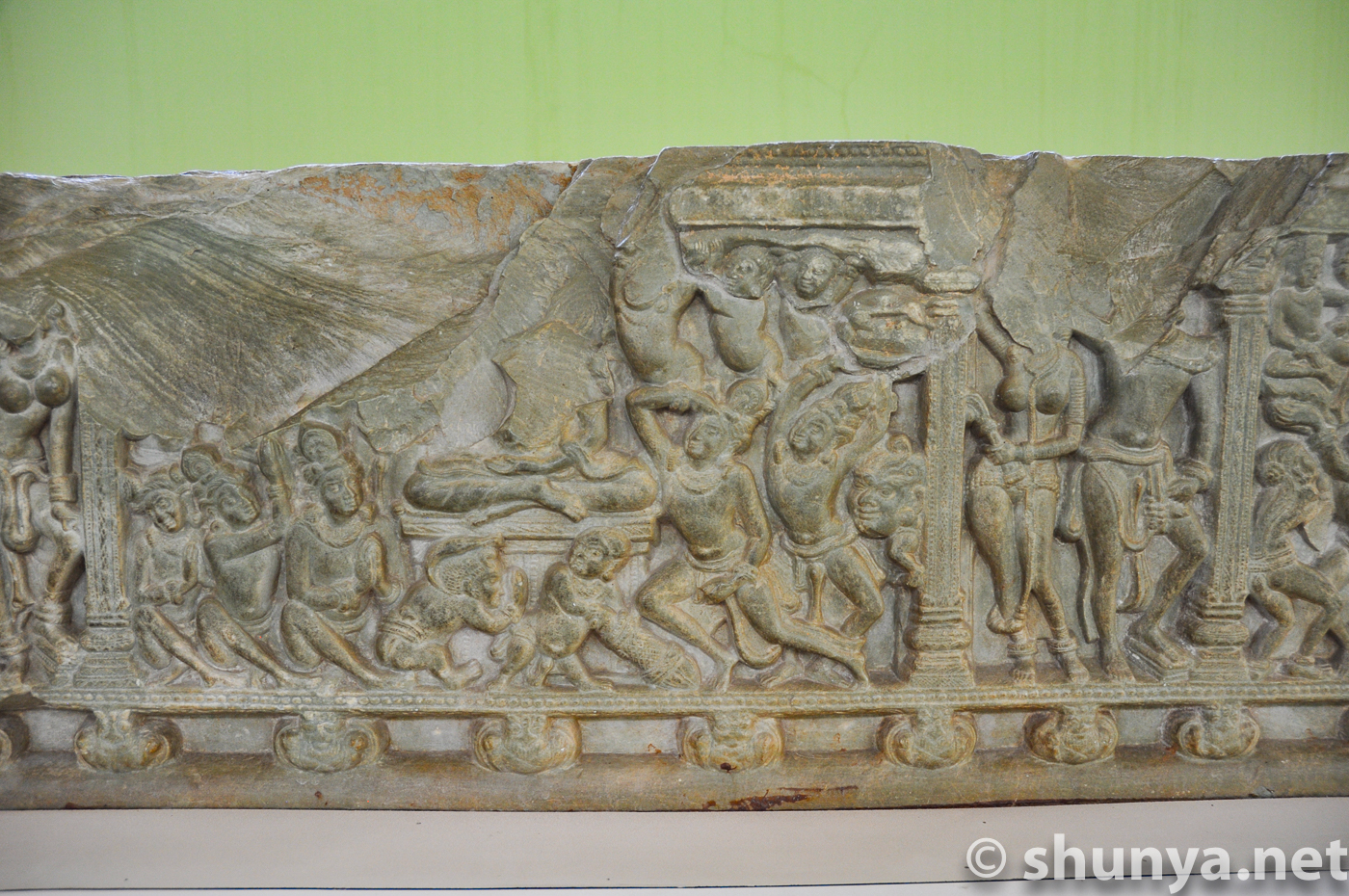
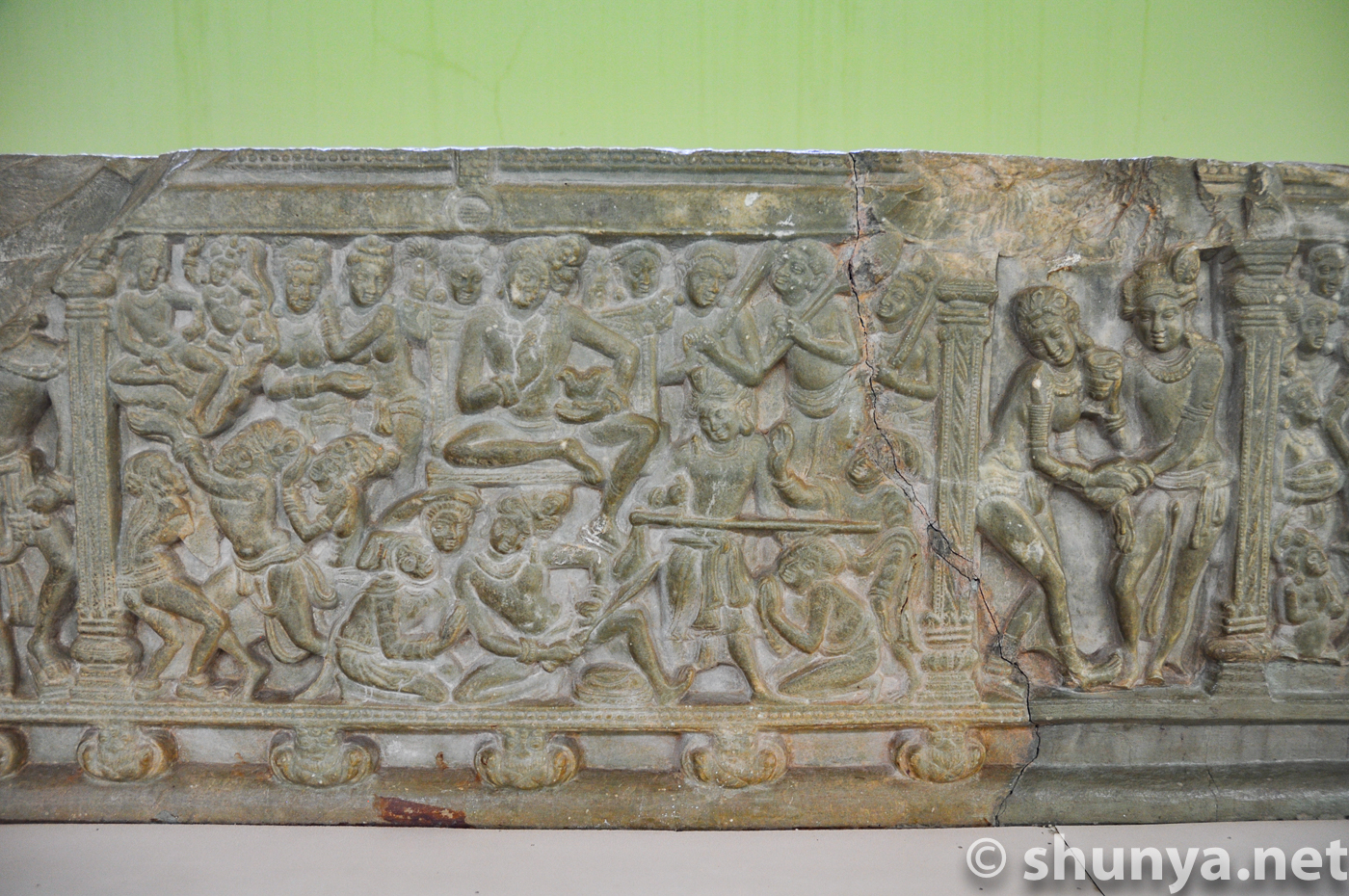
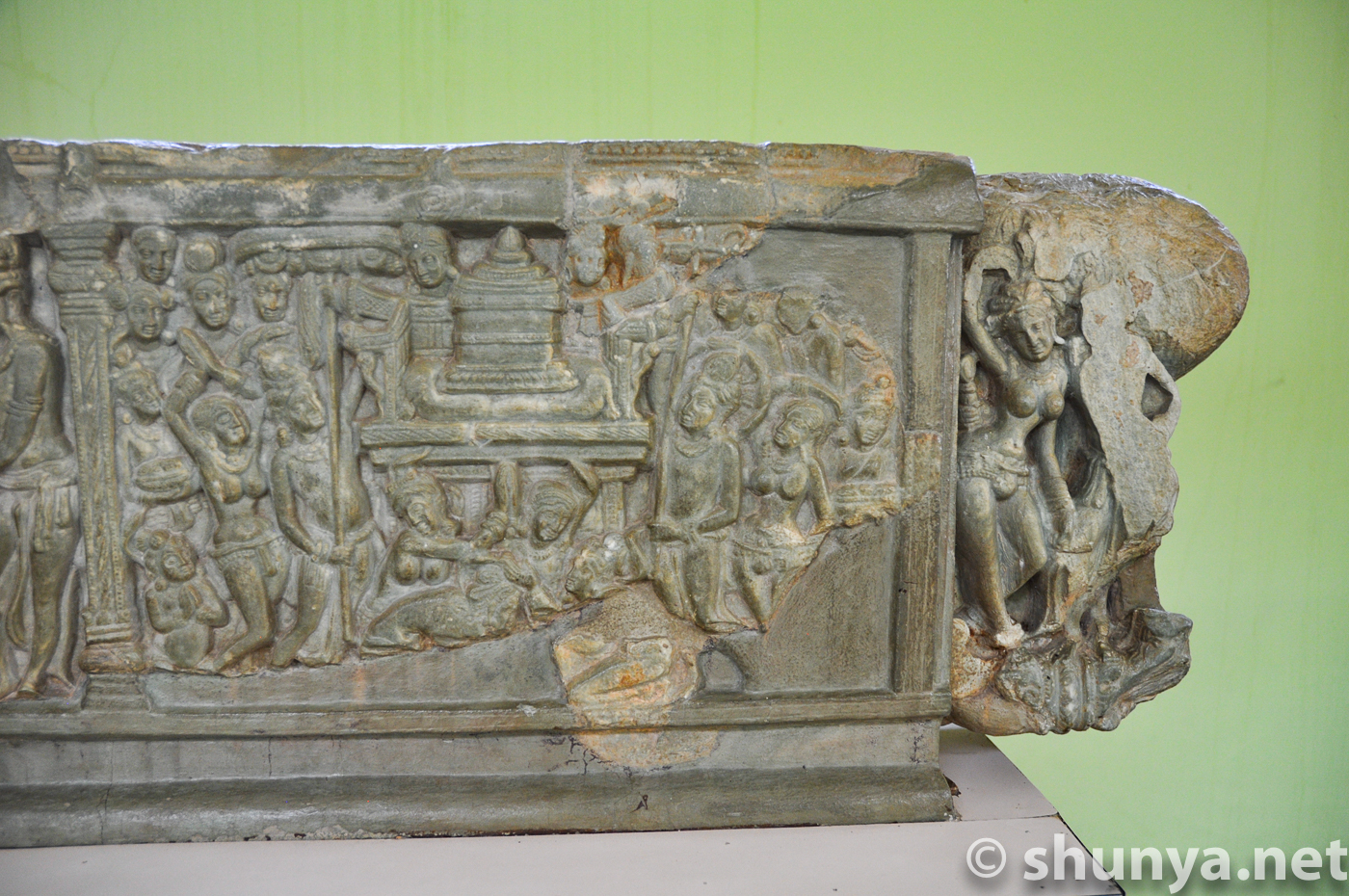
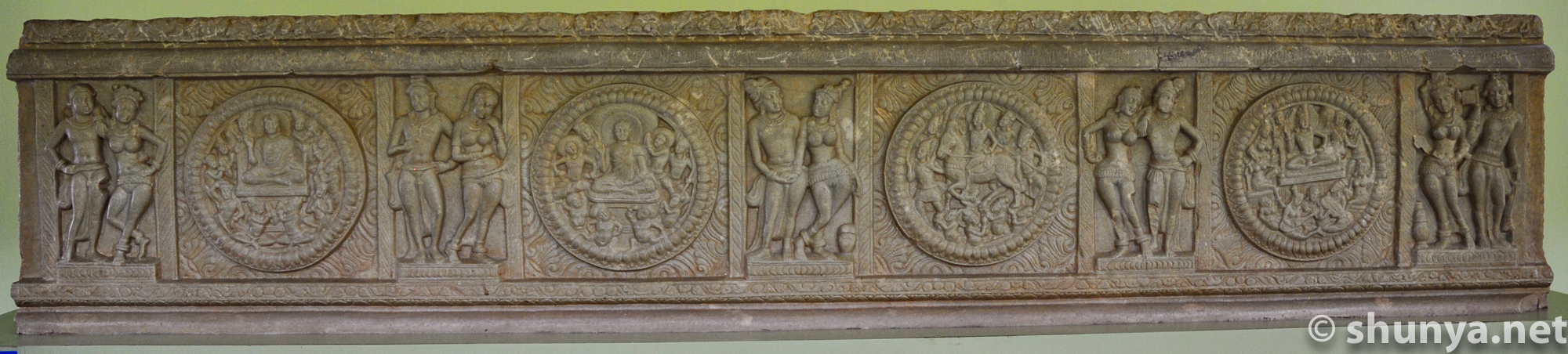
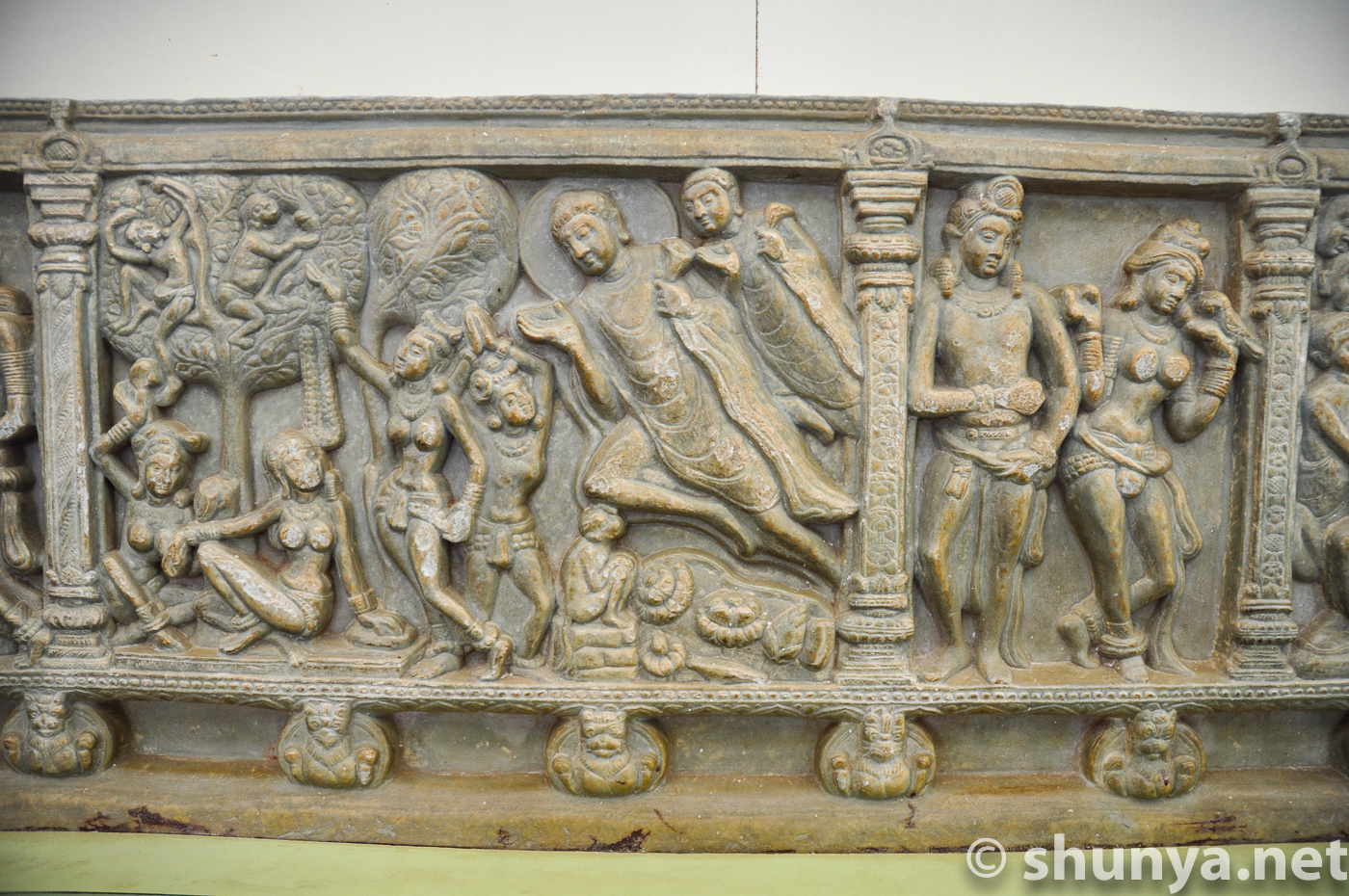
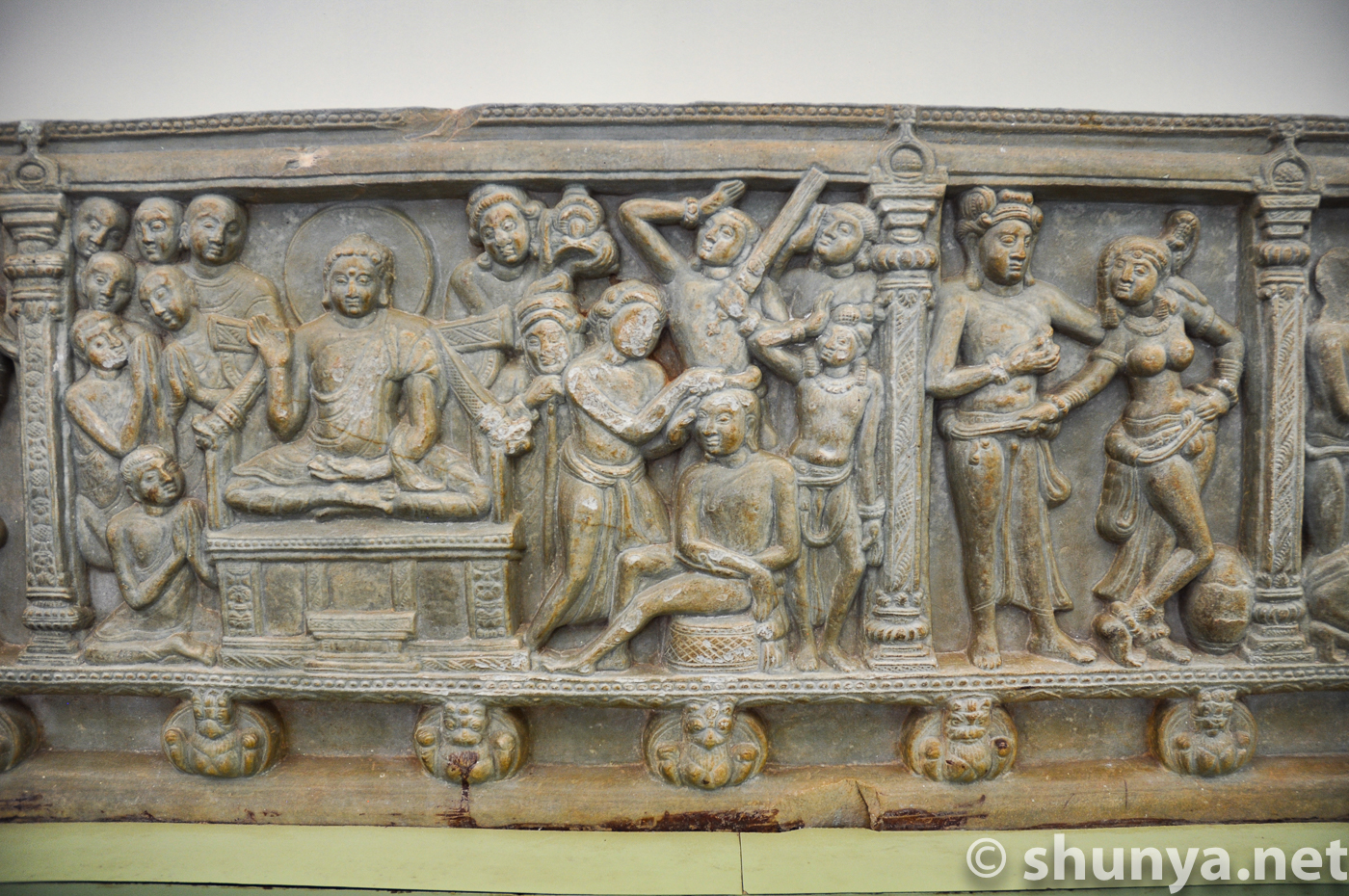
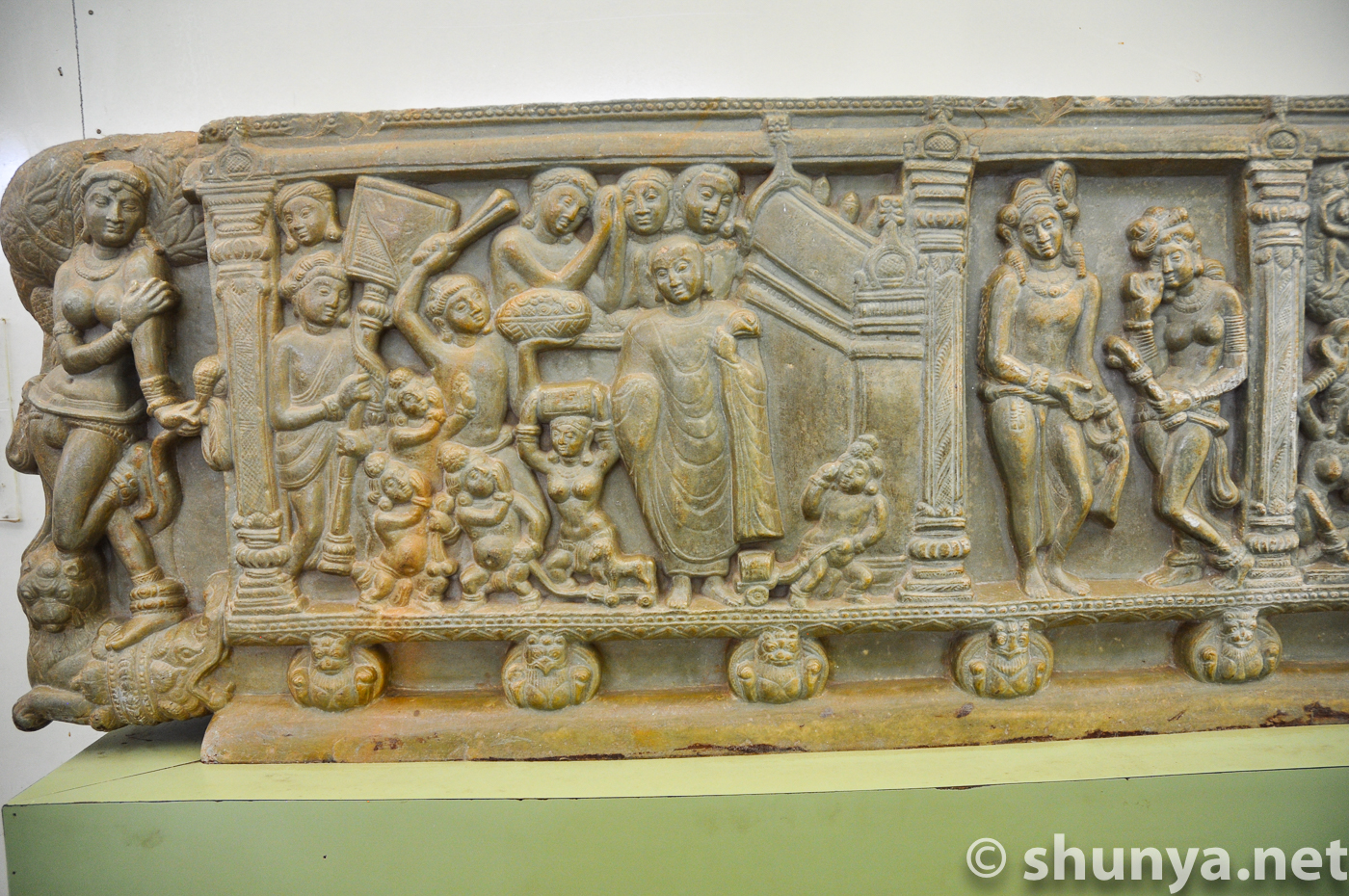
Scenes from the Buddha's life and amorous couples (info)
|
|||
(info)
|
(info)
|
(info)
|
(info)
|
(info)
|
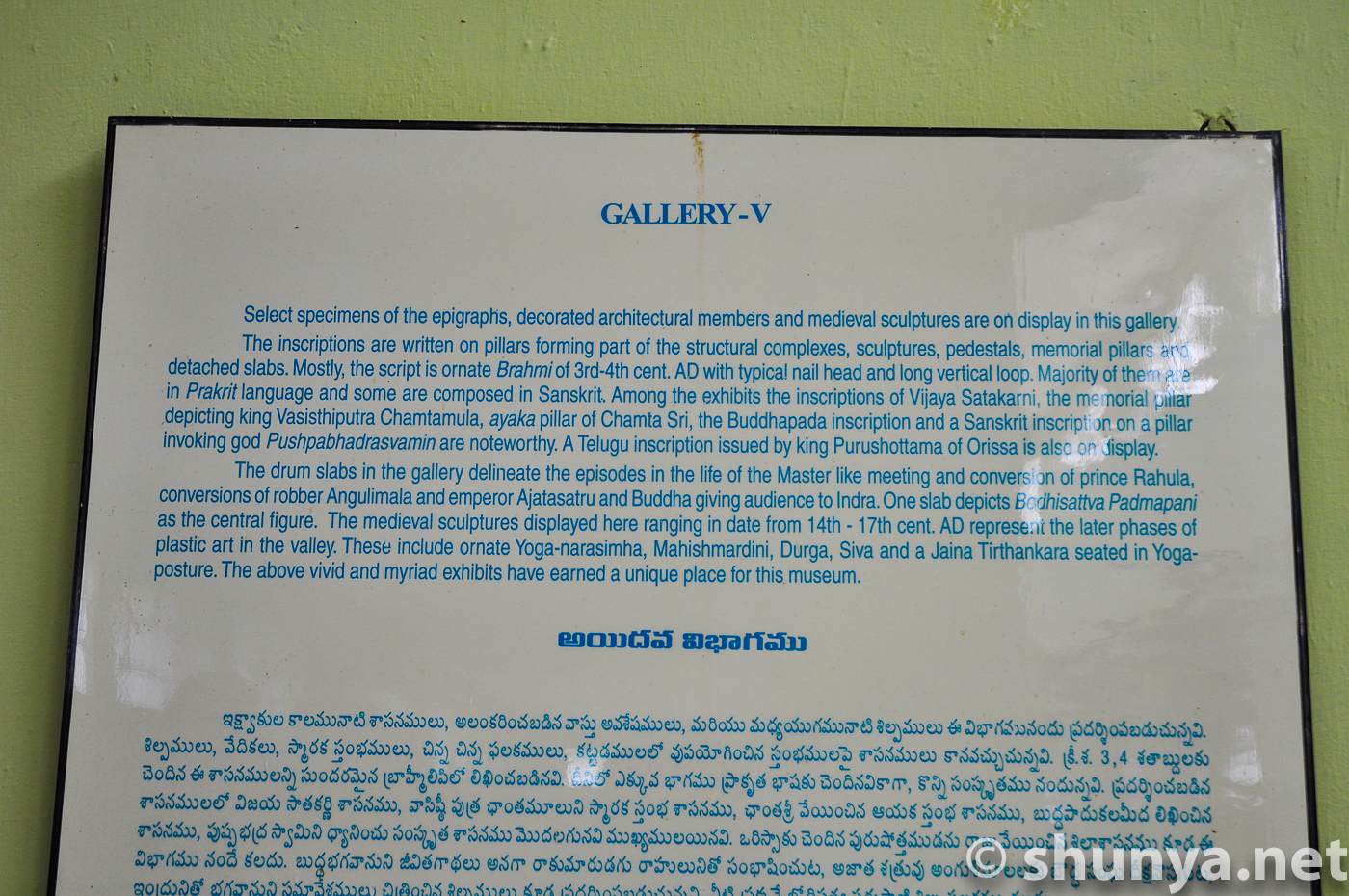
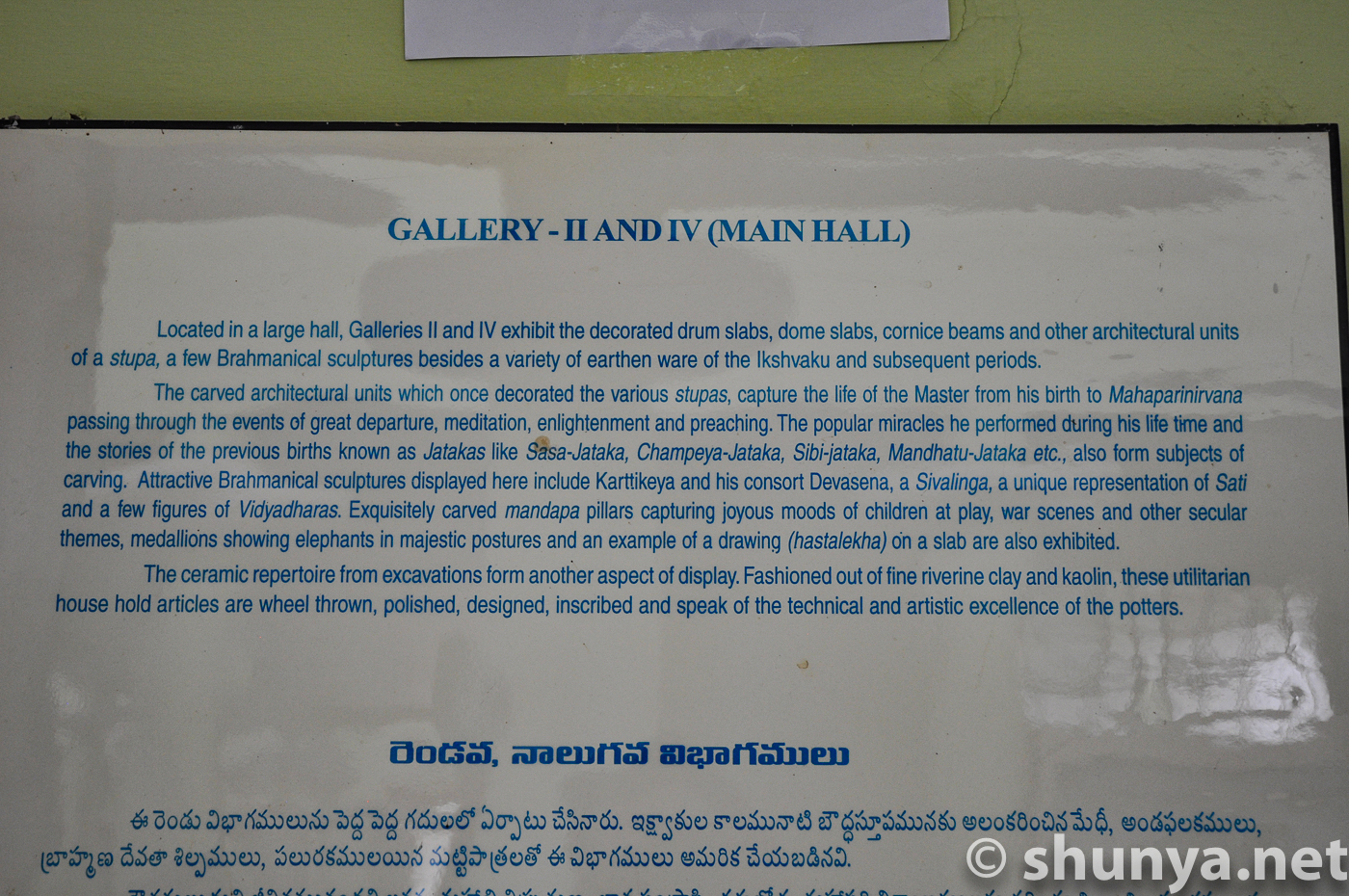
Gallery V (II and IV)
|
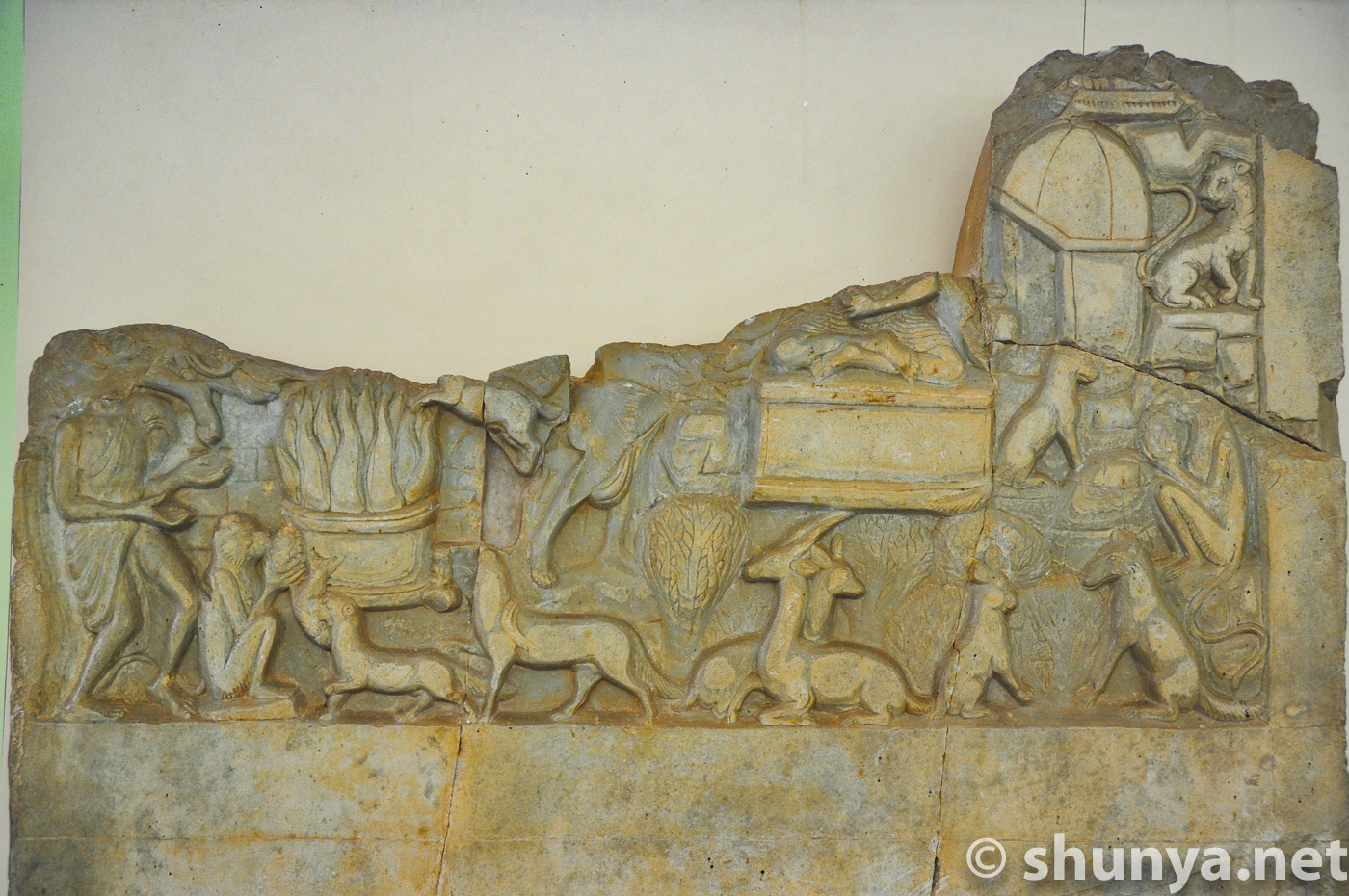
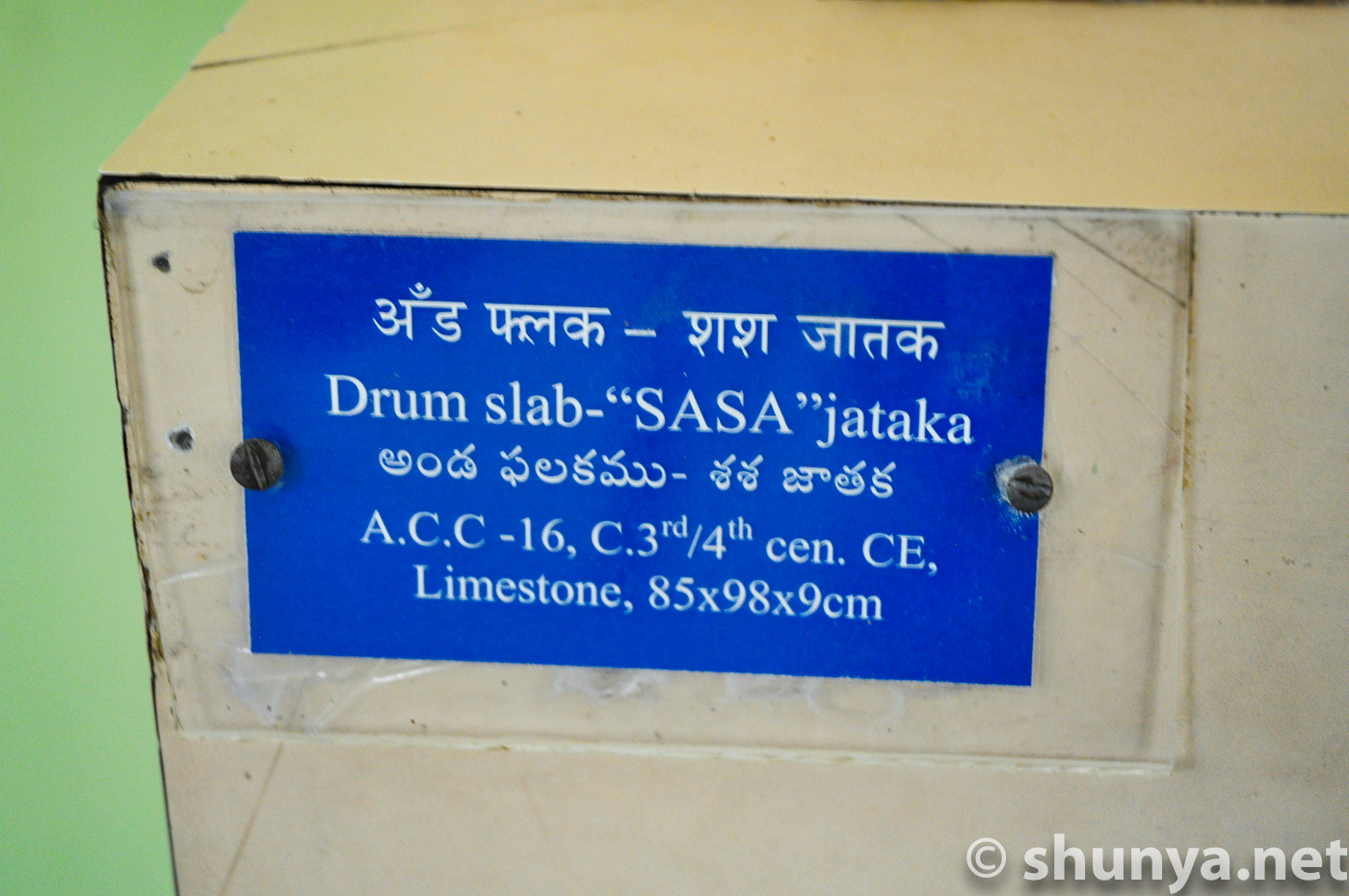
Drum slab: "Sasa"
|
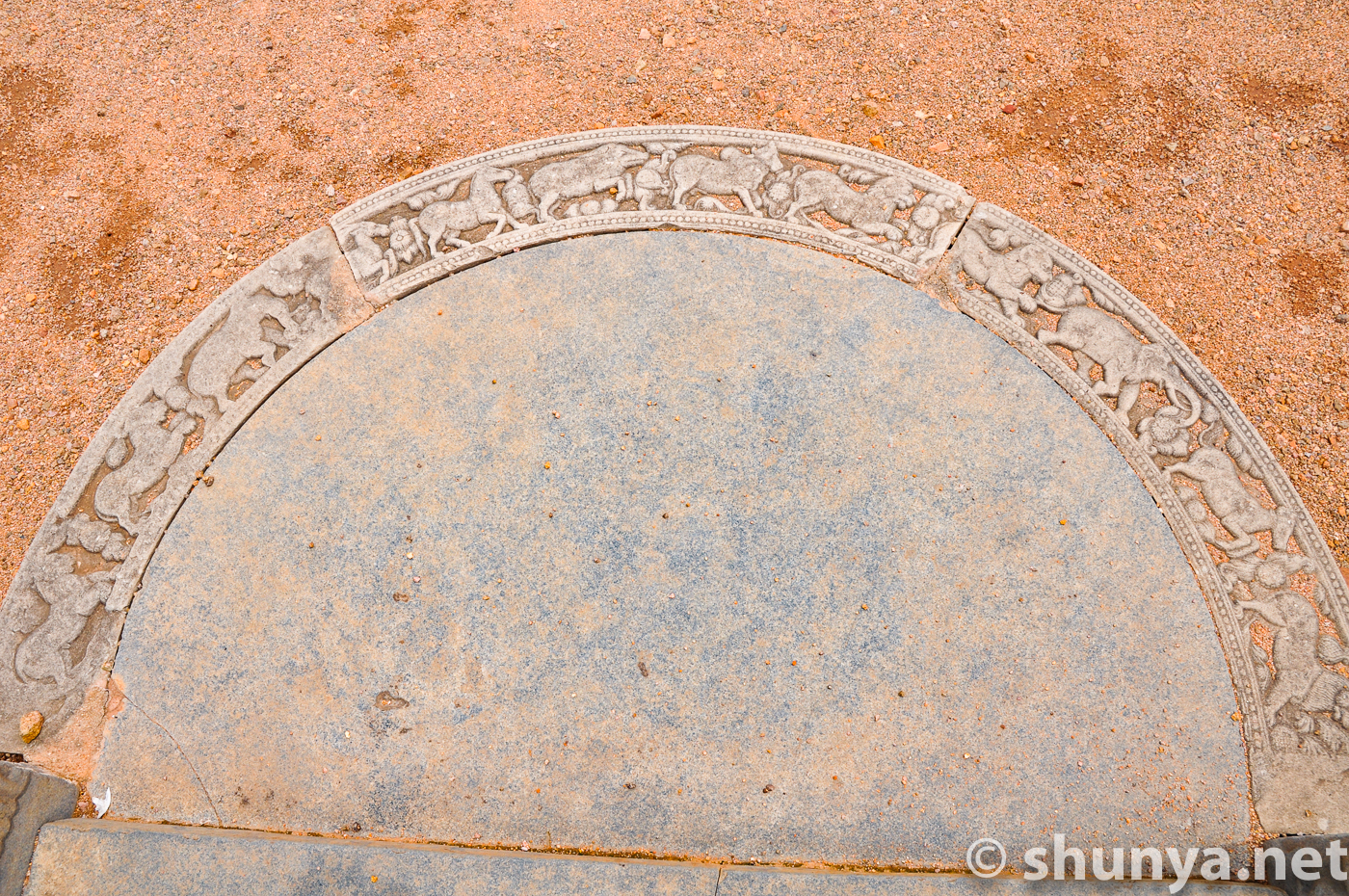
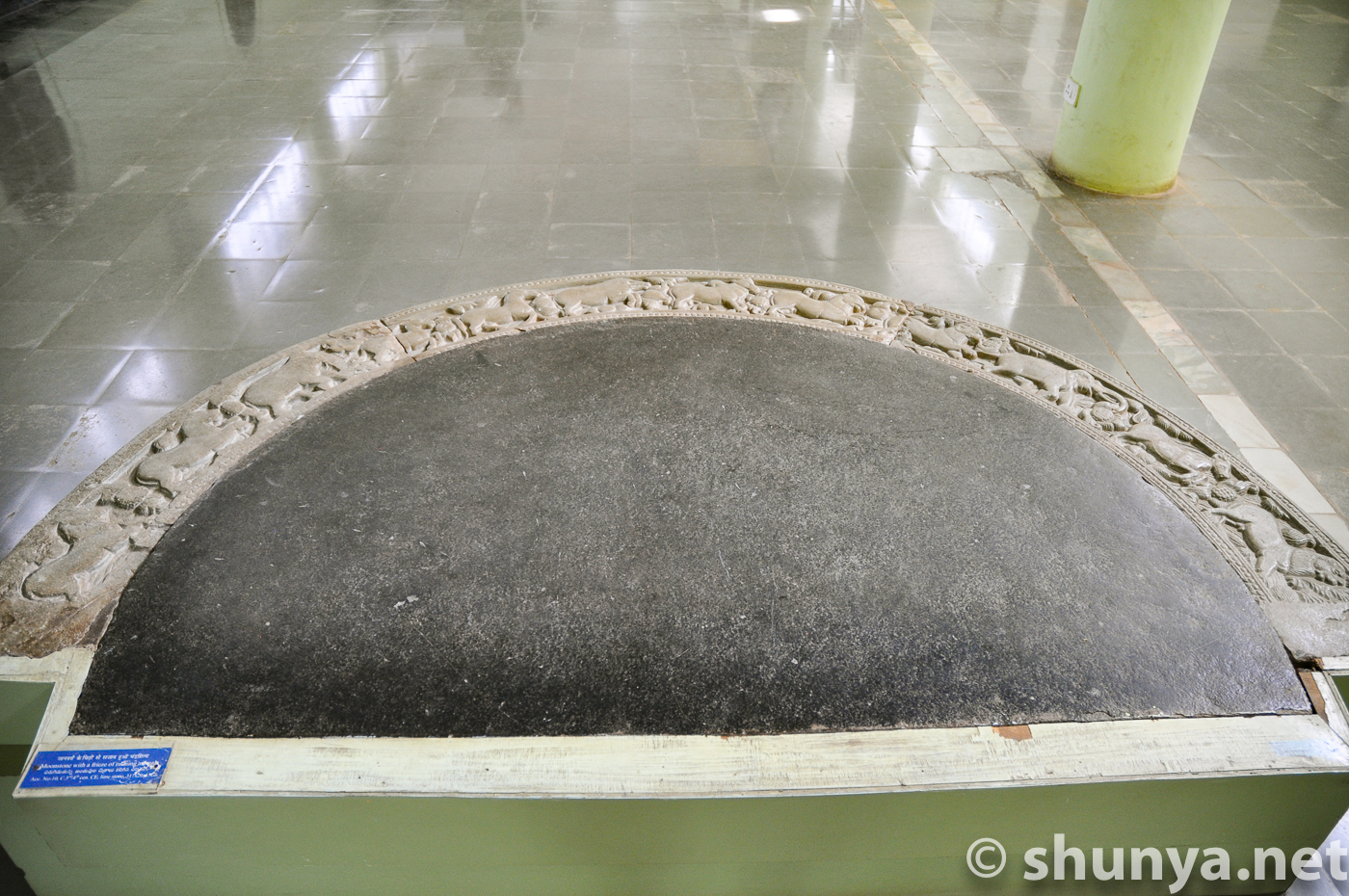
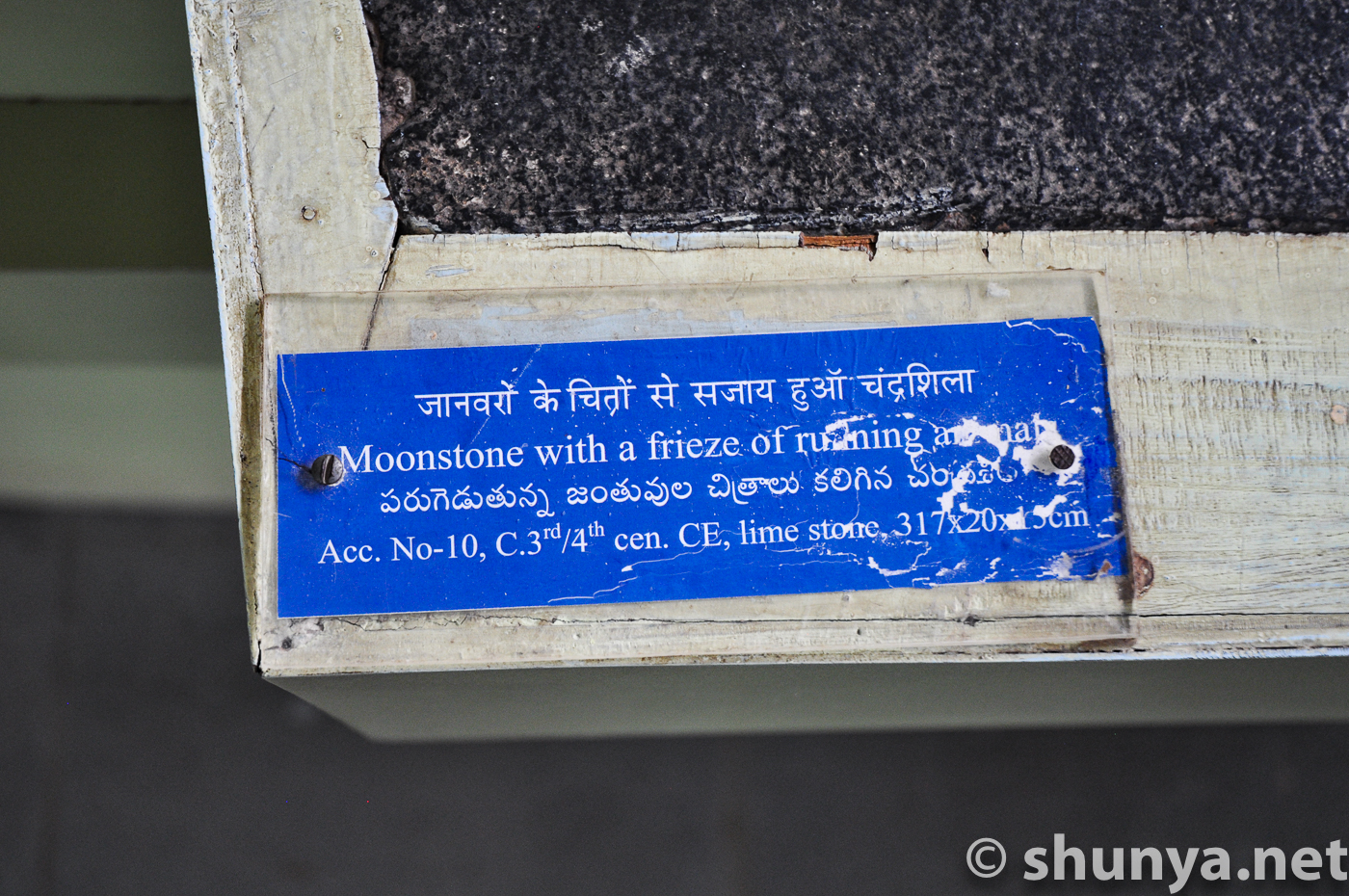
Moonstone with a frieze
|
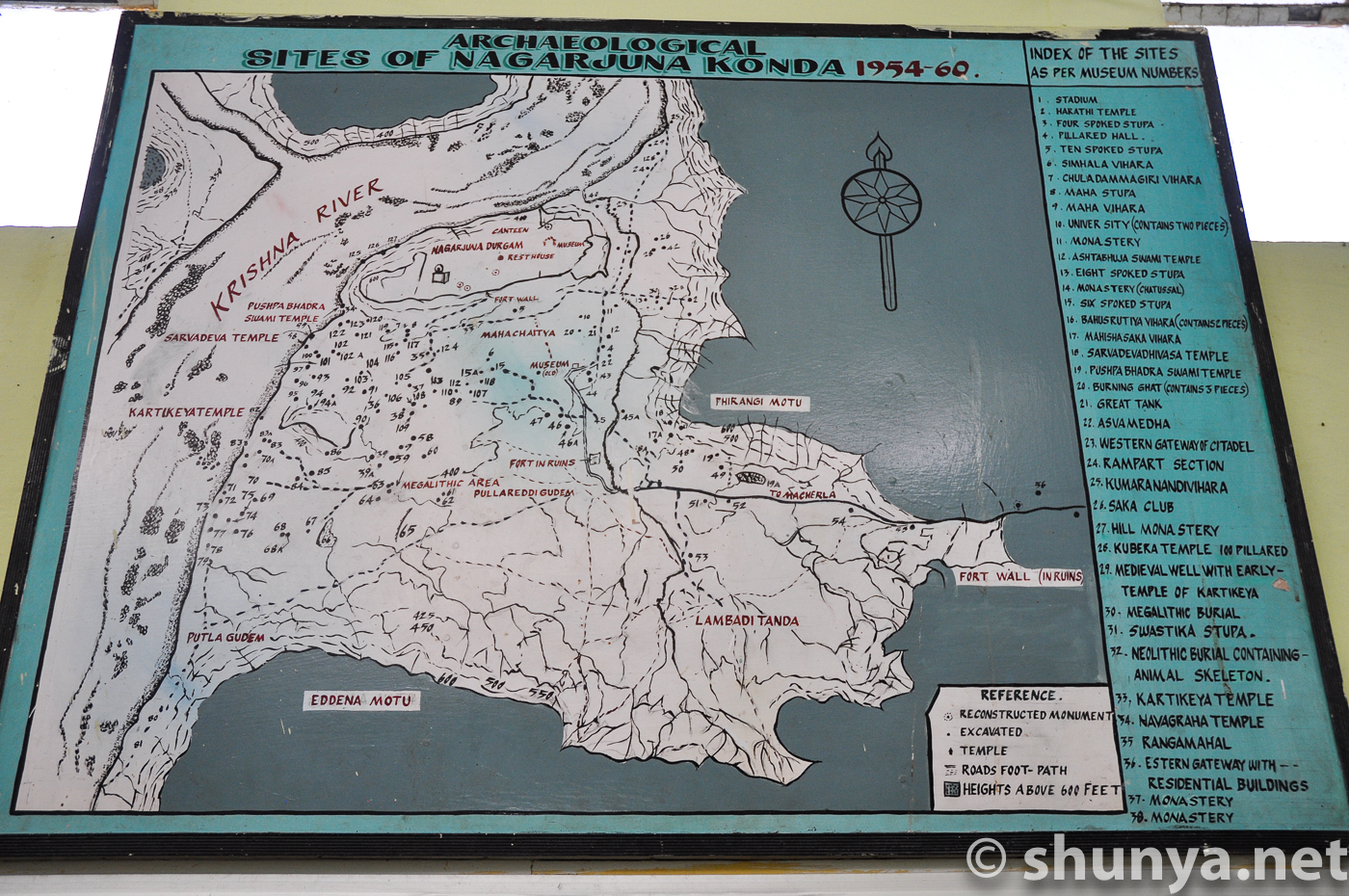
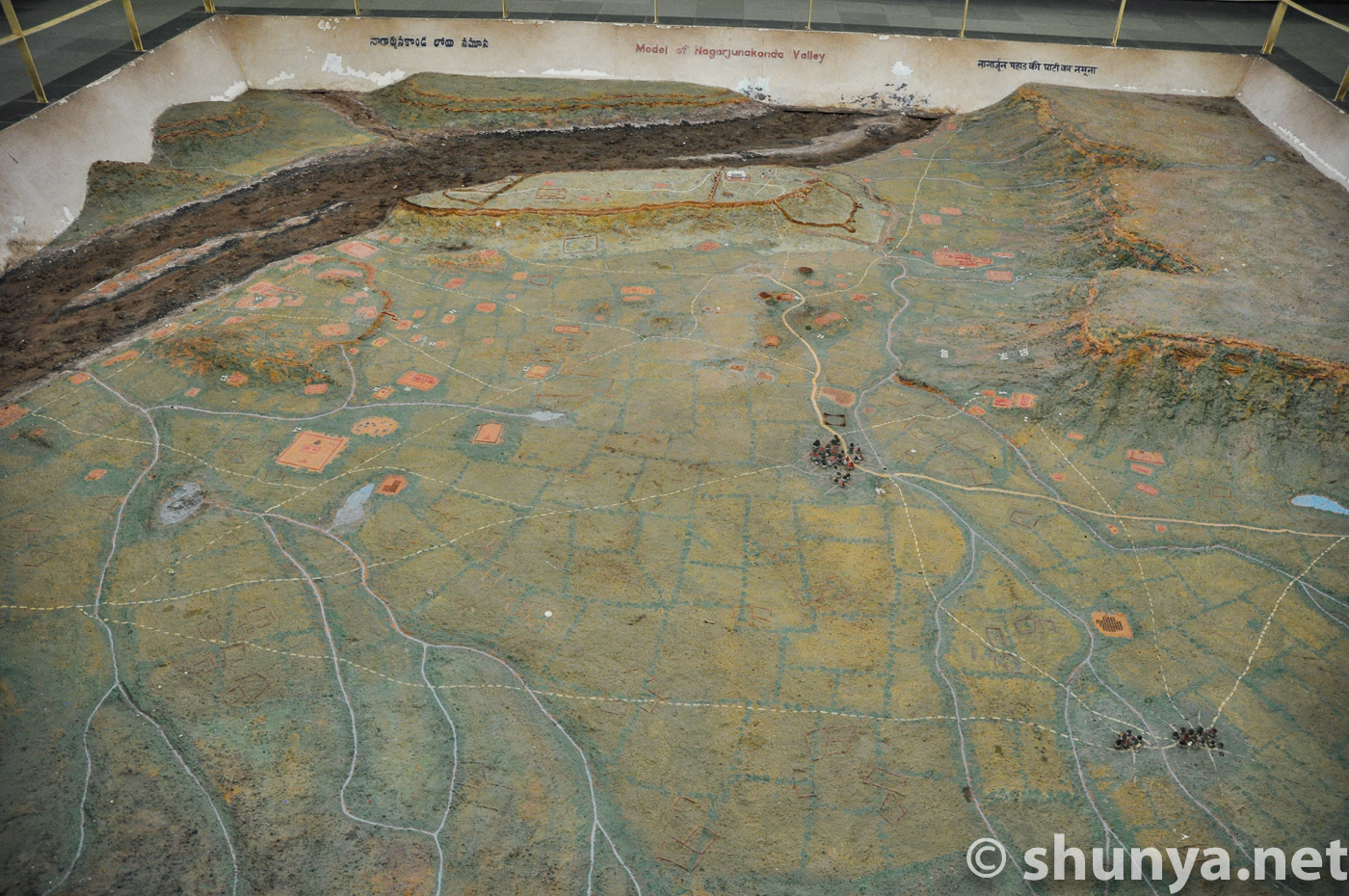
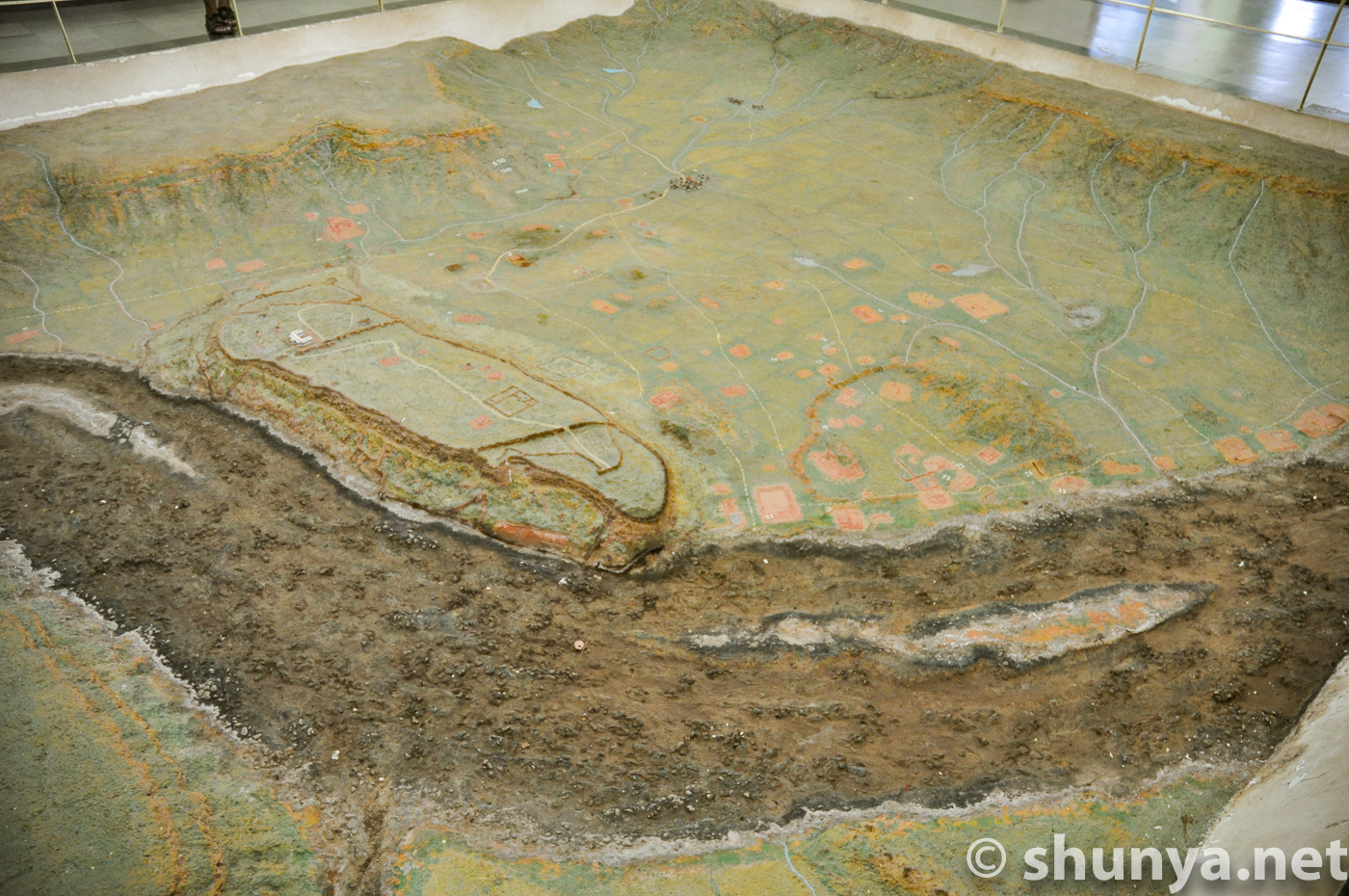
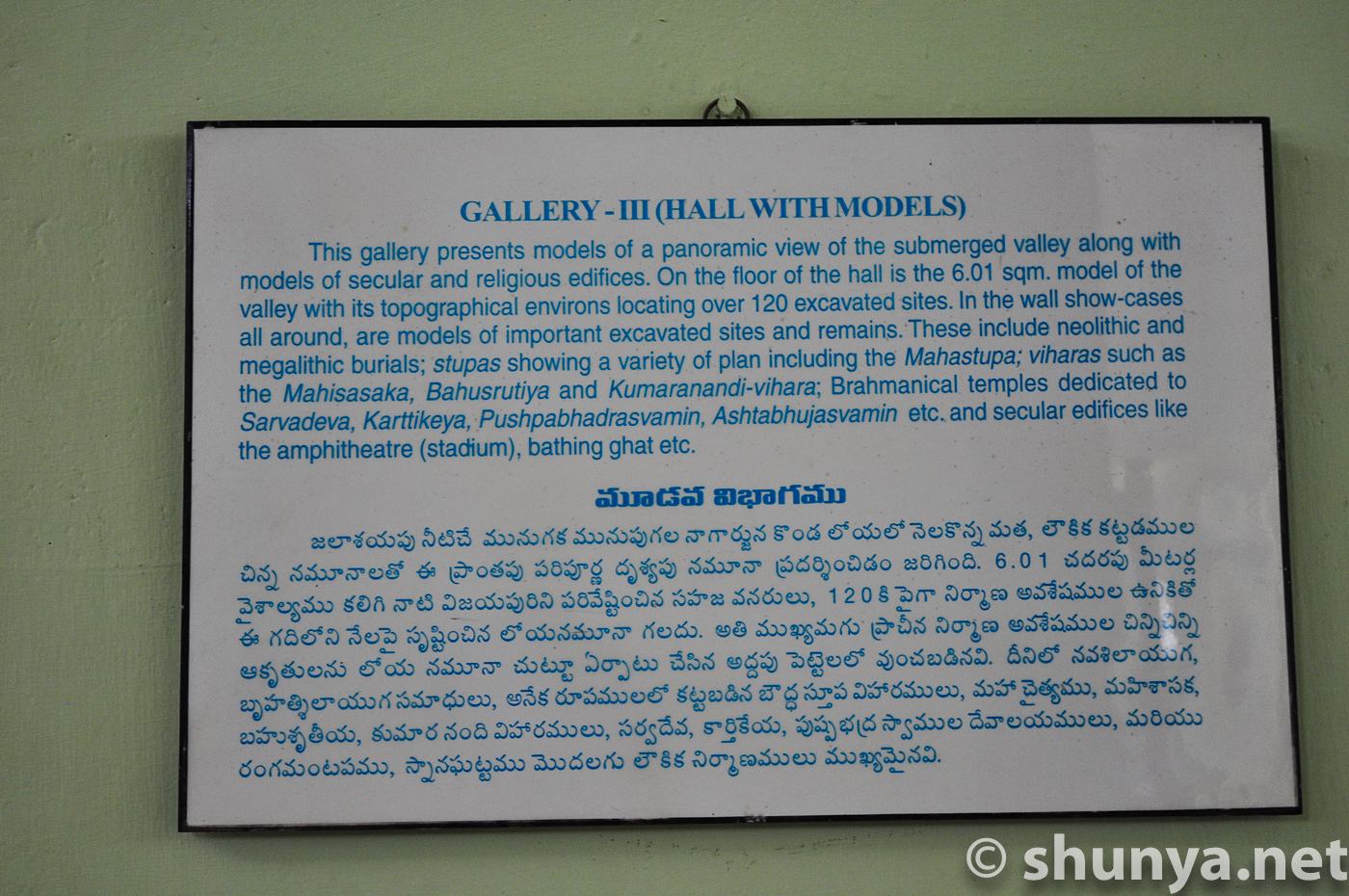
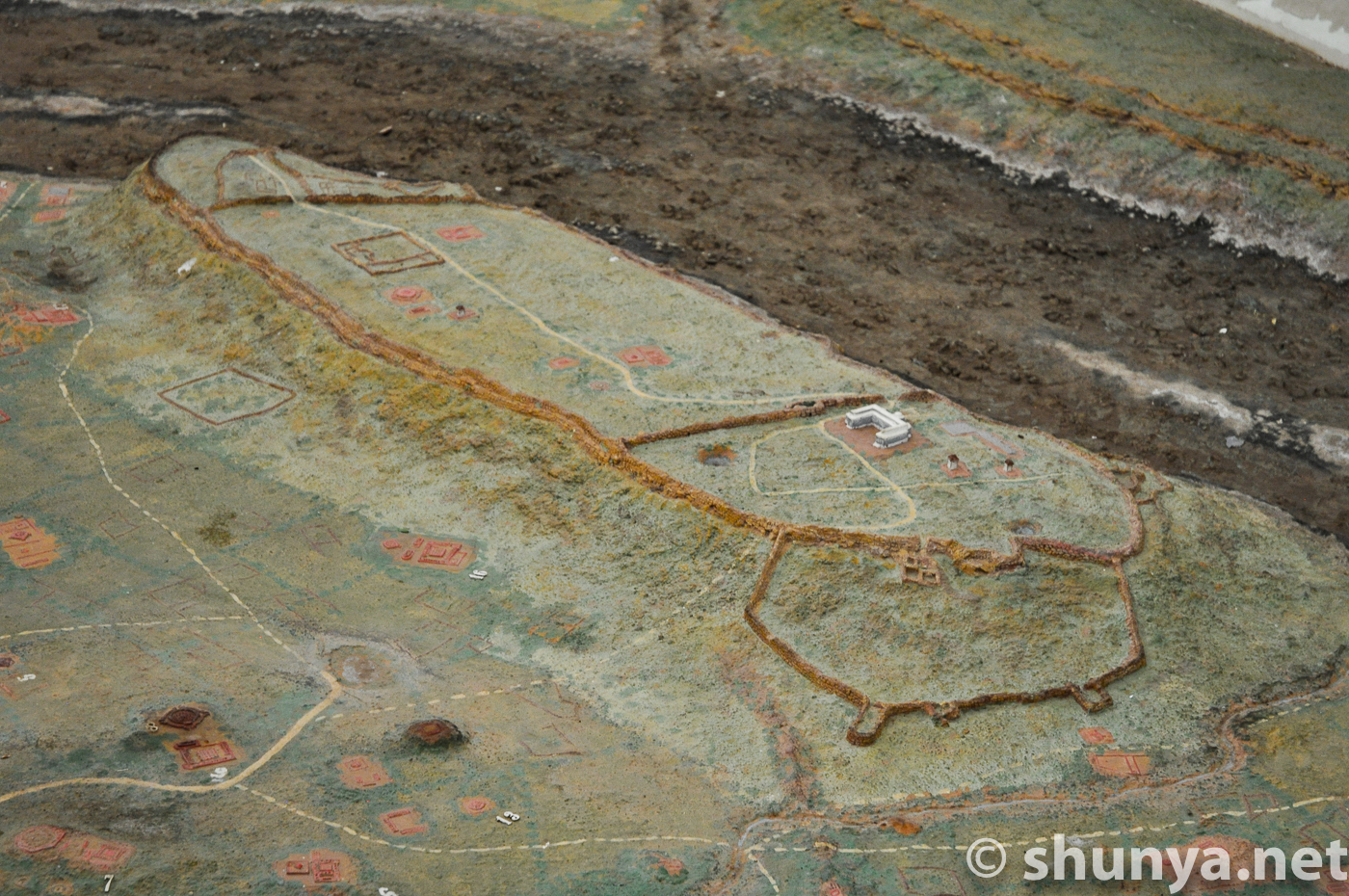
Nagarjunakonda valley map
|
Topographic map (info)
|
Topographic map (more)
|
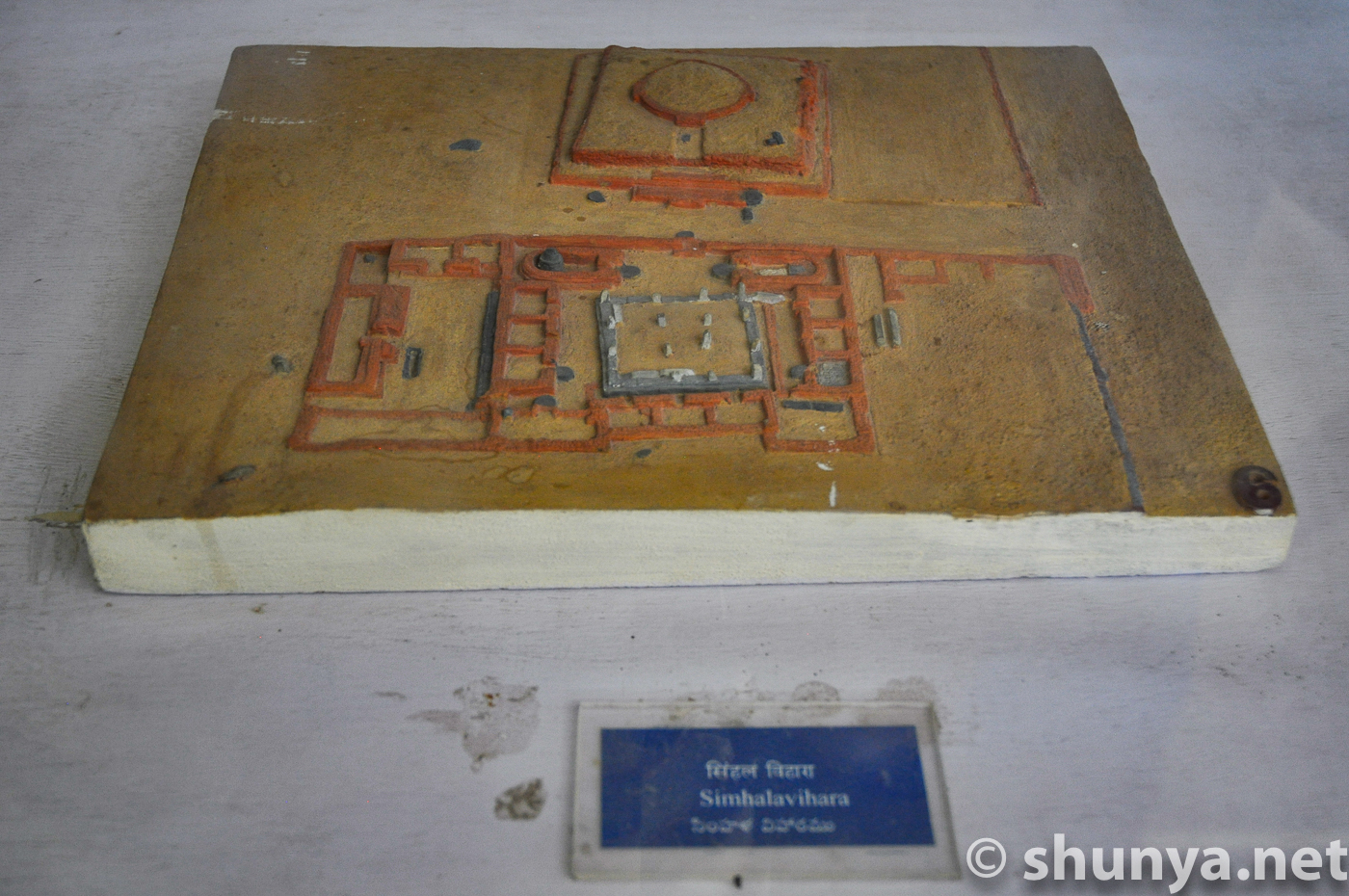
Simhala Vihara model
|
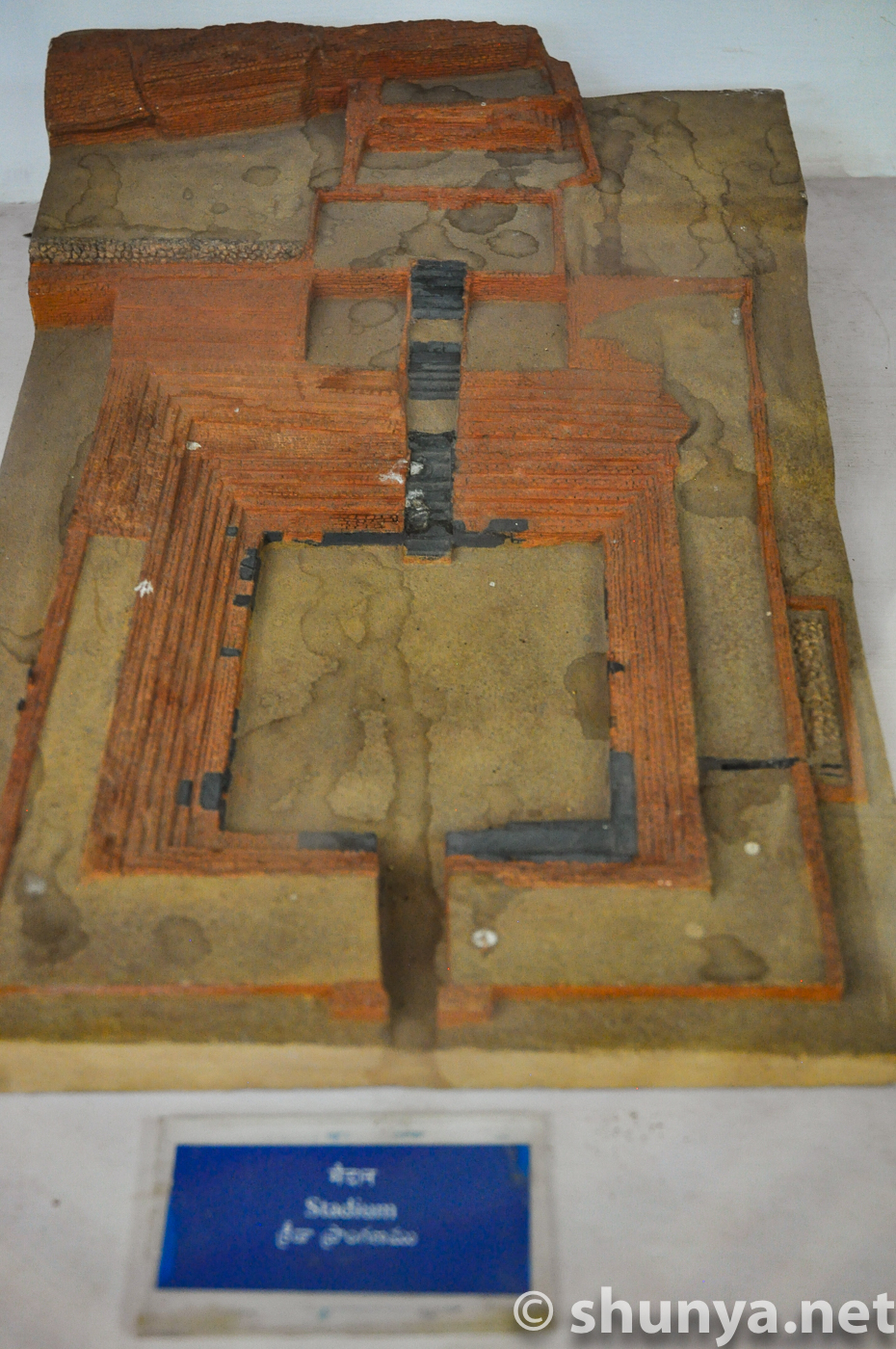
Stadium model
|
Buddha and Naga
|
Scenes from the
|
|
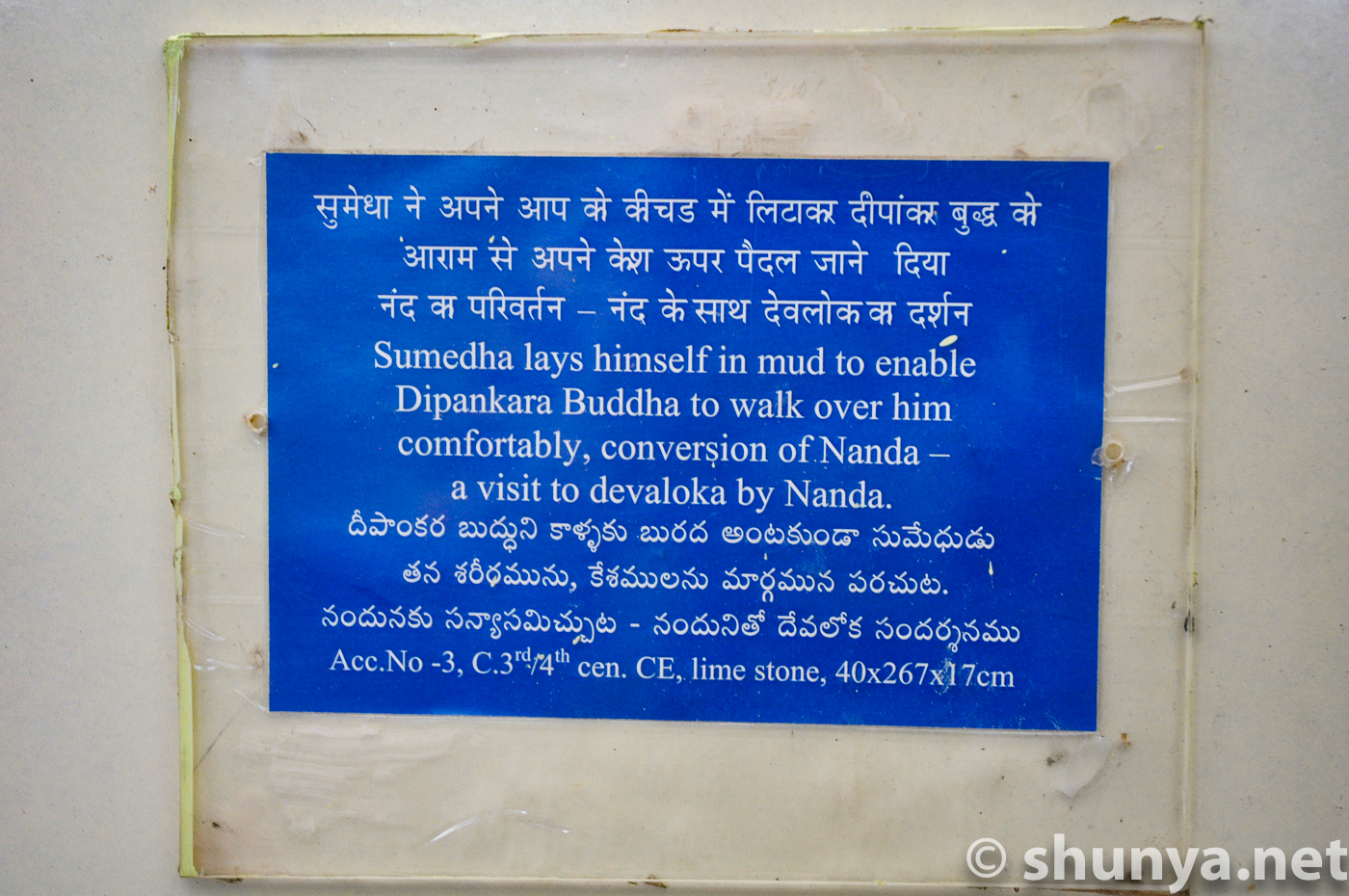
Scenes from the life of Sumedha, Dipankara Buddha, and Nanda (info)
|
|||
(info)
|
(info)
|
(info)
|
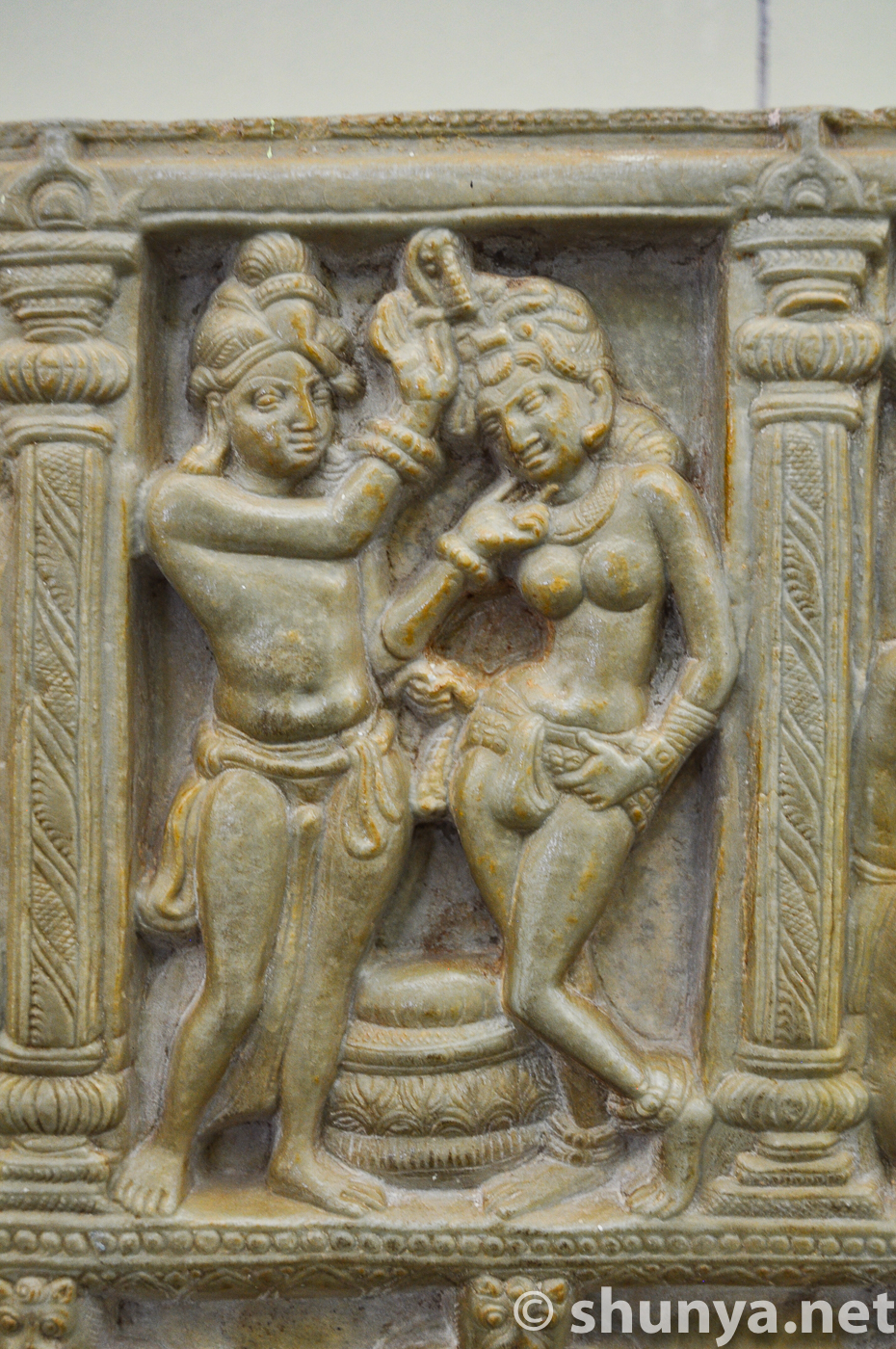
Amorous couple (info)
|
(info)
|
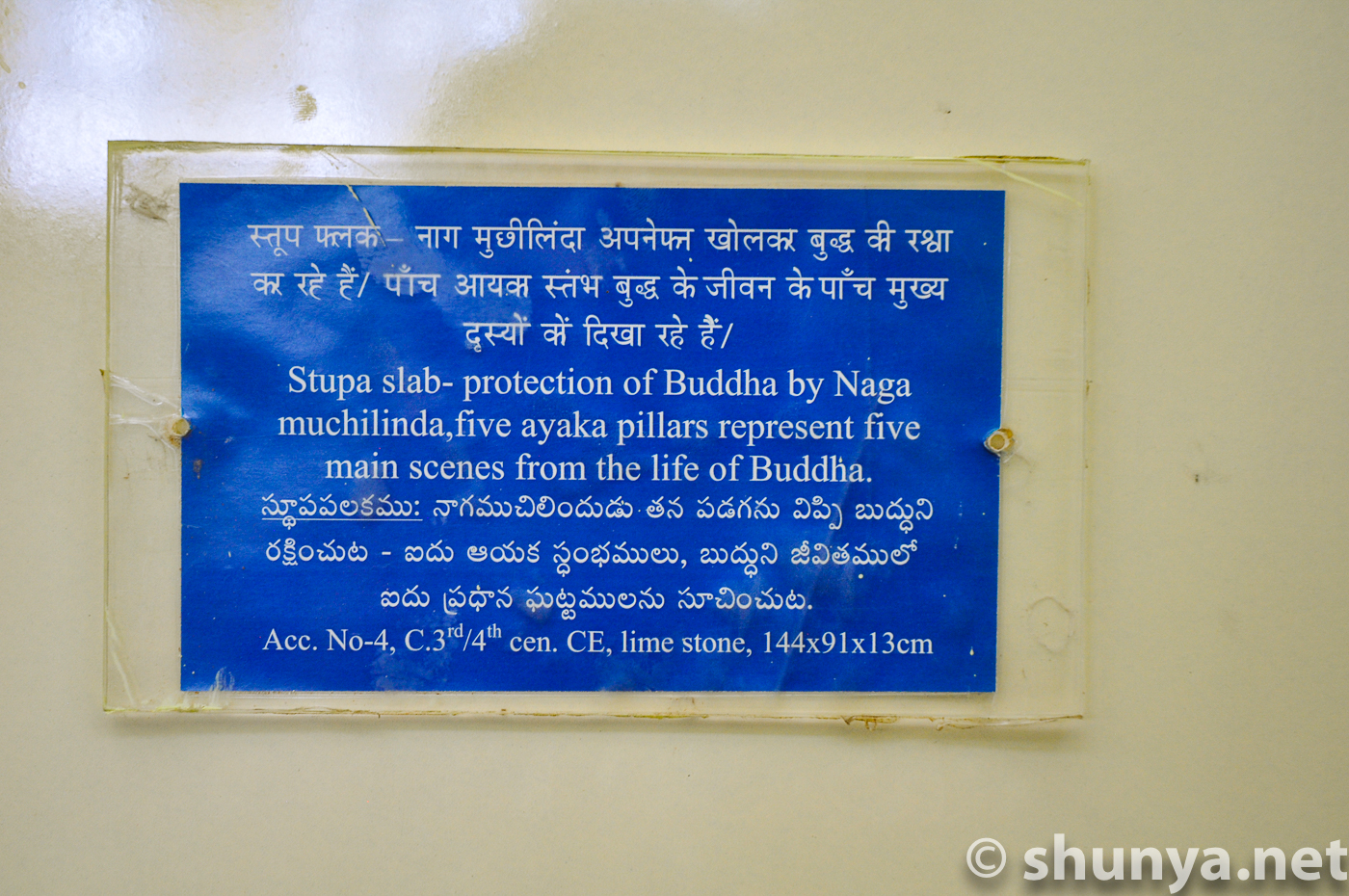
Stupa-slab: Protection of Buddha
|
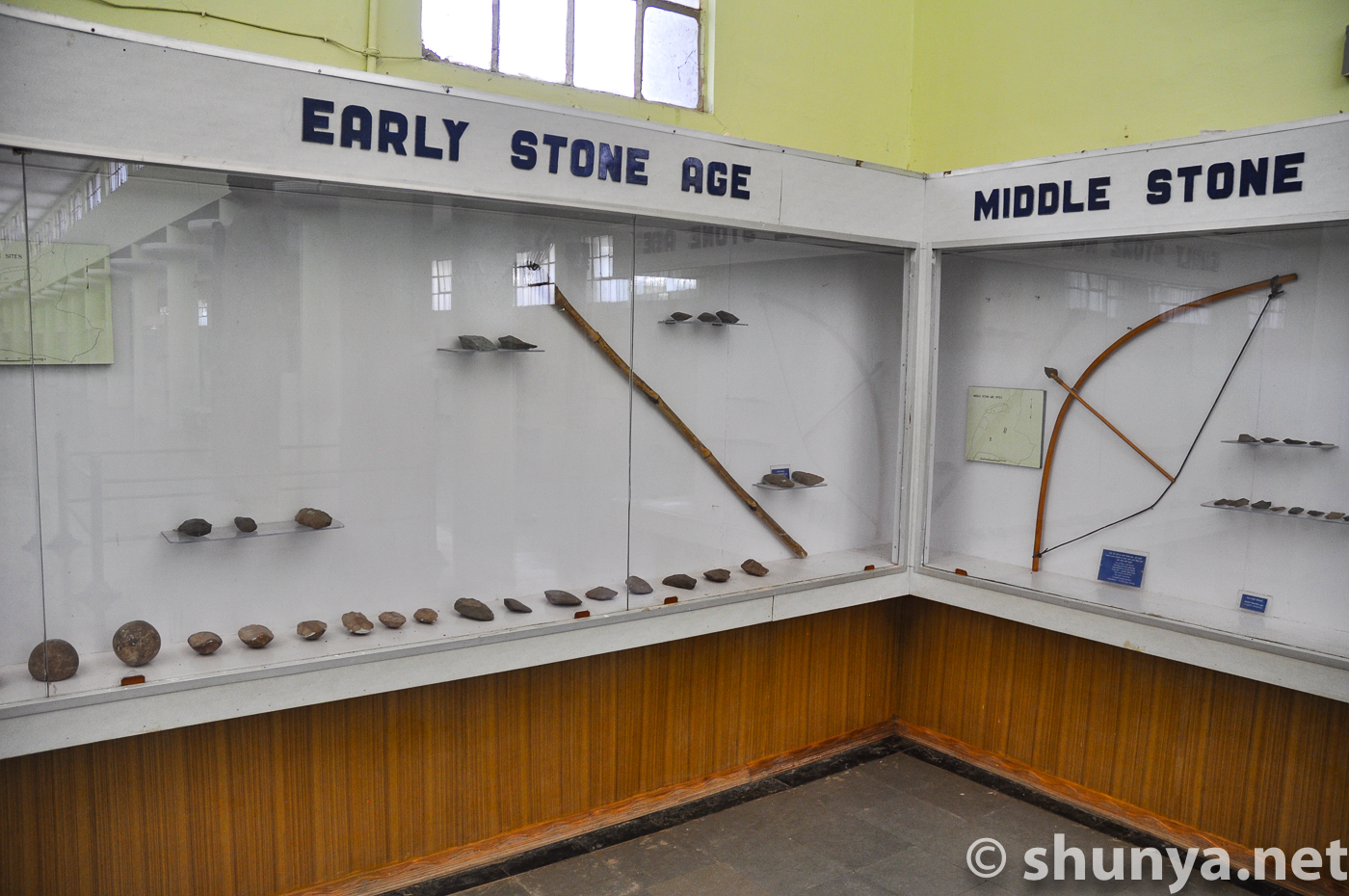
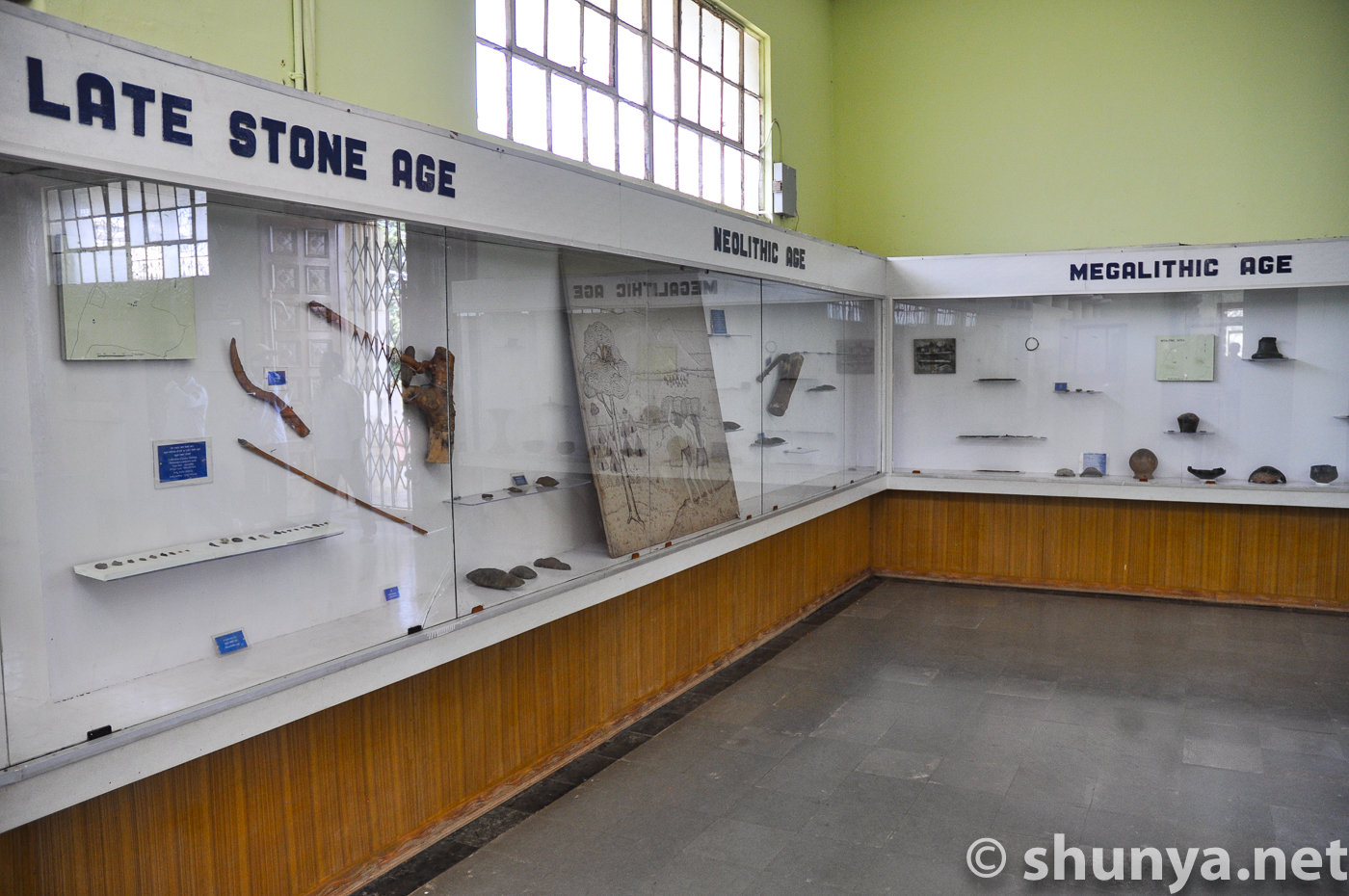
Stone age artifacts
|
Stone age artifacts
|
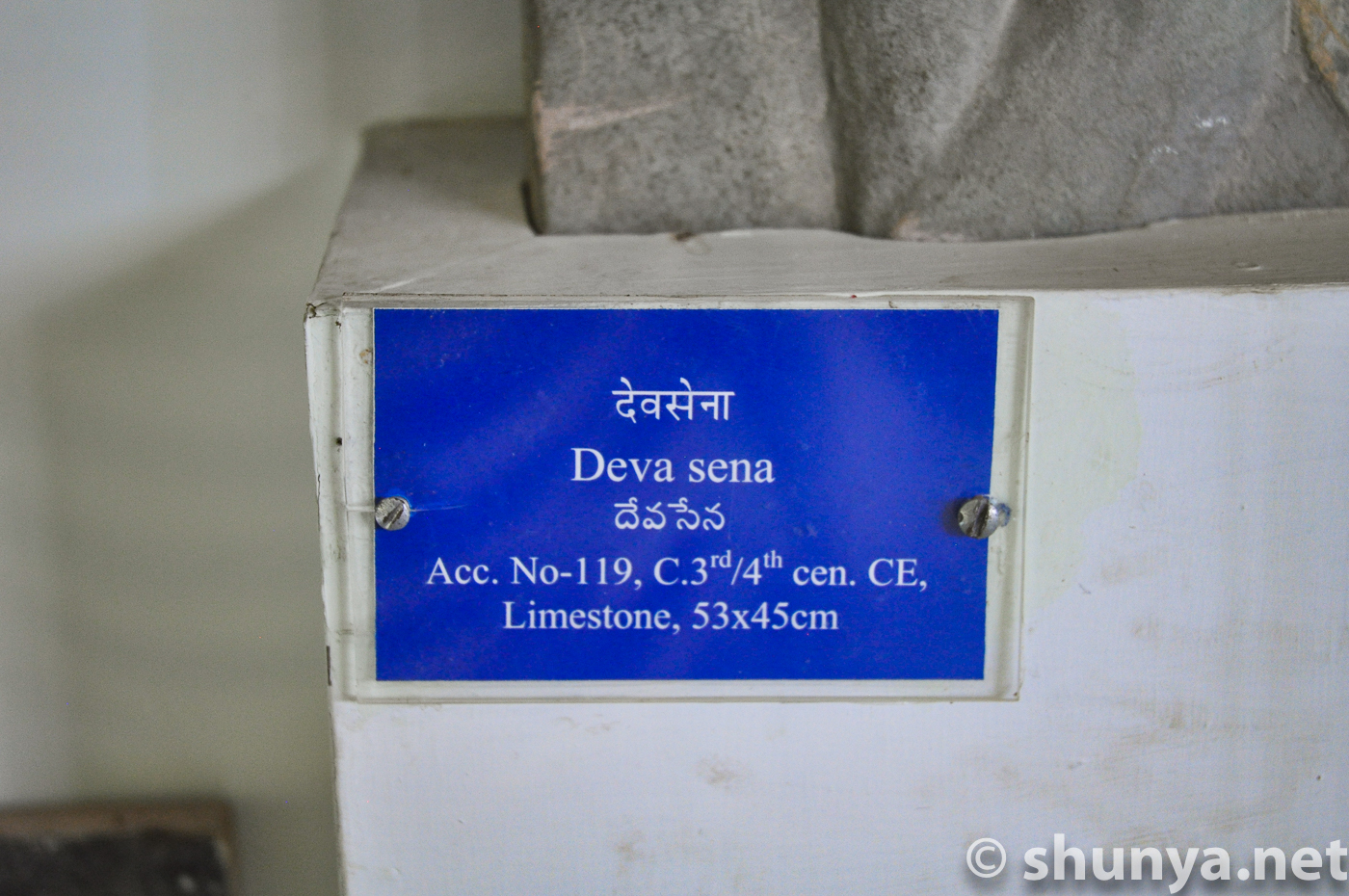
Deva sena (info)
|
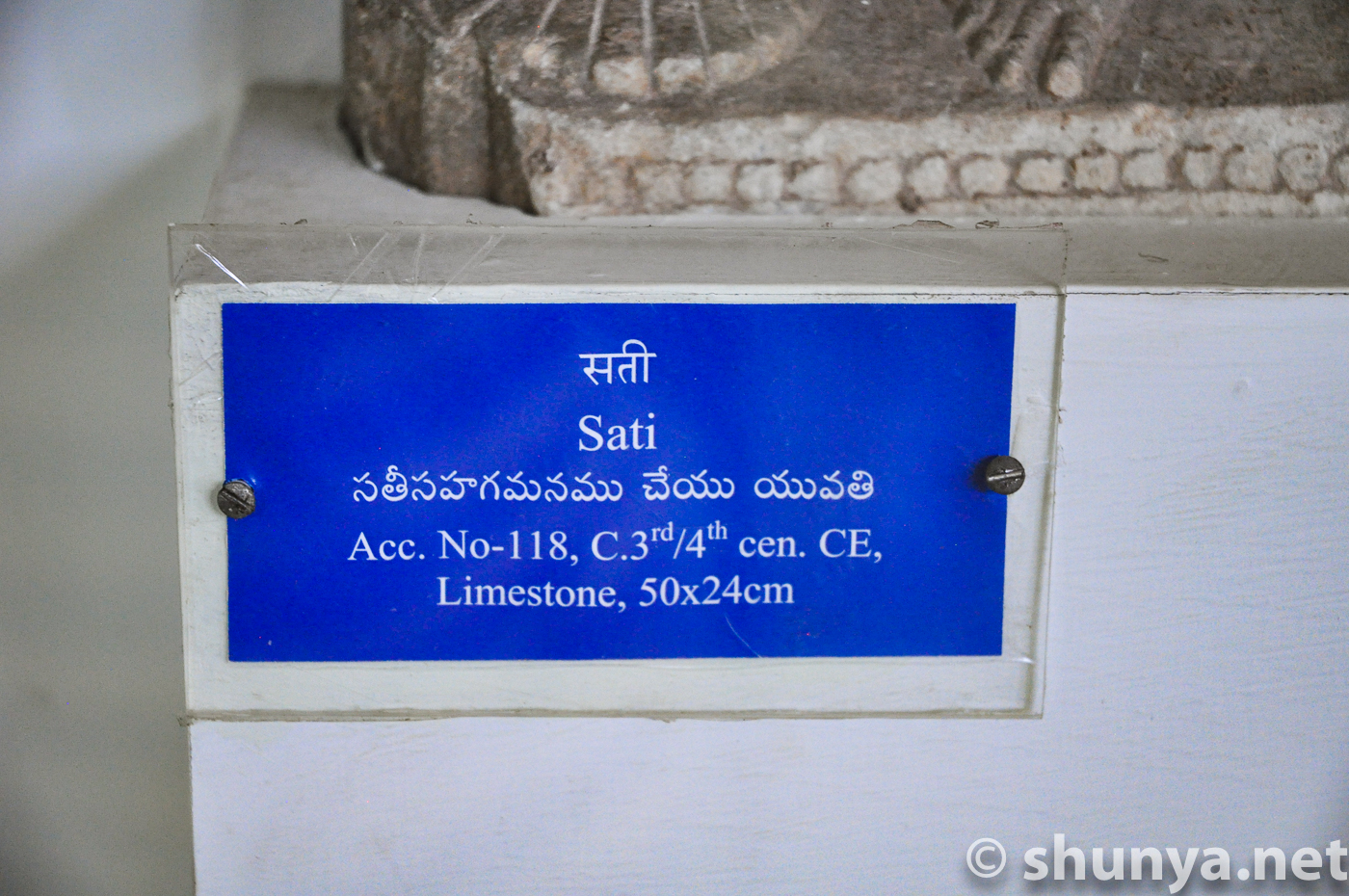
Sati (info)
|
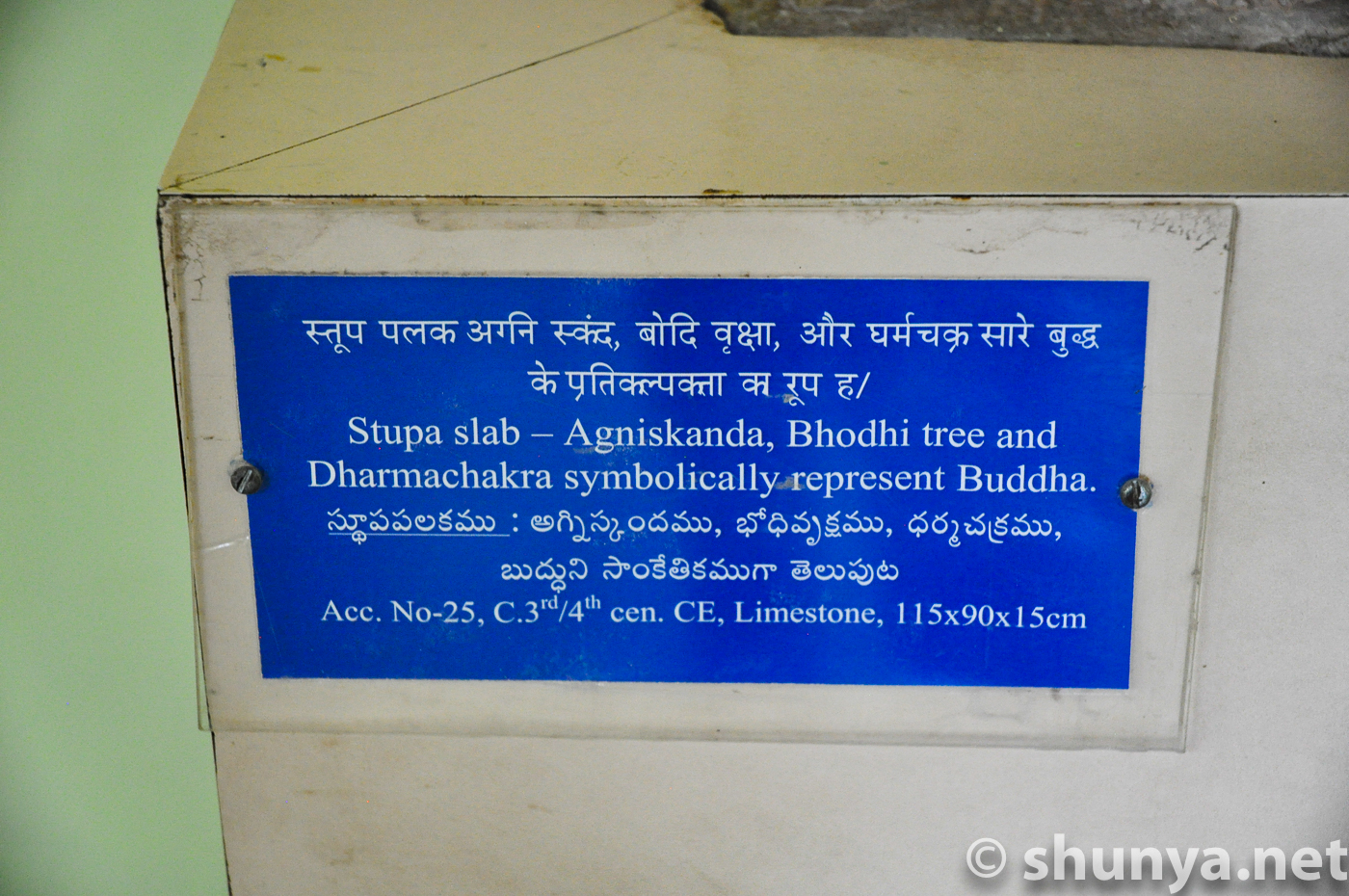
Stupa-slab (info)
|
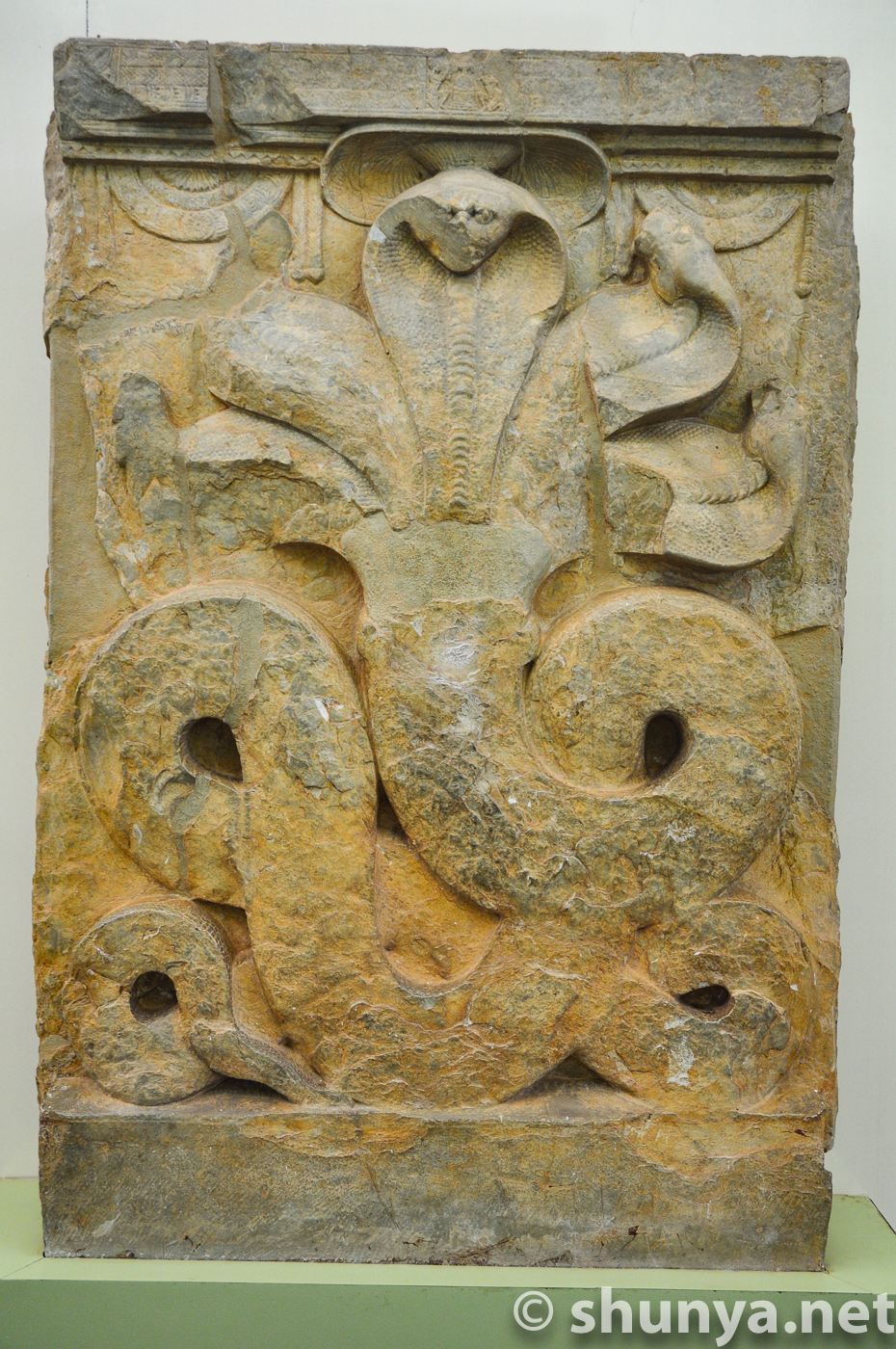
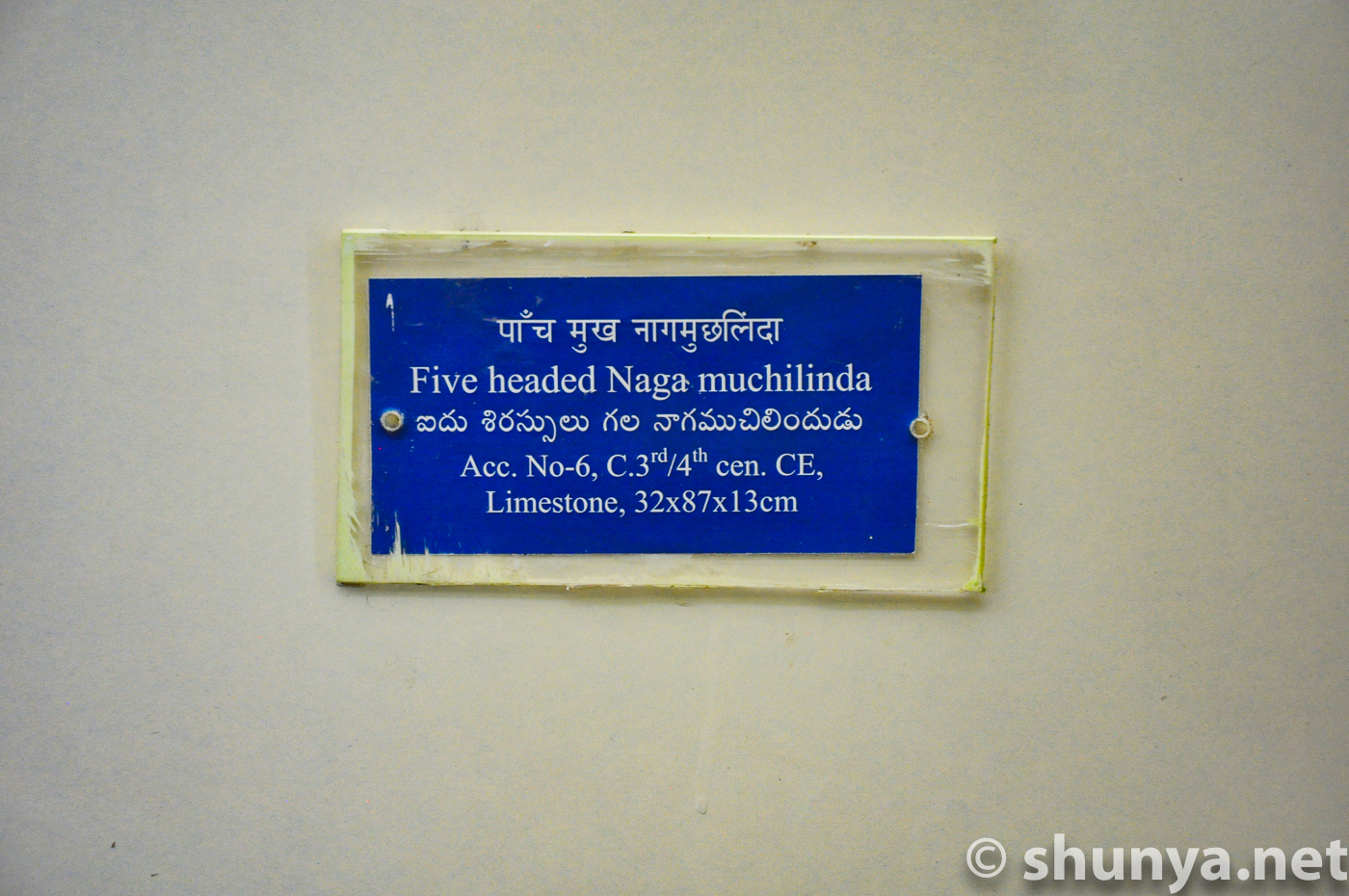
Five-headed Naga
|
Scenes from the
|
Scenes from the
|
Scenes from the
|
Scenes from the
|
Scenes from the
|
Mithuna (info)
|
Mithuna (info)
|
Mithuna (info)
|


Designed in collaboration with Vitalect, Inc. All rights reserved. |