






Varanasi, Uttar Pradesh, India (2019, 2006)
"Of the millions who visit Varanasi each year, most are pilgrims. Some hope to die here in old age, or at least to be cremated by the Ganga. This is said to be a sure-shot path to moksha—liberation from the endless cycle of rebirth—for all people, including rogues. Many find this idea silly, as did the fifteenth-century poet-saint Kabir. To illustrate its folly, in his last days, Kabir left Varanasi to die in a town called Maghar, about which it was said, 'He who dies in Maghar is reborn as an ass.' Though claimed by sections of both Muslims and Hindus as one of their own, Kabir is of course famous for ridiculing 'with equal vehemence the sacred books of the Muslims and Hindus, the Muslim mullas and the Hindu brahmins, the Muslim Mecca and the Hindu Kashi'. A free spirit, he fought dogma and oppression in all religions with a gentle and ironic wit. A typical short verse of his goes: 'Saints, I see the world is mad / If I tell the truth they rush to beat me, / if I lie they trust me.'"
—An excerpt from Namit Arora's Indians: A Brief History of a Civilization.
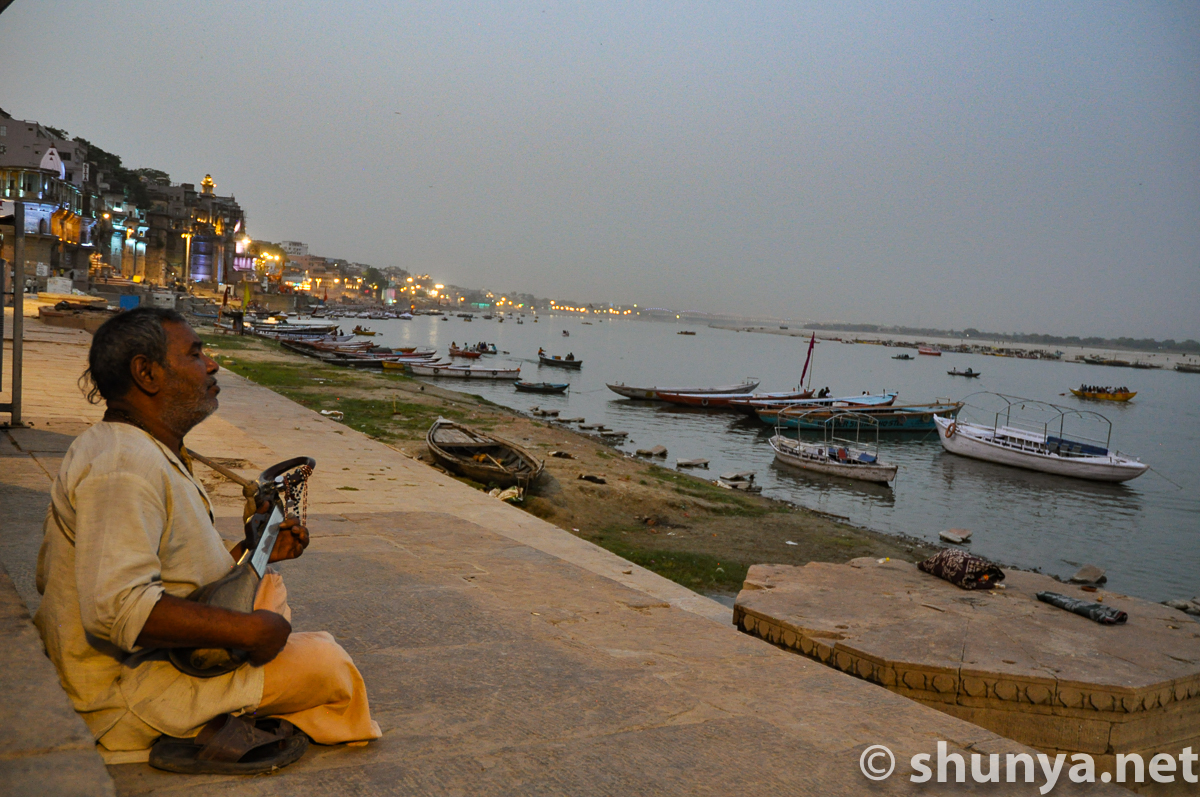
Baul singing in Banaras
|
Ancient Kashi likely
|
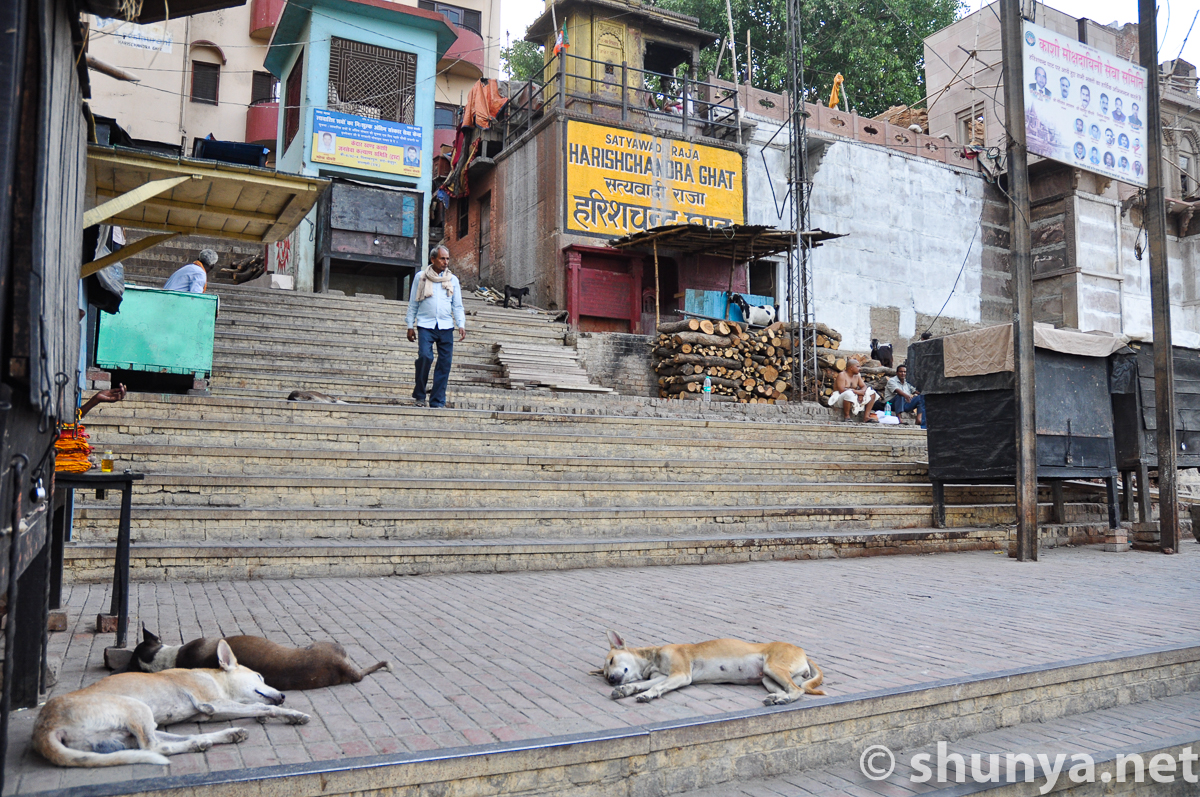
Home of Dom Raja, one of
|
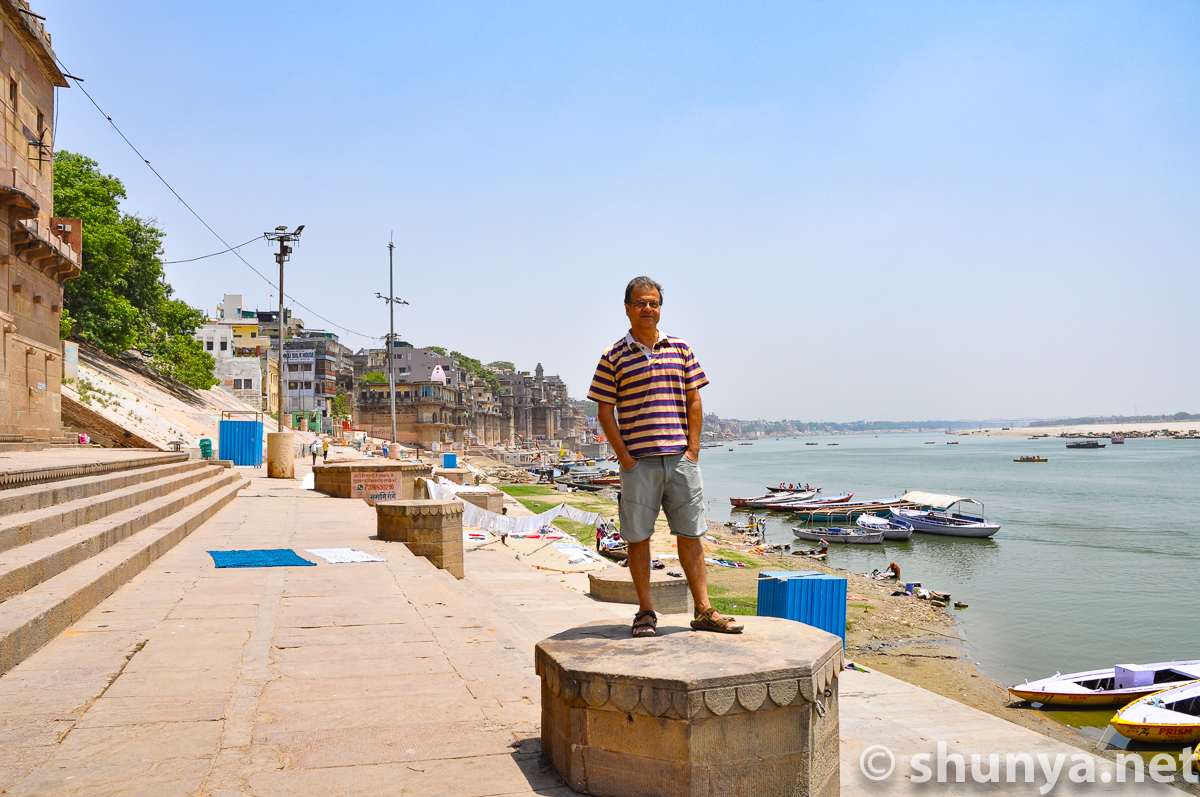
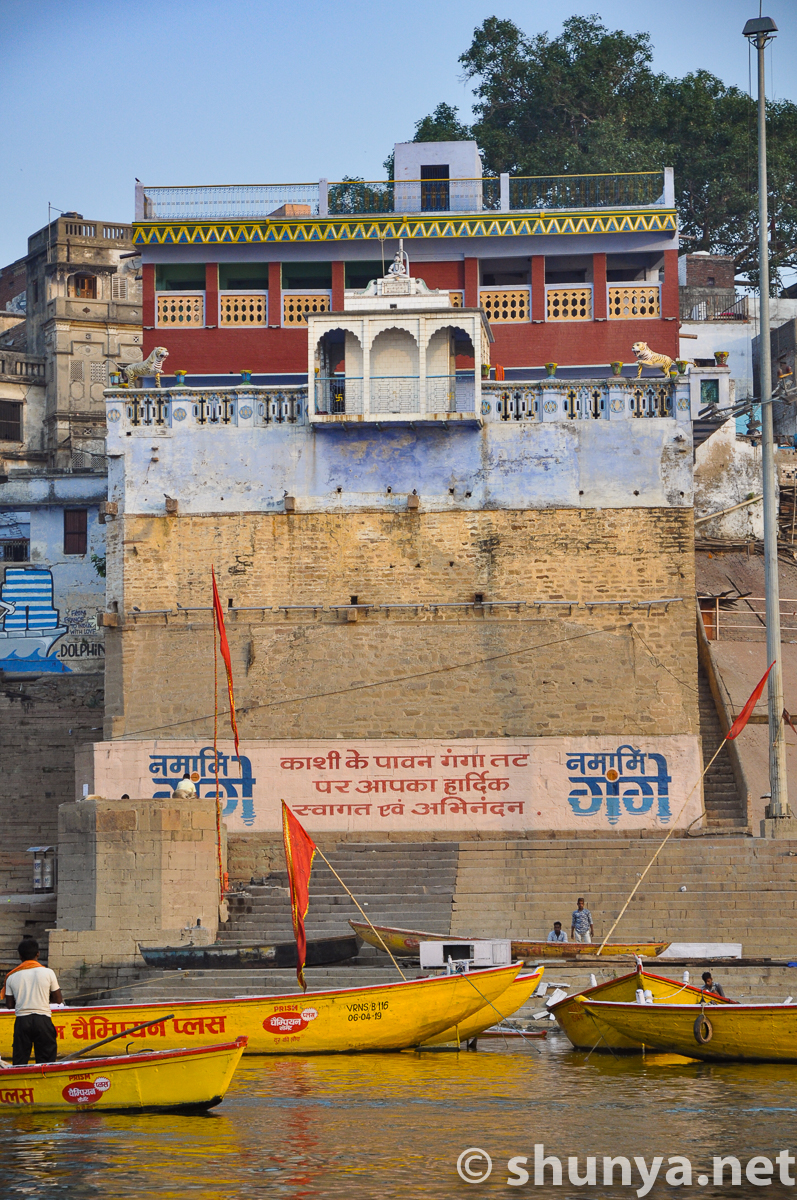
View of ghats from
|
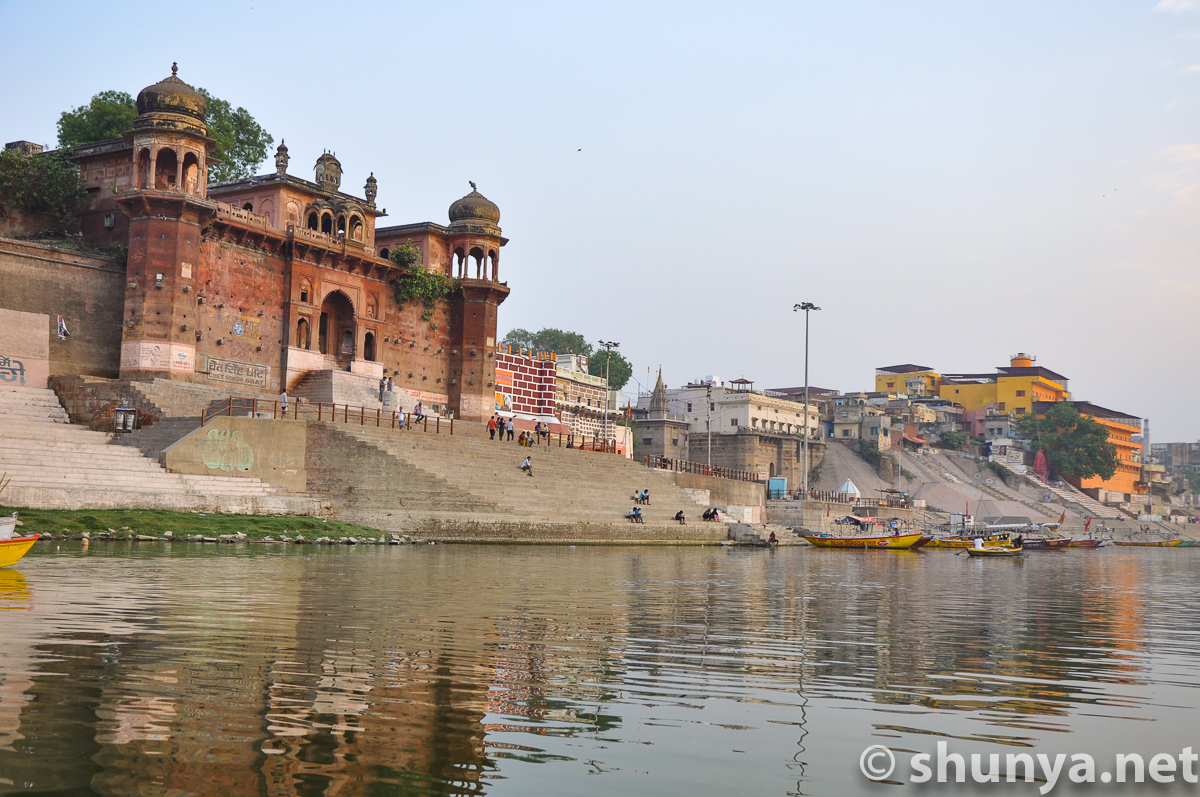
Fort on the ghat. Site of
|
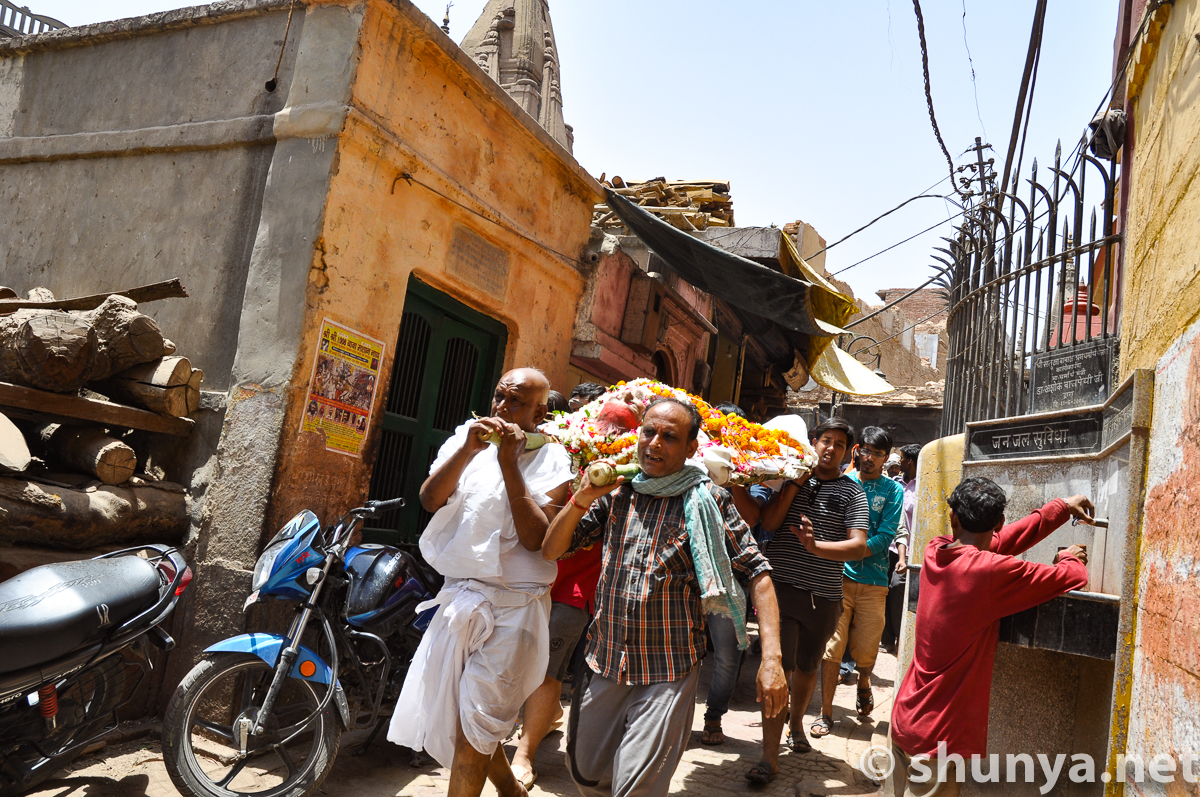
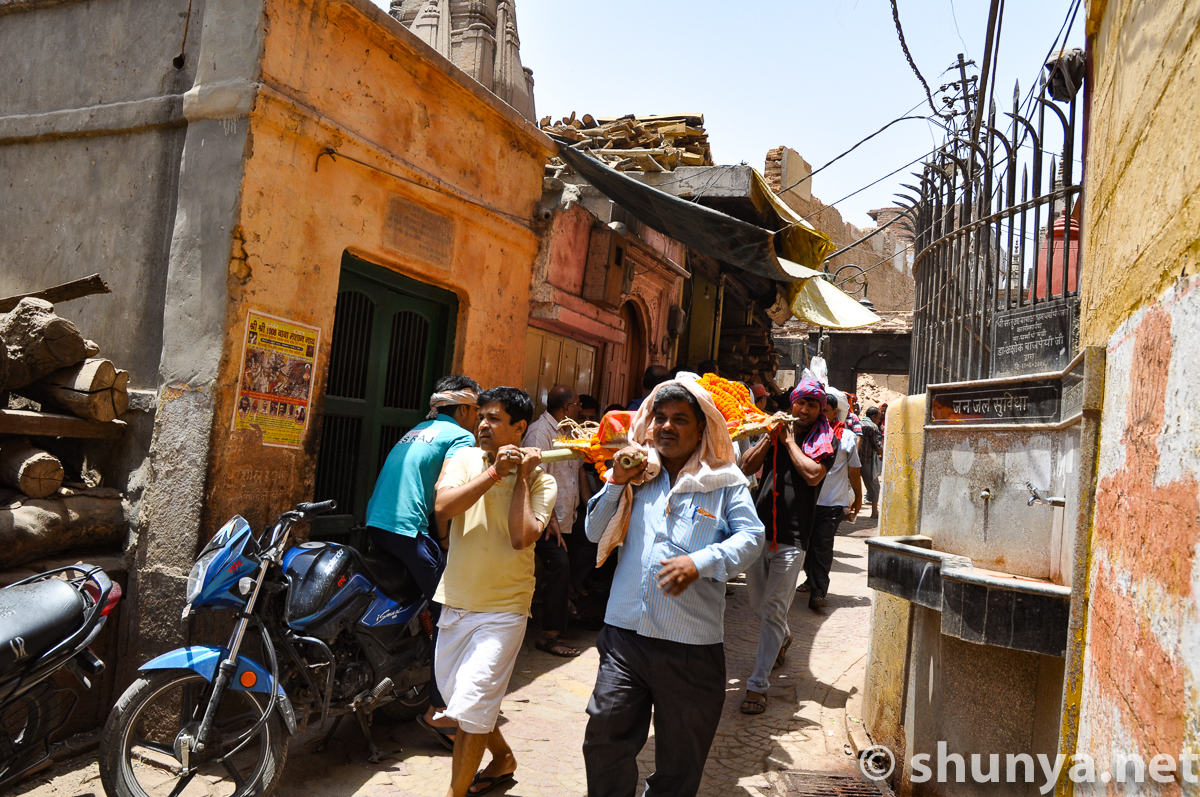
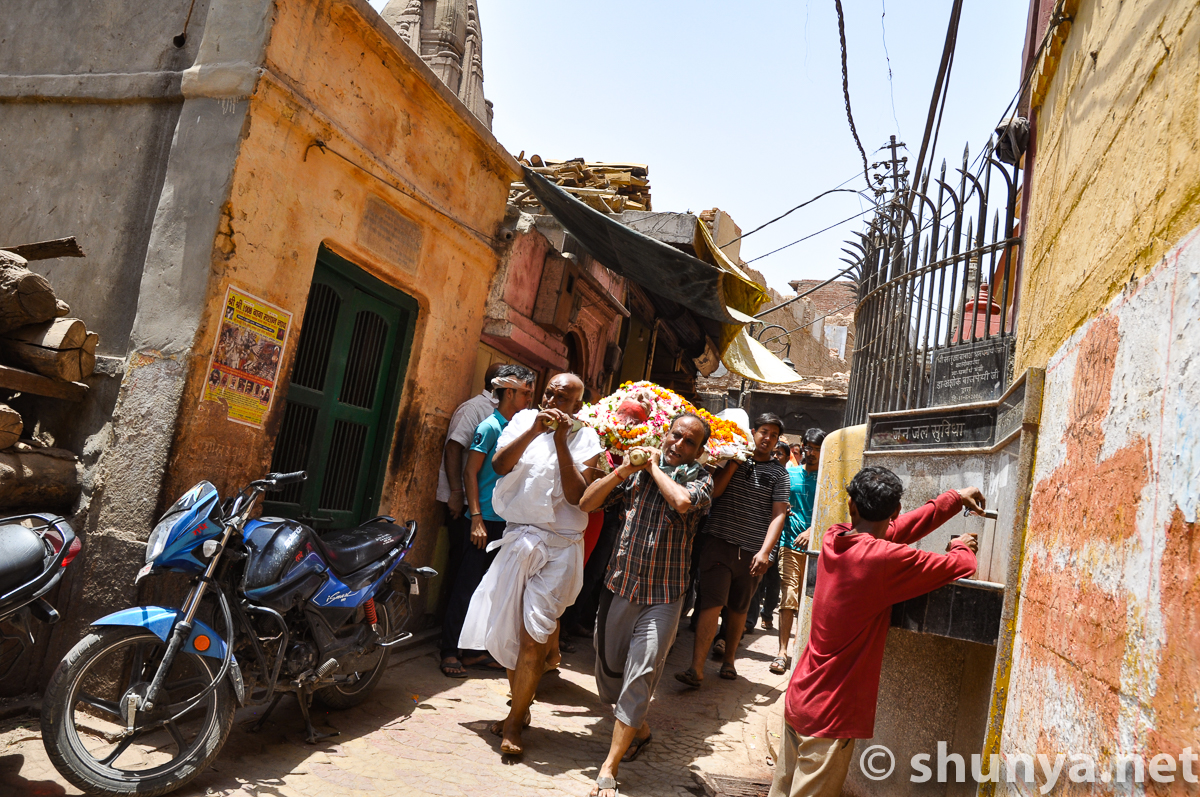
"Ram naam satya hai"
|
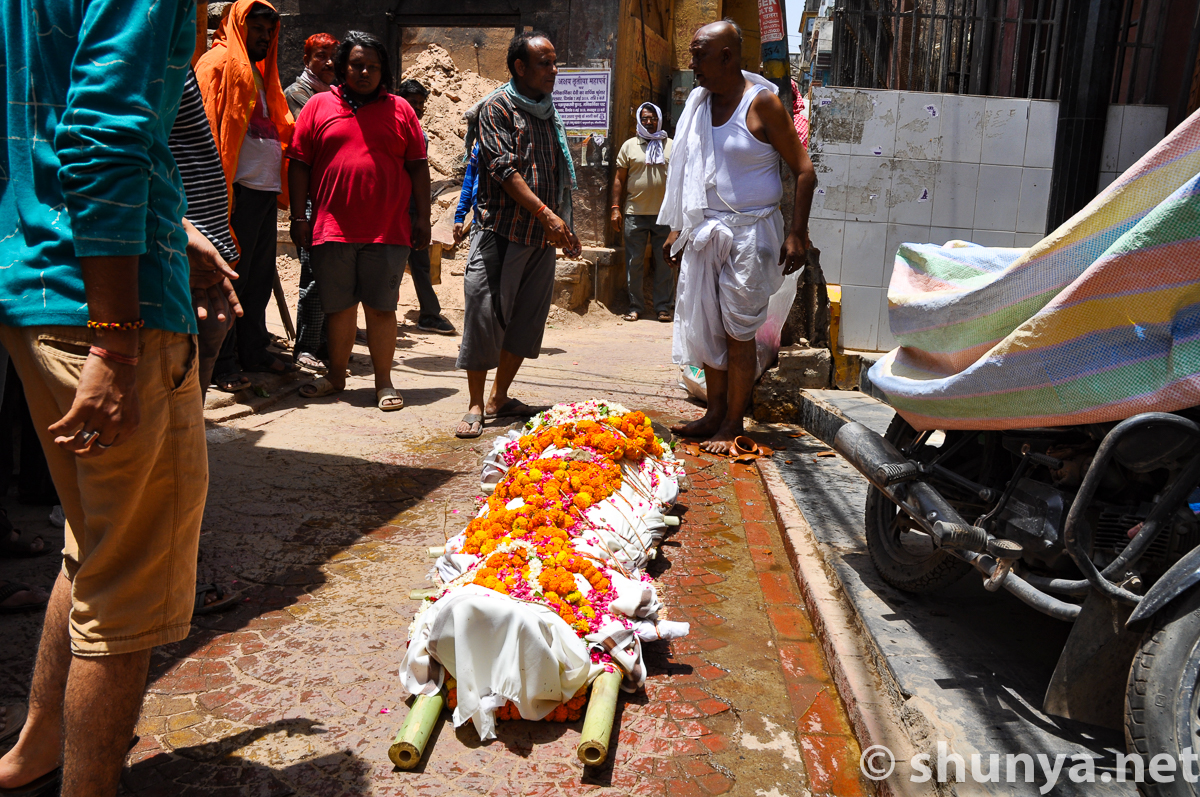
"From earth to earth, ashes
|
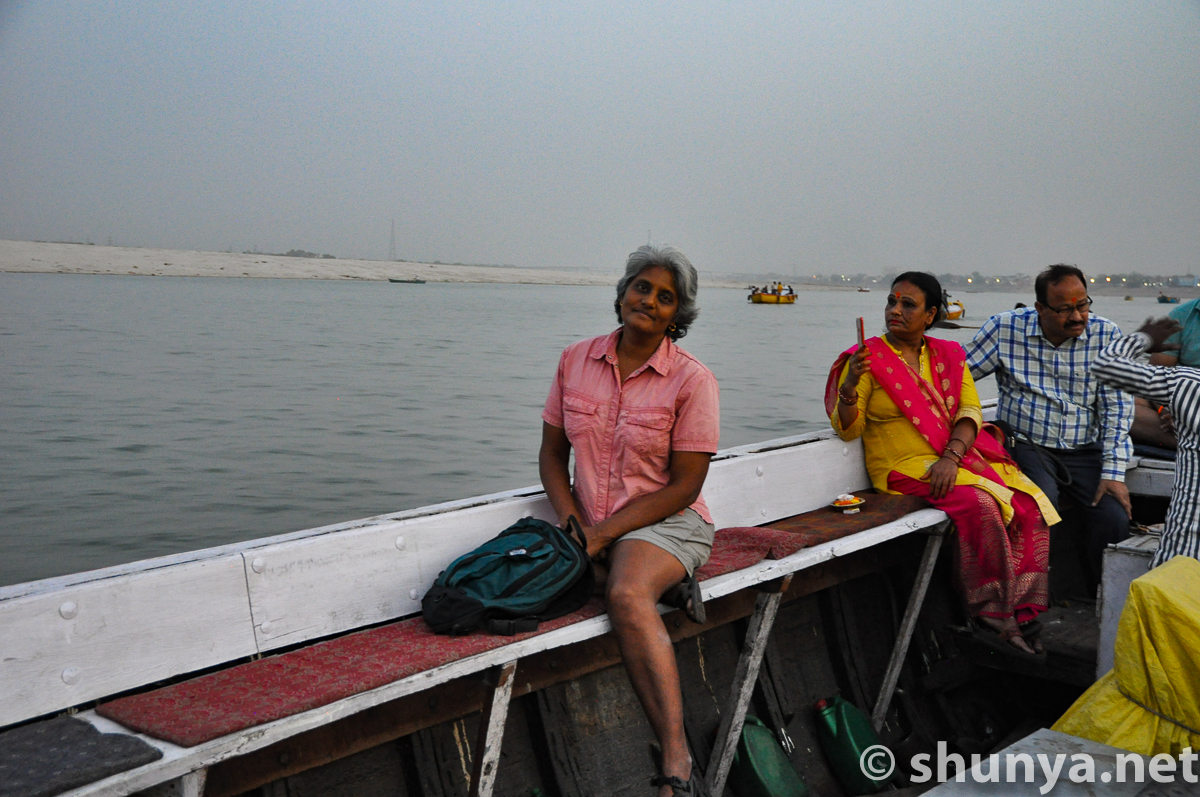
Evening boat ride
|
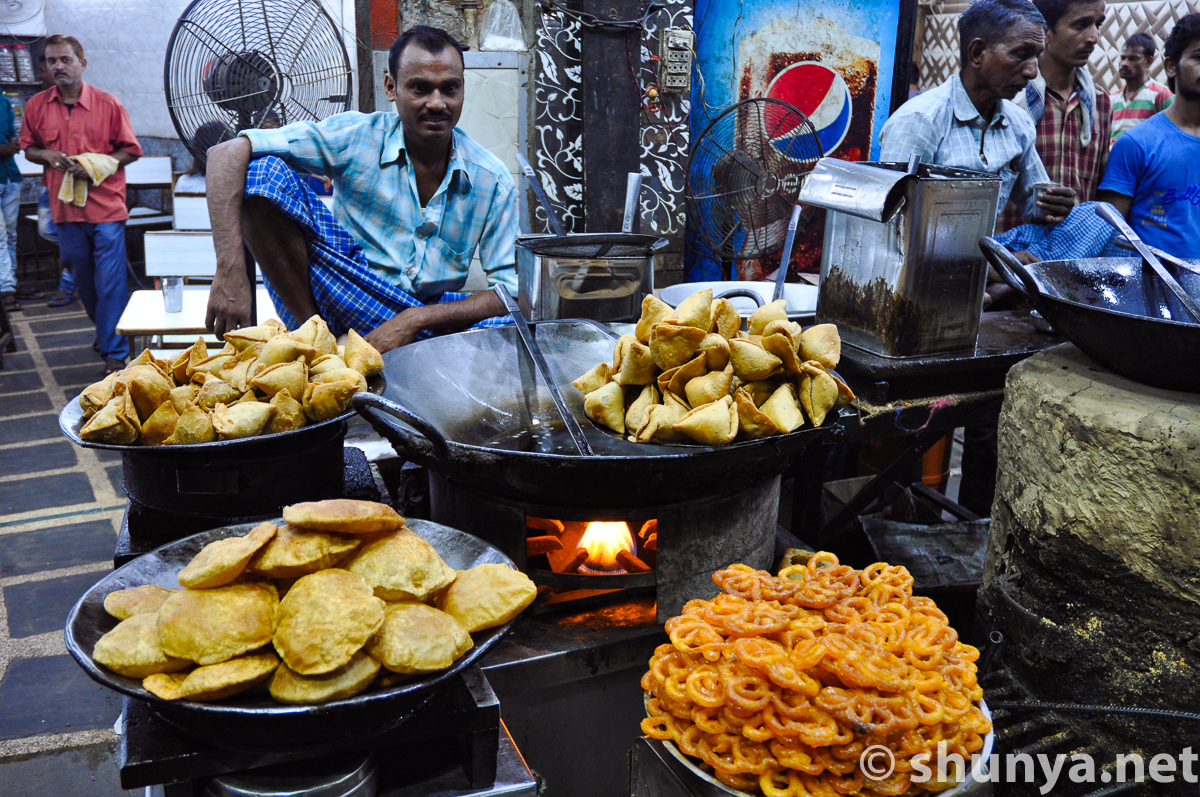
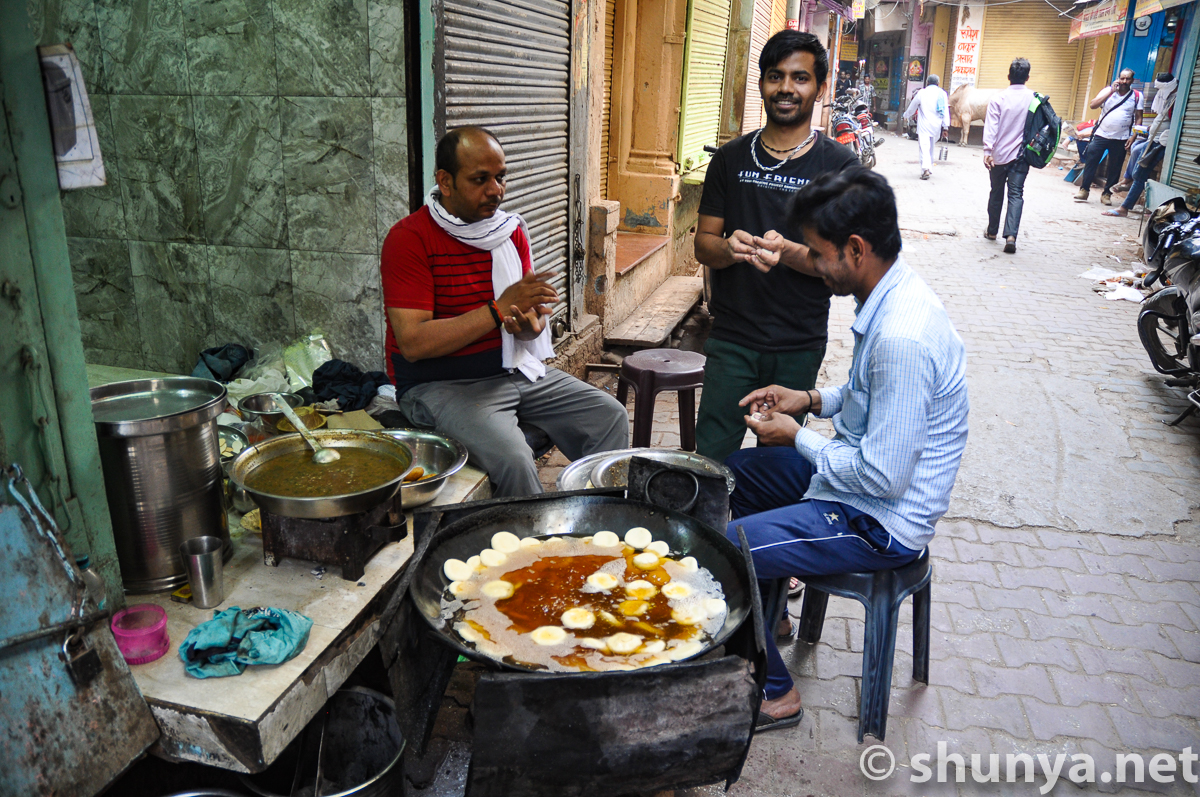
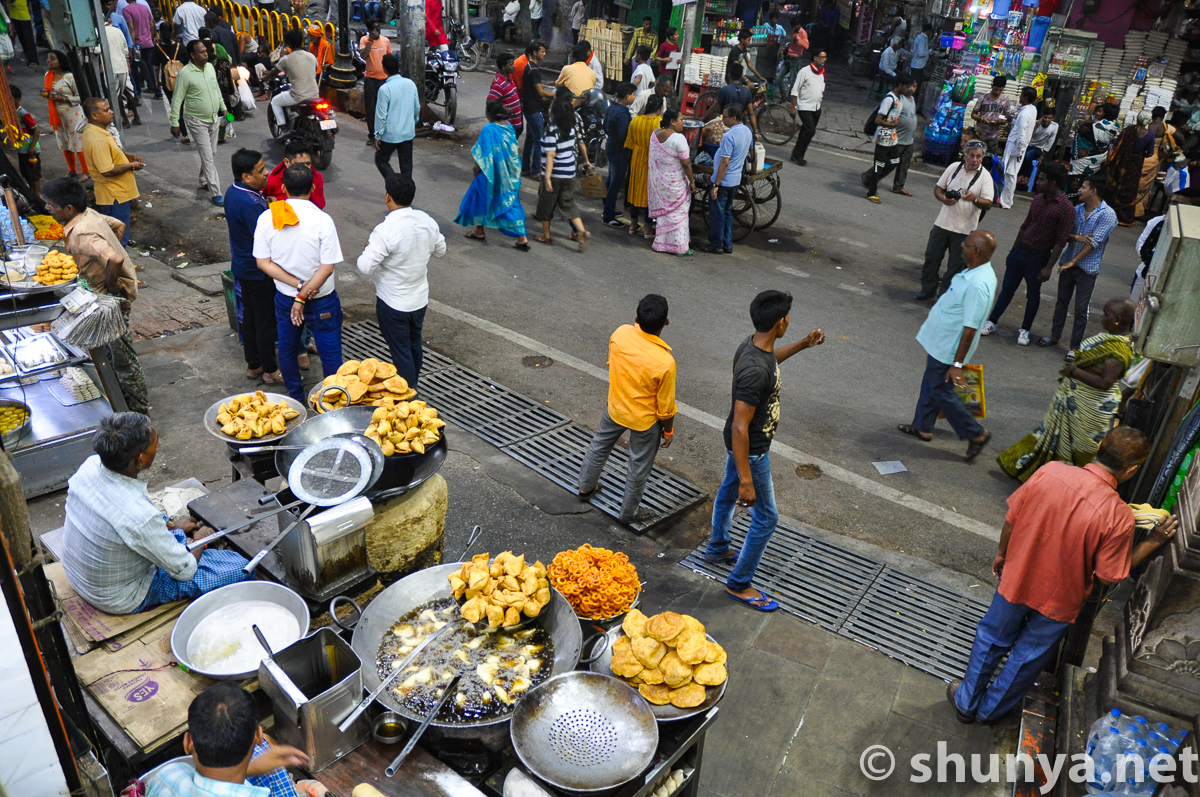
Mouthwaterning delicacies
|
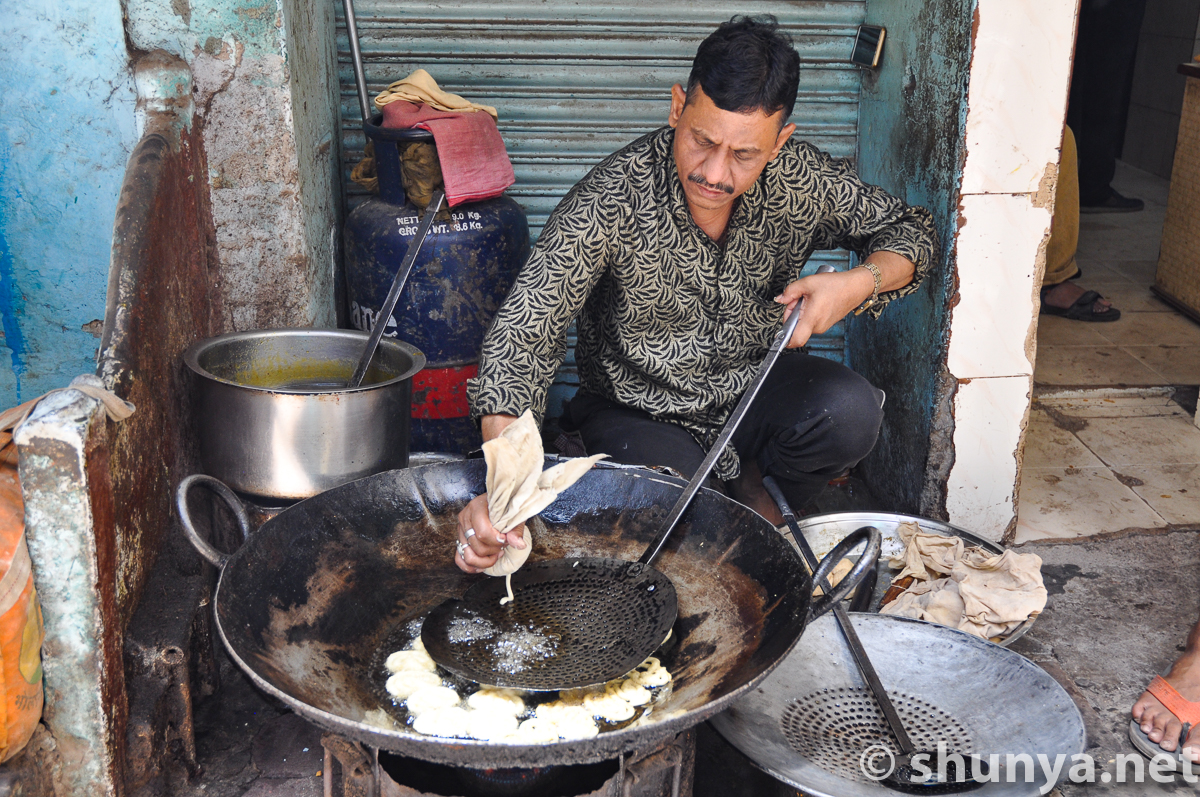
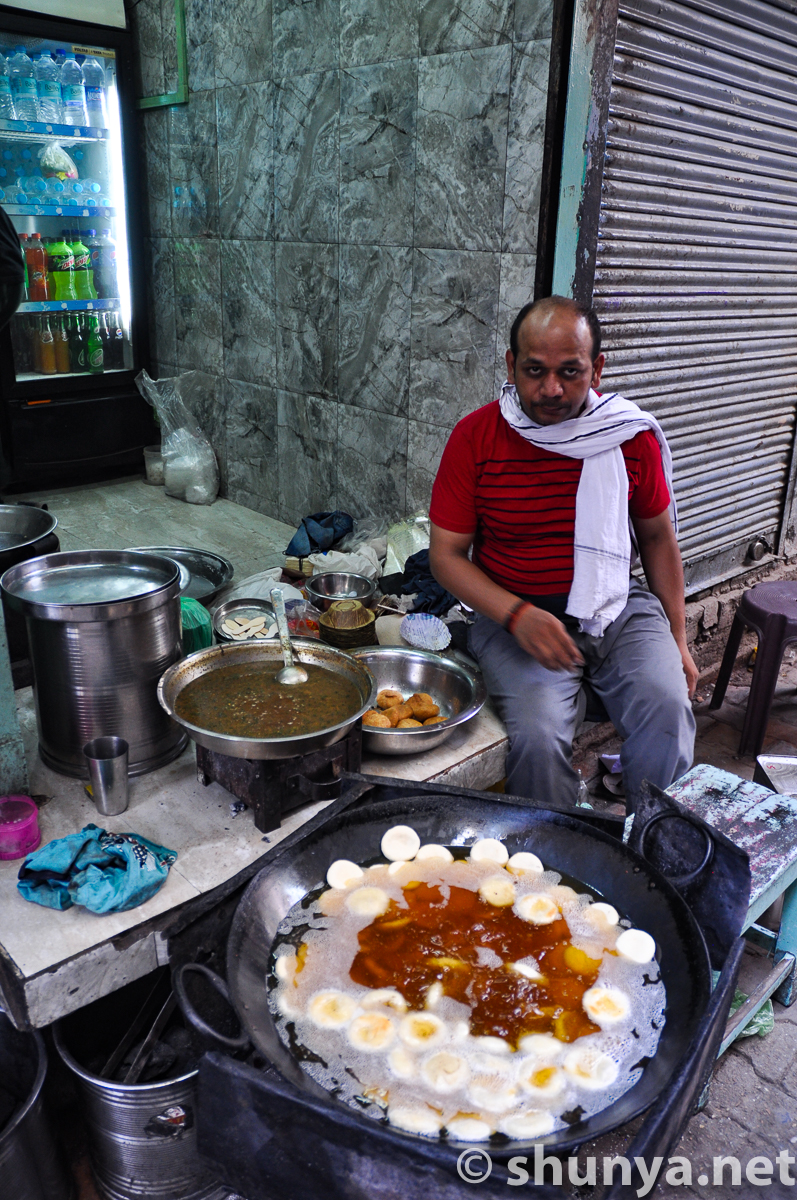
Frying kachoris (more)
|
Making jalebis
|
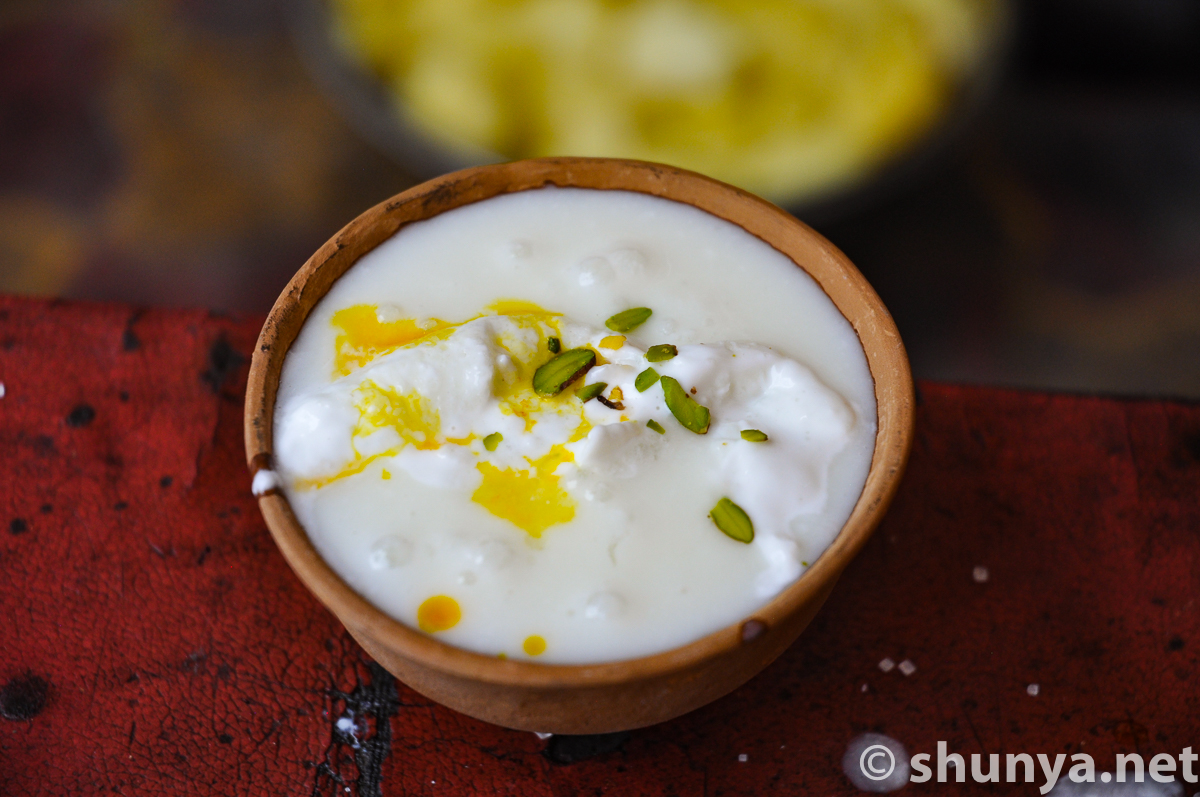
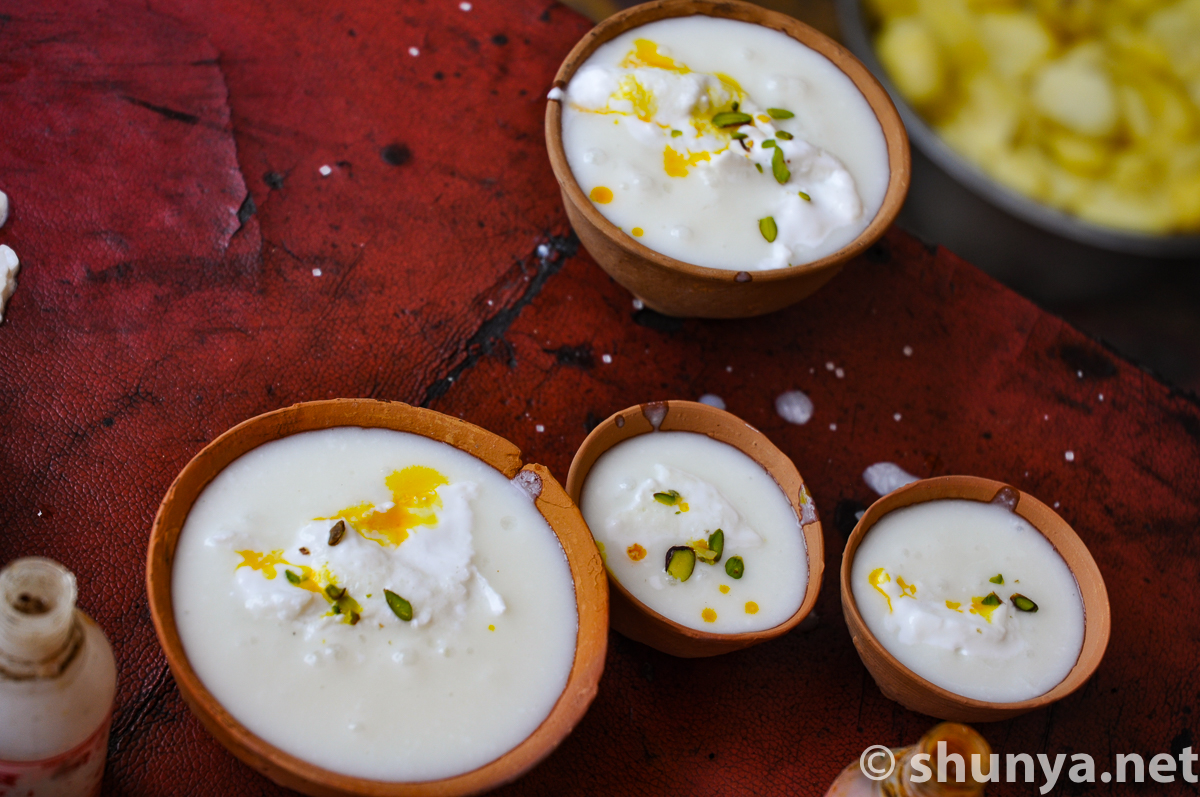
Banarasi lassi (more)
|
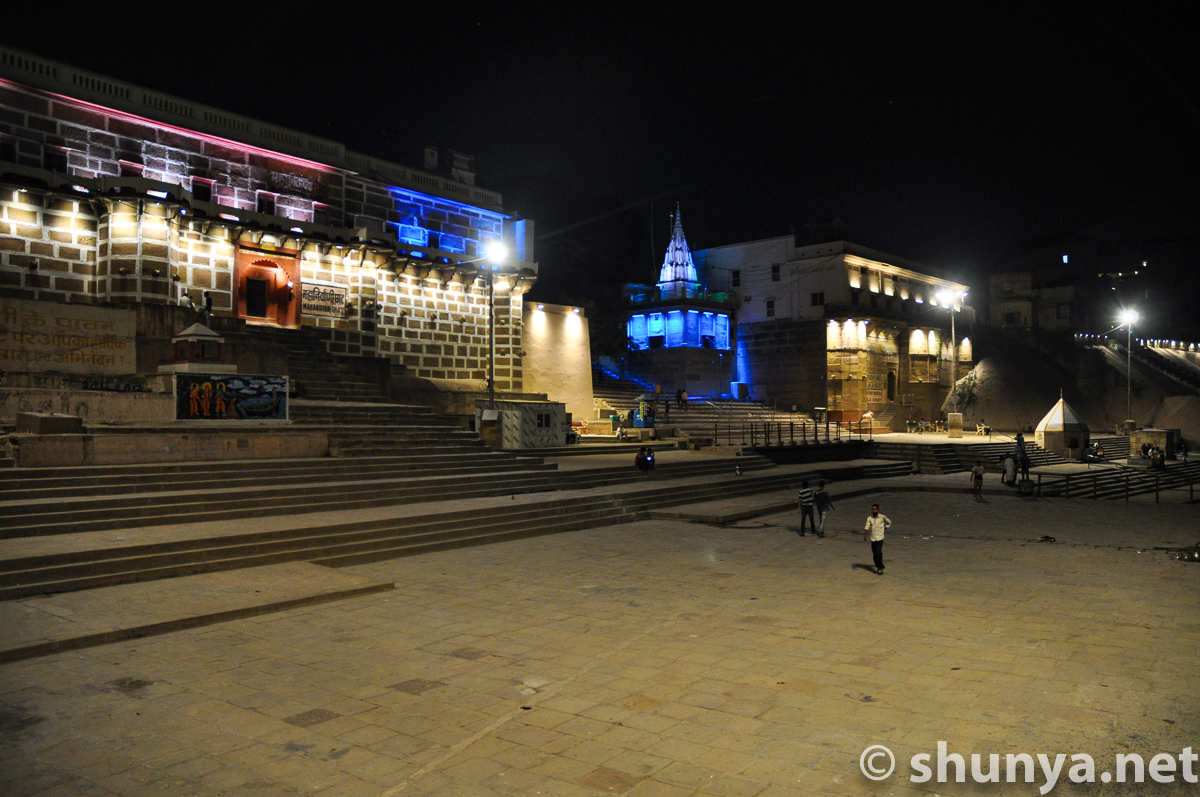
Riverfront in morning light
|
Walking the riverfront
|
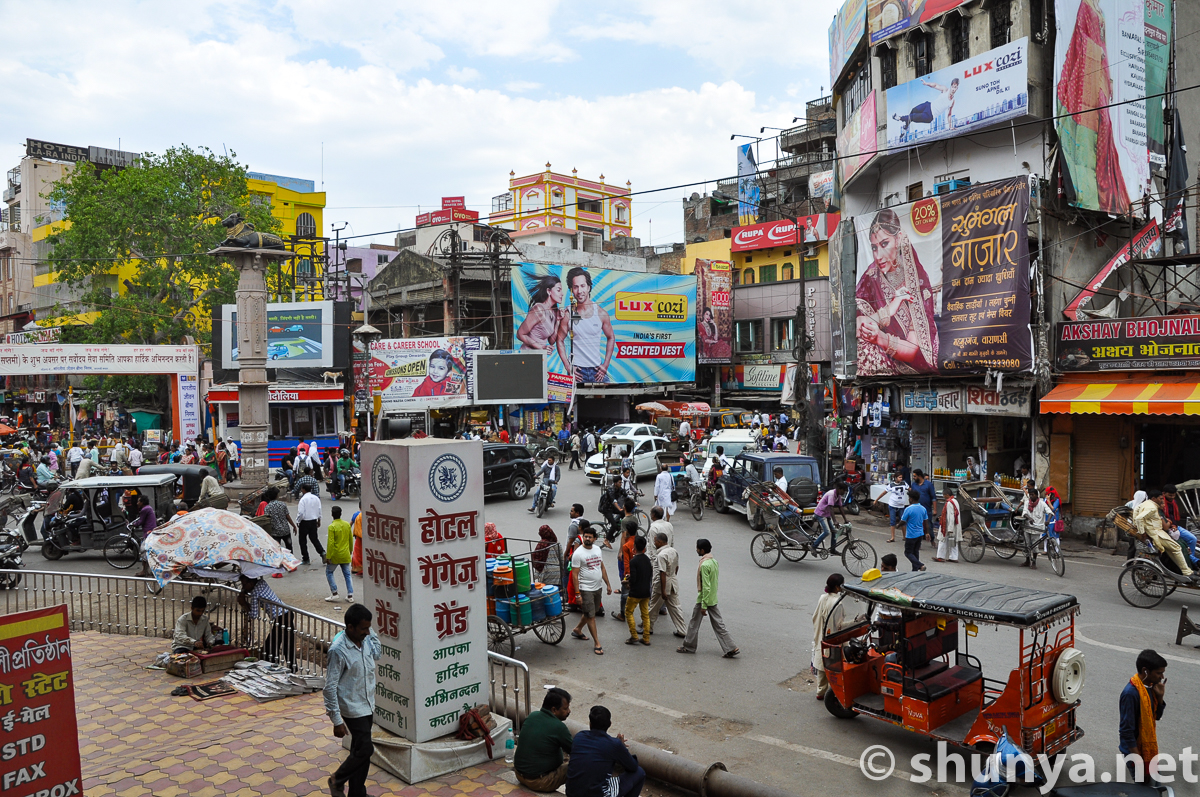
Godowlia Chowk
|
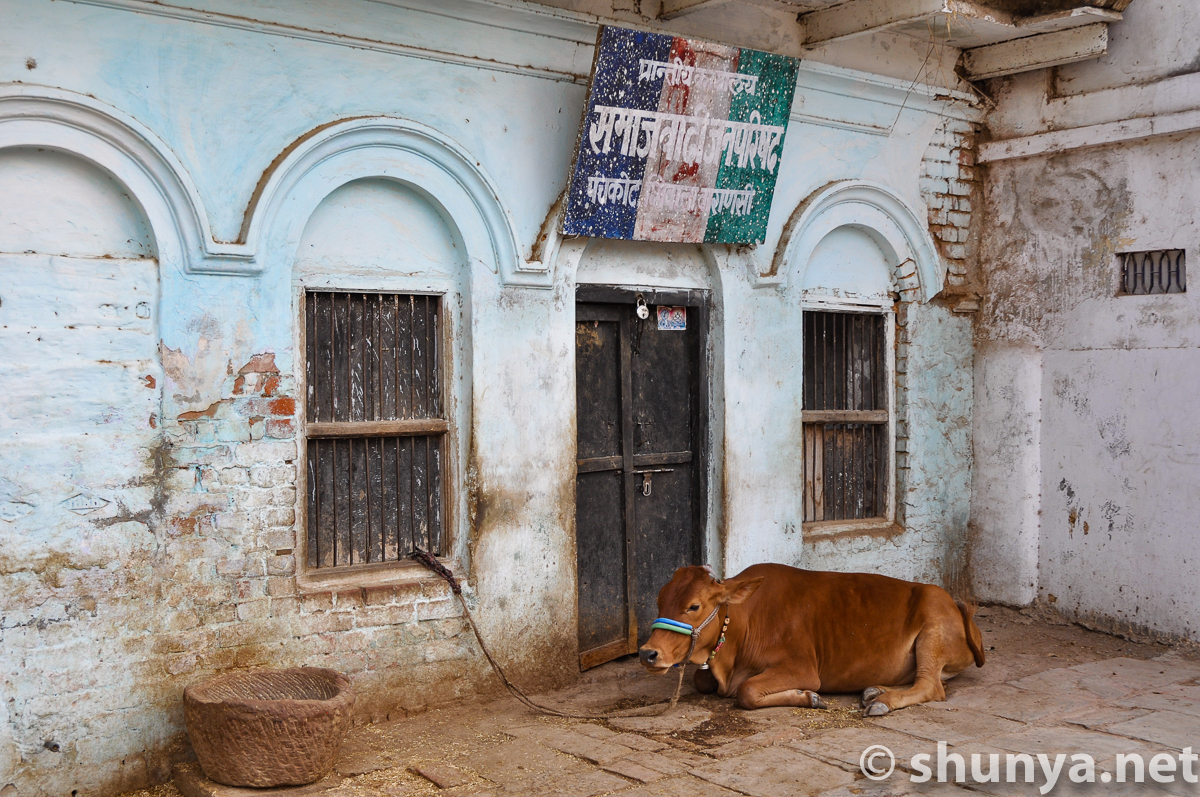
A Samajwadi Party office
|
Curves around the Ganga
|
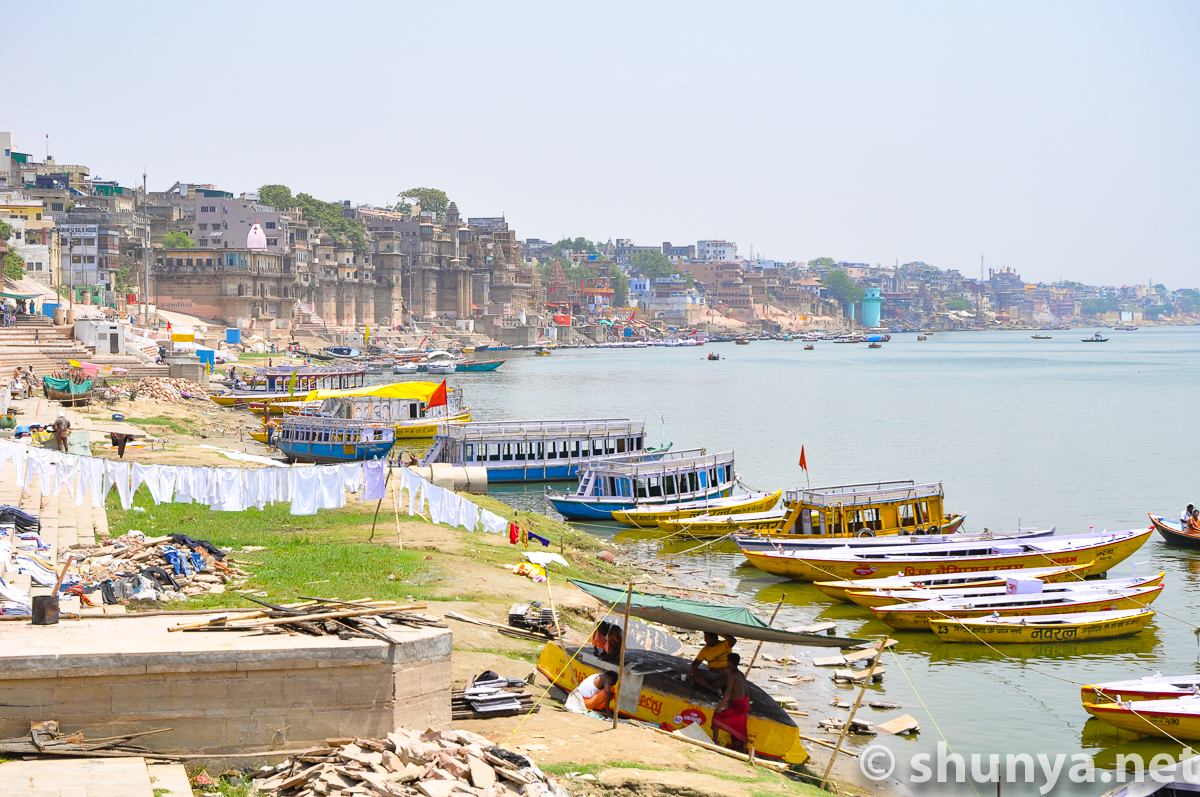
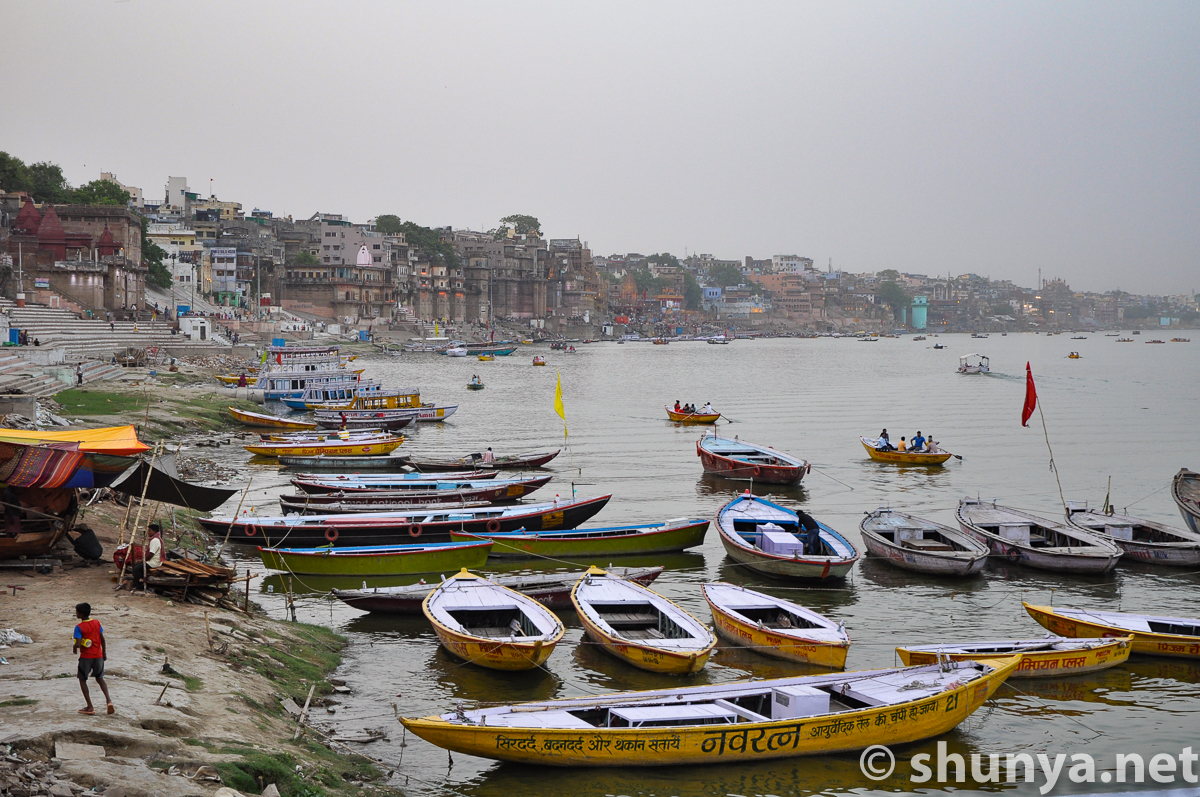
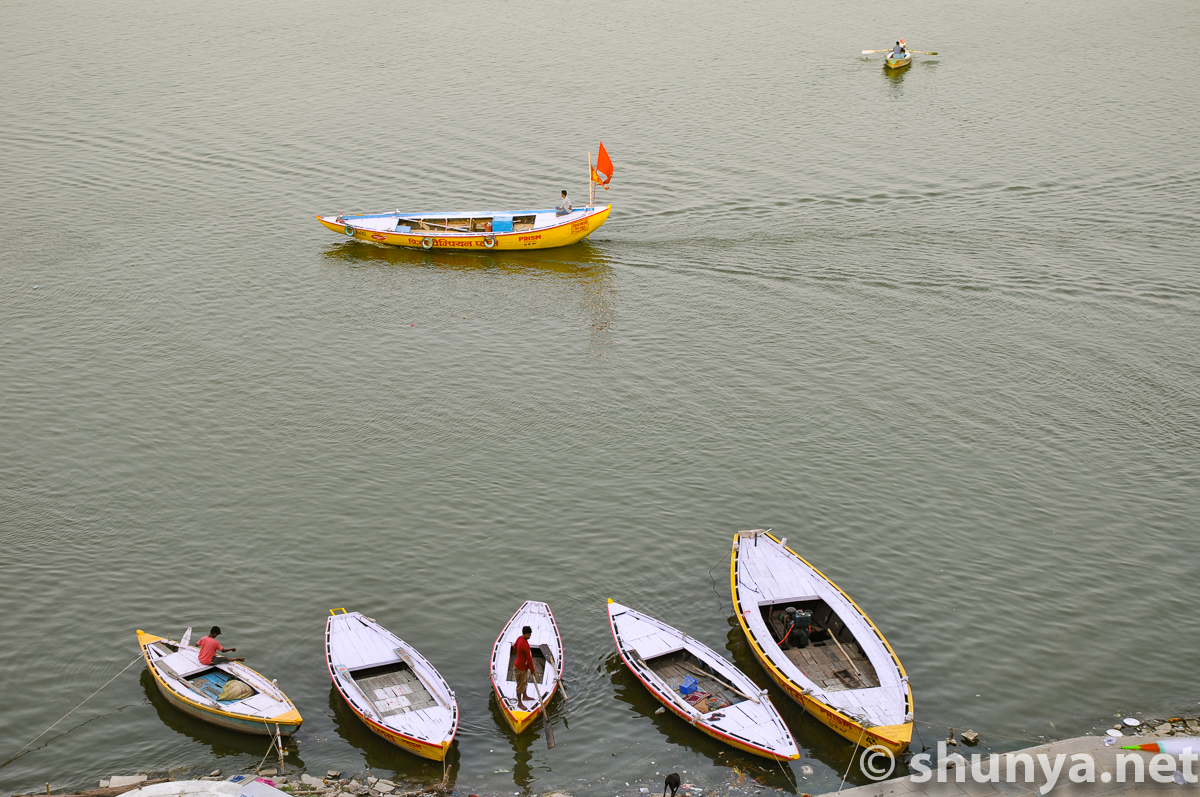
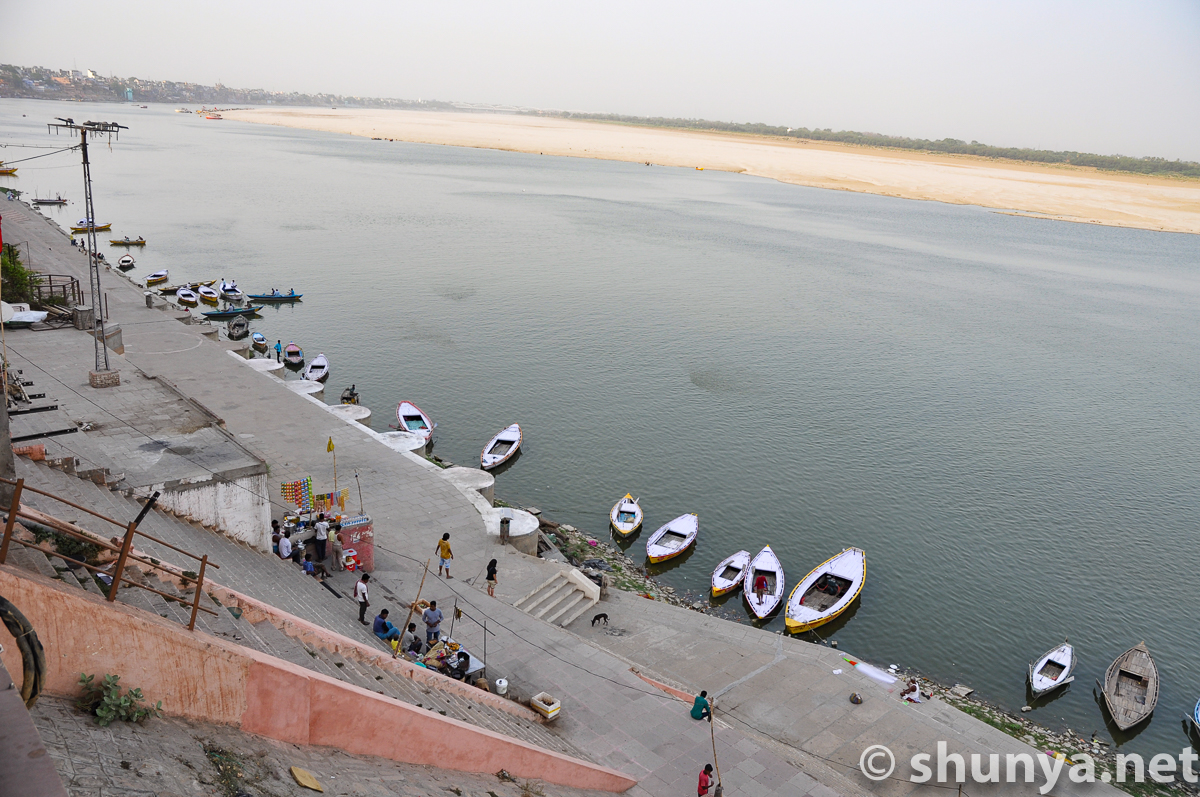
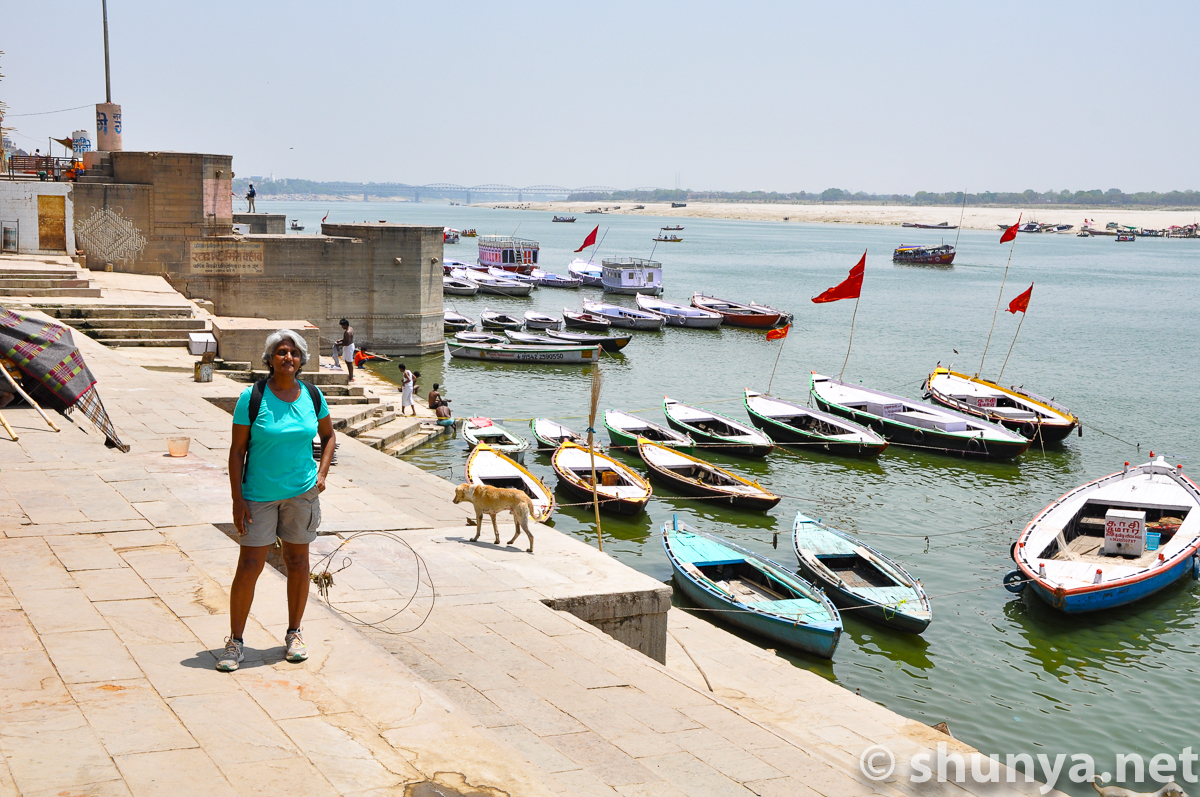
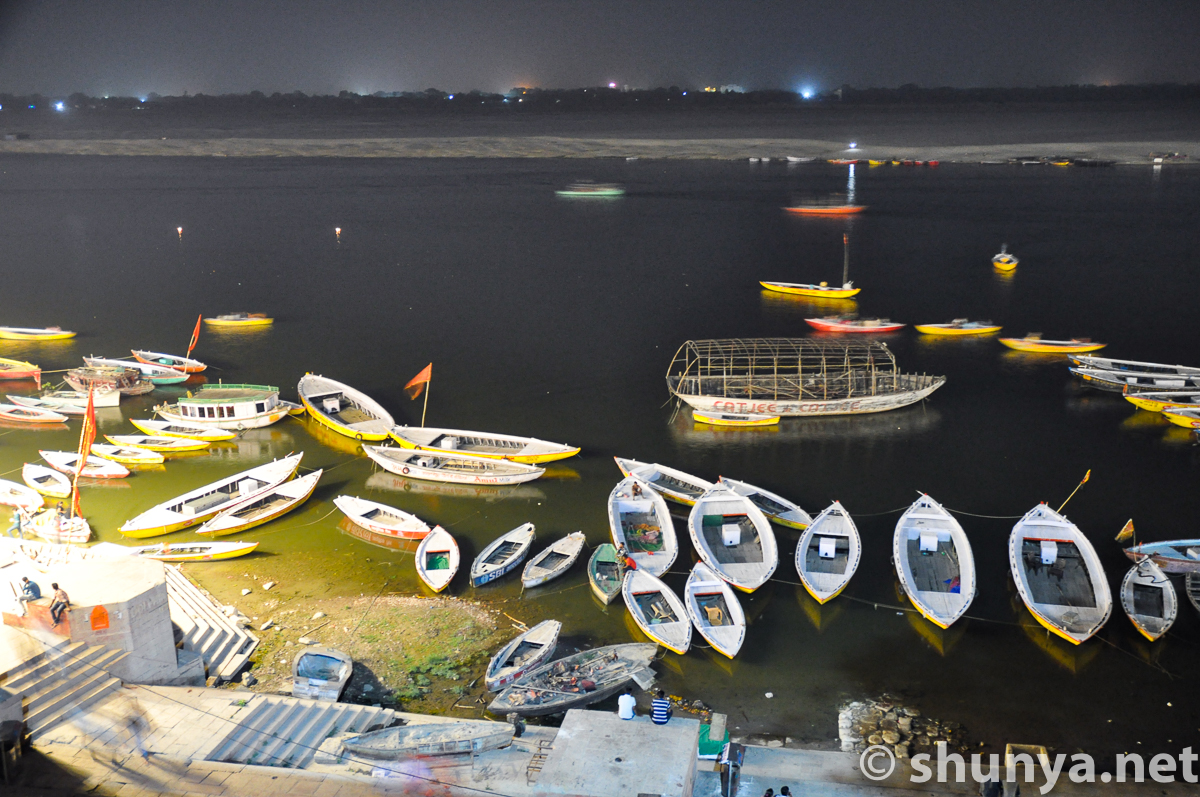
Riverfront with boats
|
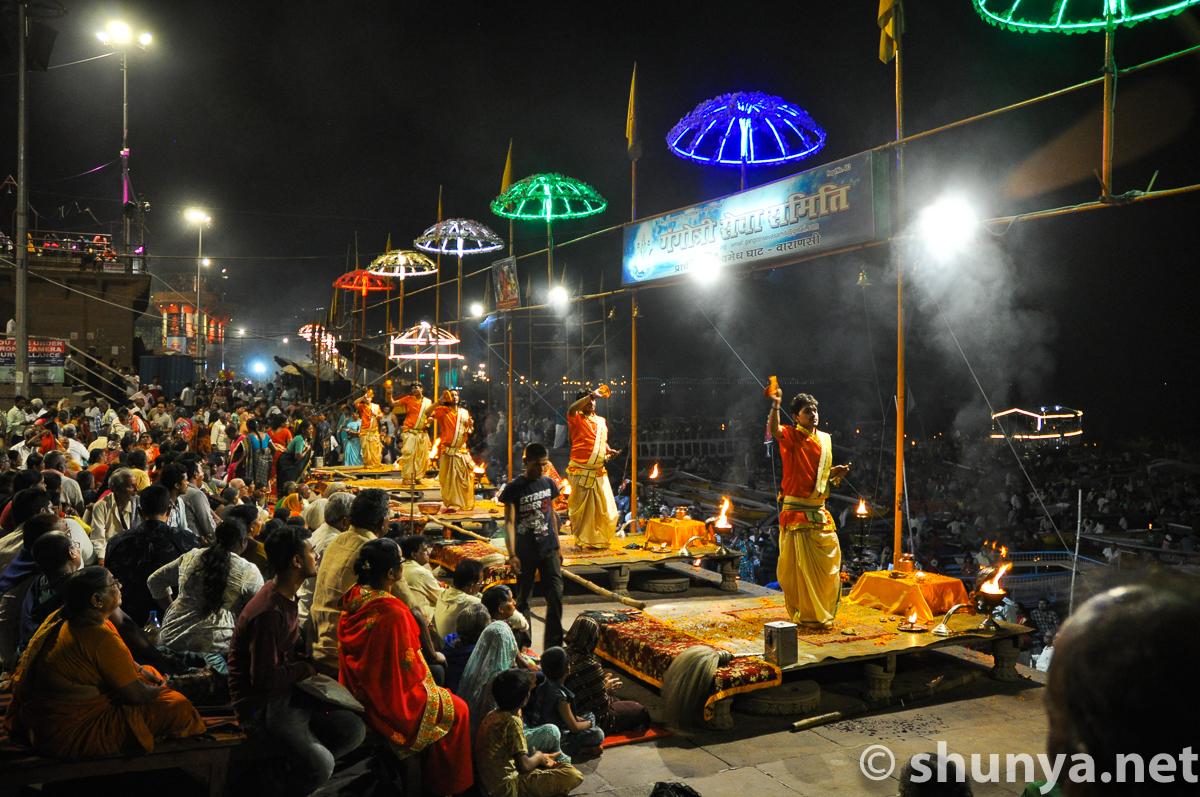
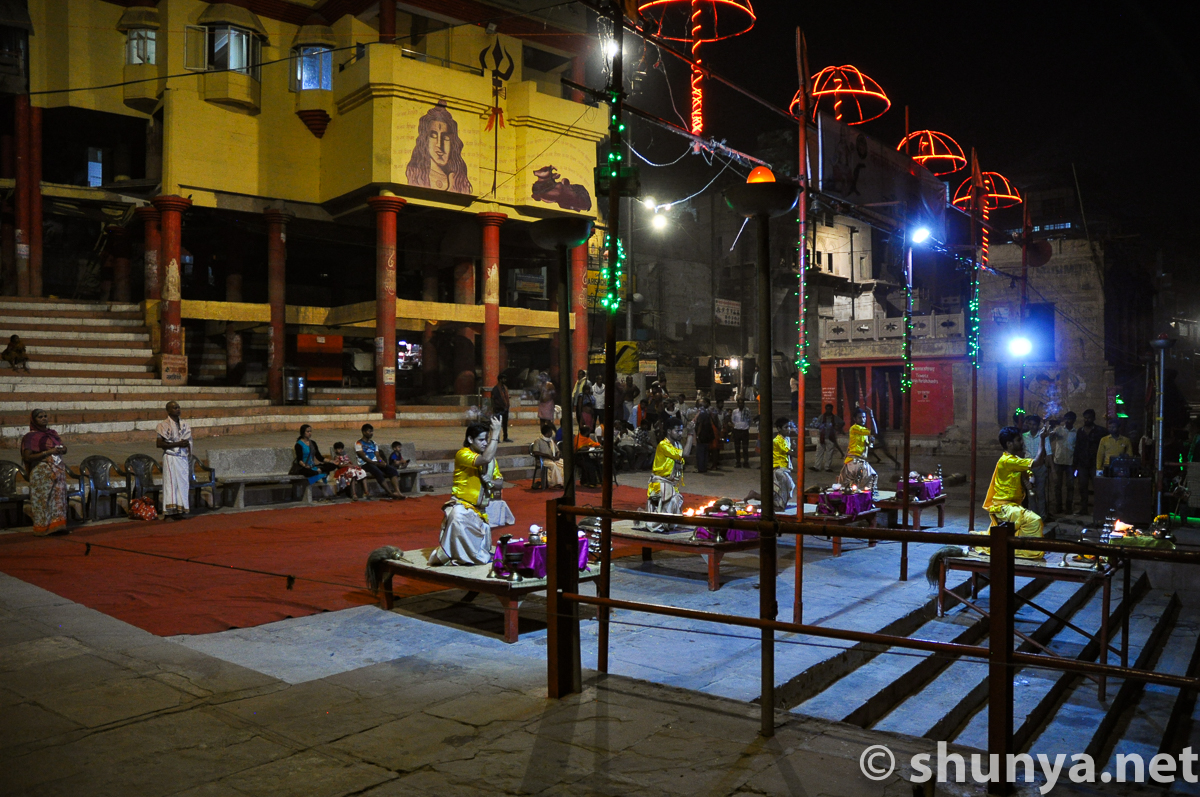
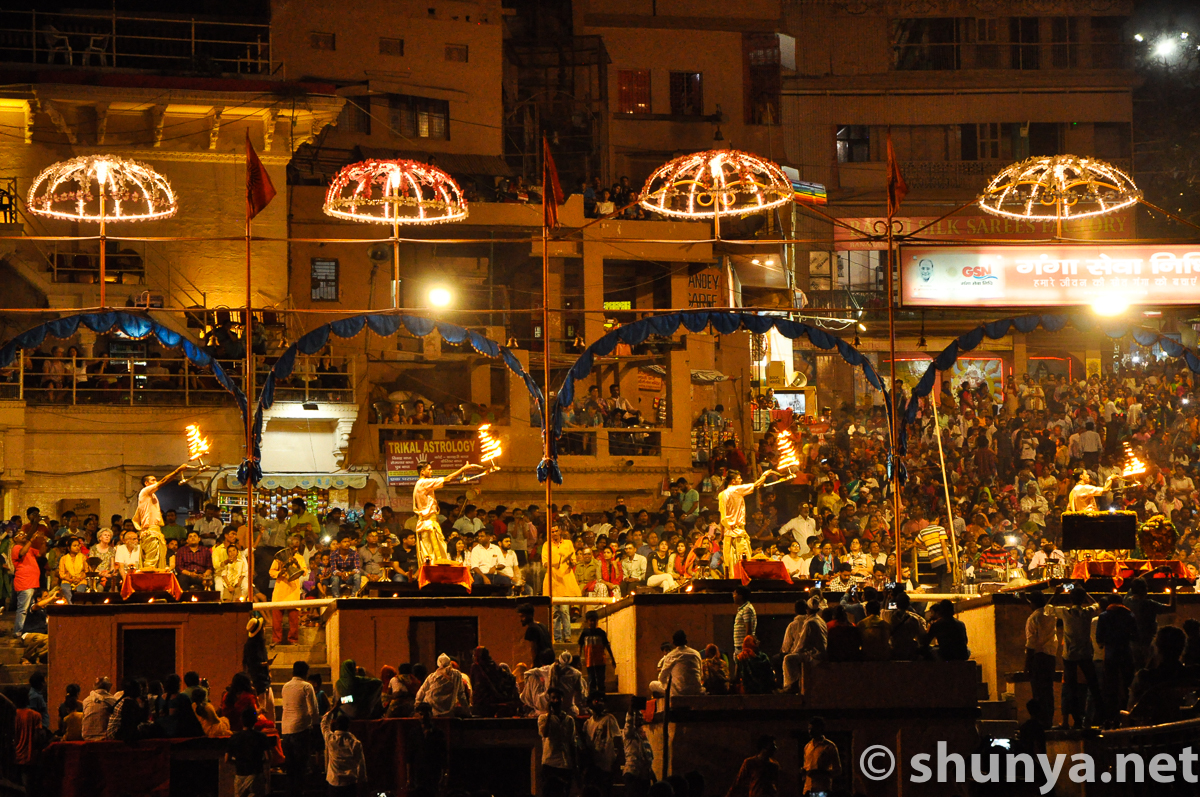
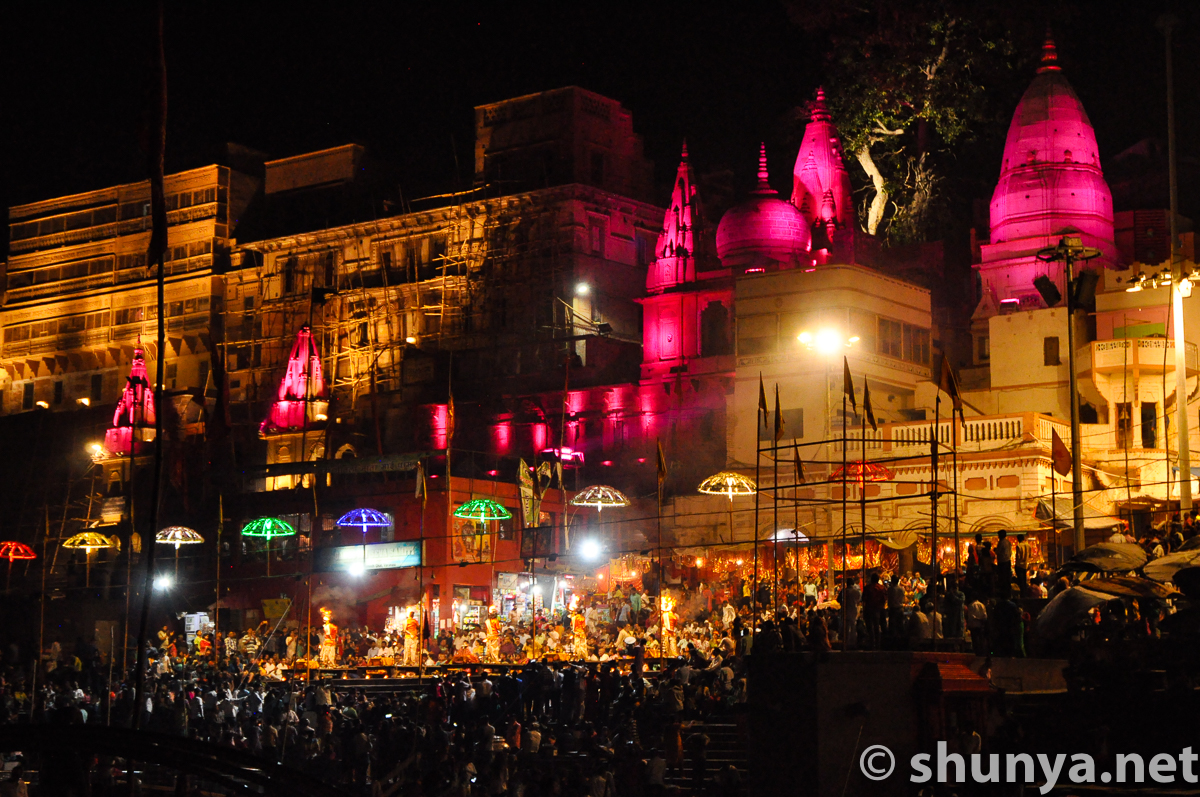
Evening Ganga Aarti
|
|
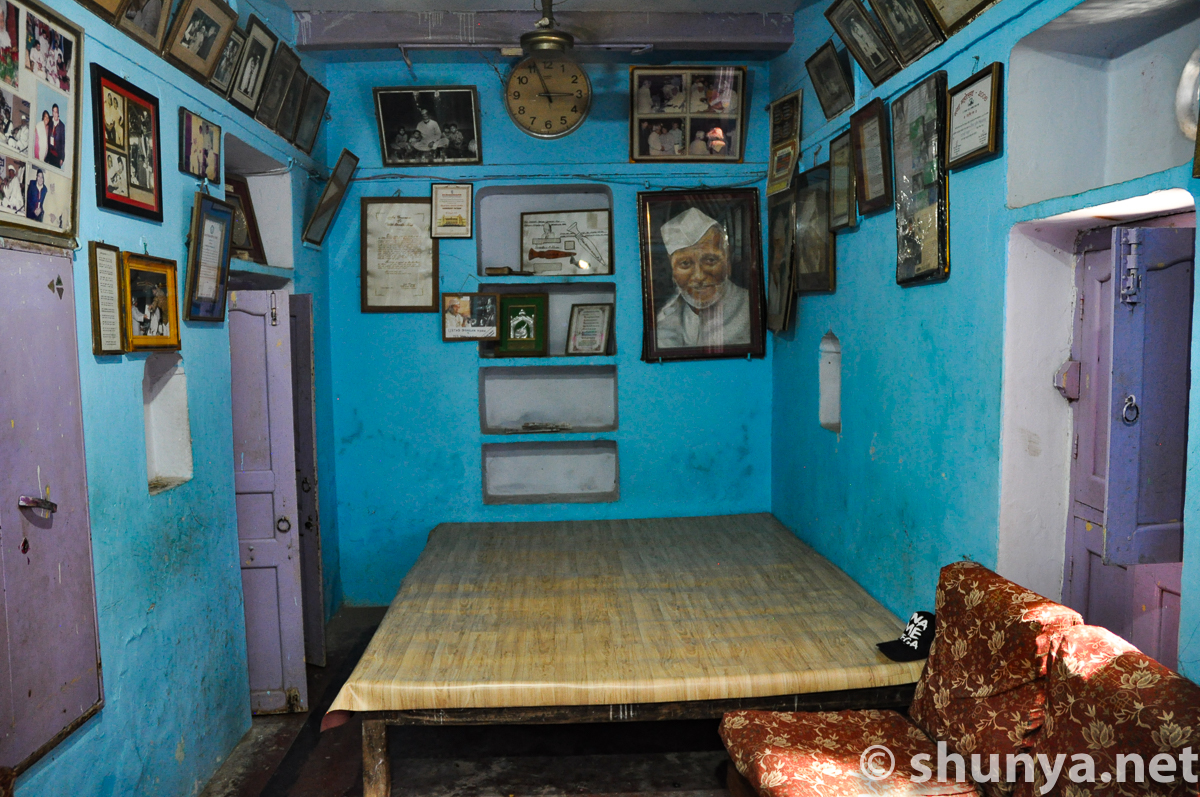
Bismillah Khan family home
|
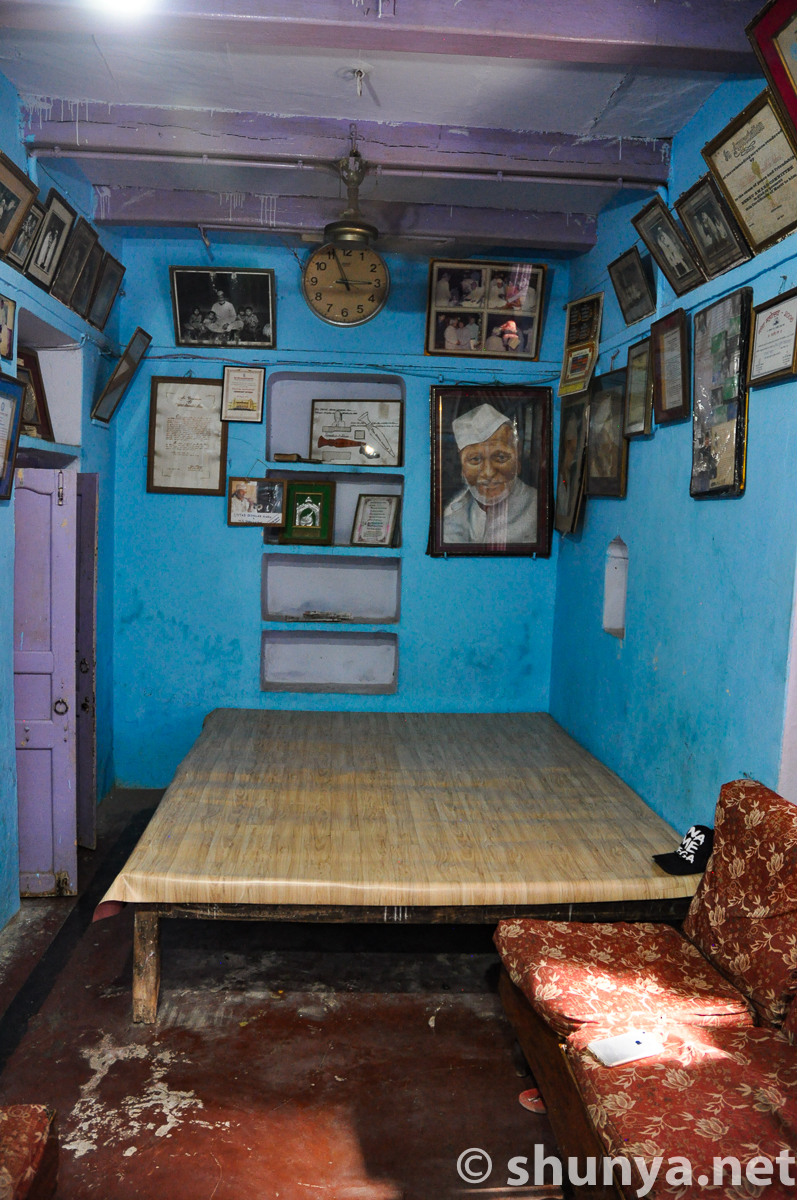
"Drawing room" to
|
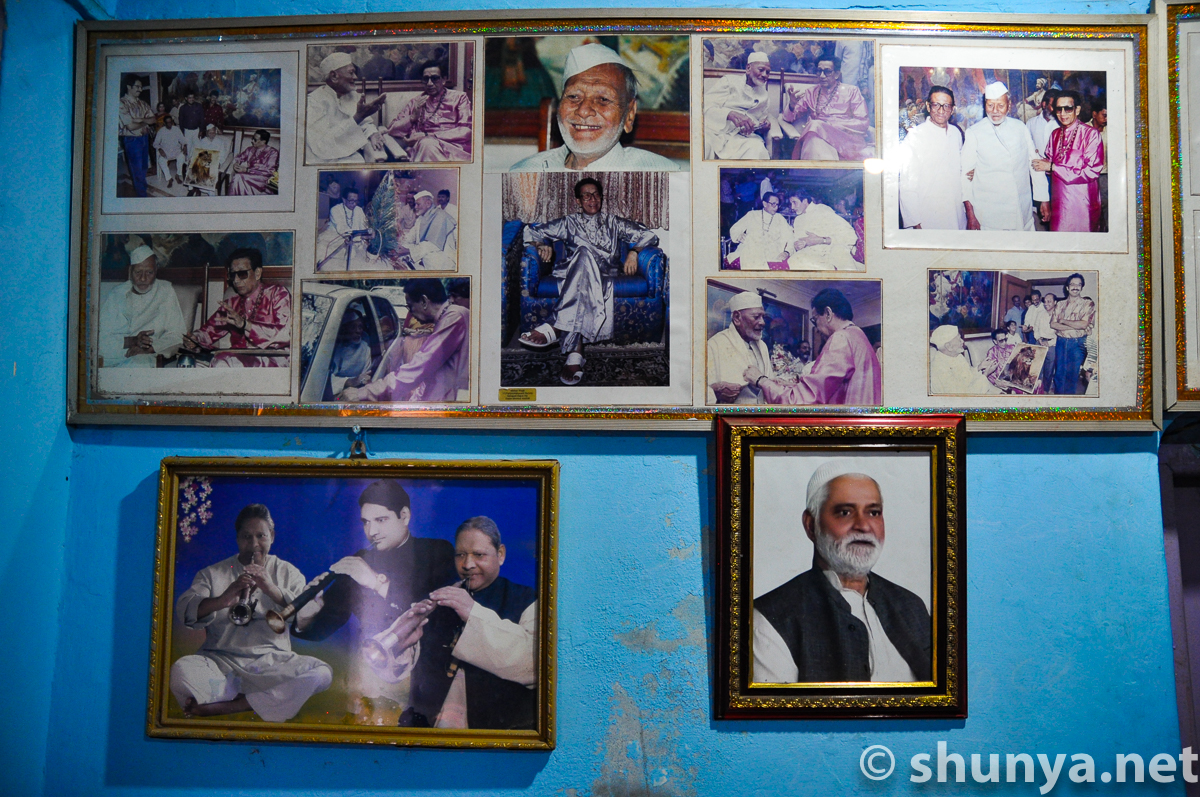
Wall decor with the
|
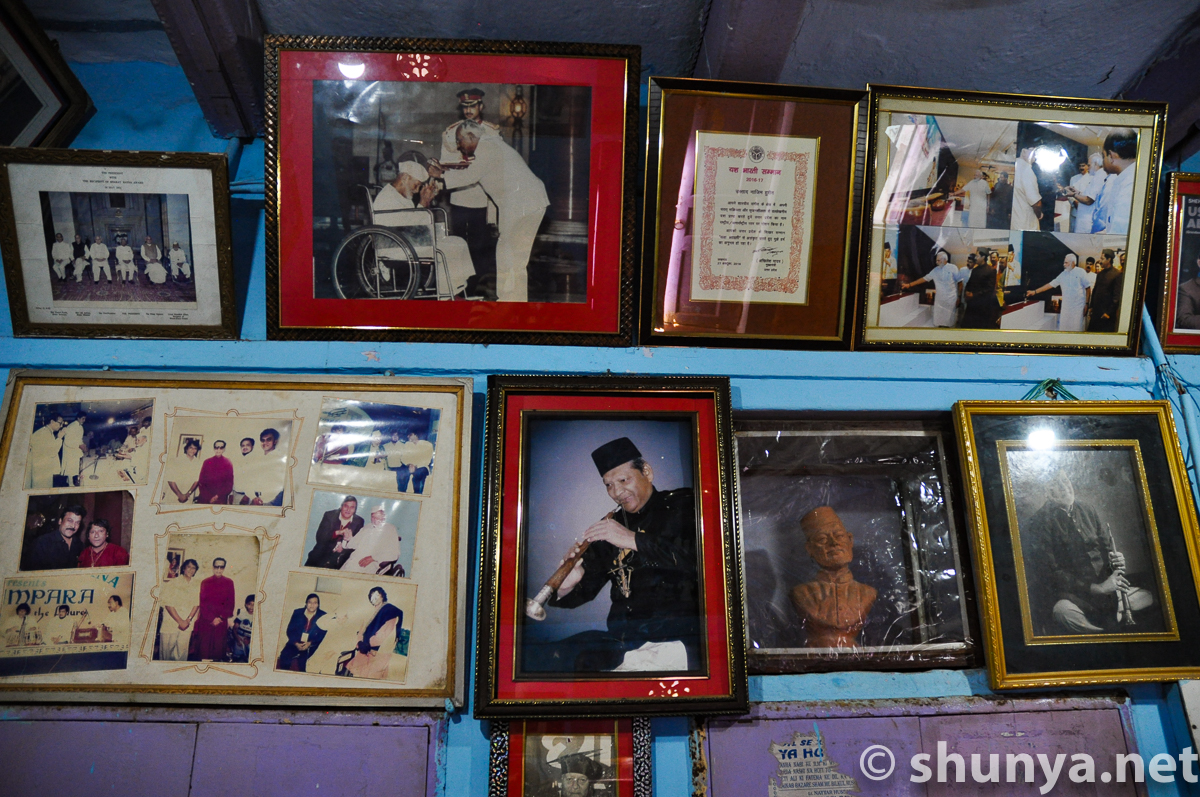
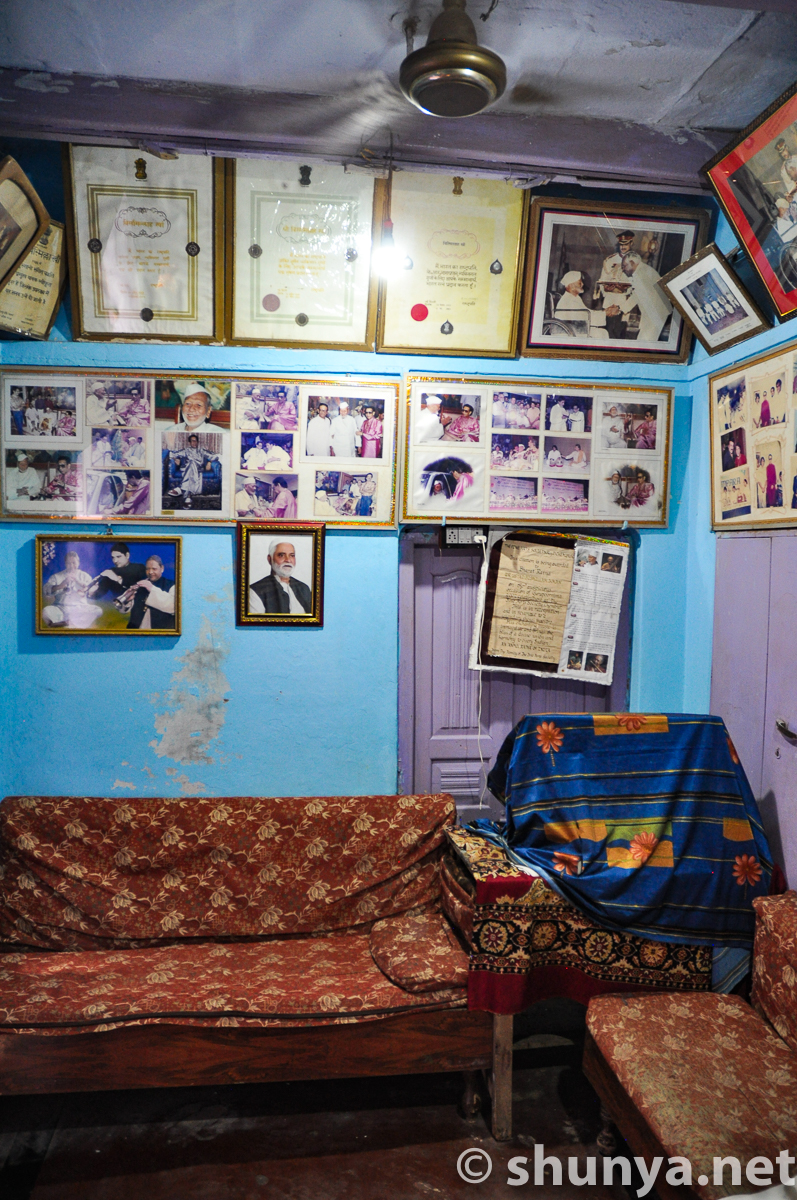
Portraits, awards
|
Manikarnika Ghat
|
Near the river's edge
|
Visiting relatives & friends
|
Manikarnika Ghat
|
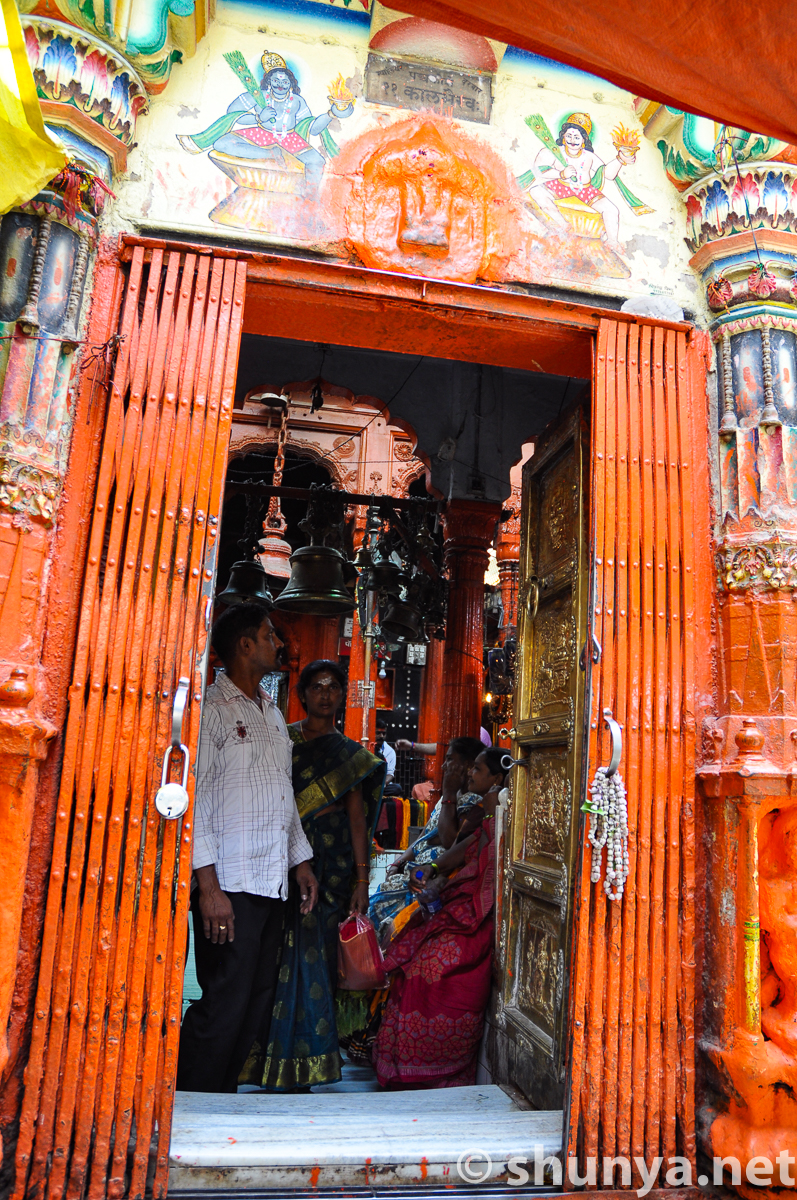
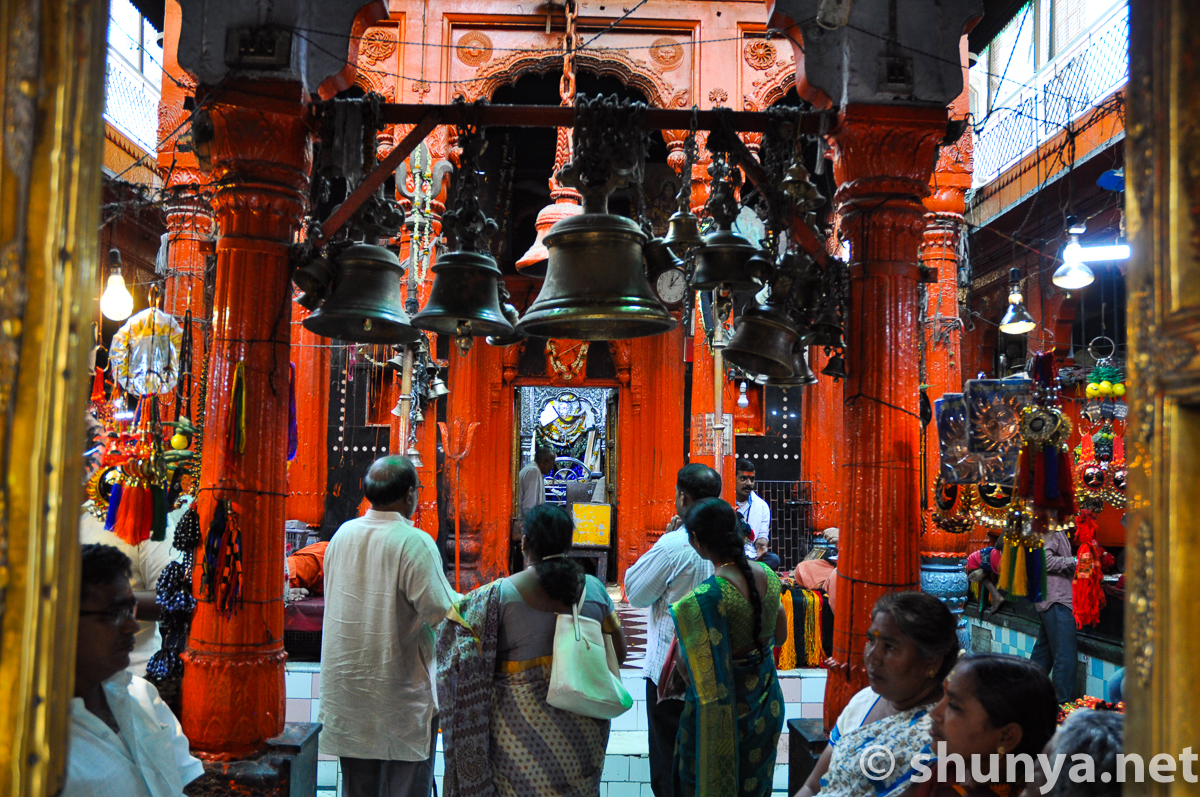
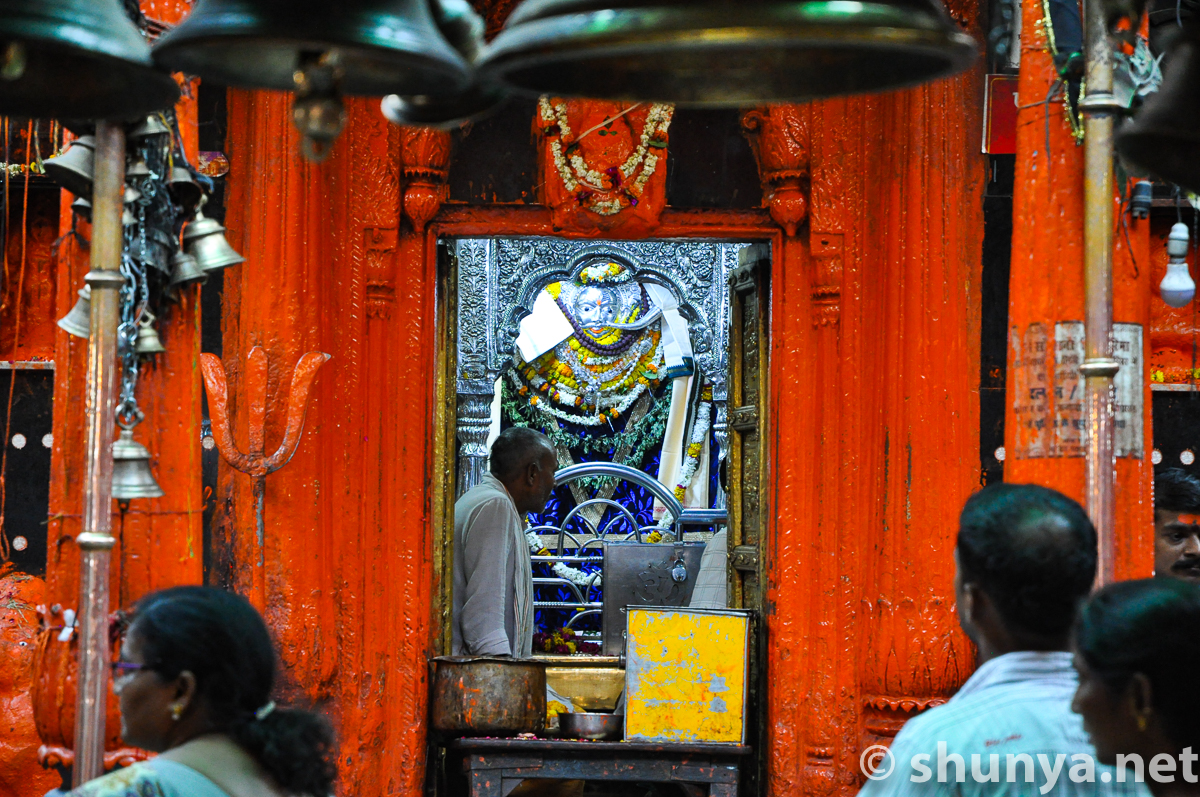
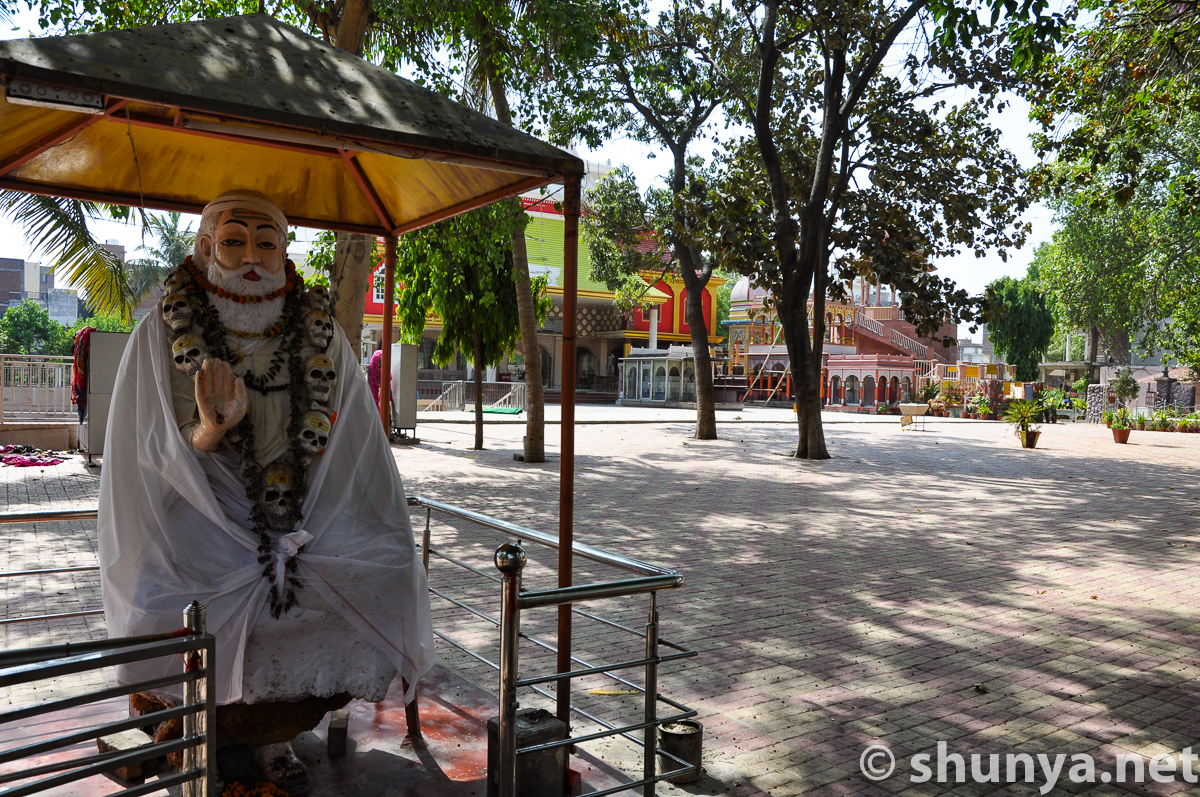
Kaal Bhairav Shiva temple
|
A fierce form of Shiva,
|
Some devotees offer meat
|
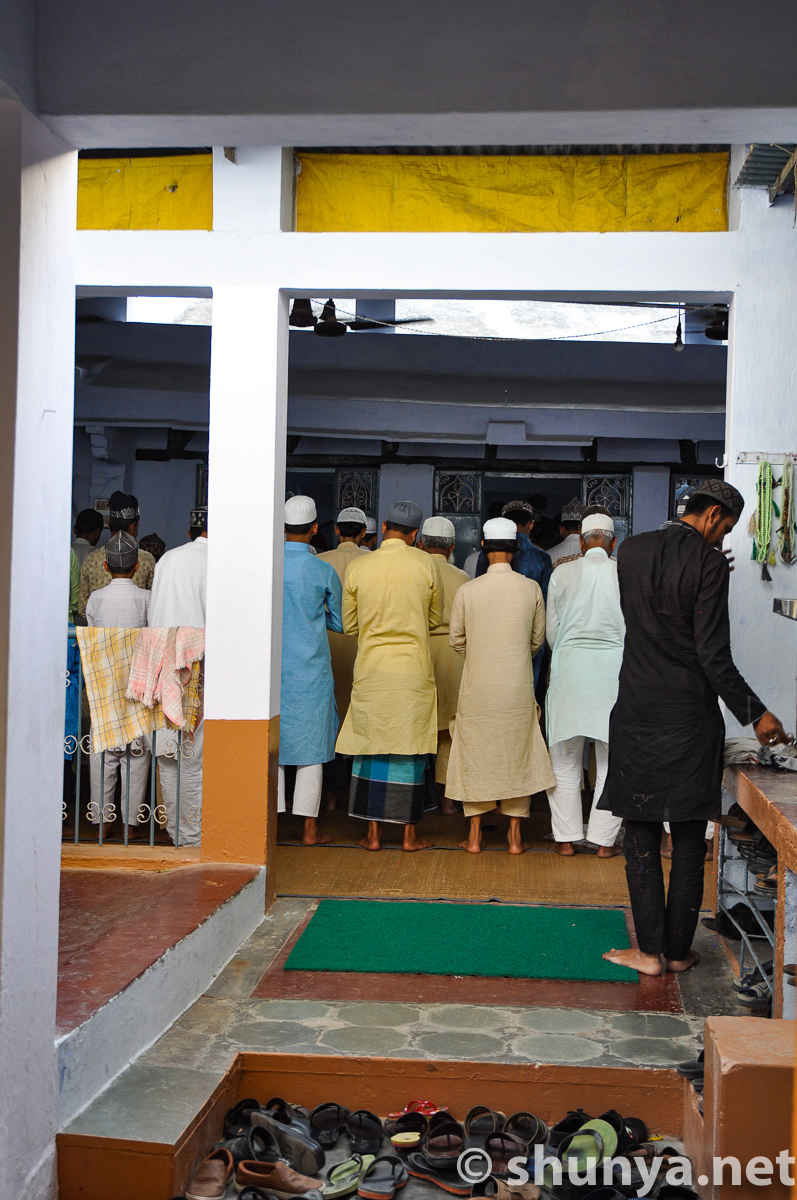
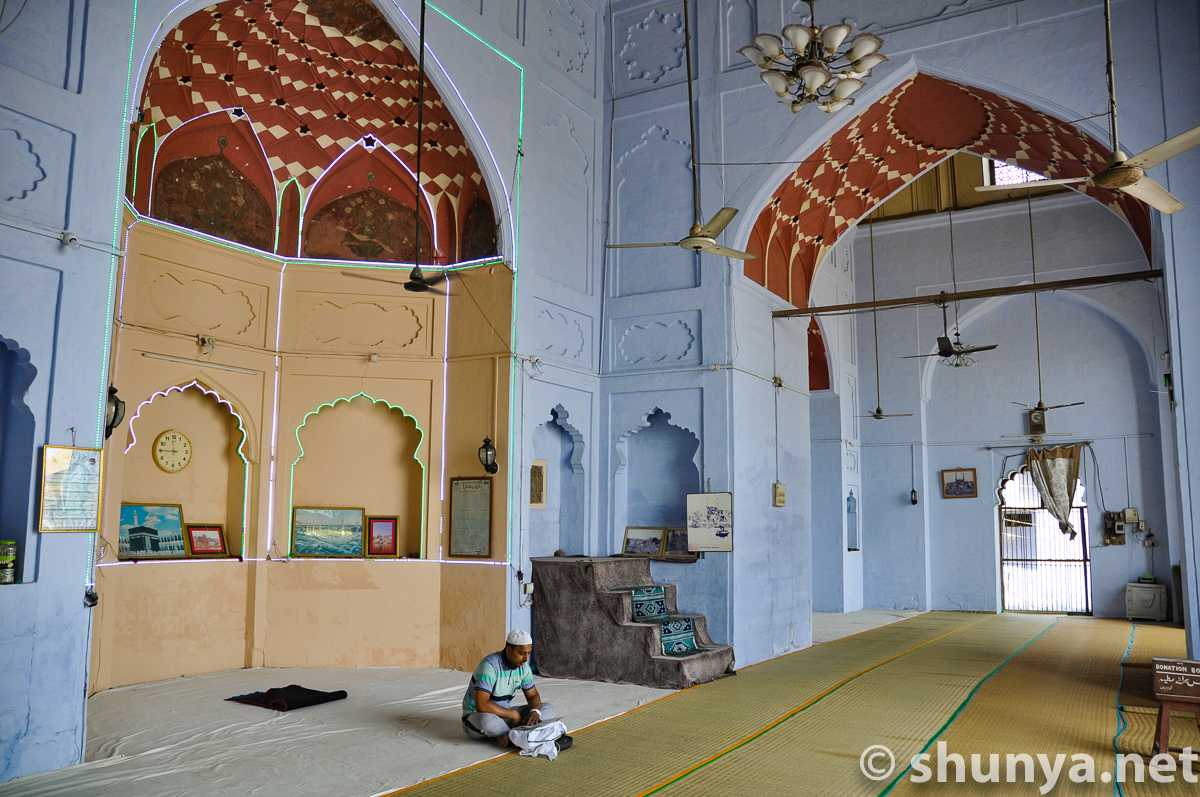
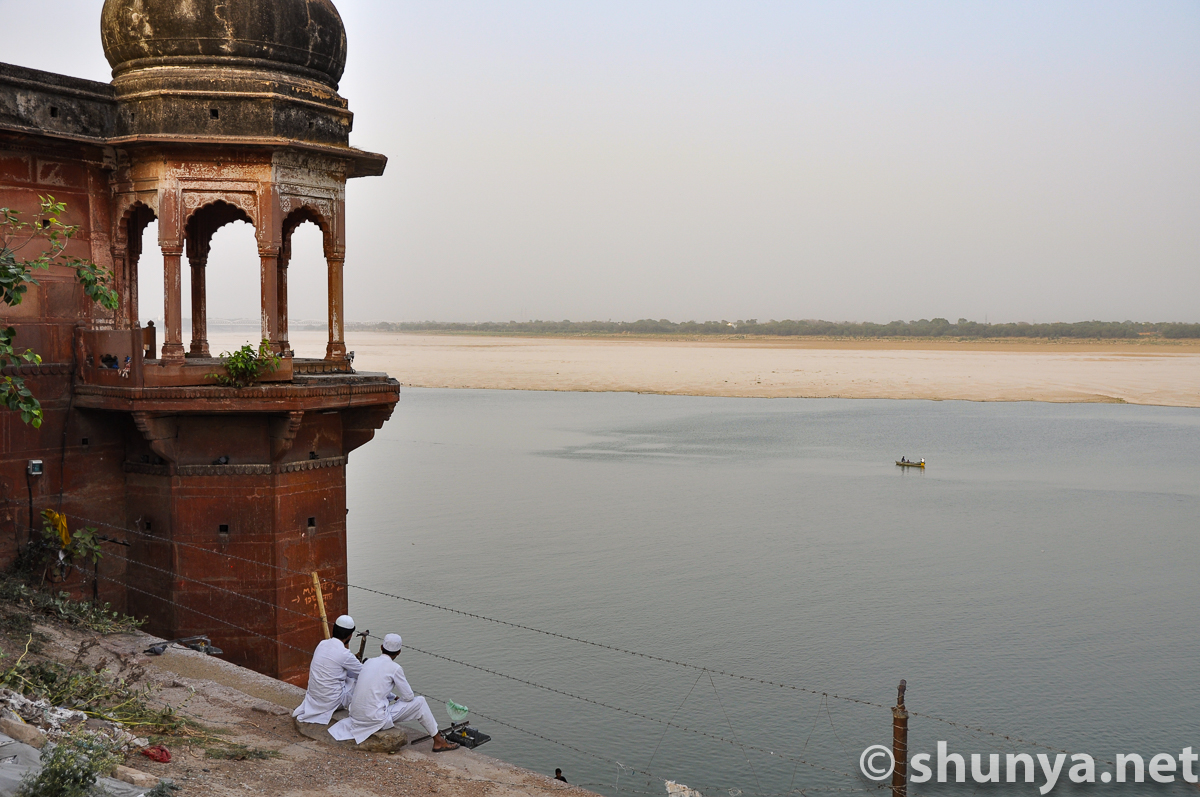
Local mosque, prayer time
|
|
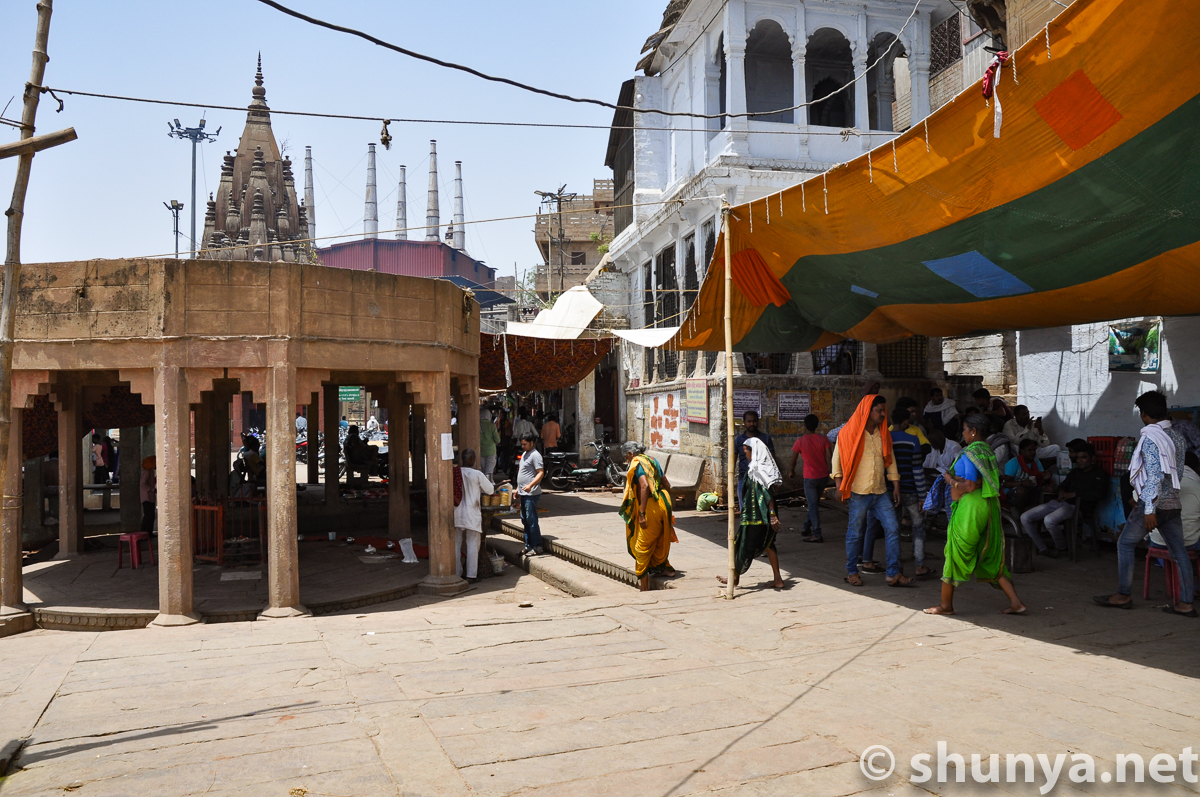
Kabir Chaura and Kabir Math |
|||
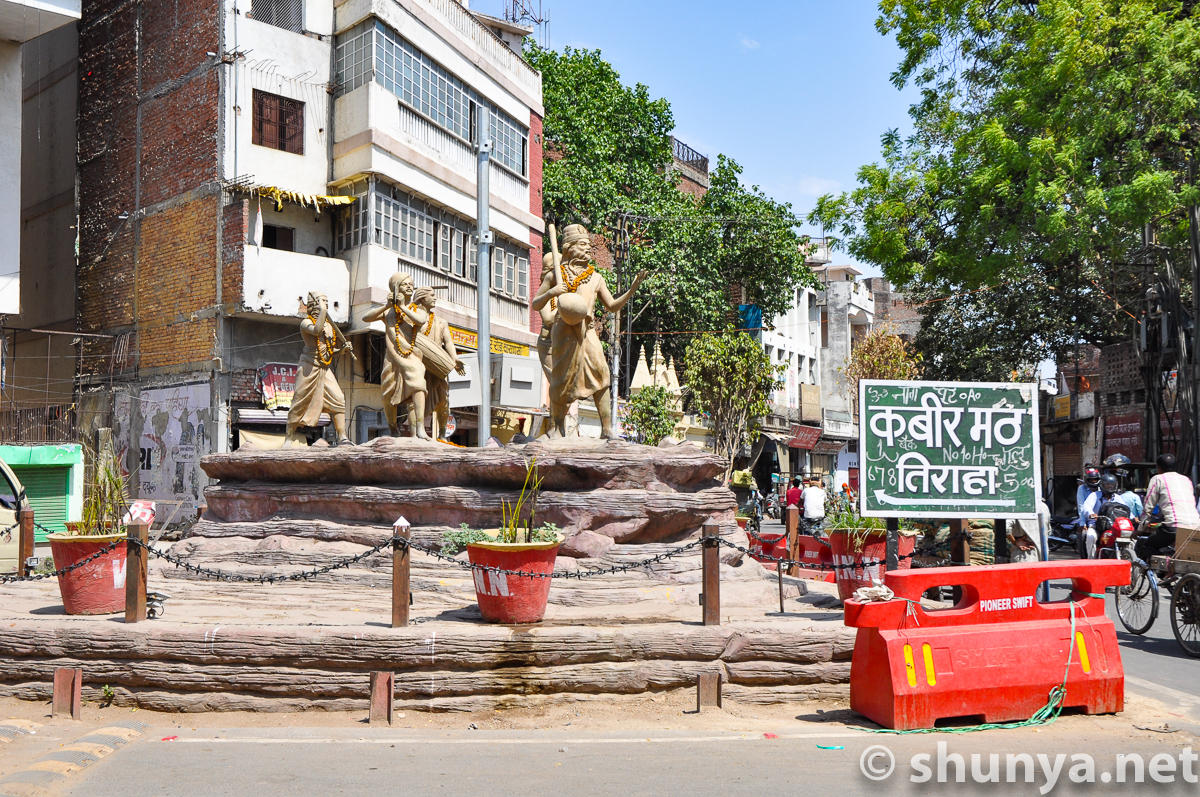
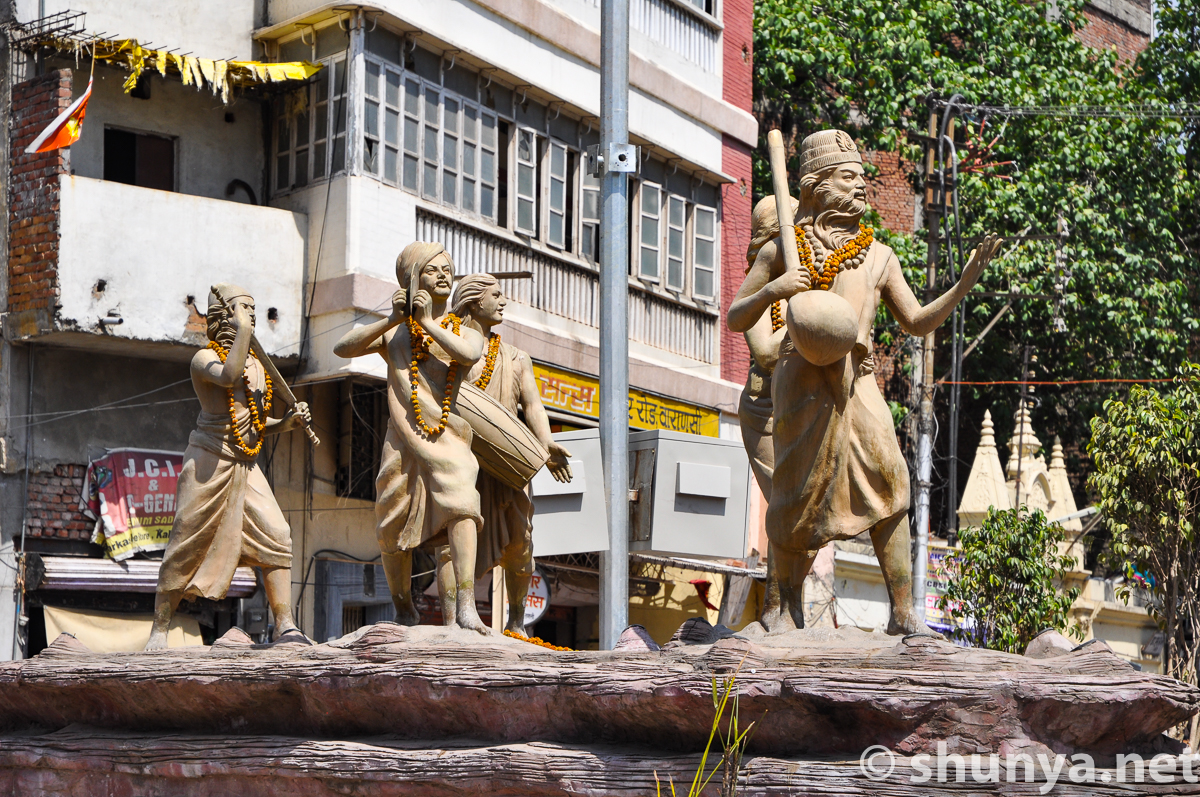
Circle near Kabir Math
|
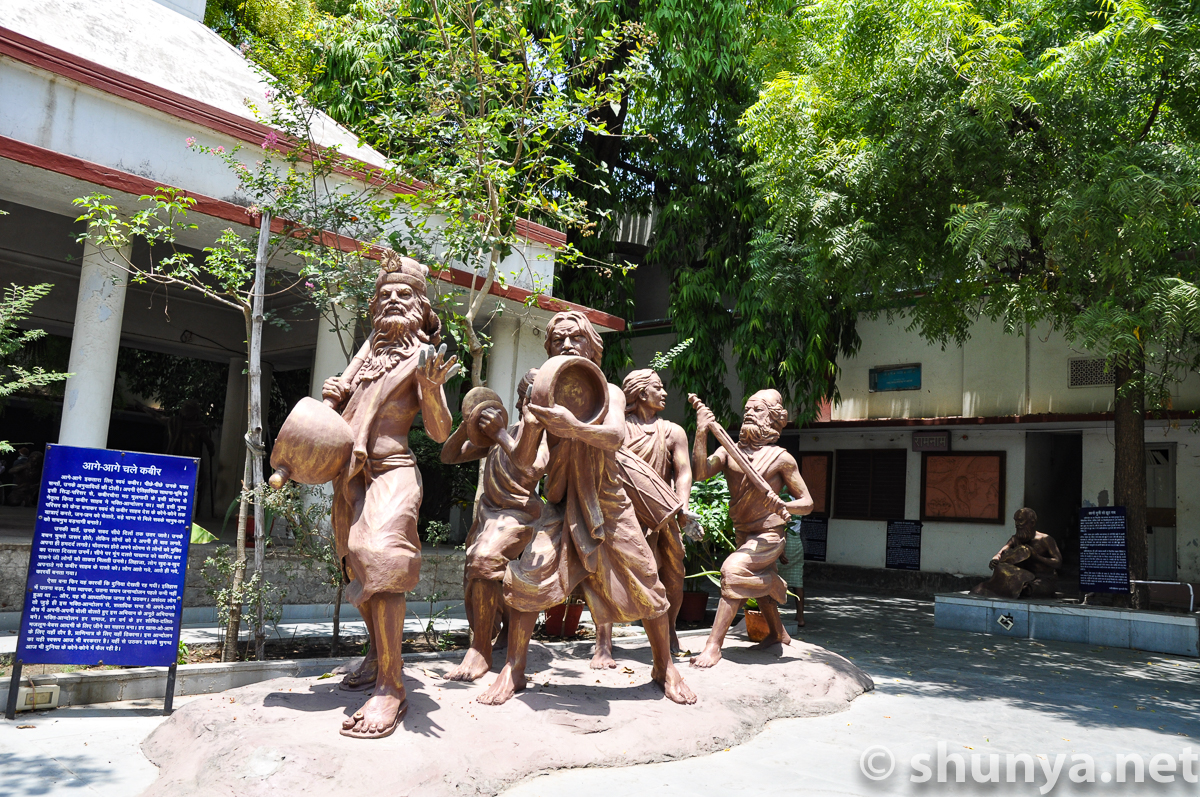
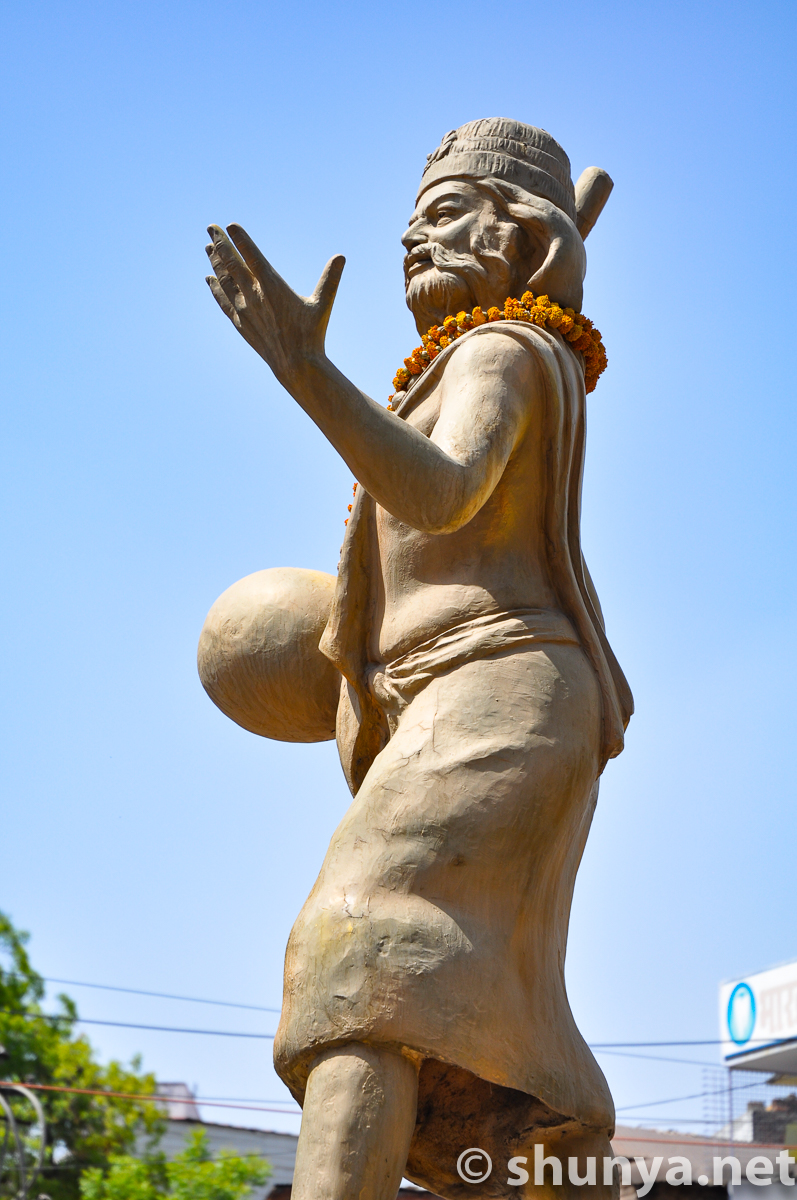
Kabir and his fans
|
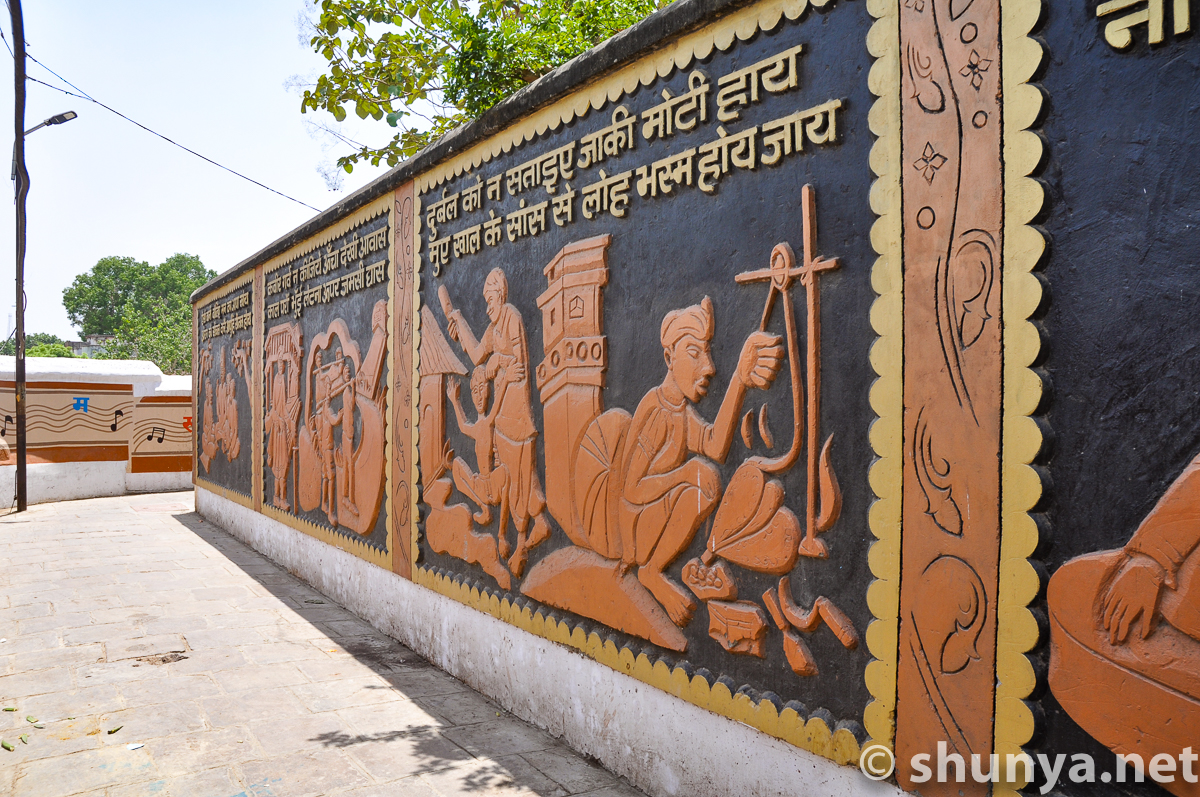
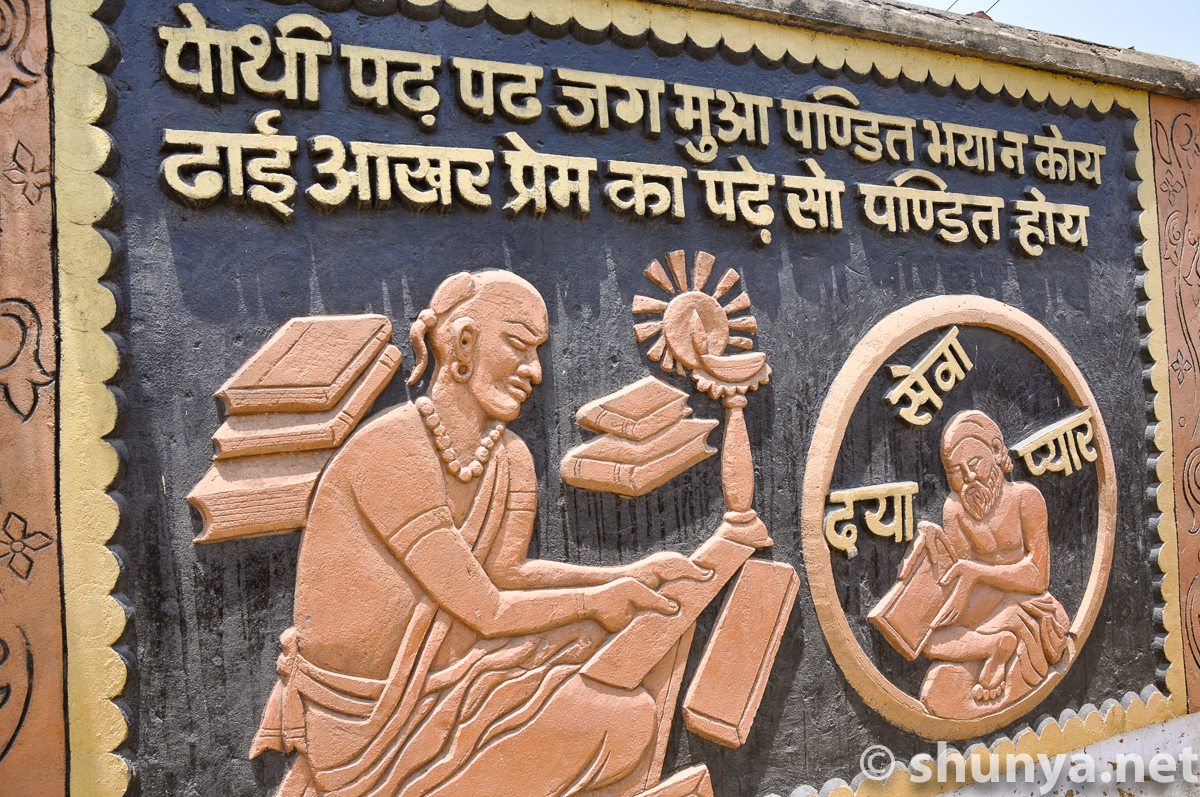
Walls around Kabir Math
|
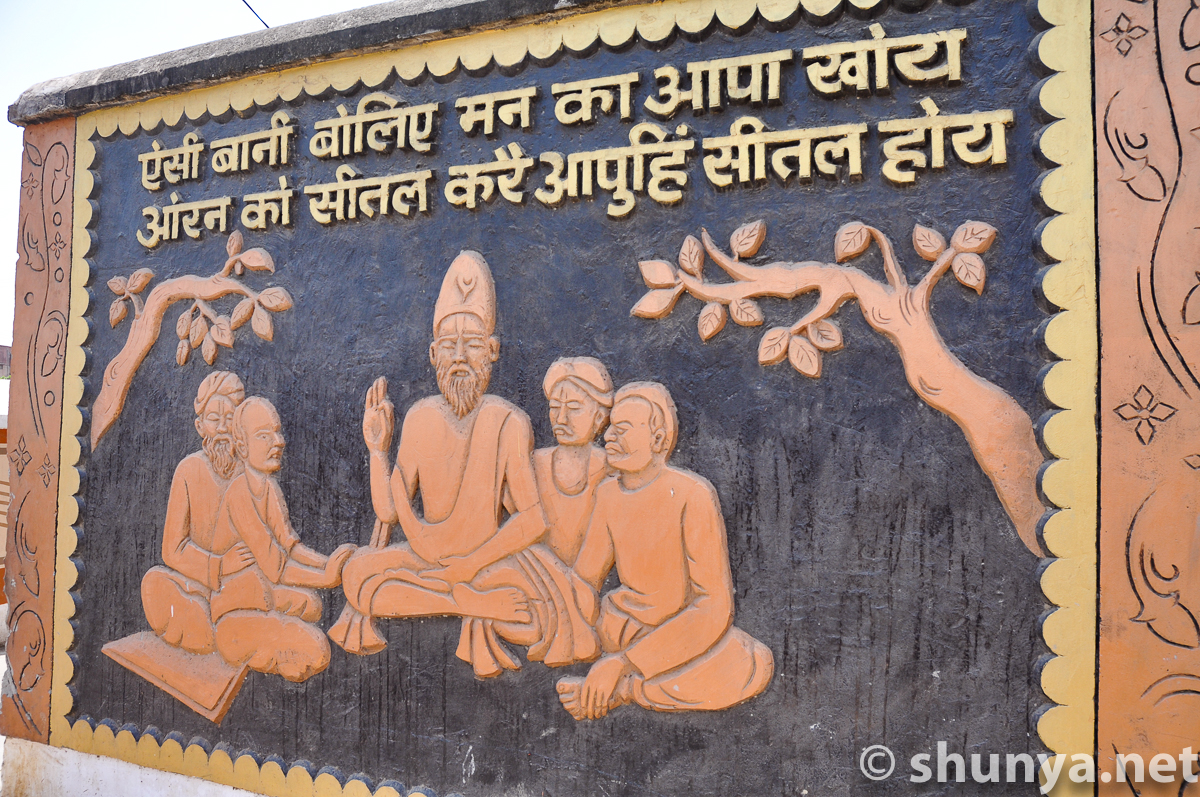
Dohas of Kabir (more)
|
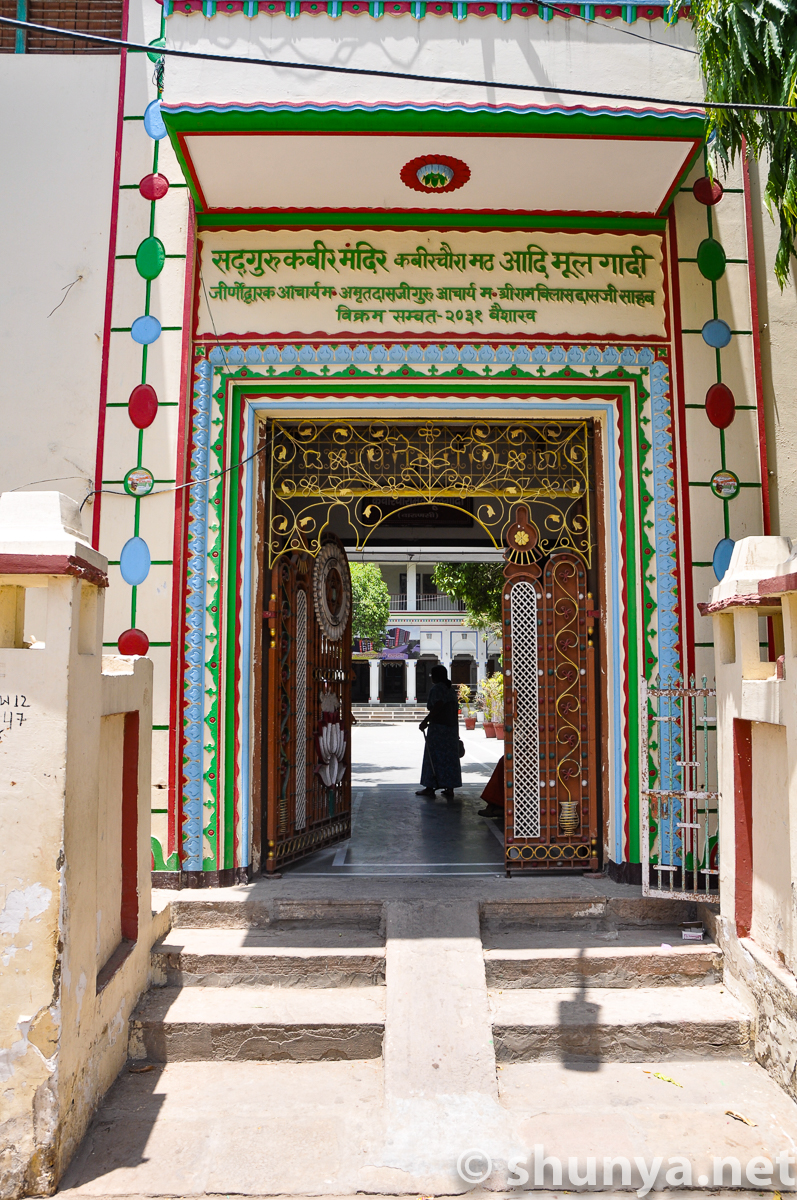
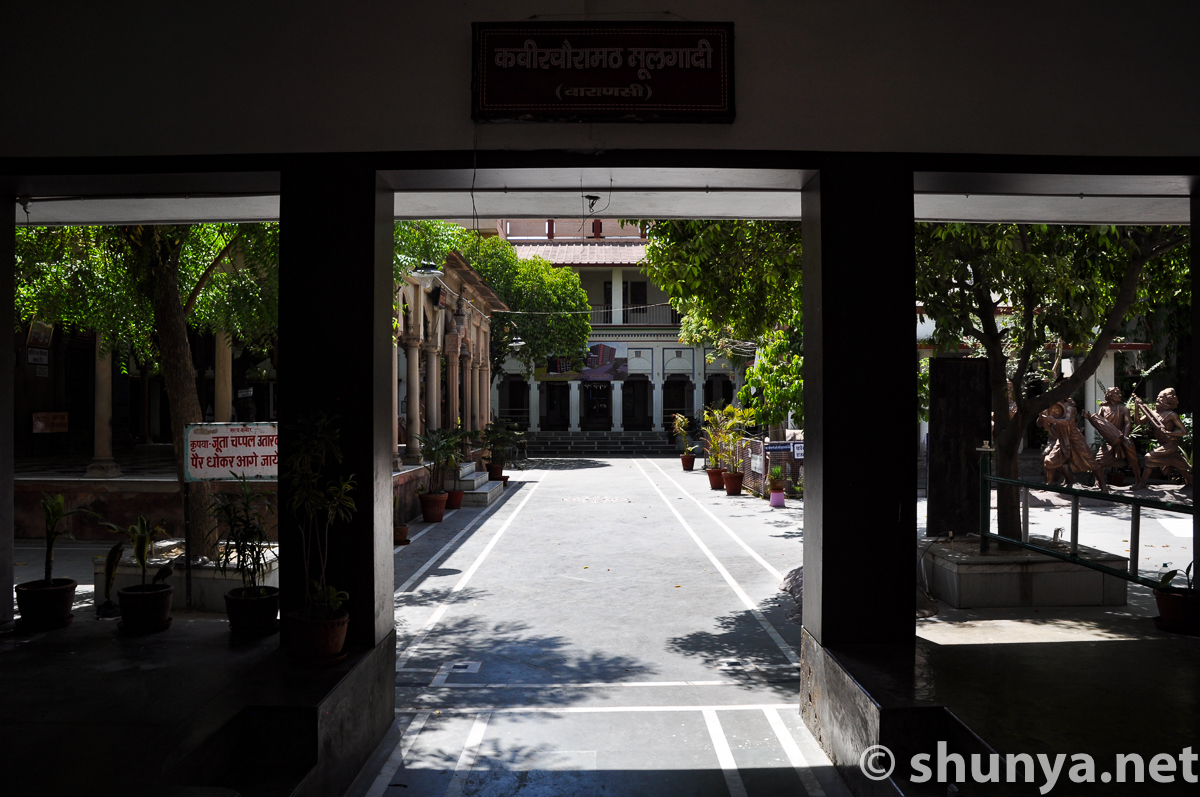
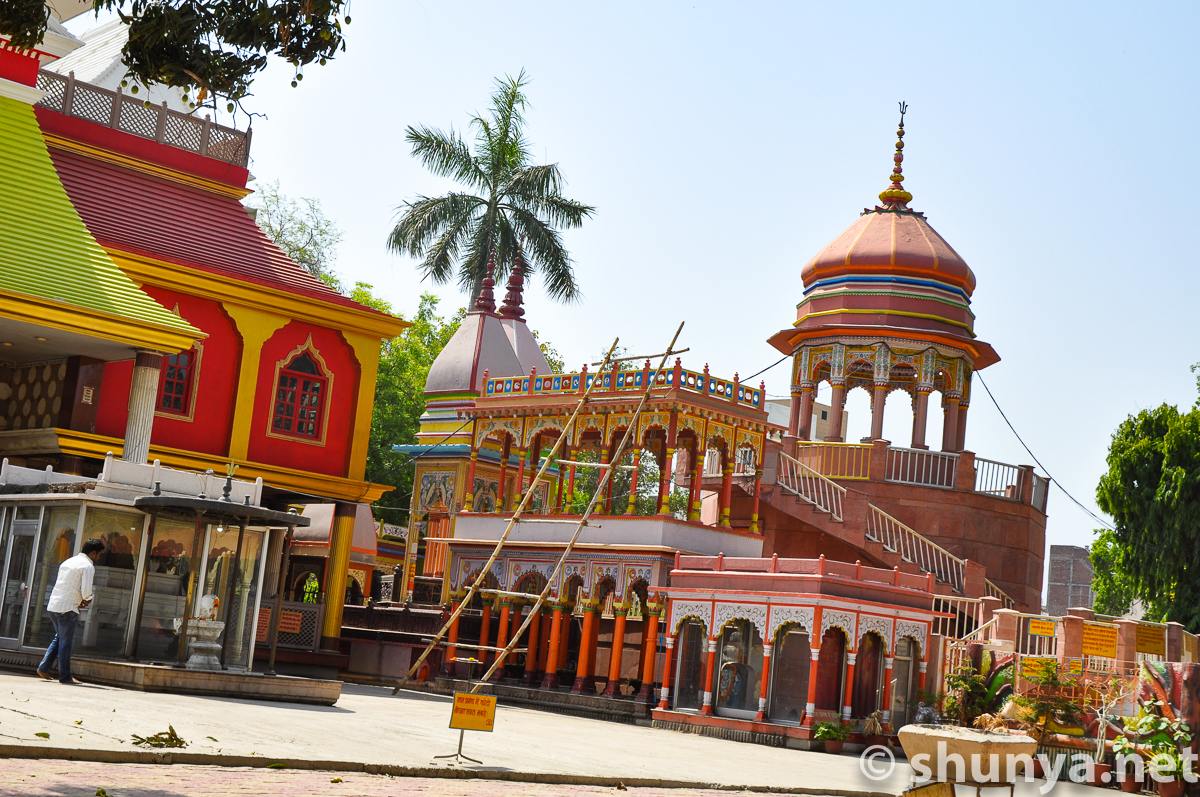
Kabir Math entrance
|
Entering main gate
|
Sculpture in courtyard
|
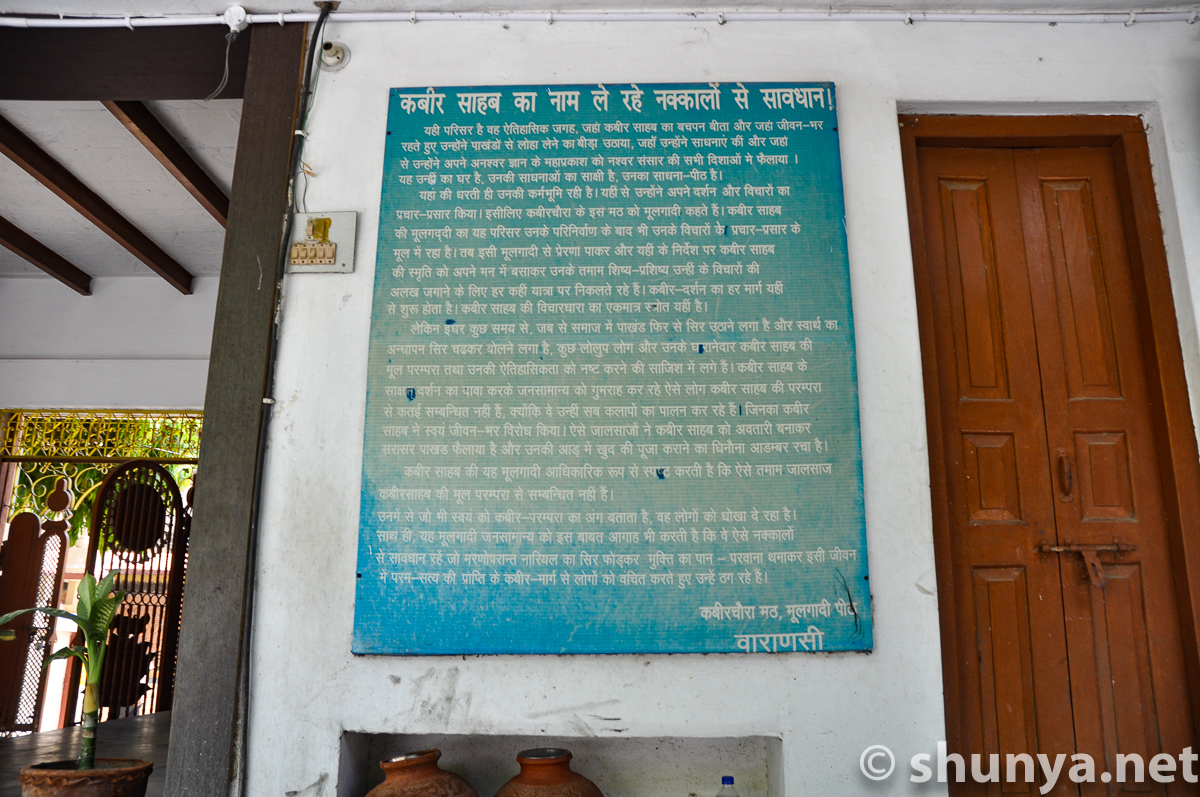
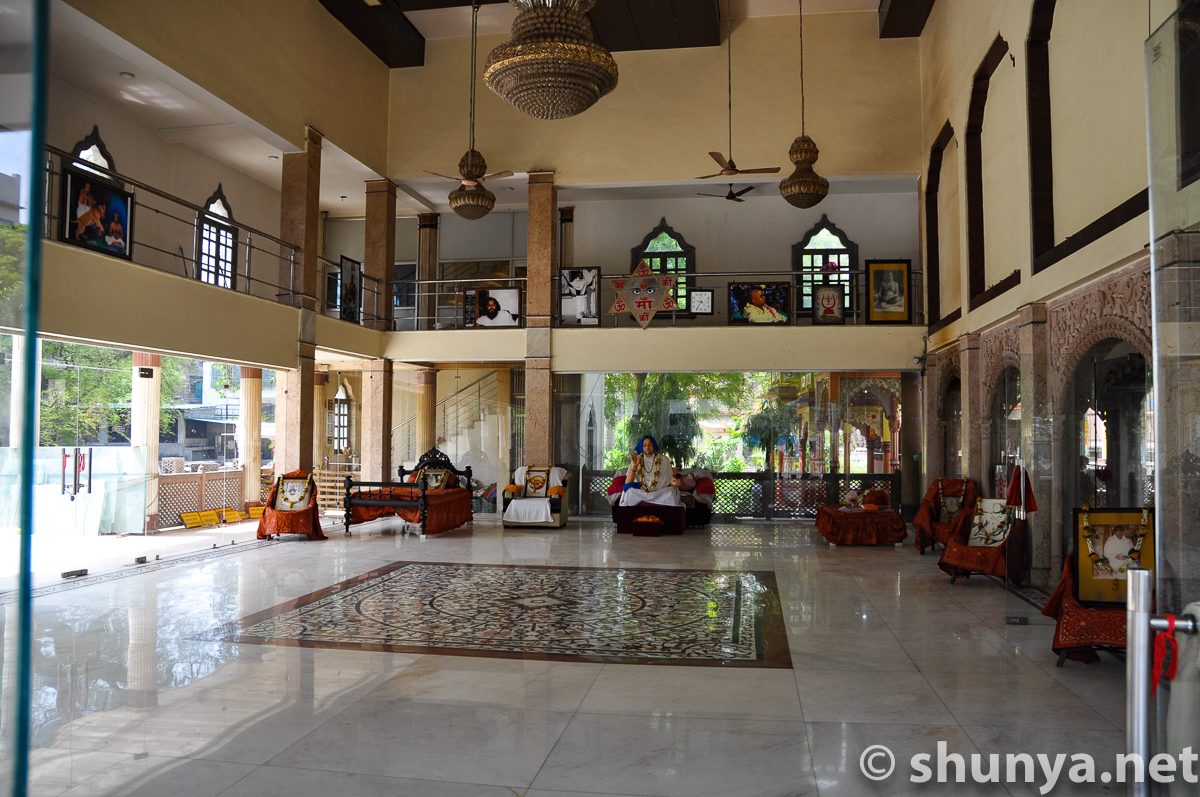
Official intro to Kabir Math
|
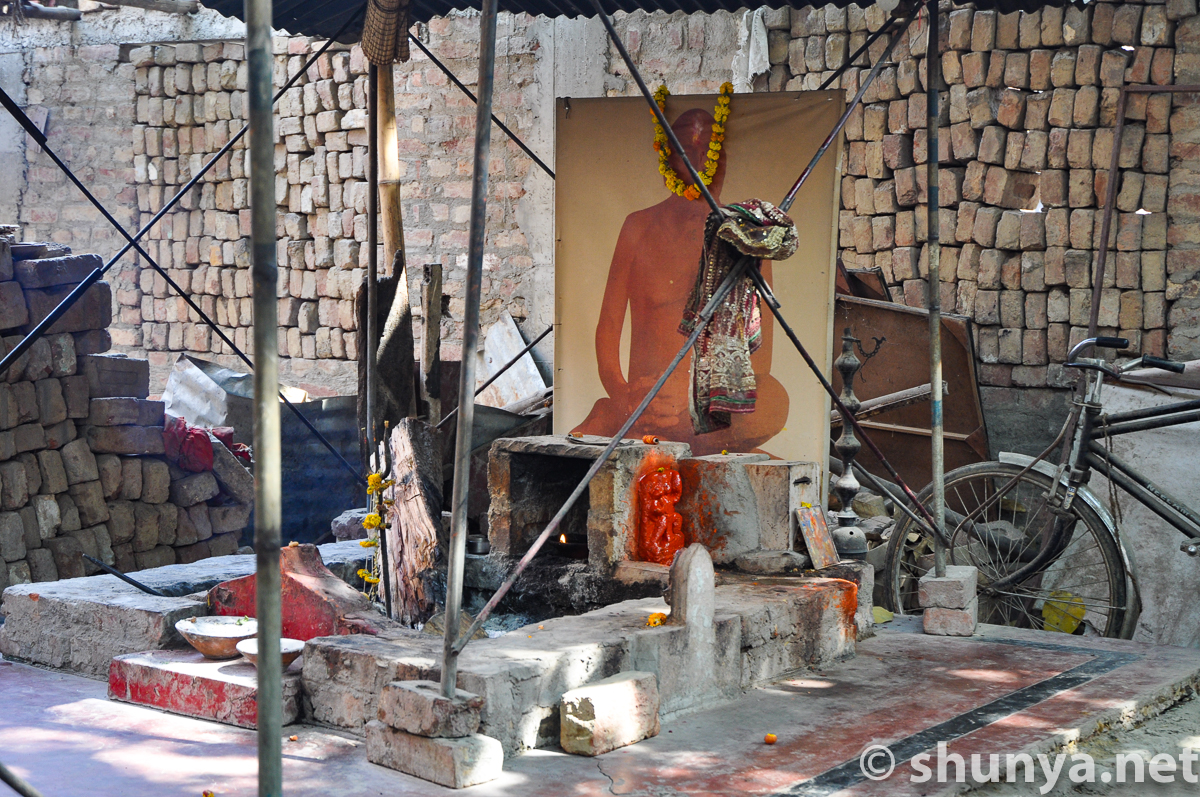
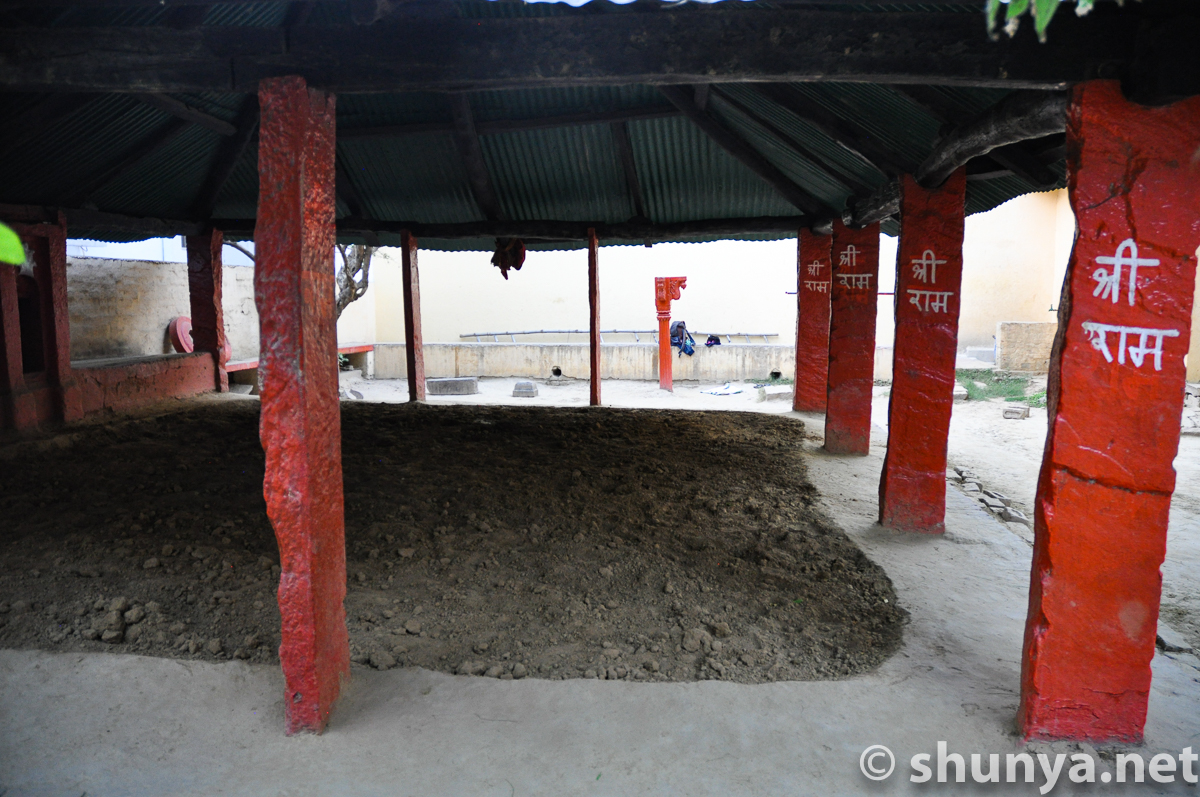
Path to what is said to be
|
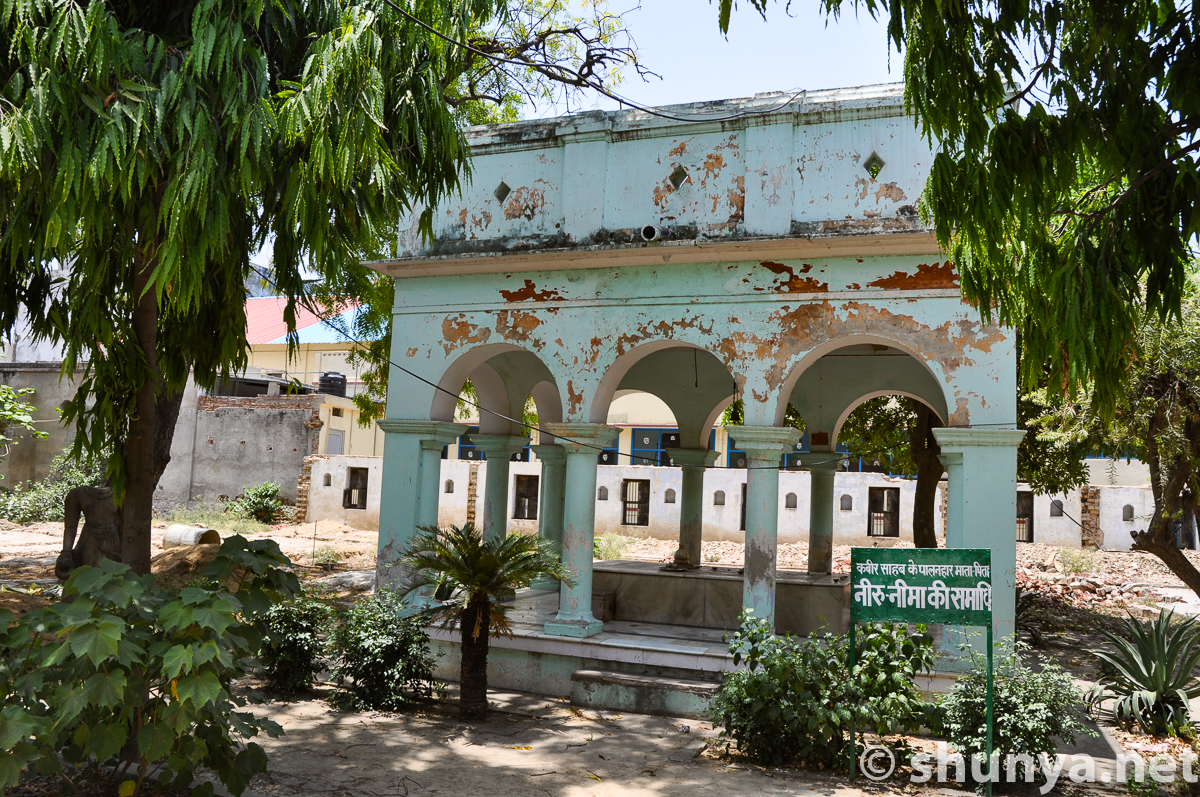
Memorial to Kabir's
|
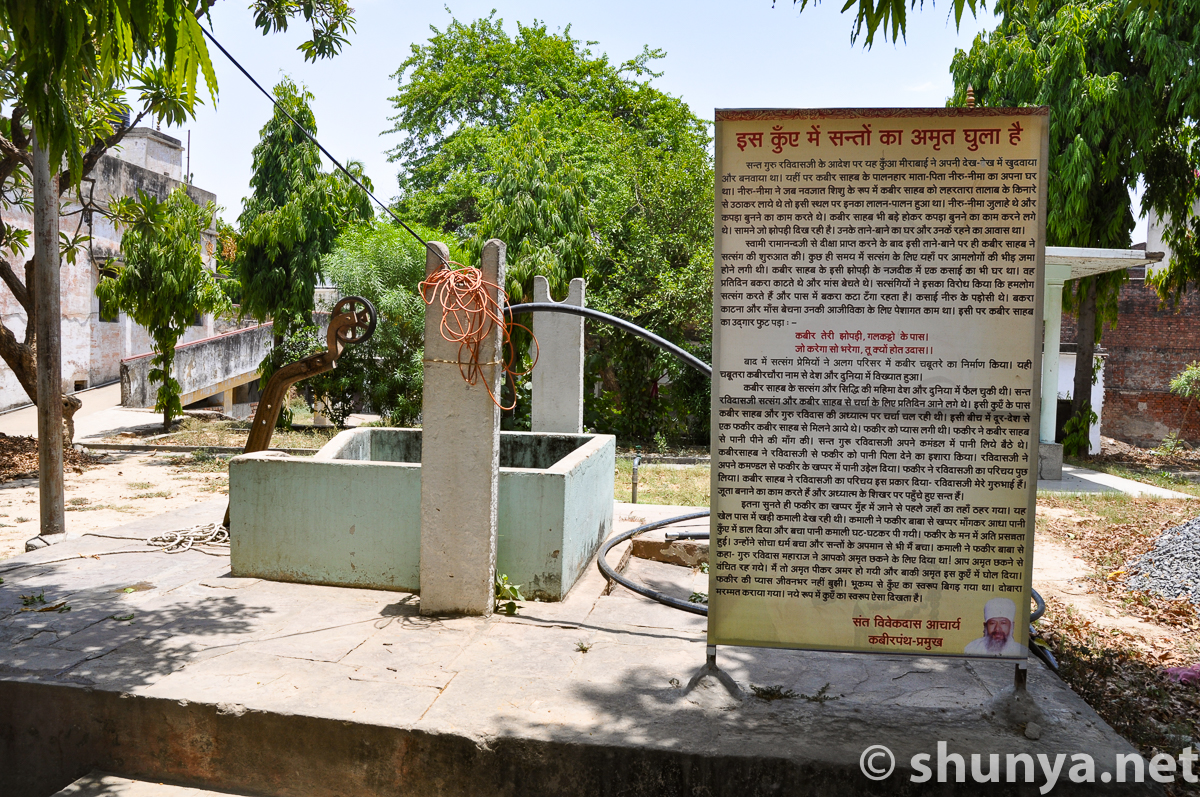
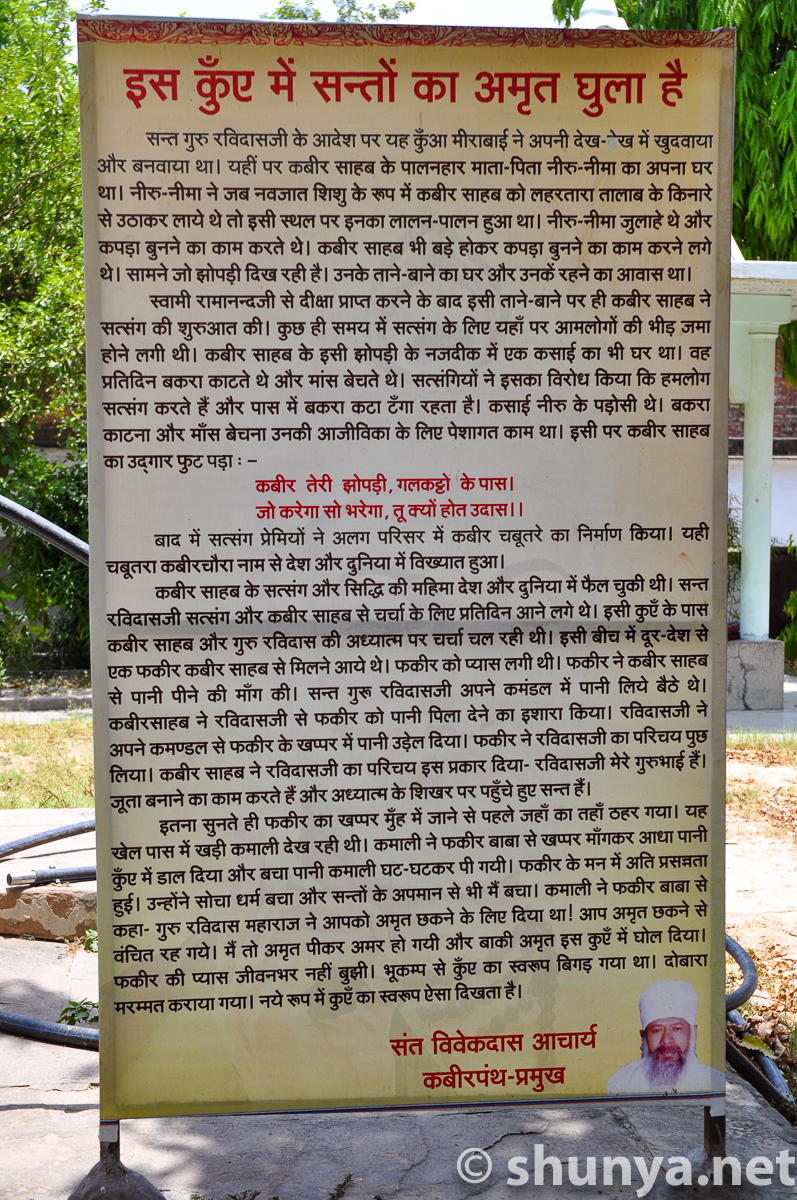
Illustrious well (info)
|
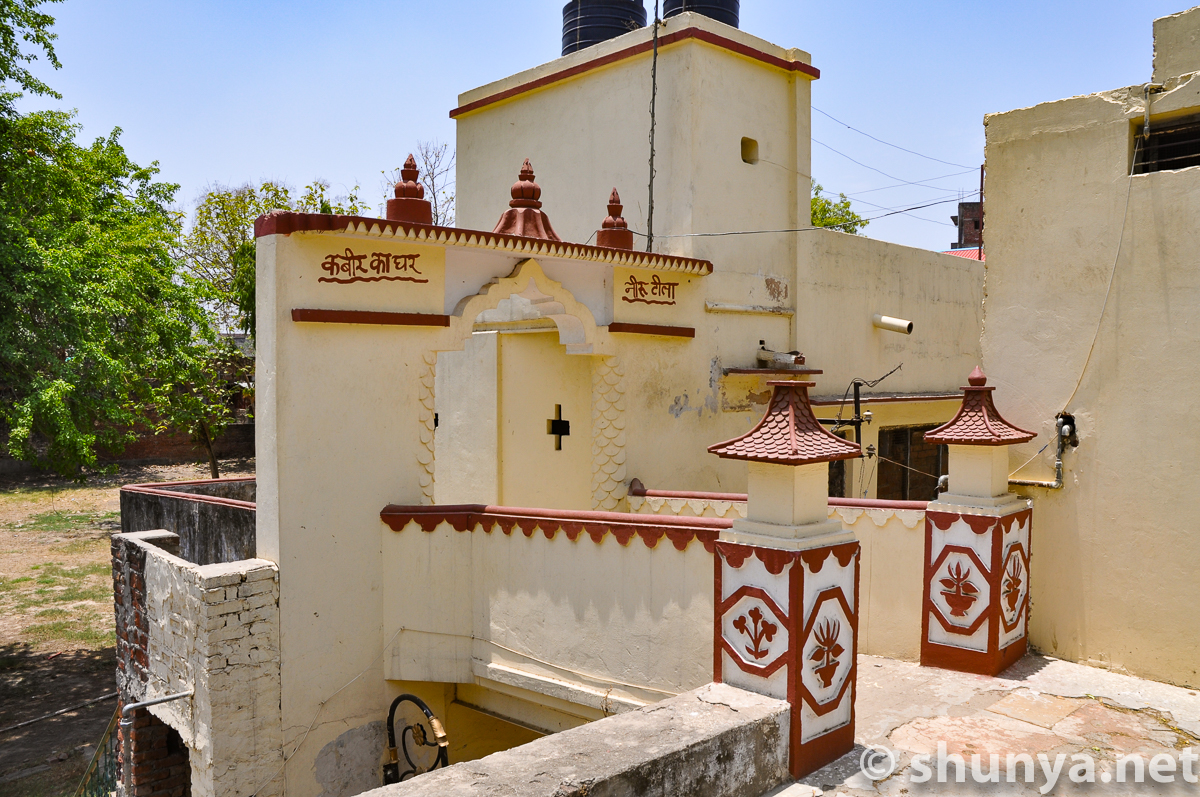
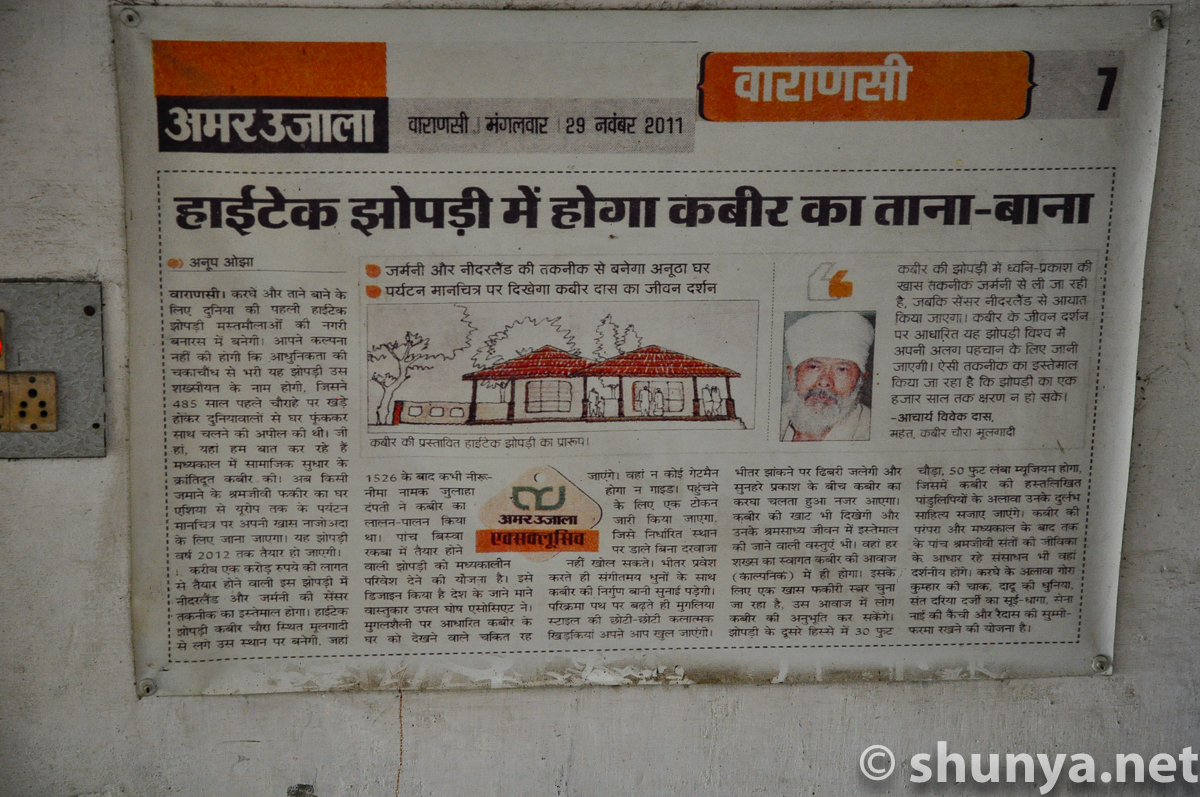
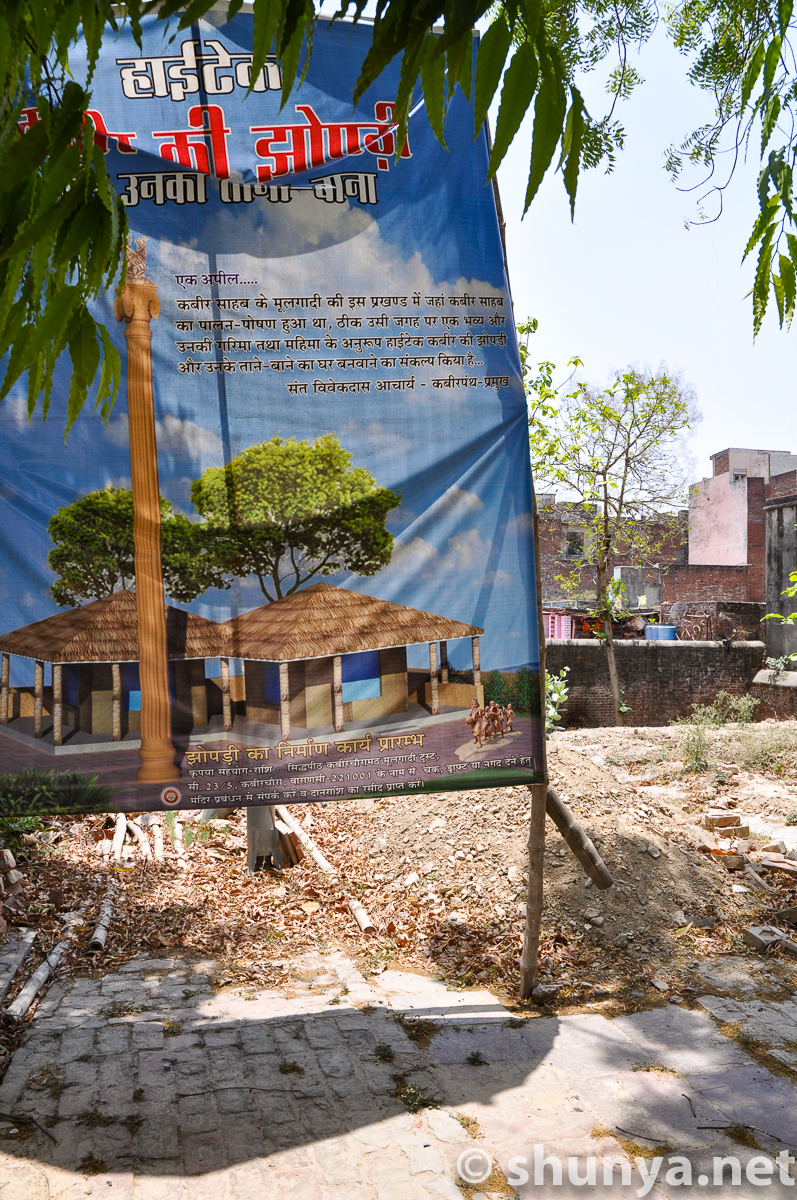
A "high-tech Kabir jhopri"
|
What jhopri might look like
|
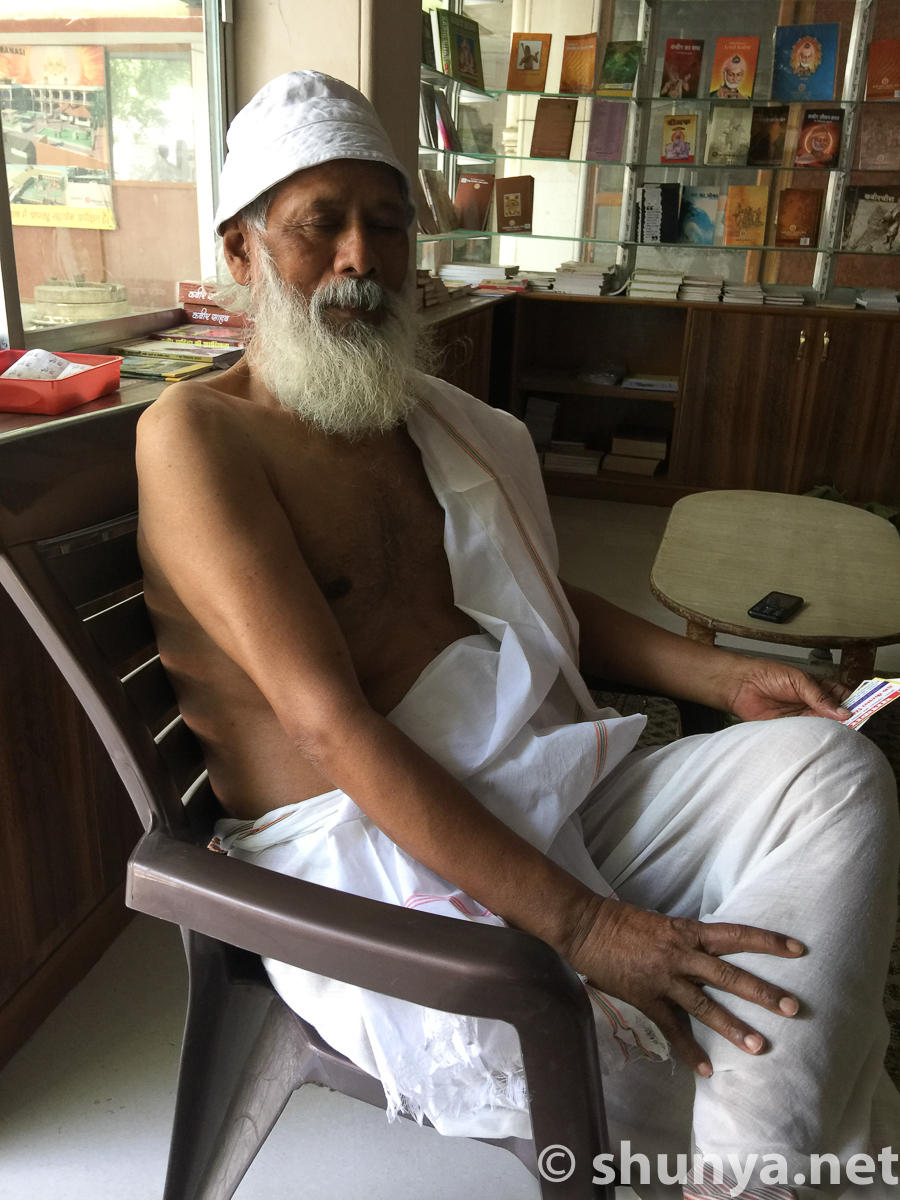
Acharya Vivek Das
|
Sant Kabir Das |
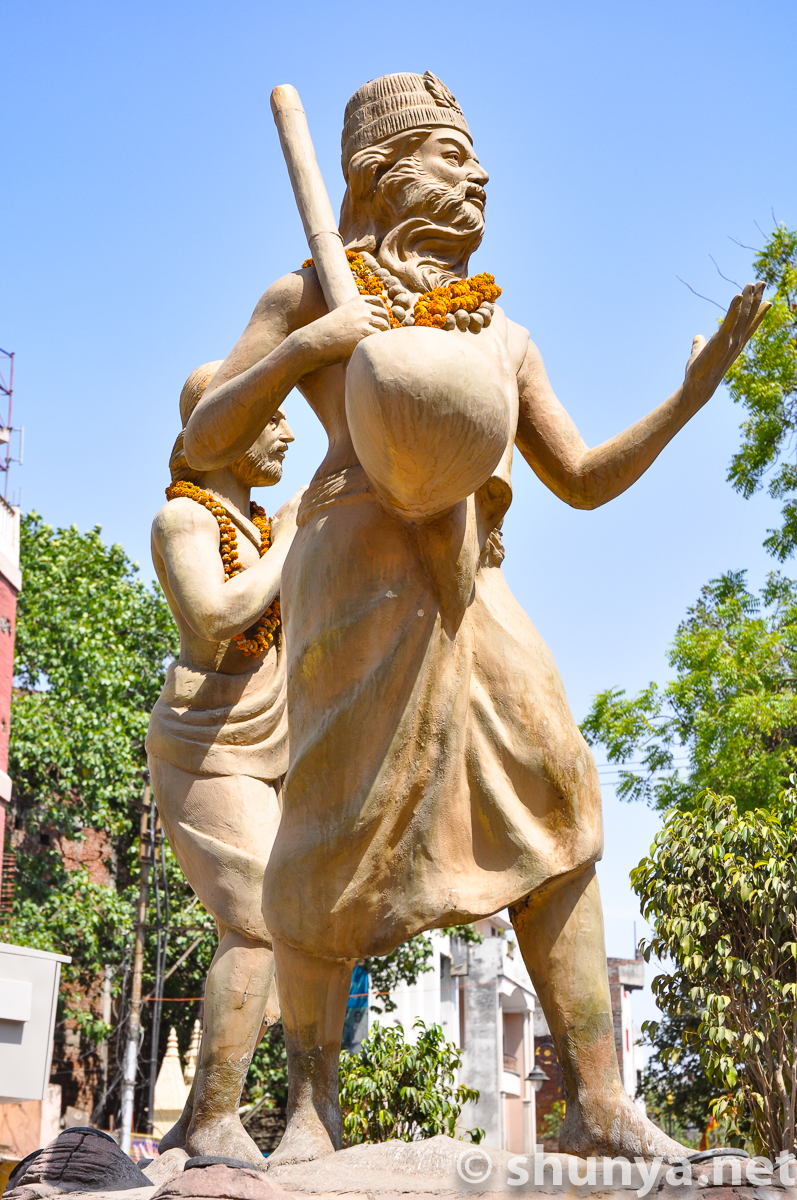
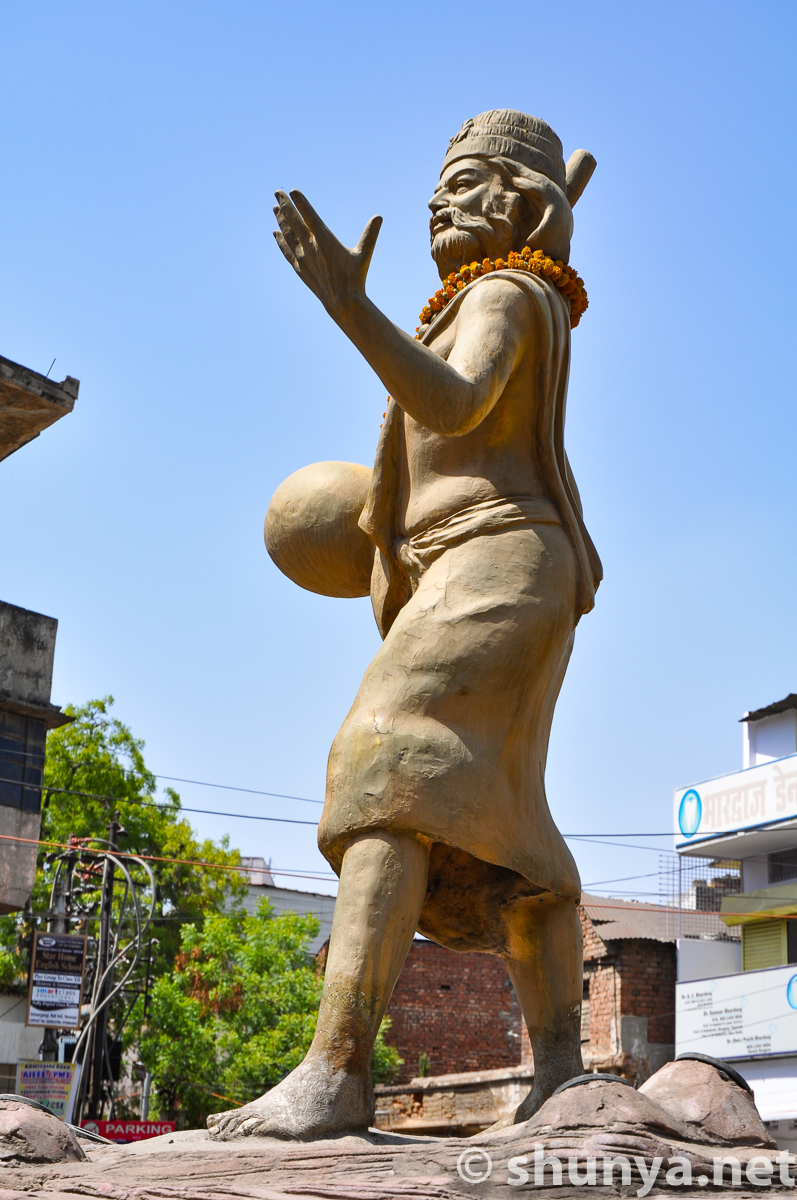
At a nearby intersection
|
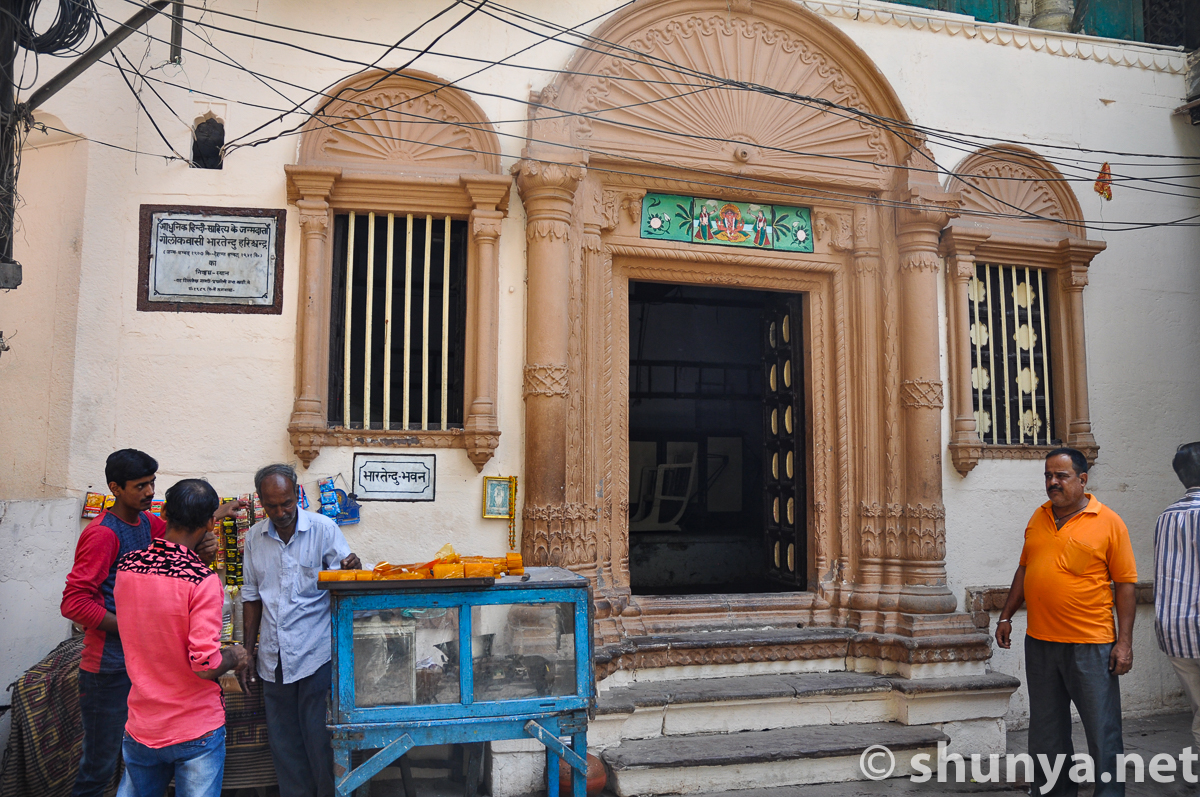
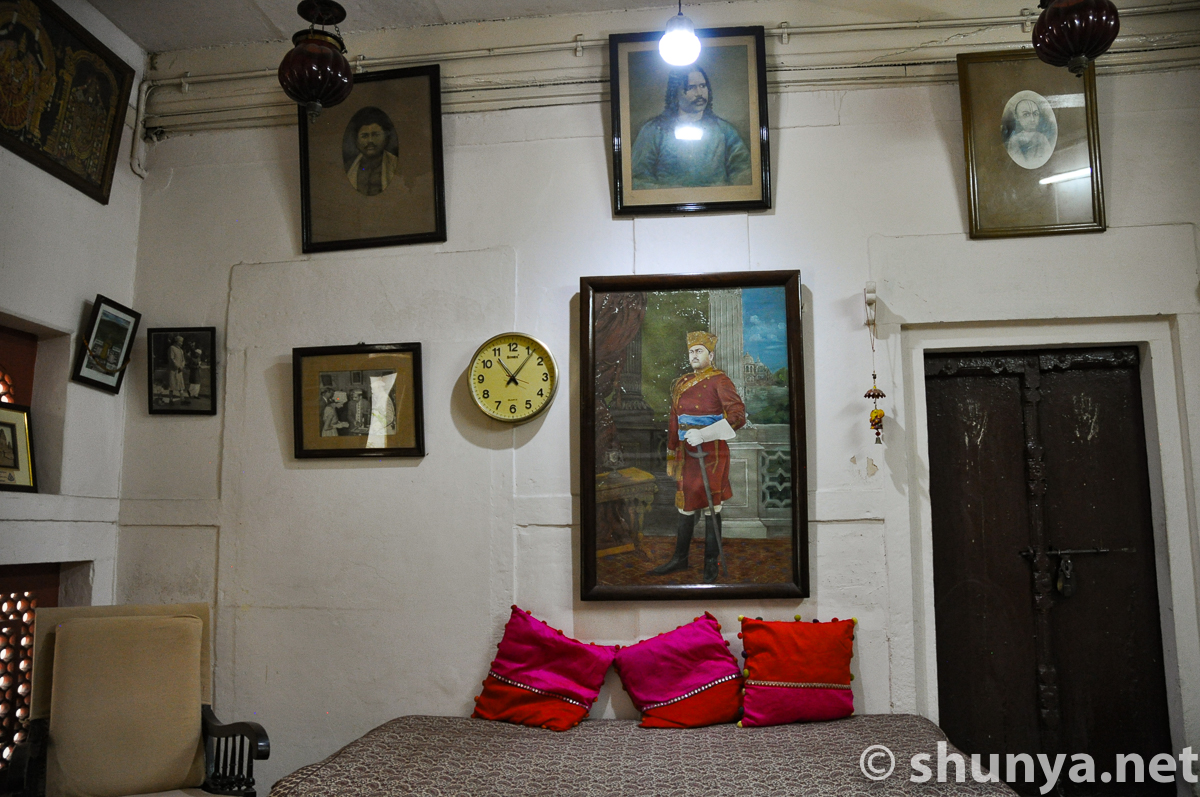
Bharatendu Harishchandra's
|
"Drawing room" of fifth
|
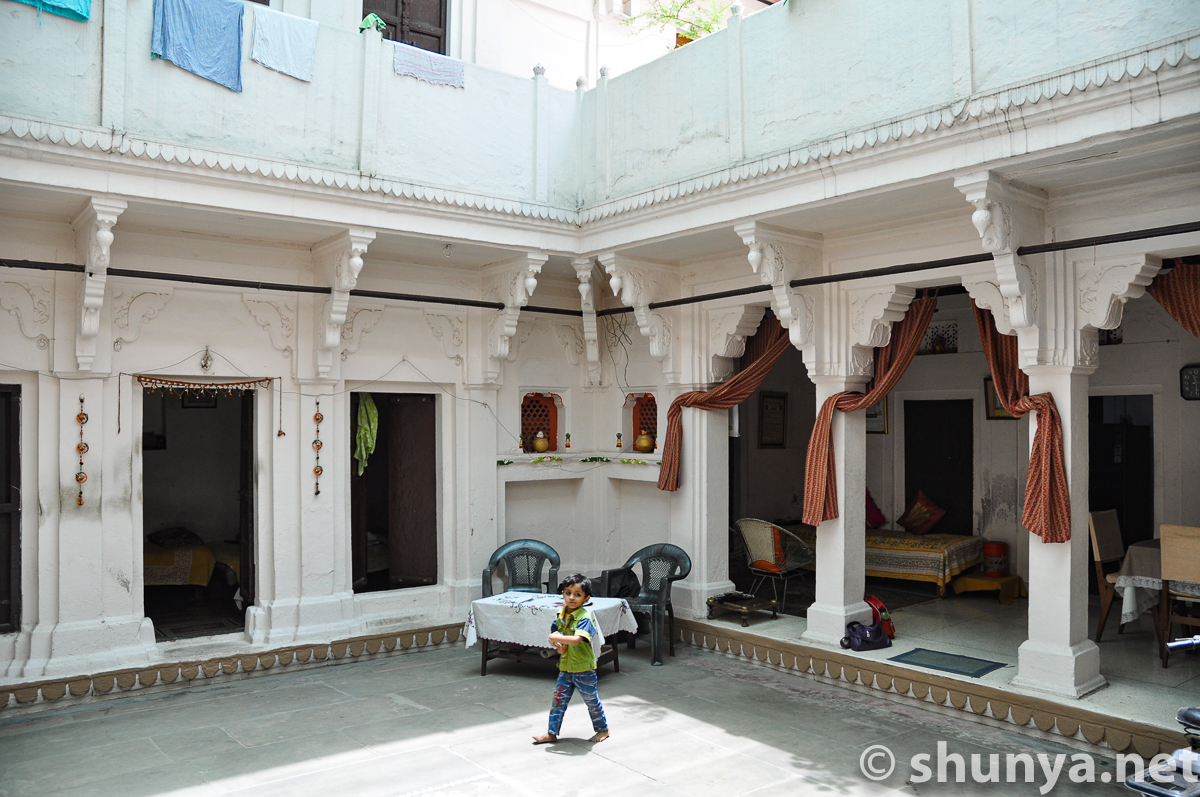
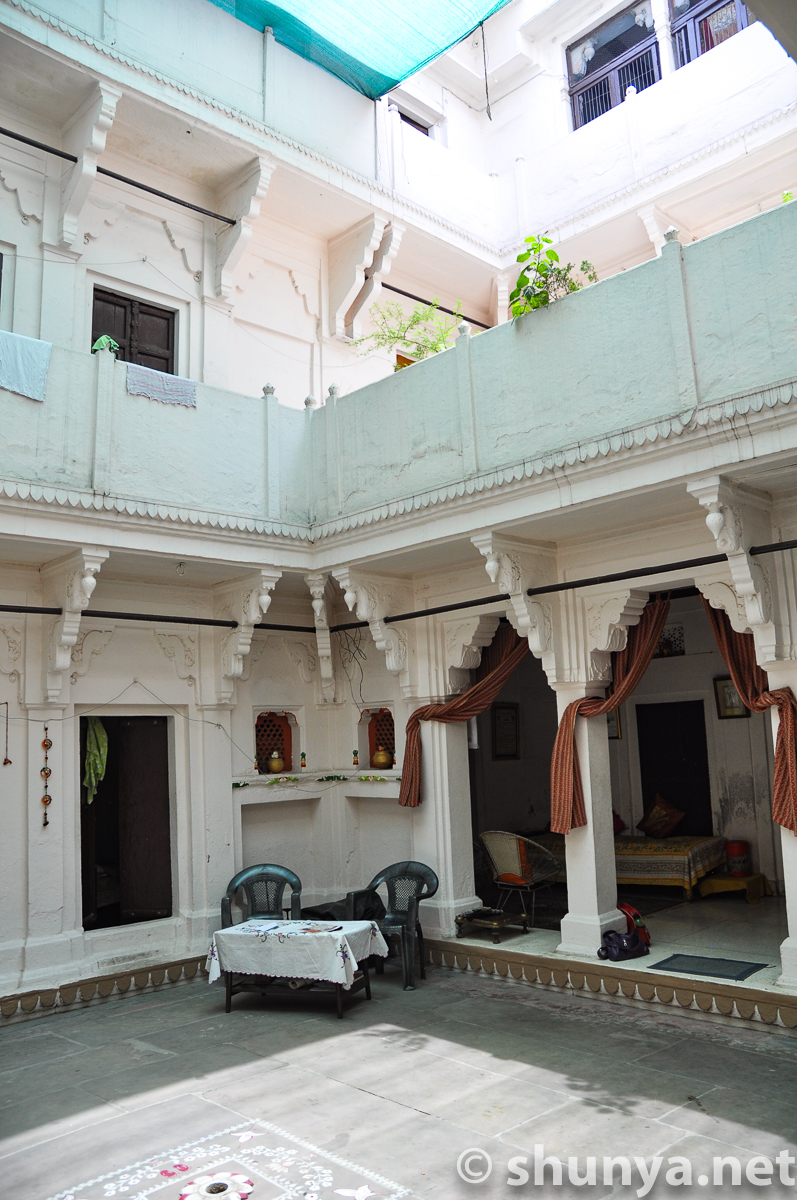
Haveli courtyard (more)
|
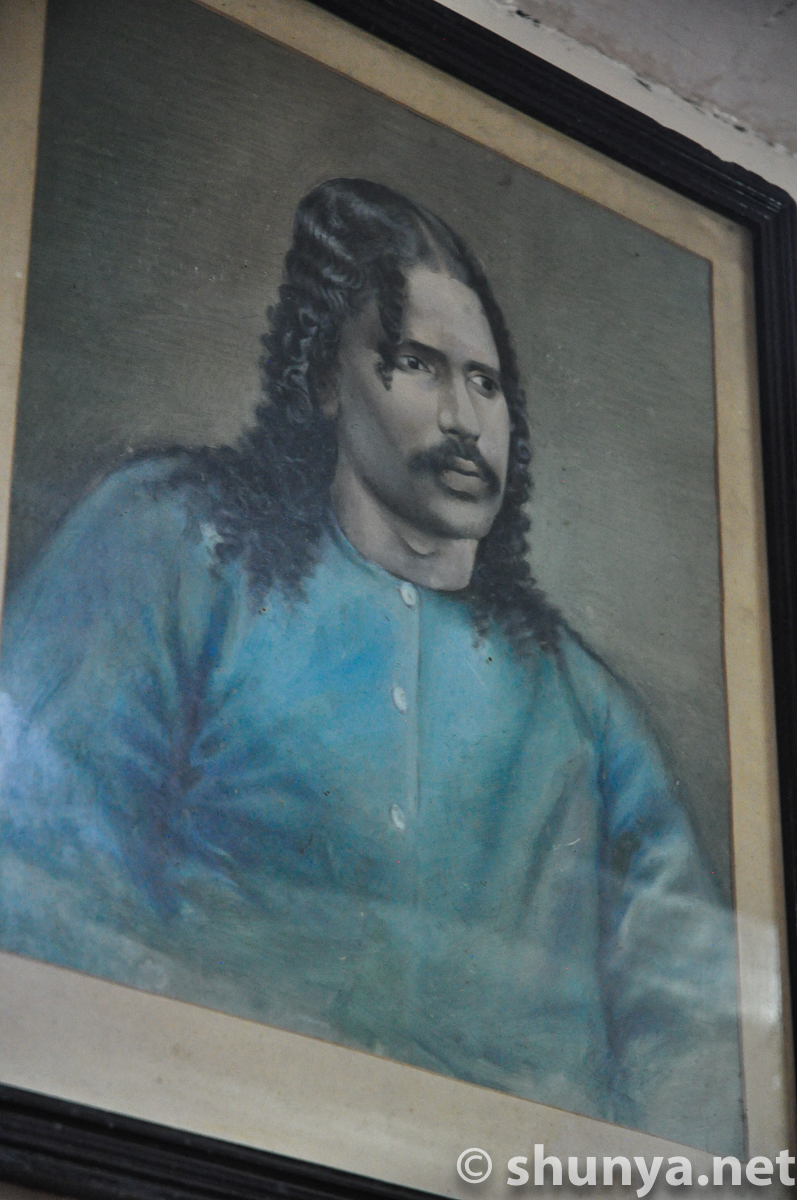
"Father of modern Hindi"
|
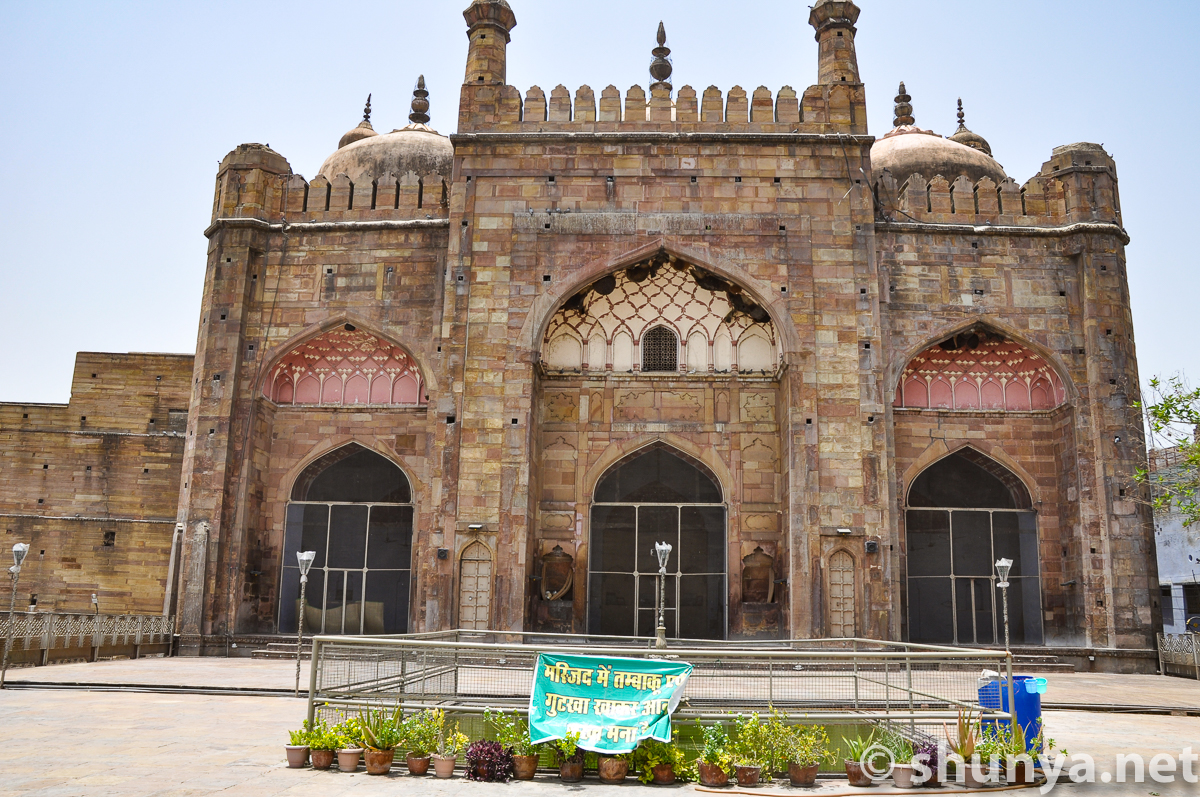
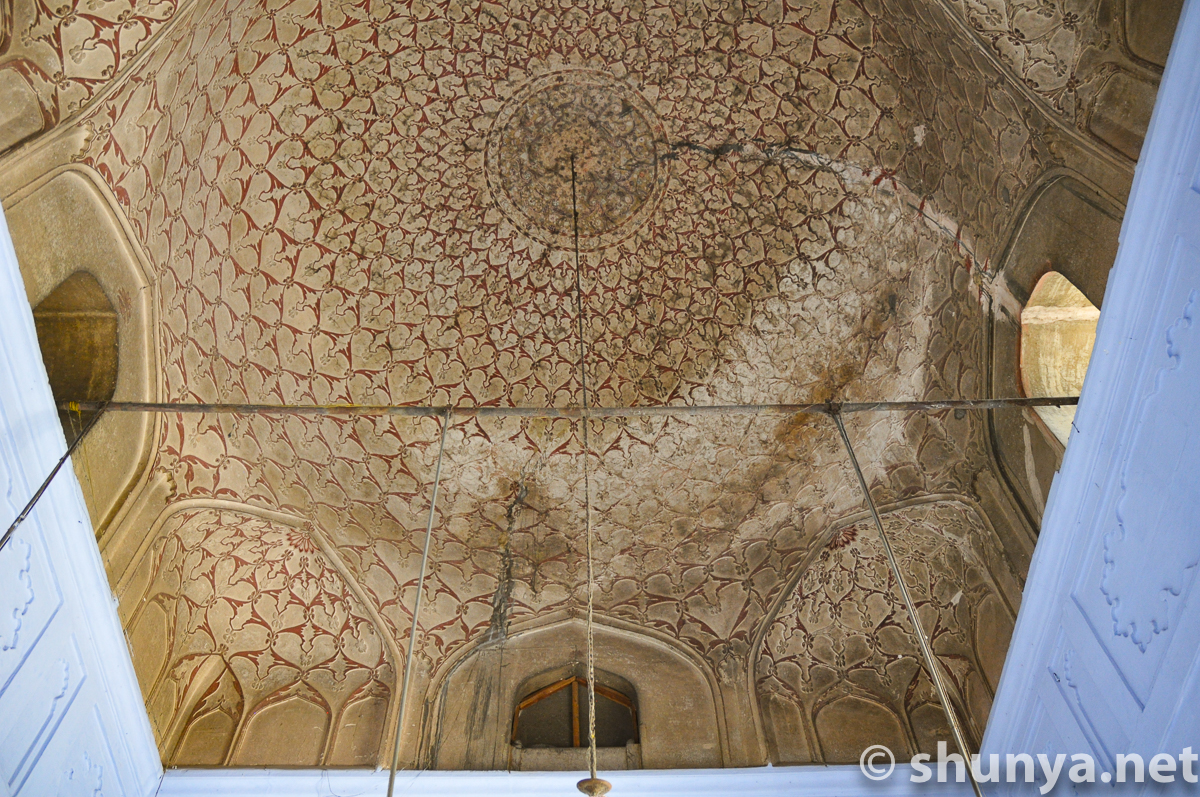
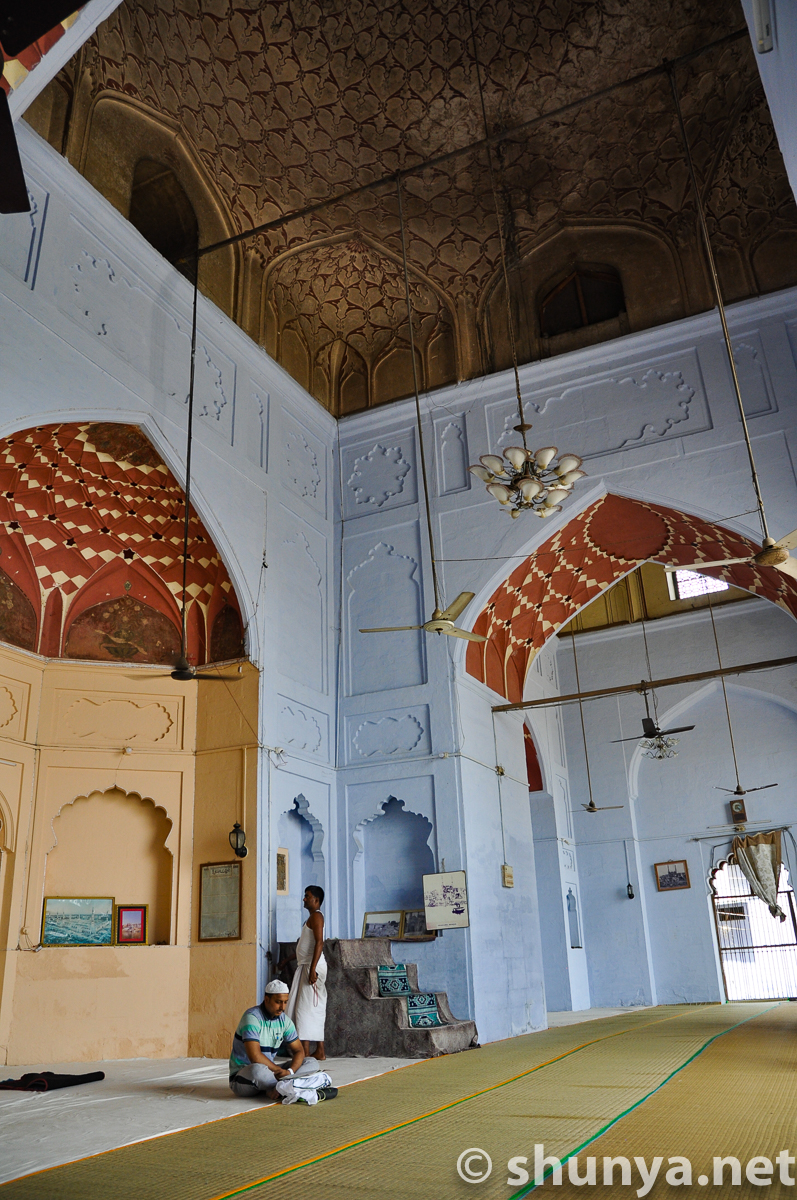
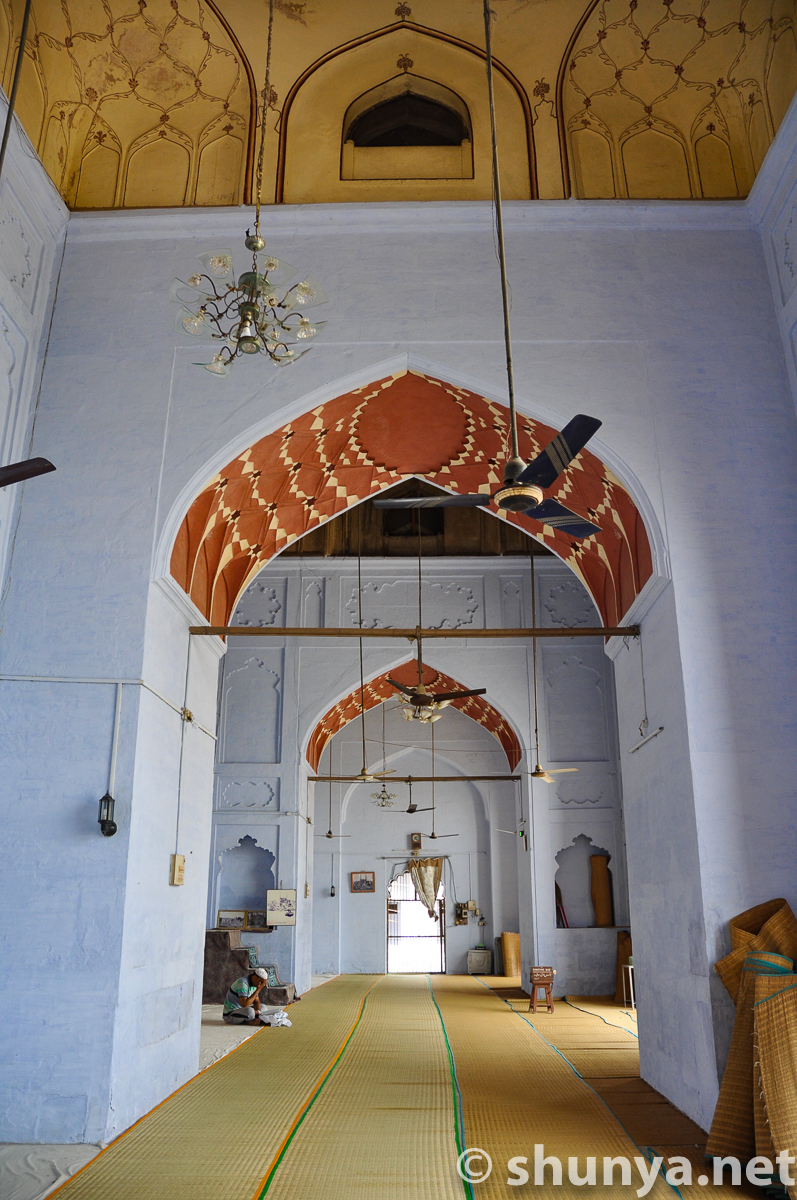
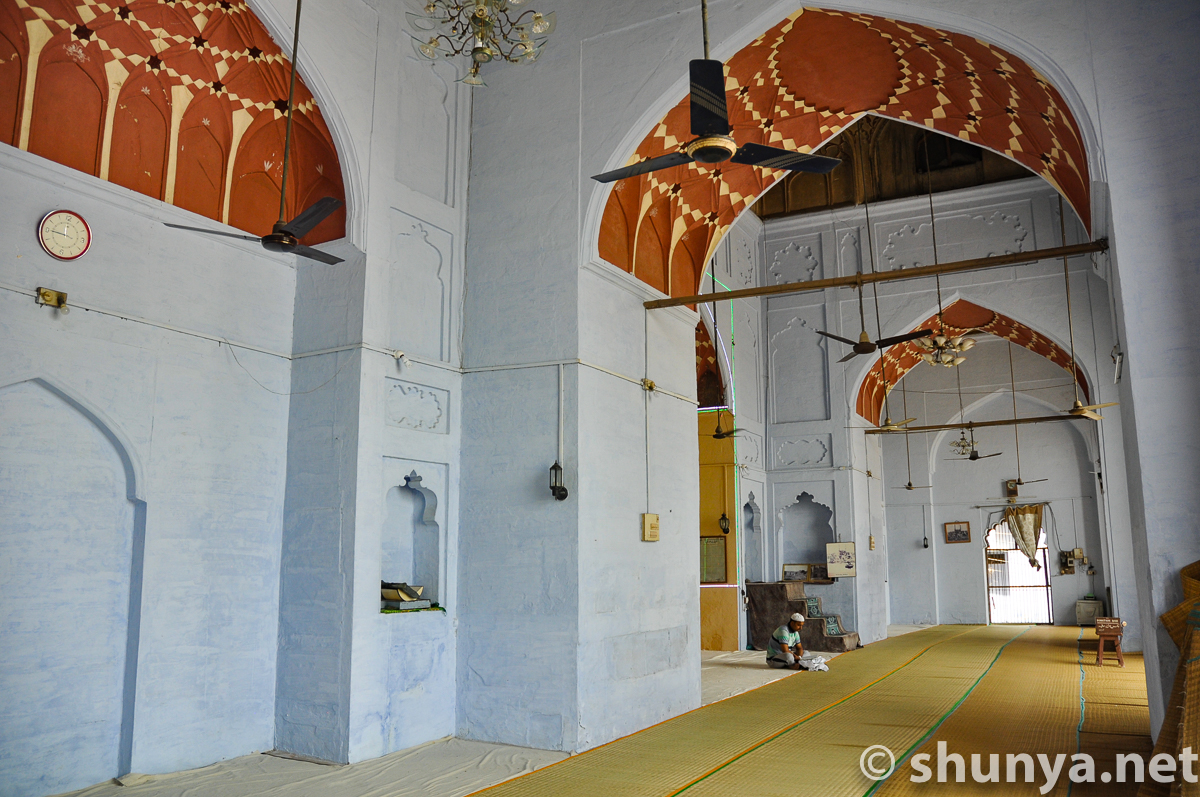
Alamgir Mosque (ceiling)
|
|
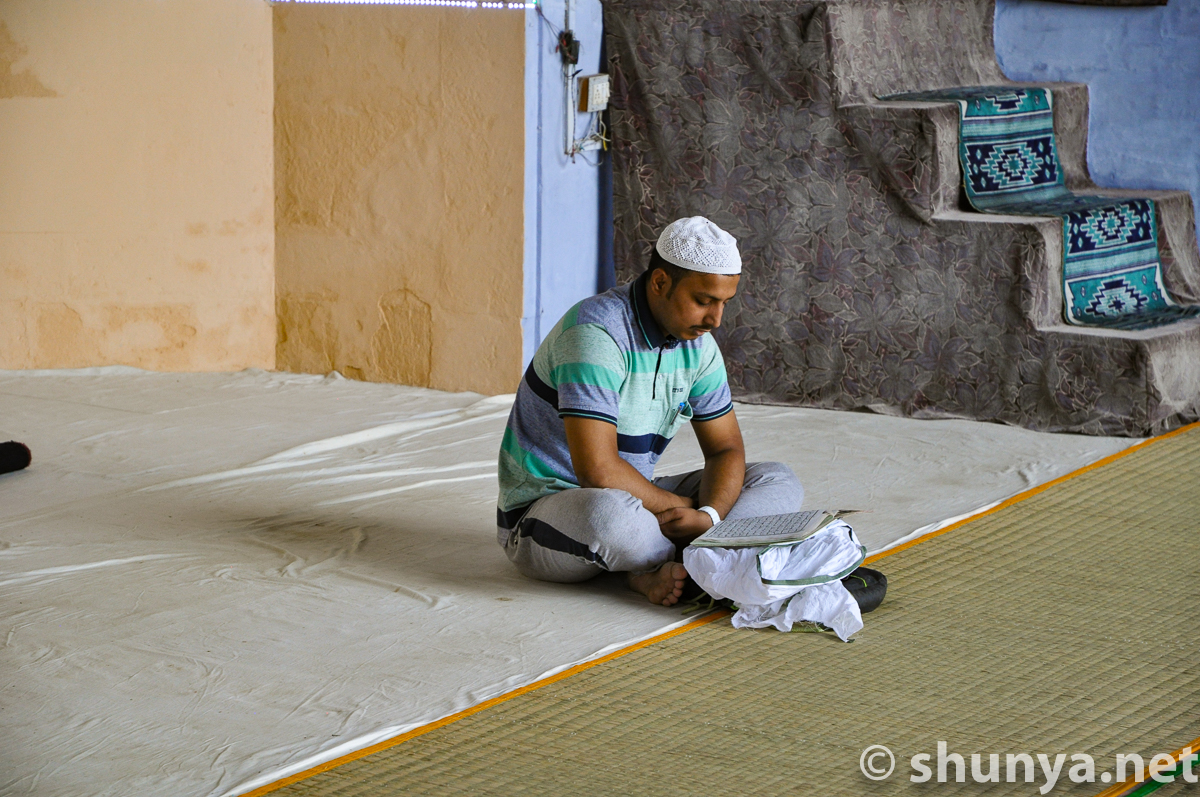
Studious one
|
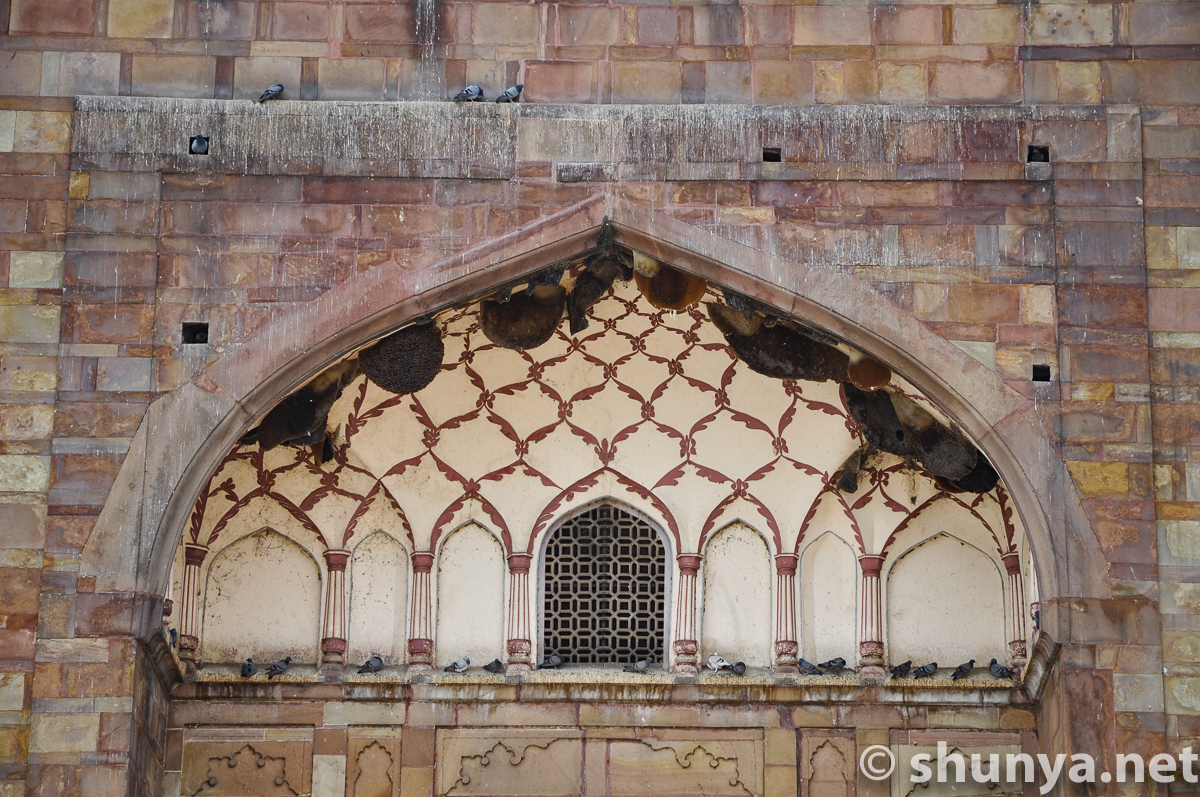
Honeycombs
|
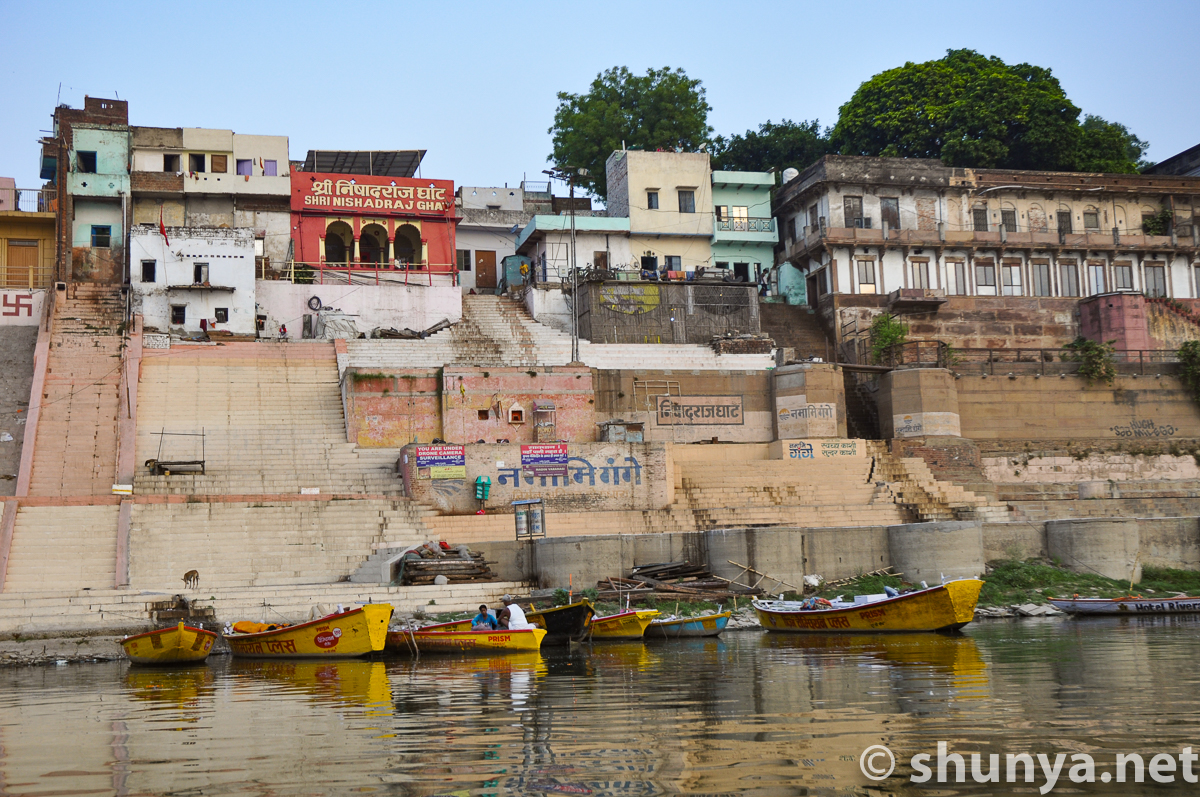
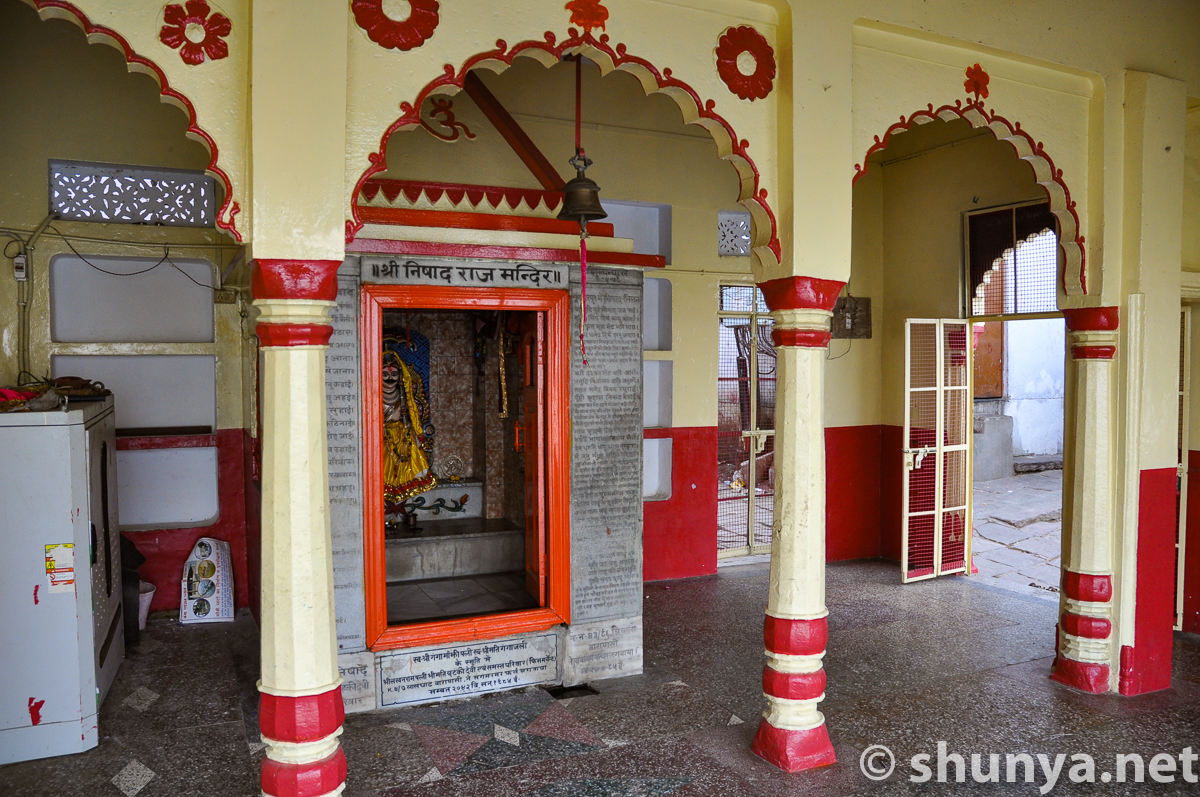
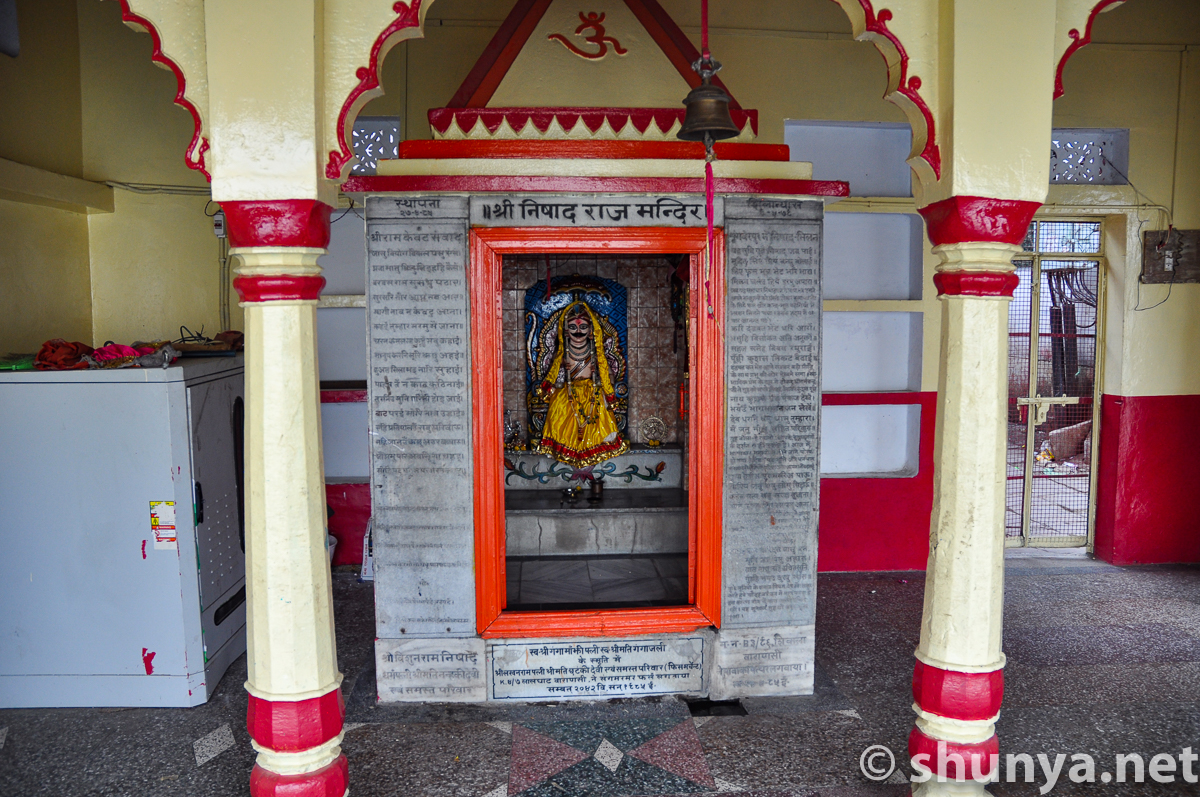
Nishadraj ghat, honors the
|
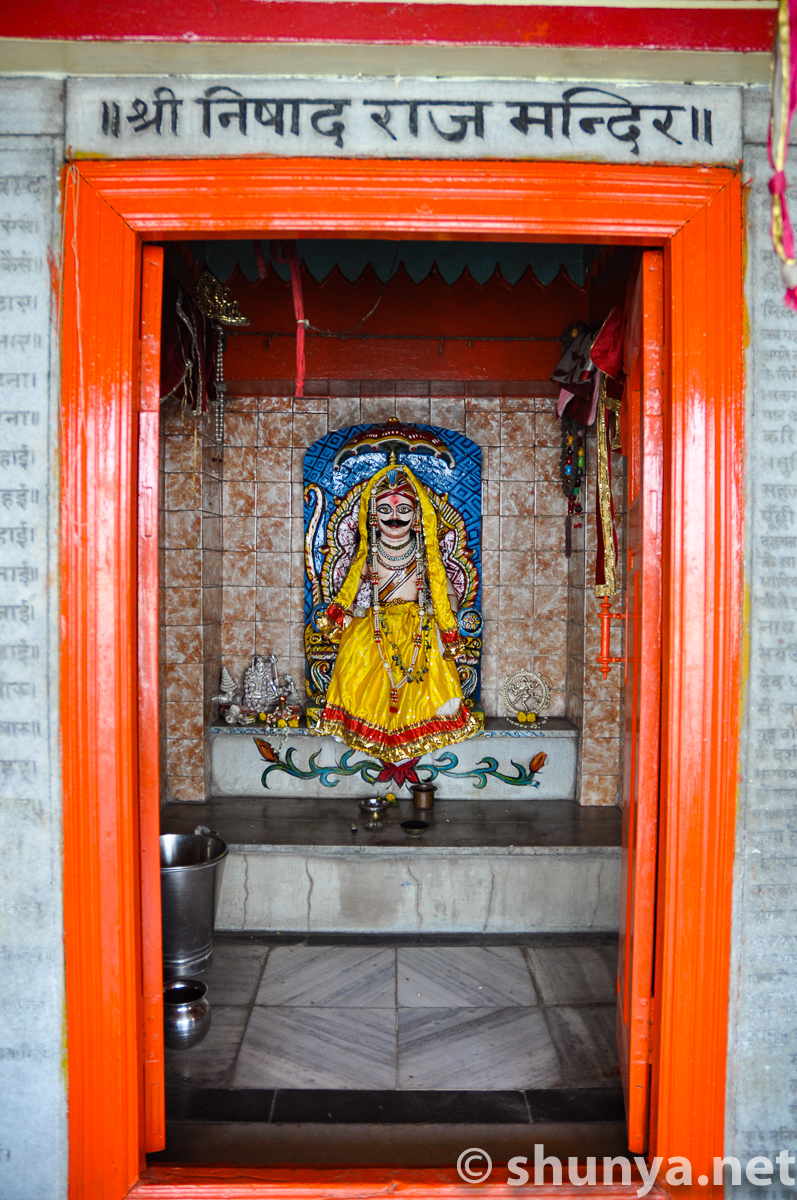
Nishadraj temple on
|
Inner sanctum
|
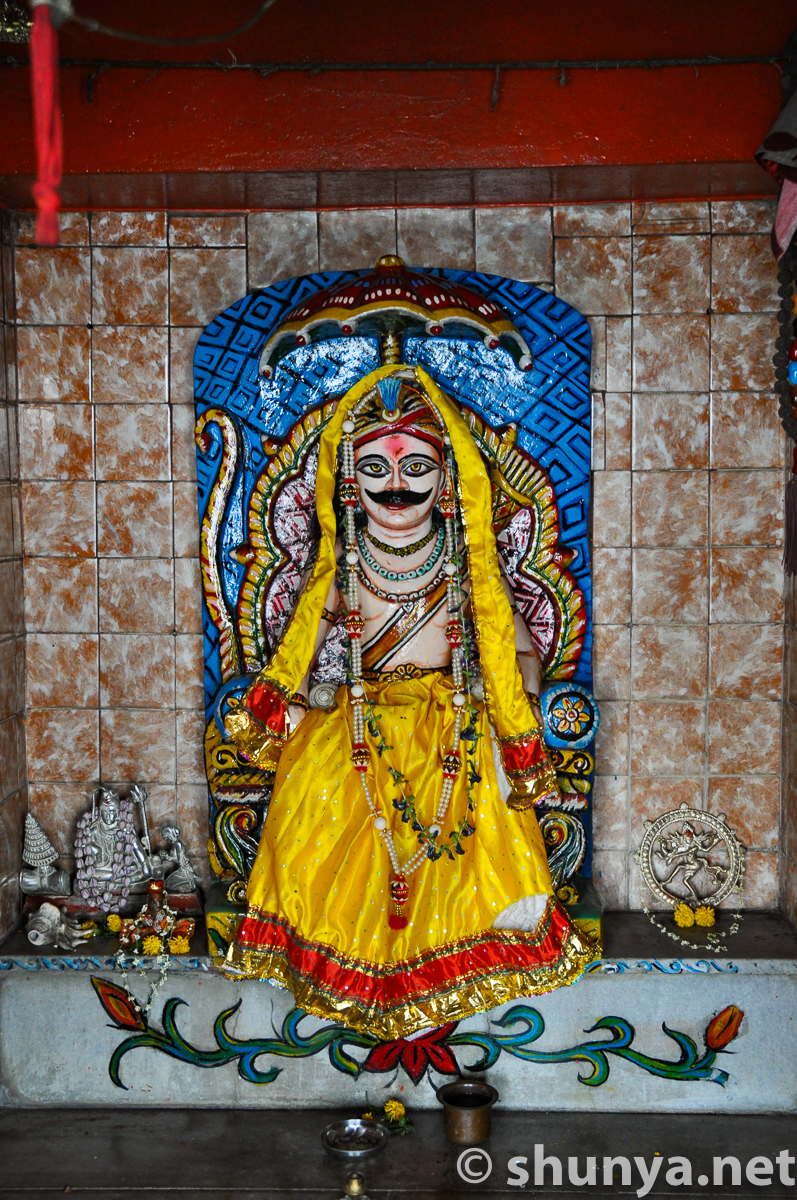
Moustachioed god
|
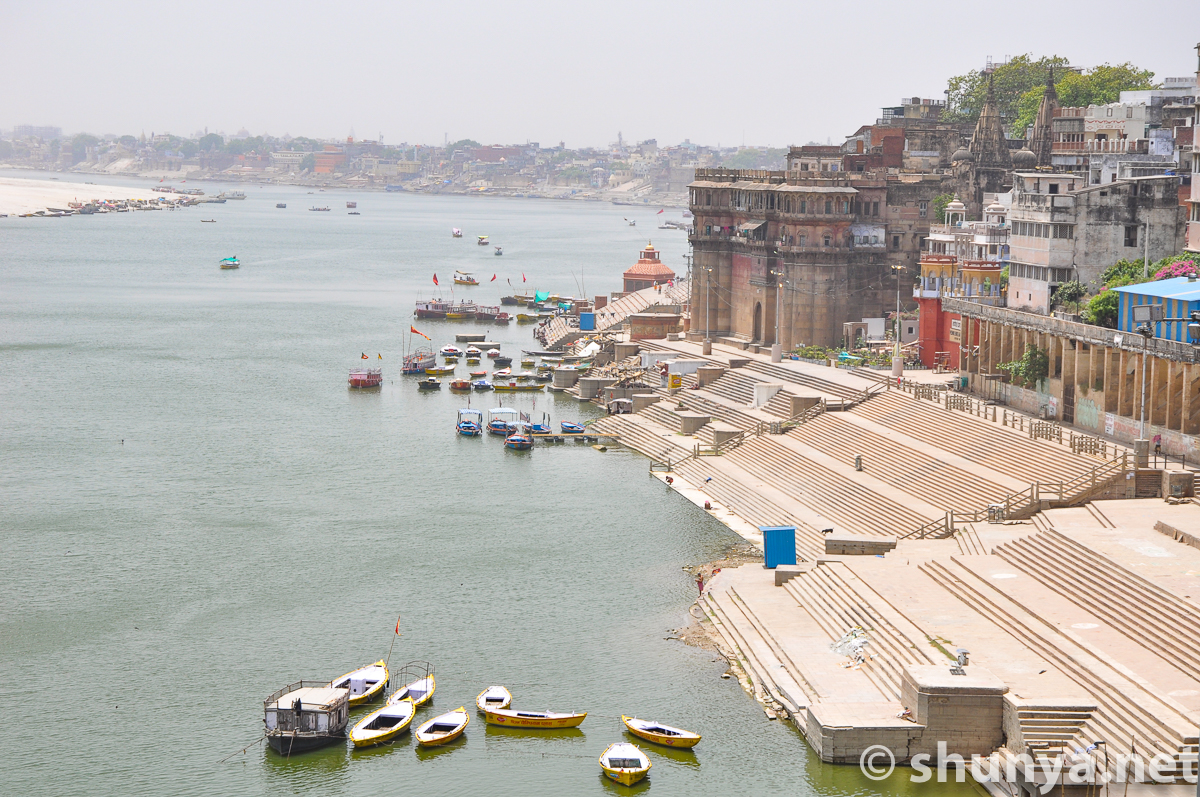
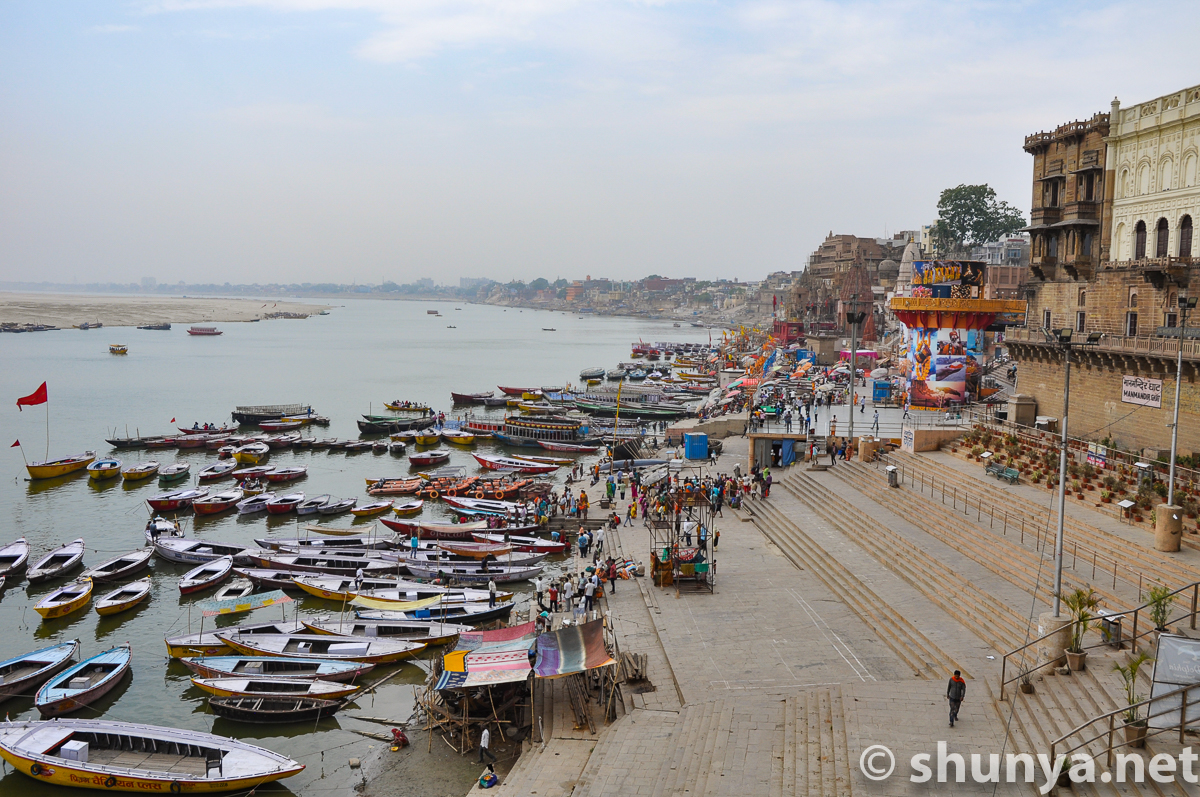
View of riverfront
|
Evening walk by
|
Ganga Aarti (more)
|
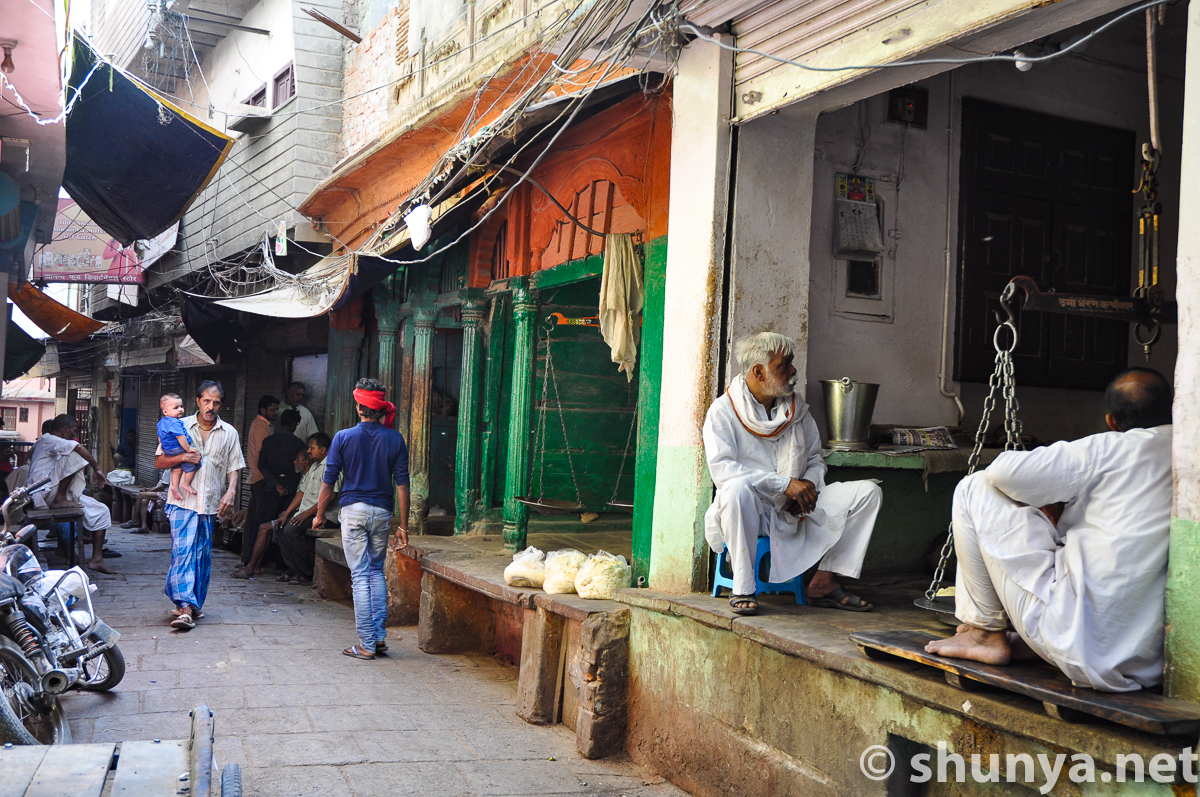
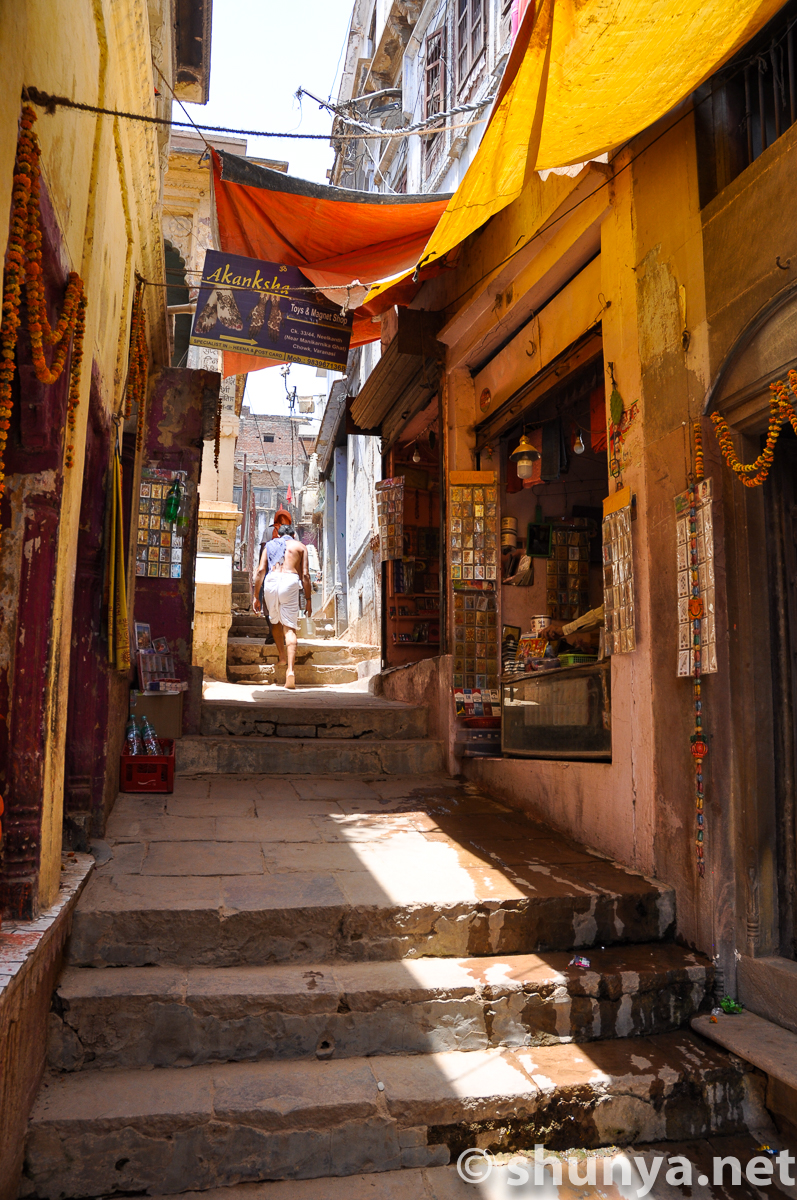
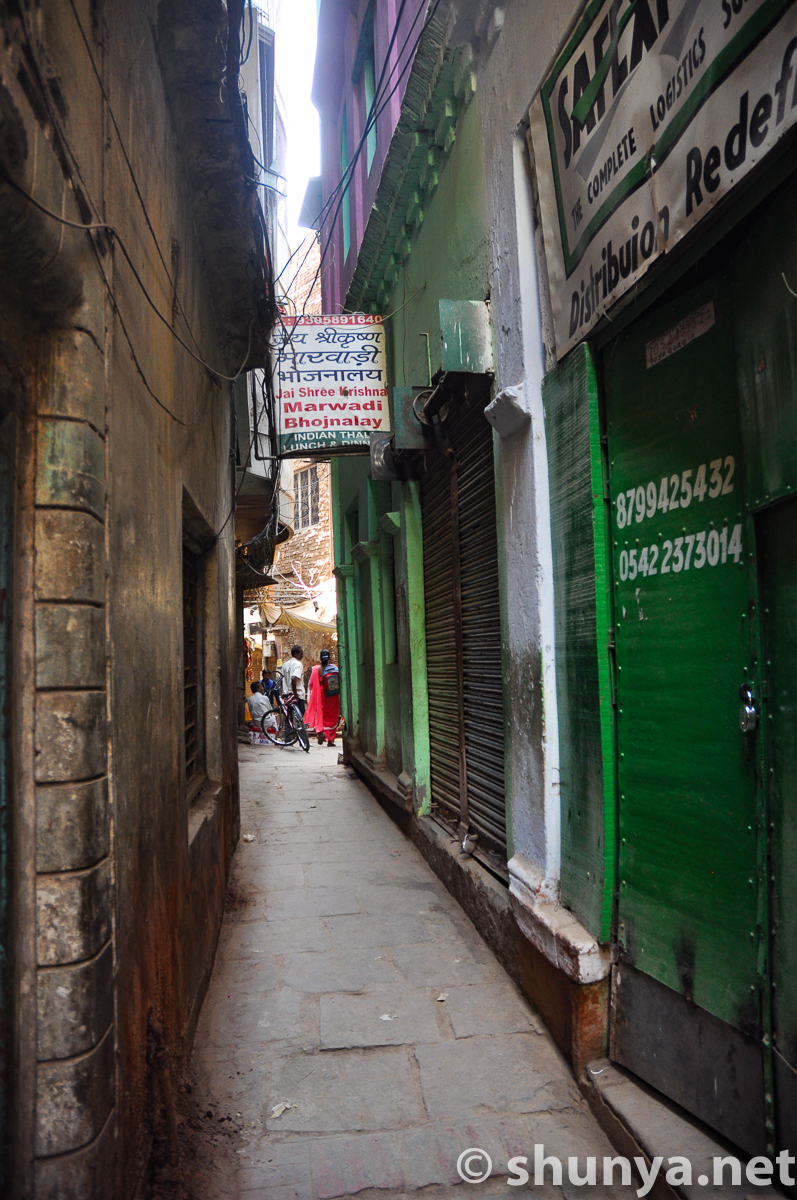
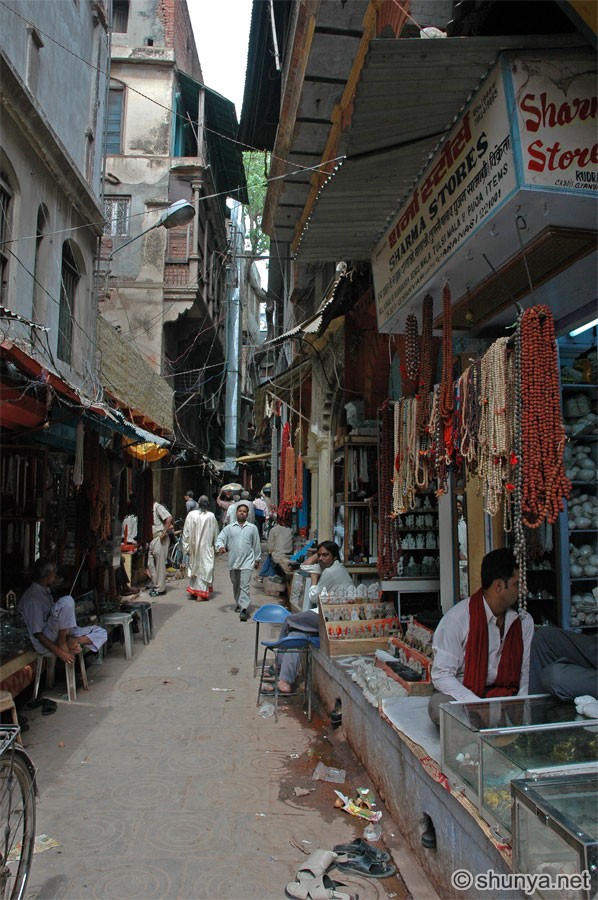
A typical old town lane
|
Snack joint en route
|
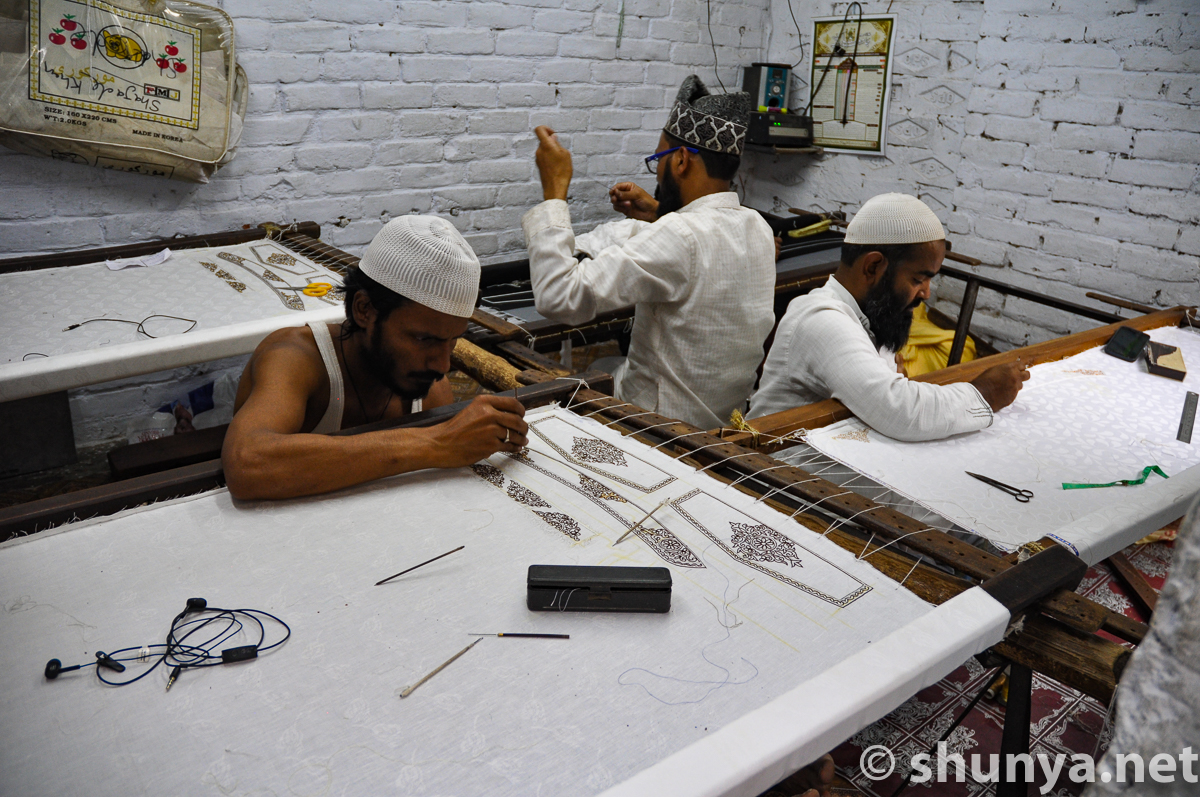
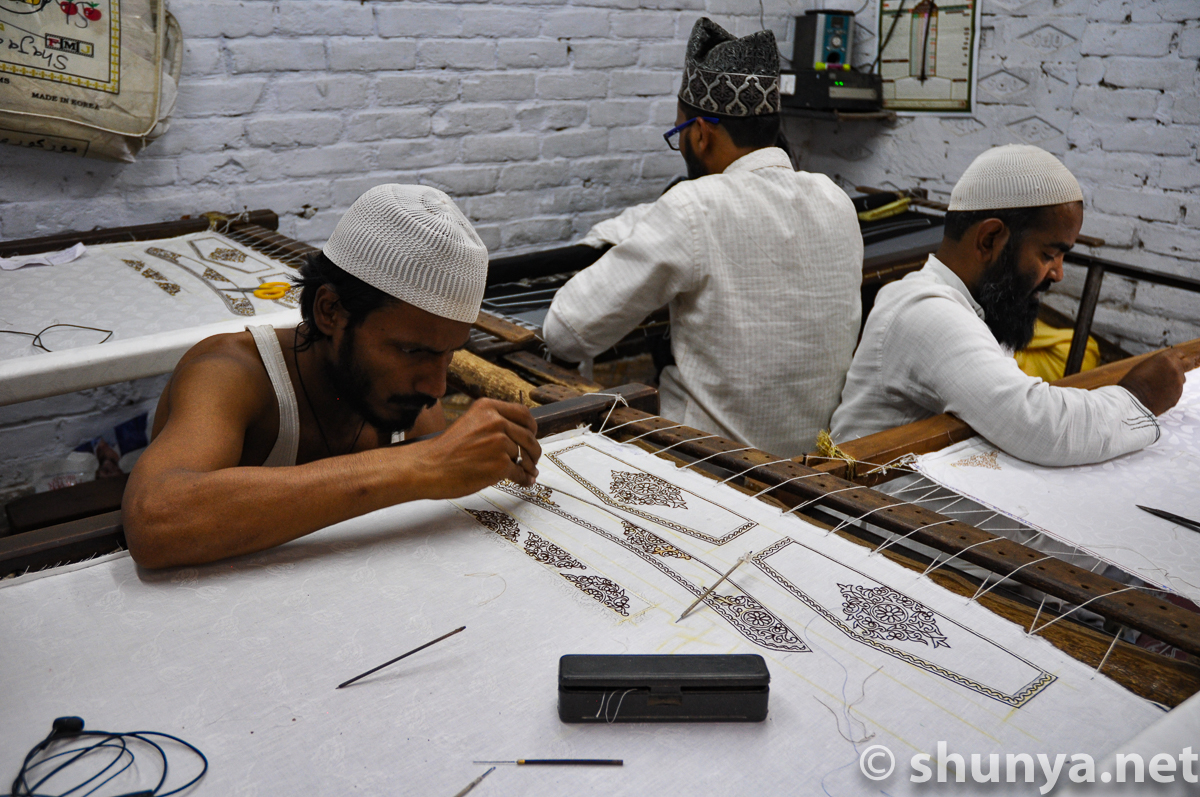
Weavers in small family
|
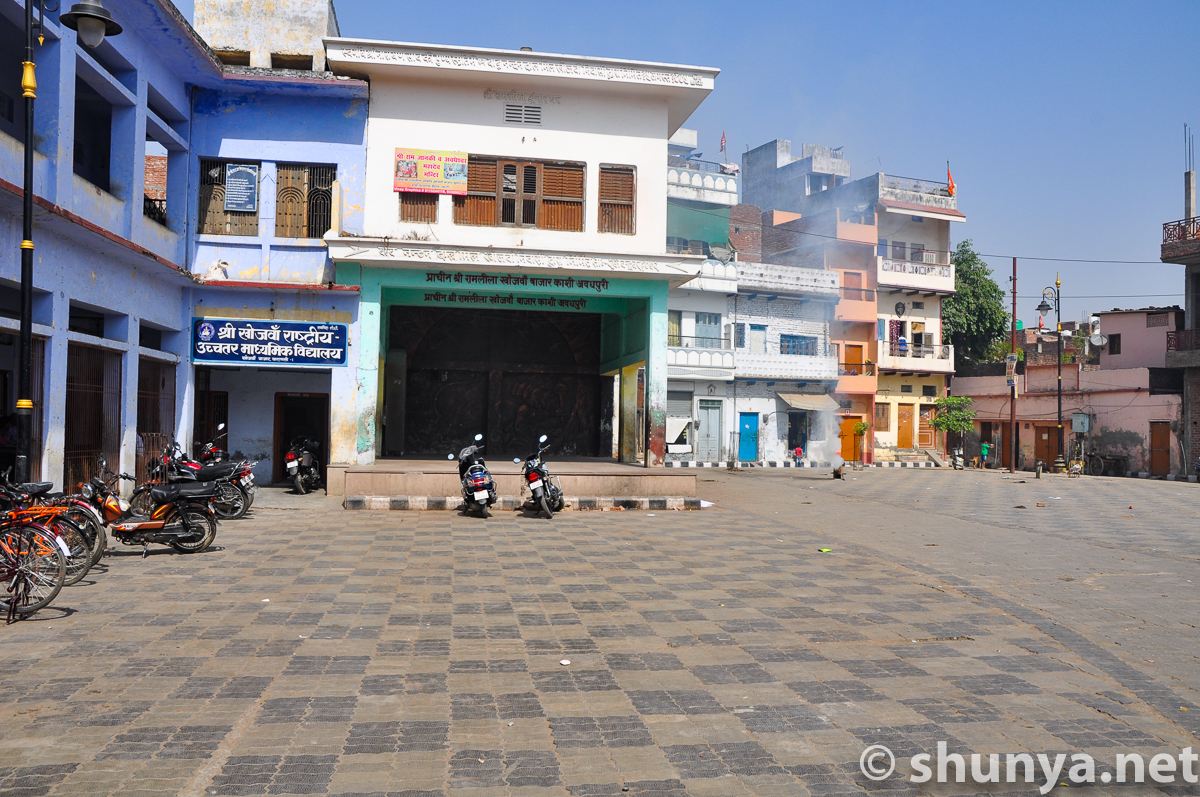
A Ramlila performance
|
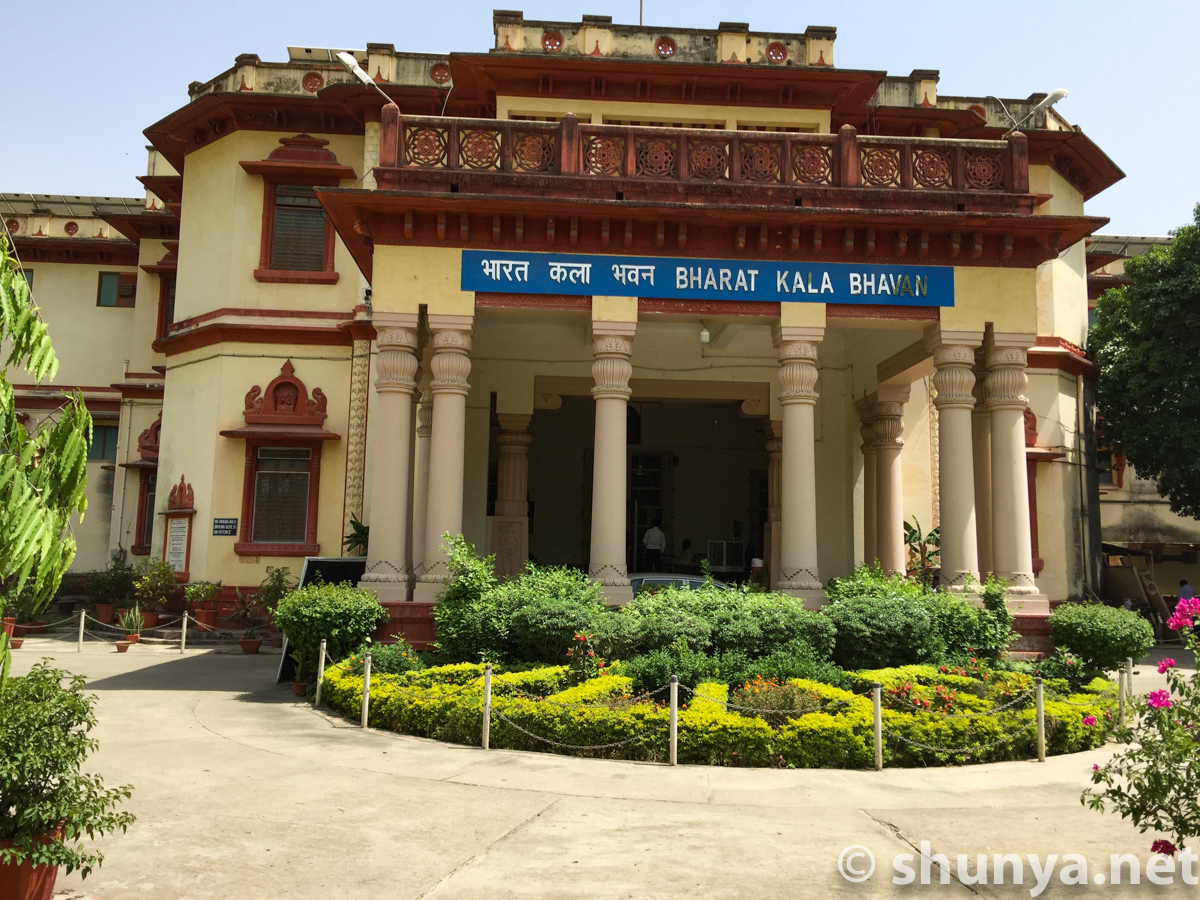
Bharat Kala Bhavan, BHU
|
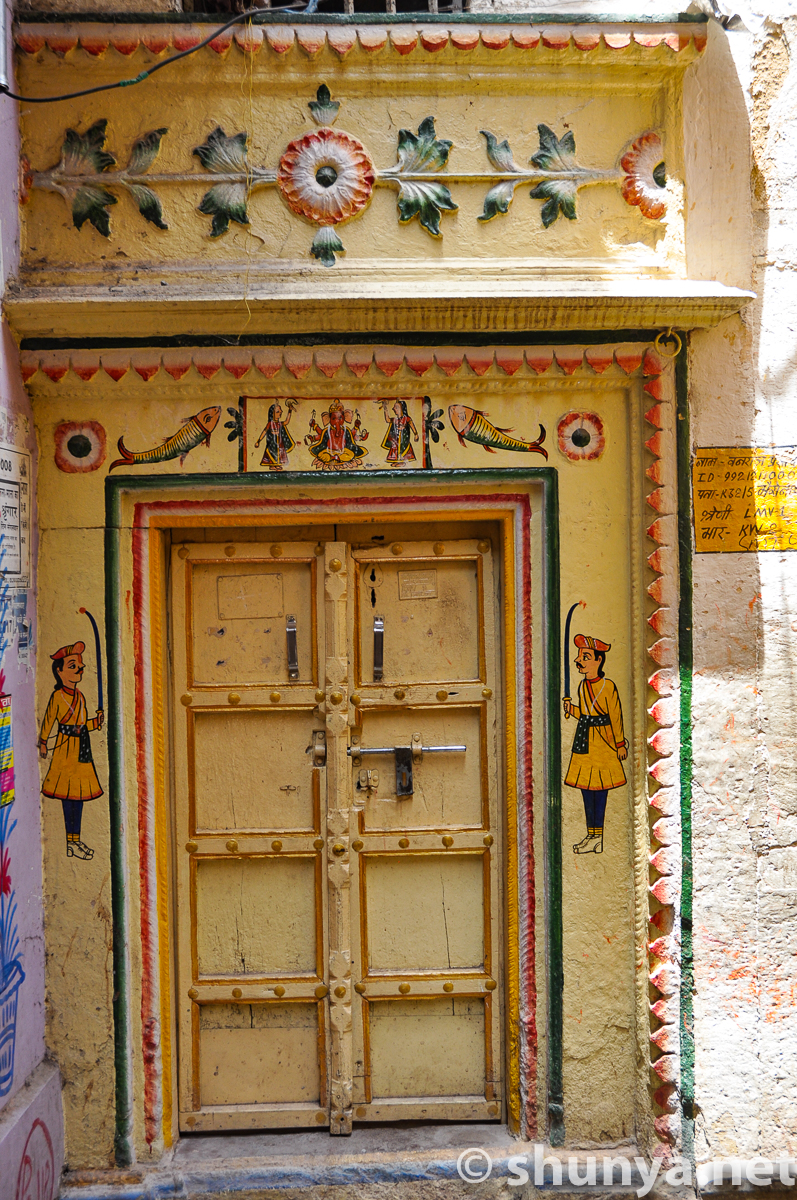
Many old homes have
|
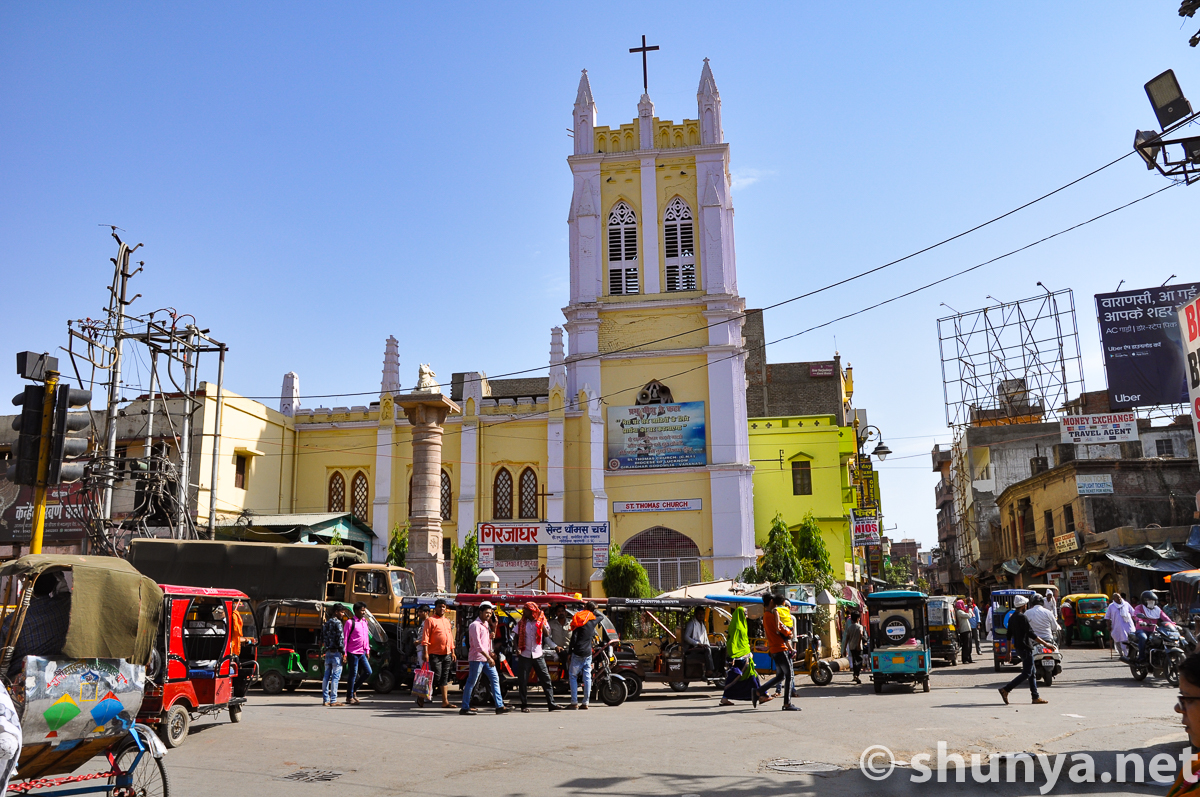
St. Thomas Church
|
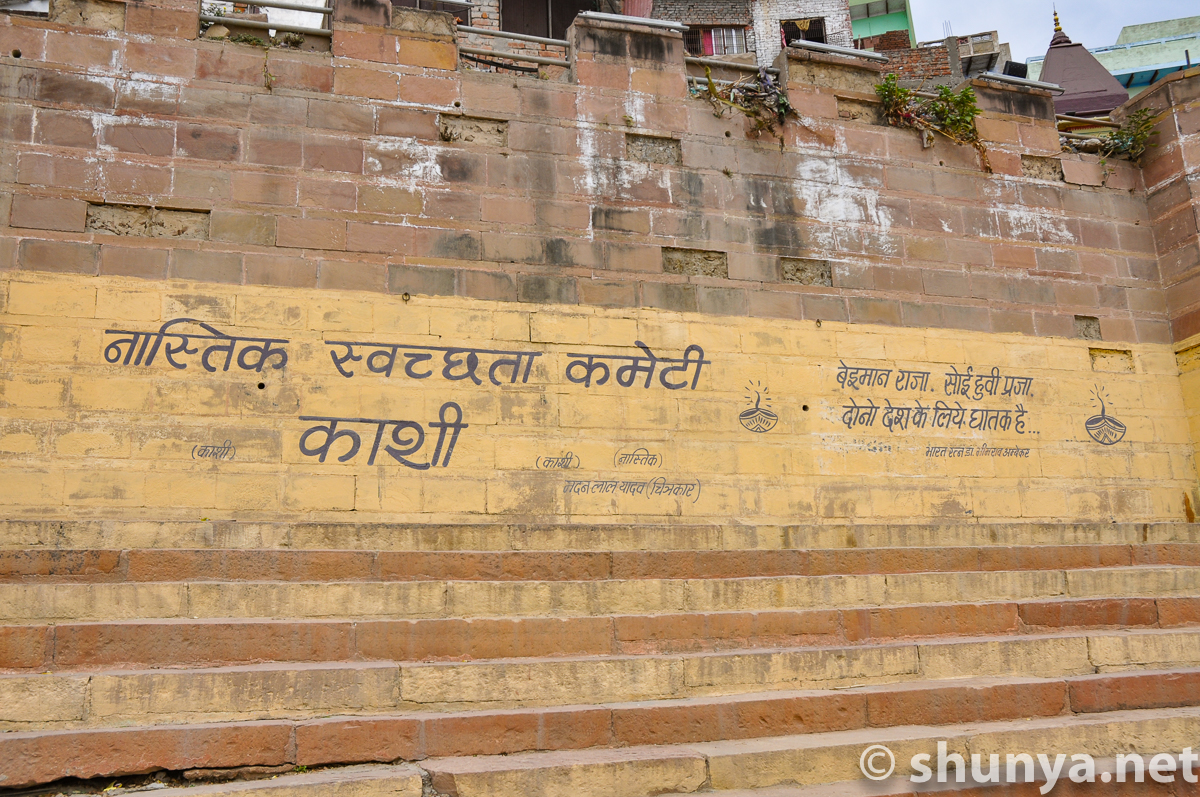
A message from the
|
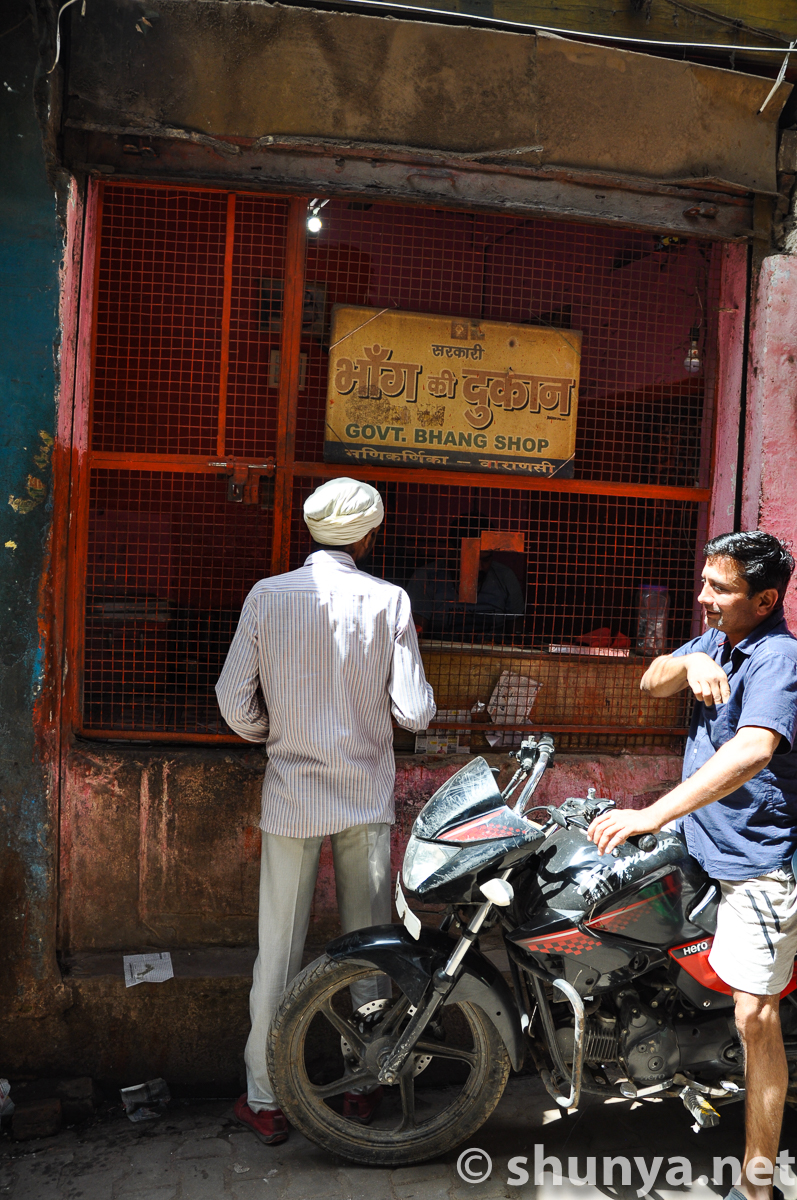
Govt. bhaang shop
|
|
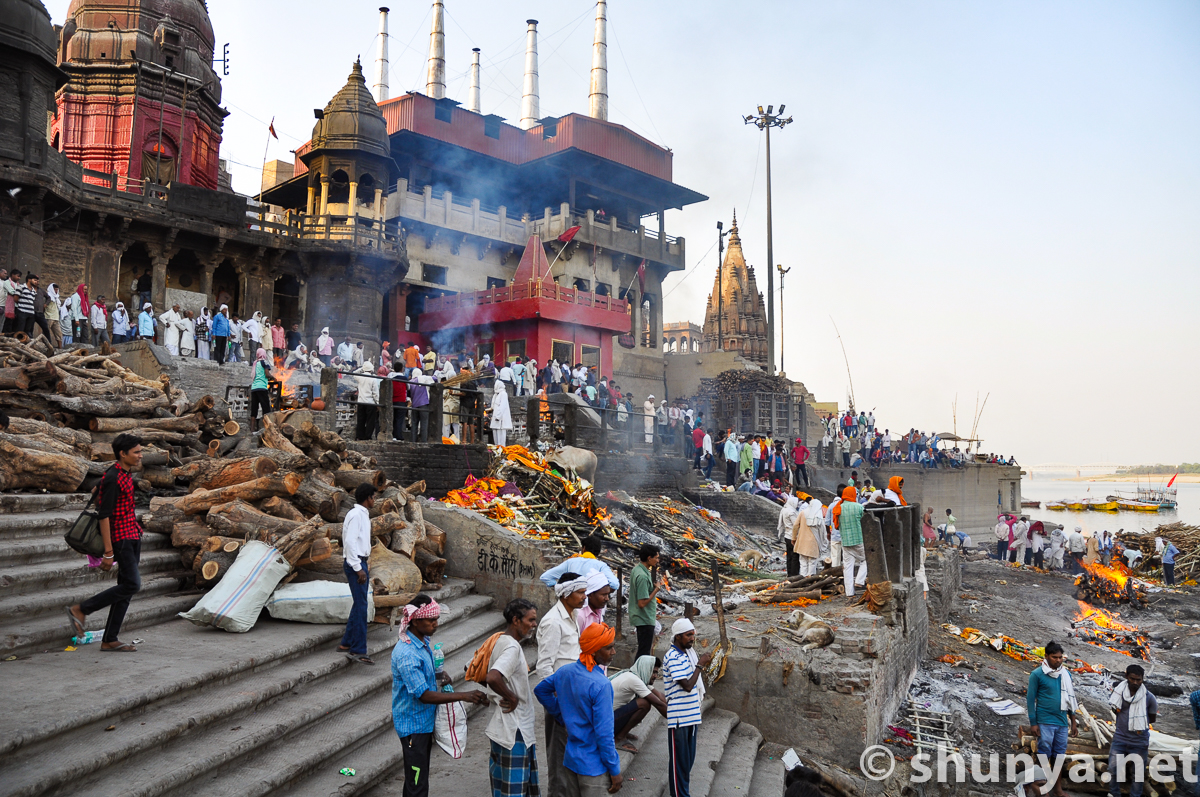
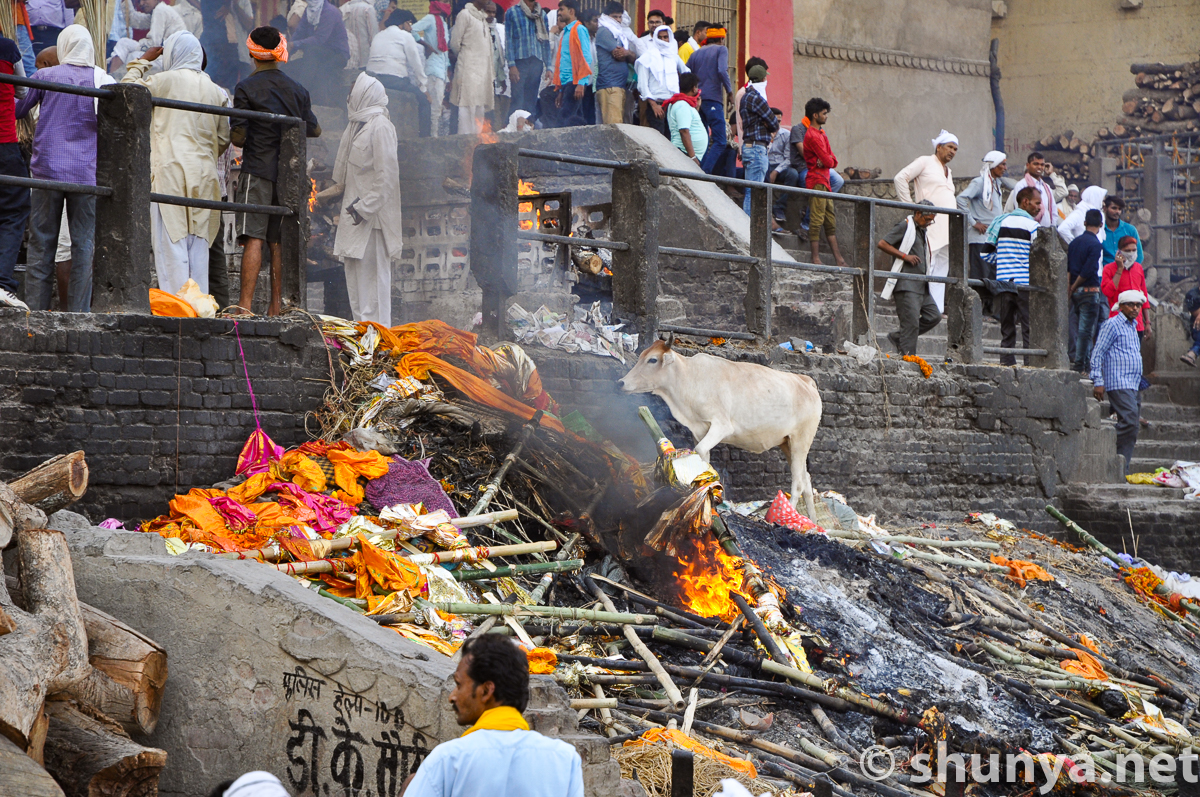
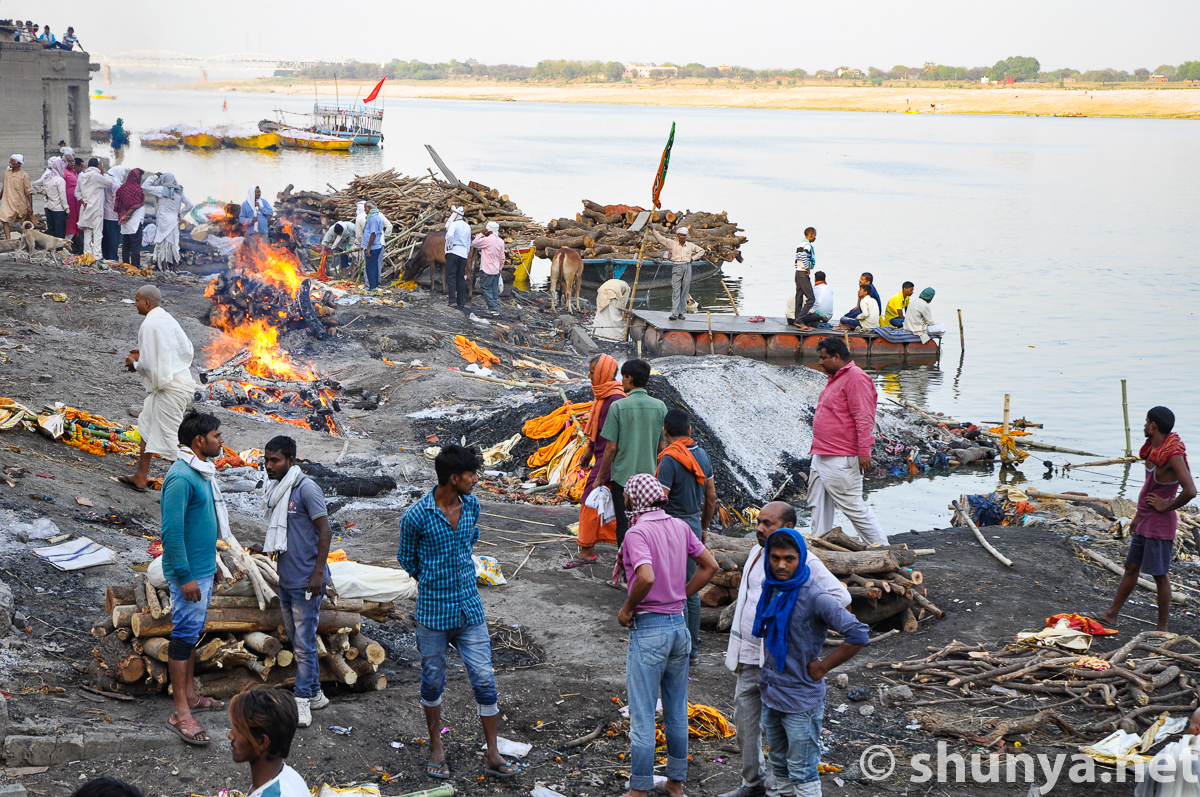
The Burning Ghats of Varanasi |
|||
Arrival. Or should i say
|
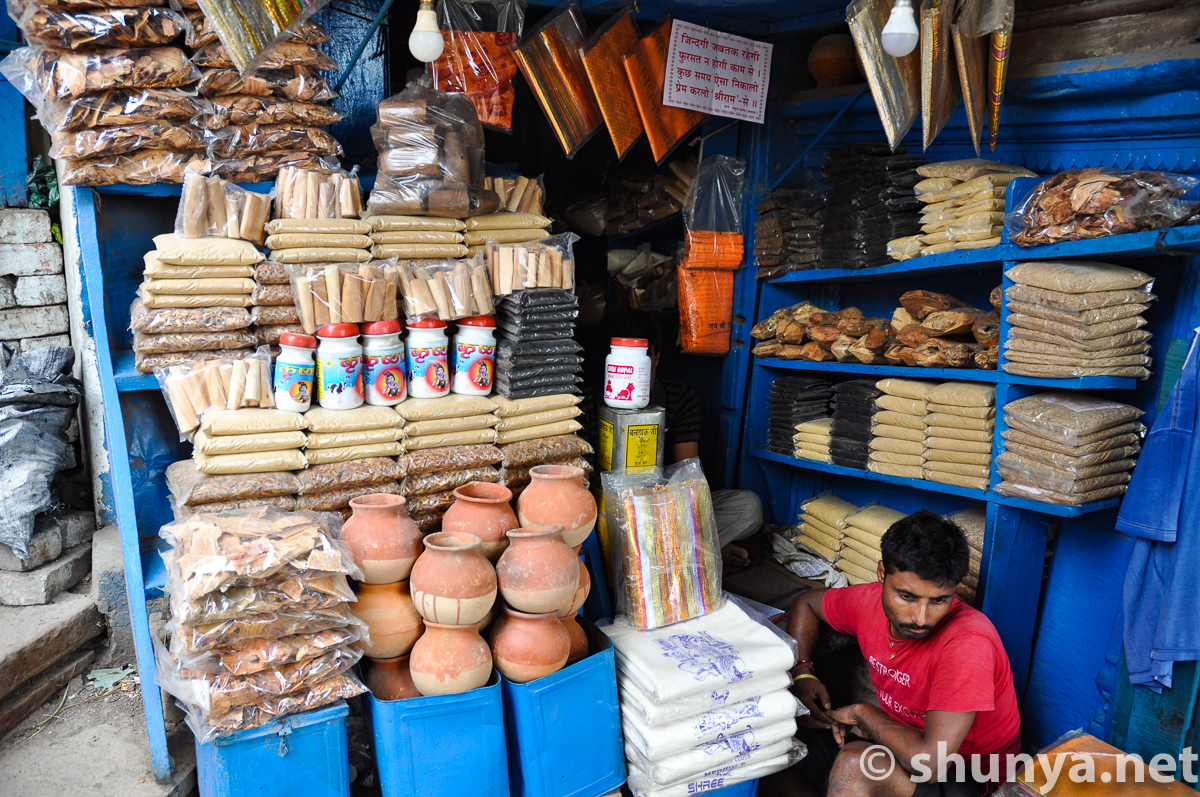
Funeral packages
|
|
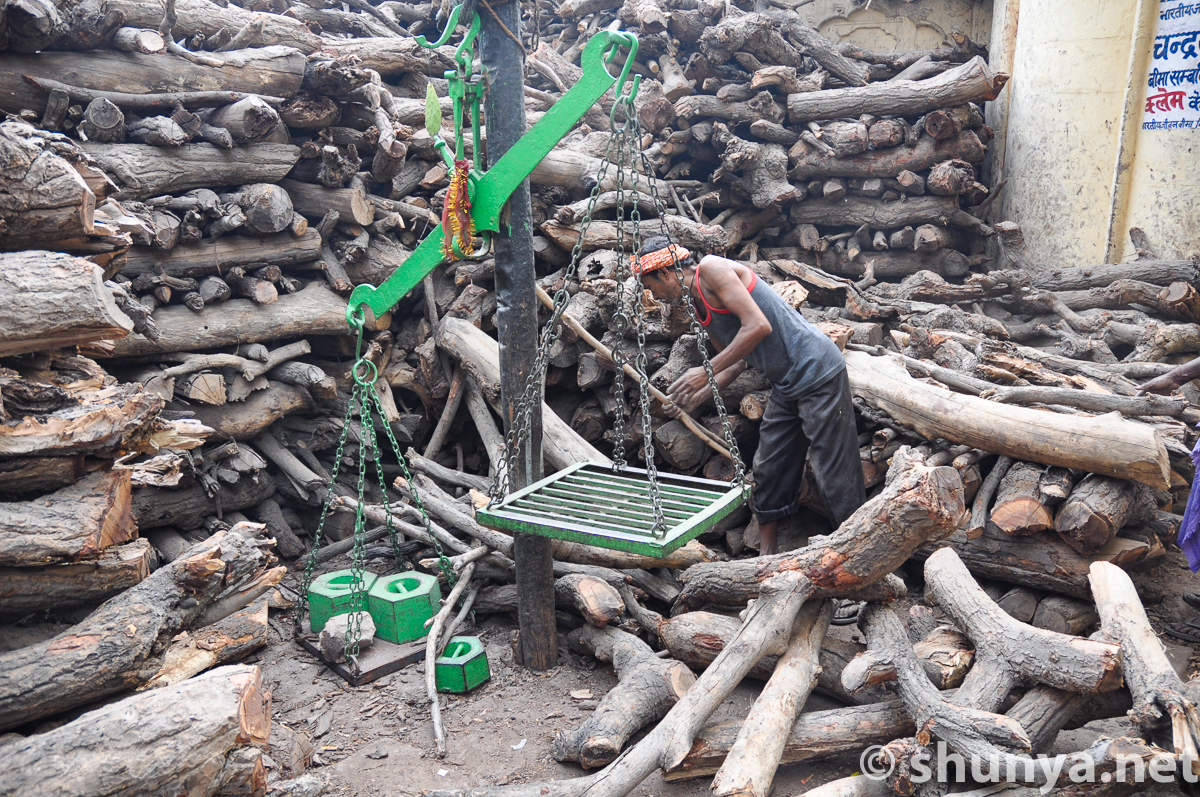
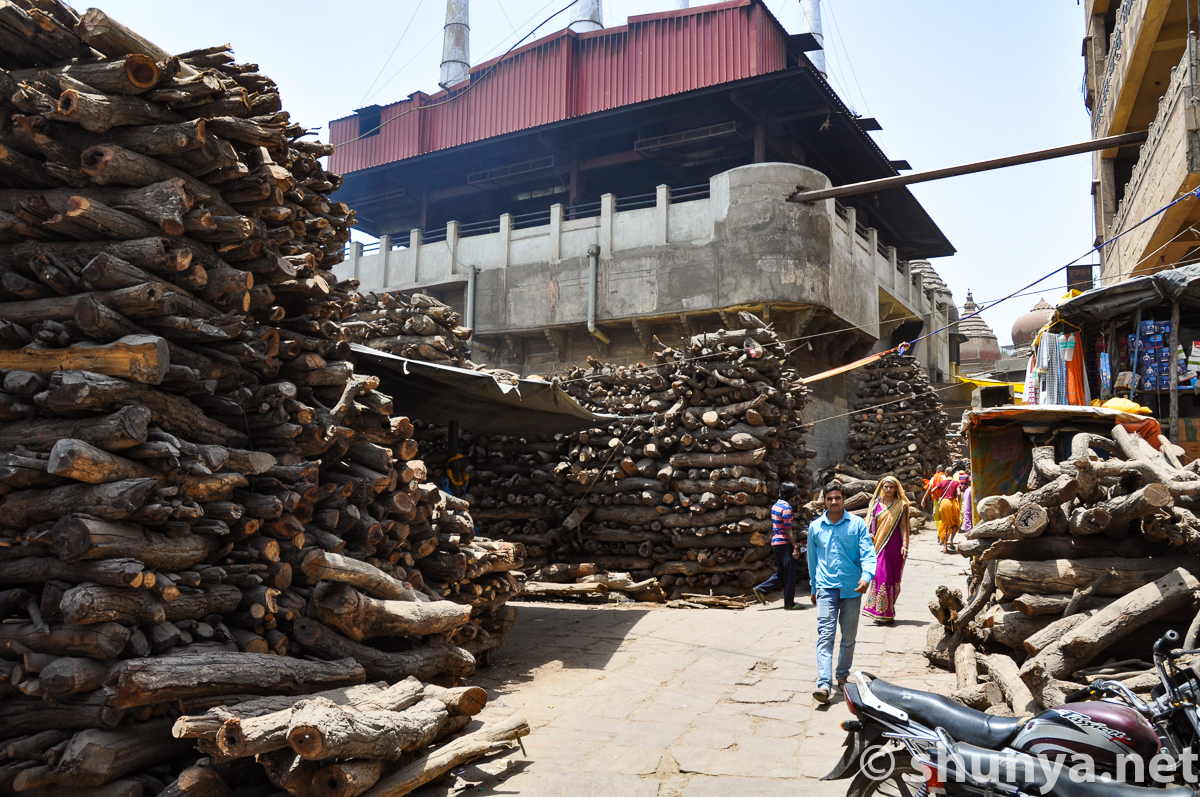
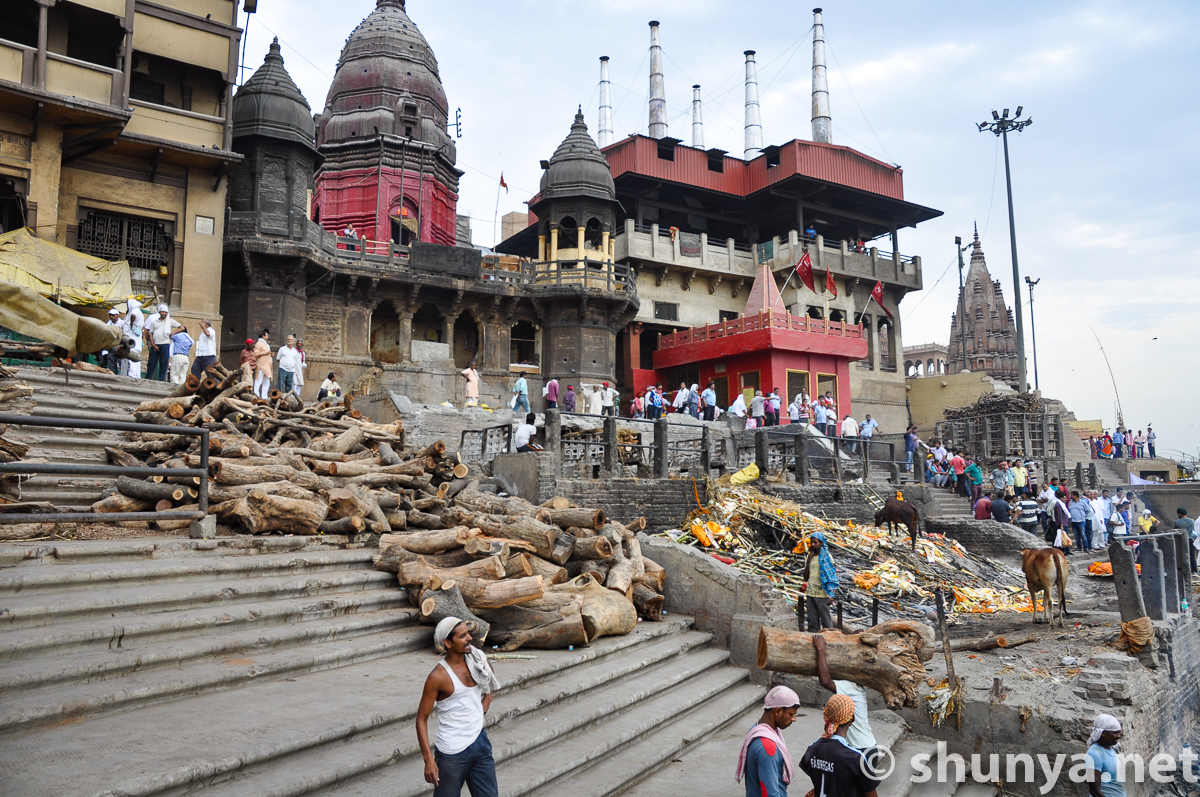
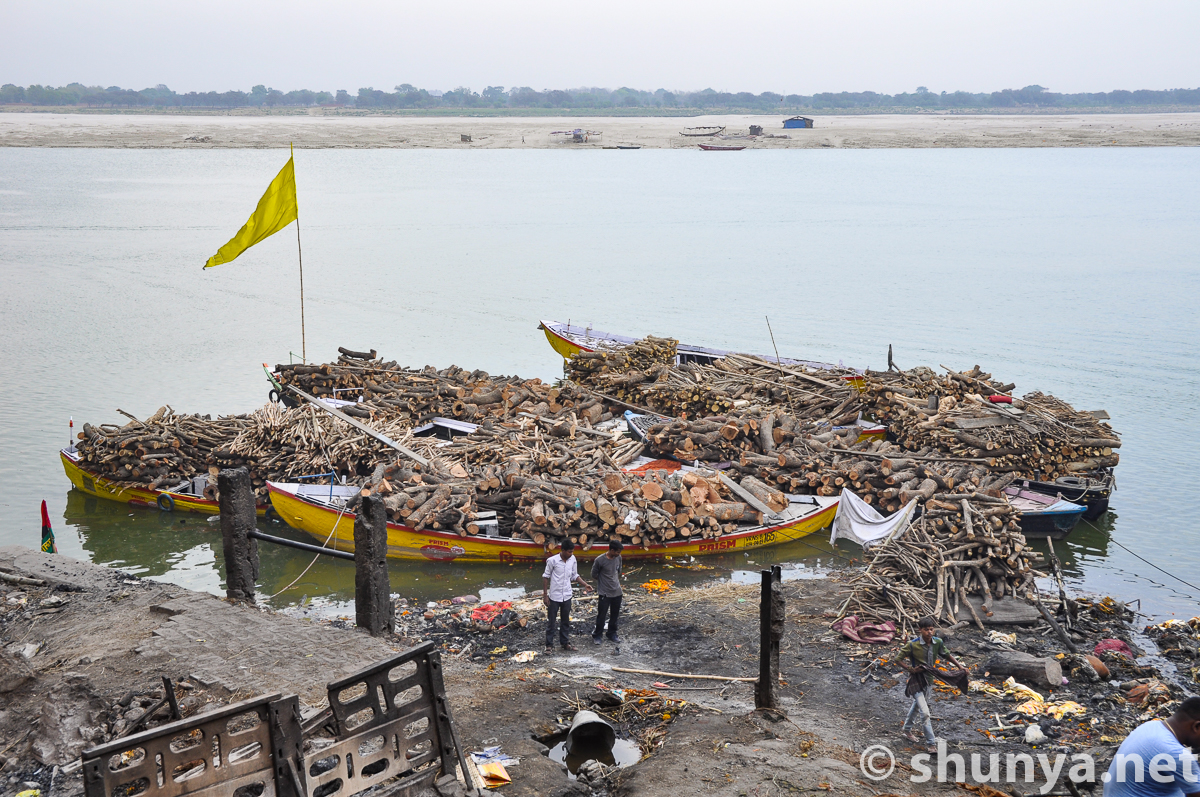
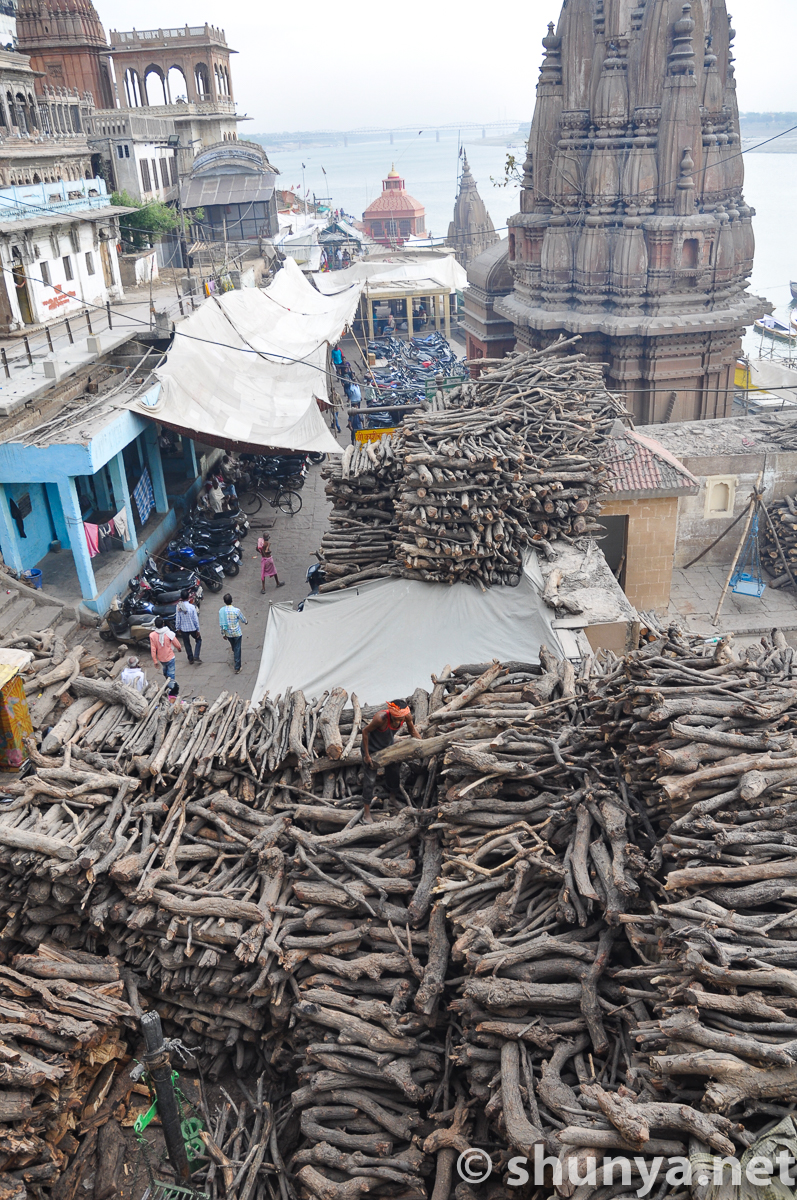
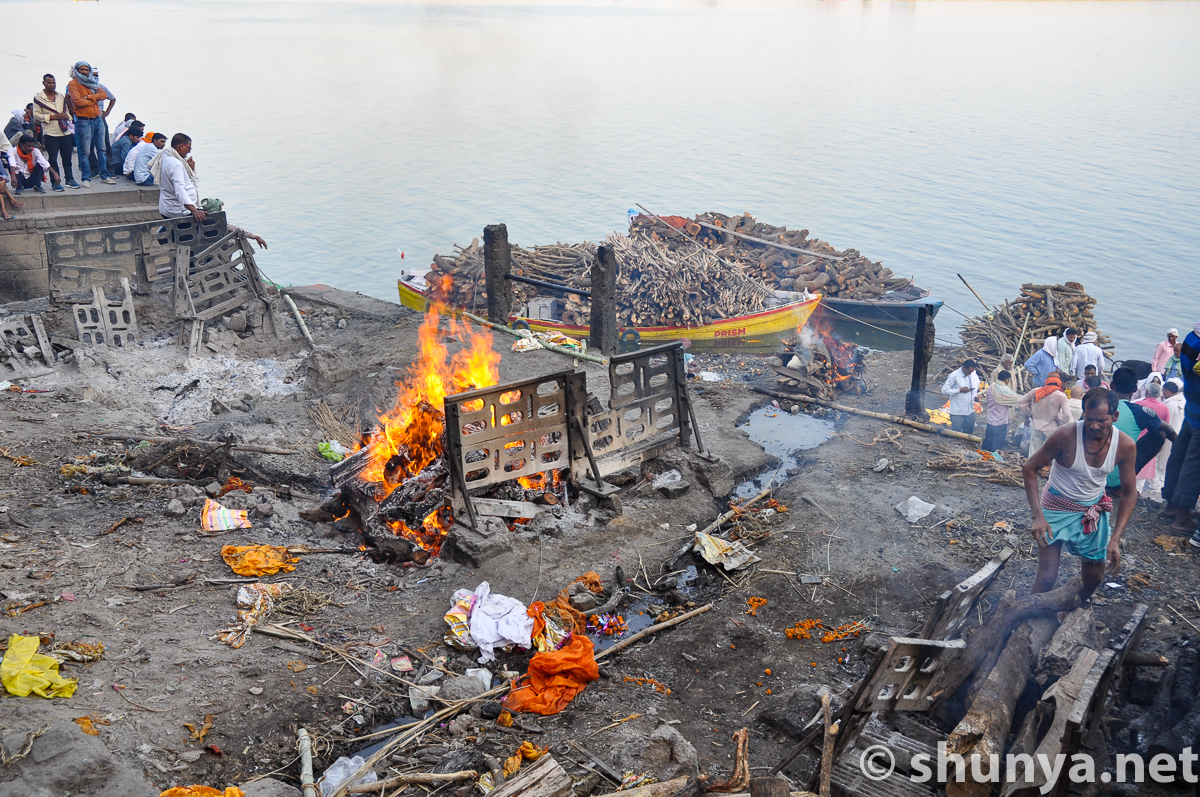
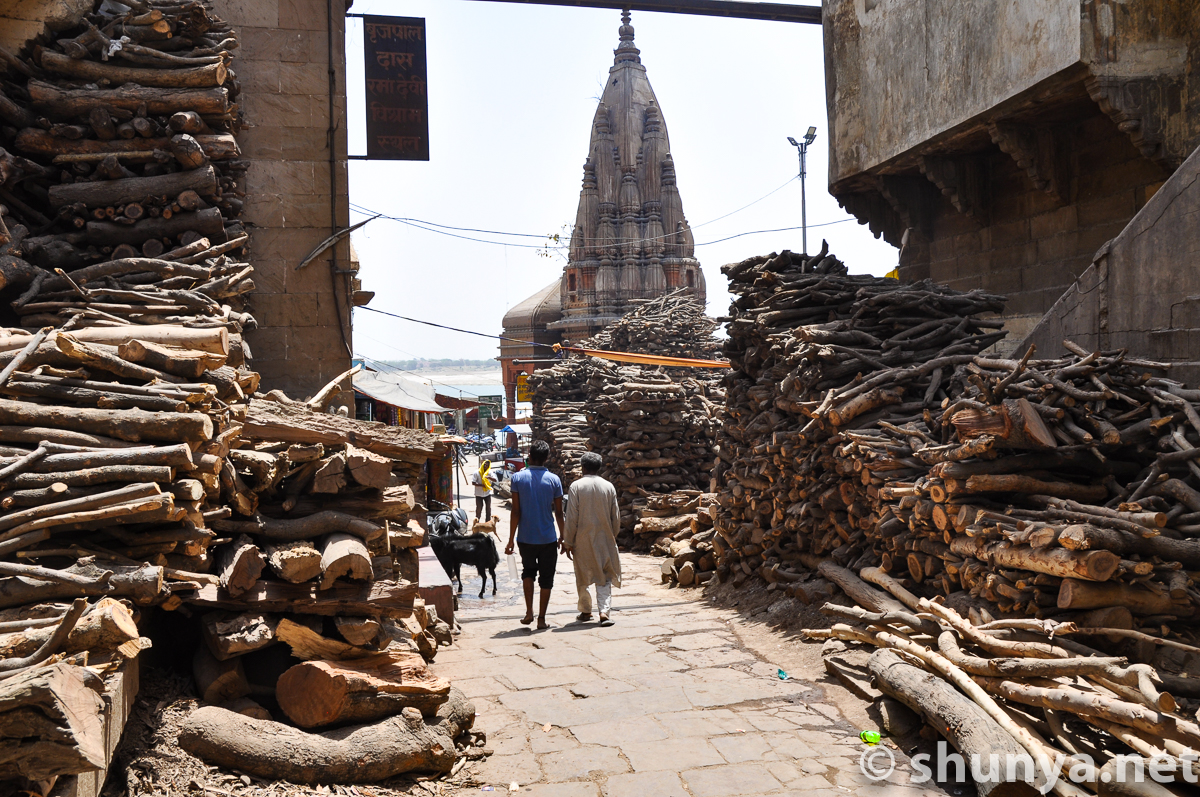
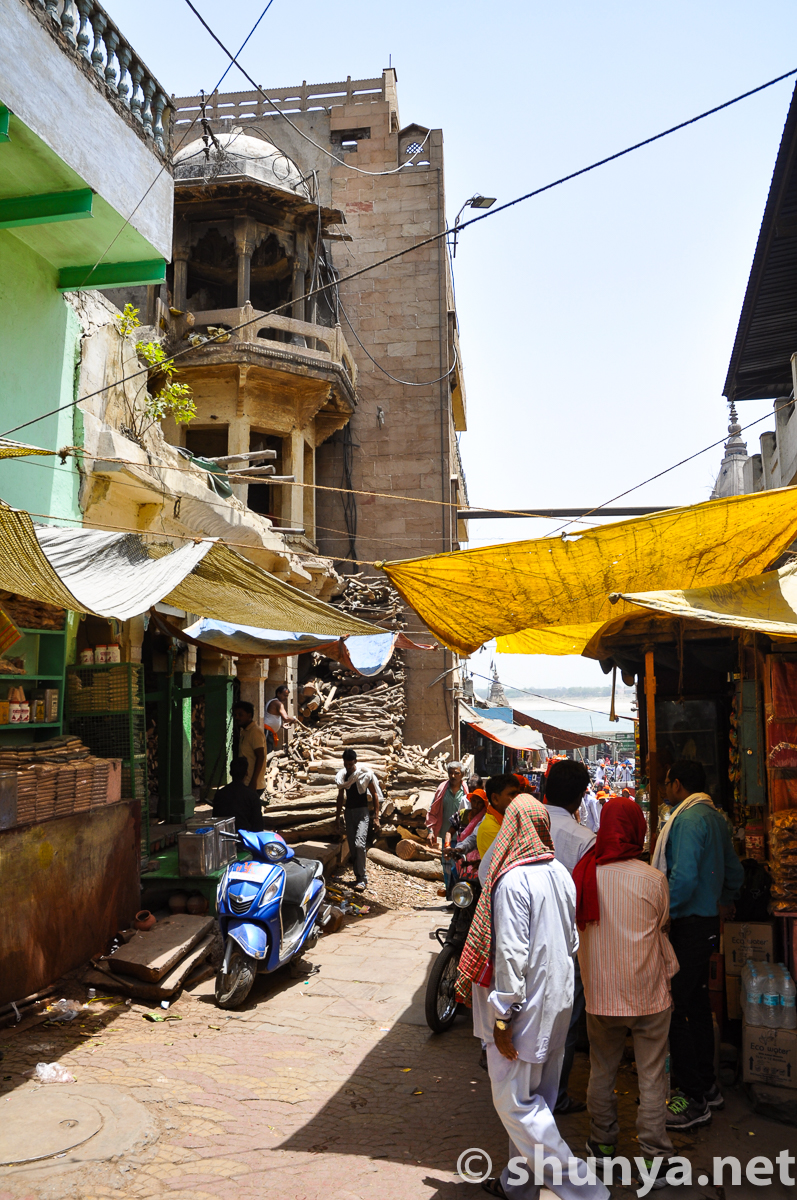
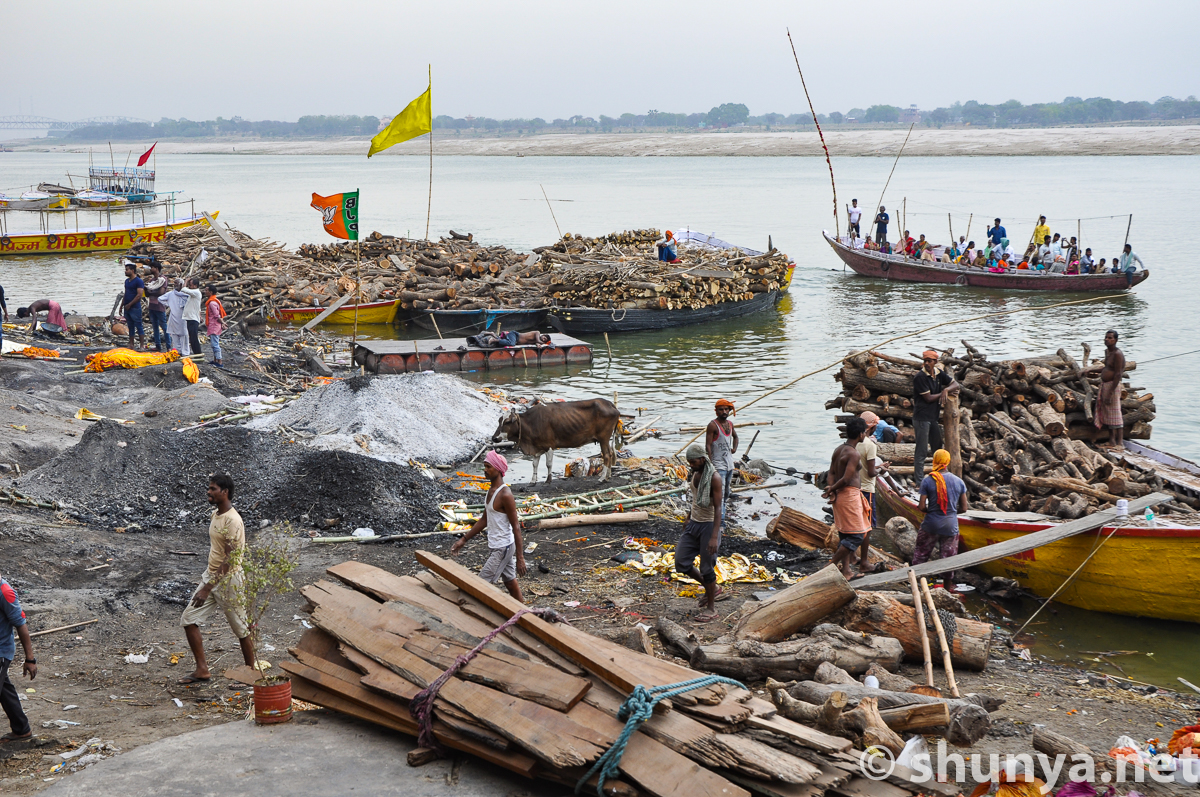
Wood for the fire
|
Approaching the ghat
|
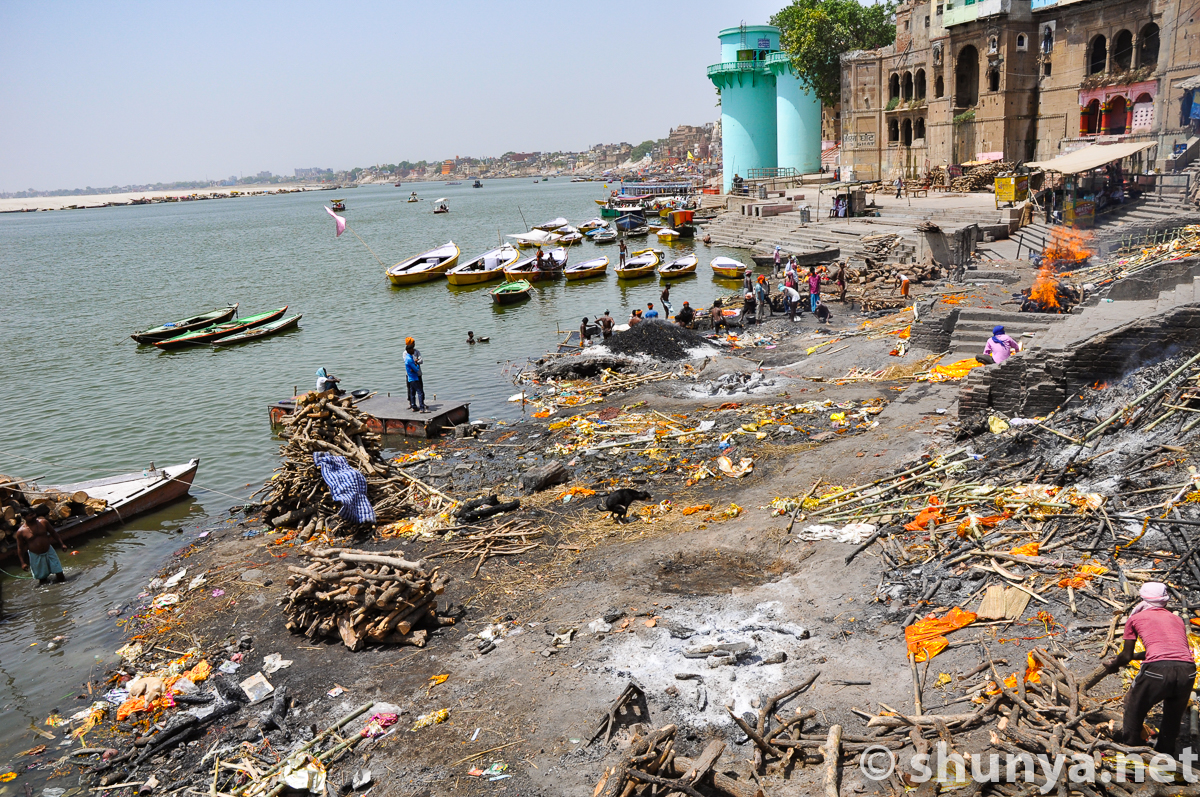
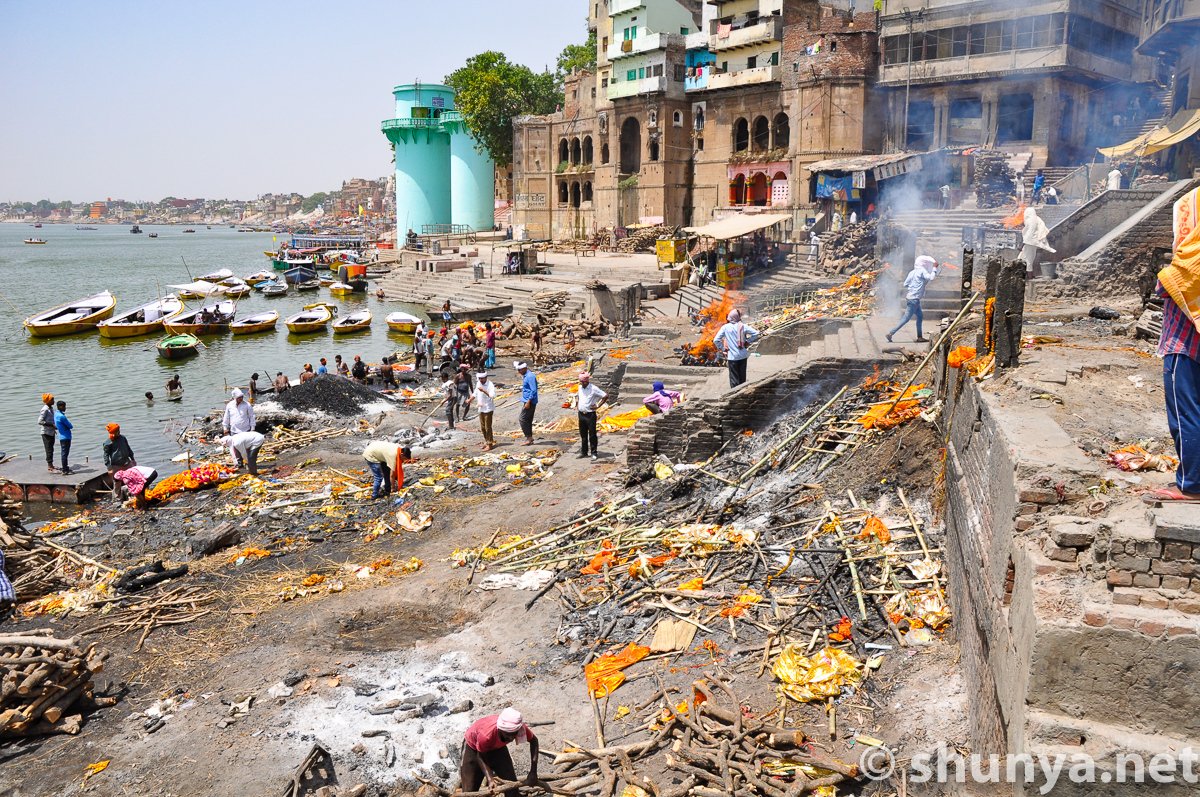
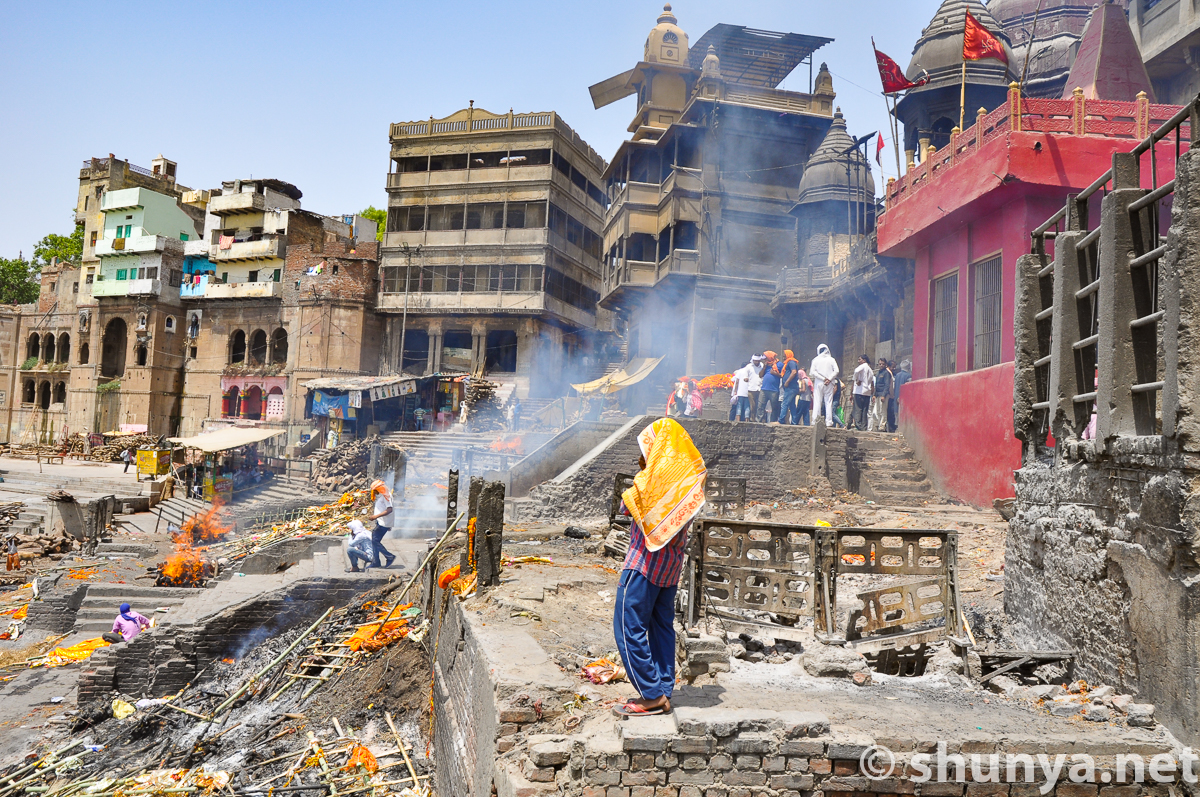
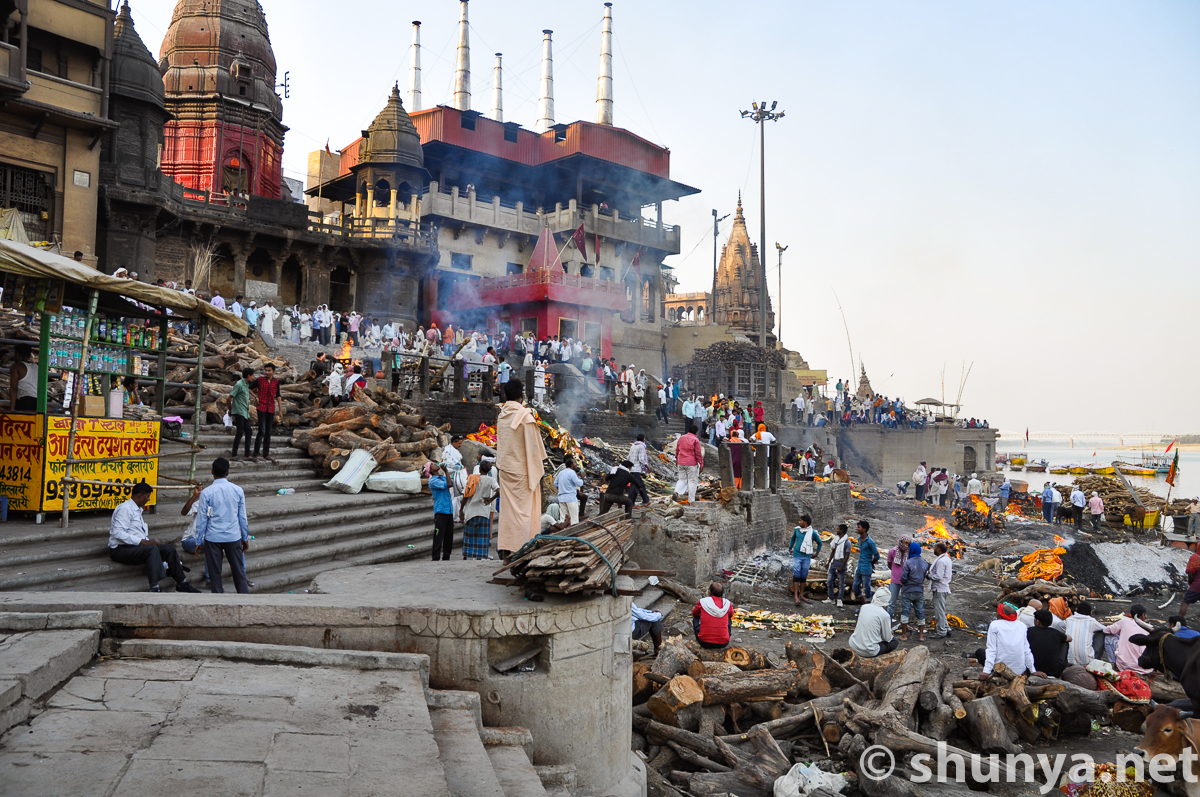
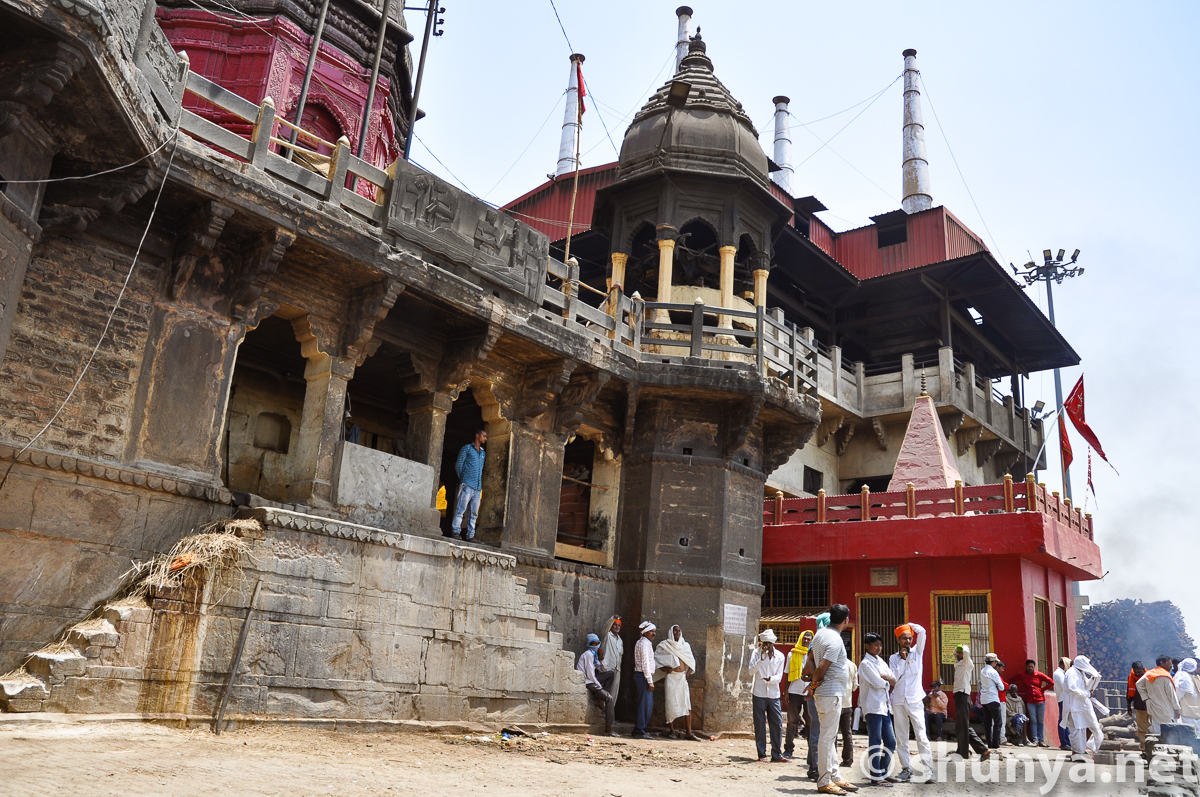
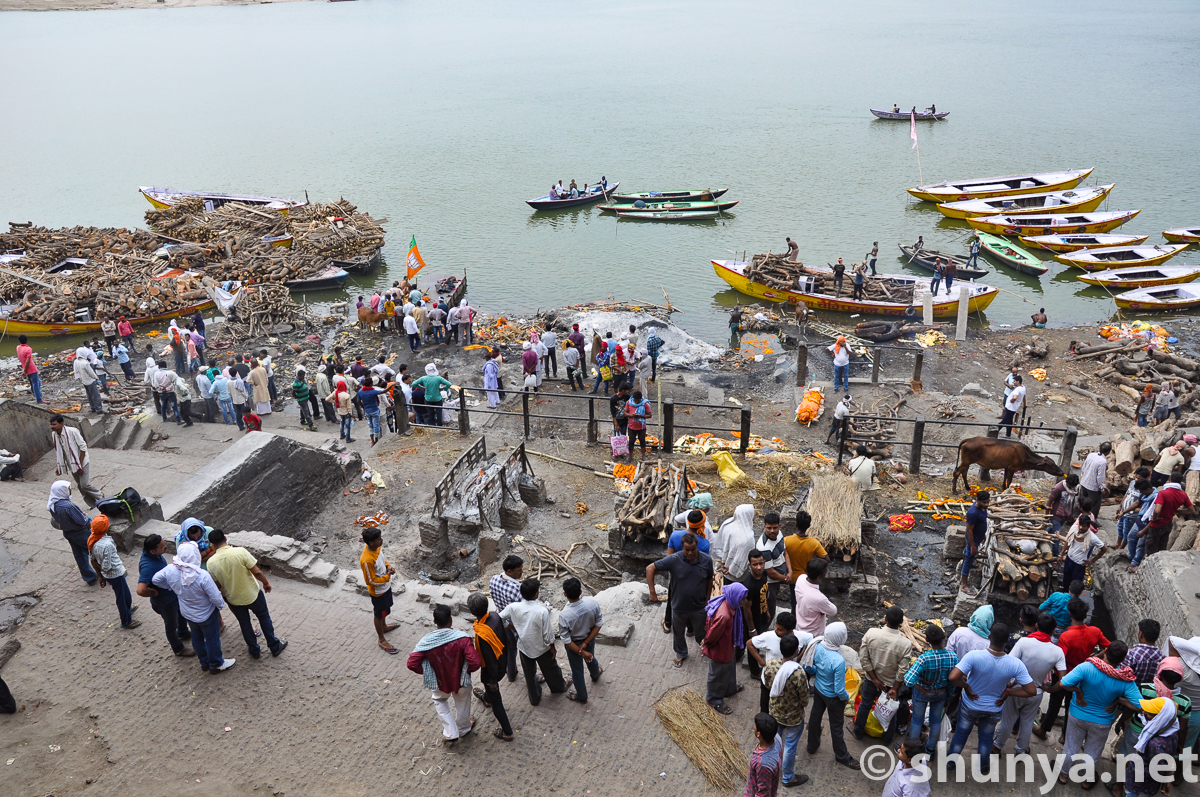
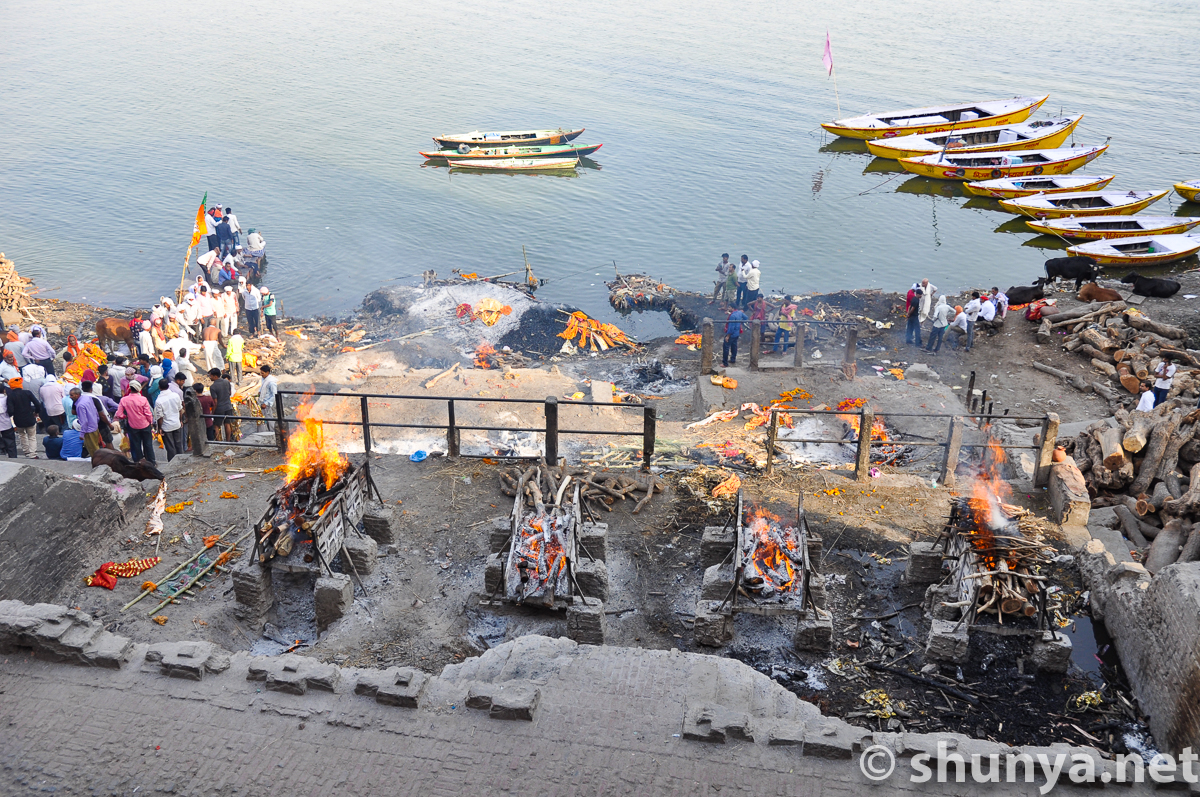
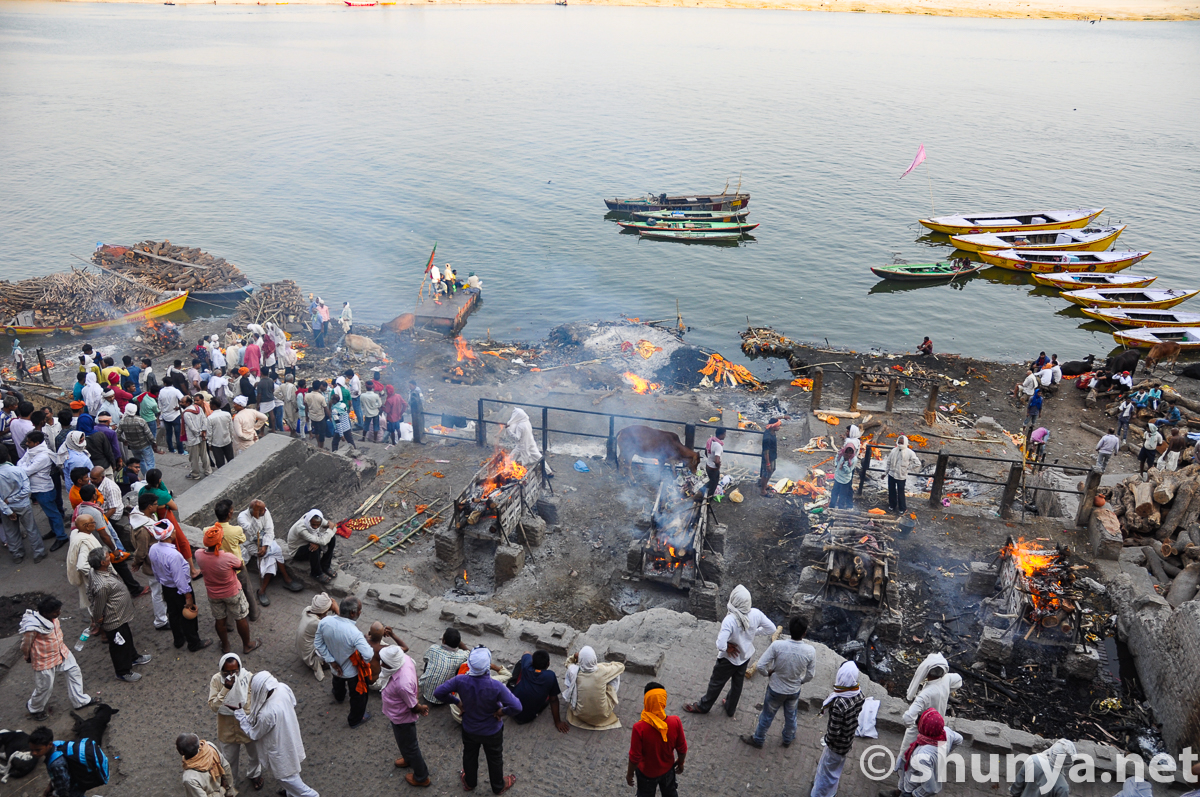
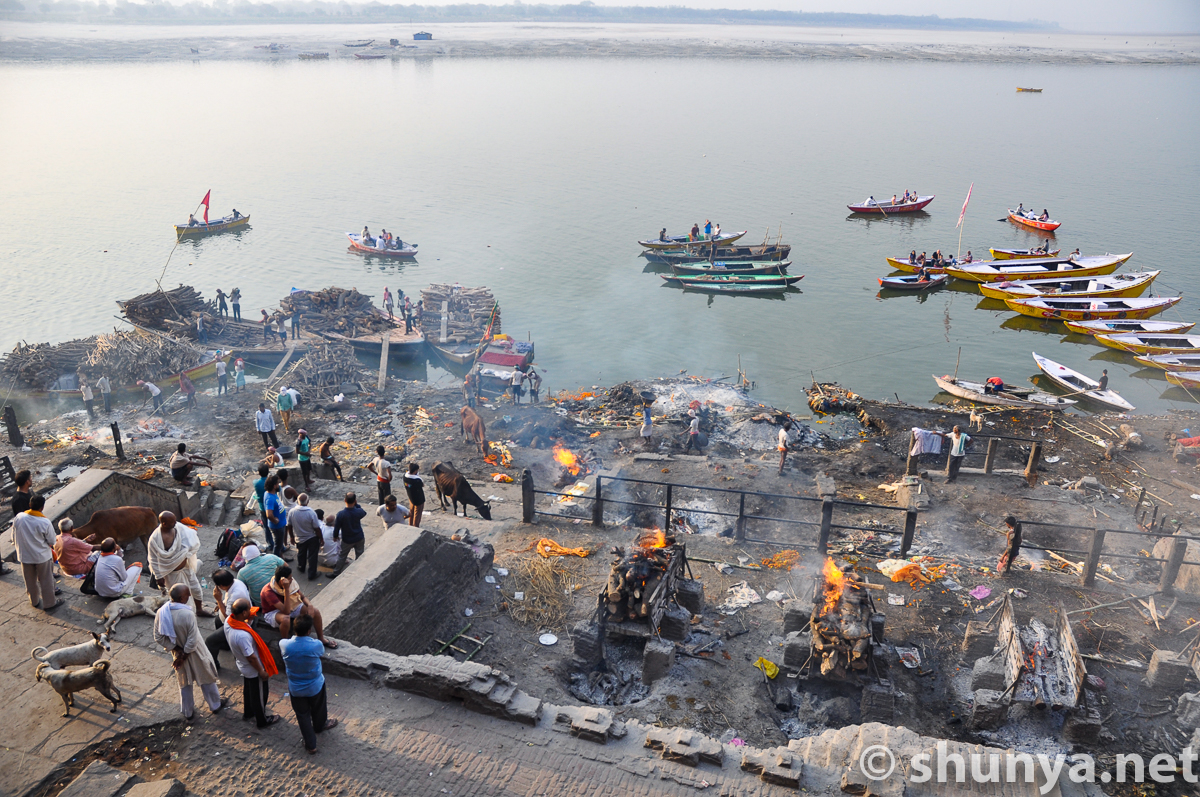
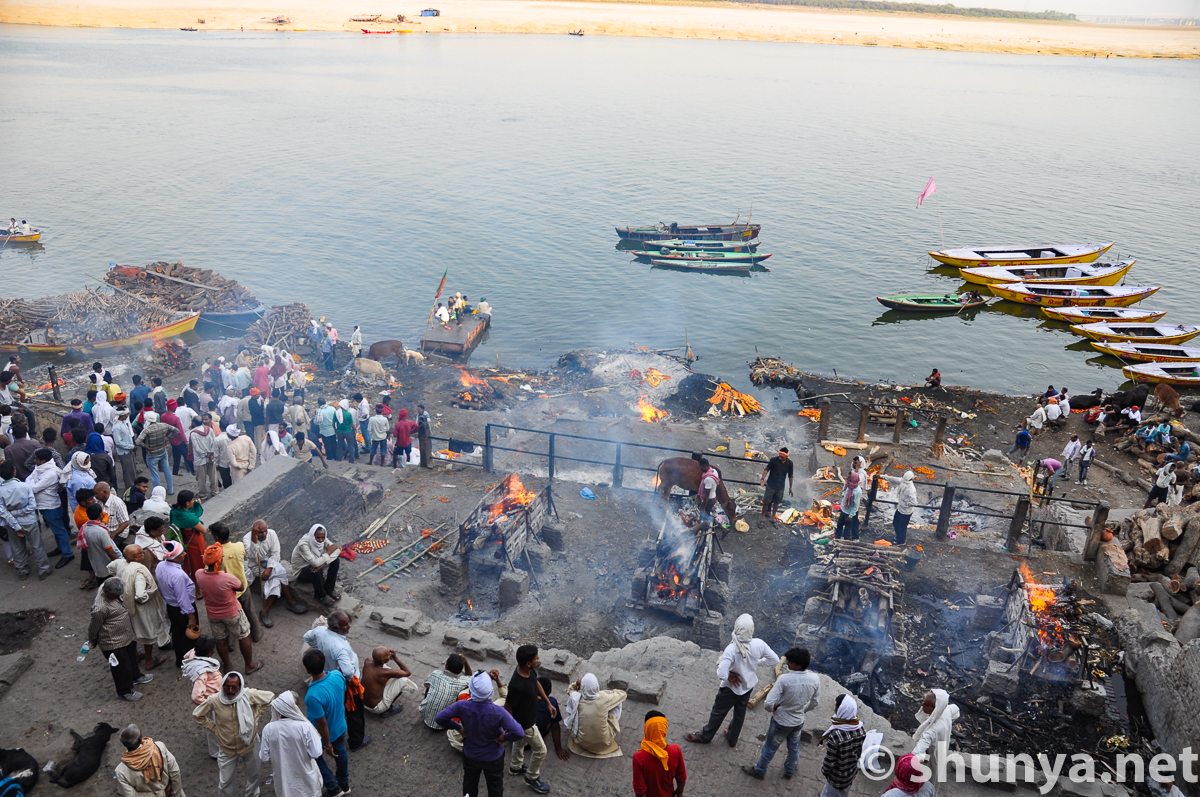
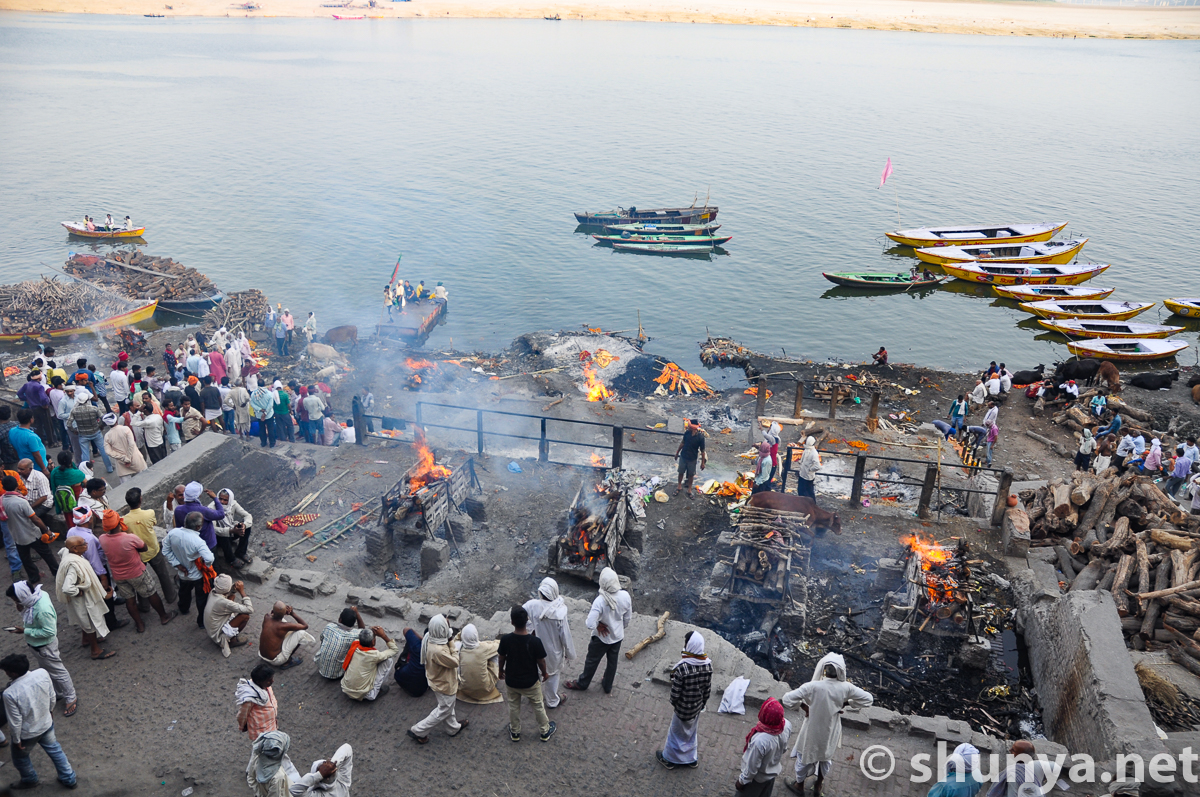
View of Manikarnika ghat
|
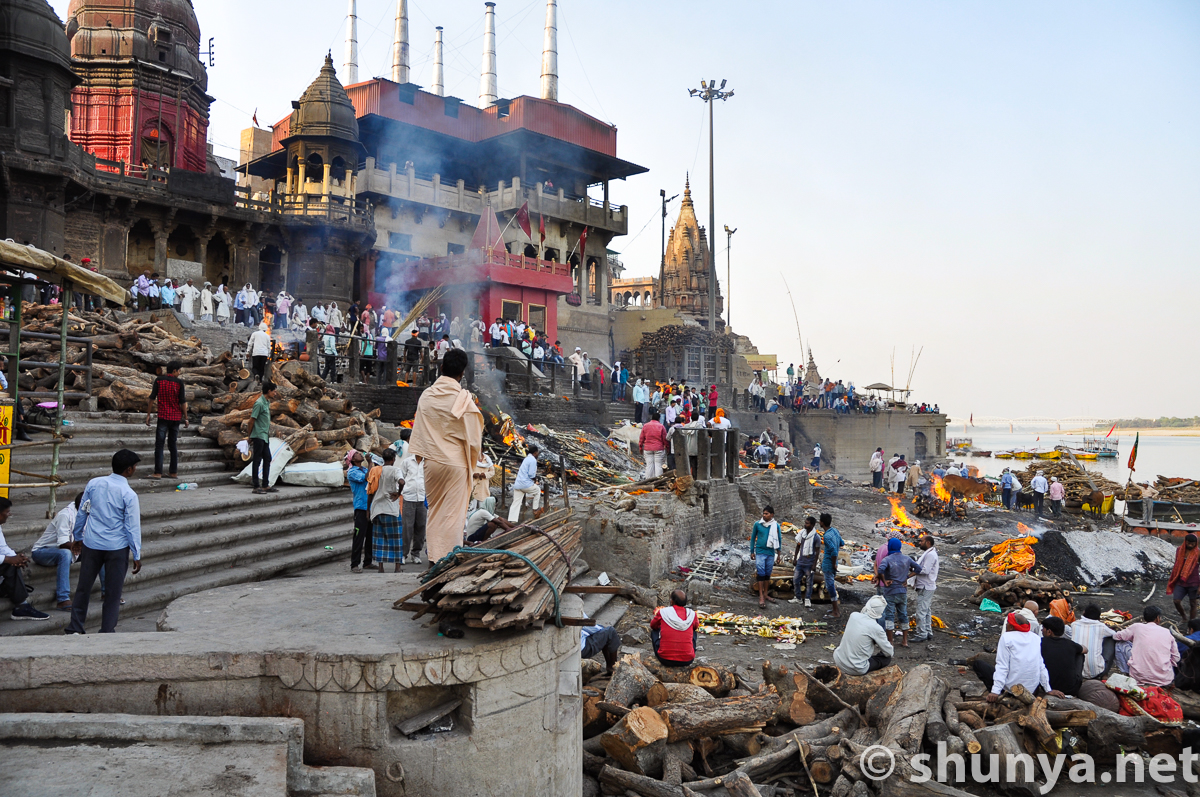
View from the south side
|
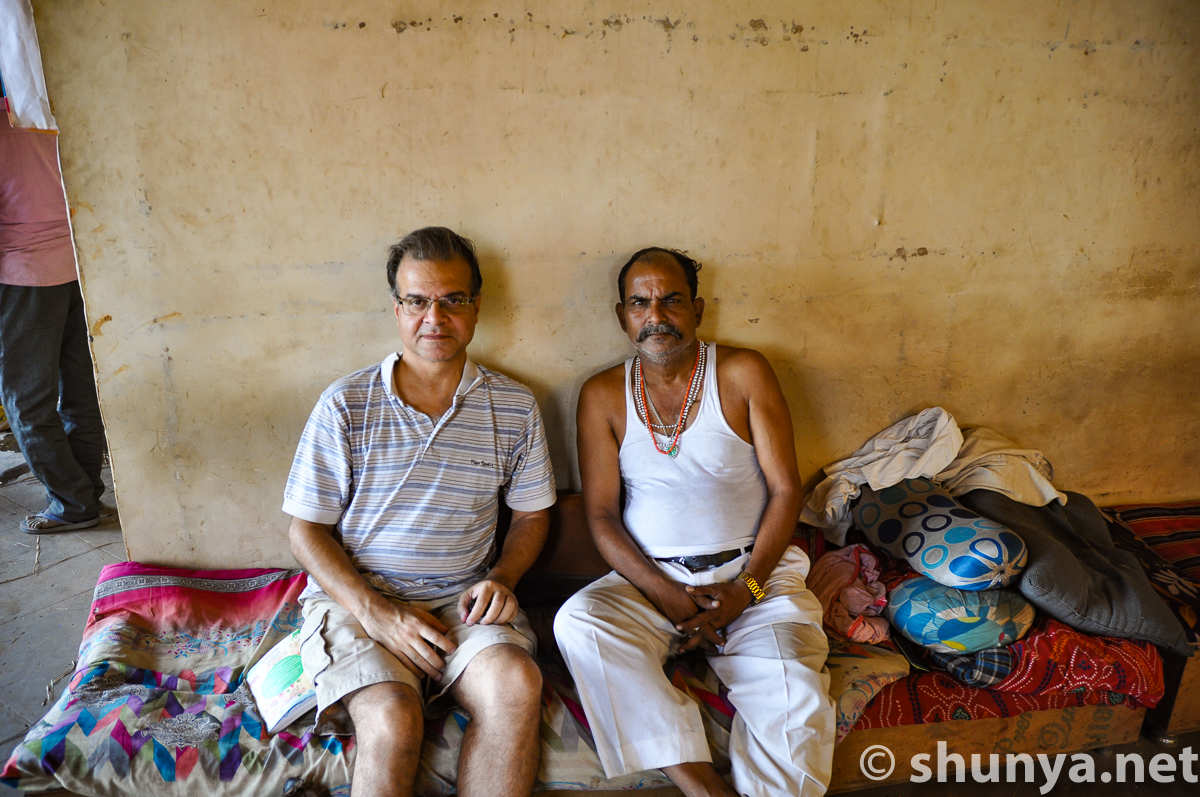
Dom raja's brother, head
|
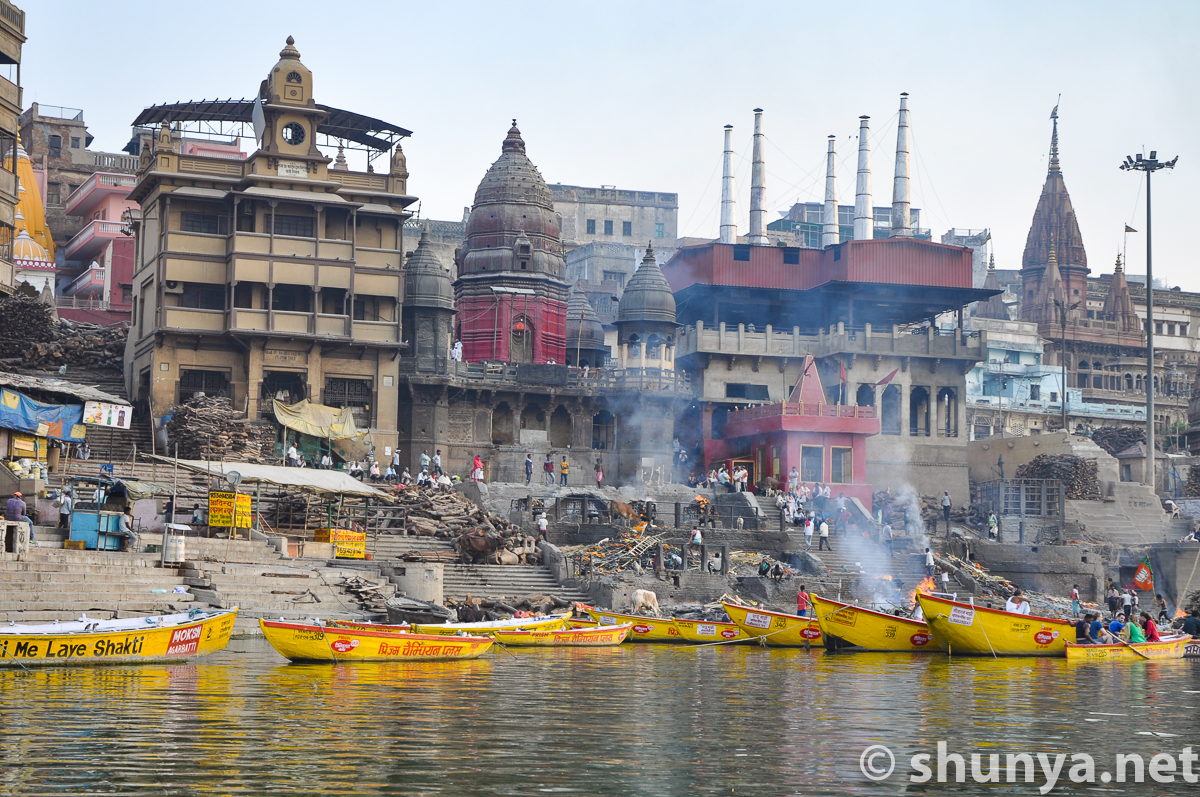
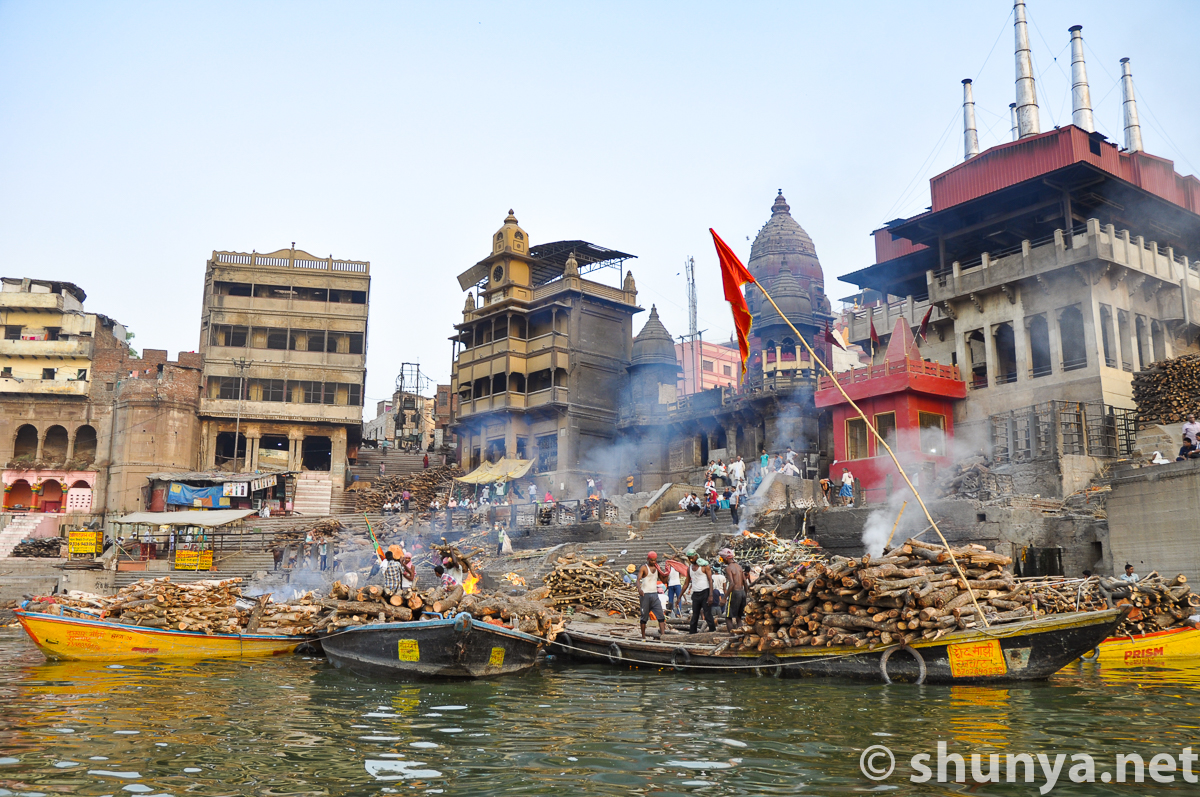
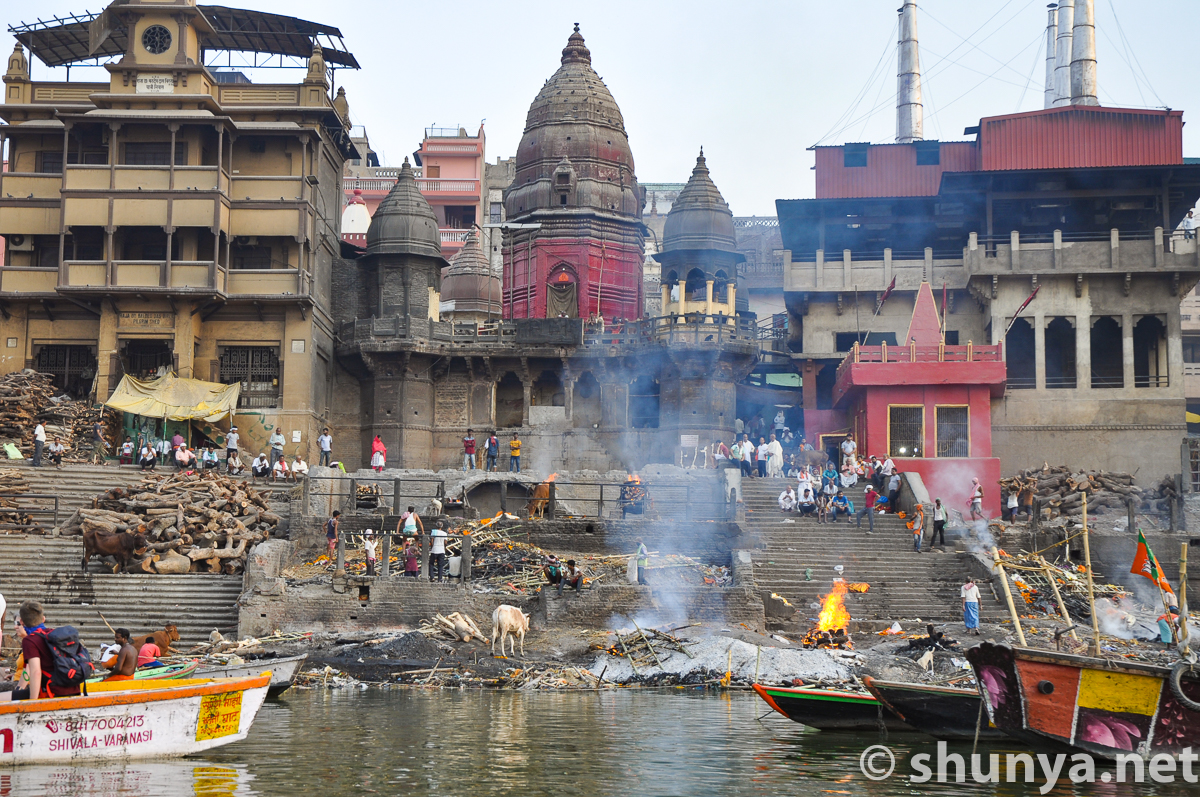
View of ghat from the river
|
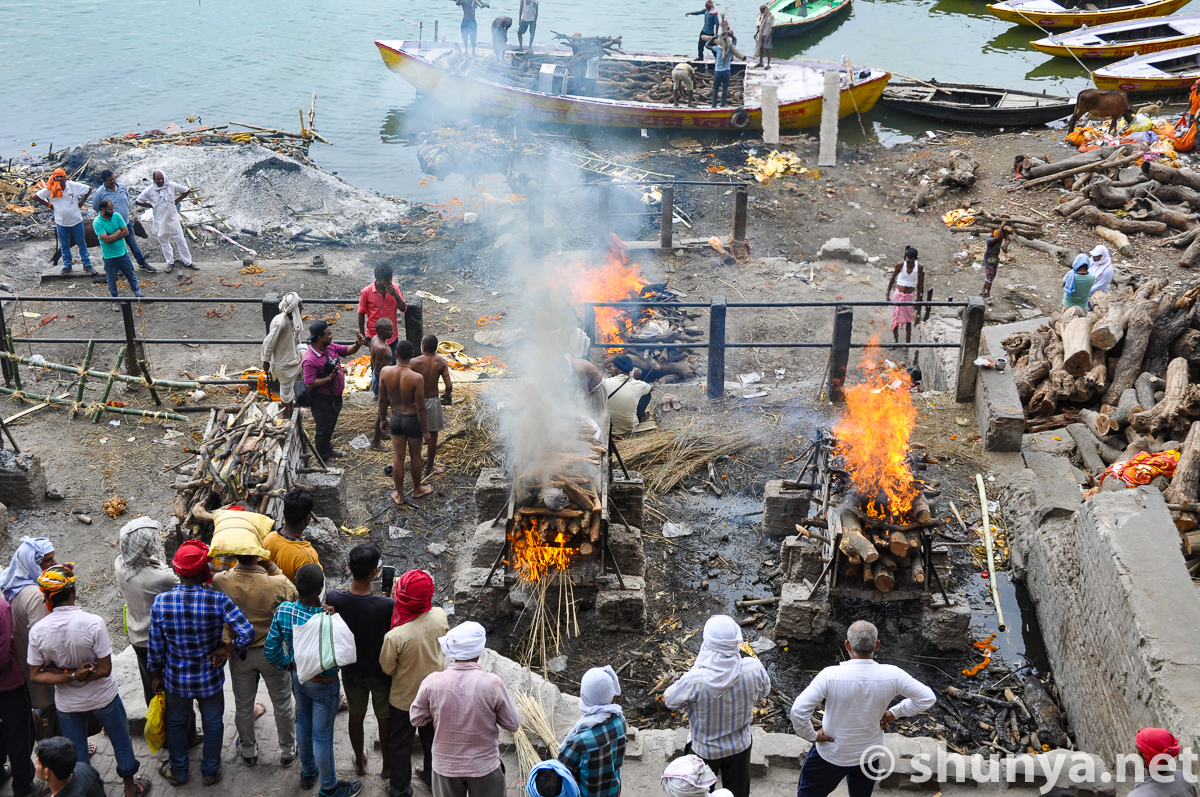
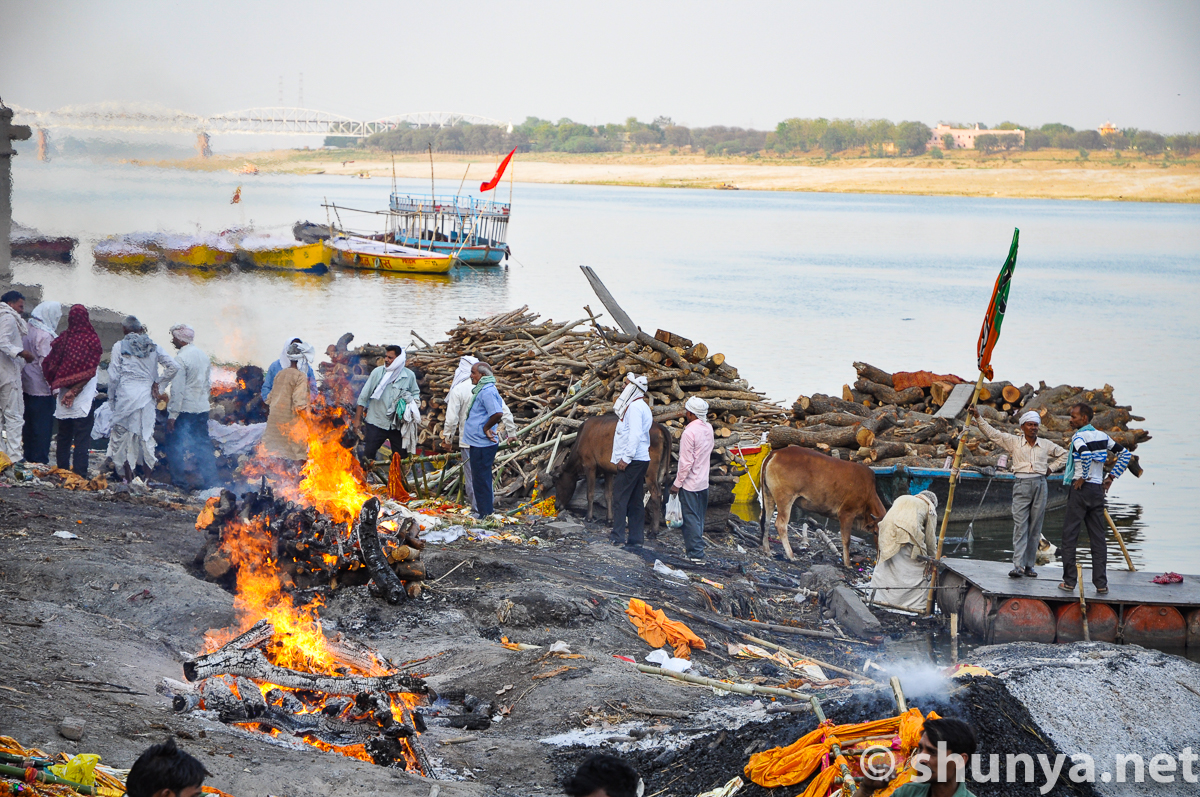
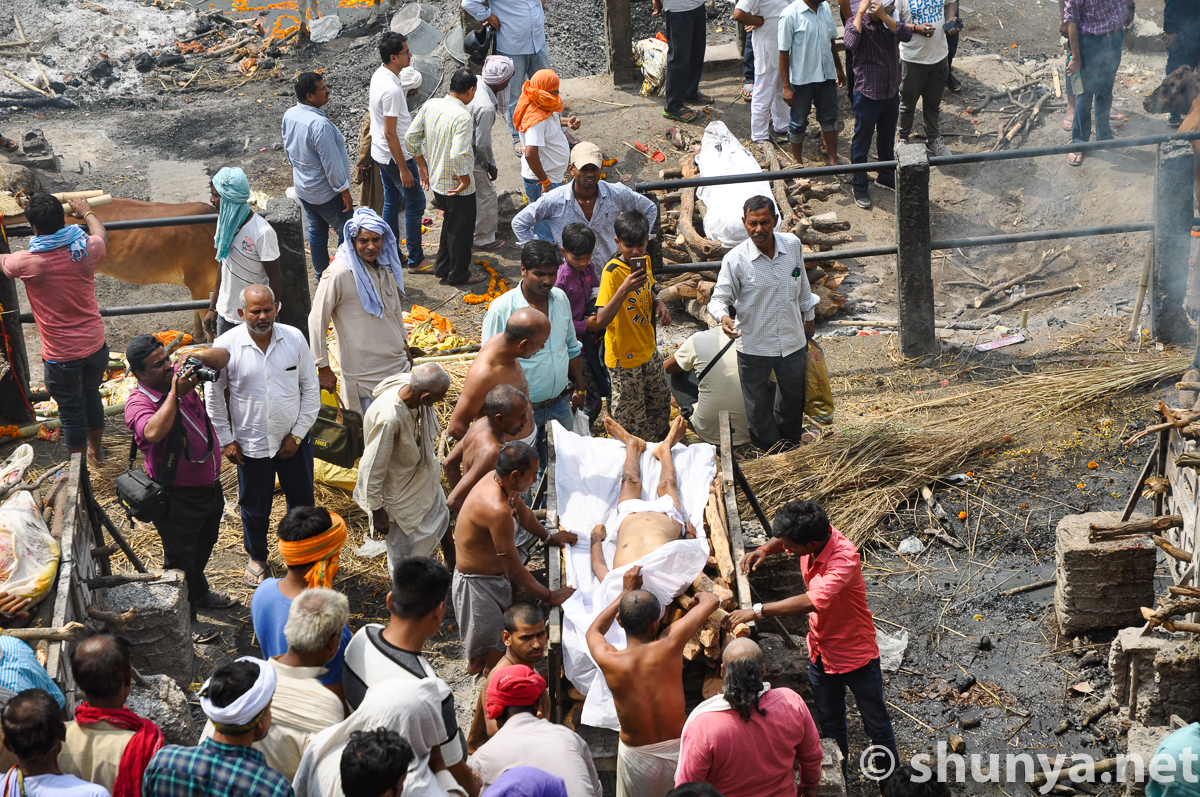
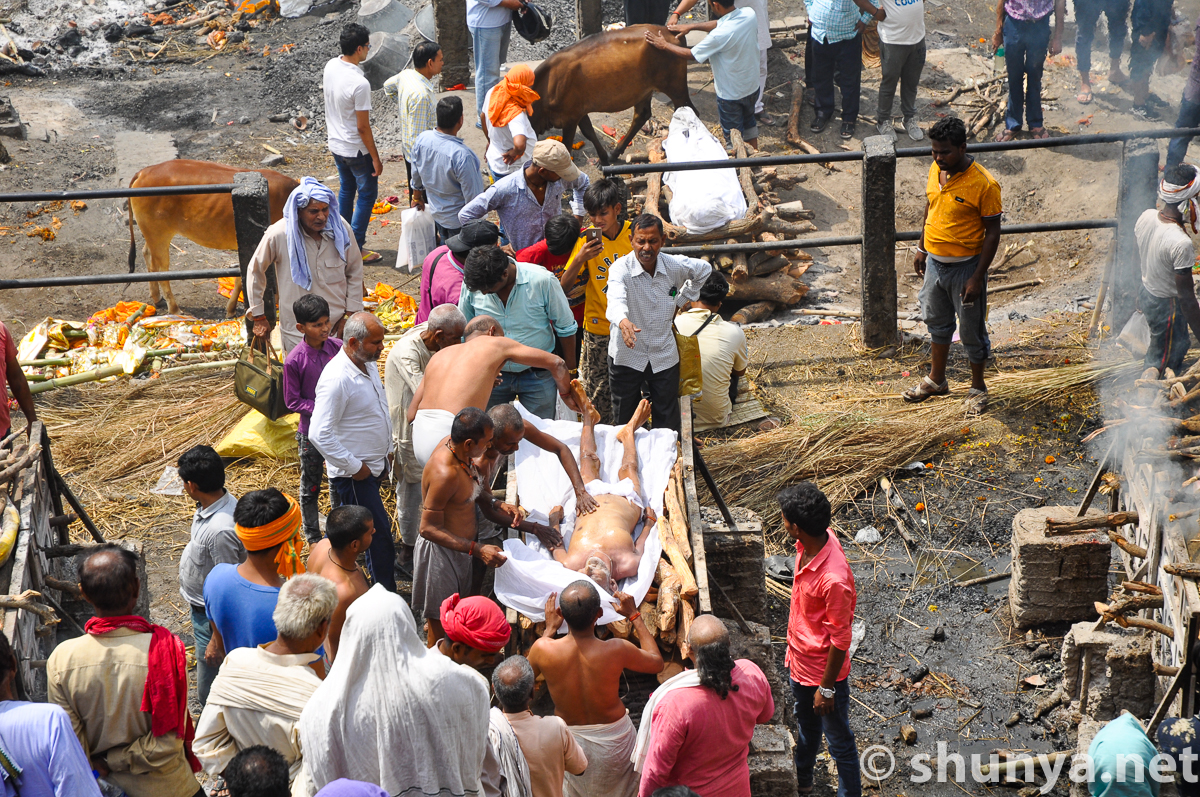
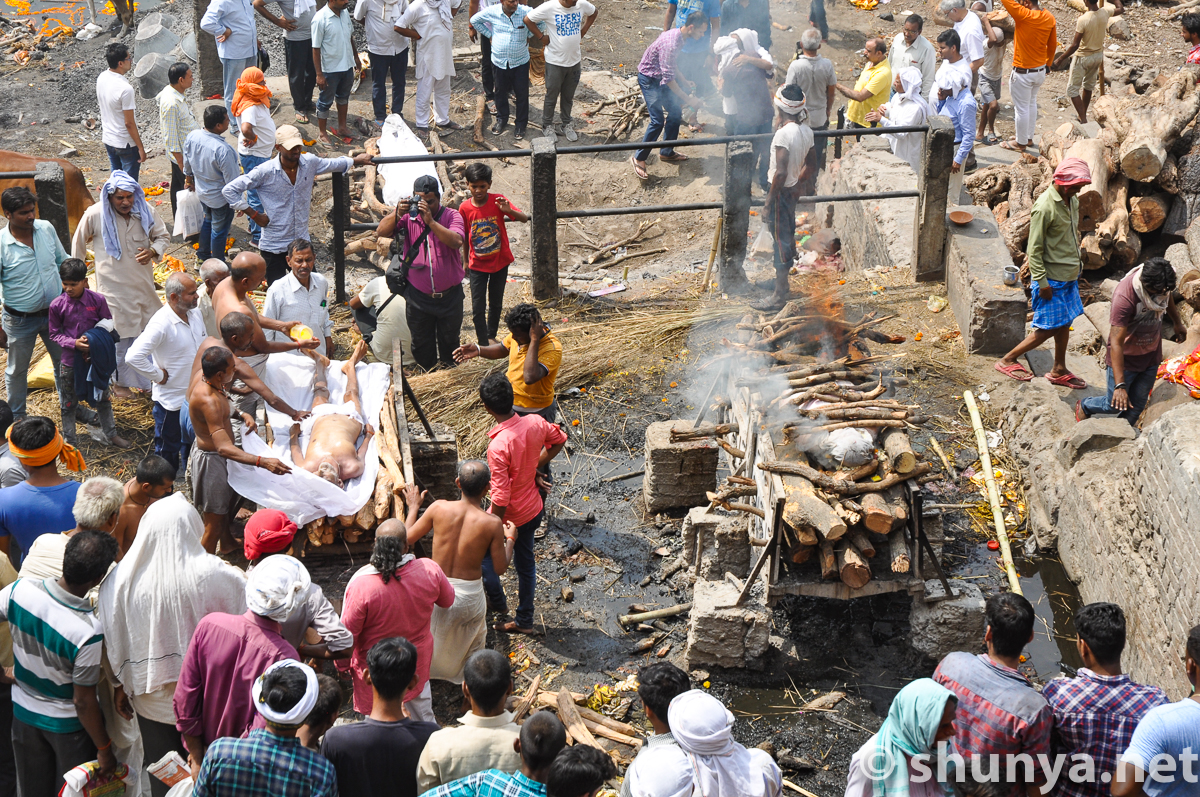
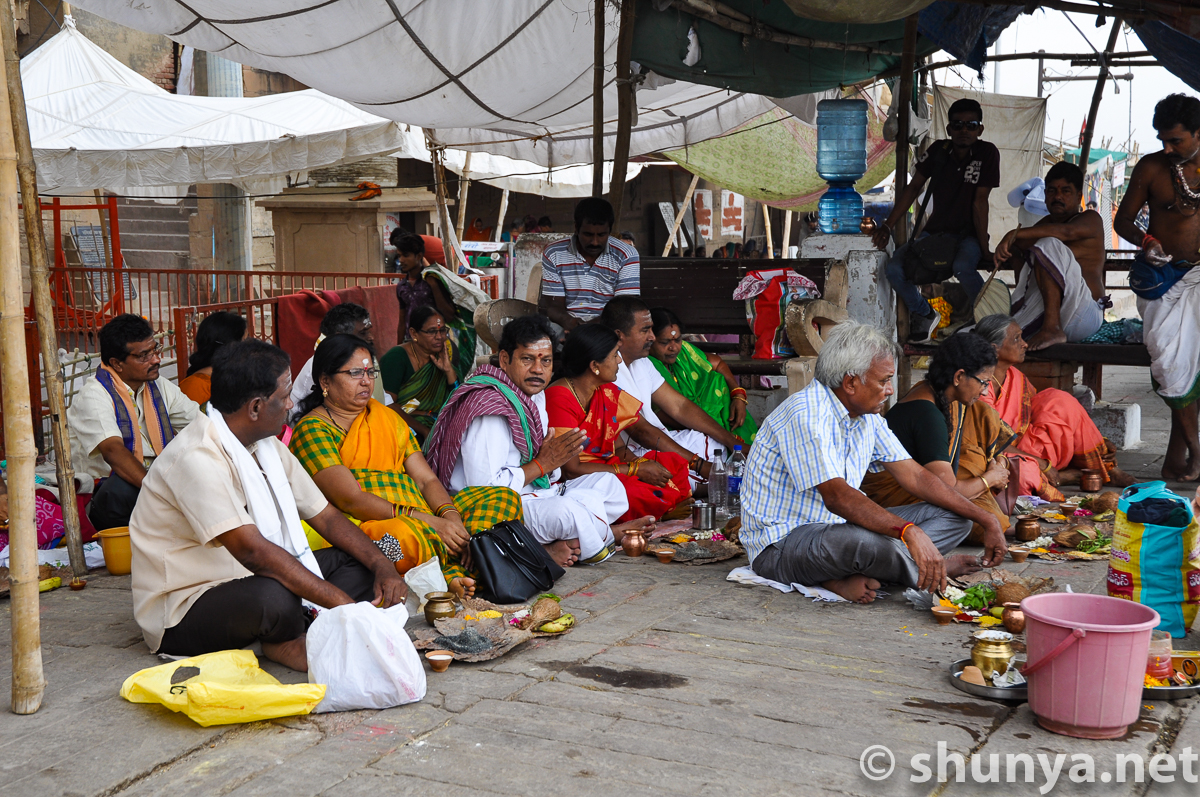
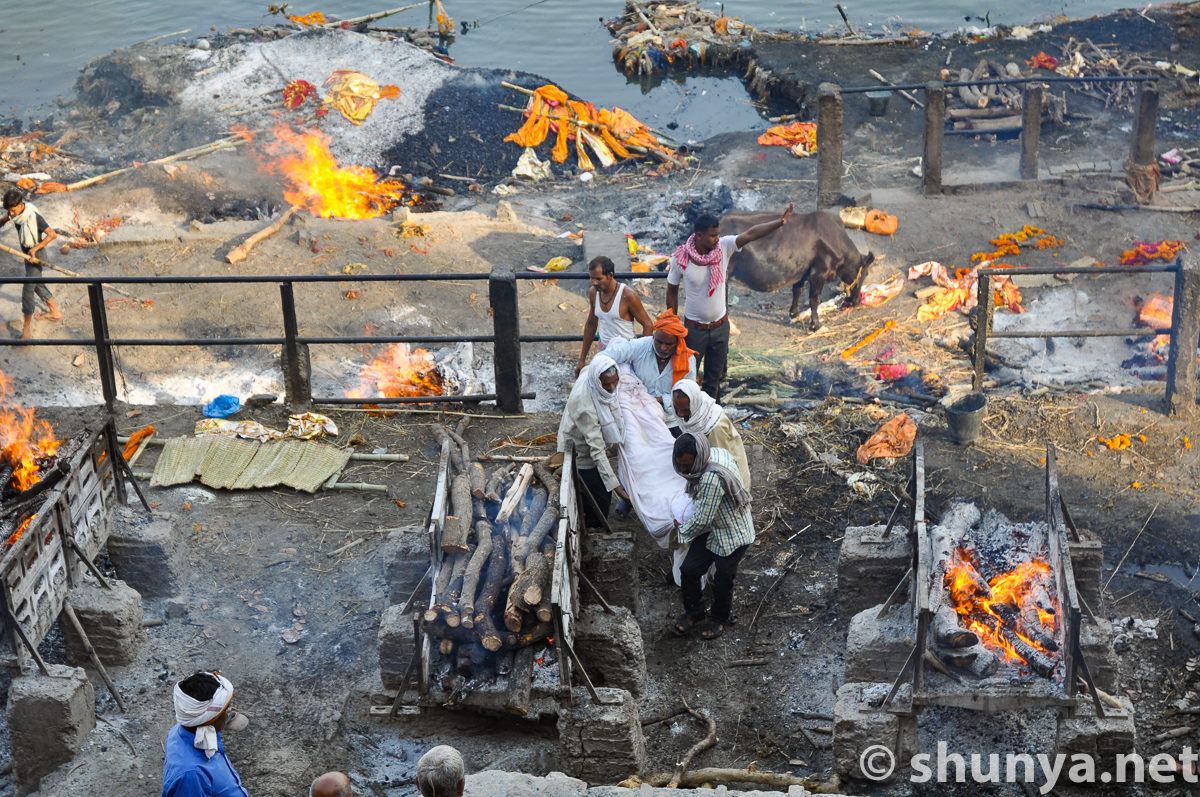
First, a ritual final dip
|
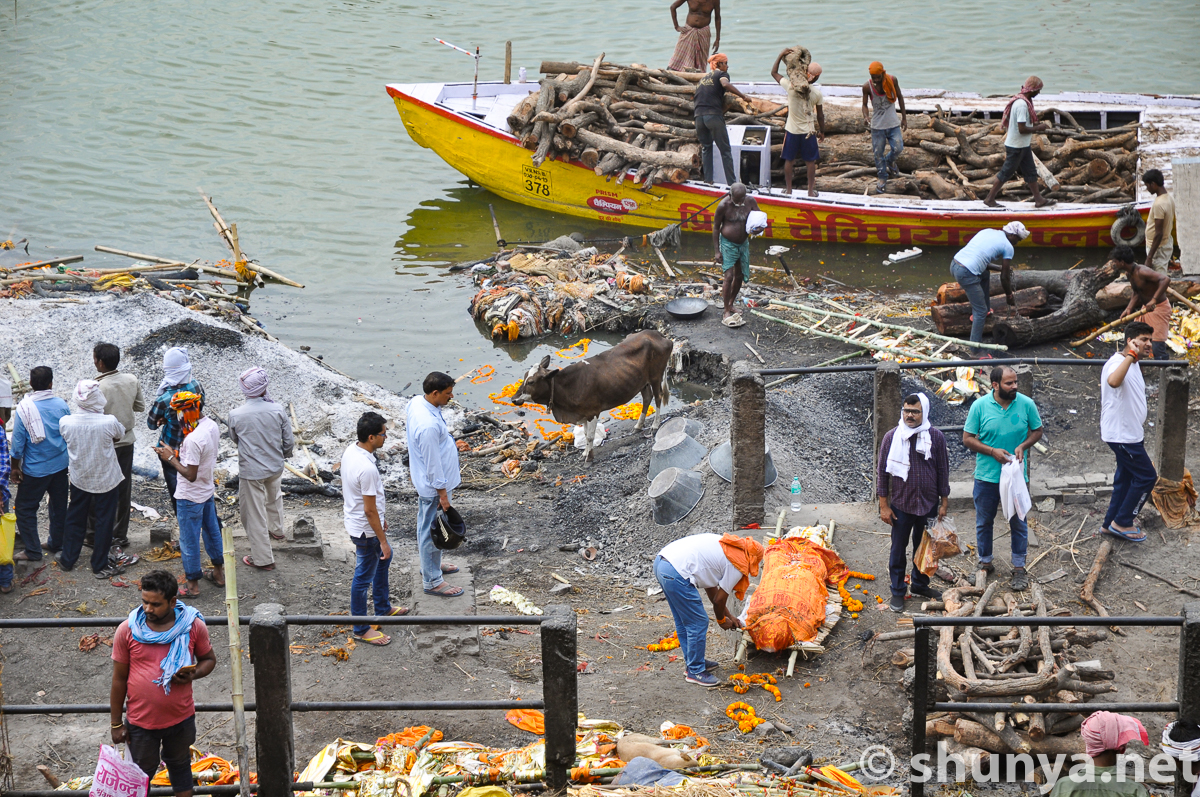
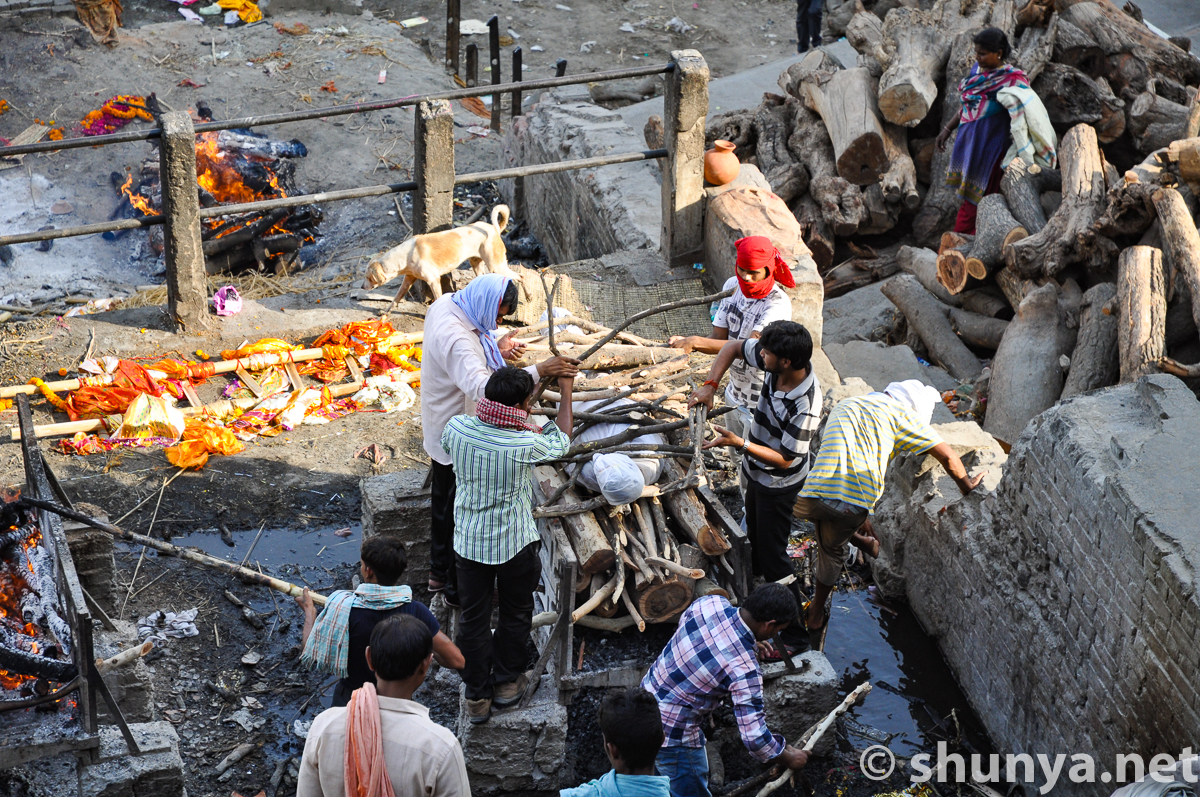
Then placing on a pyre
|
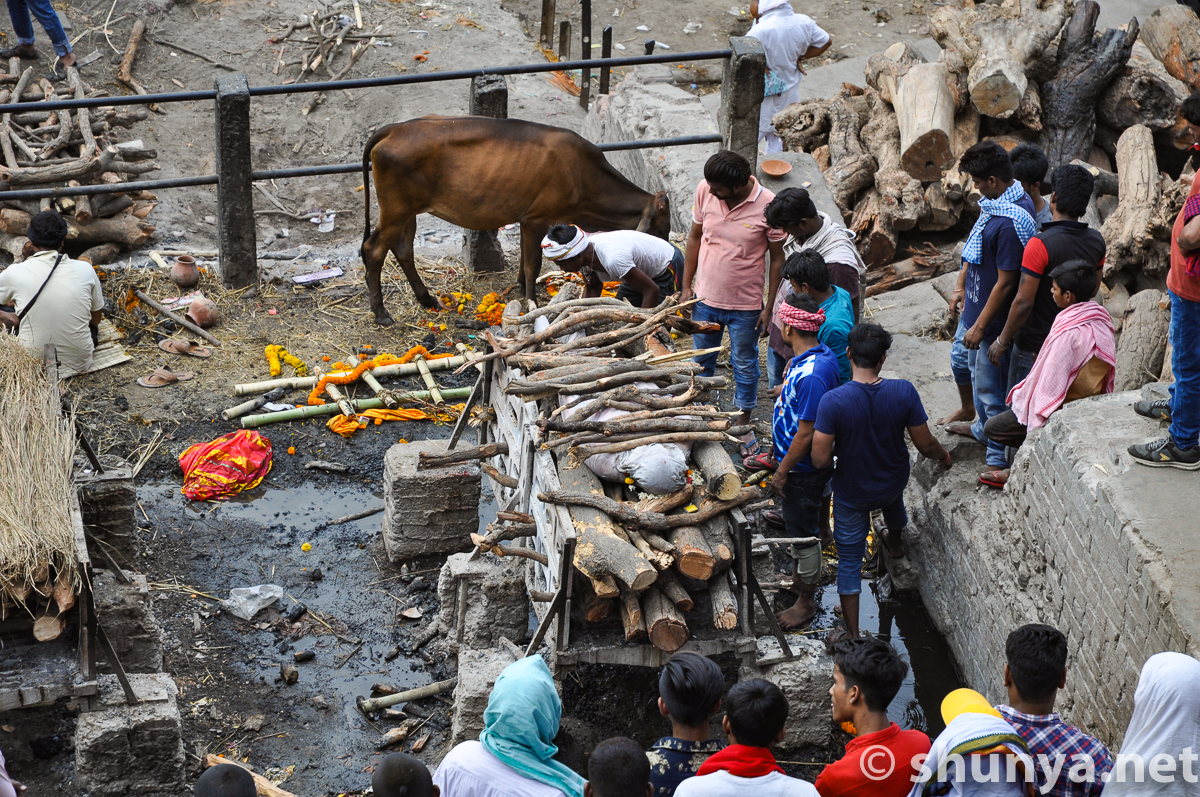
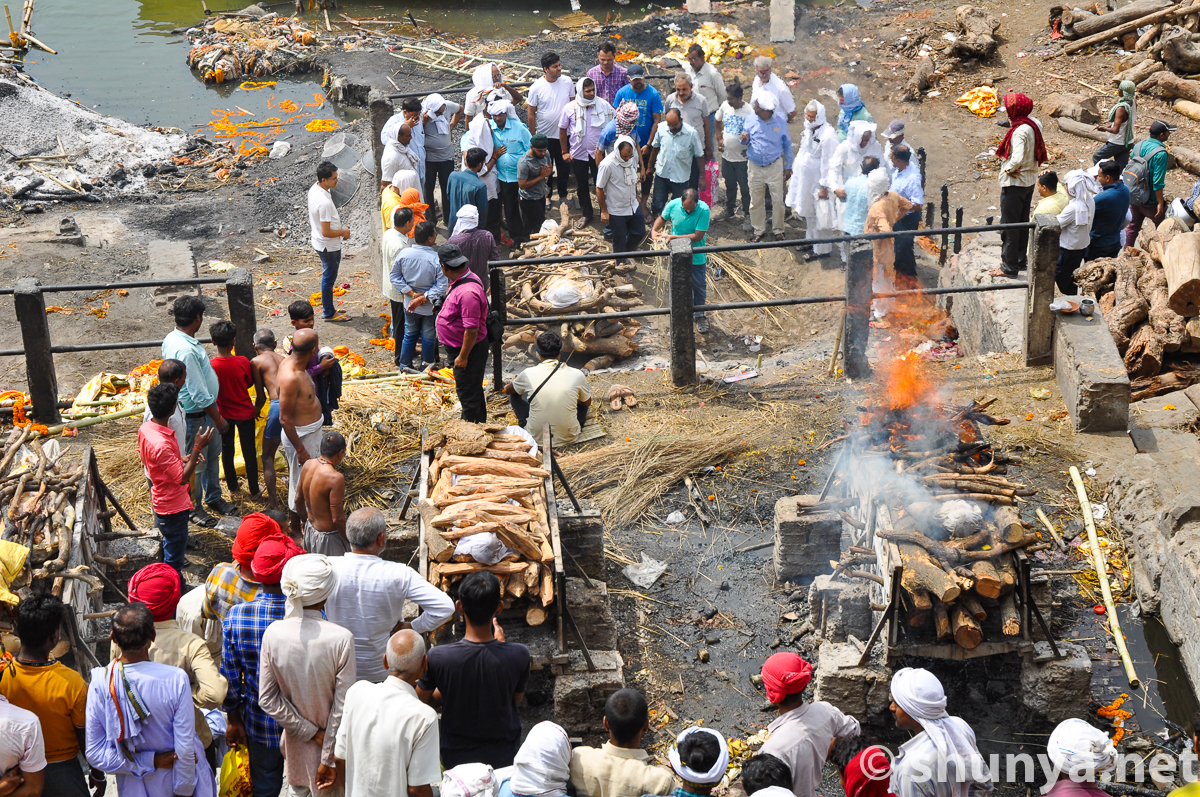
The pyre nextdoor is ready
|
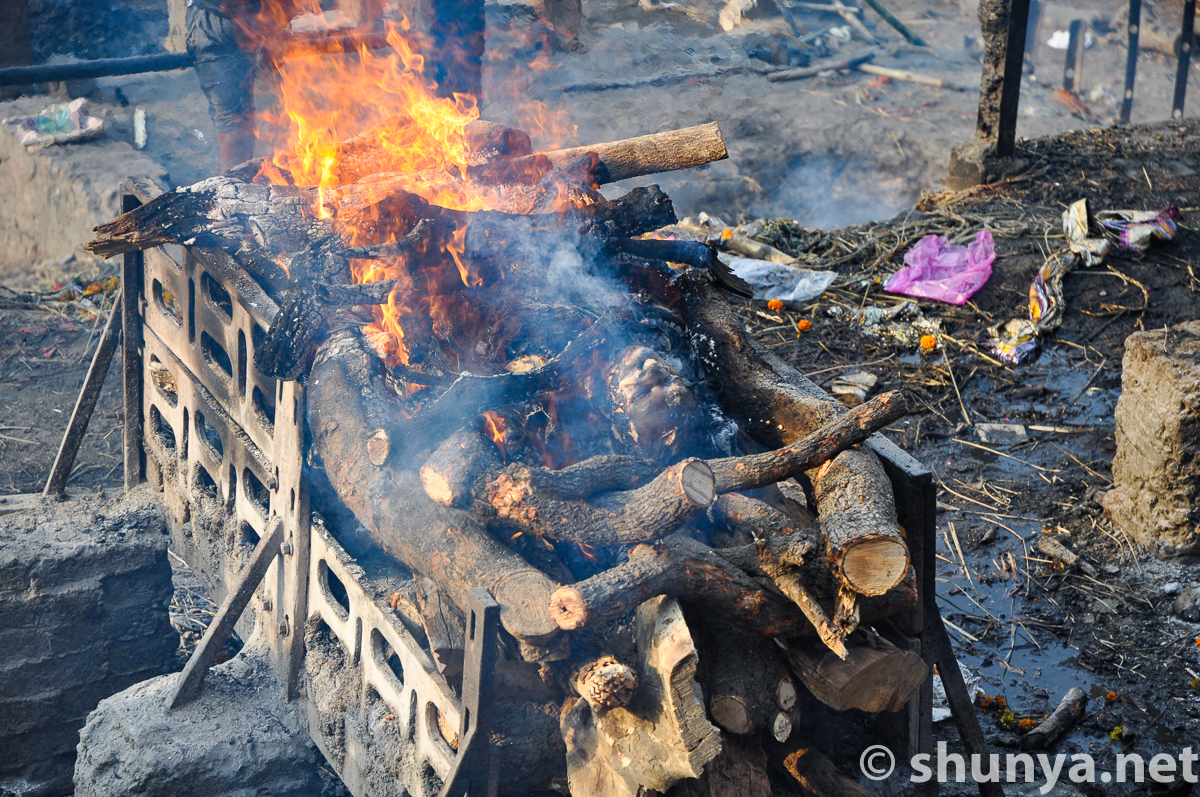
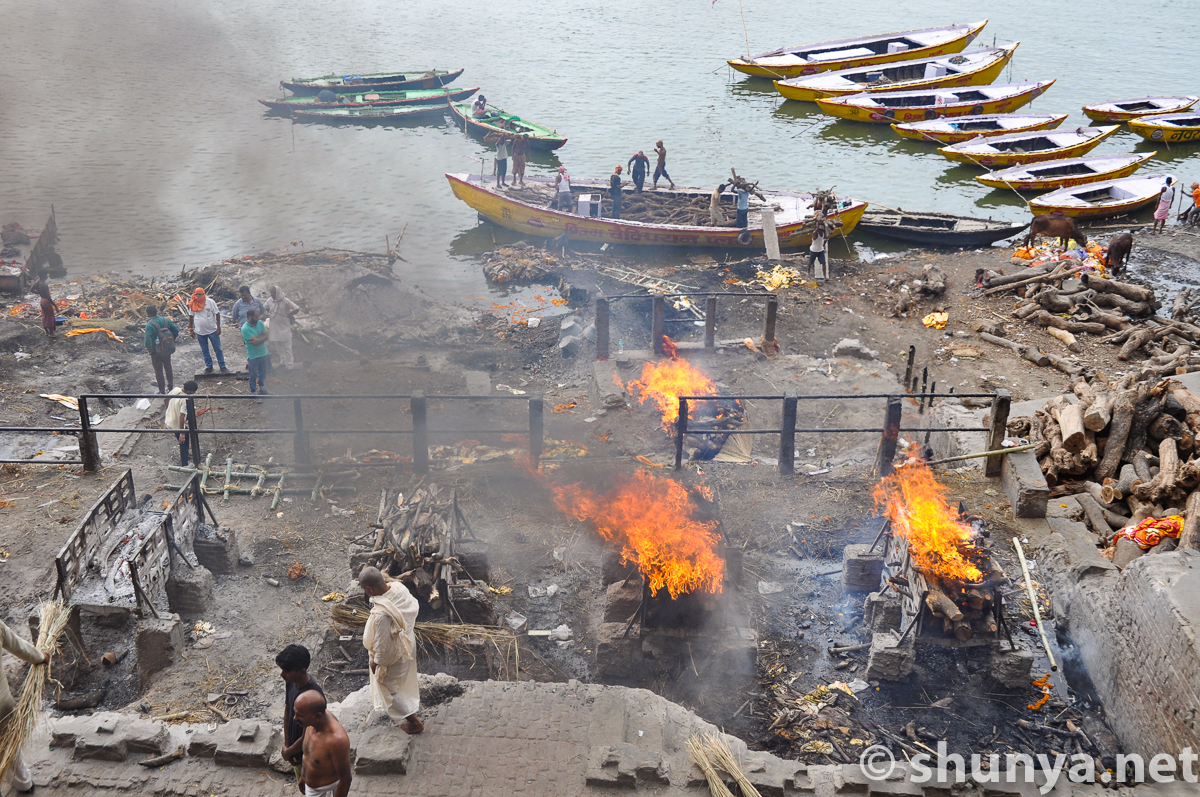
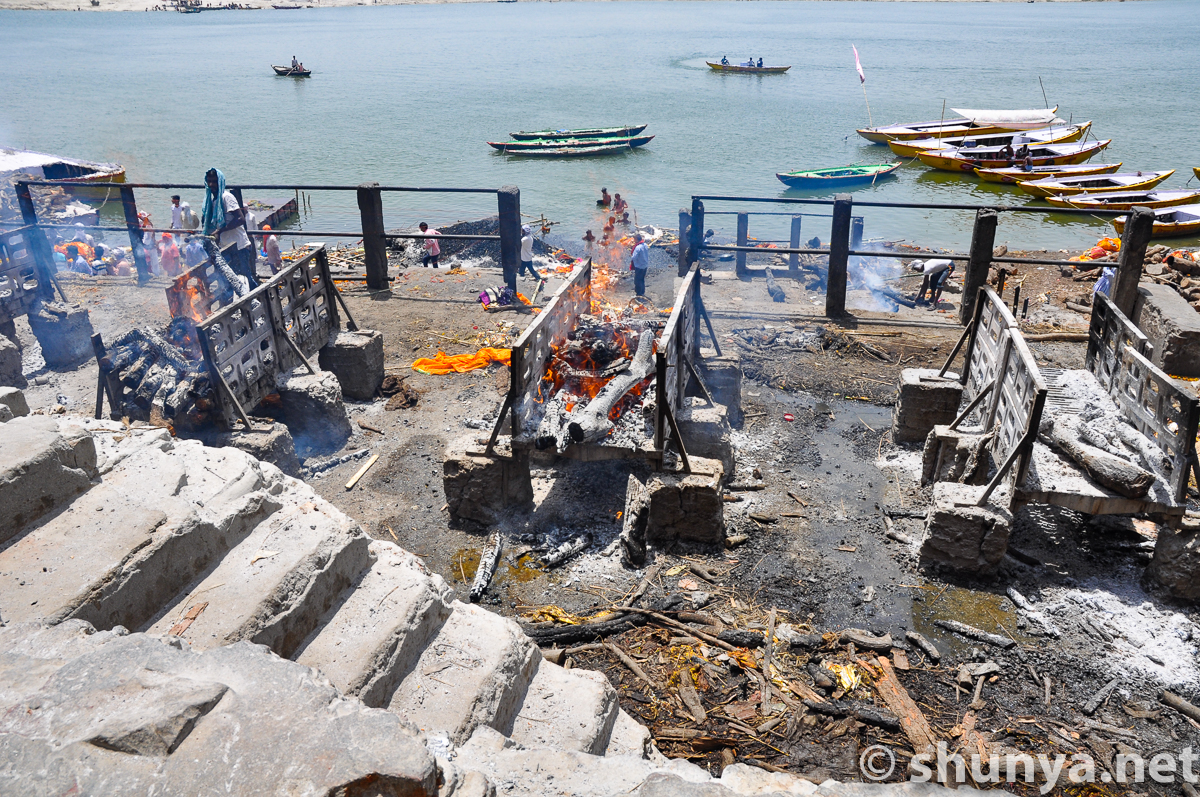
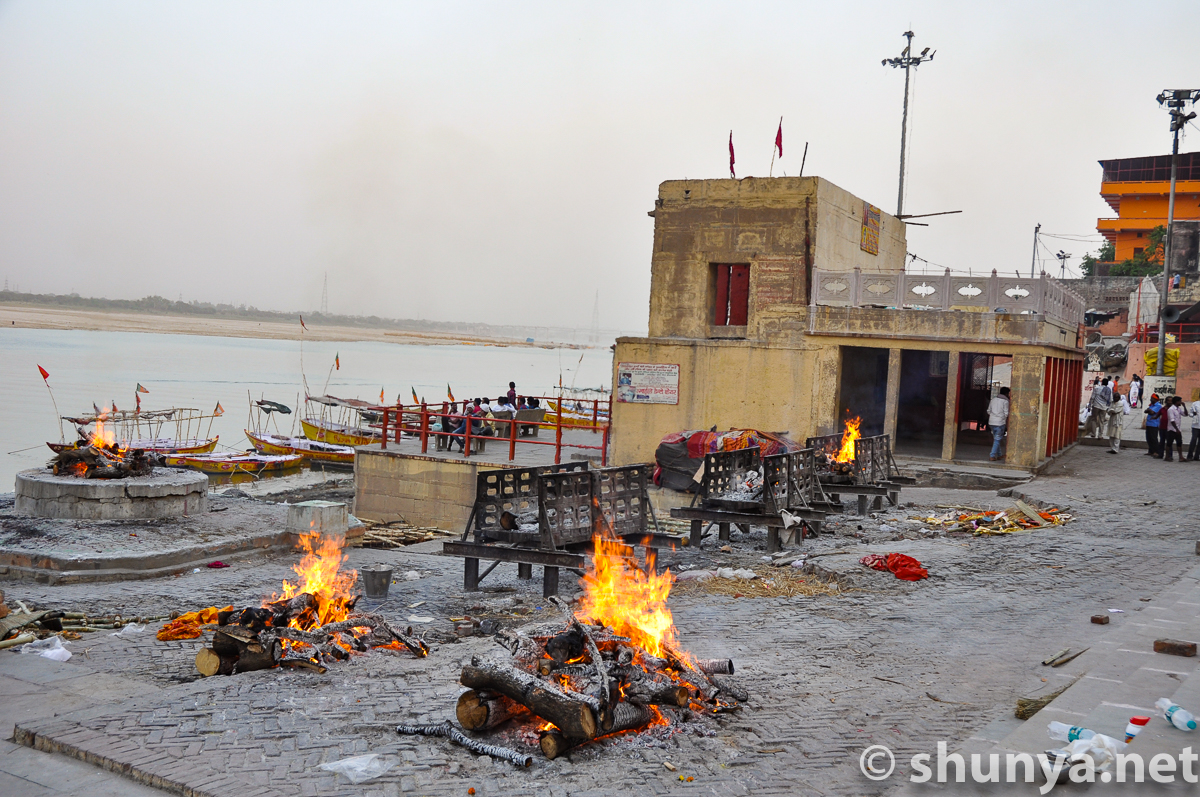
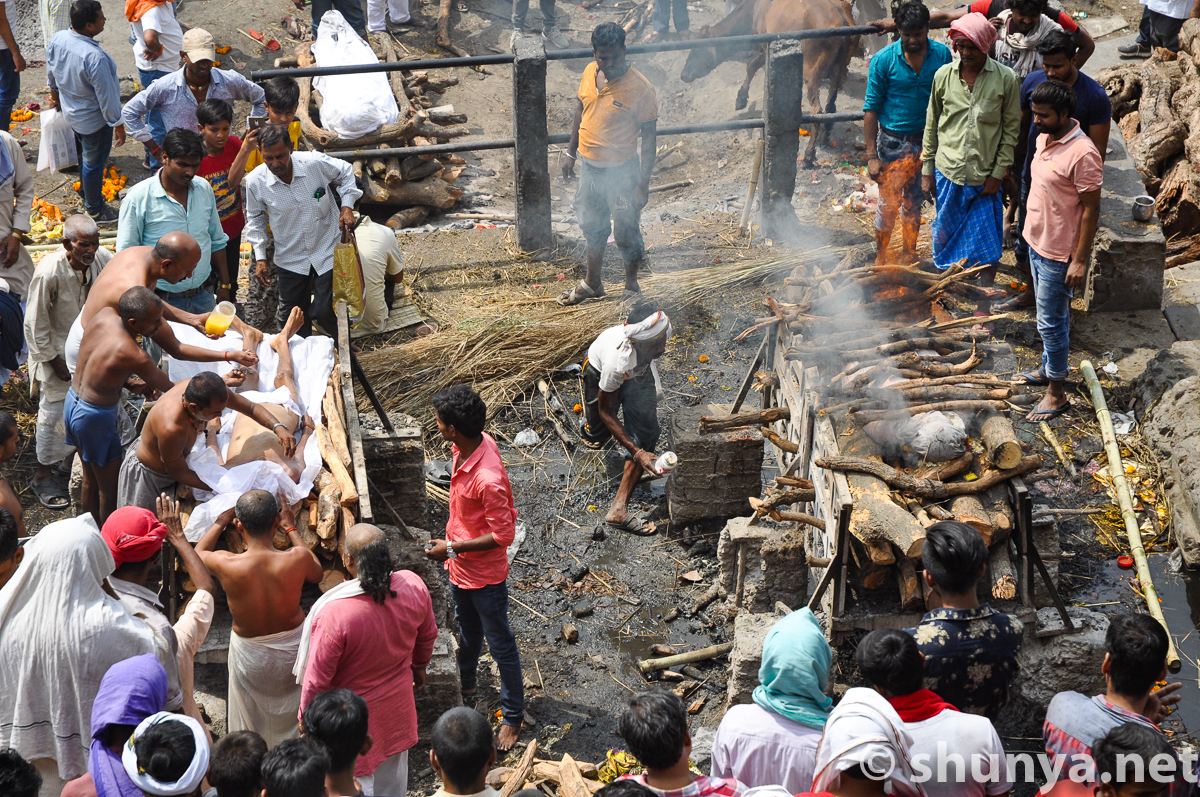
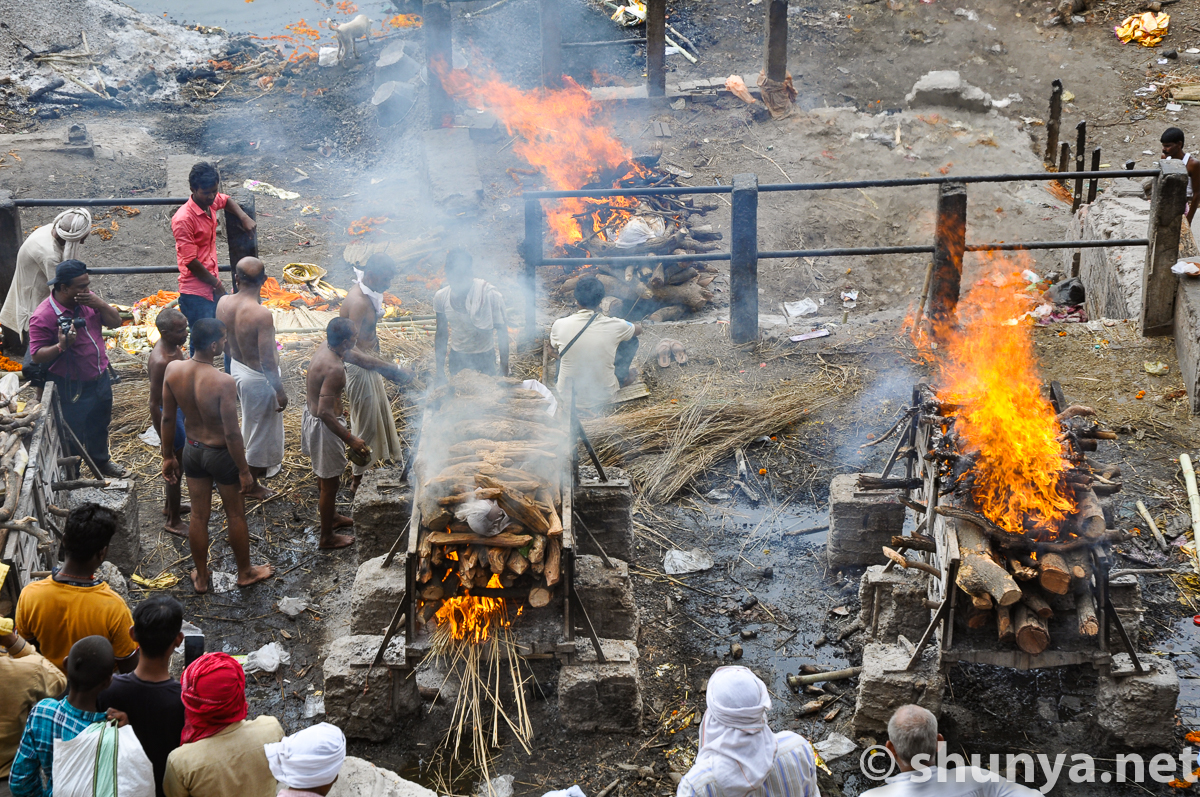
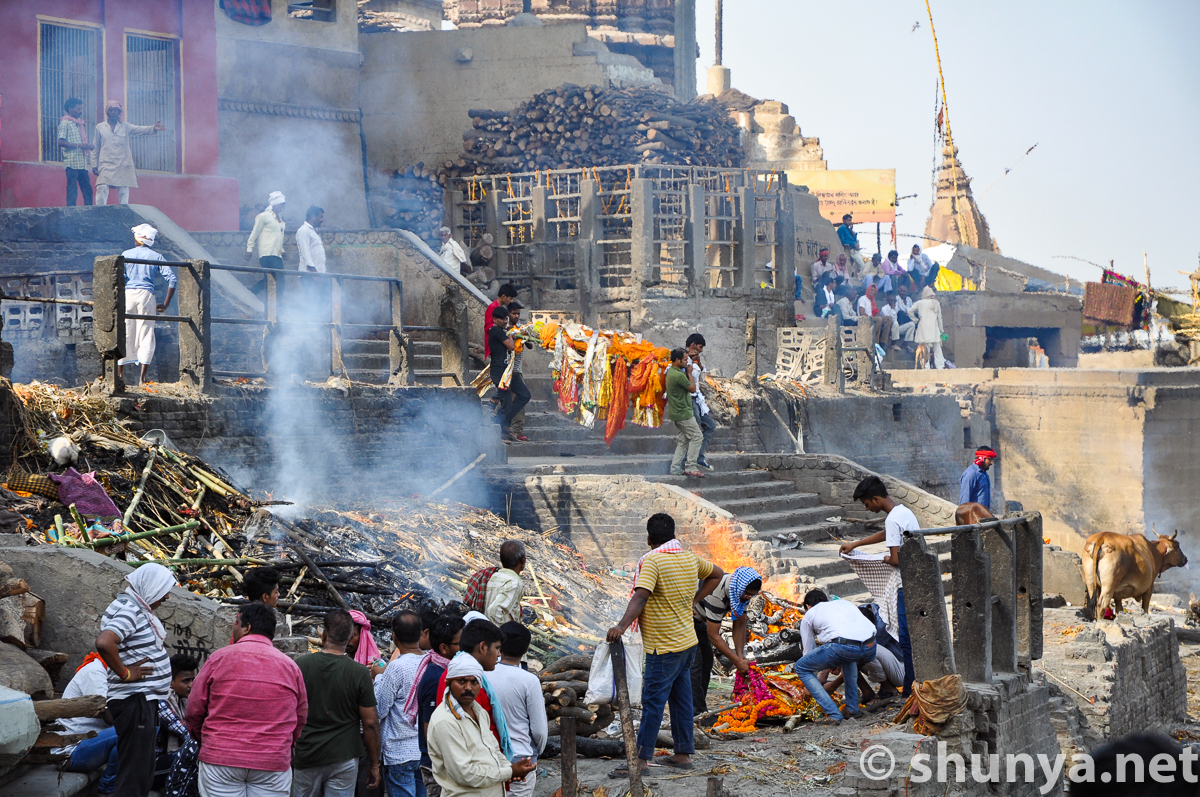
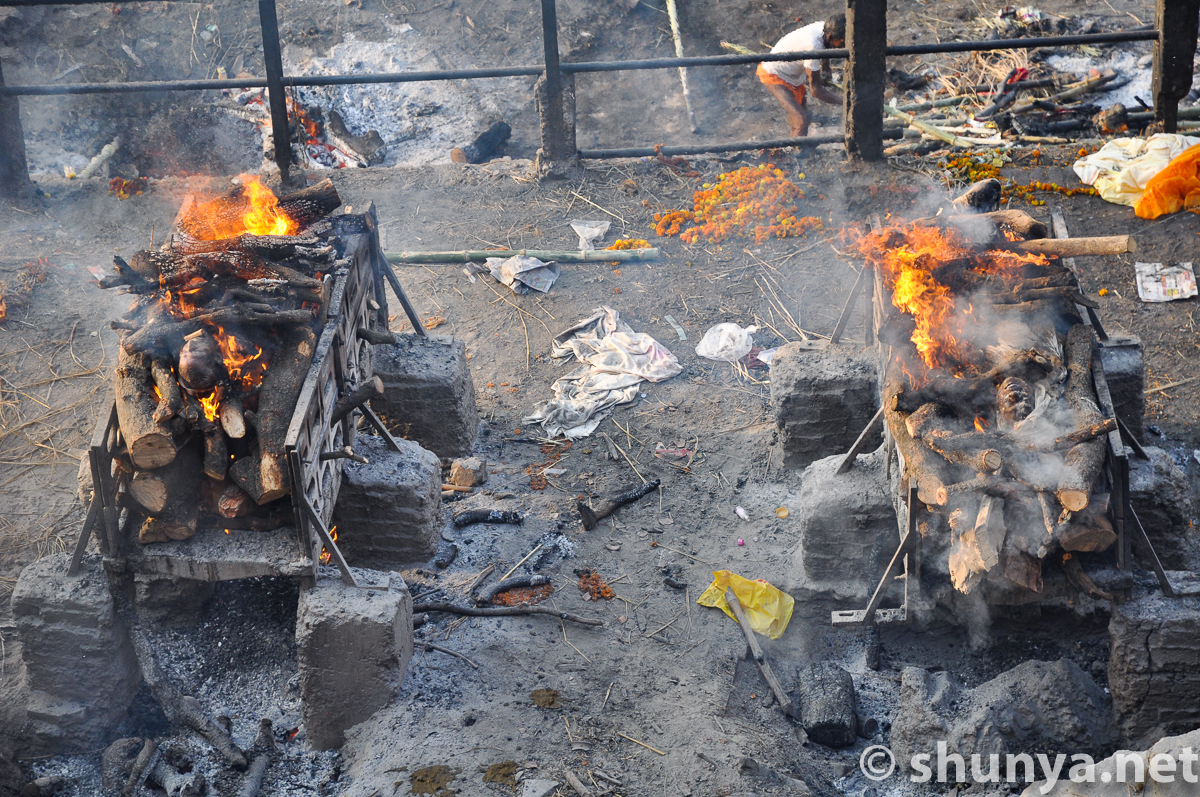
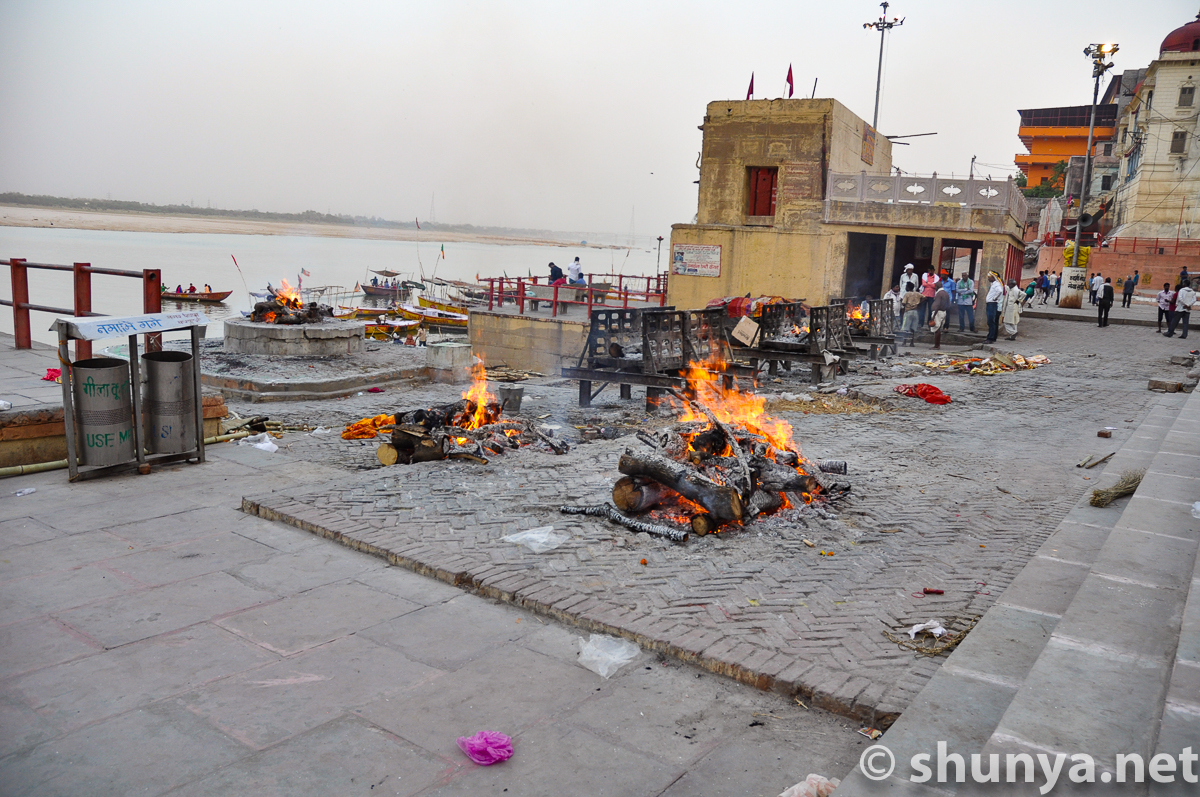
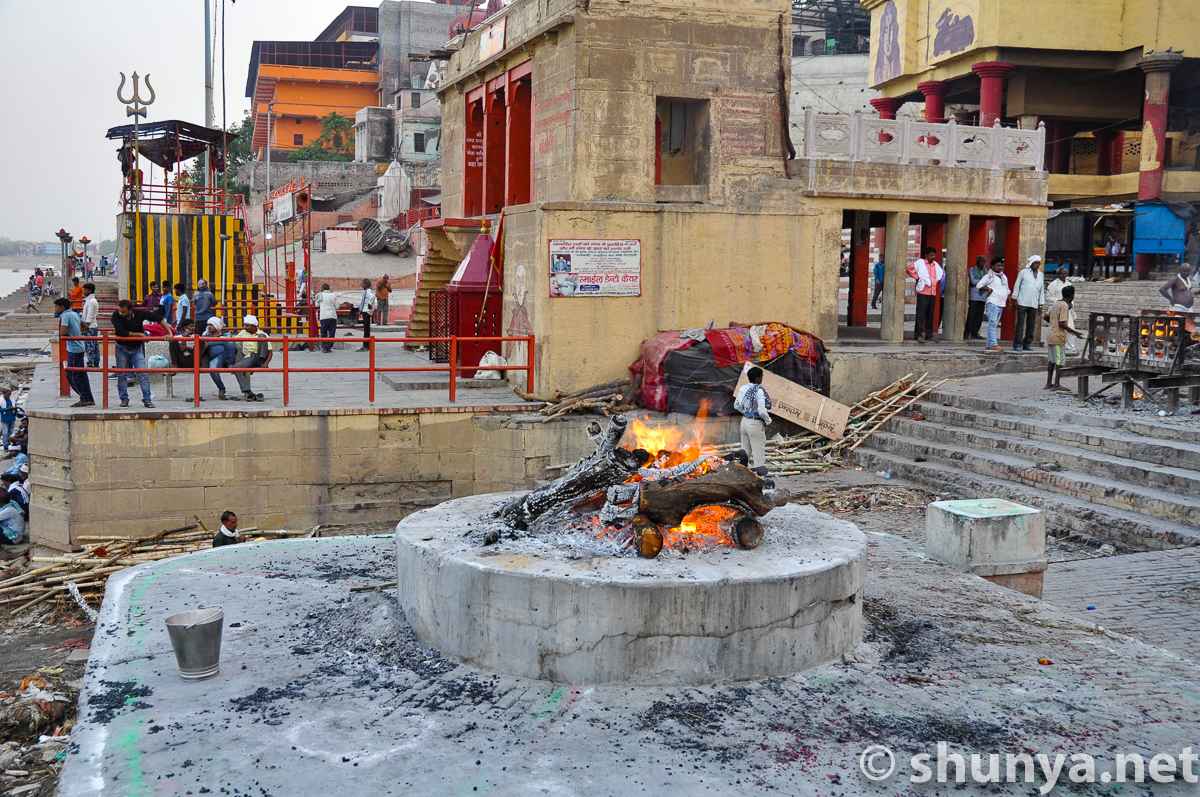
One pyre is lit
|
Final rituals / offerings
|
Extra treatment with ghee
|
Ready to go
|
|
 |
 |
 |
 |
 |
|
 |
 |
 |
 |
 |
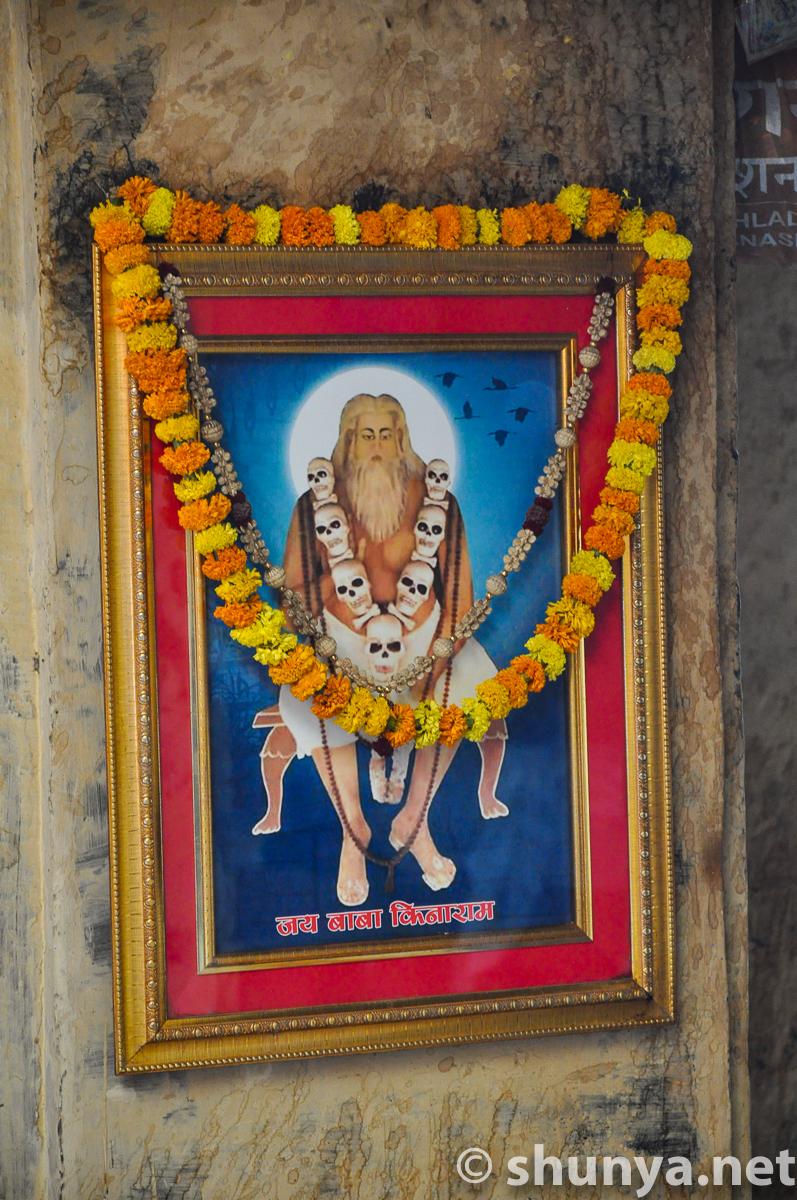
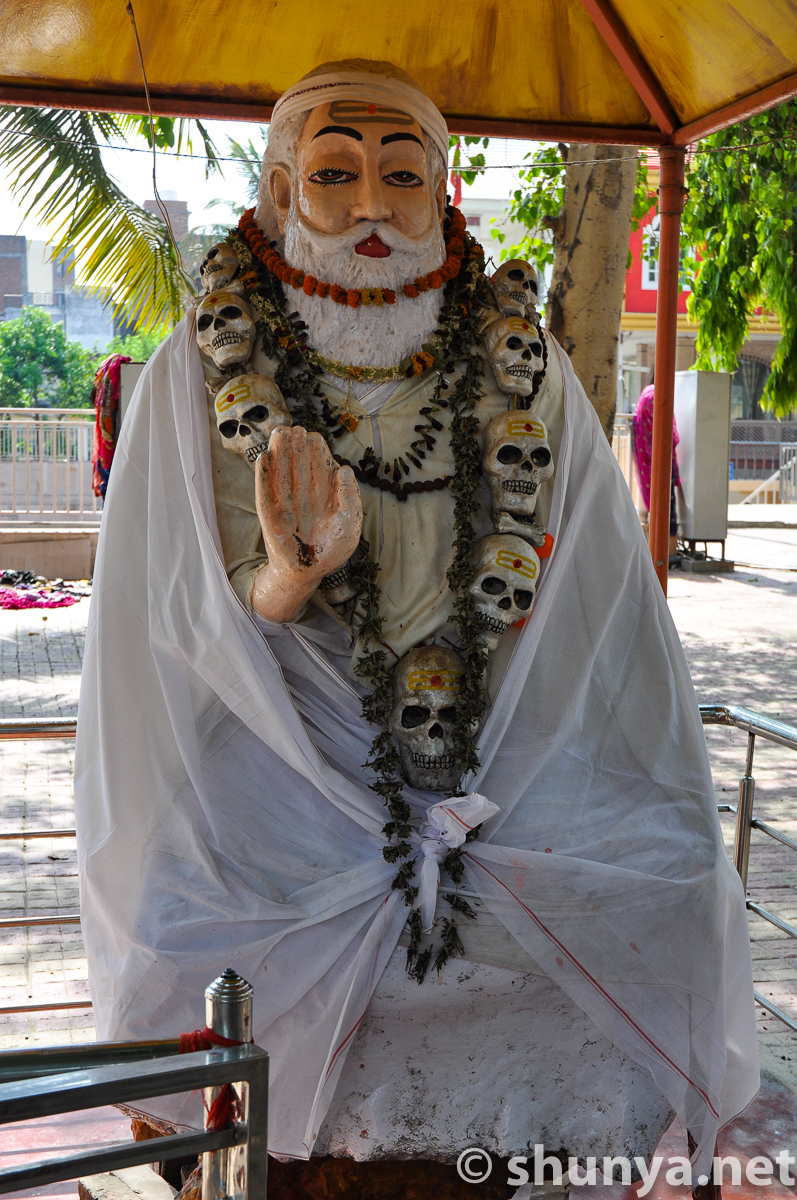
Baba Kinaram
|
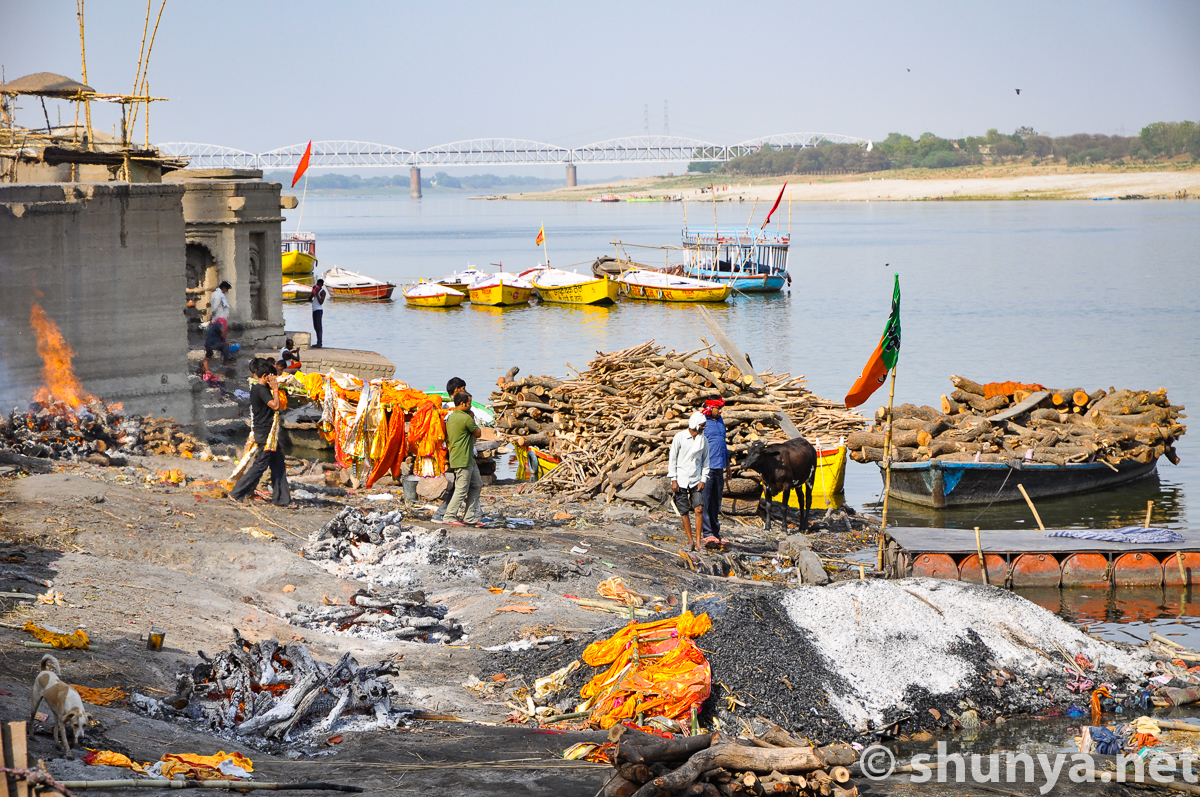
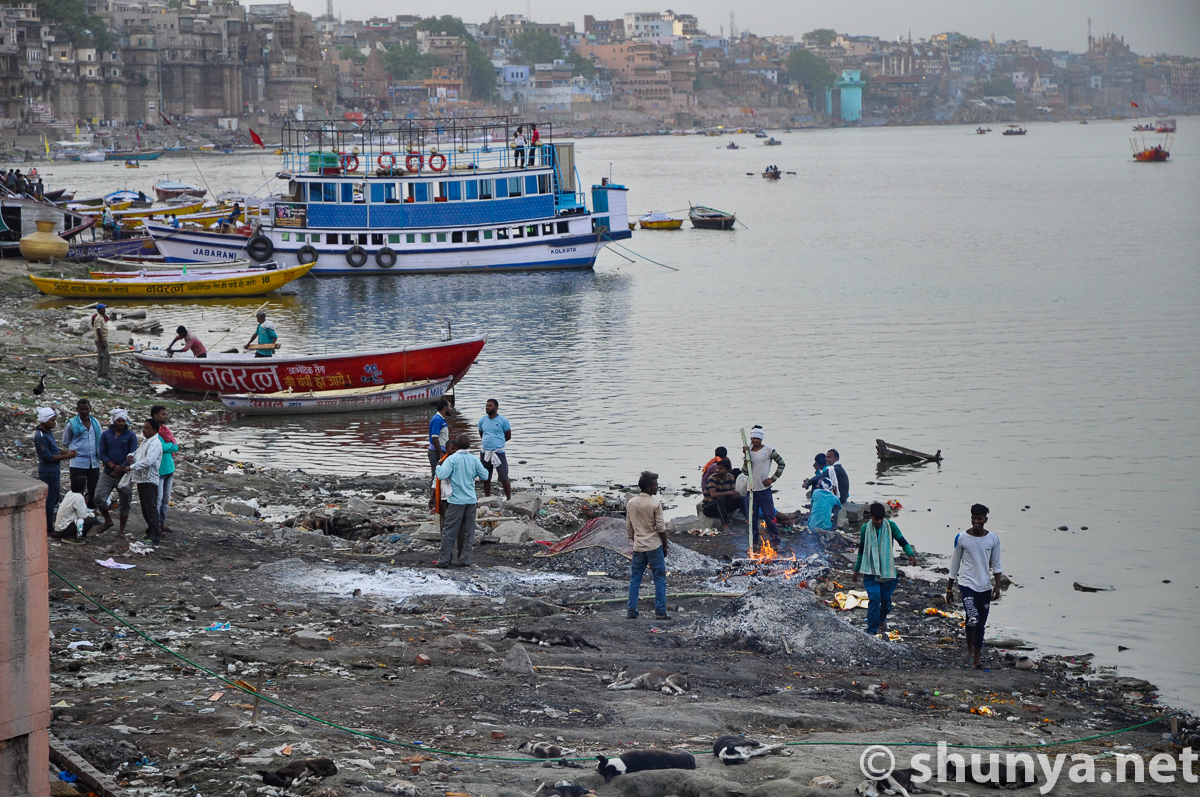
Boats delivering wood
|
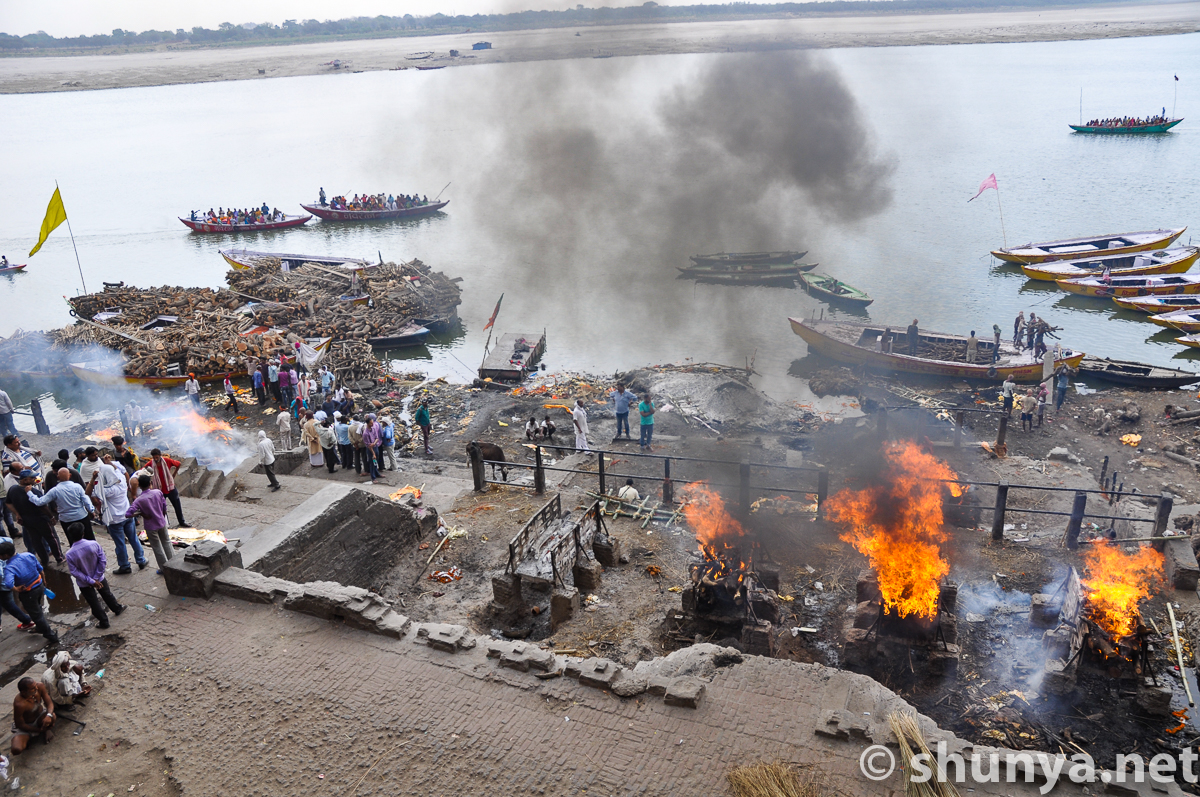
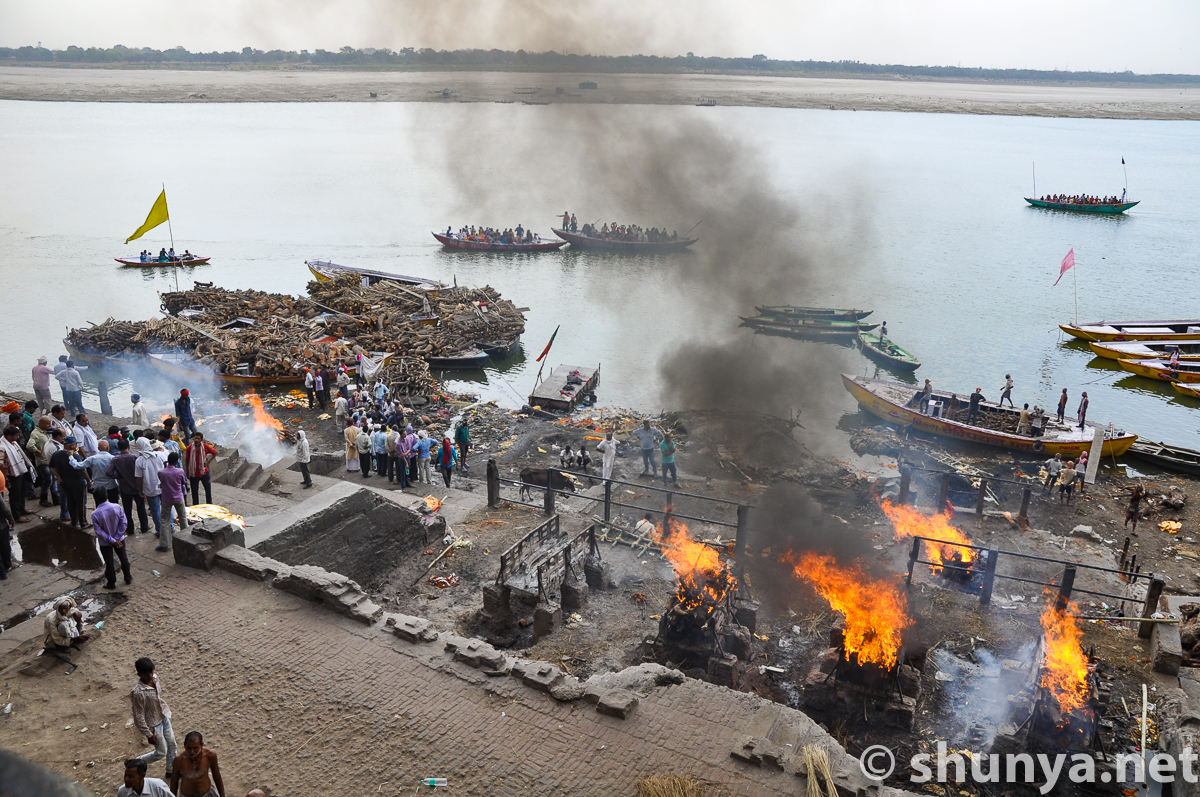
View from the top
|
|
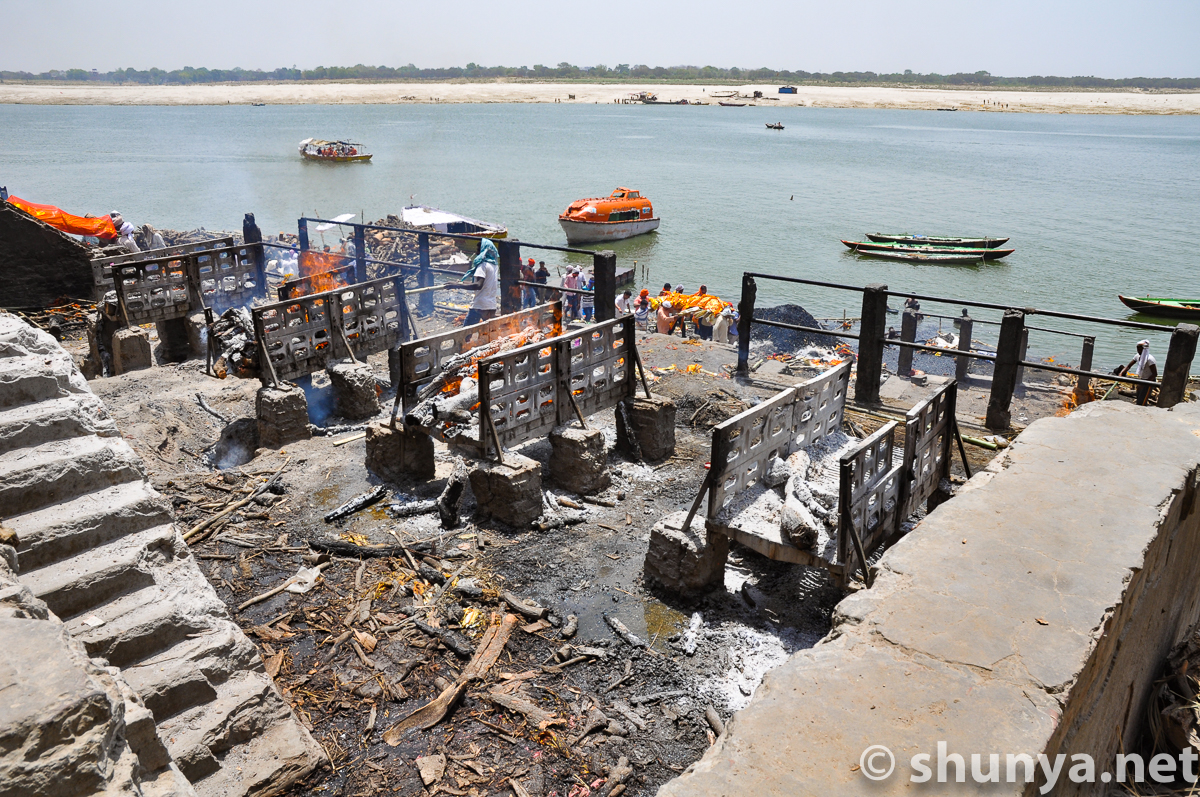
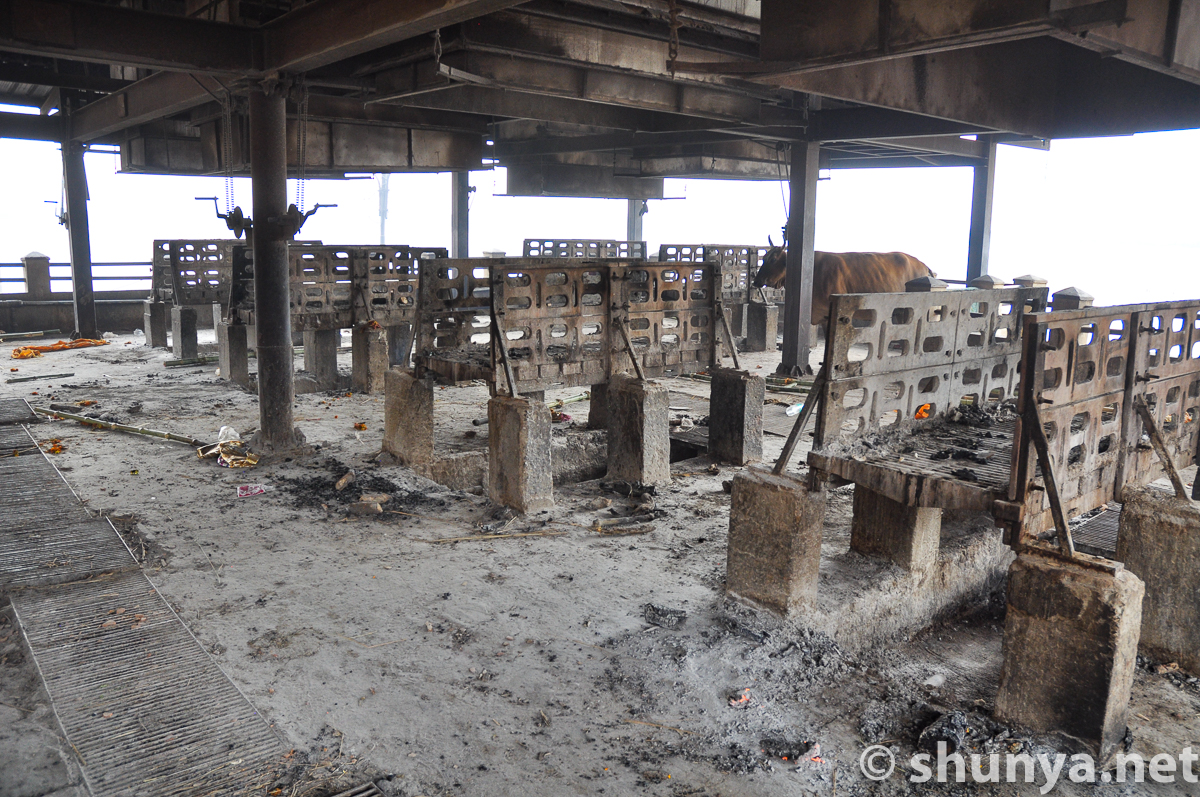
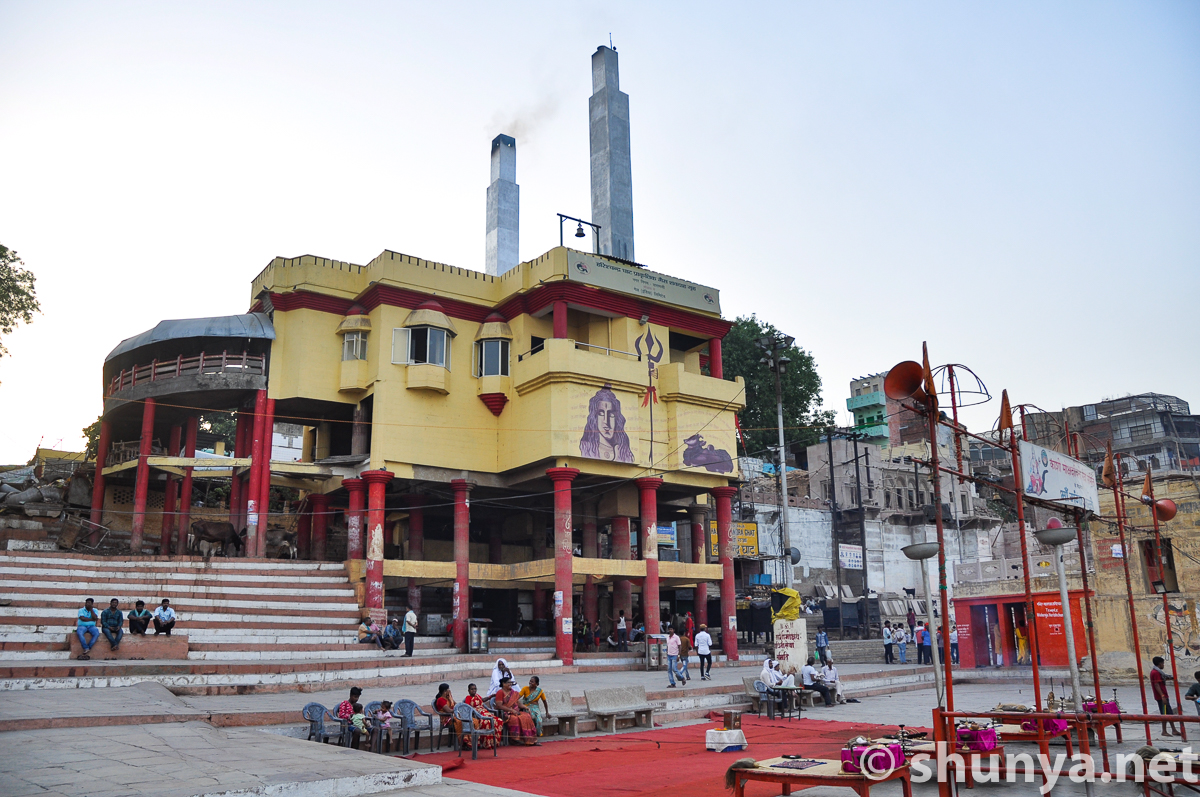
Covered crematorim
|
Meals on the ghat
|
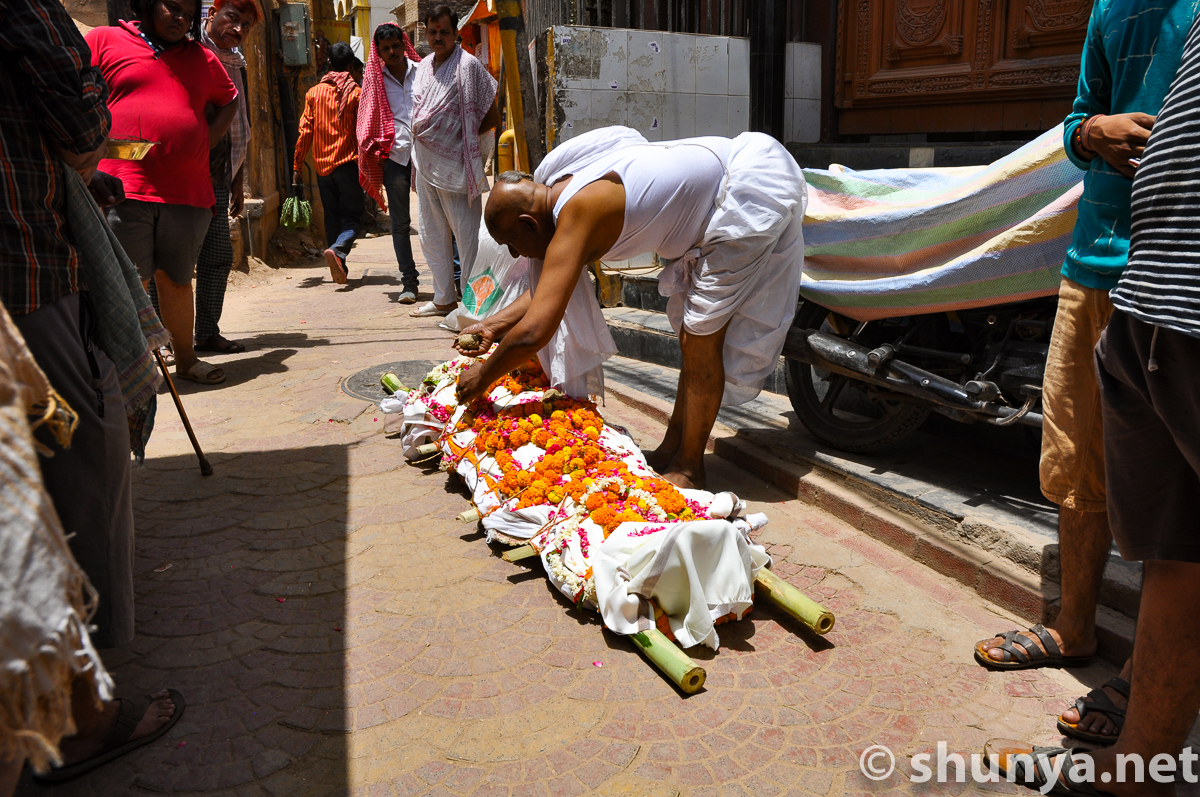
A new body is brought in
|
Take to the river for a dip
|
Placing on the pyre
|
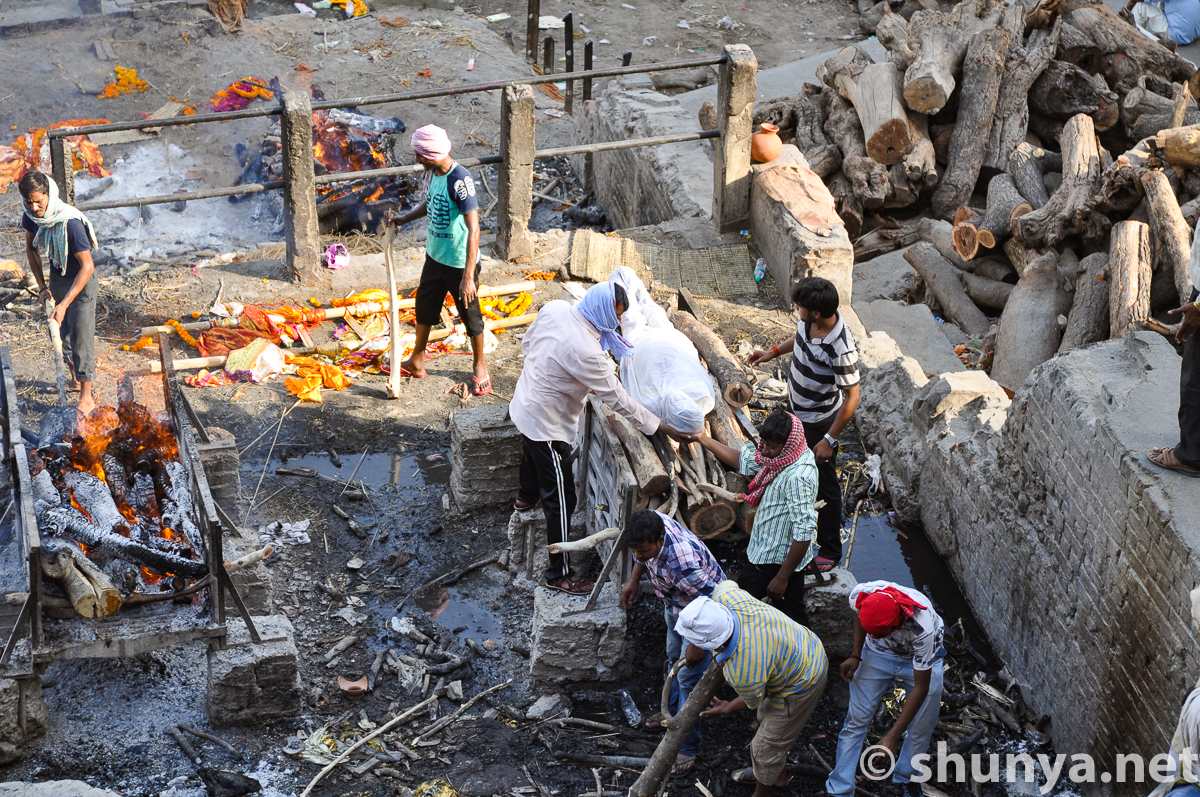
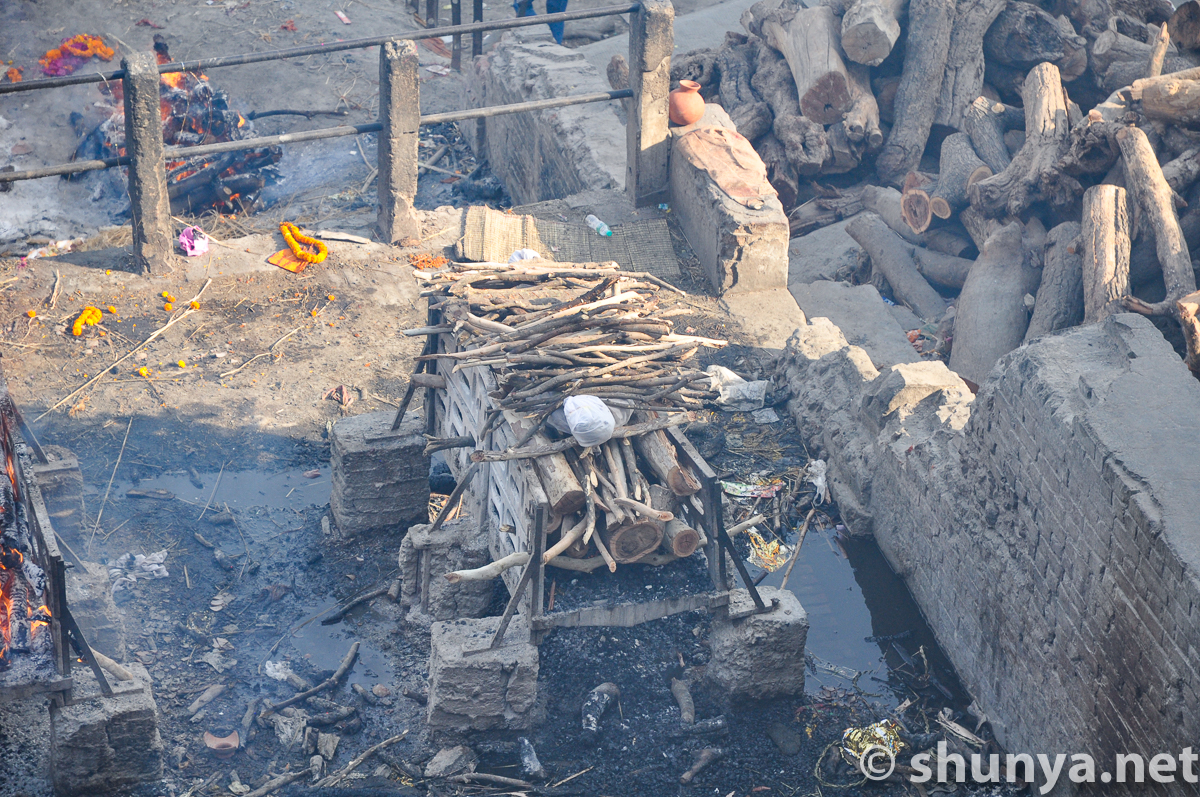
Loading wood
|
Ready to be lit
|
Up in smoke
|
|
|
Another corpse
|
Two bodies on the pyre
|
Smoky all day
|
Another pyre
|
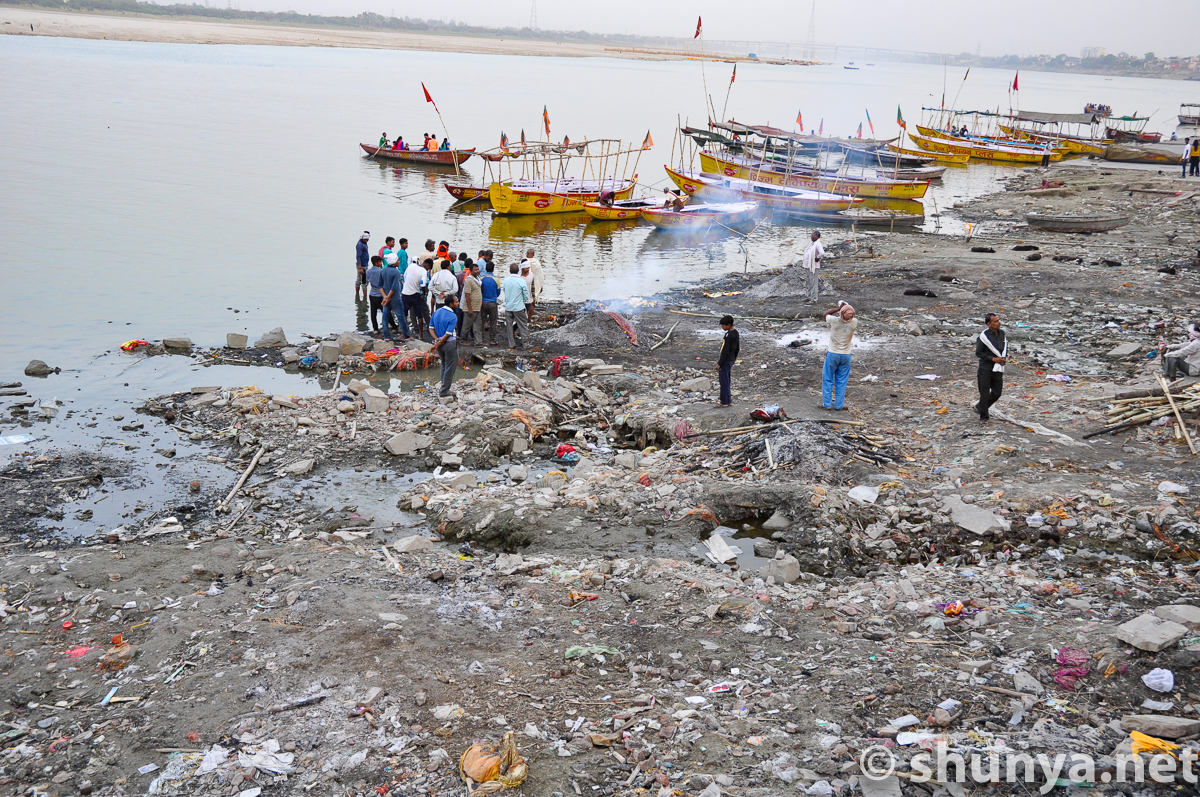
Relatives & friends (more)
|
Cow looking for marigold
|
Relatives & friends
|
Electric crematorium above
|
Second cremation ghat
|
Smaller of the two
|
|
Funeral pyre is set up
|
More expensive venue
|
Less expensive venue
|
Least expensive venue
|
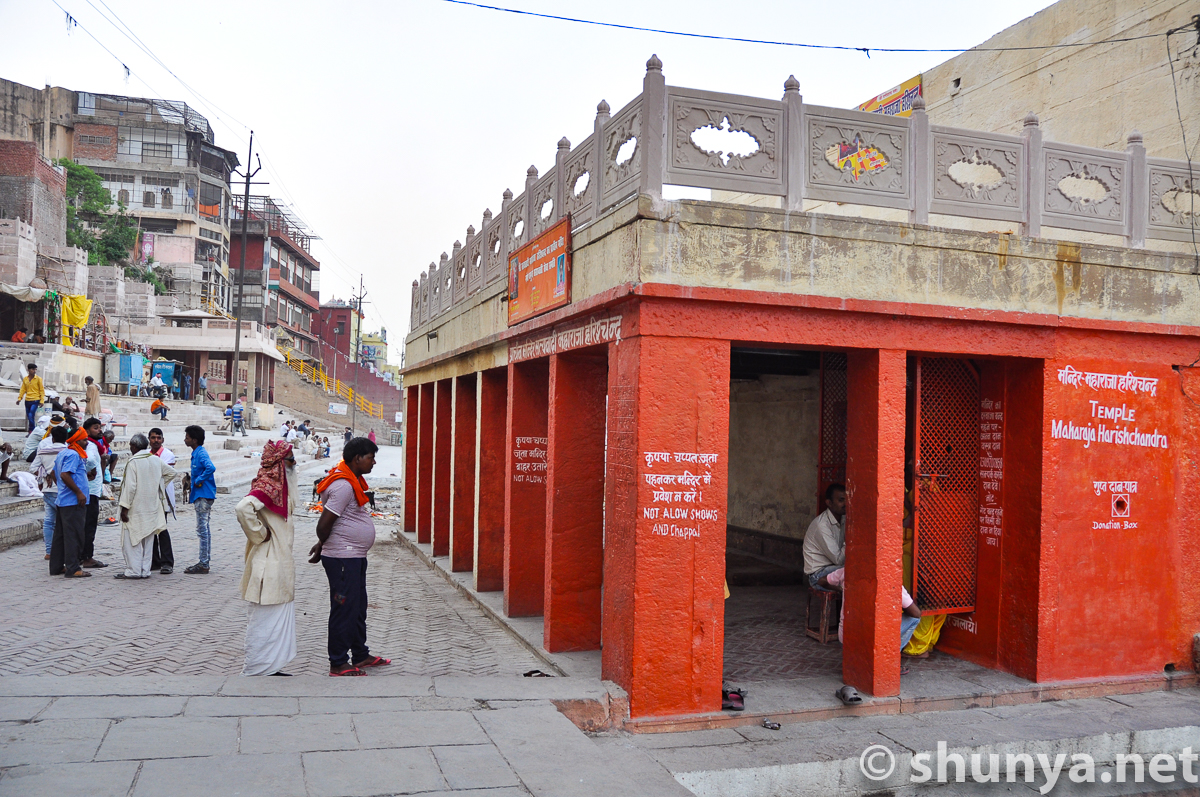
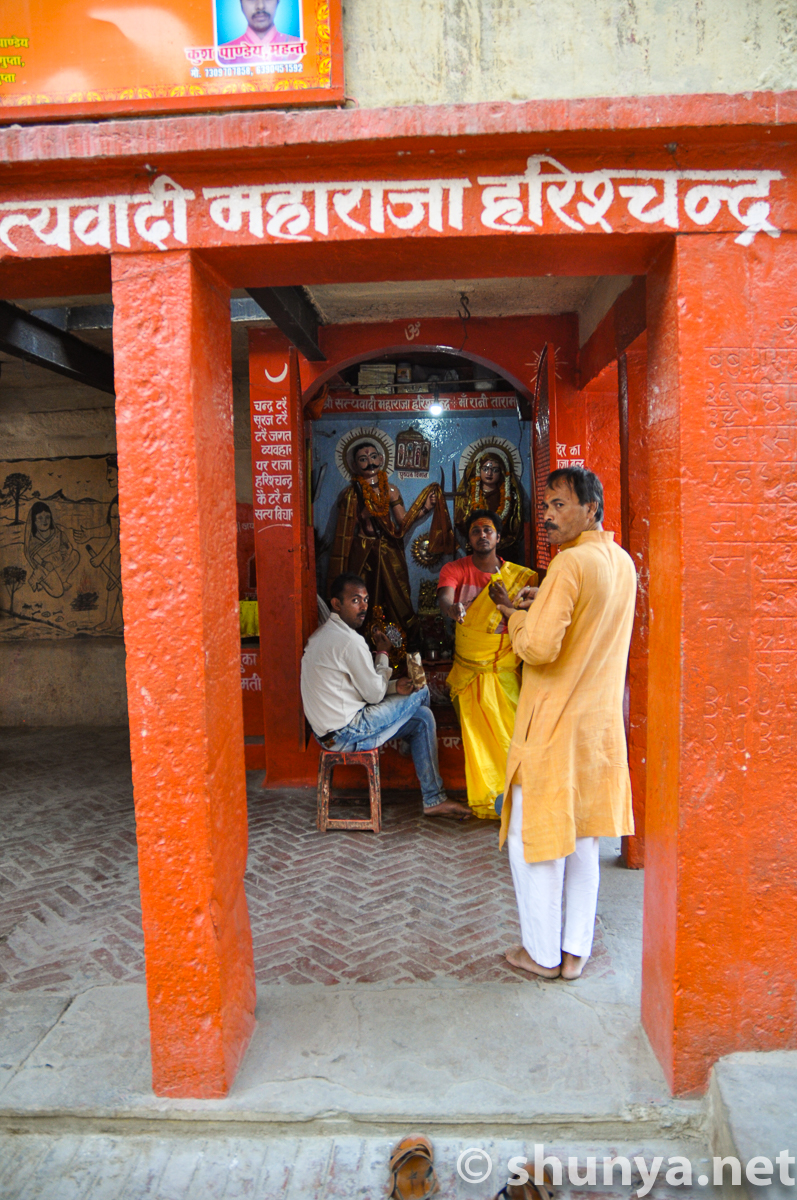
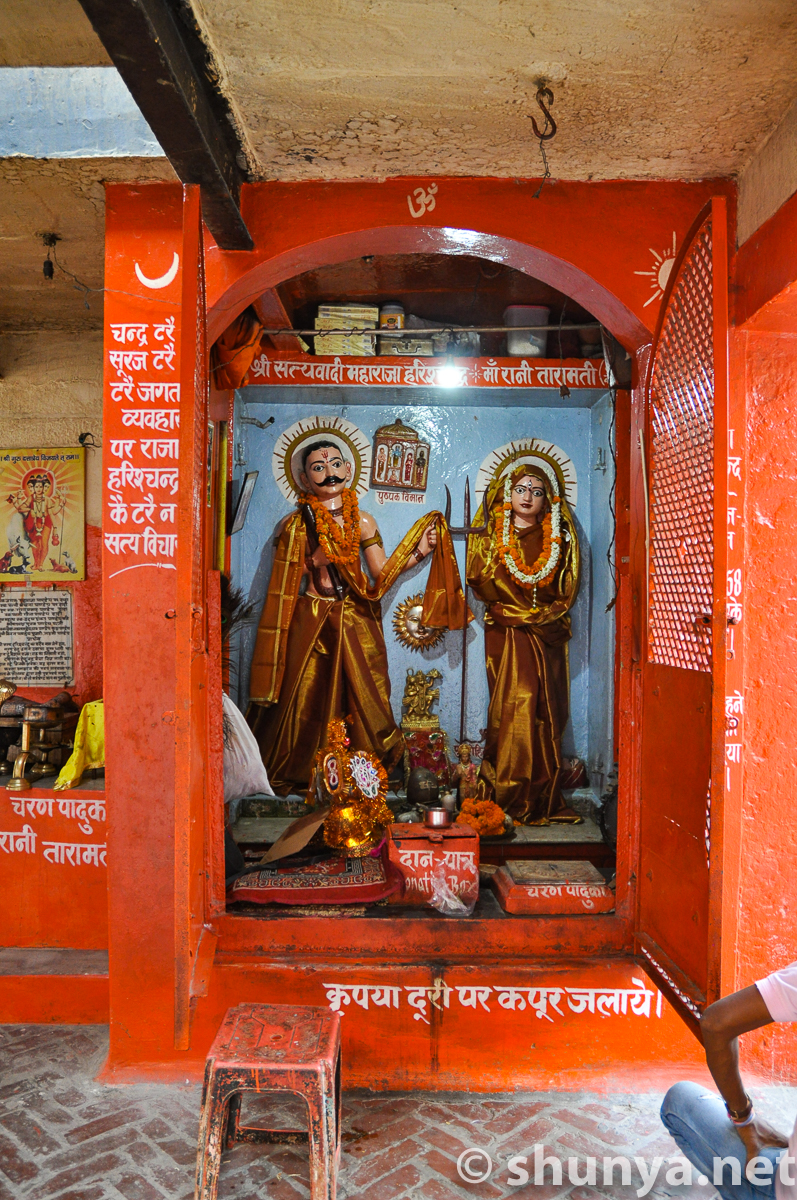
Temple to Harishchandra
|
Entrance
|
Statuary
|
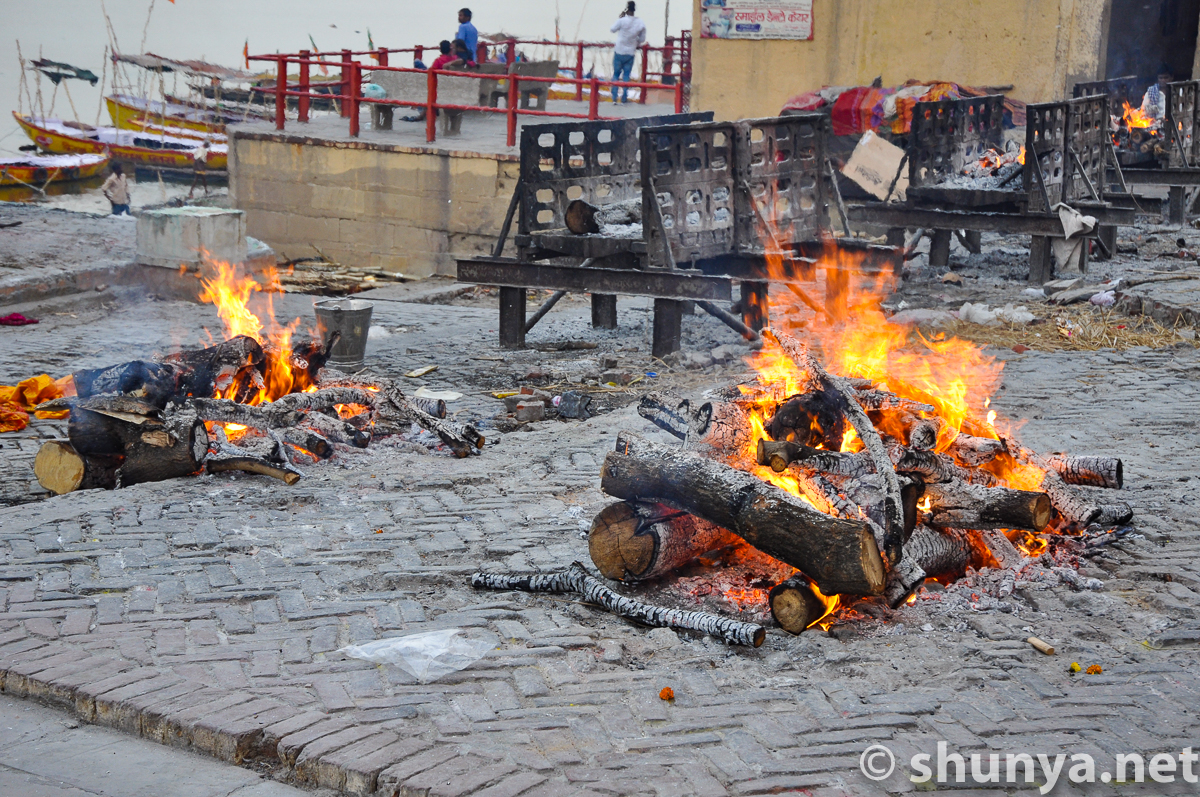
Raging fire
|
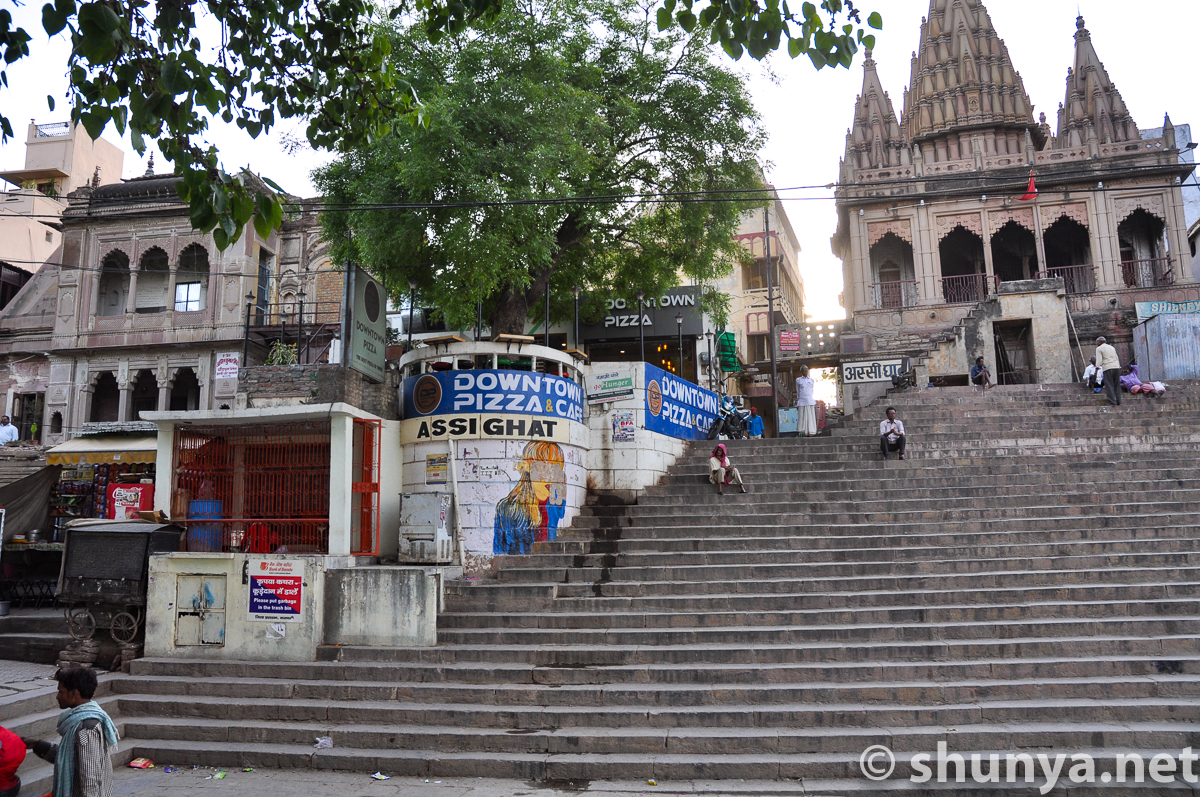
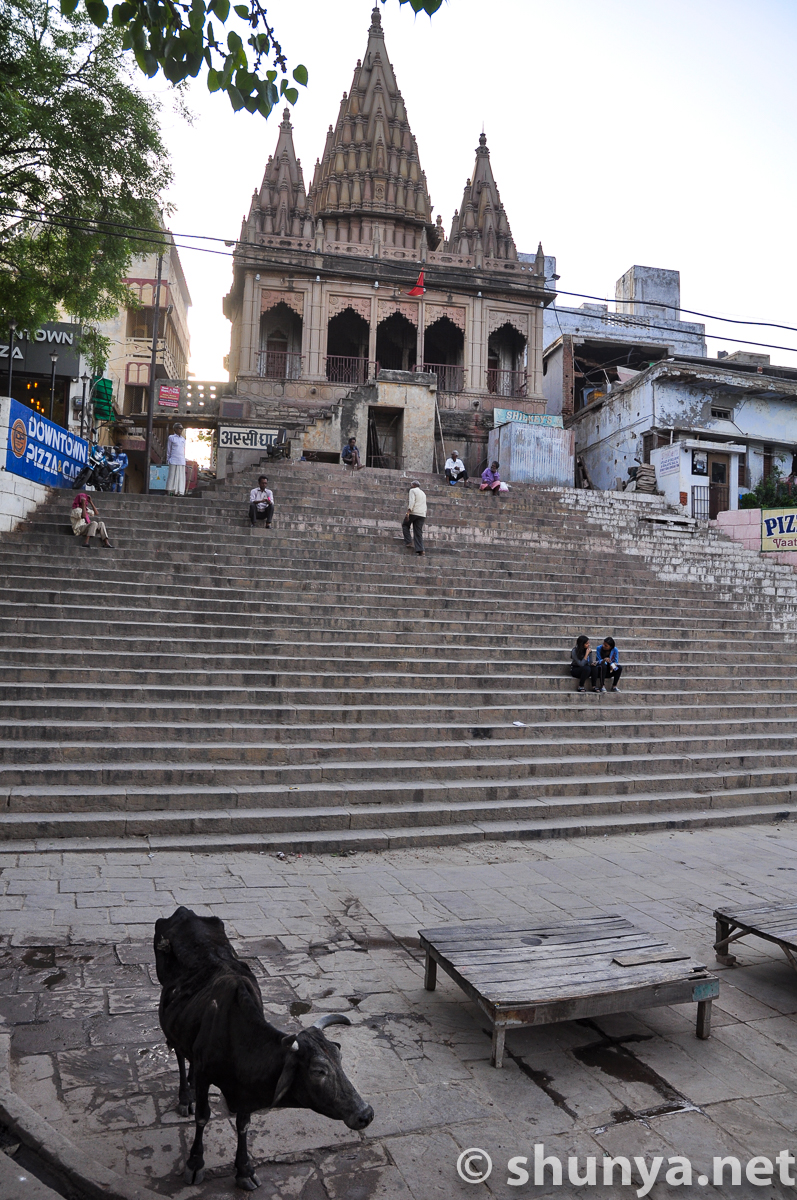
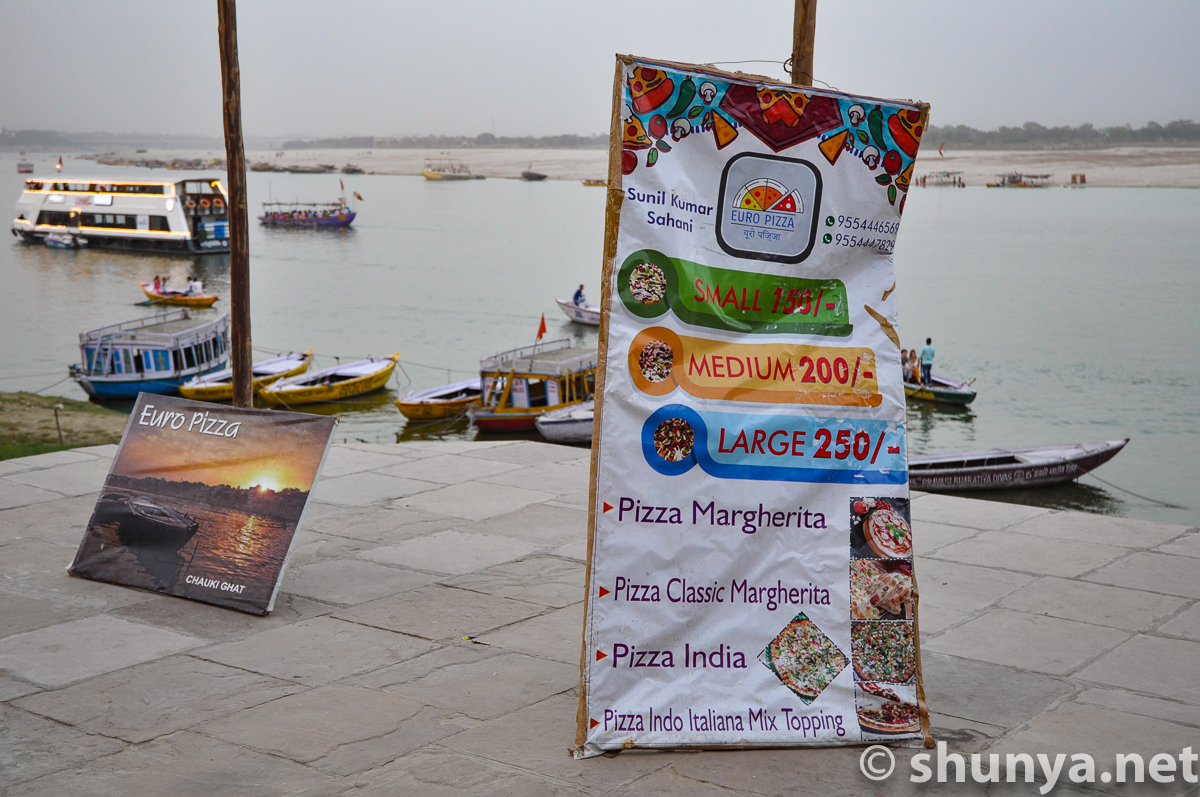
A pizza place on
|
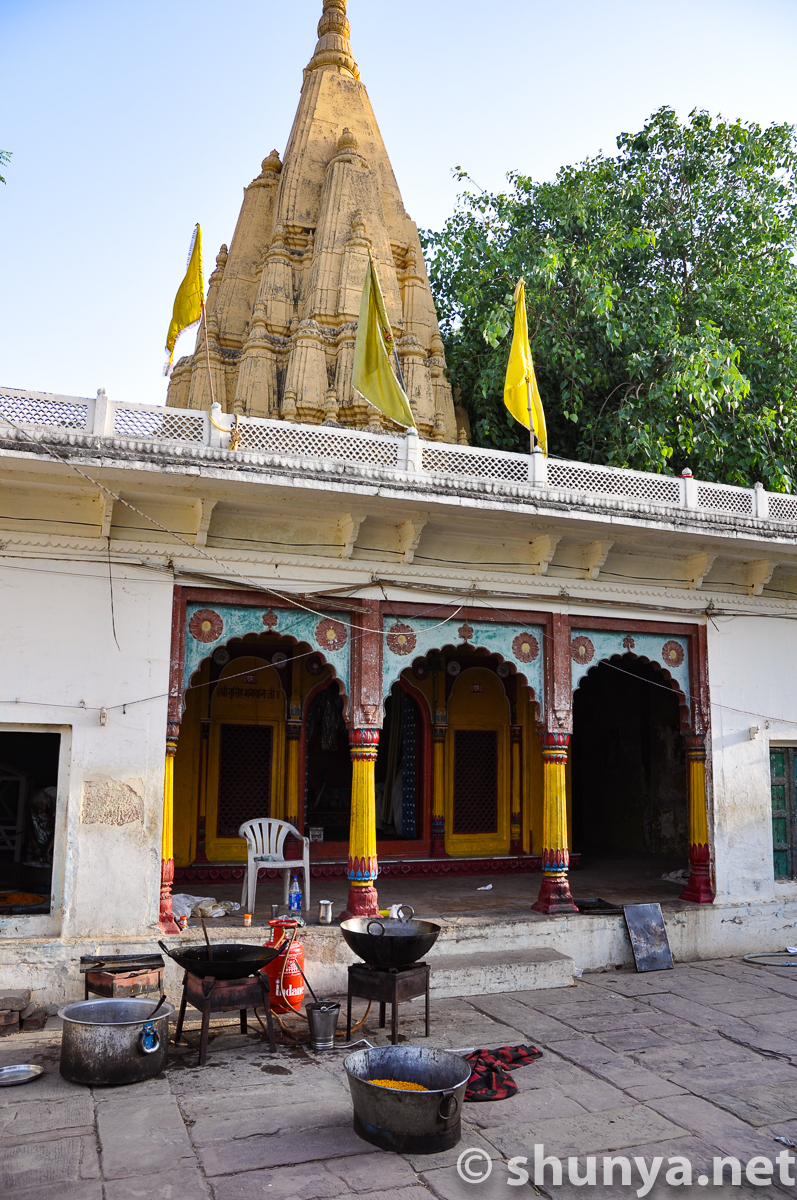
Jagannath Temple,
|
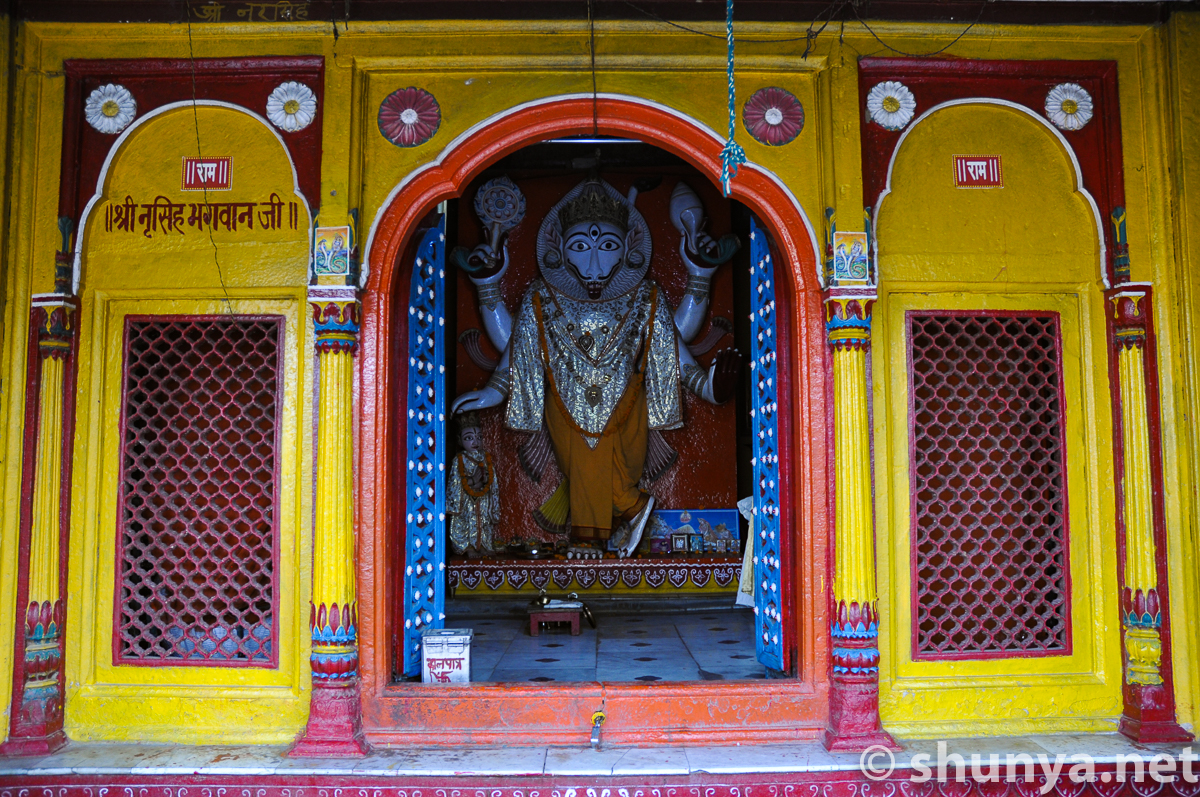
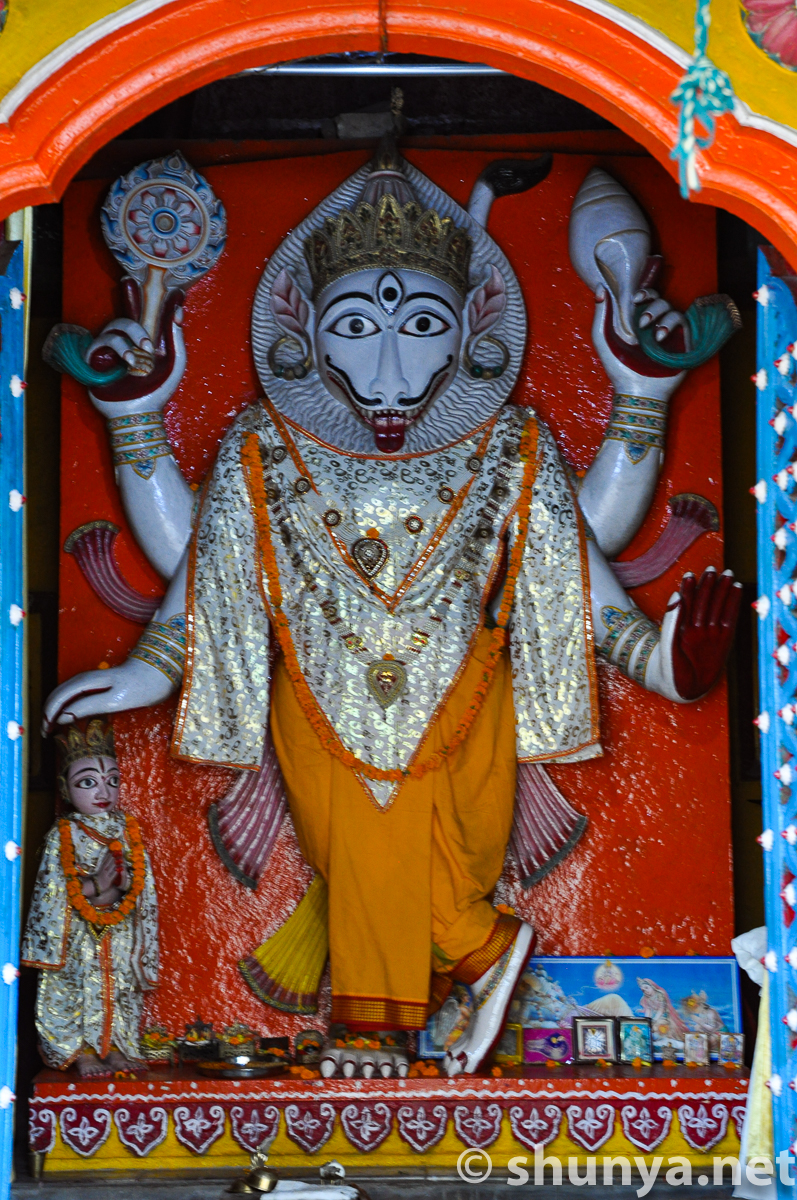
Lord Narasimha in the
|
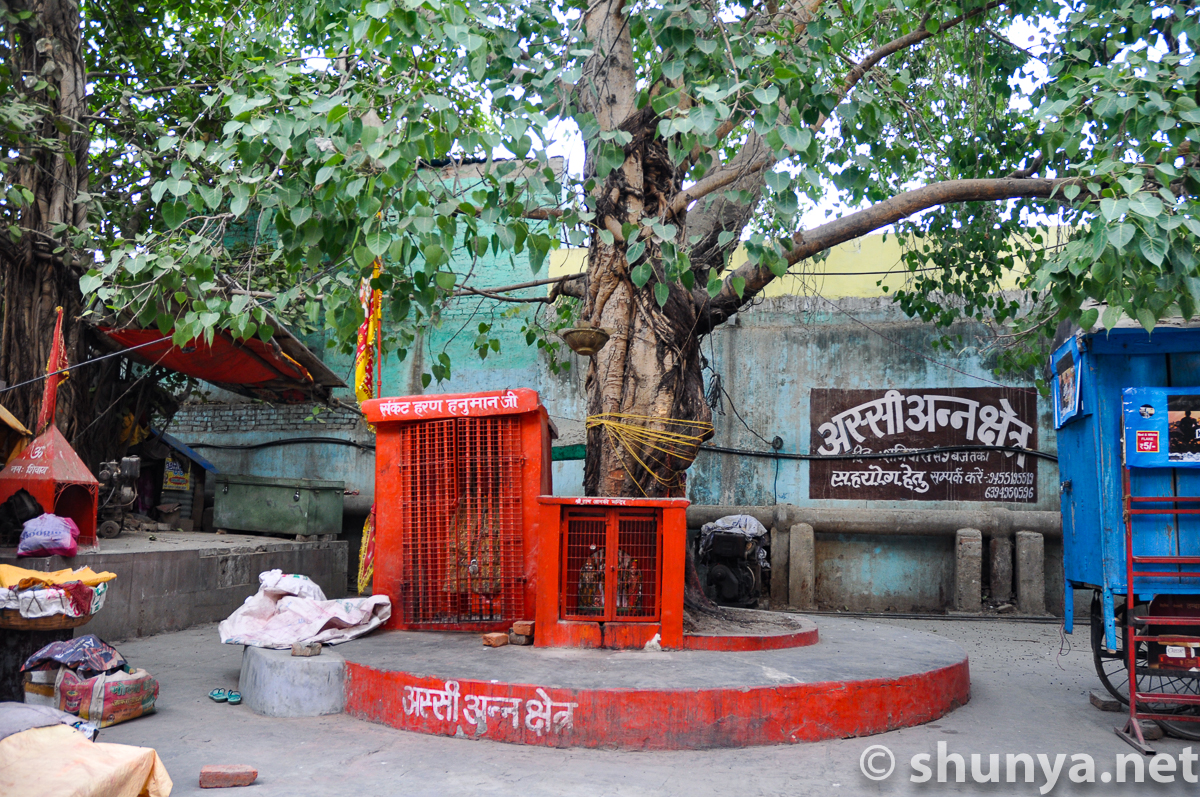
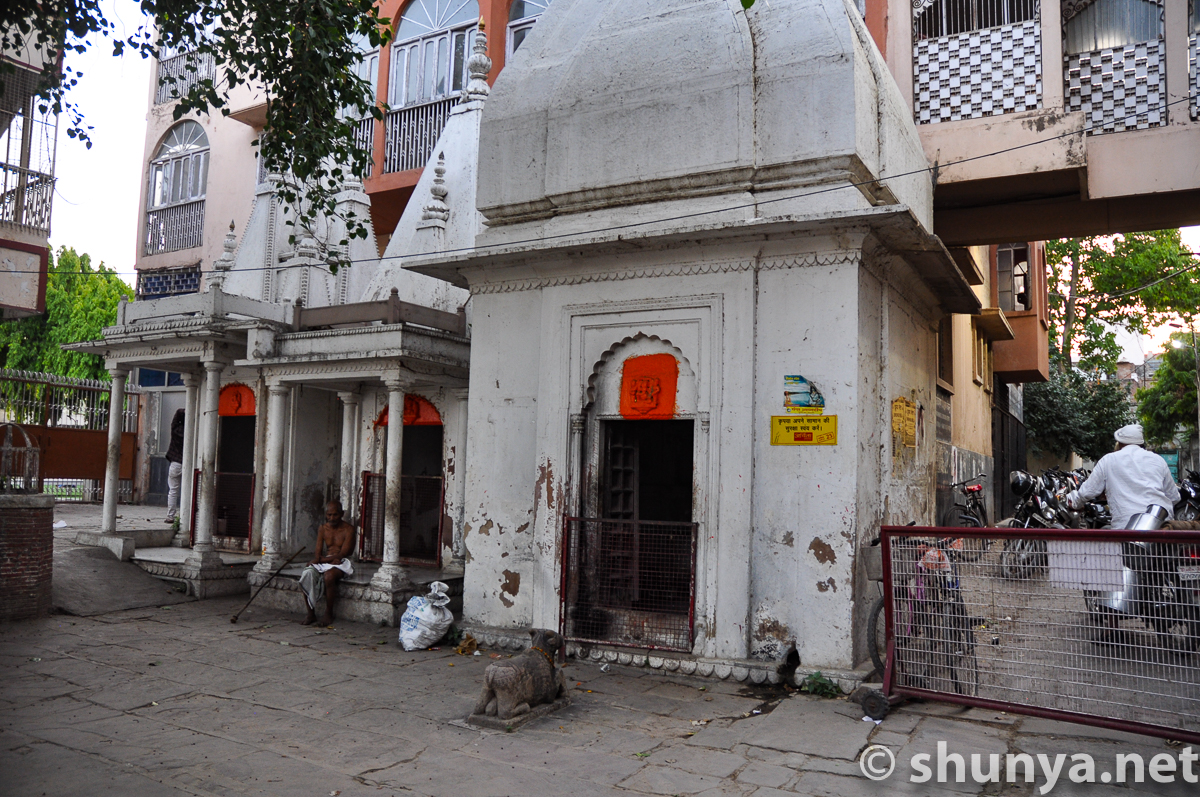
Roadside shrine to
|
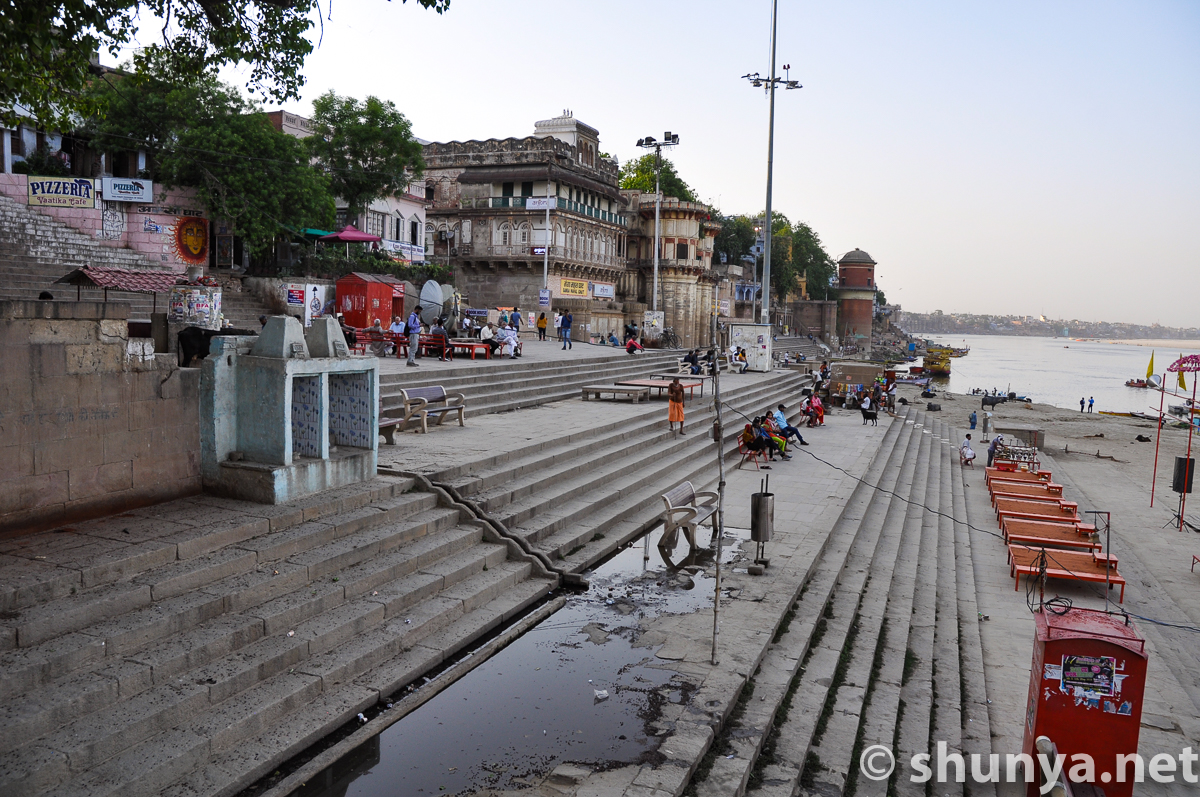
Assi Ghat, heading north
|
Shrines near Tulsidas
|
Swaminath Akhara (more)
|
Kurukshetra kund (more)
|
View from above
|
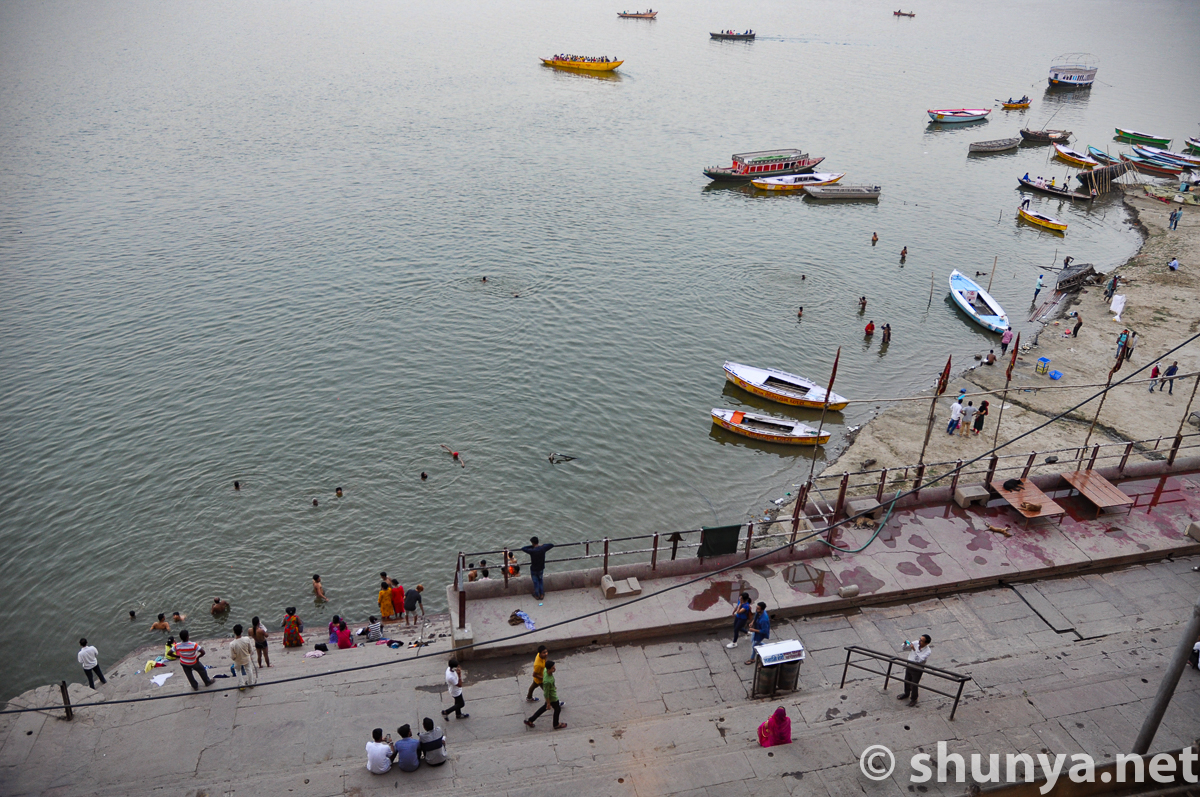
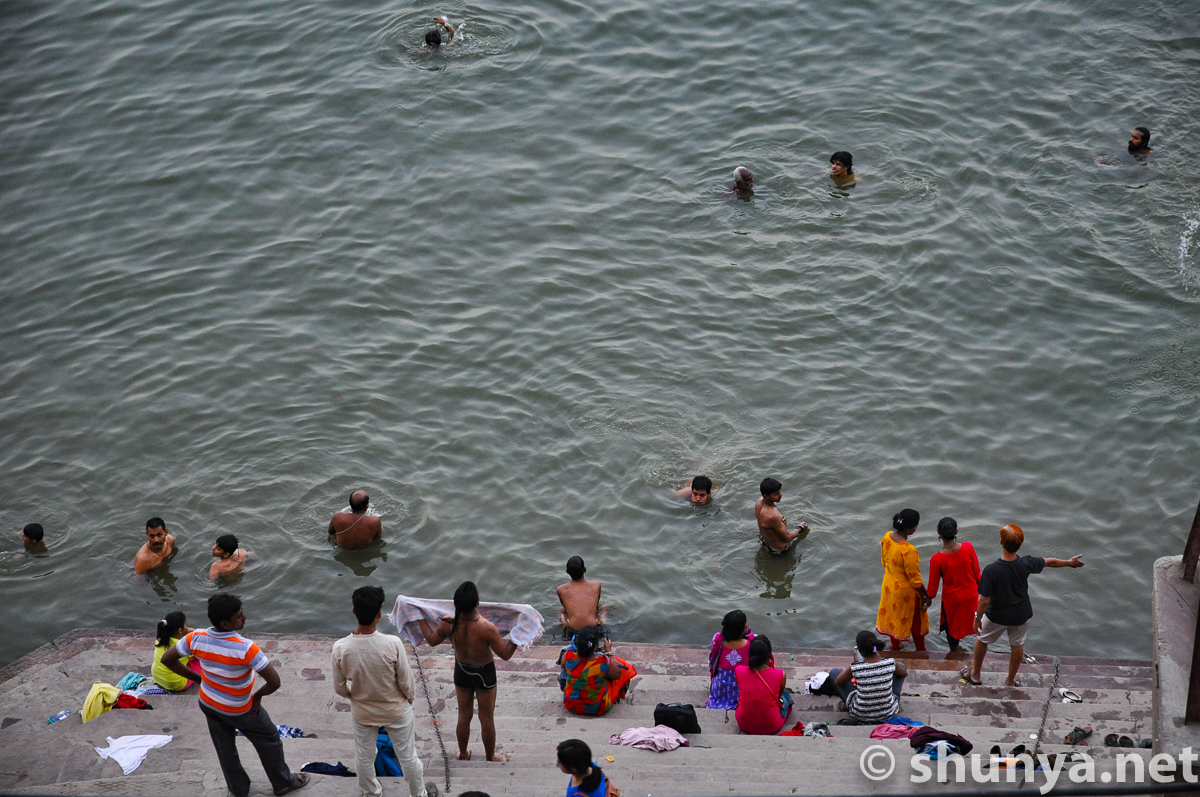
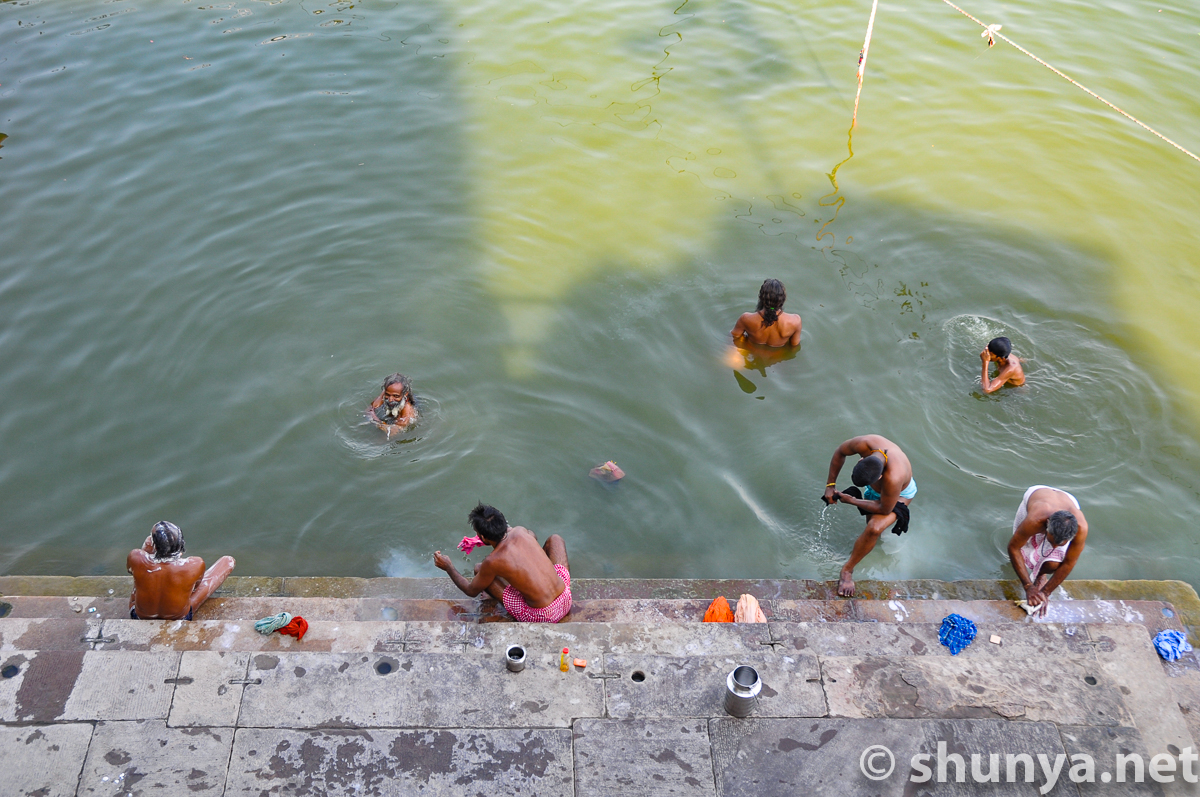
Bathers on a ghat
|
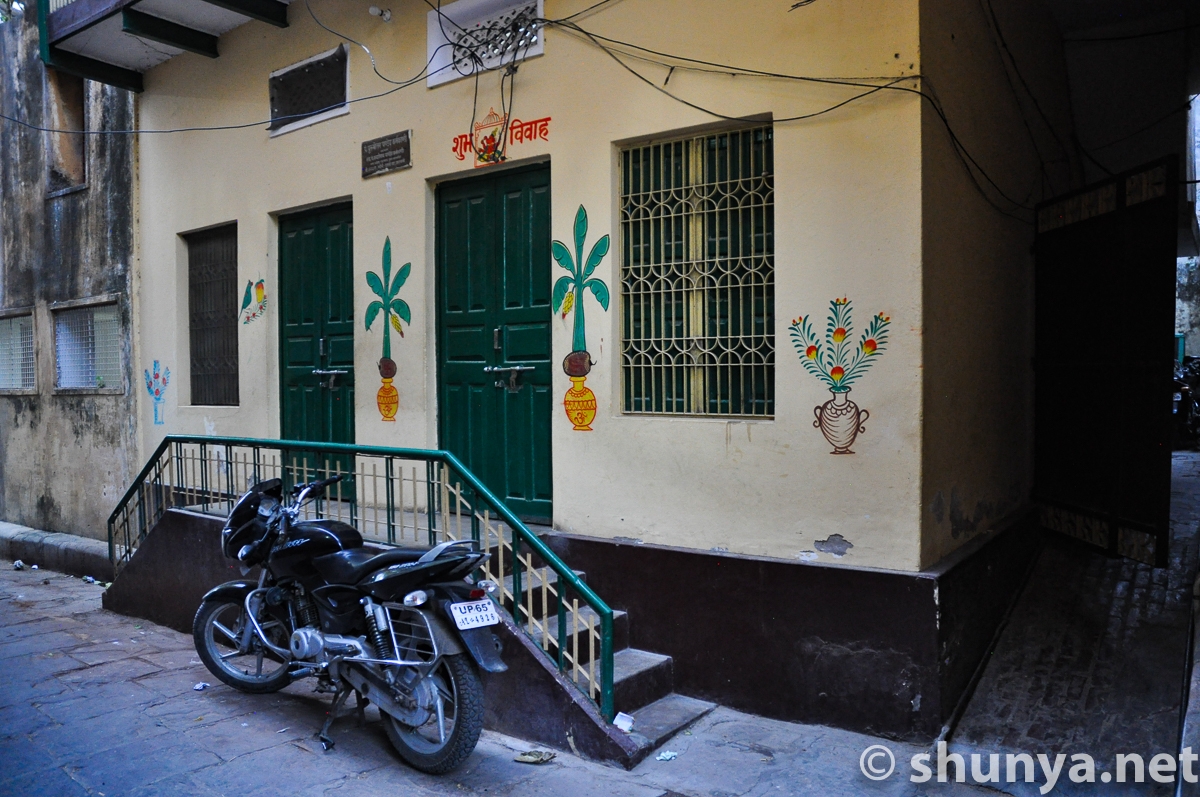
Marriage announcement
|
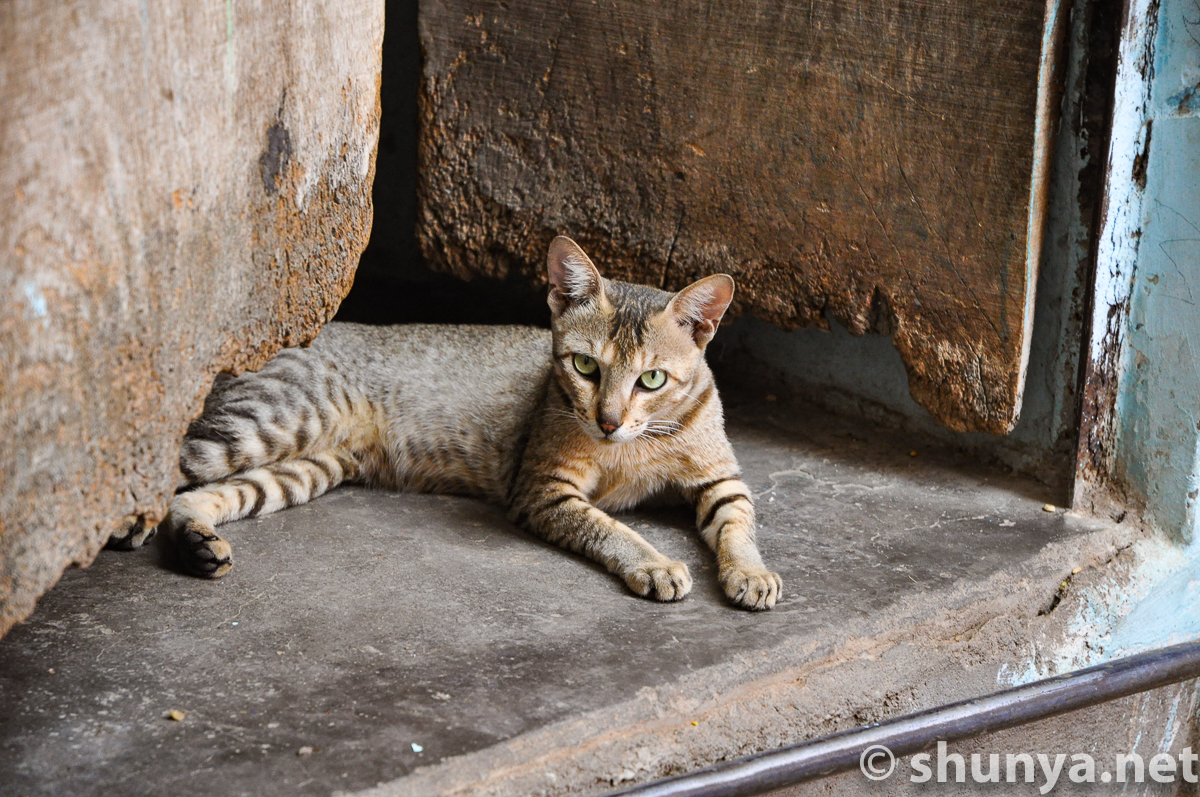
Billi!
|
|
|
Pandit open for business
|
Lolark kund, a sacred
|
Nishadraj Ghat from
|
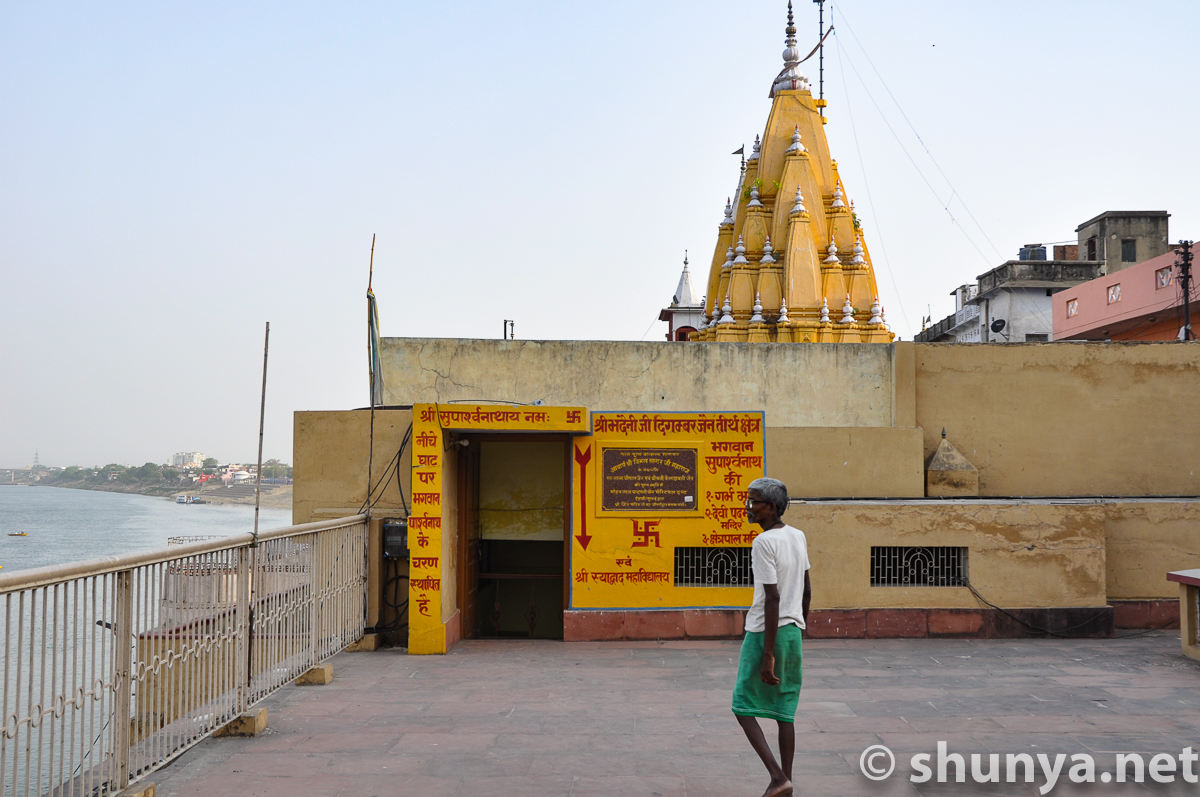
Said to be birthplace of
|
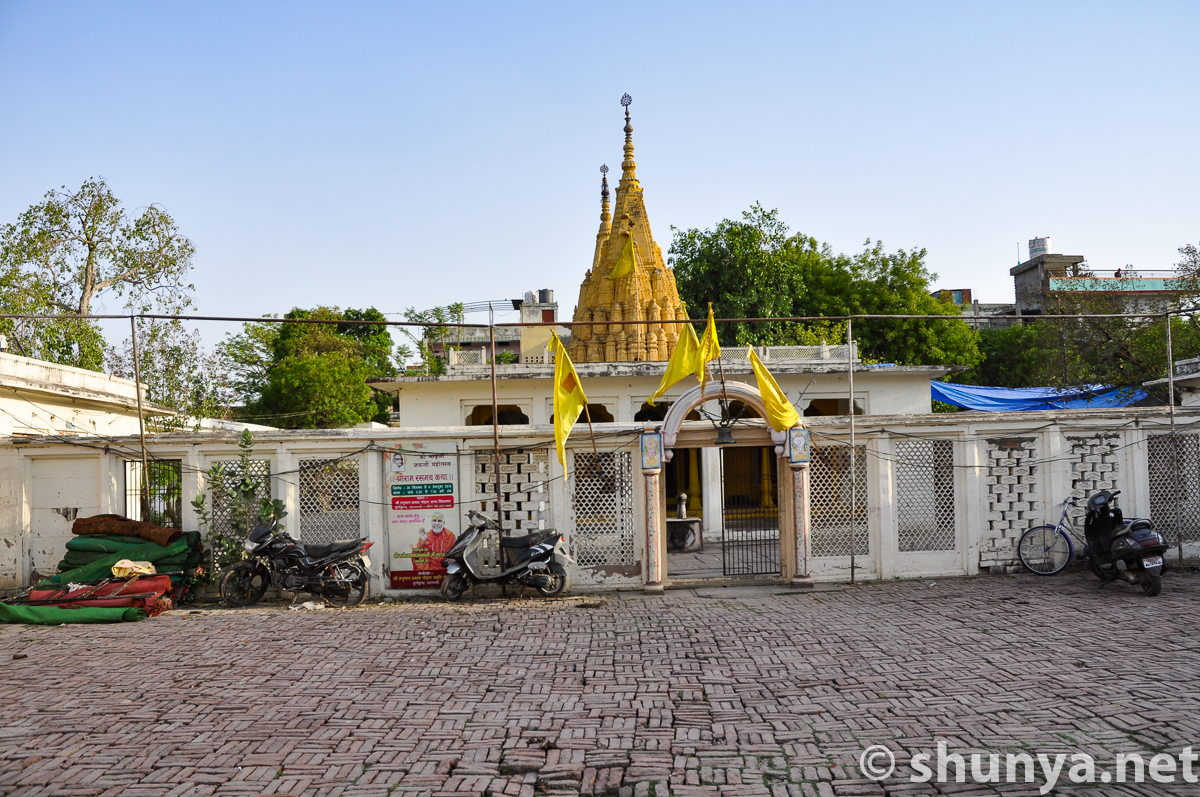
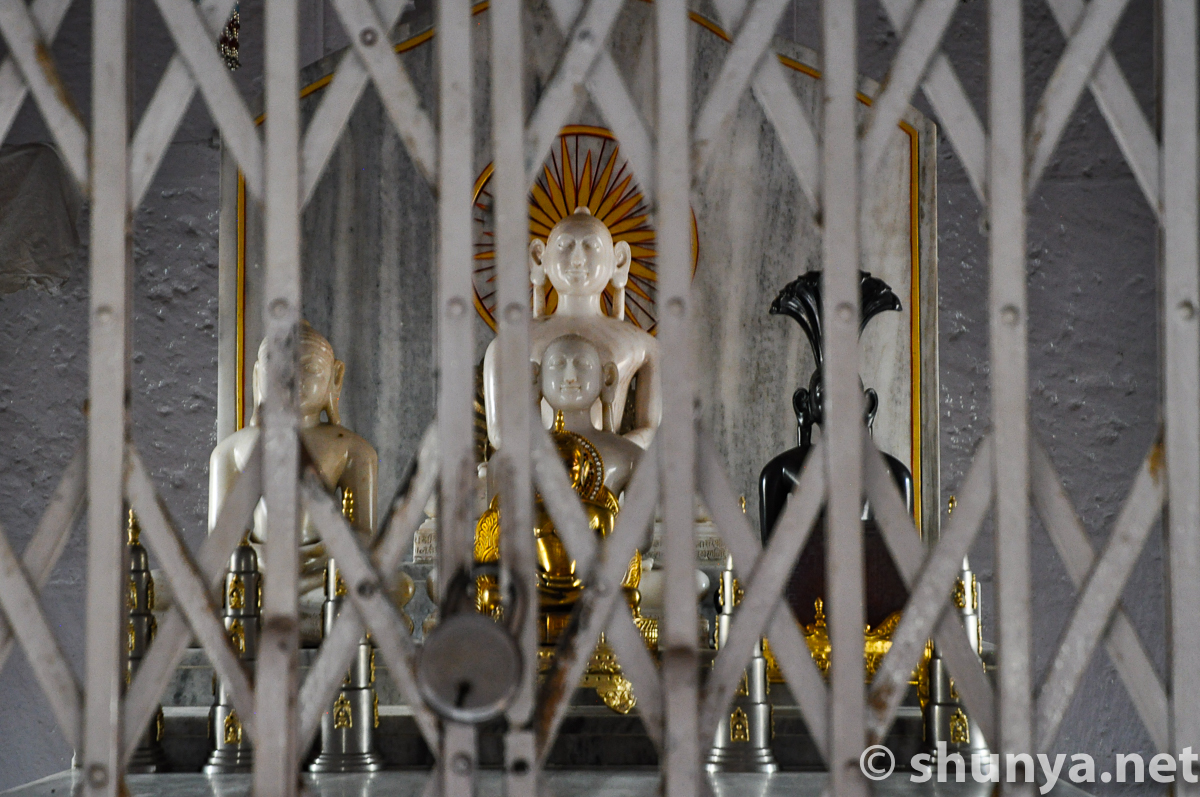
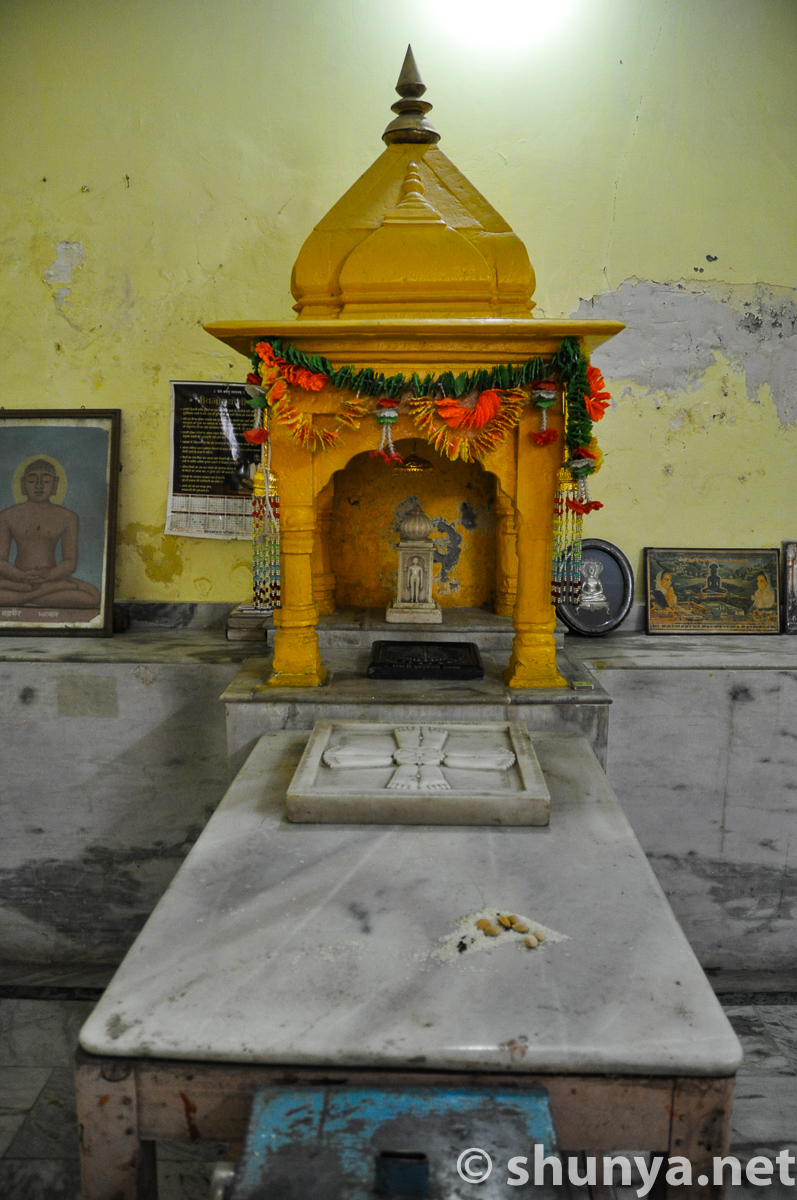
Lord Suparshvanath
|
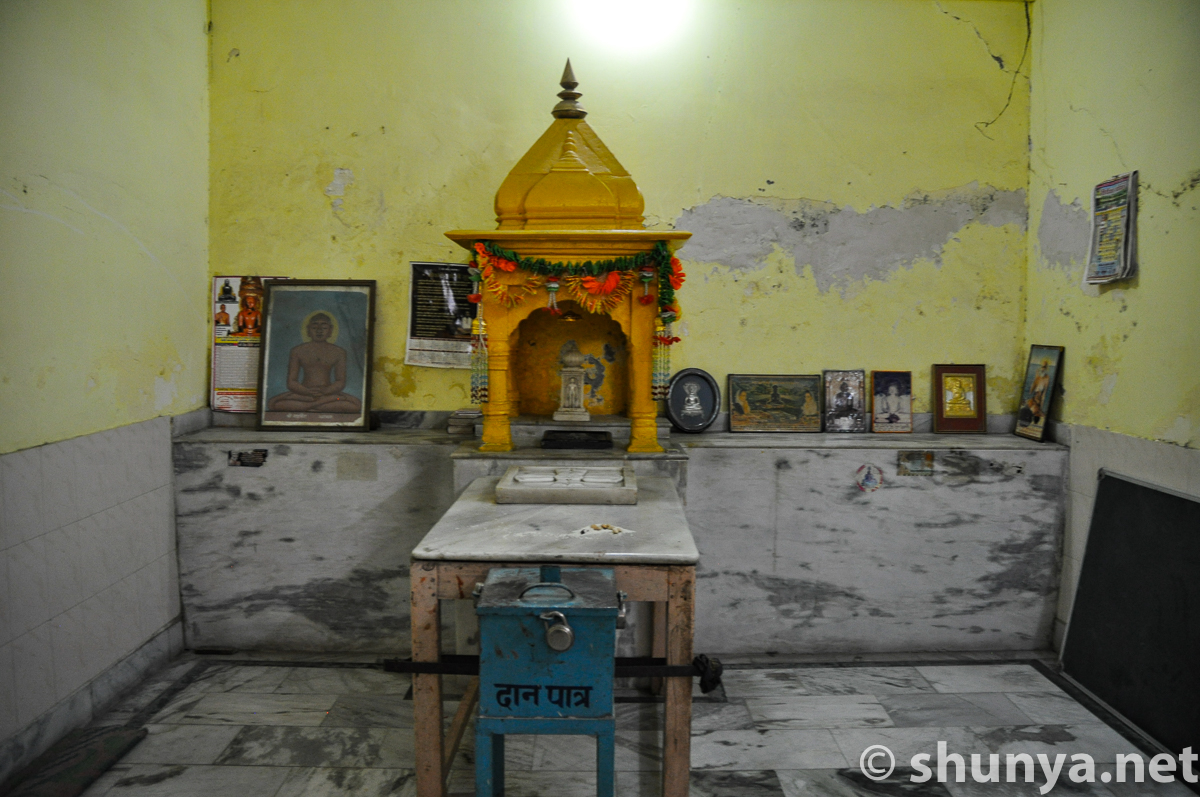
His "foot prints" are here...
|
... whatever (more)
|
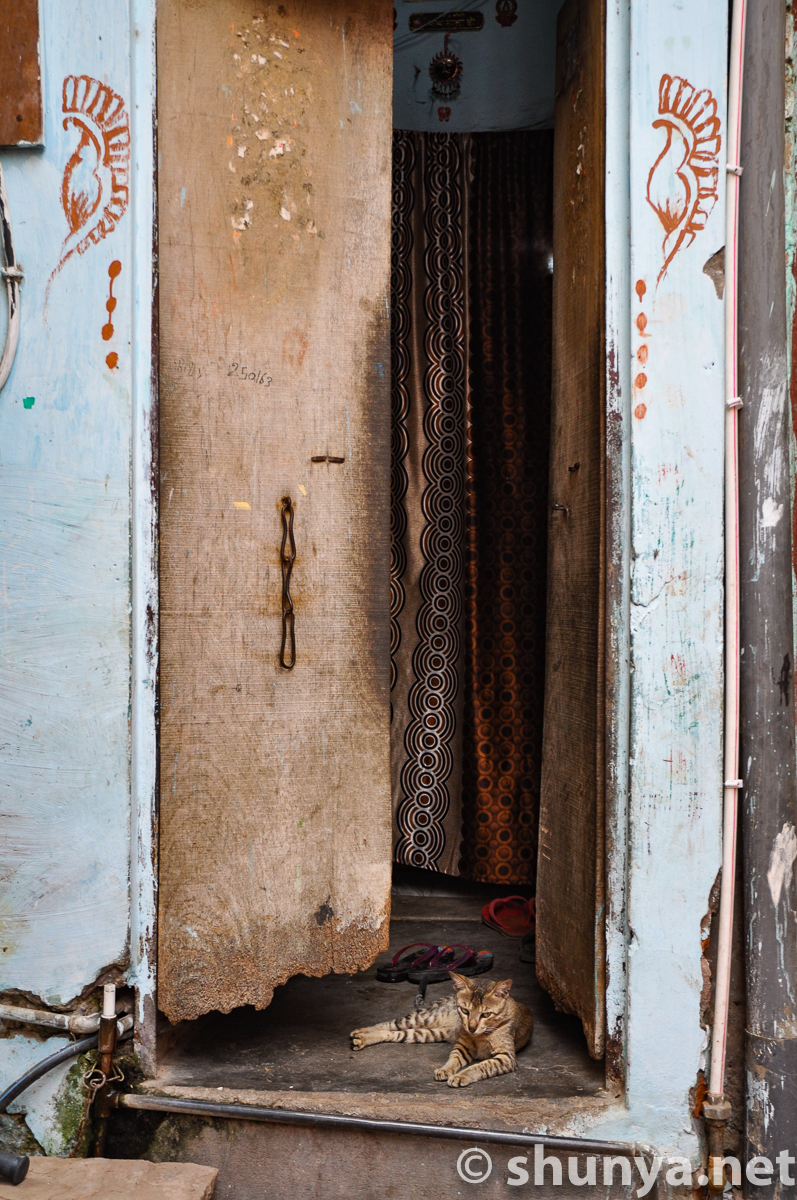
Cat at the door
|
View of the ghat. The river
|
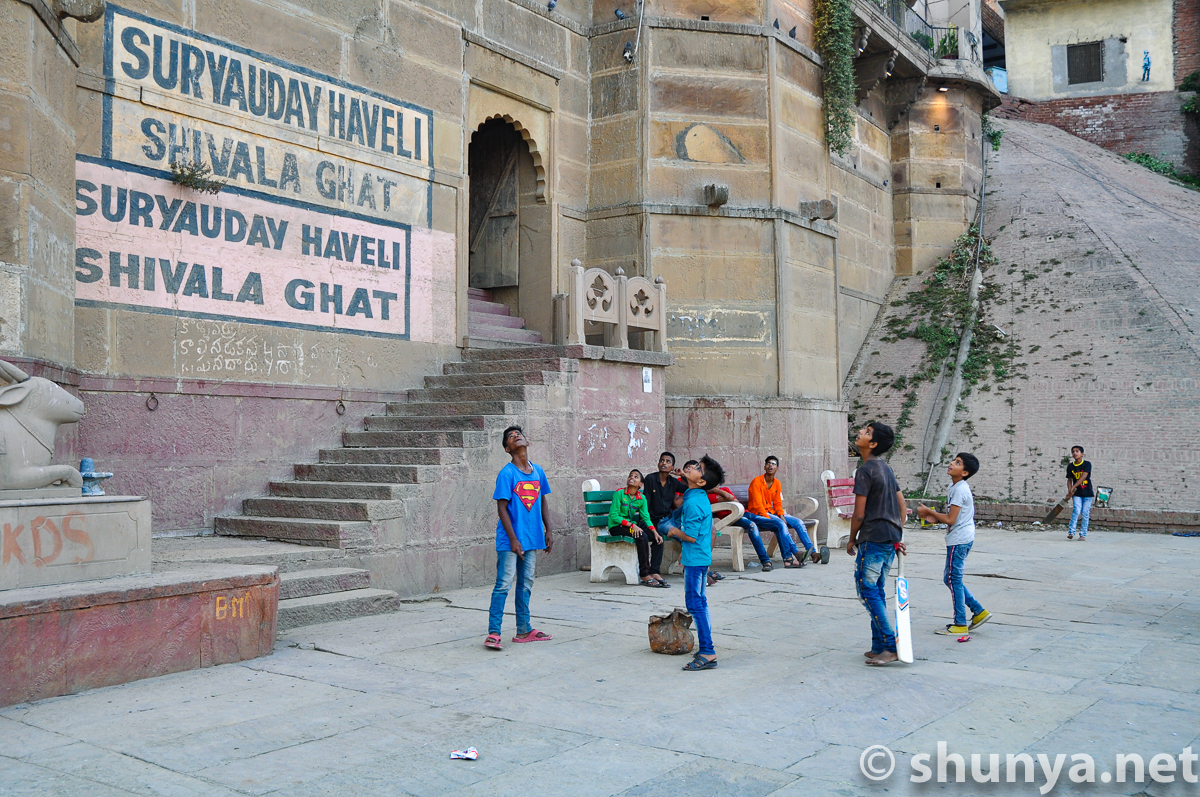
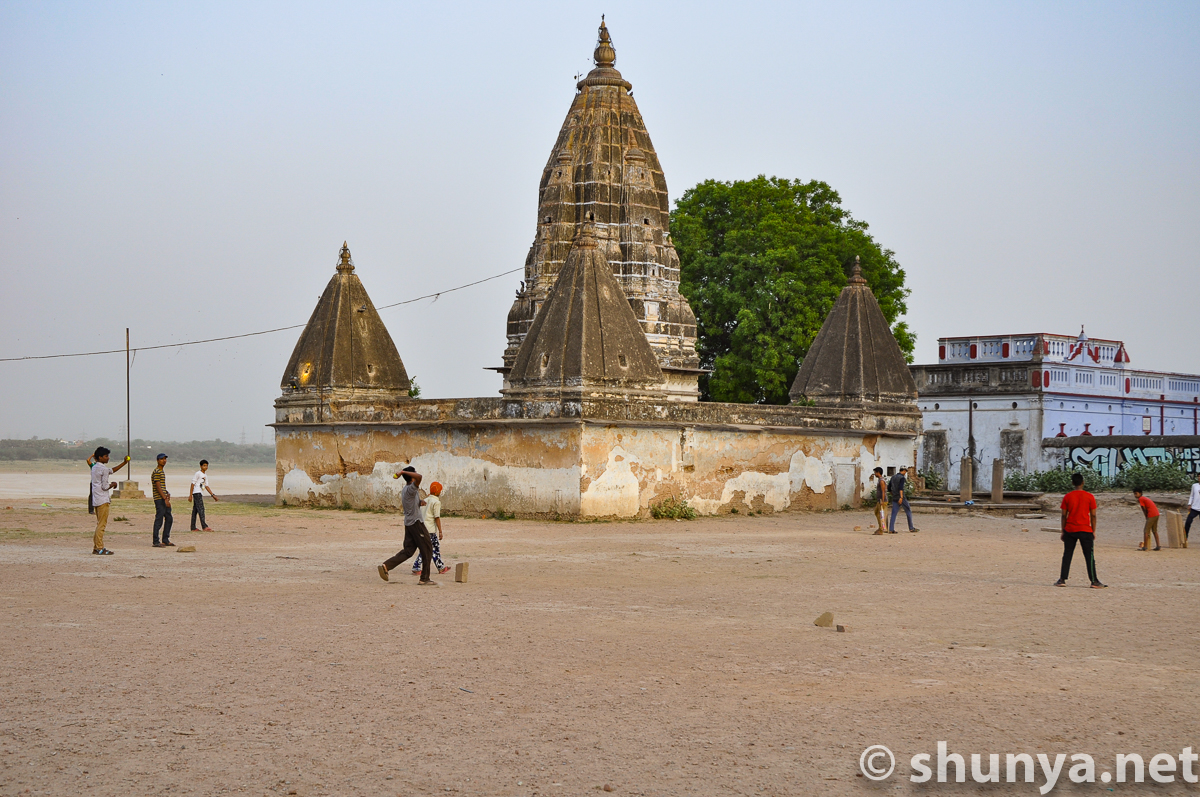
Playing cricket on
|
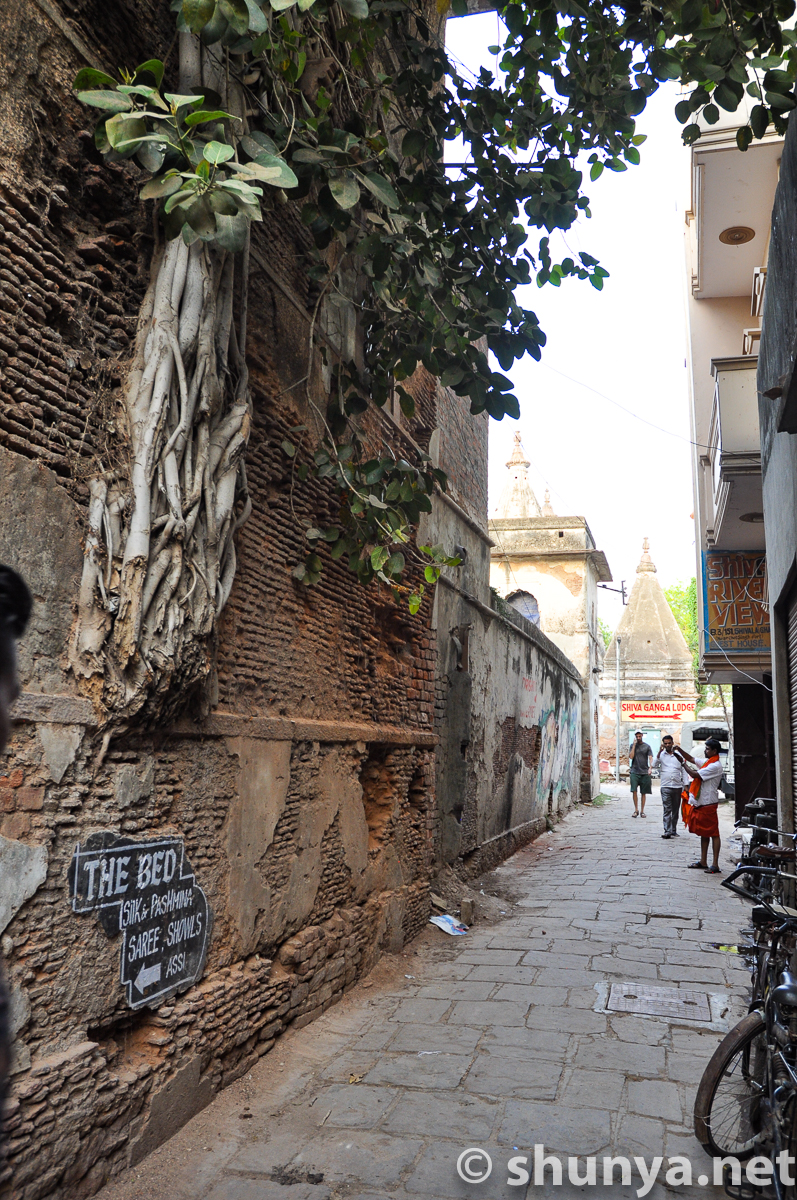
Tree bursting through
|
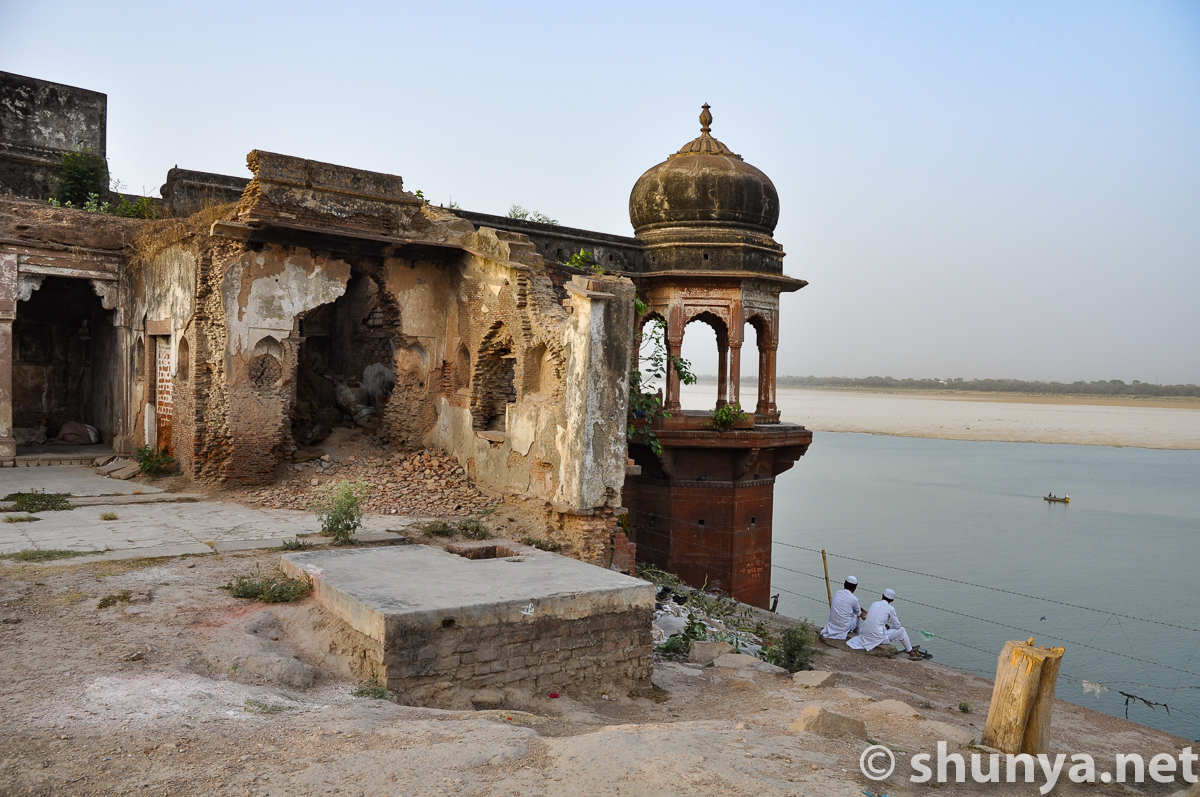
Next to Chet Singh Fort
|
Two friends hanging out
|
Shiva temple,
|
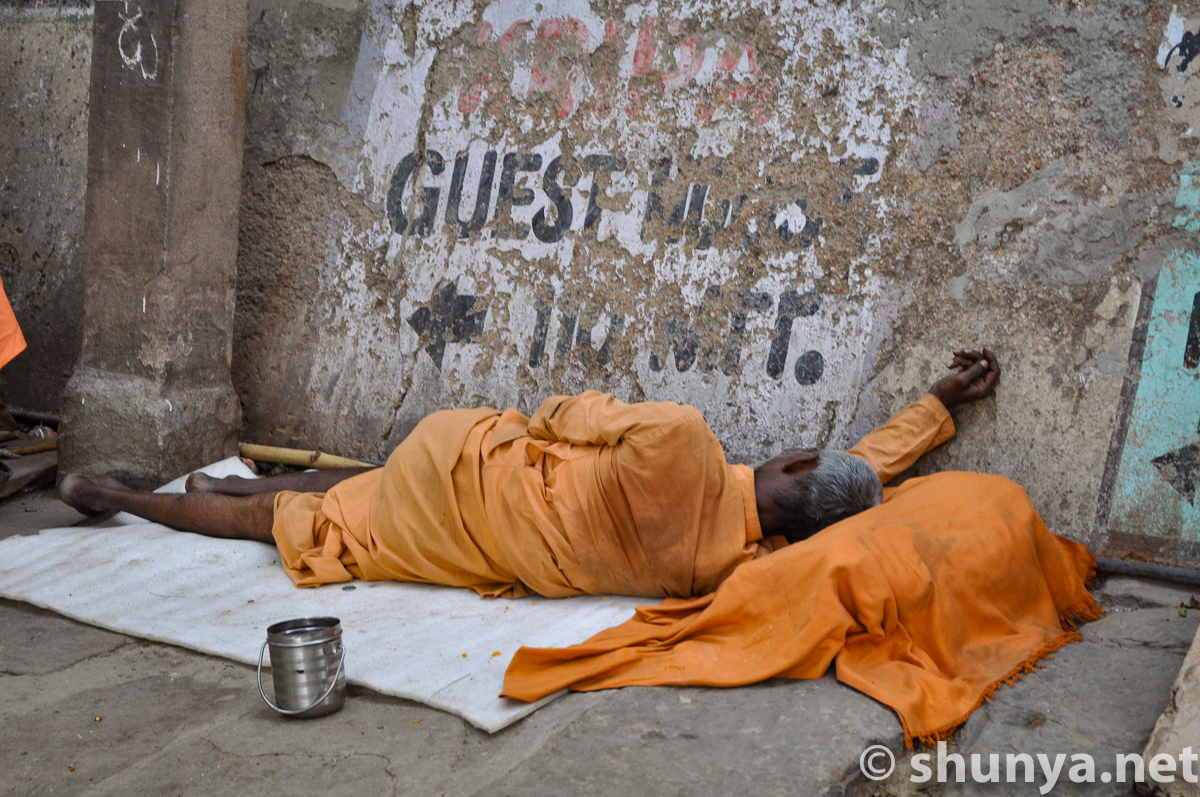
Homeless people
|
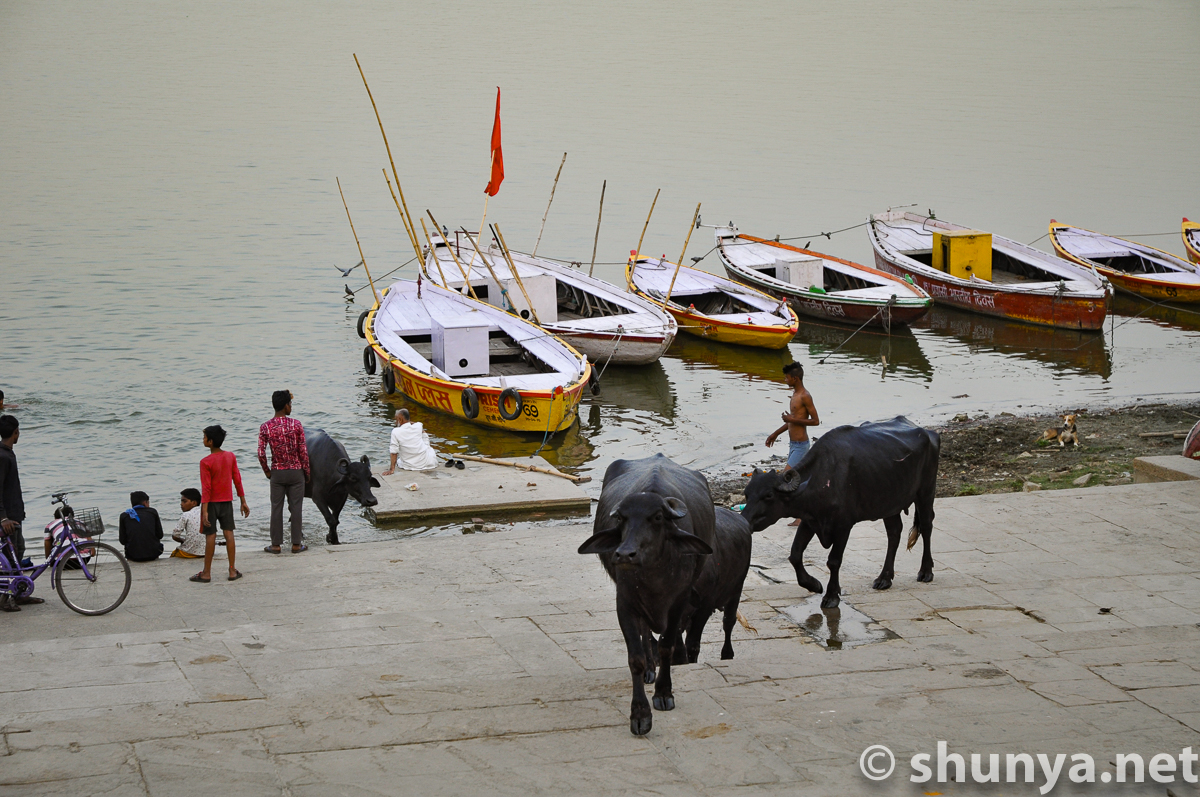
Buffaloes returning home
|
Home of Juna Akhara
|
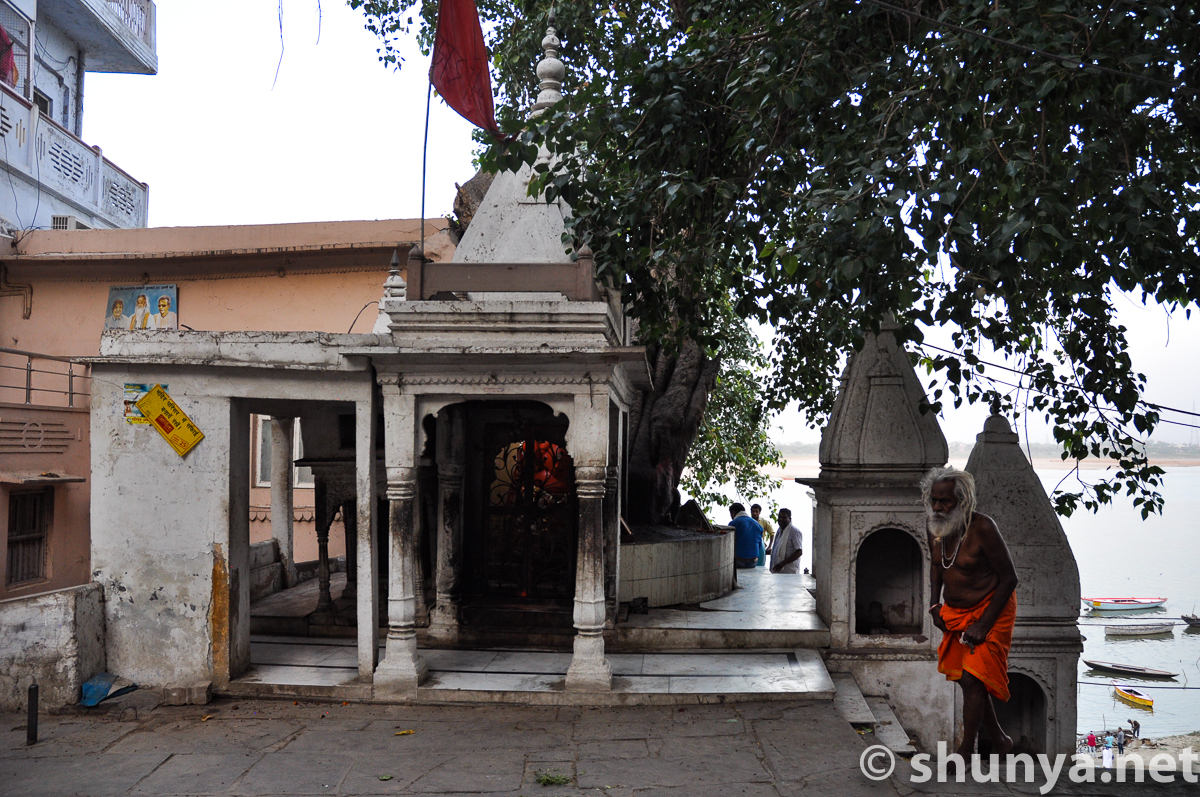
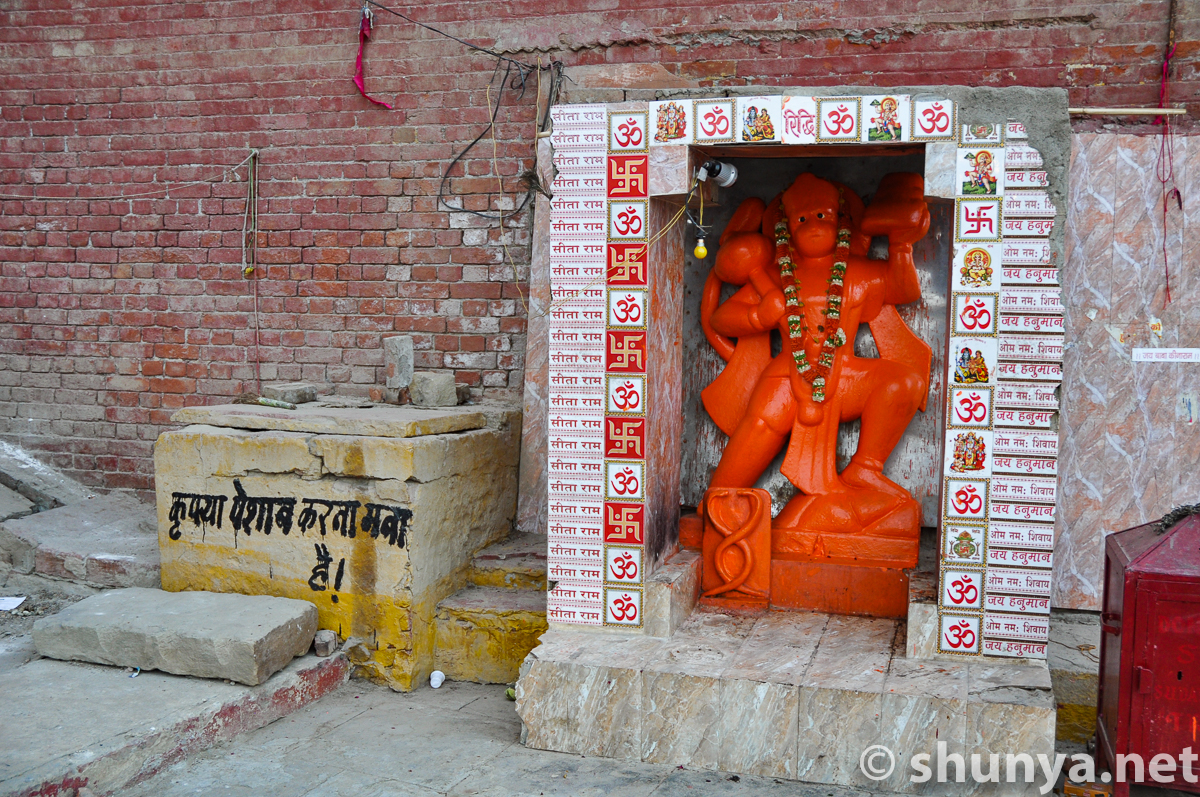
Hanuman shrine on ghat
|
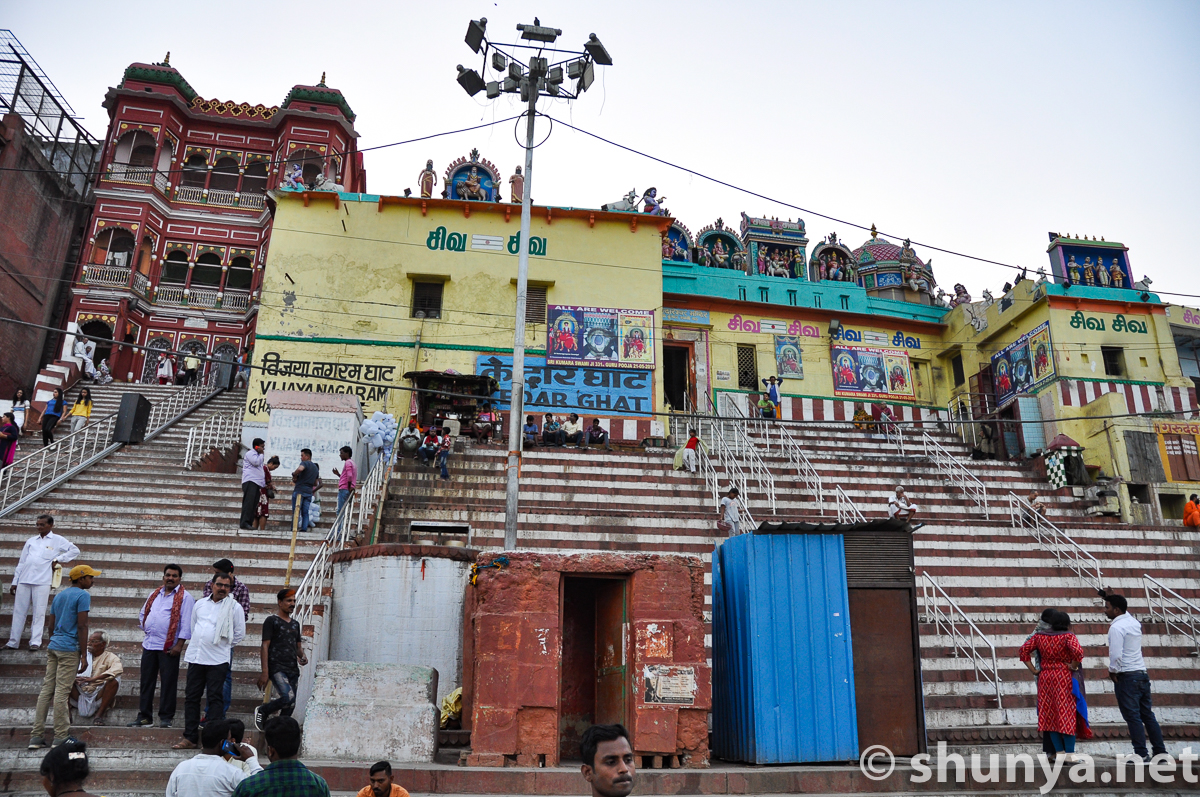
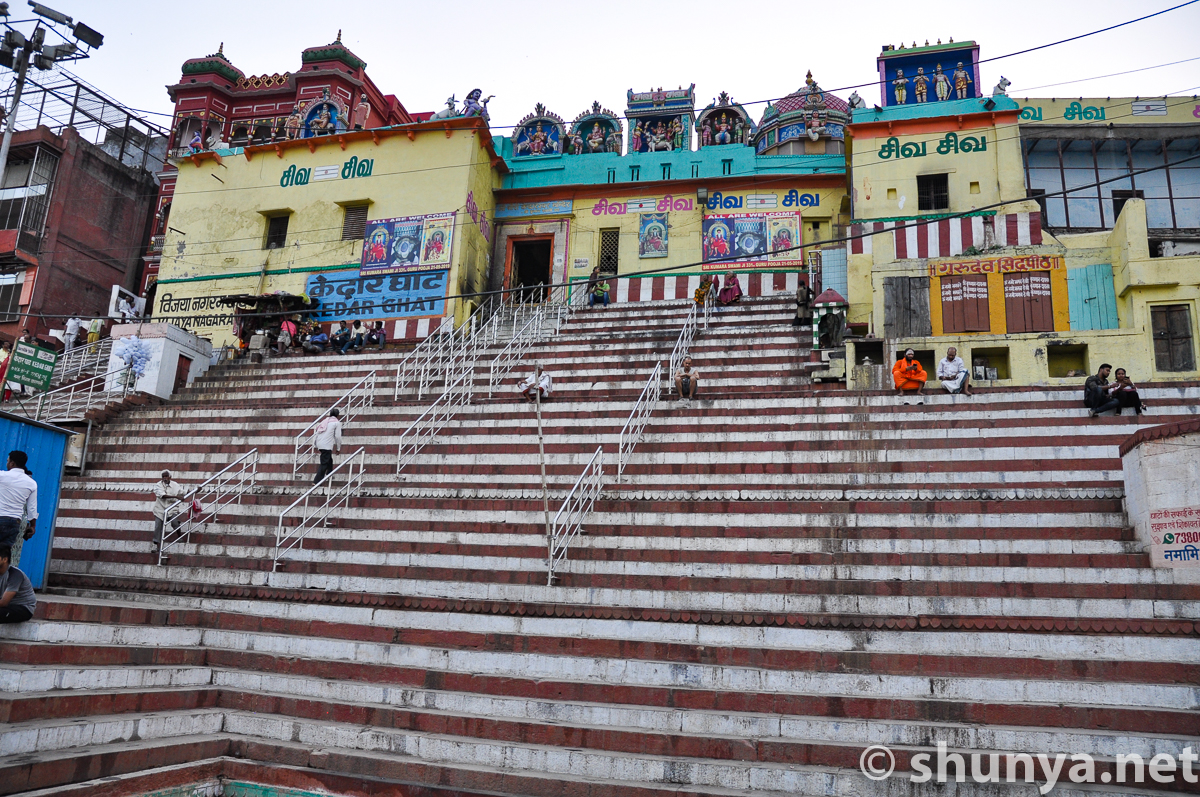
Kedar Ghat (more)
|
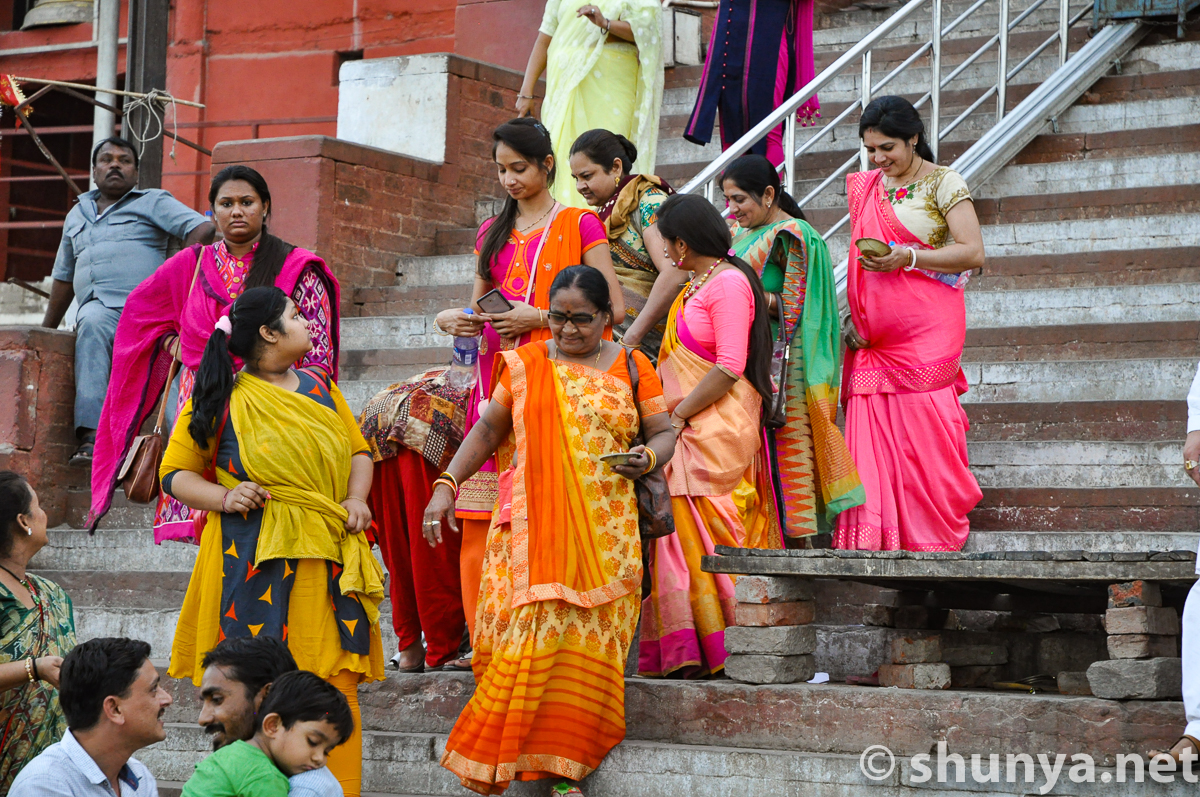
Pilgrim family
|
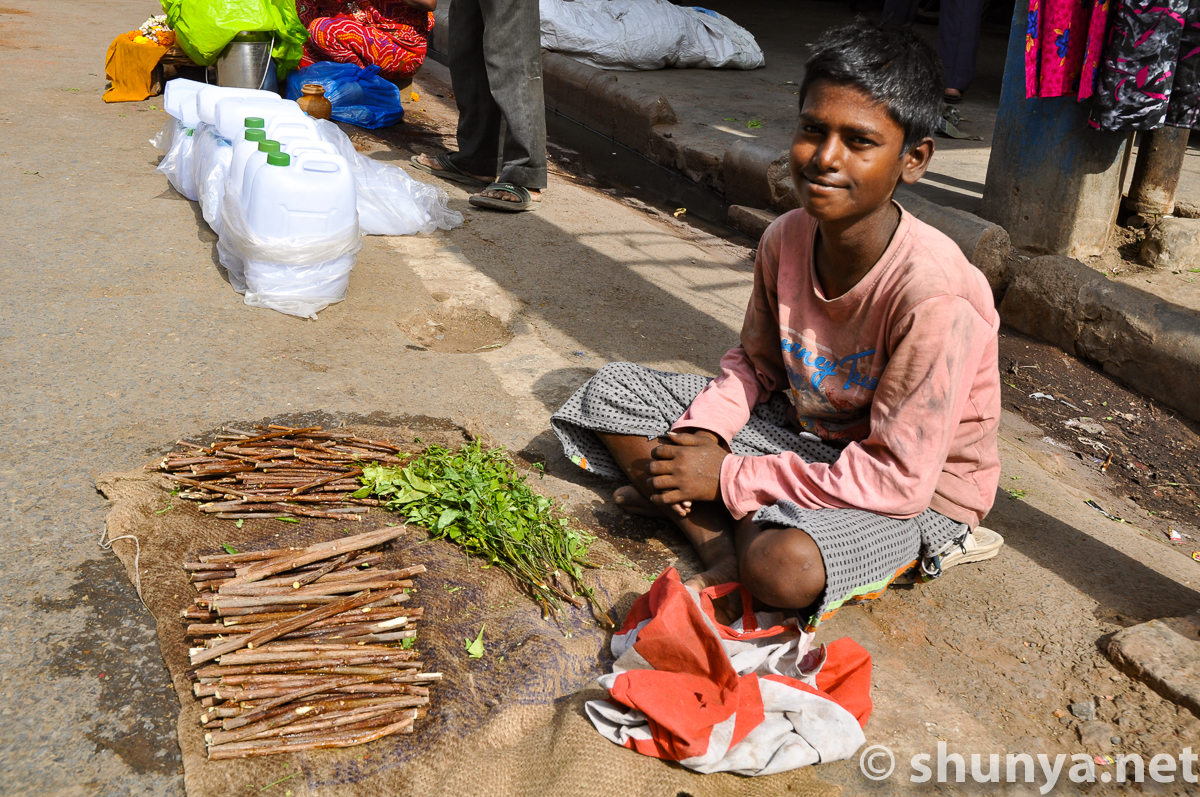
Teeth cleaning stick
|
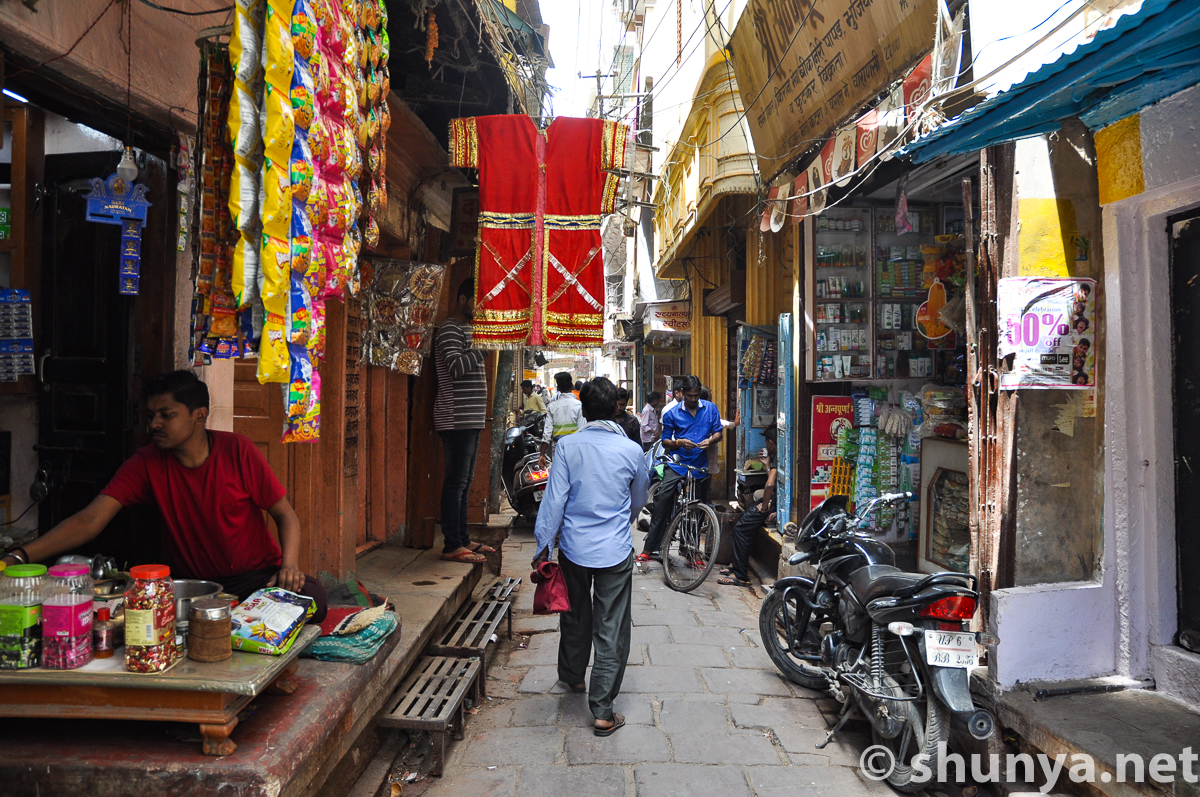
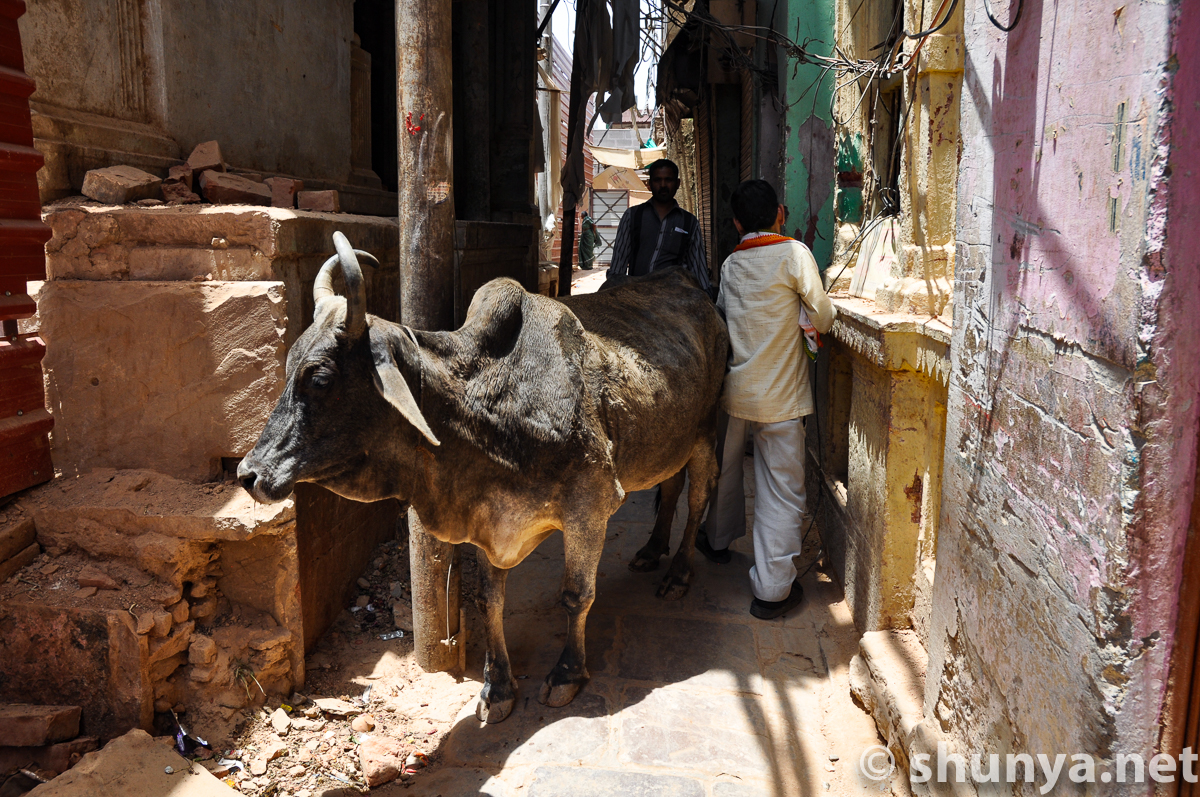
A narrow lane
|
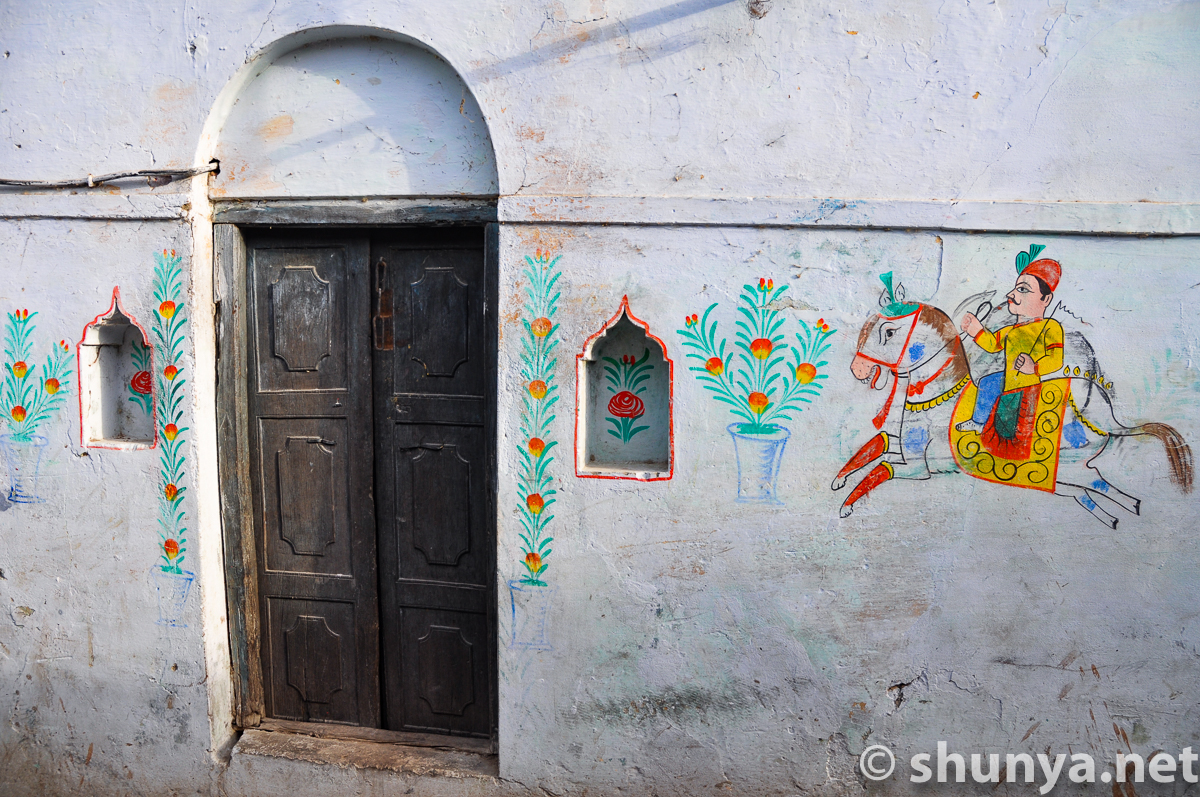
Decor outside home
|
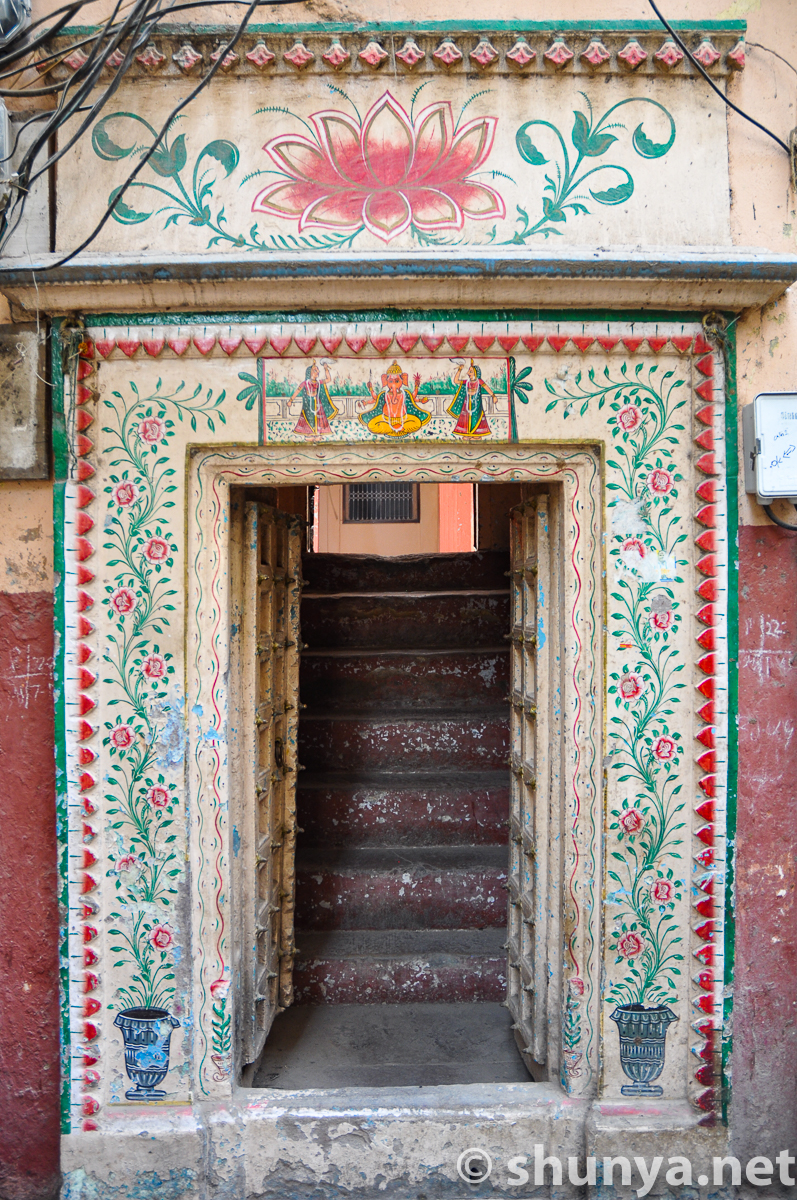
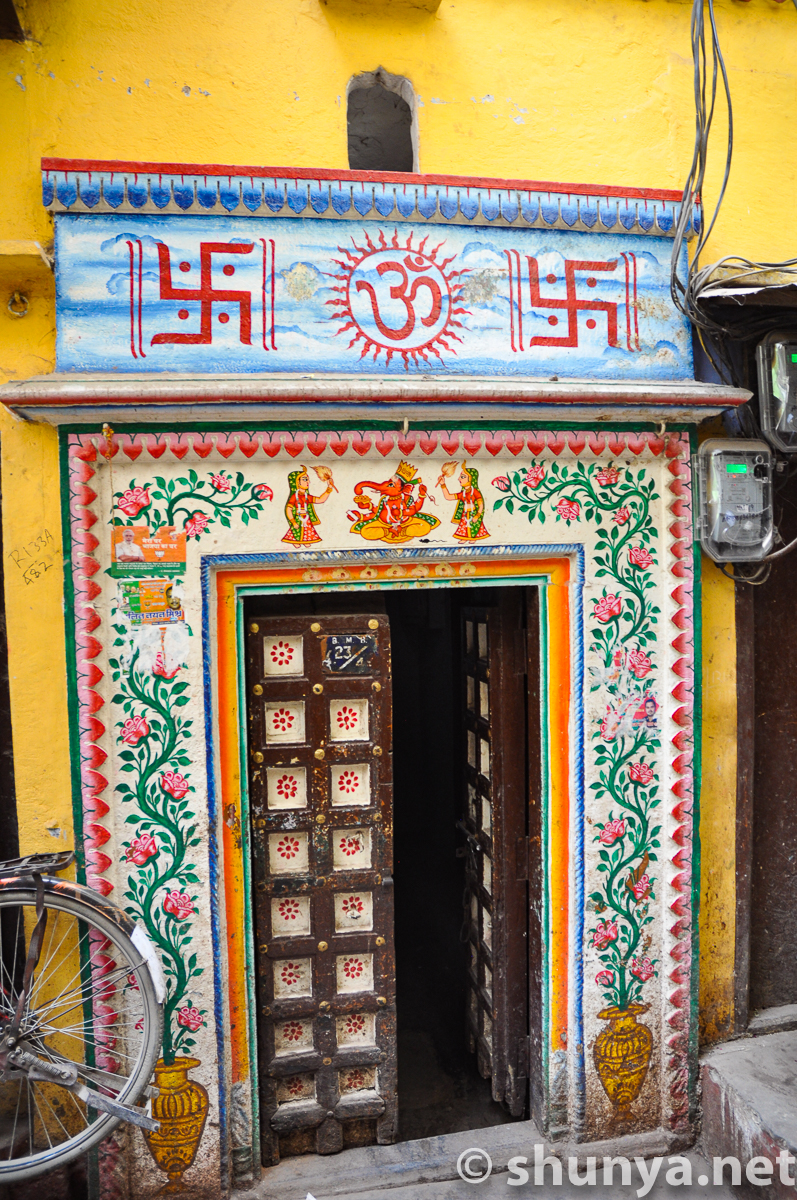
Decorated doorway
|
Decorated doorway
|
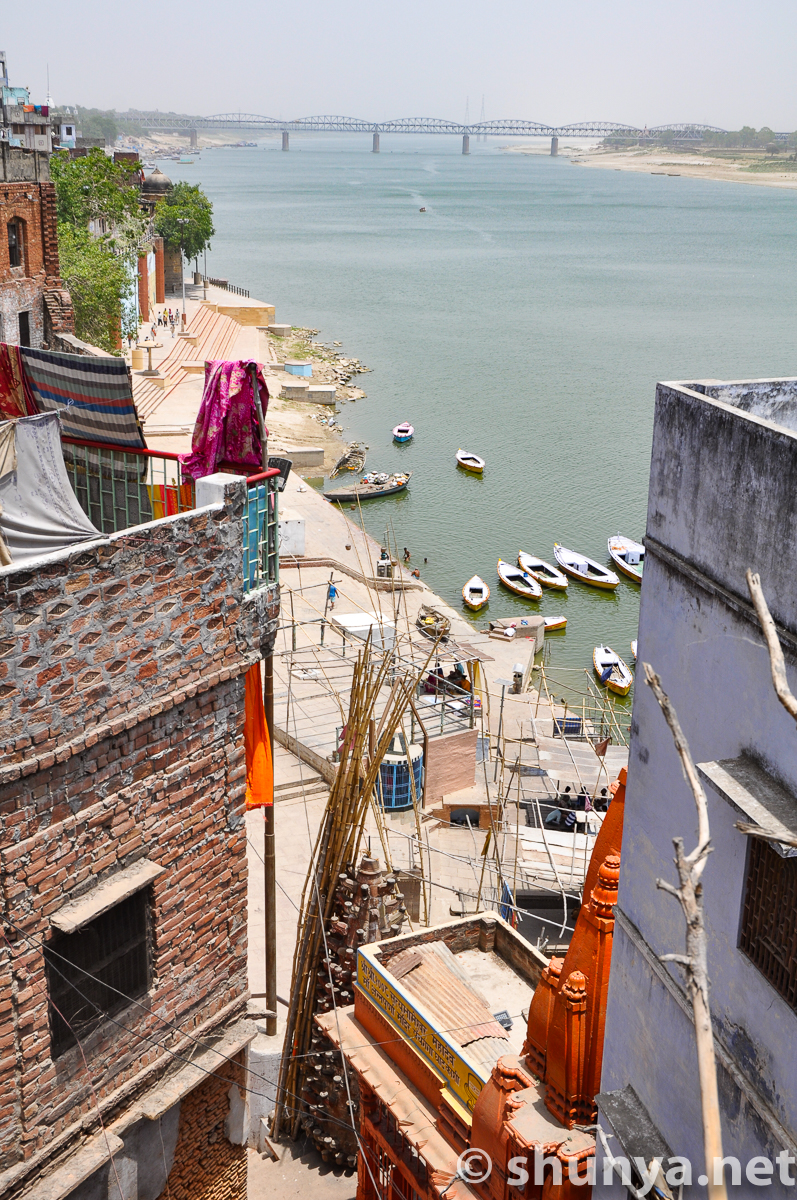
River view from a terrace
|
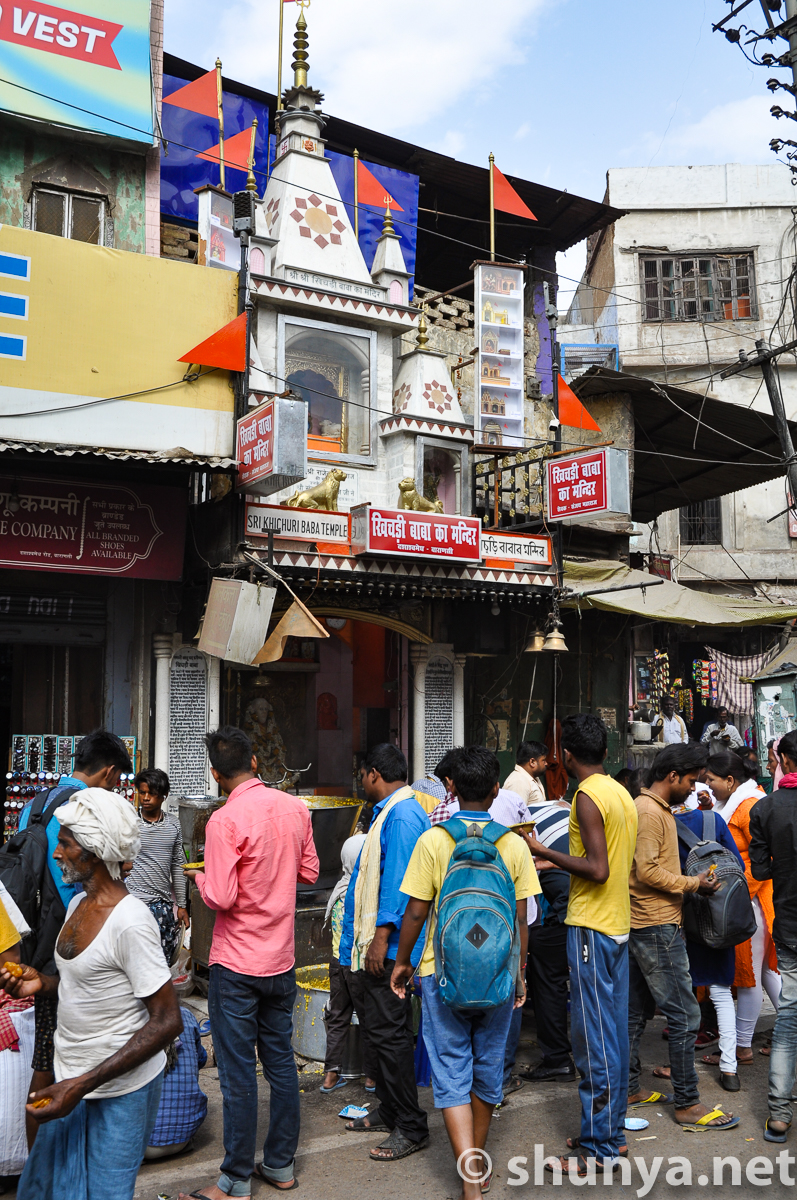
Temple of Khichdi baba
|
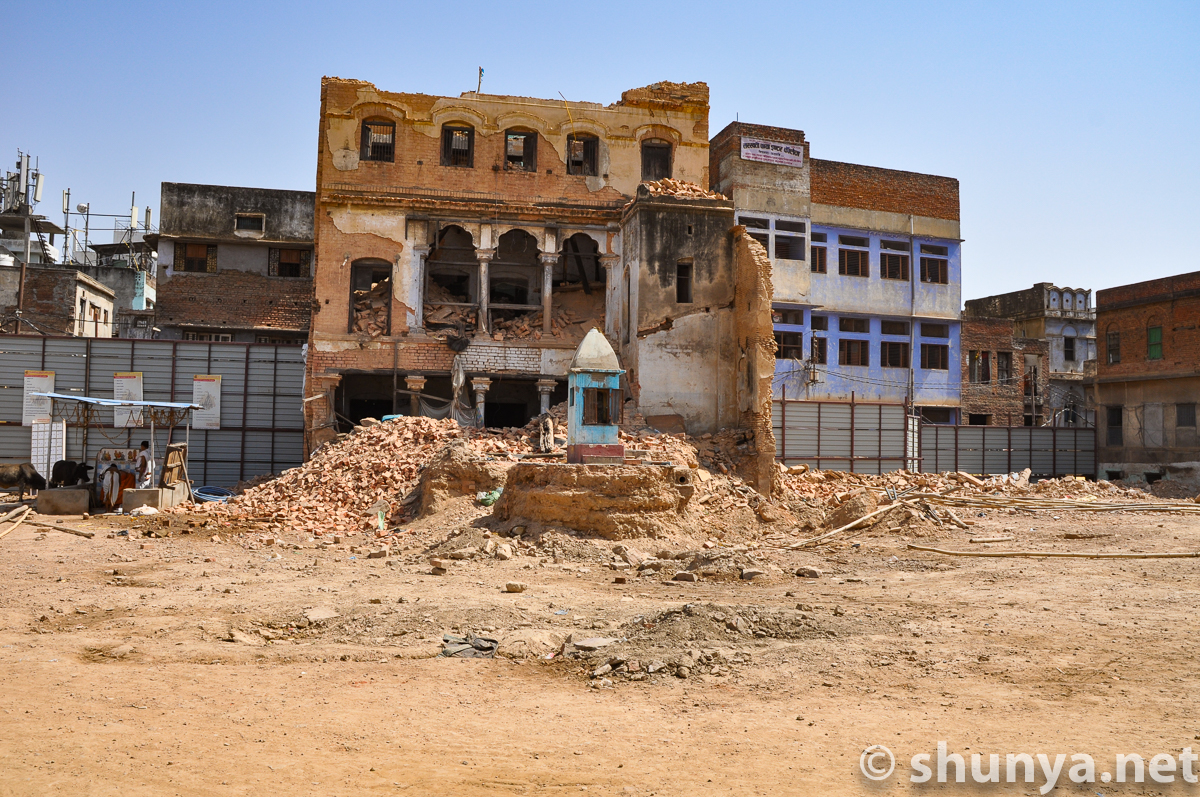
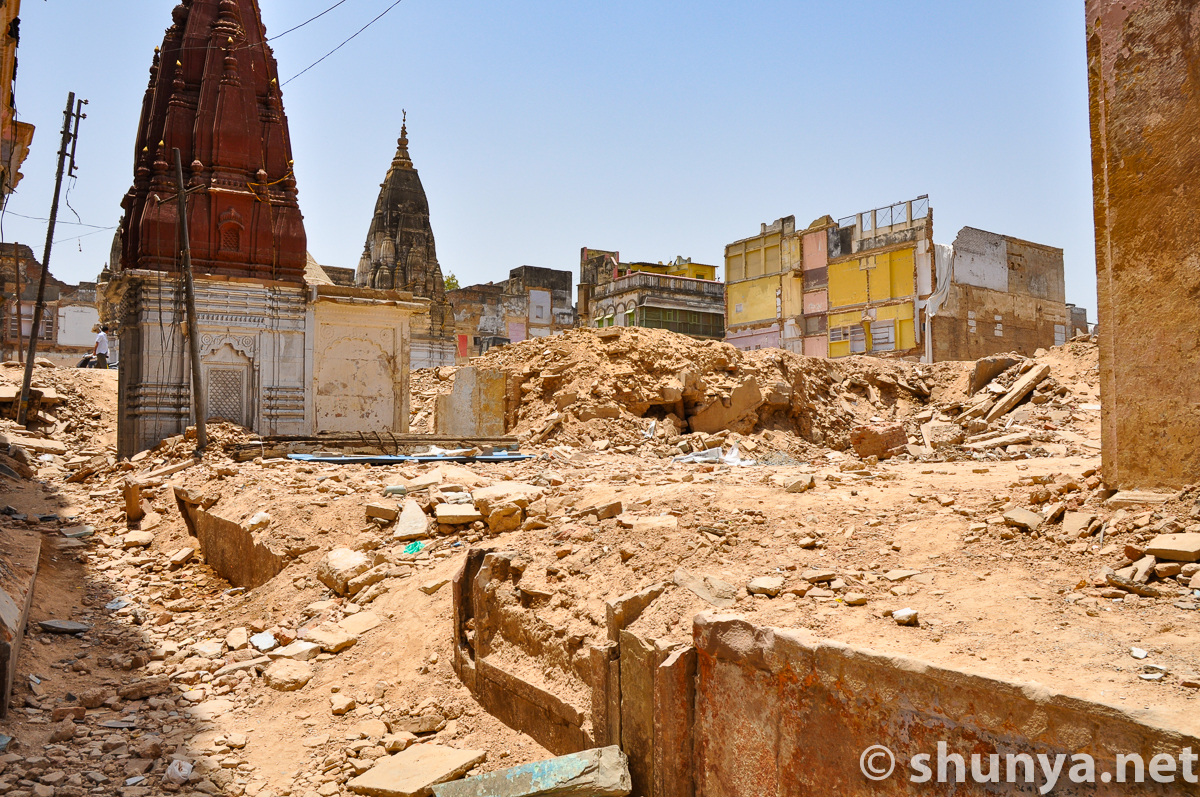
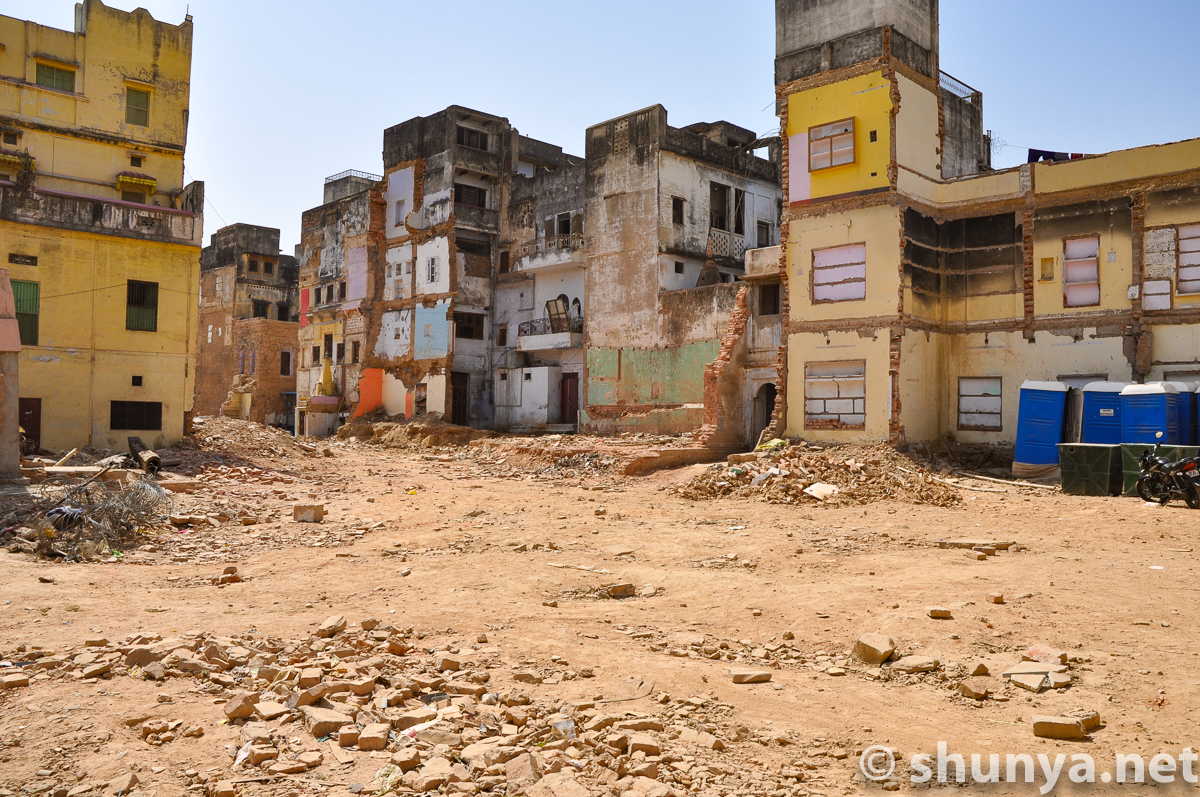
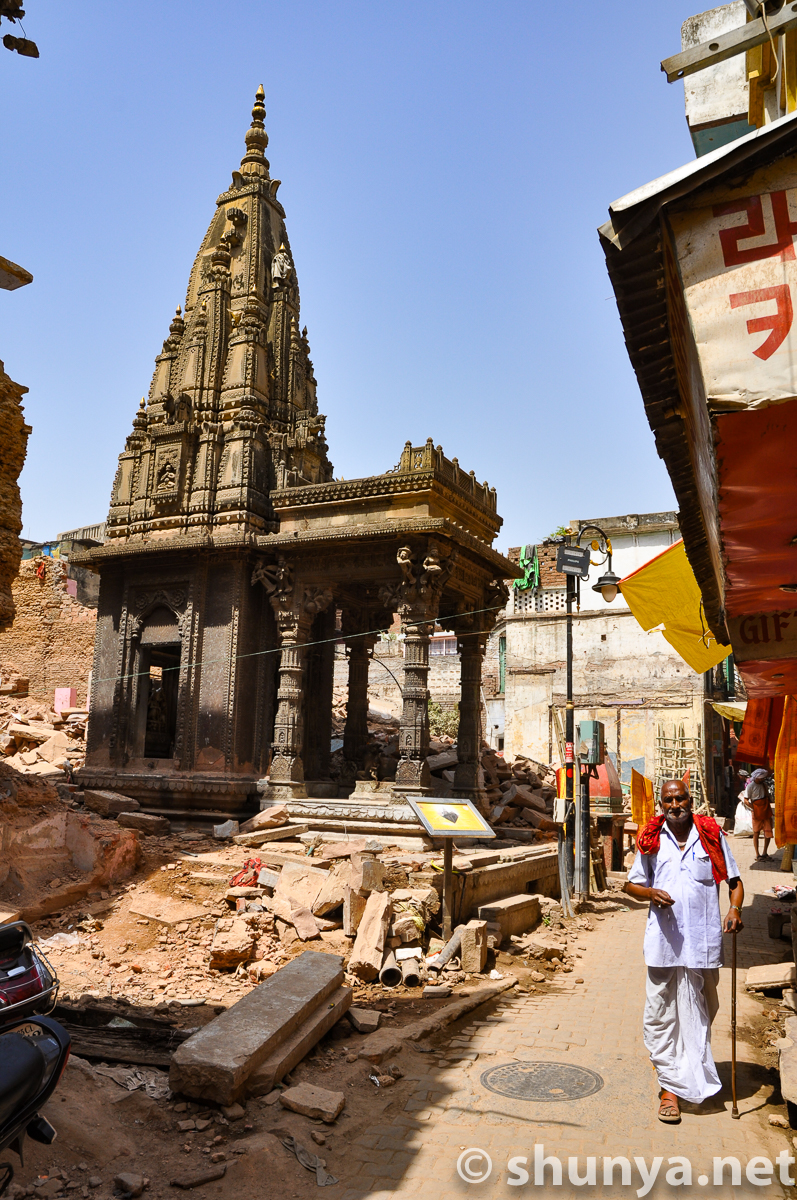
Vishwanath corridor
|
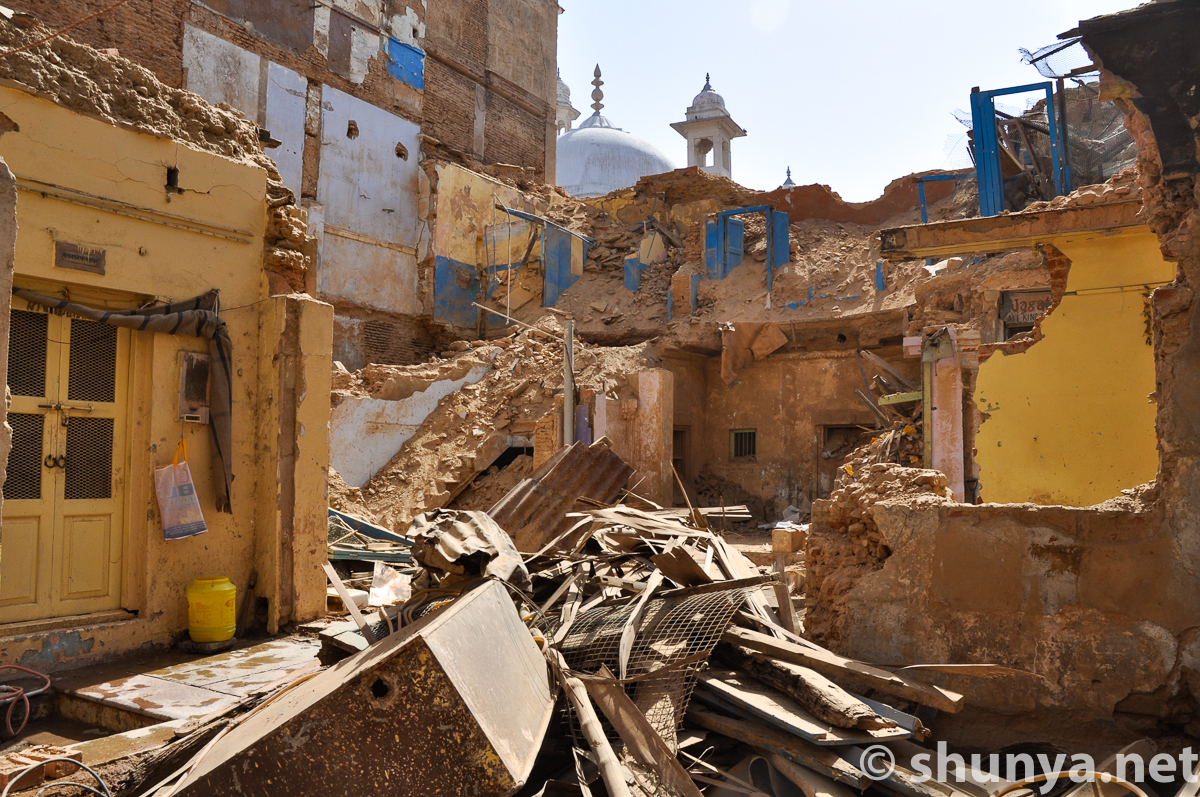
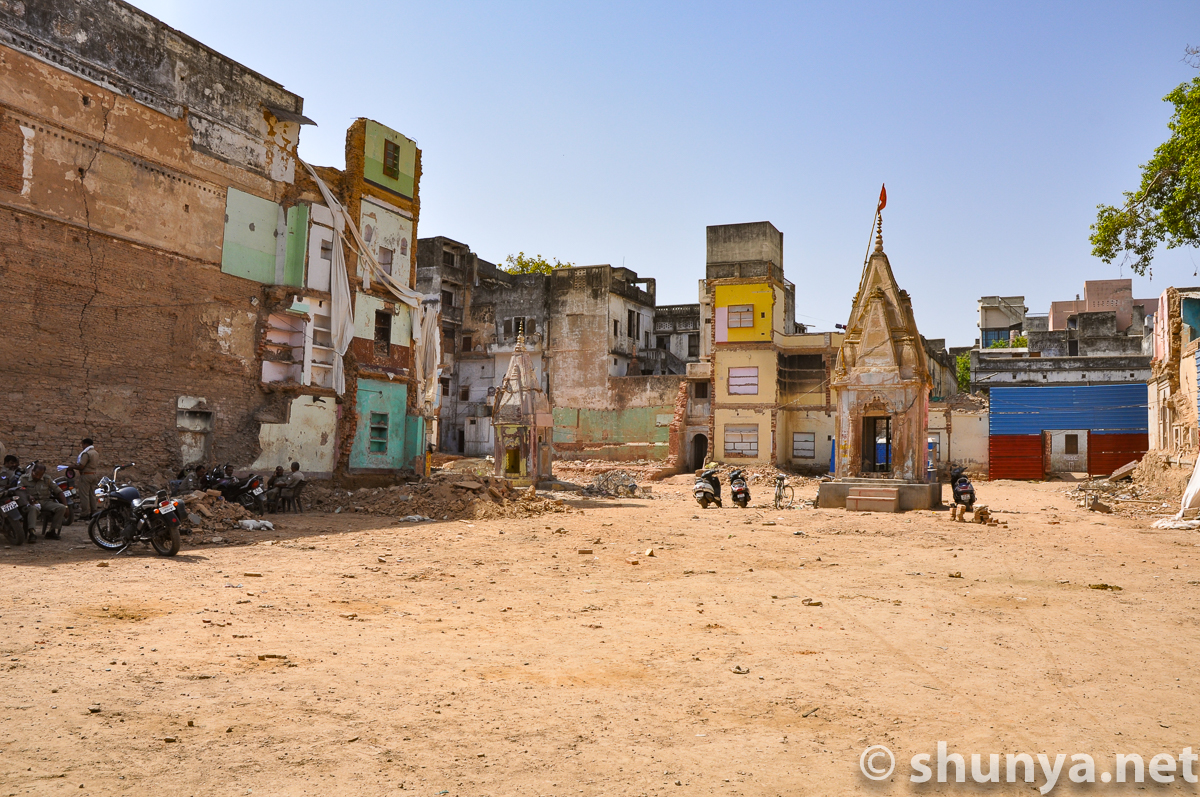
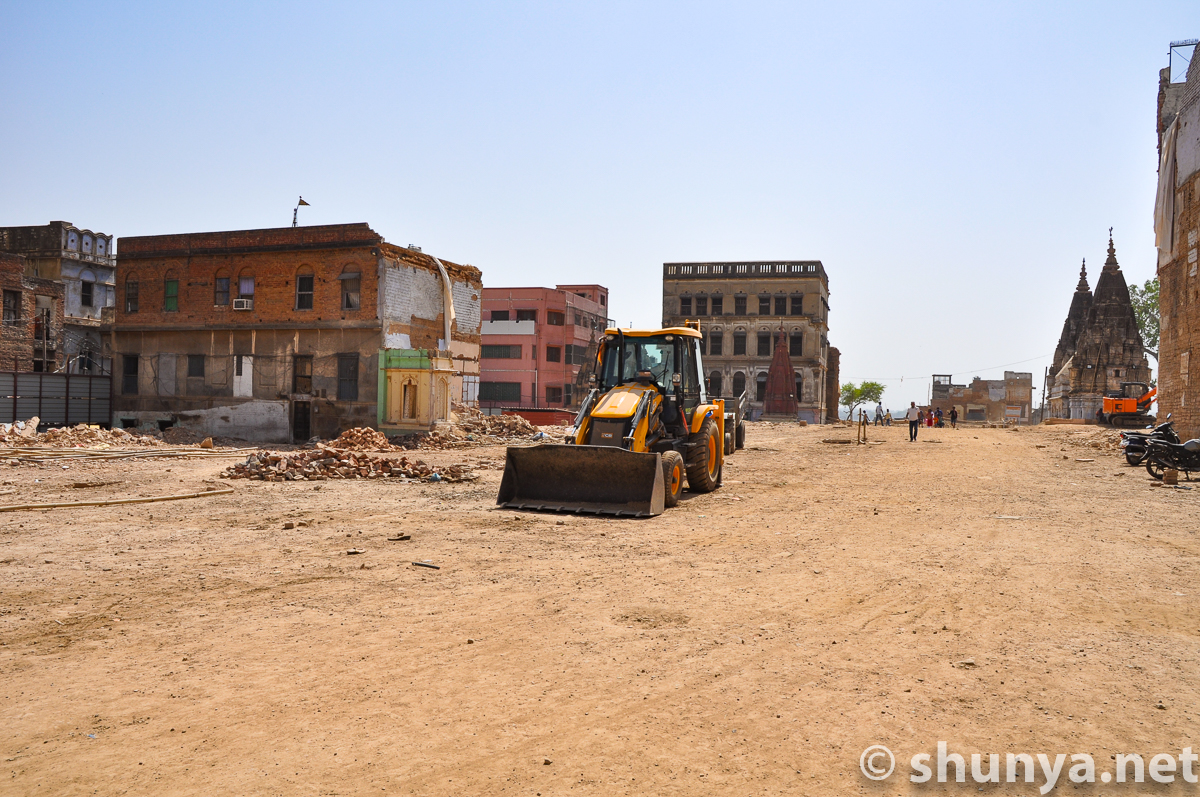
Redevelopment project
|
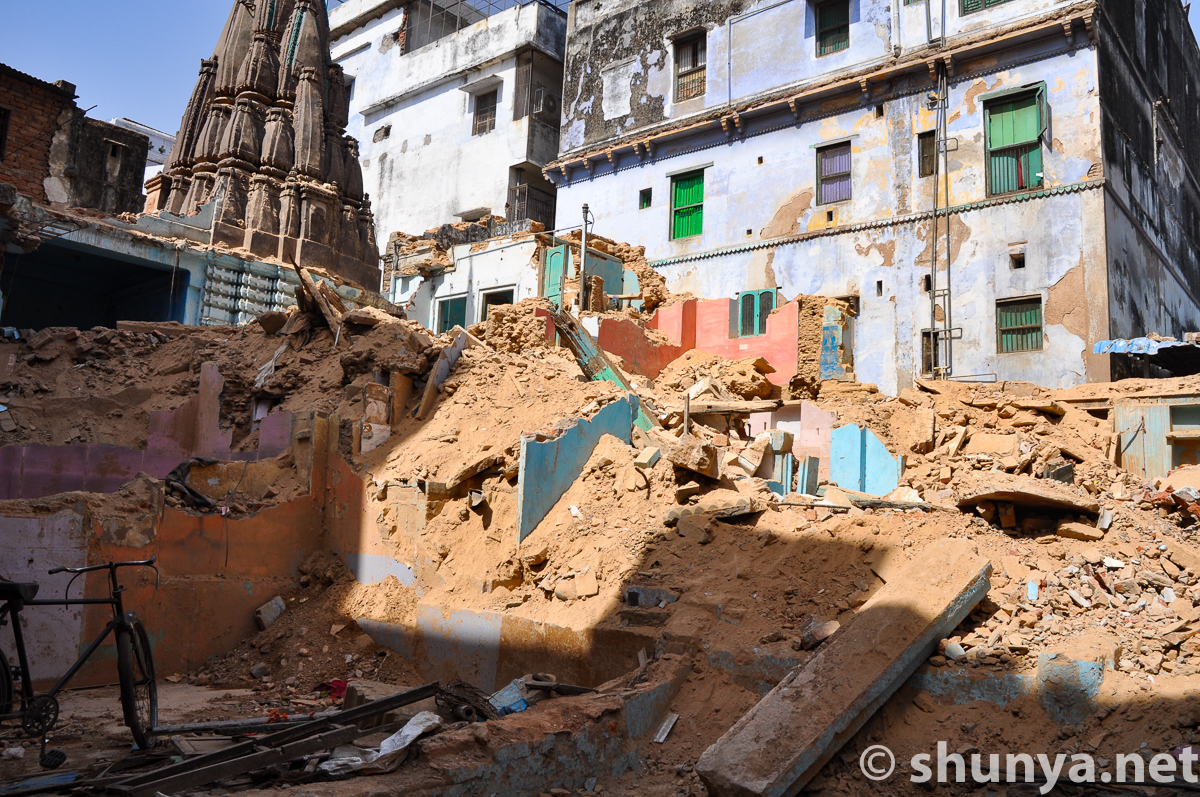
Entire neighborhood
|
Large blocks of buildings
|
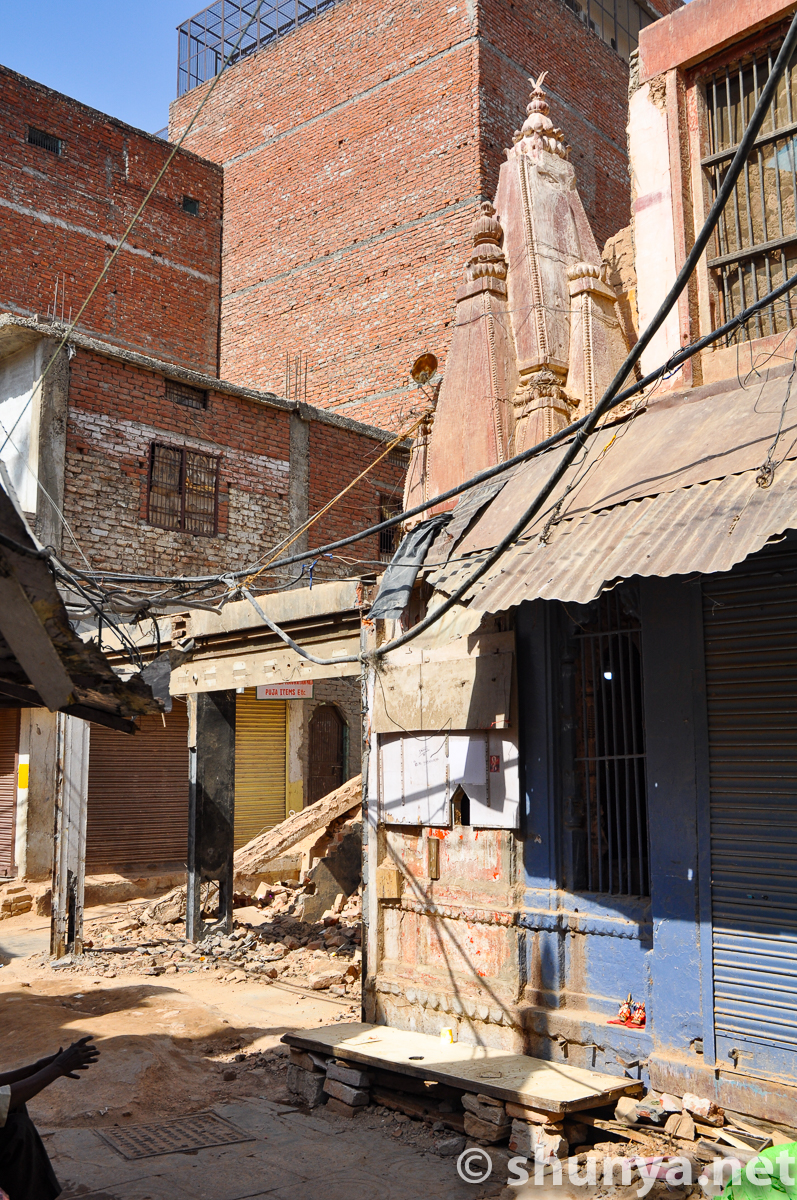
A few temples were saved
|
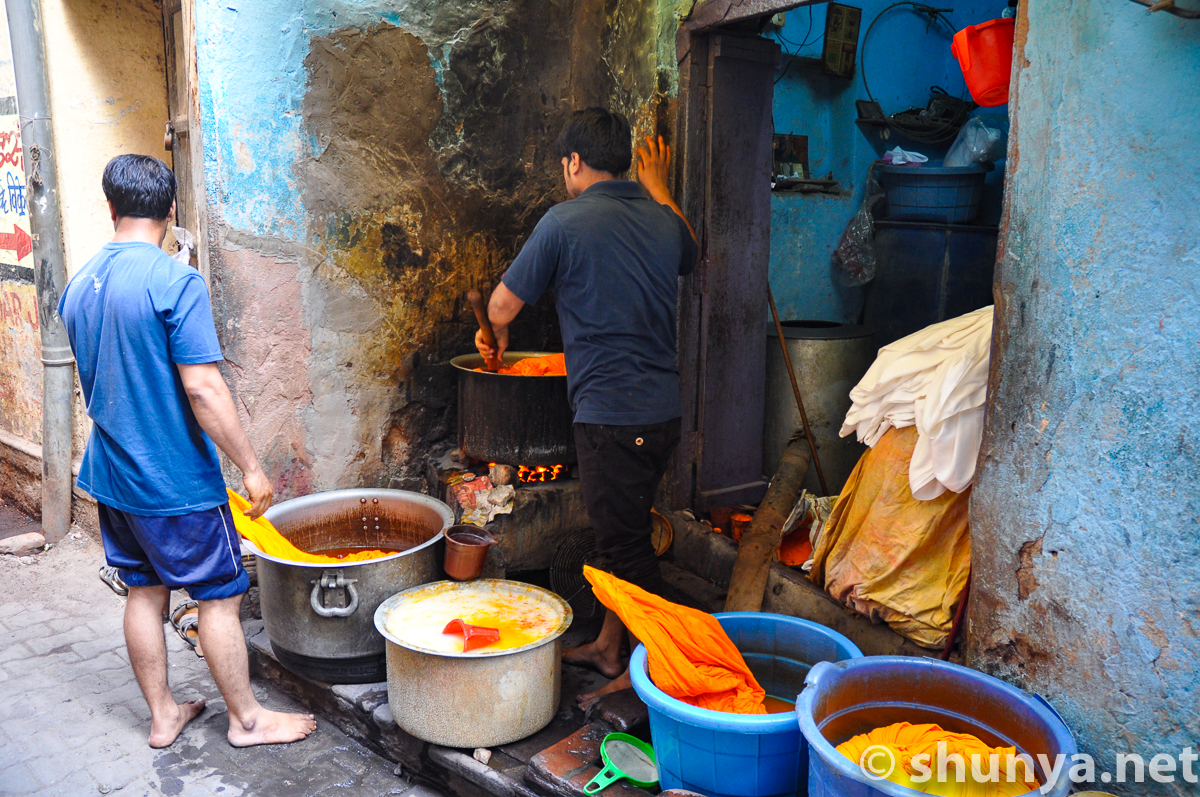
A dyeing shop
|
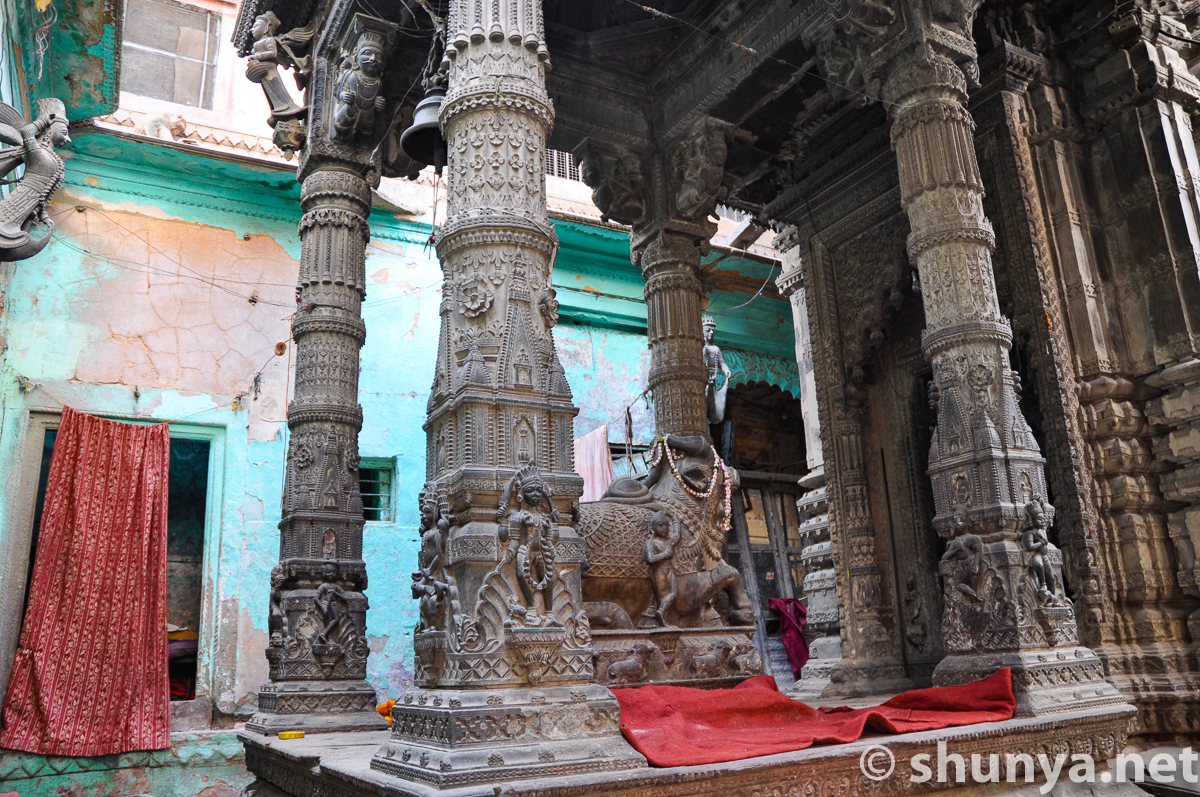
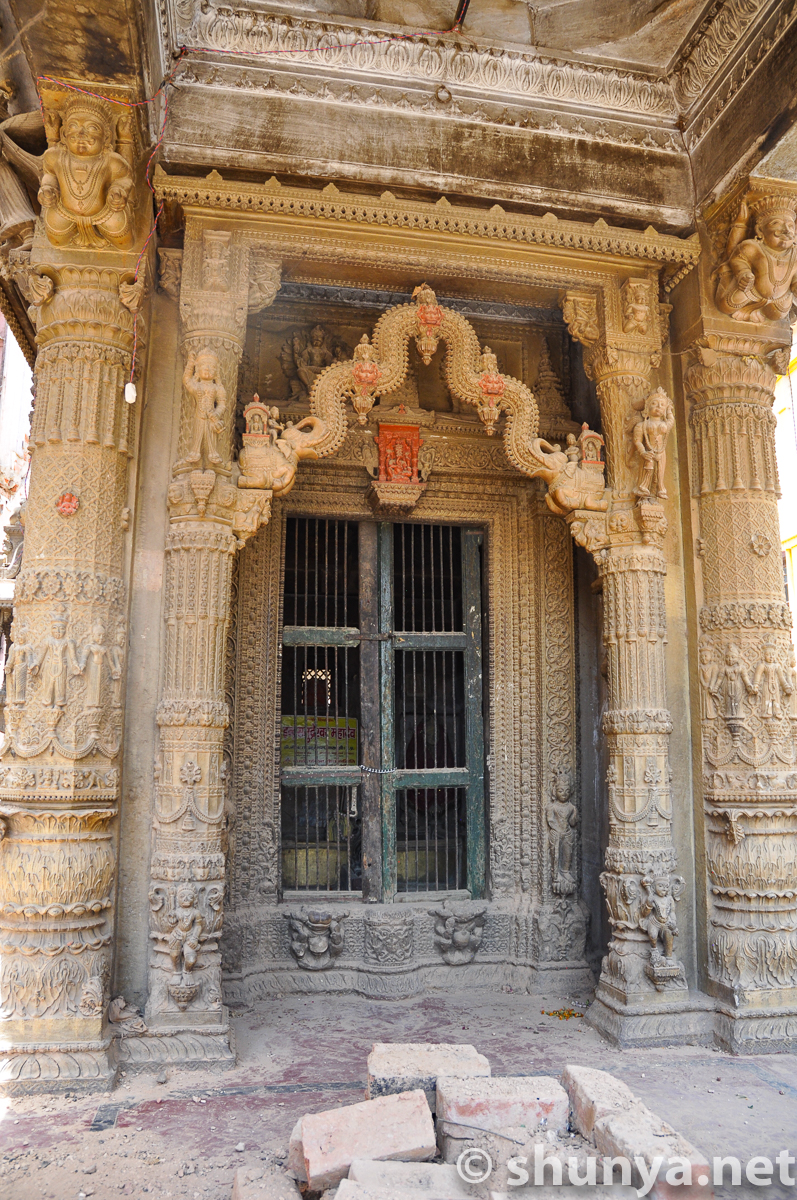
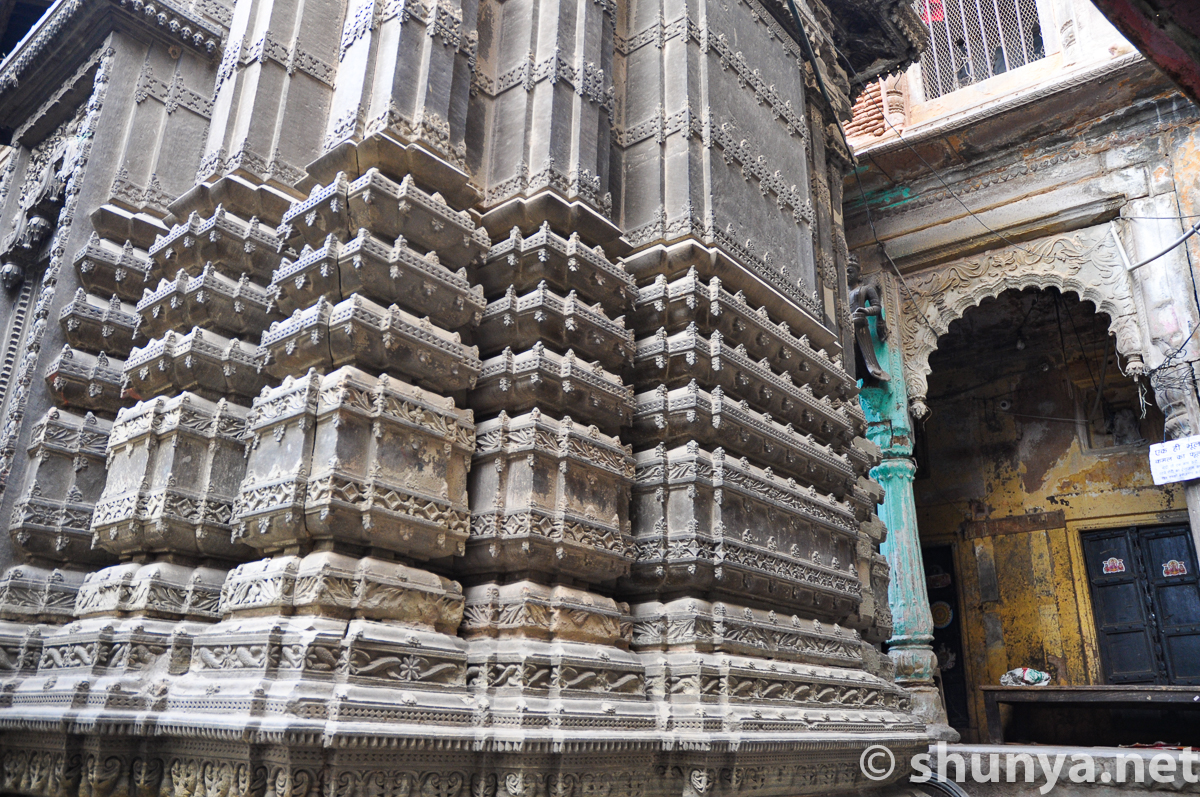
A finely carved temple in a
|
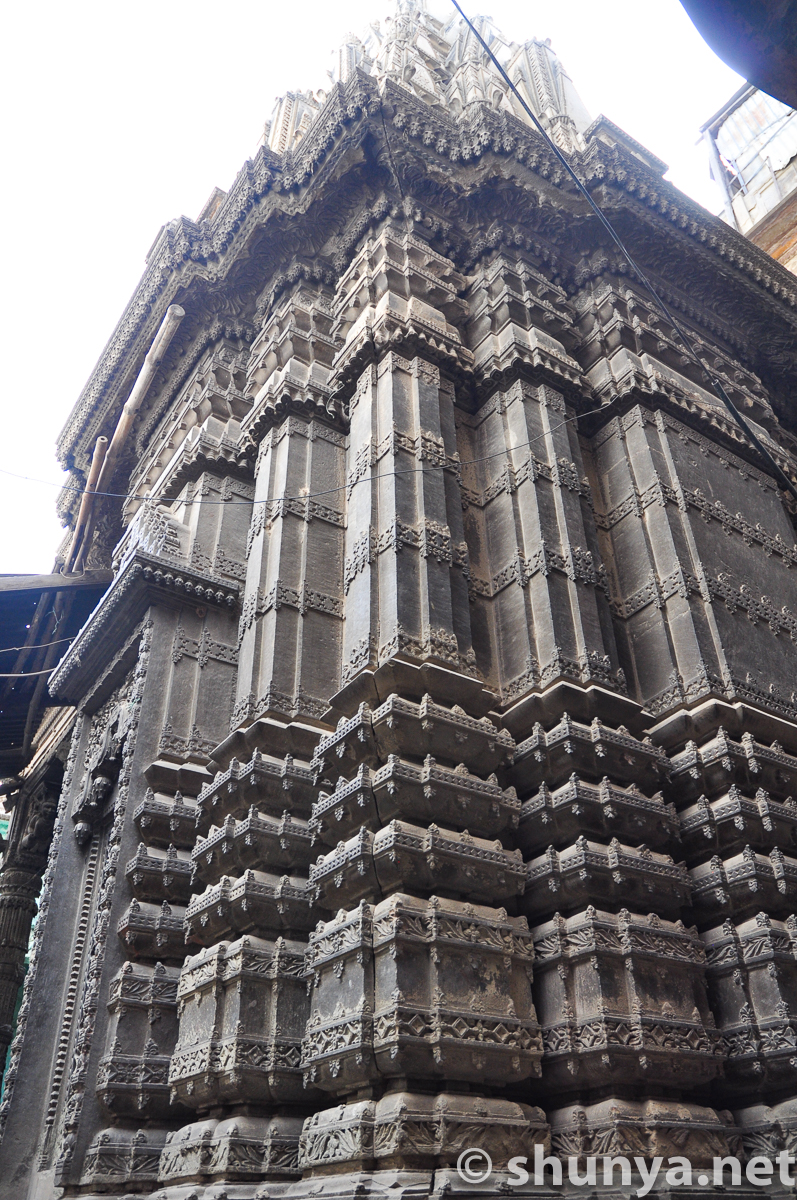
Temple walls (more)
|
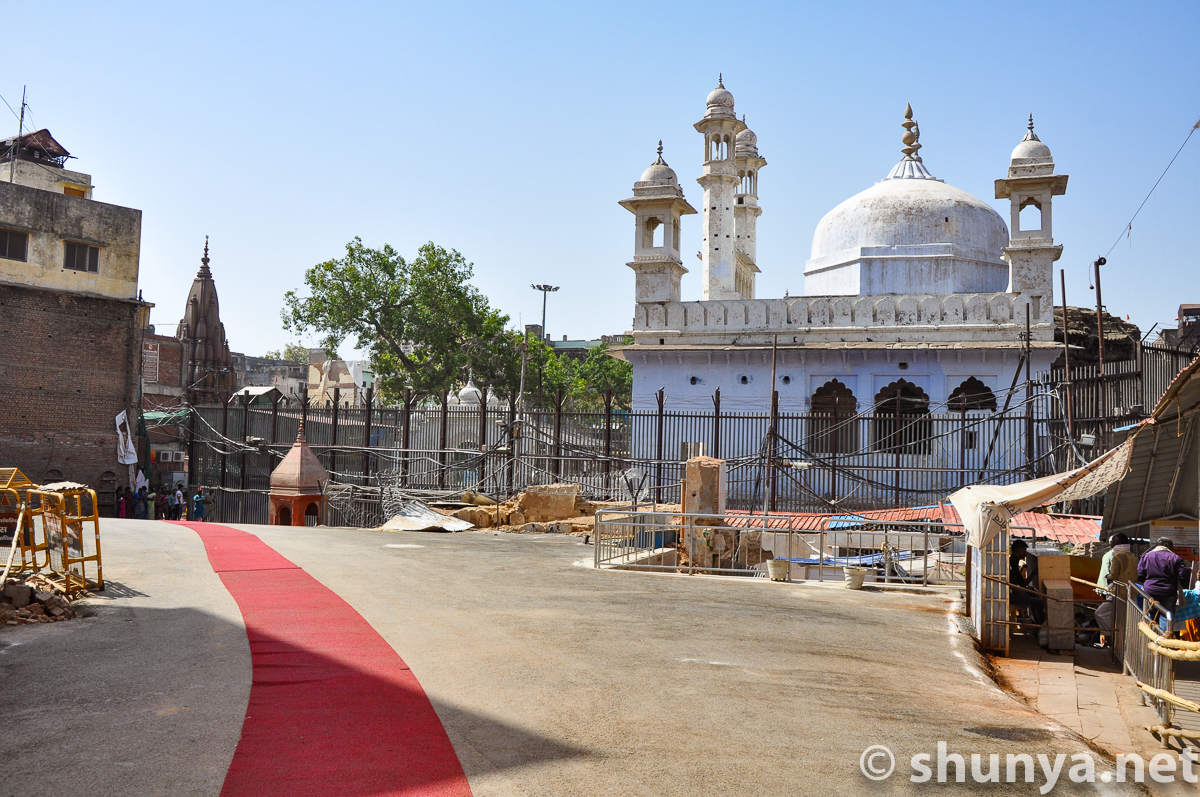
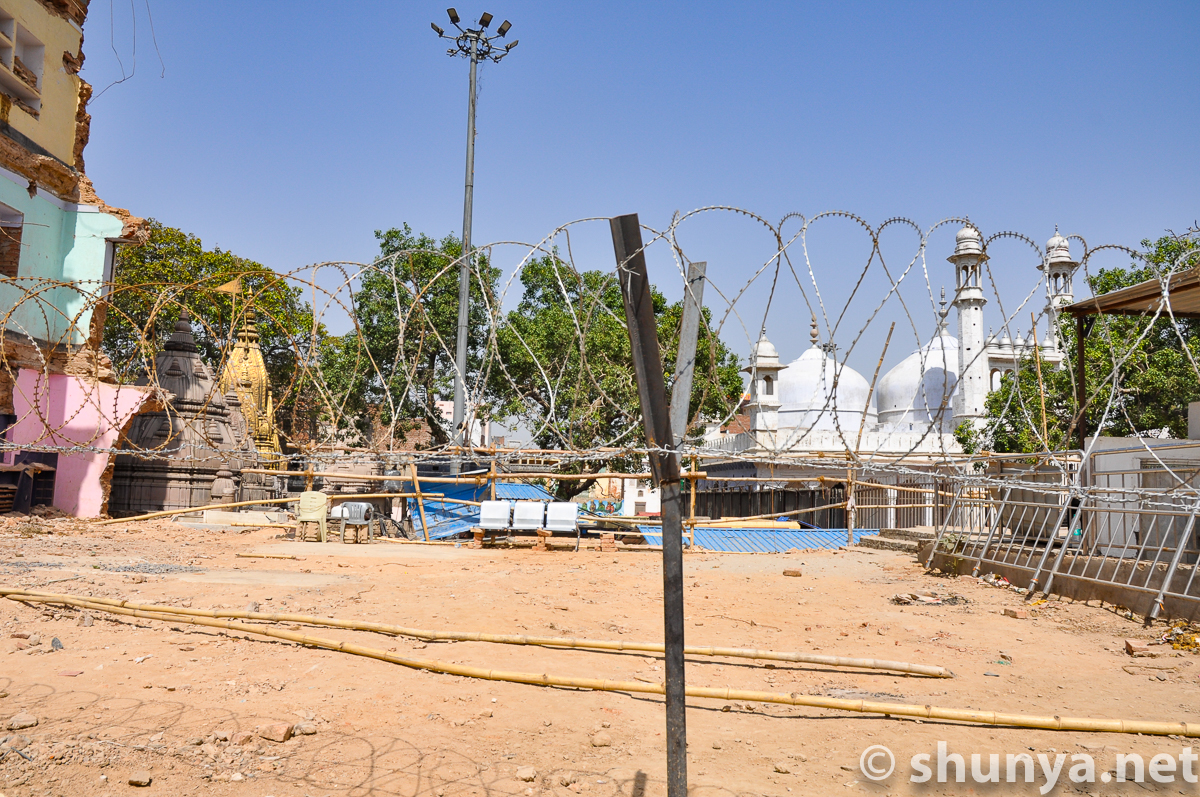
Gyan Vyapi mosque
|
Vishwanath Temple
|
Narrow lanes
|
Path to Manikarnika Ghat
|
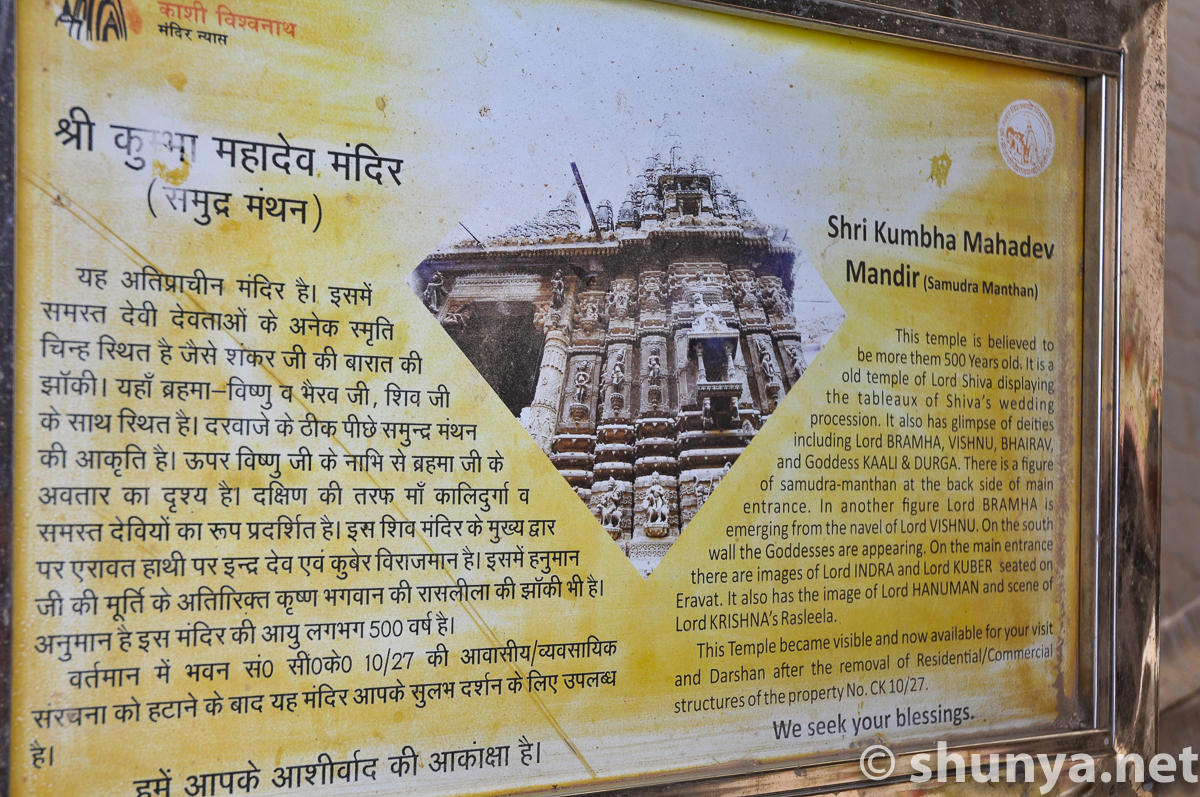
Kumbh Mahadev temple (info)
|
Narrow lane
|
Patli gali
|
Store-lined passage to
|
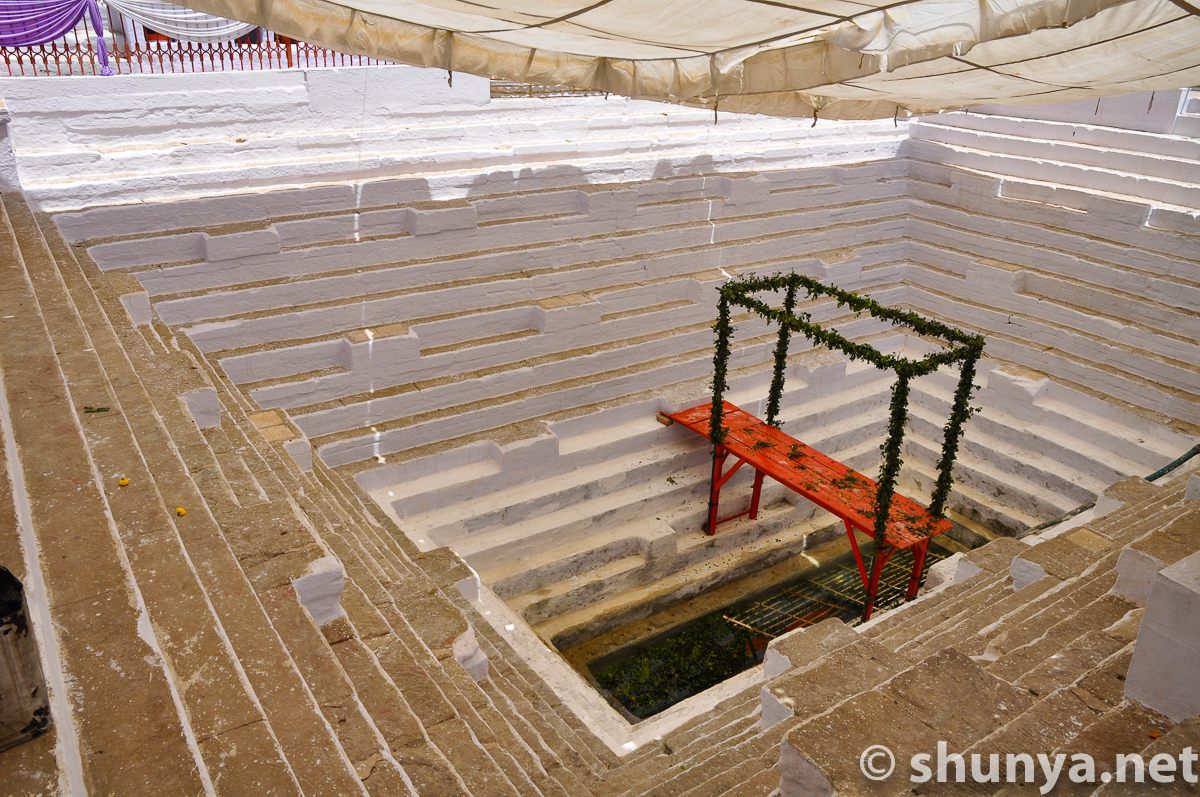
Stepped Manikarnika kund
|
Walking beyond
|
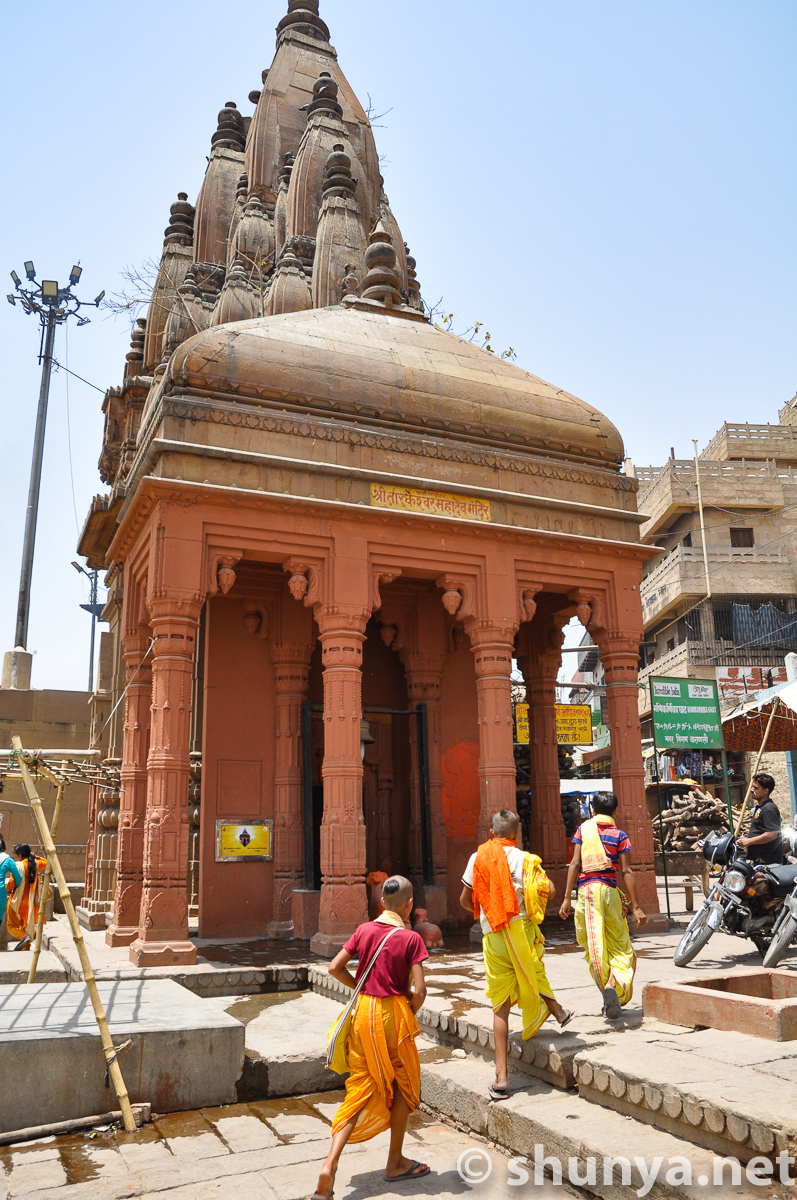
Ratneshwar Mahadev
|
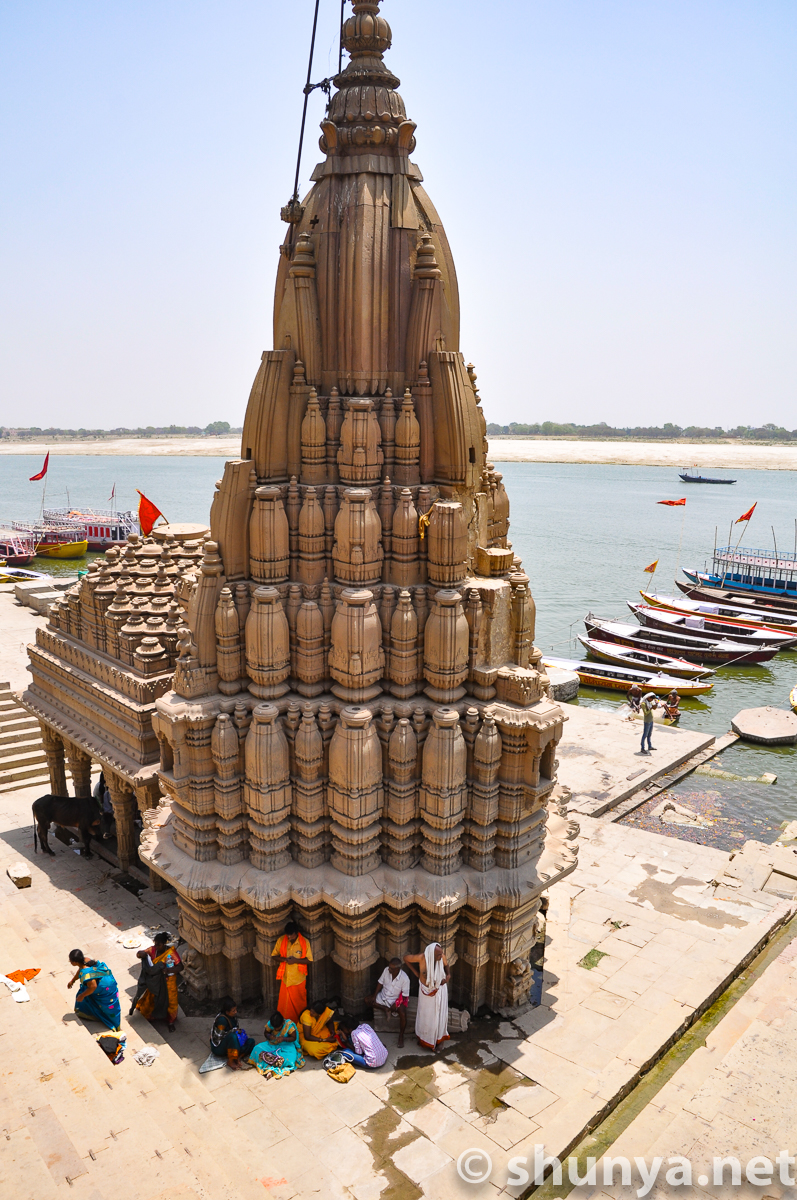
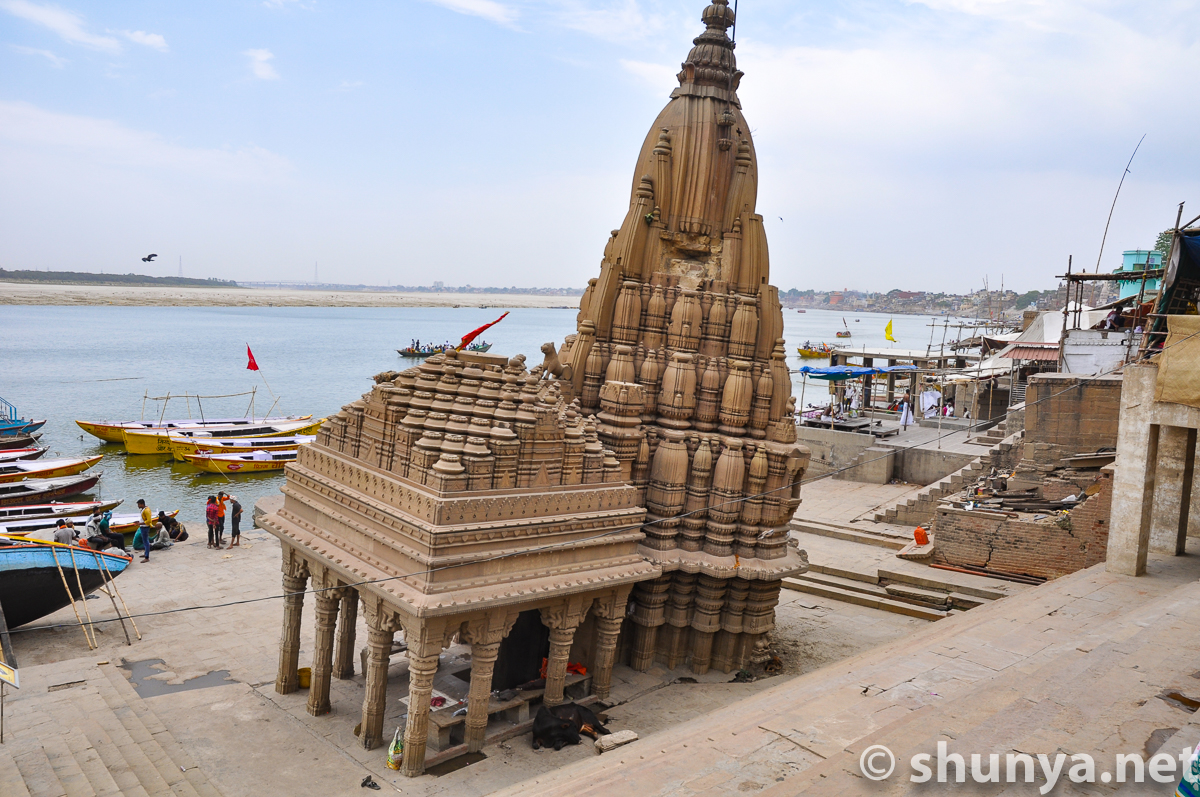
Leaning temple of Shiva,
|
Just north of Scindia Ghat
|
Back to Manikarnia Ghat
|
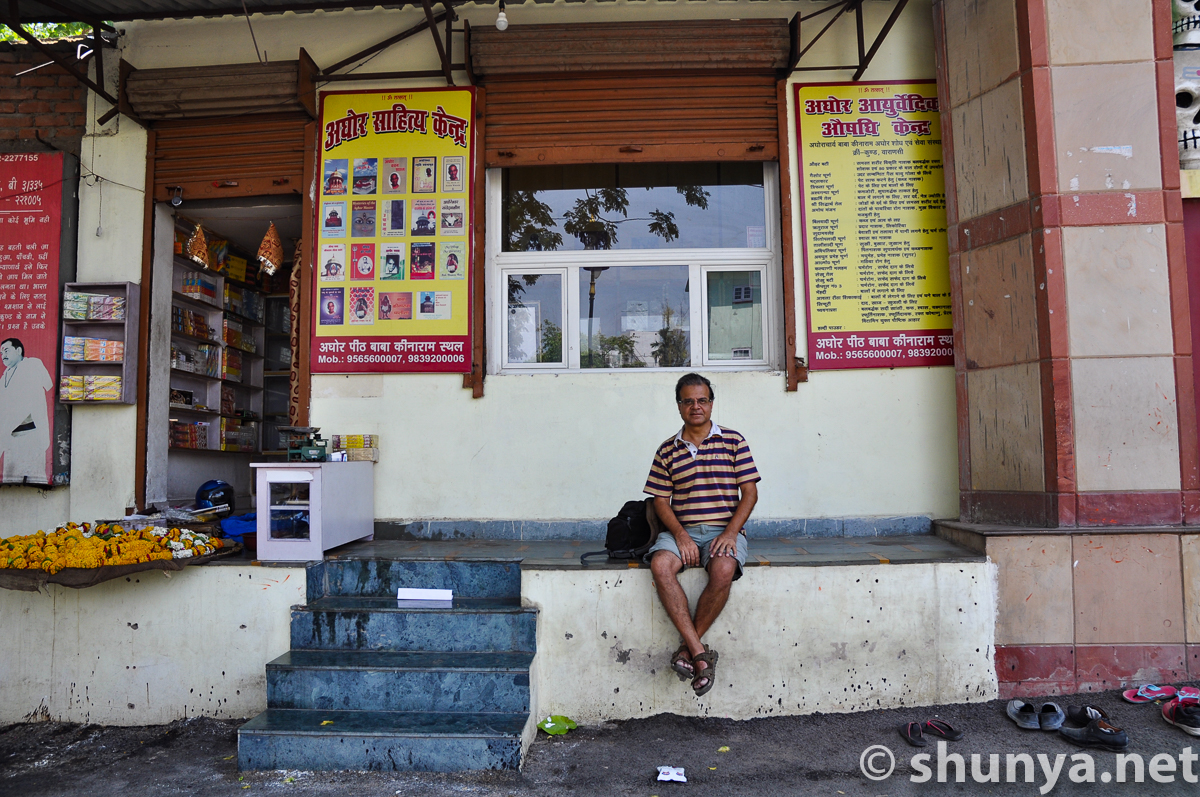
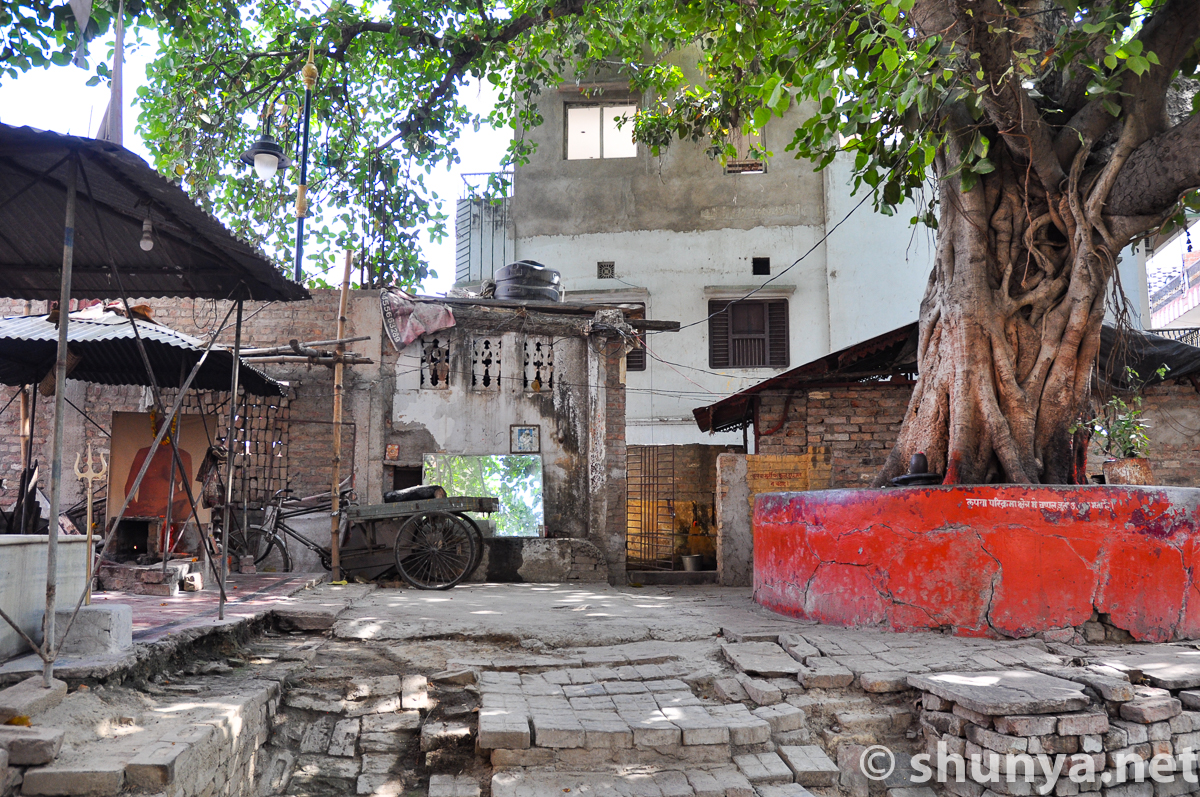
Seemingly defunct Aghori
|
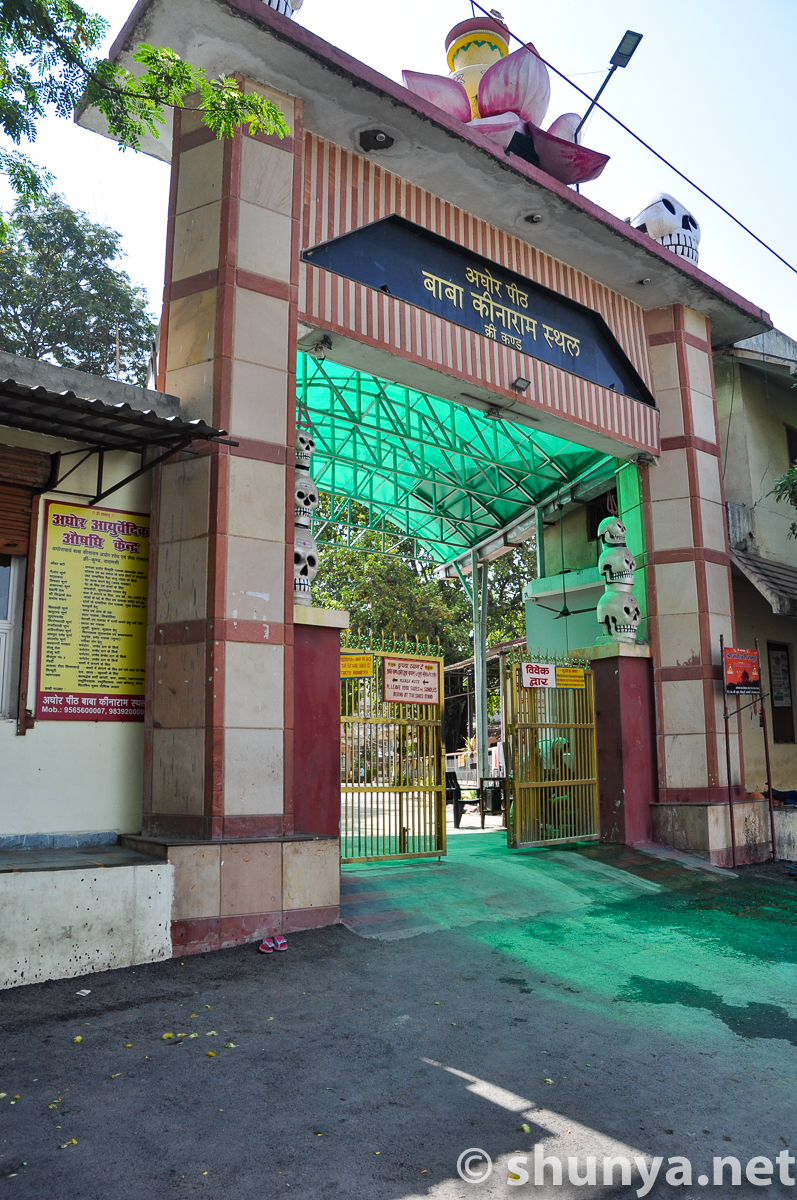
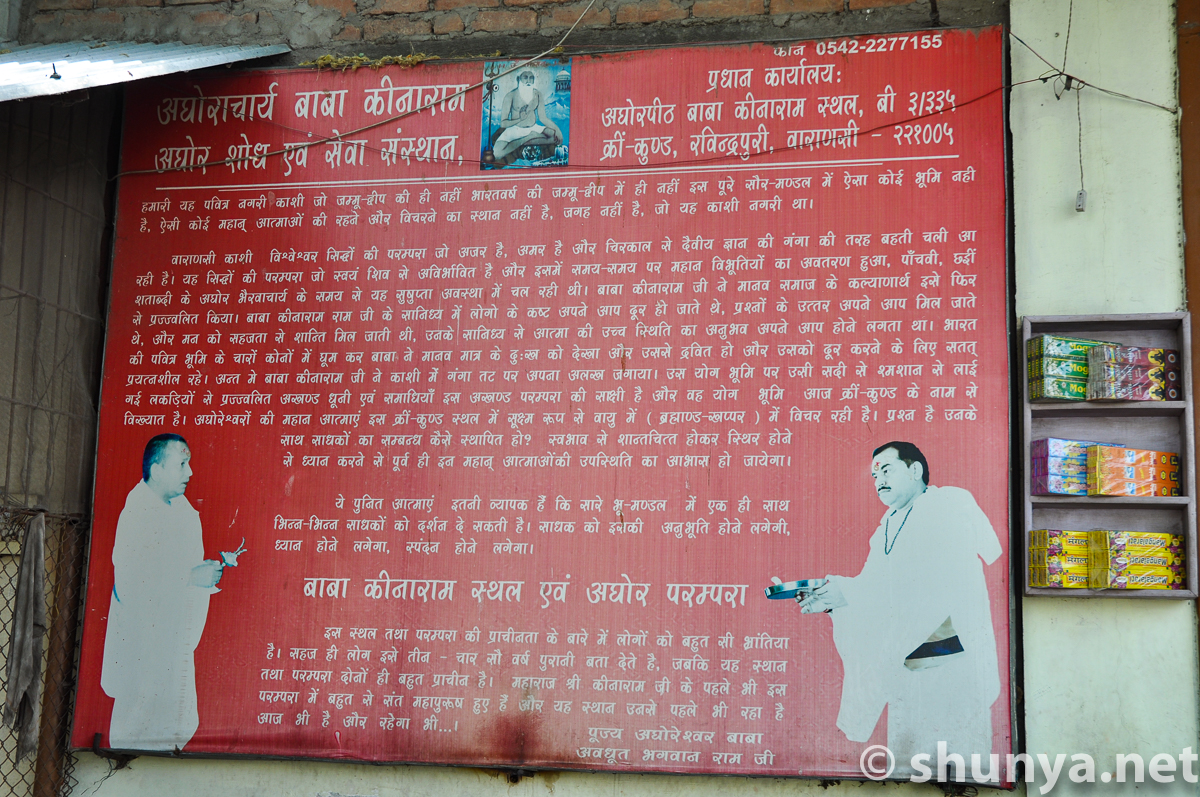
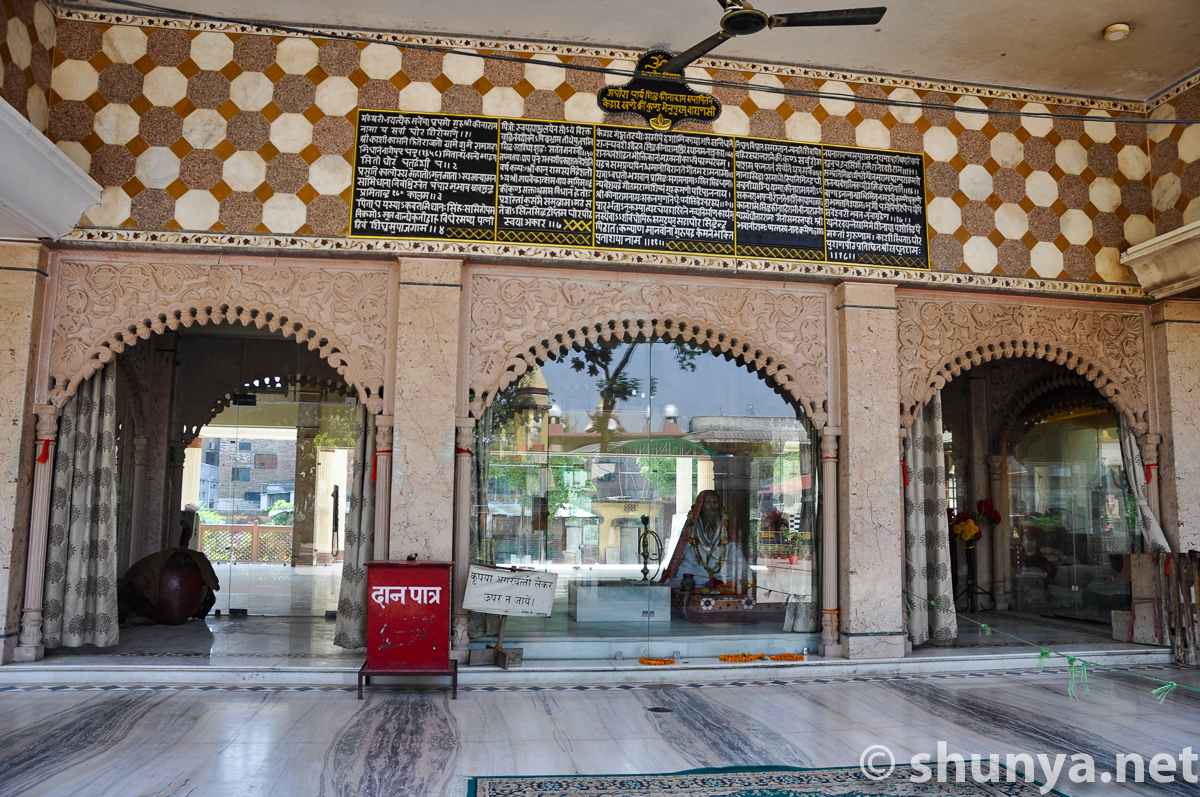
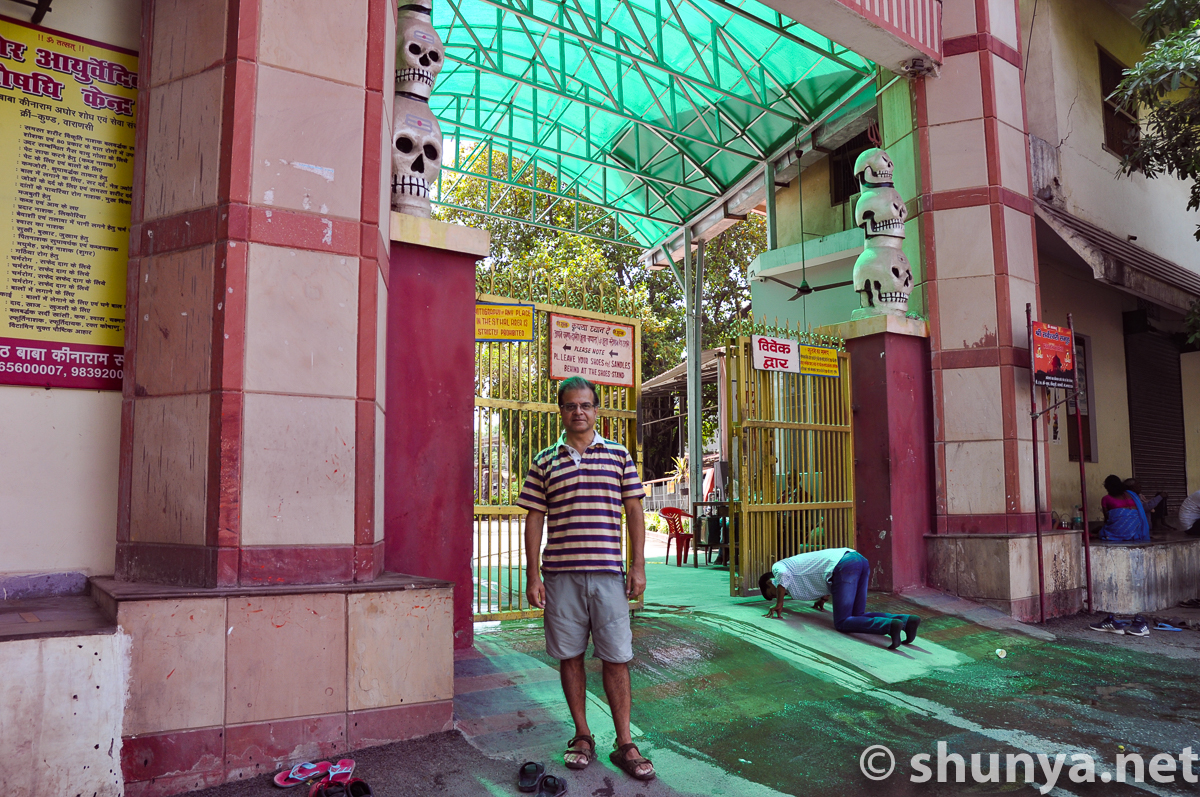
Baba Kinaram Sthal, or
|
Ashram hall, a sacred pond
|
Outside, next to the
|
Baba Kinaram (more)
|
Ashram entrance (more)
|
Evening walk on
|
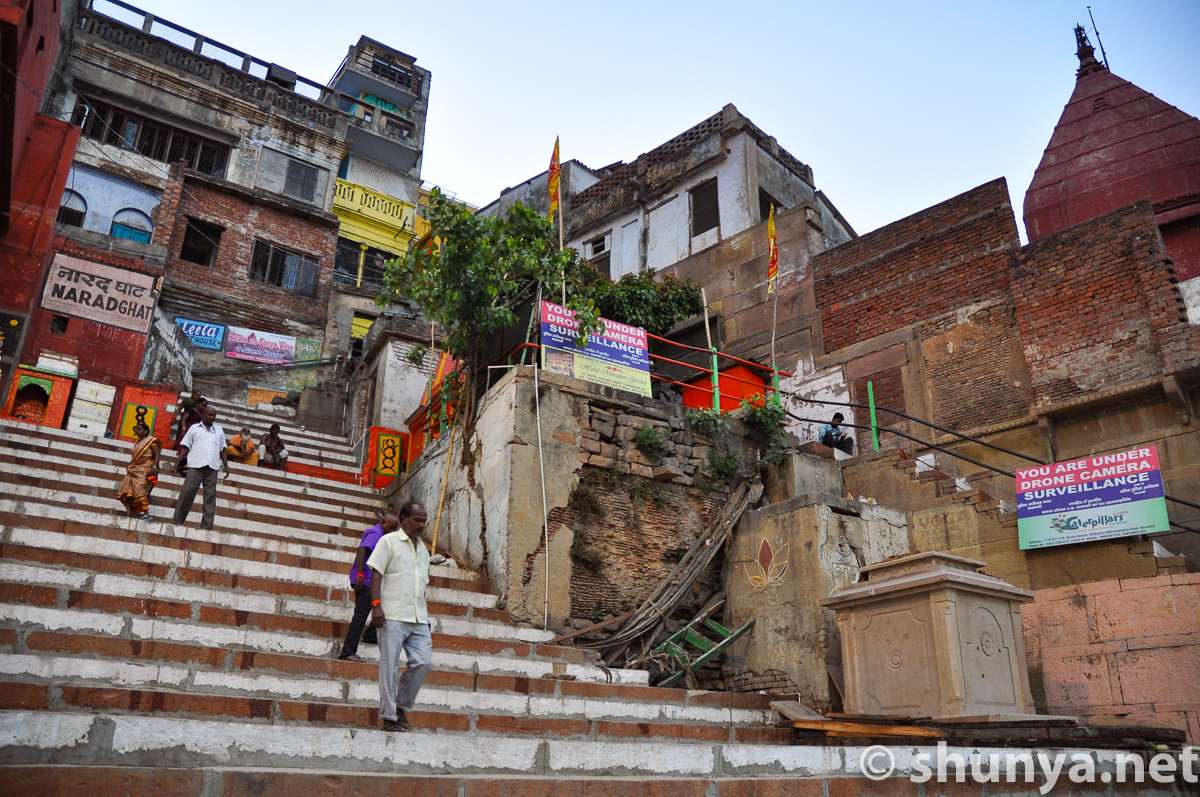
Narad Ghat
|
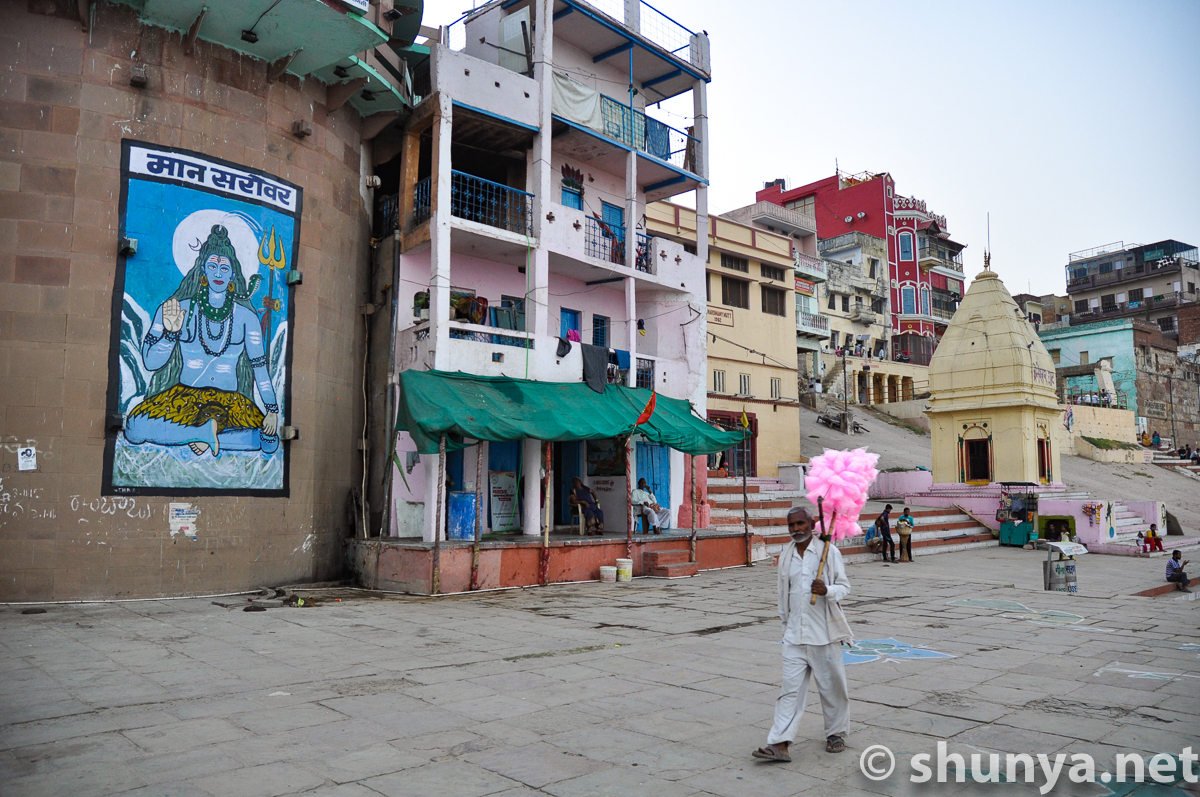
Mansarovar Ghat
|
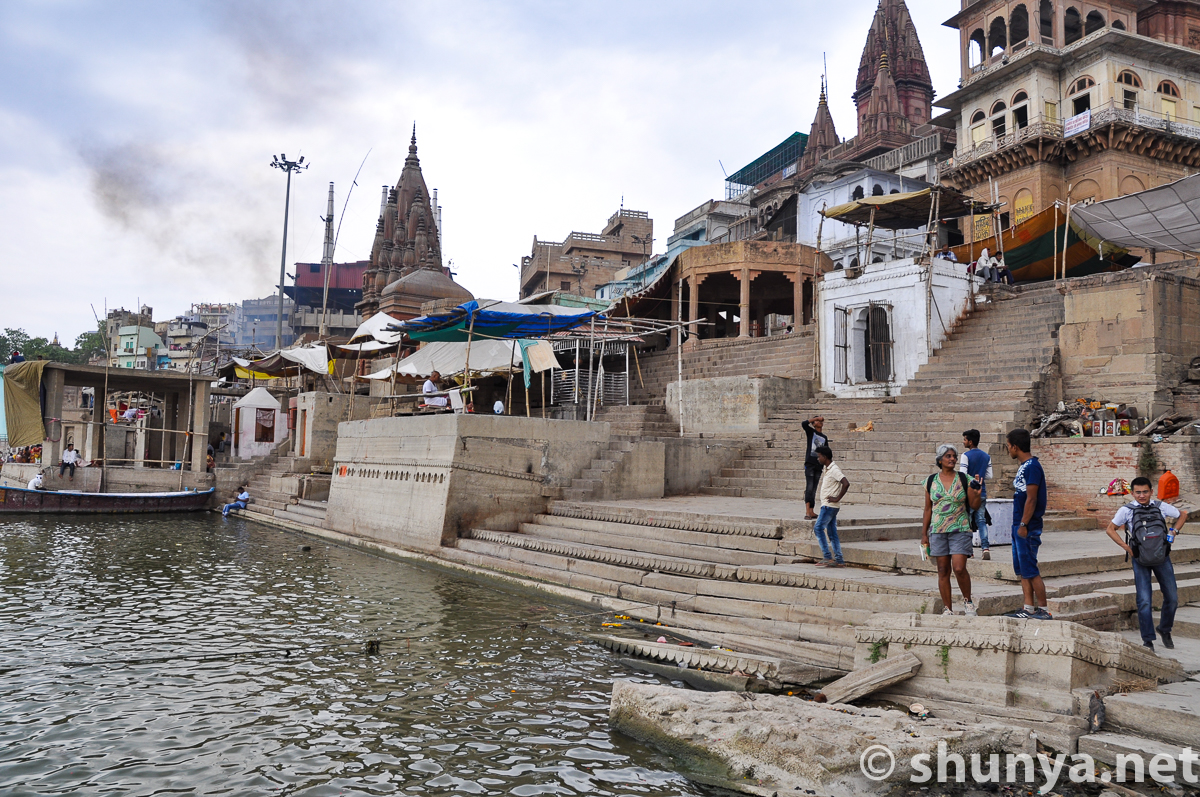
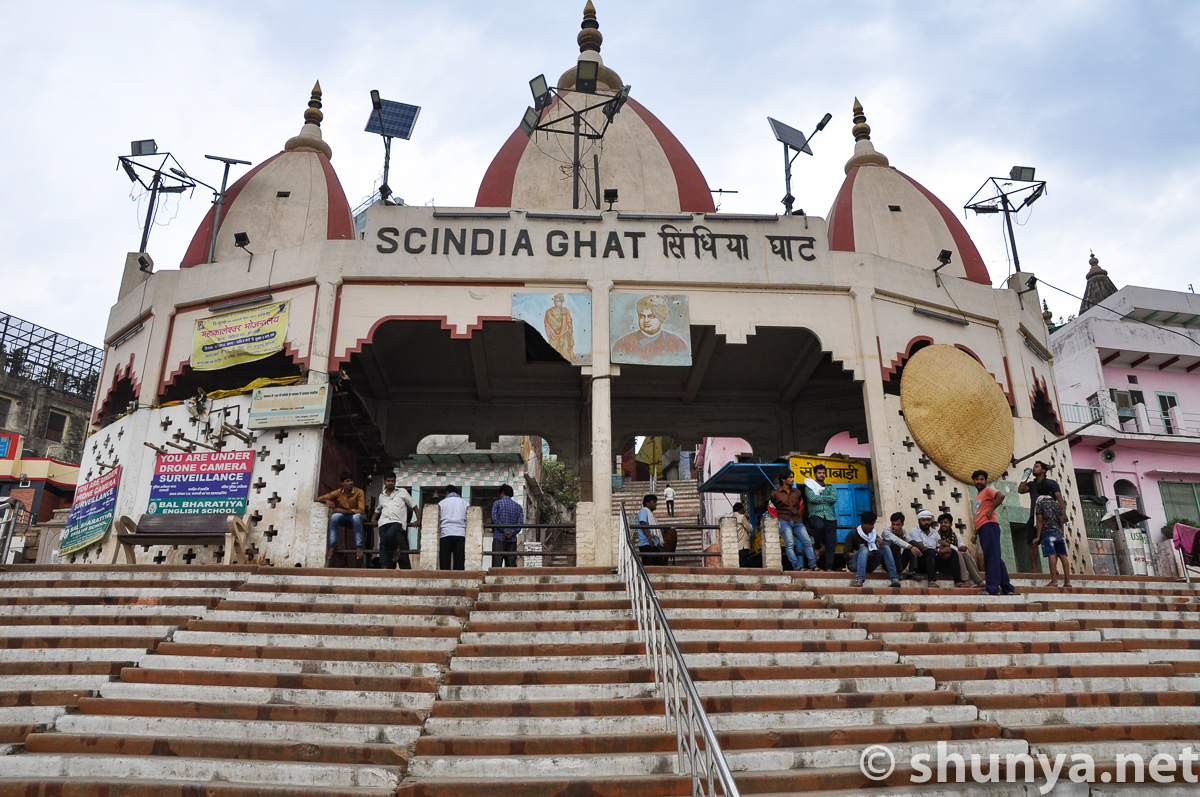
Scindia Ghat
|
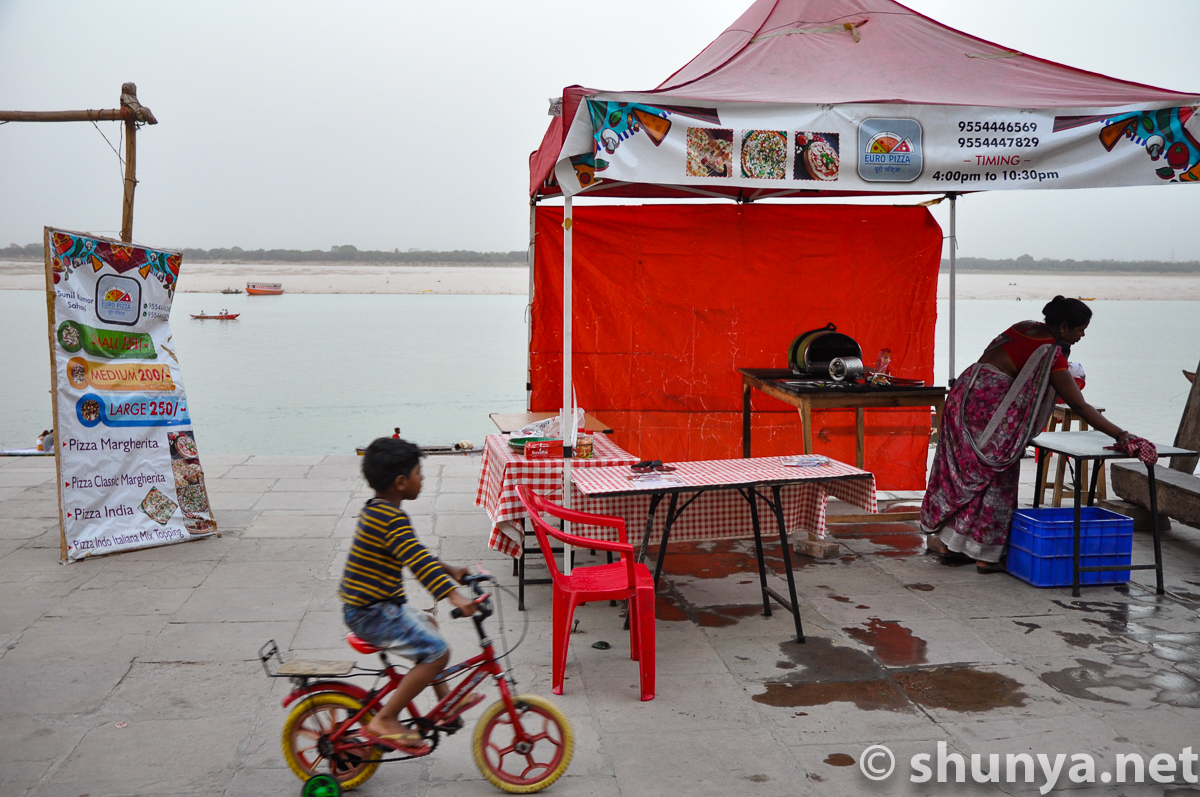
Pizza on the Ghat (menu)
|
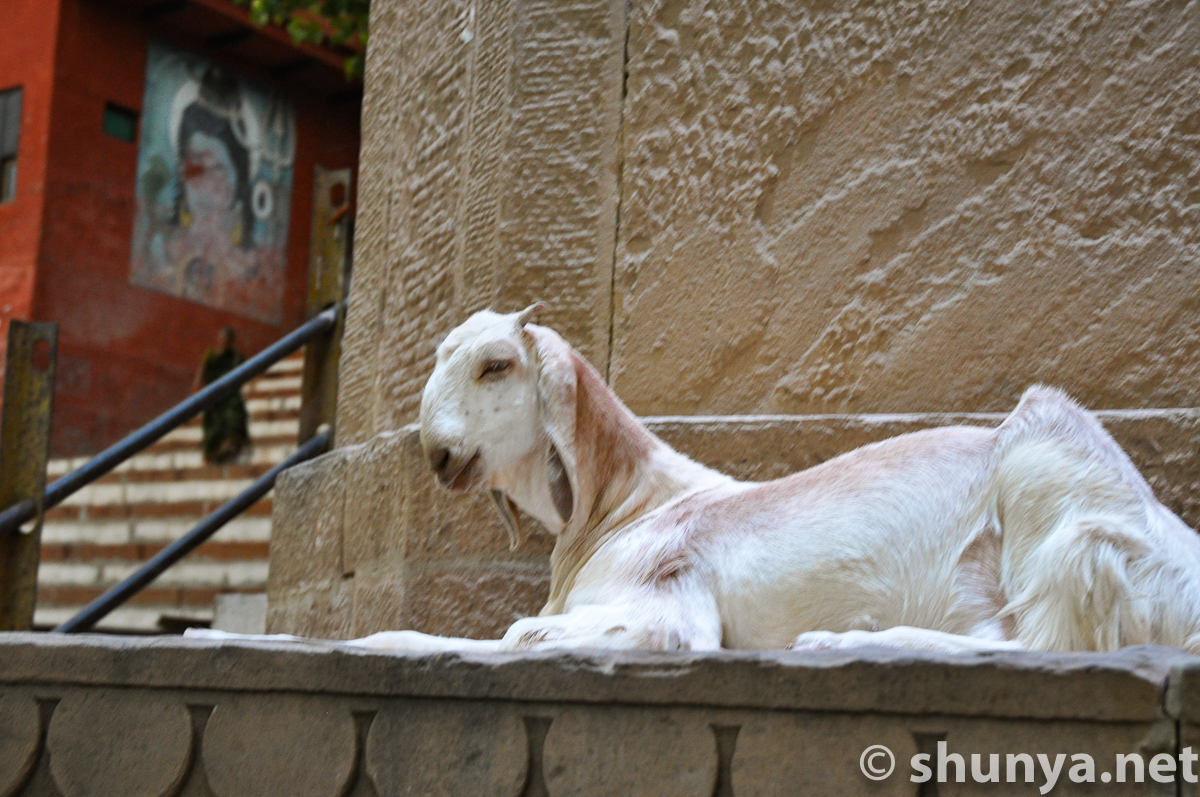
Goat
|
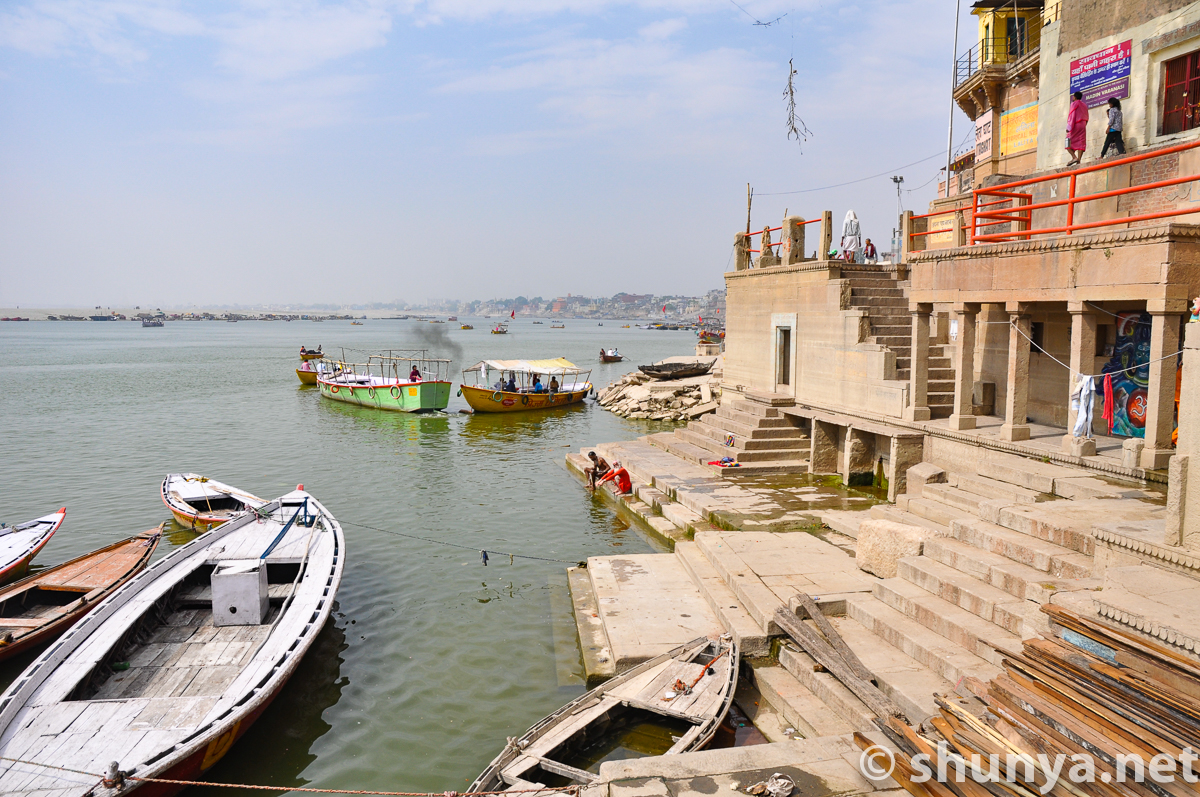
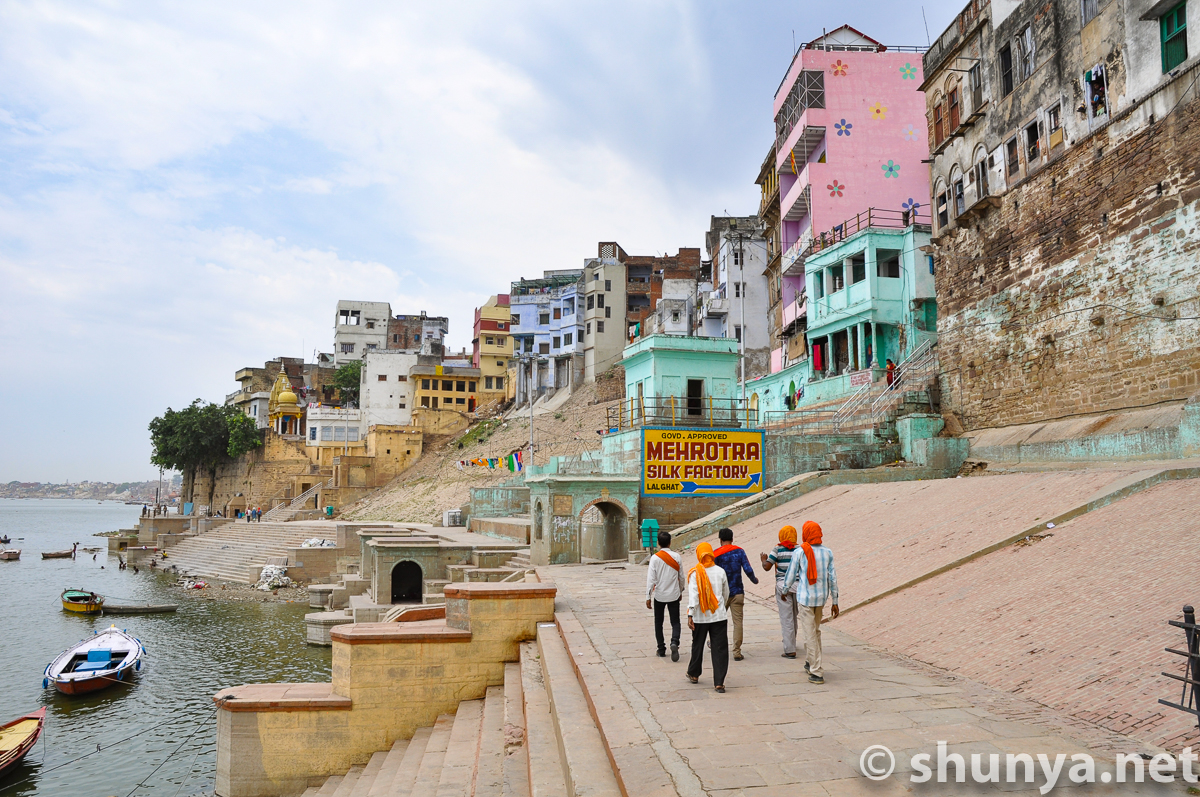
Ghat stretch
|
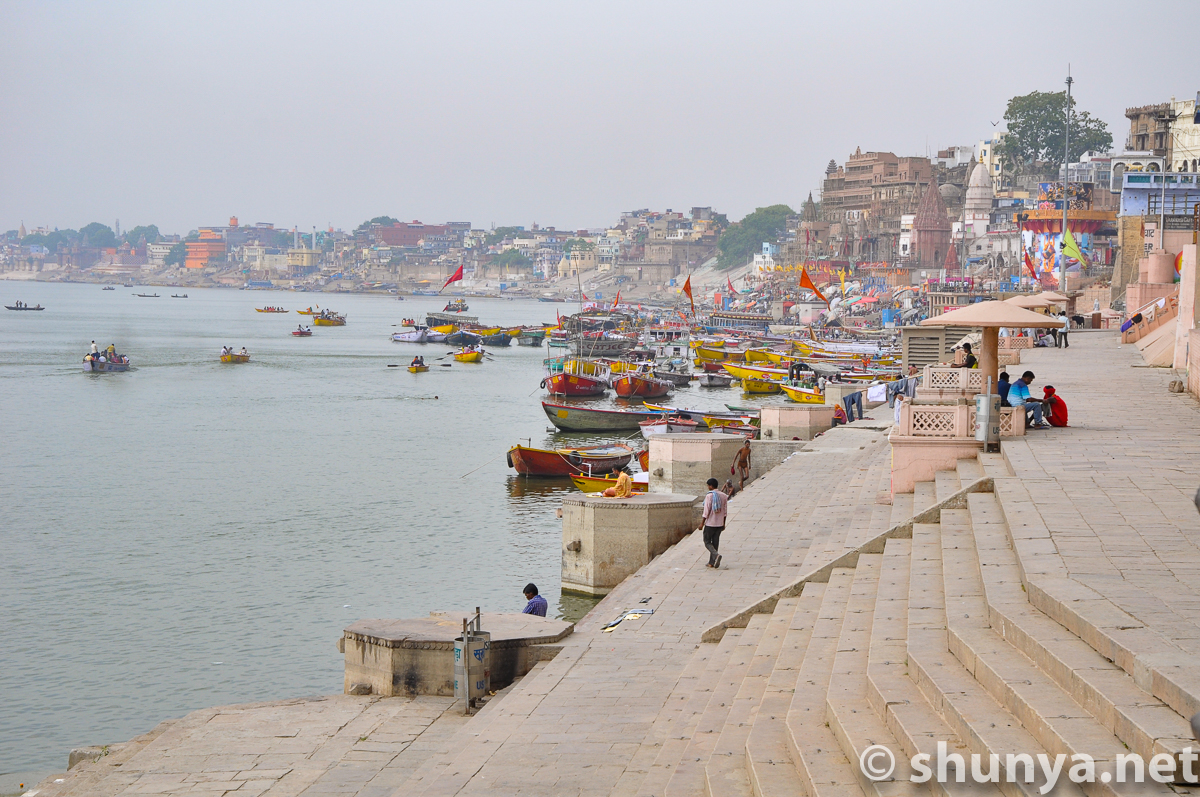
Afternoon scene
|
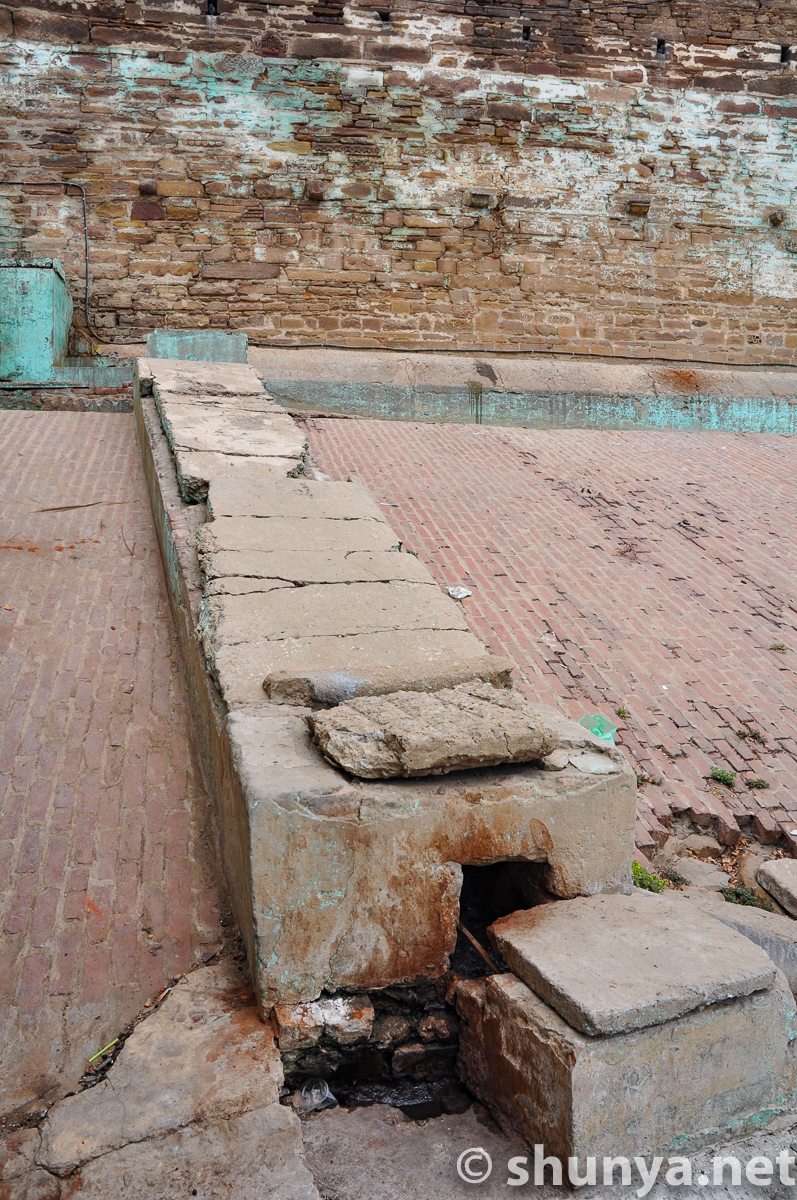
Sewage drain to the river
|
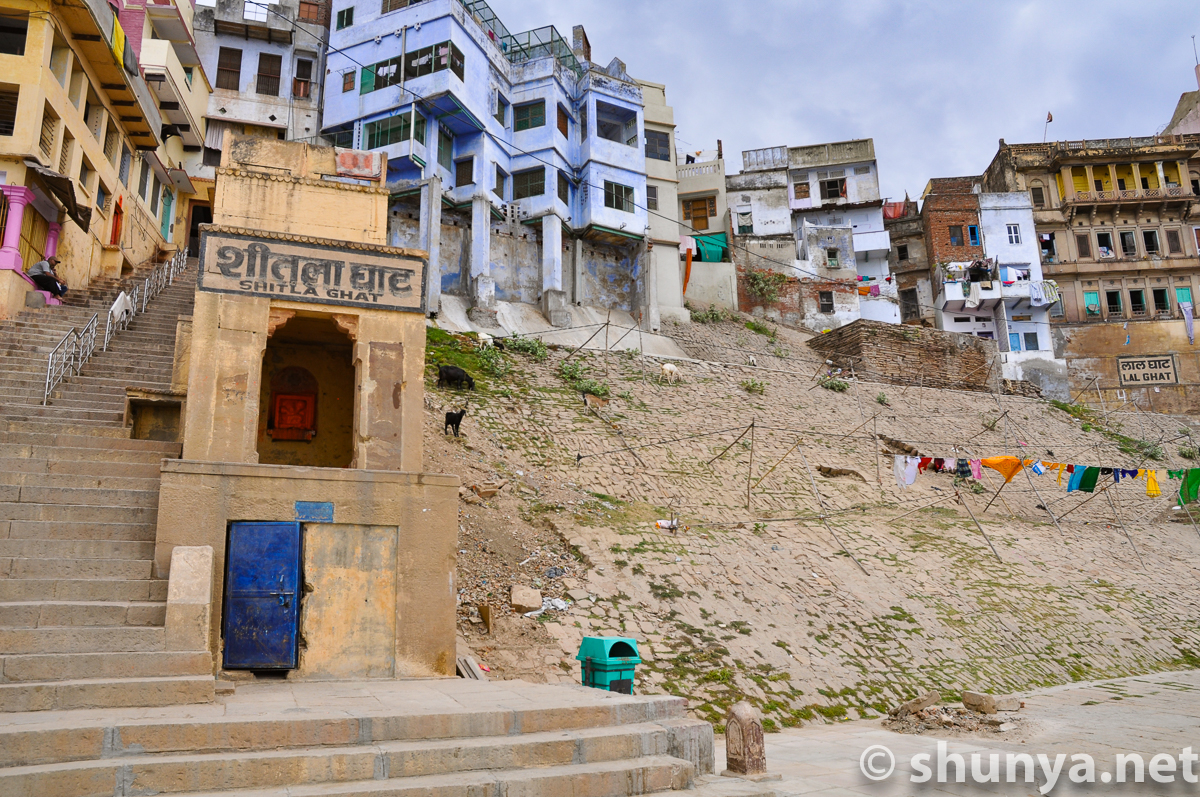
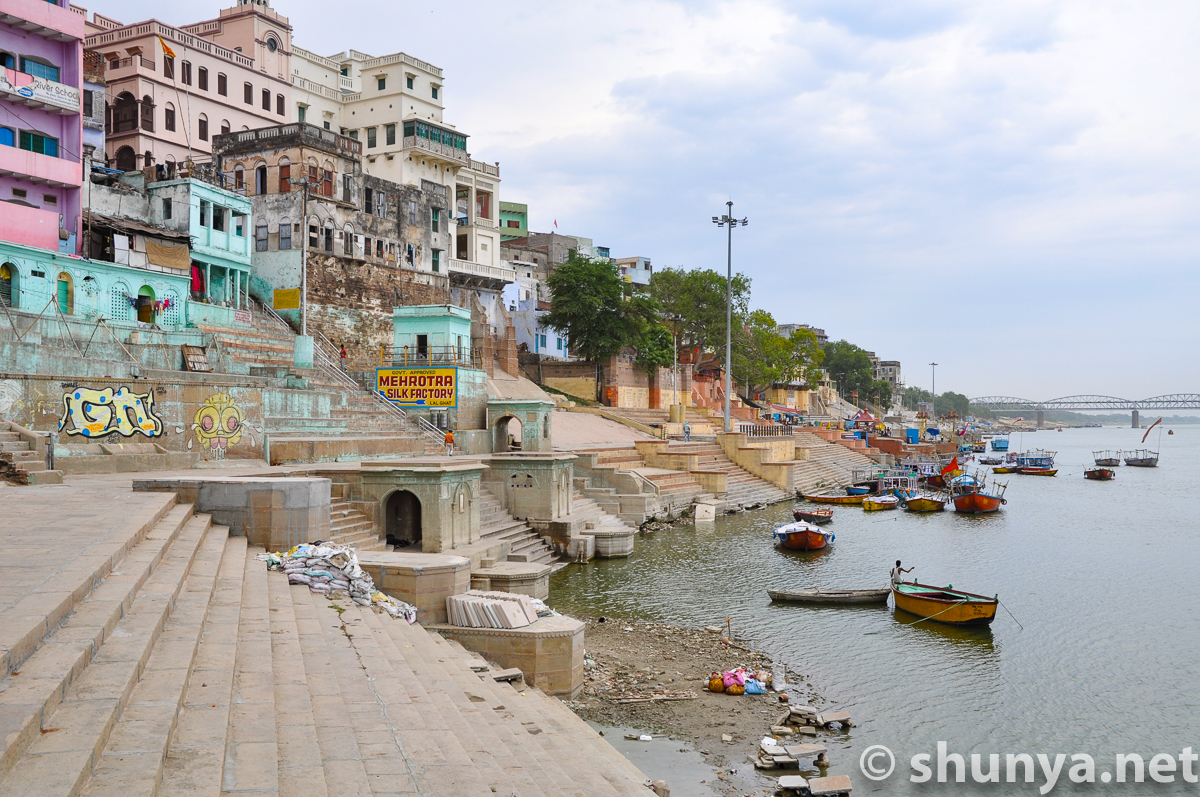
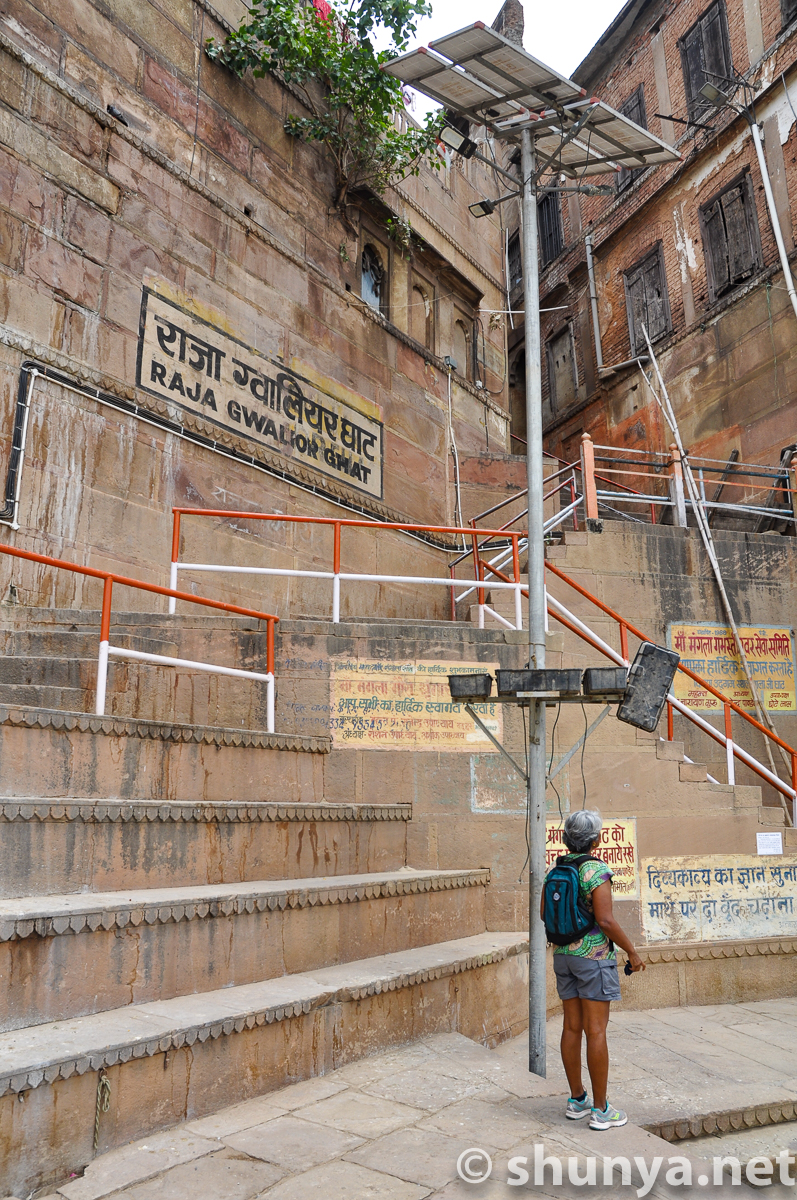
Lal Ghat
|
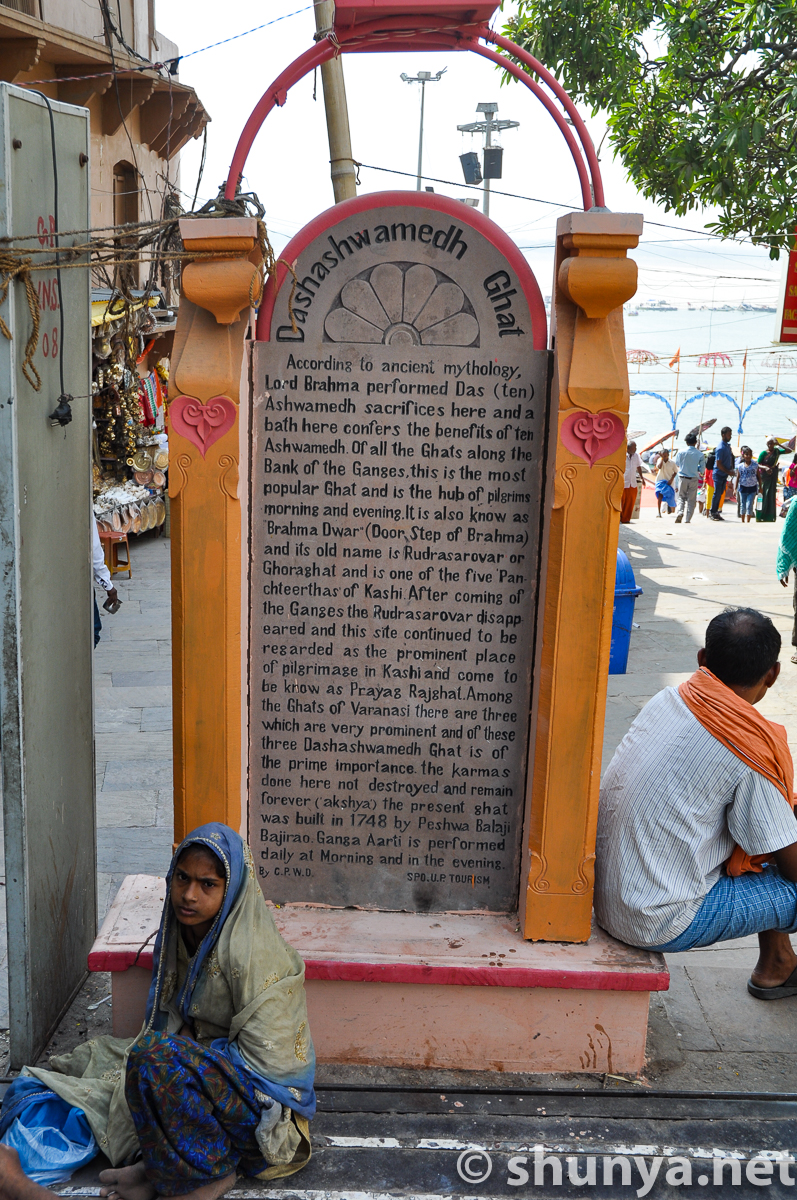
Shitla Ghat, named after
|
 |
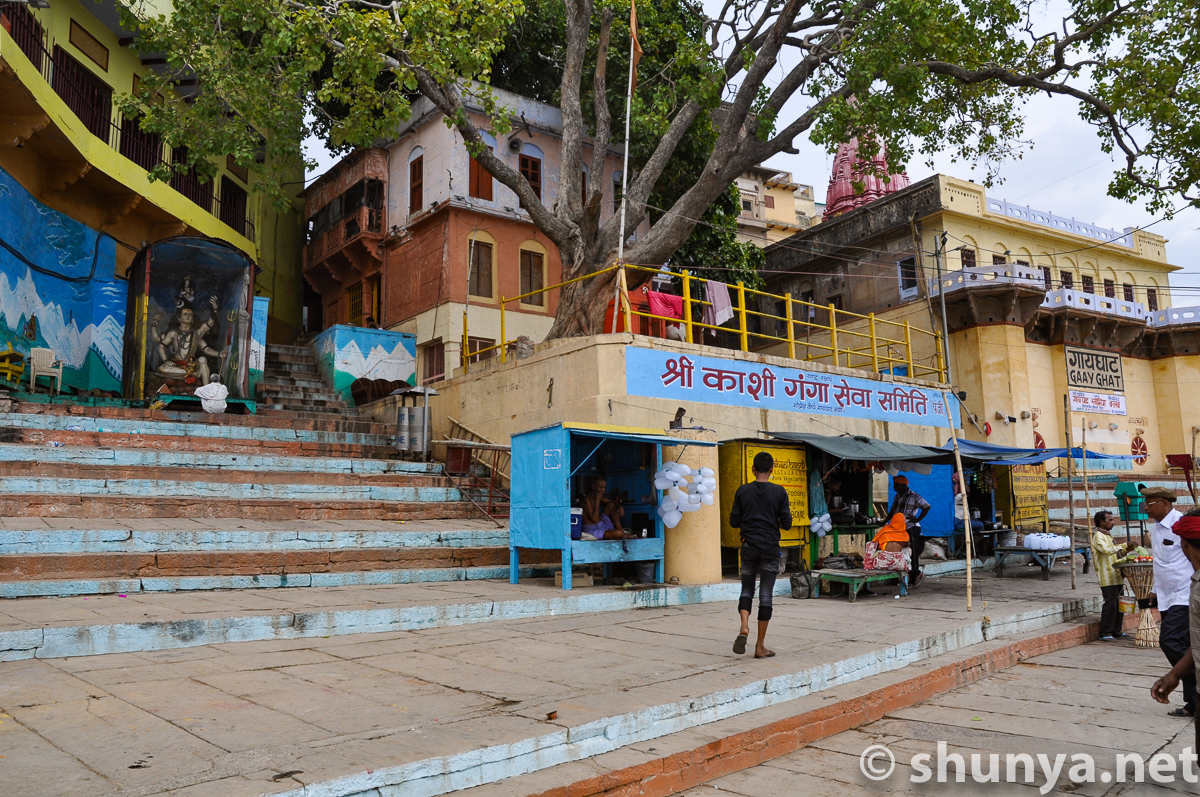
Gaay (Cow) Ghat
|
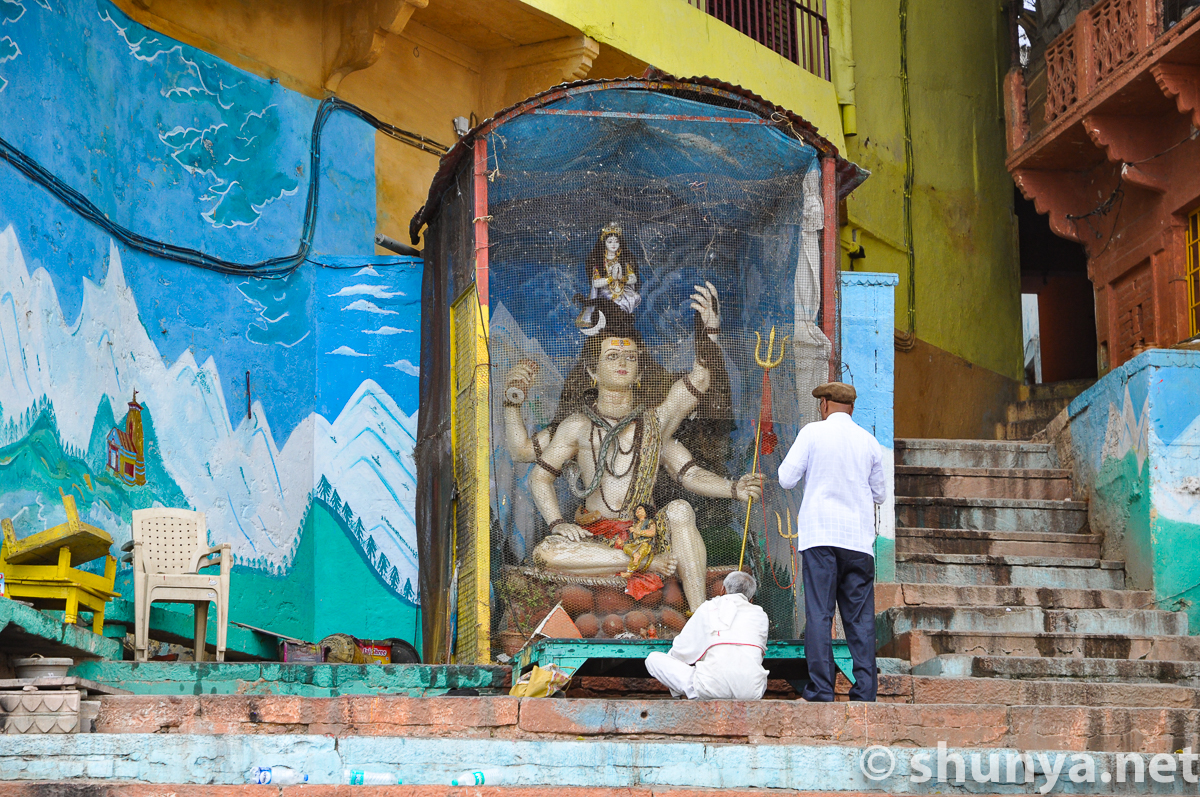
Shiva on Gaay Ghat
|
Ganga riverfront (more)
|
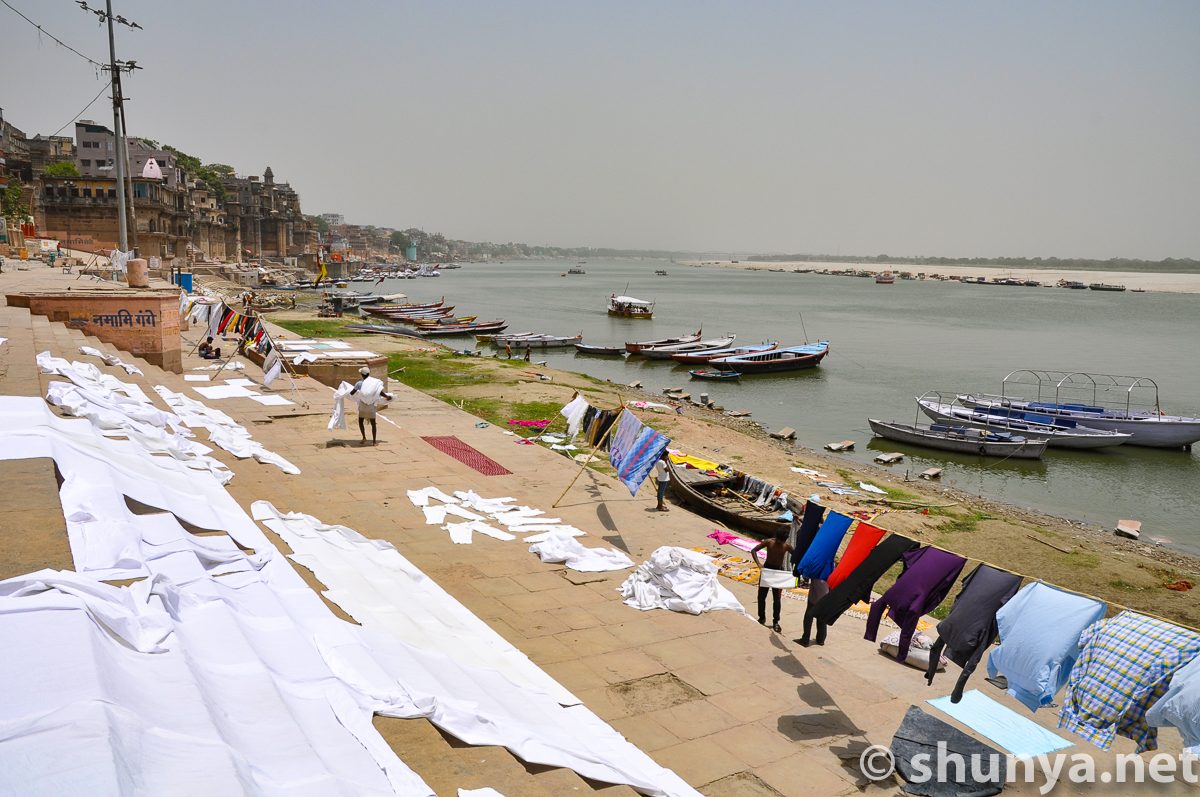
Washerman's laundry
|
Dom Raja house on top
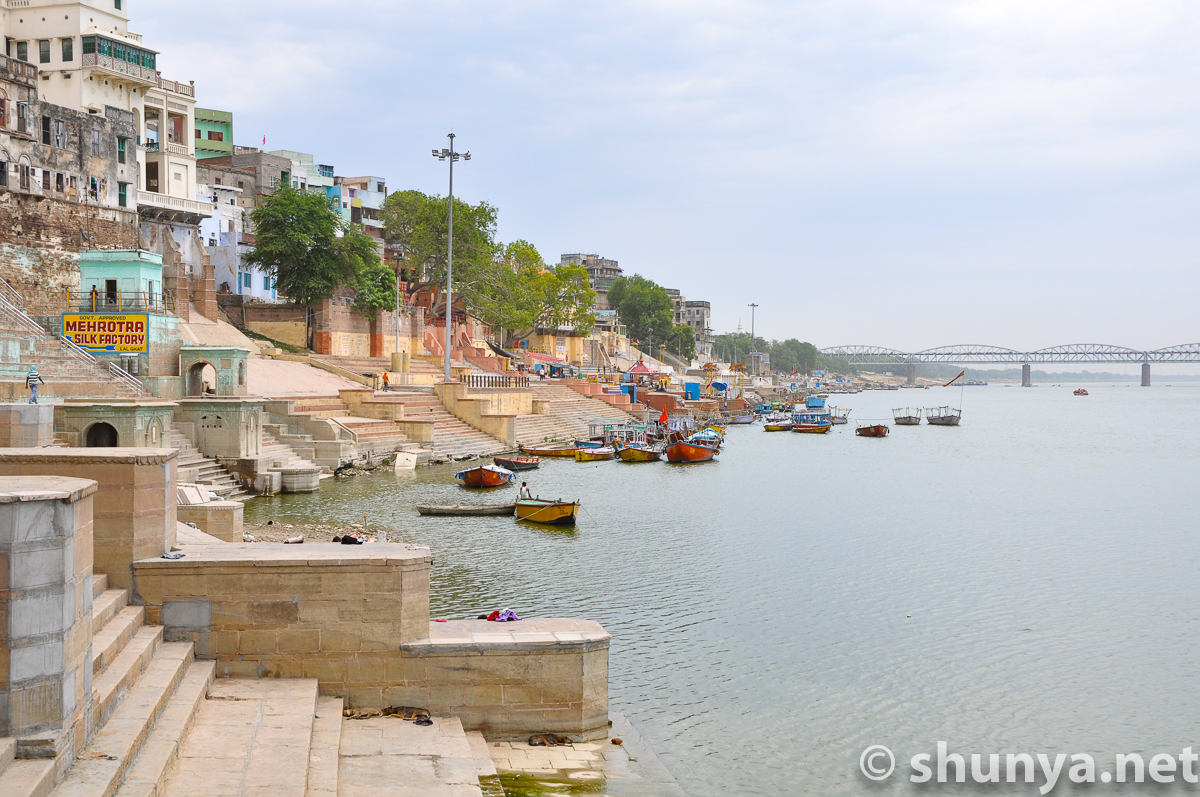
|
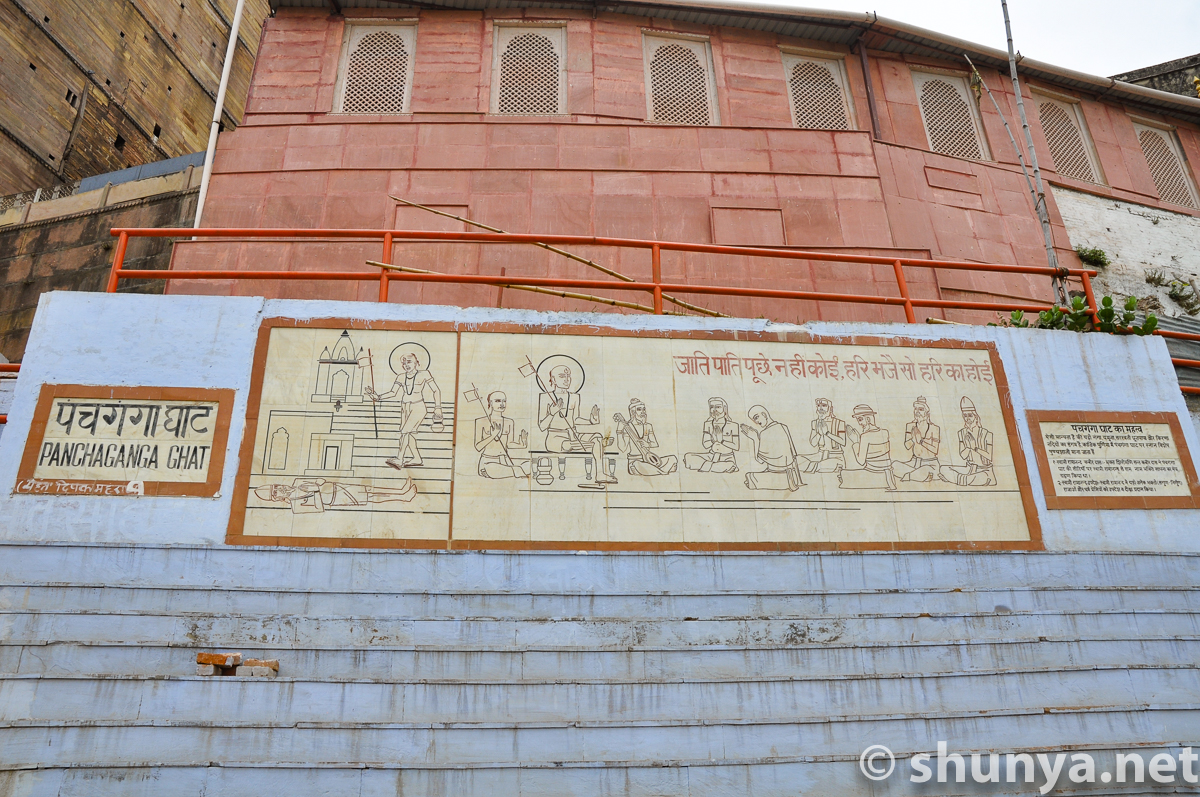
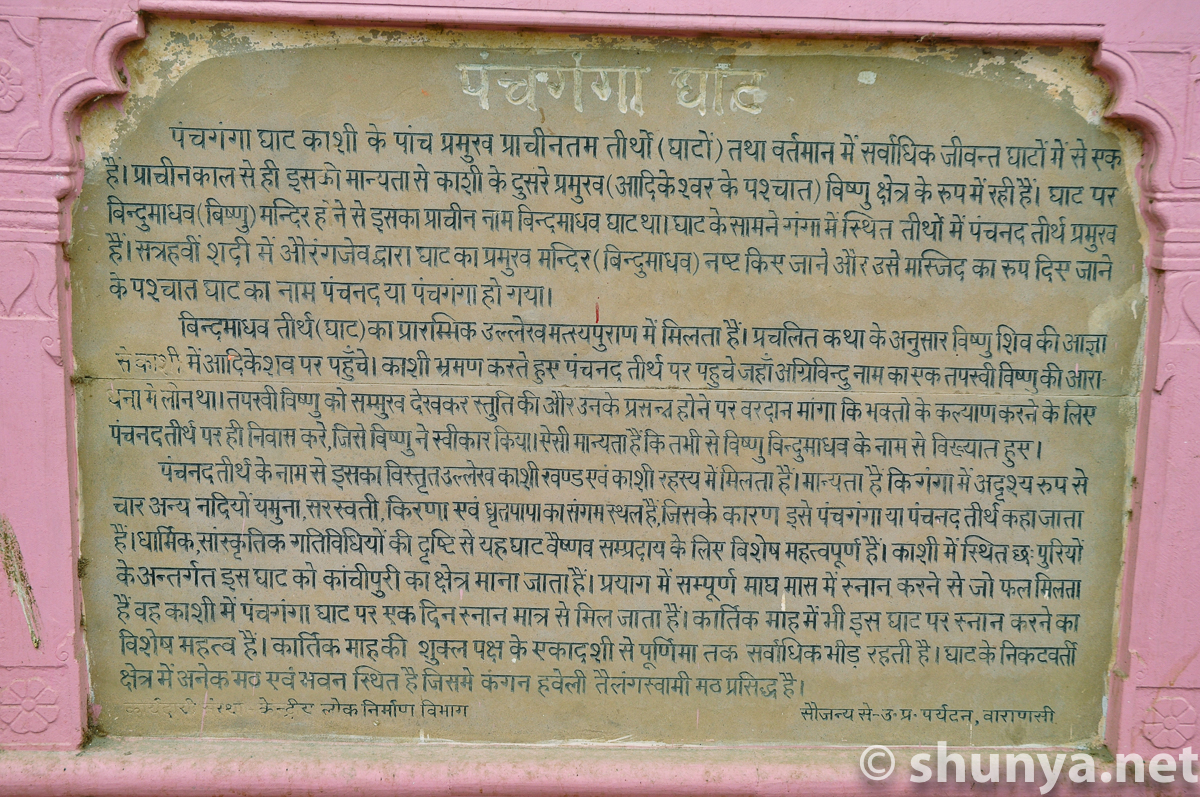
Panchganga Ghat (info)
|
Washing, bathing
|
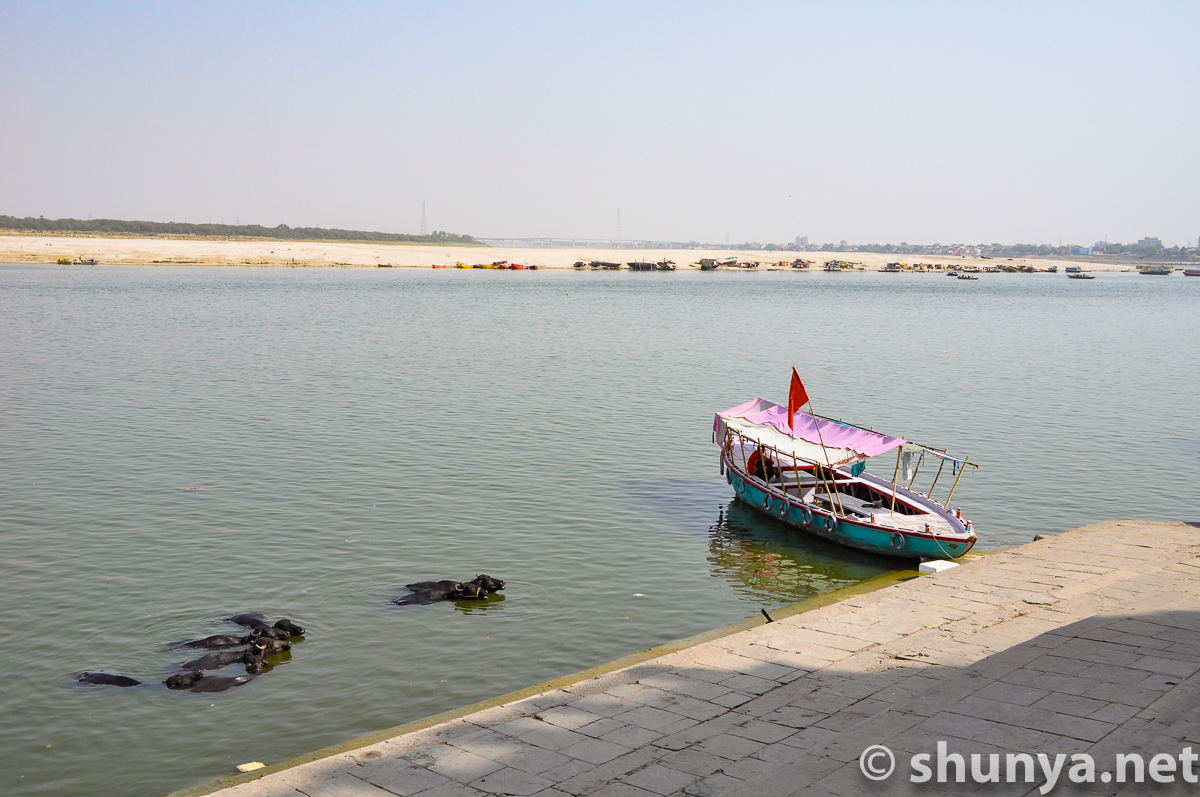
Buffaloes cooling off
|
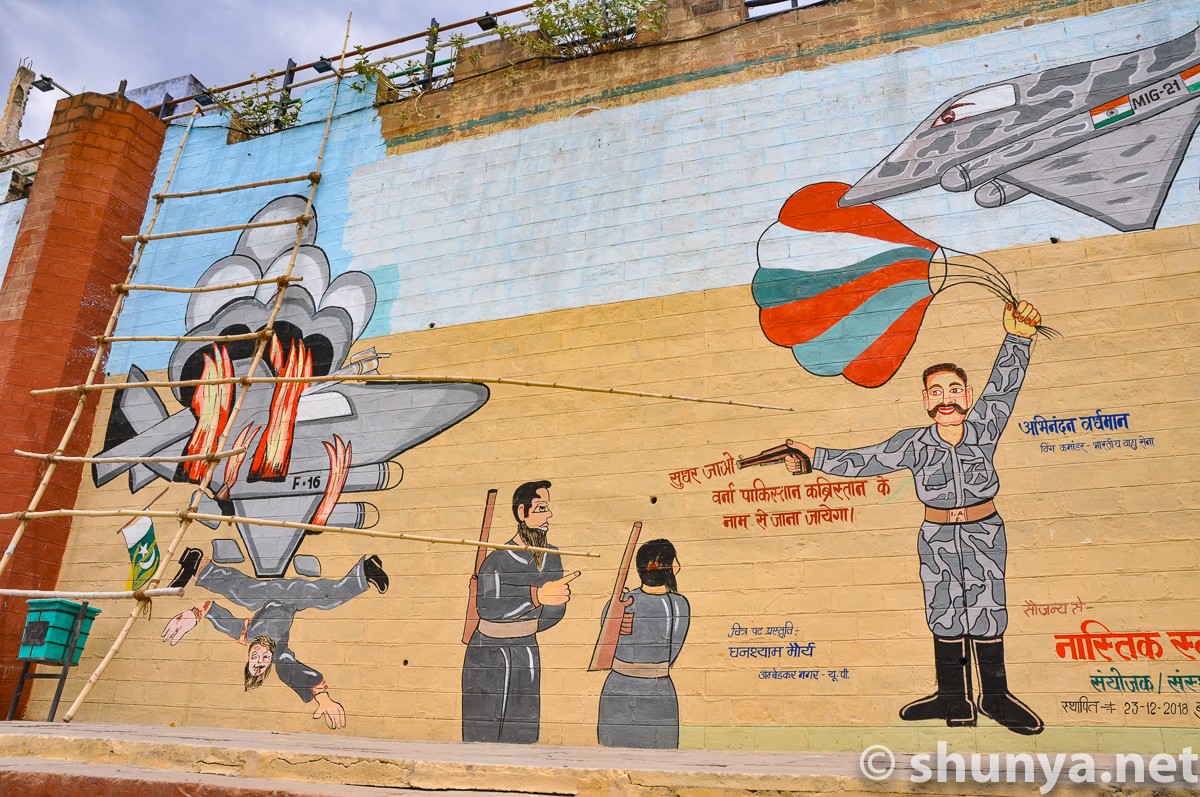
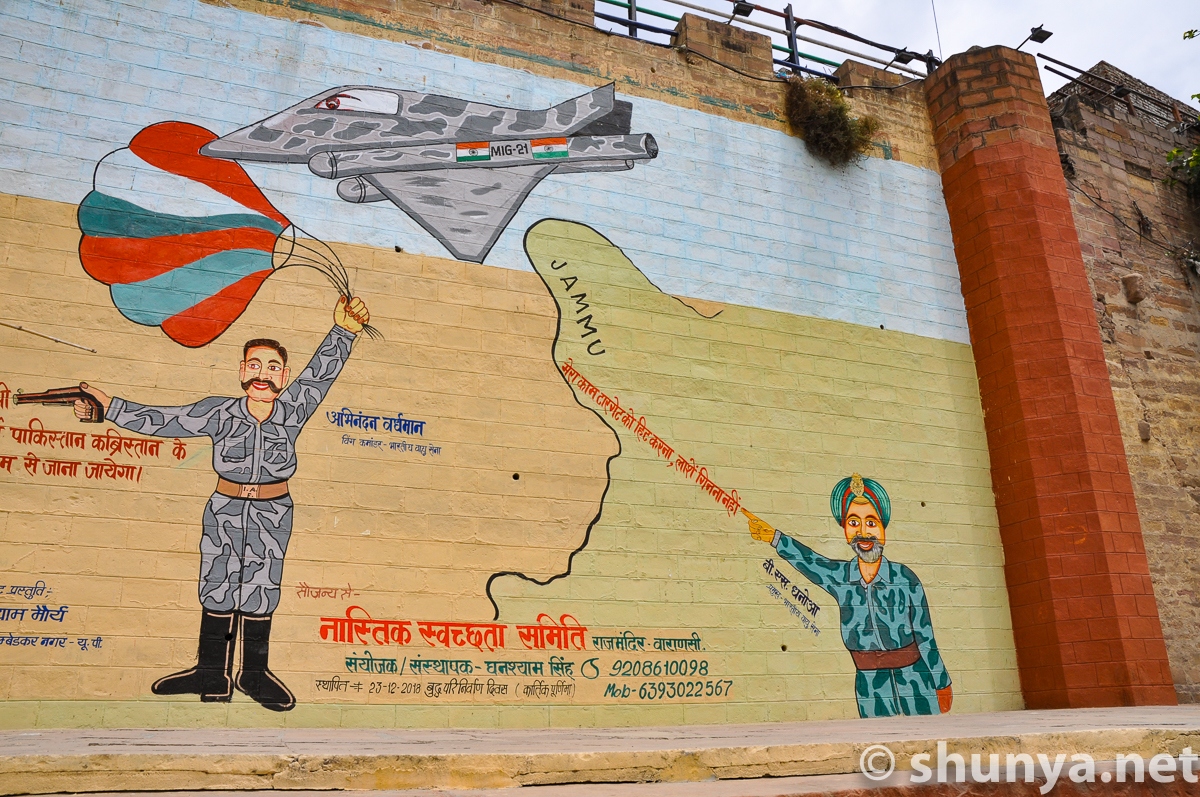
Jingoistic message
|
Anti-Pakistan Nationalism
|
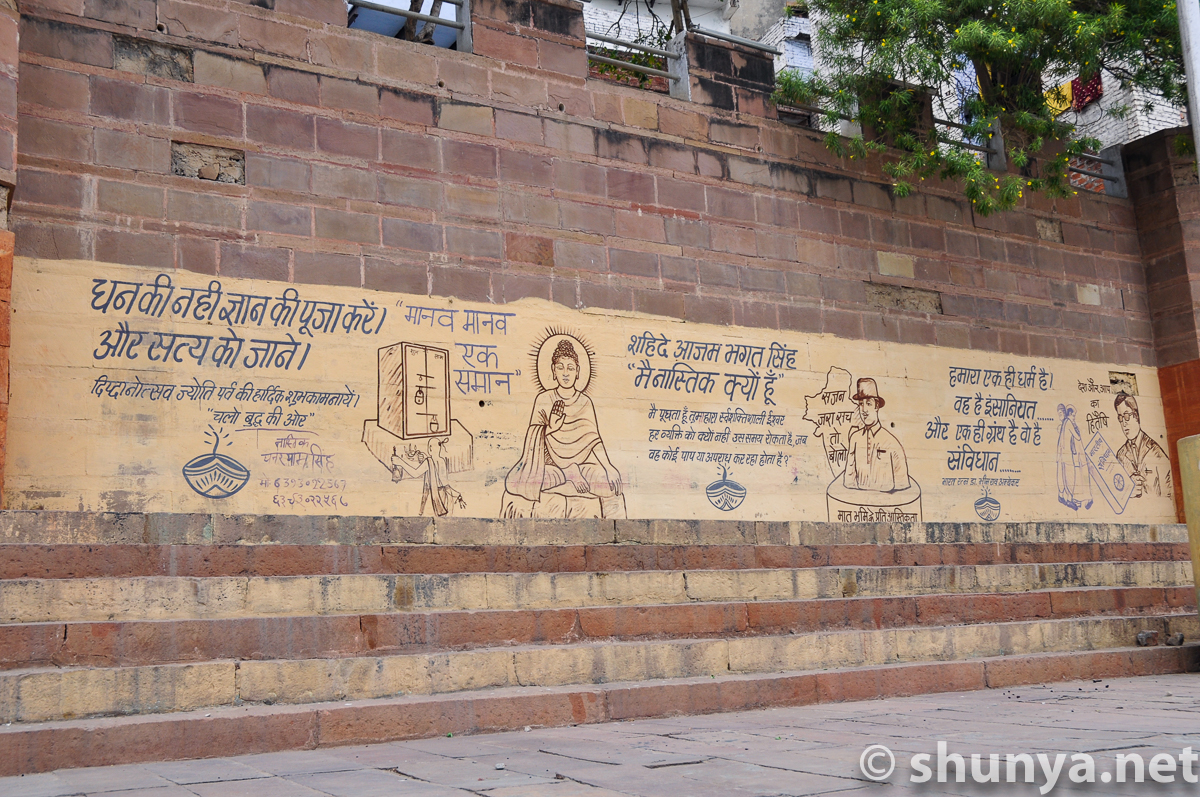
Words from the Buddha,
|
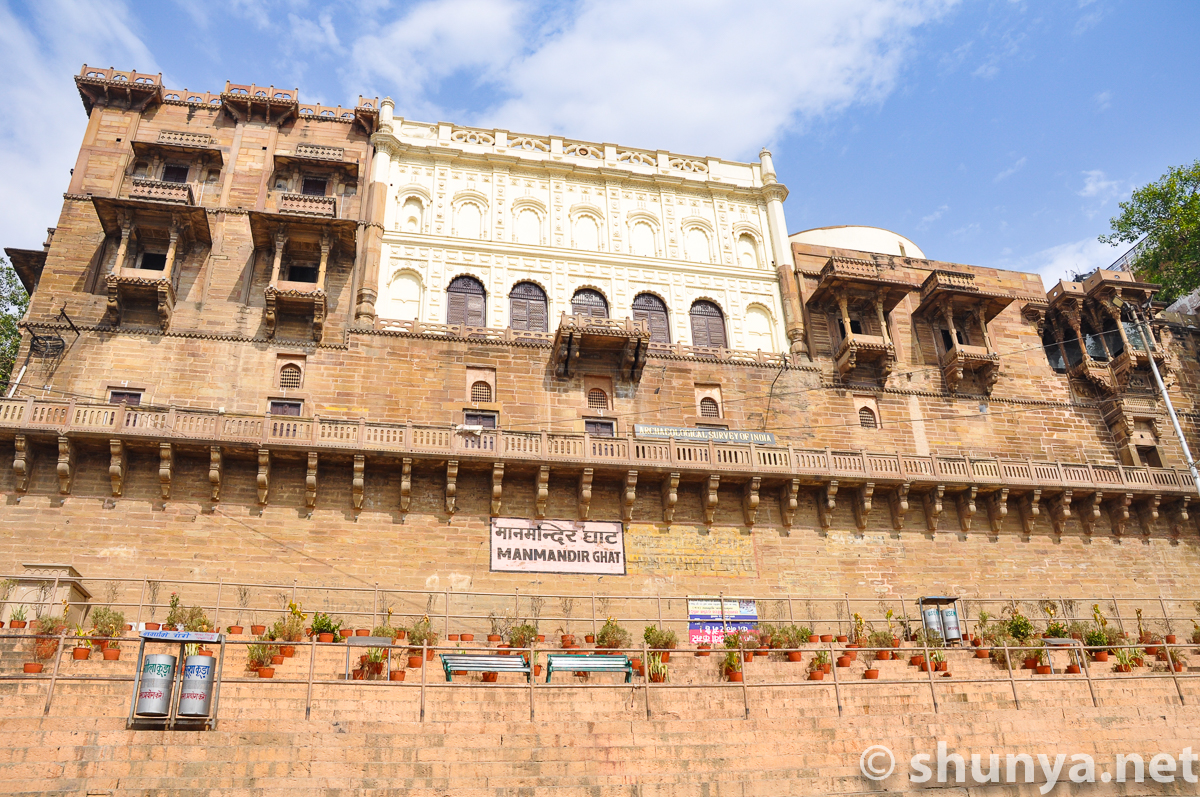
Manmandir Ghat
|
|
|
||
|
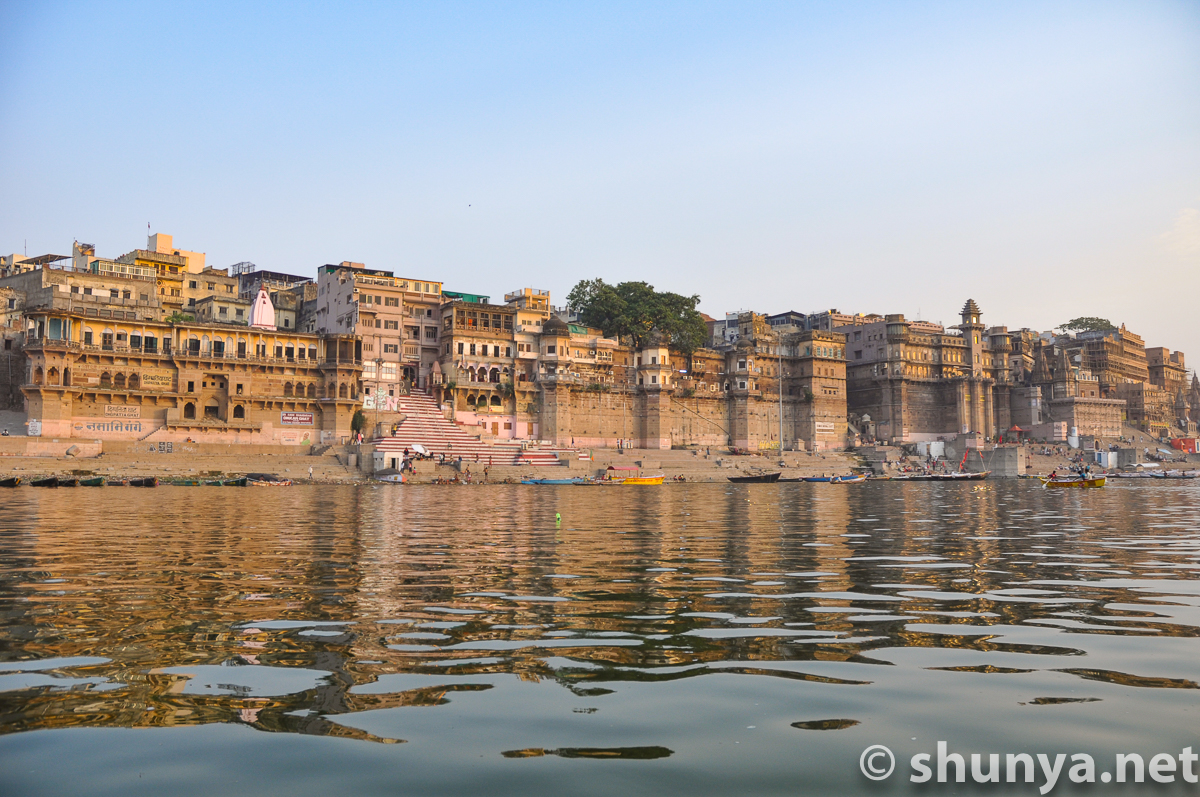
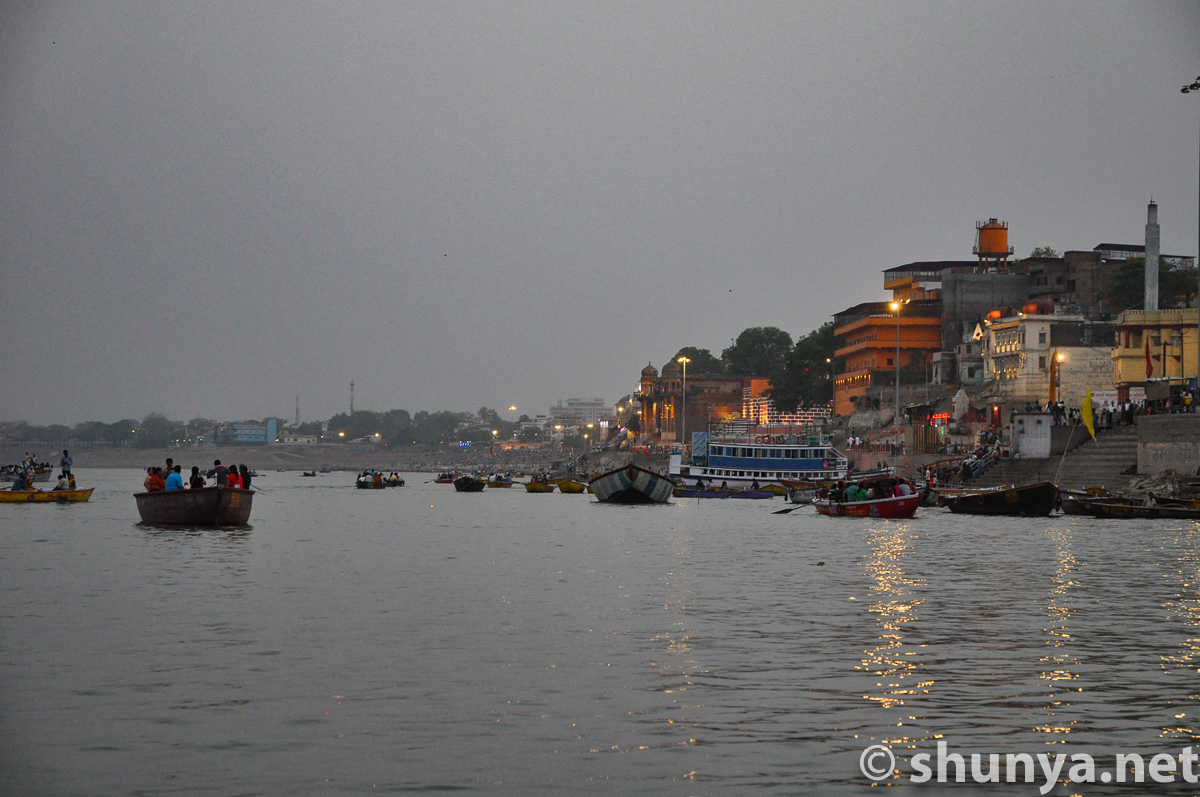
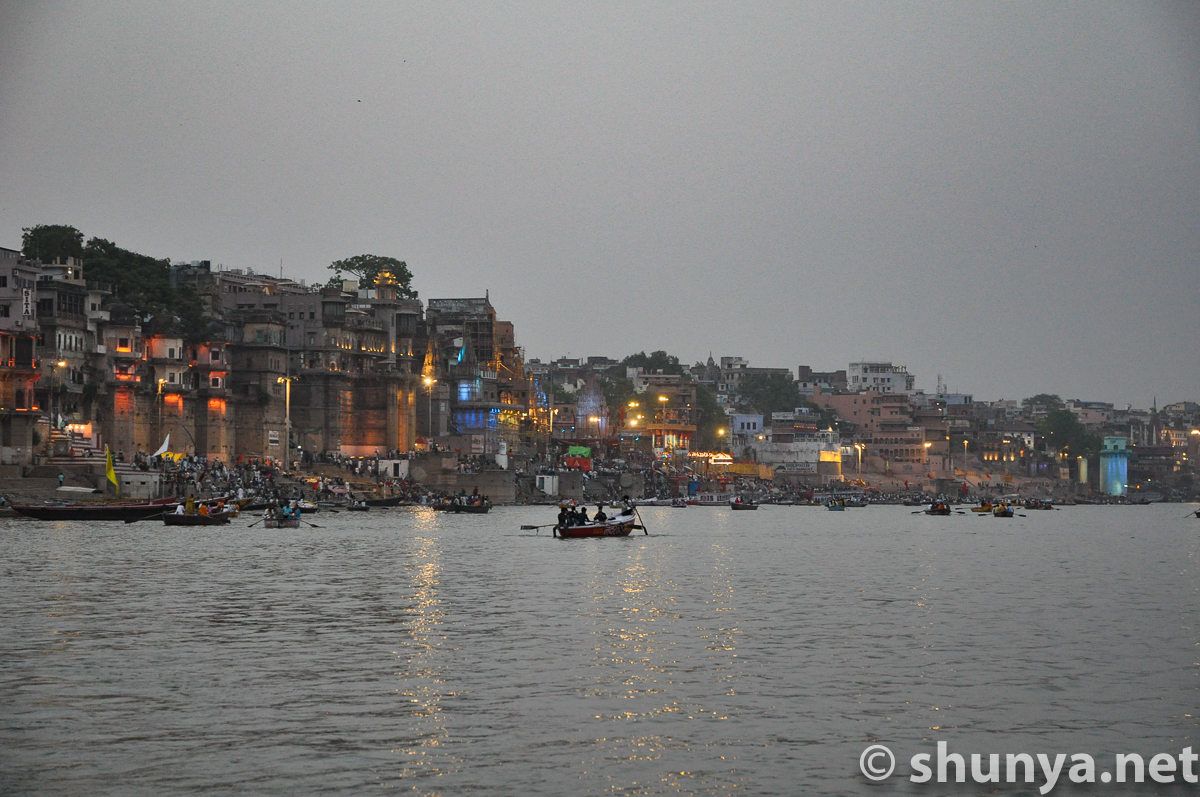
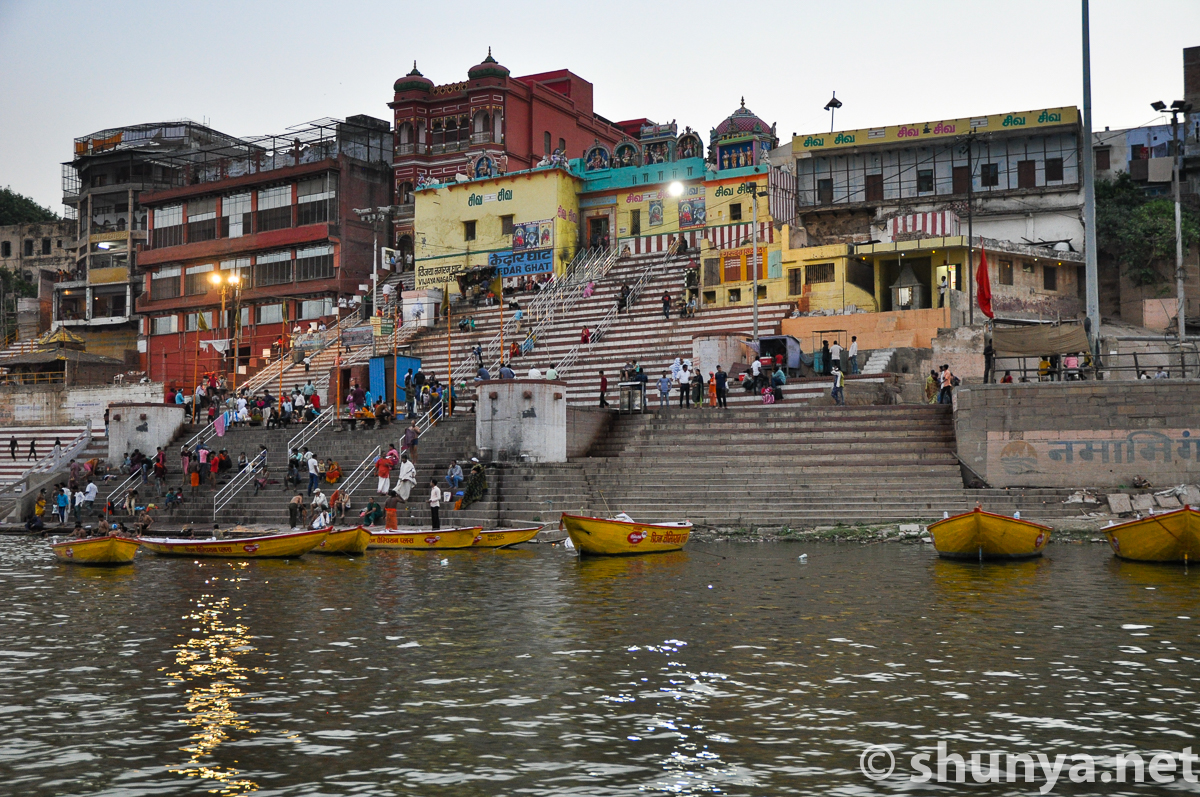
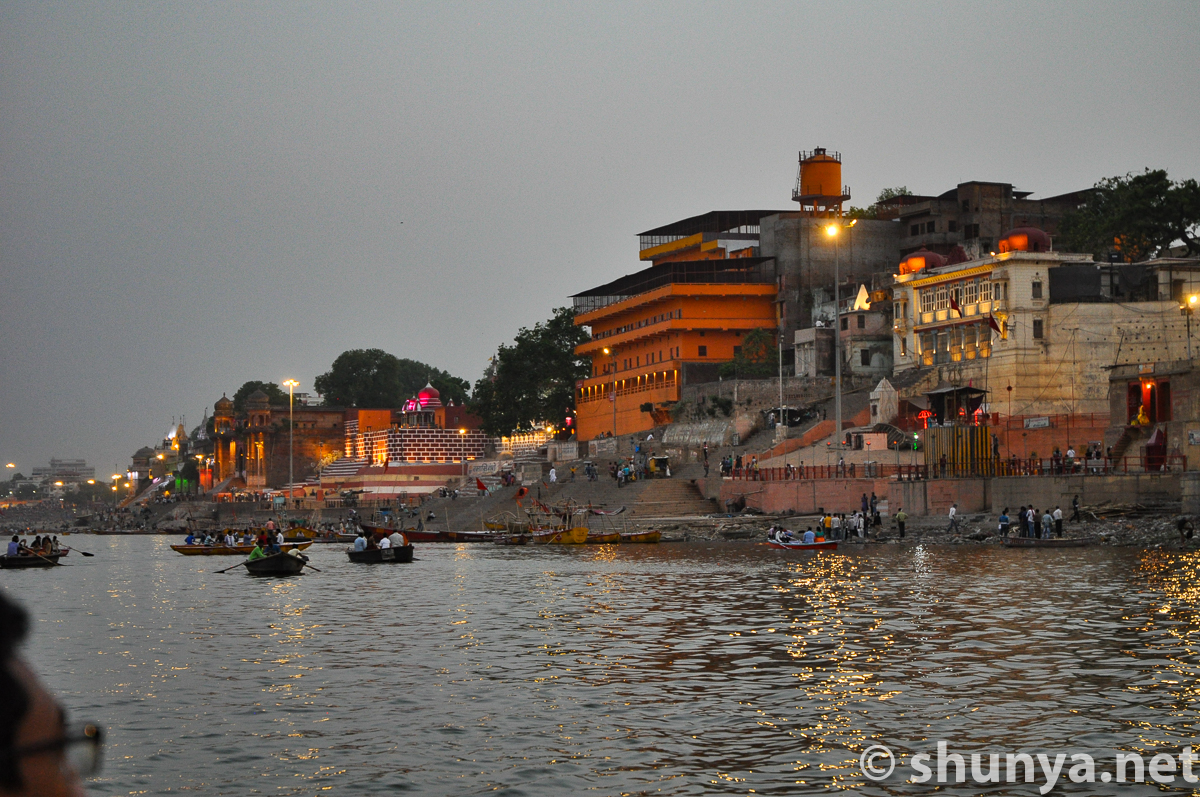
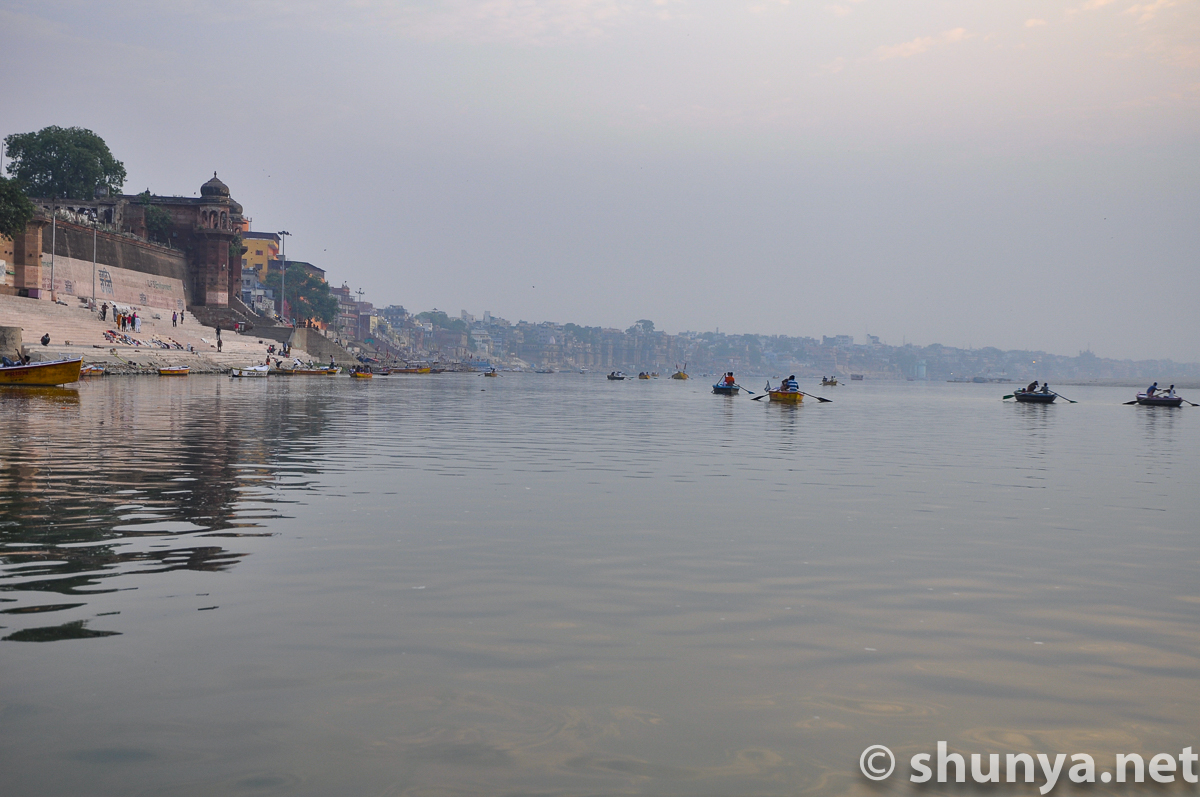
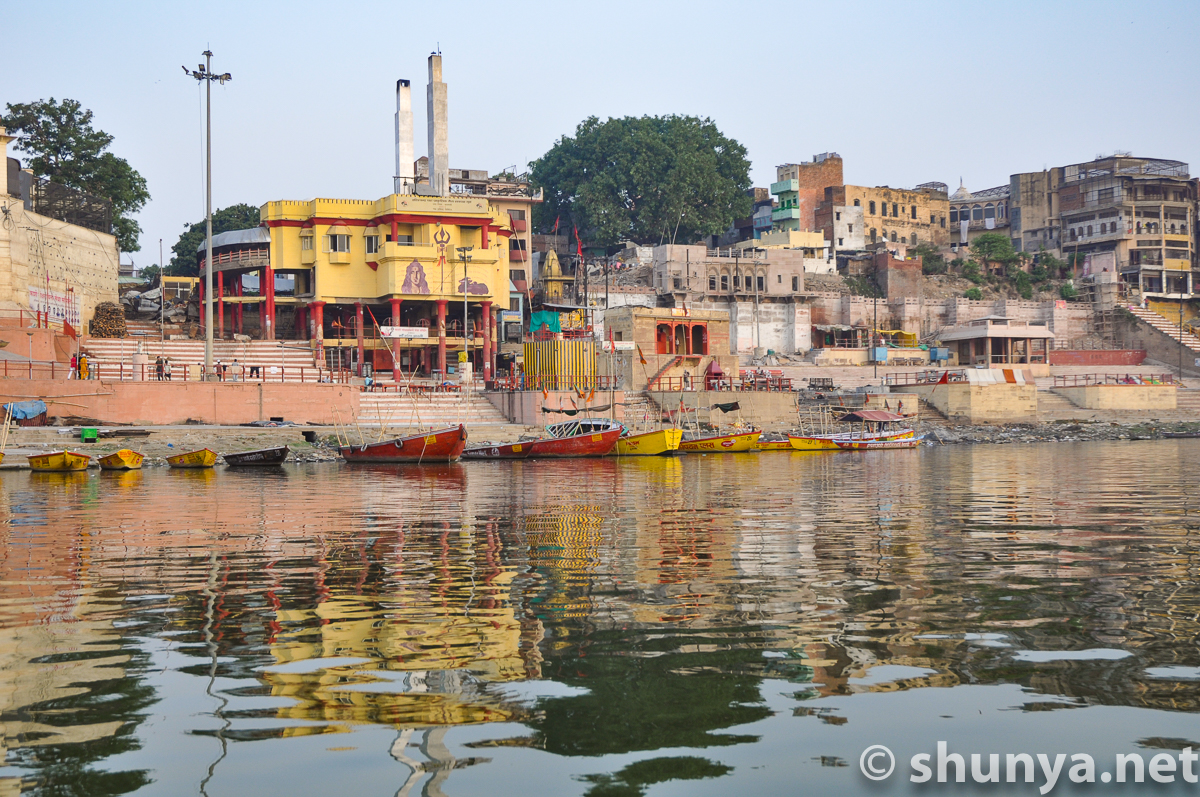
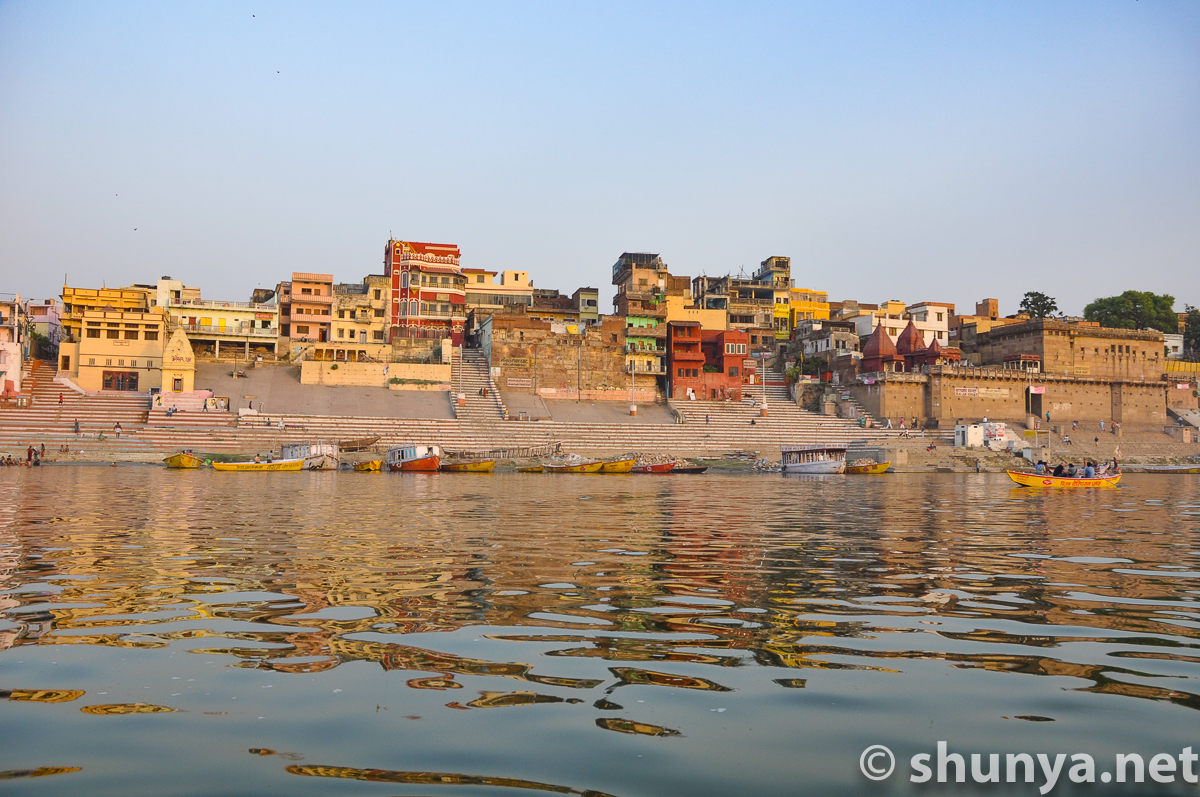
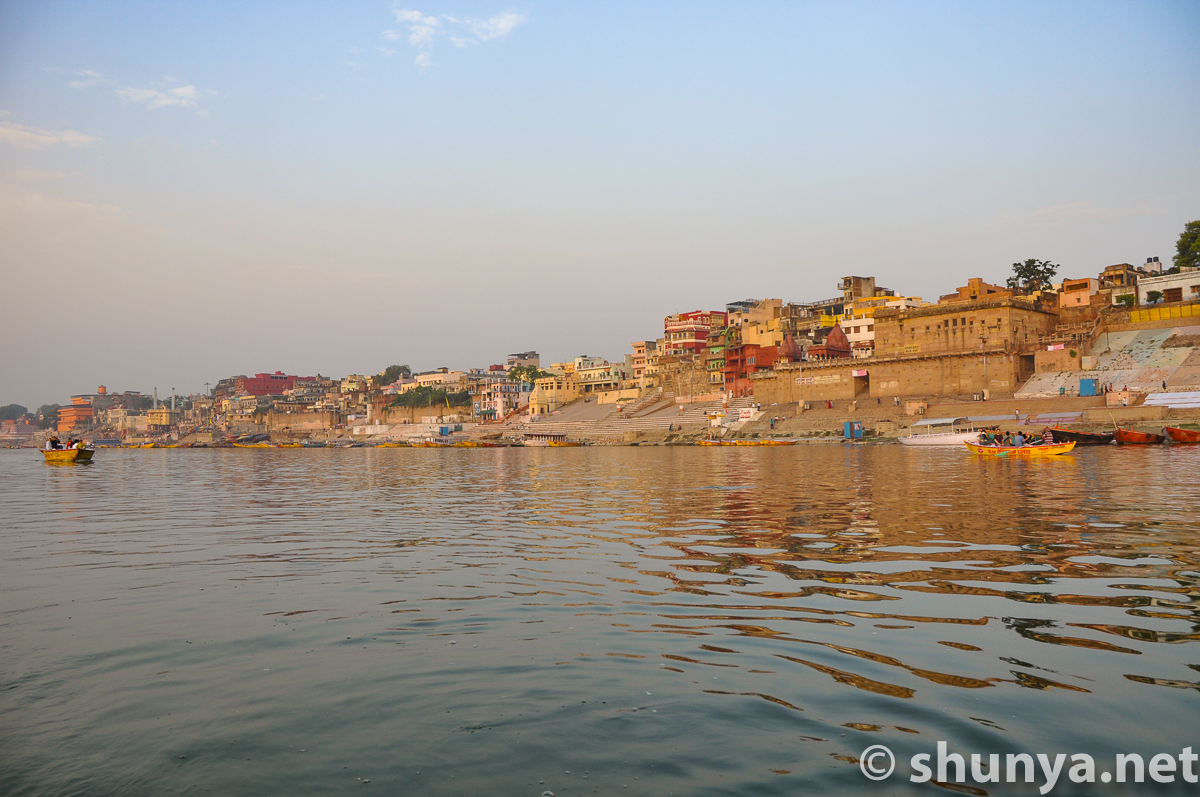
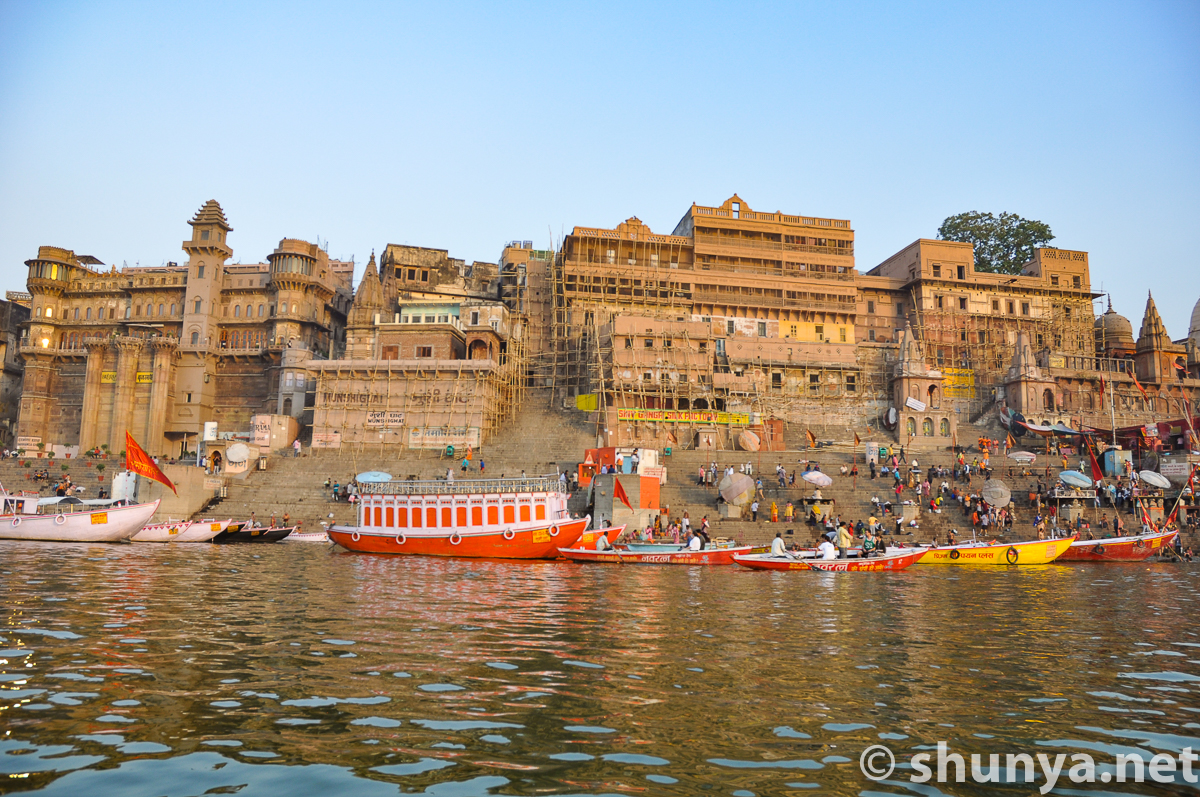
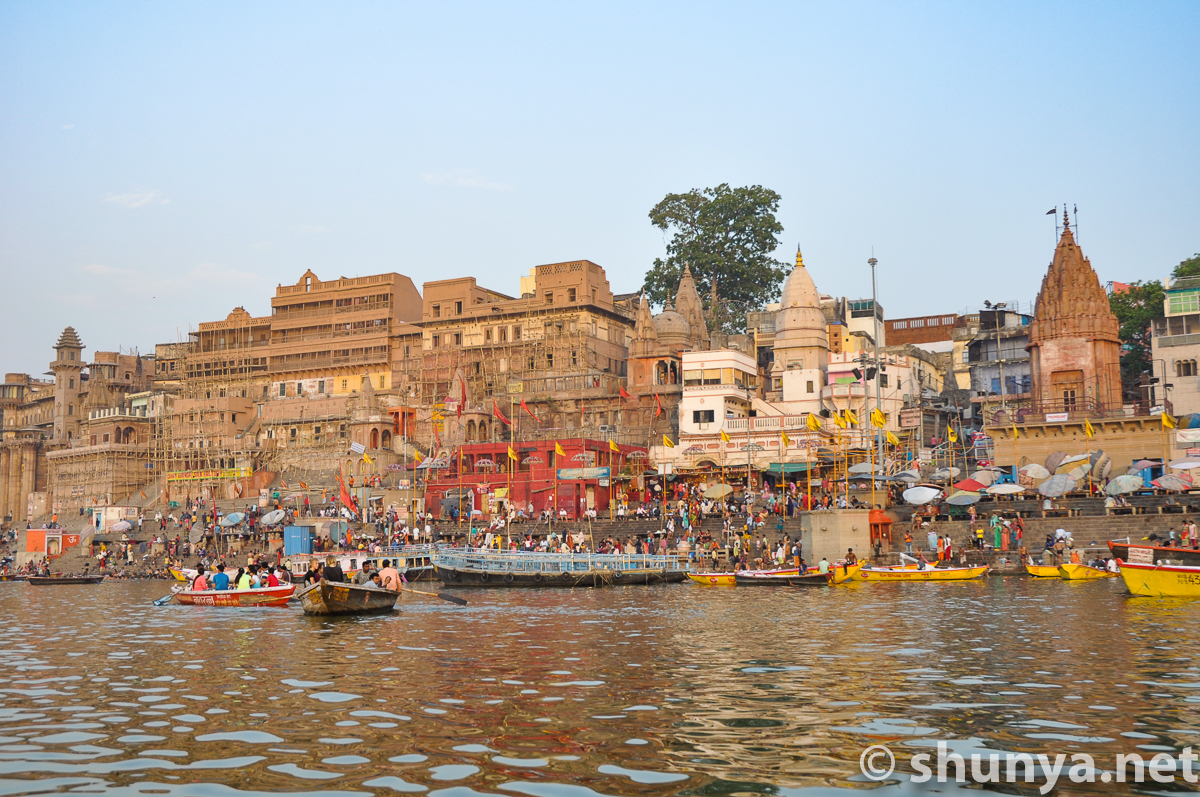
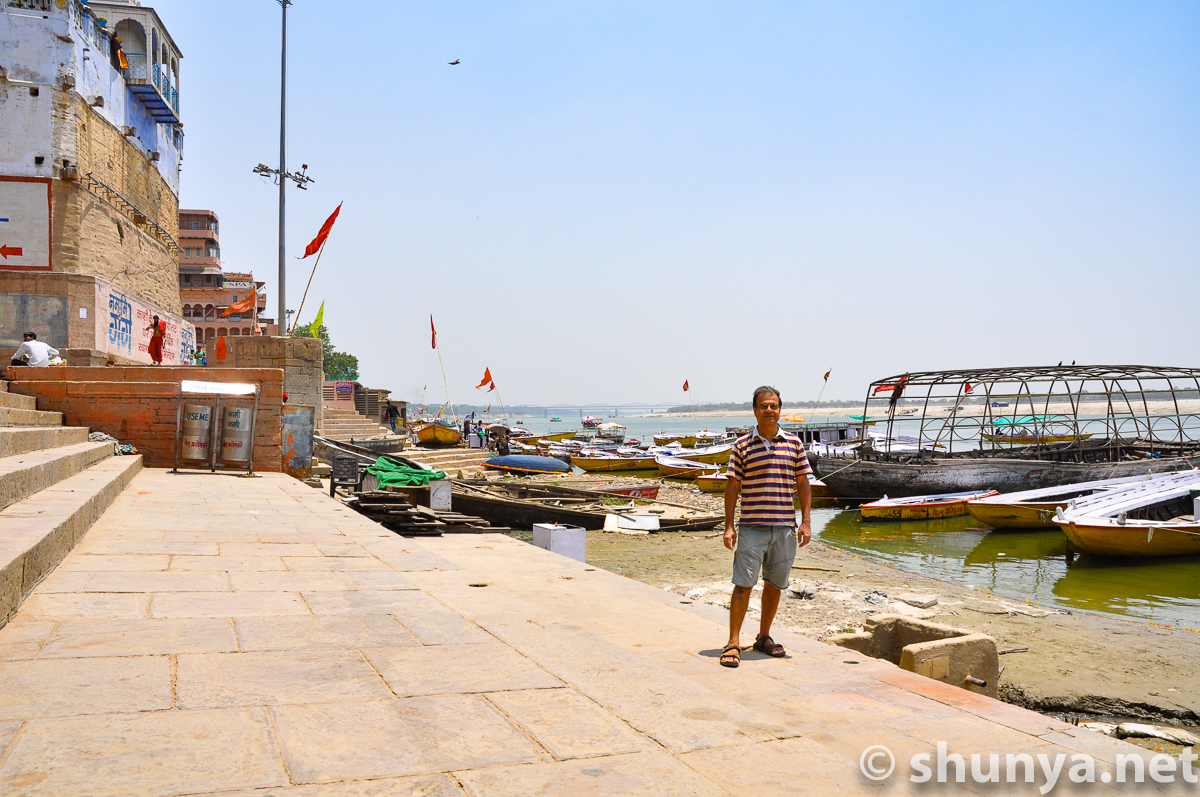
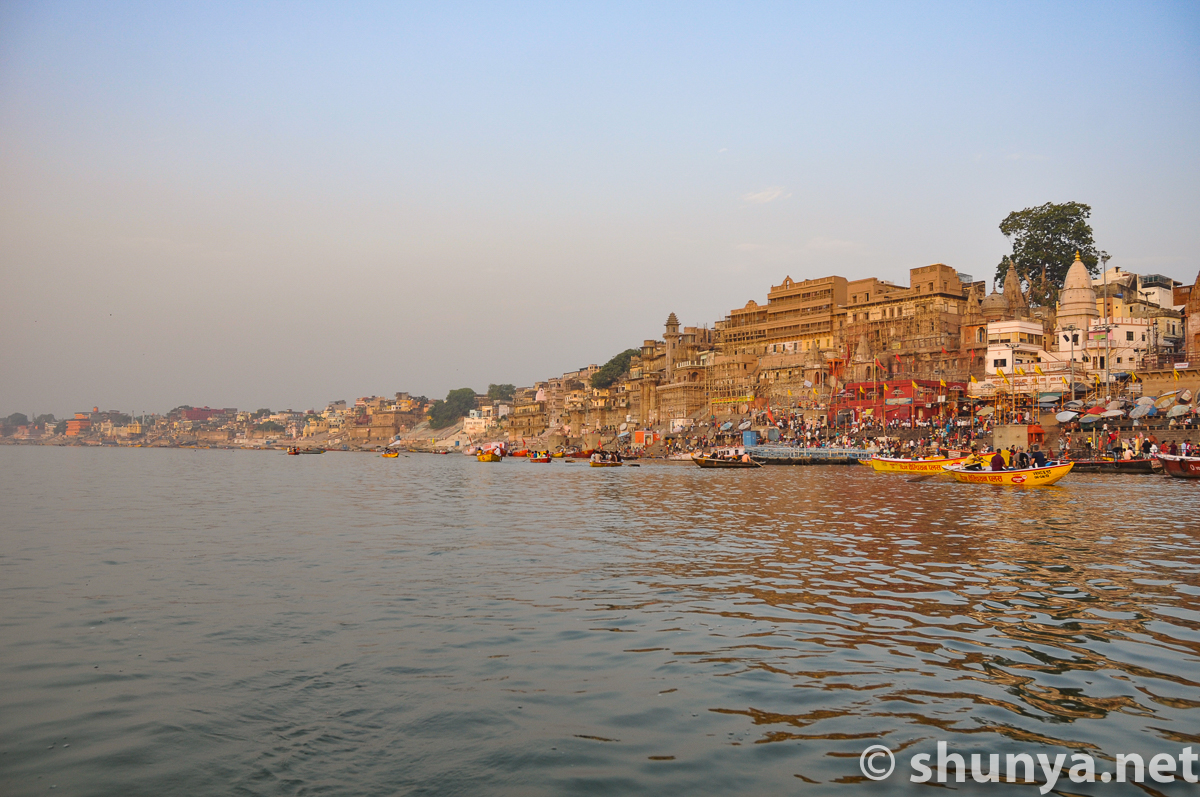
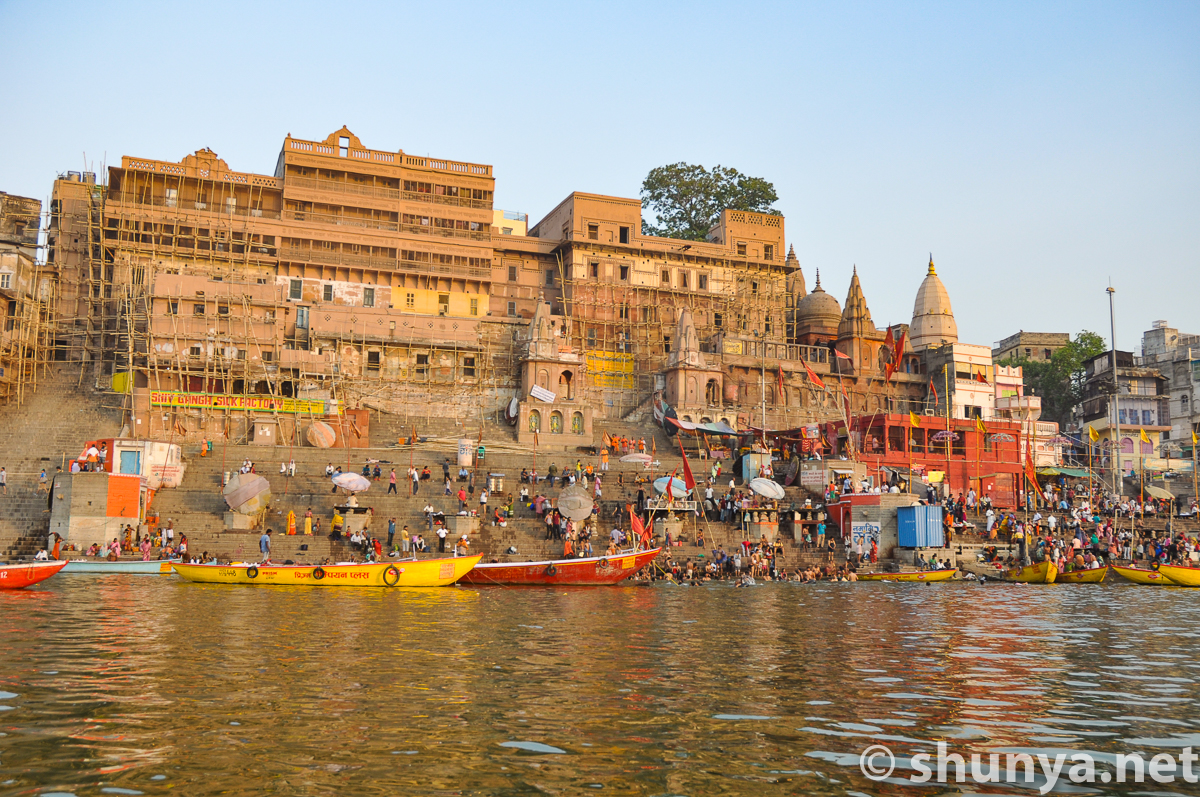
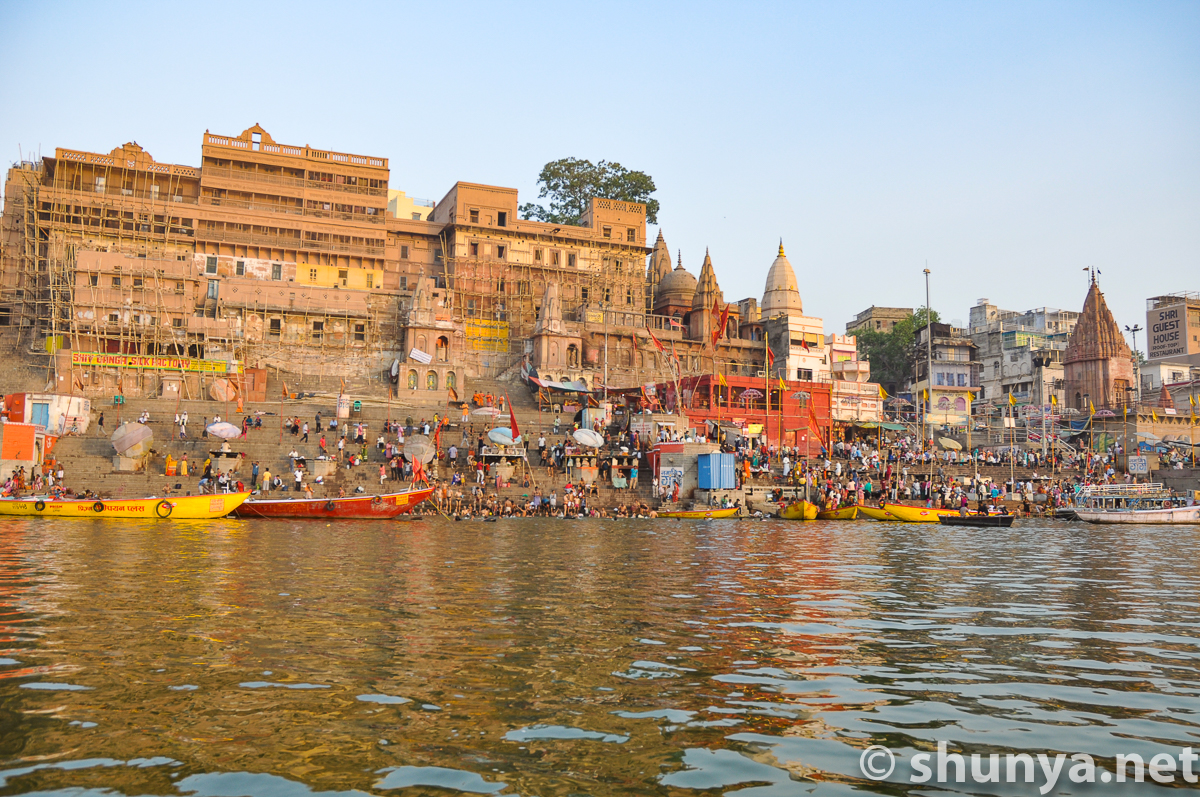
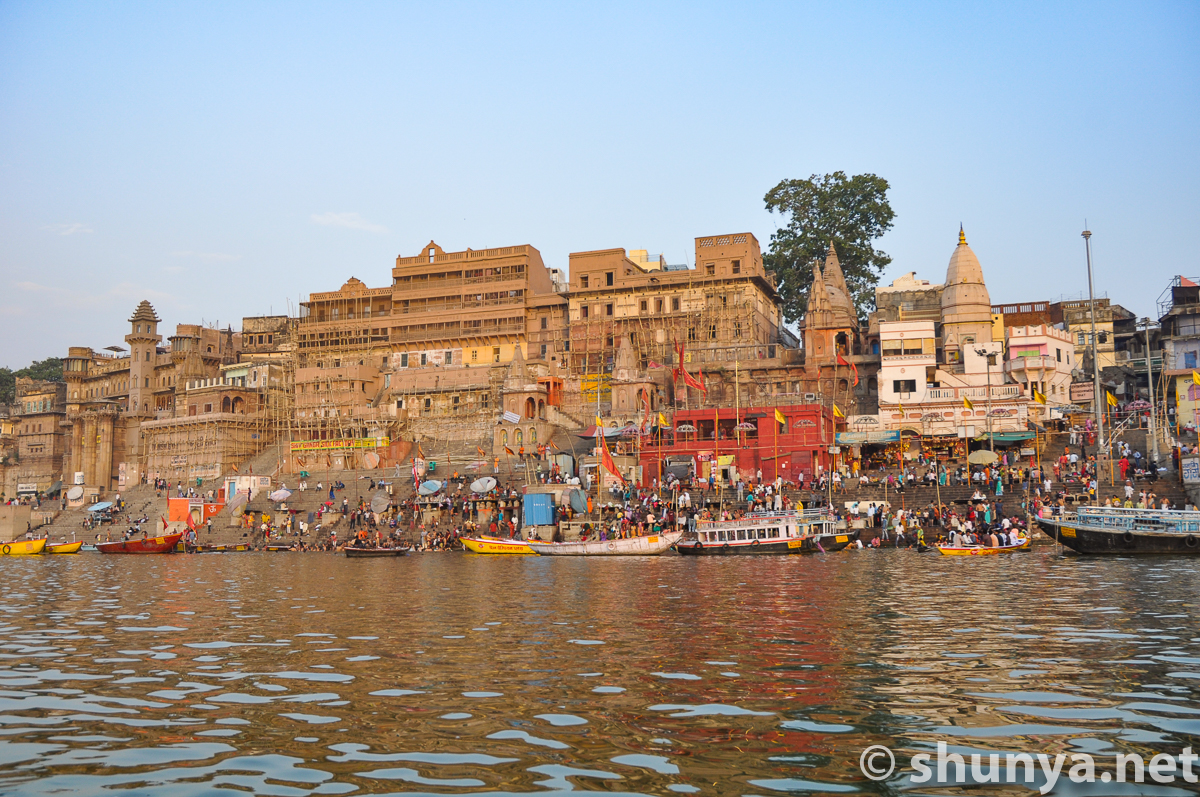
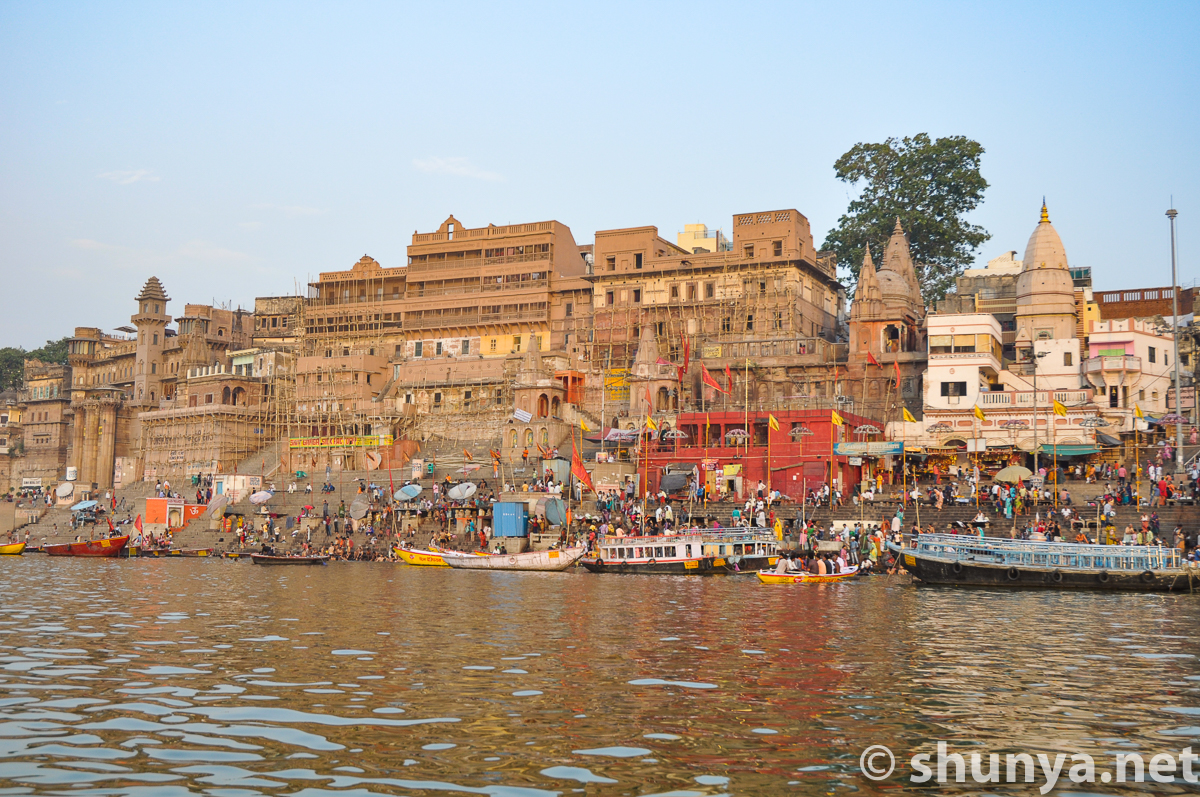
Varanasi riverfront as seen from the boat |
|||
Dashashwamedh Ghat
|
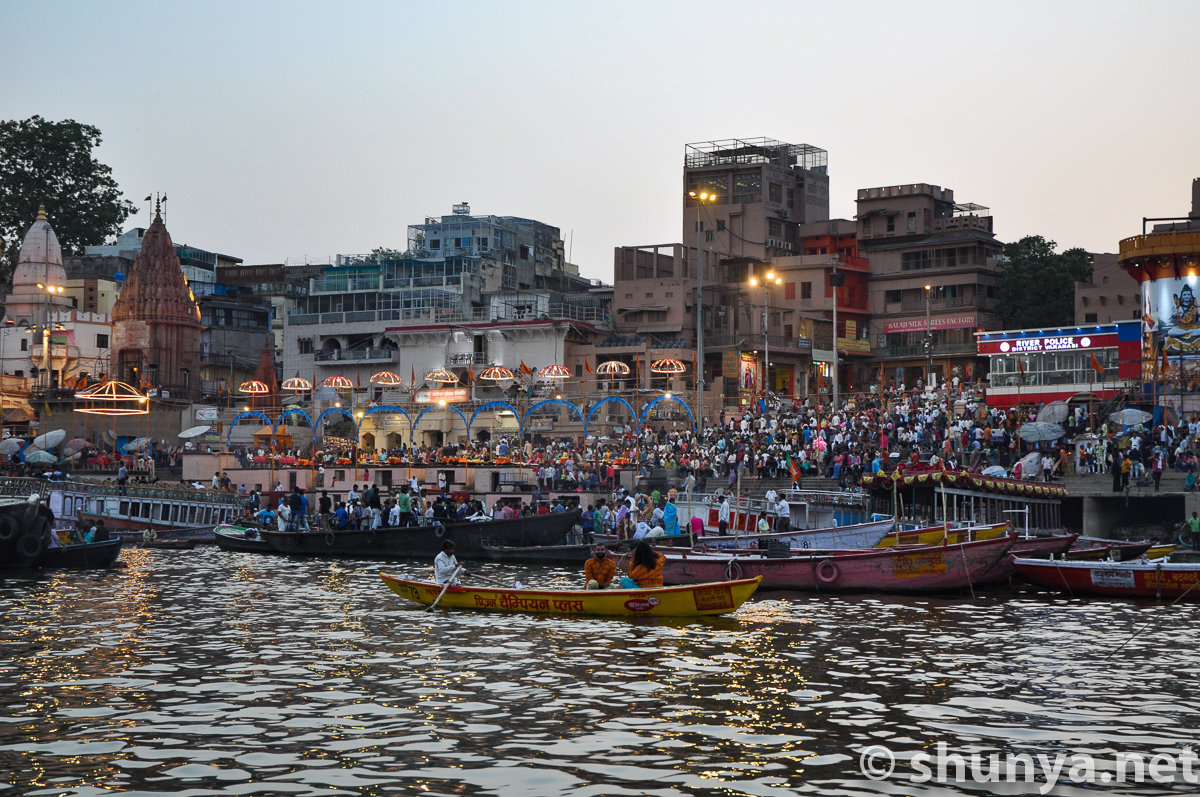
Before evening aarti
|
Pilgrims on the ghat
|
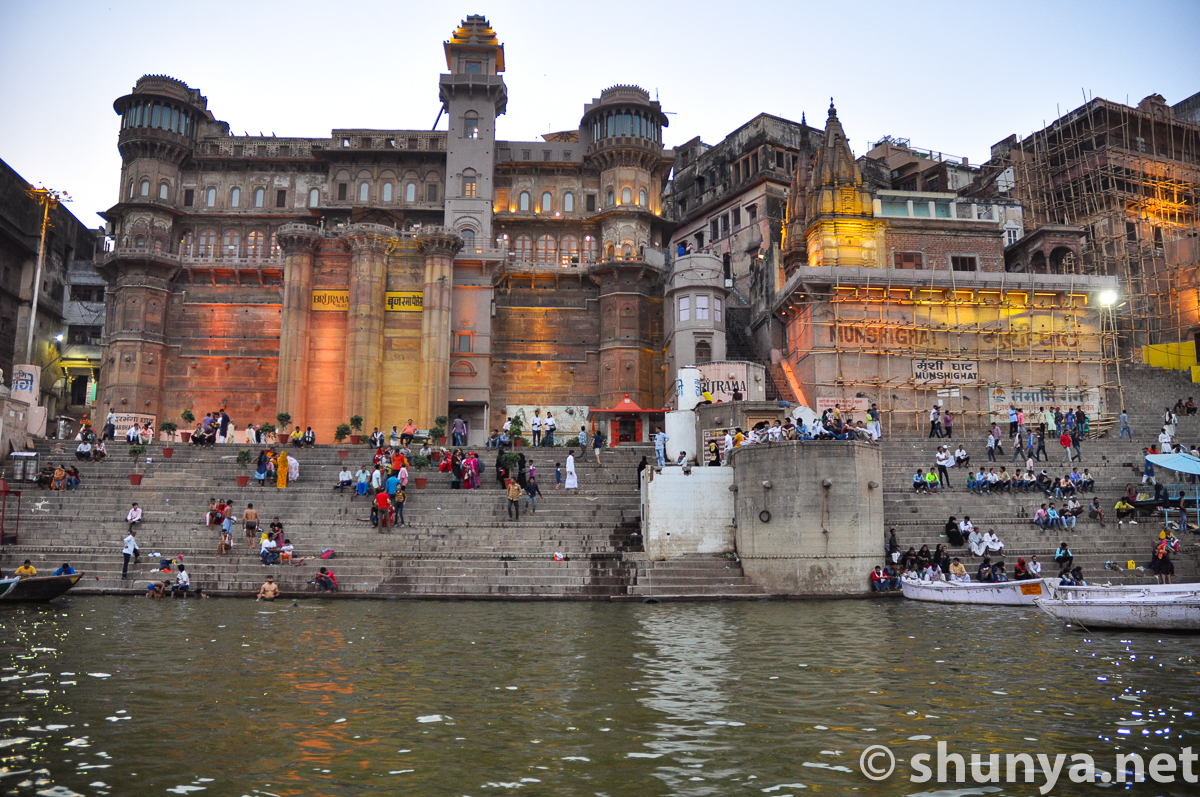
Brij Rama Palace hotel
|
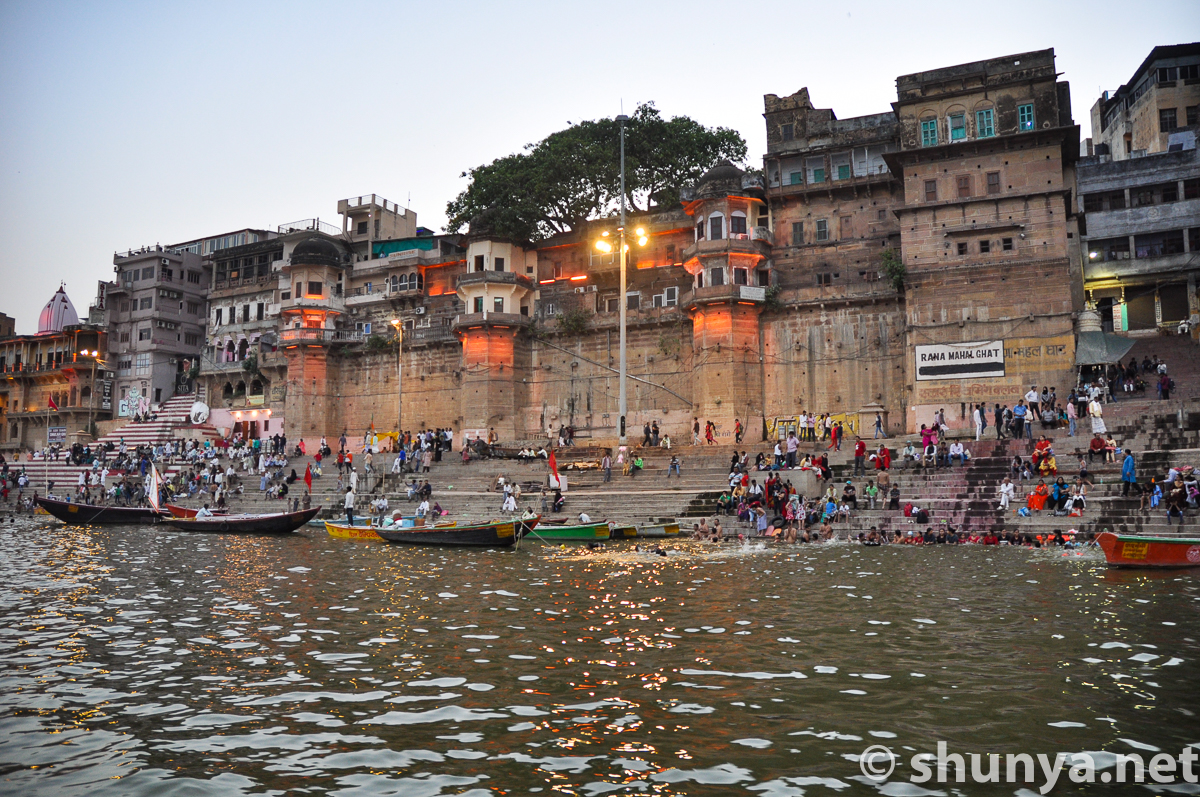
Rana Mahal Ghat
|
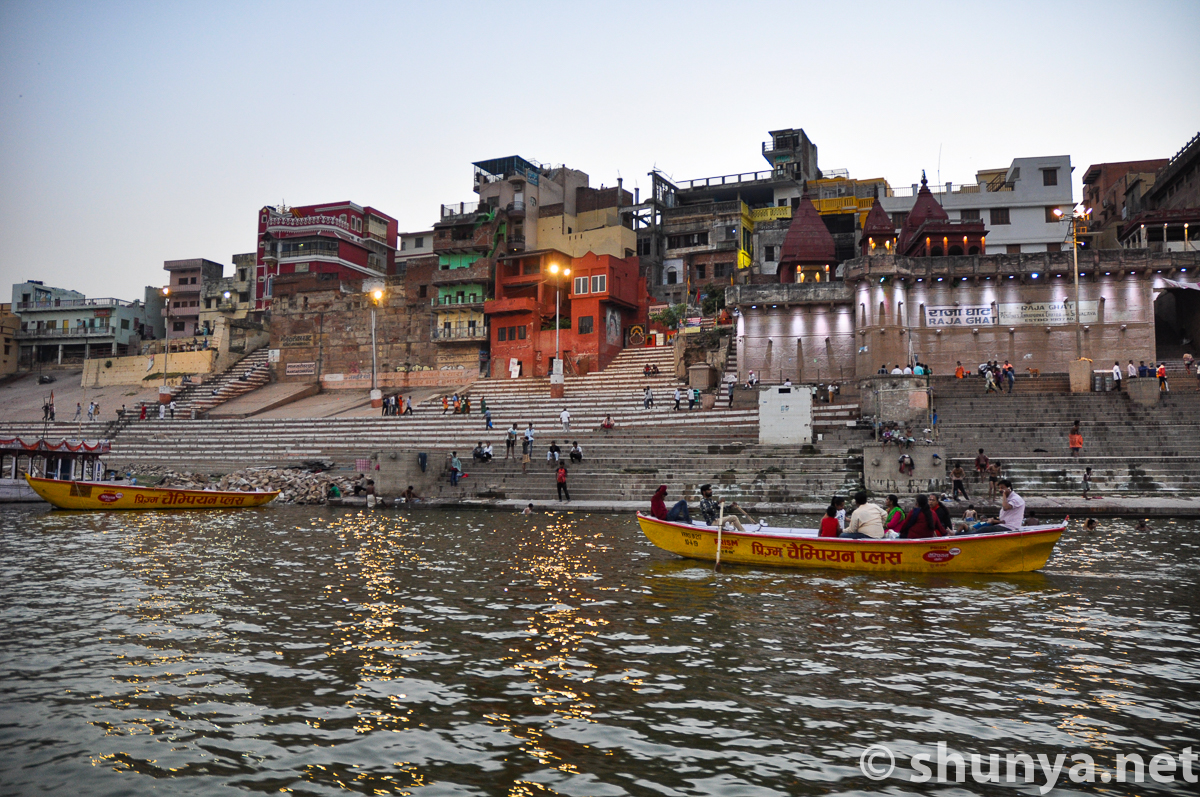
Raja Ghat (more)
|
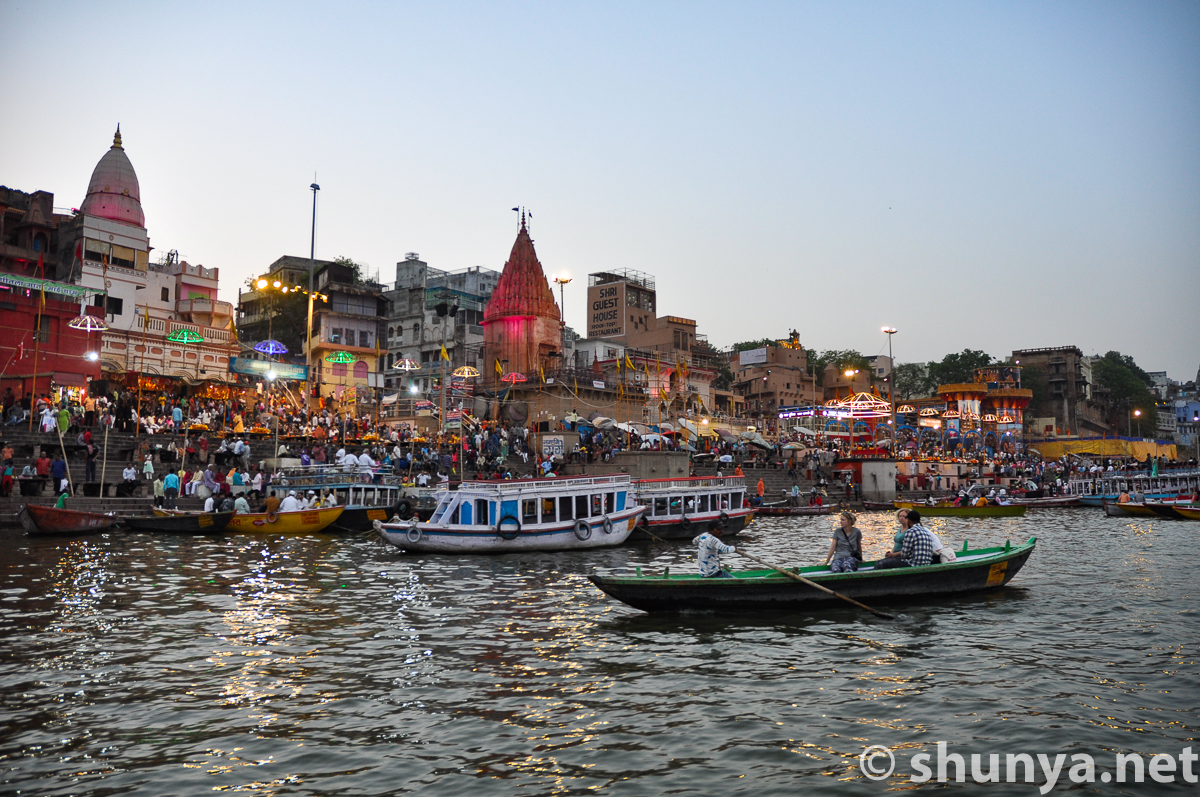
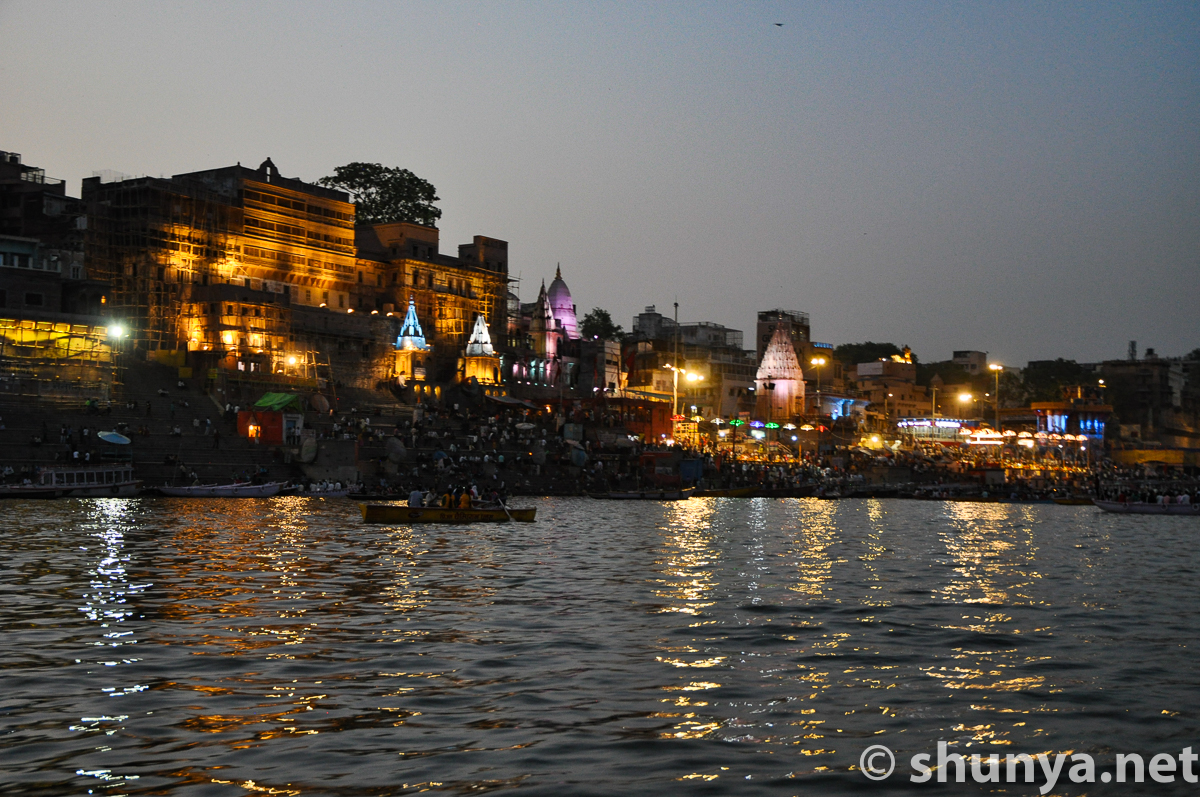
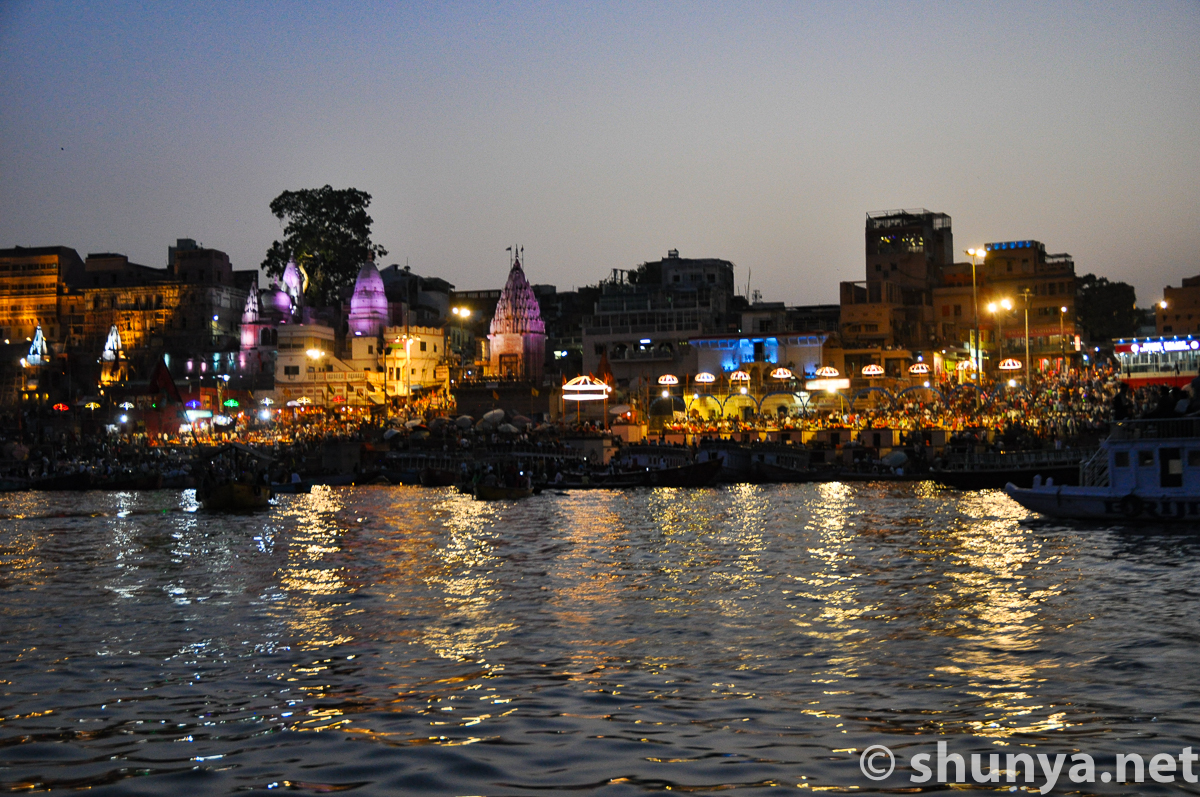
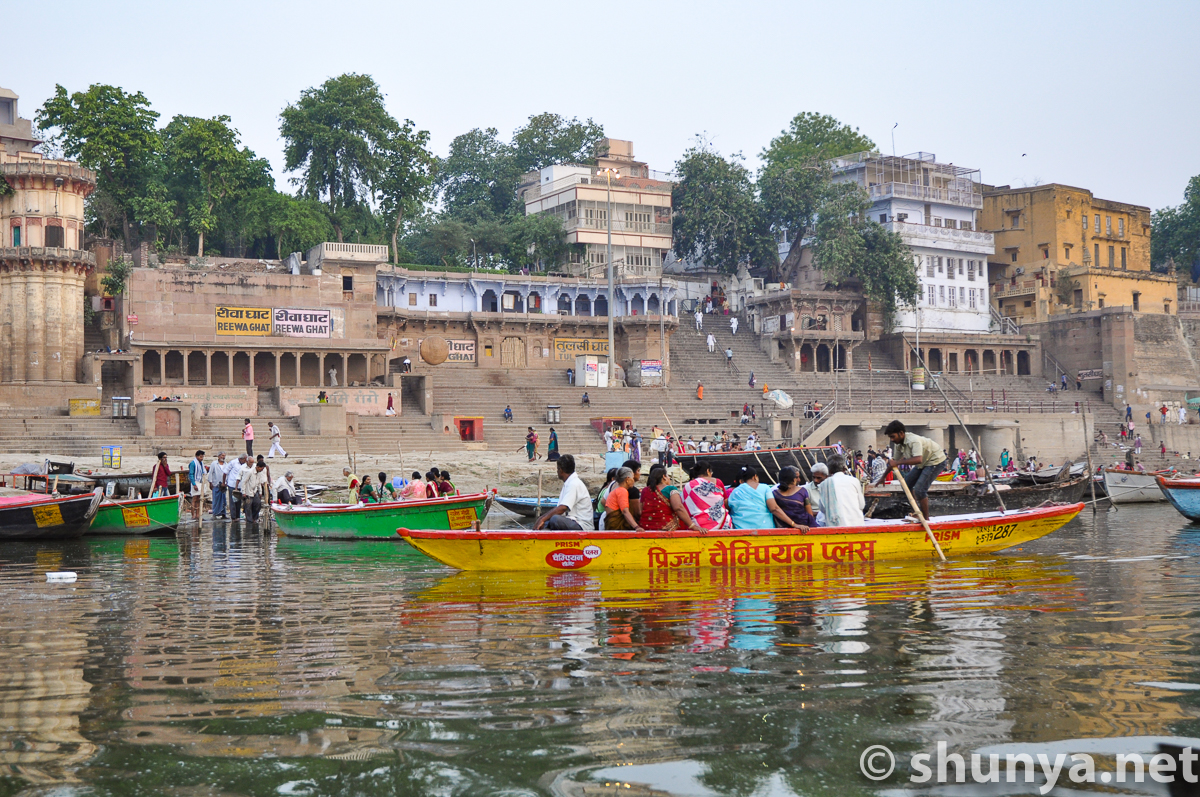
Evening boat ride
|
Evening boat ride
|
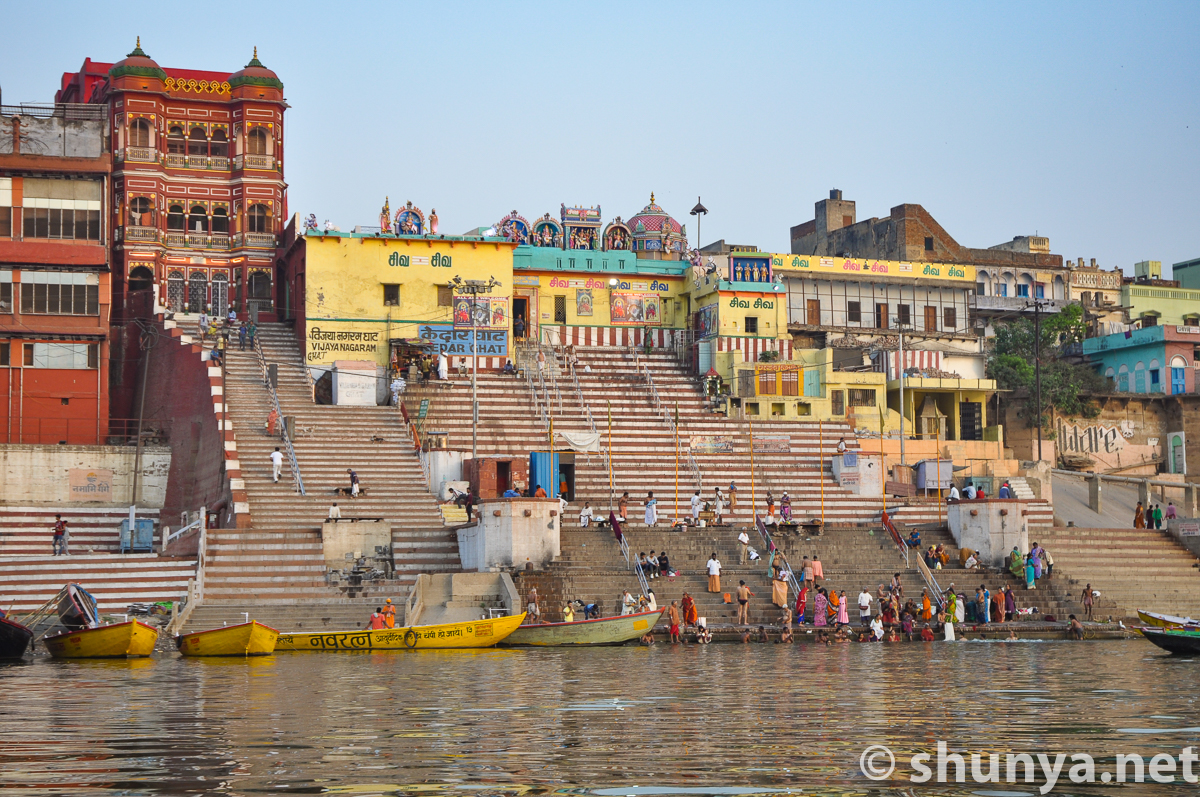
Kedar Ghat (more)
|
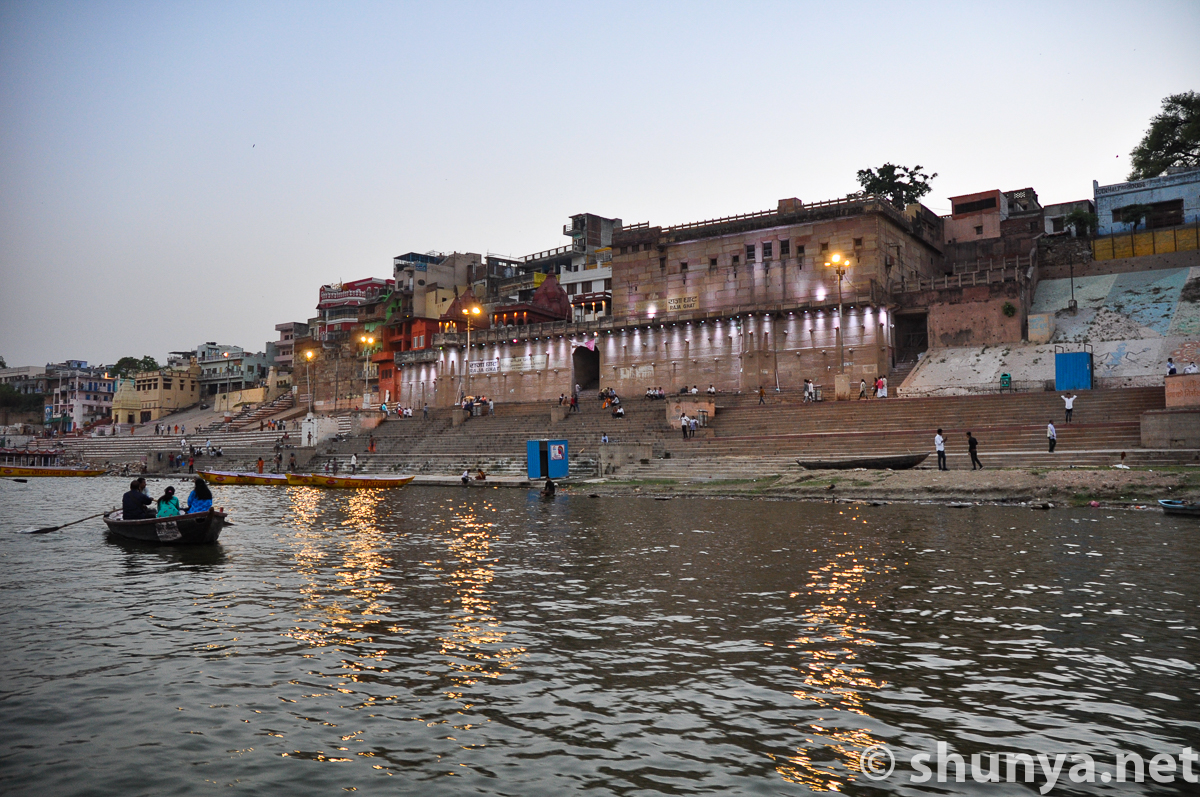
Near Harishchandra Ghat
|
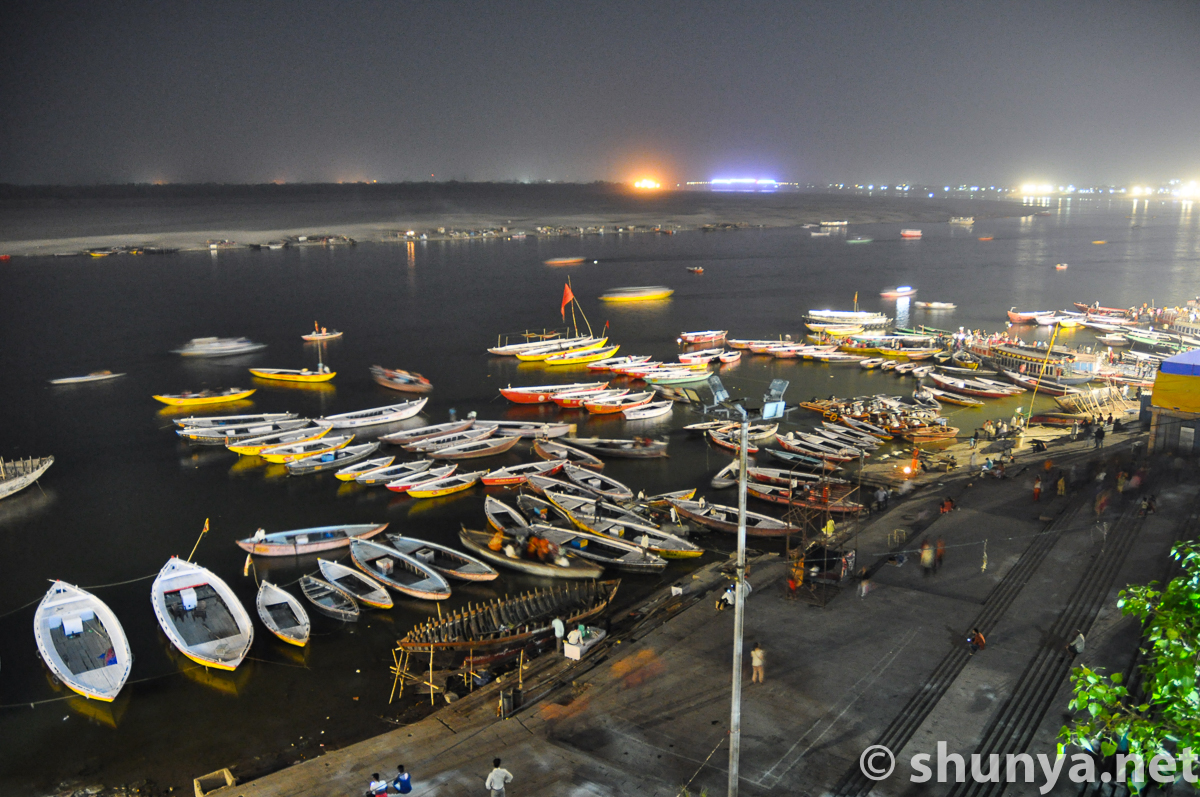
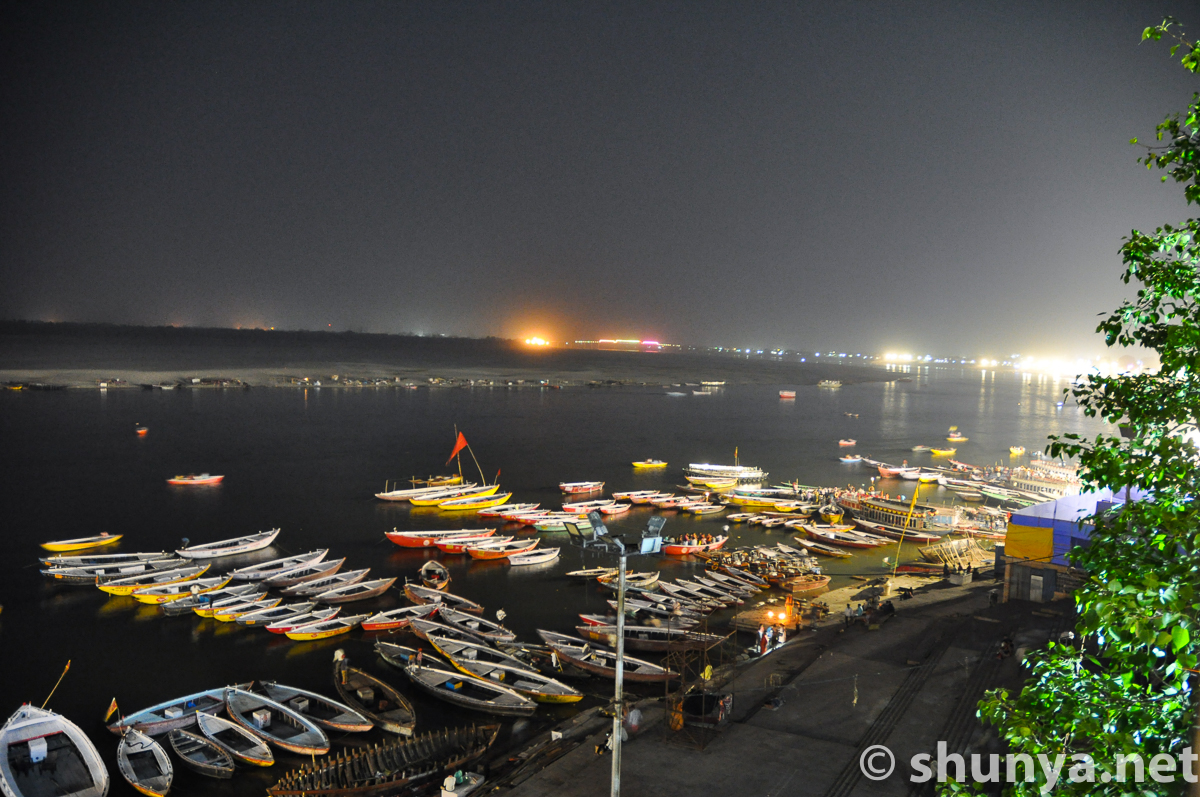
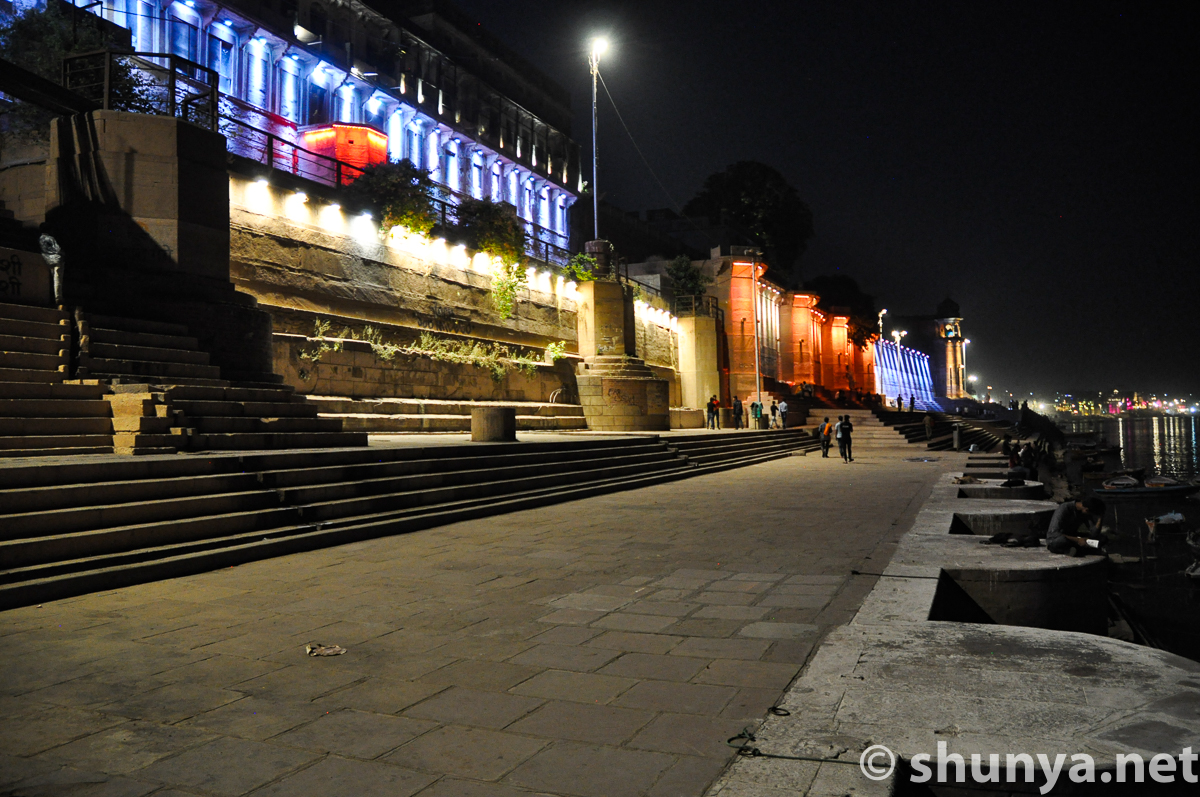
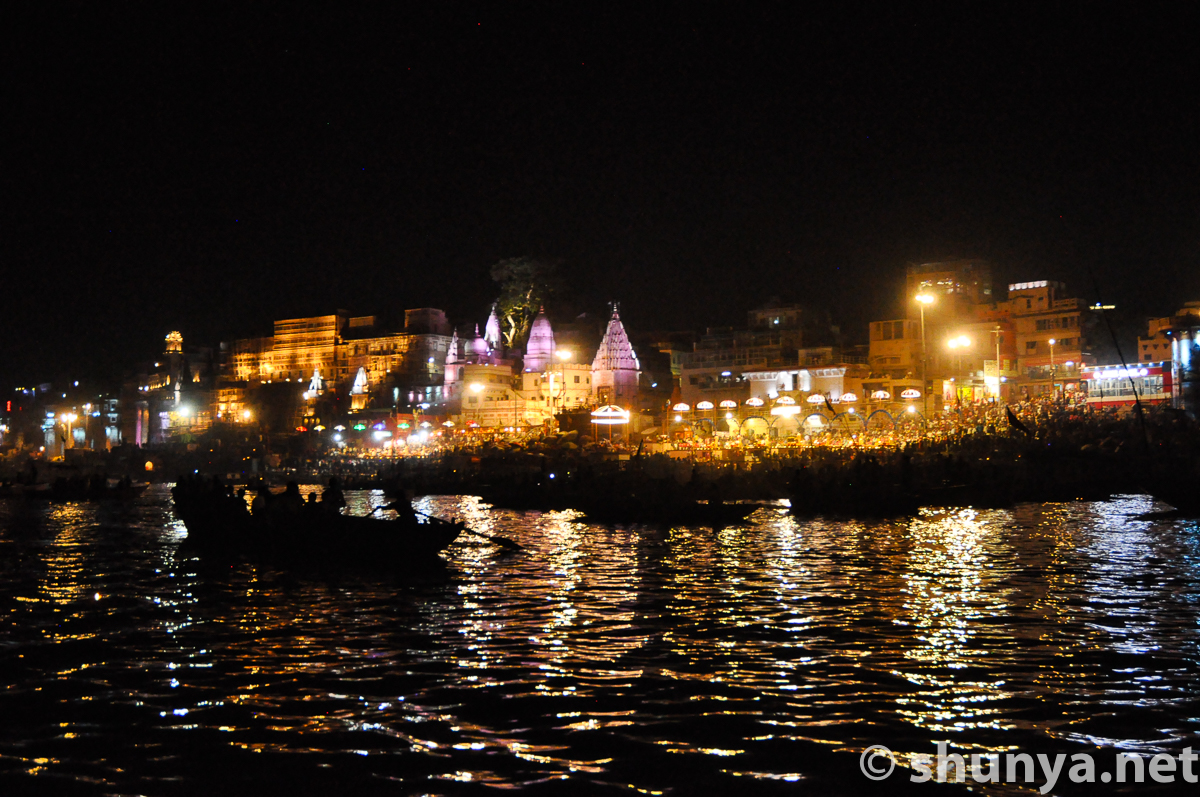
Evening lights
|
Glowing riverfront
|
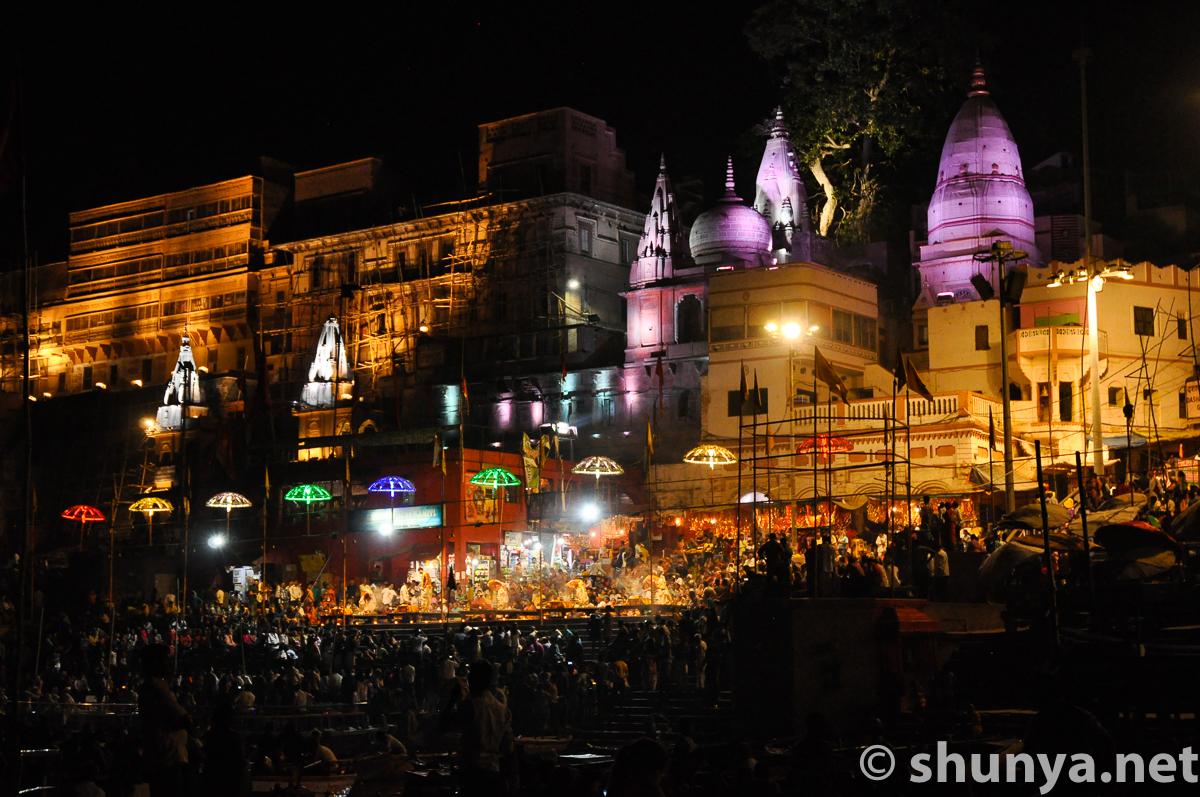
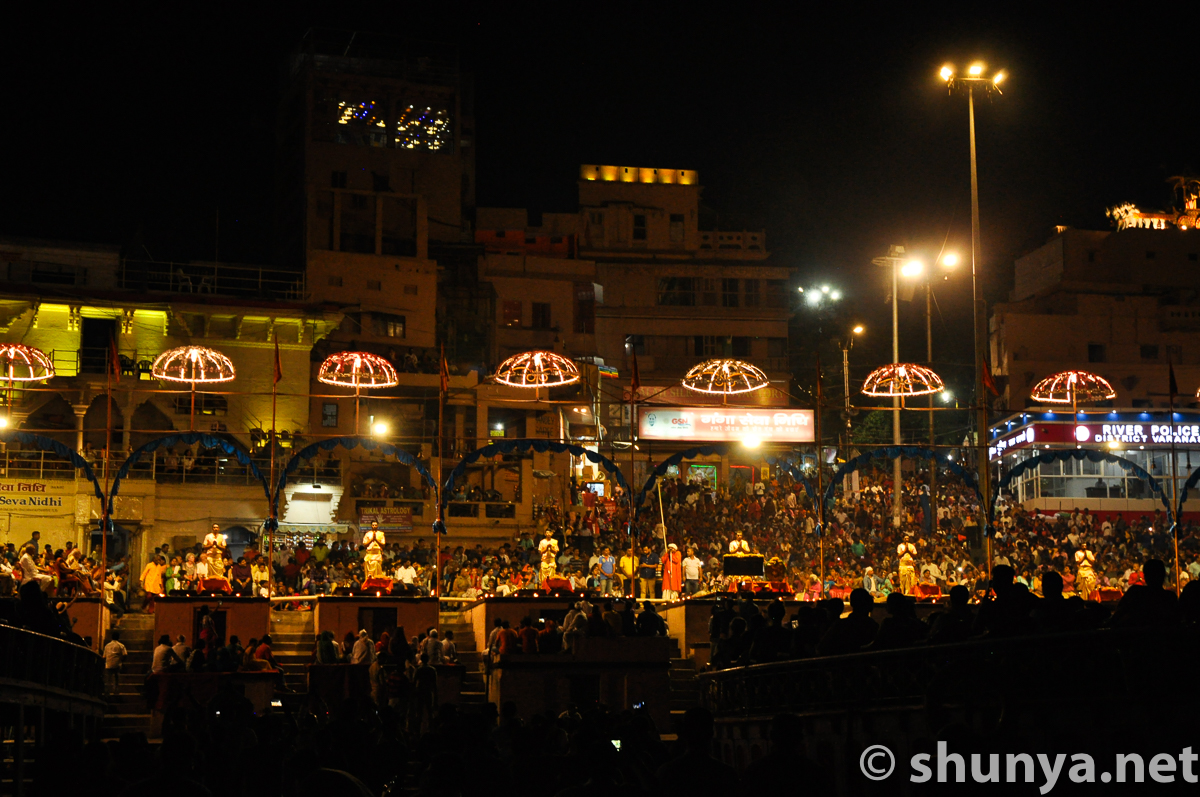
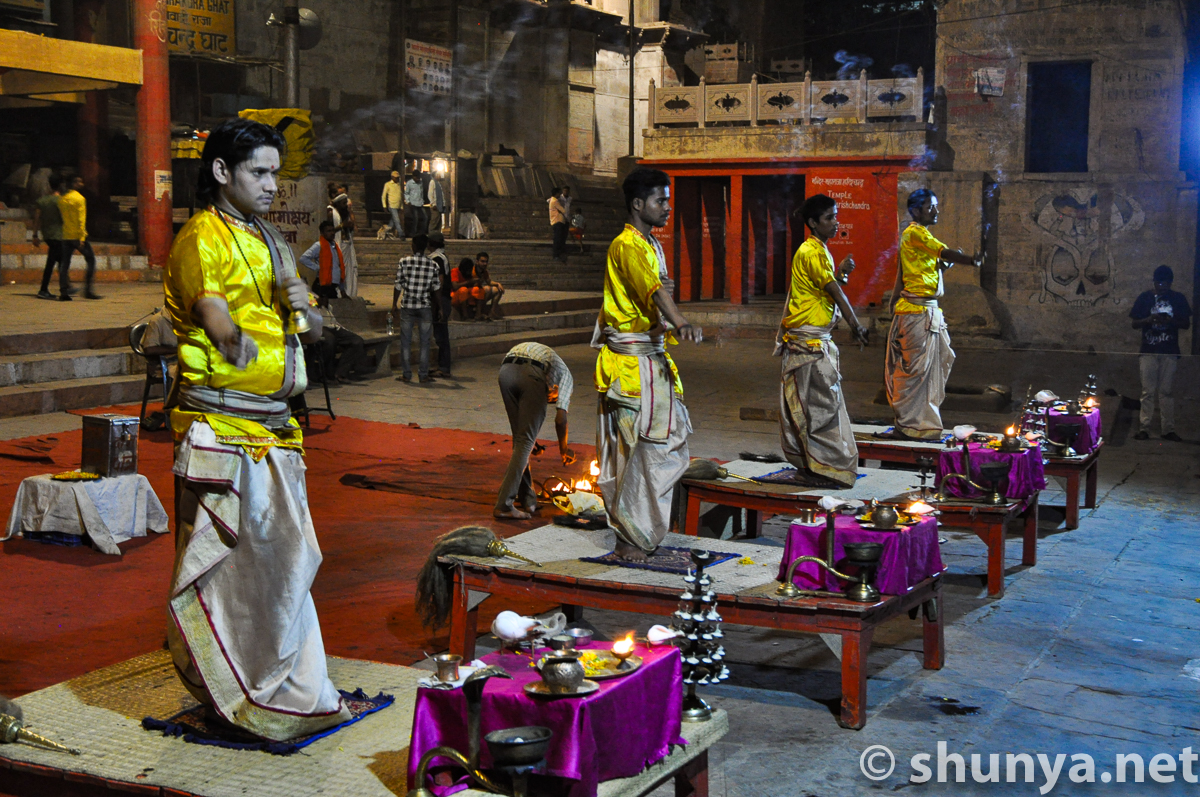
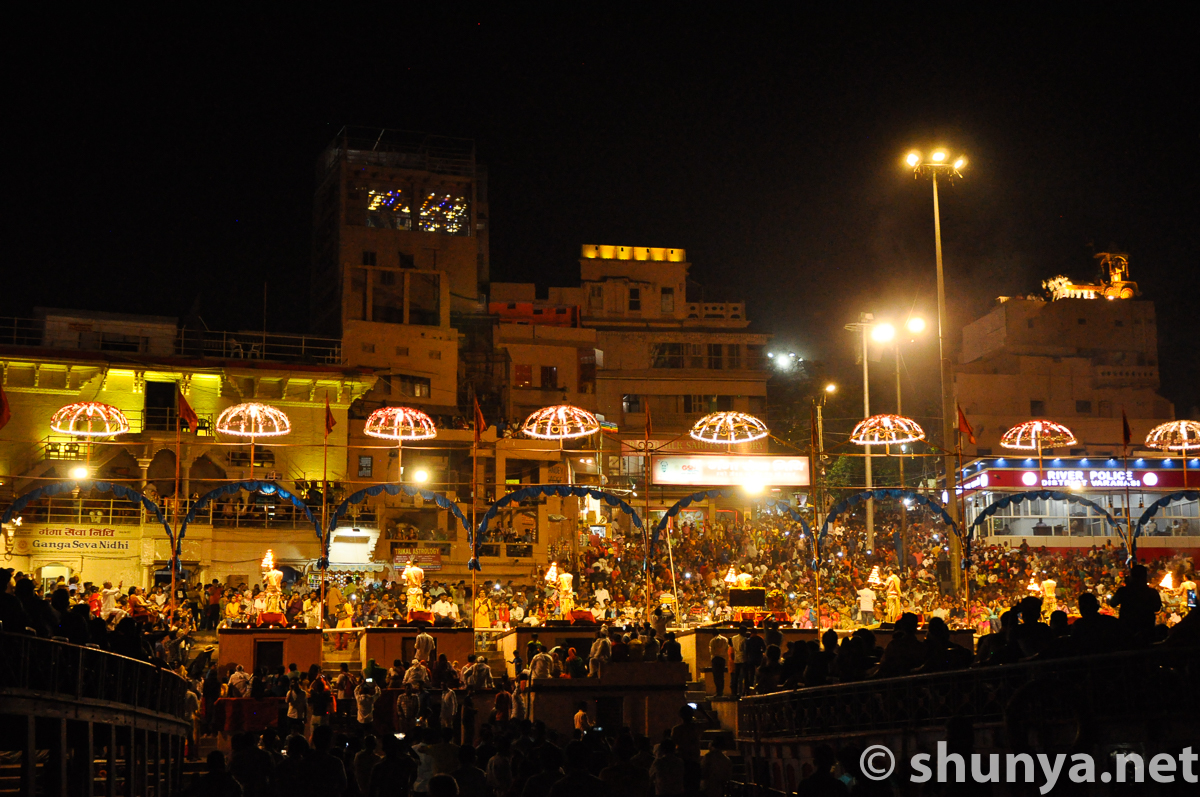
Ganga aarti time (more)
|
Ganga aarti begins (more)
|
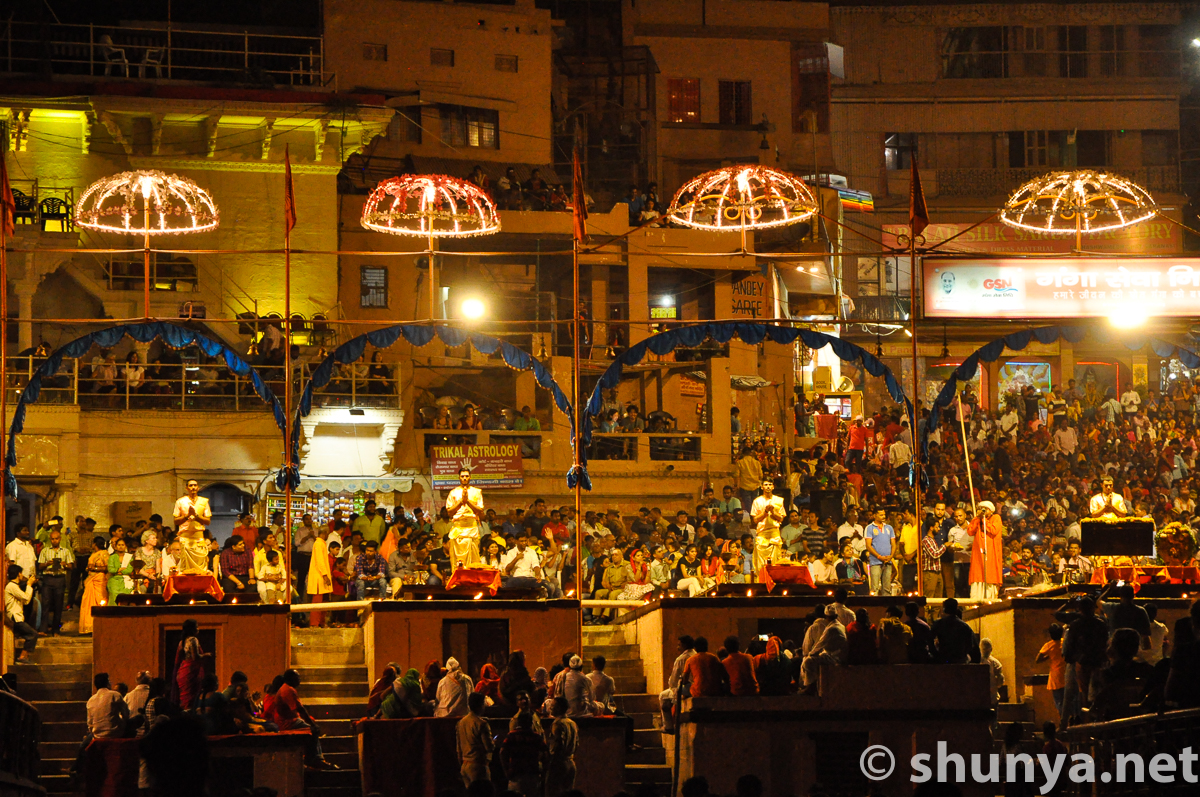
Young priests (more)
|
Raseela Banaras to some
|
Reewa and Tulsi Ghat
|
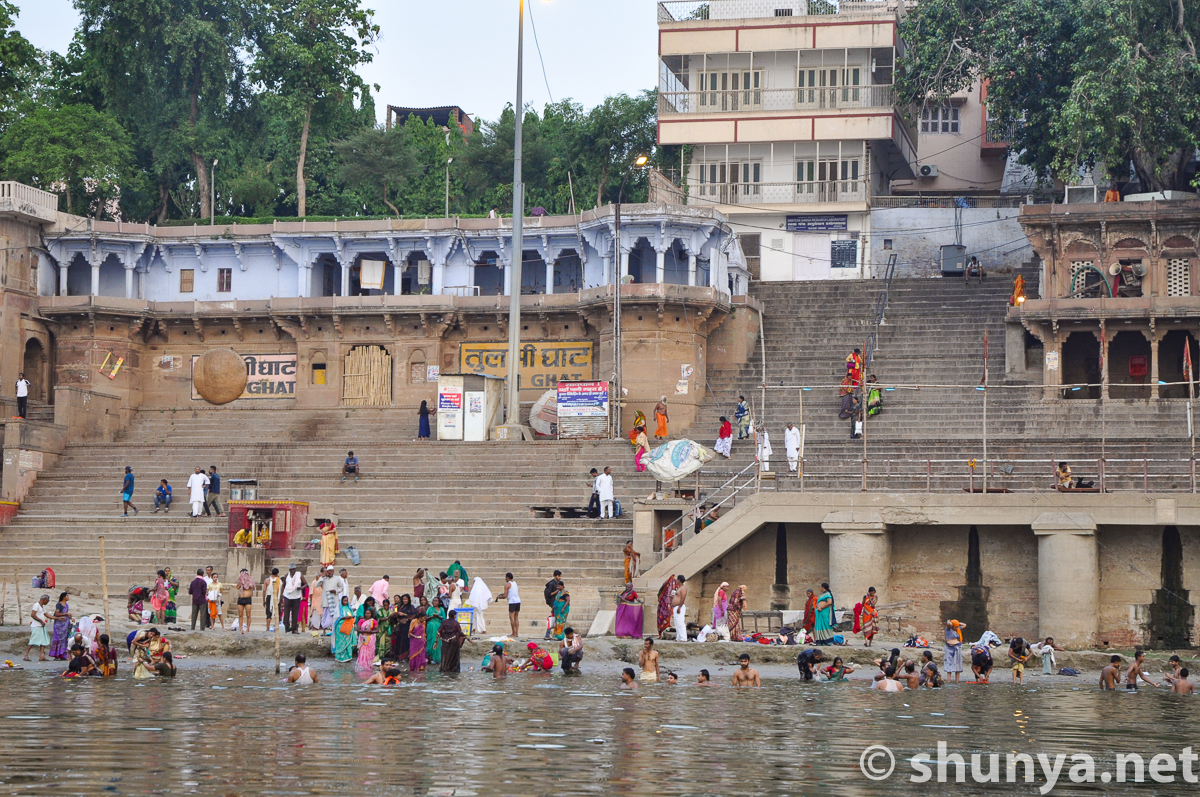
Tulsi Ghat
|
Morning in Kashi
|
Electric crematorium above
|
Mansarovar & Raja Ghats
|
Morning glow (more)
|
Weathered facades
|
|
|
|
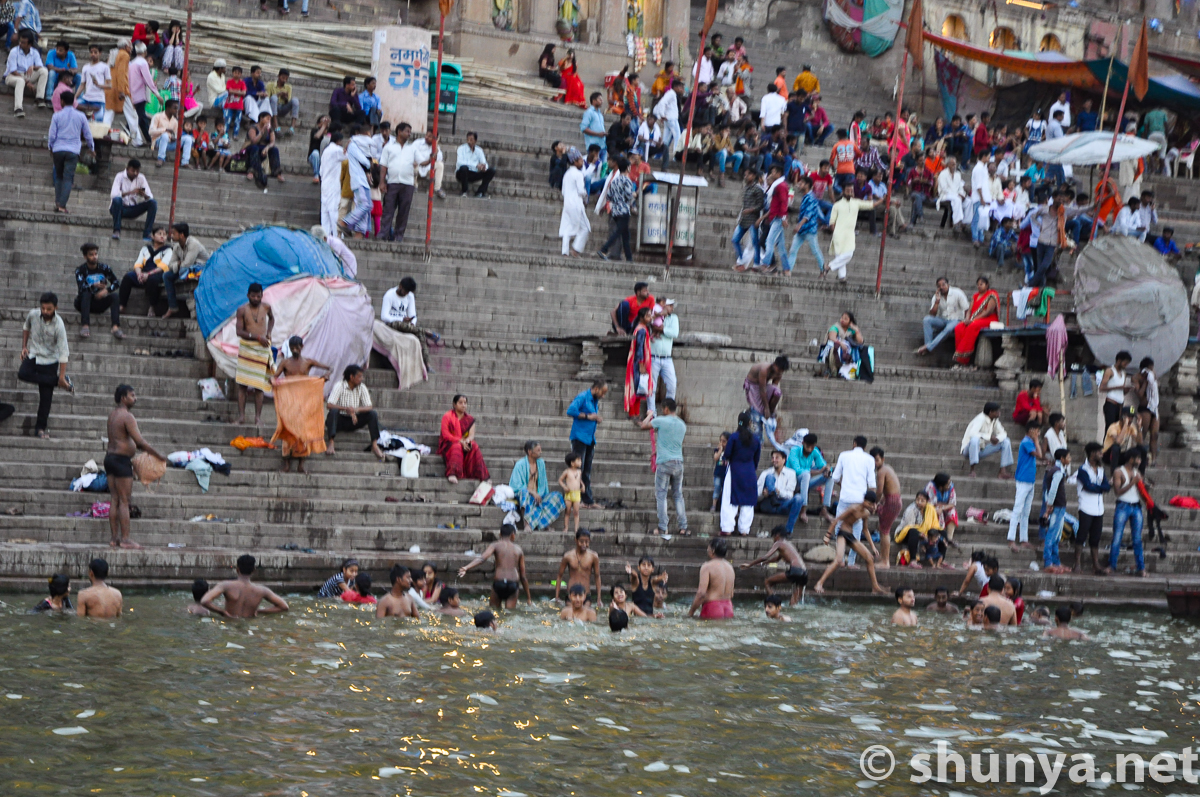
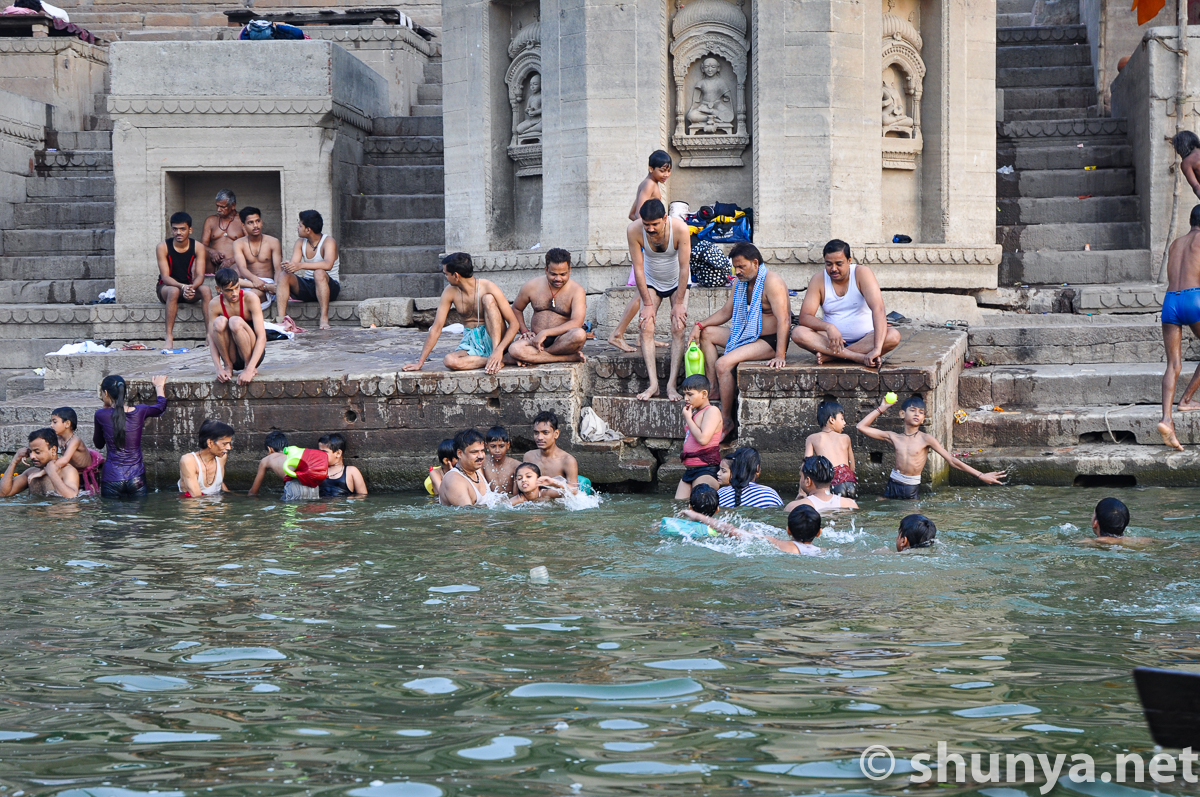
Bathing pilgrims
|
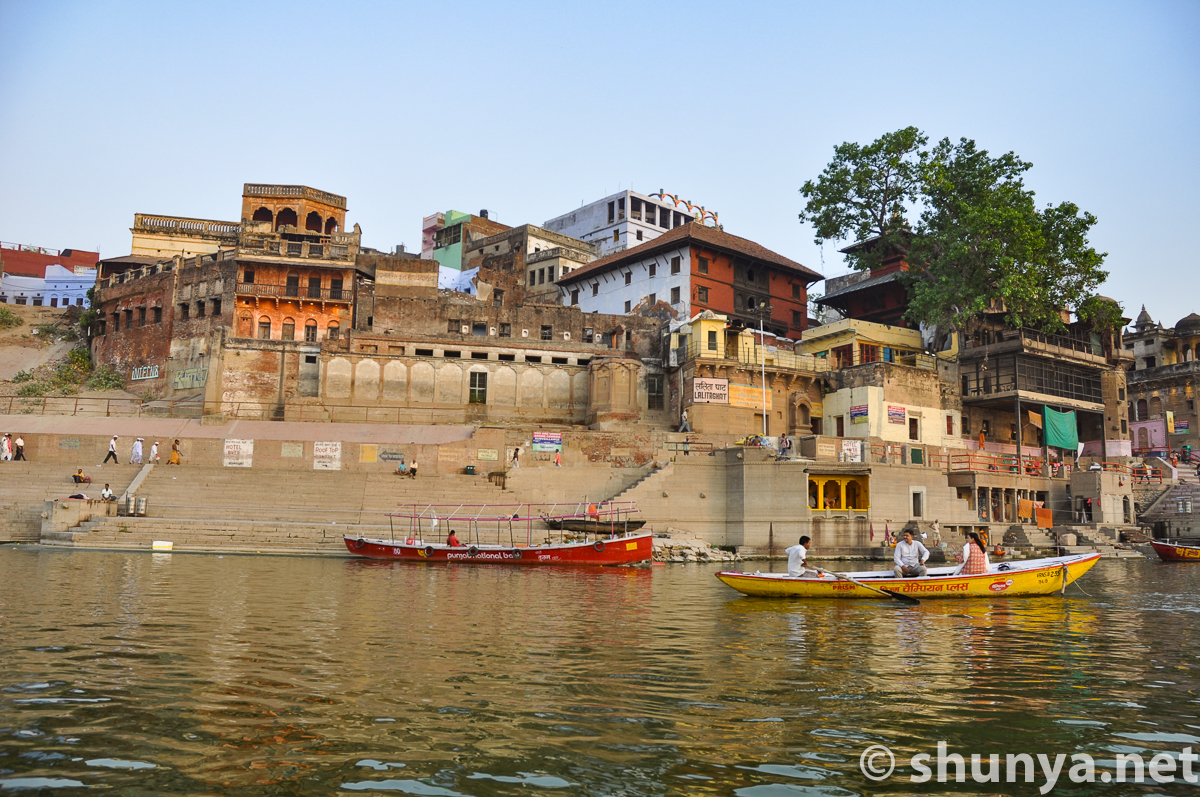
Lalita Ghat
|
Dom Raja home on top
|
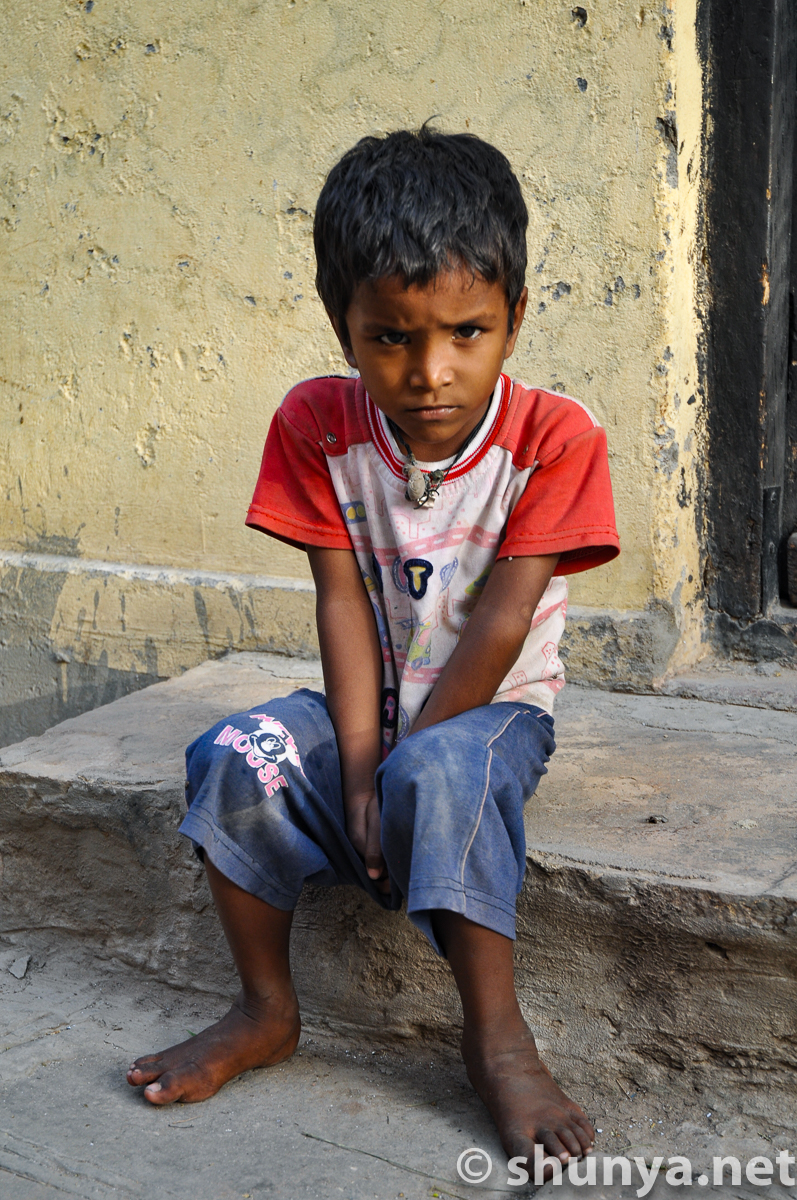
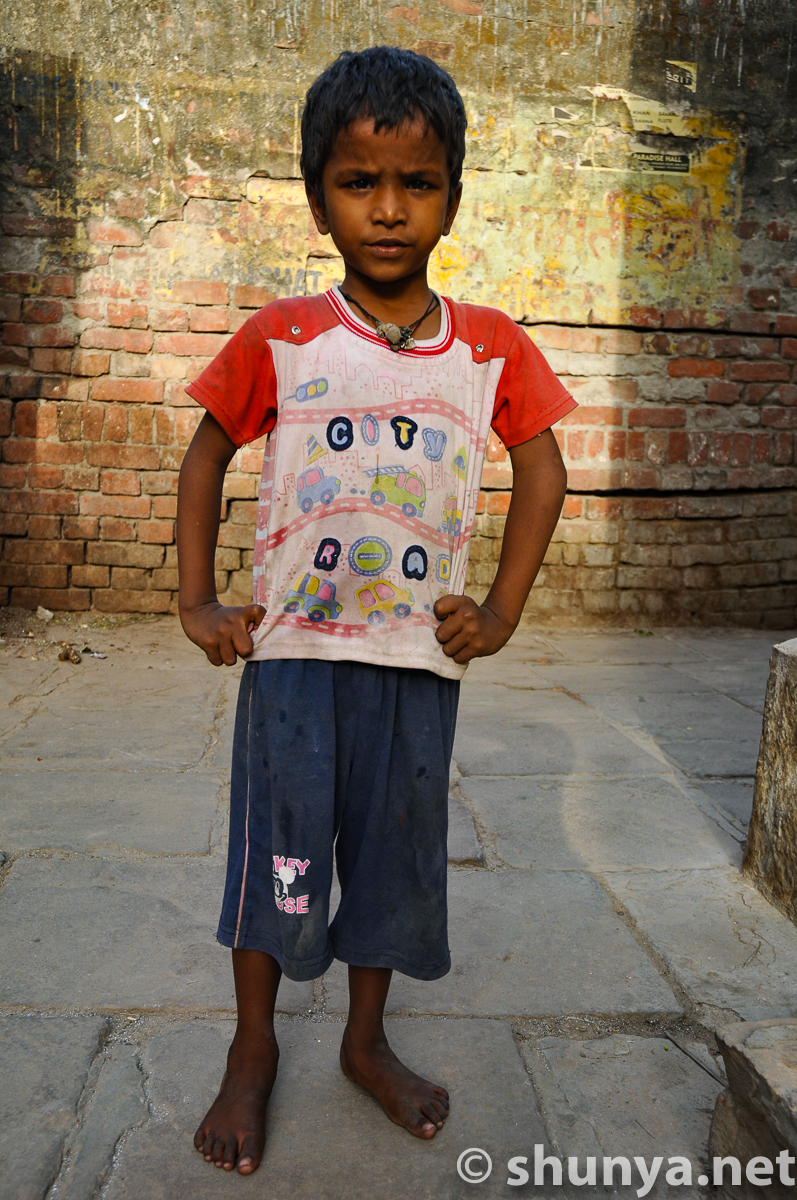
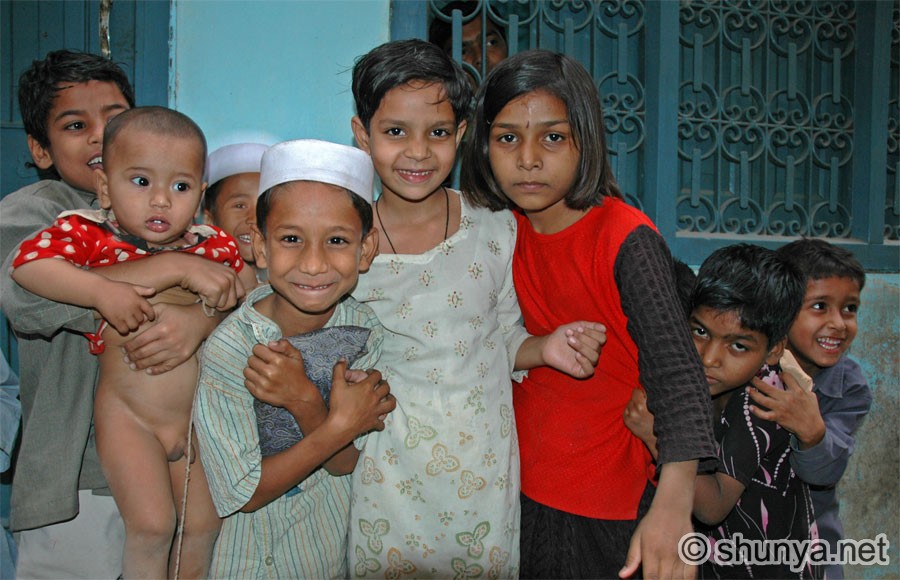
Local kid (more)
|
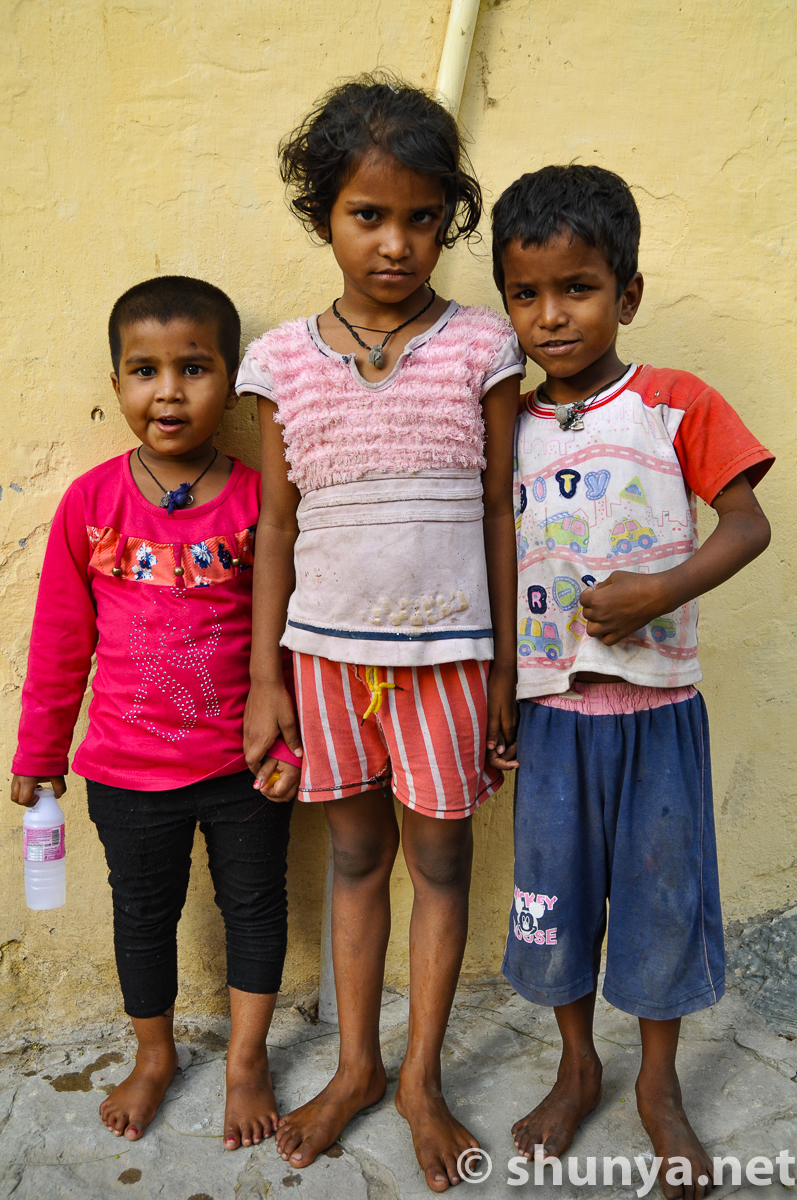
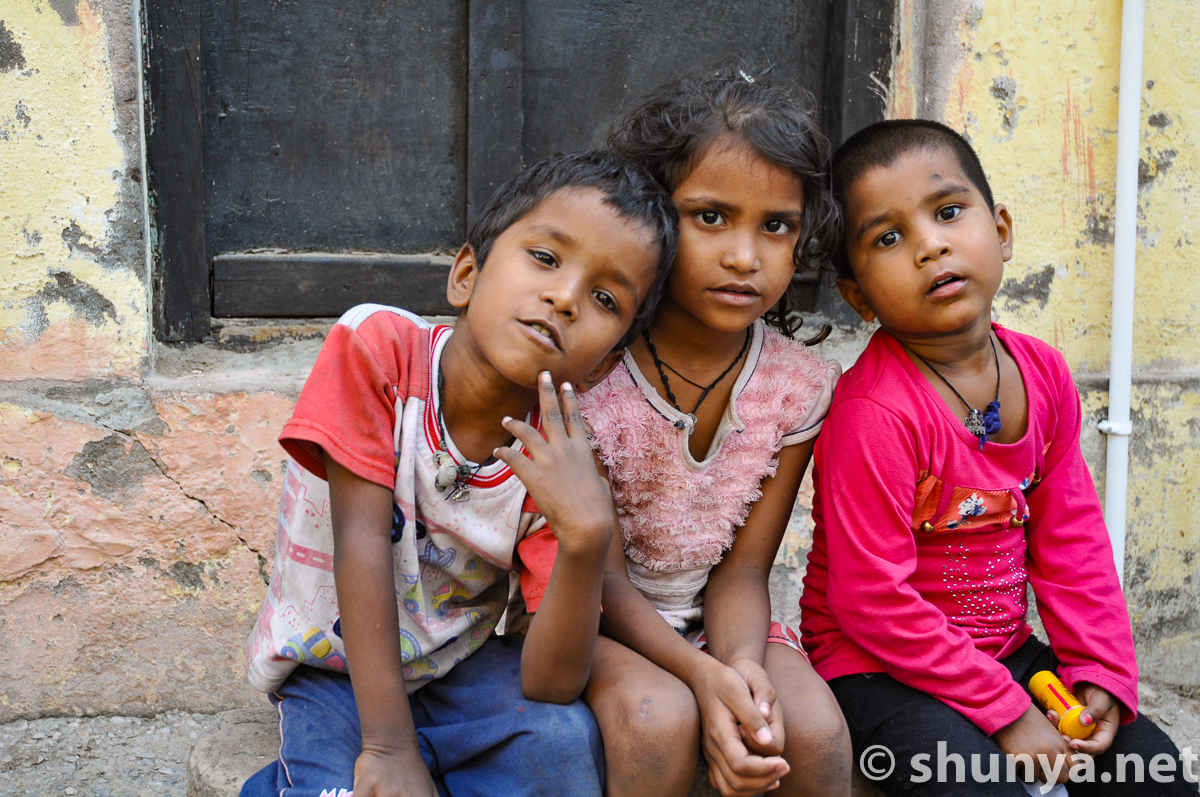
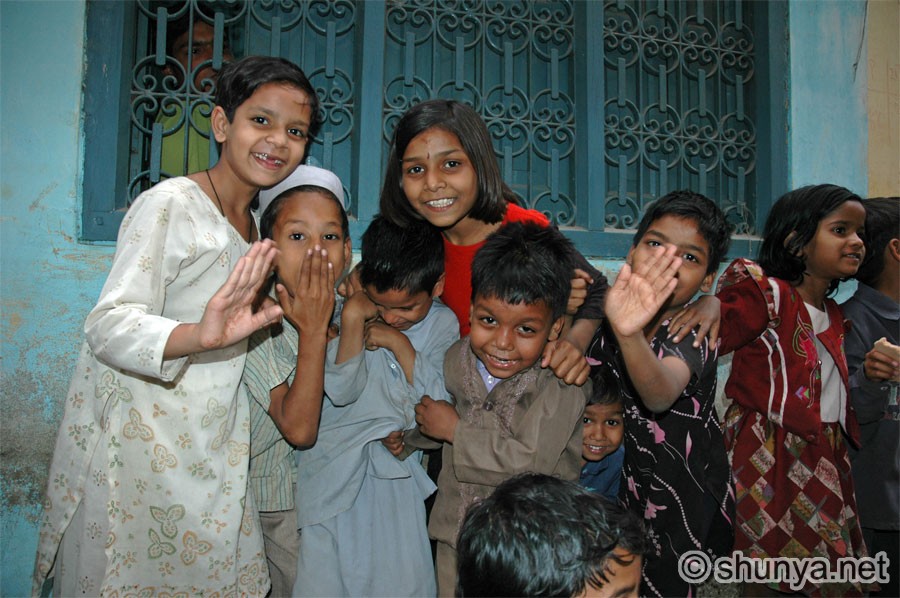
Local kids (more)
|
Visitor
|
Visitor
|
|
|||
|
North Varanasi |
|||
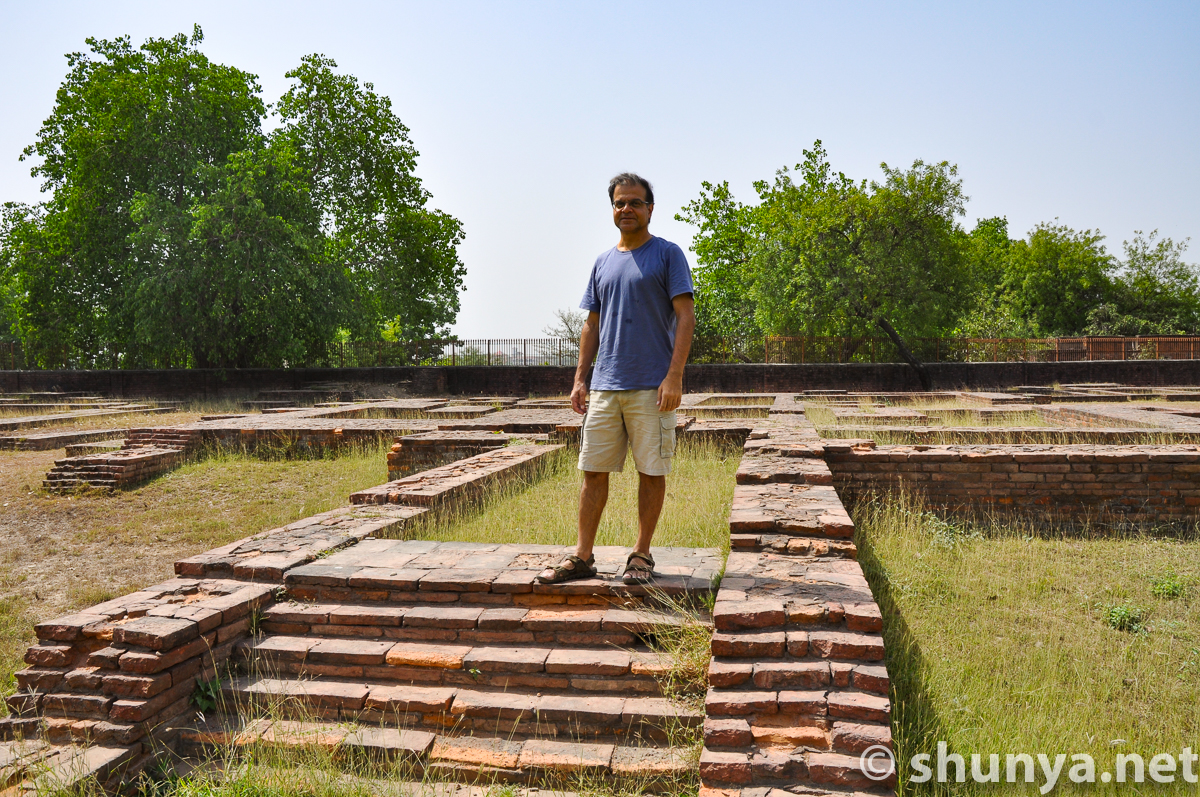
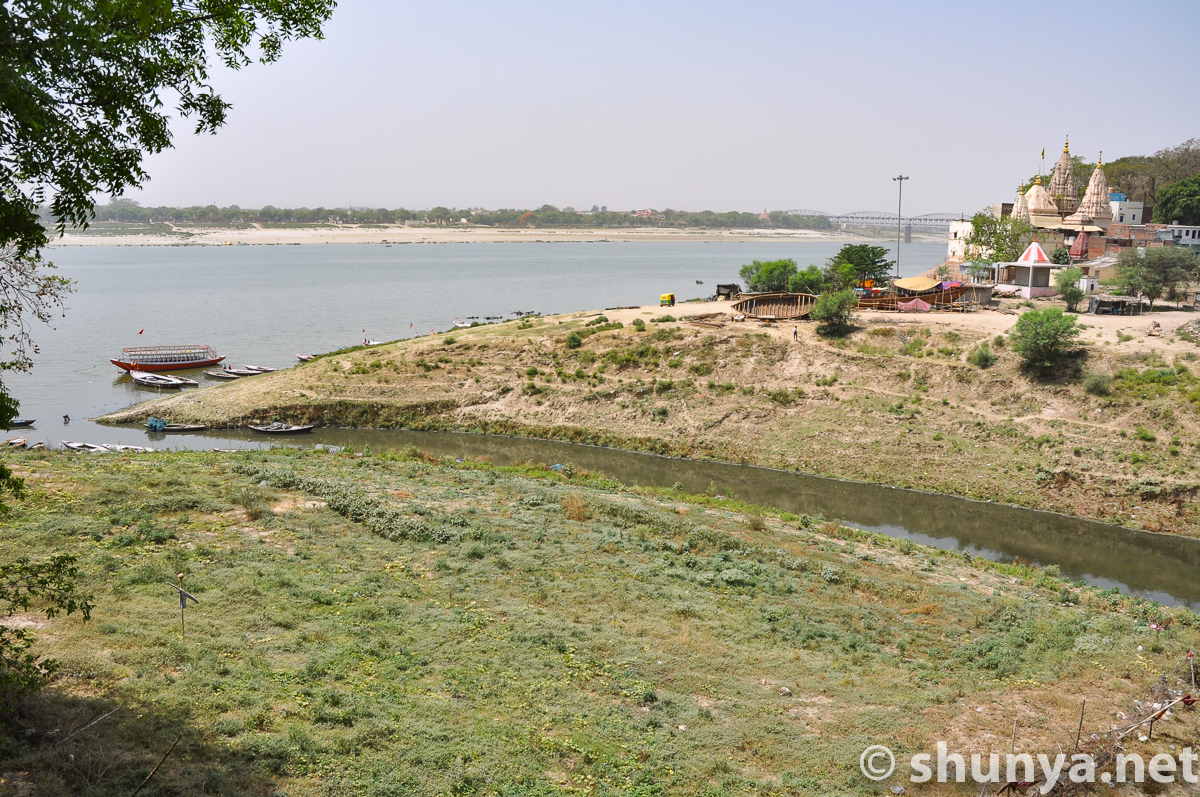
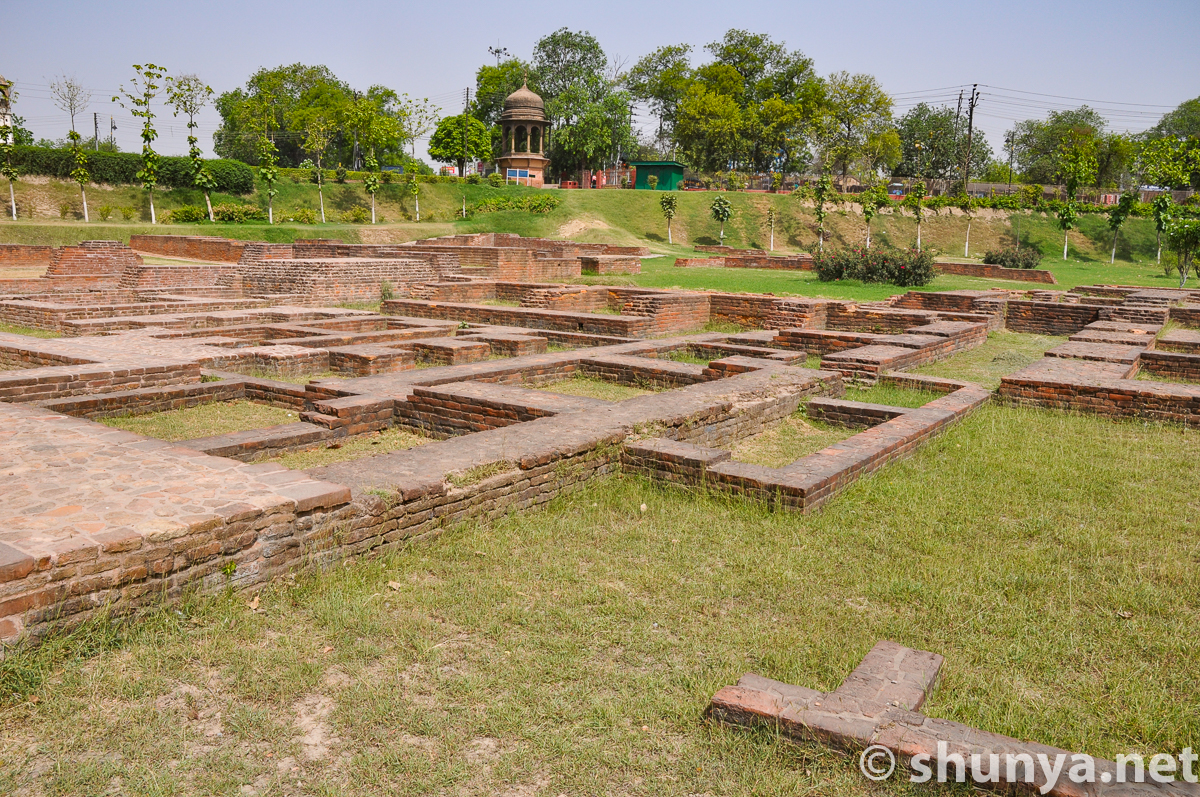
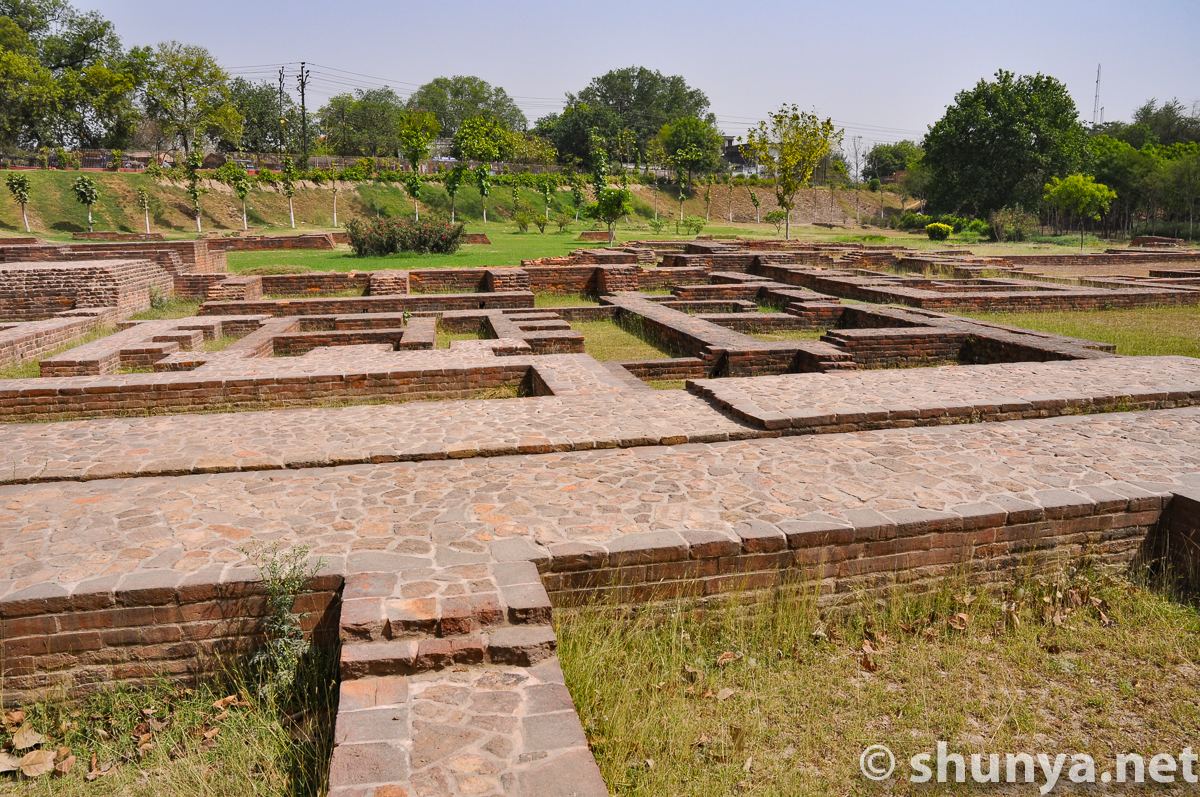
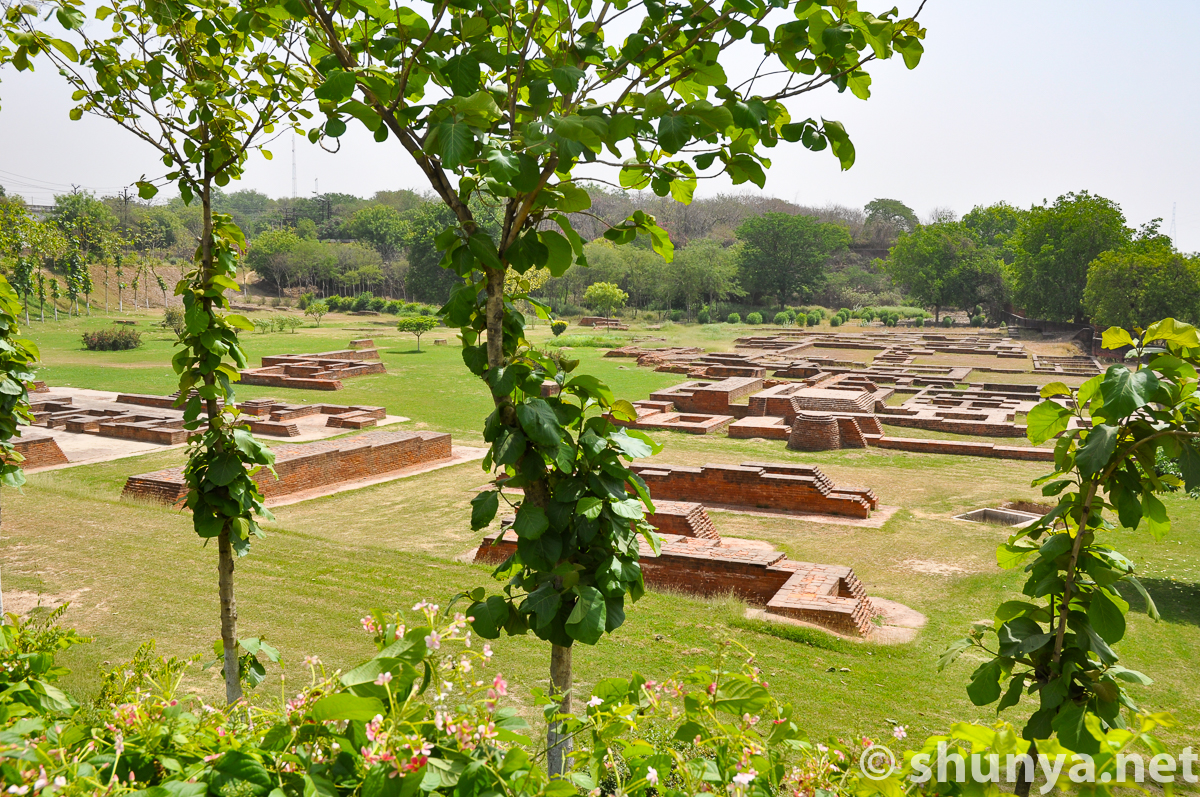
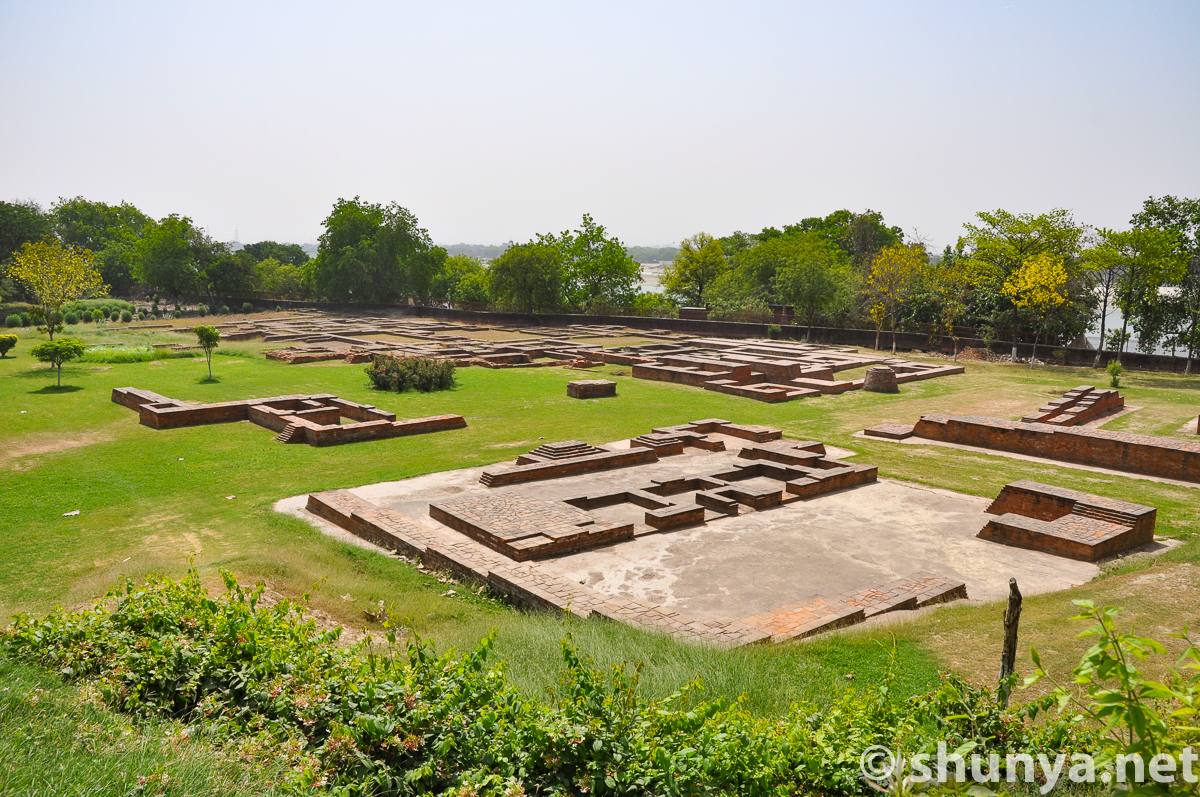
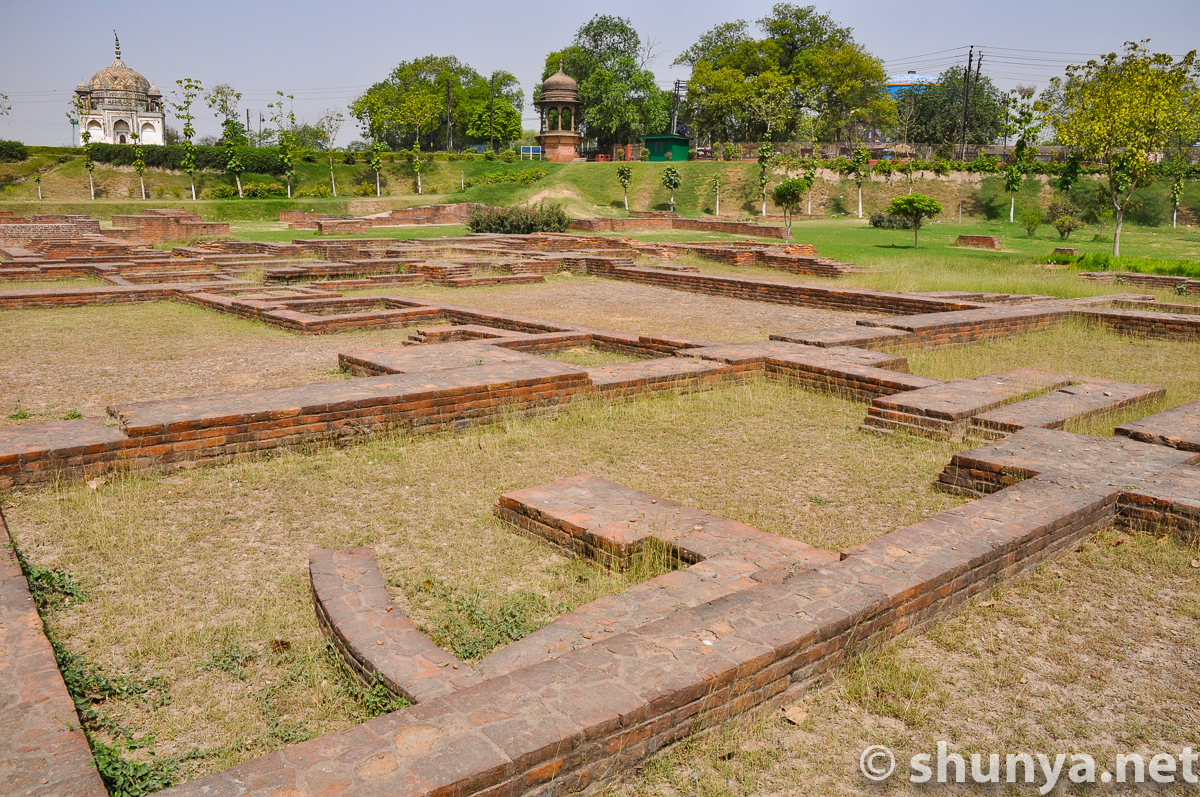
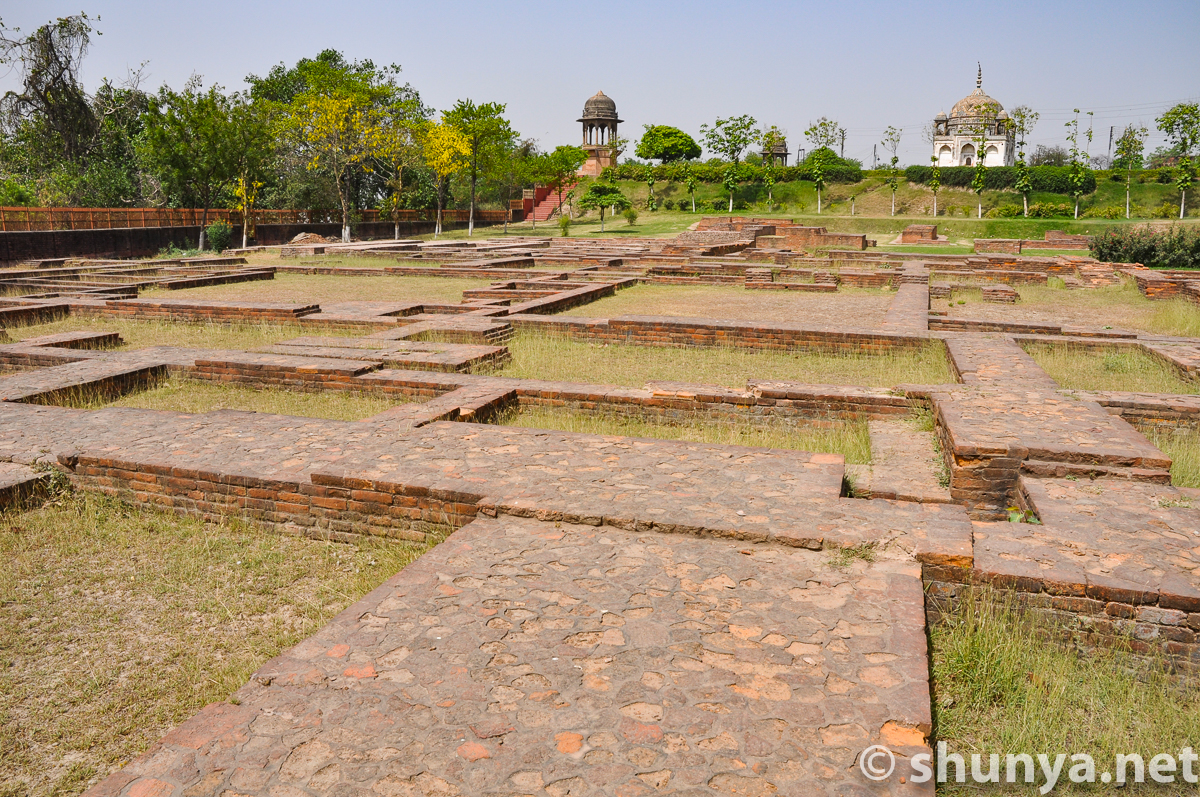
Rajghat Plateau -- site of
|
Once the capital city
of
|
Oldest finds date from
|
River Varana, a bit north of
|
|
|
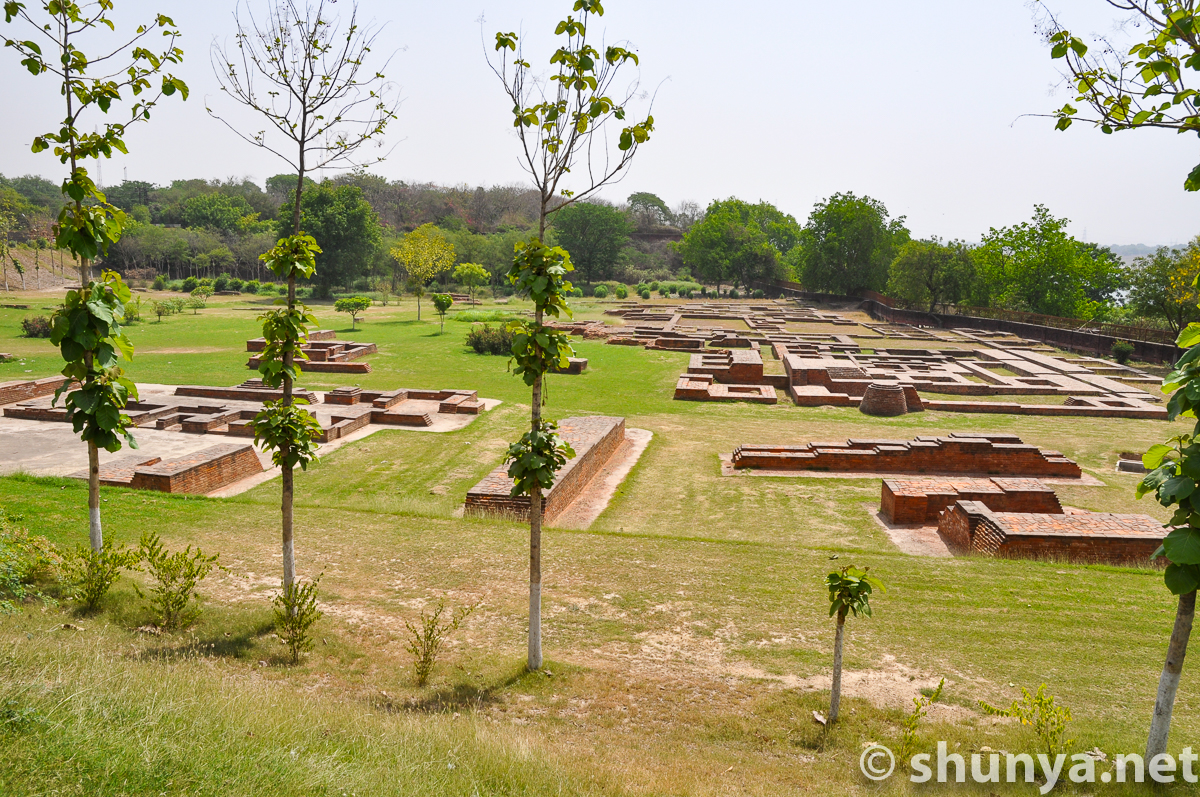
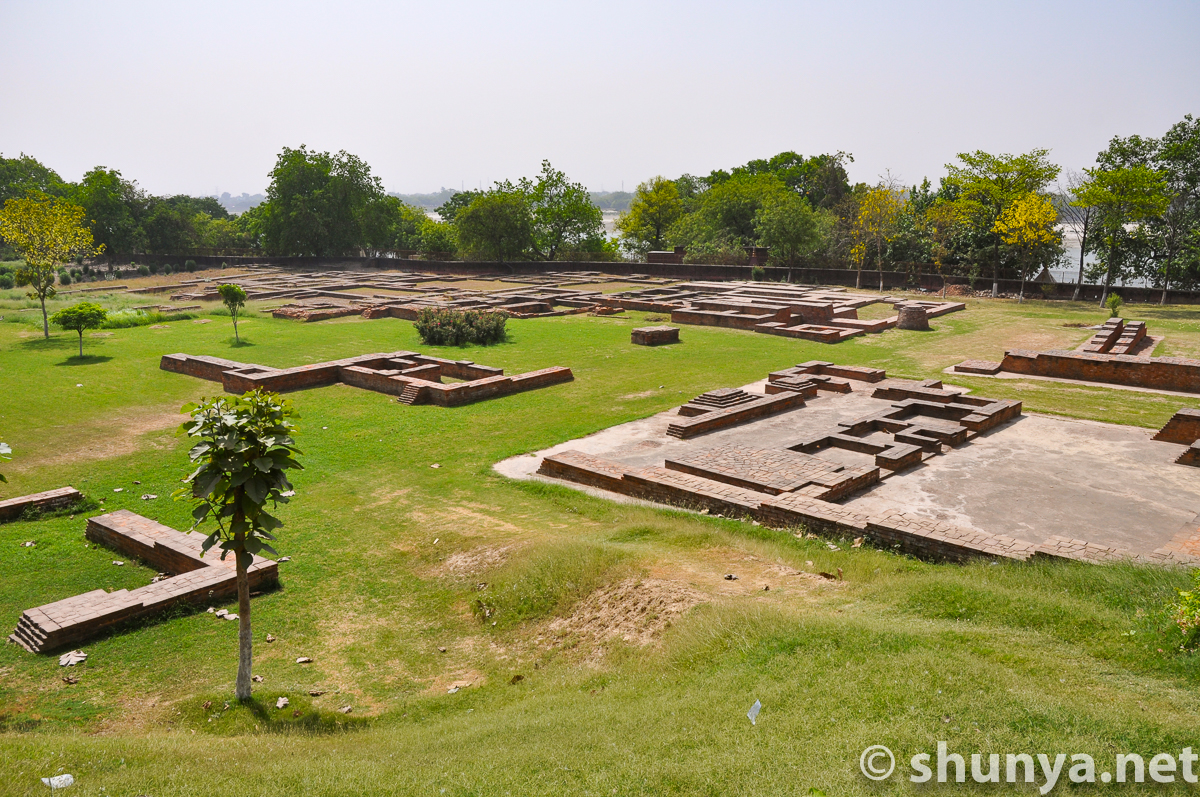
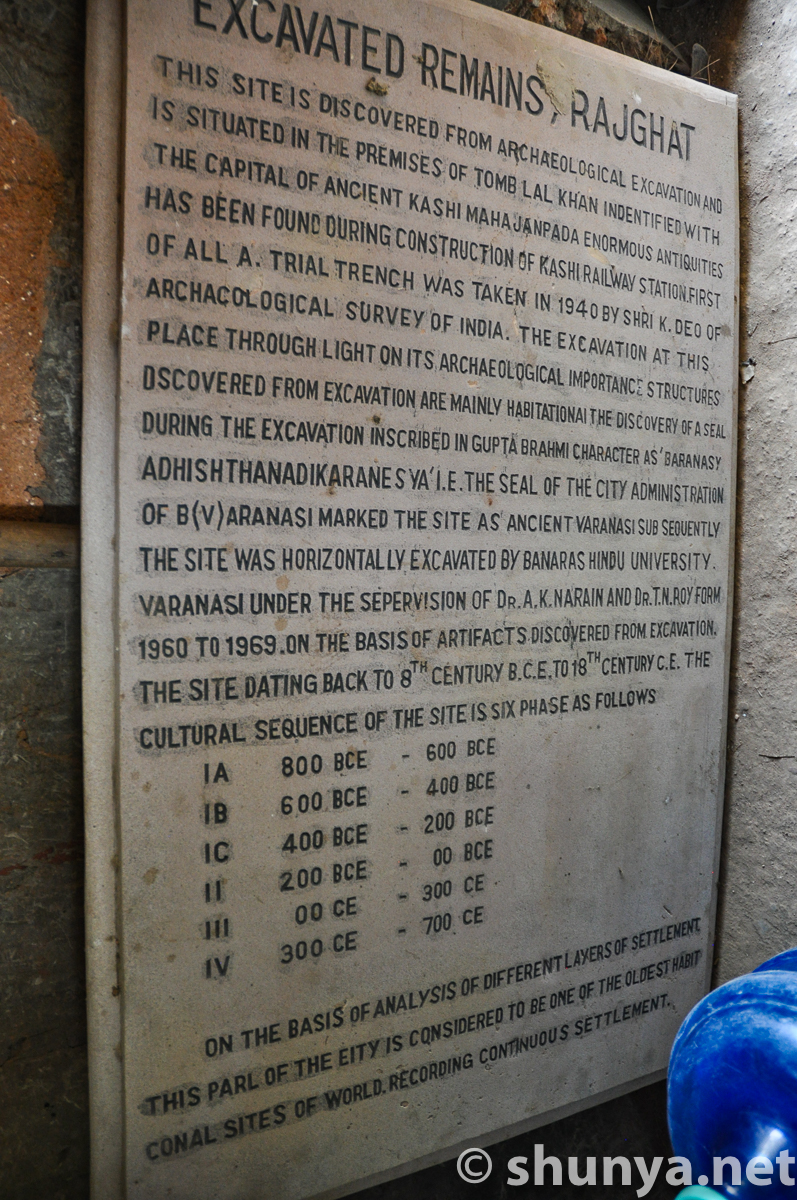
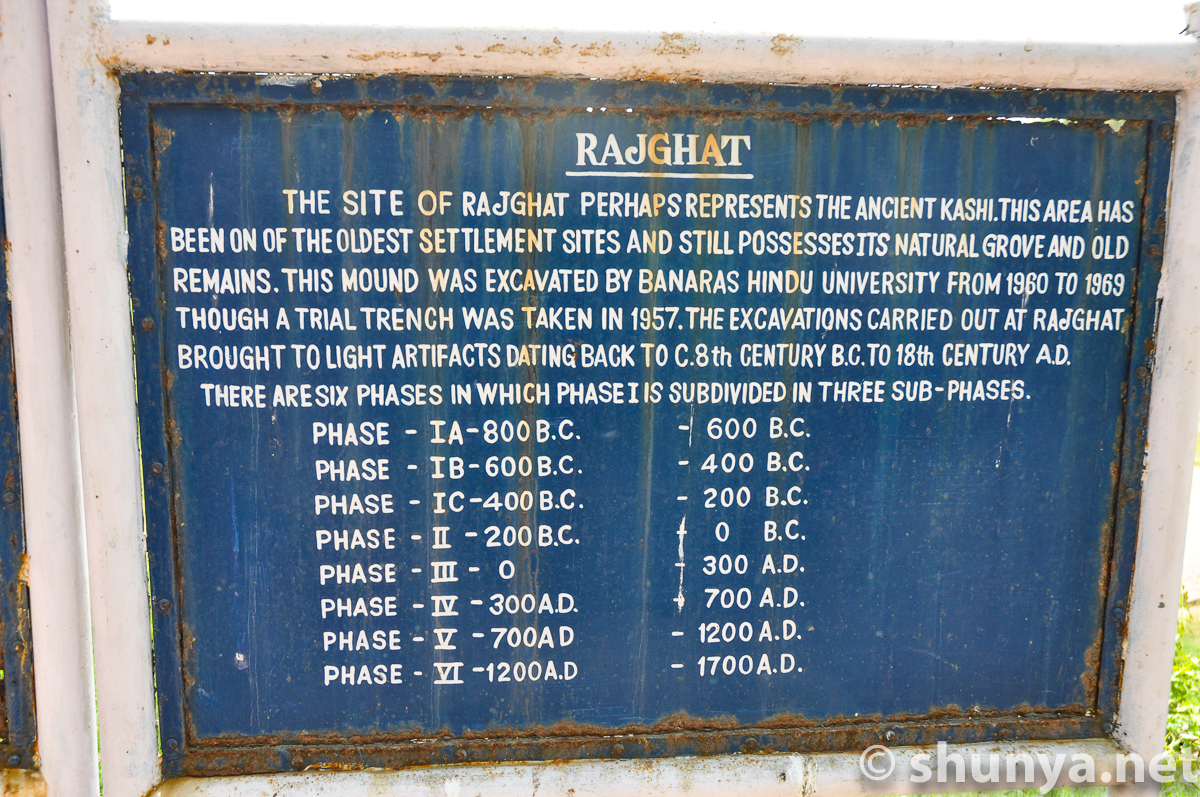
Excavated in the 60s (more)
|
The visible ruins are
|
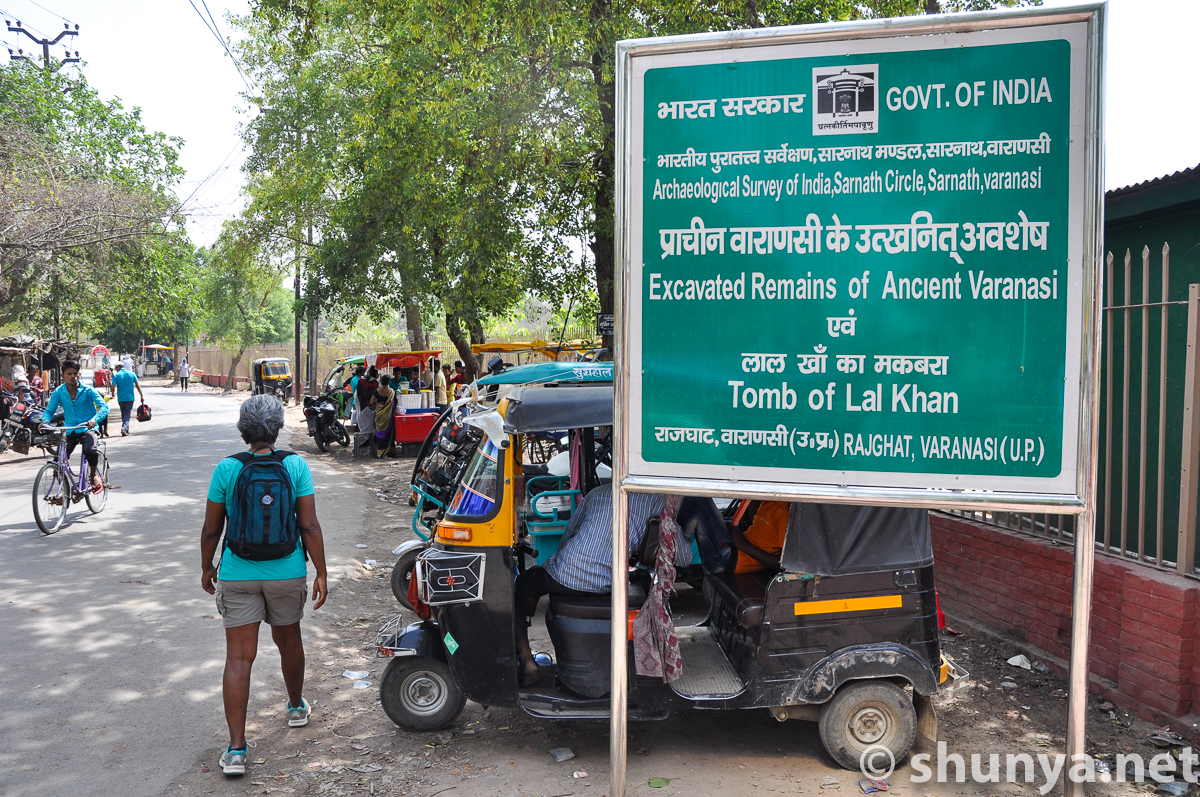
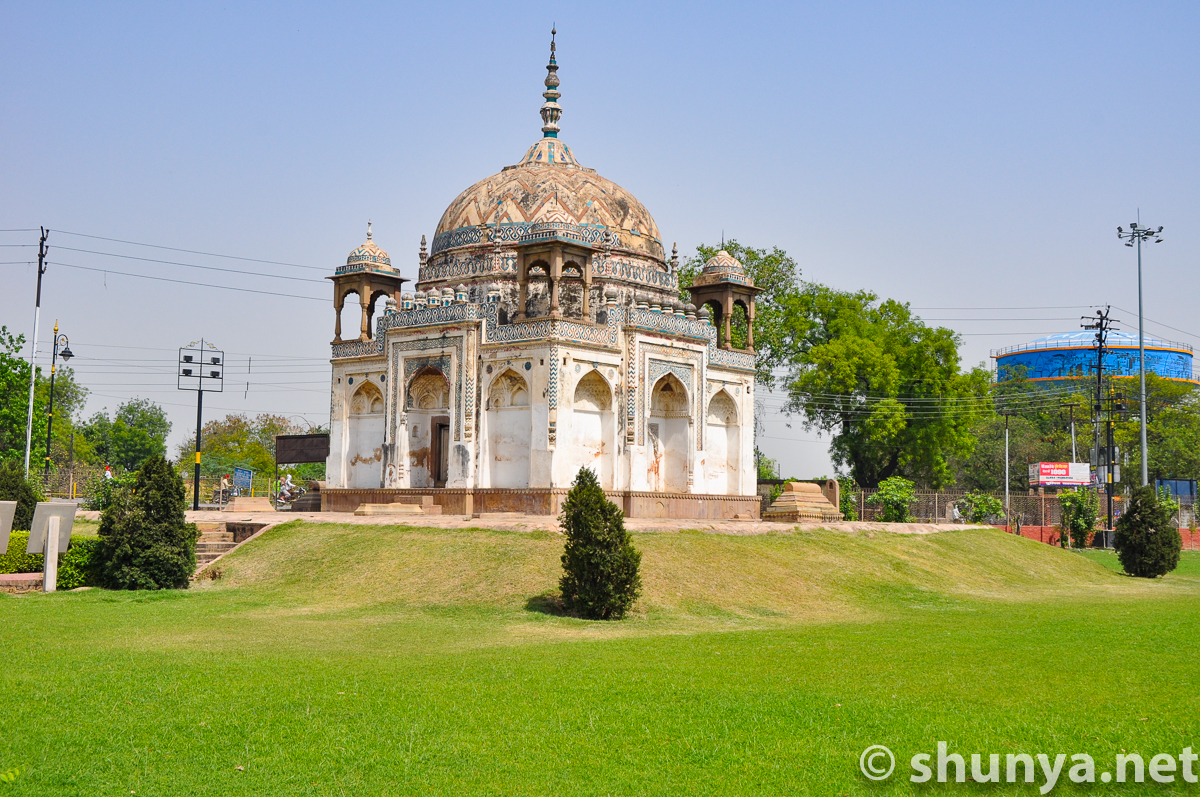
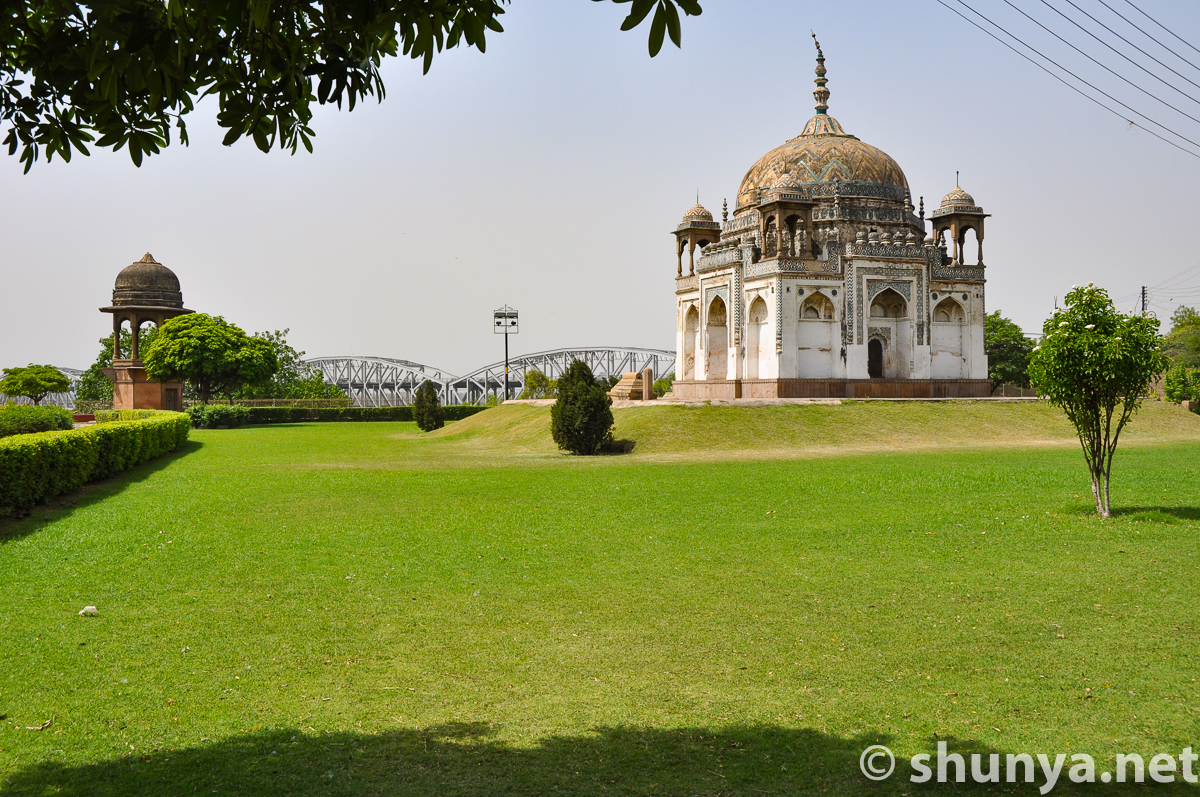
Lal Khan's tomb,
|
Sri Adi Keshav temple
|
Was important in the time
|
Part of the temple complex
|
Form of Vishnu
|
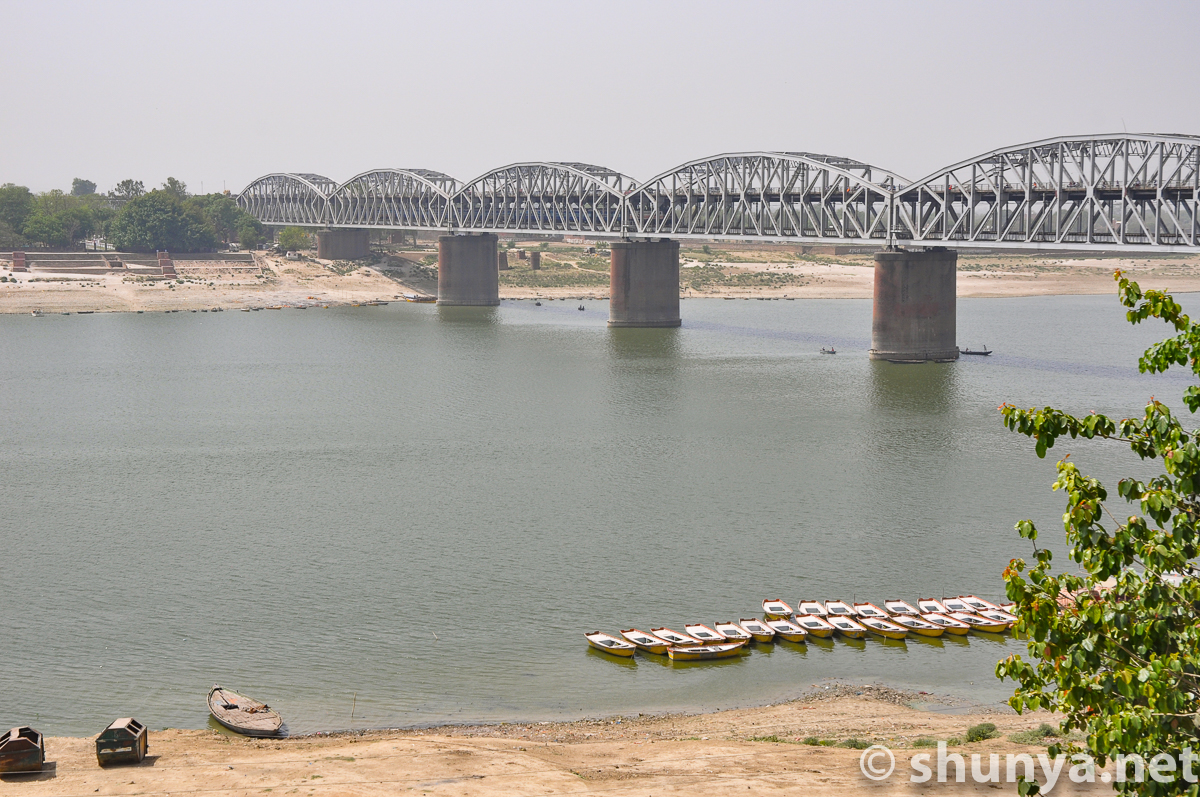
Bridge on the river Ganga
|
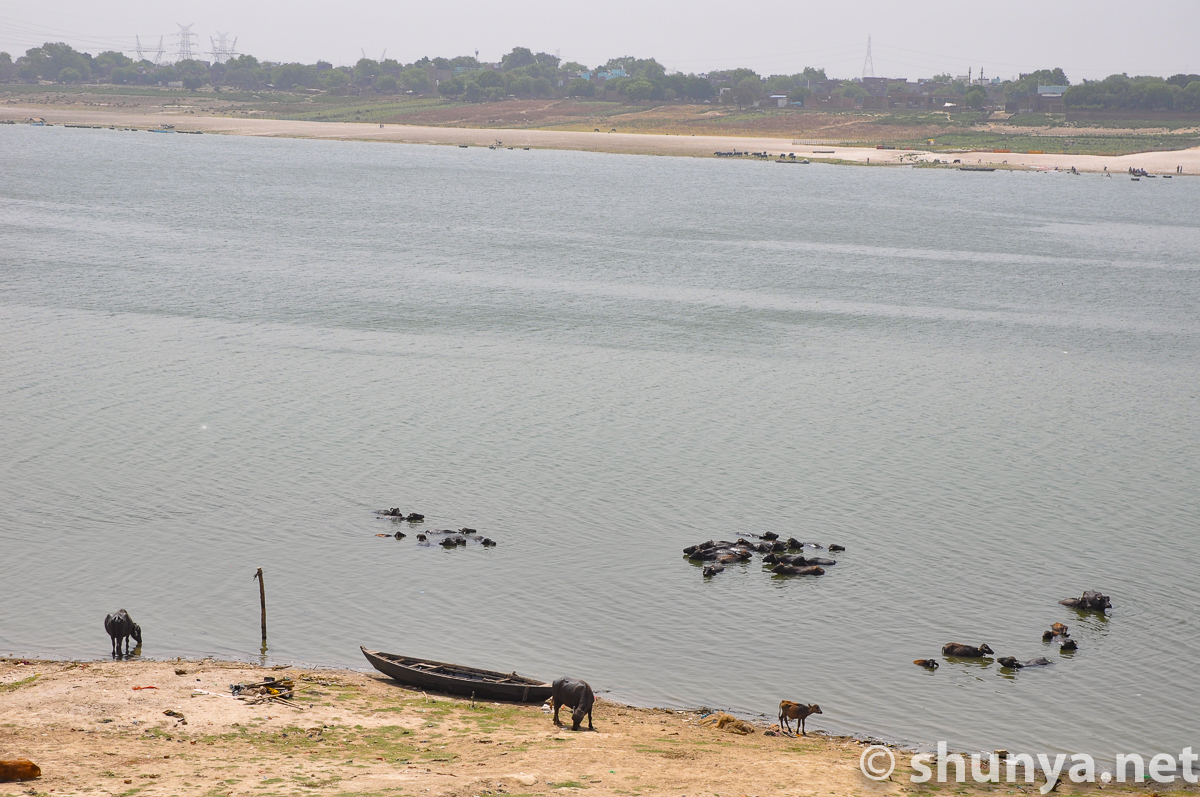
Ganga at Rajghat plateau
|
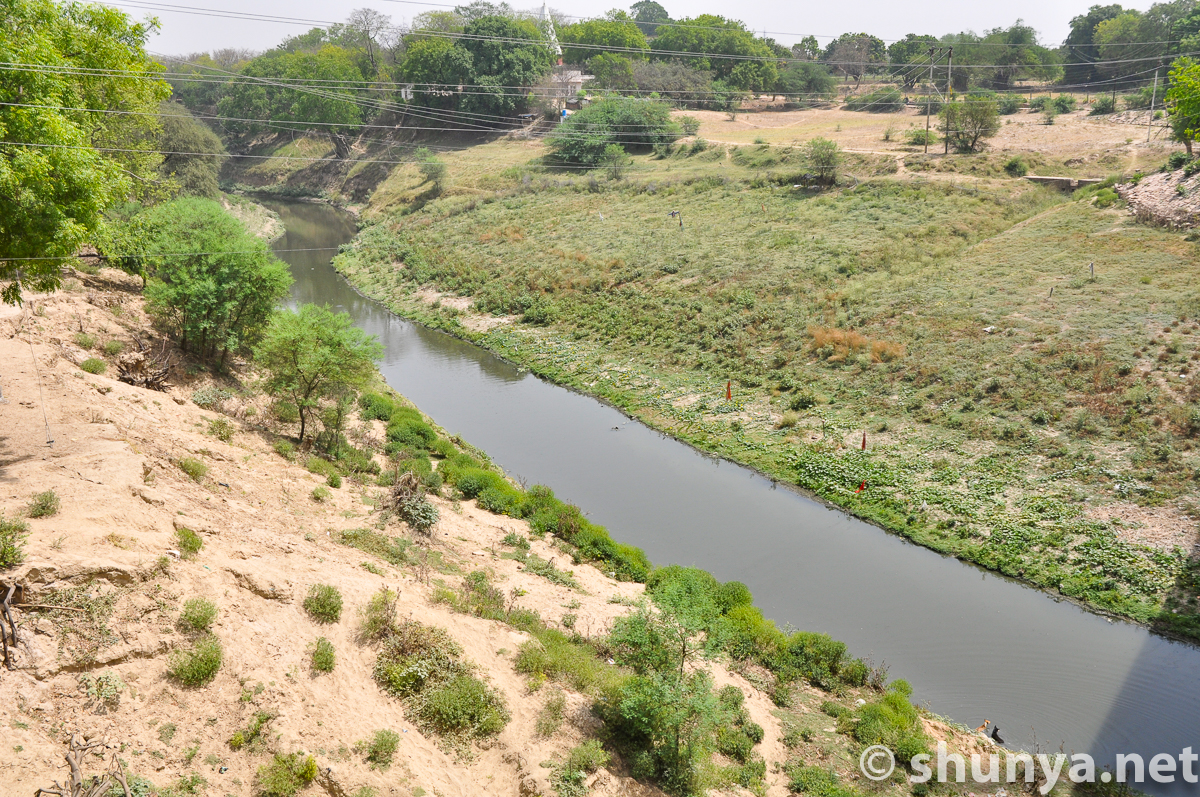
Varana river
|
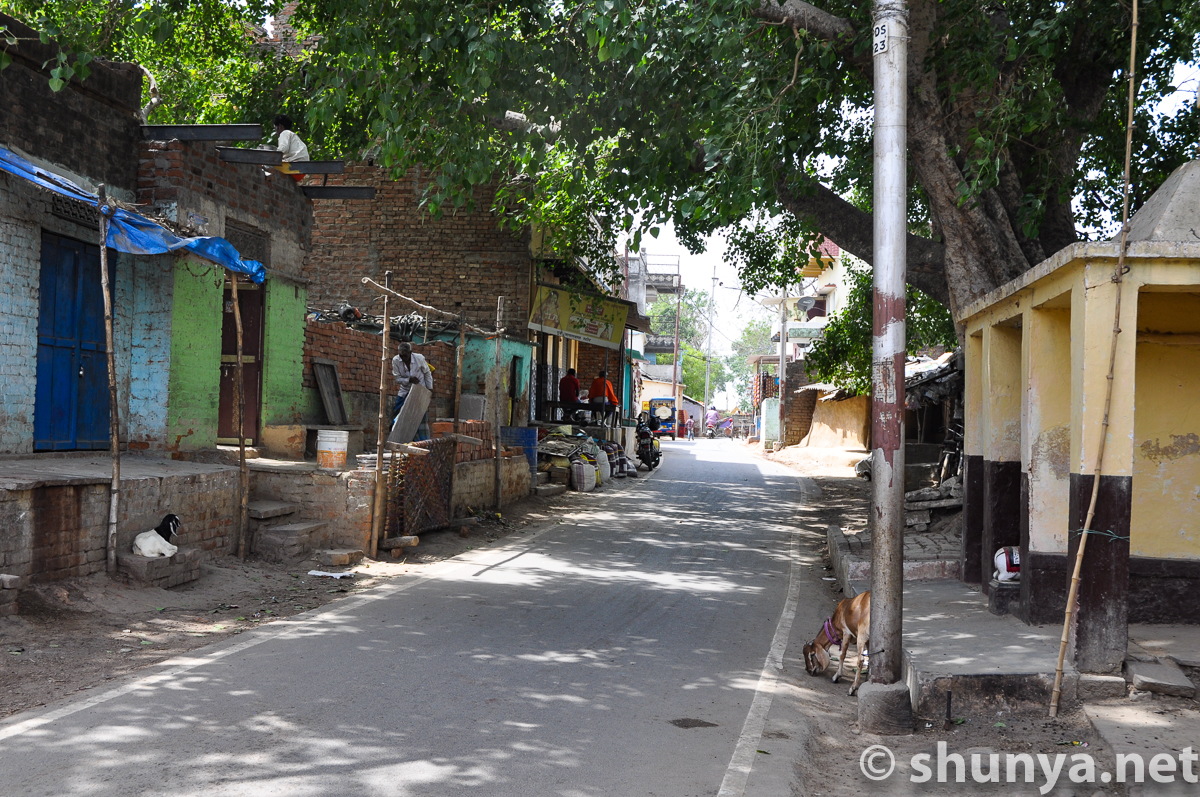
A village north of Rajghat
|
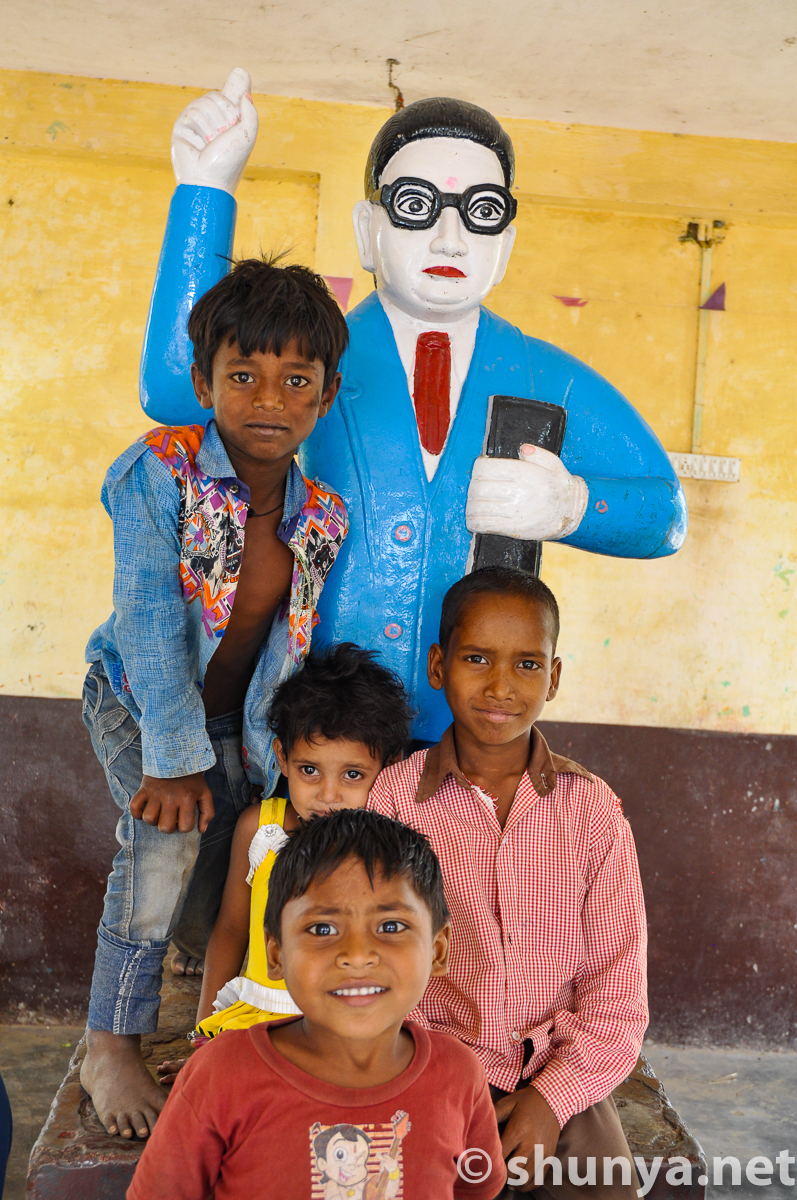
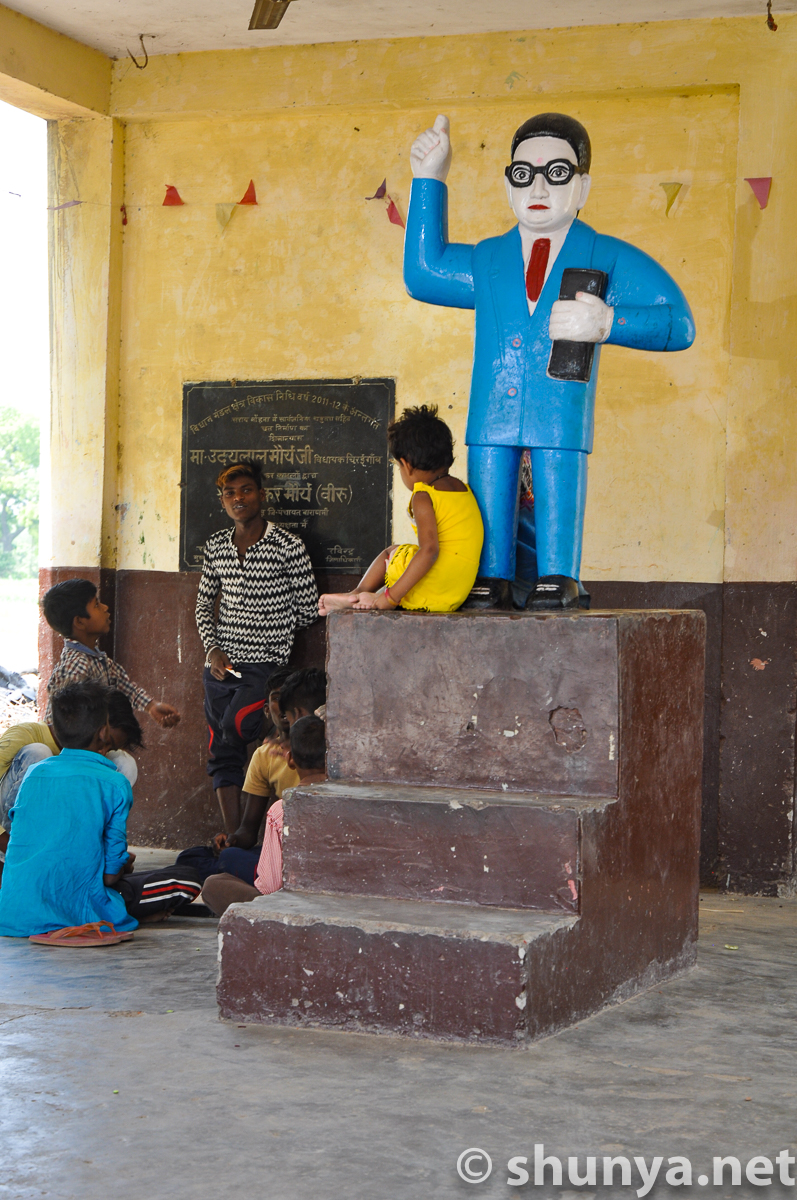
Ambedkar statue
|
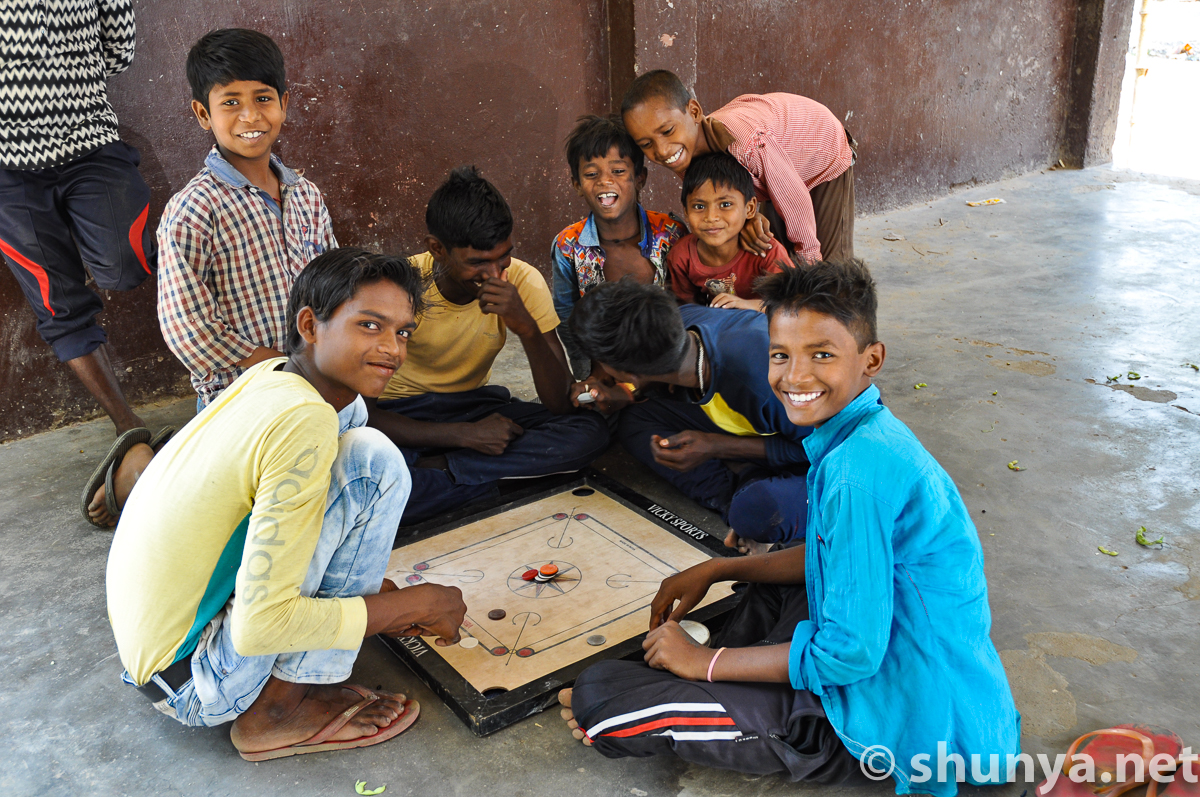
Kids playing carrom
|
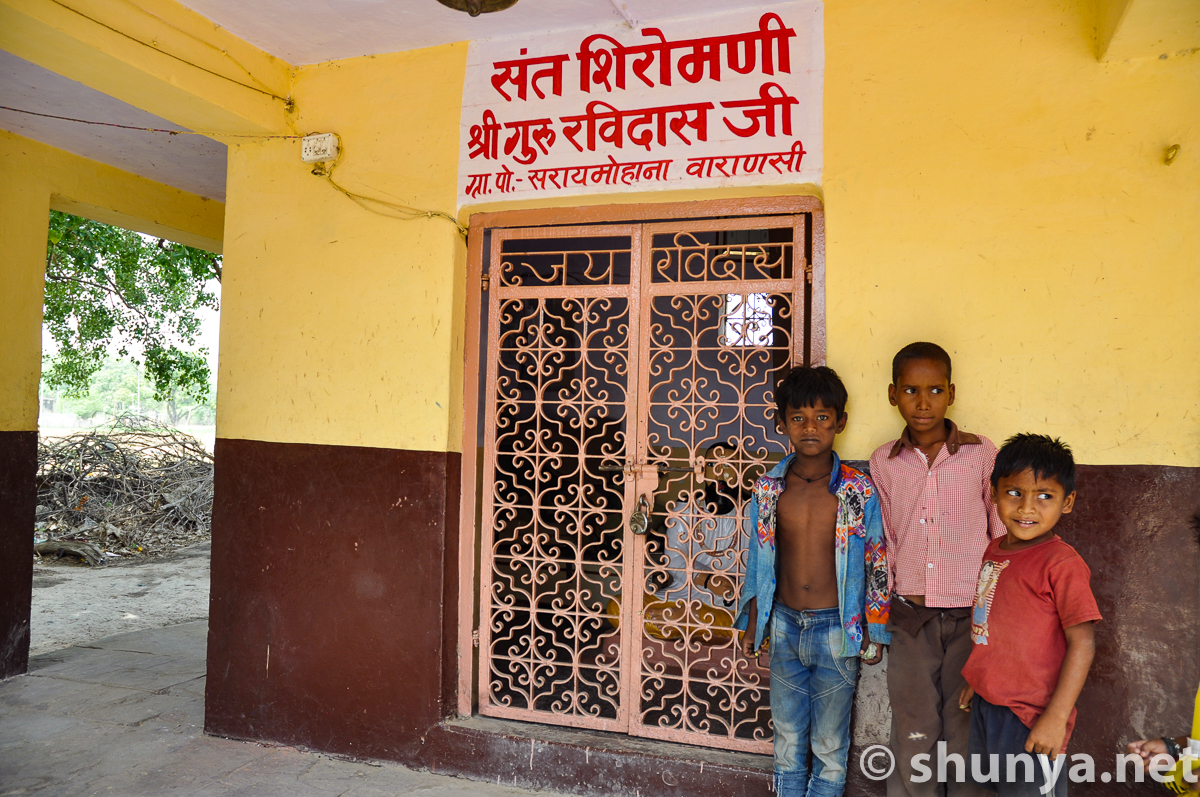
A shrine to Saint Ravidas
|
Ambedkar statue
|
|
All pictures below are from my 2006 visit to Varanasi |
|||
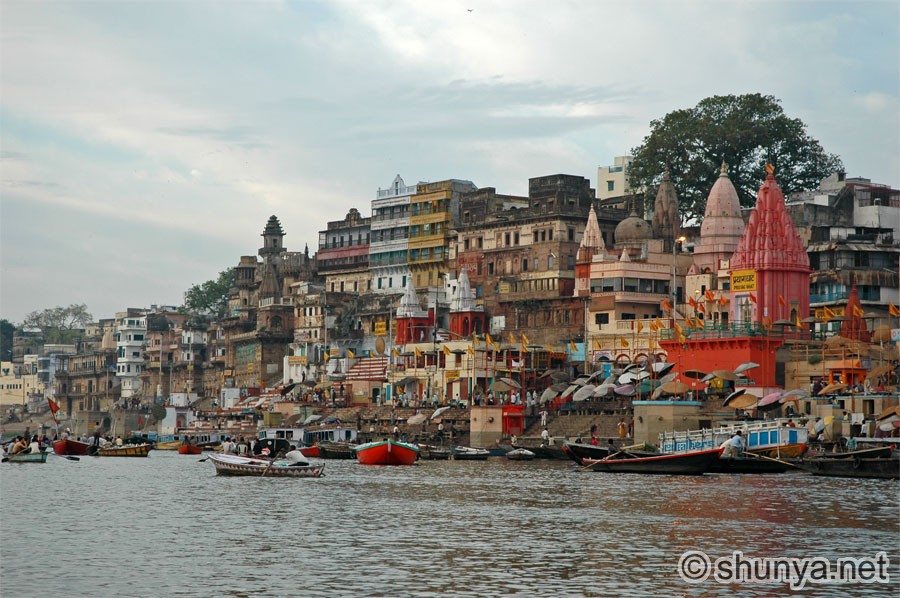
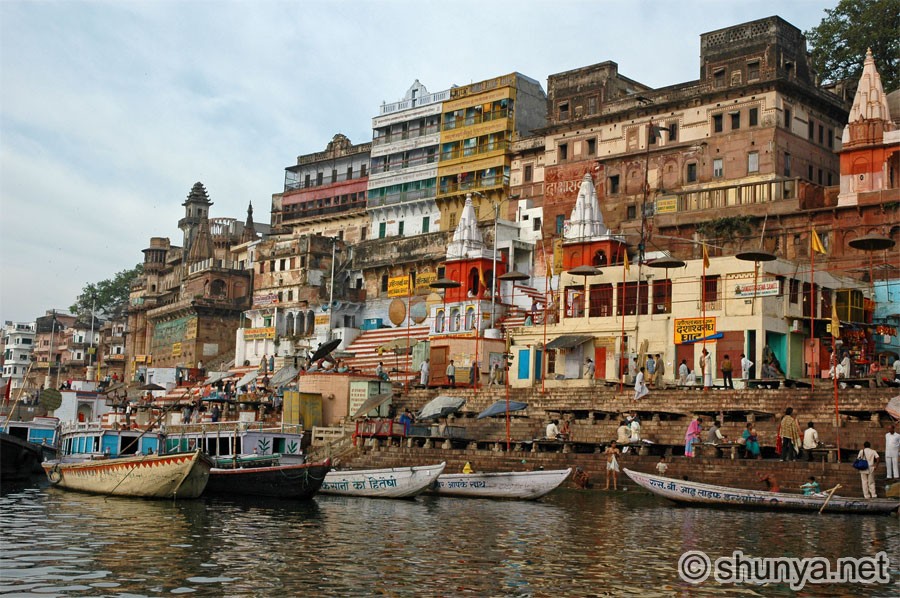
The ghats of Varanasi 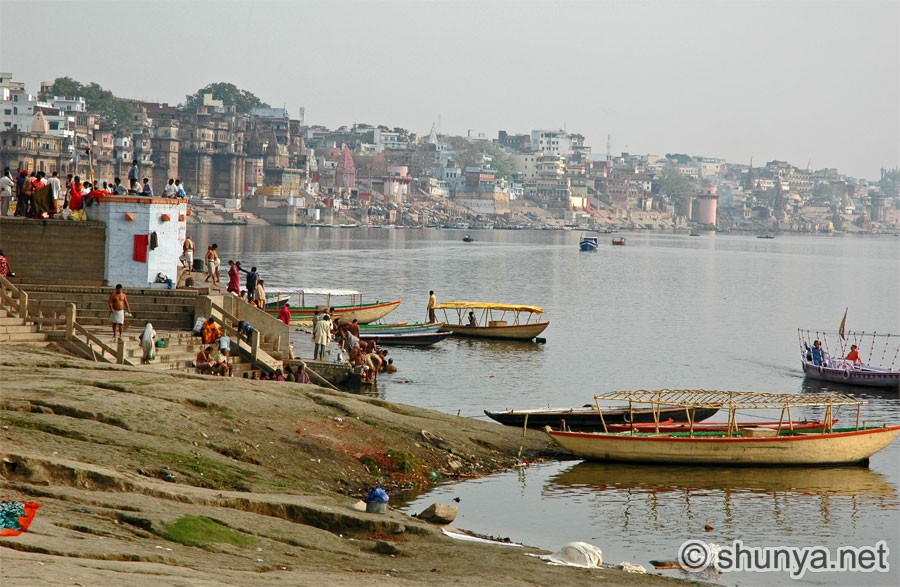 |
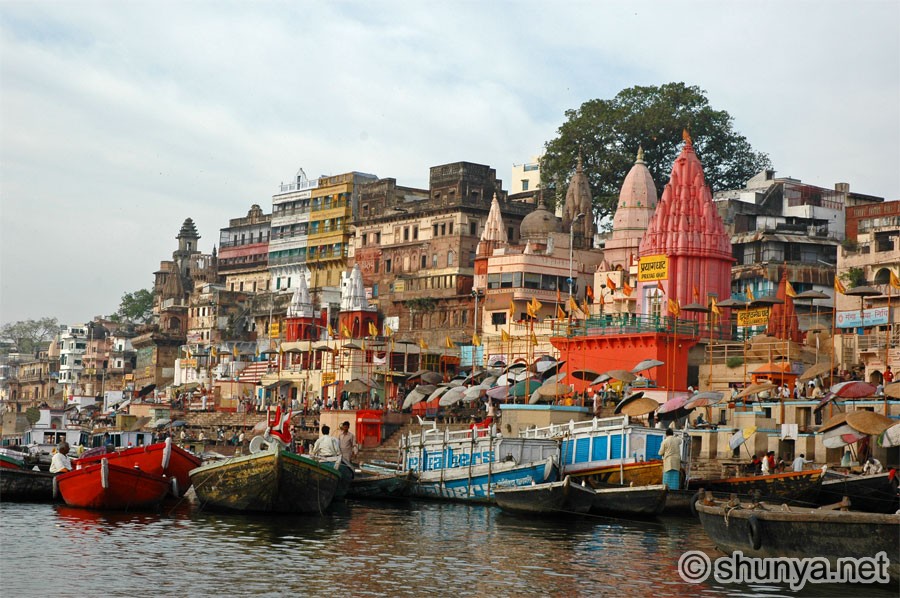 |
Dasaswamedha ghat 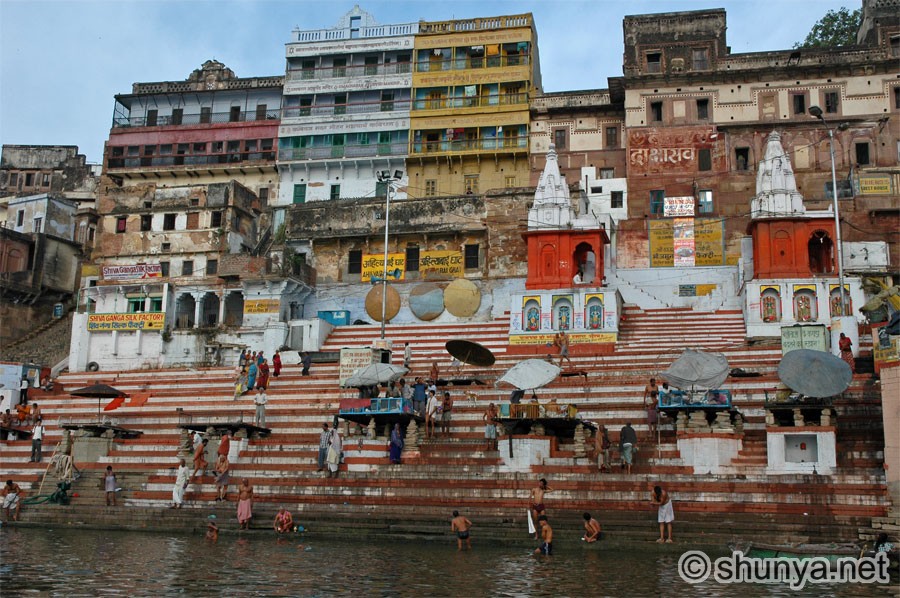 |
West bank of the Ganges 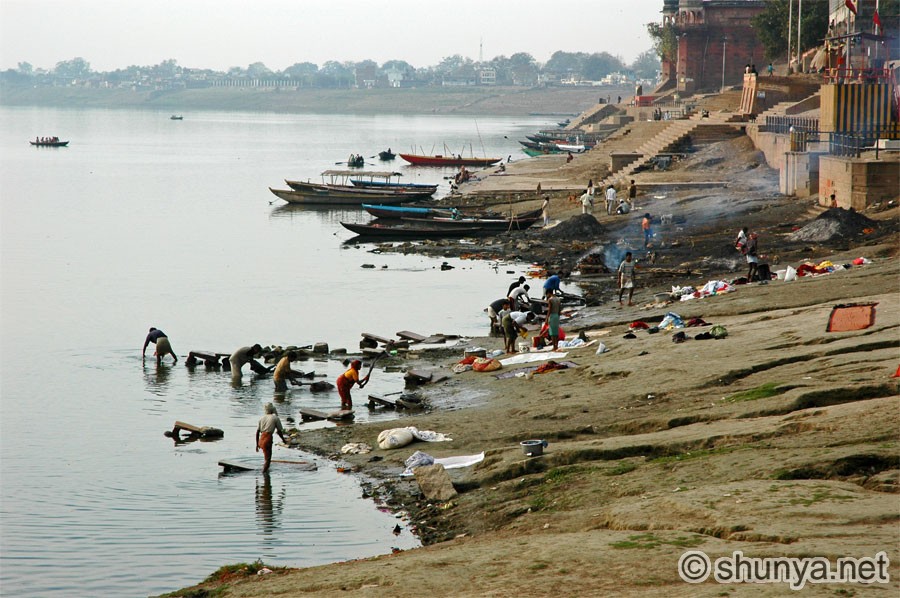 |
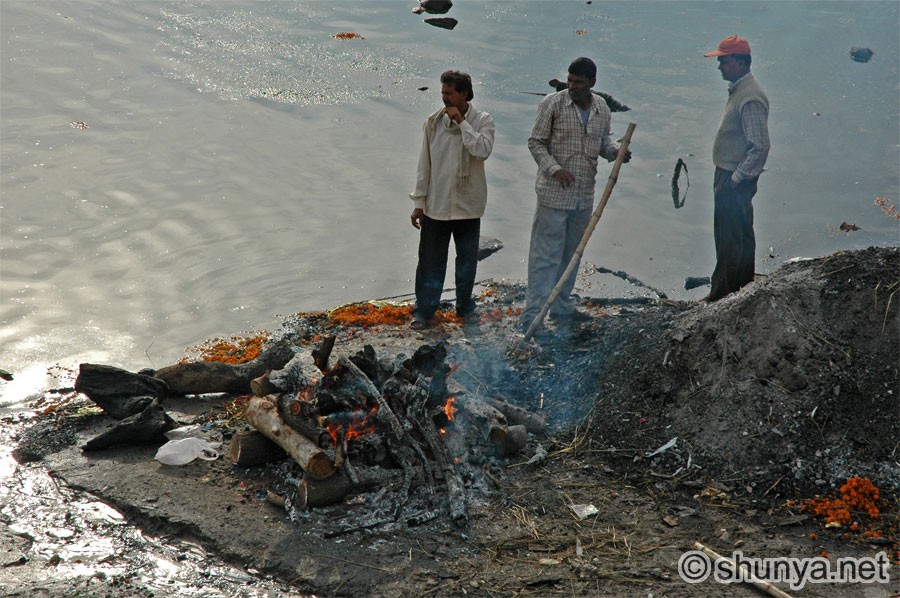 |
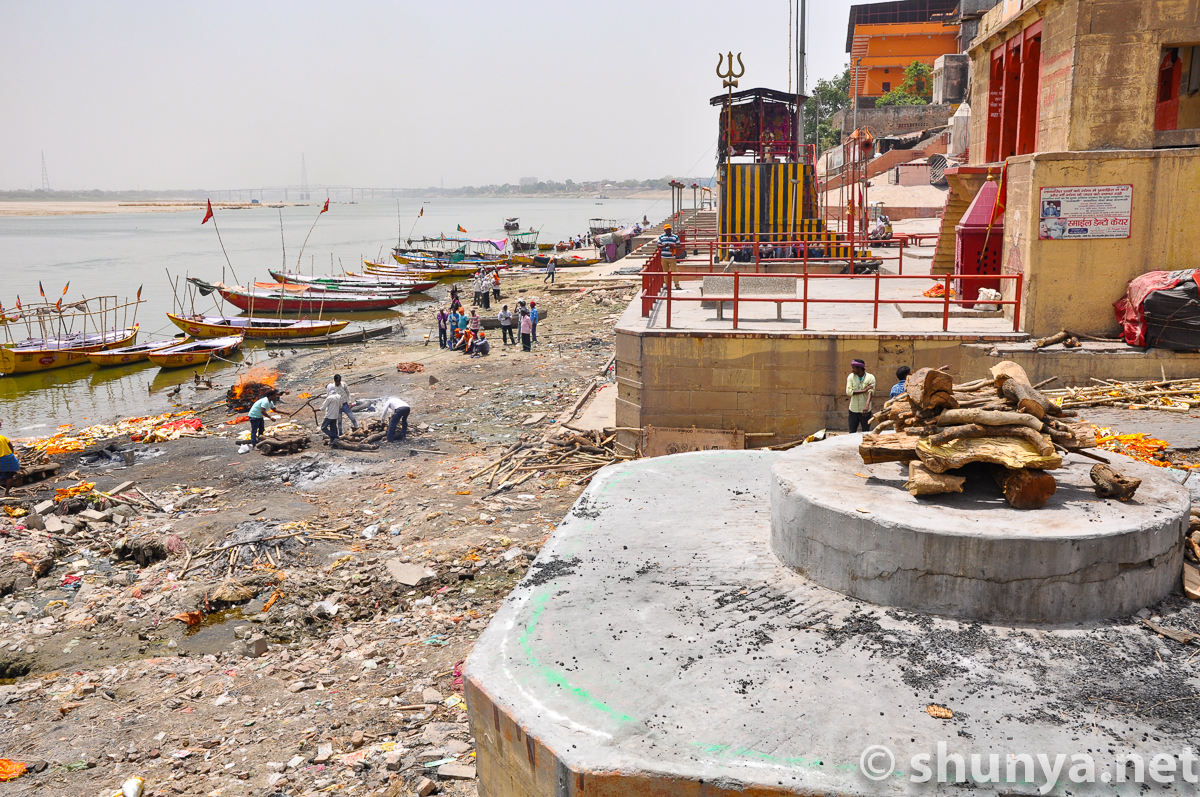
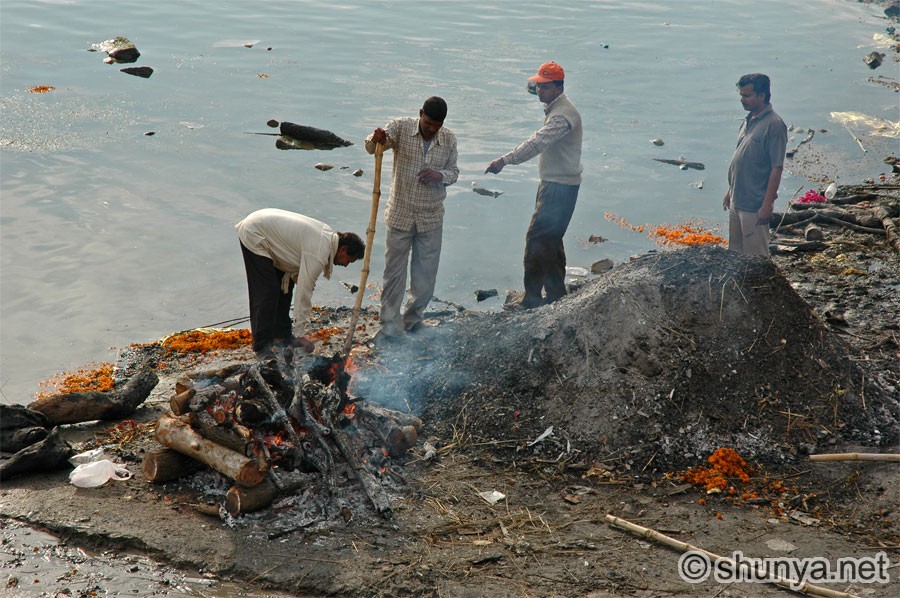
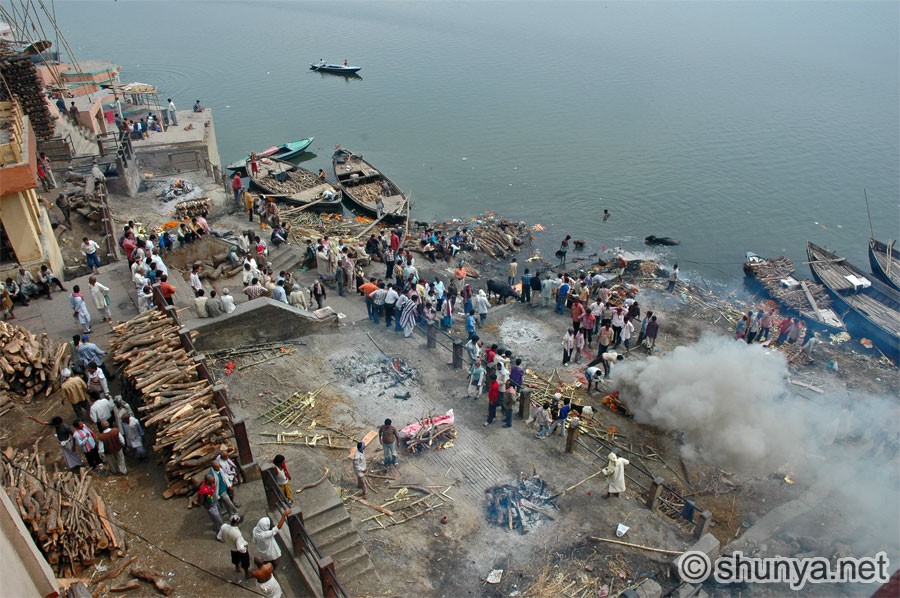
Burning ghat  |
Funeral pyres 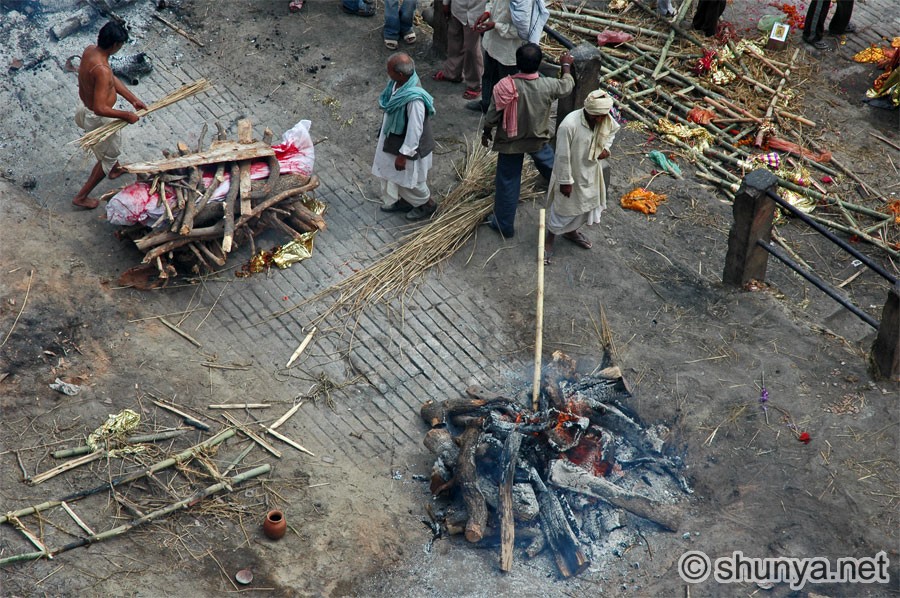 |
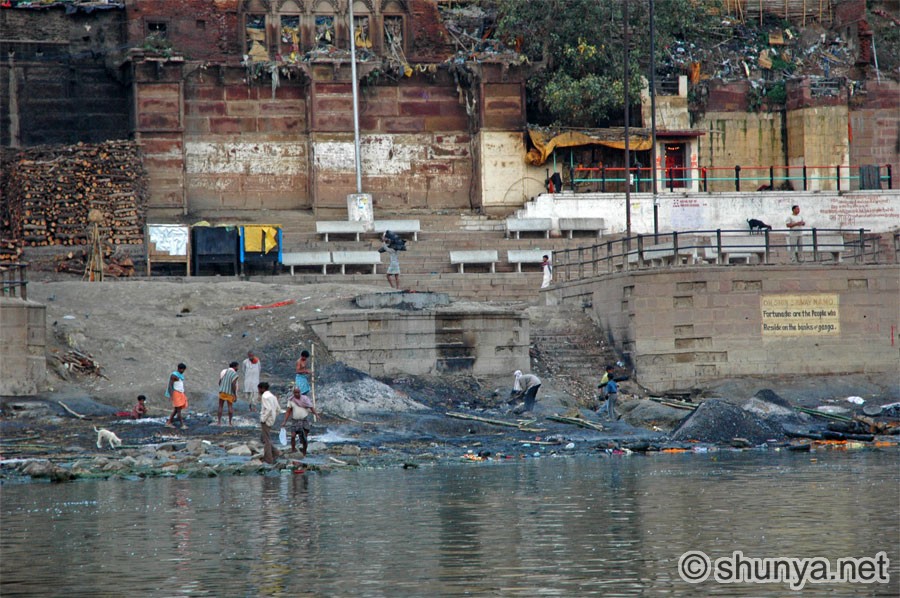
Burning ghat (more) 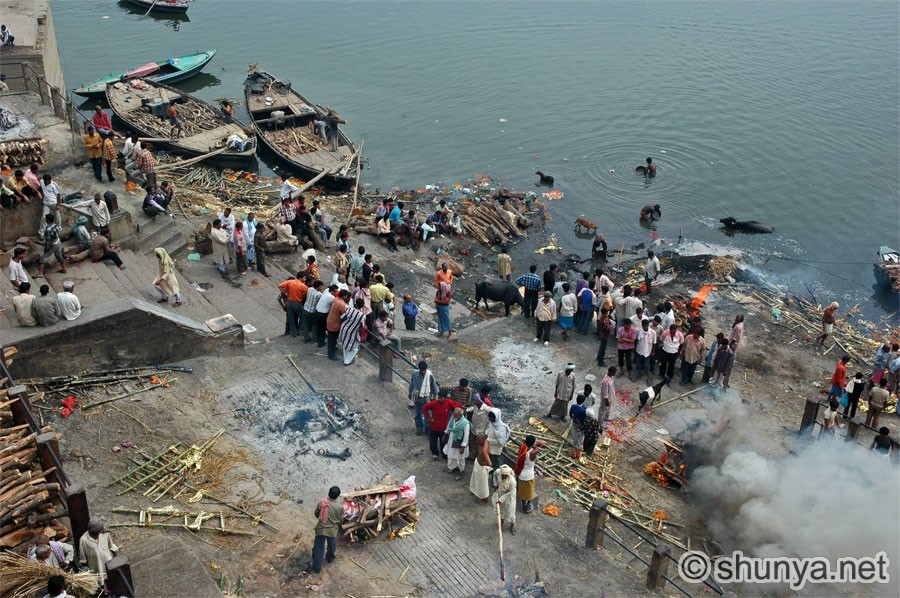 |
Burning ghat 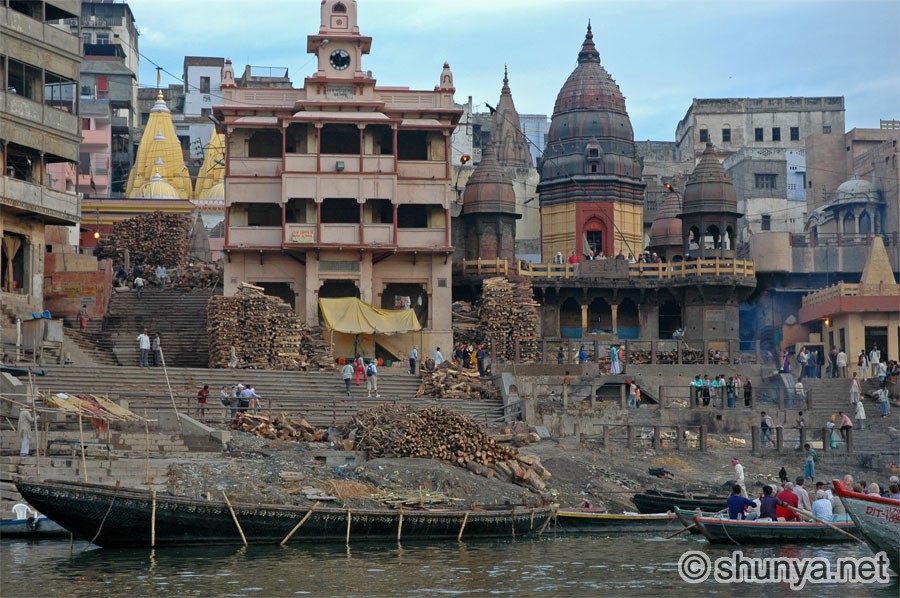 |
Burning ghat 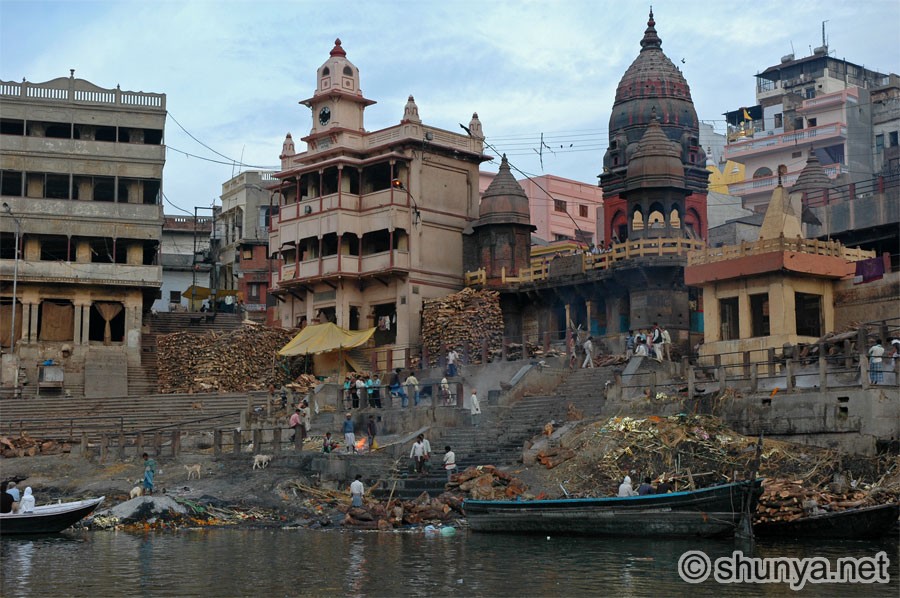 |
Burning ghat 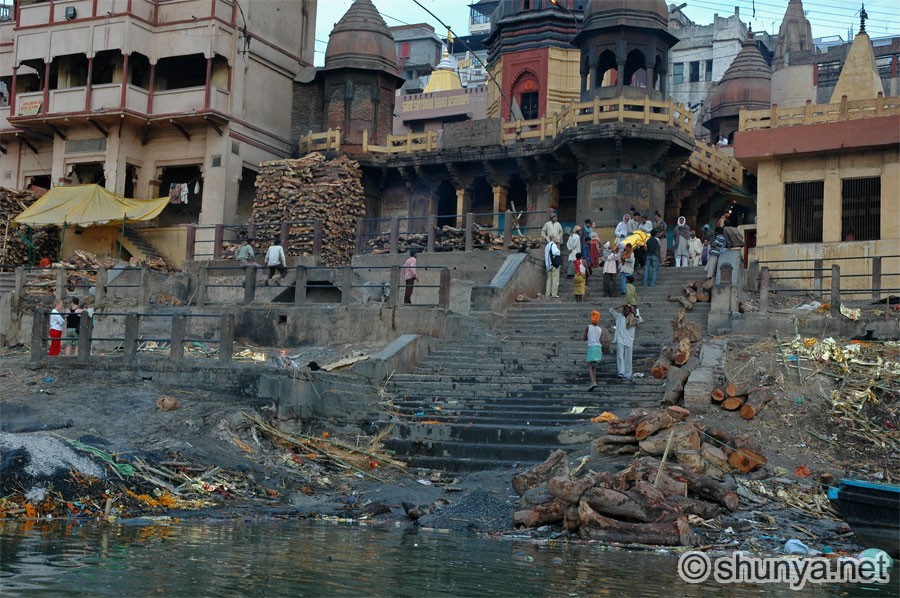 |
Burning ghat 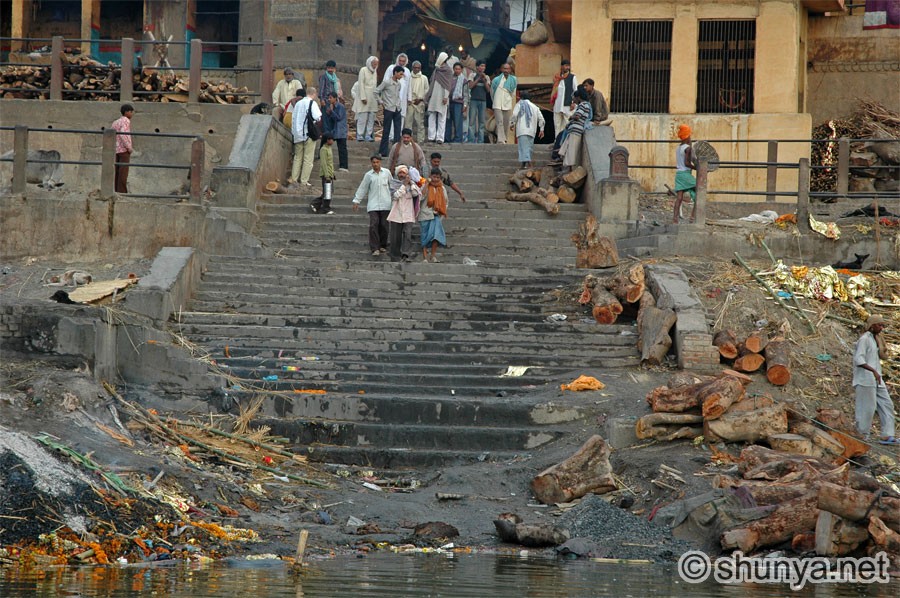 |
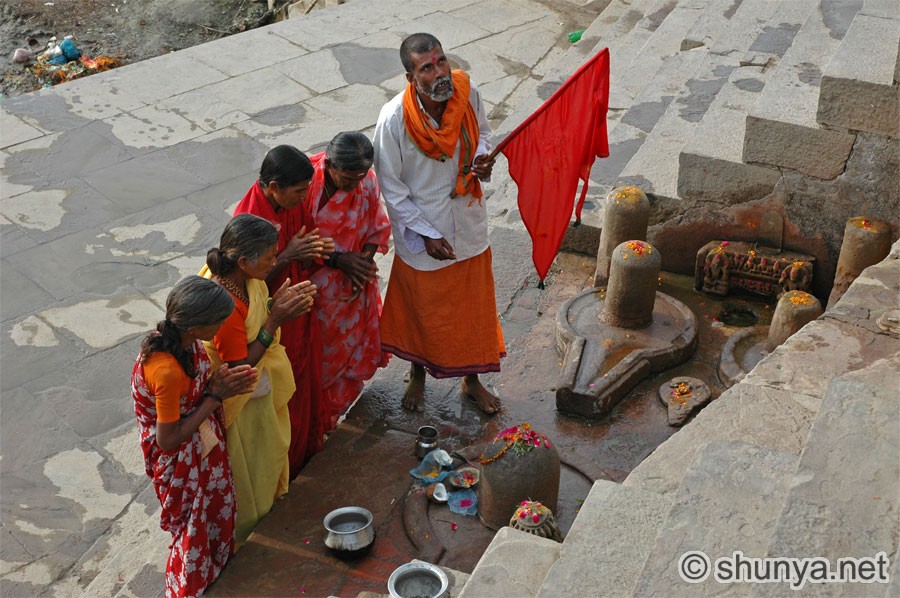
Bathing and ritual 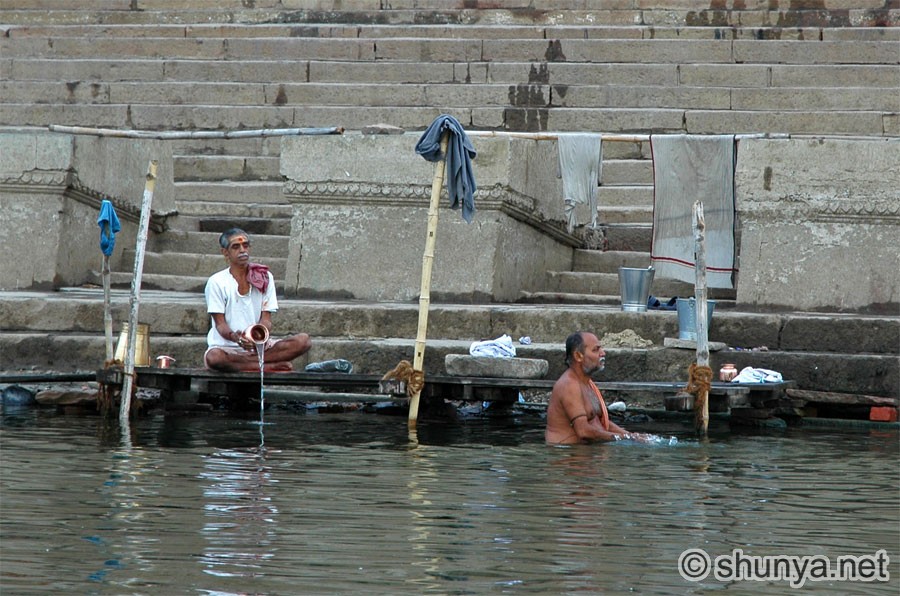 |
Bathing and ritual 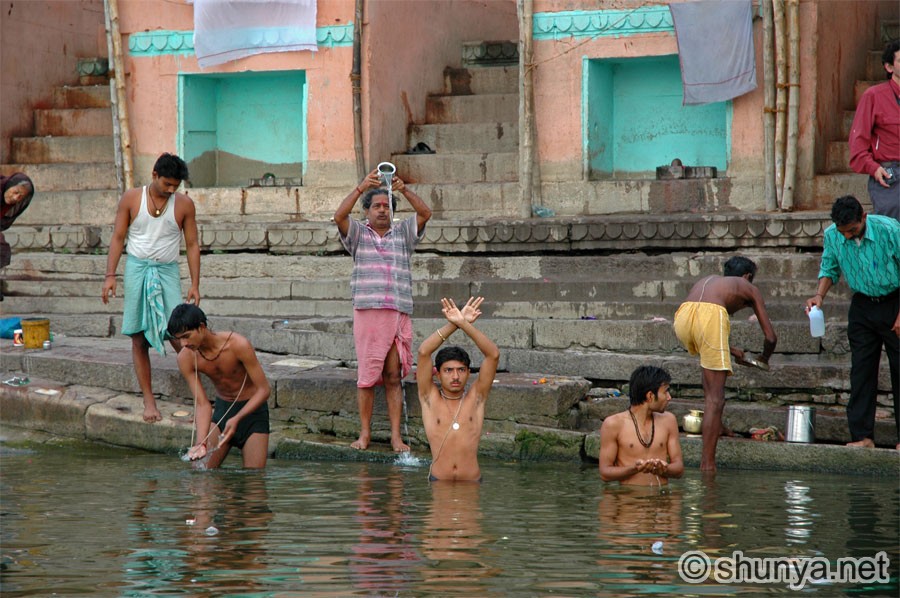 |
Bathing and ritual 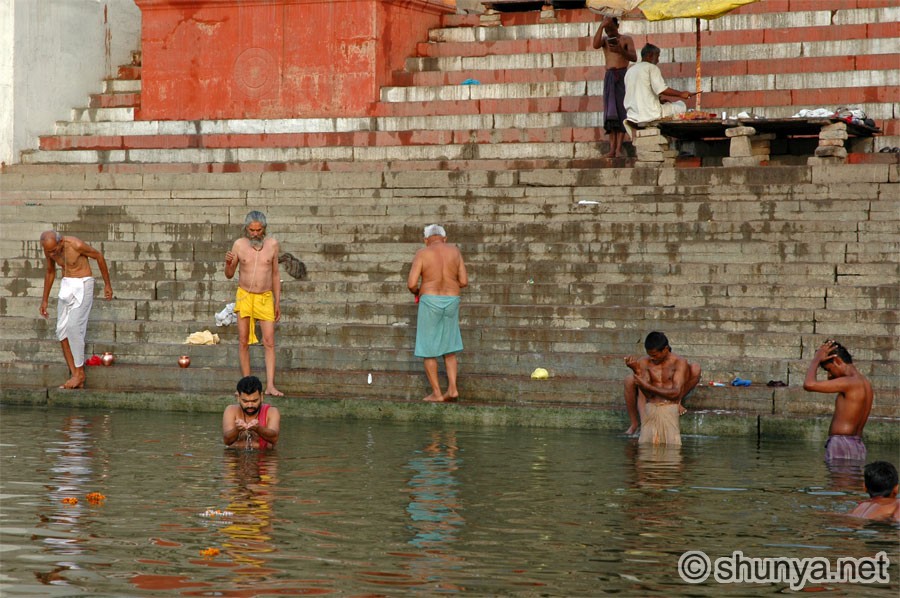 |
Bathing and ritual 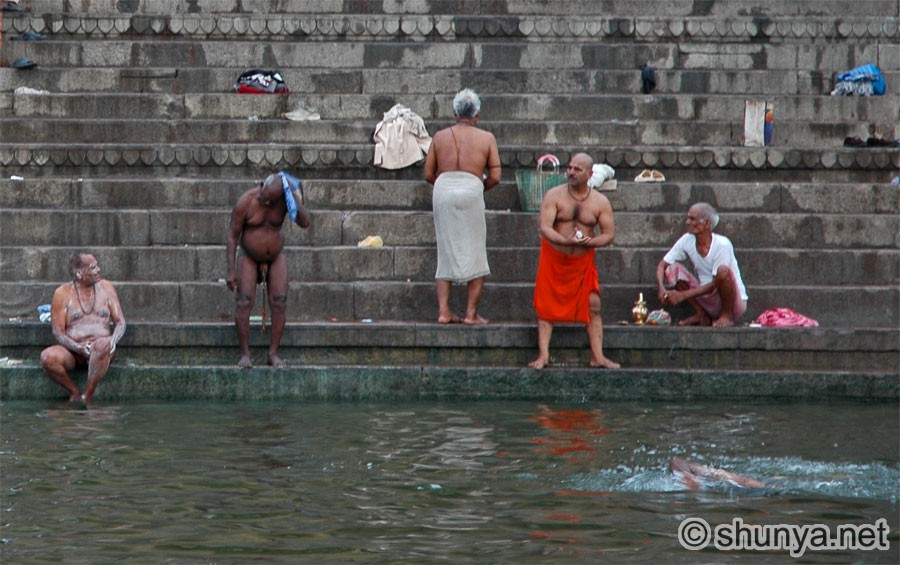 |
|
Chousatti ghat 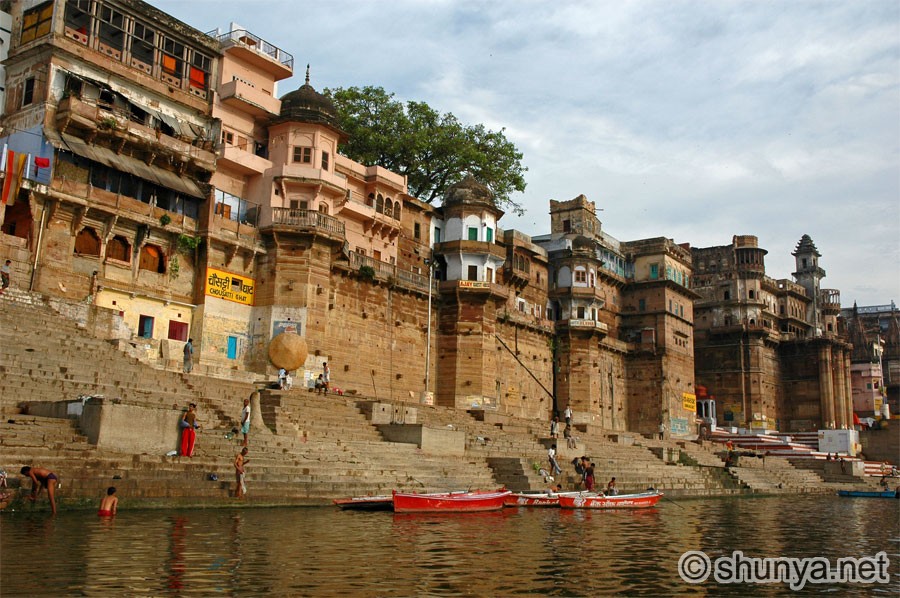 |
Manikarnika ghat 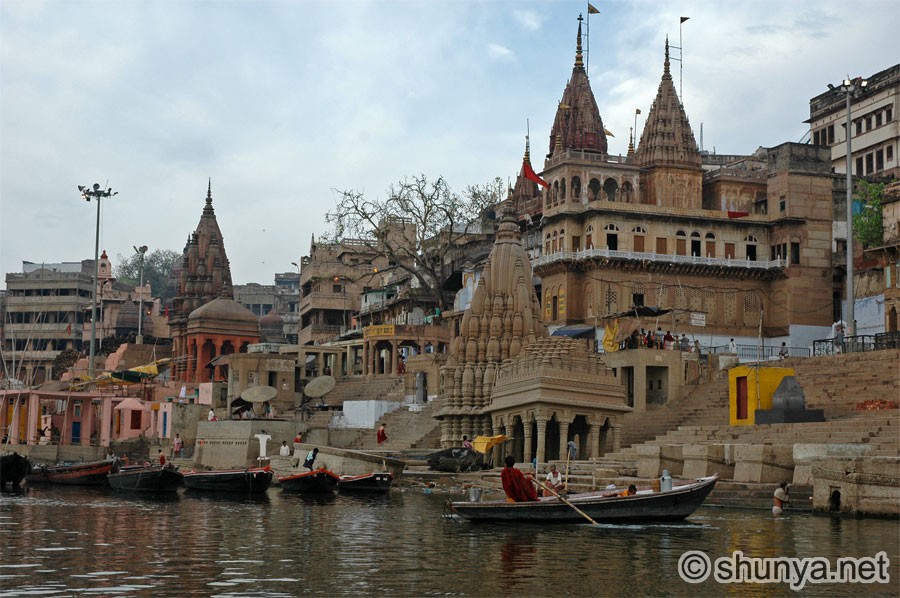 |
Munshi ghat 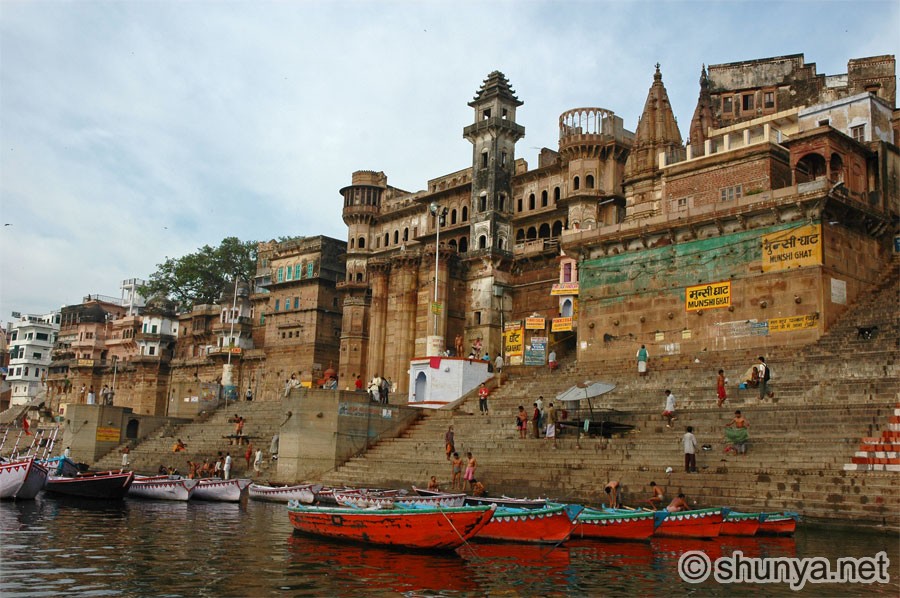 |
Manmandir ghat 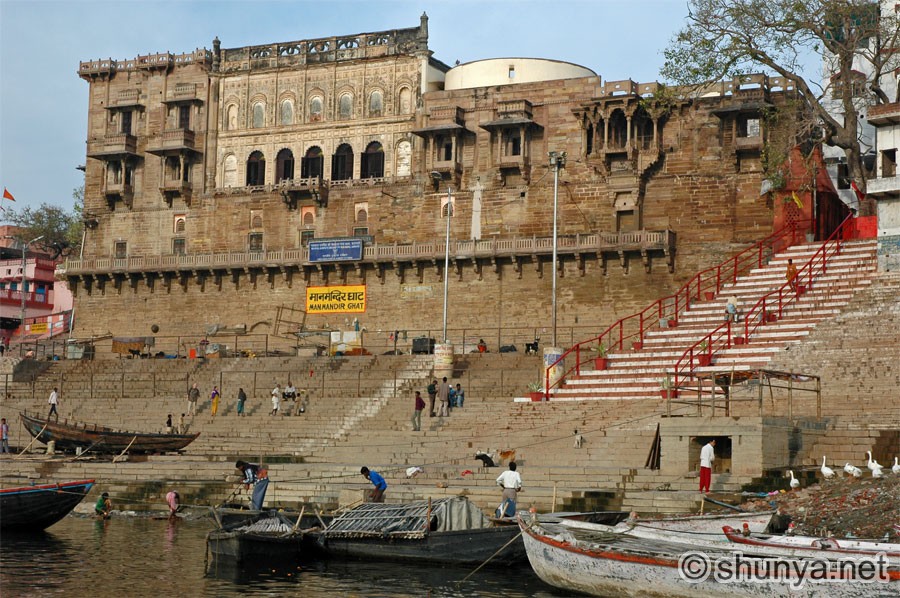 |
|
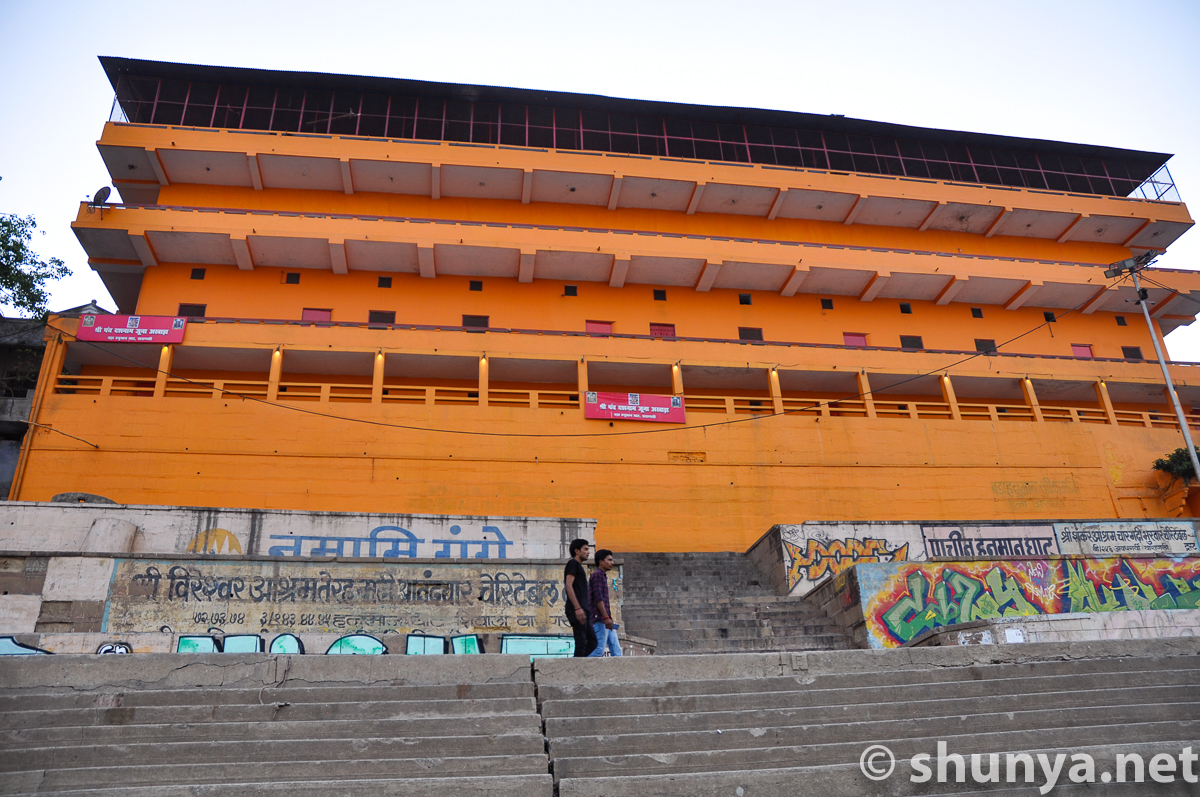
Vijaya Nagaram ghat 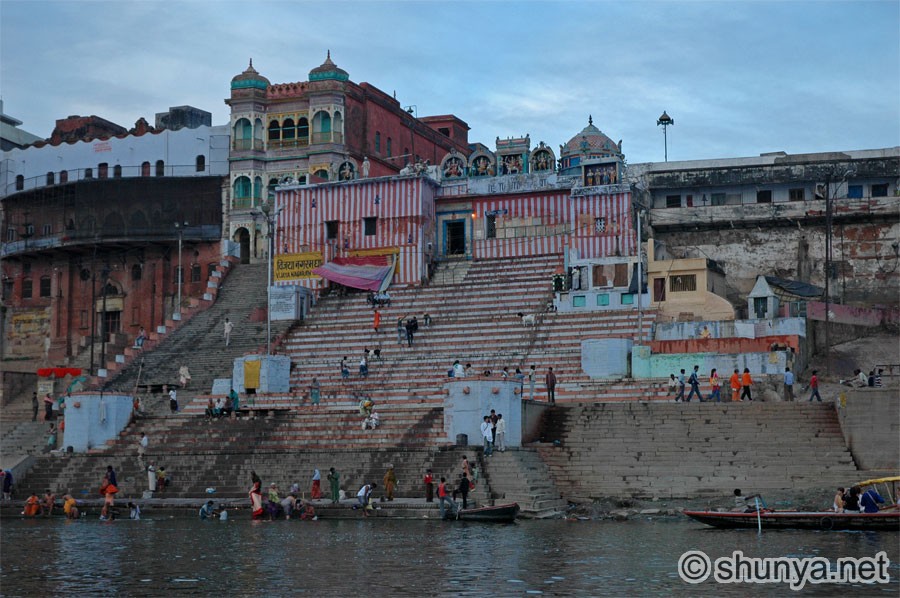 |
Lalita ghat 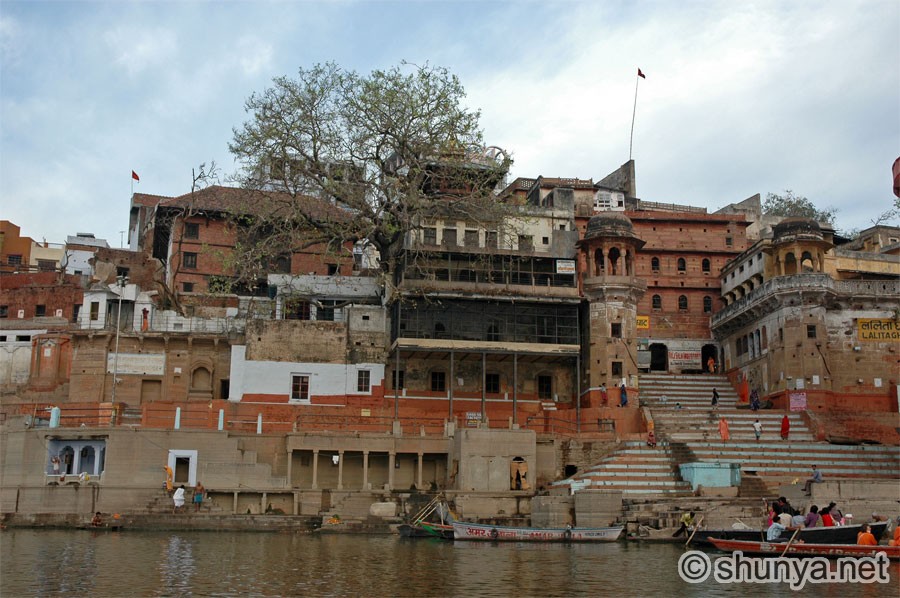 |
Scindia ghat 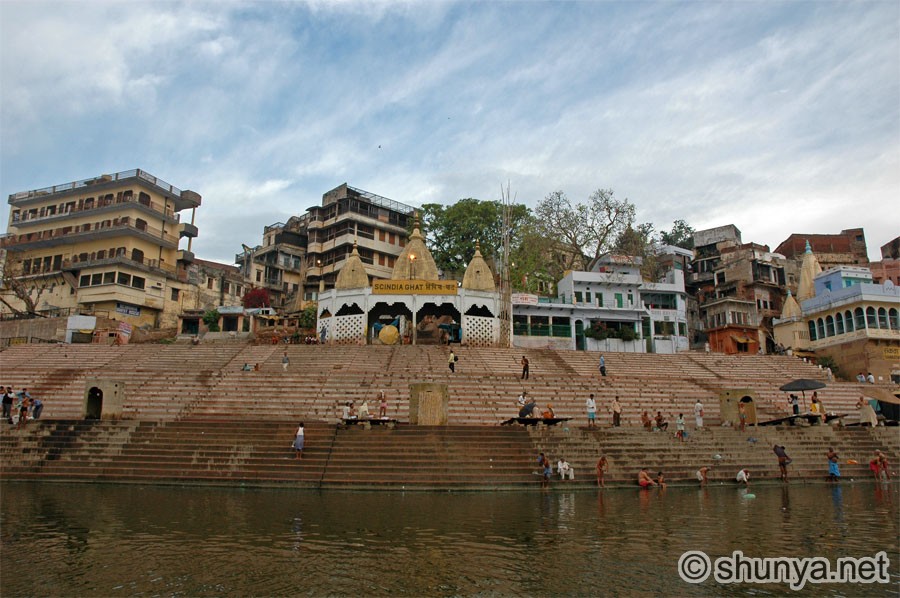 |
Raja ghat 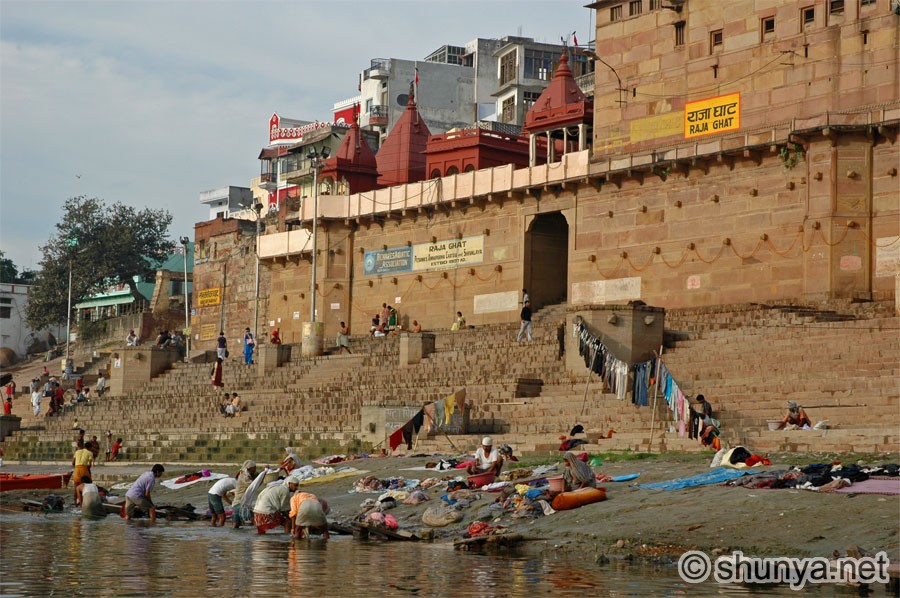 |
|
Built by former royals 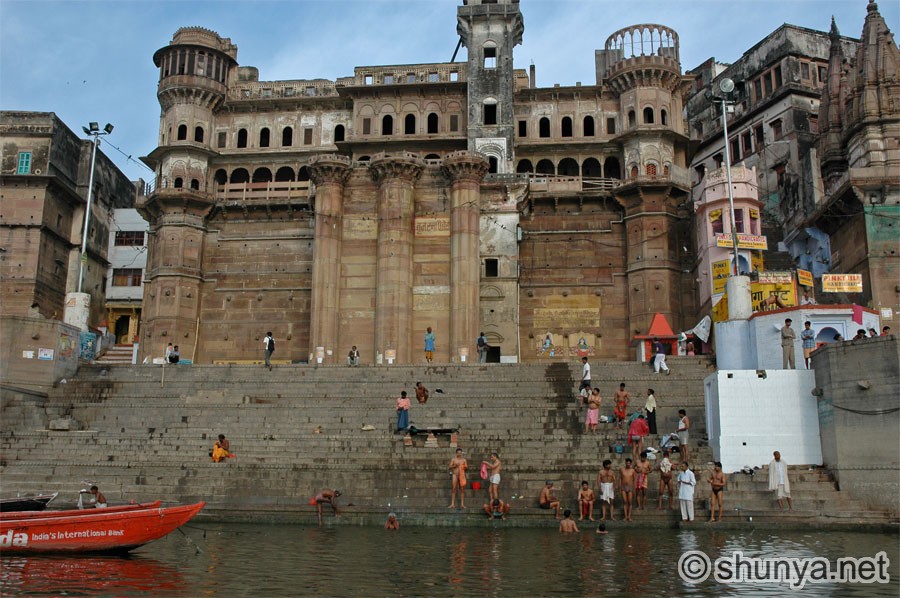 |
Ghat scene 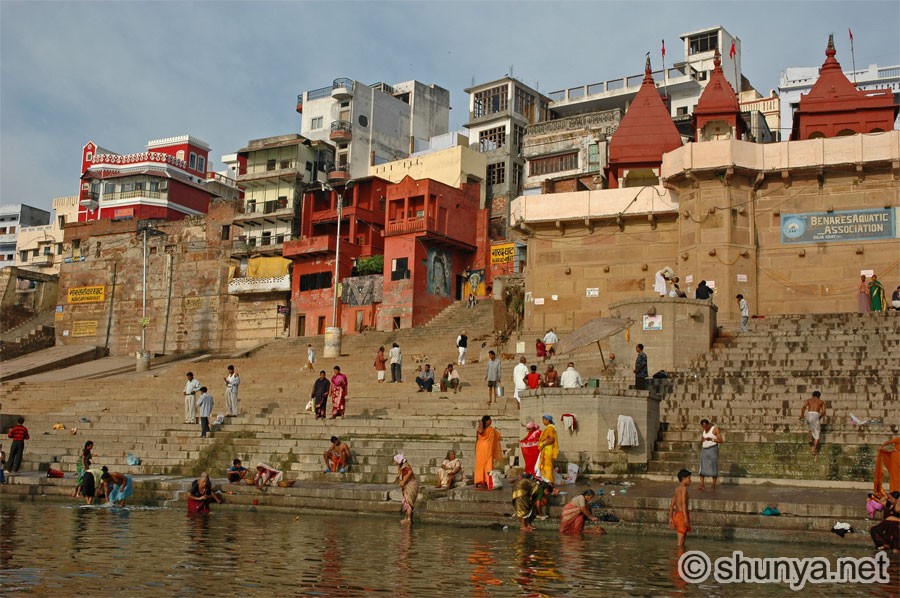 |
Dhobis 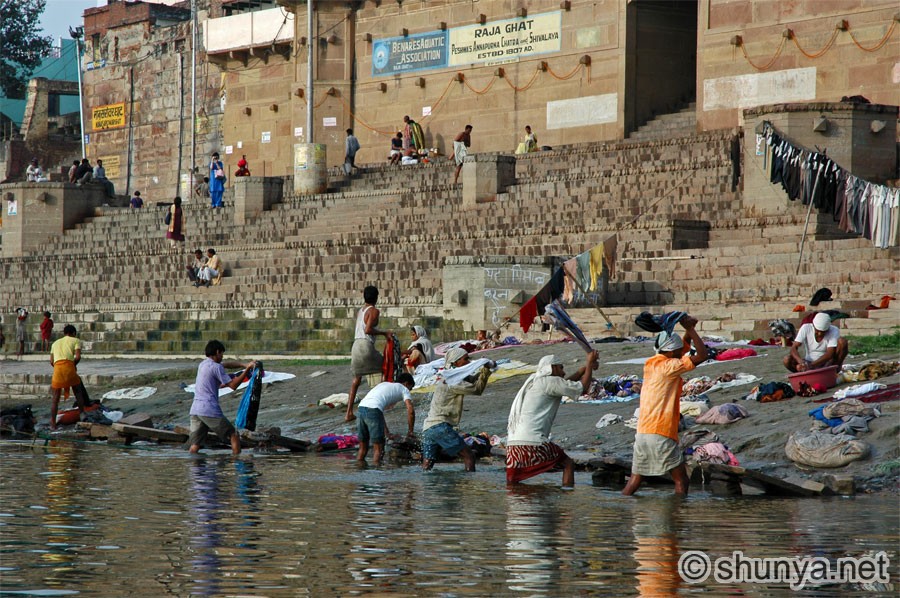 |
Morning boatride 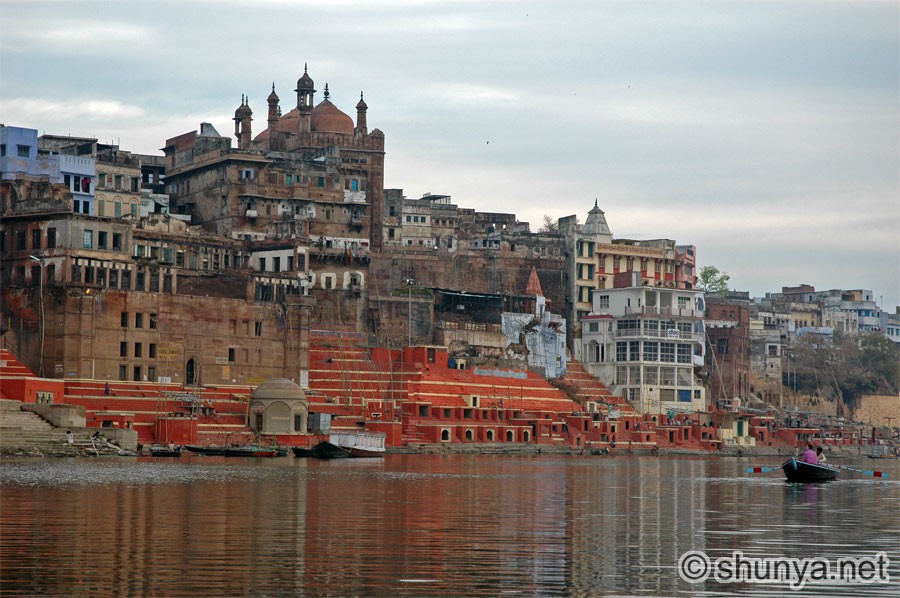 |
|
Panoramic view of the ghats 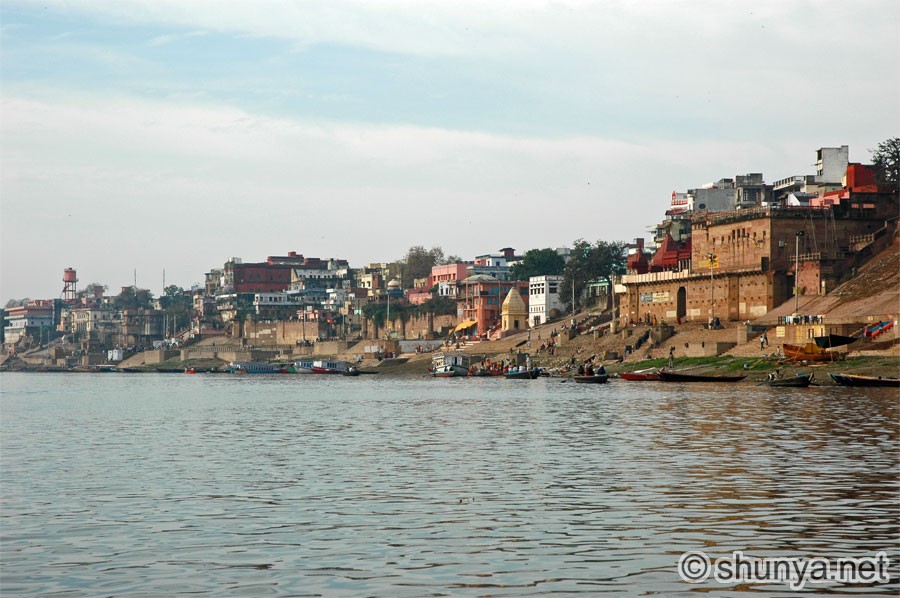 |
Bathing and ritual 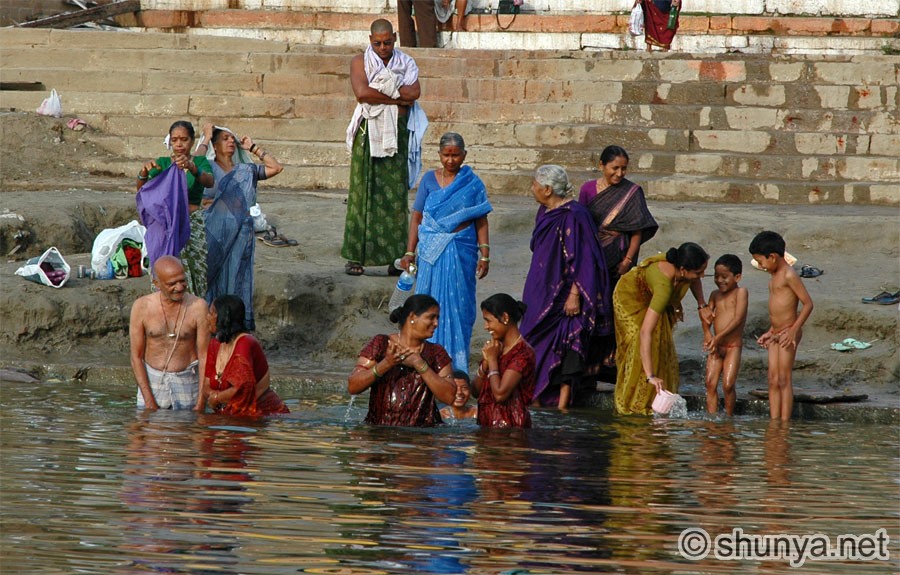 |
Bathing and ritual 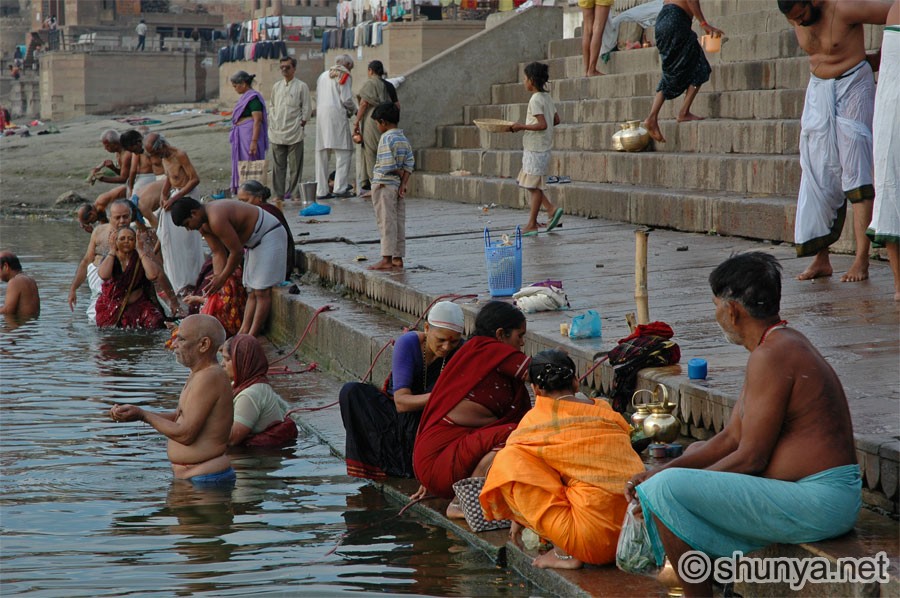 |
Offerings to the river 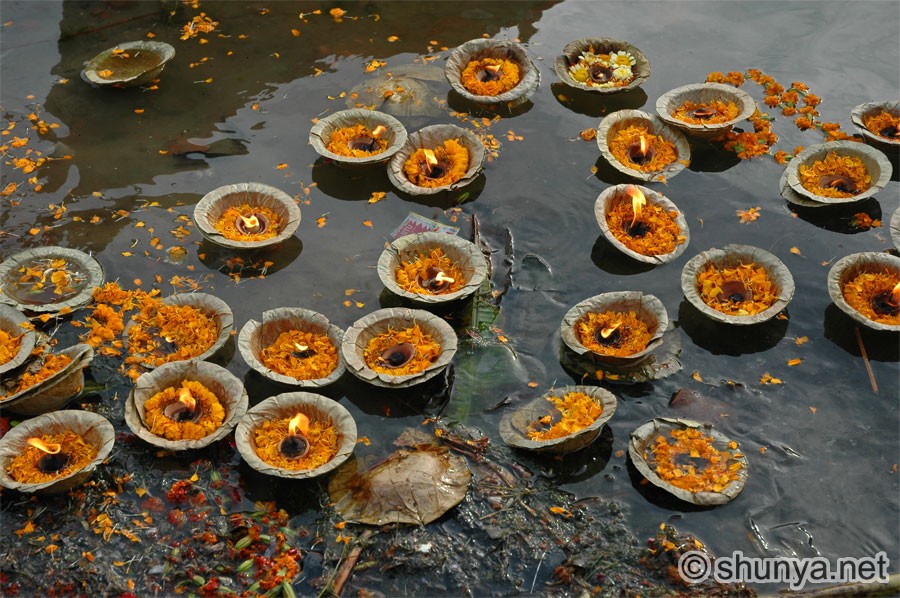 |
|
Temples on the ghats 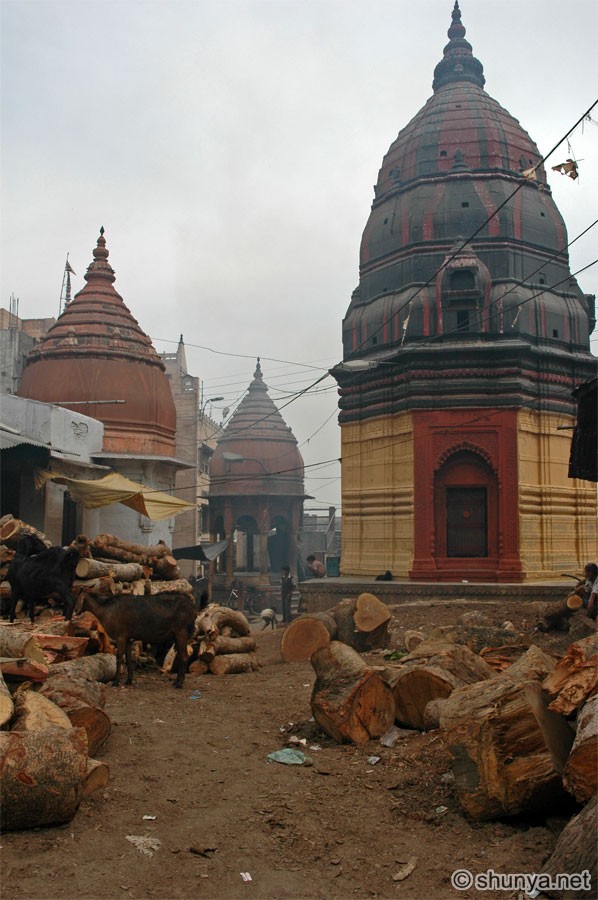 |
Applying caste marks 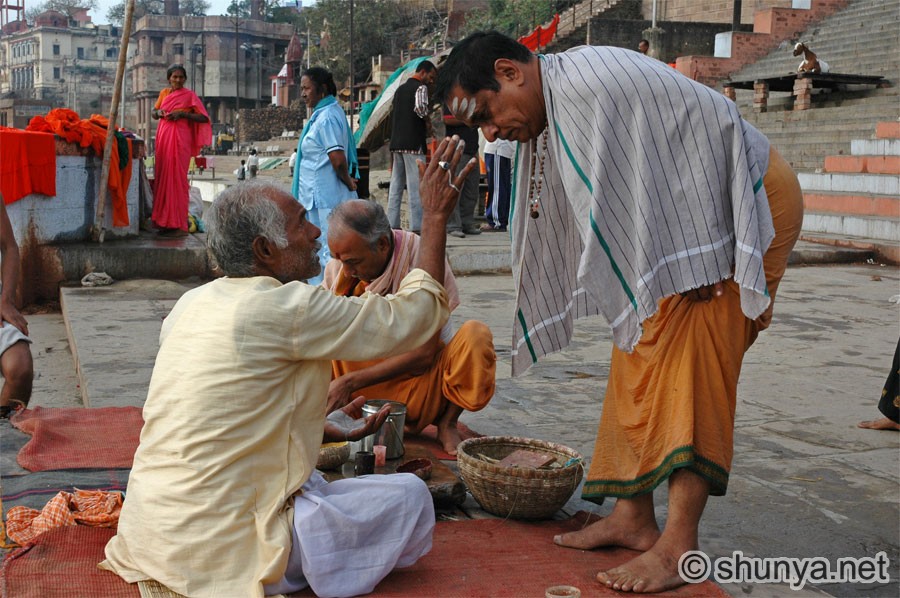 |
Puja (more) 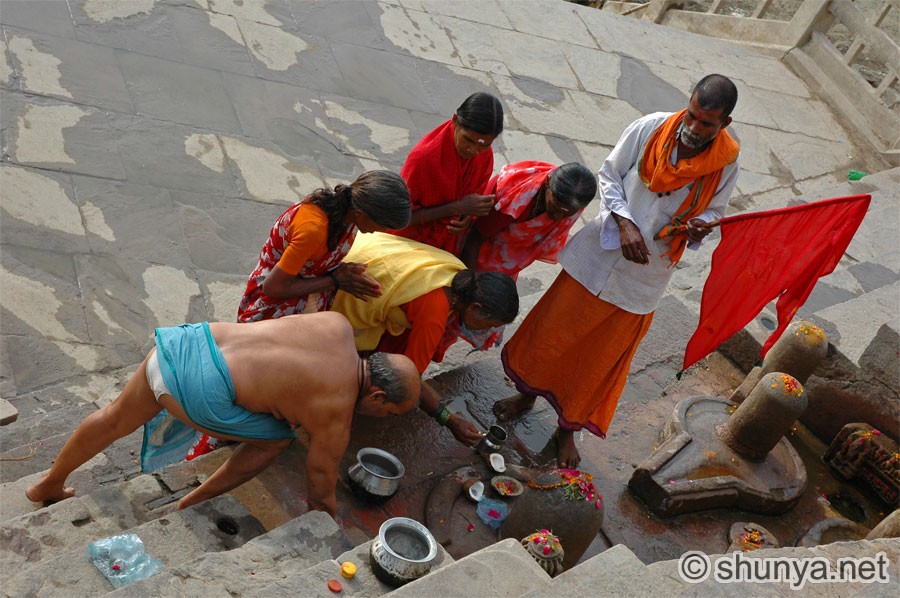 |
Artist on the ghat 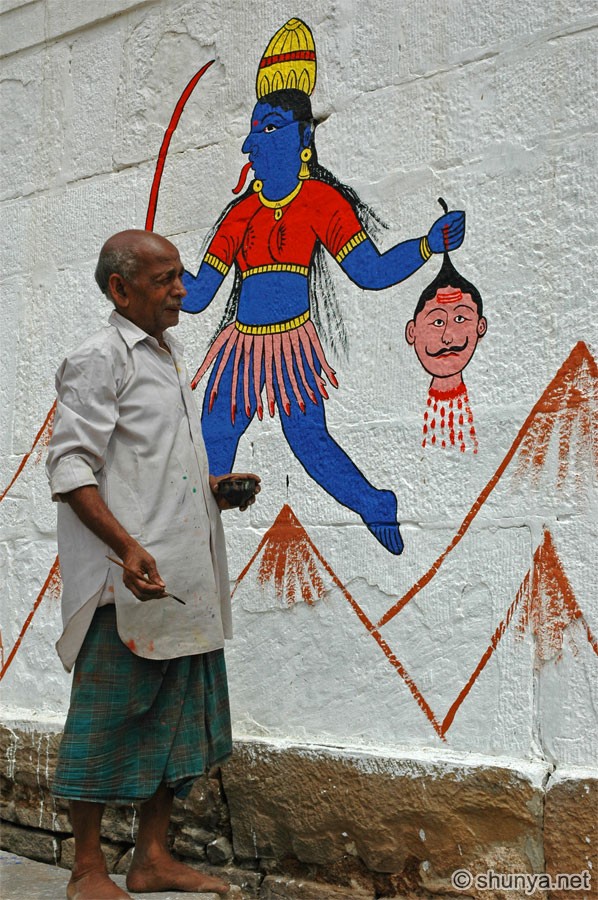 |
|
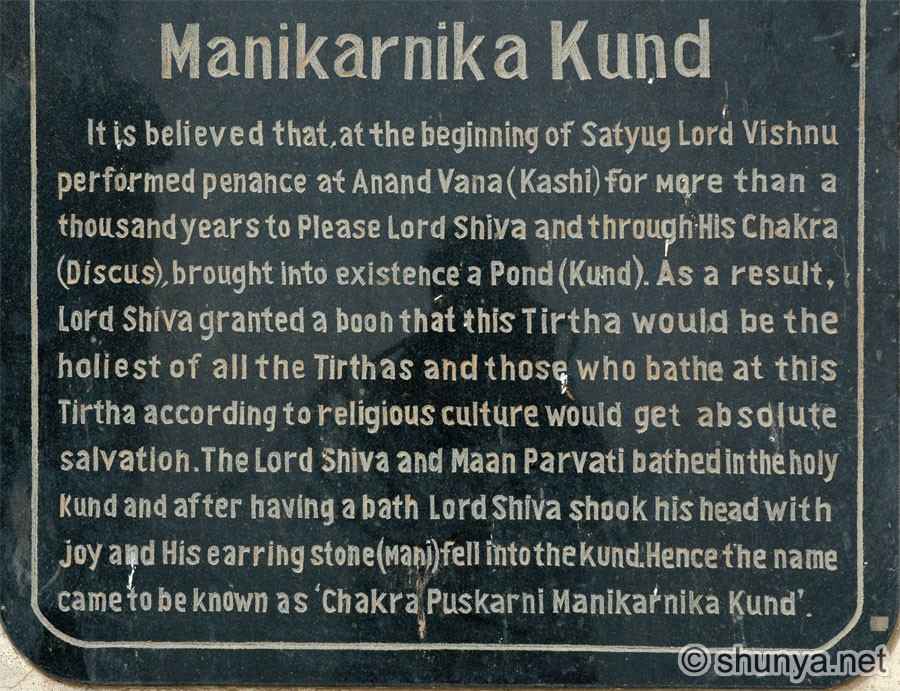
Manikarnika kund ▒ 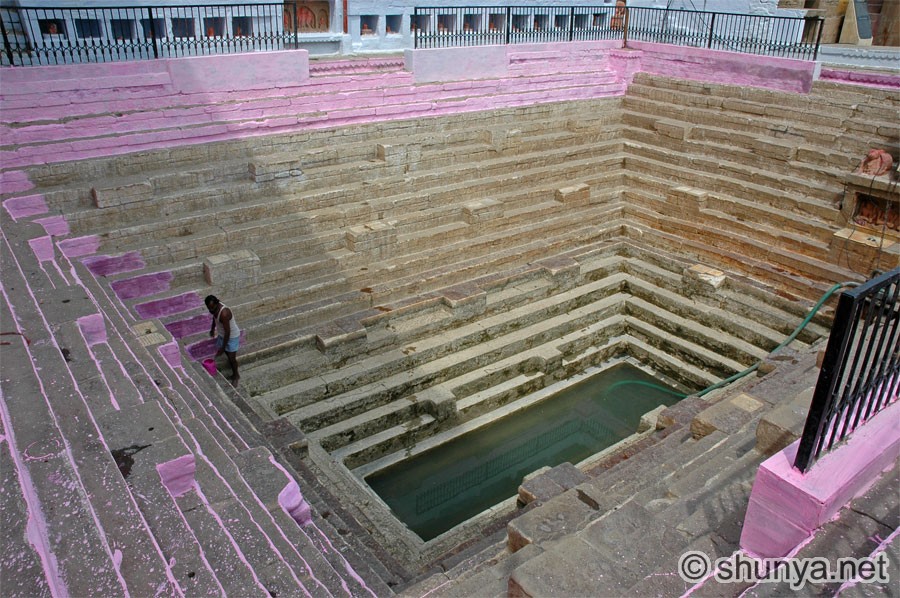 |
Sewage meets the Ganges 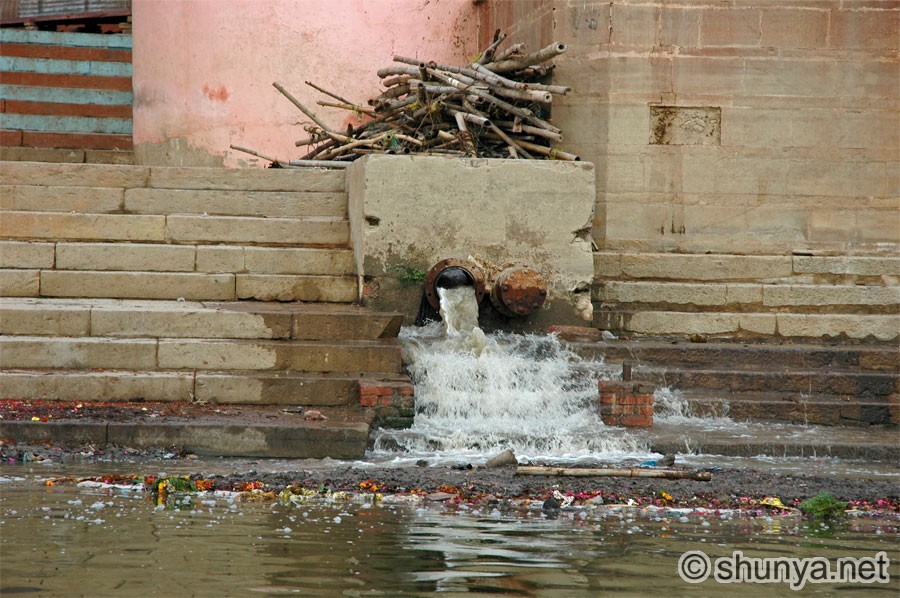 |
Tilted temple 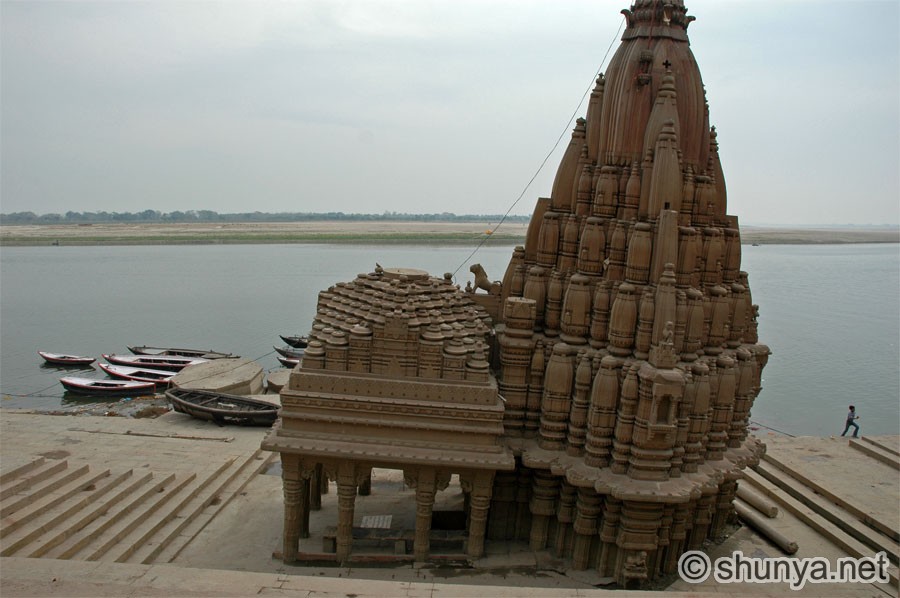 |
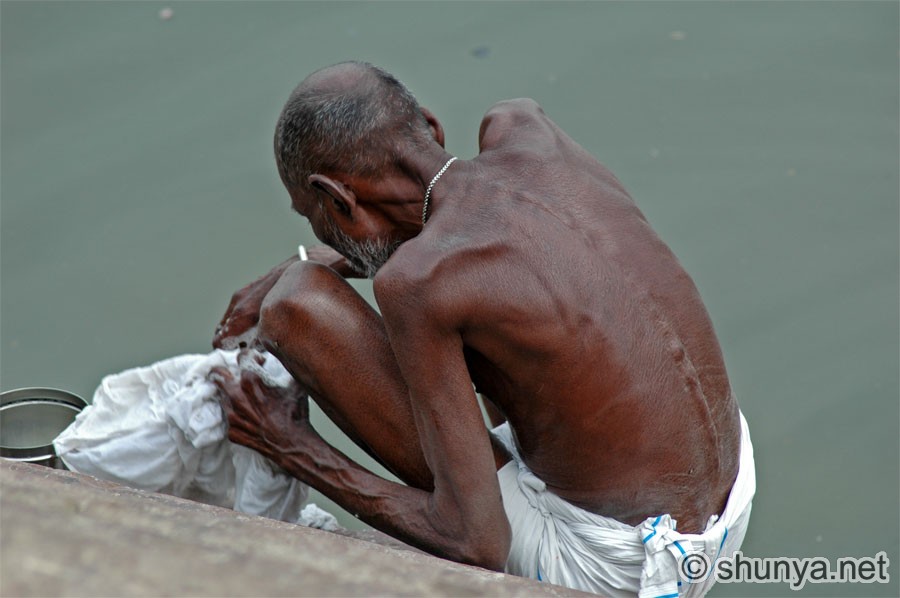
Old man by the river (more) 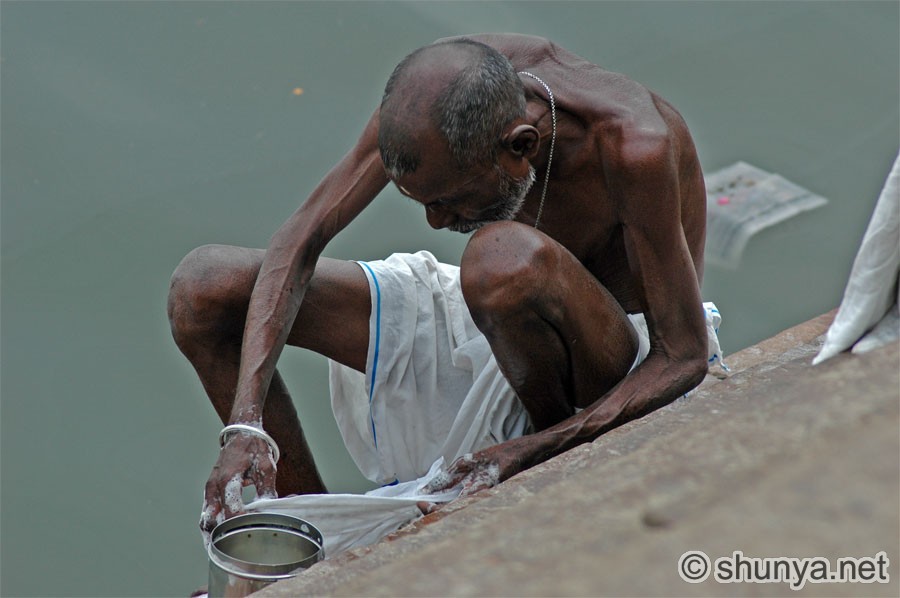 |
|
River cruise 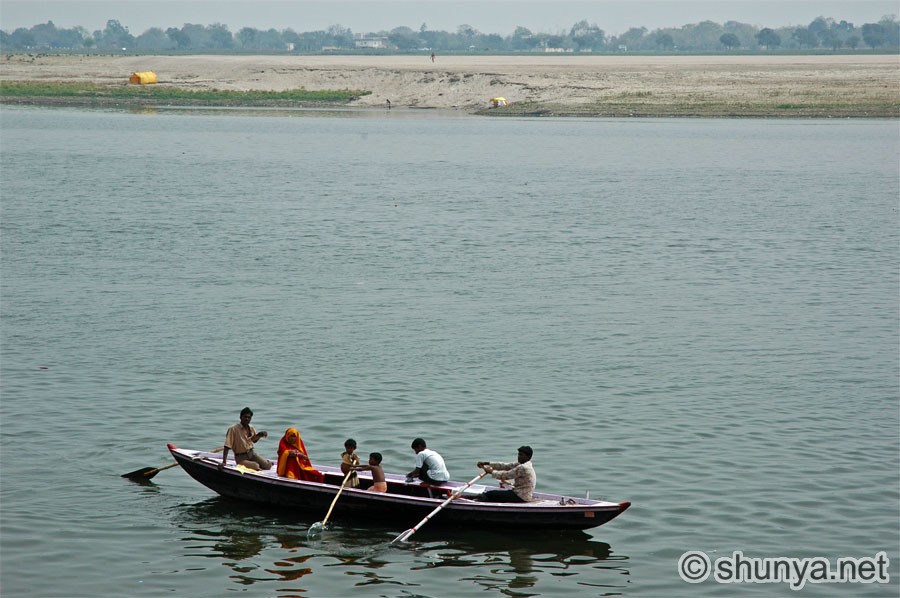 |
Boatful of sadhus 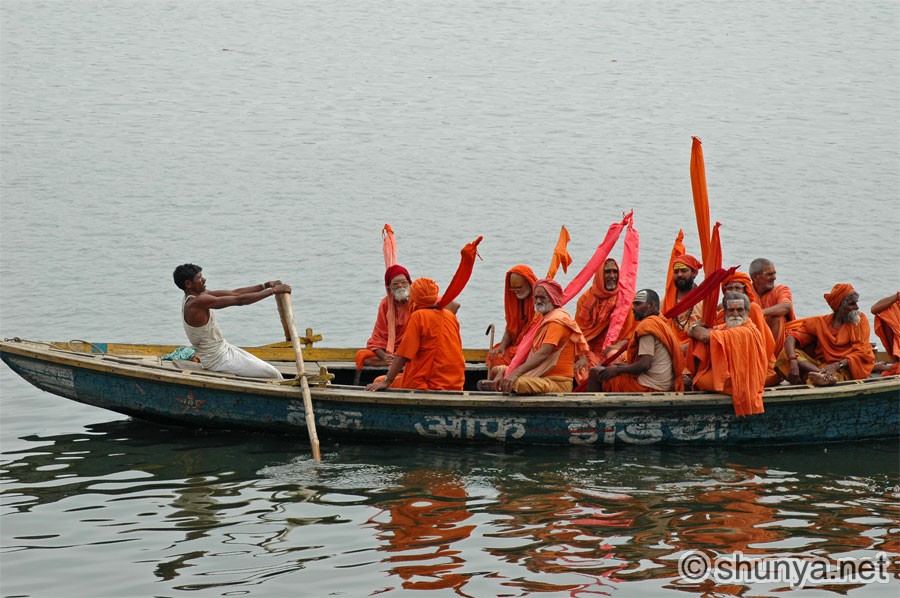 |
Ganges river scene 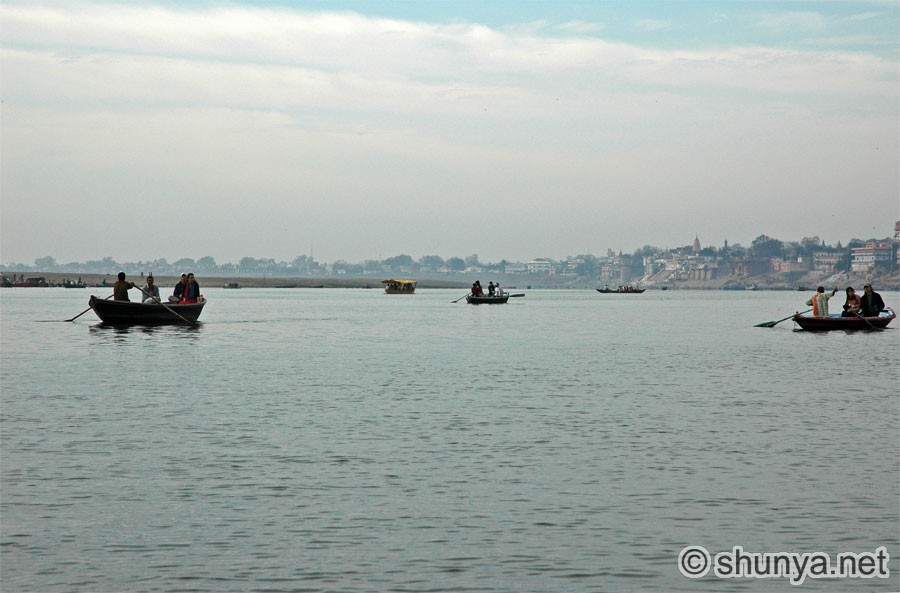 |
Boys before a dip 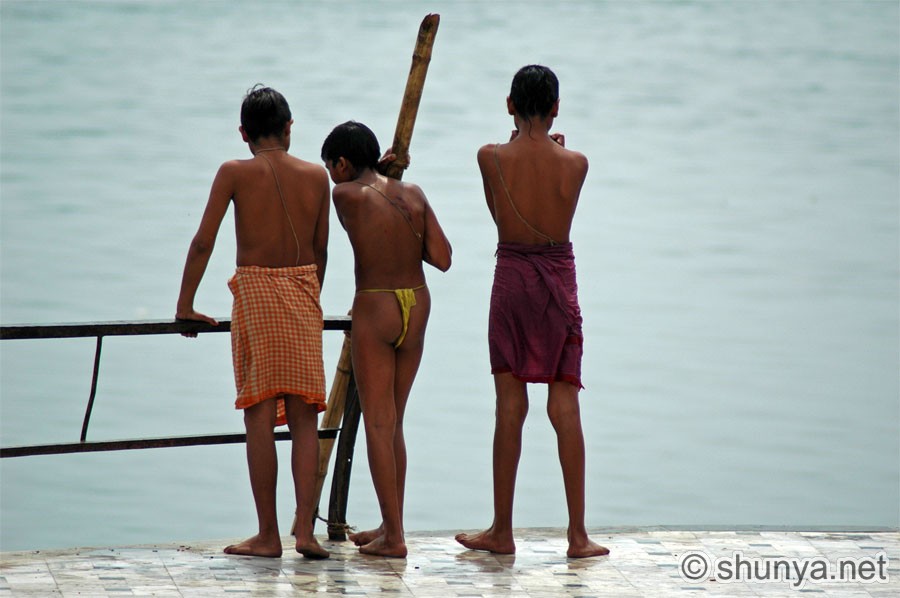 |
|
Boys before a dip 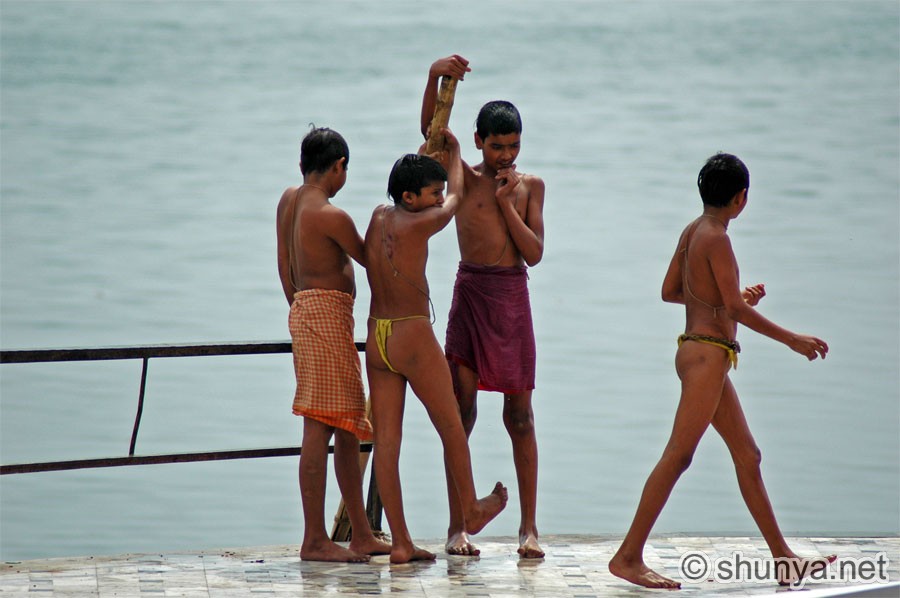 |
Will he connect? 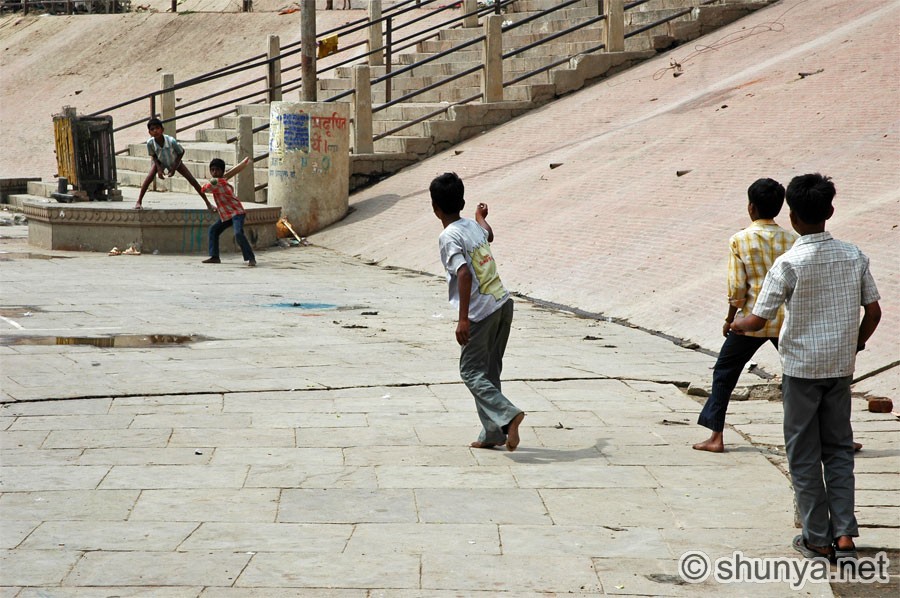 |
Old city street (more) 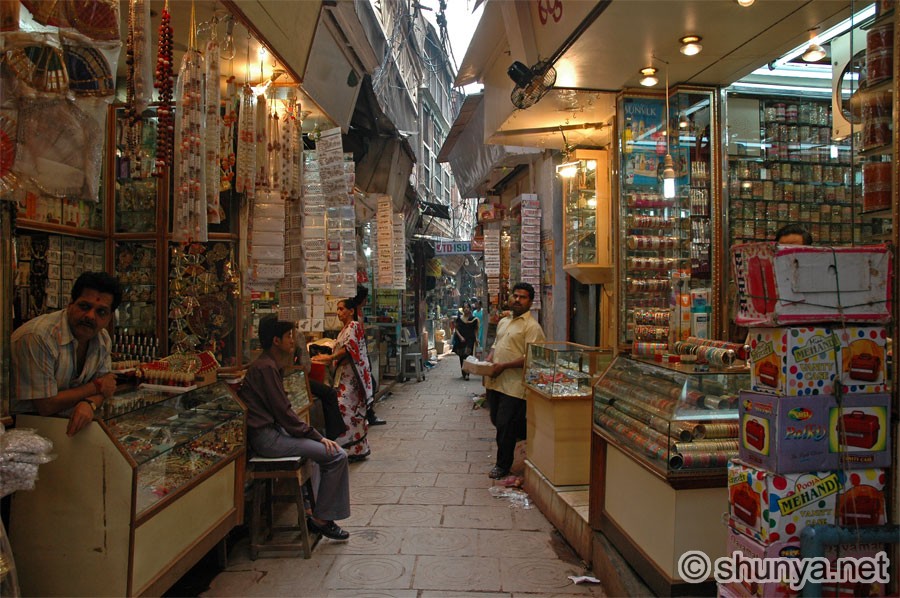 |
Security at Vishwanath temple 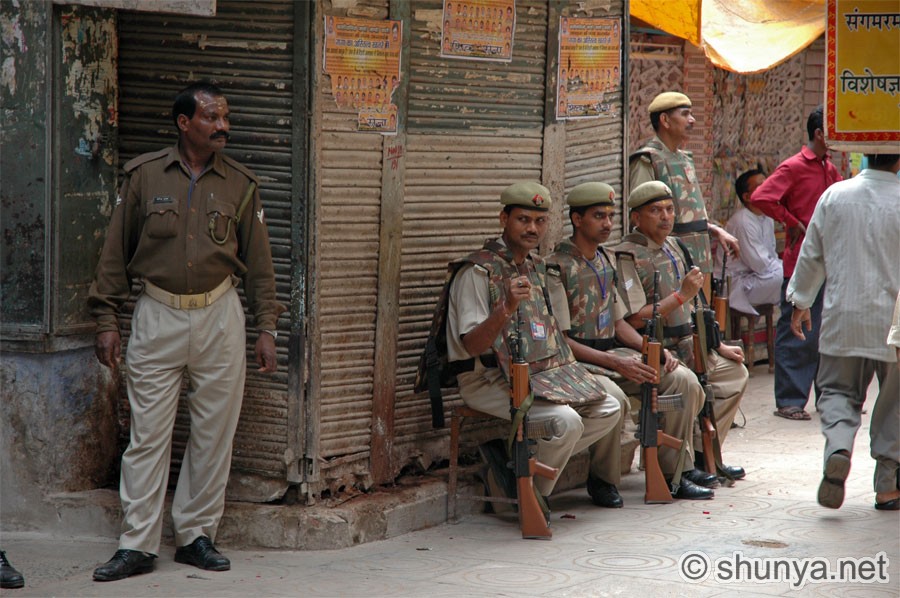 |
|
Ad for a school  |
Vegetable seller 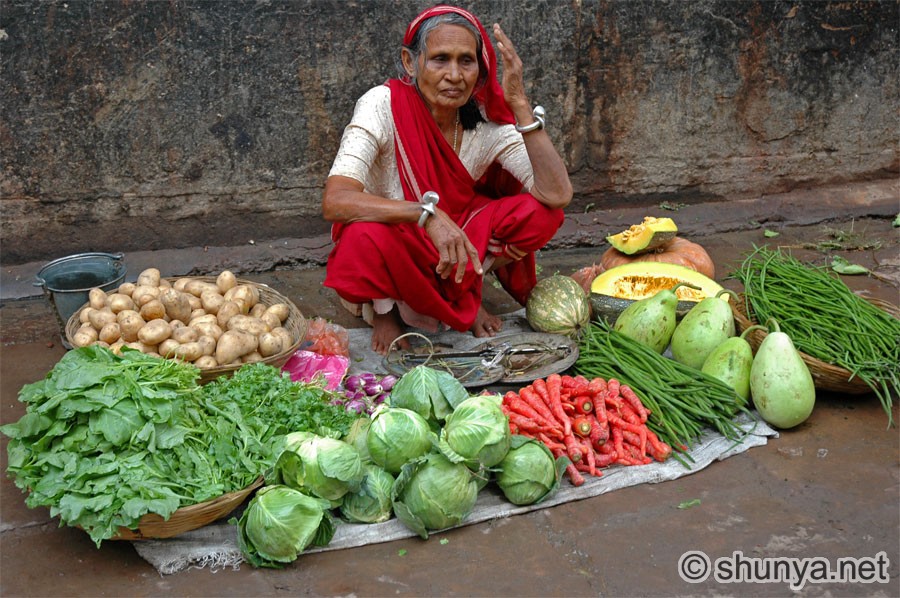 |
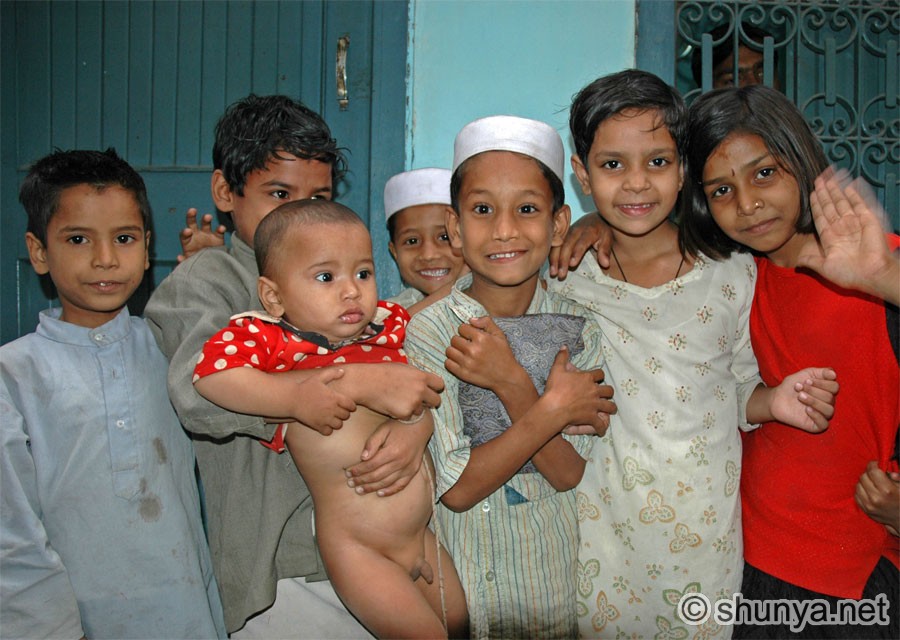 |
Varanasi train station 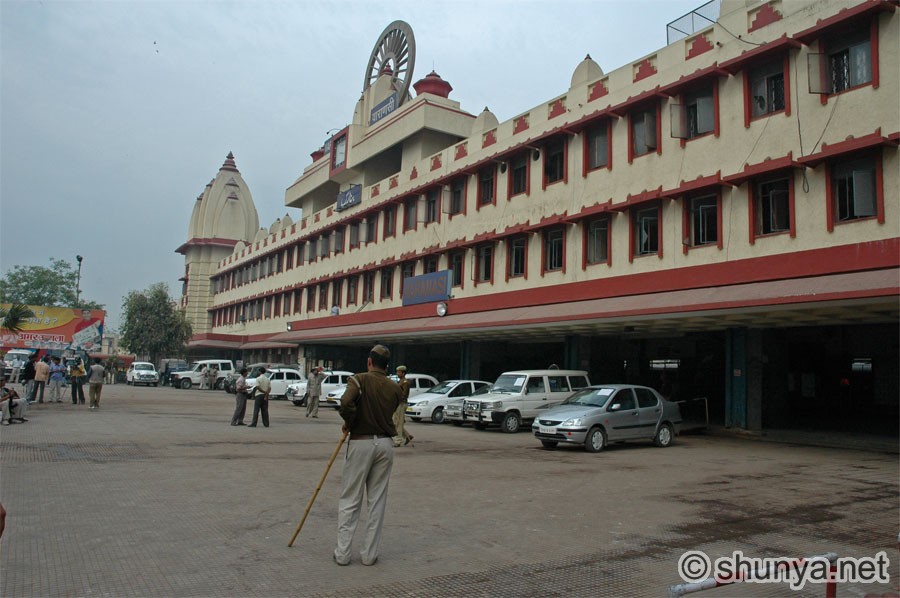 |
Designed in collaboration with Vitalect, Inc. All rights reserved. |