






Patna lies along the south bank of the Ganges. It is the site of ancient Pataliputra, founded in the 5th century BCE by Ajatashatru, king of Magadha. The second Magadha dynasty, the Maurya, ruled from here-Ashoka was its last major emperor (c. 265-238 BCE). After his successful but bloody conquest of Kalinga (in modern Orissa), Ashoka renounced warfare and embraced Buddhism. The Sunga dynasty followed, ruling until 73 BCE. Pataliputra remained a center of learning and in the 4th century CE became the capital of the Gupta empire. The Gupta age invented zero (shunya) and the decimal system, produced great Hindu art and literature, and furthered astronomy, mathematics, and metallurgy. After them, Patliputra declined and was deserted by the 7th century. Refounded as Patna by an Afghan ruler in 1541, it regained a measure of prosperity under the Mughals. Guru Gobind Singh was born in Patna and Takhat (a seat of authority, one of five in Sikhism) Sri Patna Sahib was built to commemorate him. (Preceding text adapted from Encyclopedia Britannica.)
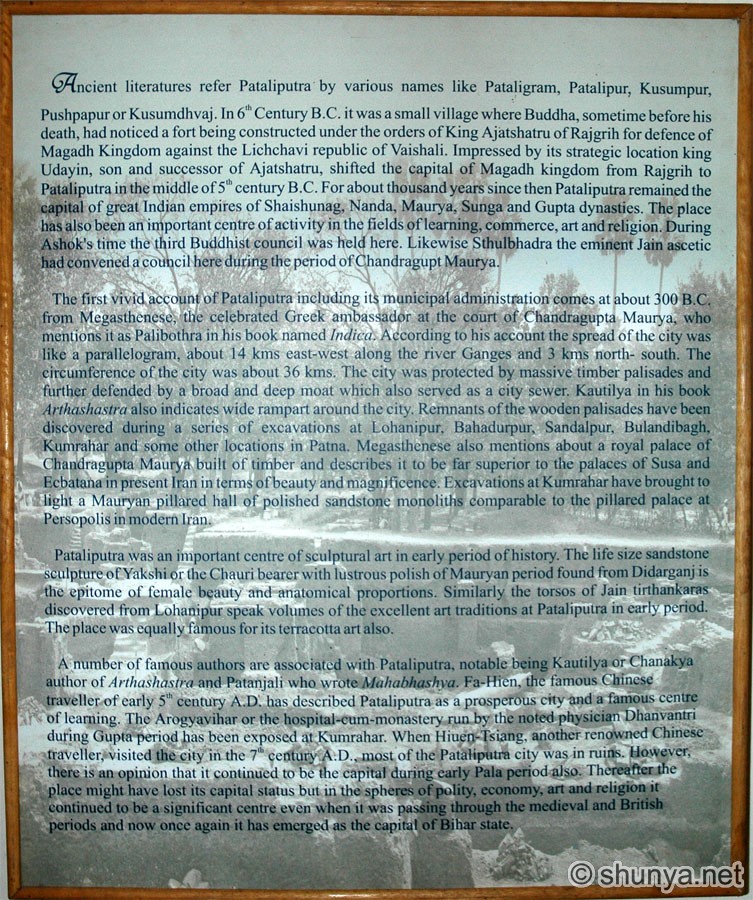
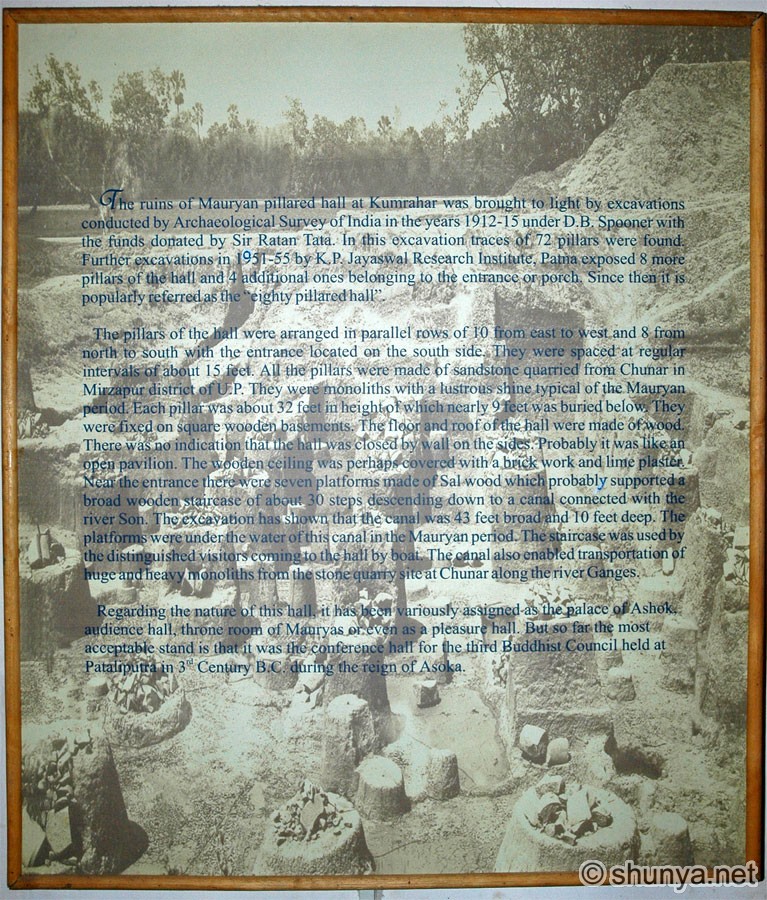
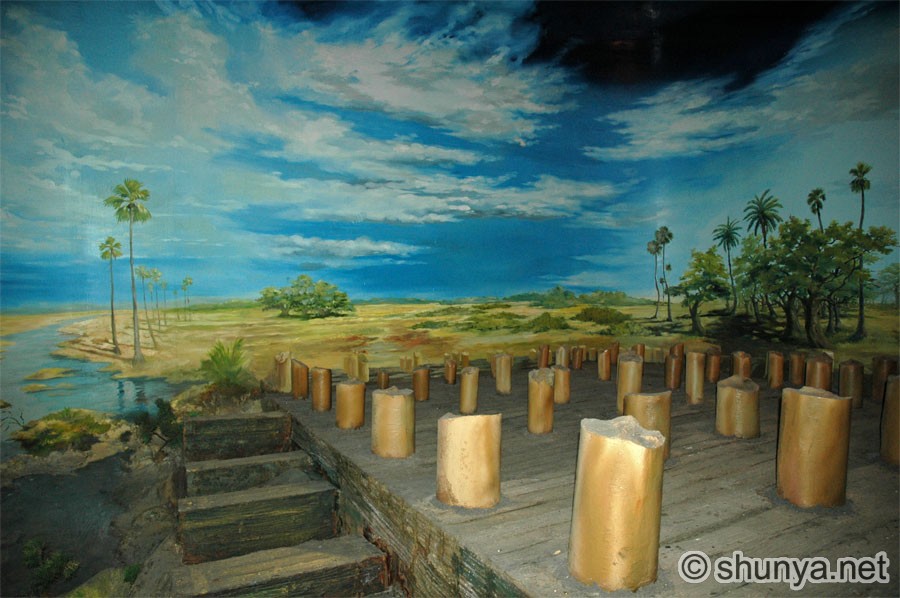
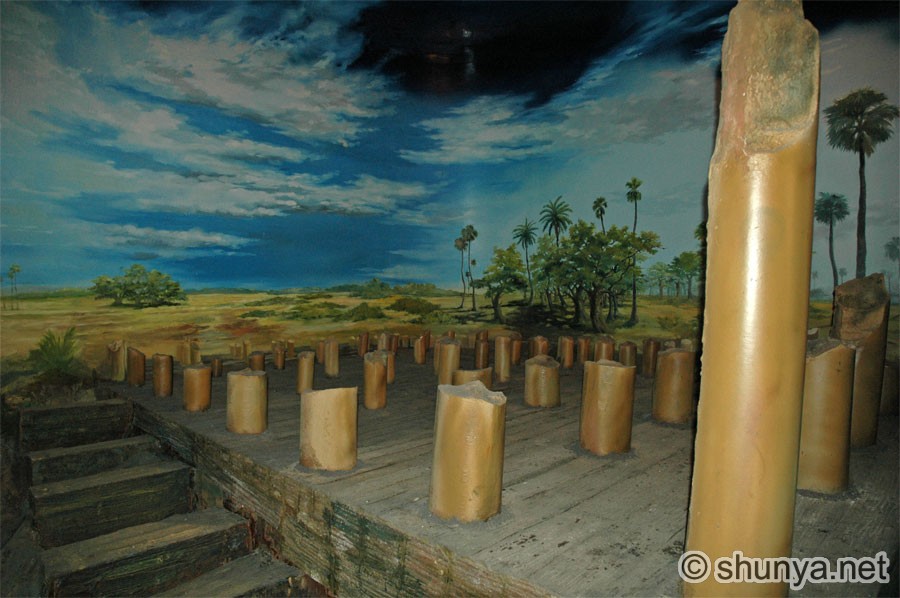
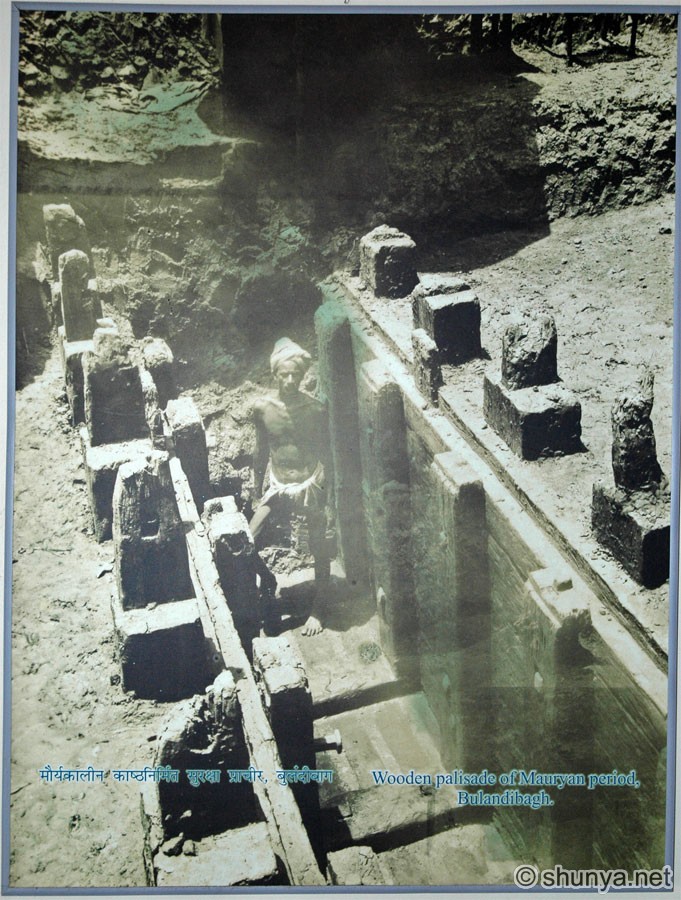
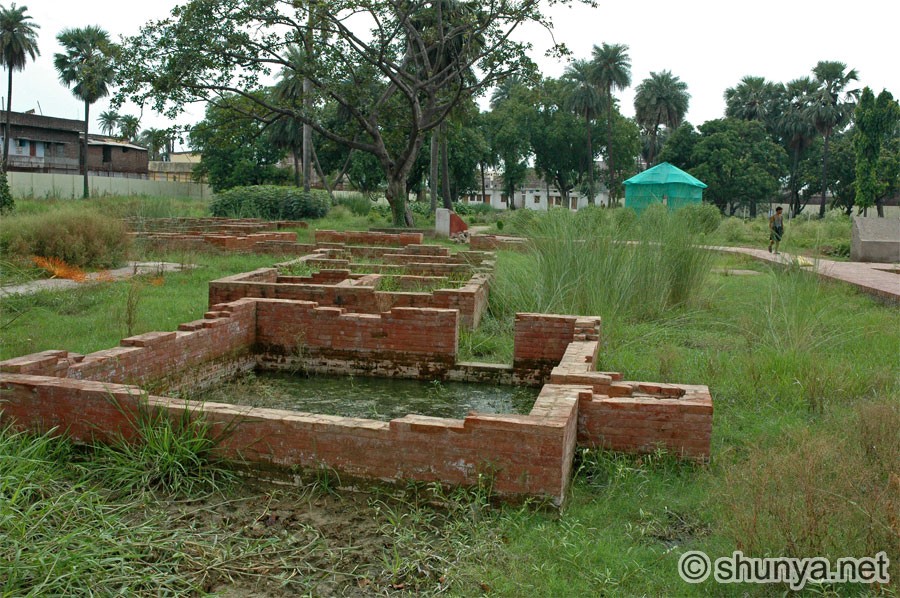
In 300 BCE, Patliputra—according to Megasthenes, the Greek ambassador to the court of Chandragupta Maurya—had a circumference of 36 km and was protected by massive timber palisades and a moat that also served as a sewer. He also noted a royal palace built of timber, judging its beauty and magnificence superior to the Persian palaces of Susa and Ecbatana. Archaeological digs in Patna have uncovered several wooden palisades and a Mauryan pillared hall of polished sandstone monoliths reminiscent of the pillared hall in Persepolis (suggesting intercultural links). Sculptural finds, such as the polished sandstone statue of a Chauri Bearer, reveal high Mauryan achievement in art.
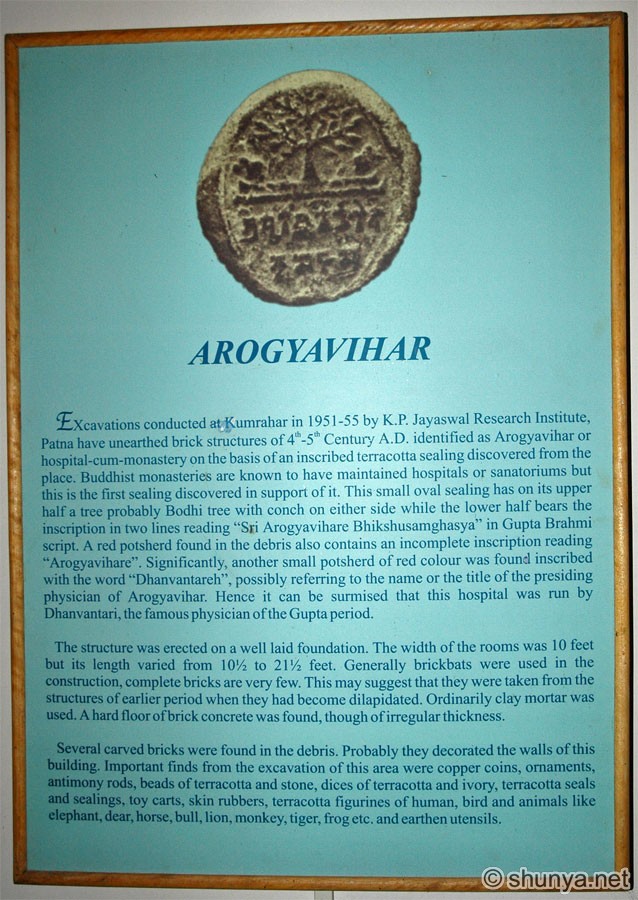
Patna today is a pale shadow of its illustrious past. If it inspires, it is only to find fresh superlatives on unsavory urban experiences, even by the modest standards of the Indo-Gangetic Plain—a sad state of affairs for a region once preeminent for over a thousand years, near which the Buddha gained enlightenment, and whose residents included Chanakya (Kautilya) and Patanjali. Gupta-era ruins of Arogya Vihar ("hospital-monastery") of the noted physician Dhanvantri have been found. In the 5th century CE, Fa-Hien, the famous Chinese traveler, described the city as prosperous and a seat of learning. Nalanda, one of the world's greatest ancient universities, flourished nearby. Today, however, Bihar—despite its beautiful landscape, natural riches, and awe-inspiring history—has some of the worst human development indices in the country and its cities are infamous for their material and moral squalor. The streets of Patna are a continual reminder of the mean ironies and vagaries of history. [- July 06]
Fraser road 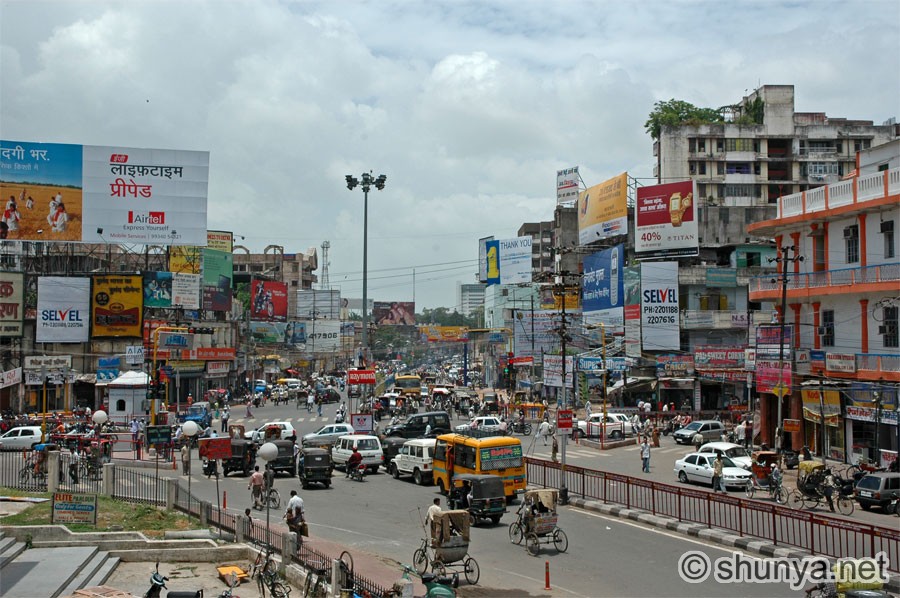 |
Patna train station 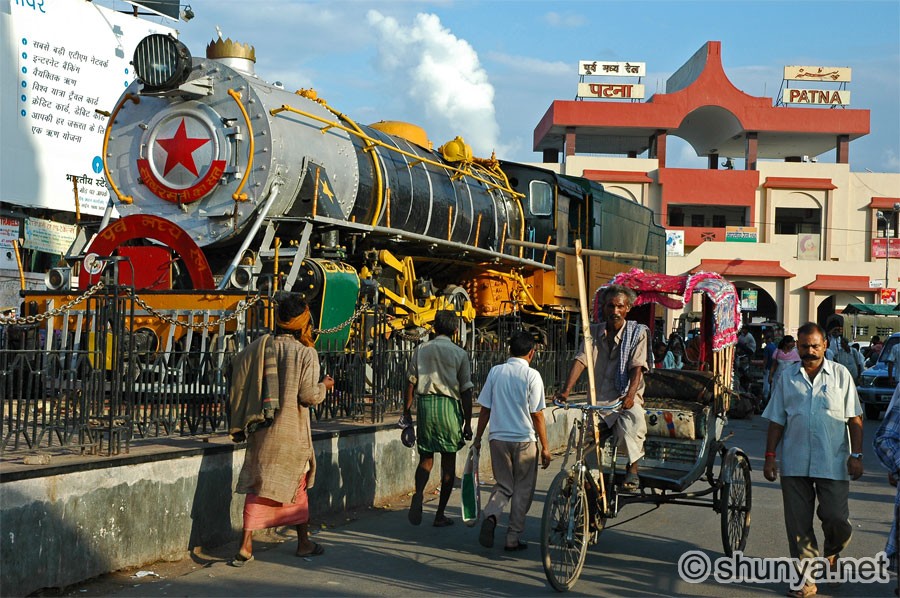 |
Roadside eatery 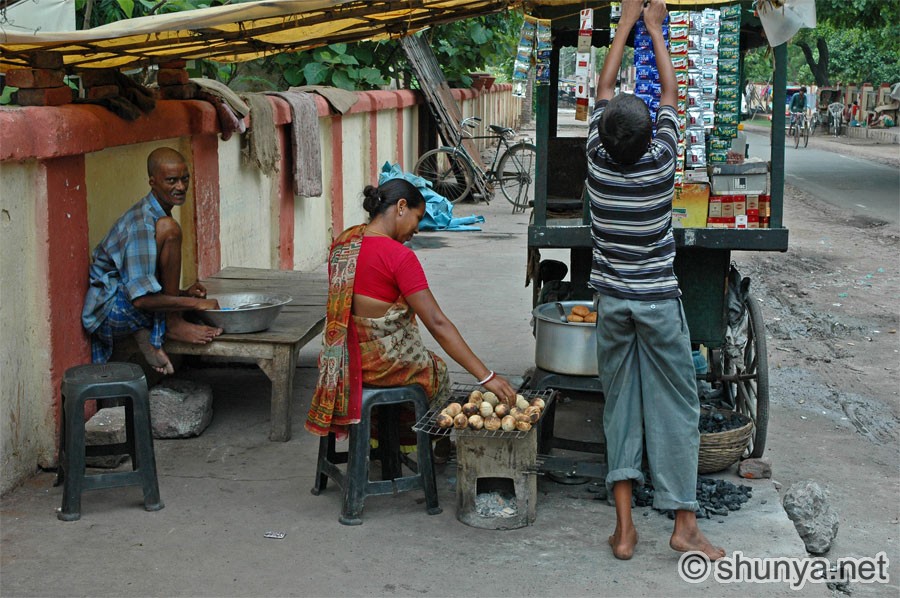 |
Chicken and liquor shop 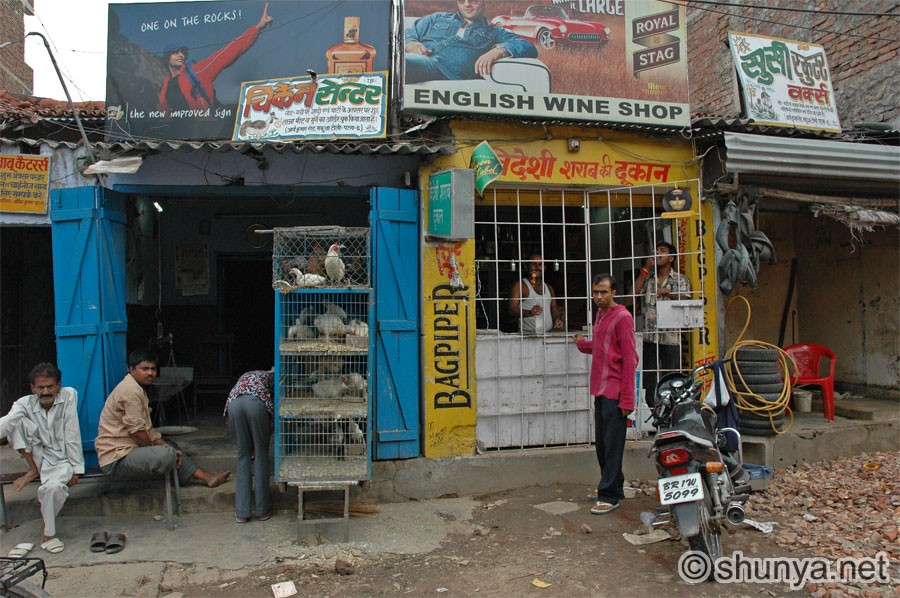 |
Cops at the train station 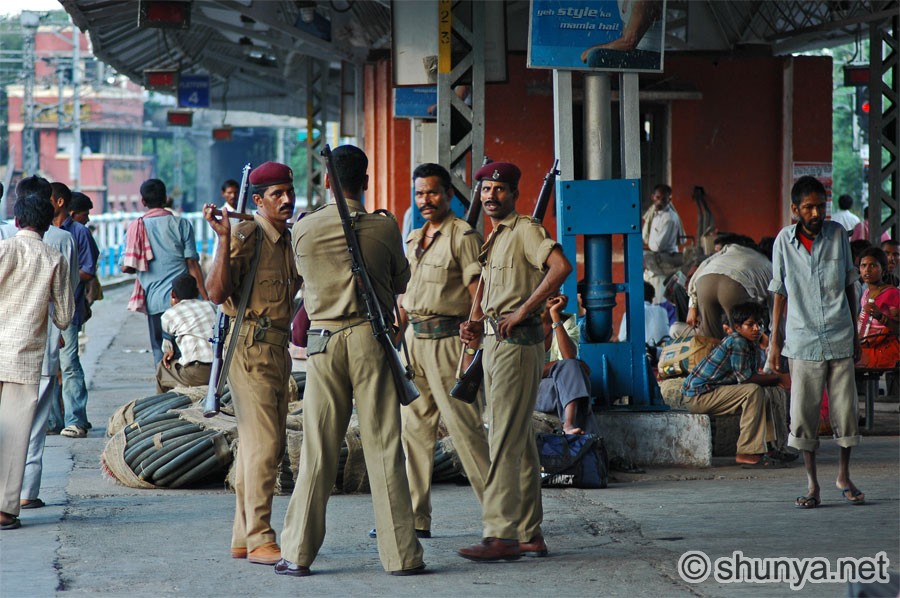 |
Man on railway platform 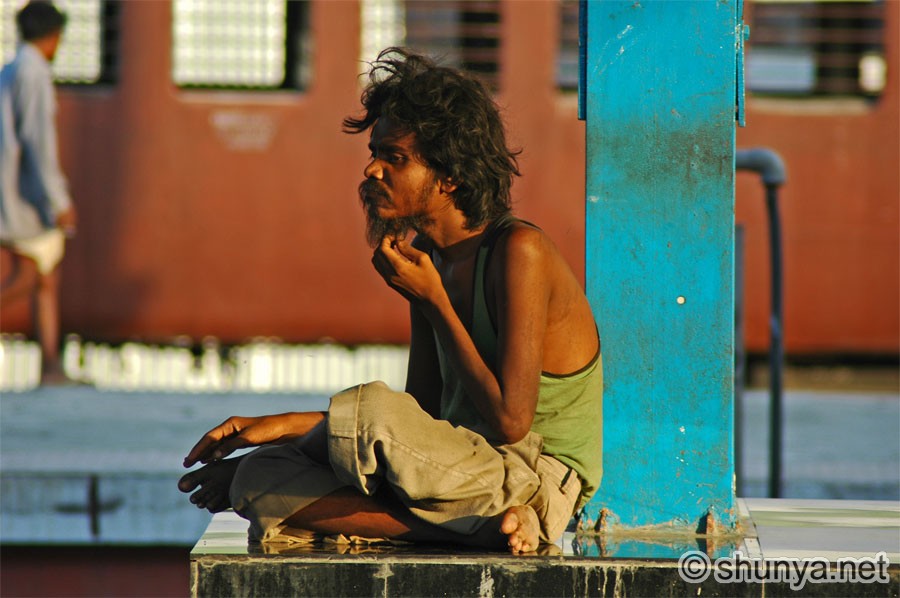 |
||
Fair & Lovely billboard  |
Shopping / office complex 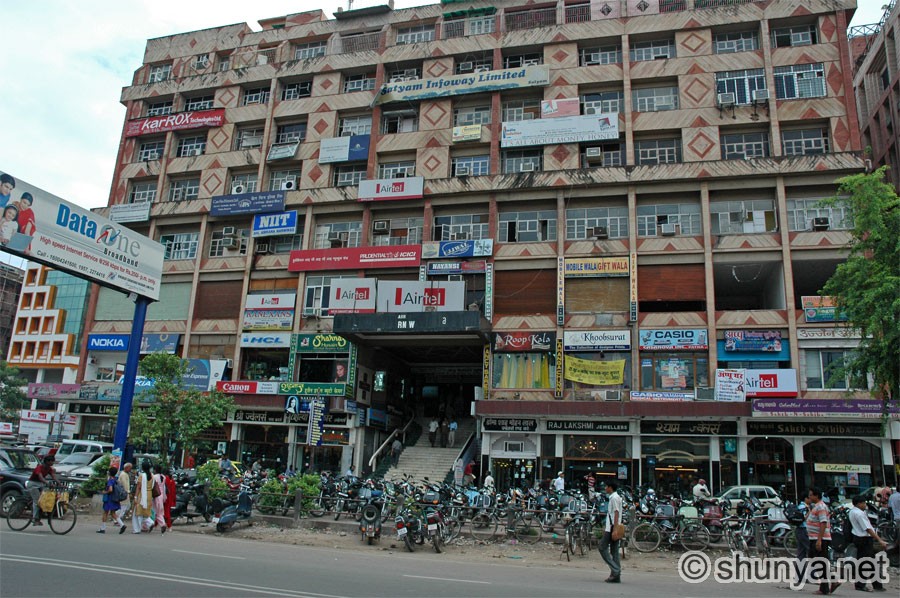 |
||
Dak Bungalow Road 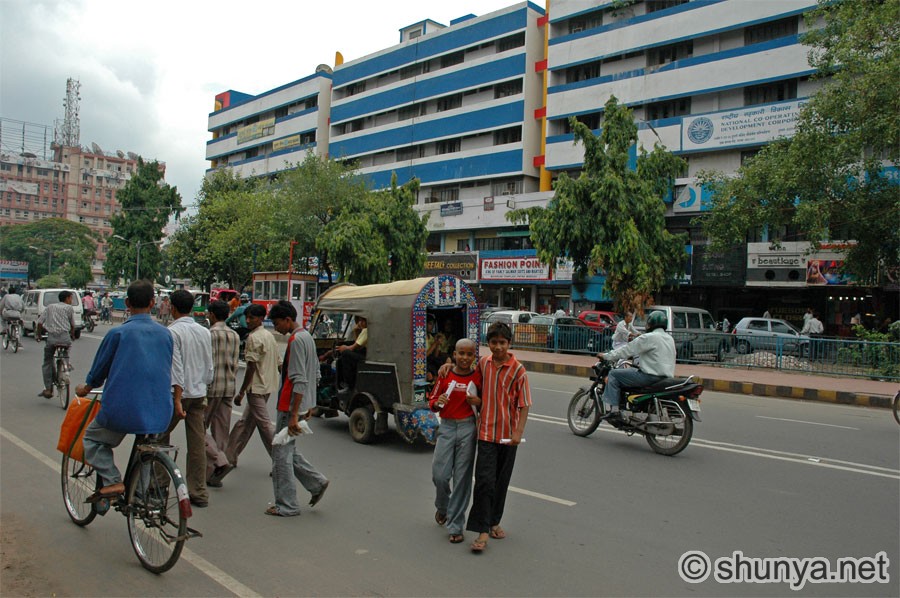 |
Delicious Jamun fruit 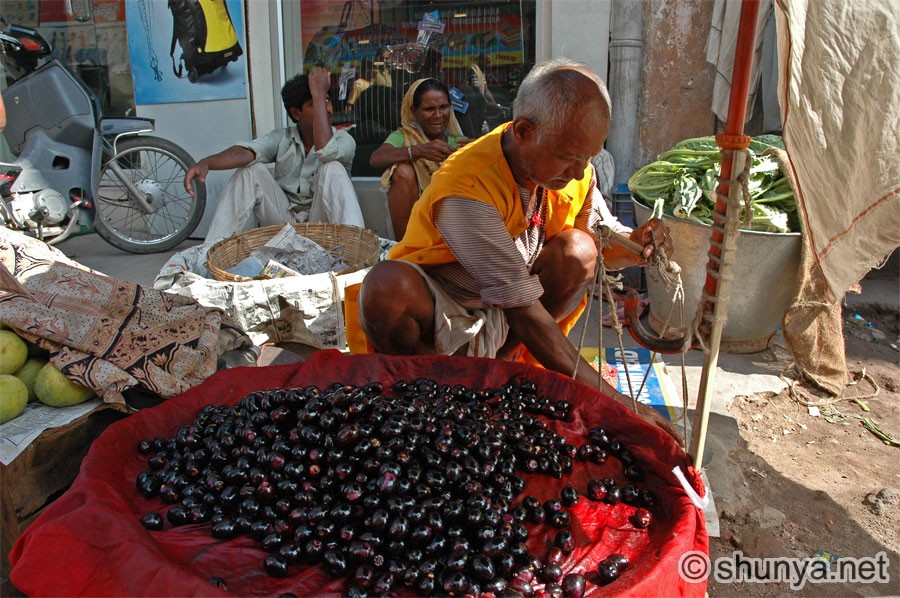 |
Gandhi maidan 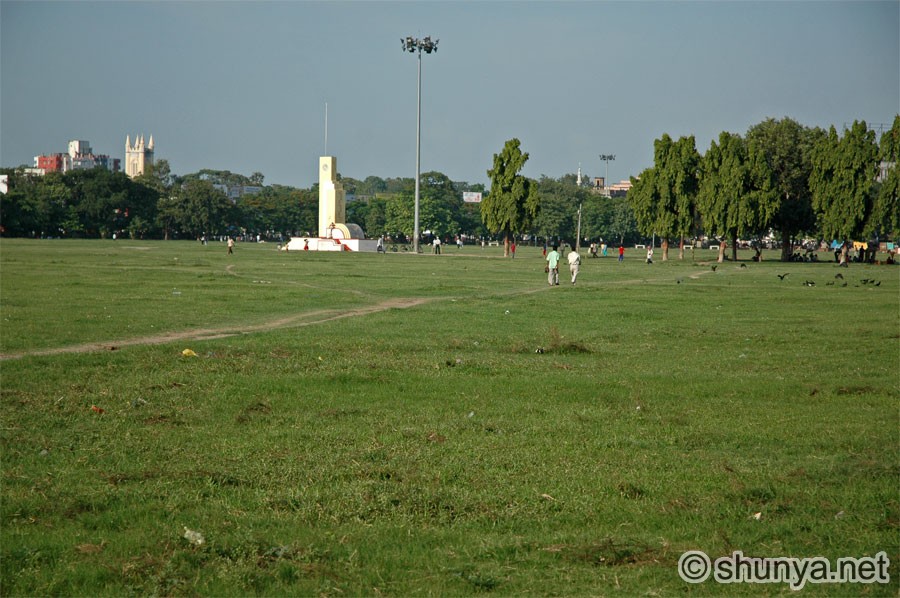 |
Waiting for the train 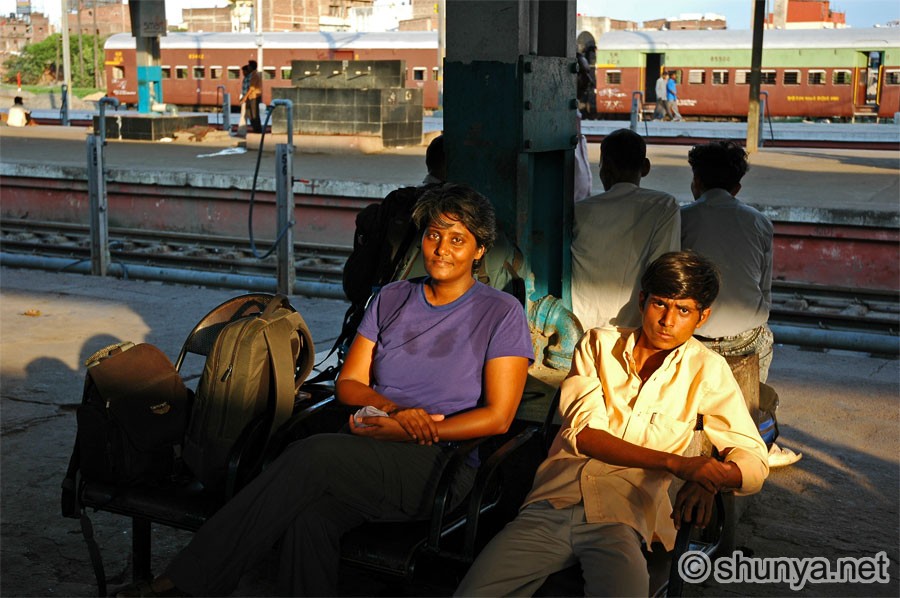 |
Women on
strike 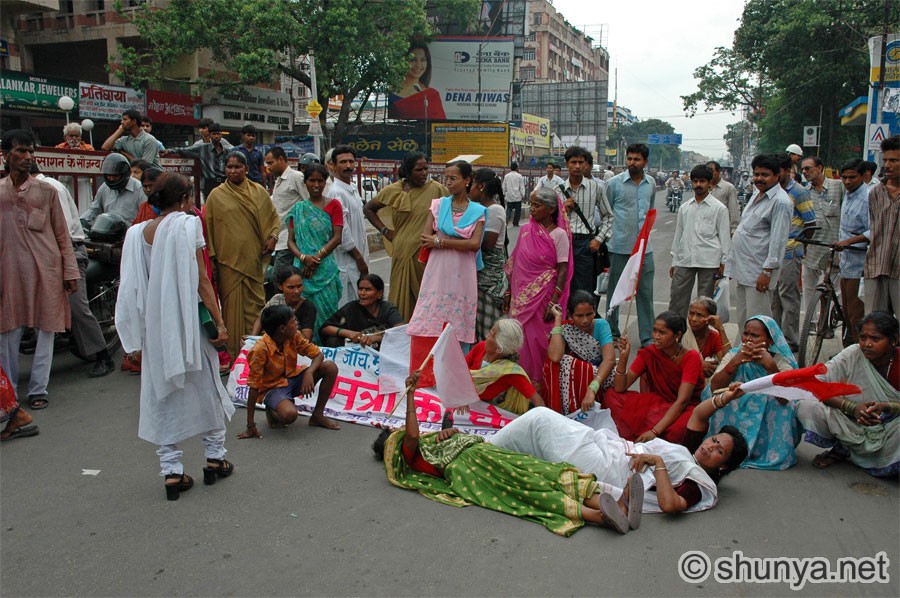 |
Colonial era
building 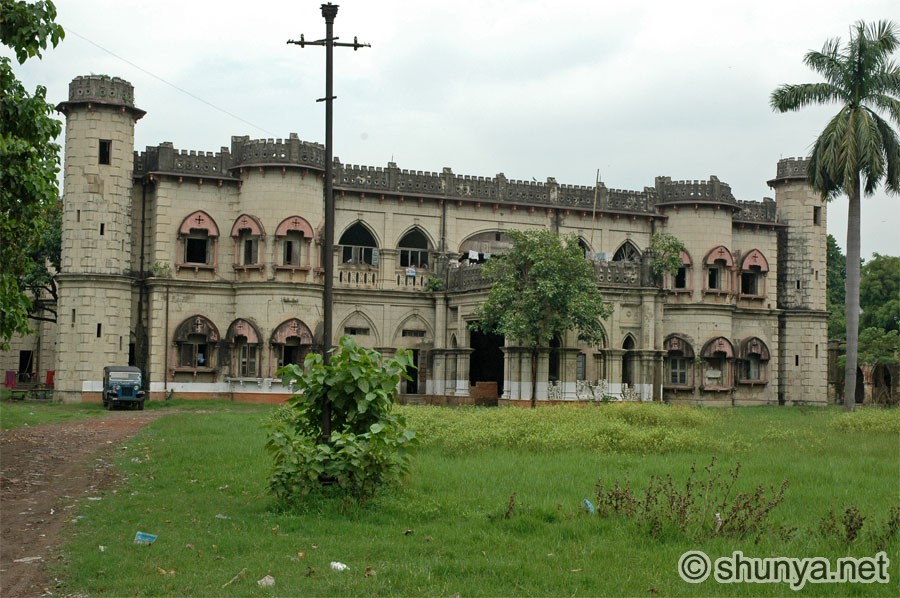 |
||
Khuda Baksh
Oriental library 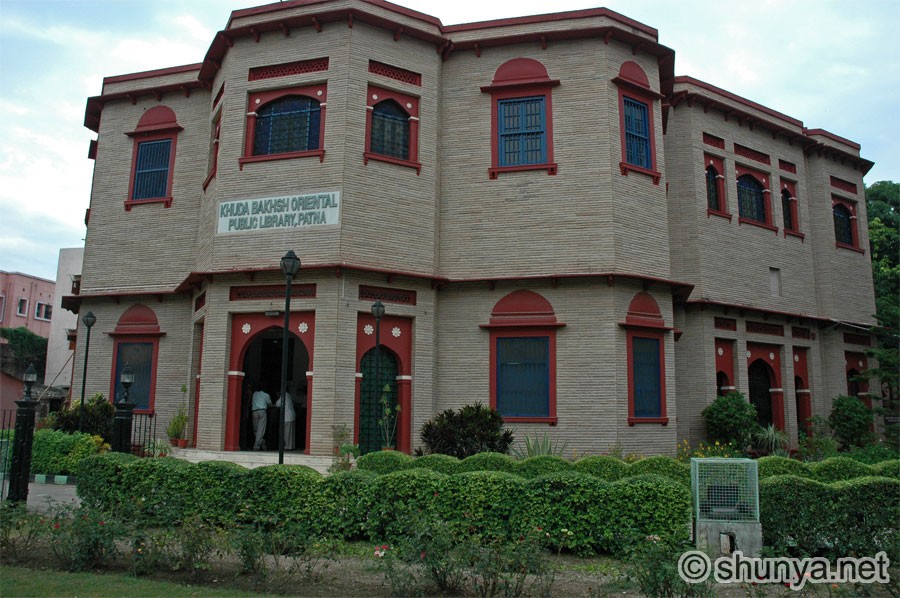 |
A jumble of
wires, 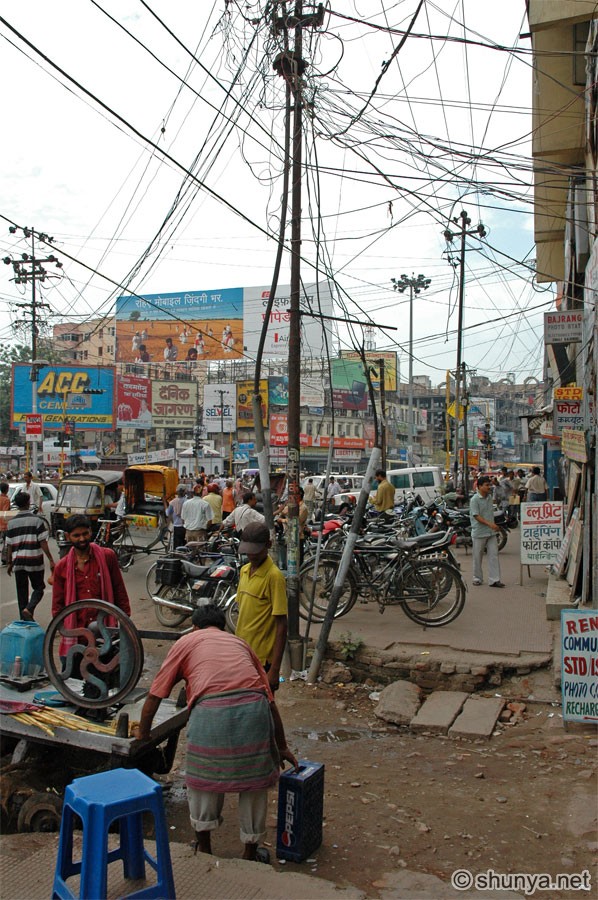 |
||
|
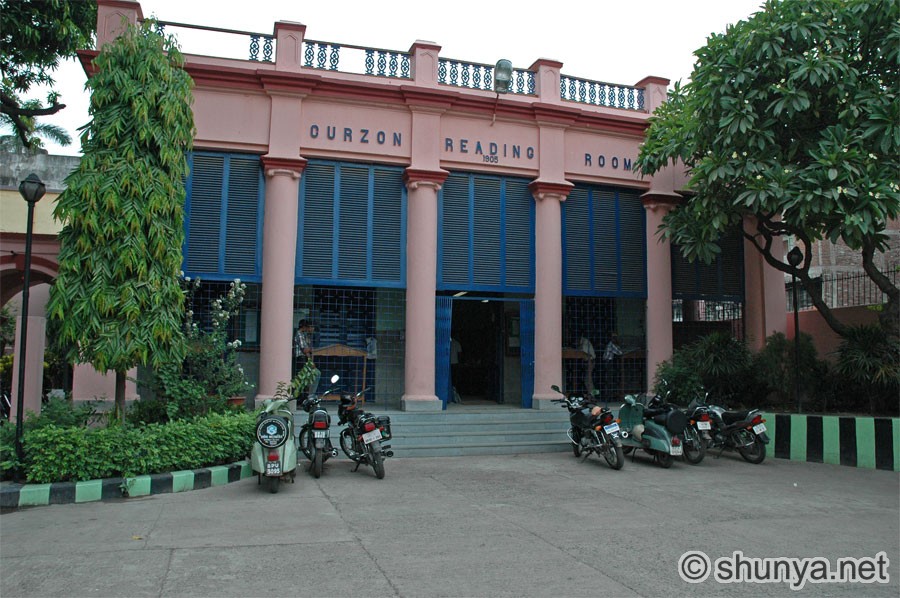
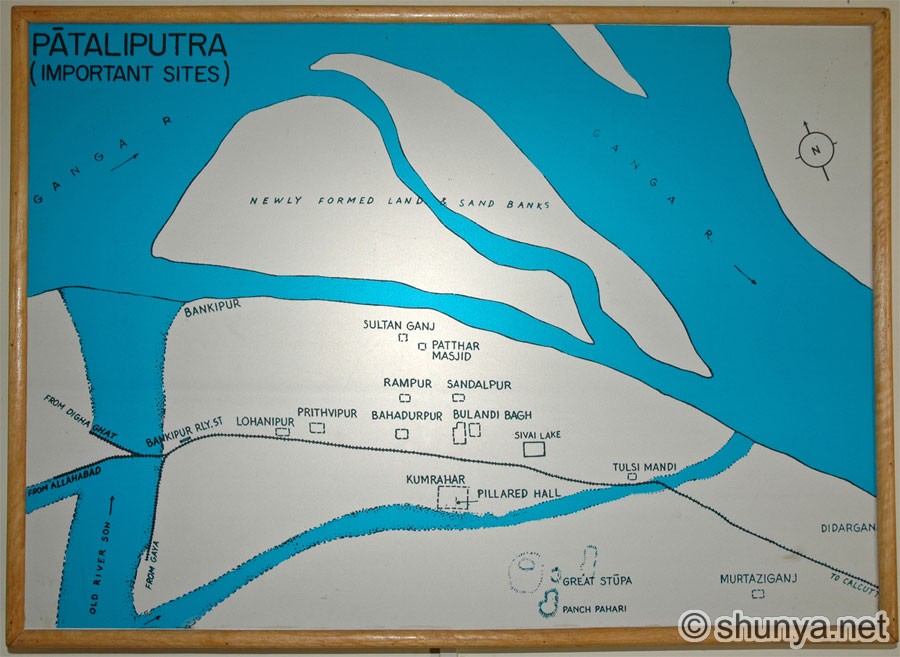
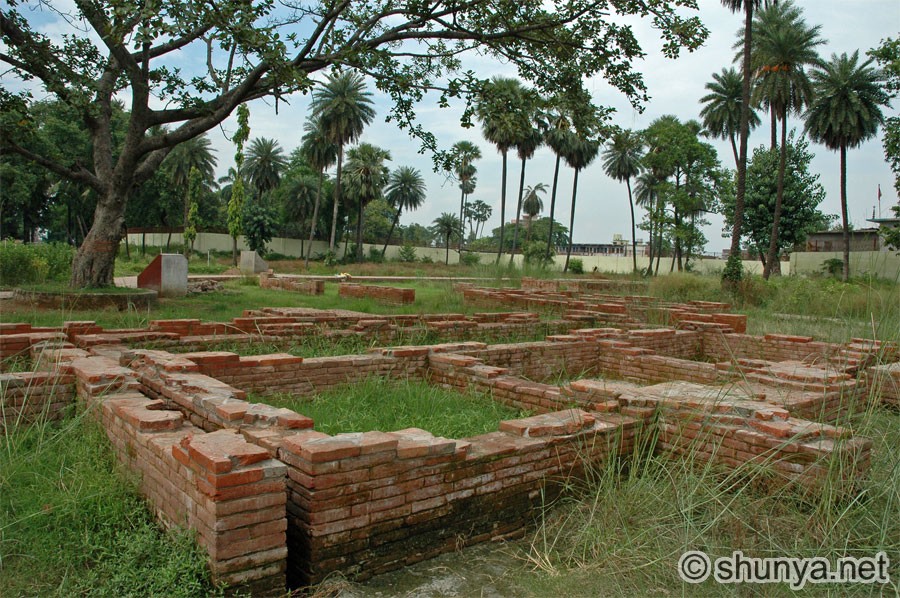
Ruins of Patliputra ▒ (map of ruins) |
|||
Once a great capital 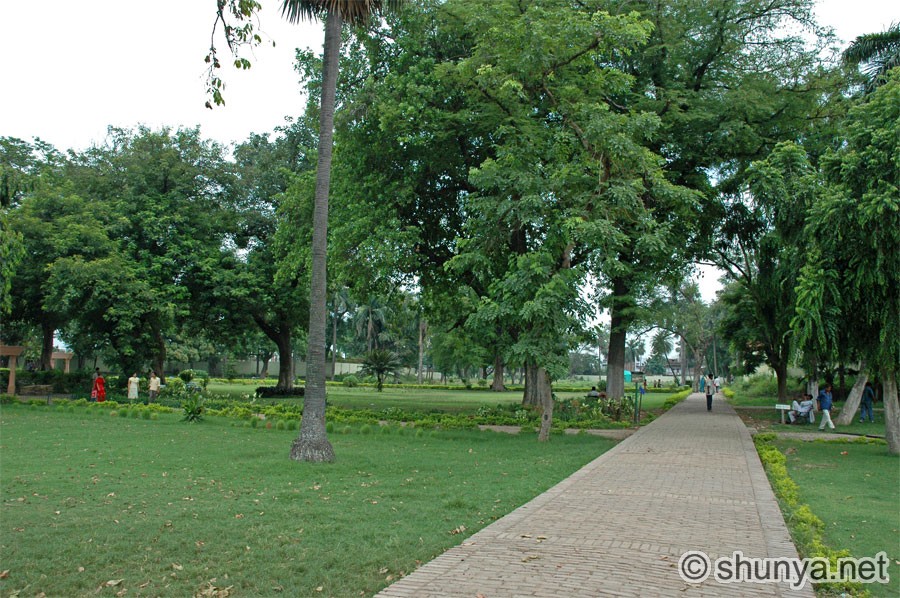 |
Site of the pillared hall ▒ 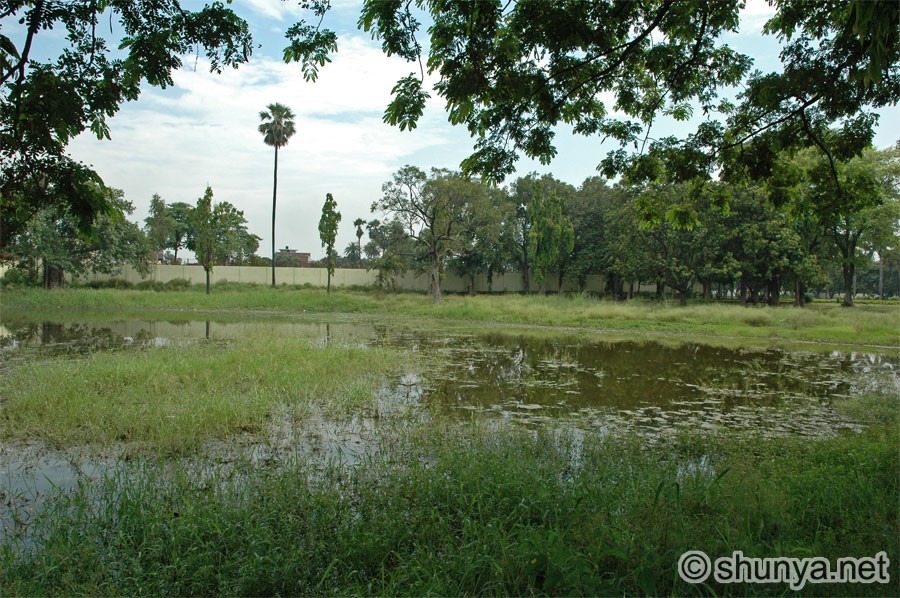 |
One of the pillars 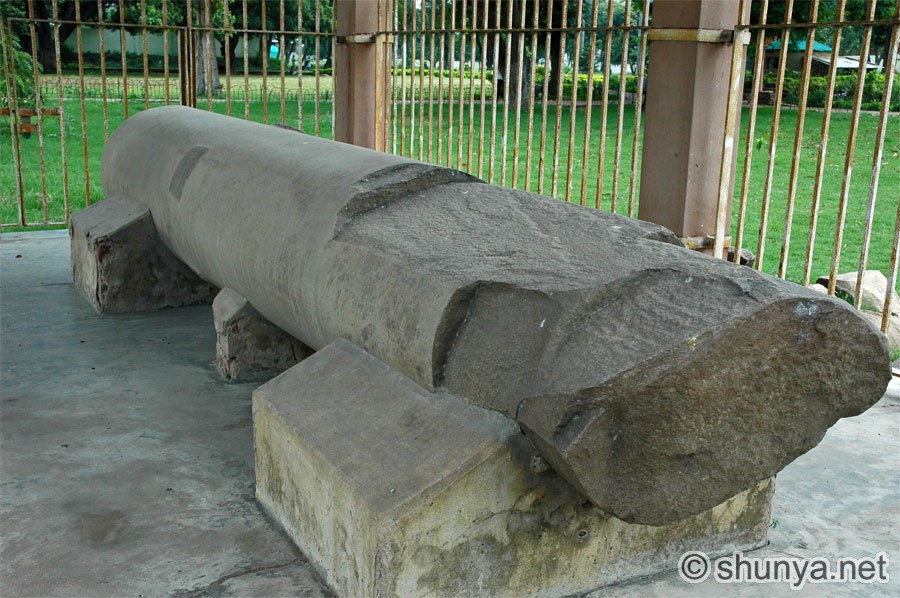 |
Site museum and office 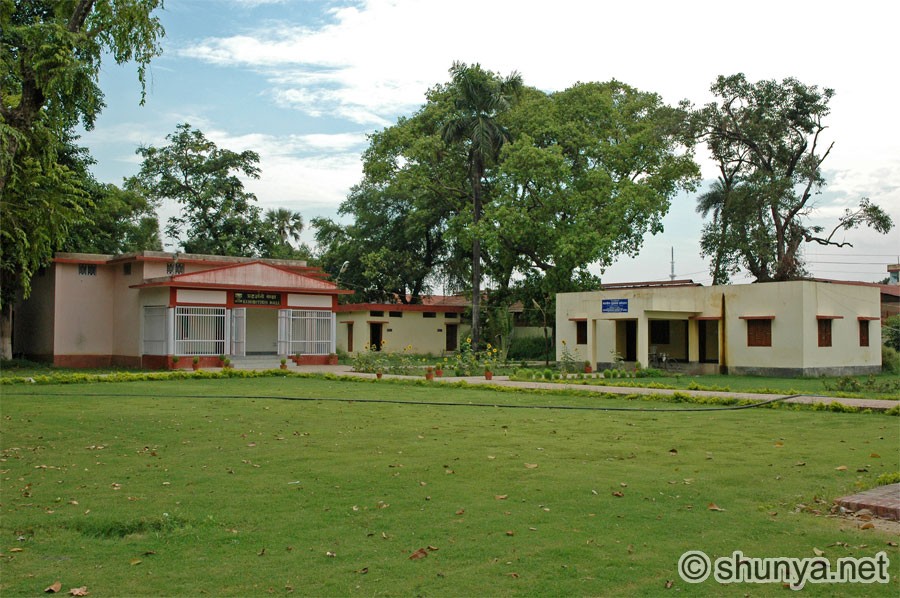 |
Kumrahar ruins 1912-13 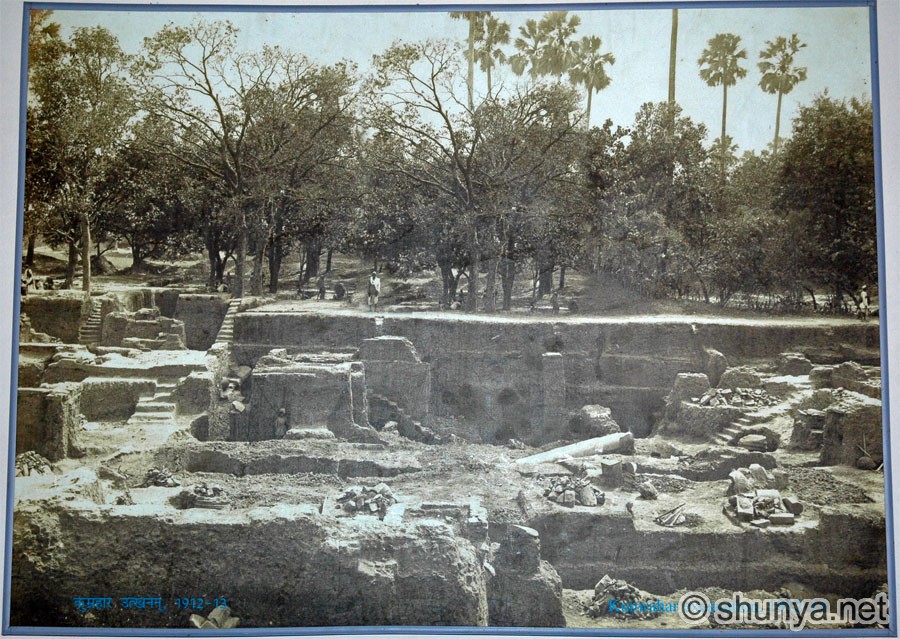 |
Pillared hall
ruins 1912-13 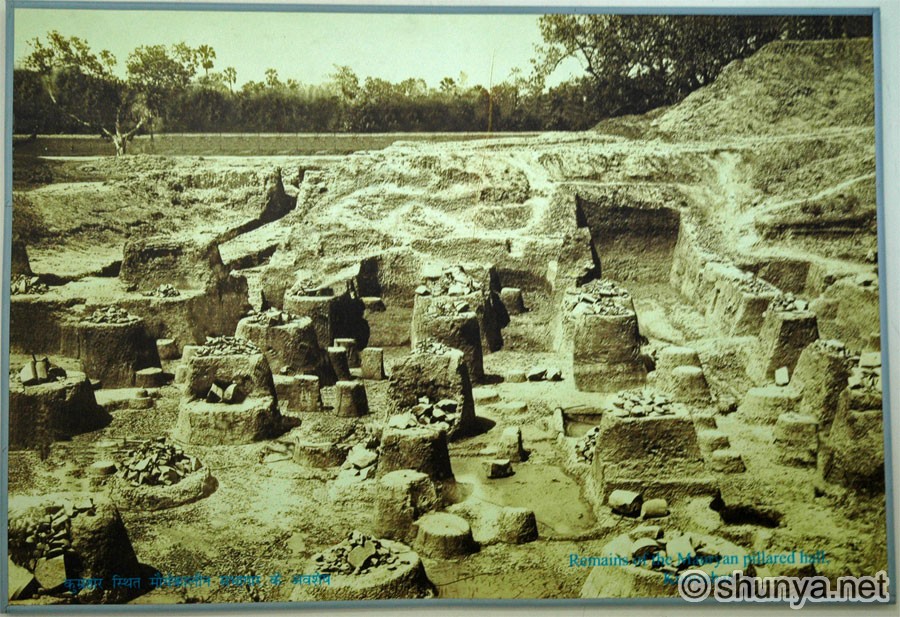 |
Remains of
wooden palisade 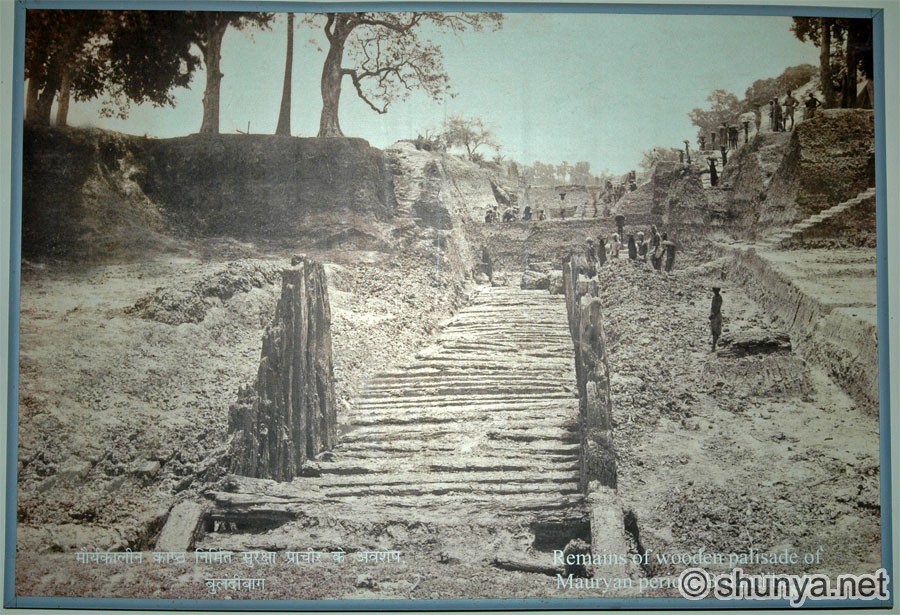 |
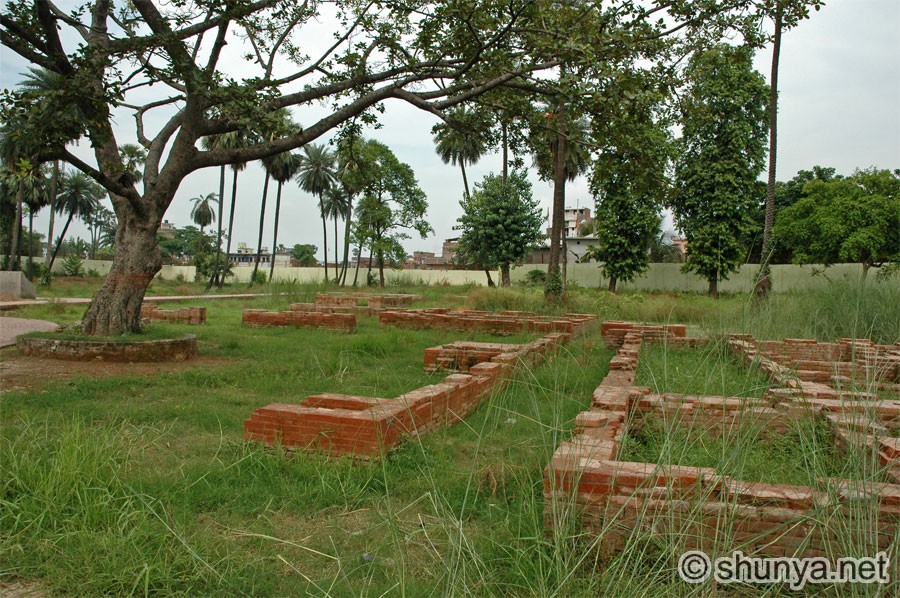 |
| Patna Museum |
|||
Patna Museum 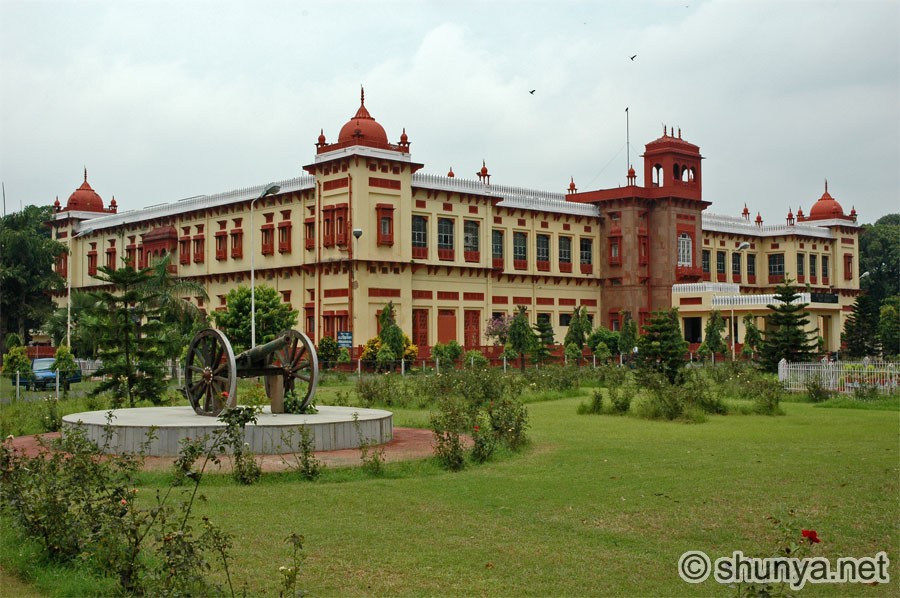 |
Avalokiteshvar 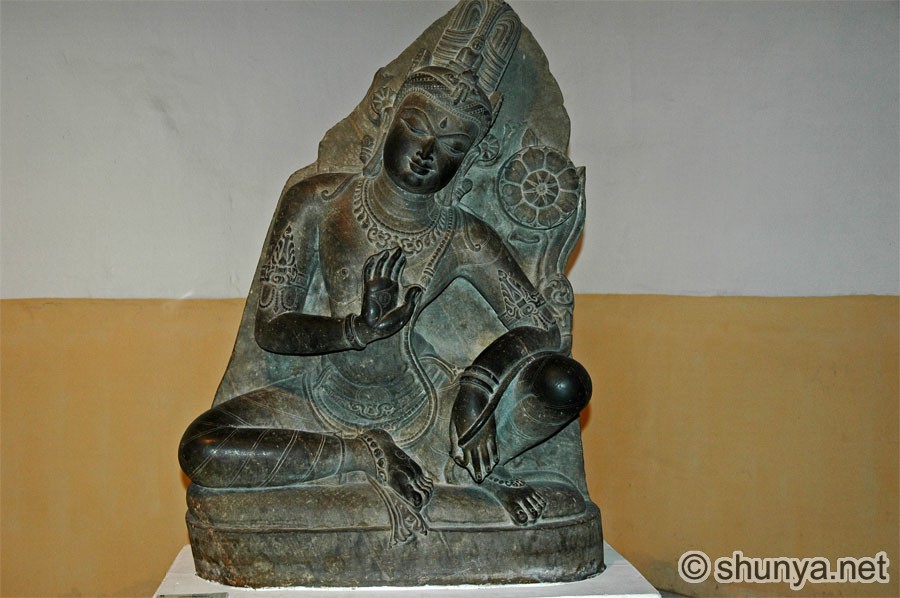 |
Maitreya 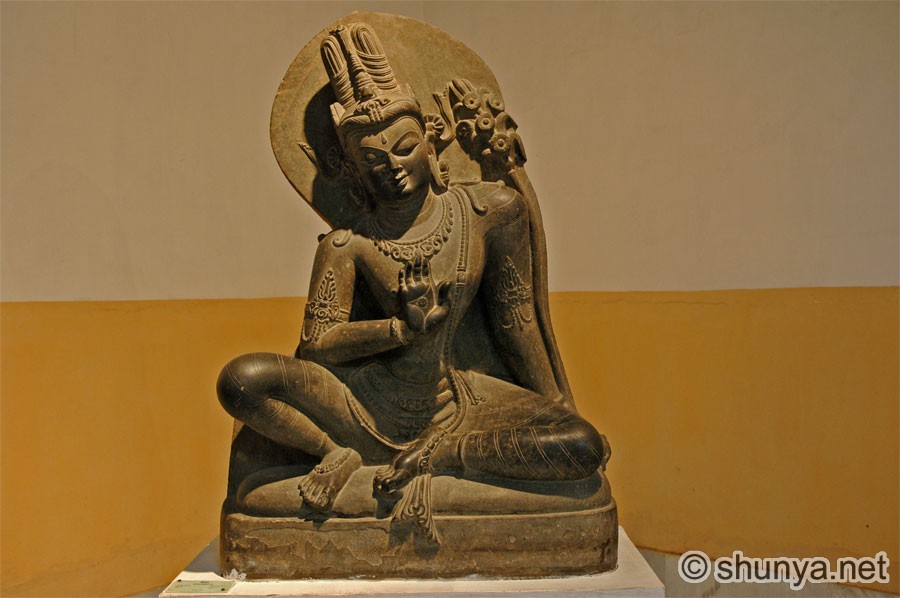 |
Jain
Tirthankar 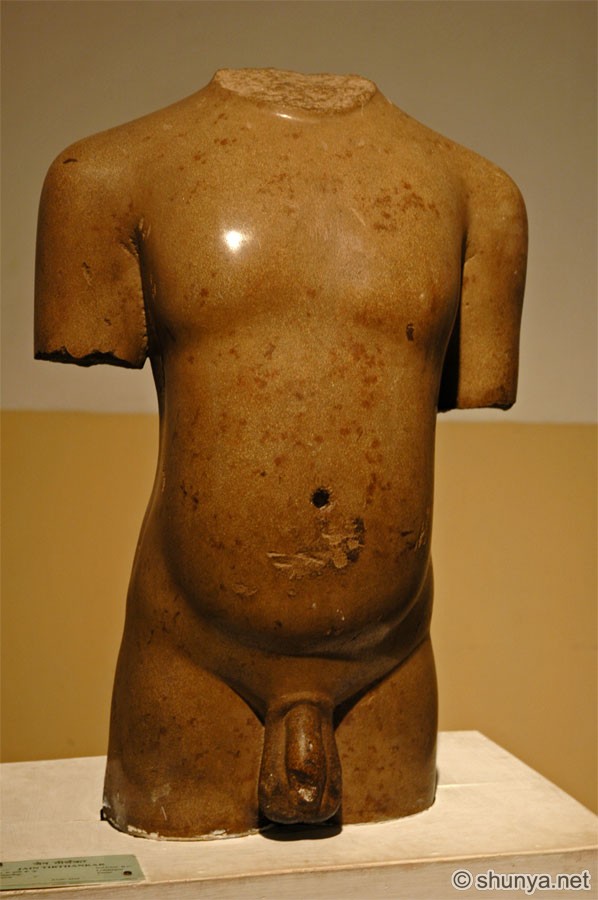 |
Chauri
Bearer 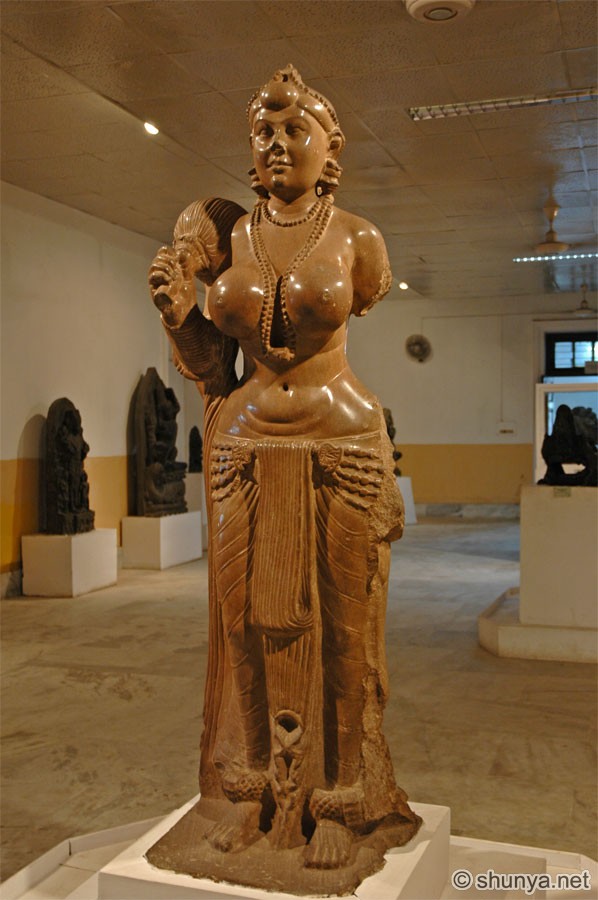 |
Lady with
Parrot 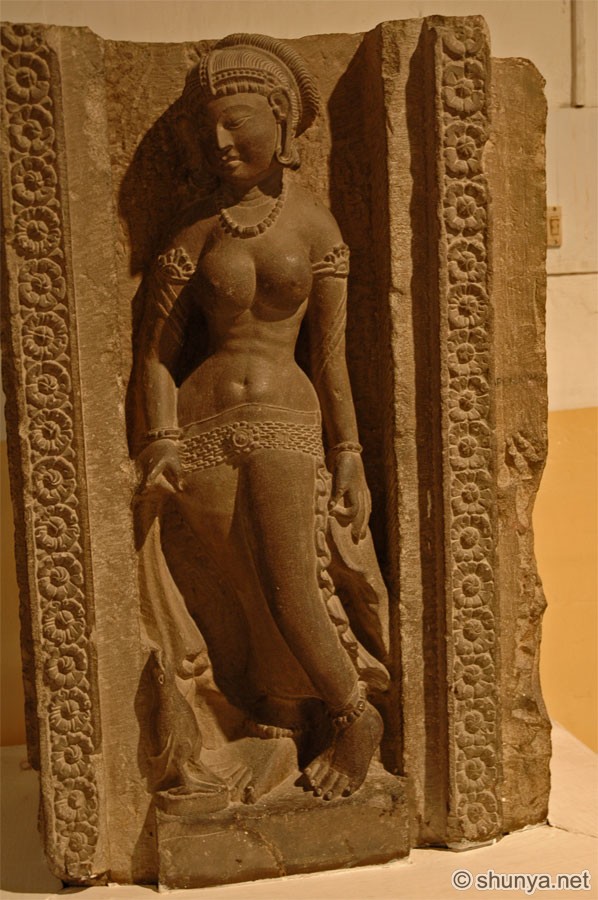 |
Yakshi 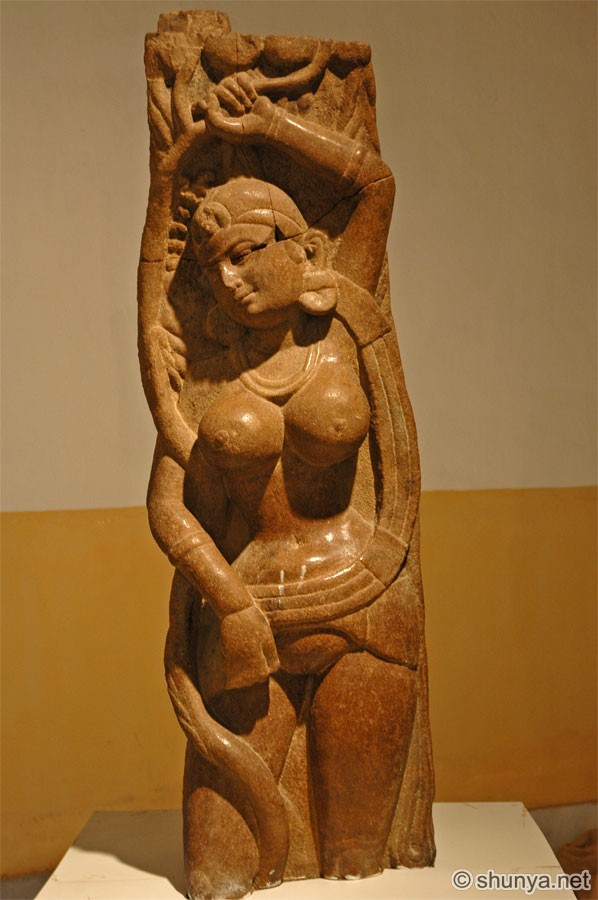 |
Buddha 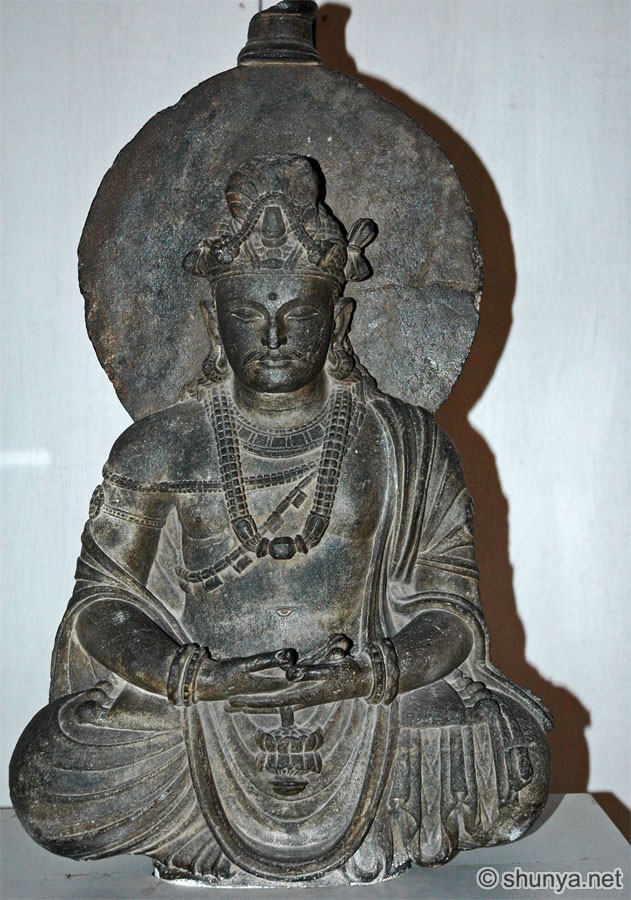 |
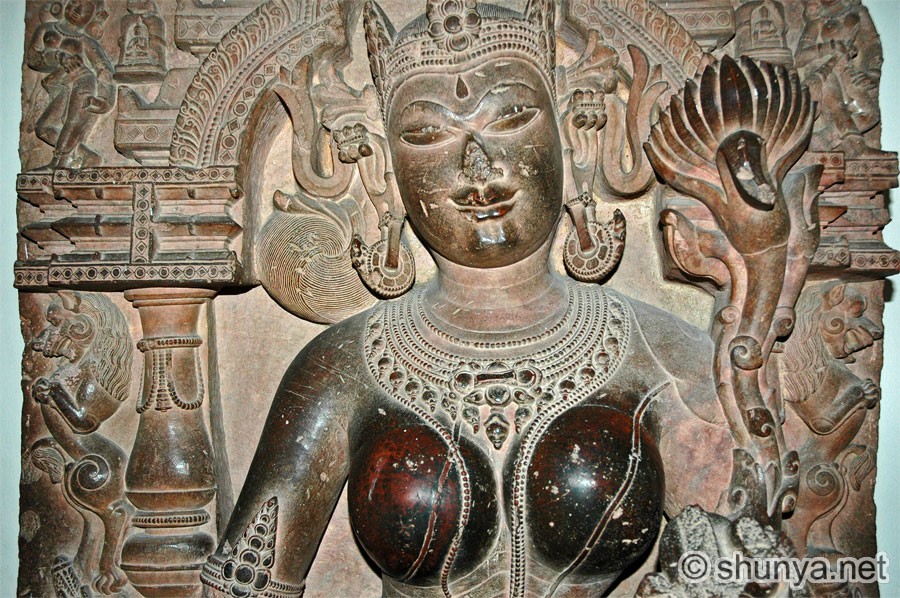
Tara (more) 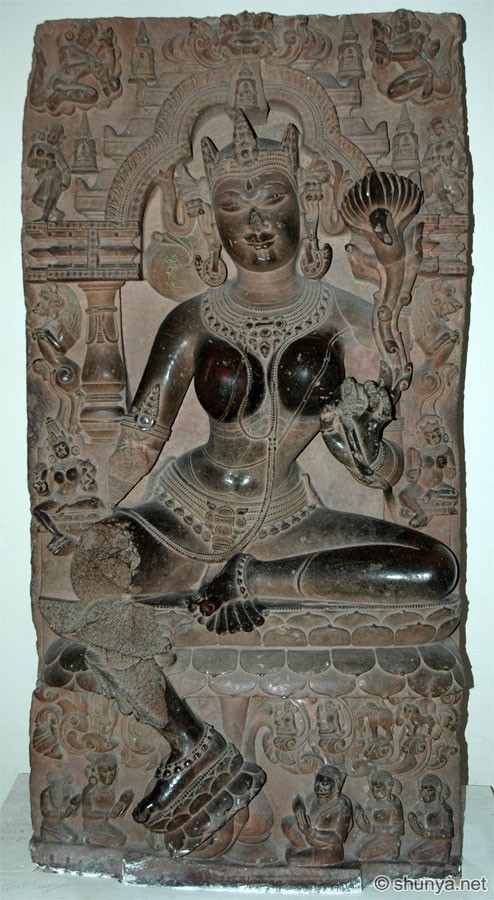 |
Buddha 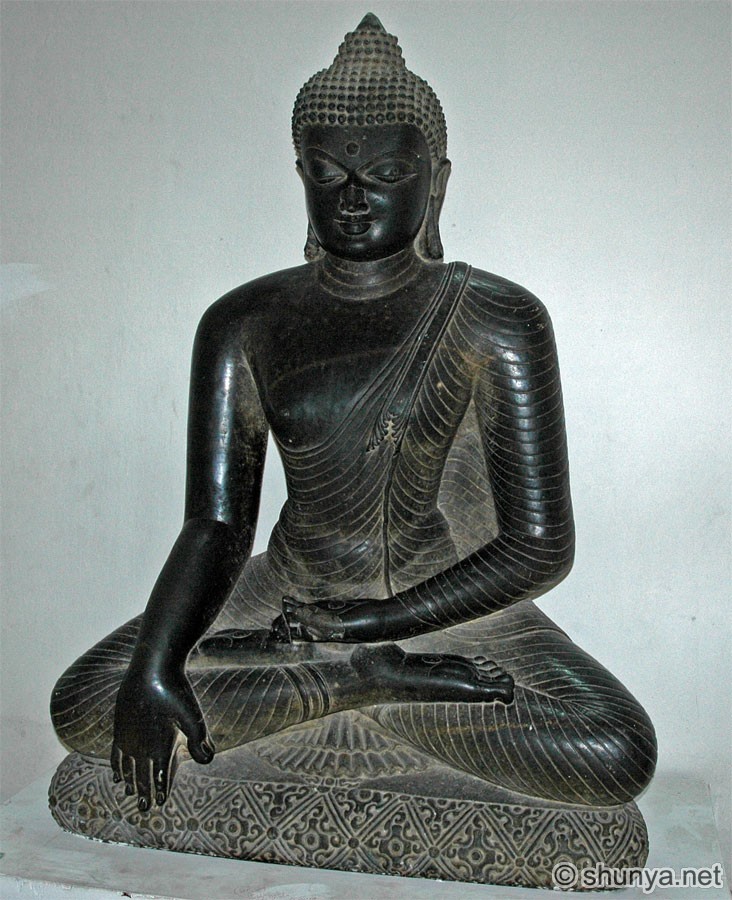 |
Vishnu 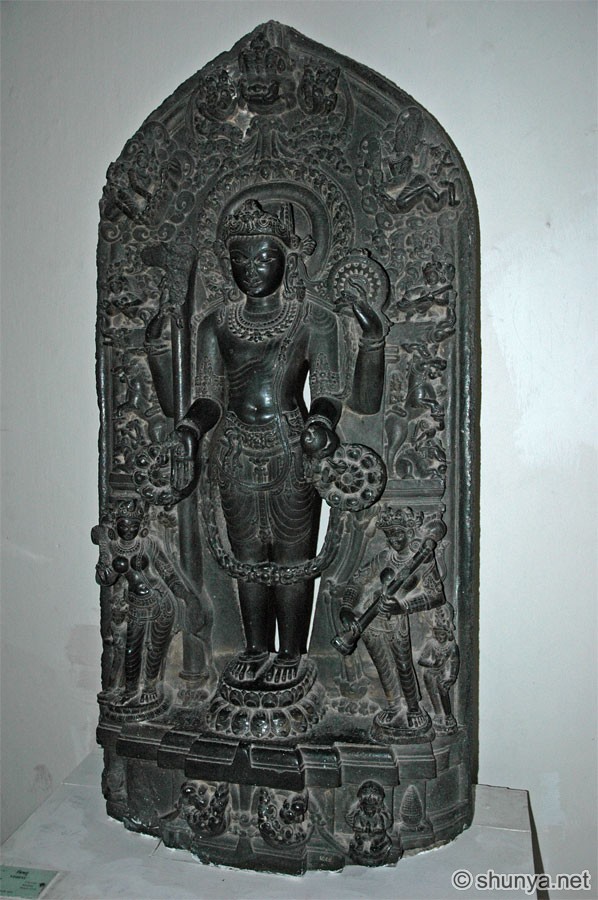 |
Chamundi 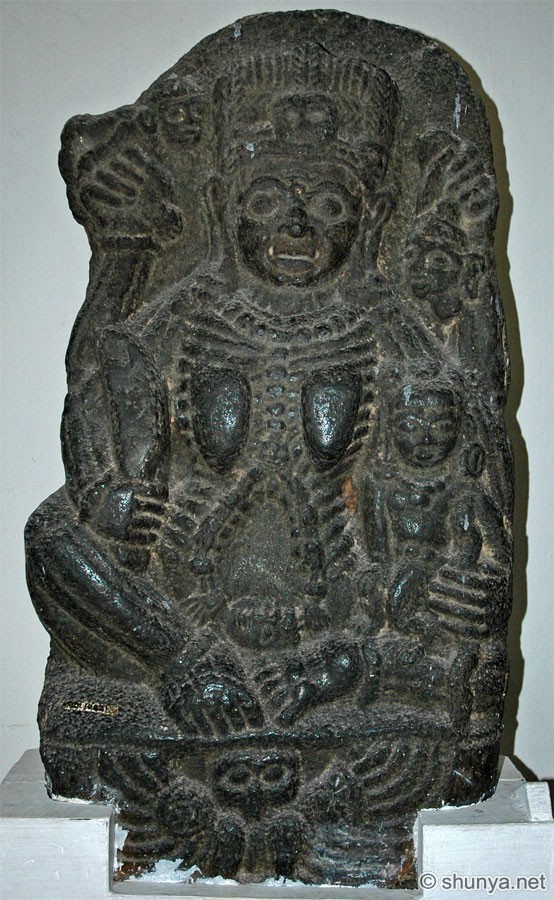 |
Samvara 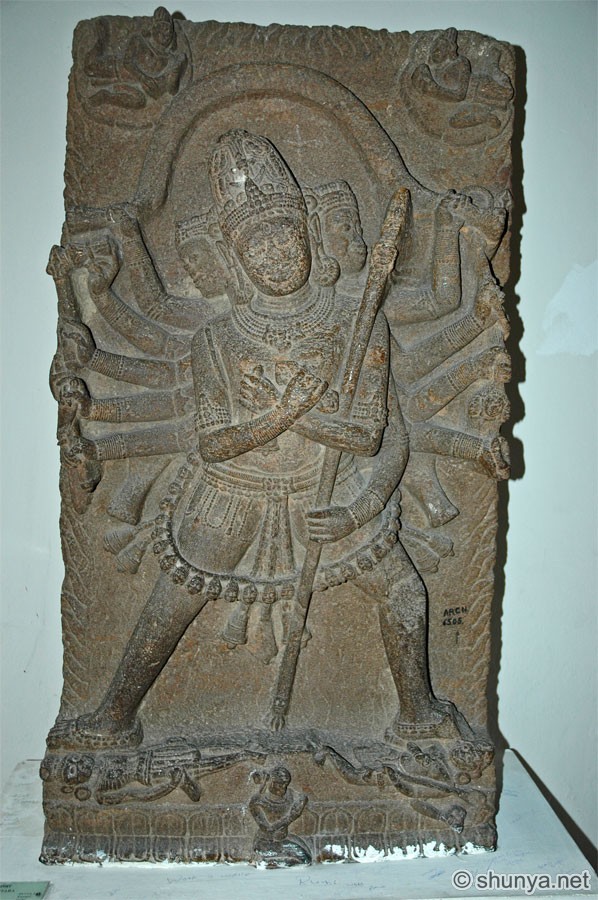 |
Ganga 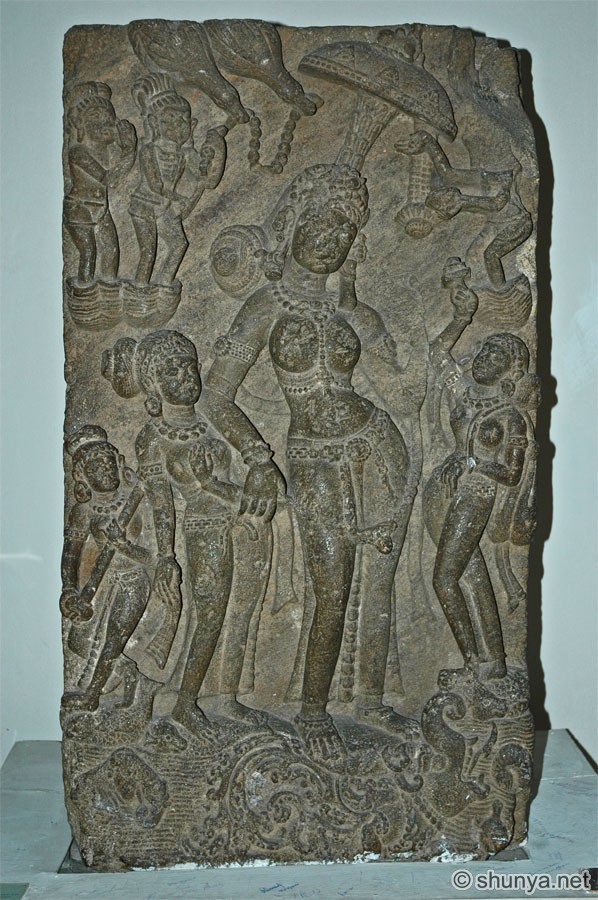 |
Simhanada
Avalokiteshvar 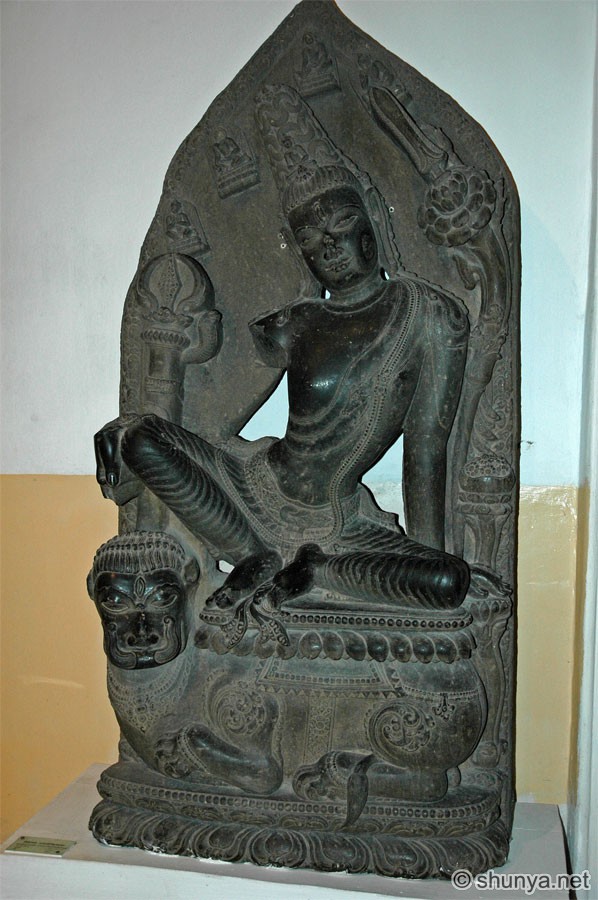 |
Varun 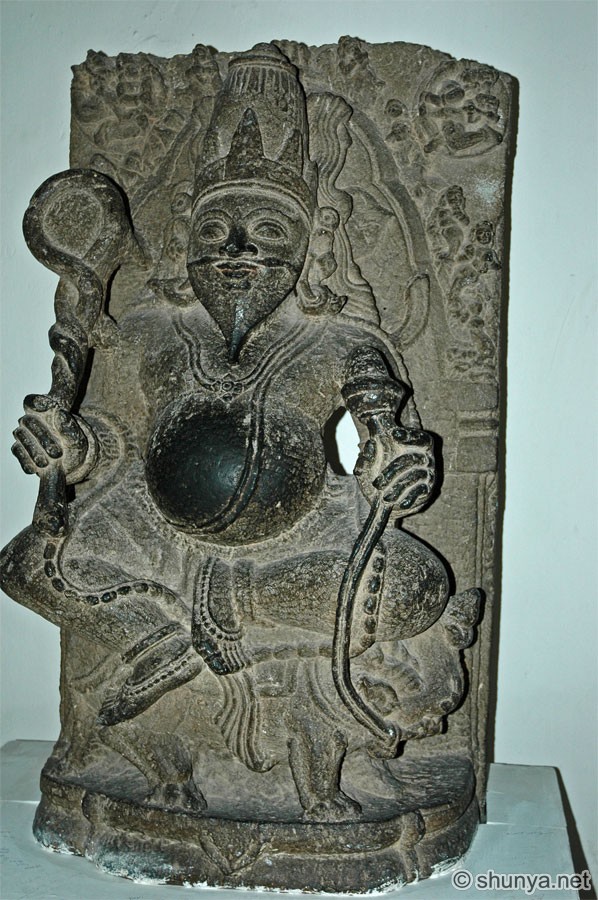 |
Designed in collaboration with Vitalect, Inc. All rights reserved. |