





Lucknow, Uttar Pradesh, India
Lucknow, situated on river Gomti, became important in 1528 when it was captured by Babur, the first Mughal ruler of India. Under Akbar, the city became part of Oudh province. Asaf-ud-Dawlah, nawab of Oudh from 1775-97, transferred his capital from Faizabad to Lucknow. Famous for their decay and indolence, the later nawabs were nevertheless great patrons of the arts, especially dance and music. When the Indian Mutiny broke out in 1857, Sir Henry Lawrence, the British commissioner, and the European inhabitants of Lucknow were besieged for several months until rescued by British troops. The British then abandoned the city until the following year, when they regained control over India.
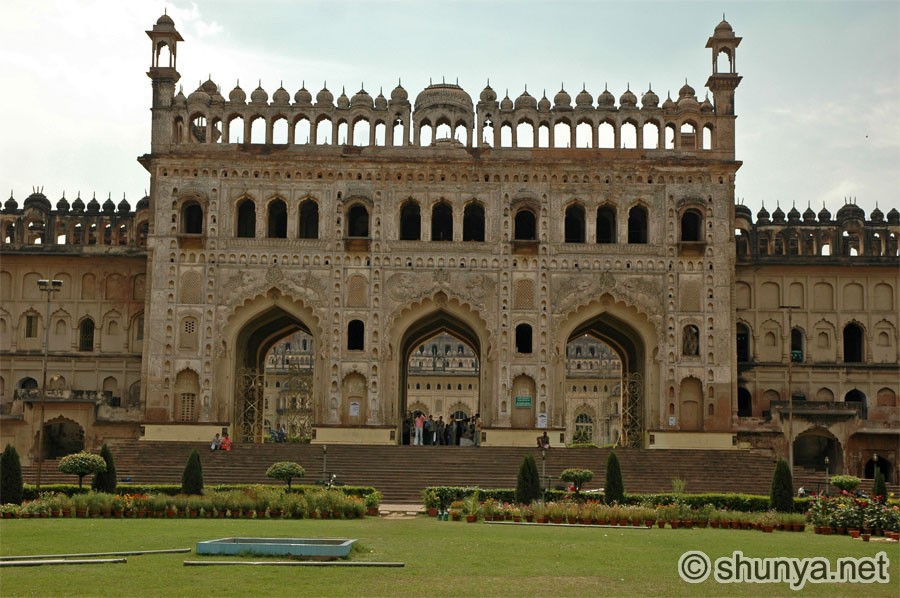
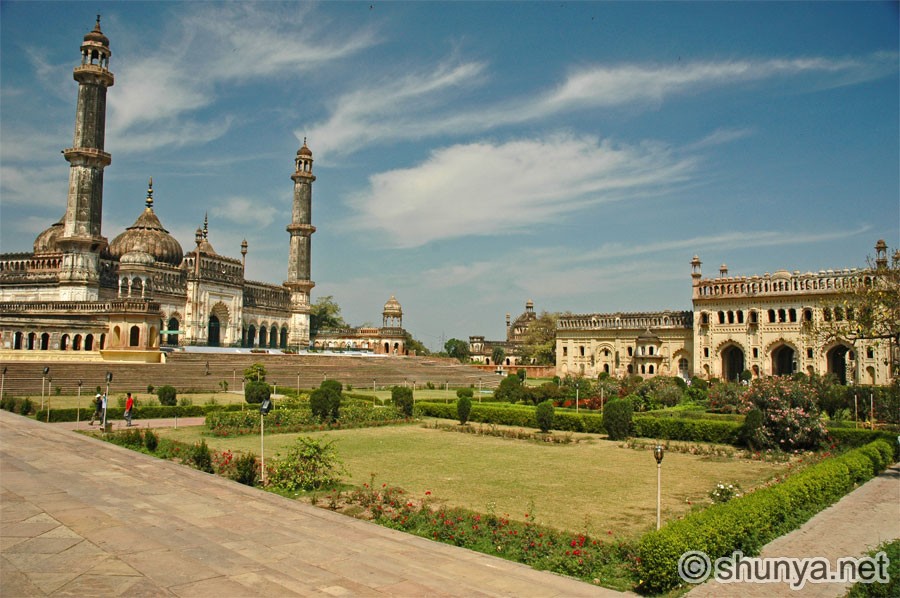
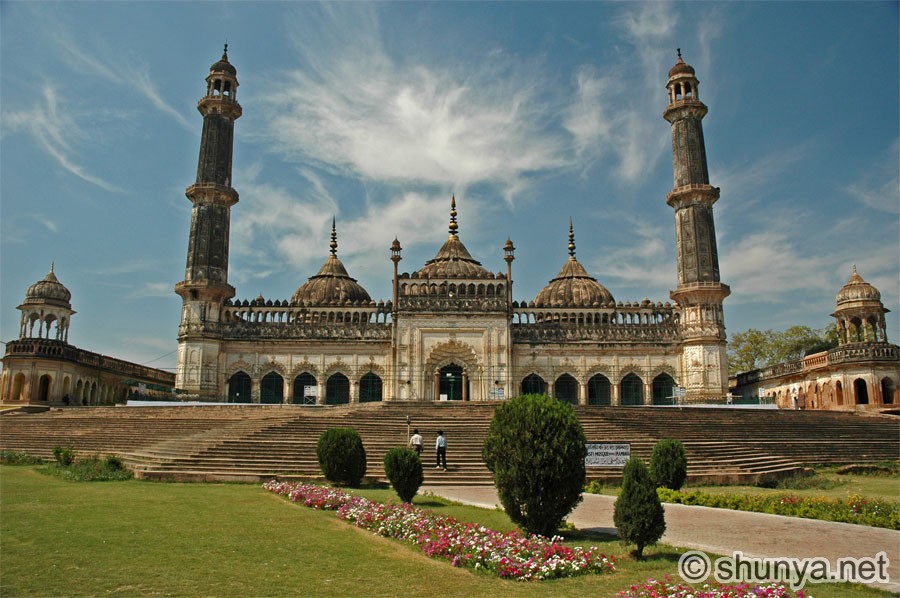
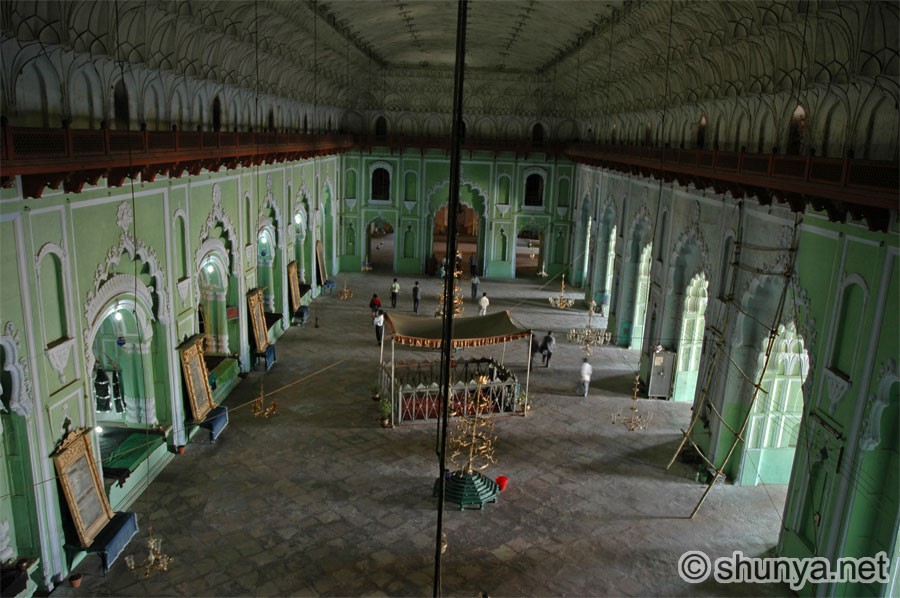
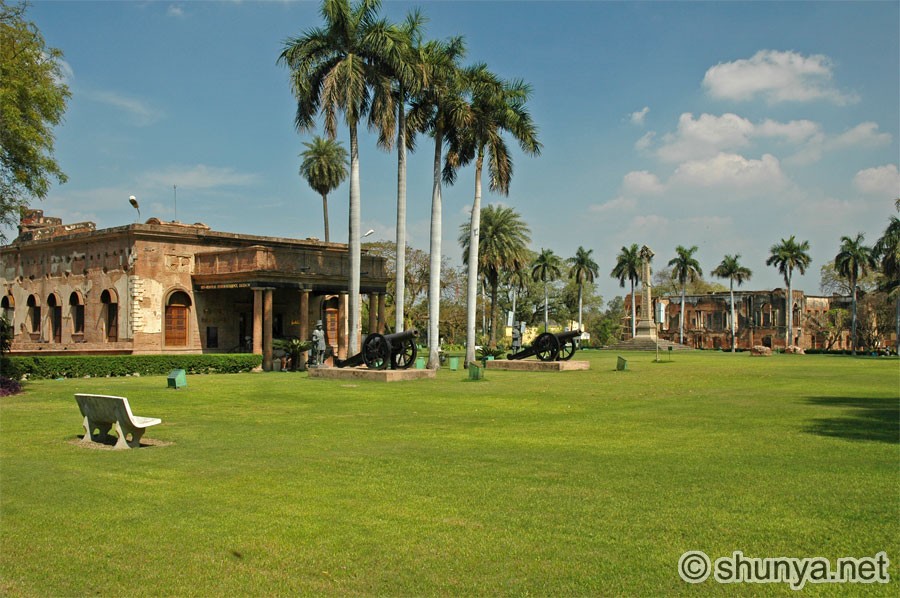
Lucknow contains notable examples of architecture. The Great Imambara (1784) is a single-storied structure where Shiite Muslims assemble during the month of Muharram. The Rumi Darwaza, or Turkish Gate, was modeled (1784) after the Sublime Porte (Bab-iHümayun) in Istanbul. The best-preserved monument is the Residency (1800), the scene of the defense by British troops during the 1857 Mutiny. A memorial commemorating the Indians who died during the uprising was erected in 1957. [Adapted from Encyclopedia Britannica; Mar 06]
Old City gate (more)  |
Convention center  |
Lucknow rooftops  |
Lucknow shining? 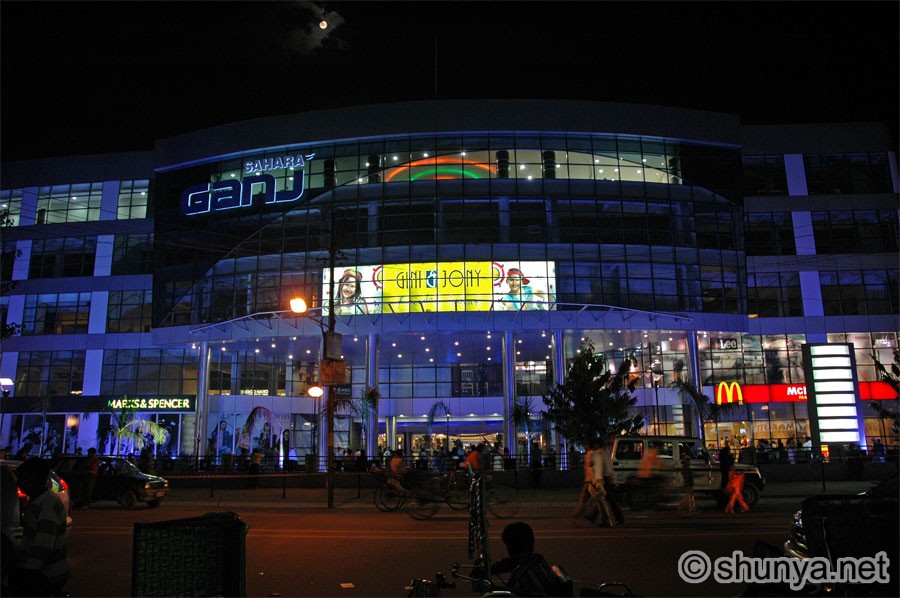 |
Clock tower 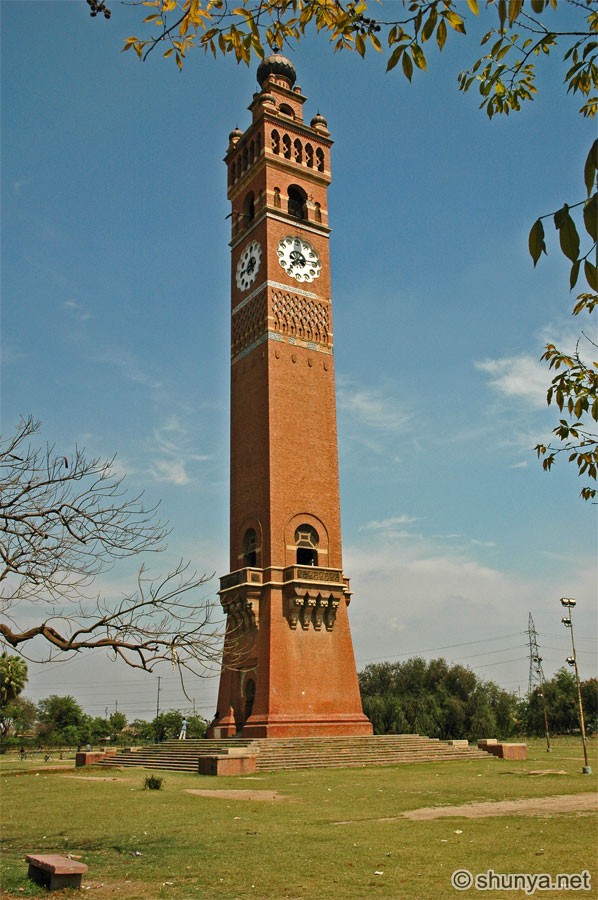 |
Mas ruinas 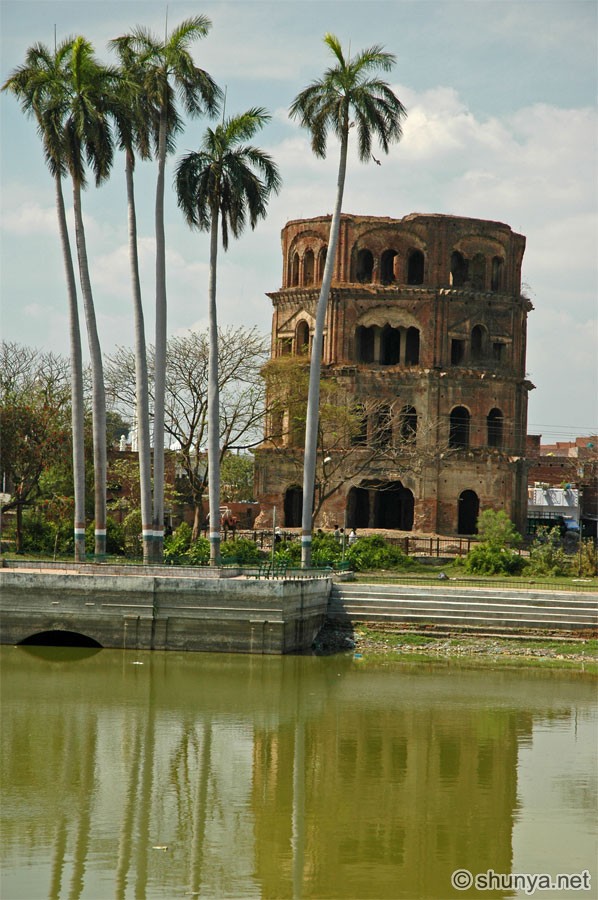 |
||
Globe park 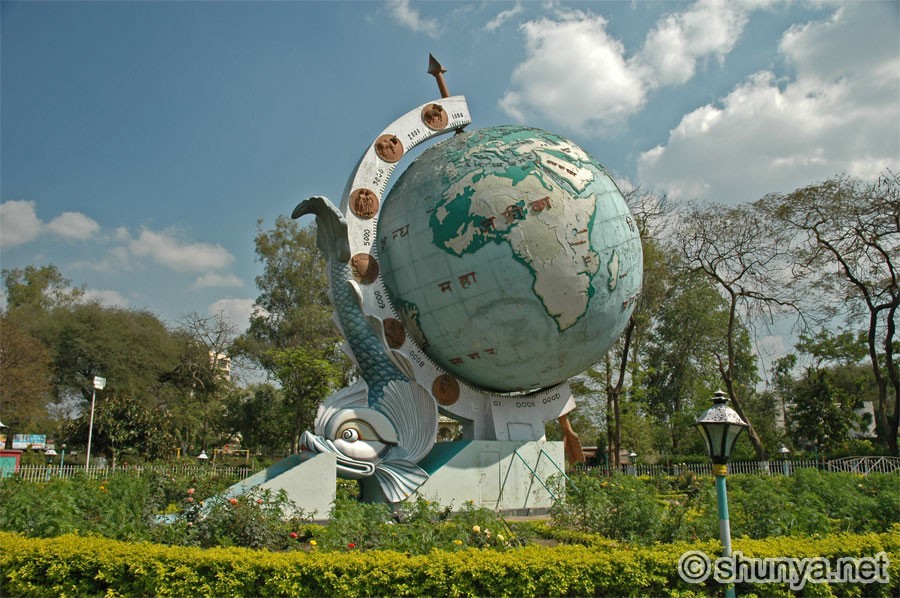 |
Hall in Baradari area (interior) 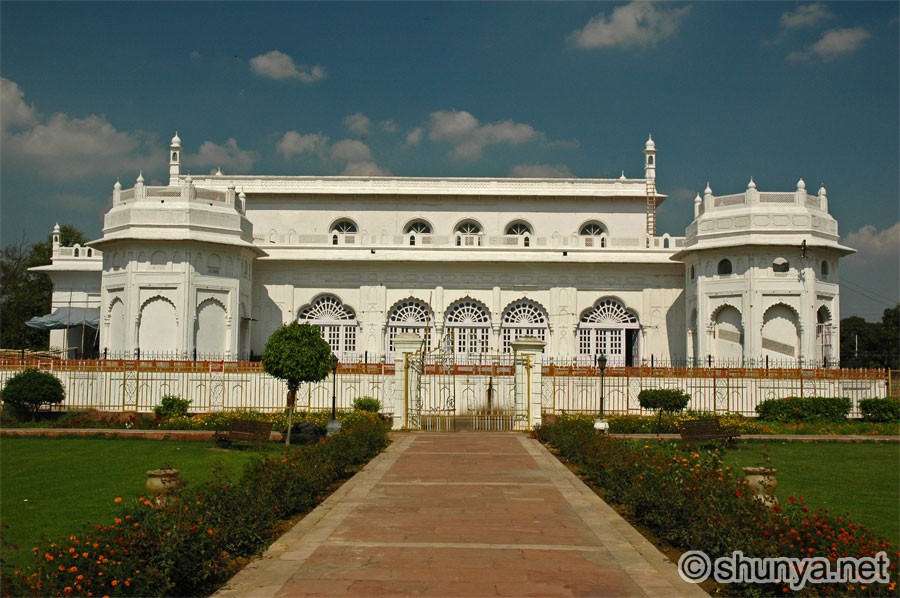 |
||
|
Bara Imambara |
|||
First gateway 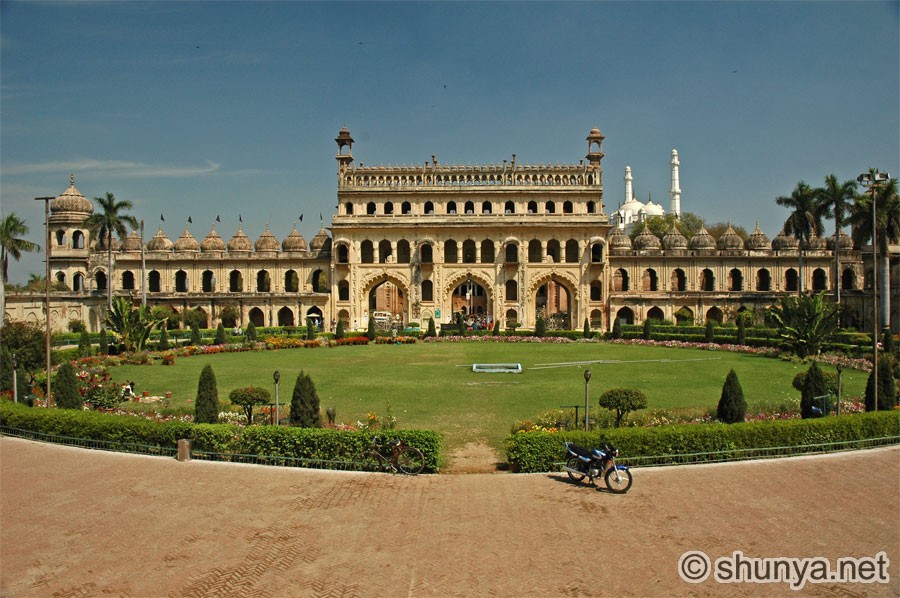 |
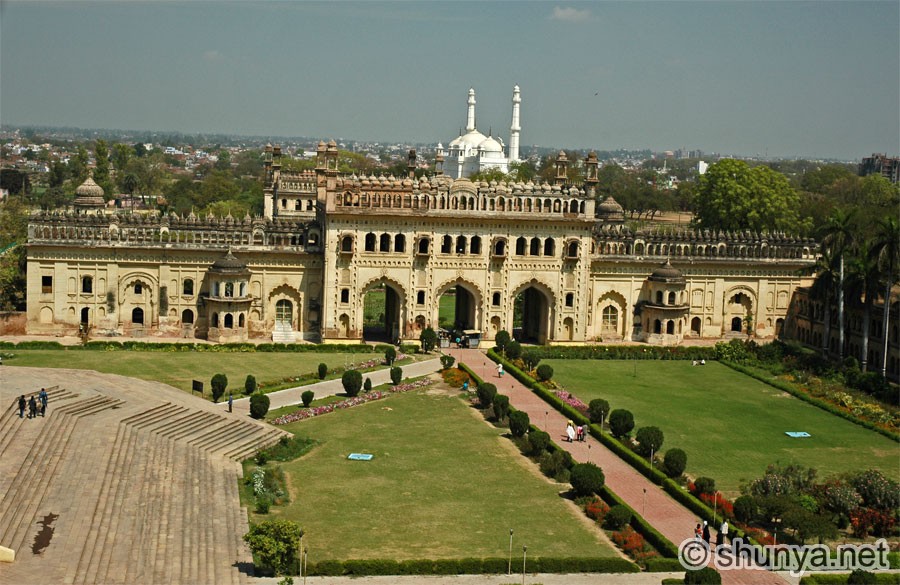 |
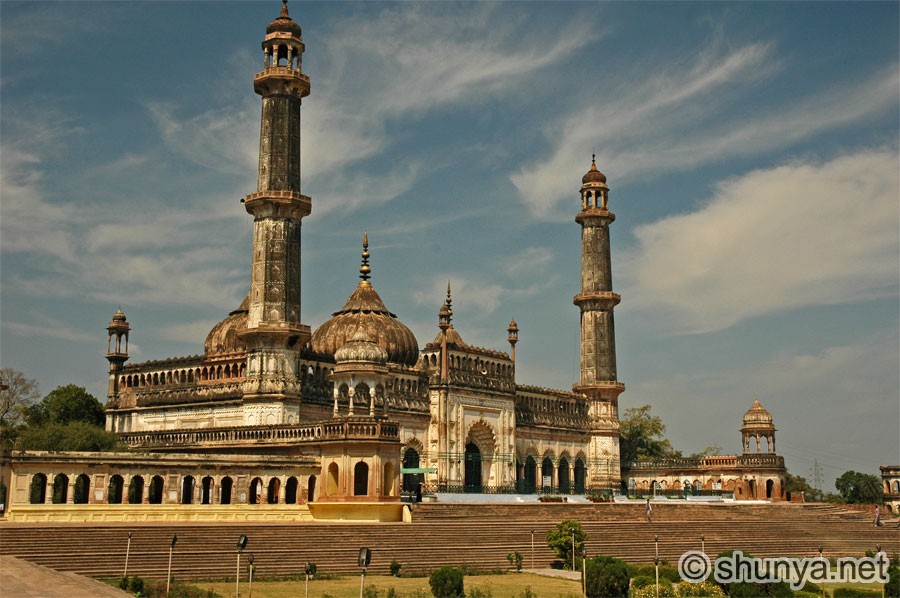 |
Main building (a mausoleum) 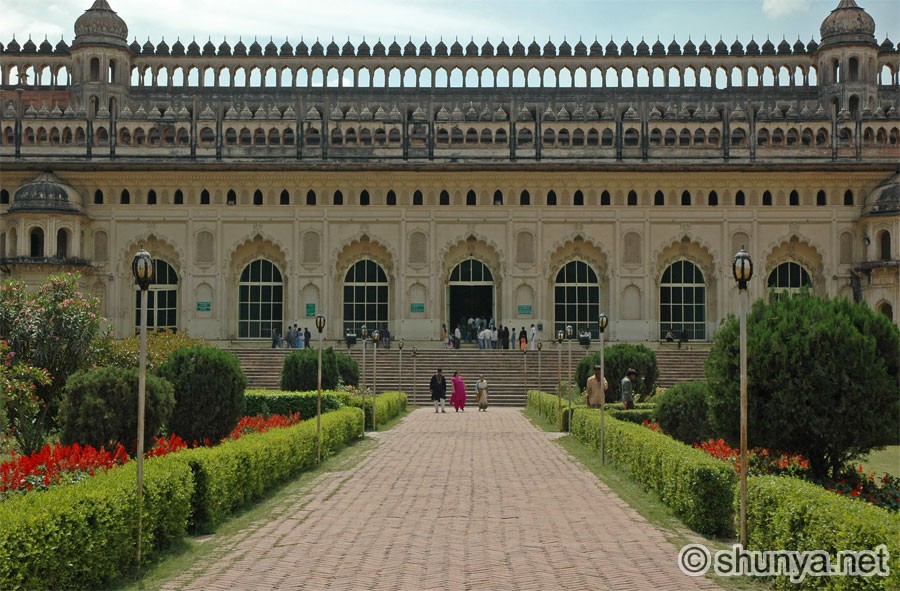 |
First hallway (more) 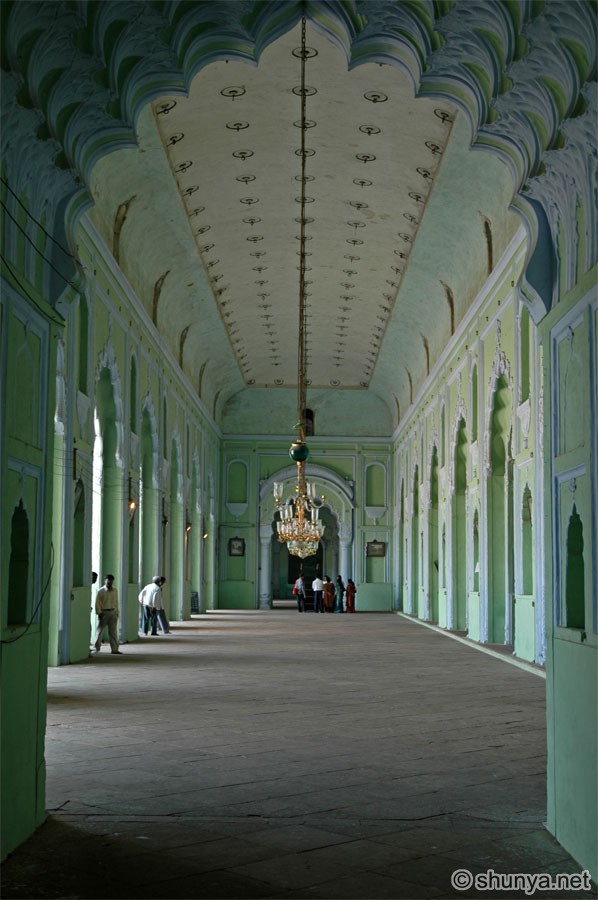 |
Domed chamber 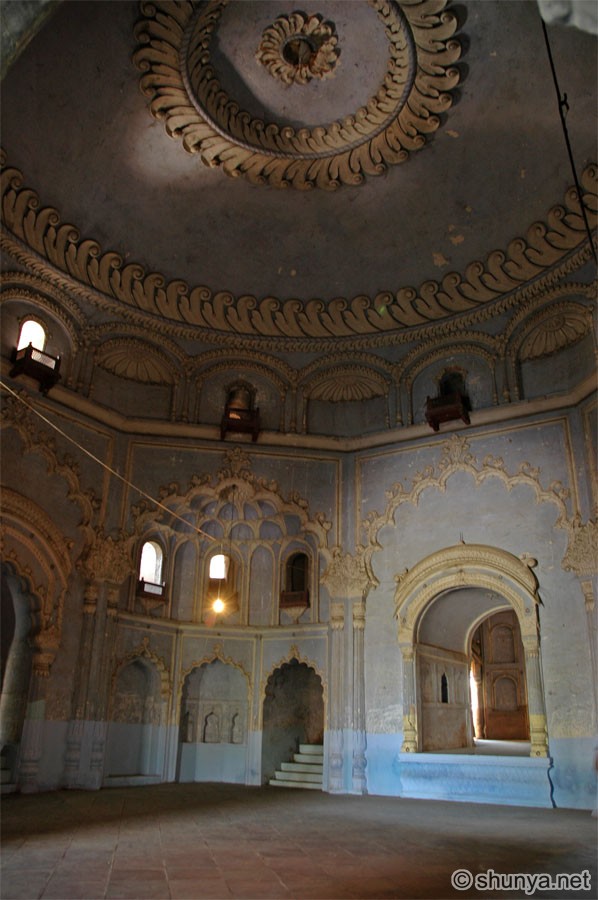 |
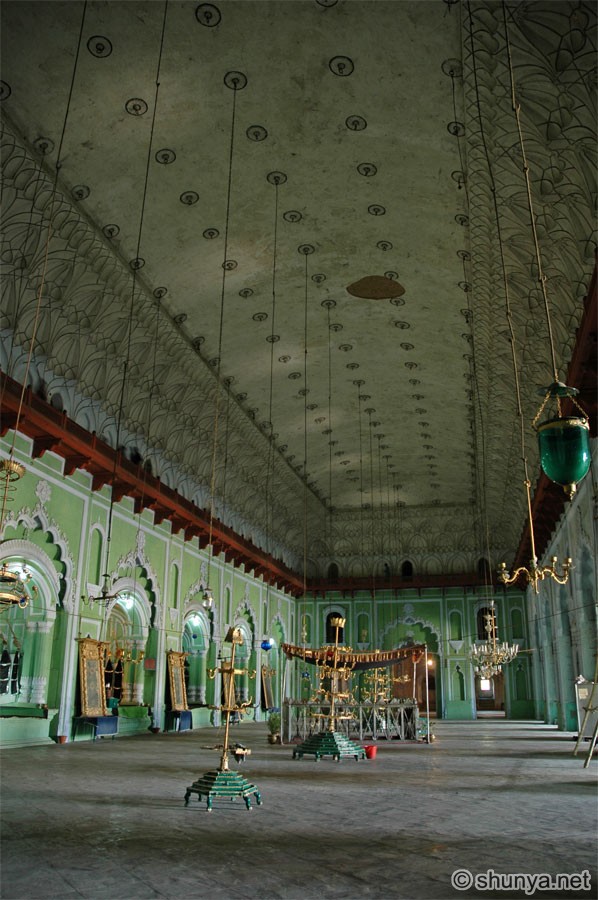 |
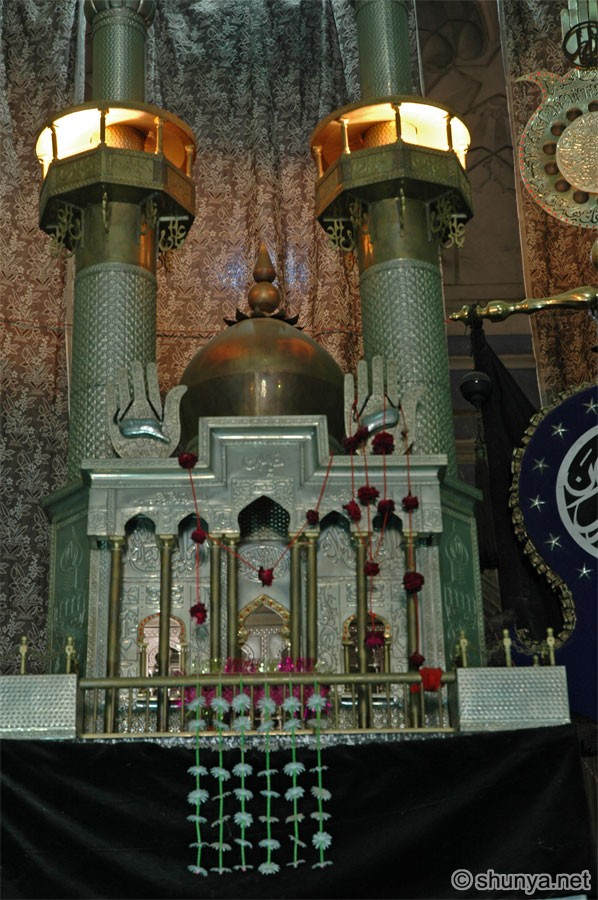 |
Bhulbhulaiya (labyrinth)  |
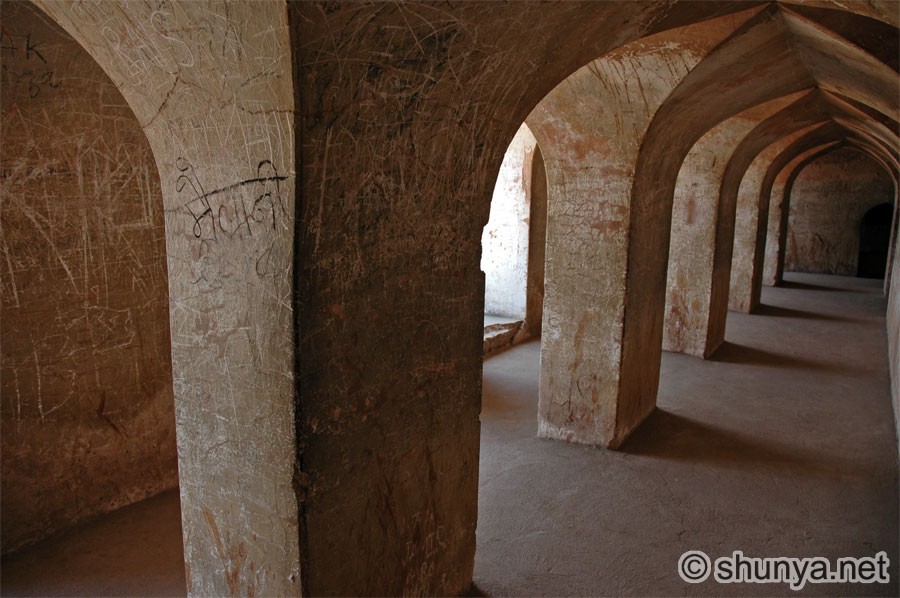
Long corridor 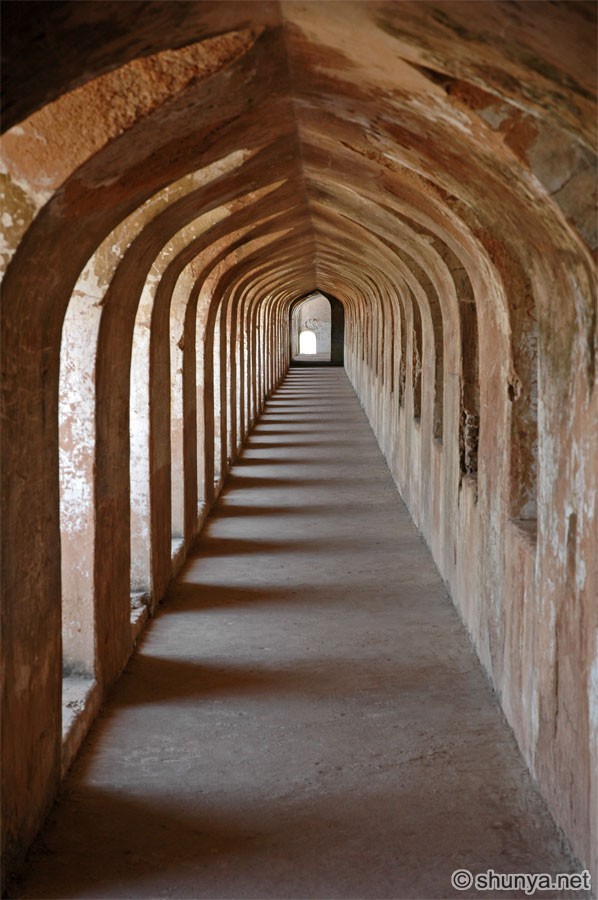 |
Long corridor (more) 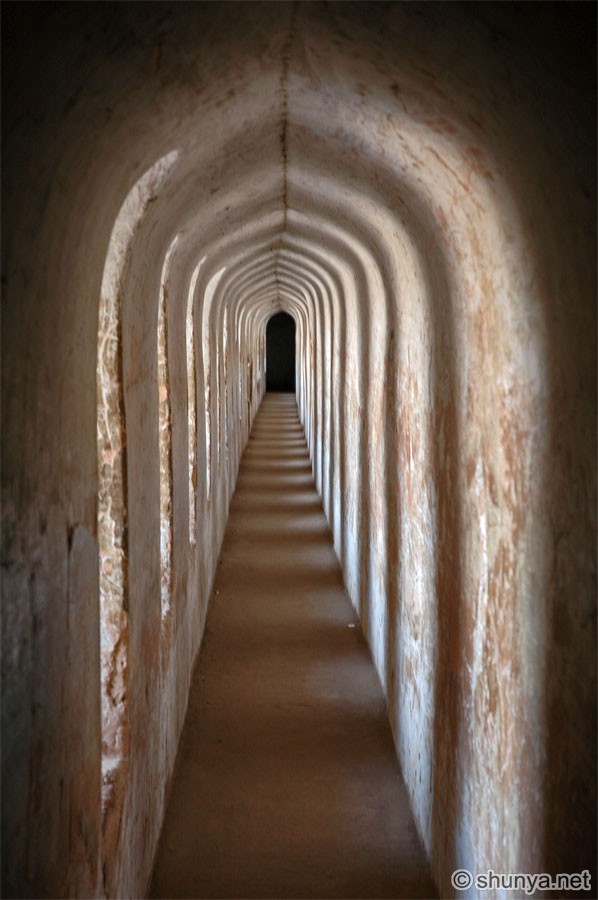 |
Rumi Darwaza nearby 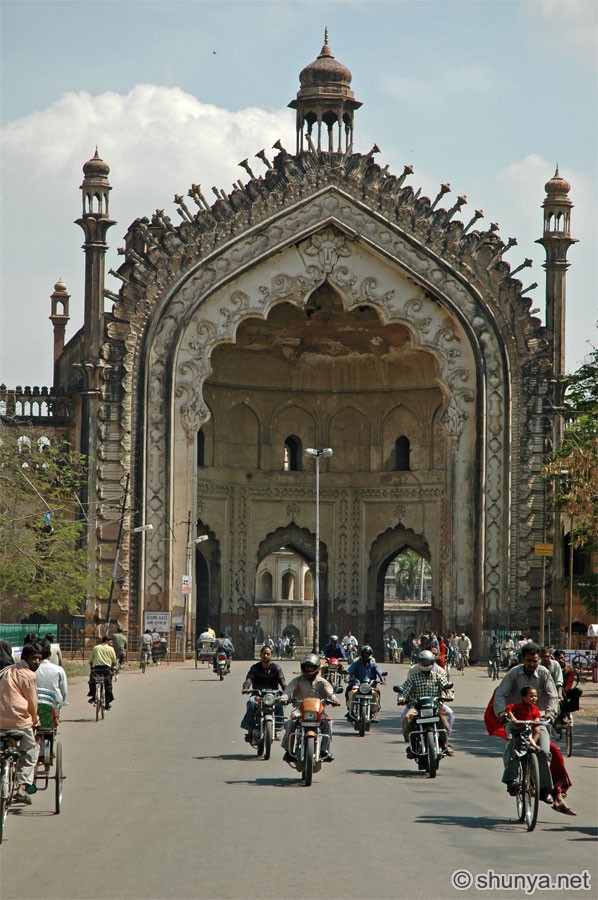 |
Shahi Bauli (well) stairway  |
Corridor 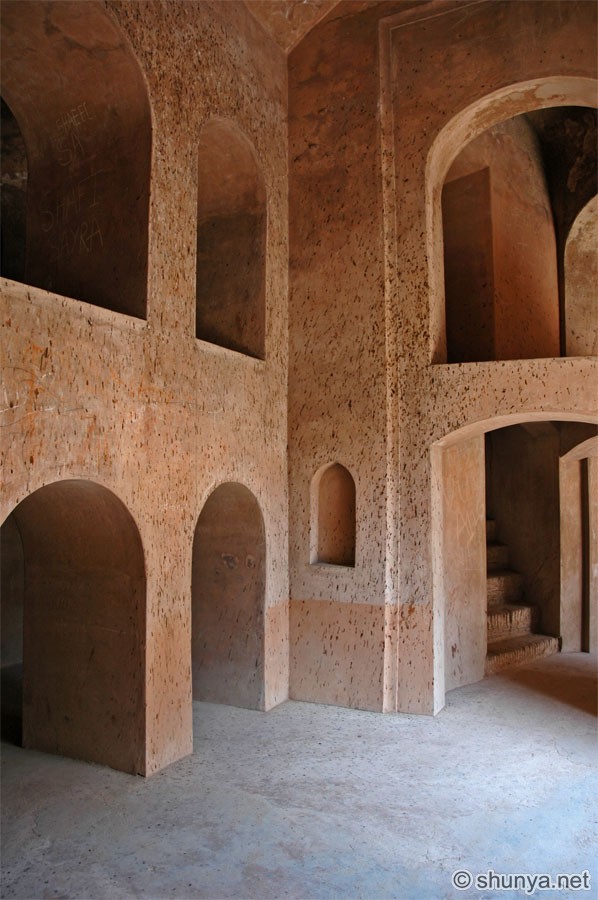 |
Corridor (more)  |
Naubat Khana outside 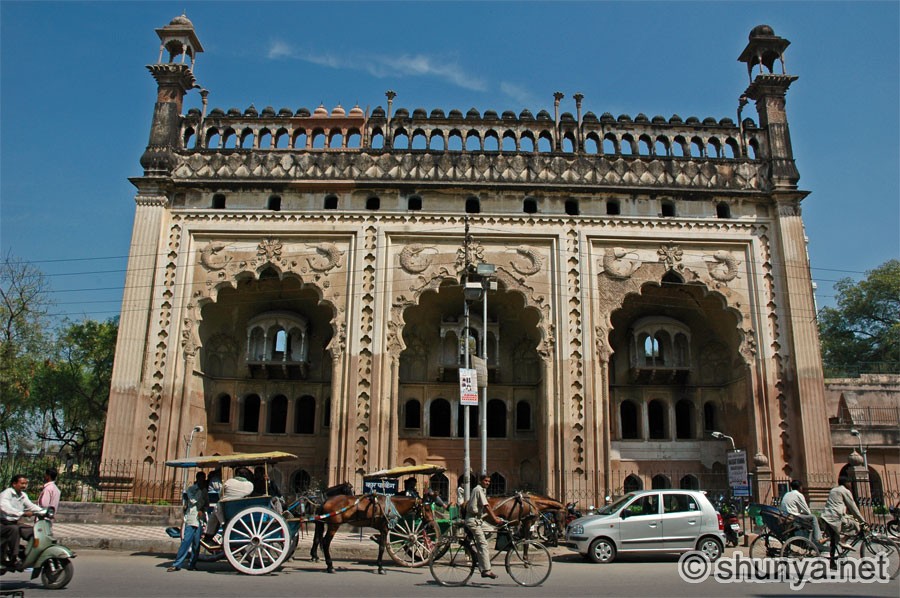 |
|
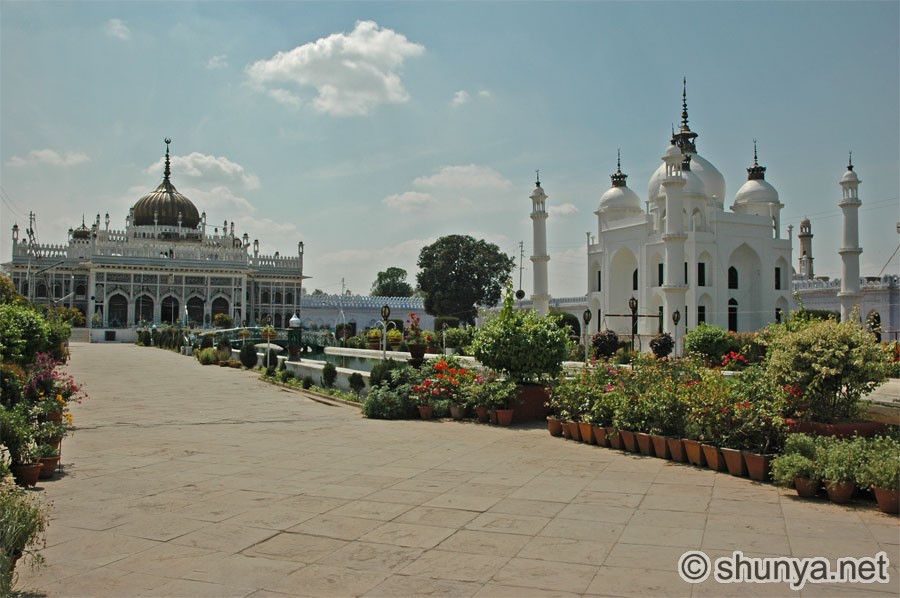
Hussainabad (or Chhota) Imambara |
|||
Complex (more) 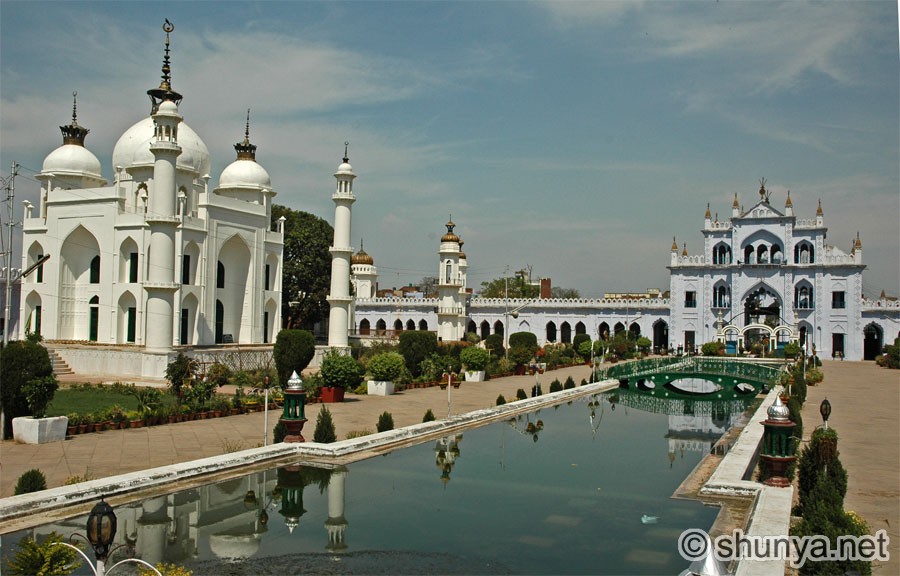 |
Main building 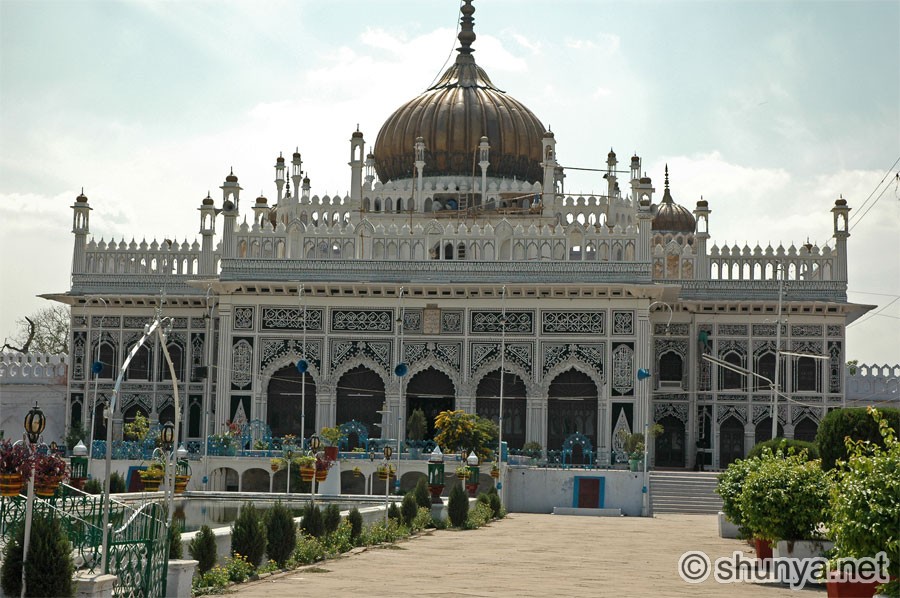 |
Main building 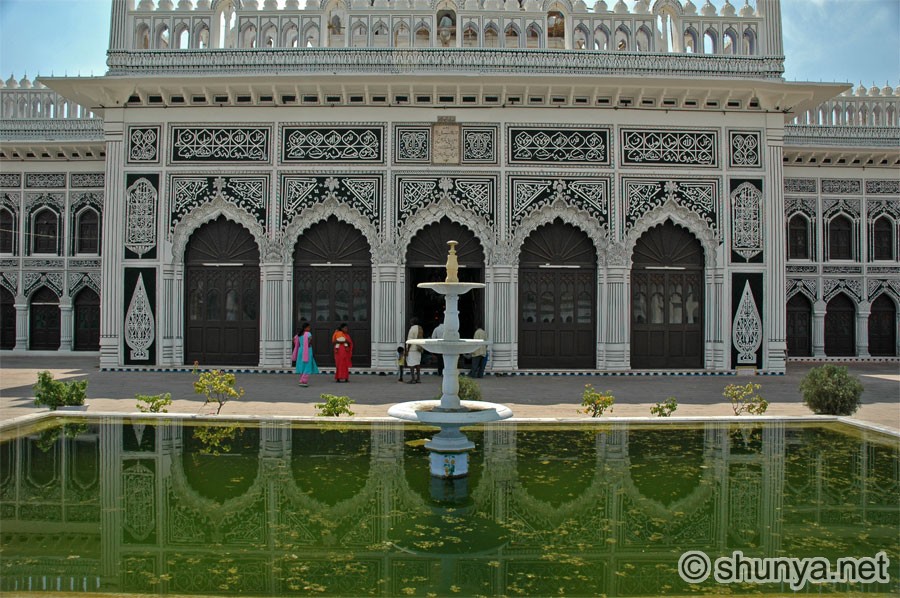 |
Hammam 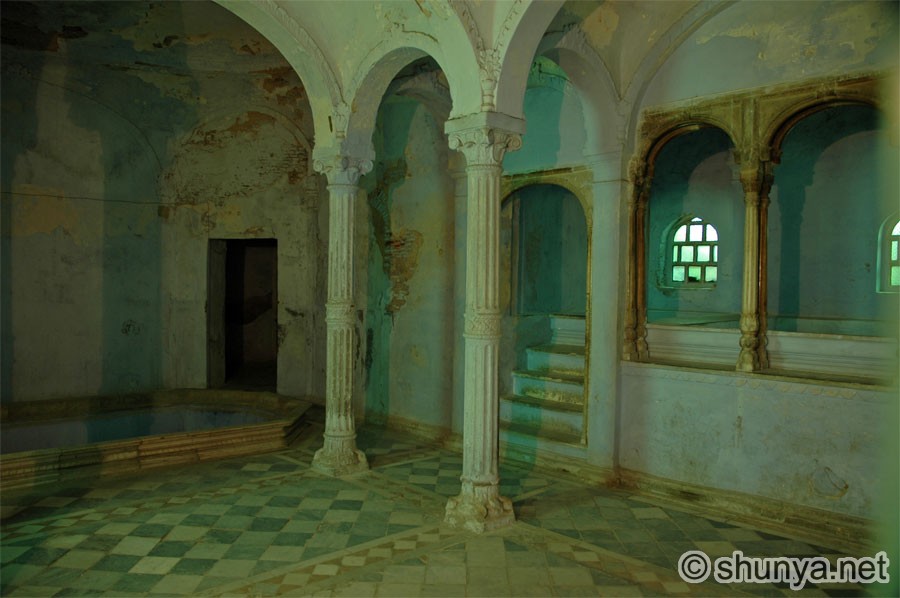 |
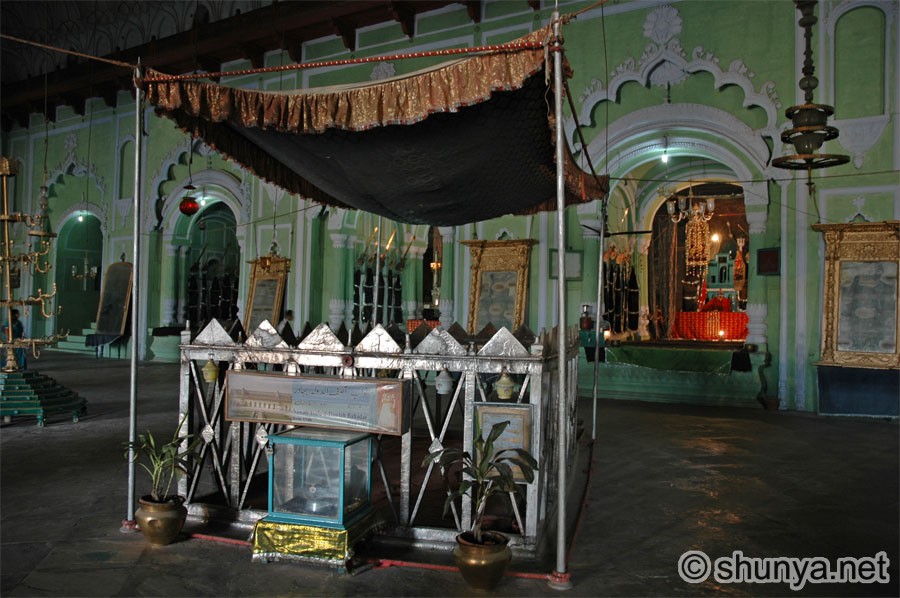
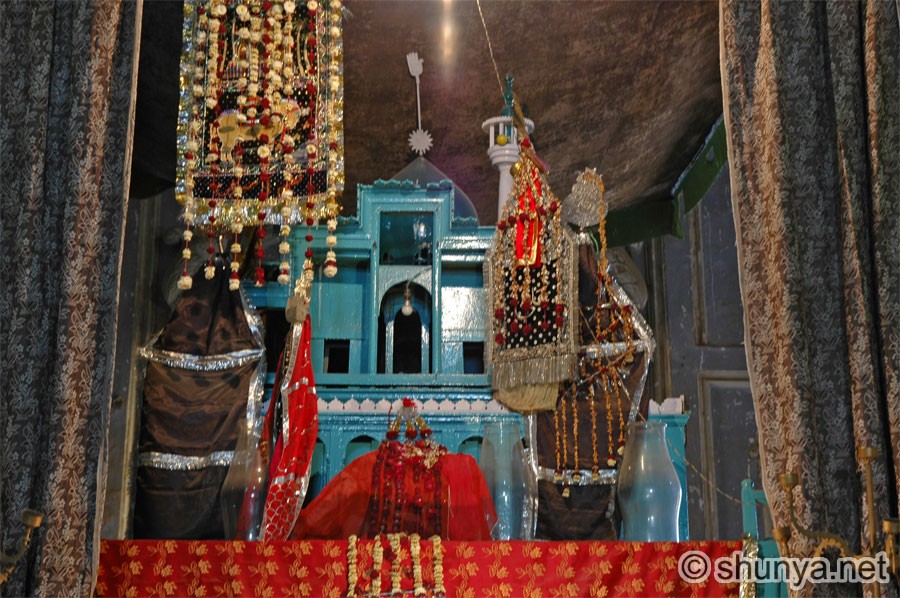
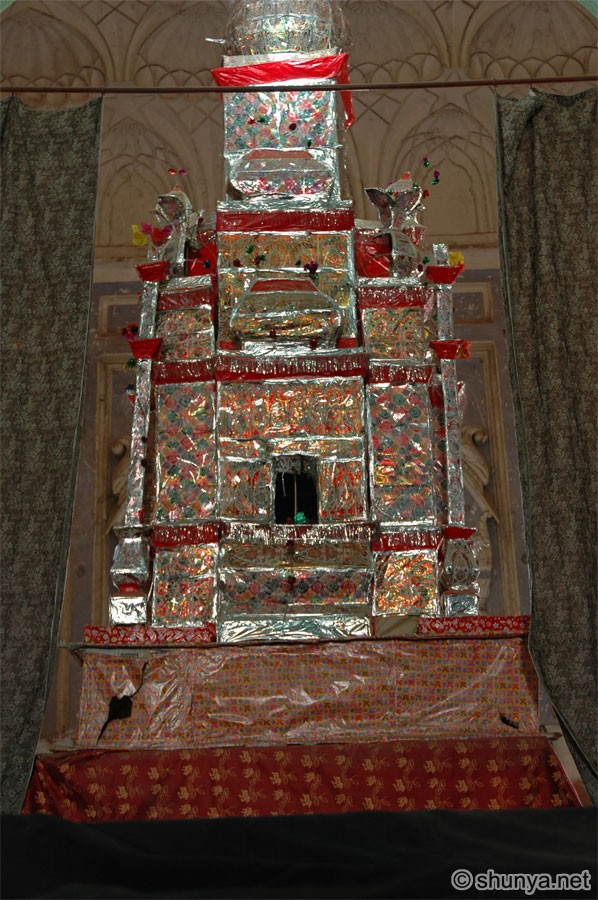
Tazia (more)  |
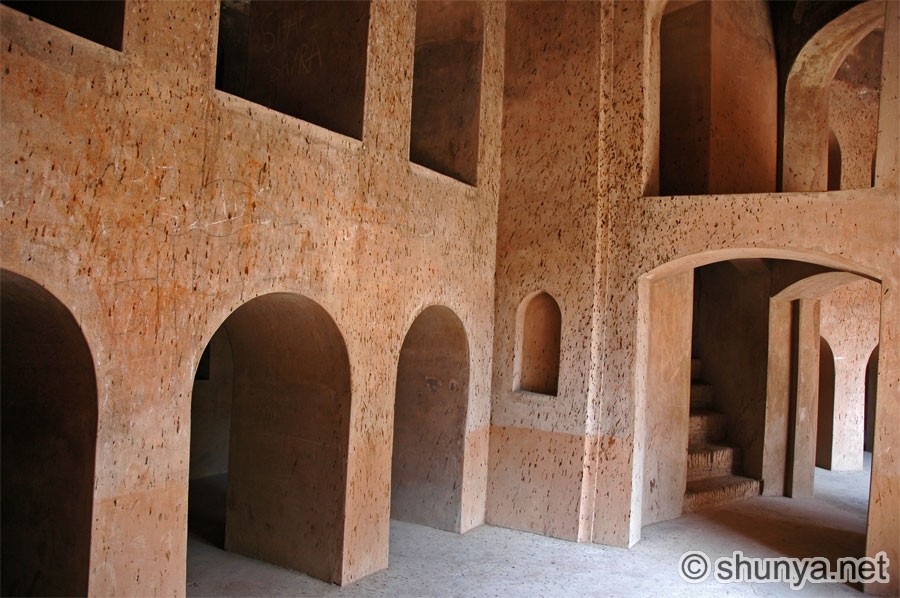
First hall 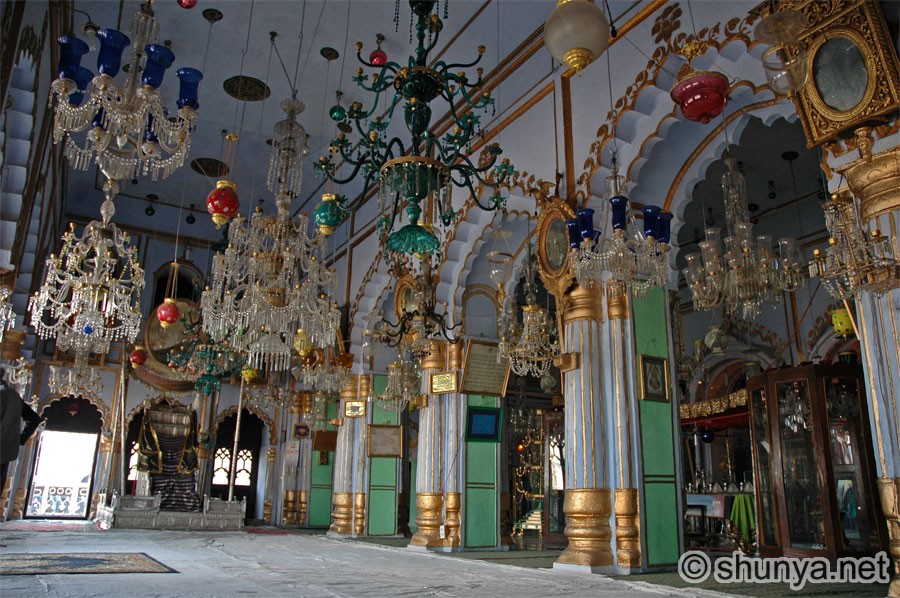 |
Second hall 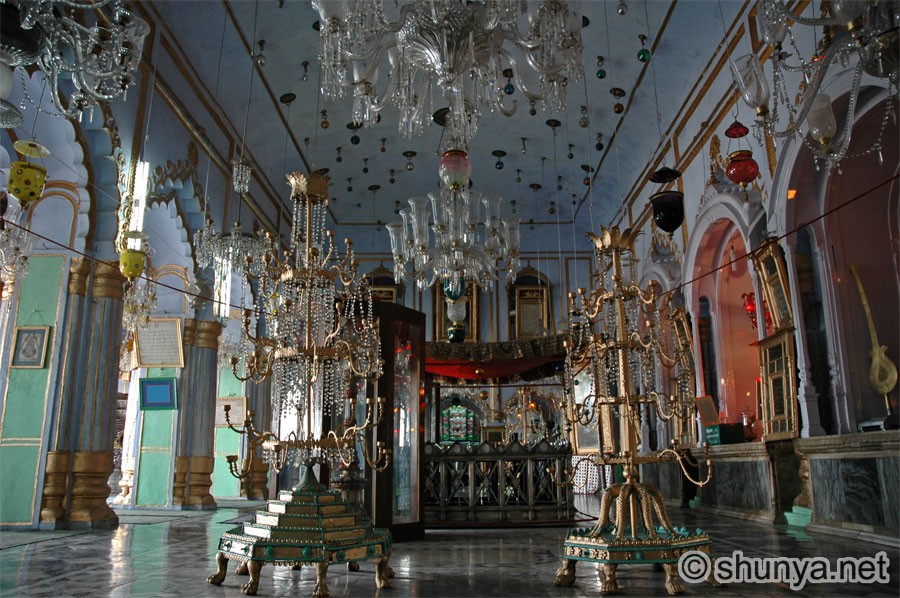 |
Imitation Taj 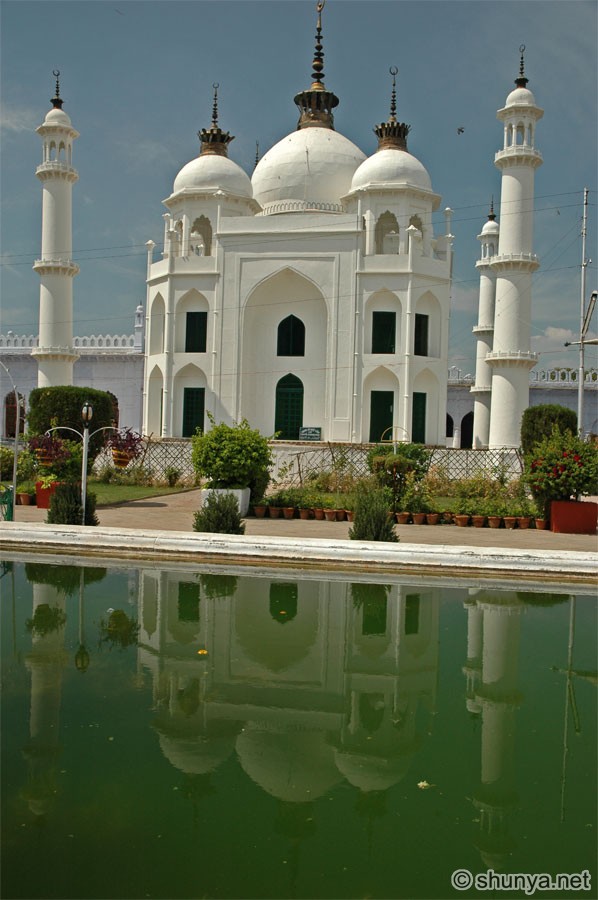 |
Memorial 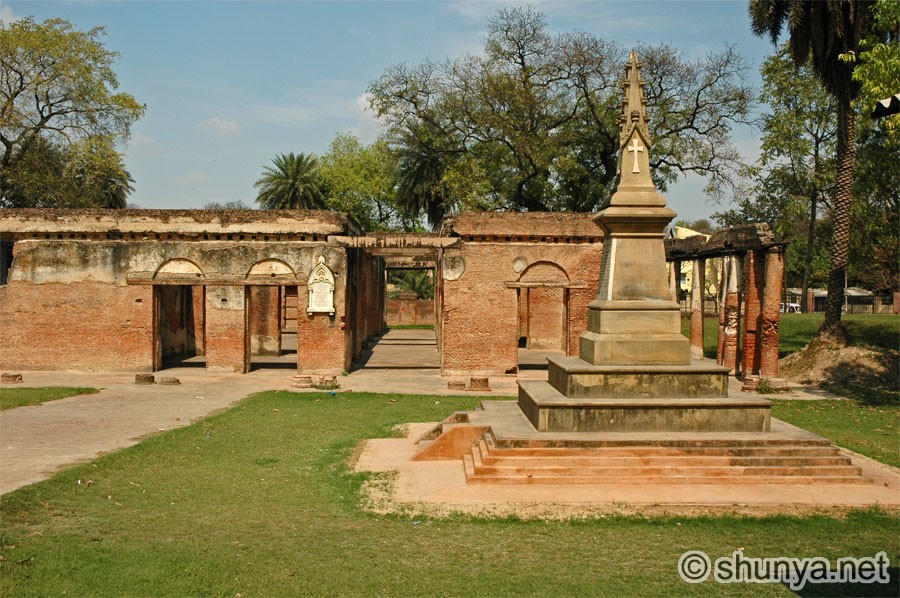 |
Banquet hall and garden 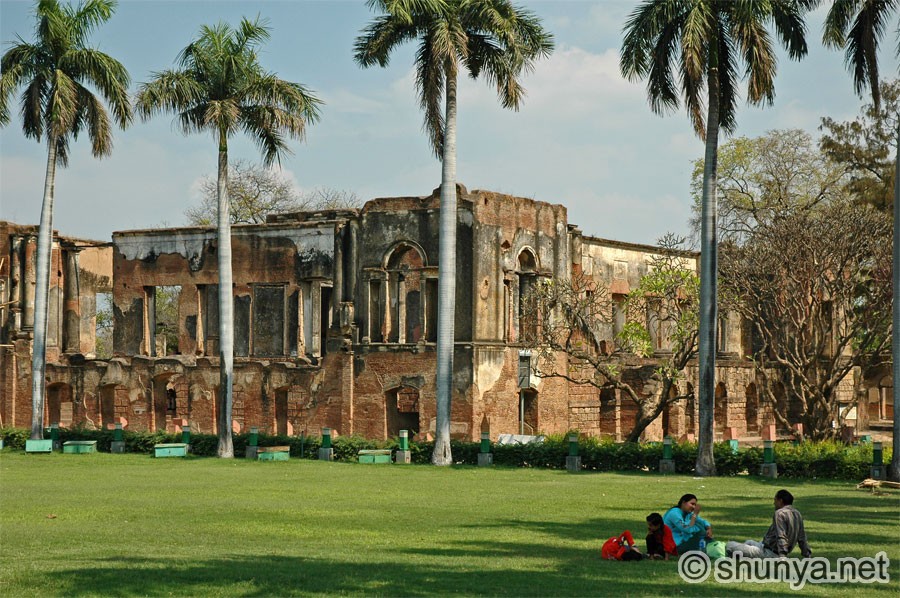 |
||
 |
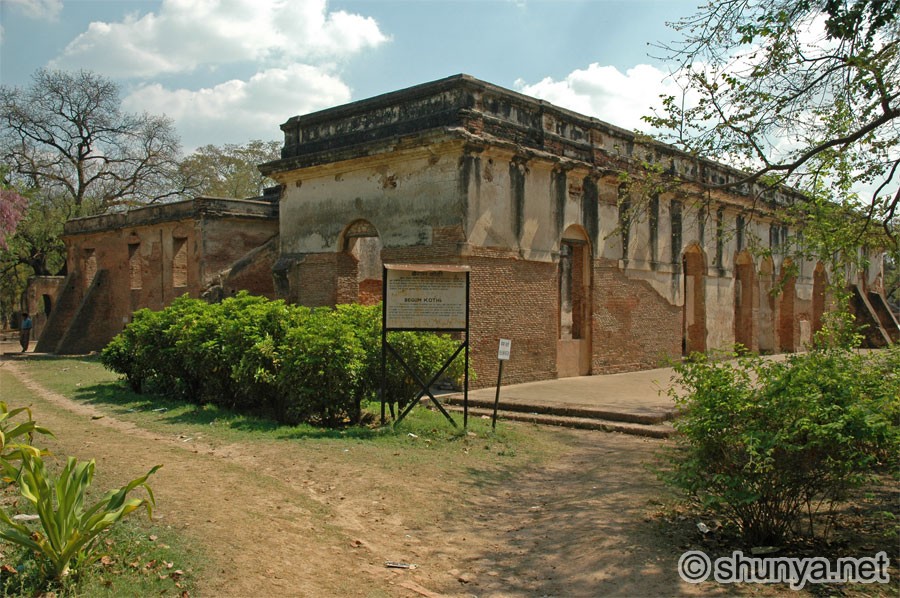 |
||
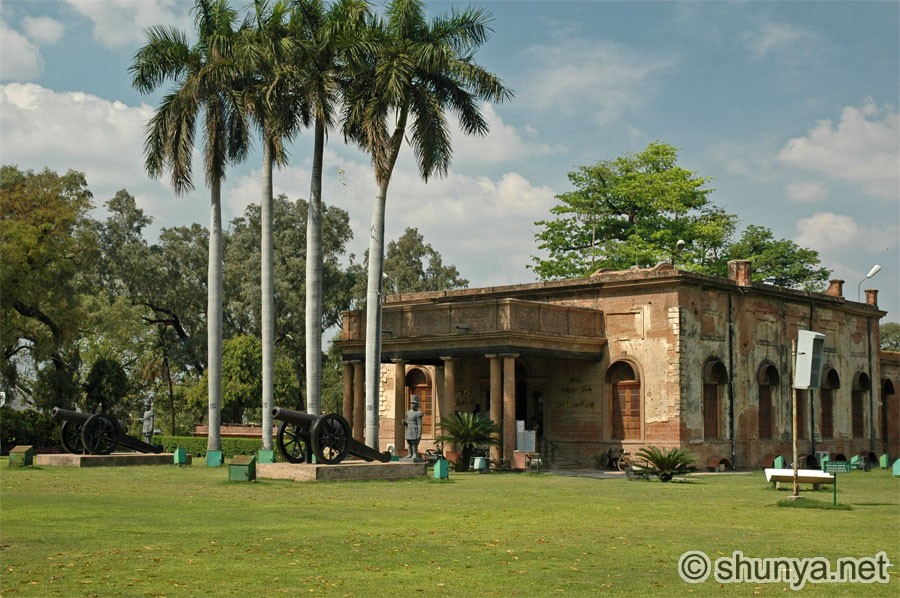
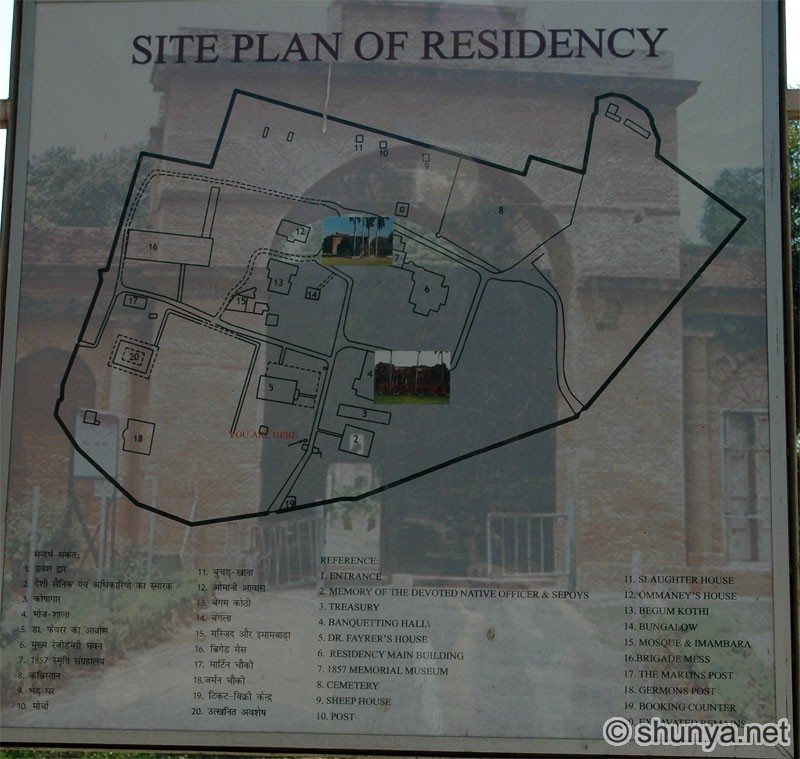
Residency main building  |
Residency main building 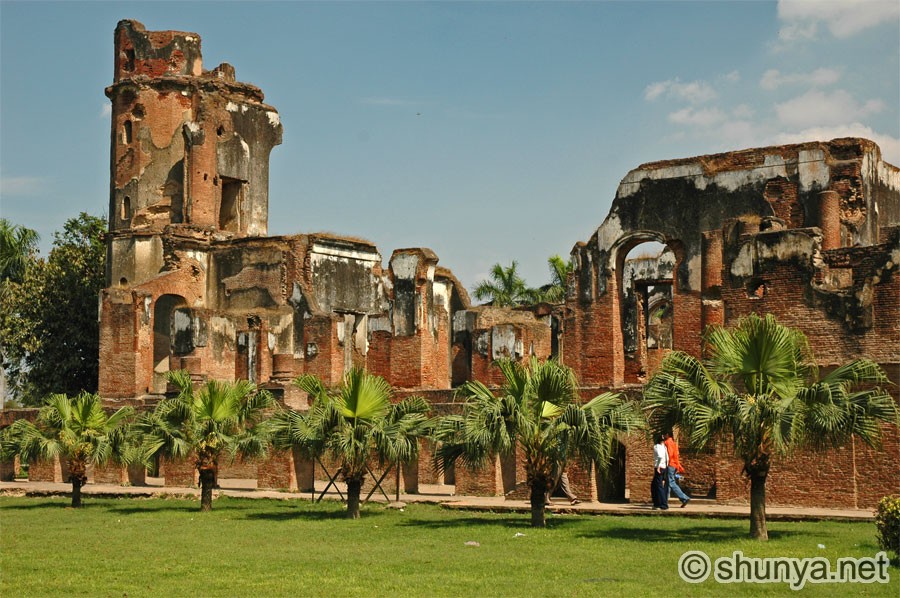 |
Dr. Fayrer's house (more) 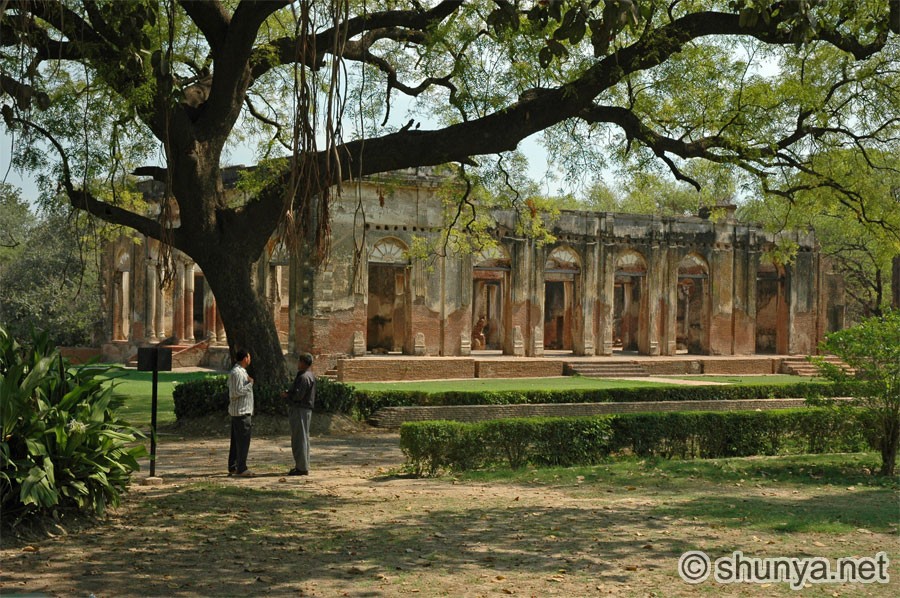 |
 |





Designed in collaboration with Vitalect, Inc. All rights reserved. |