

Gwalior, Madhya Pradesh, India (Info: 1, 2)
Gwalior is justly famous for at least three things: its imposing fort, Mian Tansen, and the first epigraphic evidence of zero, at least on stone. According to legend, Gwalior began from a meeting between Suraj Sen and the hermit Gwalipa, who lived on the hilltop where the fort stands. The hermit cured Suraj Sen of leprosy with a drink of water from the Suraj Kund, which still remains in the fort. He then gave him a new name, Suhan Pal, and said his descendants would remain in power so long as they kept the name Pal. His next 83 descendants did just that, but the 84th changed his name to Tej Karan and—you guessed it—goodbye kingdom.
In
1398, the Tomar dynasty came to power in Gwalior and, over the next few
centuries, Gwalior Fort was the scene of continual intrigue and clashes with
neighboring powers. In 1516 the fort was besieged and taken by Ibrahim Lodi
after a long struggle. Later the Mughals, under Babur, took the fort and held it
until 1754, when the Marathas captured it. In the next 50 years the fort
changed hands many times, including twice to the British, until it came into the hands of the Scindias, whose royal descendants still live in
Gwalior. During the Indian Uprising in 1857, the maharaja remained loyal to the British
but his troops didn't, and in the mid-1858 the fort was the scene of some of the
final, and most dramatic, events of the whole Uprising. It was near here that
the British finally defeated Tantia Topi and it was in the final assault on the
fort that the rani of Jhansi was killed. Gwalior's most famous son of recent
times is the former prime minister, Atal Bihari Vajpayee. [—Adapted from Lonely Planet India, 2003; Aug 05]
__________
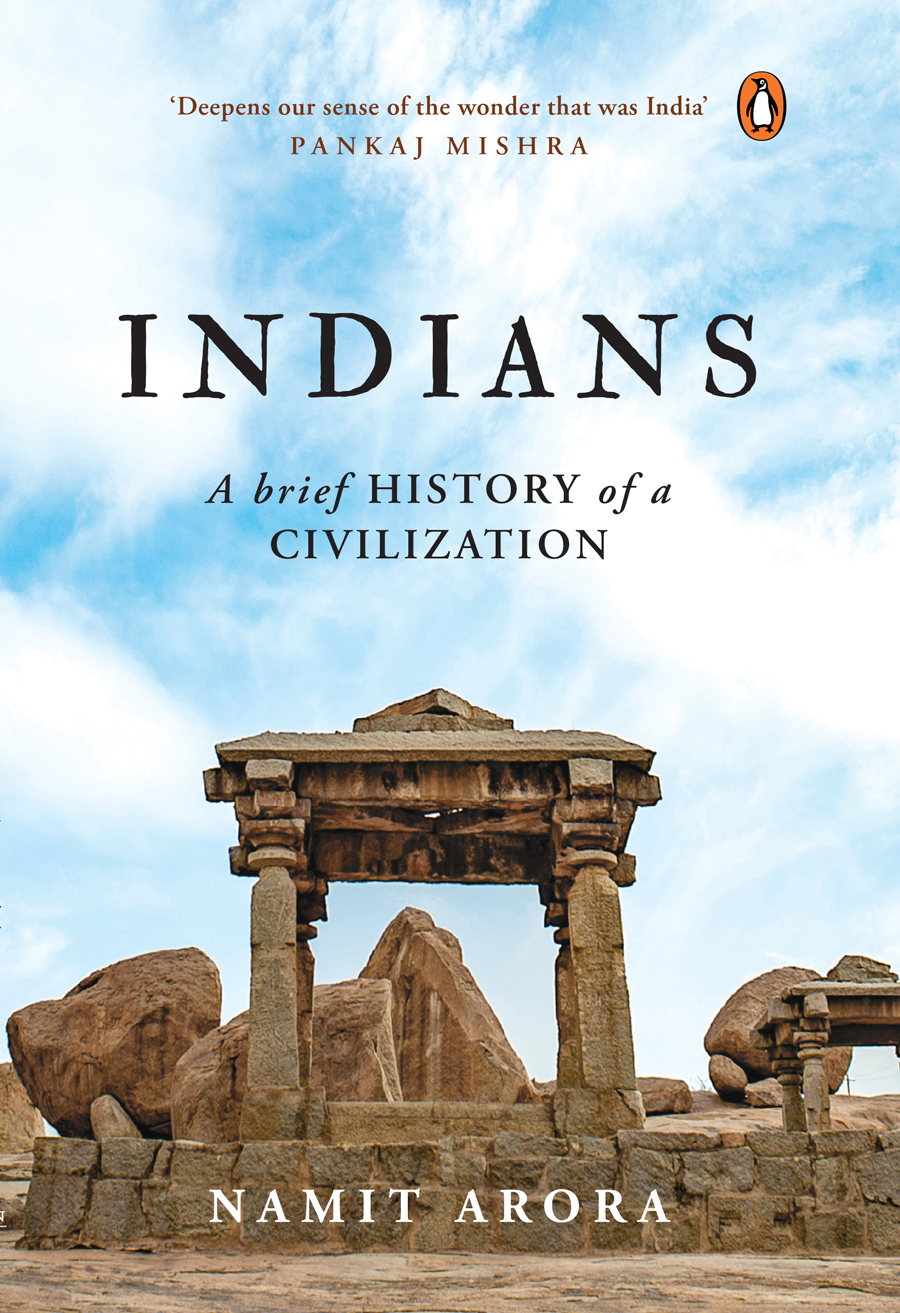
(Going "home" can be bittersweet. In this essay, Namit Arora revisits Gwalior, where he came of age.)
‘No man ever steps in the same river twice,’ wrote Heraclitus, the ancient Greek philosopher, ‘for it’s not the same river and he’s not the same man.’ Some also say this about ‘home’, making it less a place, more a state of mind. Or as Basho, the haiku master, put it, ‘Every day is a journey, and the journey itself is home.’ Still, in an age of physical migration like ours, one of the most bittersweet experiences in a migrant’s life is revisiting, after a long gap, the hometown where he came of age. More so perhaps if, while he was away, his neighborhood turned to ruin, crumbling and overrun with weeds, as happened in my case.
Last month, I revisited my boyhood home in Gwalior, a city in north central India, with my parents. I had grown up with my two sisters in Birlanagar, an industrial township in Gwalior, until I went away to college at age 17. After graduation, I left for the U.S. in 1989 for post-graduate studies and various jobs in the U.S. and Europe over the next two decades. I continued to think of Gwalior as my hometown until my parents also left in 1995 and I stopped going there during my India visits. By most measures I had a decent boyhood in Gwalior, yet I’m loath to idealize it or look upon it fondly. If it had its joys, it was also full of graceless anxieties, pressures, and confusions. (READ MORE)
|
|
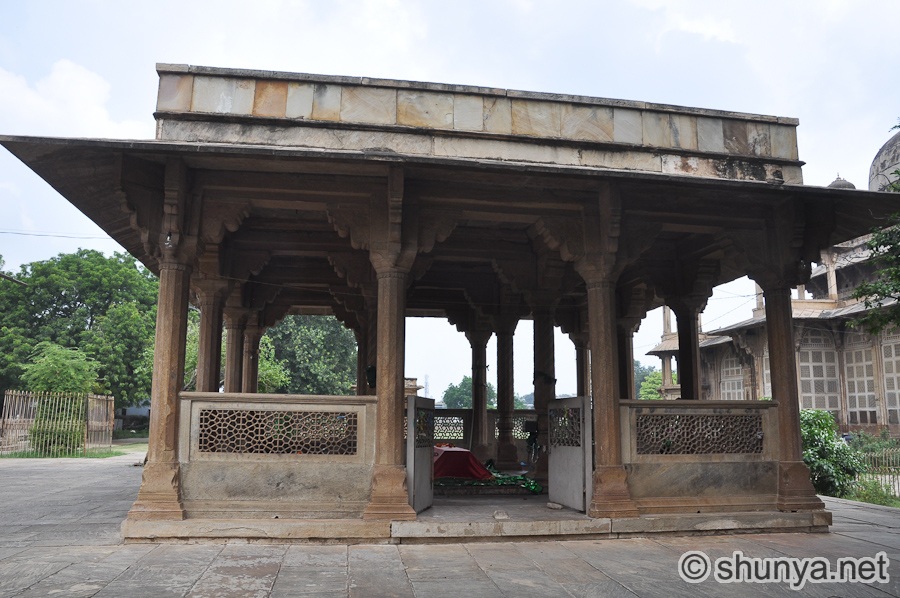
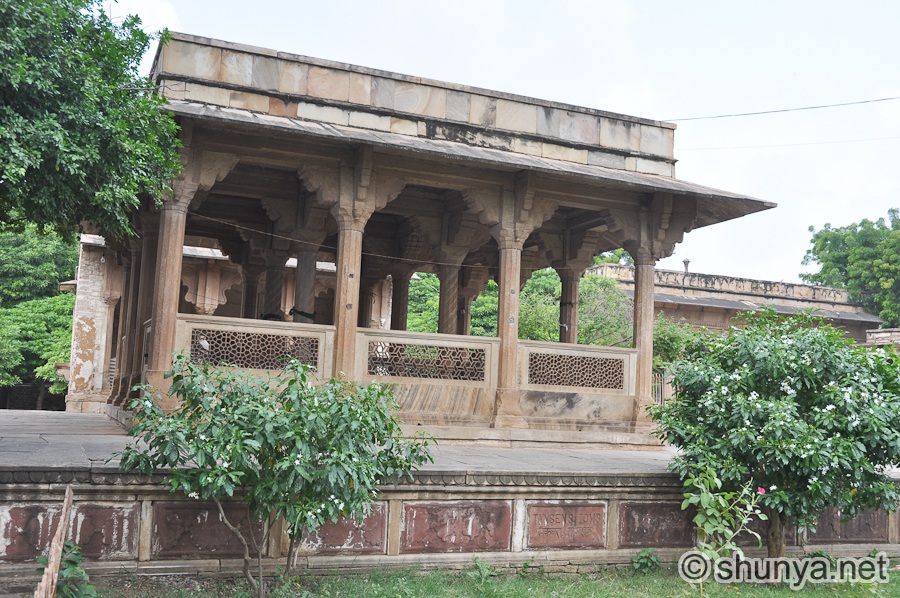
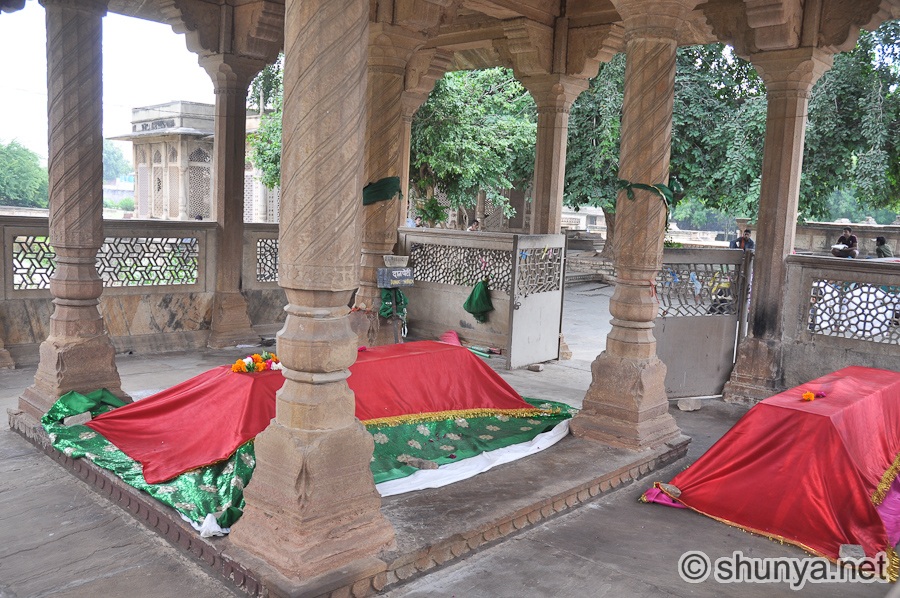
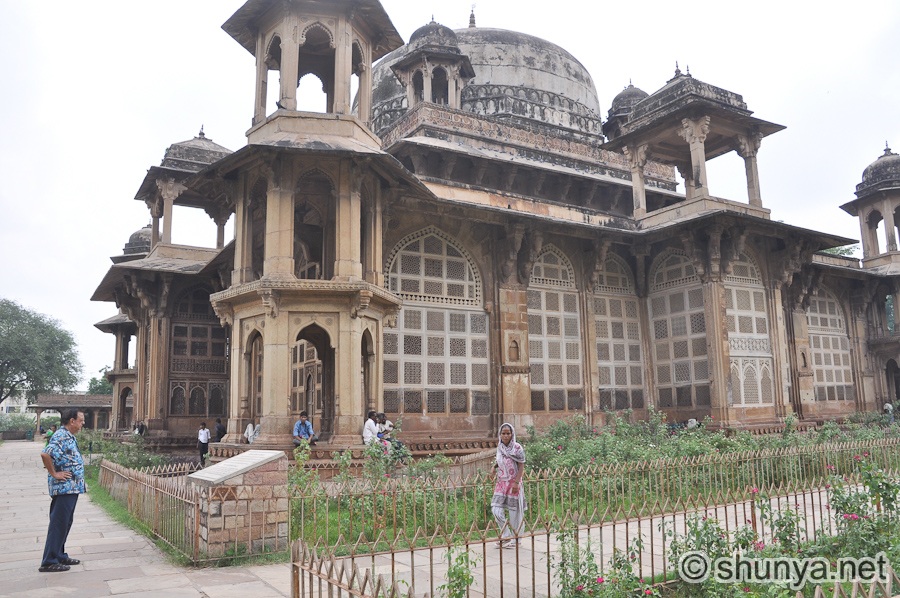
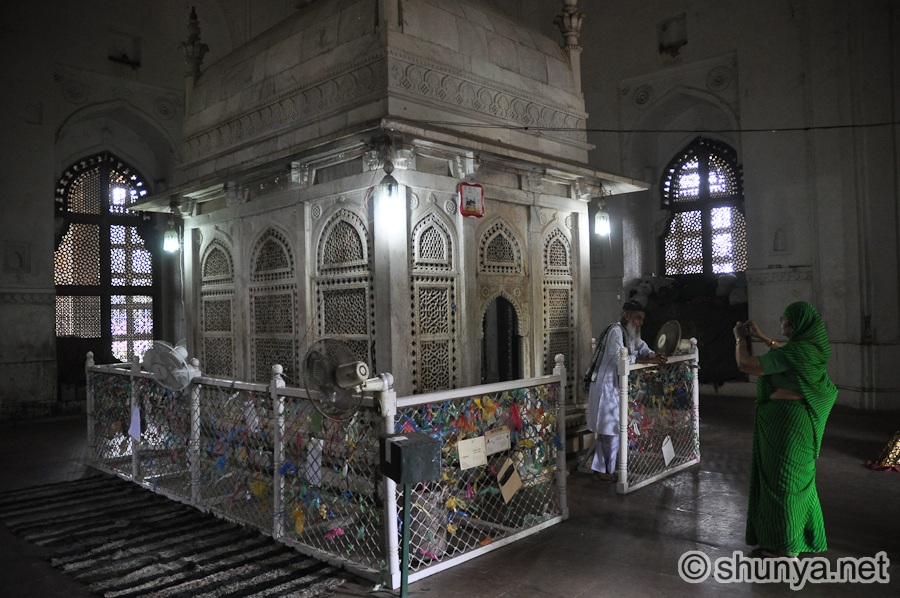
The Tomb of Tansen
|
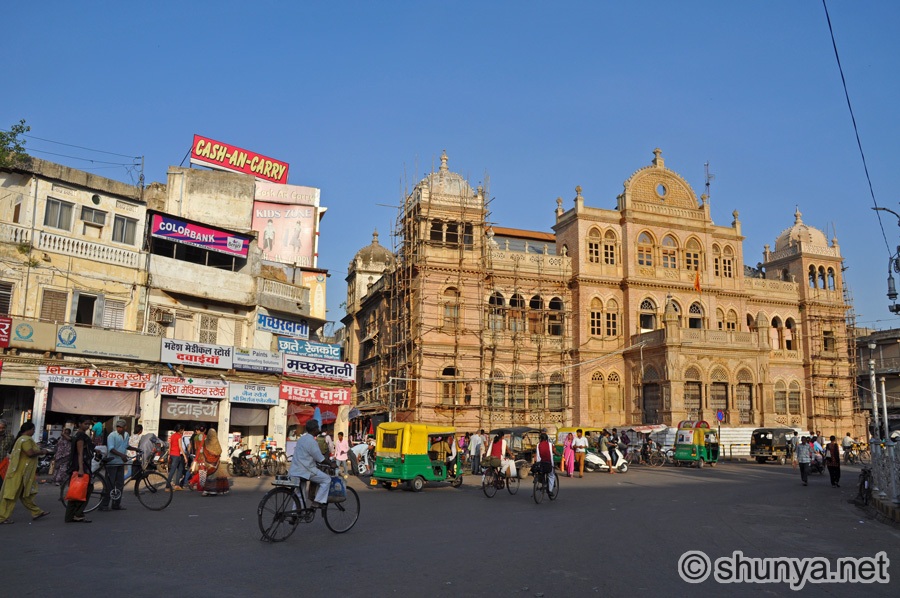
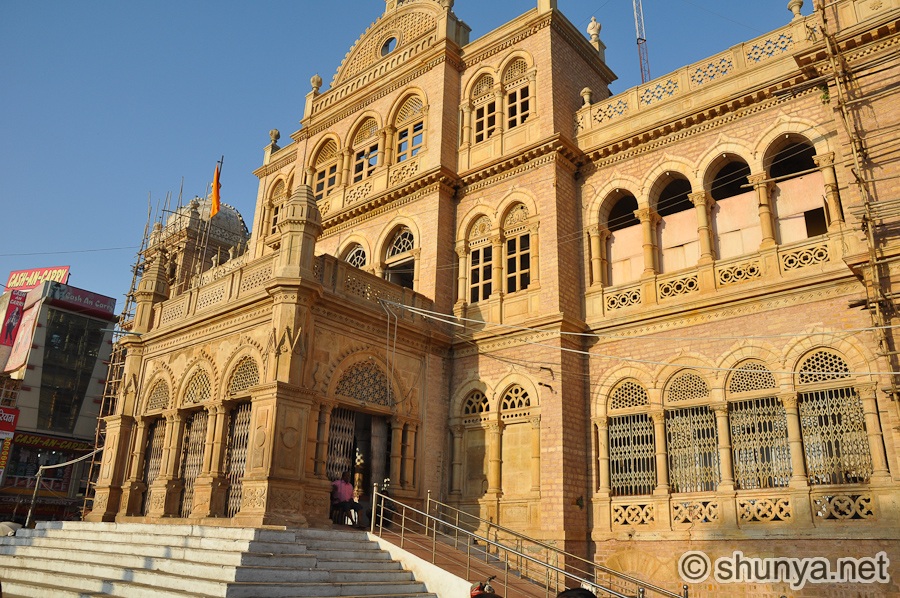
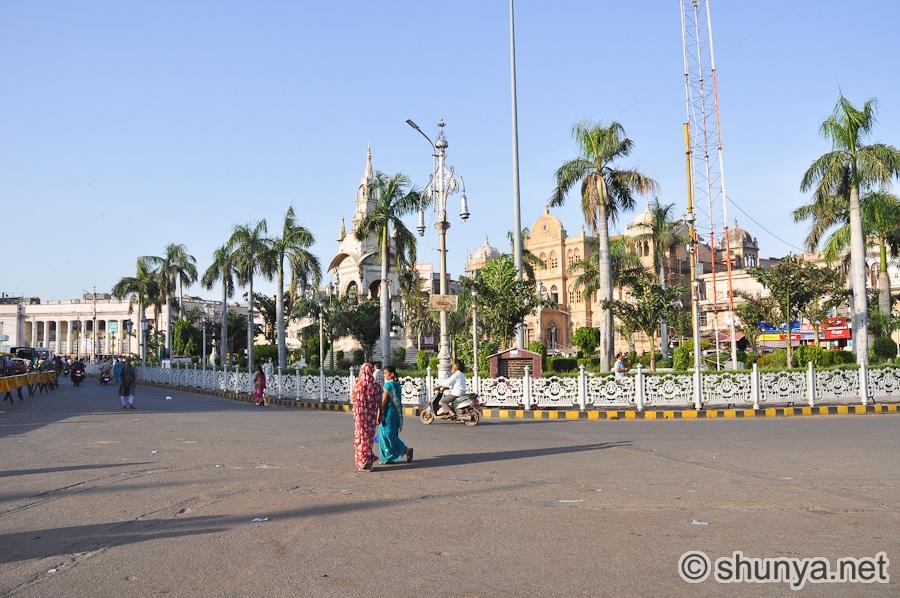
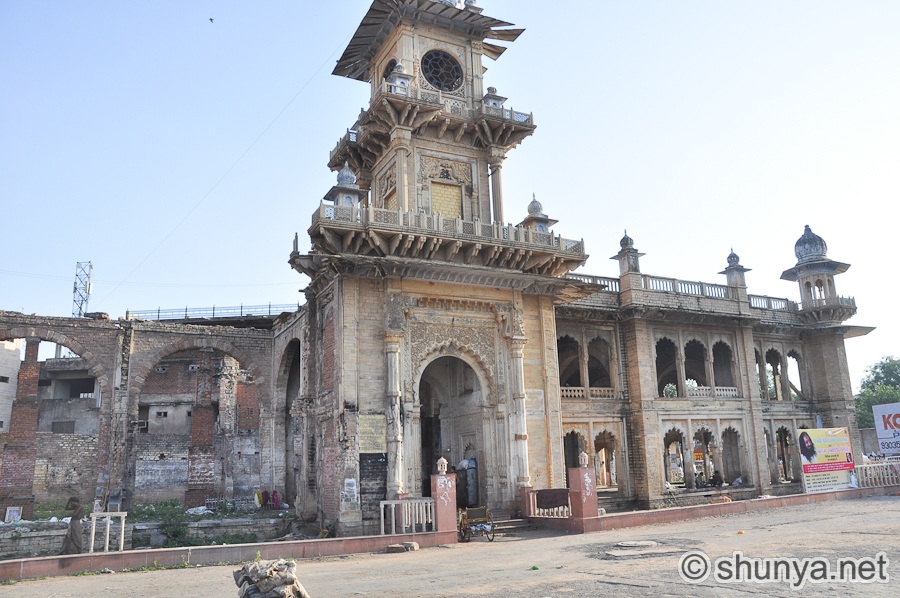
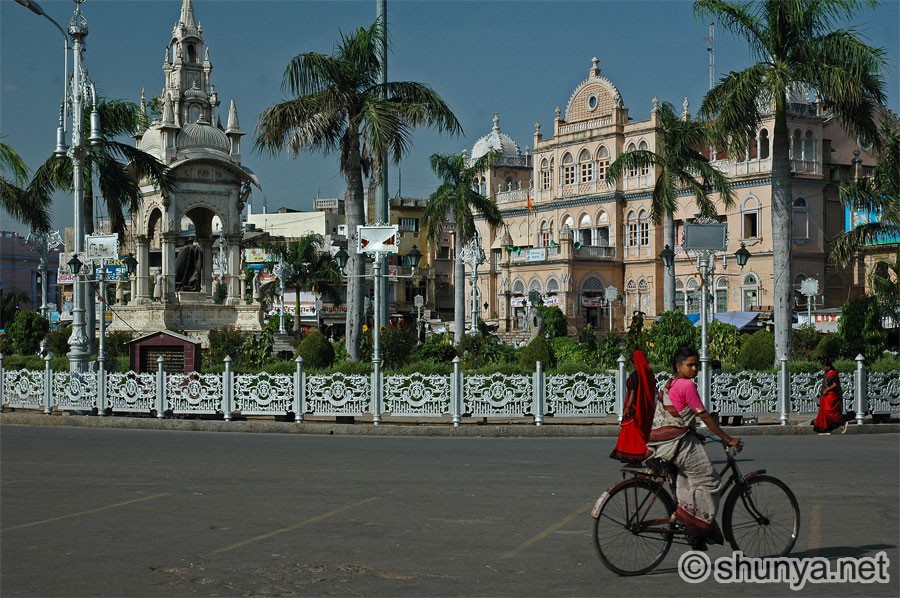
Town hall, Bada, Lashkar
|
Town hall, once Regal
|
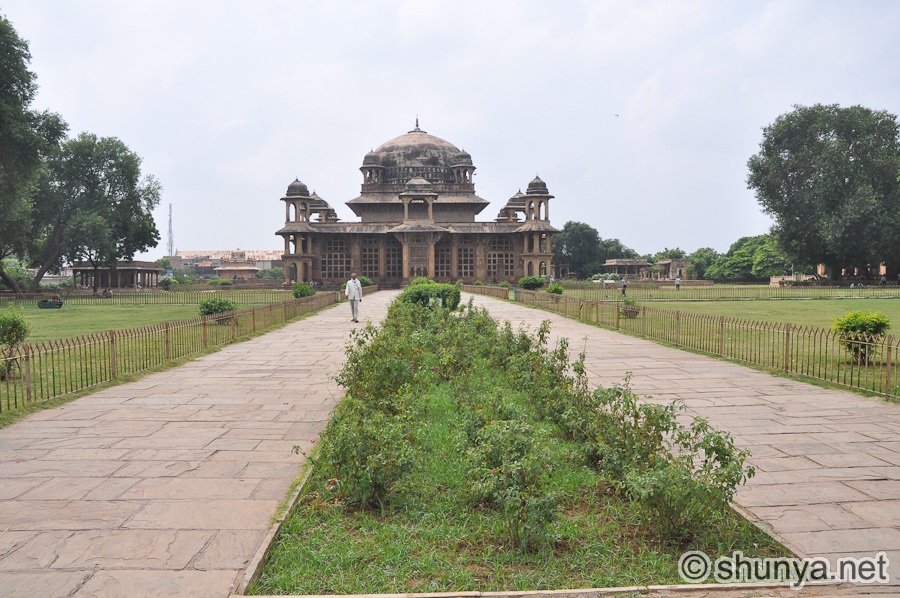
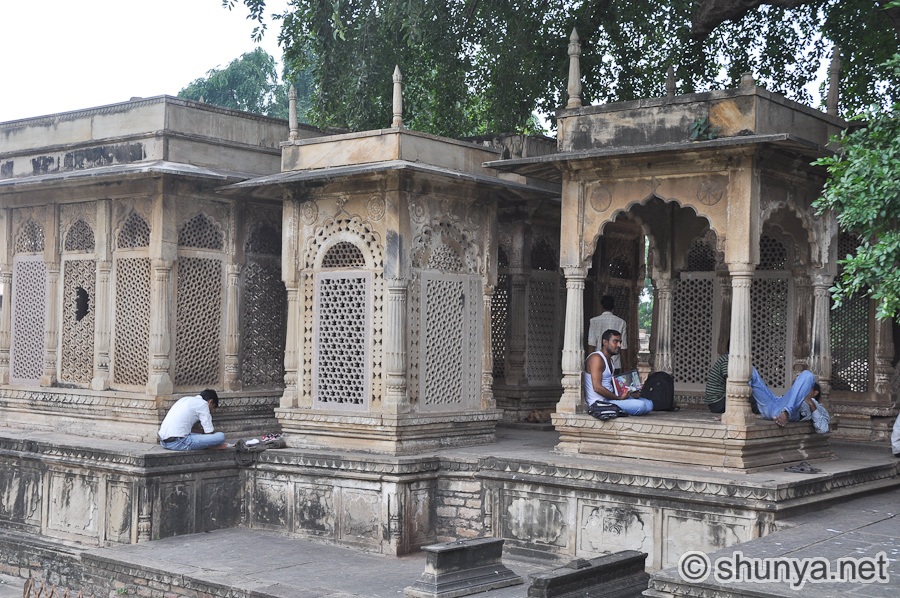
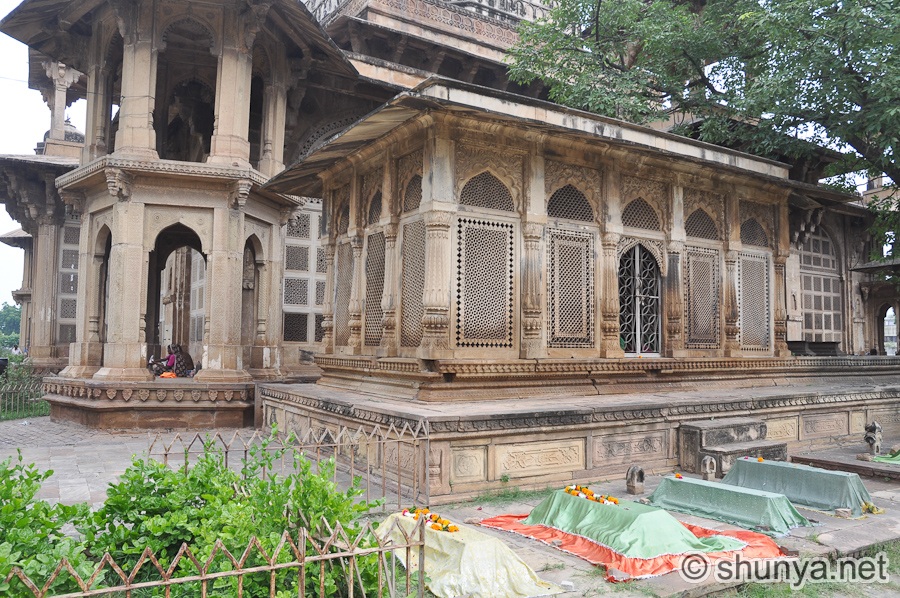
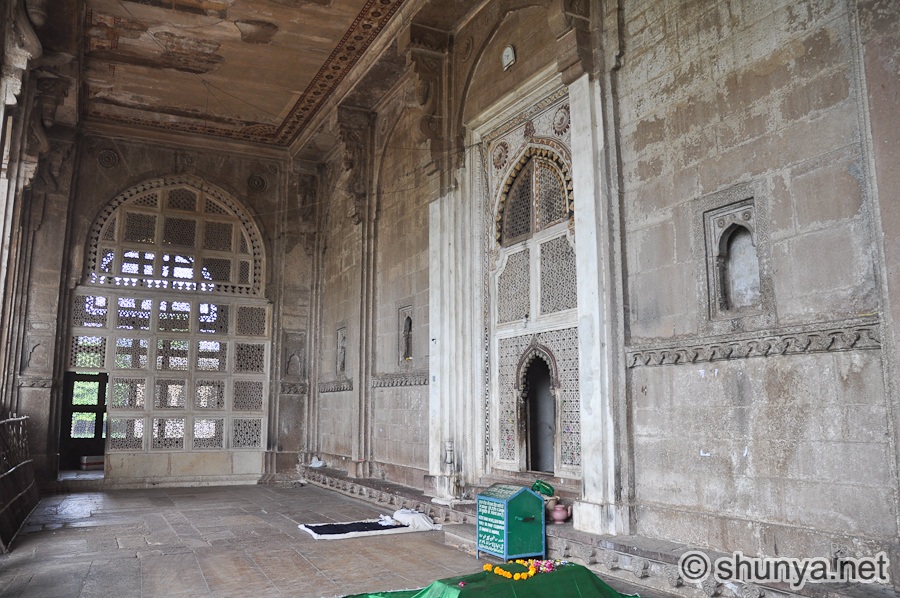
Tomb of Mohammad
|
|
|
MLB College
|
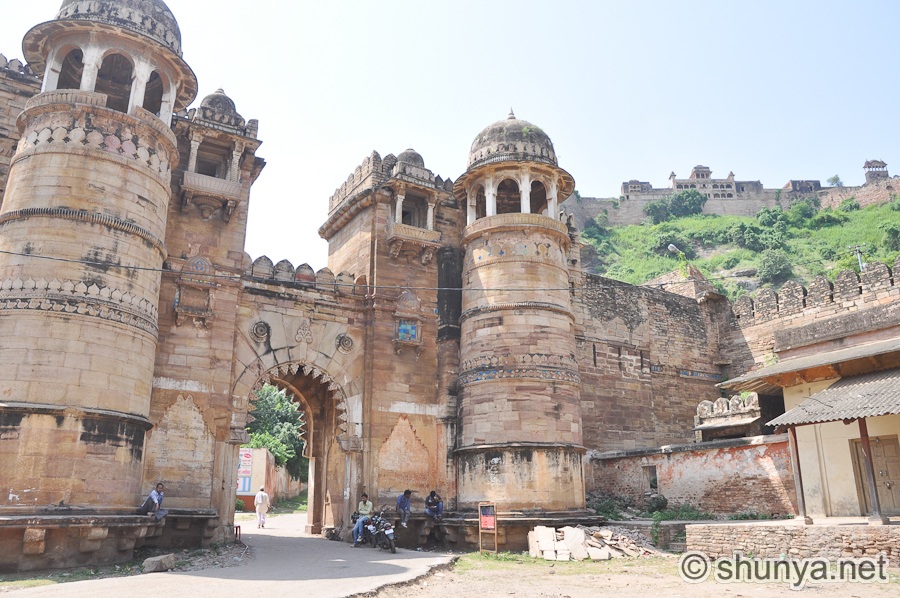
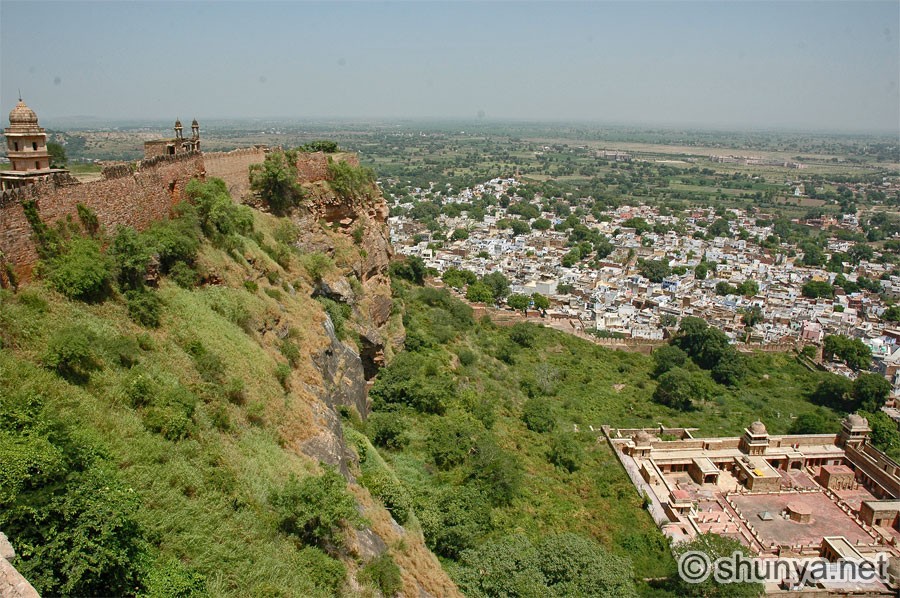
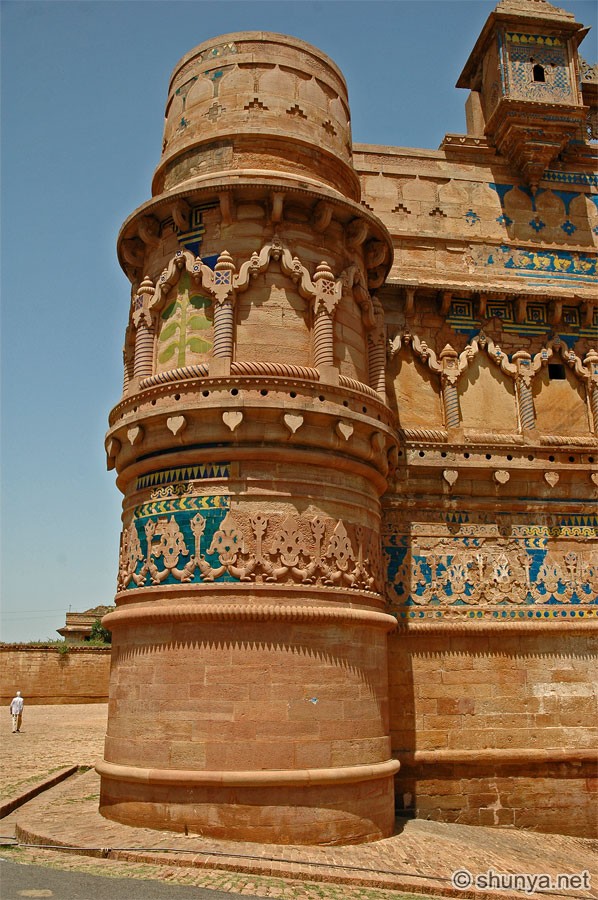
Gwalior Fort looming above
|
Gwalior Fort entrance
|
Gujiari Mahal entrance
|
|
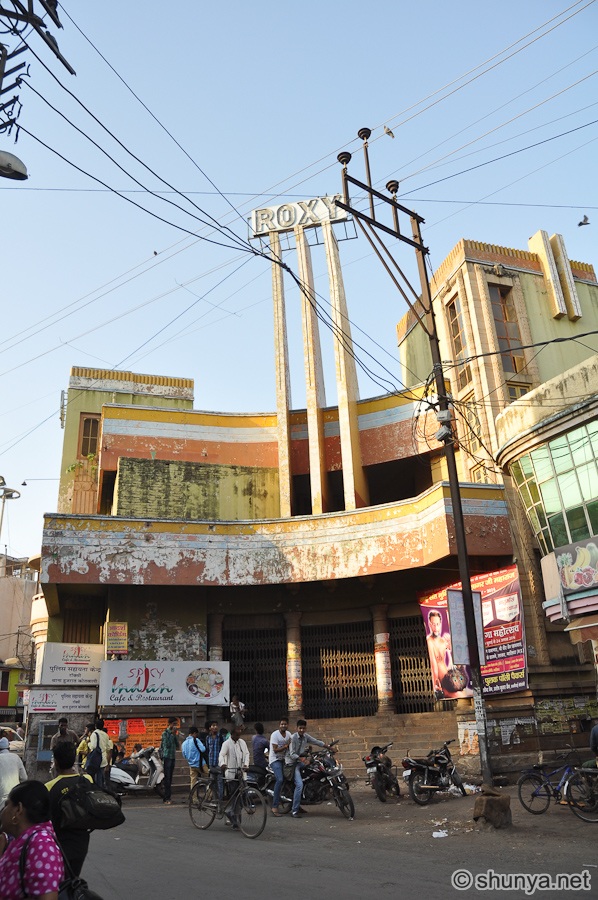
Roxy Theater
|
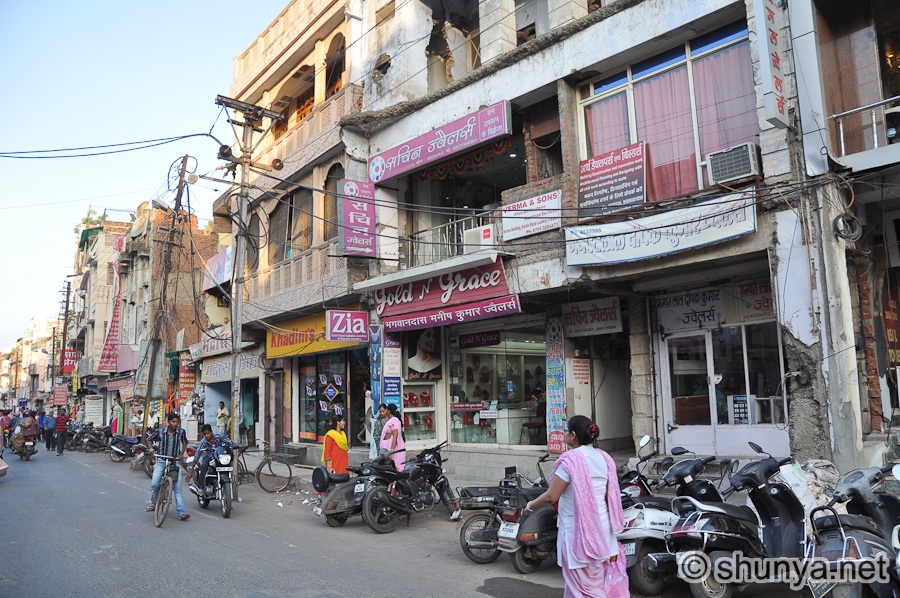
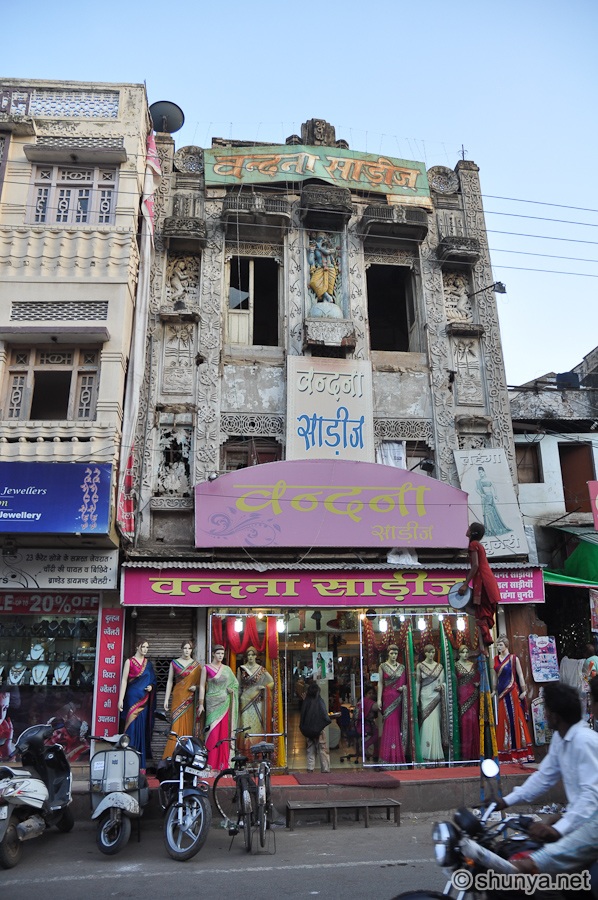
Sarafa Bazar (more)
|
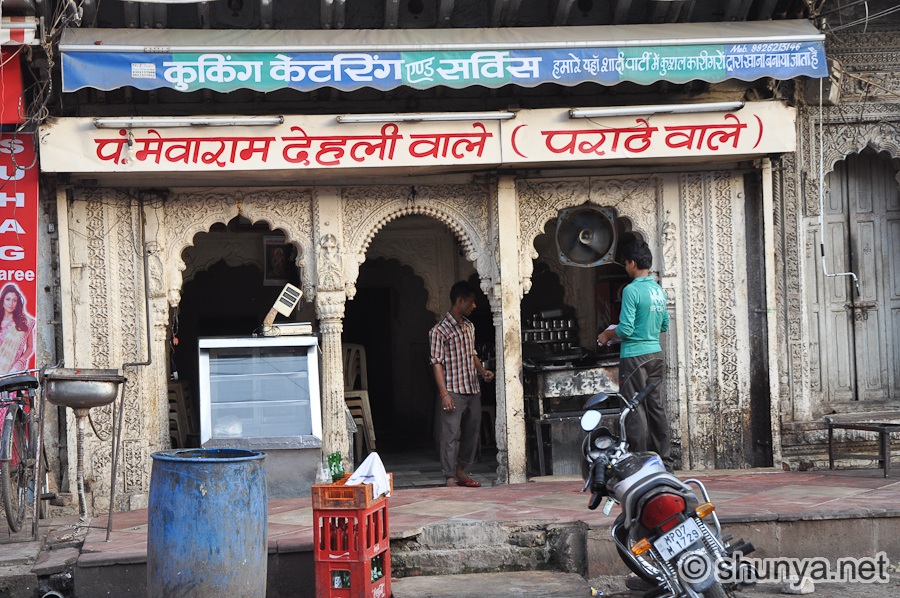
Paranthe Wale
|
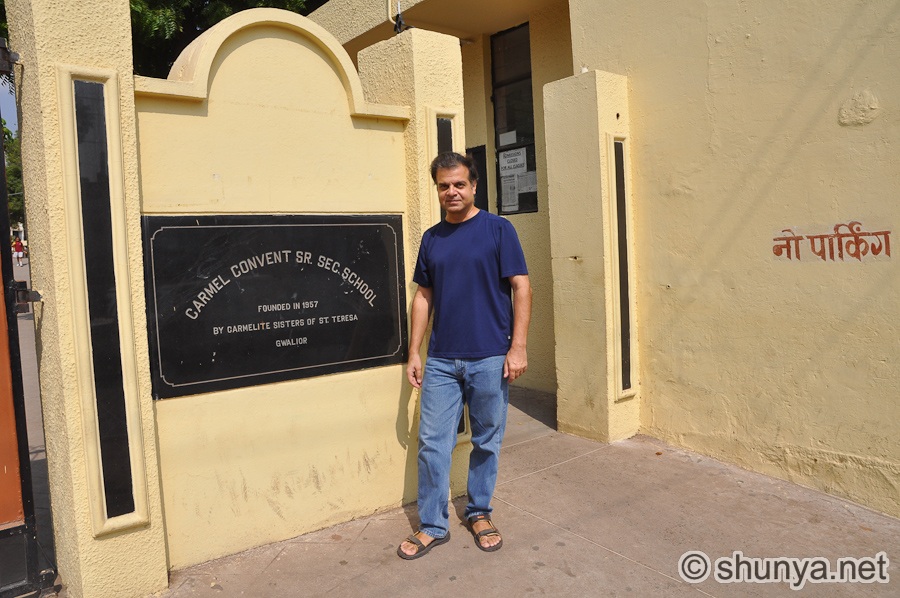
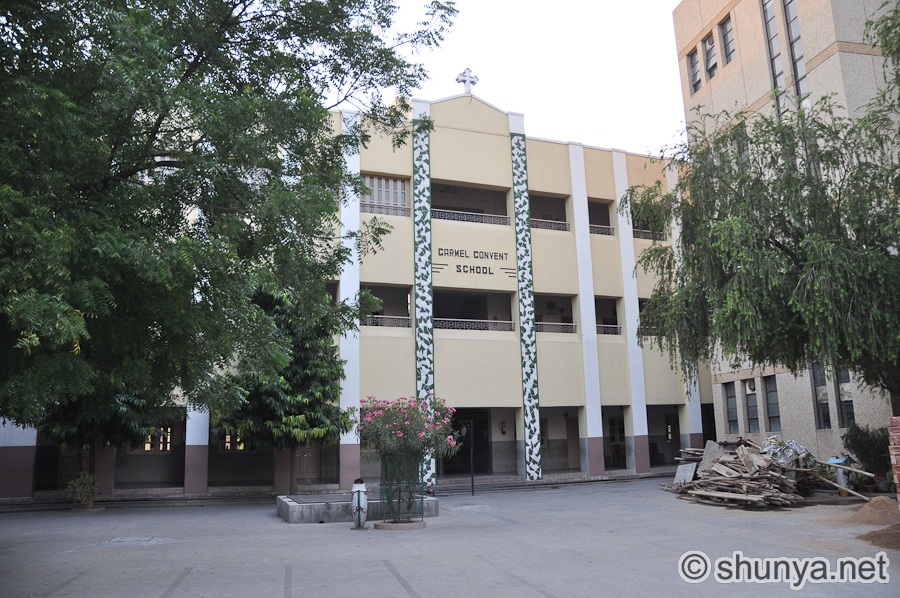
Carmel Convent School entrance
|
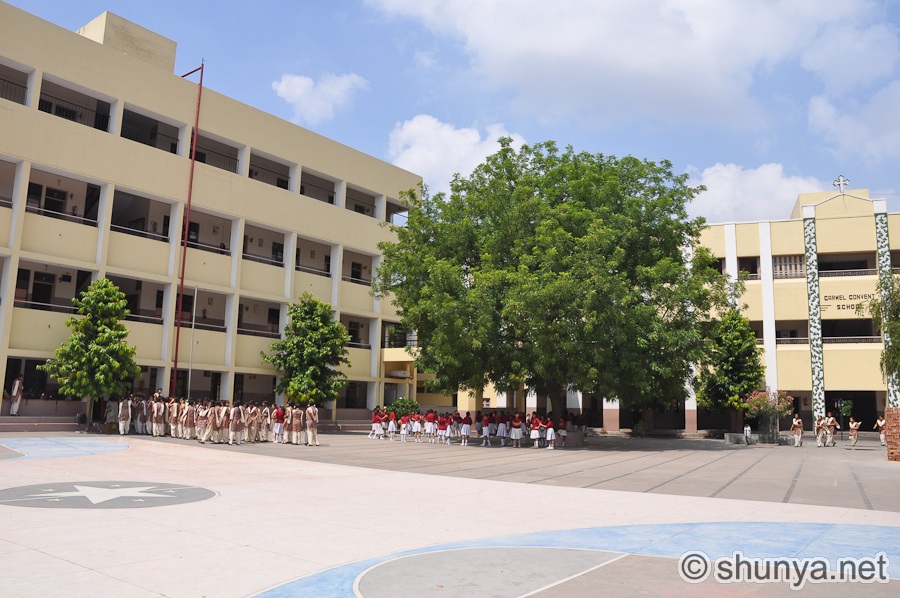
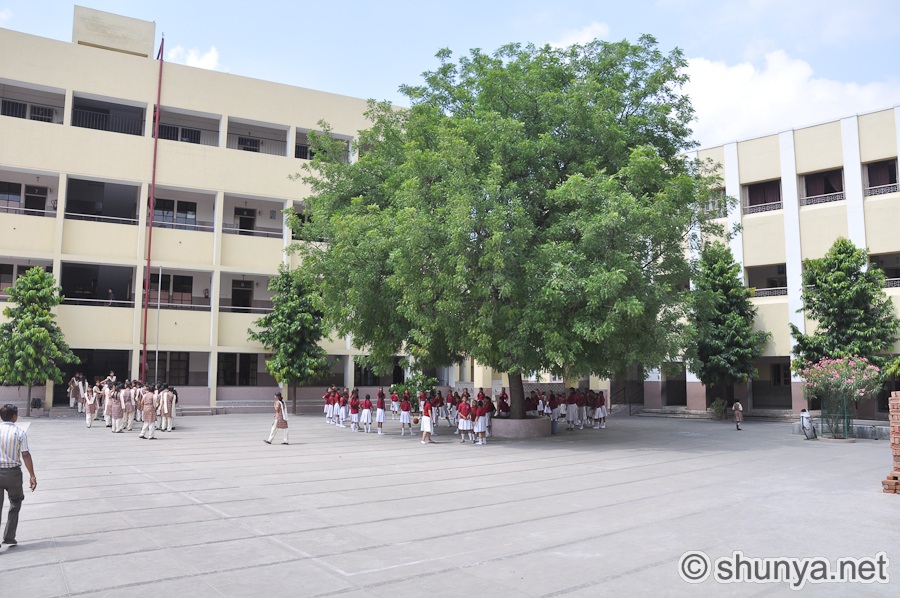
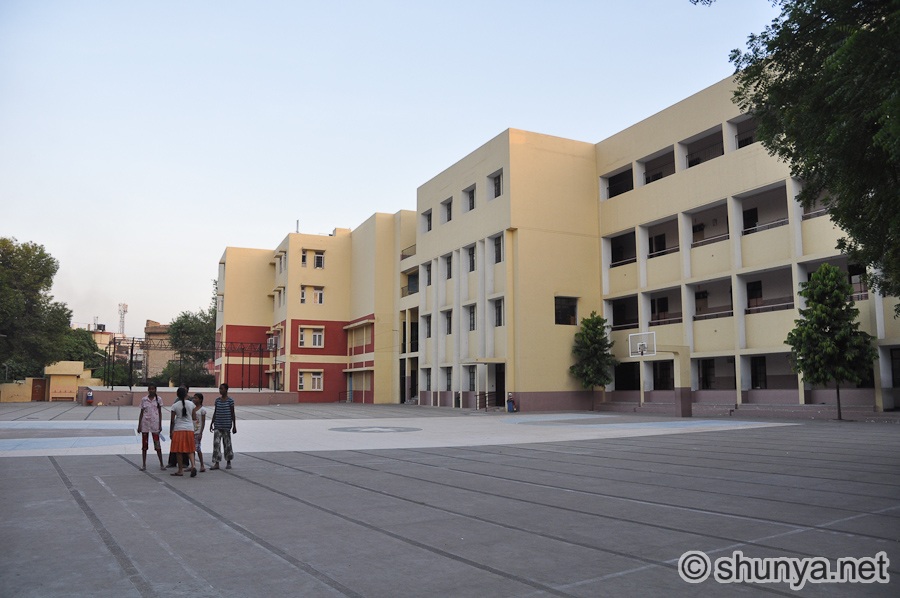
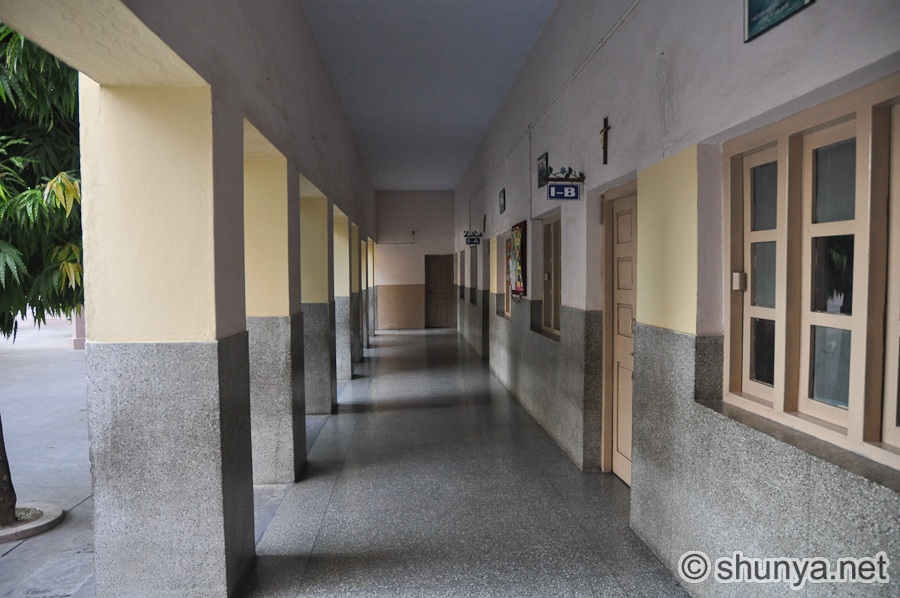
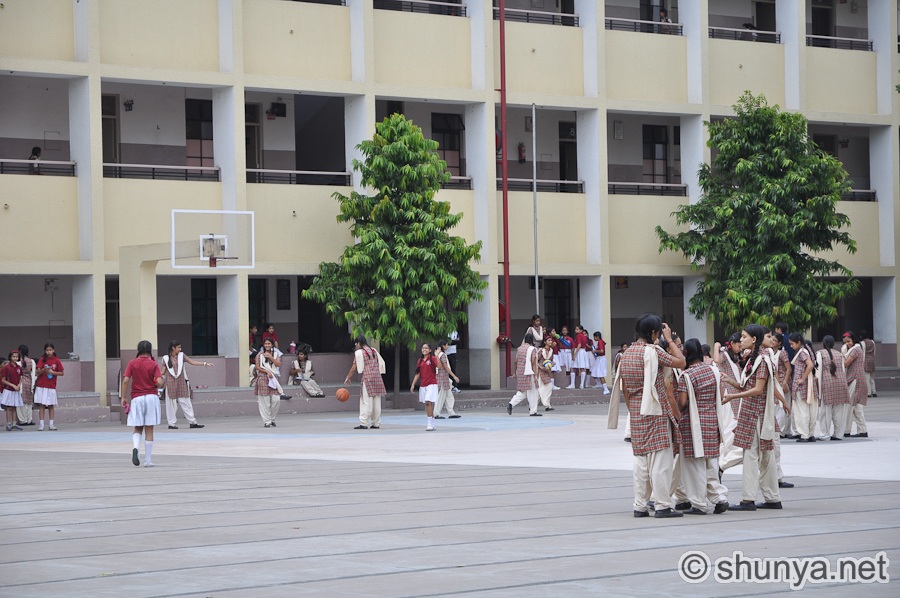
Inside Carmel Convent
|
Once co-ed, now
|
Library is quite modest
|
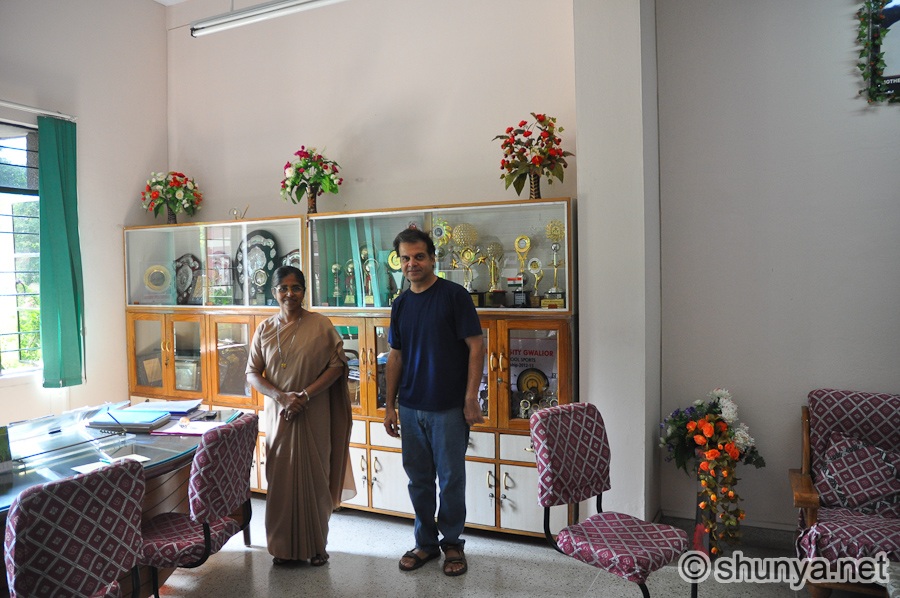
With the Principal,
|
Usha Kiran Palace Hotel
|
MITS engineering college
|
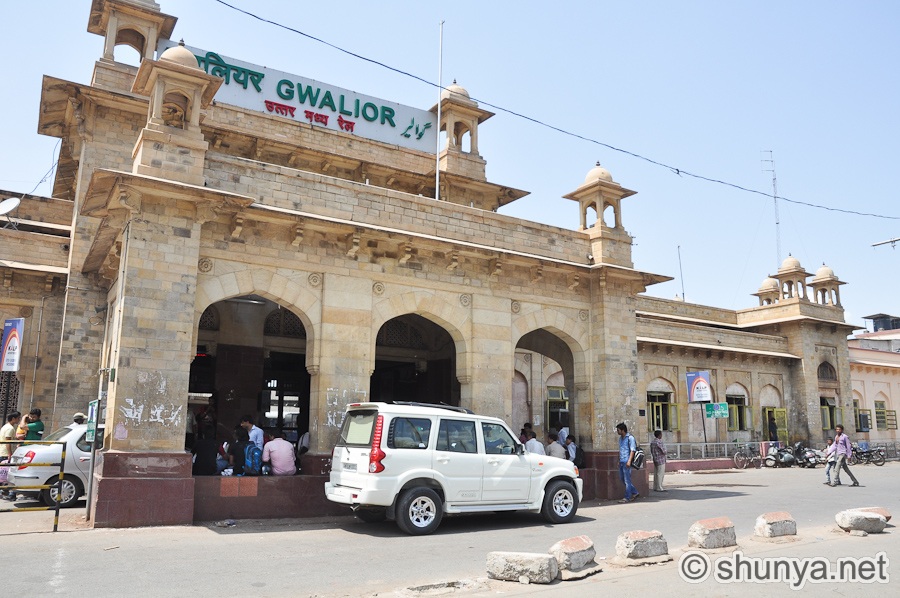
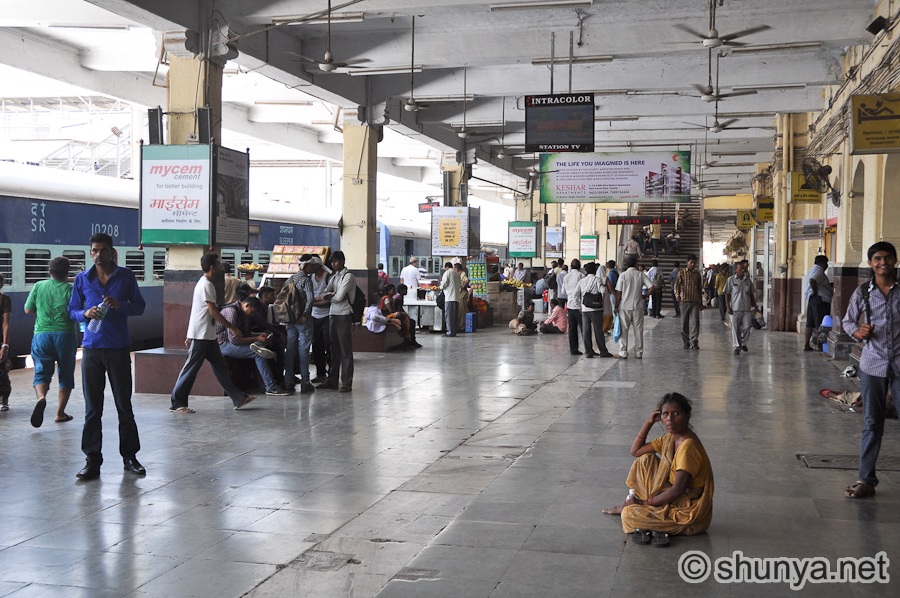
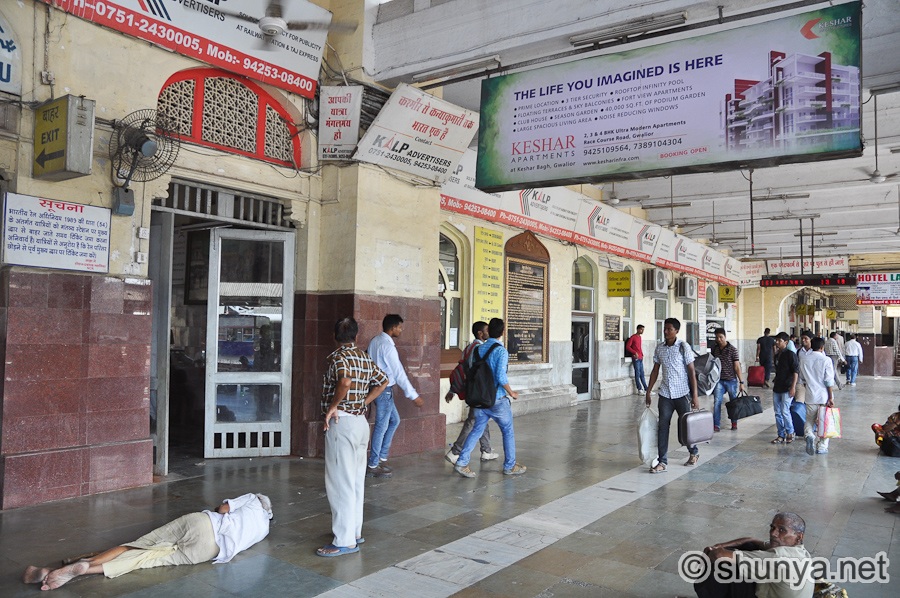
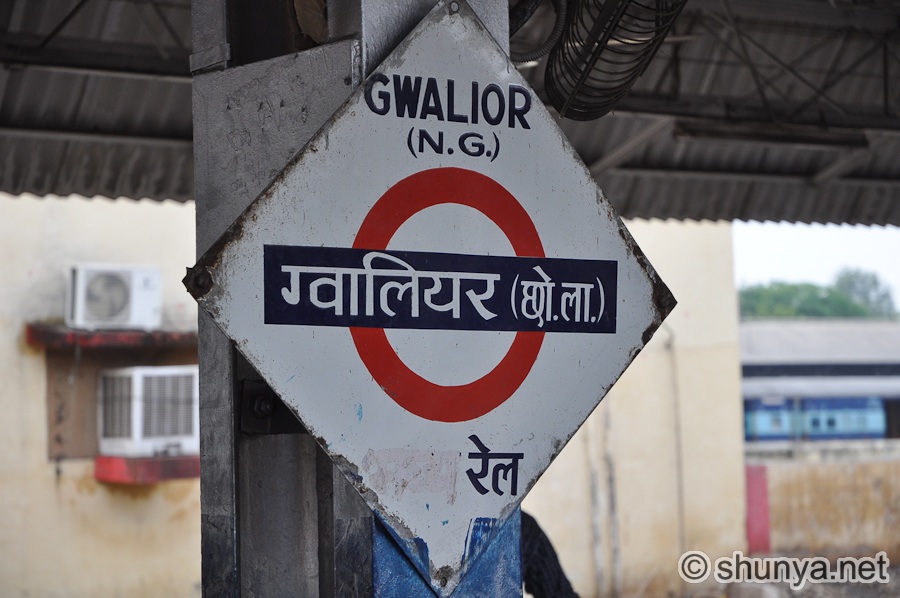
Gwalior Train Station
|
Gwalior Train Station
|
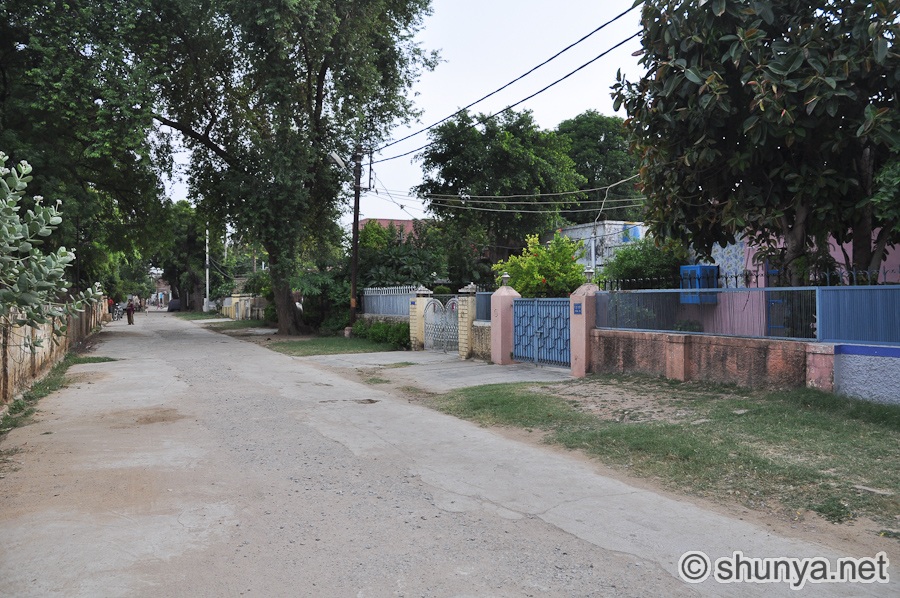
Birlanagar |
|
|
|
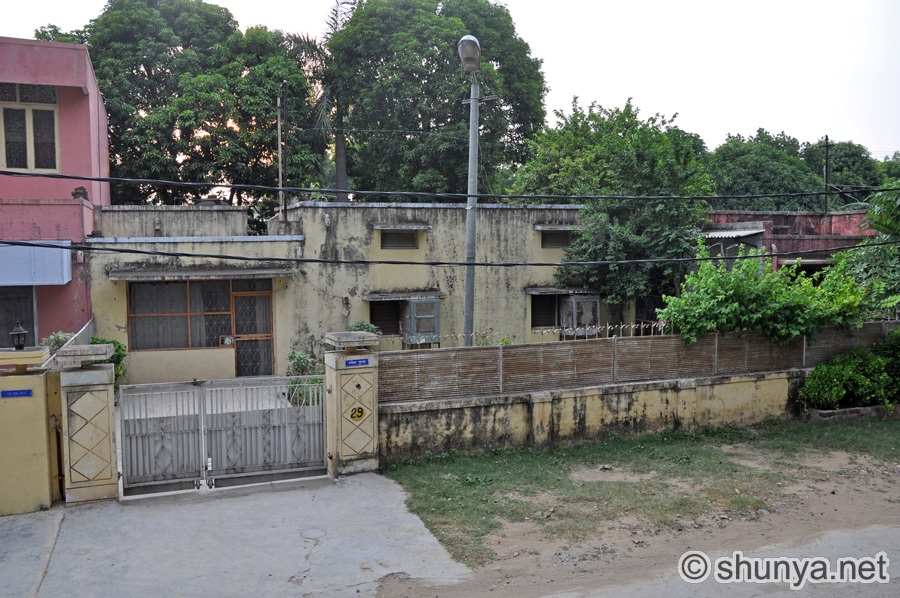
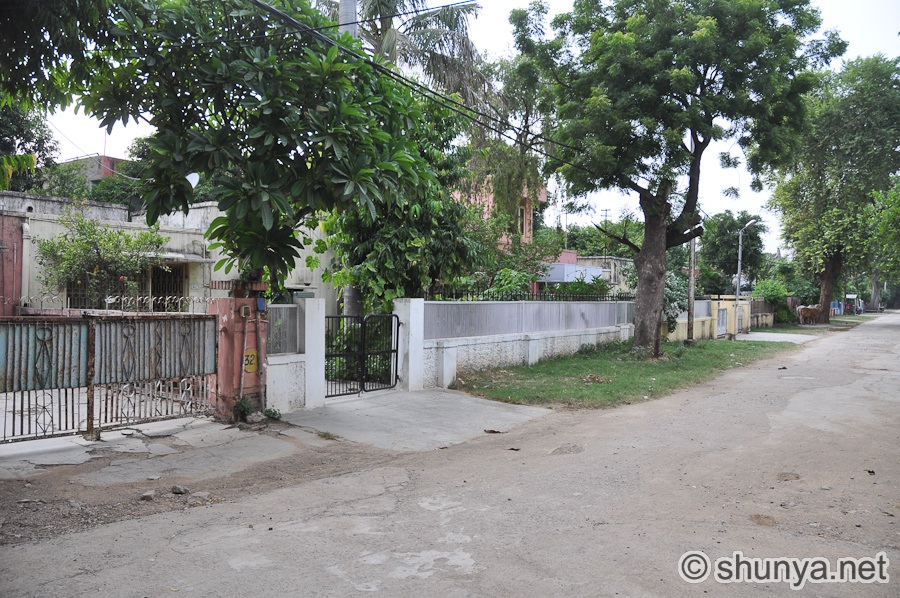
Former home in Birlanagar
|
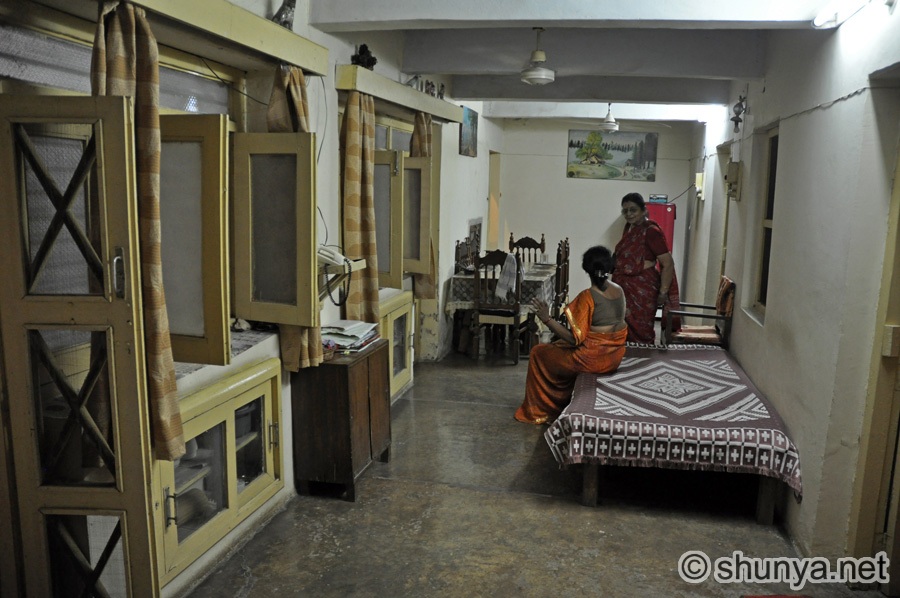
Inside the home
|
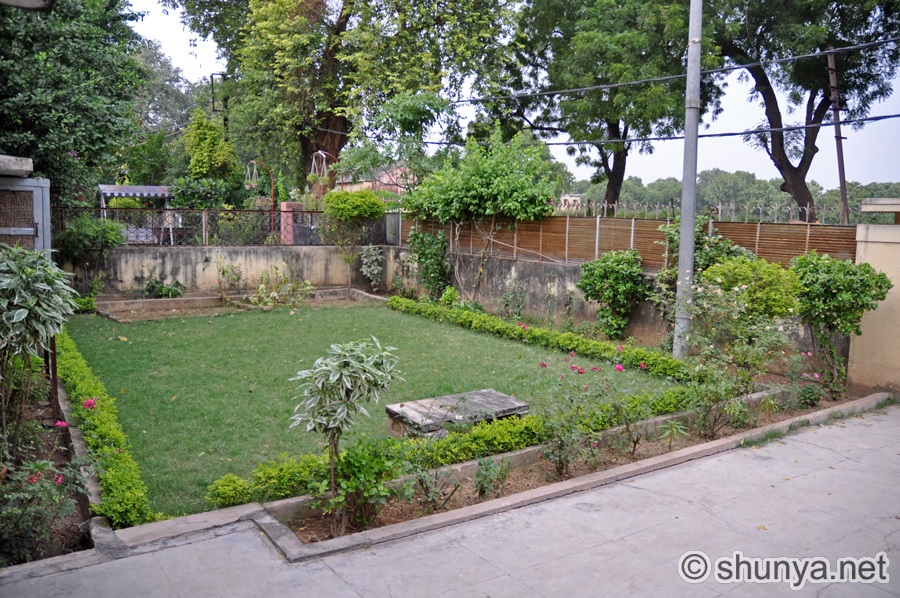
Front lawn
|
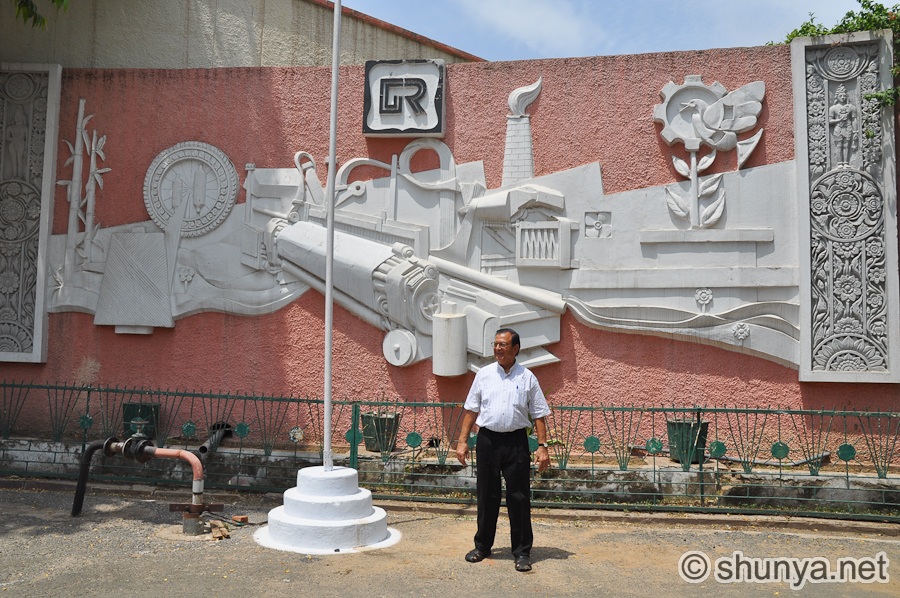
Art inside the former textile
|
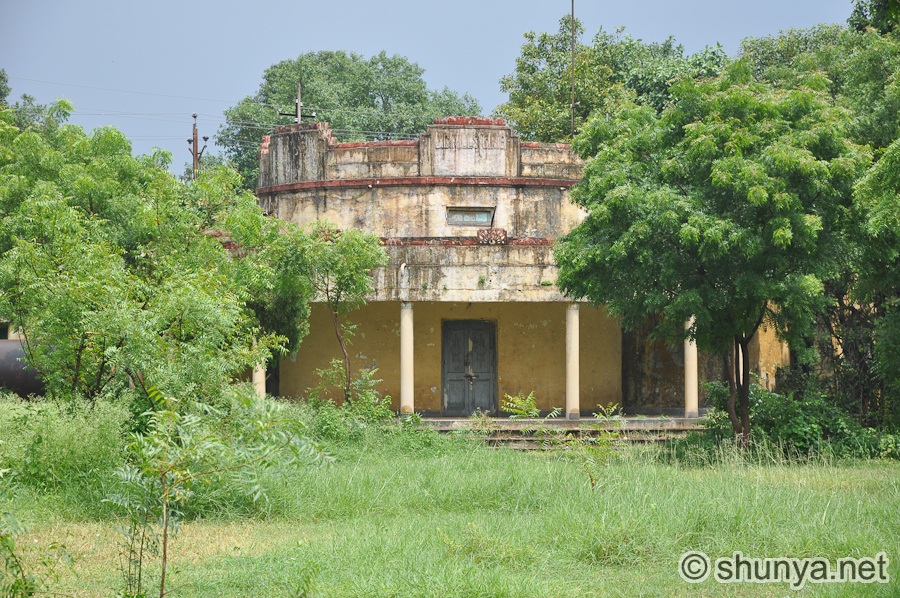
Remains of Birla Industries Club
|
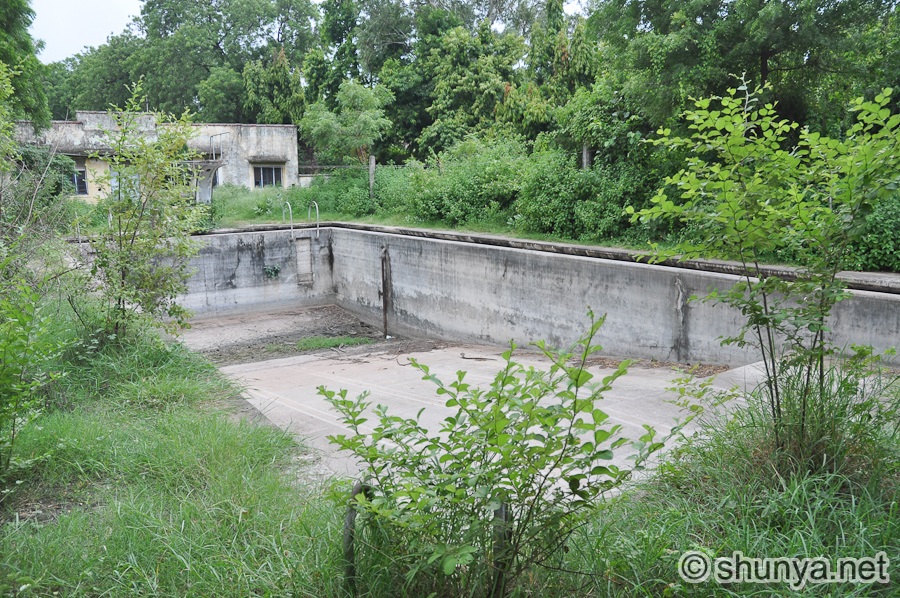
Once a Swimming Pool
|
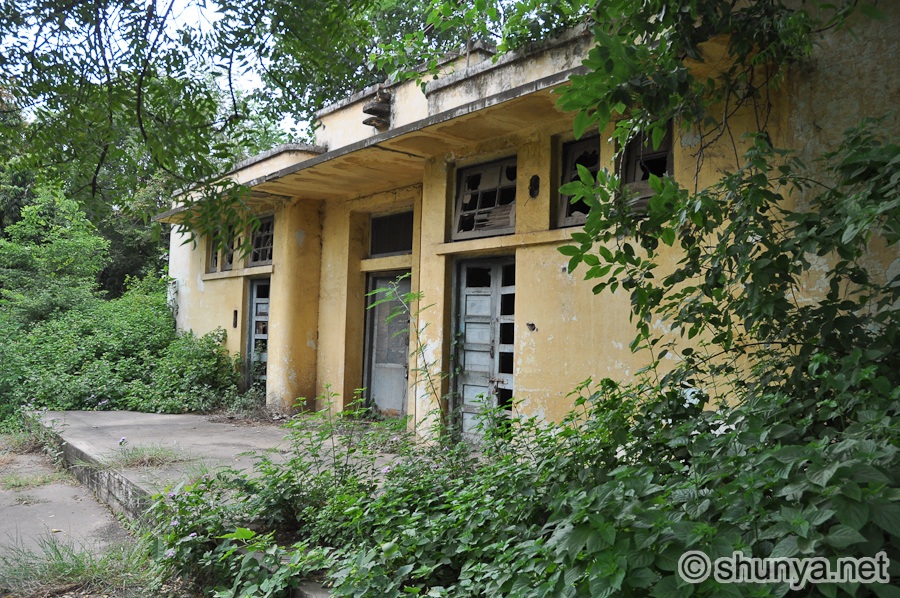
Once a changing room
|
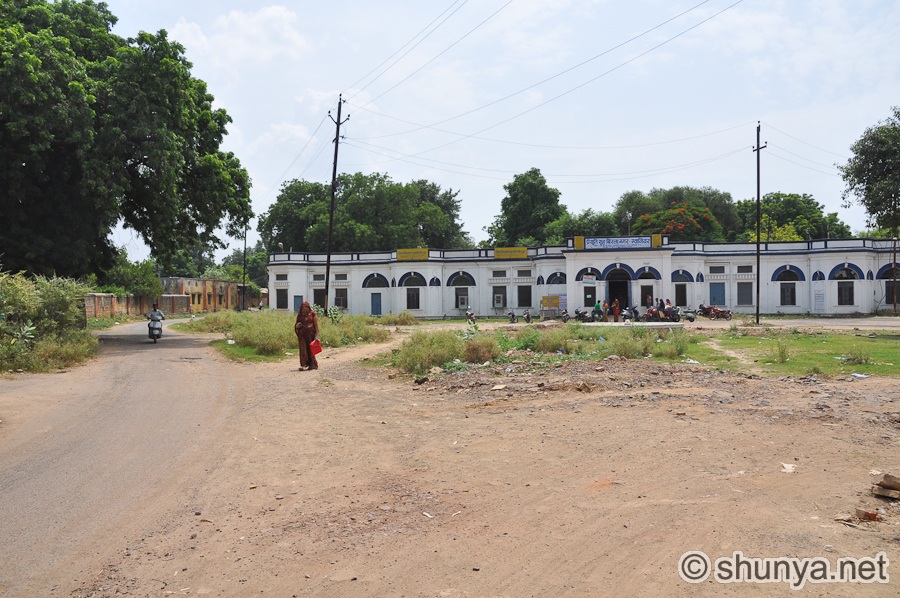
Public Heath Center
|
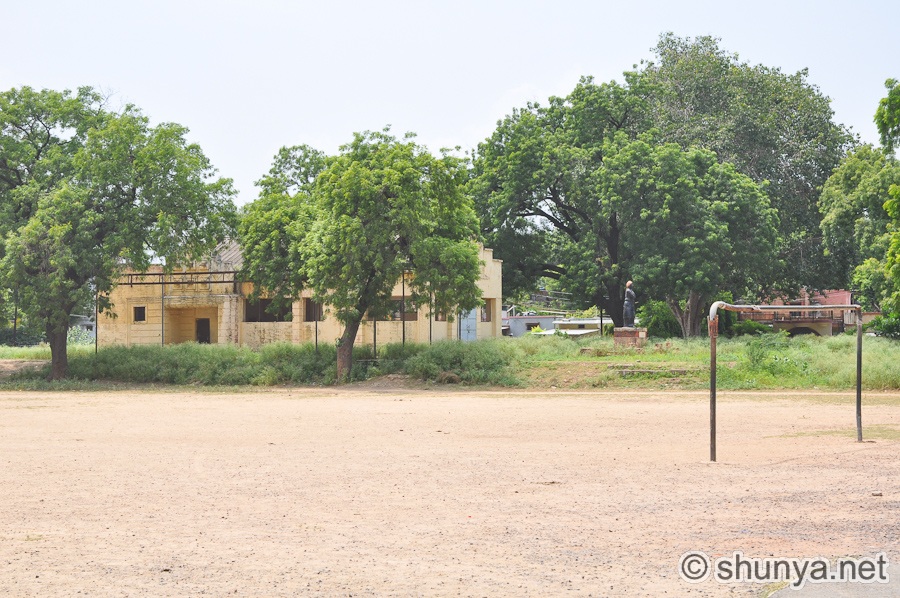
Playground
|
Durga Puja site
|
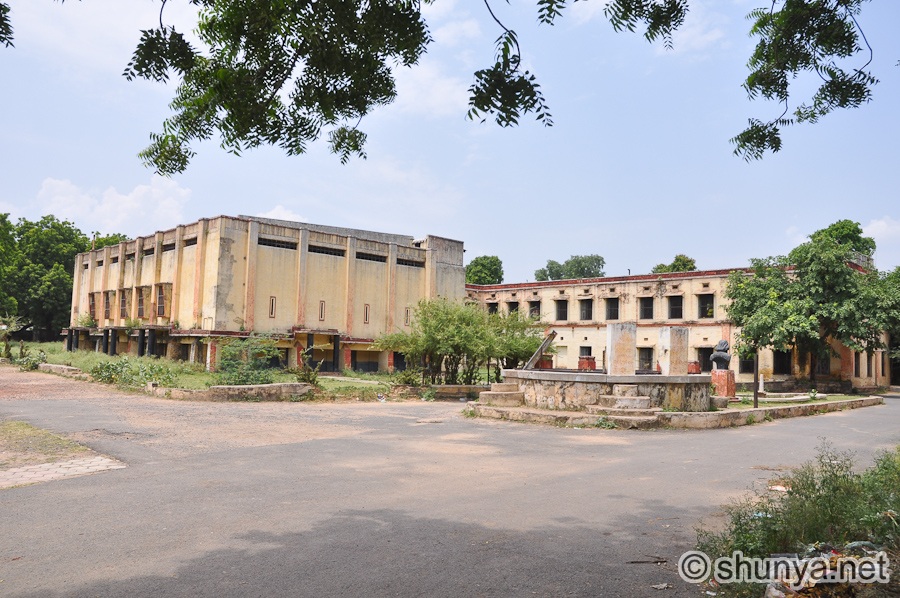
Performance hall
|
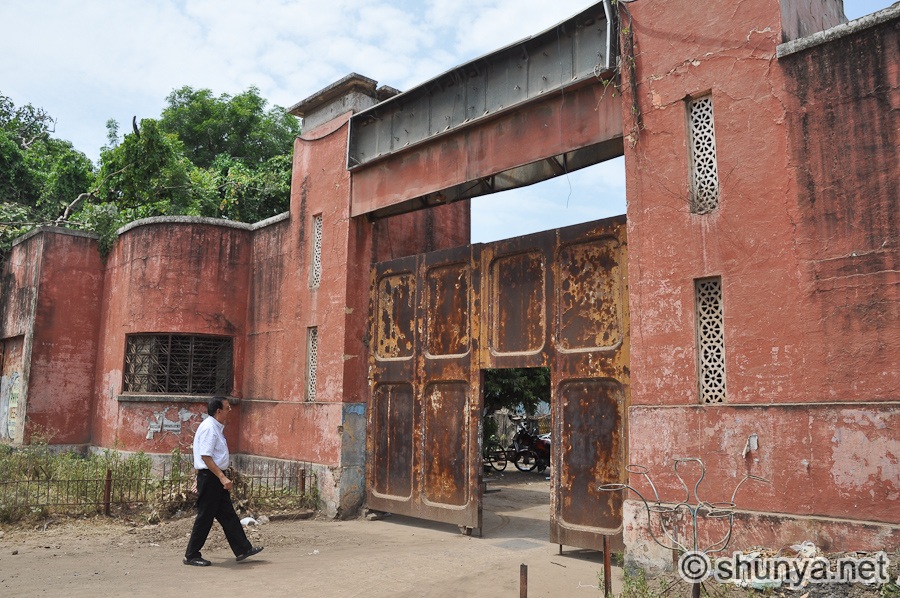
JC Mills gate
|
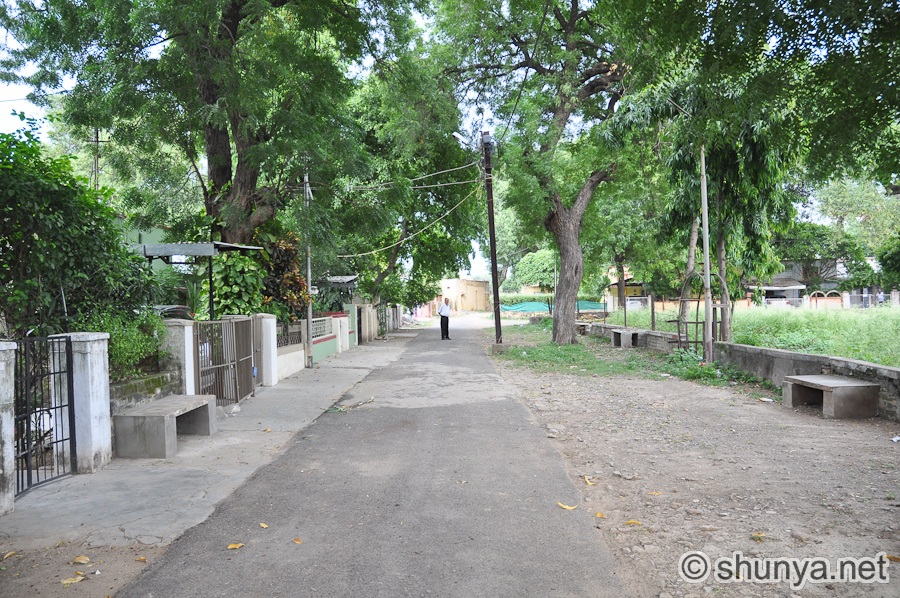
Assistant Line
|
Assistant Line
|
Cimmco Line
|
Cimmco Line
|
All pictures above were taken in 2014, and the ones below in 2005 |
|||
 |
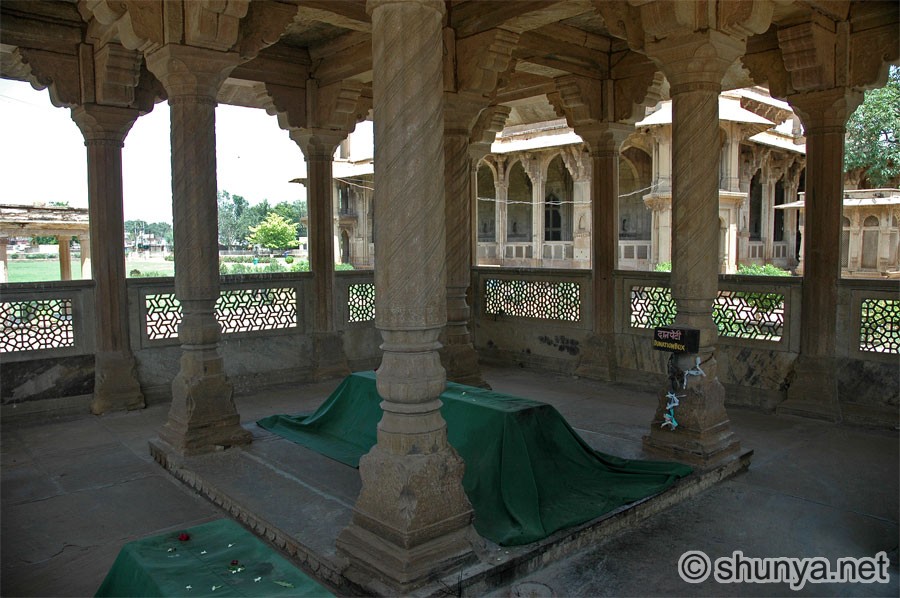 |
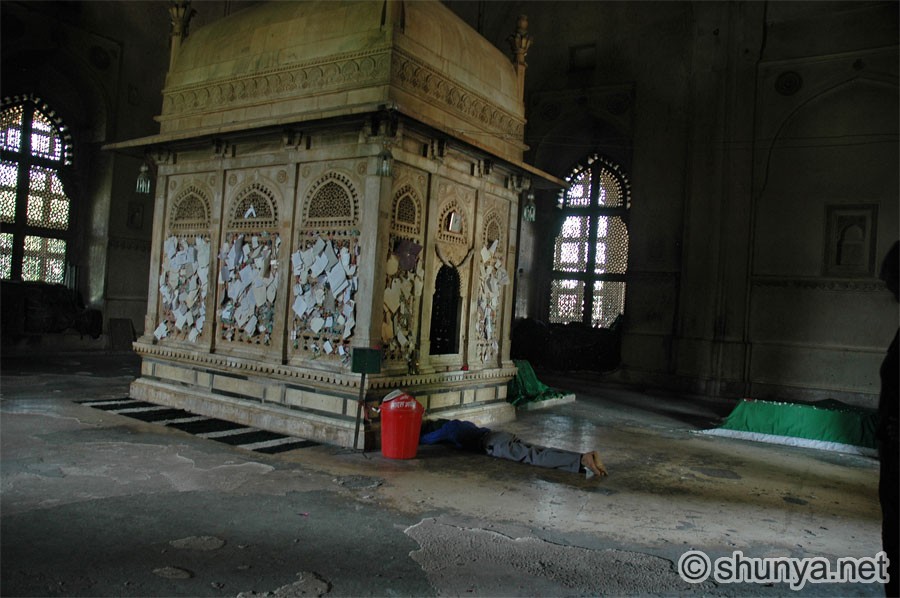
Tomb of Mohammad Ghaus (in)  |
Kid studying 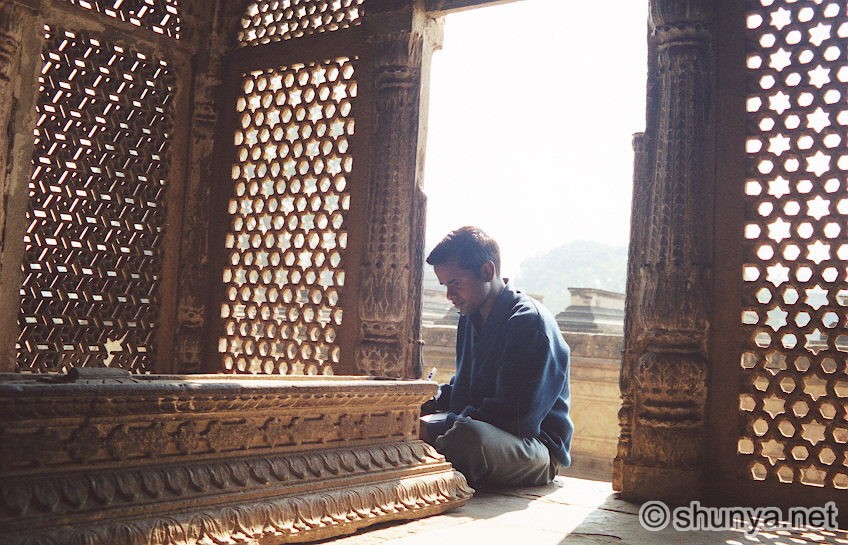 |
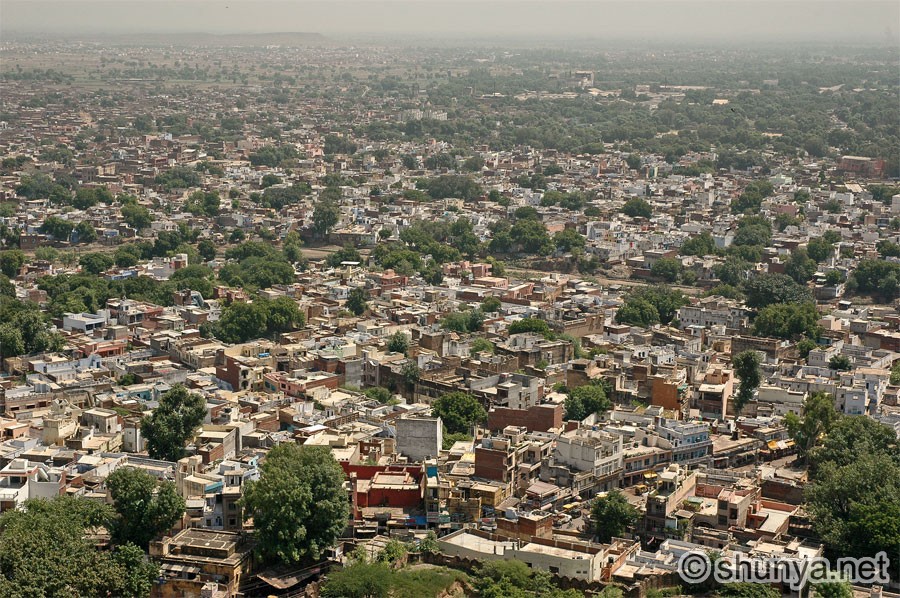 |
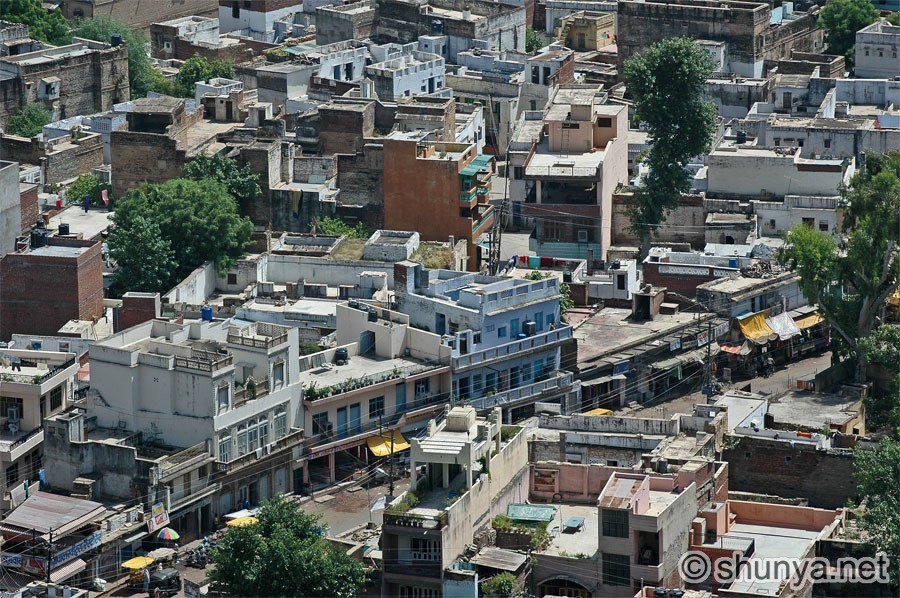
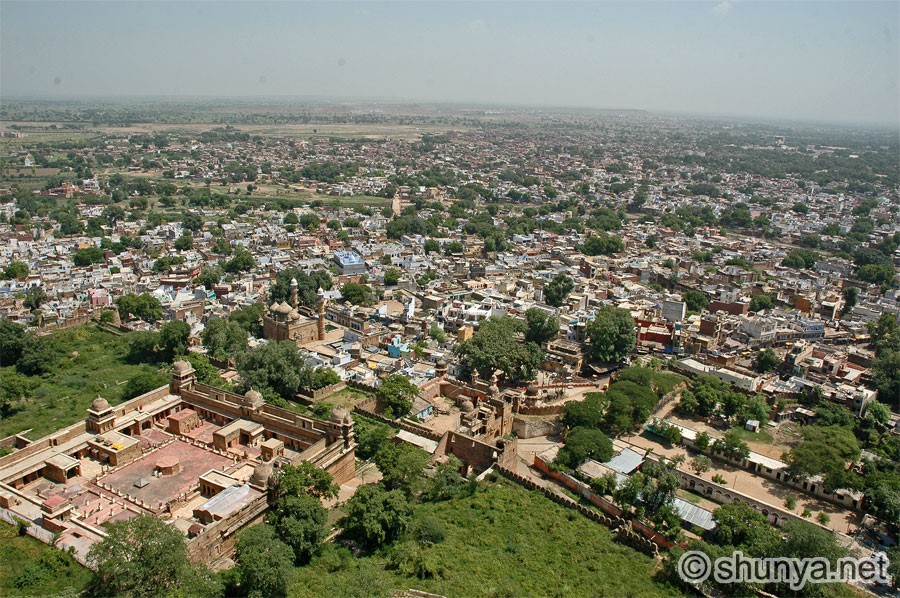
Old town from fort 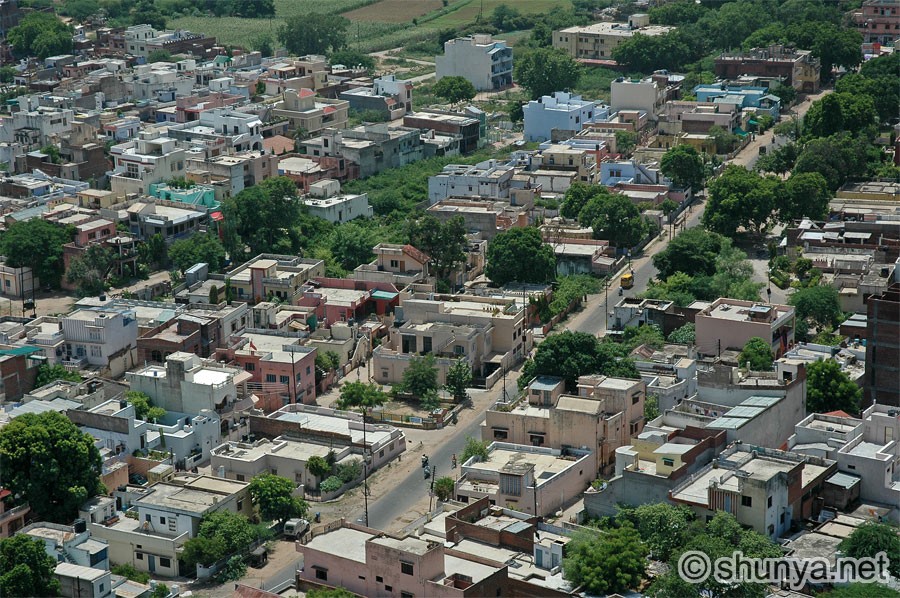 |
Bada, Lashkar (more)  |
Town hall, Bādā, Lashkar 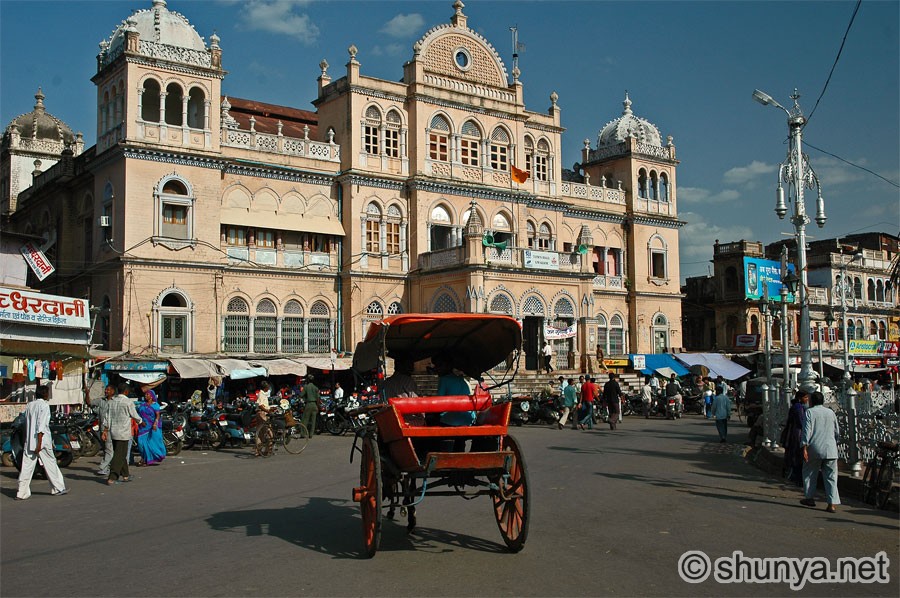 |
El tempo 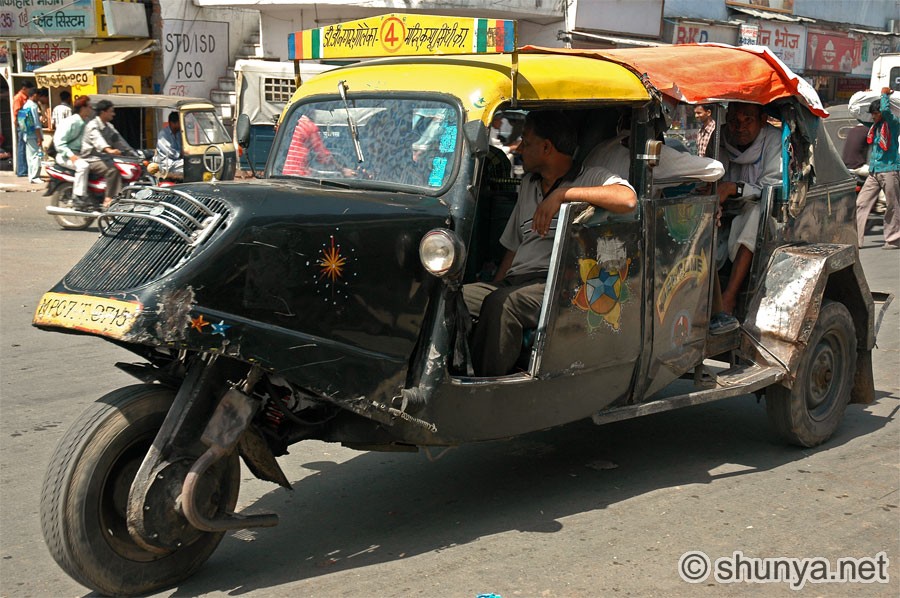 |
Rides in Gwalior mela 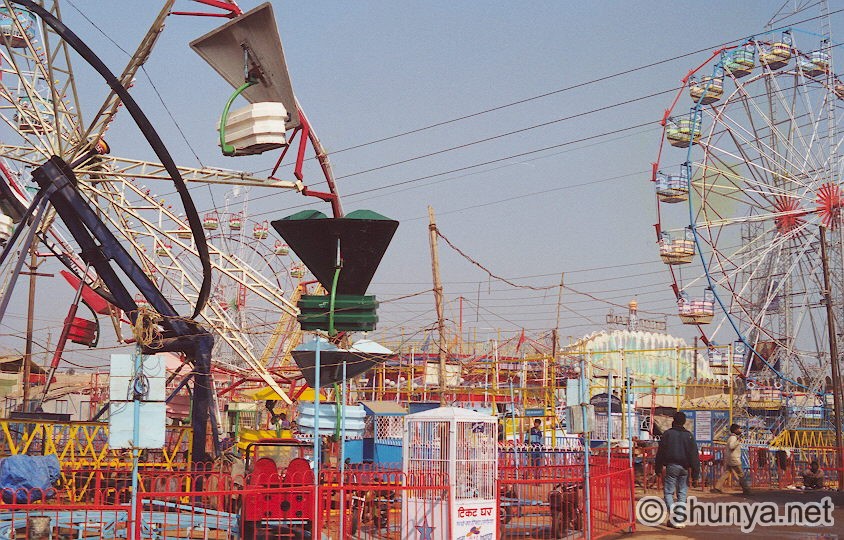 |
Bombay variety show 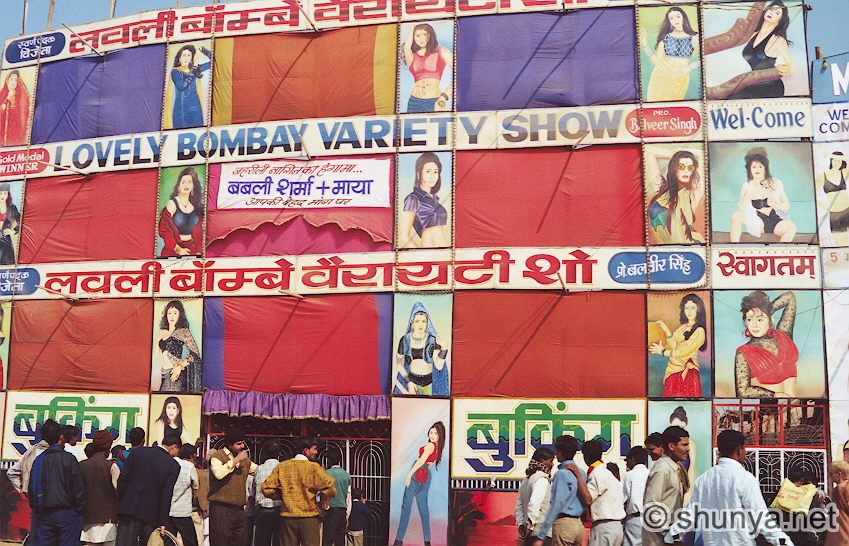 |
Rani of Jhansi 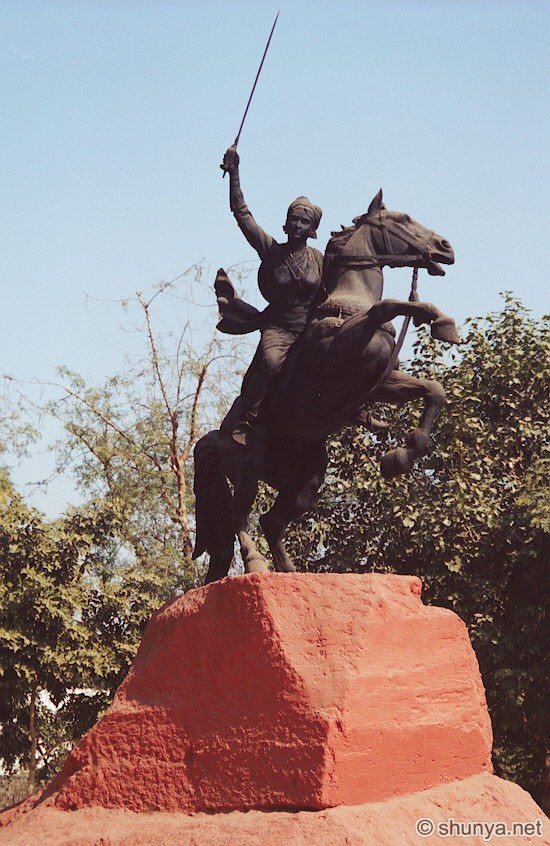 |
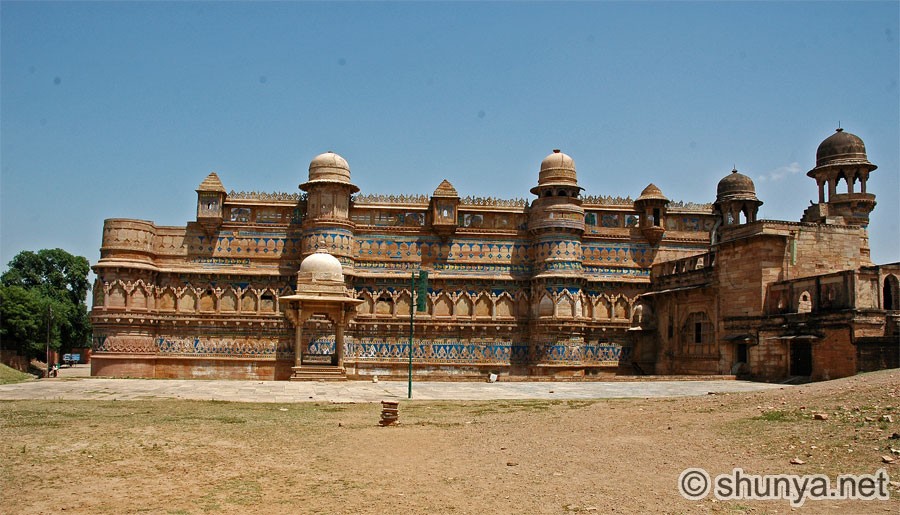
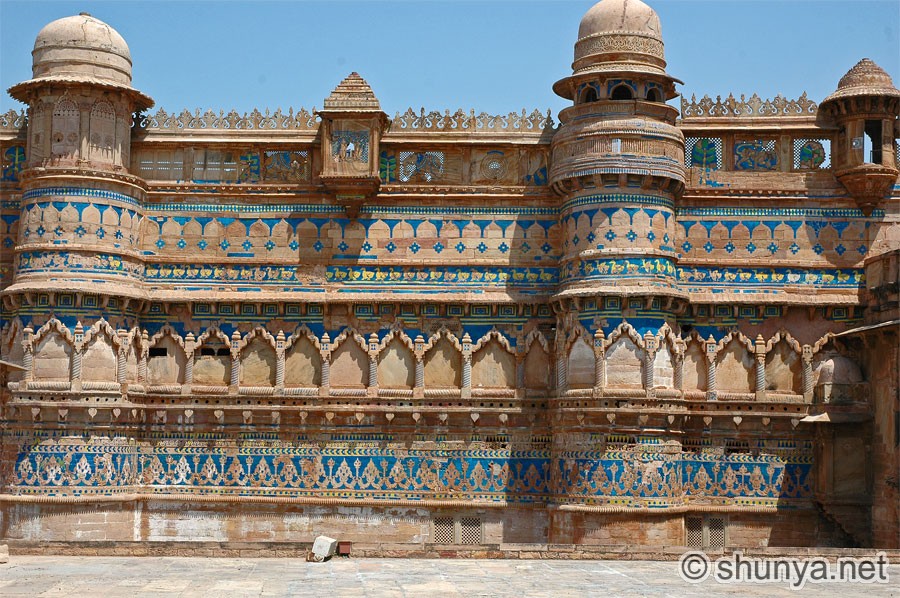
Gwalior Fort |
|||
Pedestrian entrance 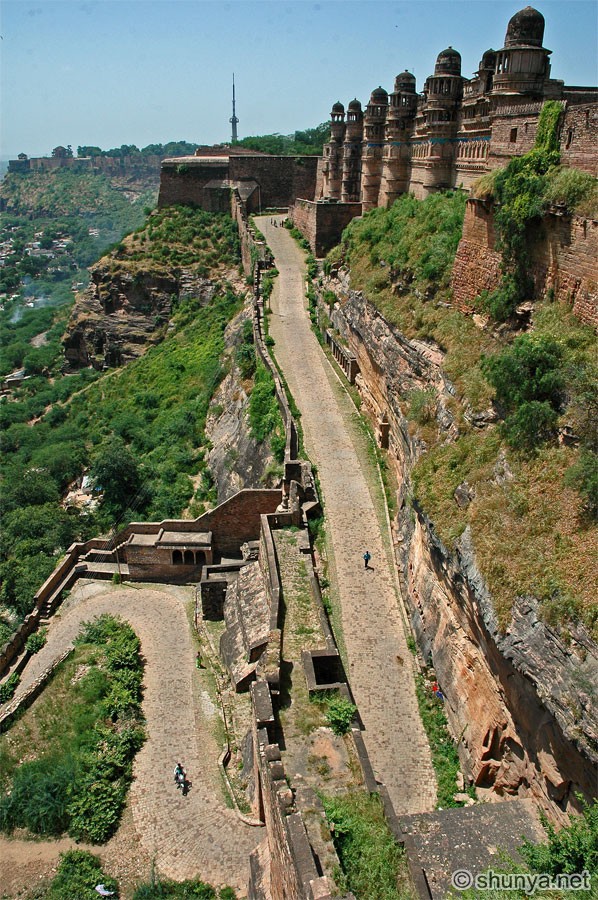 |
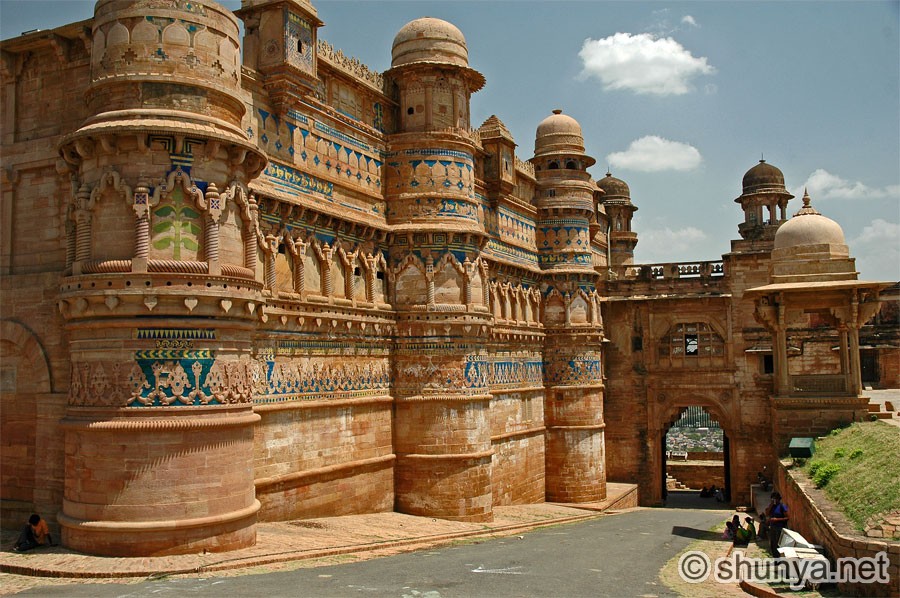 |
Strongest fort in India?  |
Fort entrance ramp 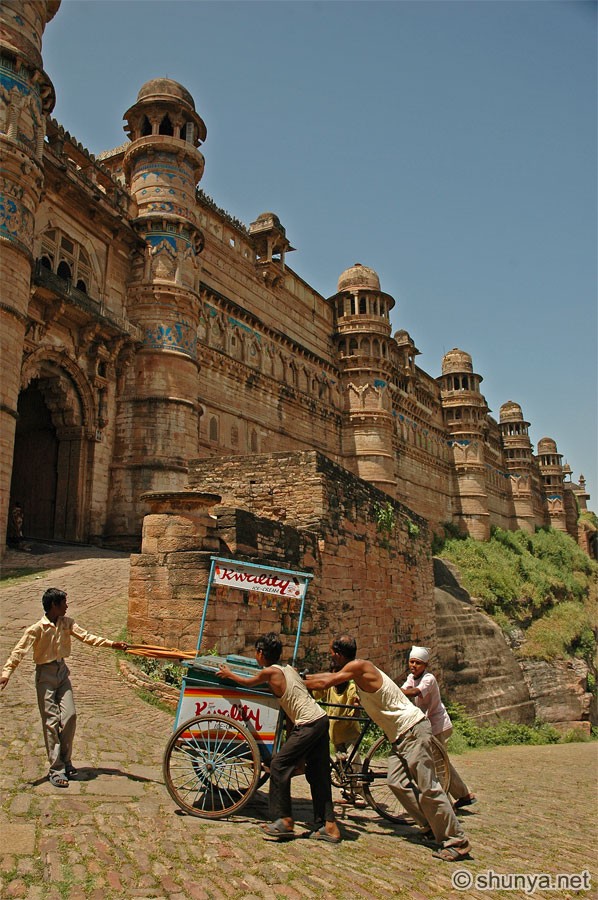 |
Diwan-e-khas 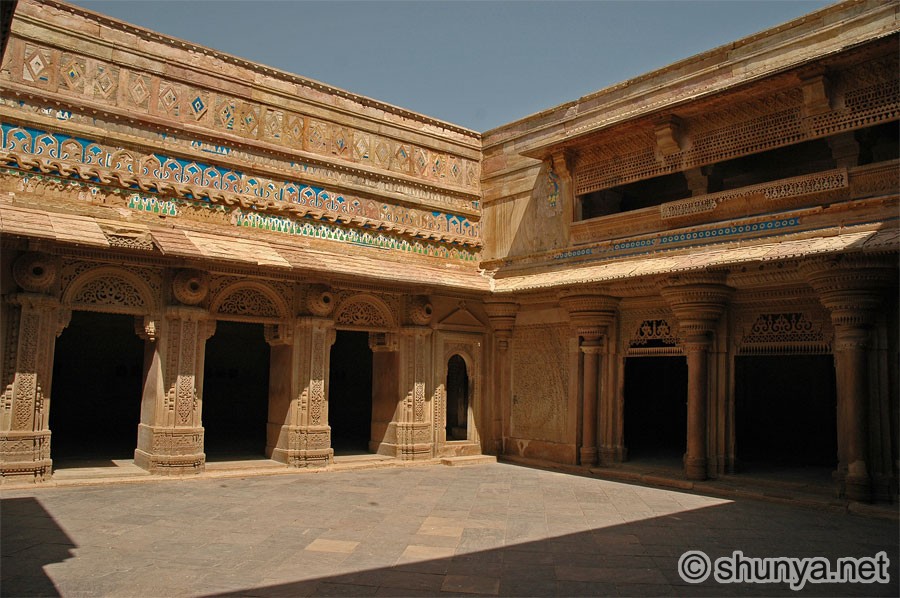 |
Palace courtyard 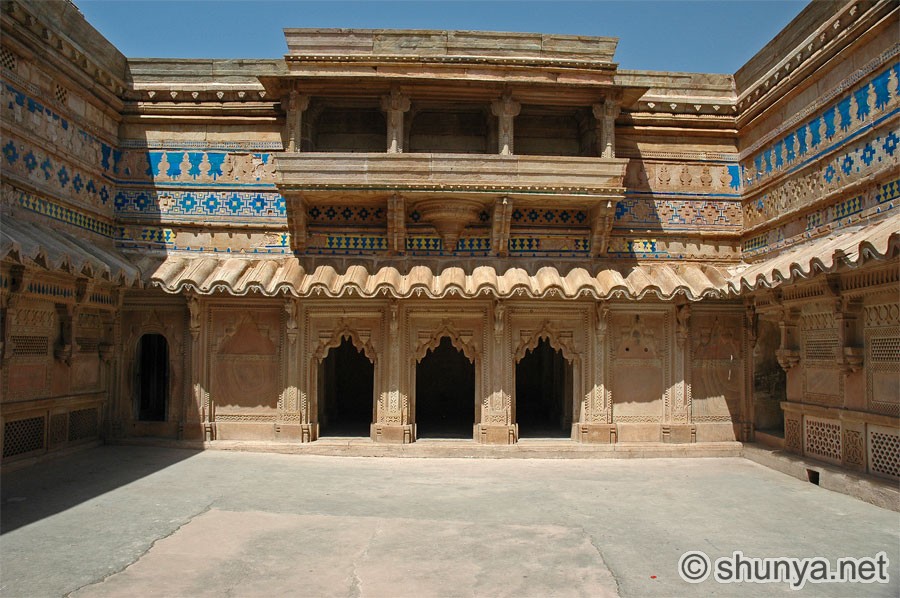 |
Music room 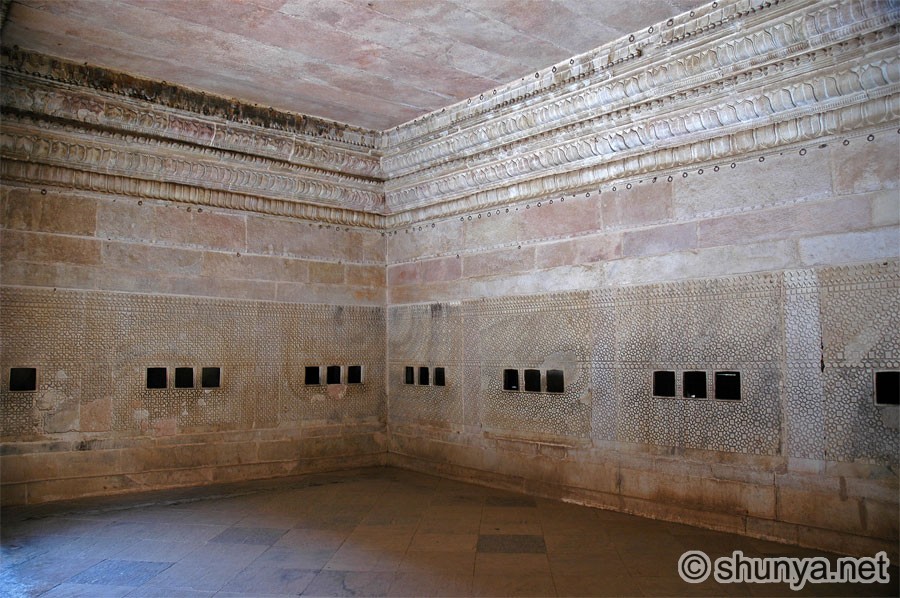 |
Royal bedroom 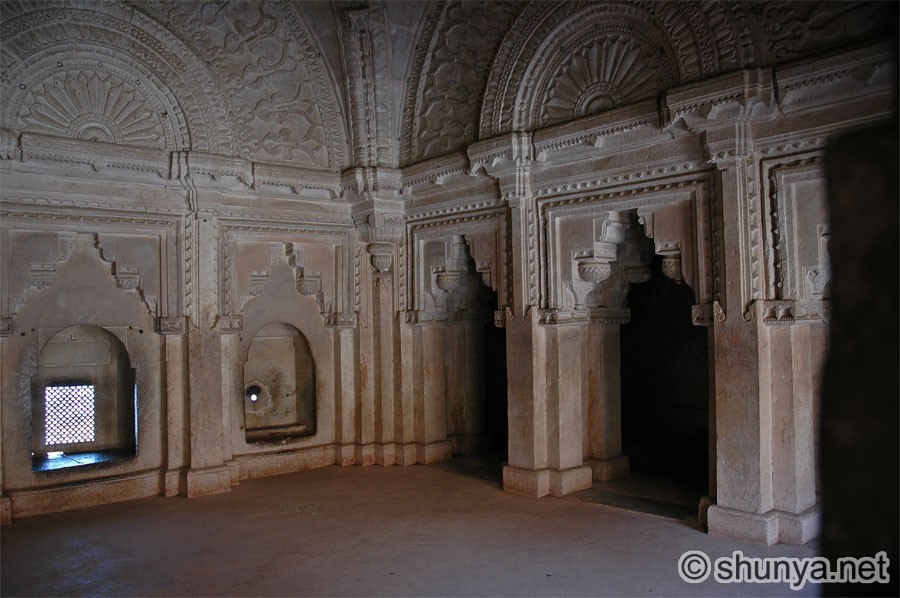 |
Swimming room 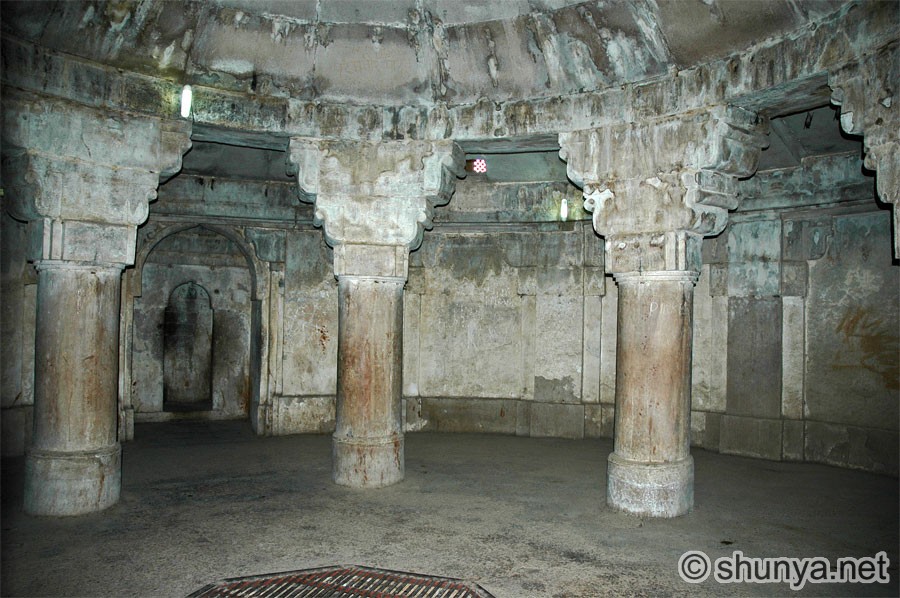 |
Bat infested ceiling 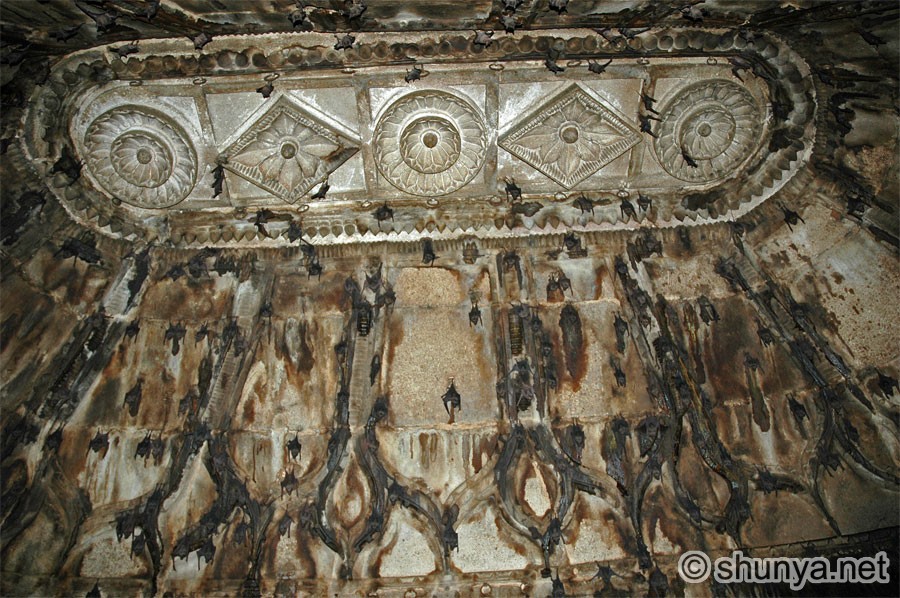 |
Jauhar kund 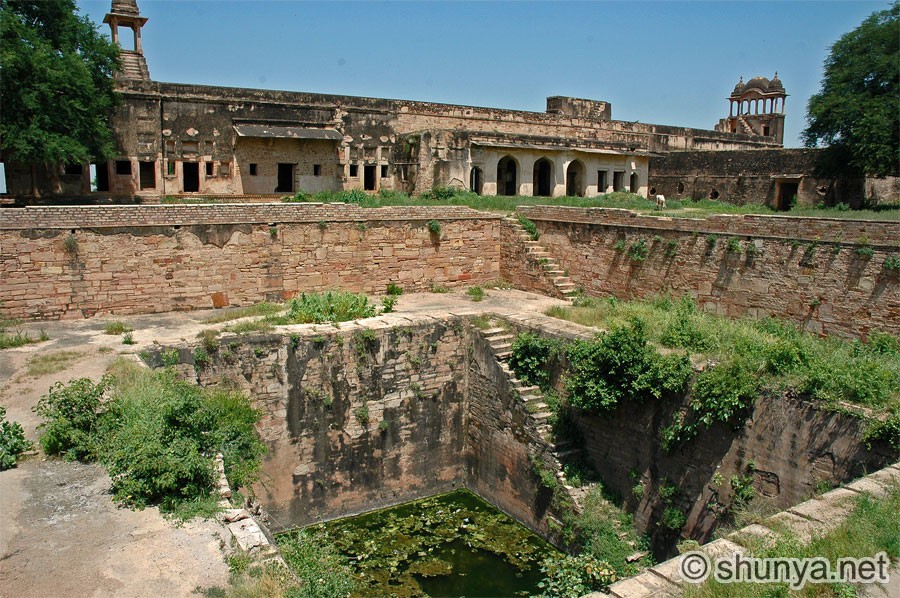 |
Palace pillars 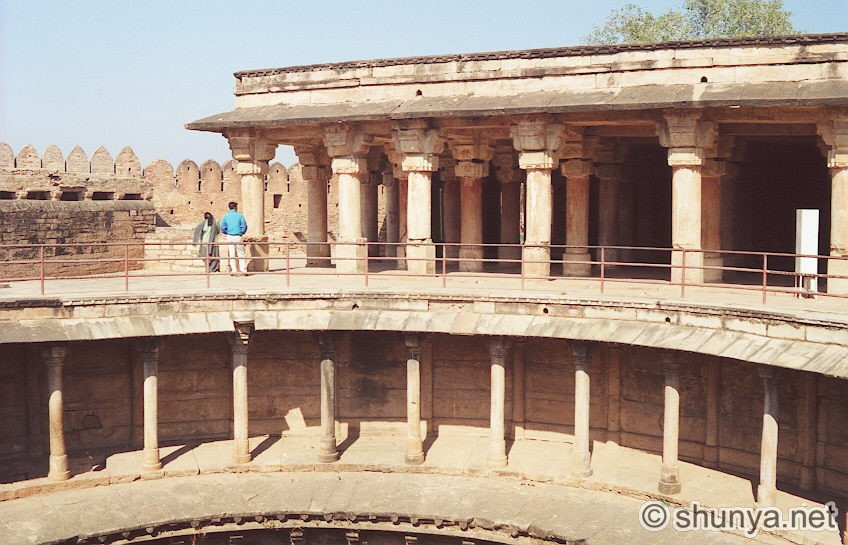 |
Jehangir palace 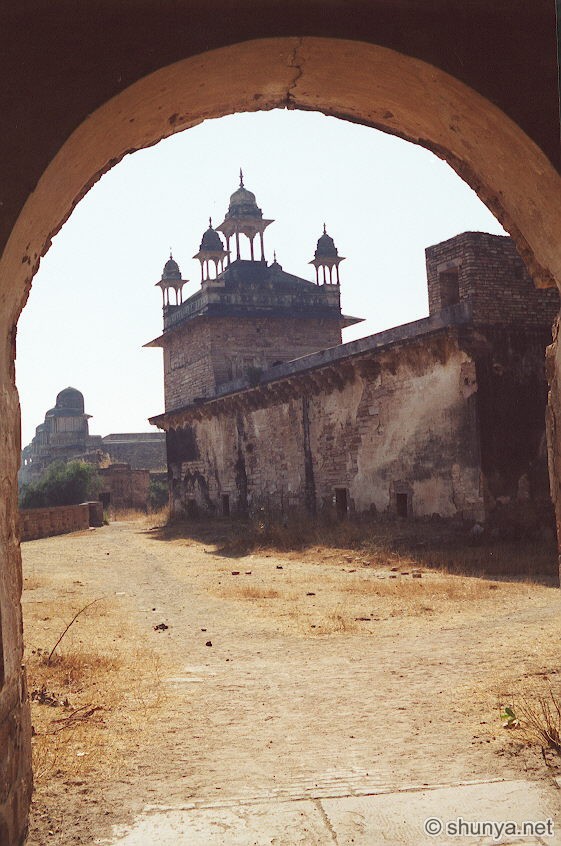 |
Teli ka Mandir 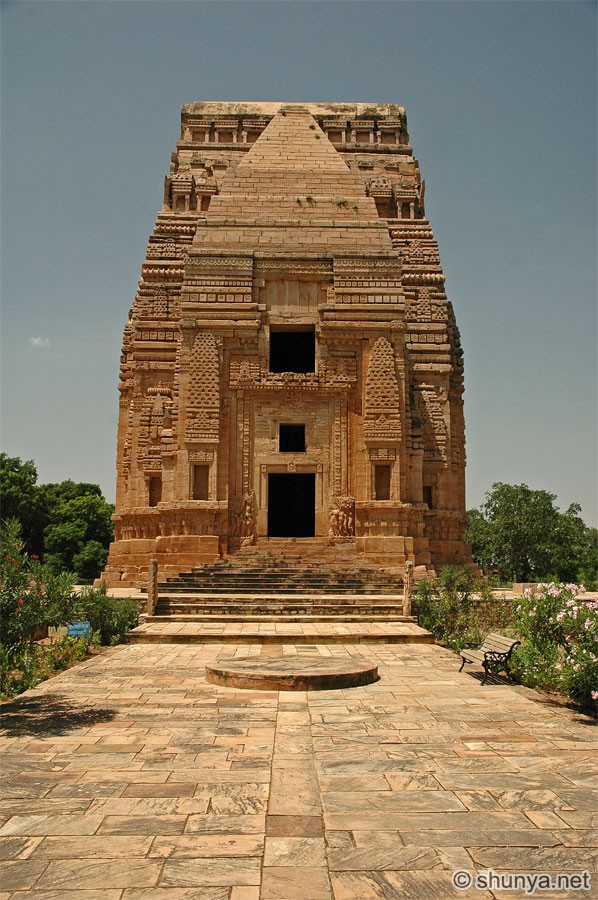 |
Teli ka Mandir sculpture  |
Teli ka Mandir sculpture  |
Daata bandi chor sikh temple 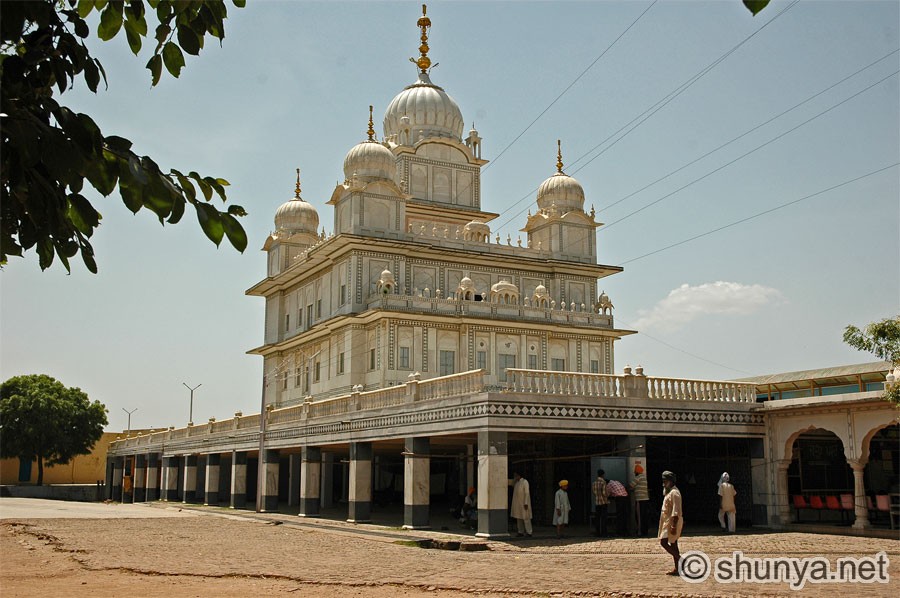 |
Inside the sikh temple 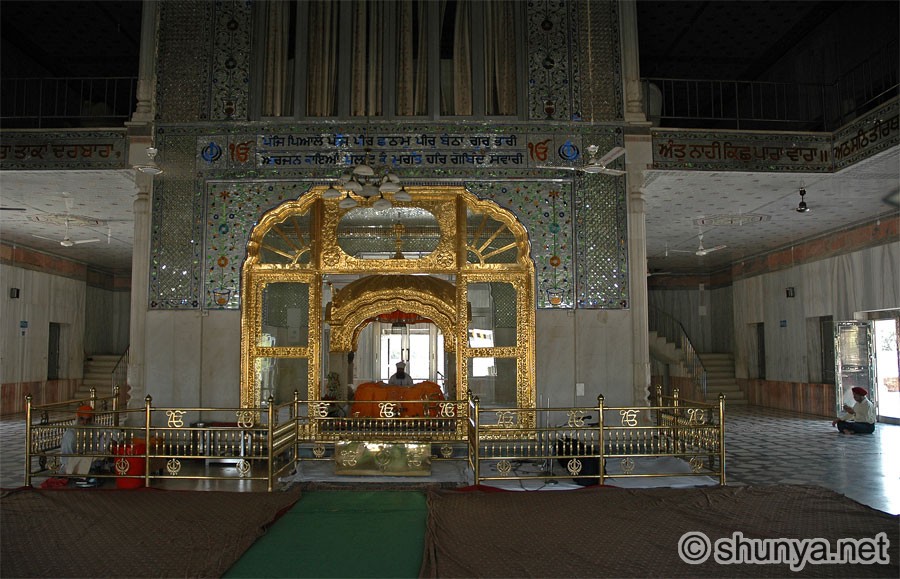 |
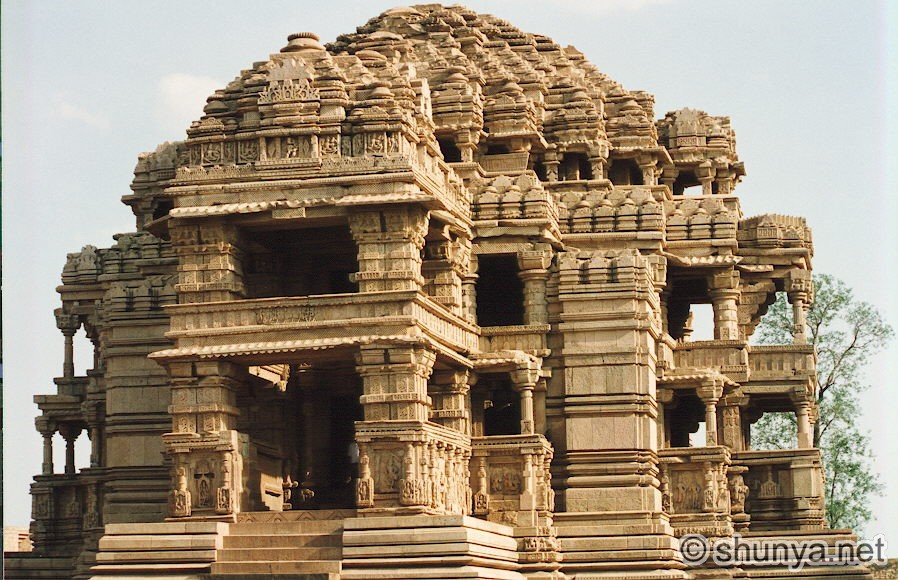
Saas-Bahu temple (more) 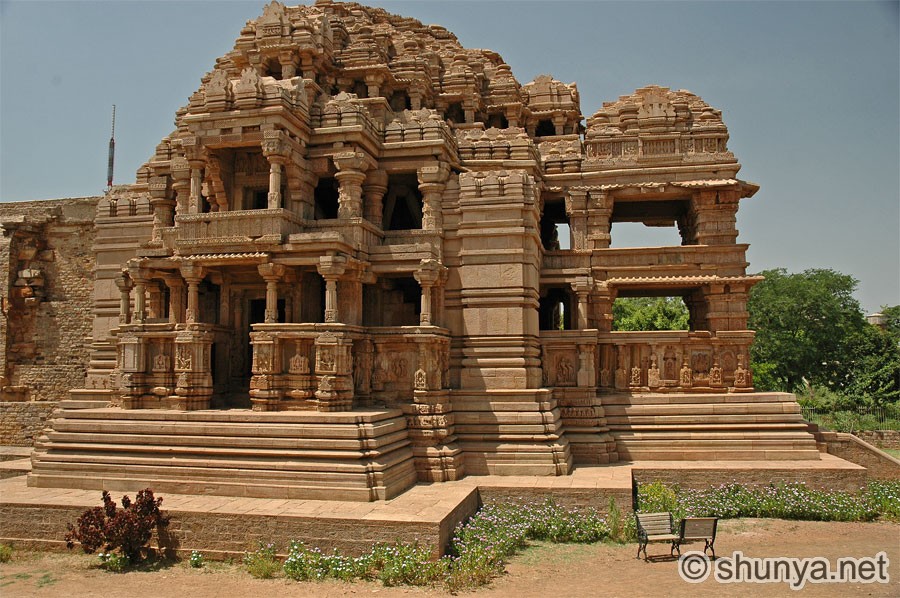 |
Saas-Bahu temple 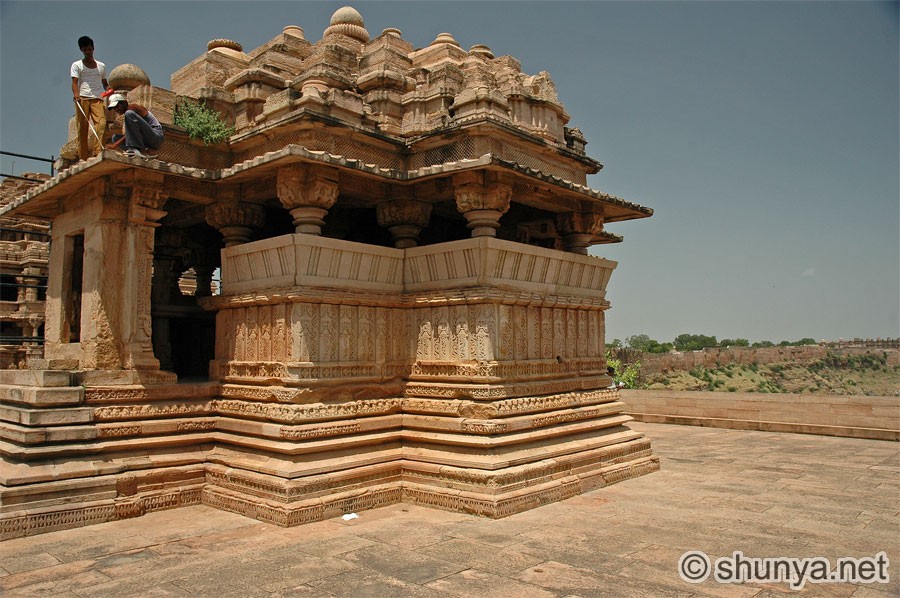 |
Saas-Bahu temple art 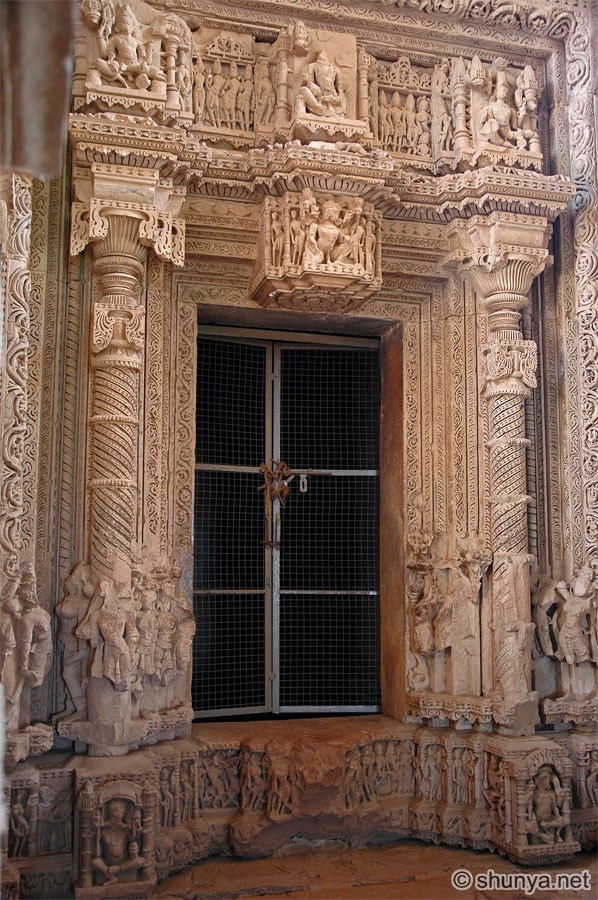 |
Saas-Bahu temple art 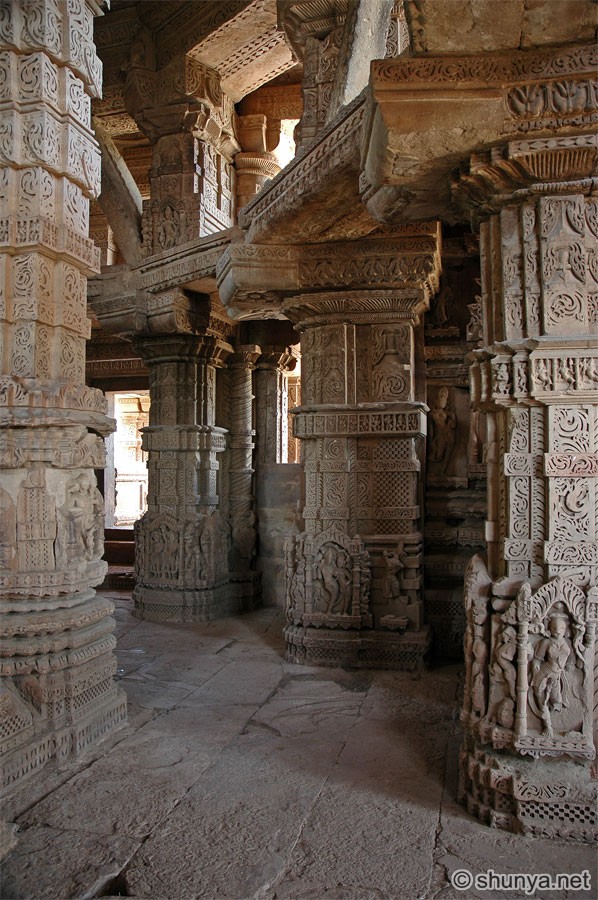 |
Saas-Bahu temple art 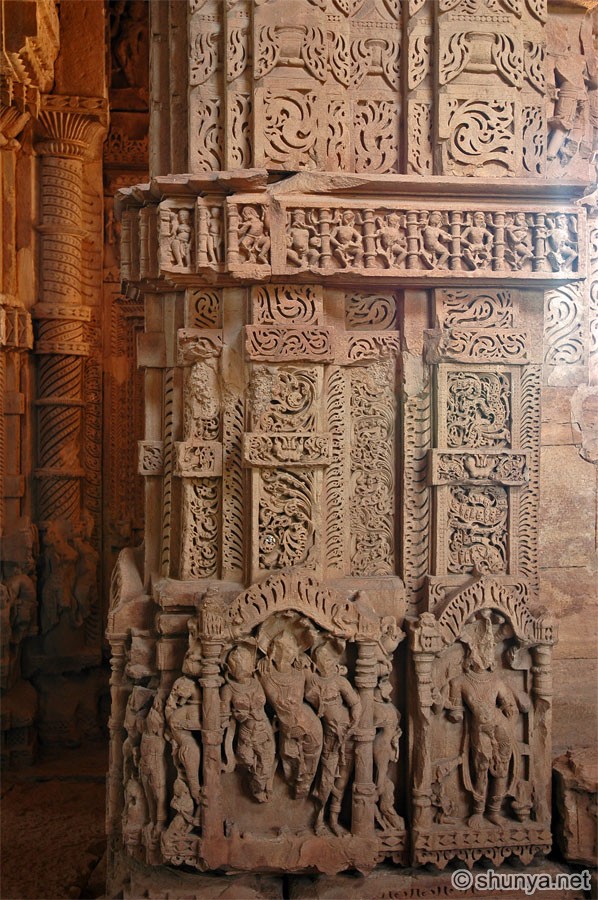 |
Saas-Bahu temple art 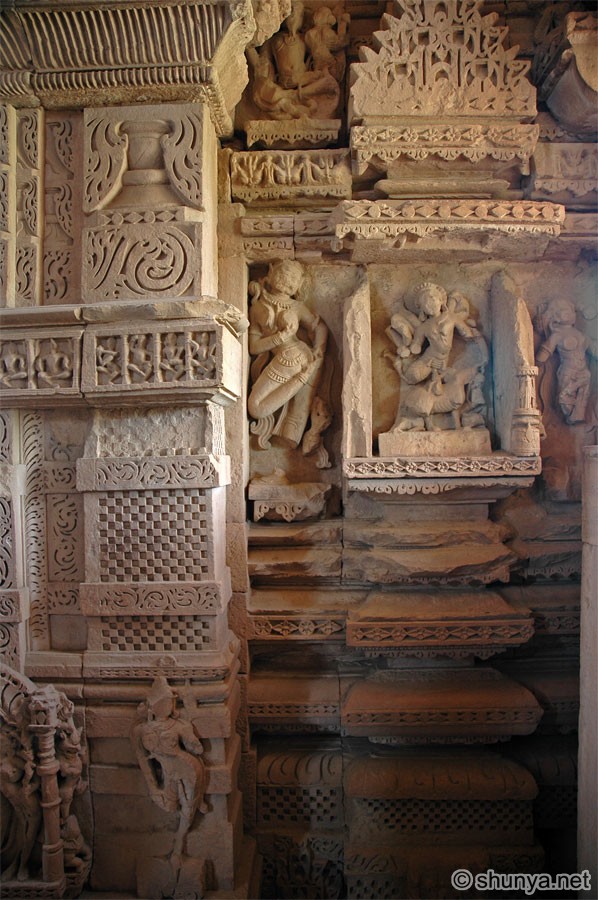 |
Agni 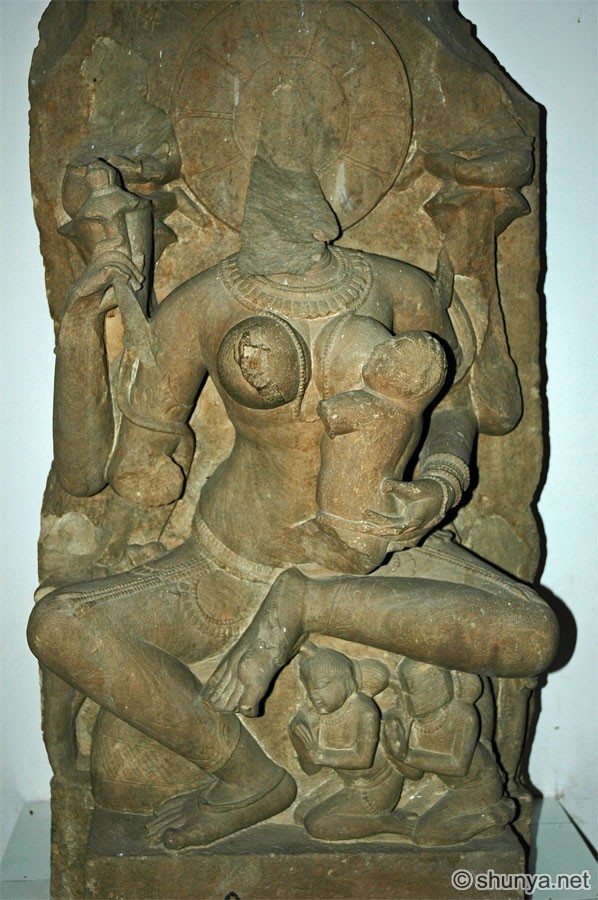 |
Saptmatrikas  |
Parvati 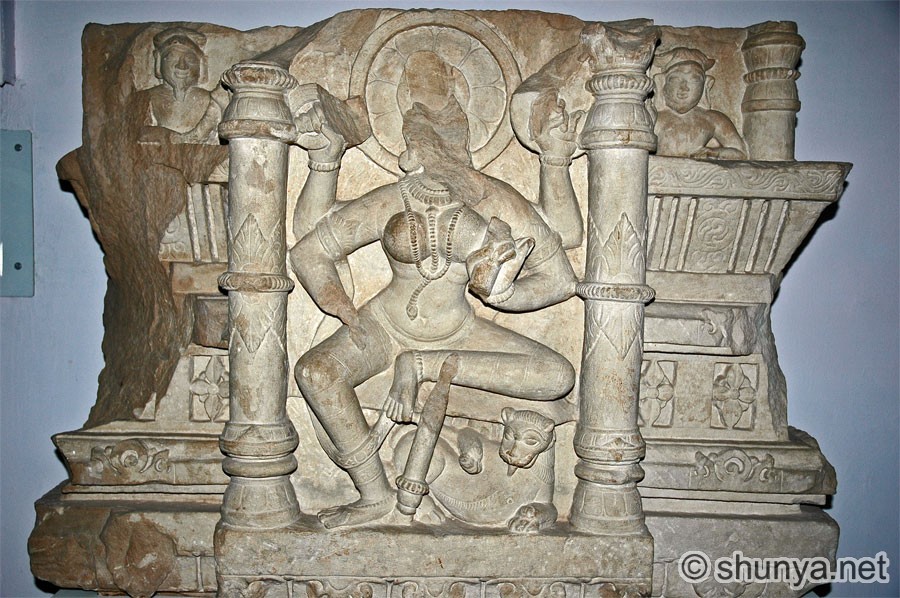 |
Indra and
Agni 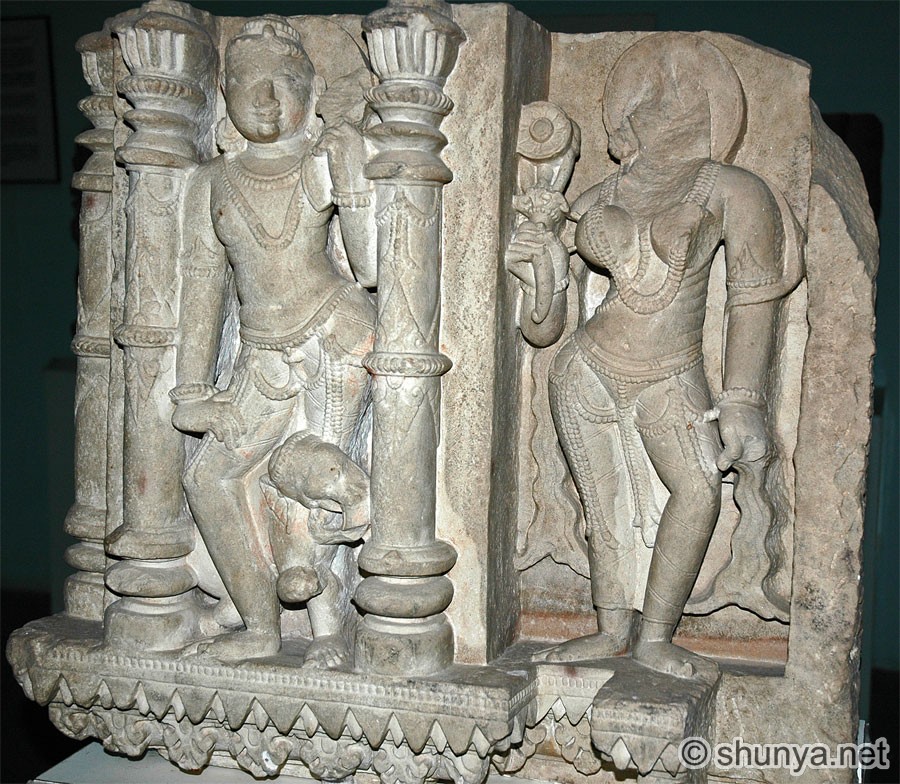 |
|
State Archaeology Museum (inside Gujjari Mahal), Jai Vilas Palace, and Scindia Museum |
|||
Dancing
Ganesha 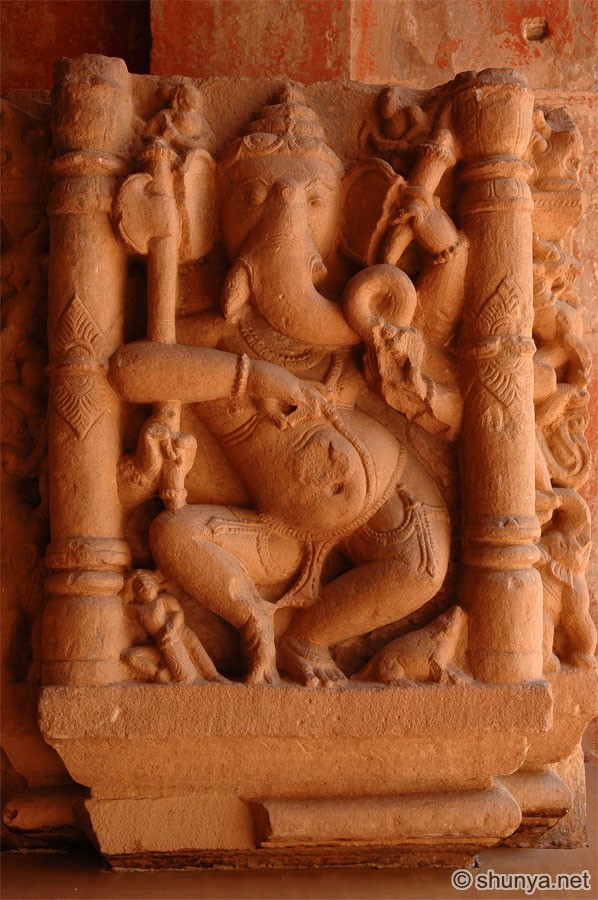 |
Mother and
child 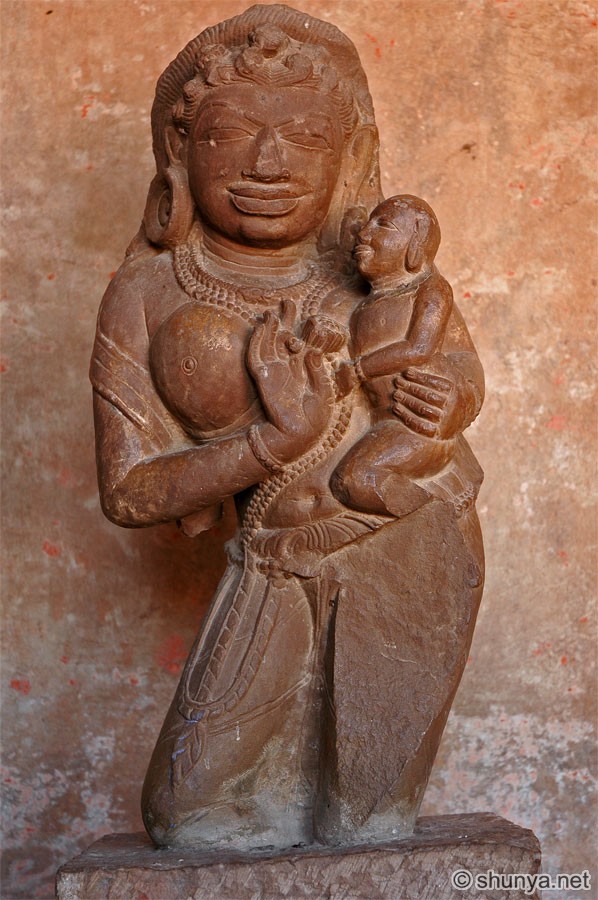 |
Vaman, 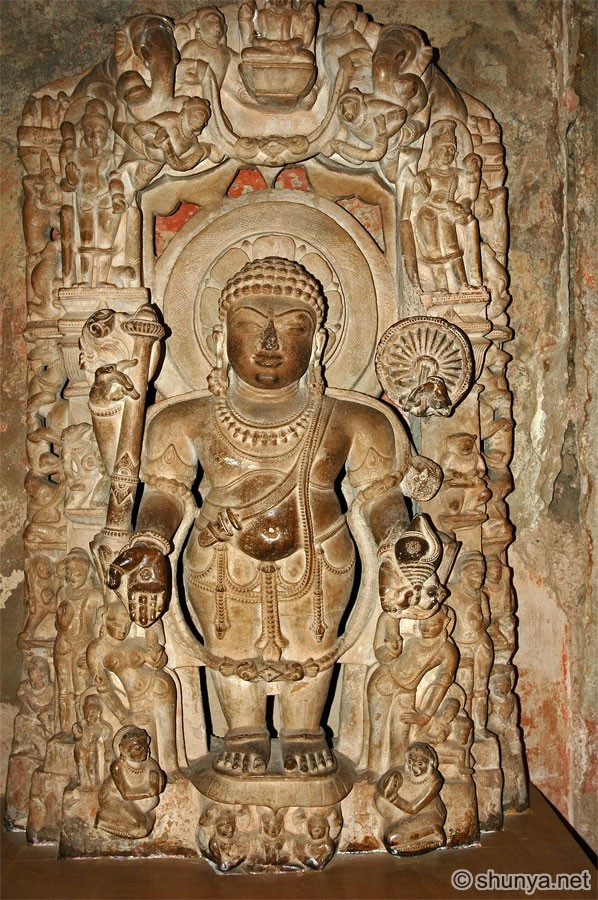 |
Nayika 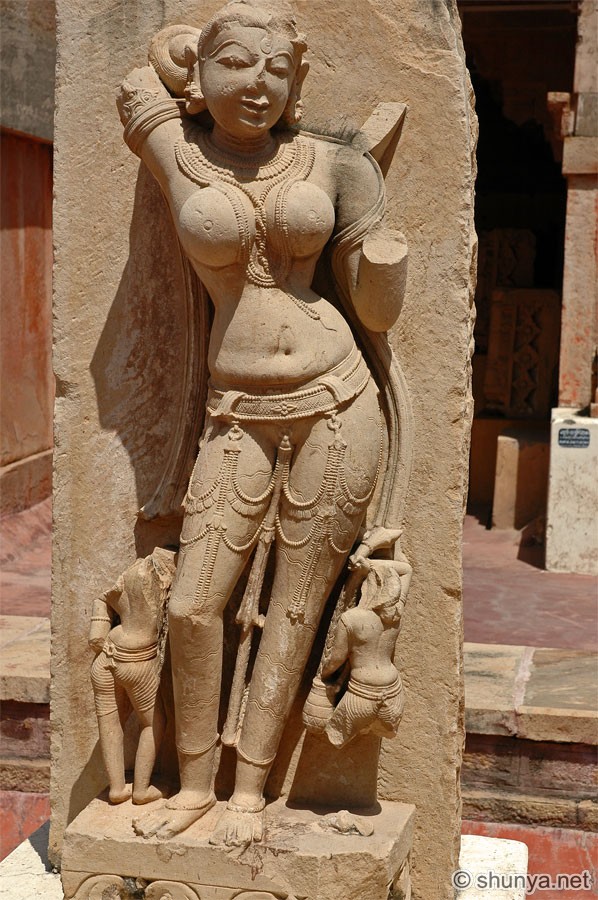 |
Agni 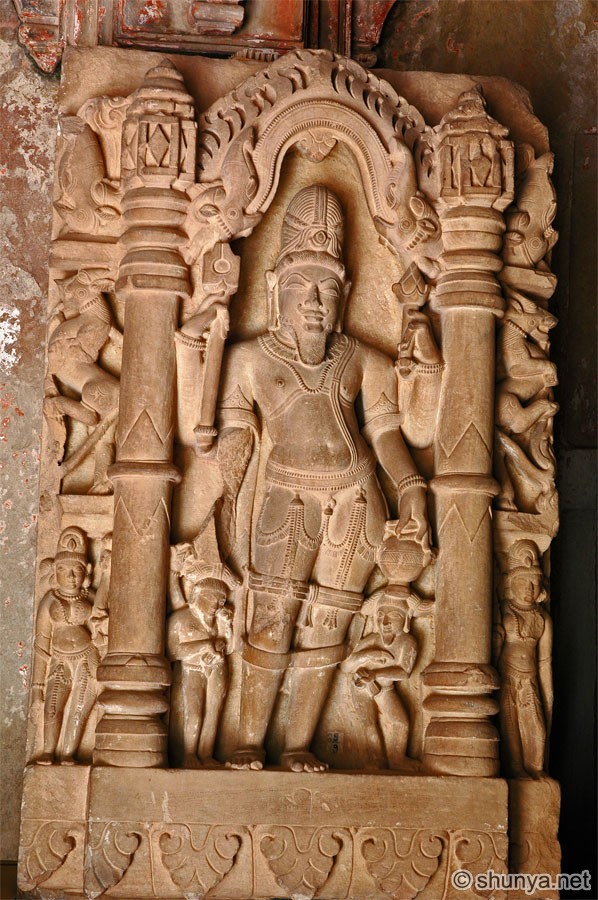 |
Nayika 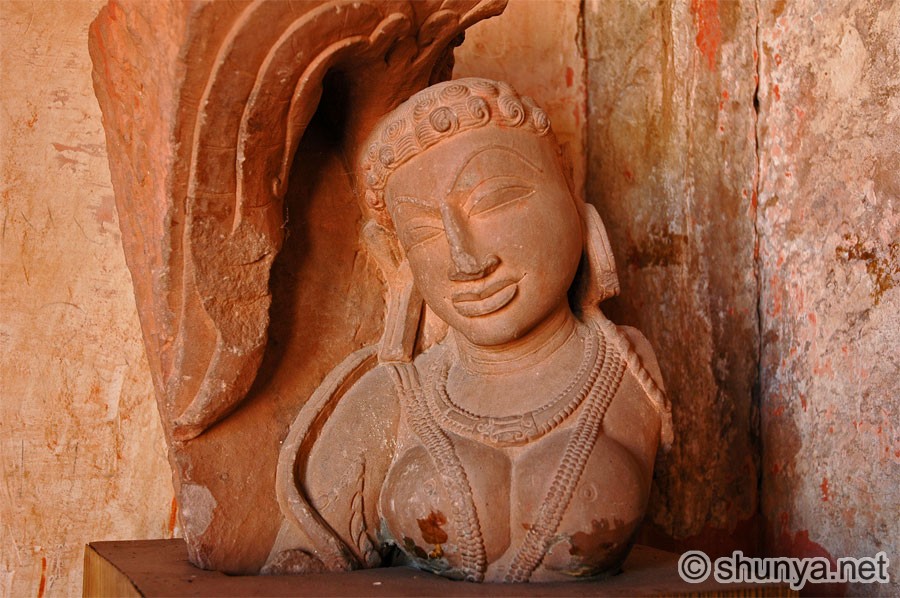 |
Mother and
child 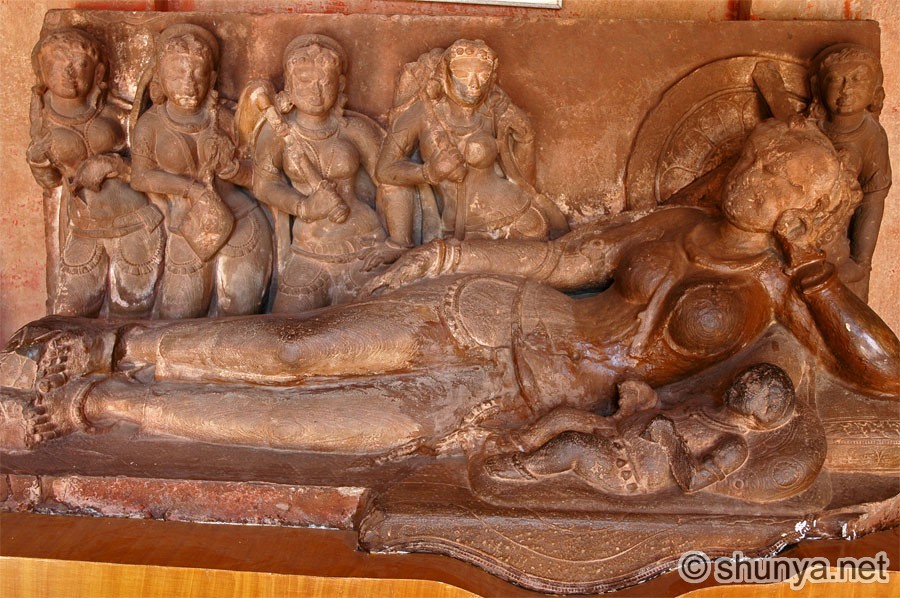 |
Dancing
Ganesha  |
Gujjari mahal, a.k.a ... 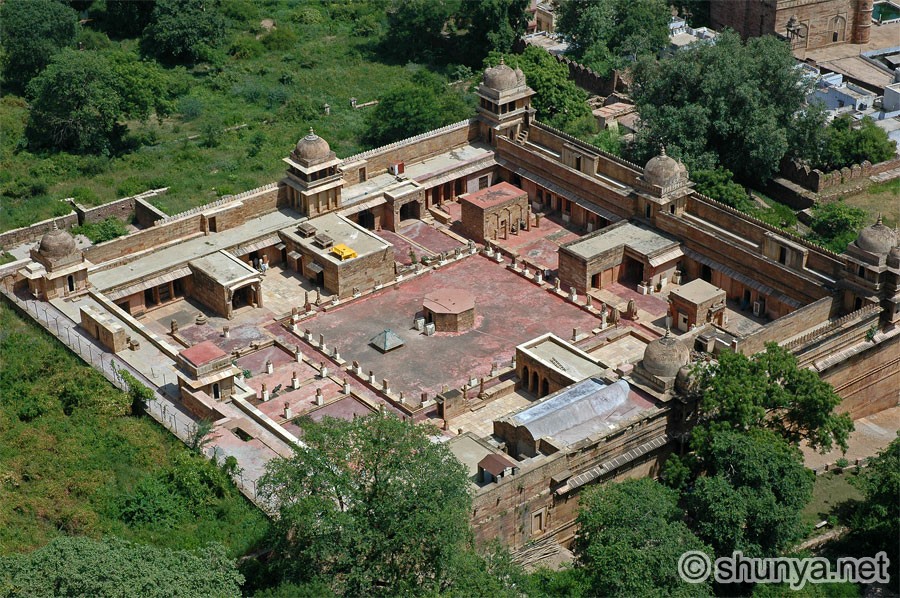 |
... State Archaeology museum 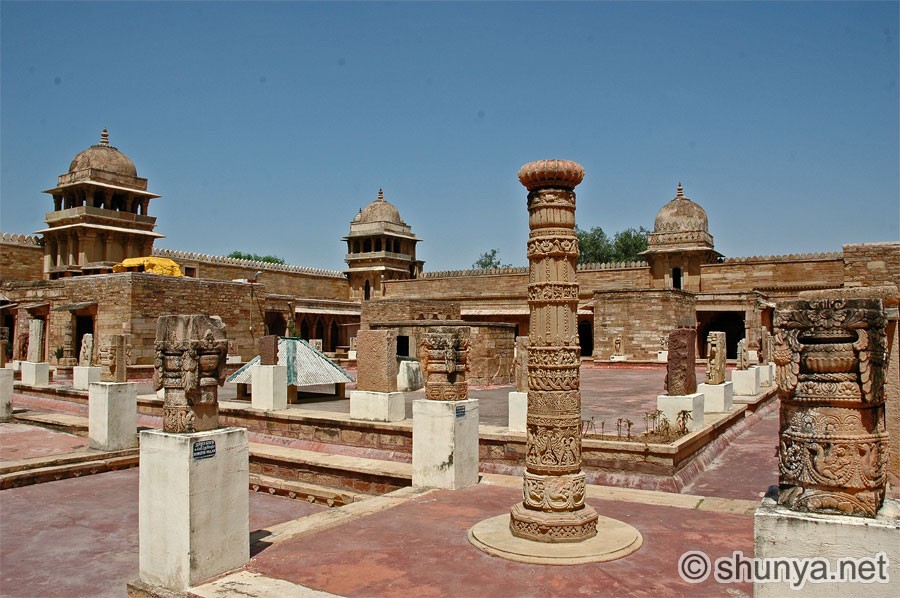 |
Jai Vilas palace (of the Scindias) 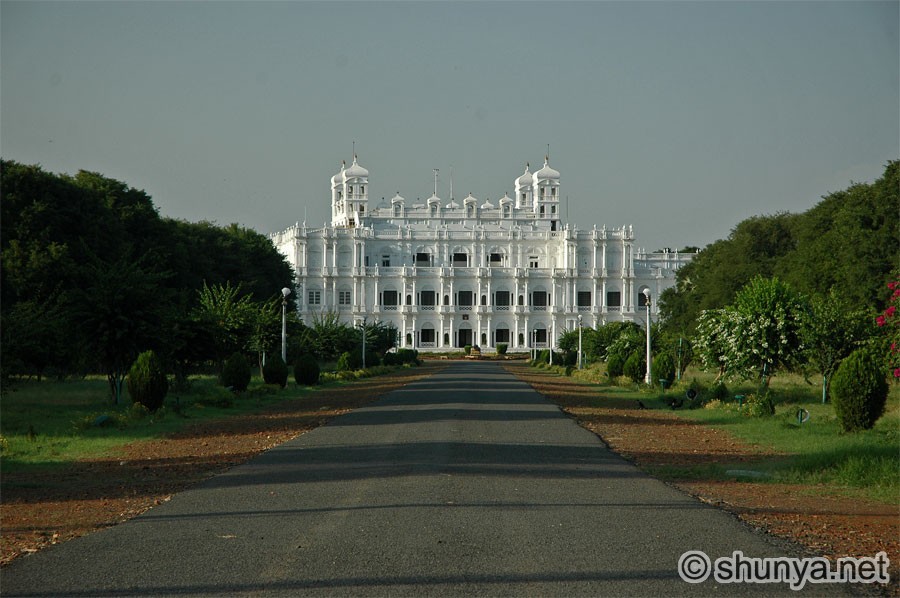 |
Behind the facade 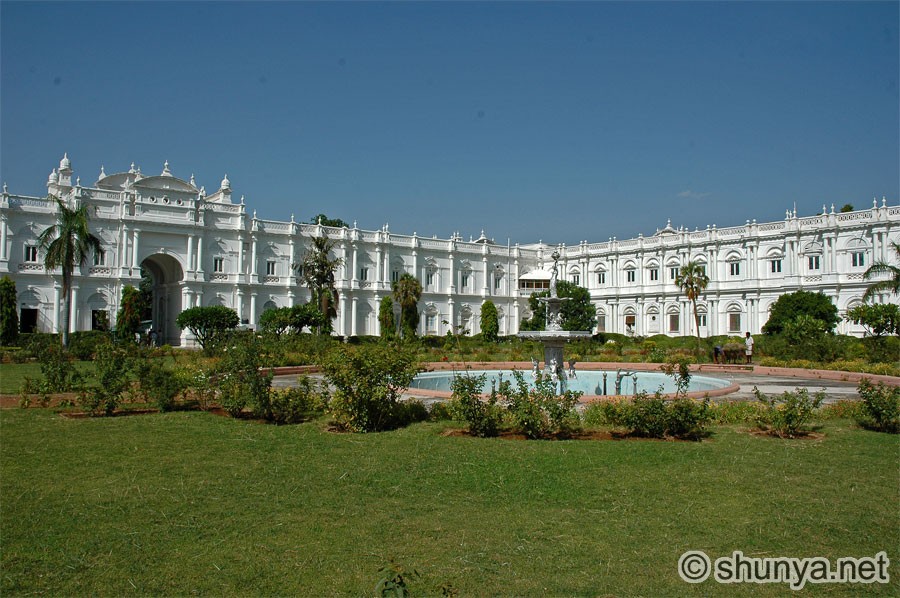 |
Durbar hall 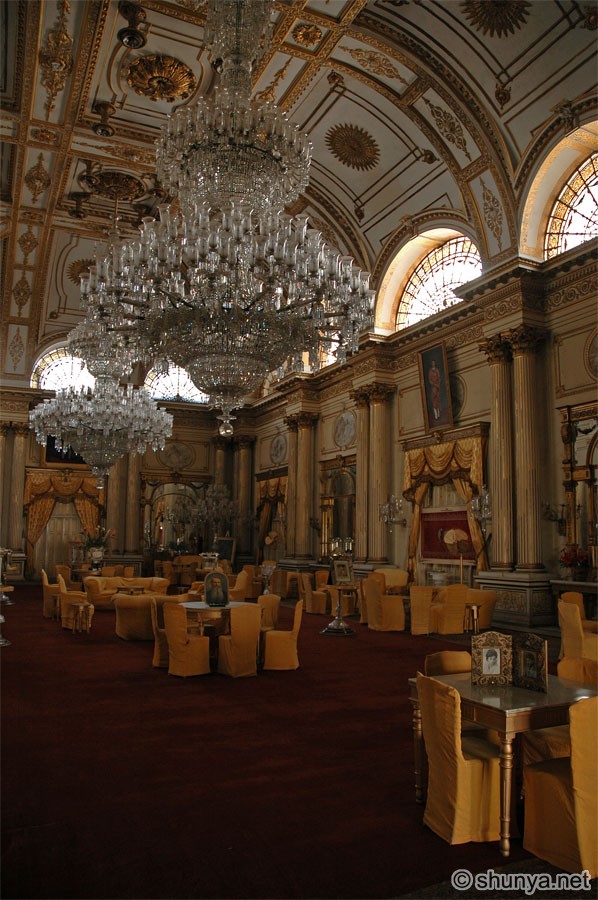 |
Leda and the
swan 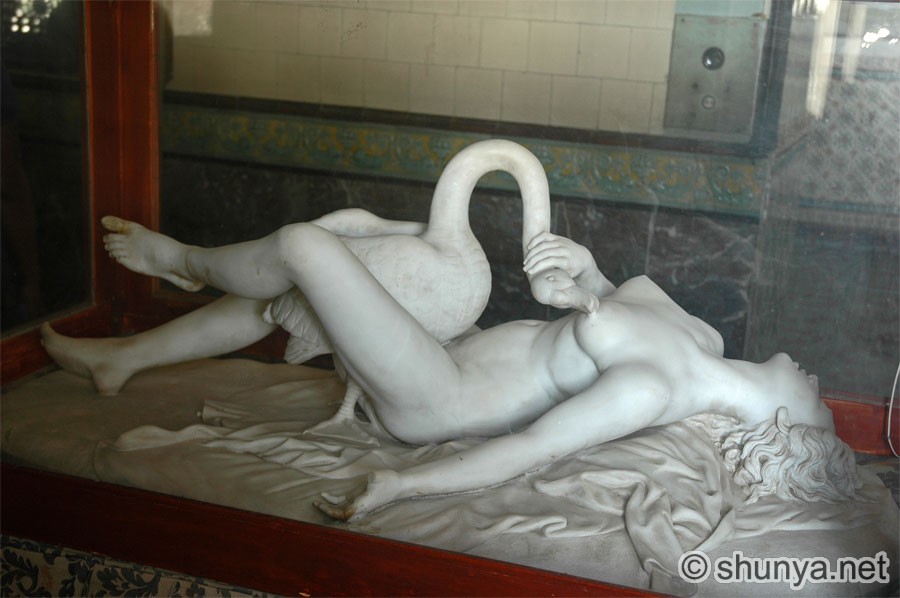 |
Where the
tigers are 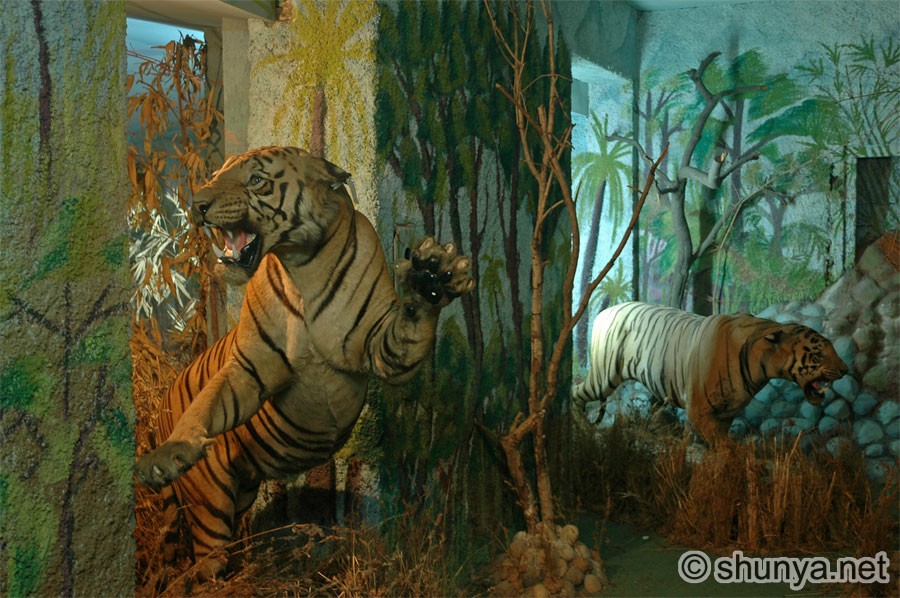 |
Average room 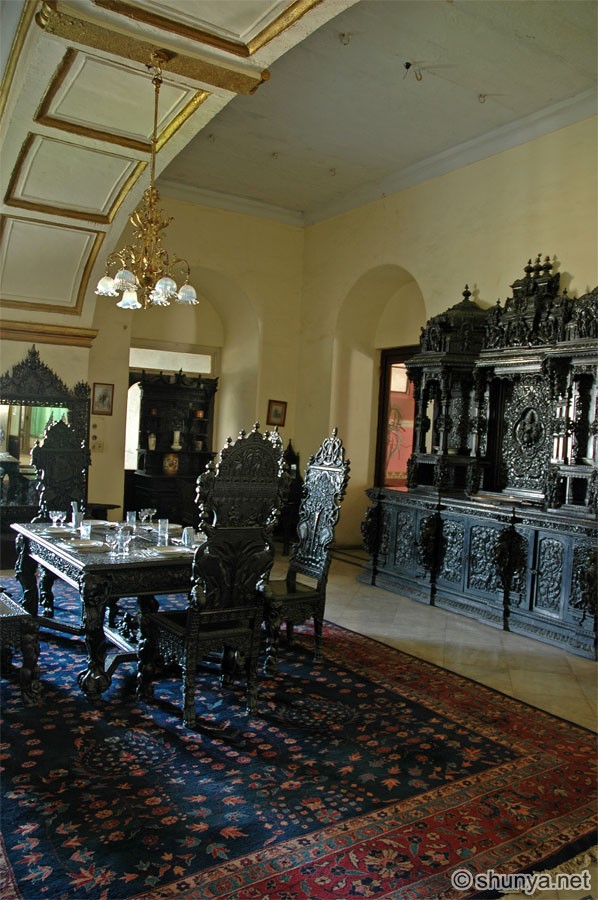 |

















Designed in collaboration with Vitalect, Inc. All rights reserved. |