

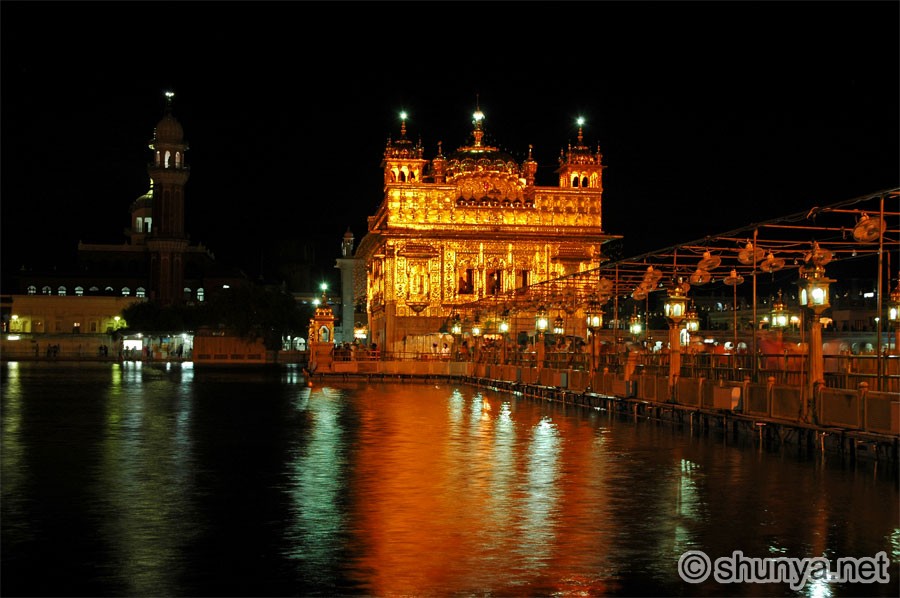
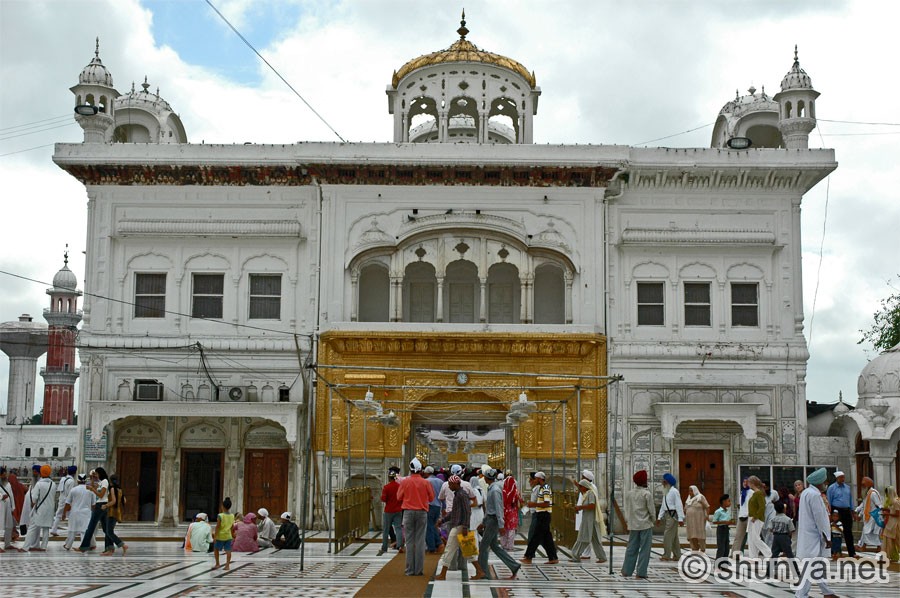
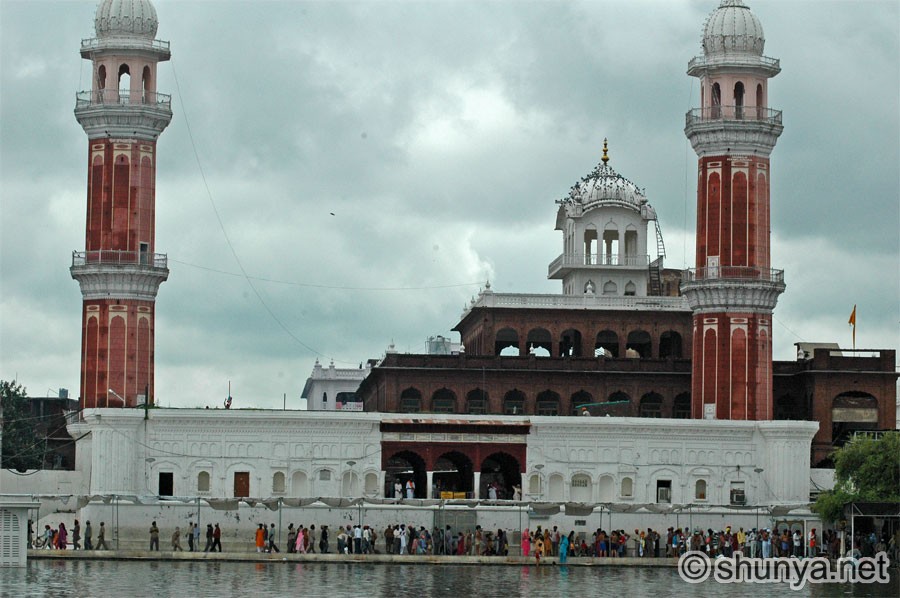
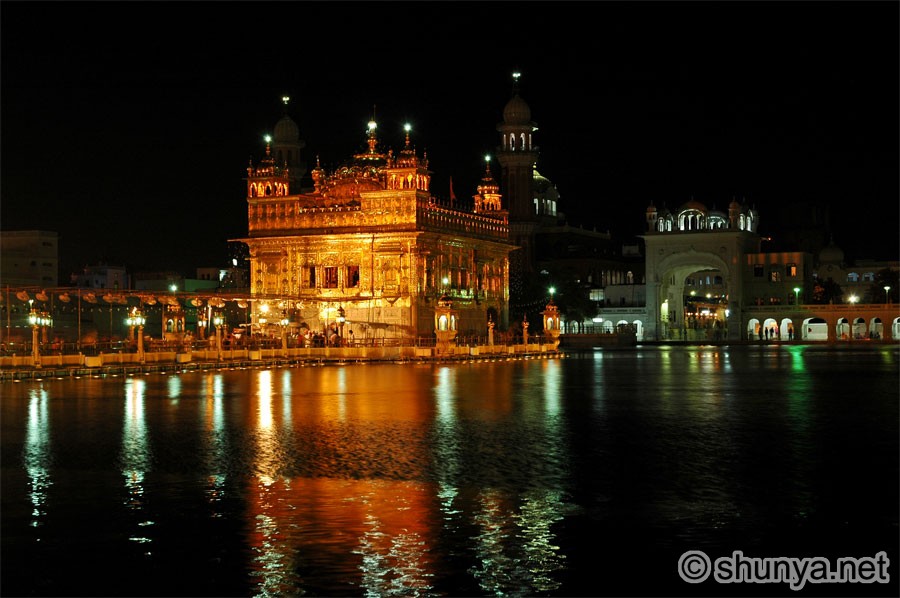
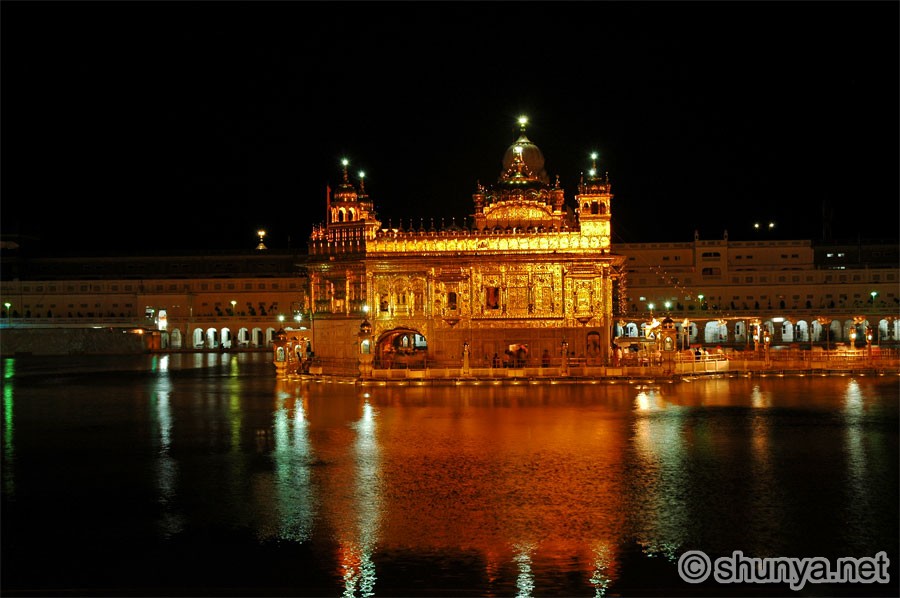
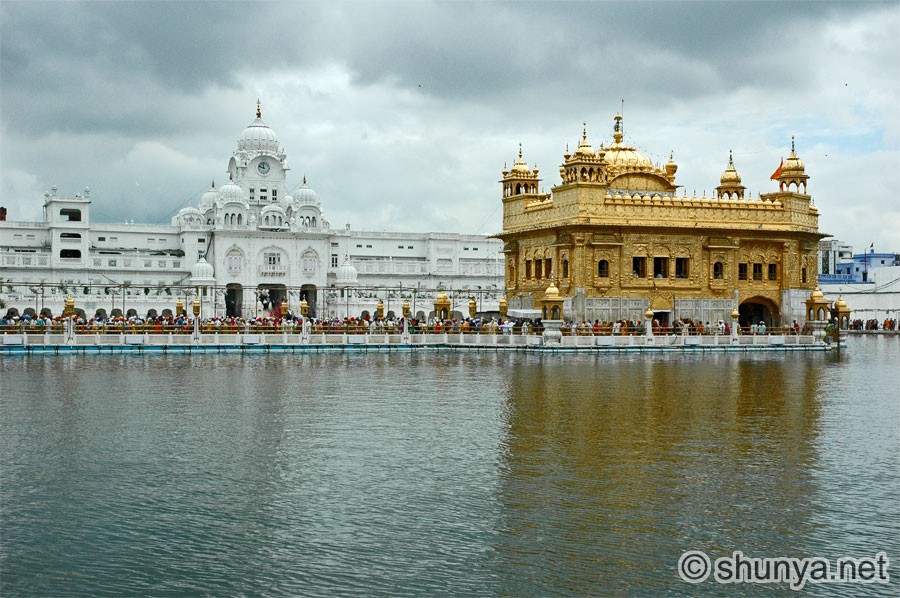
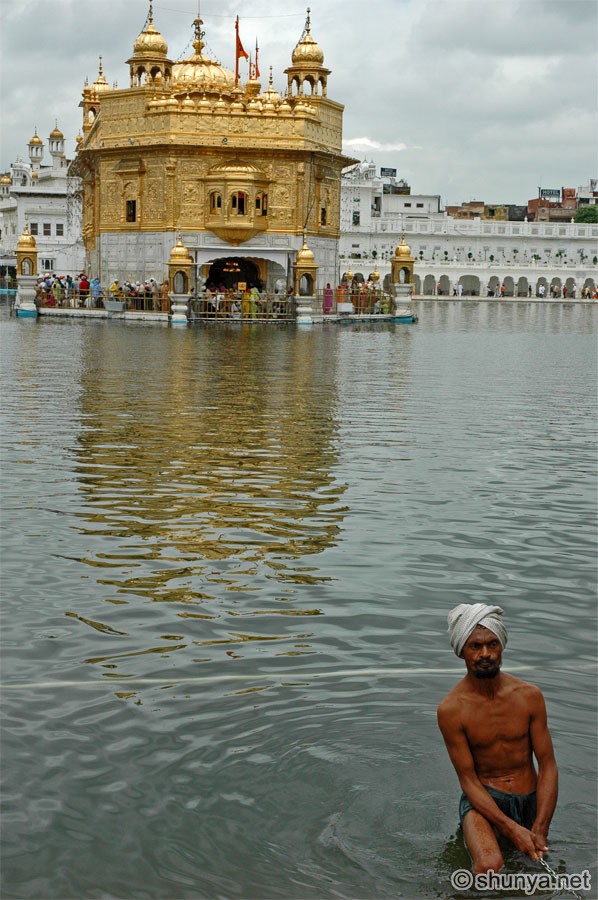
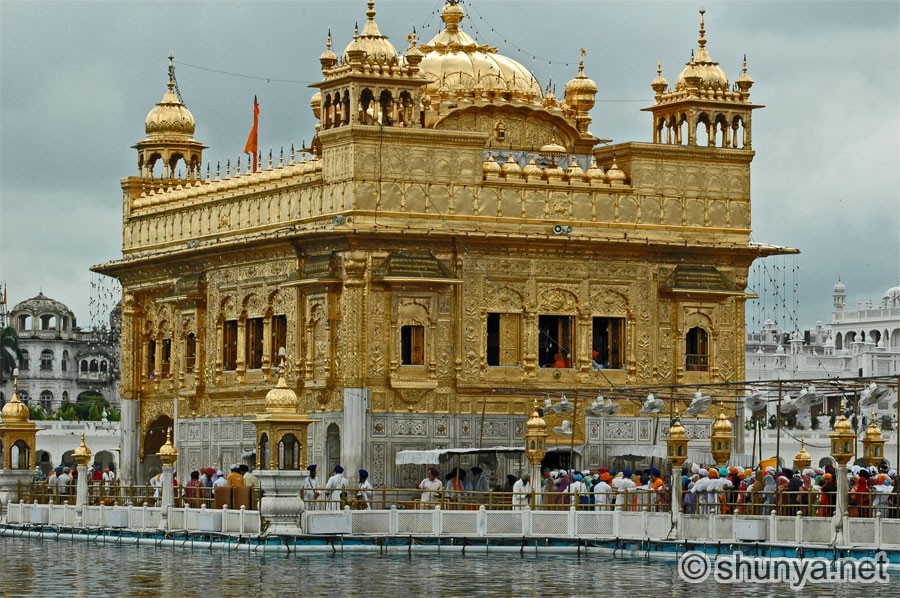
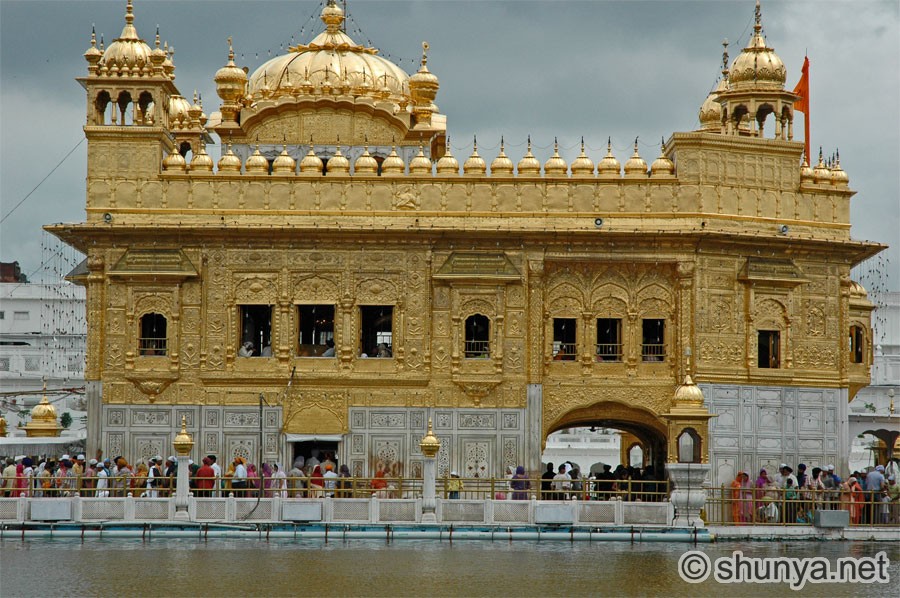
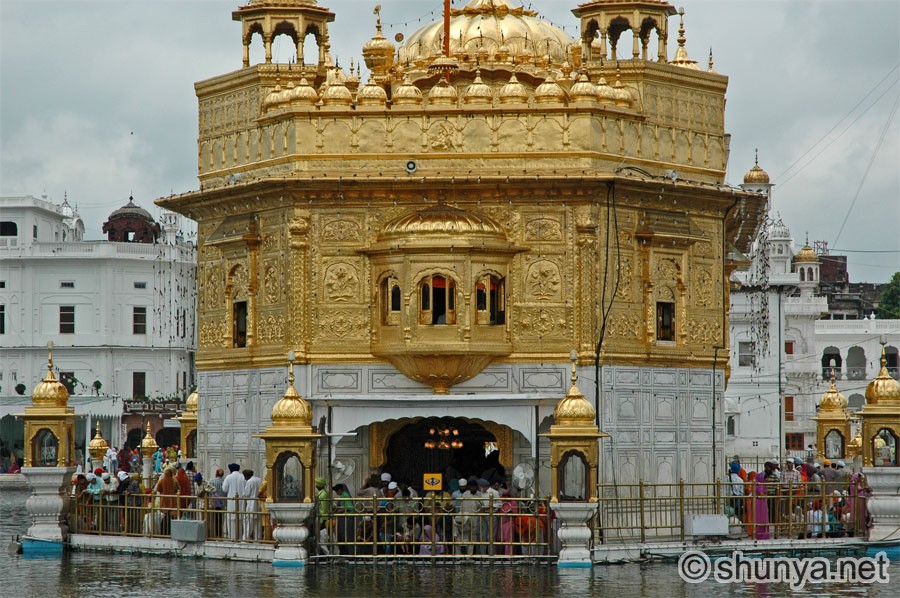
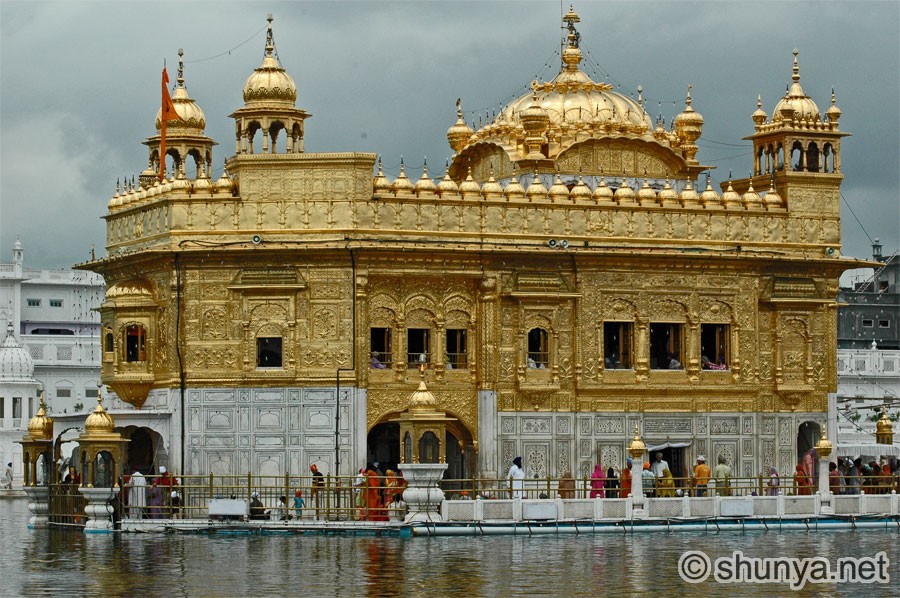
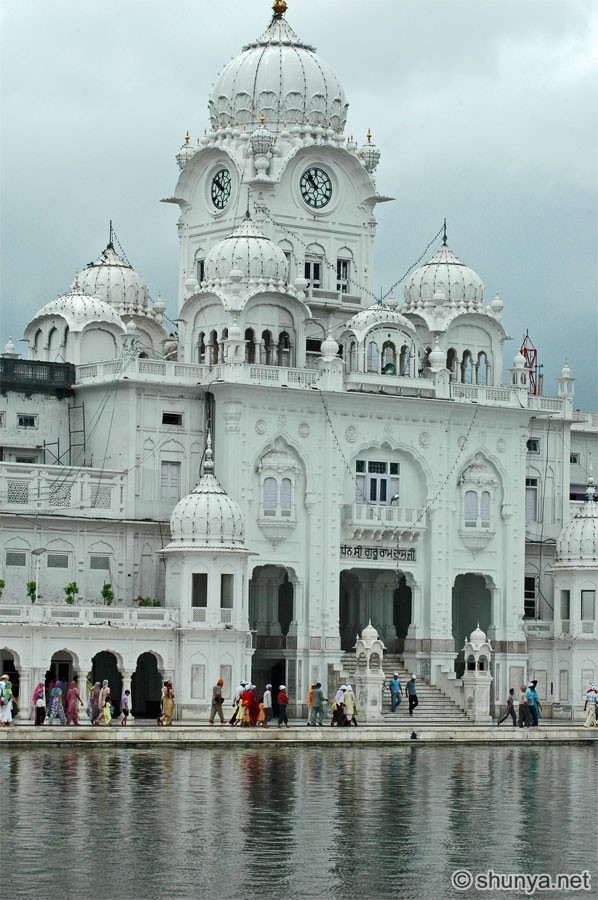
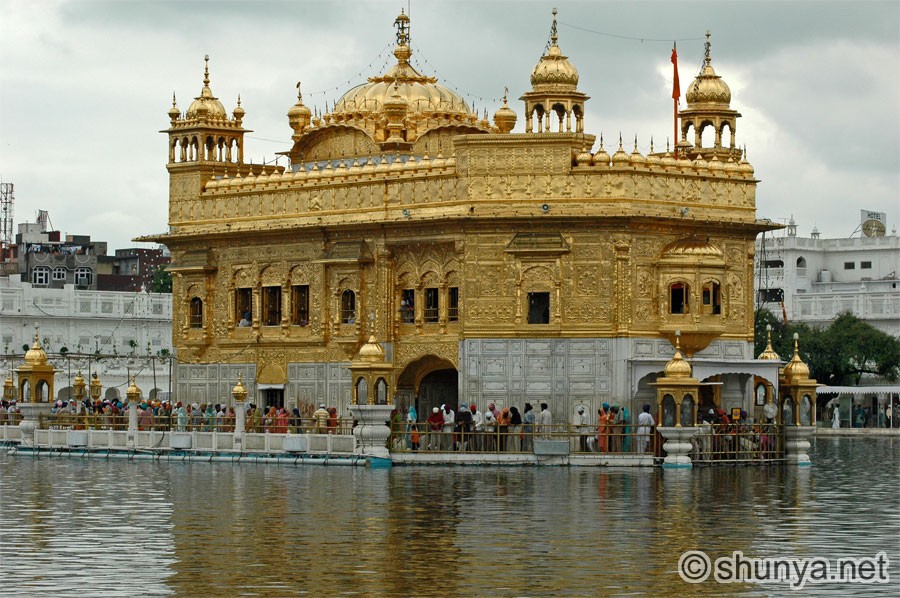
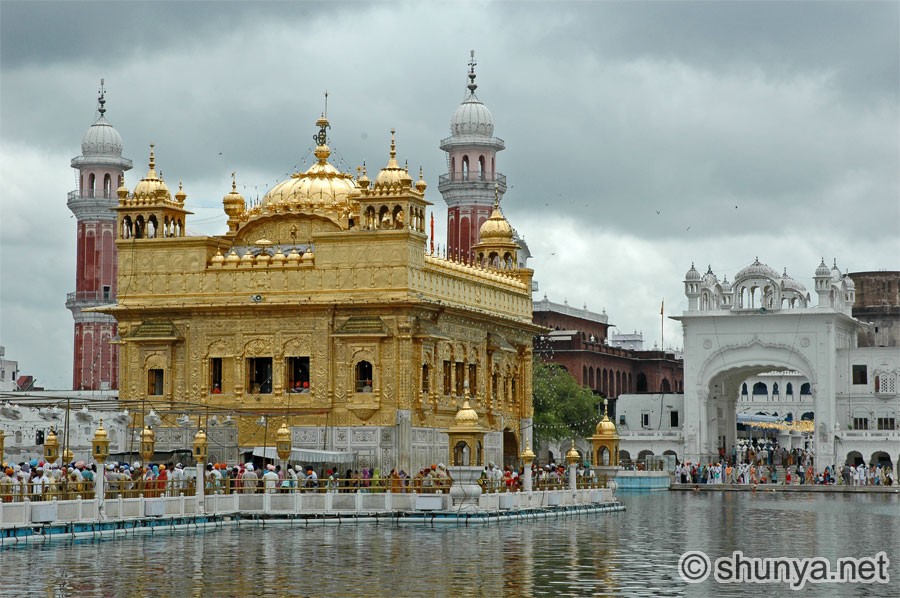
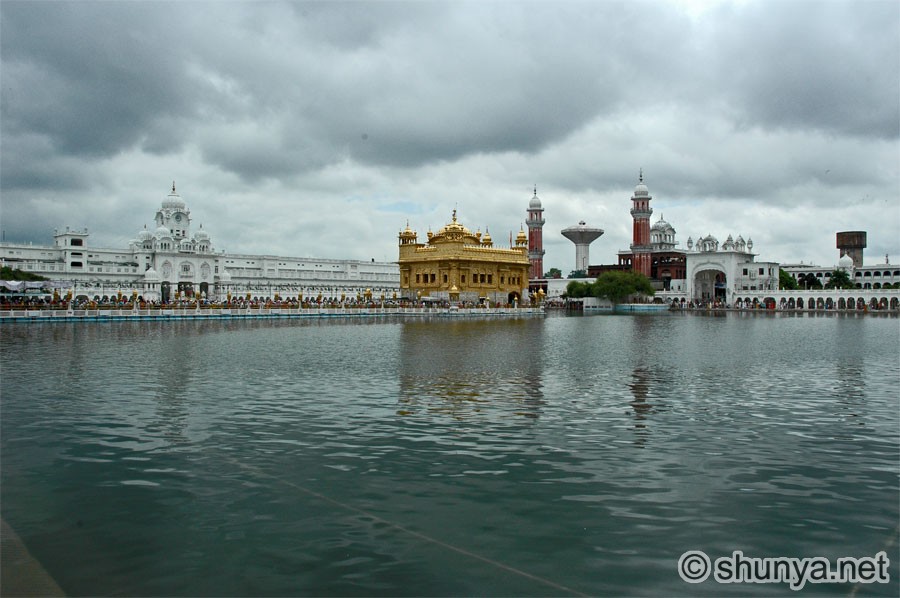
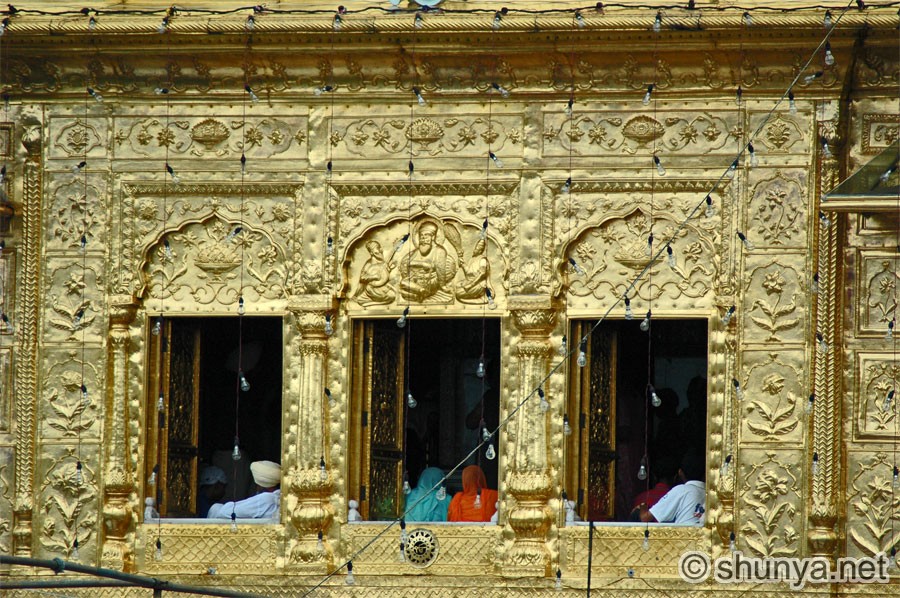
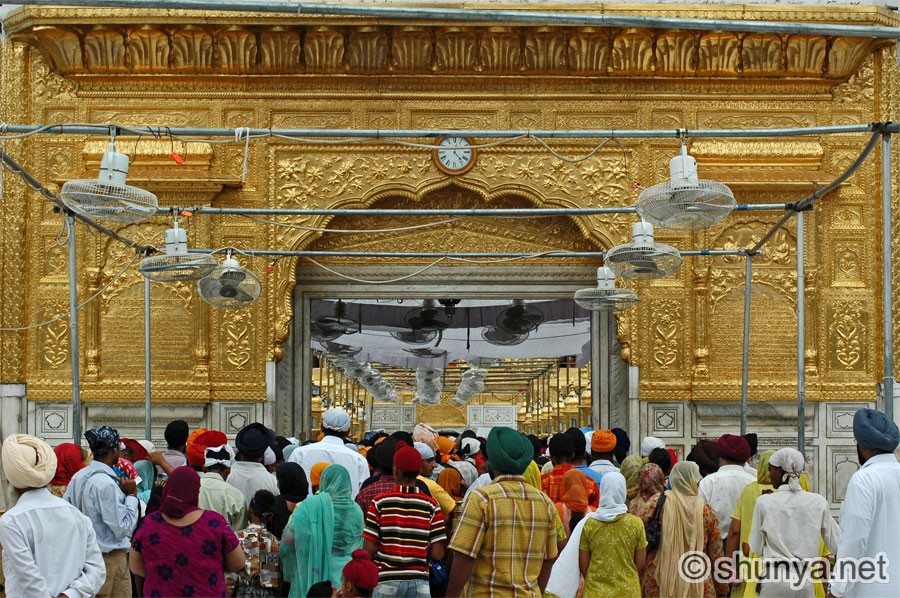
Amritsar is the largest and most important city in Punjab and is a major commercial, cultural, and transportation centre. It is also the centre of Sikhism and the site of the Sikhs' principal place of worship, the Harmandir, or Golden Temple. It was founded in 1577 by Ram Das, fourth Guru of the Sikhs, on a site granted by the Mughal emperor Akbar. Ram Das ordered the excavation of the sacred tank, or pool, called Amrita Saras ("Pool of Nectar"), from which the city's name is derived. A temple was erected on an island in the tank's centre by Arjun, the fifth Guru of the Sikhs. During the reign (1801–39) of Maharaja Ranjit Singh, the upper part of the temple was decorated with a gold-foil-covered copper dome, and since then the building has been known as the Harmandir. The city was annexed to British India in 1849.
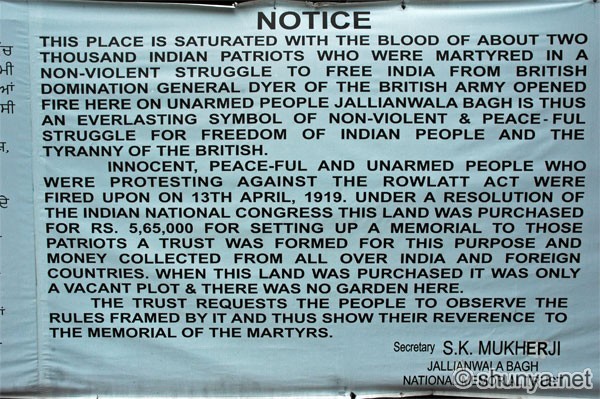
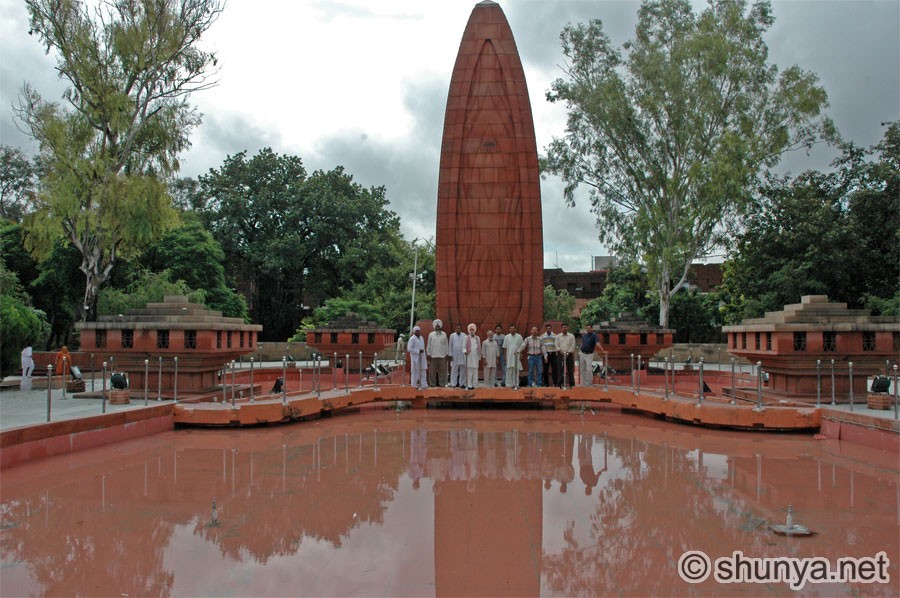
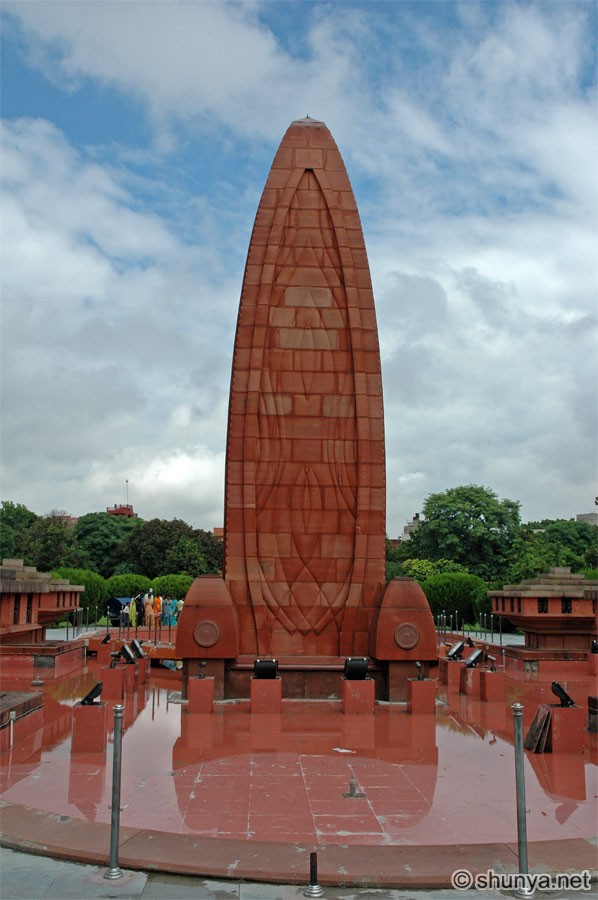
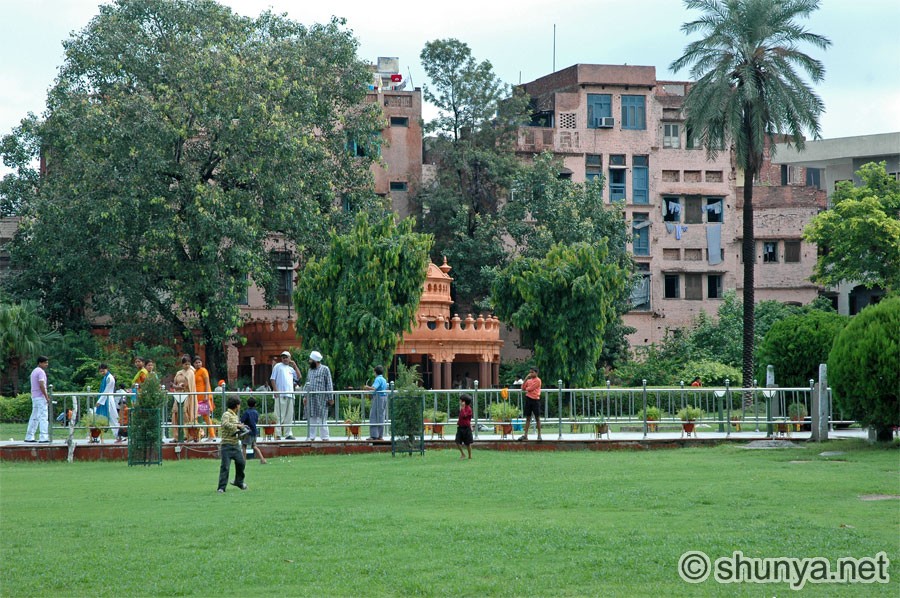
A short distance away from the Golden Temple is a spacious park, Jallianwalla Bagh, where on April 13, 1919, British colonial government troops fired on a crowd of unarmed Indian protesters, killing 379 of them and wounding many more. The site of the Amritsar Massacre, as this incident is now called, is now a national monument. Another violent political clash took place in Amritsar in 1984, when troops of the Indian army attacked hundreds of Sikh separatists who had taken up positions in and heavily fortified the Golden Temple. Conflicting reports indicated that between 450 and 1,200 persons were killed before the Sikh extremists were evicted from the temple.
Amritsar is a centre of textile and chemical industries and also engages in food milling and processing, silk weaving, tanning, canning, and the manufacture of machinery. The city lies on the main highway from Delhi to Lahore (GT road) and is a major rail hub. It is home to Guru Nanak Dev University, founded in 1969 as the leading educational centre of the Sikhs (with PhDs in nearly 30 disciplines, including Sanskrit and Pali). A medical, a dental, an arts, and a technical college are also located in Amritsar, and Khalsa College (1899) lies just outside the city. In the newer, northern section of the city is Ram Bagh, a large park that contains the summer palace of Maharaja Ranjit Singh (aka Sher-e-Punjab). [Adapted from Encyclopedia Britannica; Sep 06]
 |
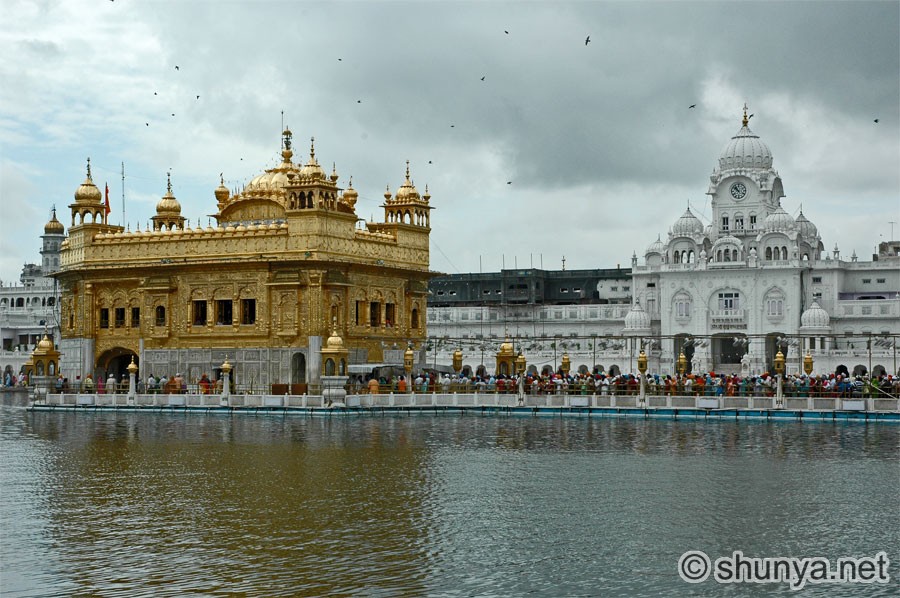 |
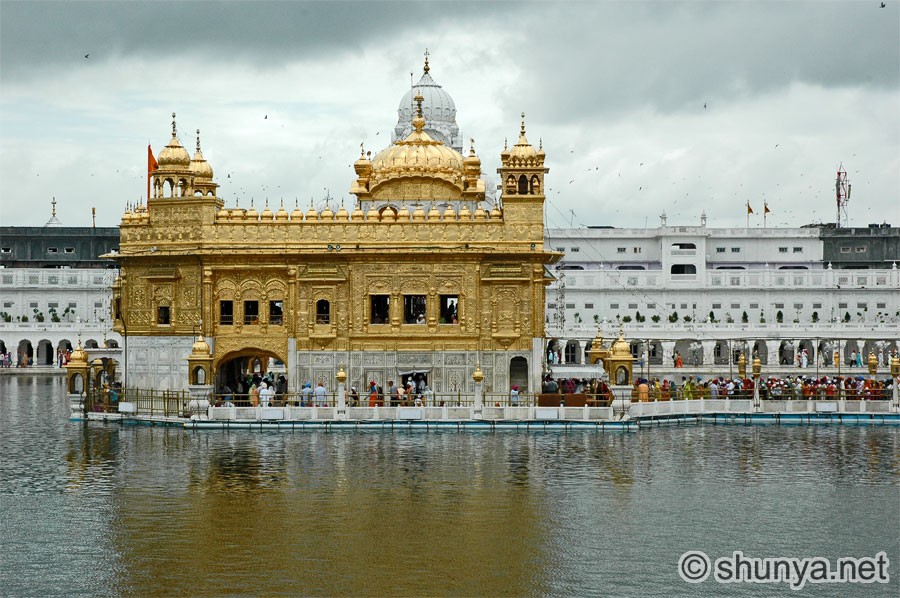 |
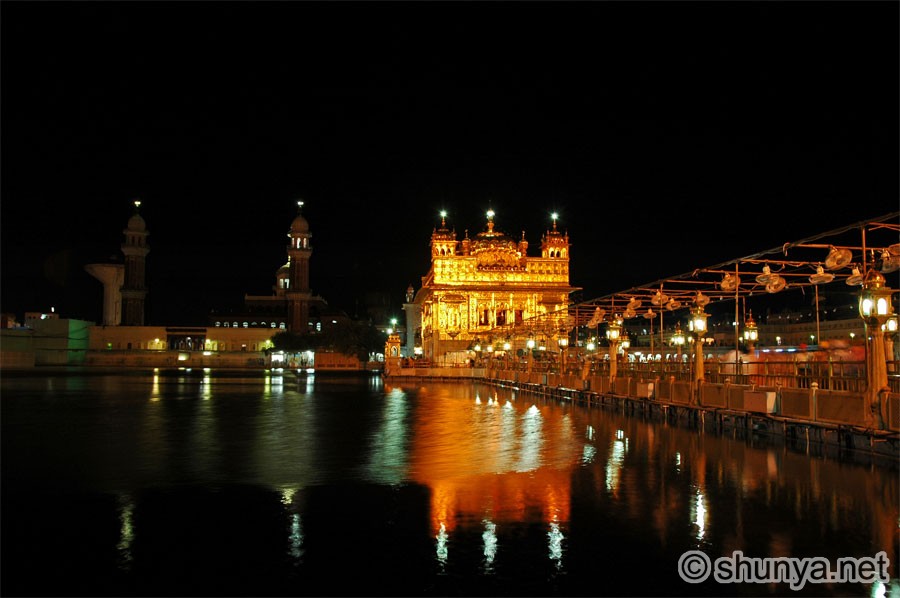
Harmandir at night 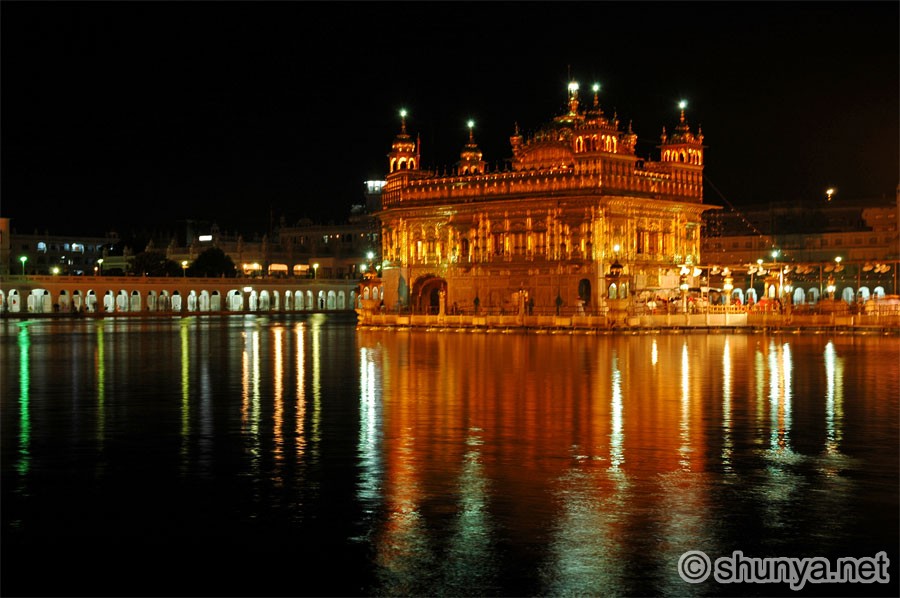 |
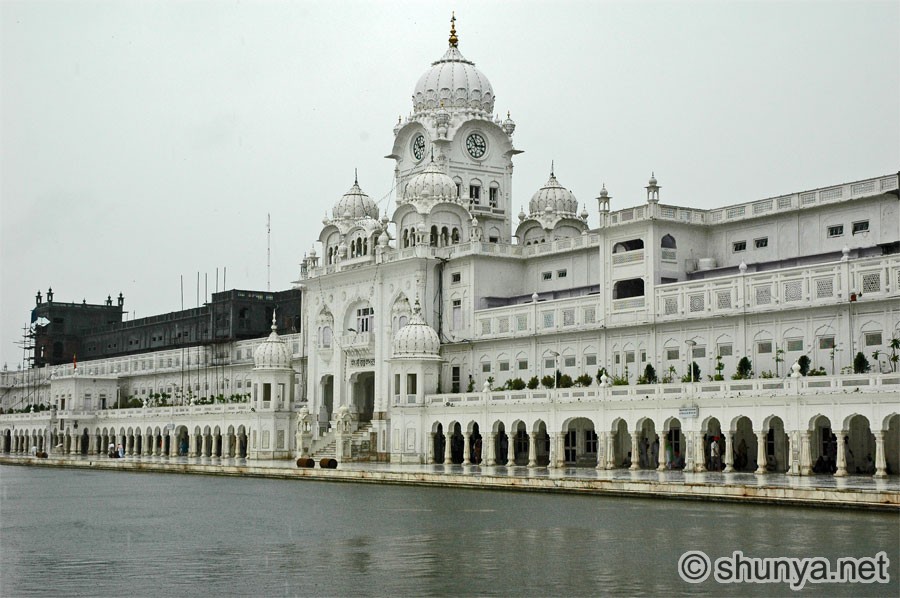 |
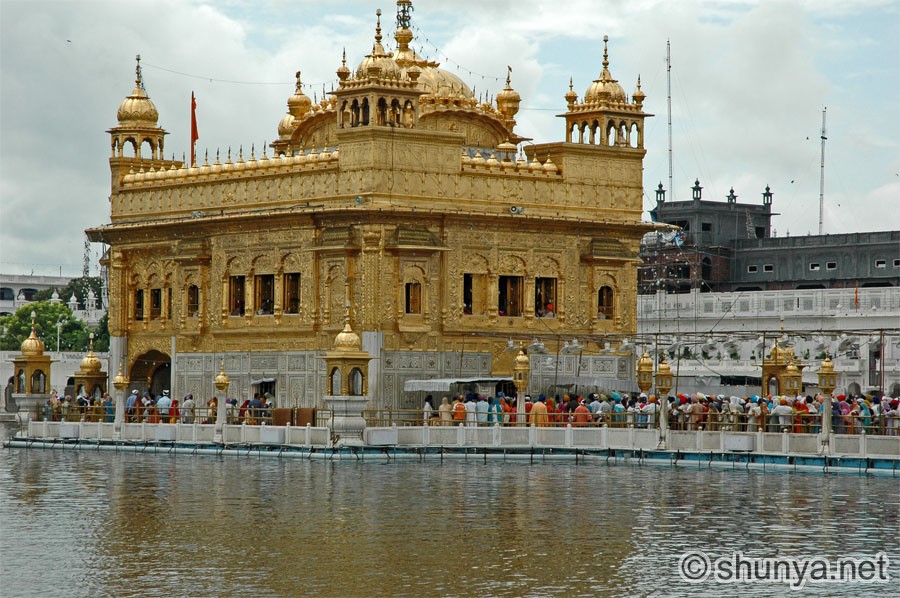 |
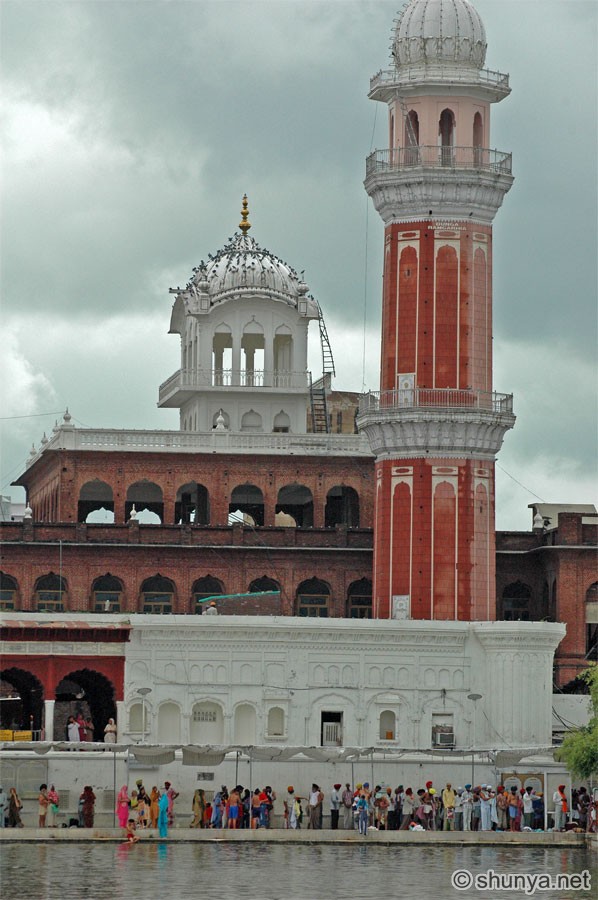
Buildings near causeway 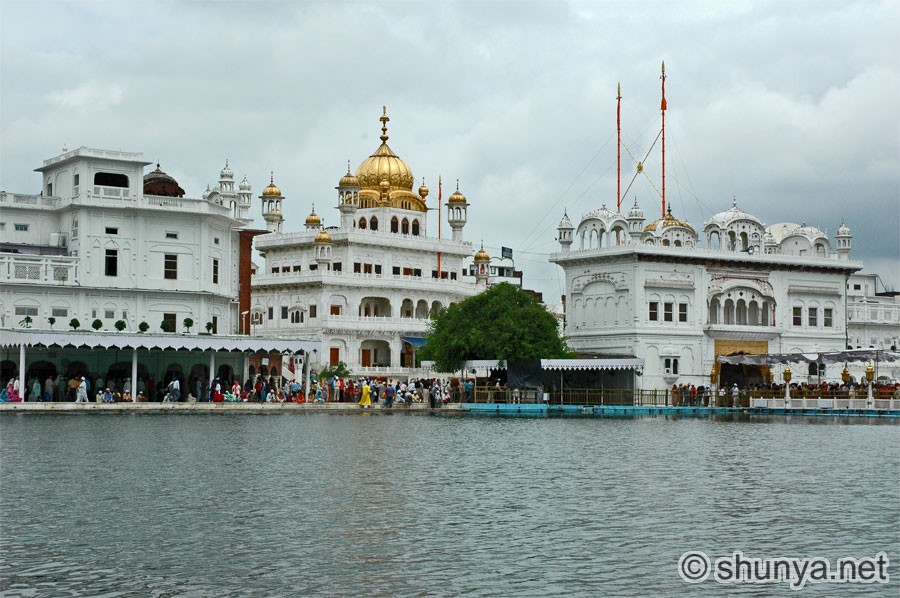 |
Tranquil spot 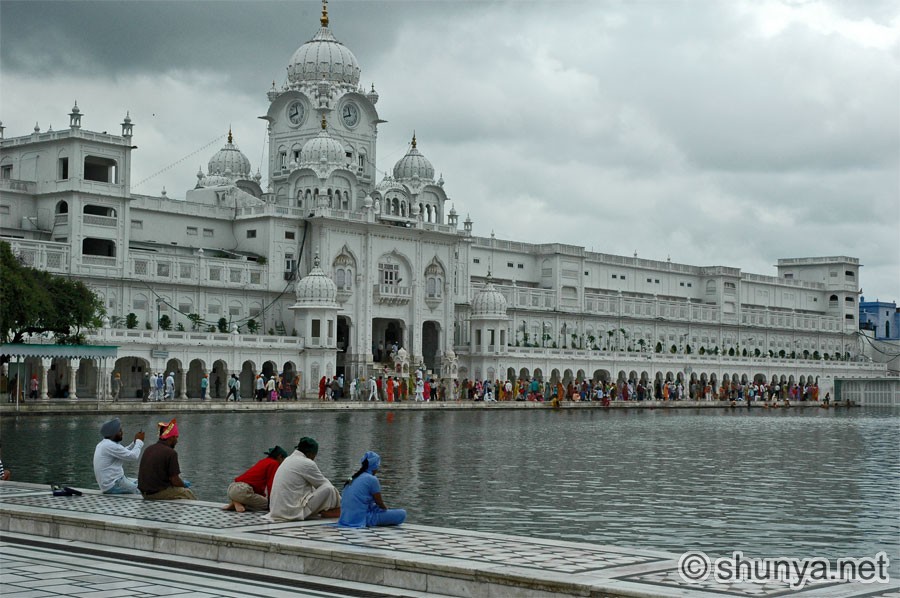 |
Attendant on duty 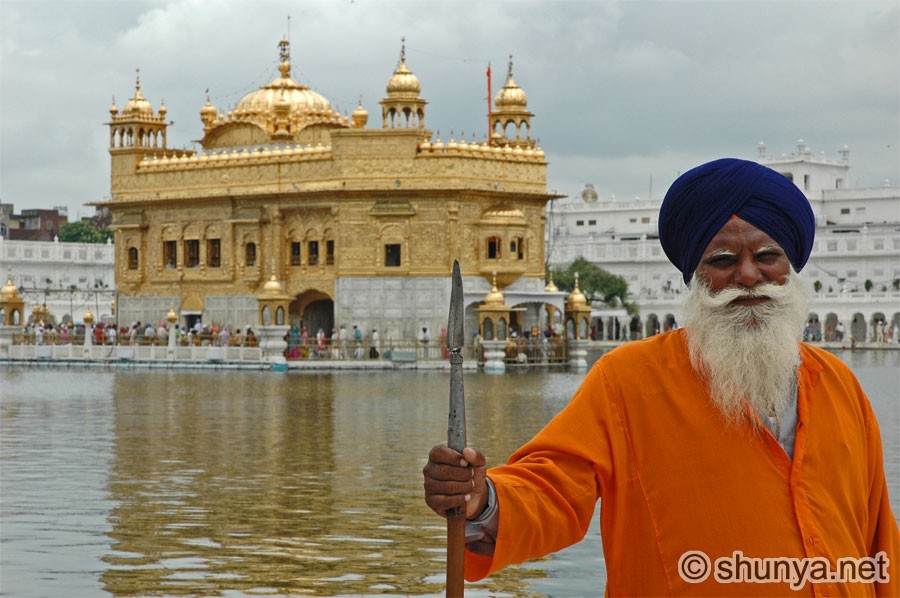 |
Doting mother with kids 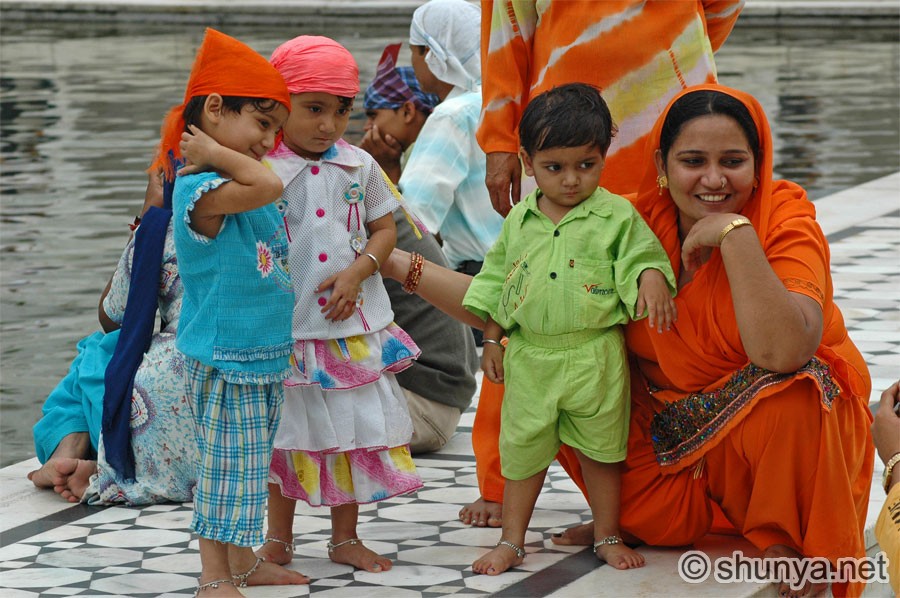 |
Two women 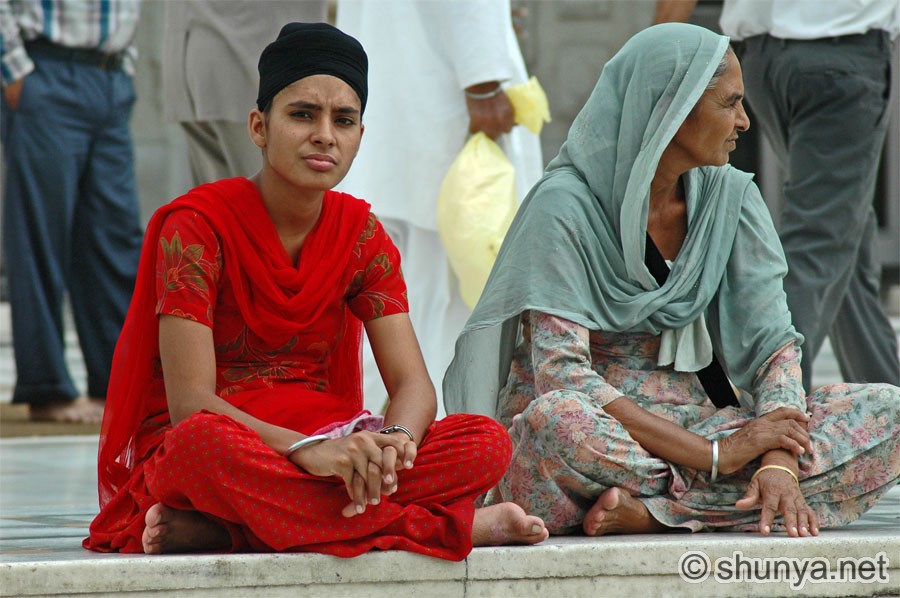 |
"Oye, puttar!" 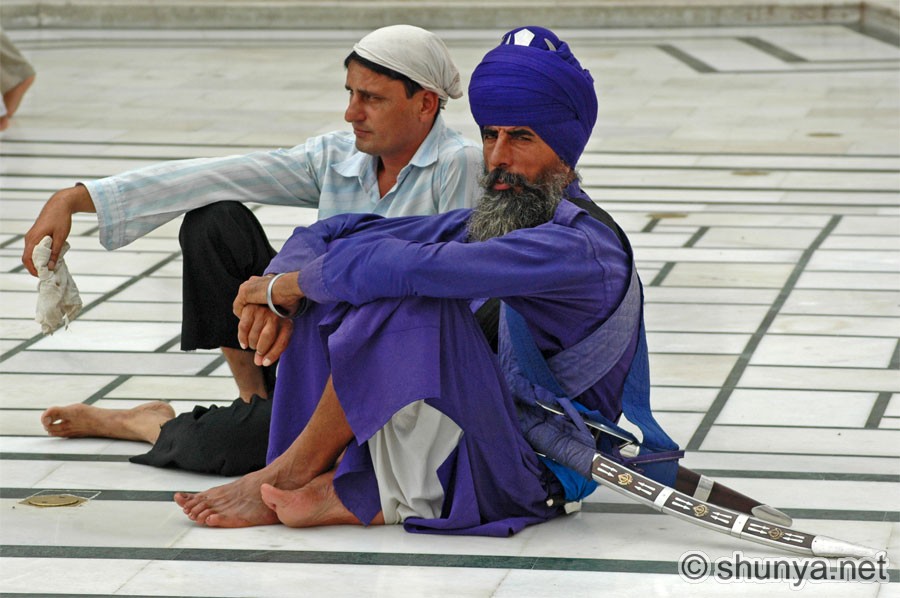 |
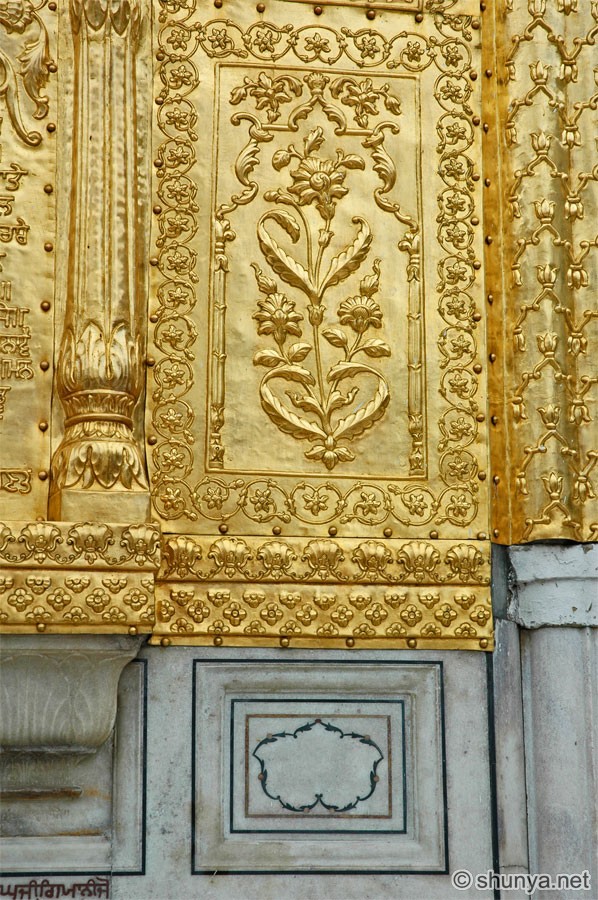
Harmandir detail (more) 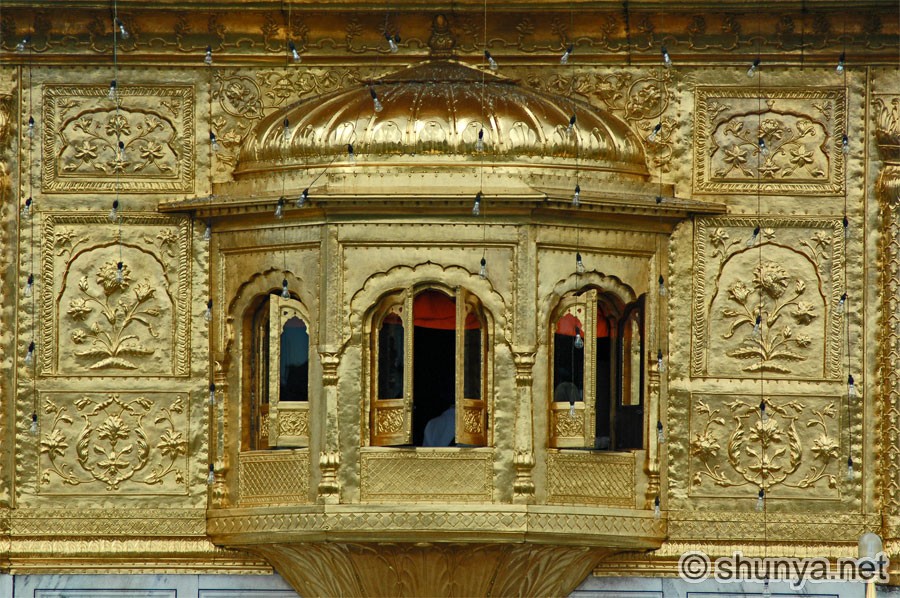 |
 |
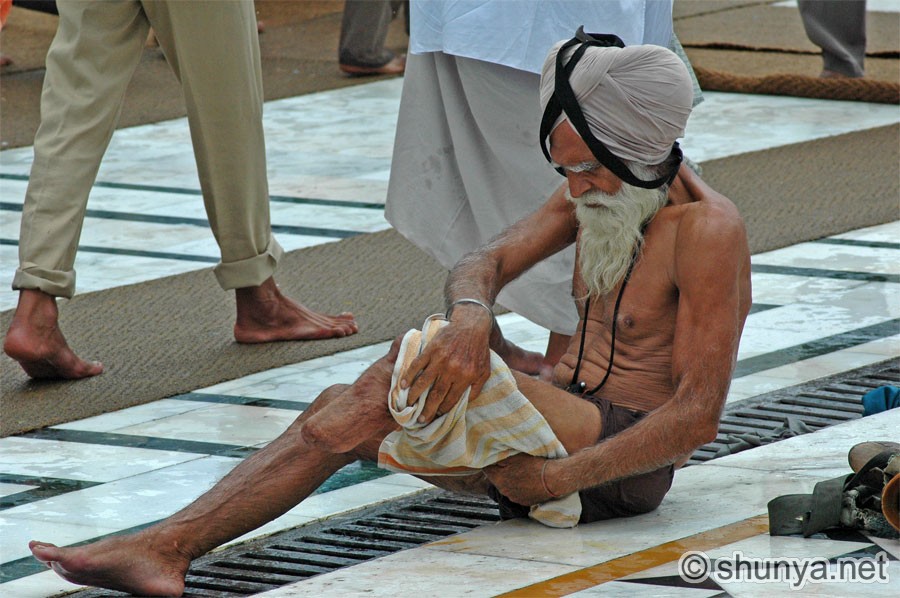
Bathers 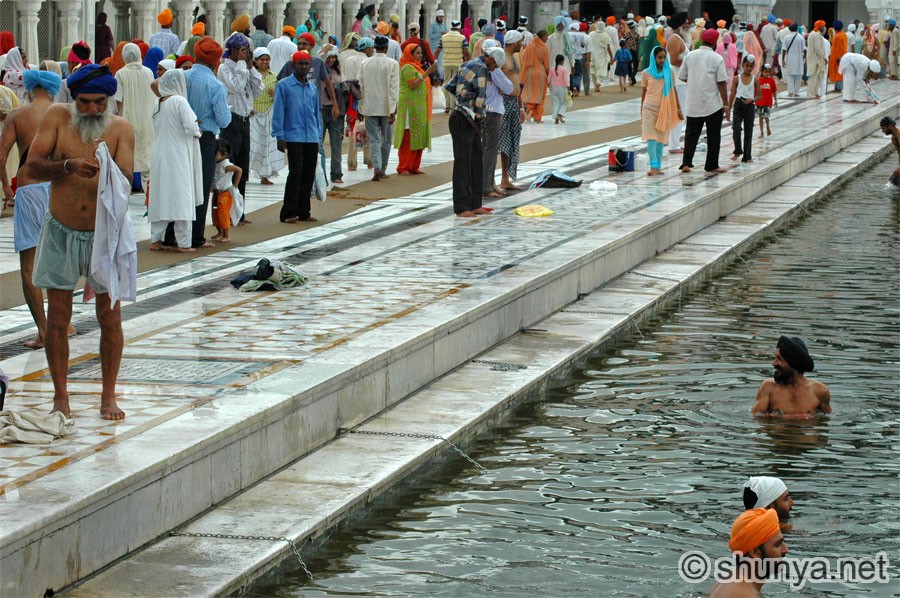 |
 |
 |
Visitor from the provinces 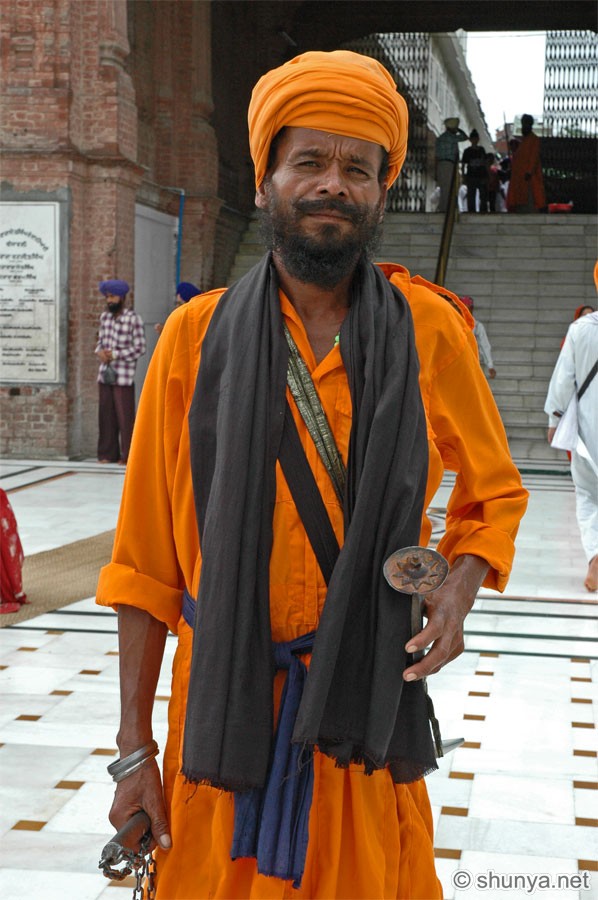 |
Guard on duty 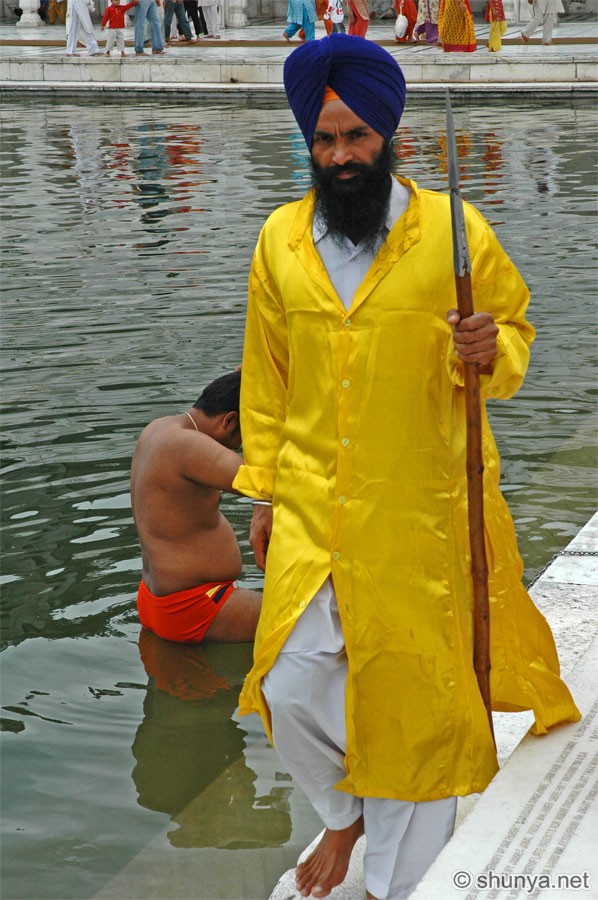 |
Father and son 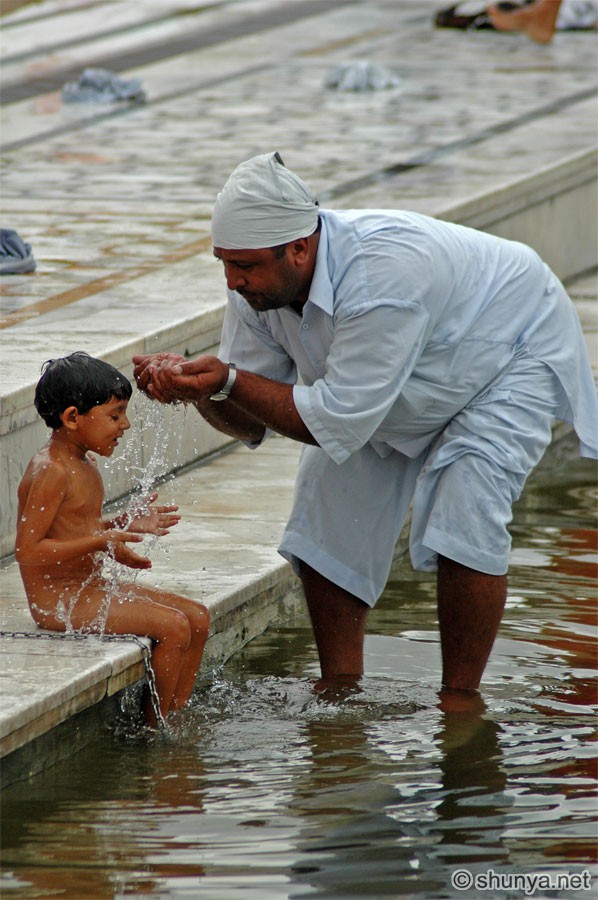 |
|
Father and son 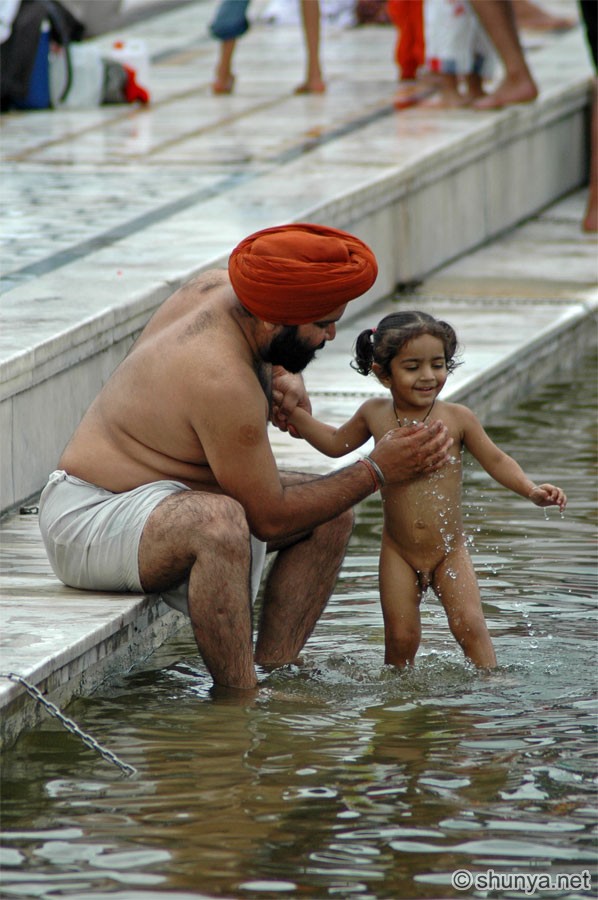 |
Guard on duty 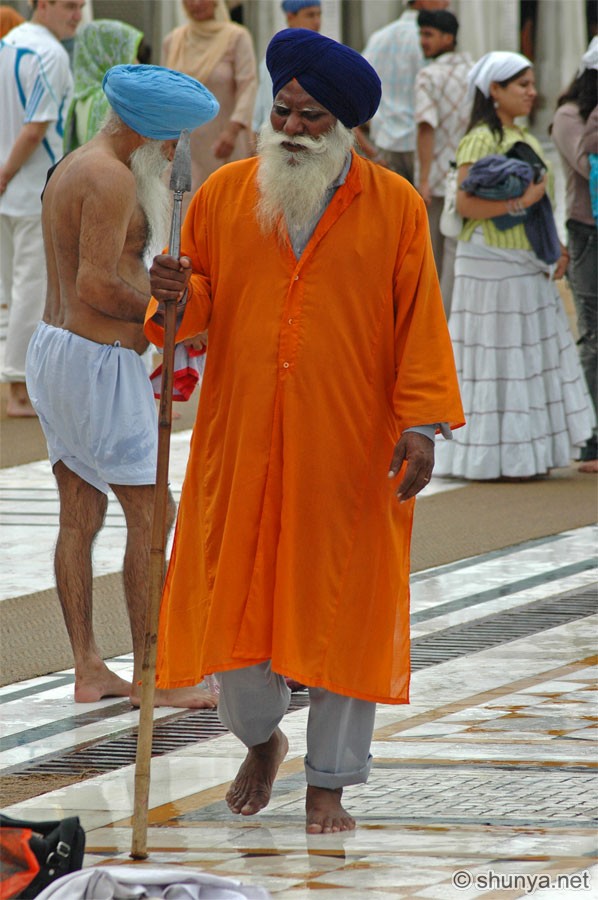 |
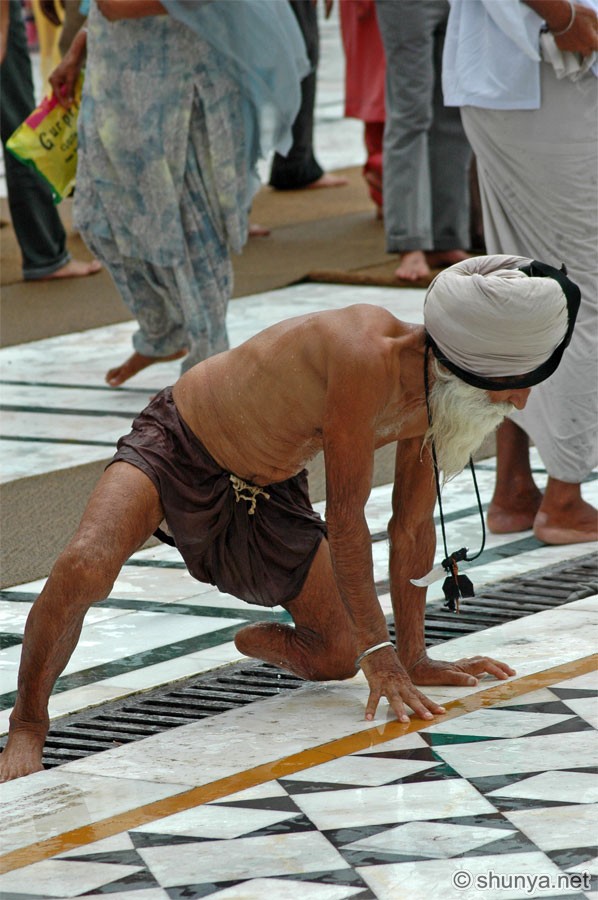 |
Overweight man 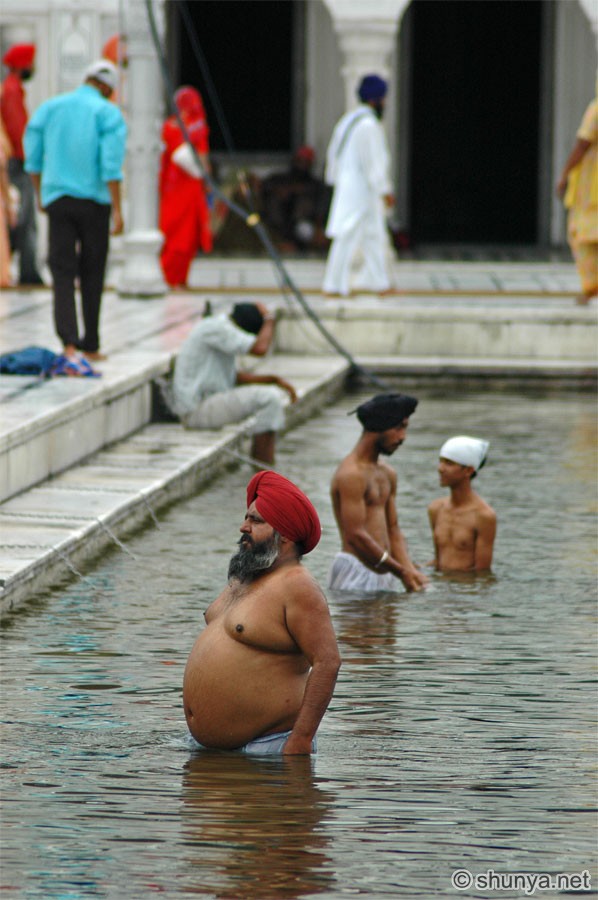 |
|
Lost in prayer 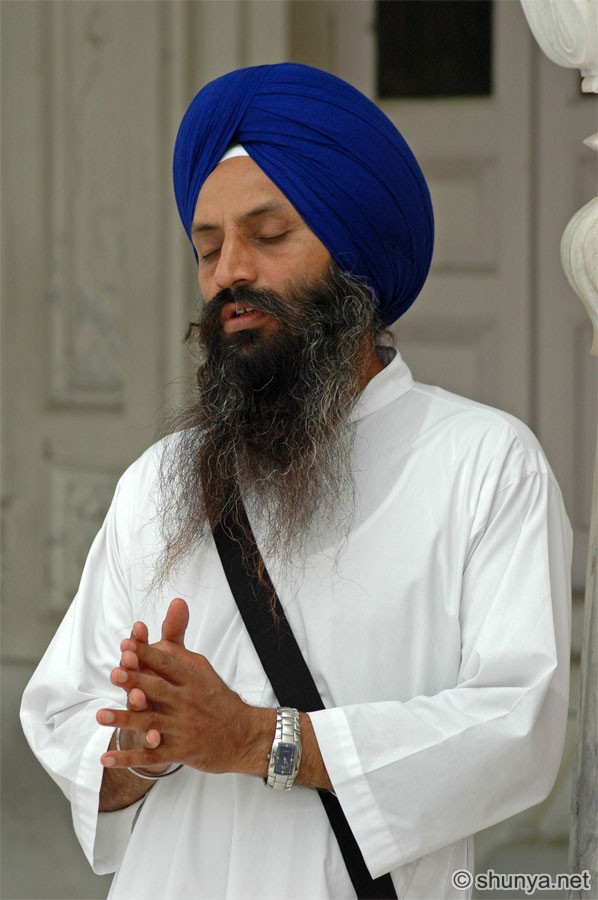 |
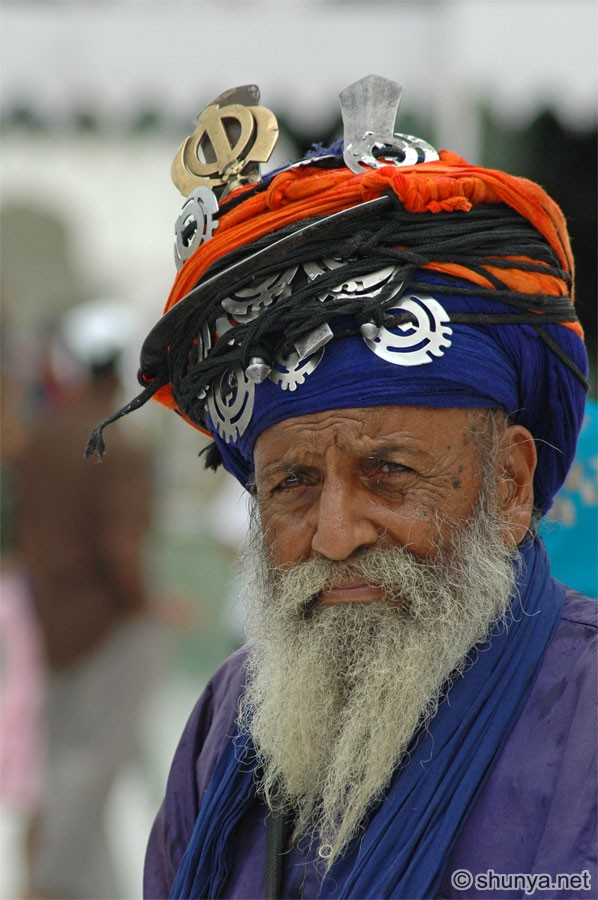
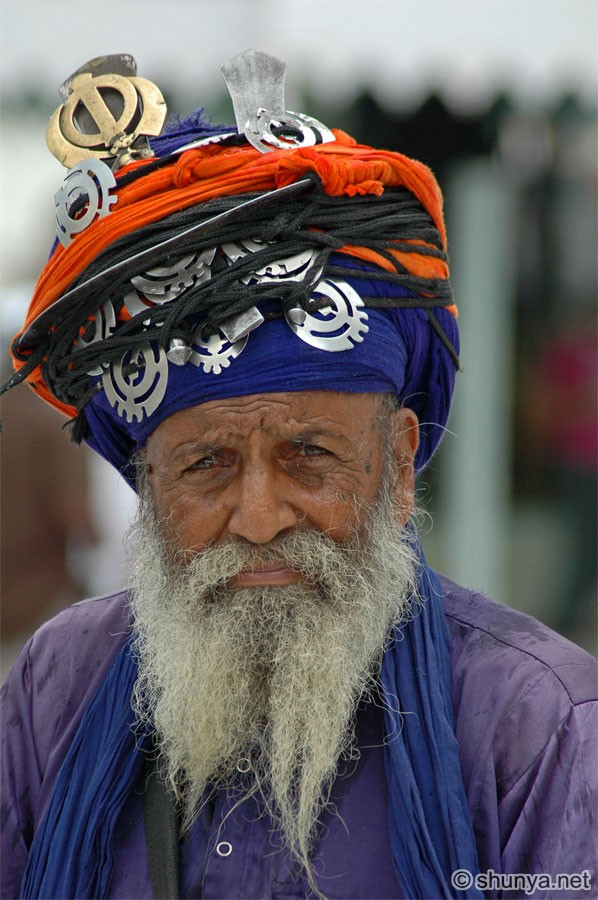
Loaded with shiny stuff 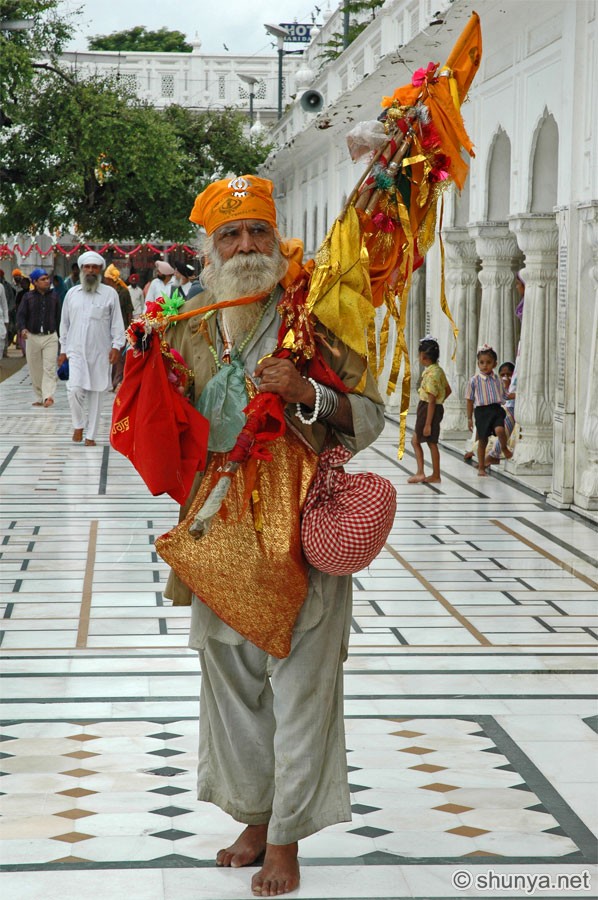 |
Skinny Sikh 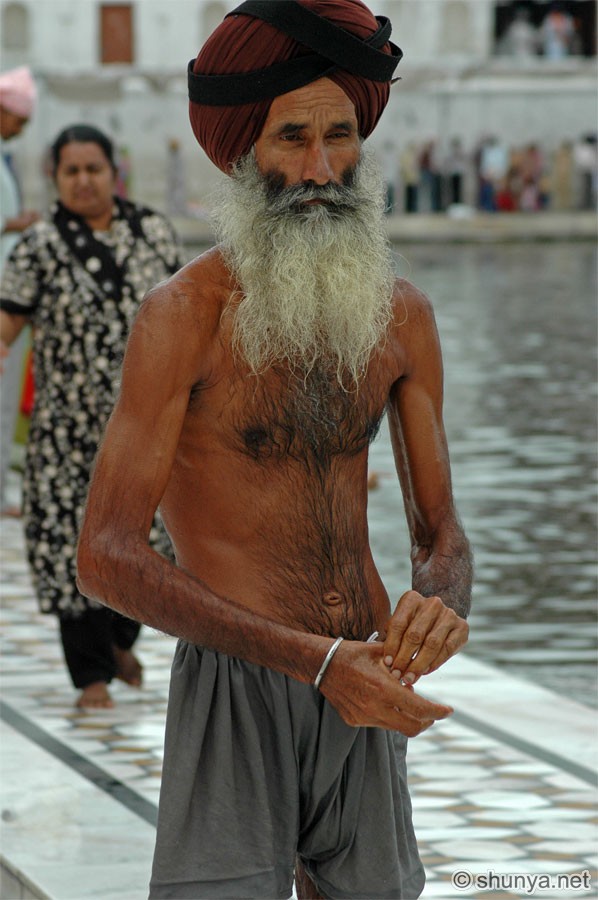 |
Old man walking 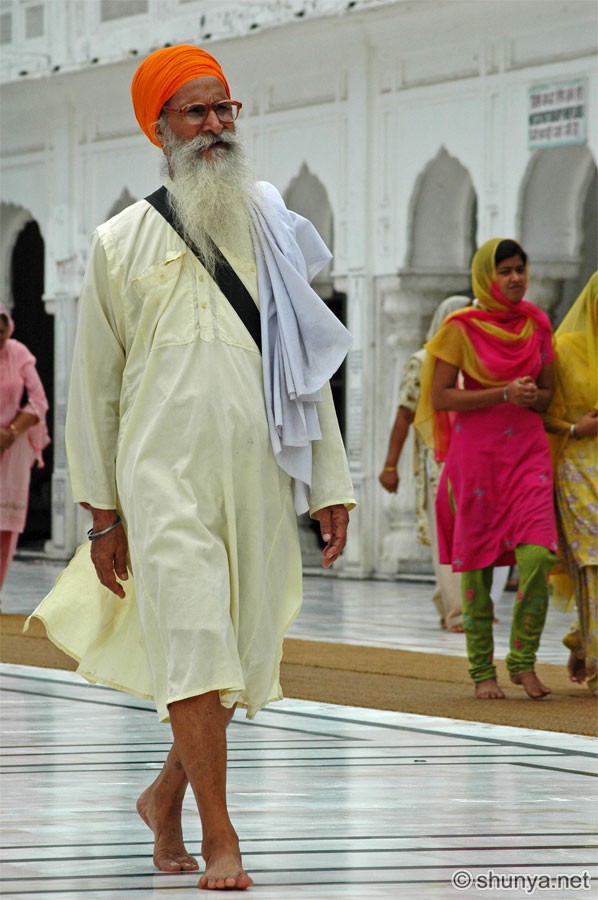 |
|
Man bathing 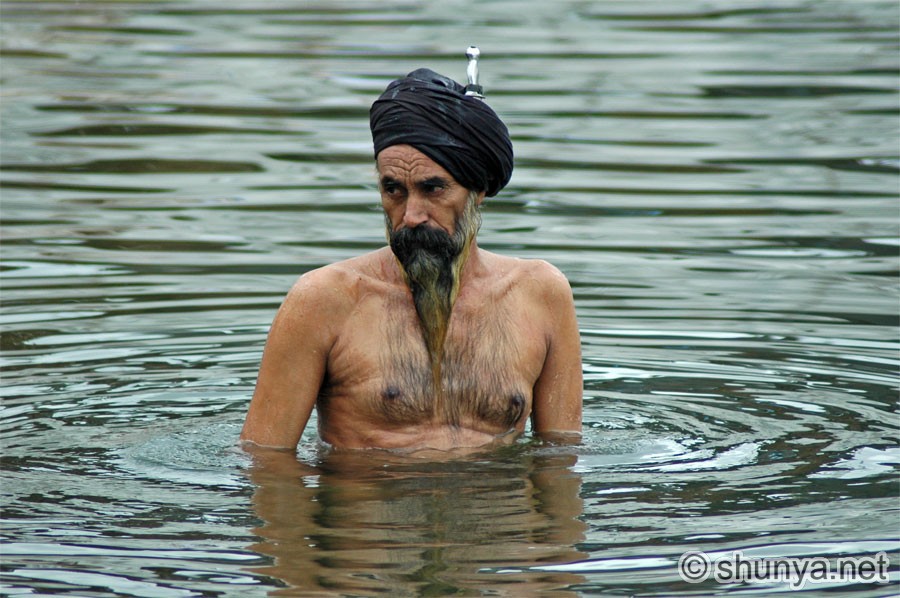 |
Three boys 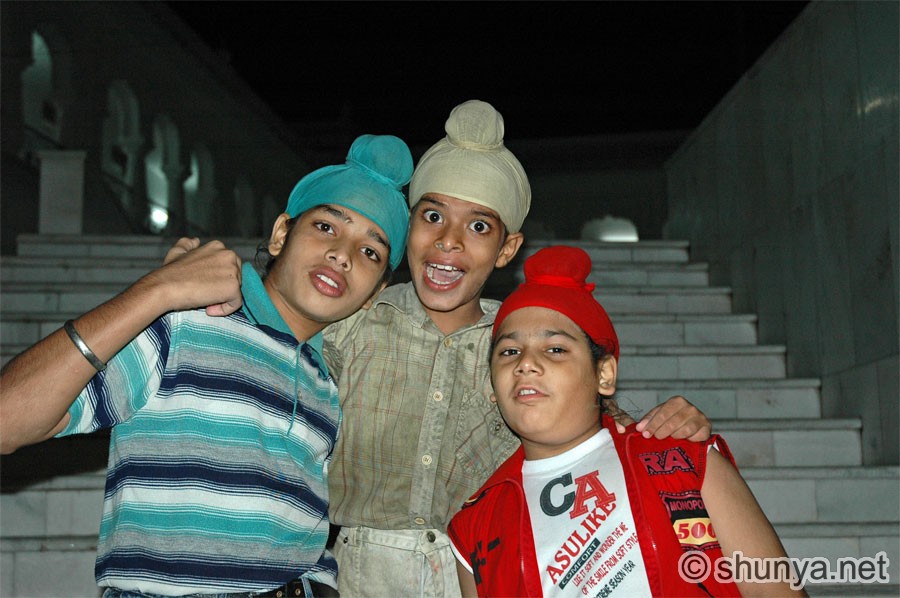 |
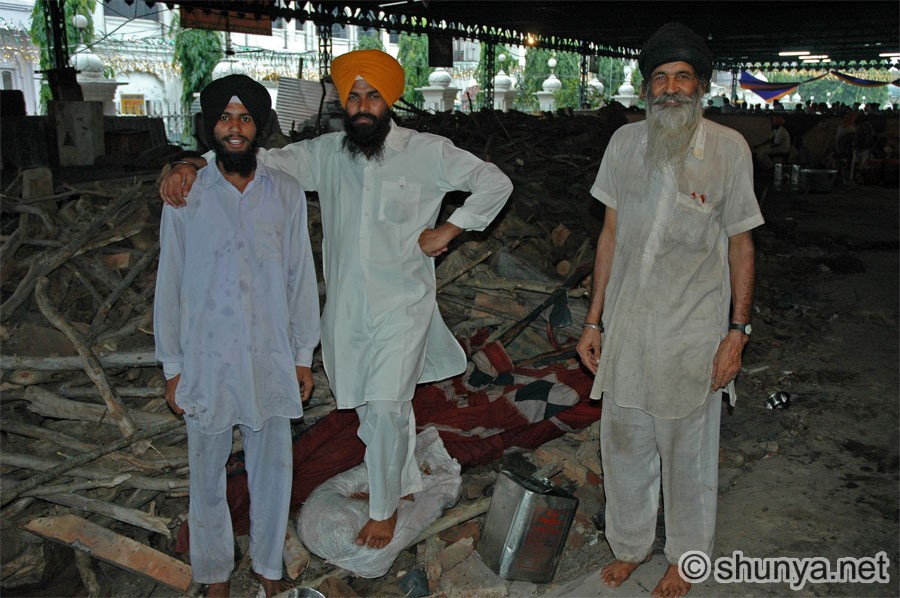
Sikh elders 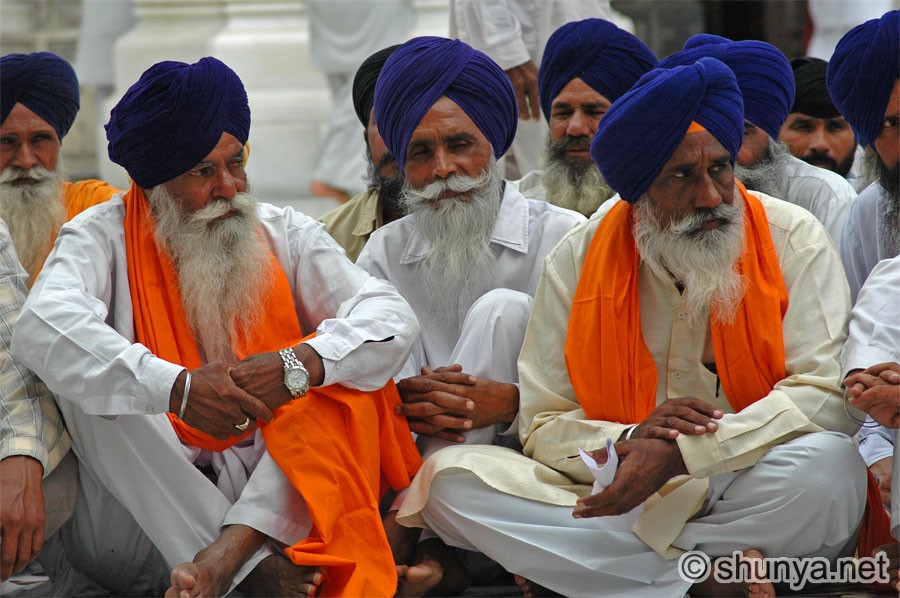 |
Visiting family 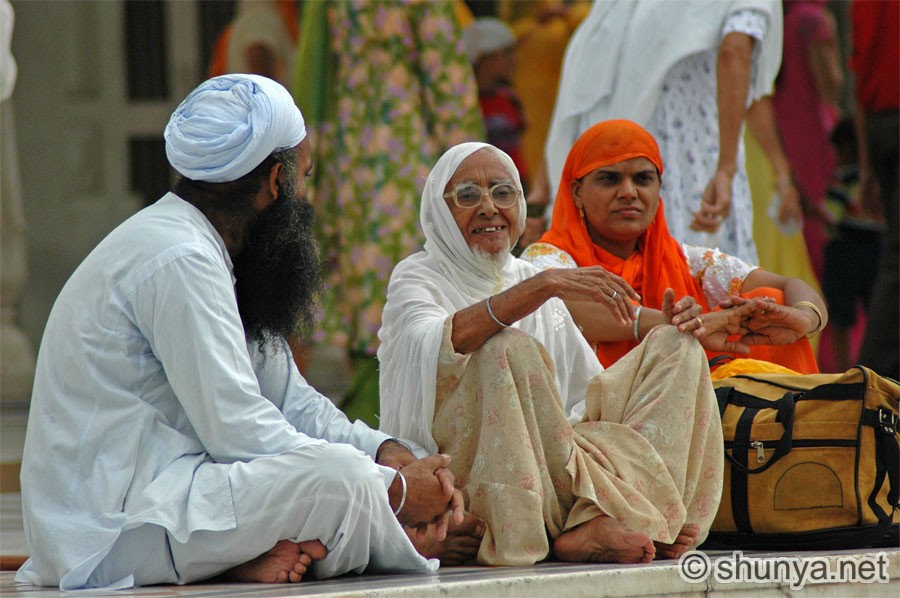 |
|
Man in a wheelchair 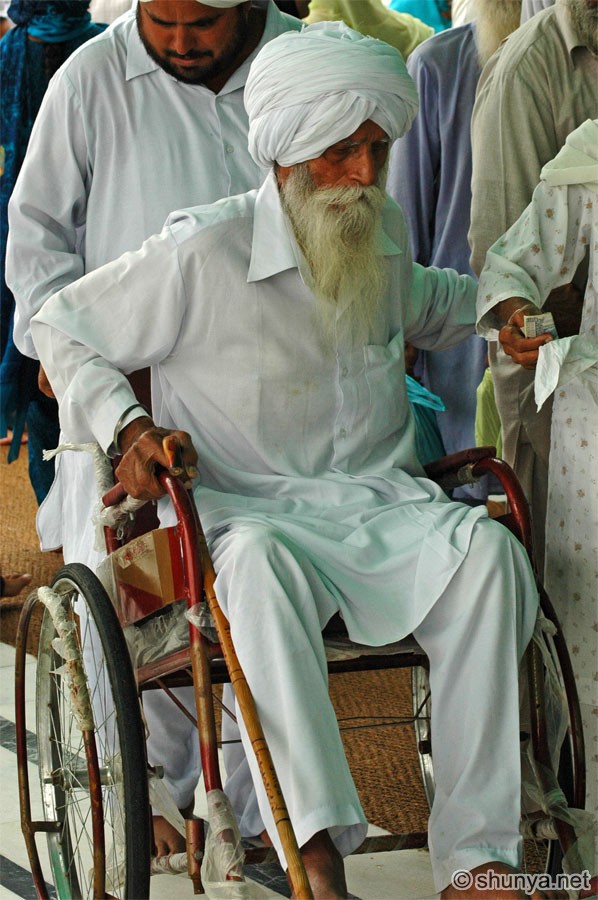 |
What's she reading? 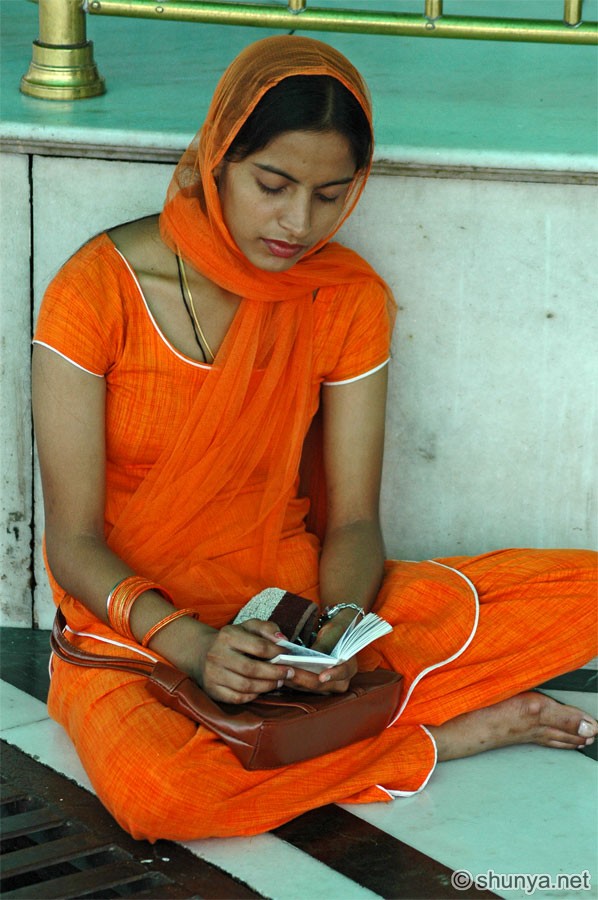 |
Two Sikh men 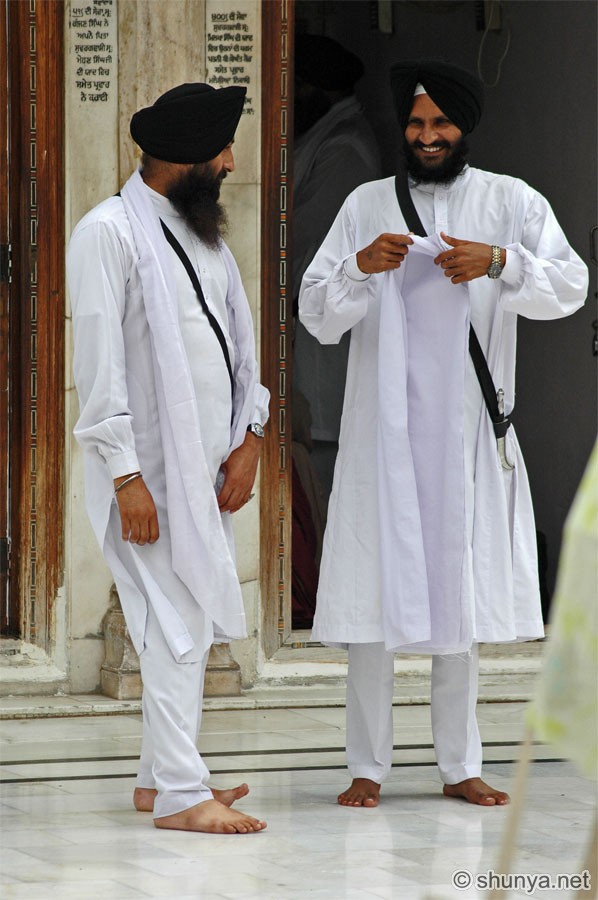 |
Family of three 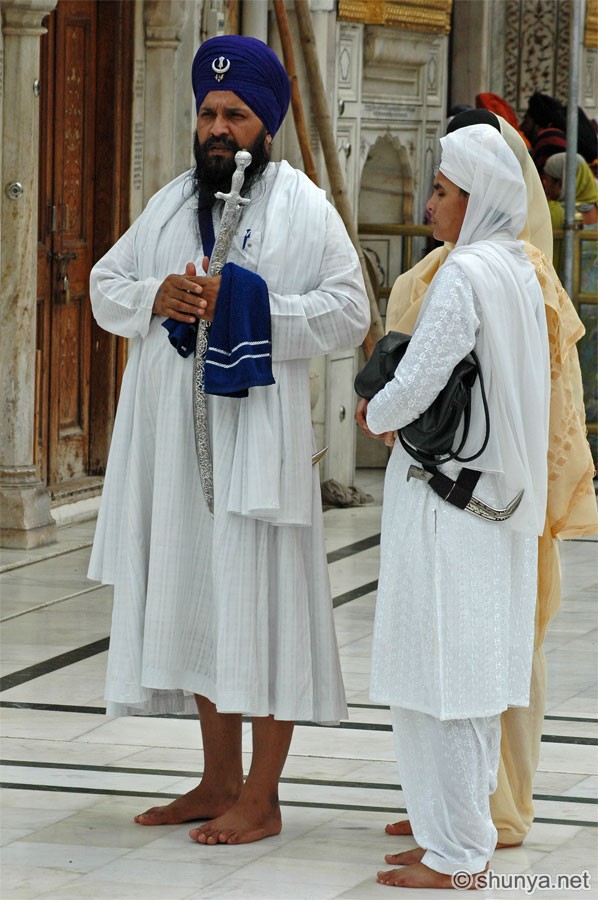 |
 |
Refreshment / water stand 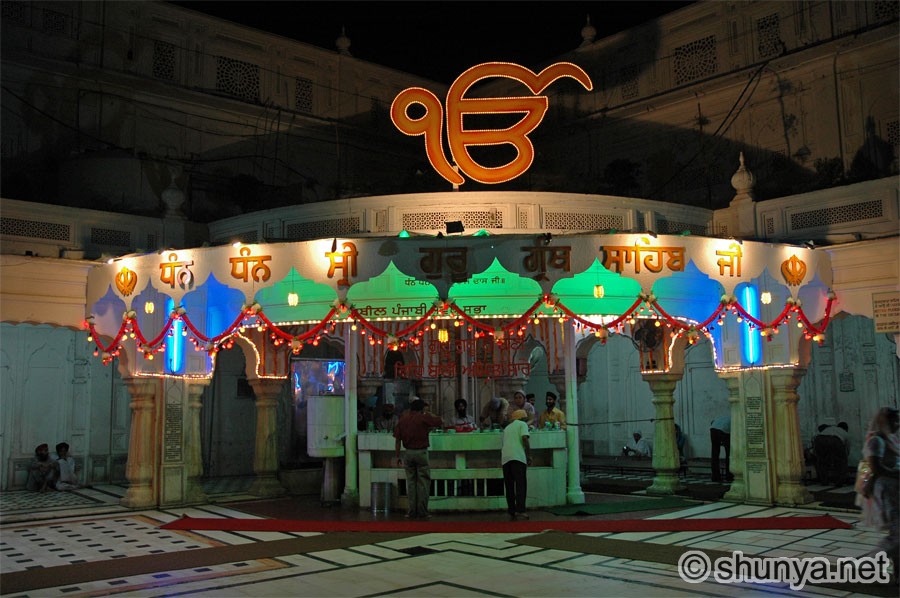 |
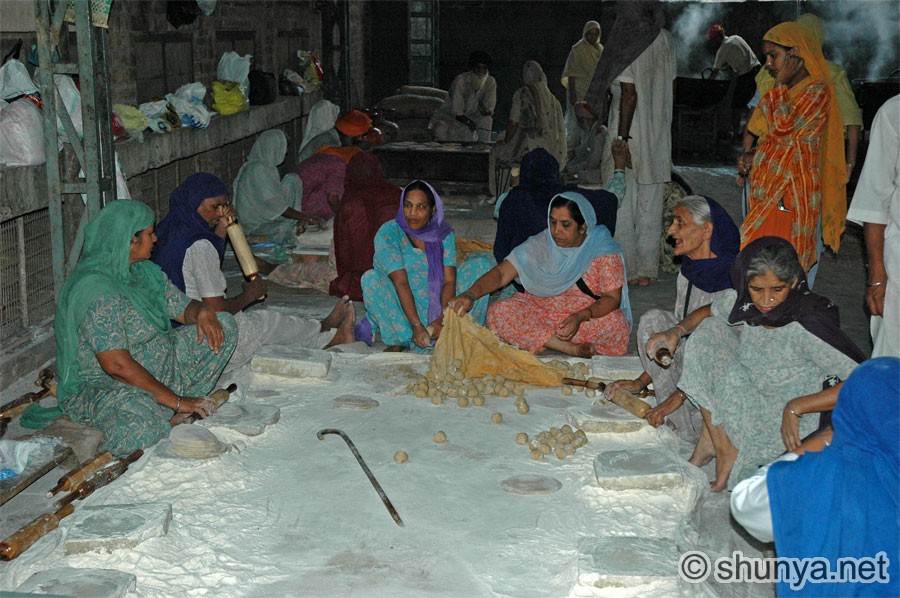
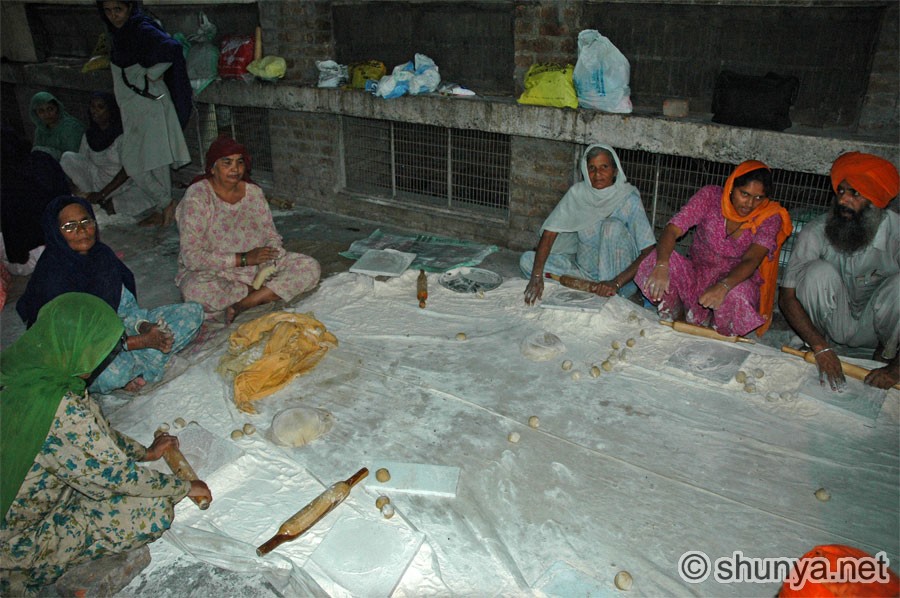
Langar (communal kitchen) 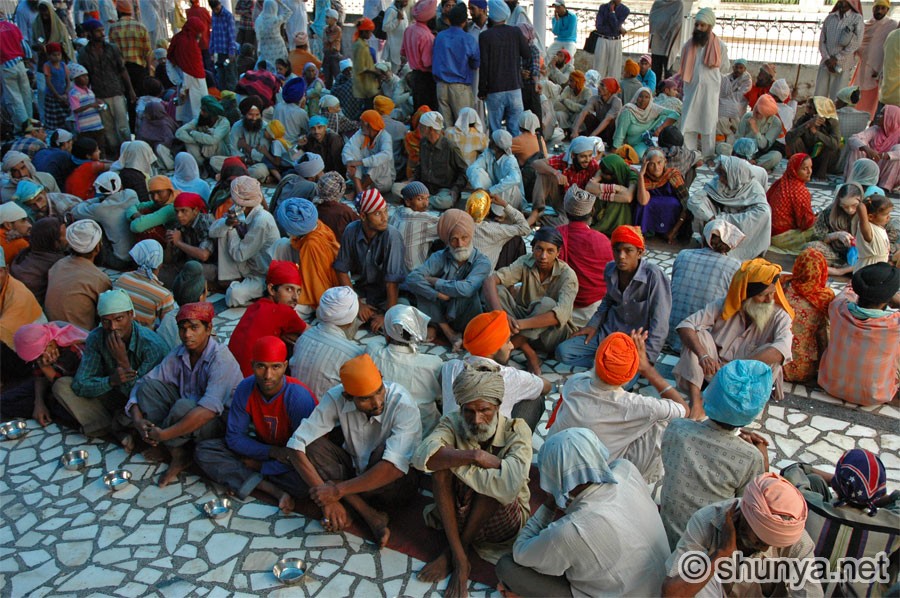 |
A mountain of plates 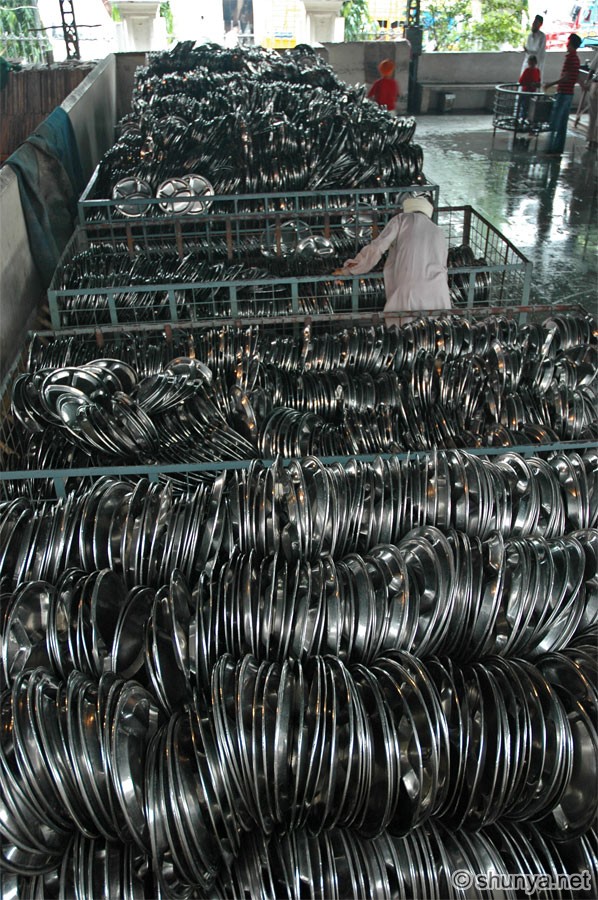 |
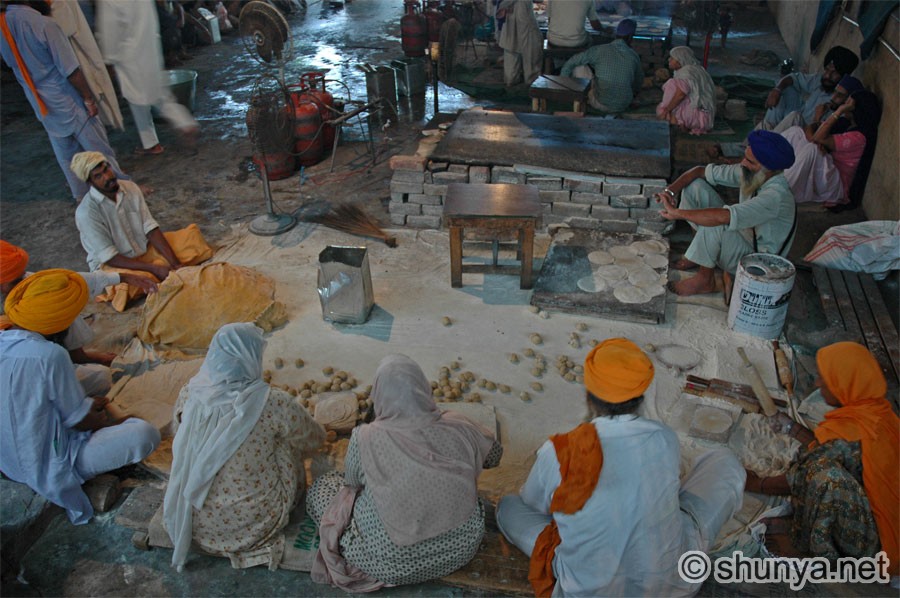 |
Big pile of dough 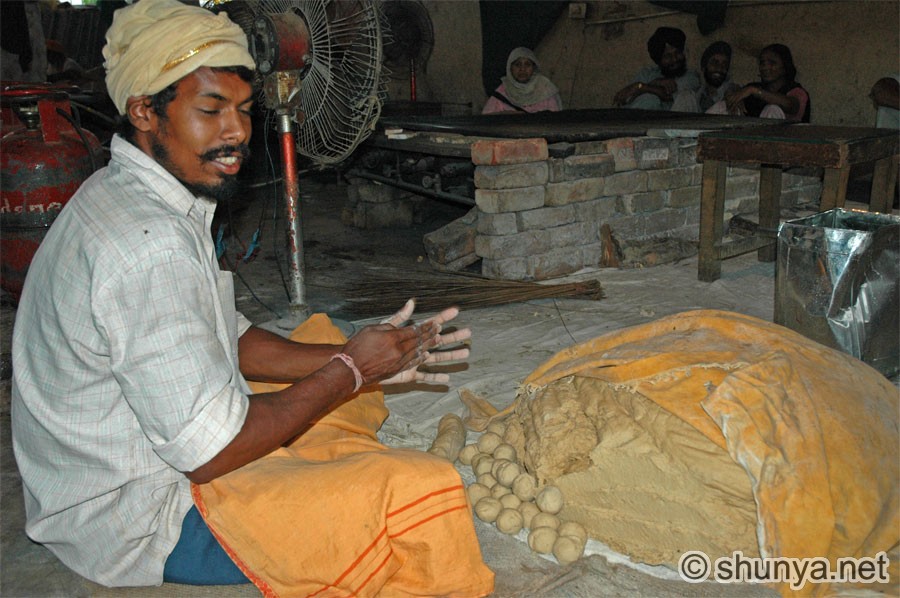 |
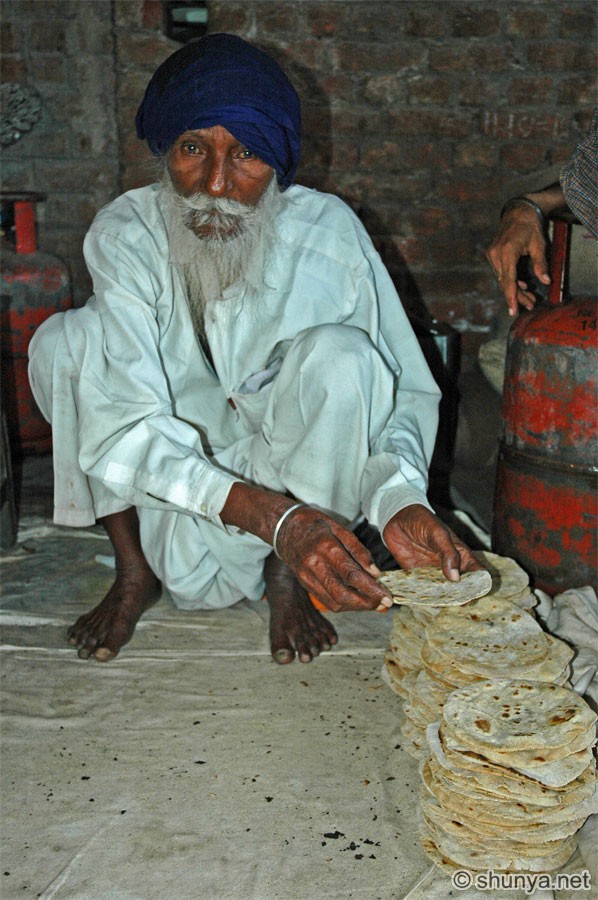
Hot rotis on the grill 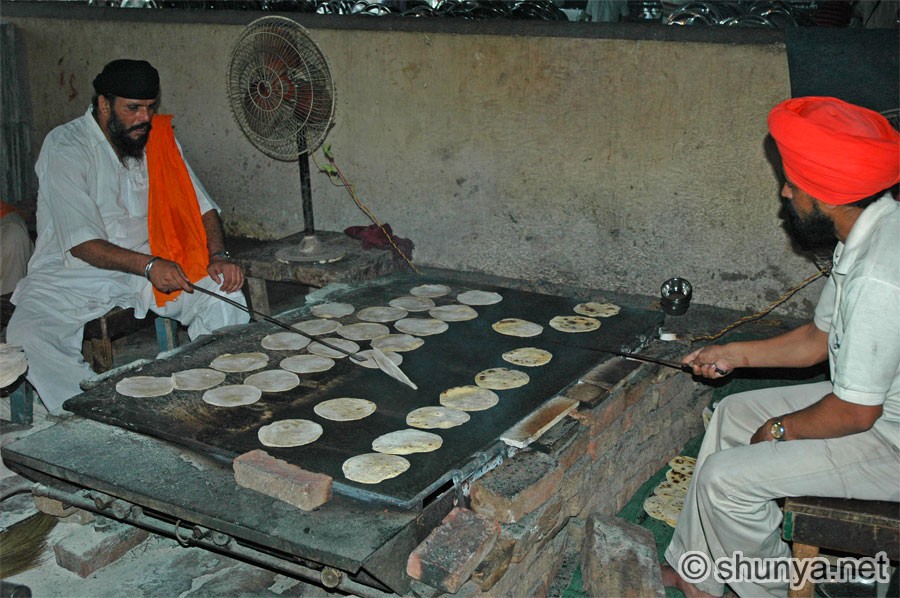 |
Ready for the grill 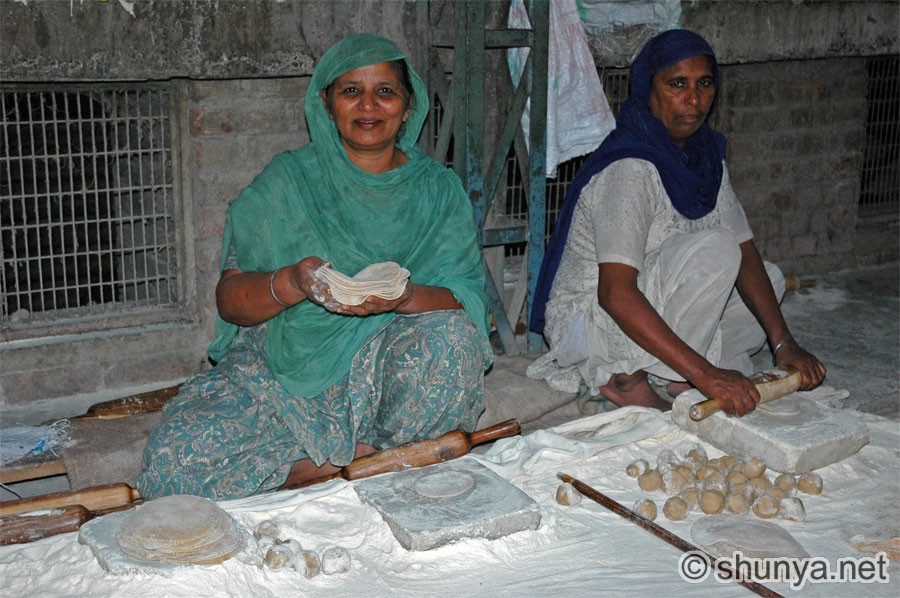 |
|
Tossing a fresh one 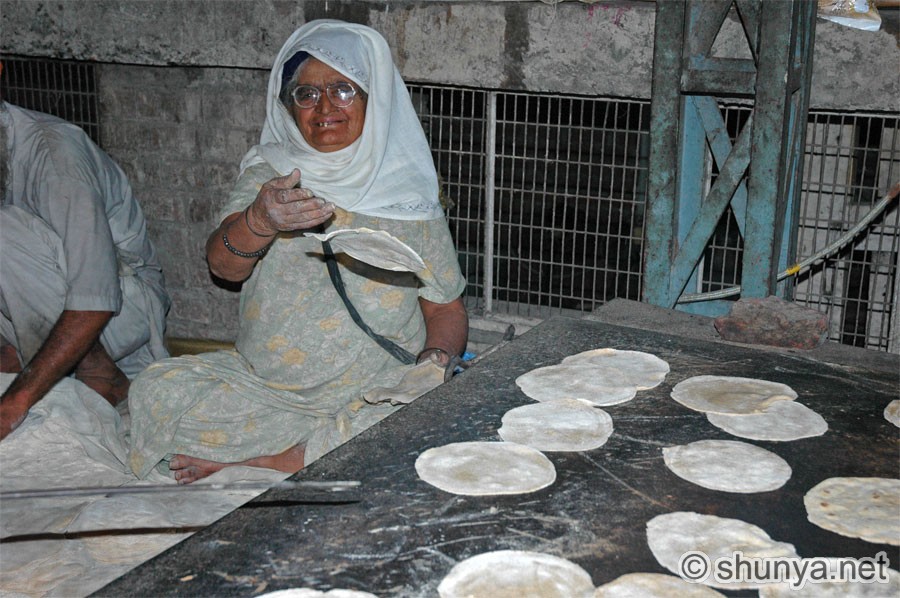 |
Men in the kitchen (more) 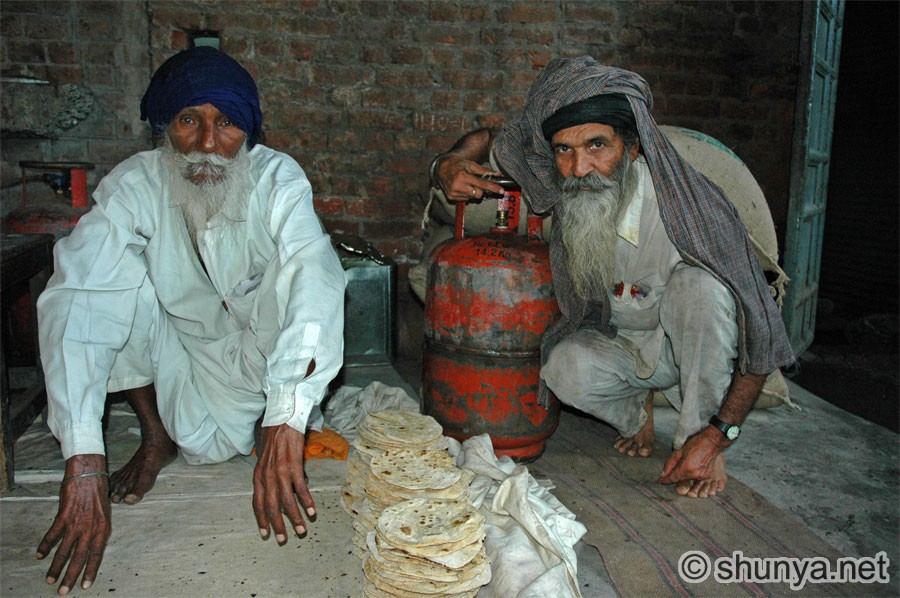 |
Giant vat (more) 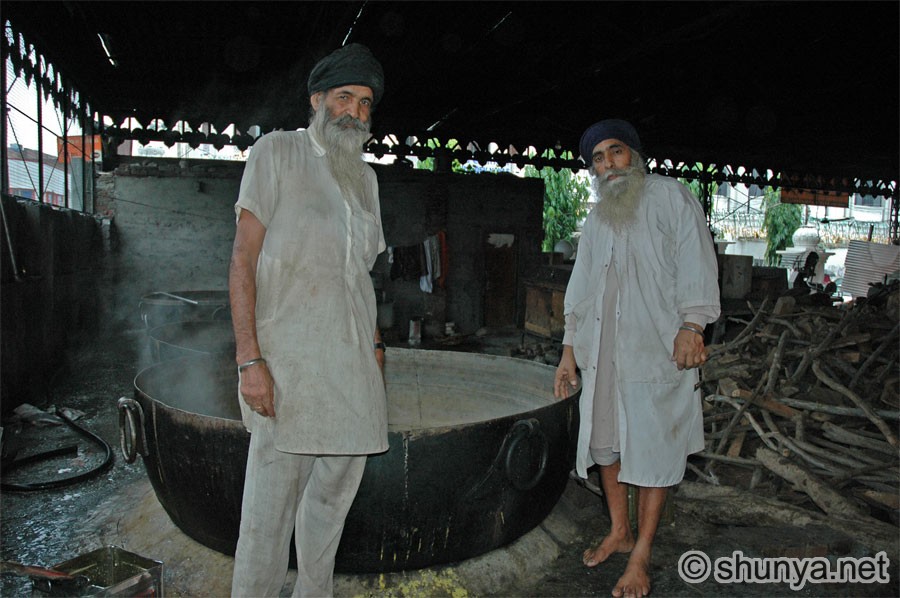 |
Two women 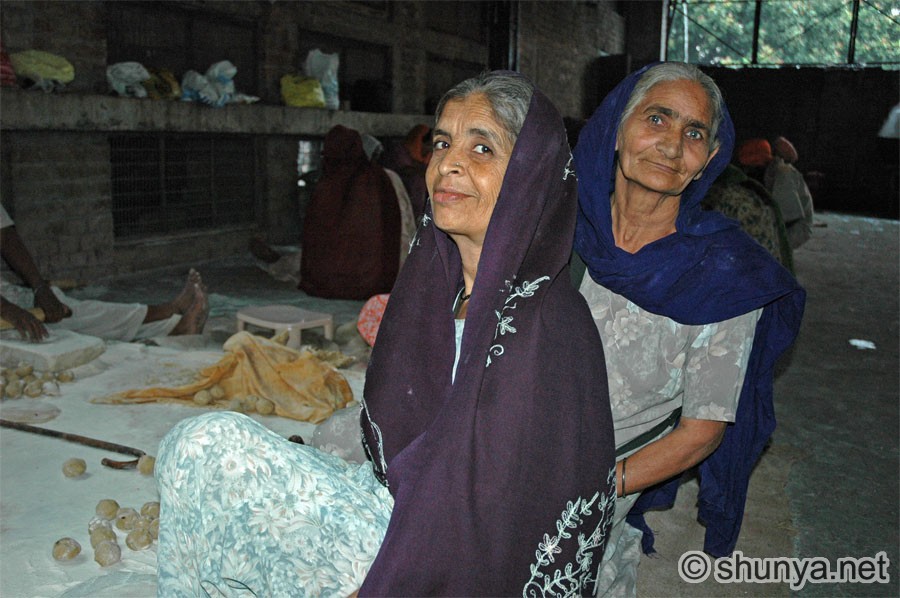 |
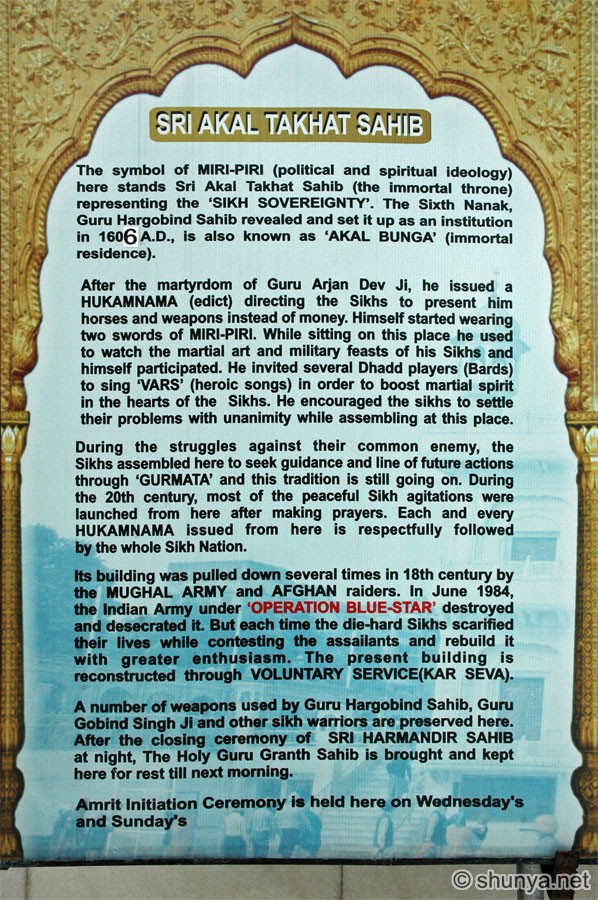
| Akal Takhat ▒ | |||
Seat of the Sikh parliament 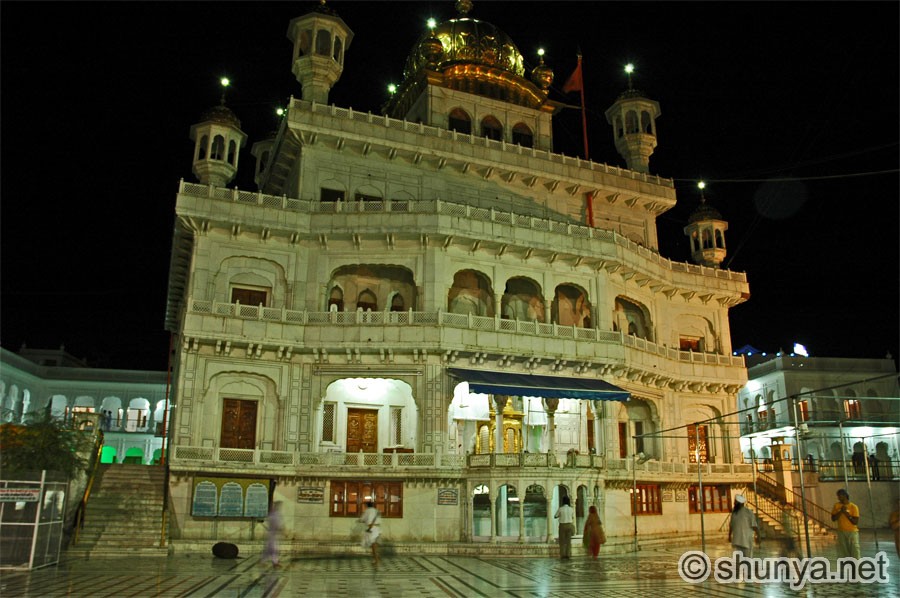 |
Inside 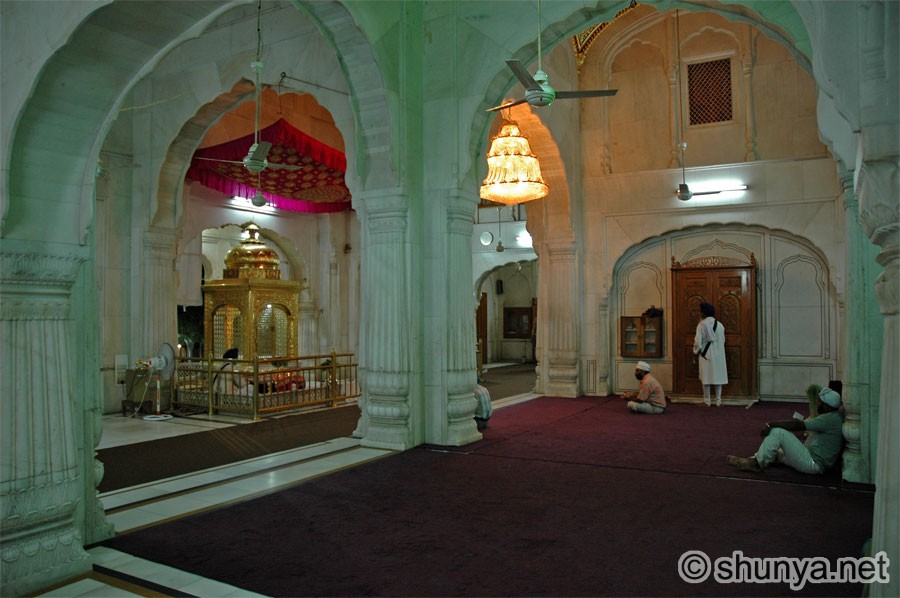 |
Sikh priest 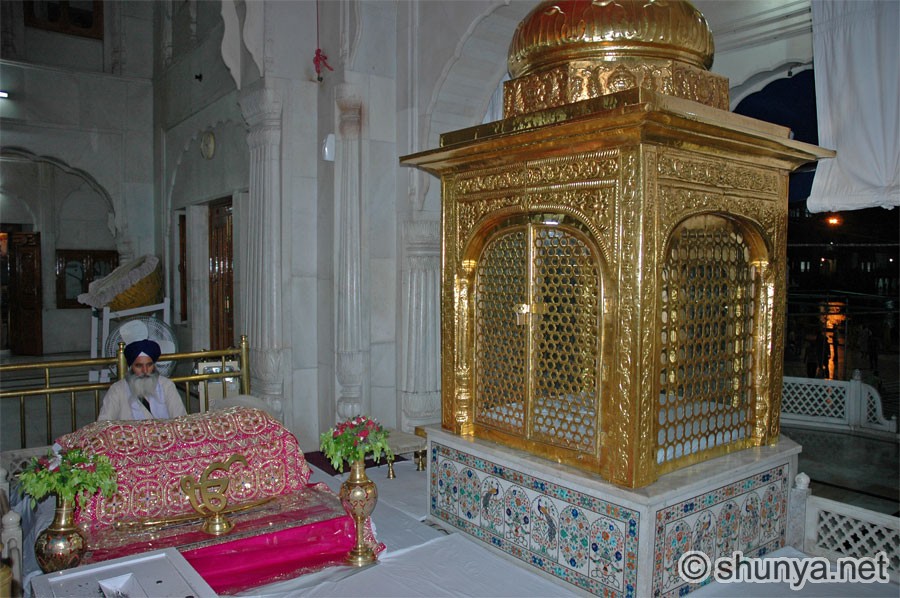 |
Rebuilt after Operation Blue Star 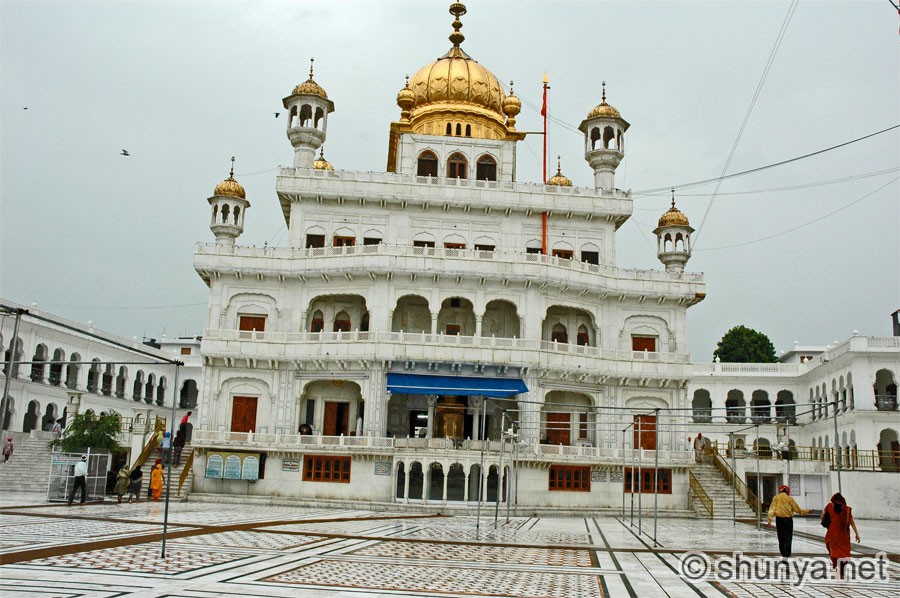 |
|
Behind the Akal Takhat 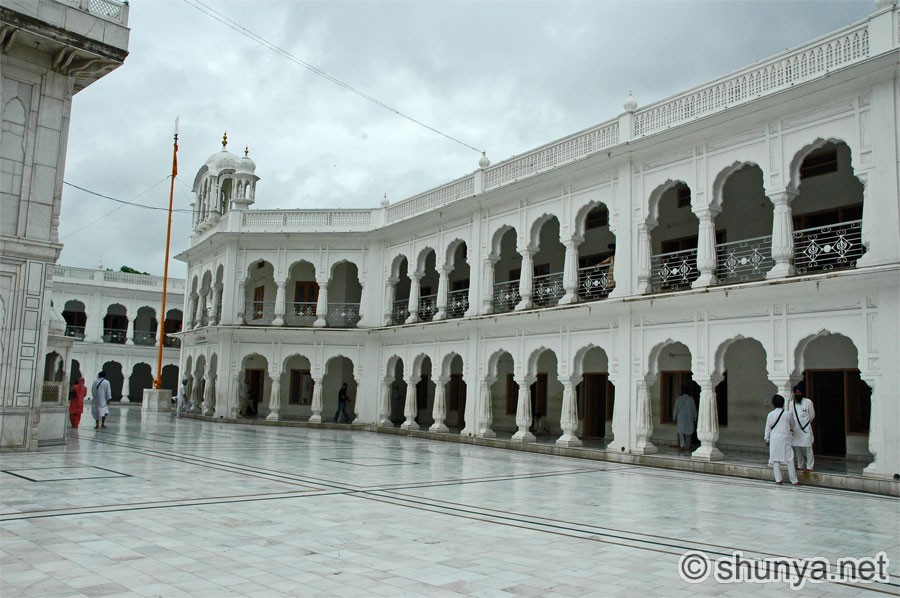 |
Ready for private service 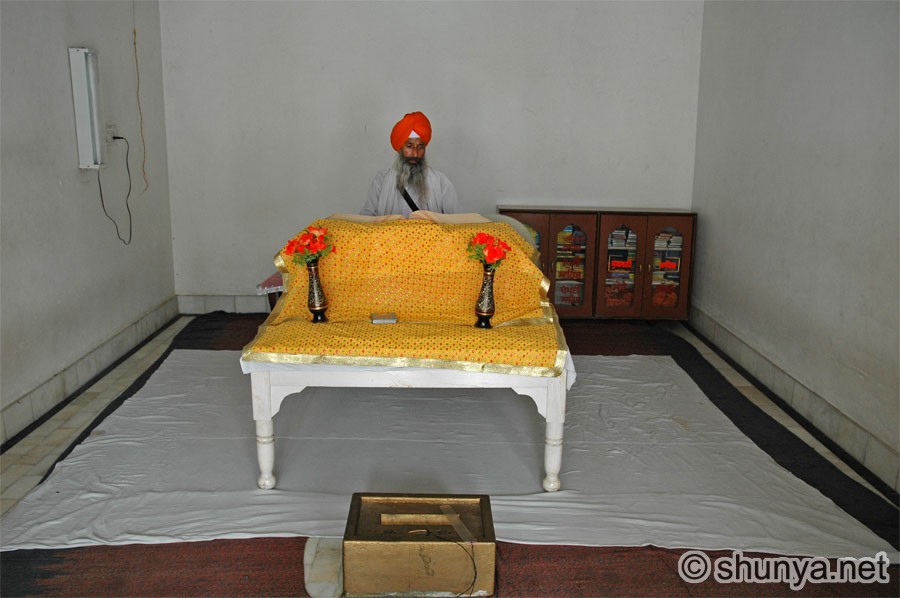 |
Signing up for amrit-pan 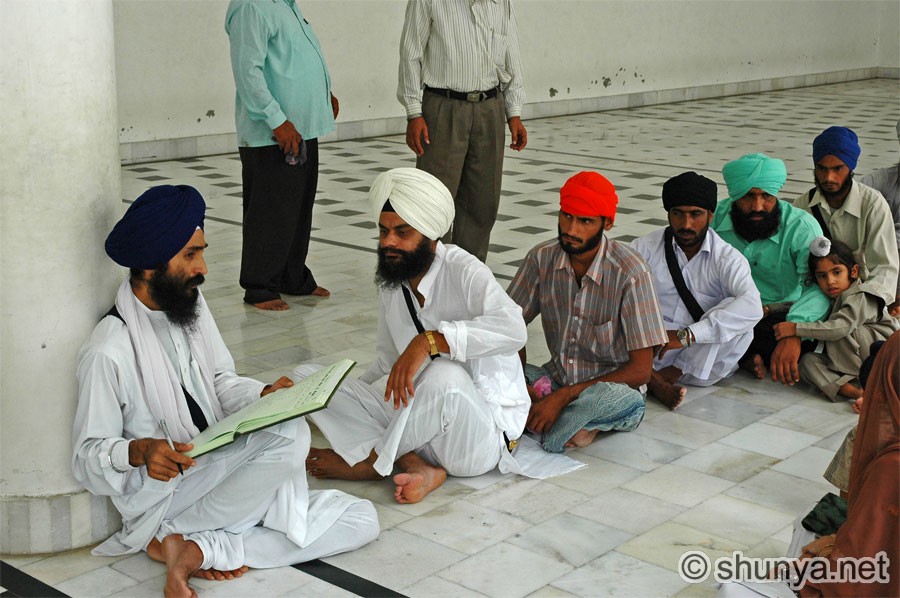 |
Akal Takhat rear view 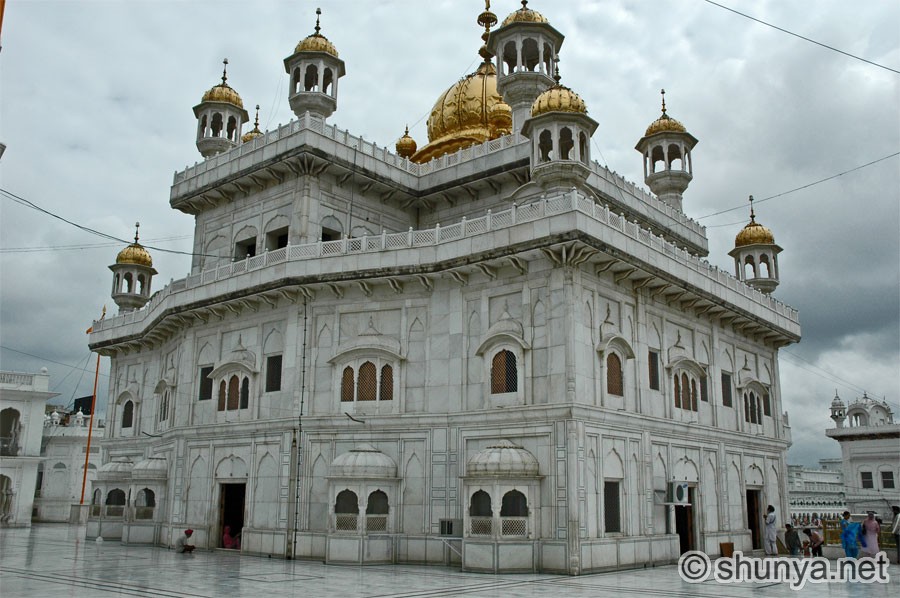 |
|
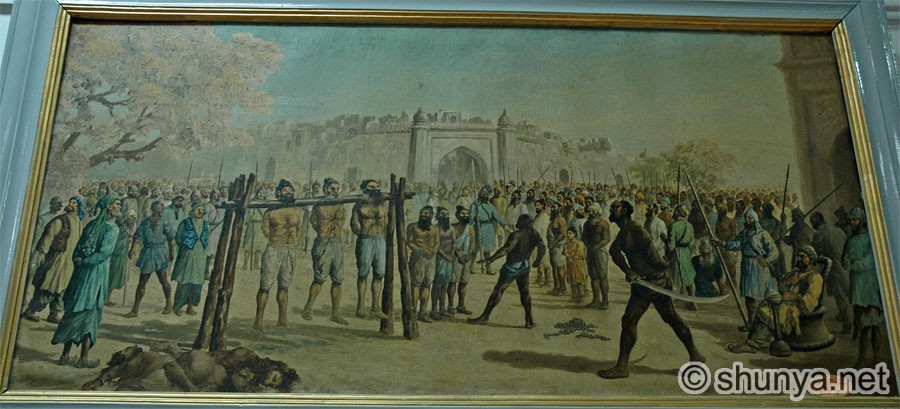
The Museum at the Golden Temple This museum records many events that deeply mark the Sikh psyche, in particular their wars of survival, monumental events, and the worst of the historical Muslim atrocities against the Sikhs, most under Aurangzeb. The stories behind these gruesome images are retold across Punjab. Most paintings have been commissioned in the last few decades. |
|||
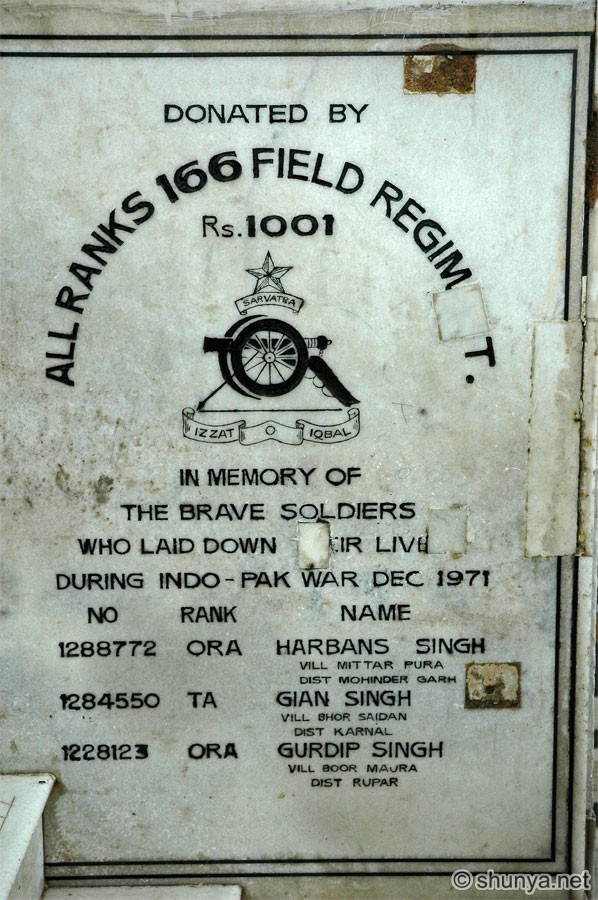
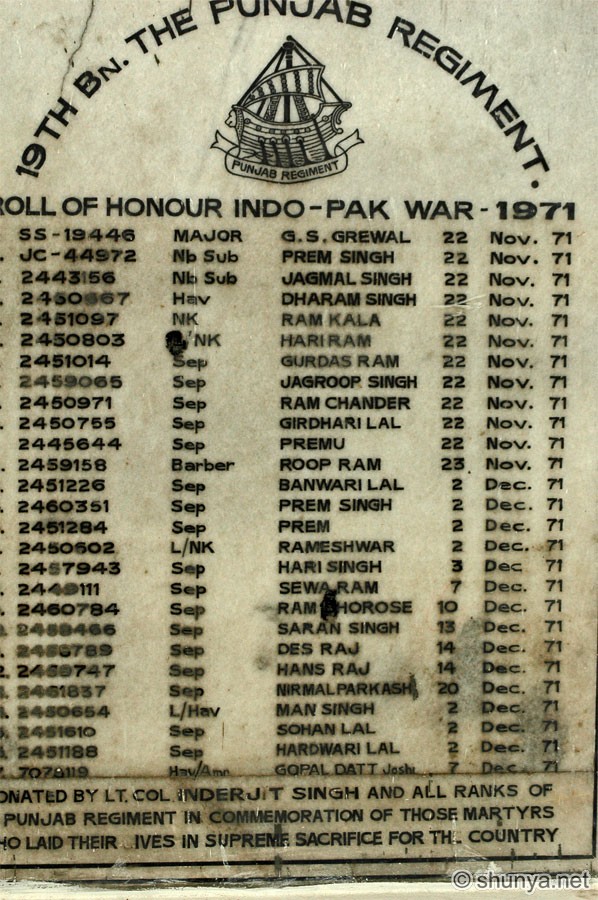
Memories of war 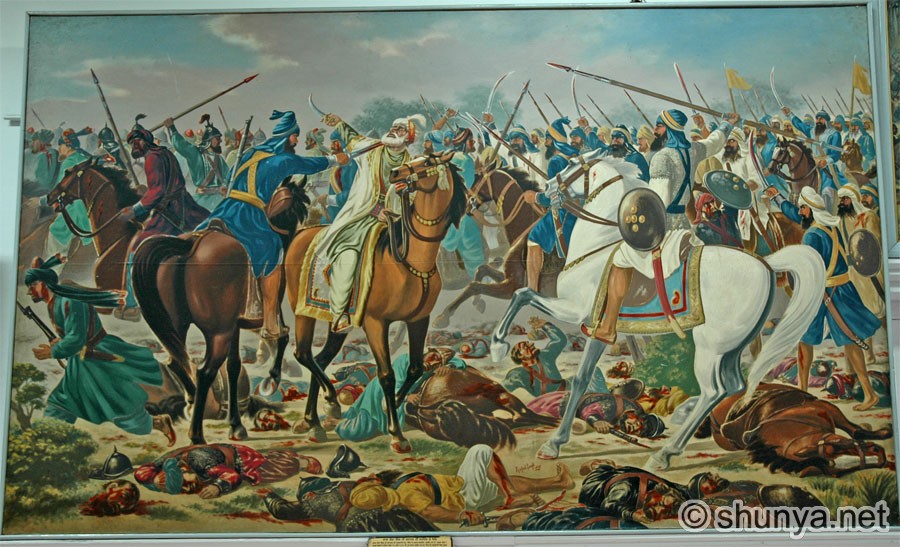 |
Breaking joints unto death 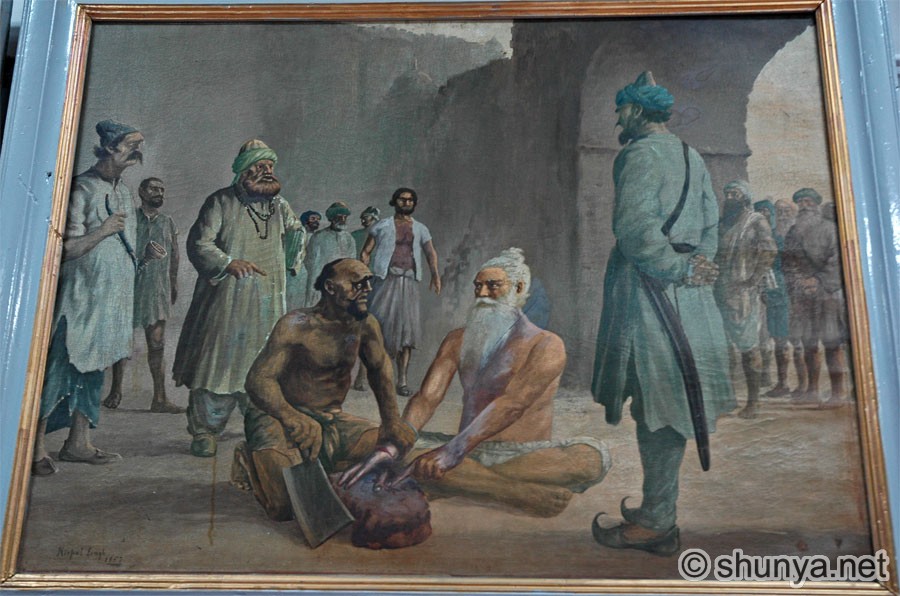 |
Head sliced off 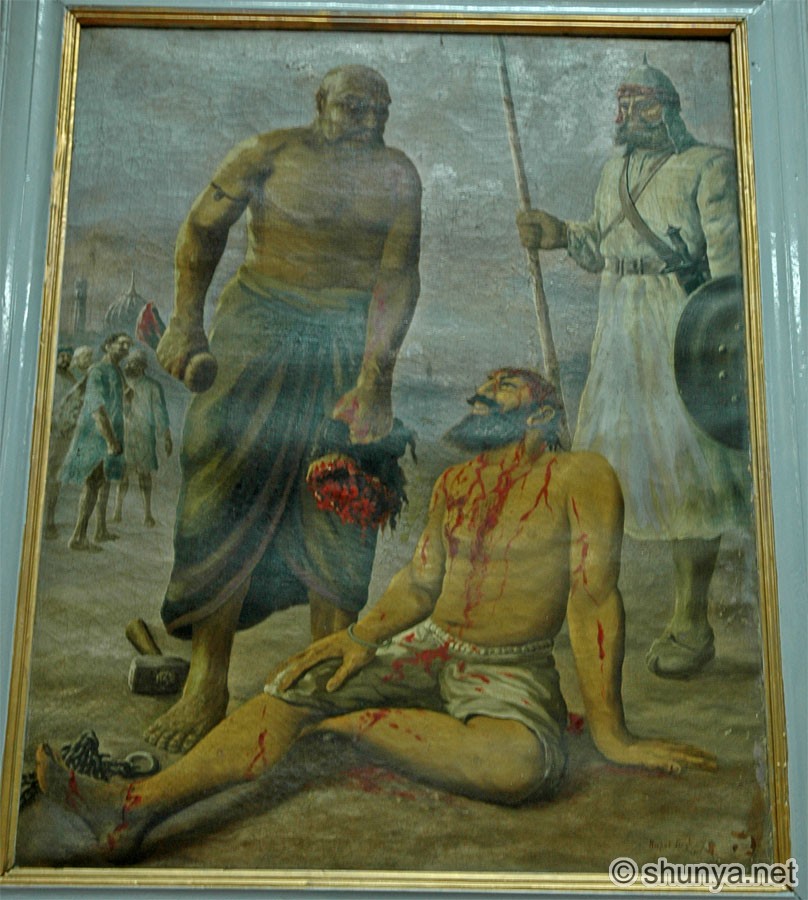 |
Mothers
garlanded with 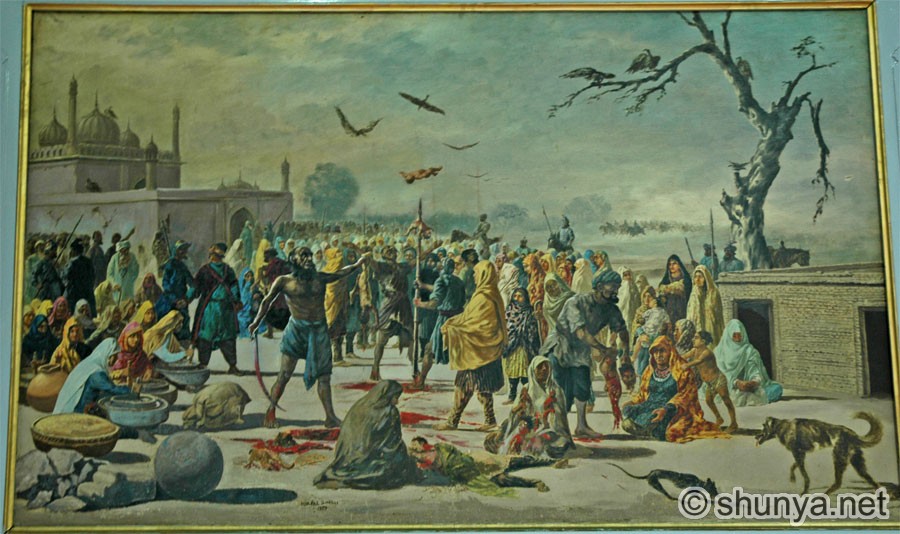 |
Someone's head on a spear 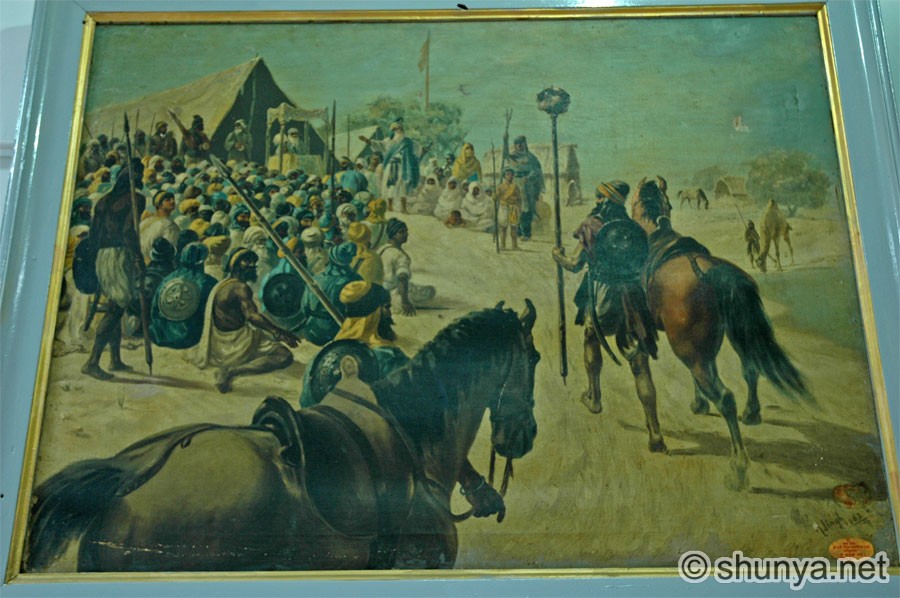 |
For not converting to Islam 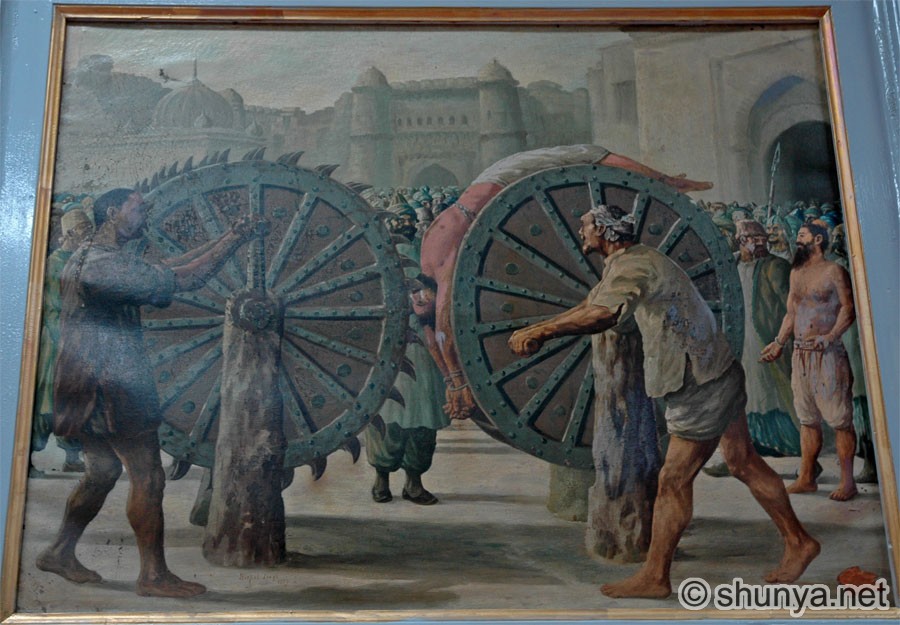 |
Bhai Mati Das sawn into two 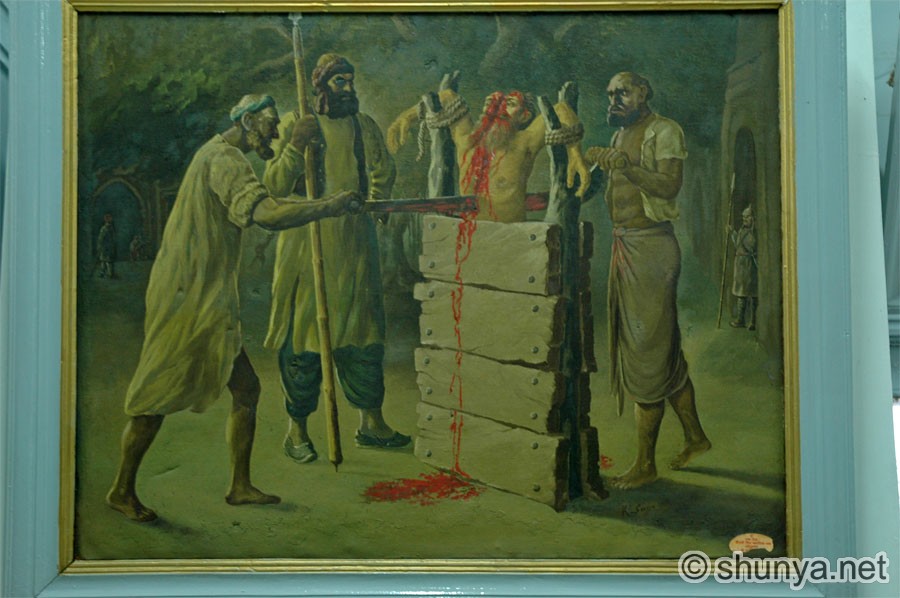 |
Bhai Dayala boiled alive 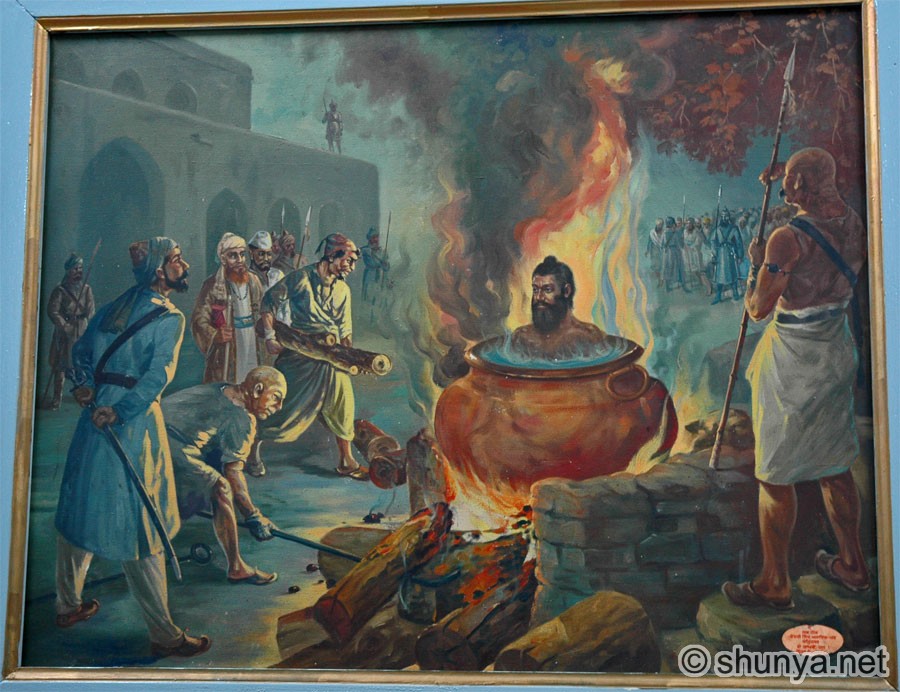 |
| Jallianwala Bagh ▒ | |||
Narrow entrance to the bagh 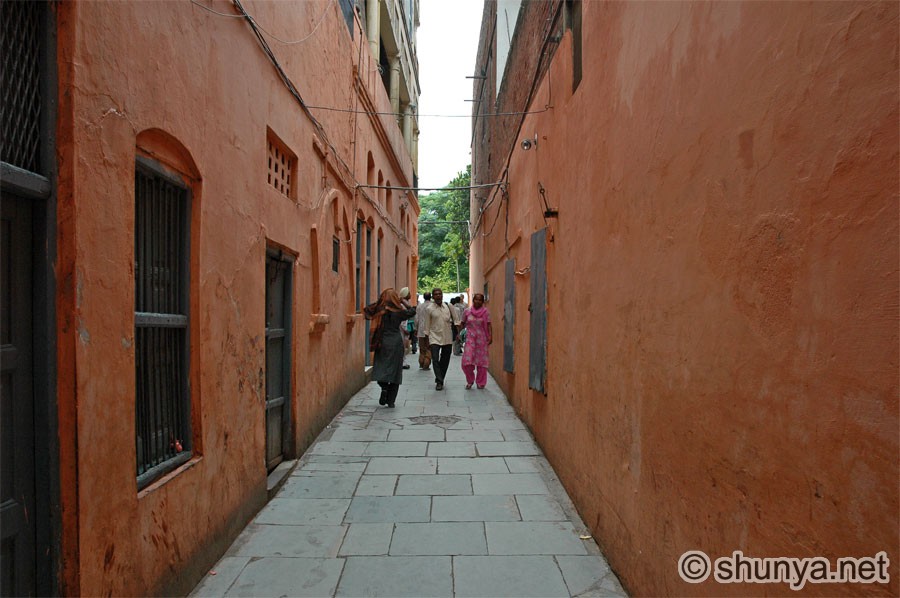 |
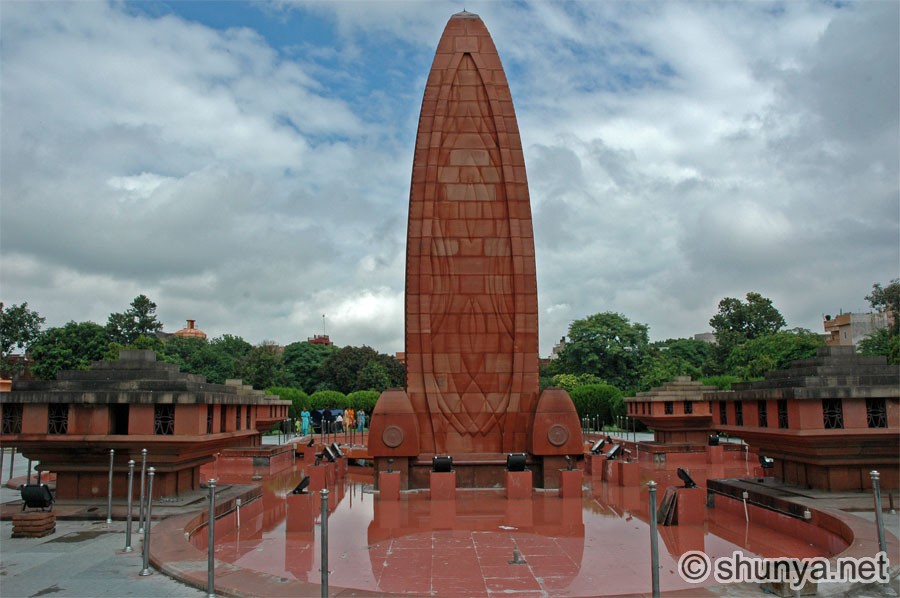 |
Surrounded by a garden 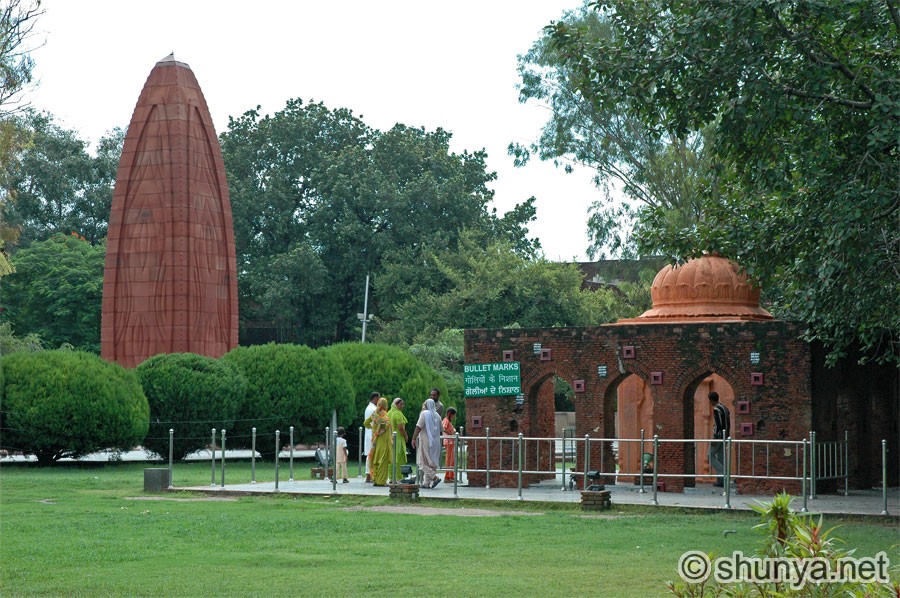 |
Wall with bullet marks 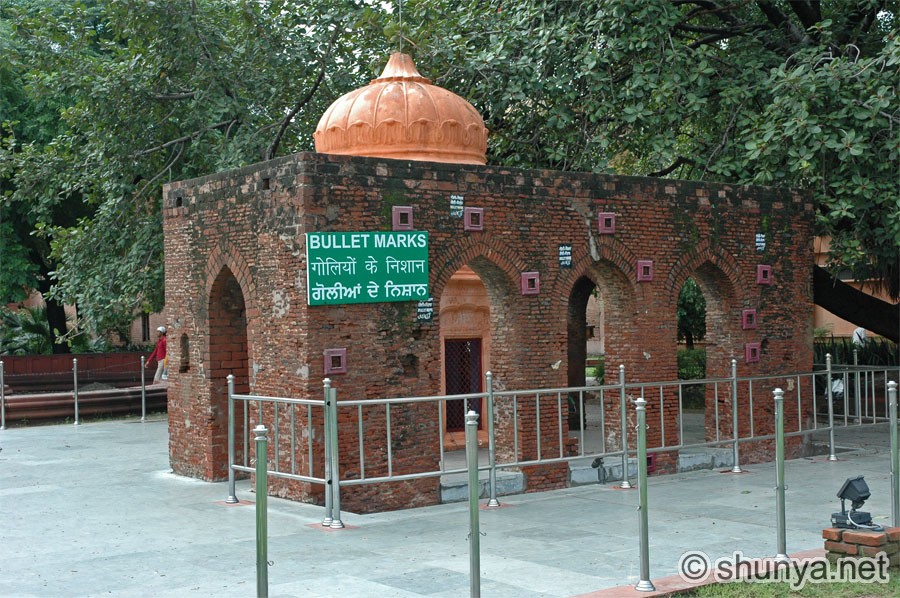 |
|
The infamous well (more) 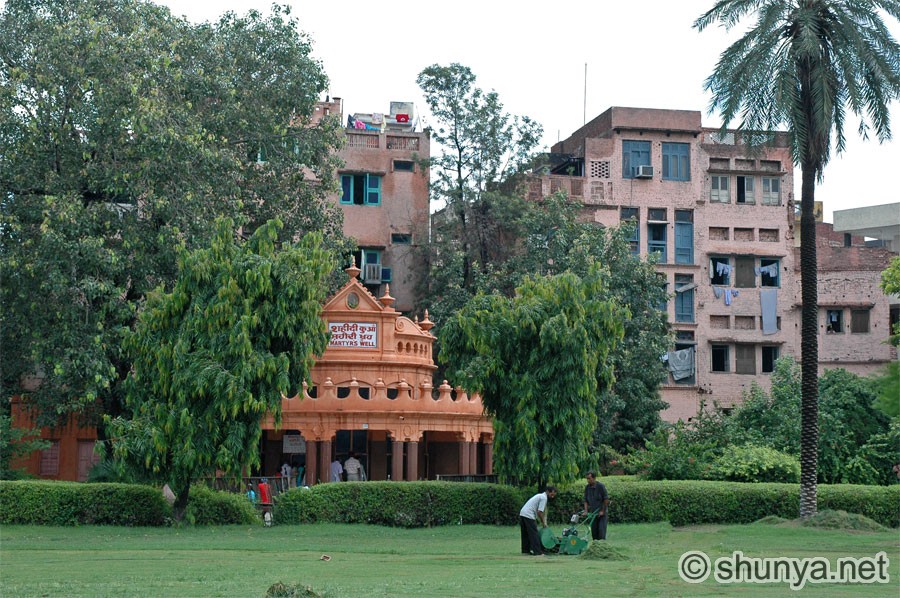 |
120 bodies recovered here 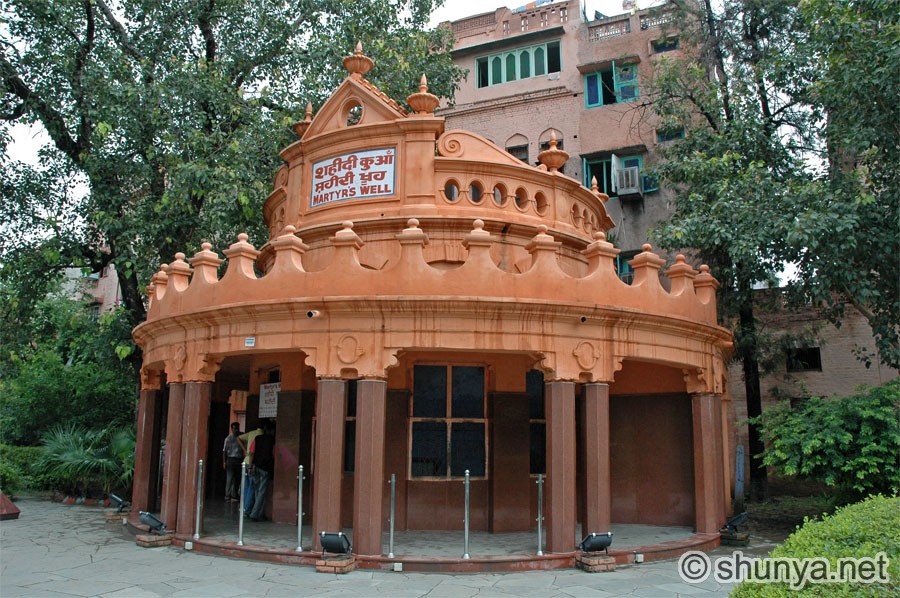 |
Inside the well 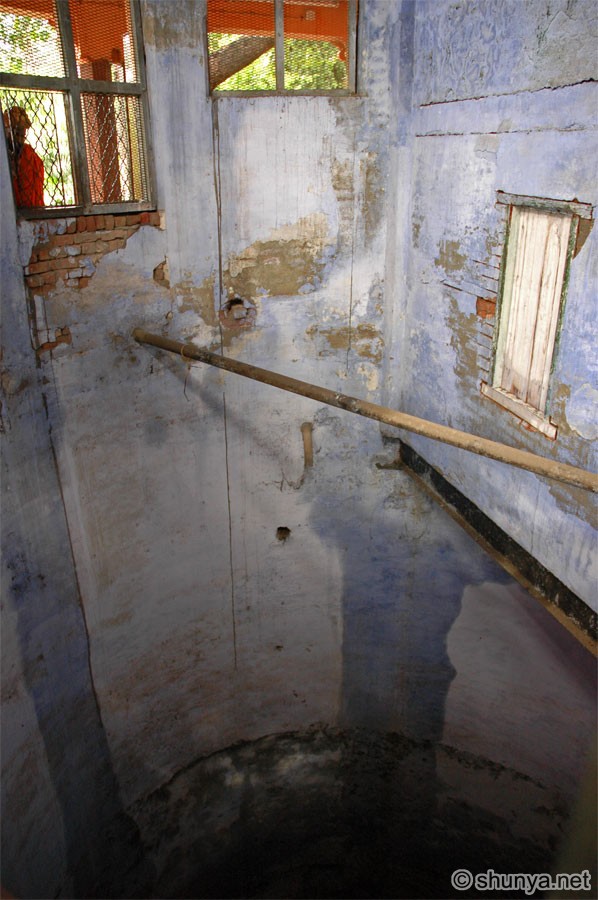 |
Tagore's letter of protest 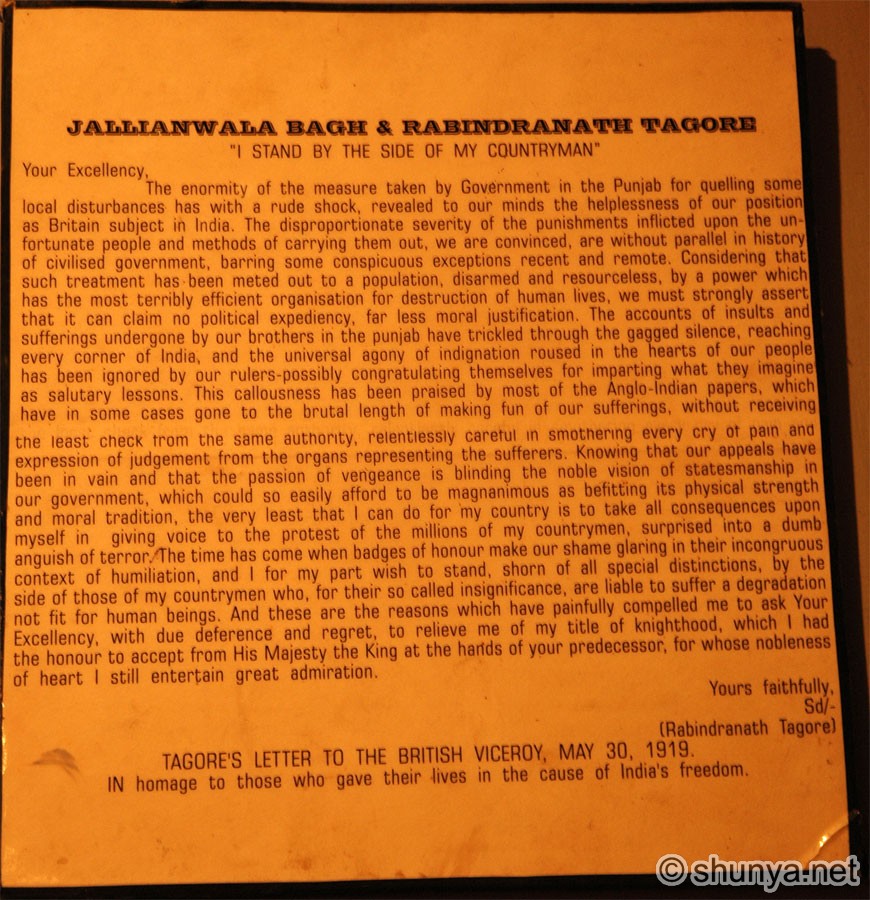 |
|
Martyr's gallery 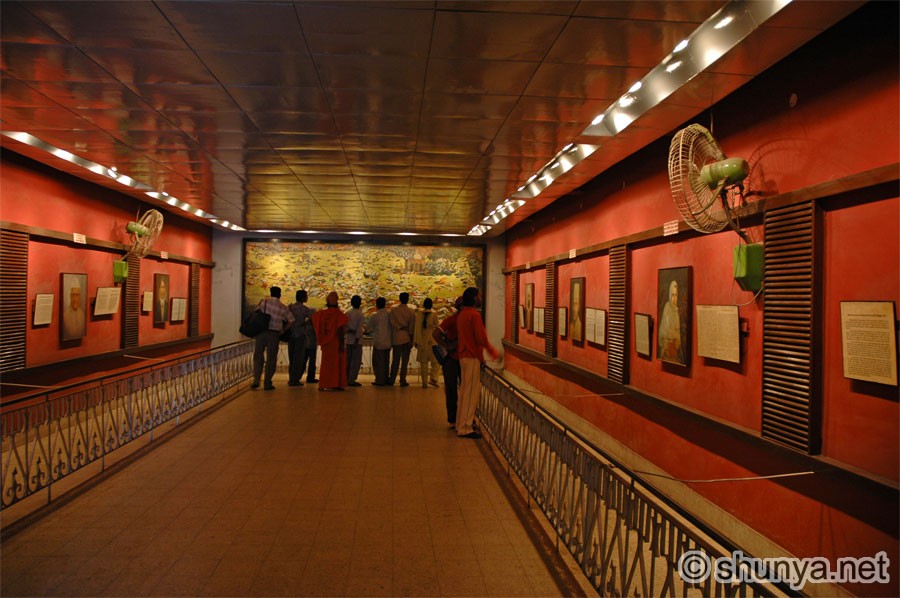 |
Artist's impression 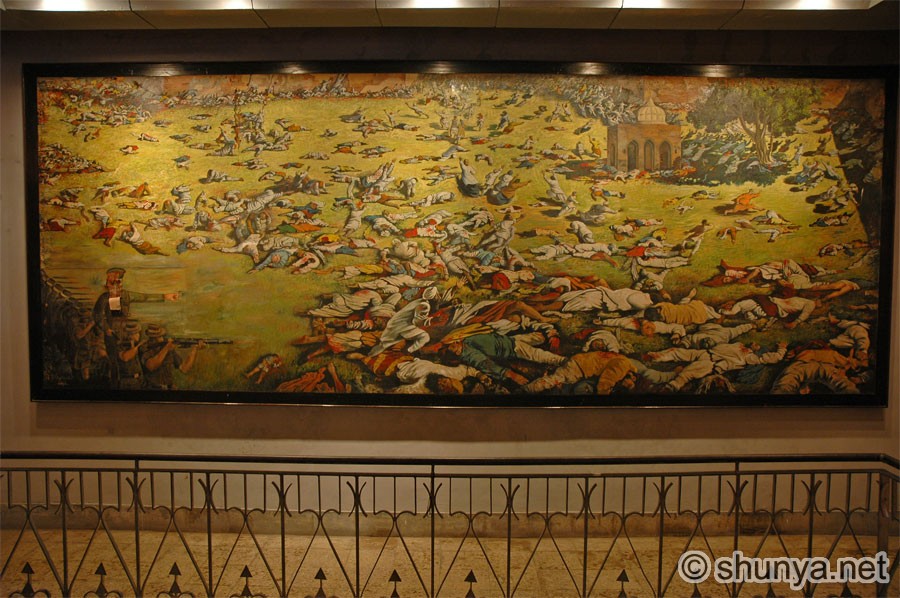 |
Painting detail 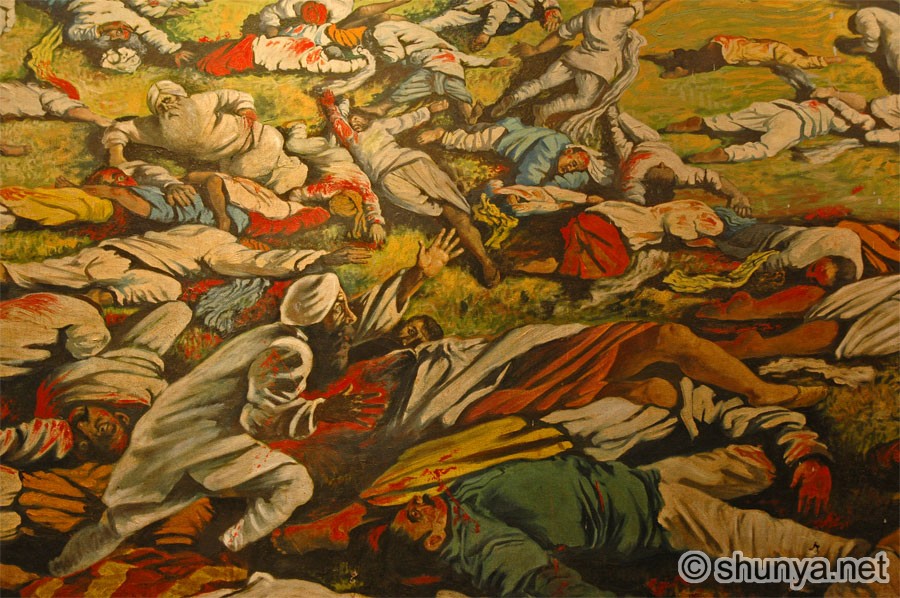 |
Painting detail 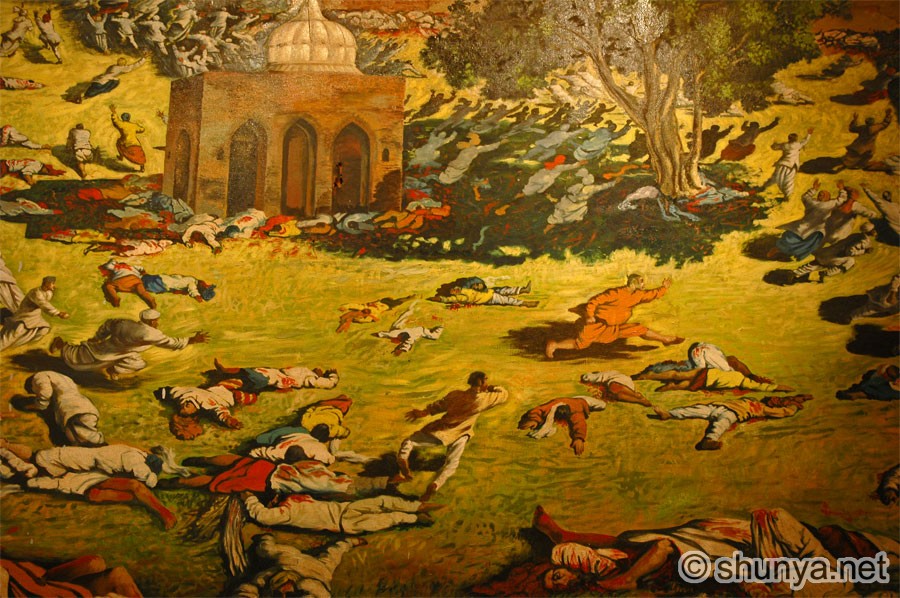 |
| Mata Temple | |||
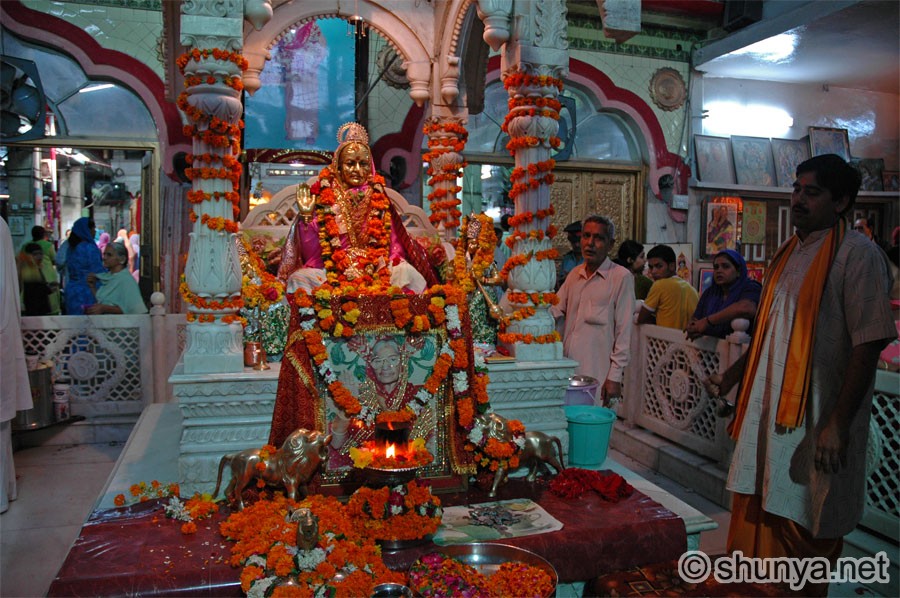
Bespectacled goddess (more) 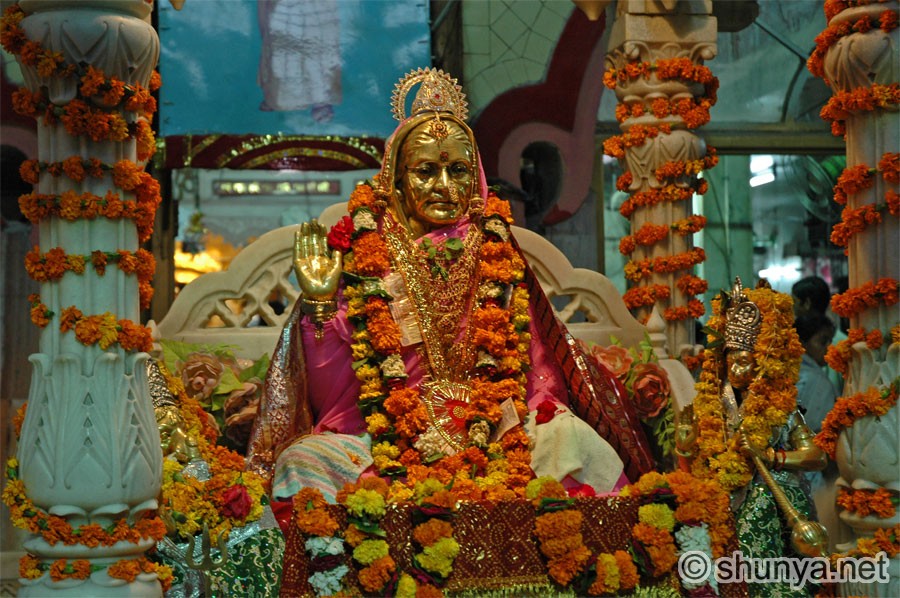 |
Throngs 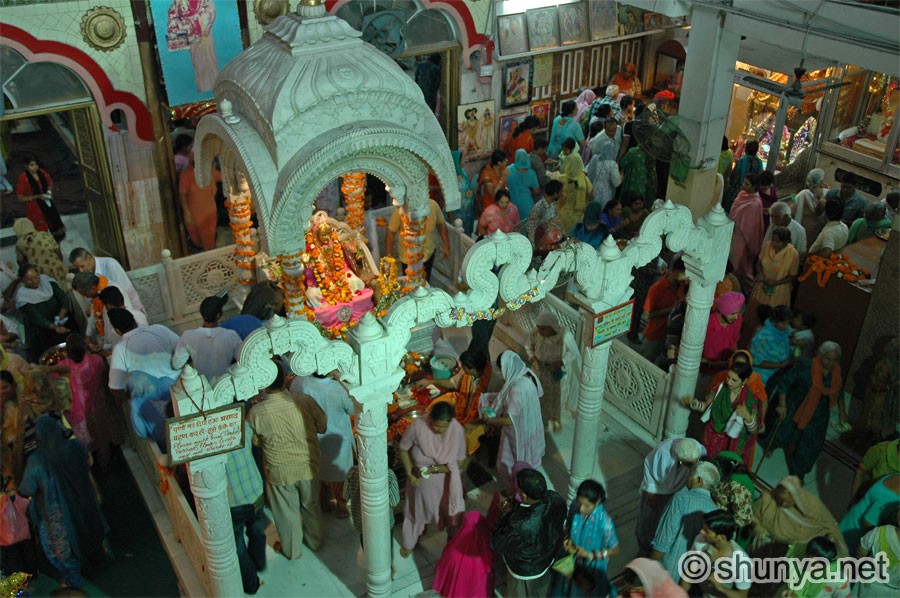 |
She's like a rock star! (not) 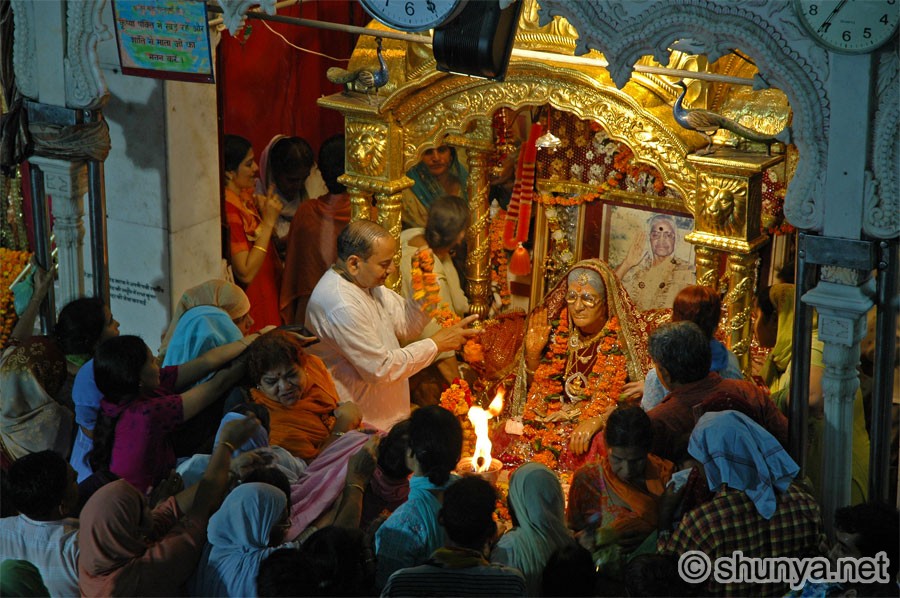 |
Priest offering puja 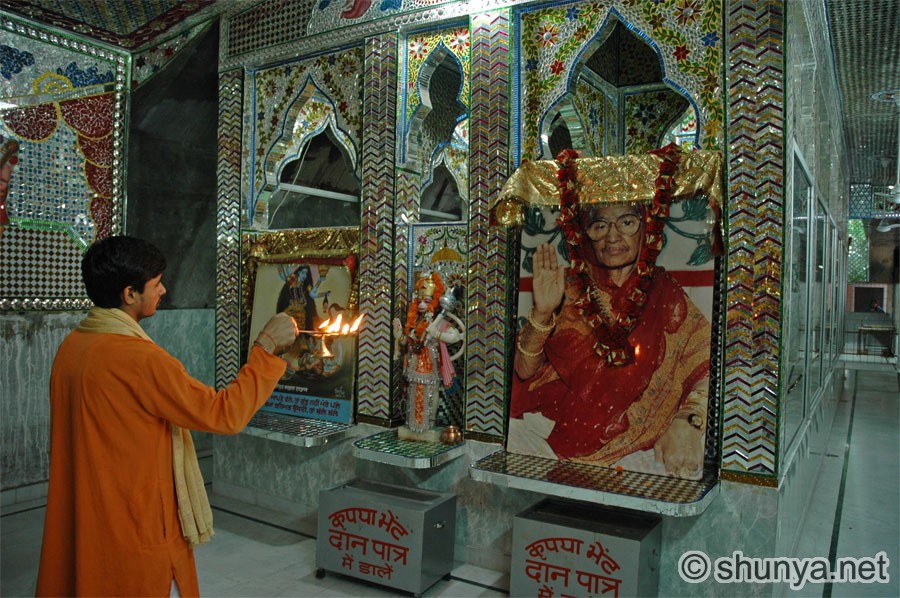 |
|
Garish religious gallery 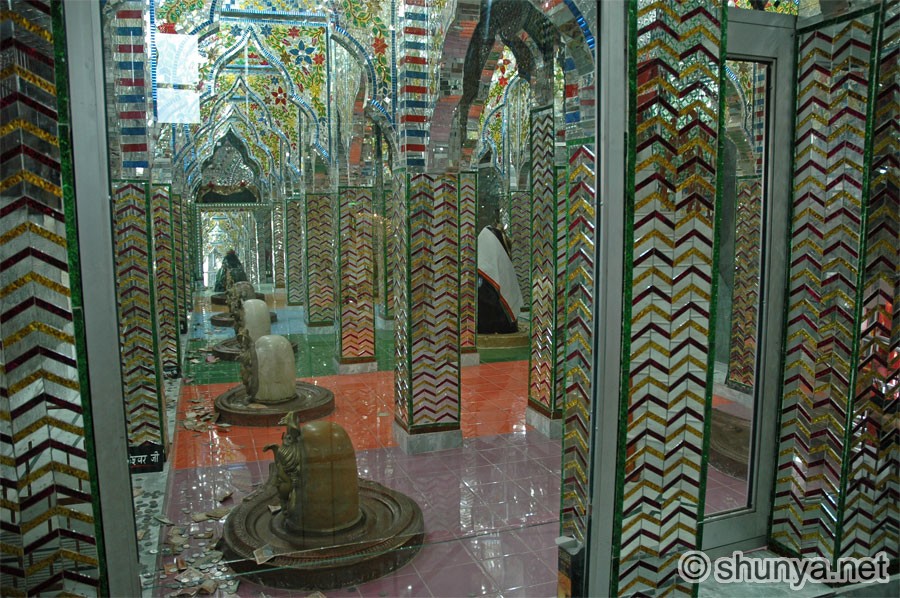 |
Triple headed goddess 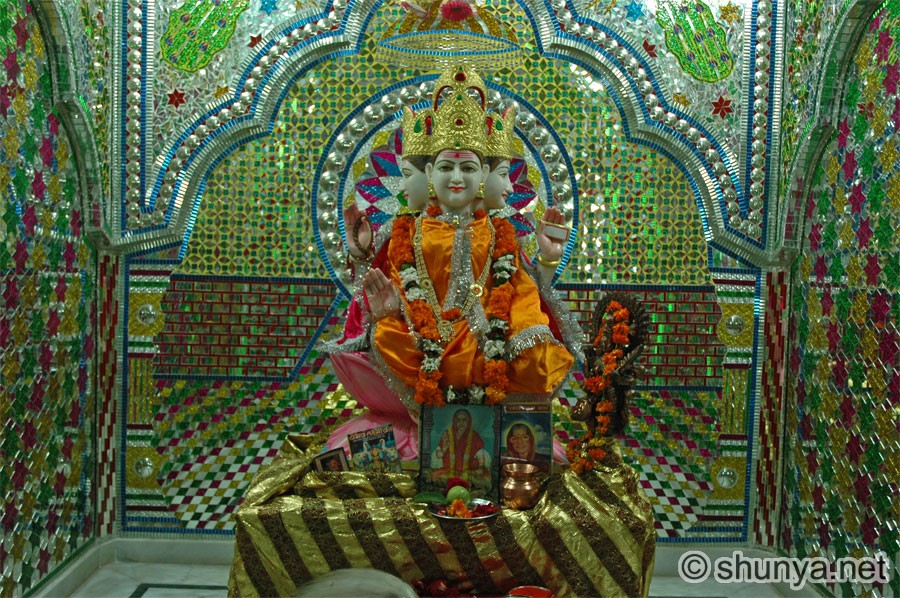 |
Priest inside simulated cave 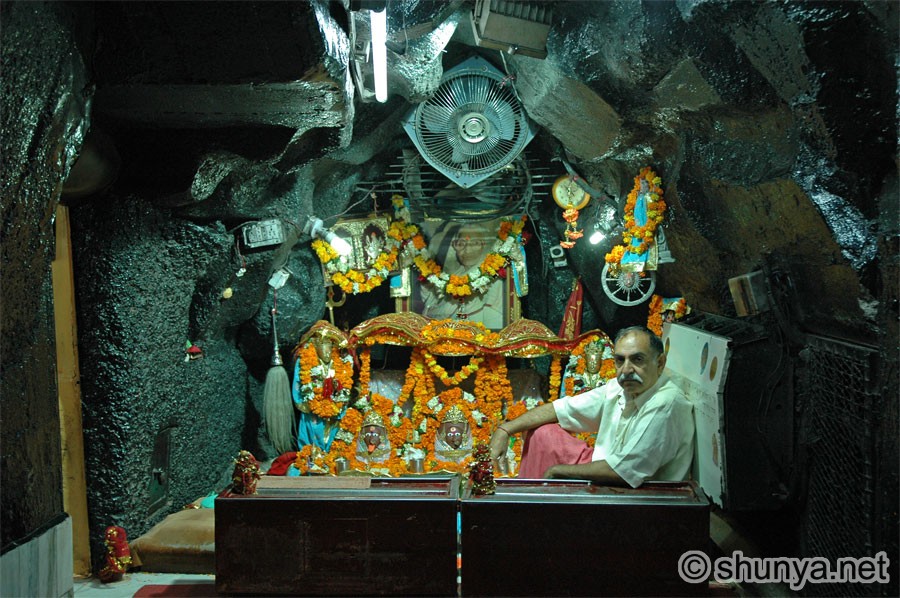 |
Show your tongue! 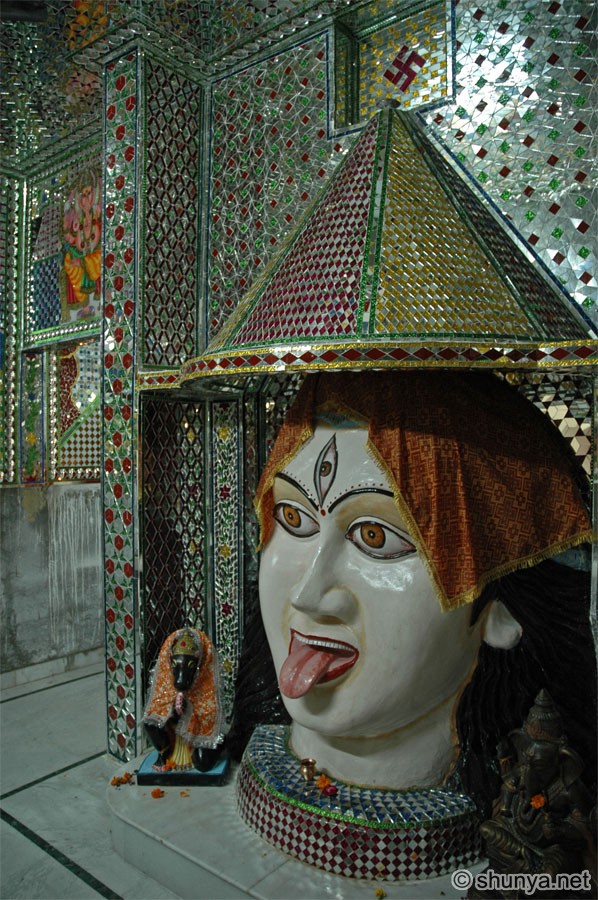 |
| Durgiana Temple | |||
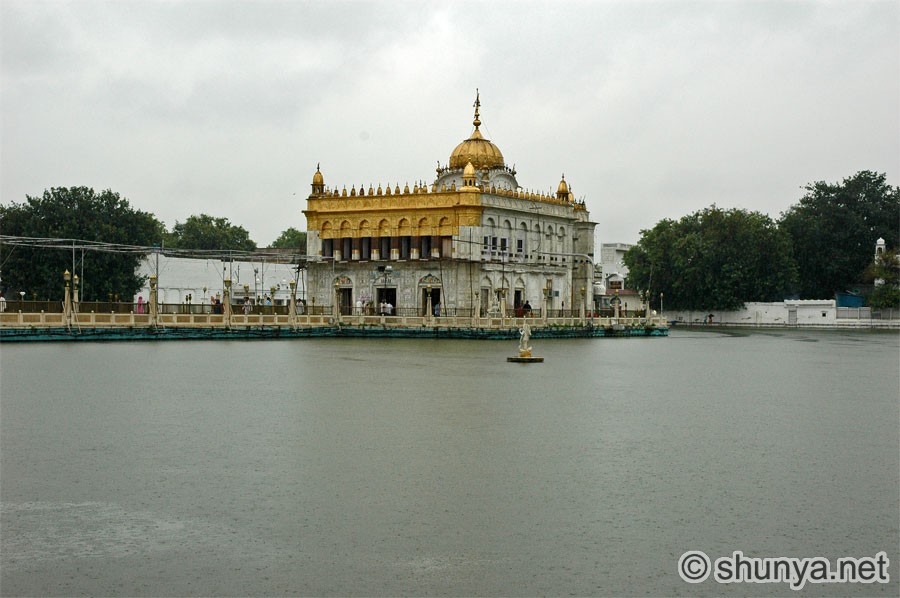
Durgiana temple (more) 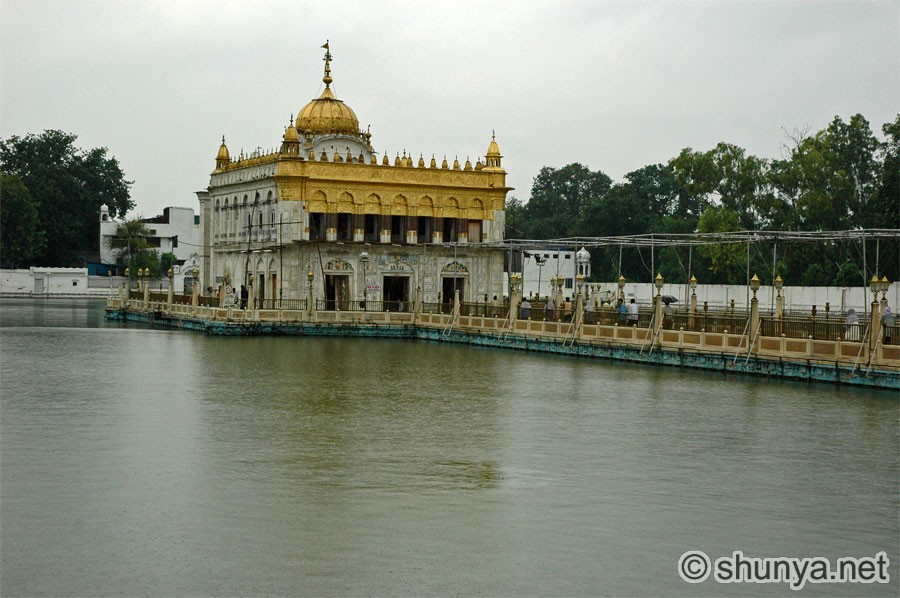 |
Inside the temple 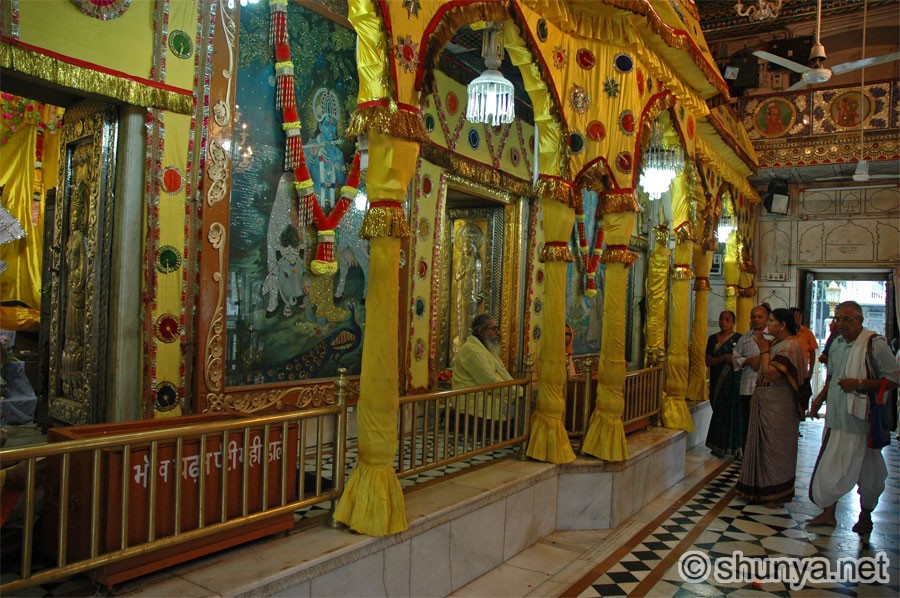 |
Inner sanctum 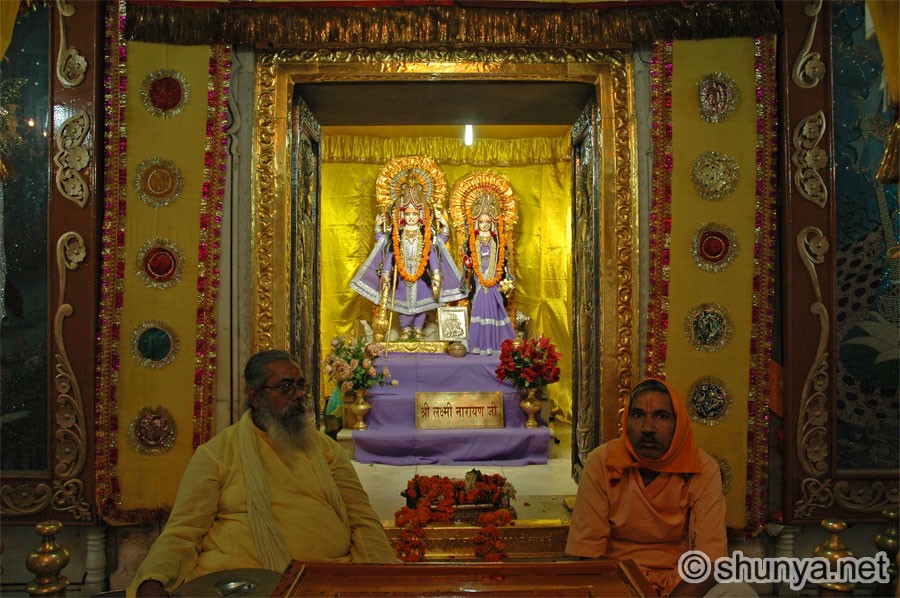 |
The dieties 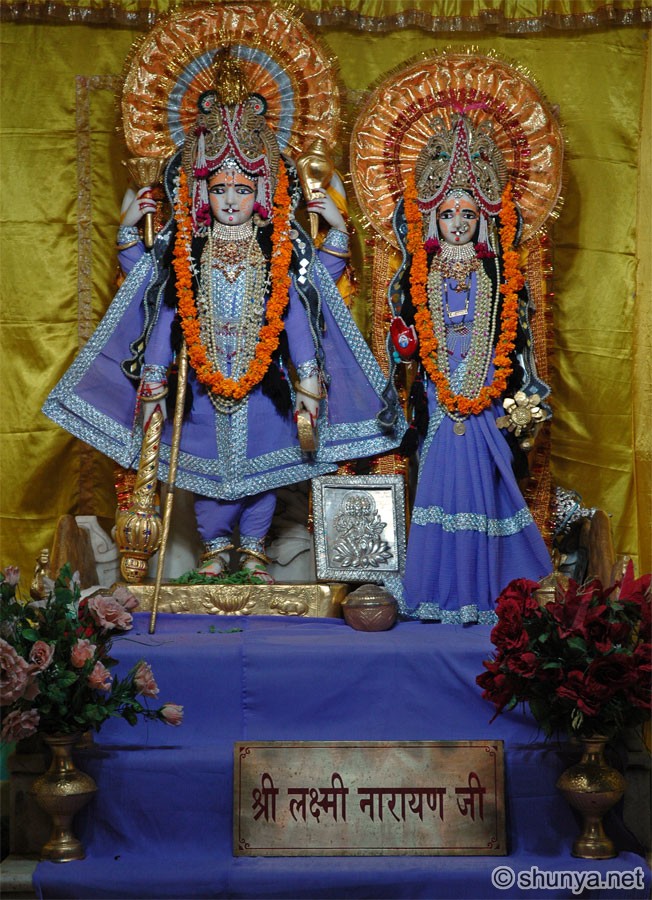 |
| Miscellaneous | |||
Maharaja Ranjit Singh's 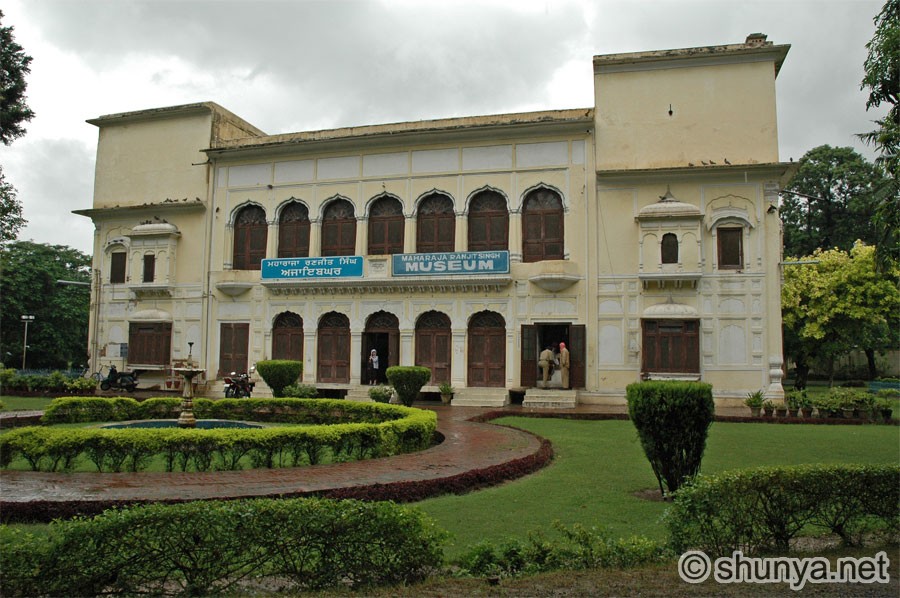 |
His court at Lahore 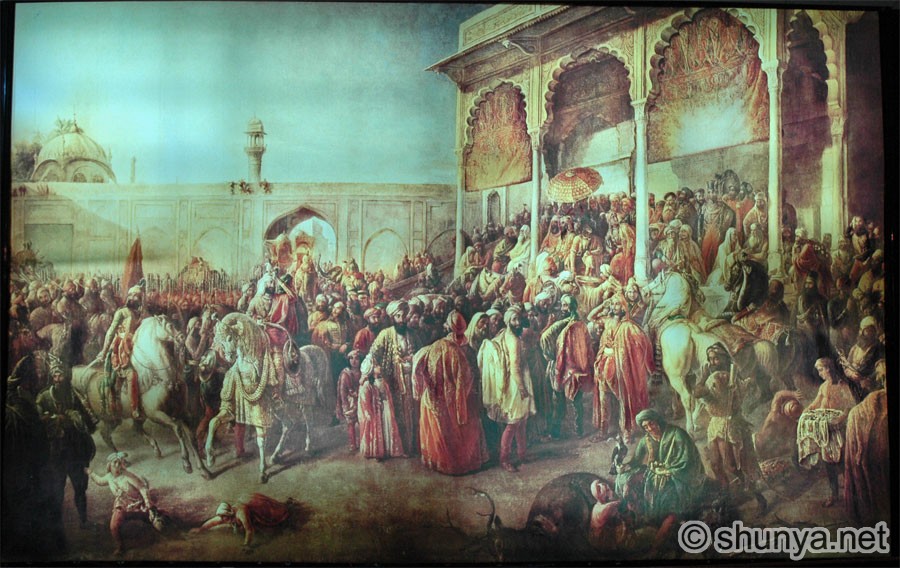 |
Haunt of the Sher-e-Punjab 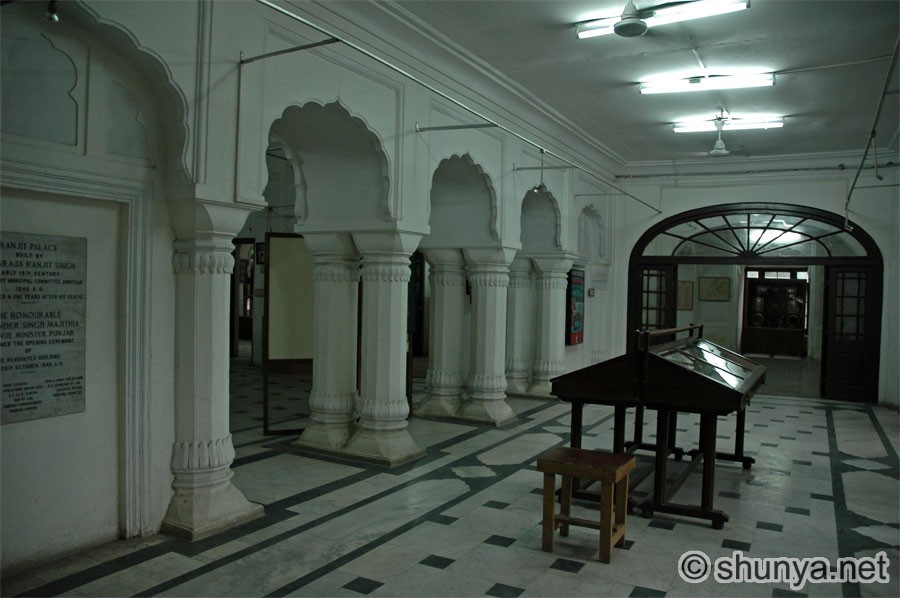 |
Rickshaw wallah 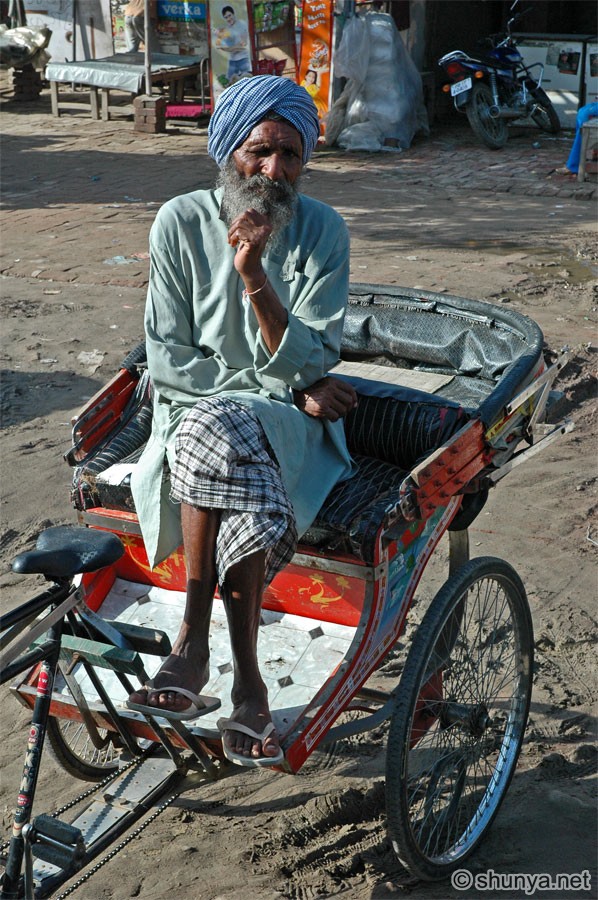 |
|
Amritsar old town 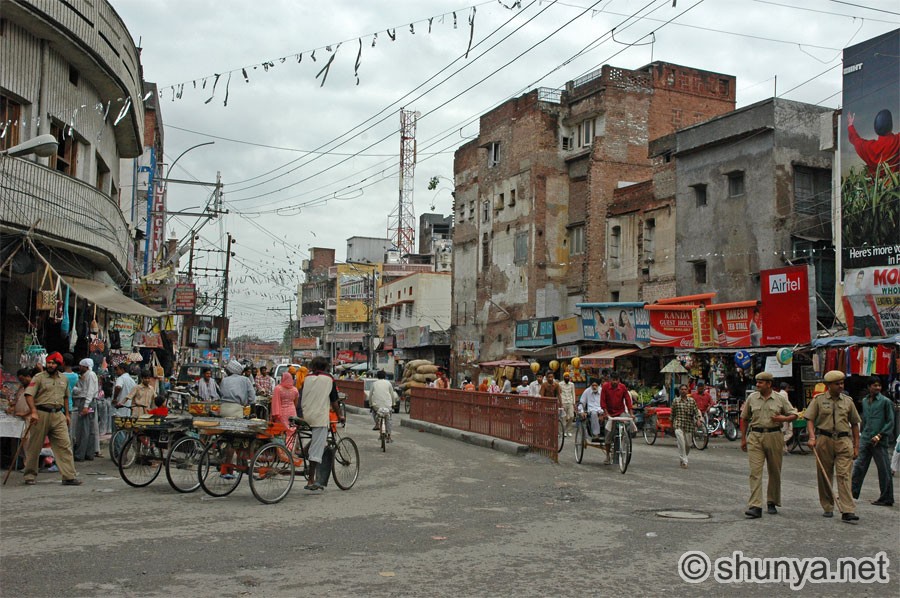 |
A day of heavy rains 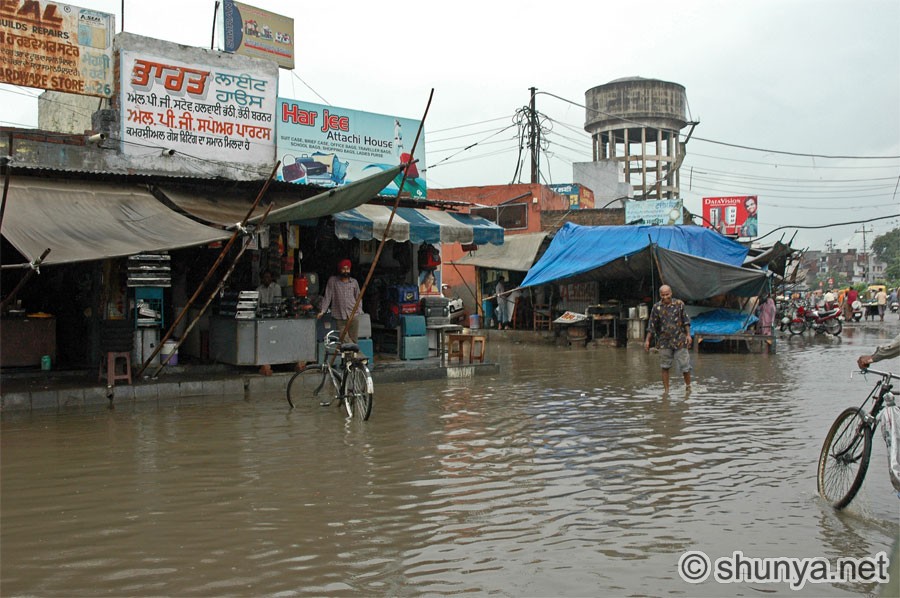 |
Ad for Dr. Bengali 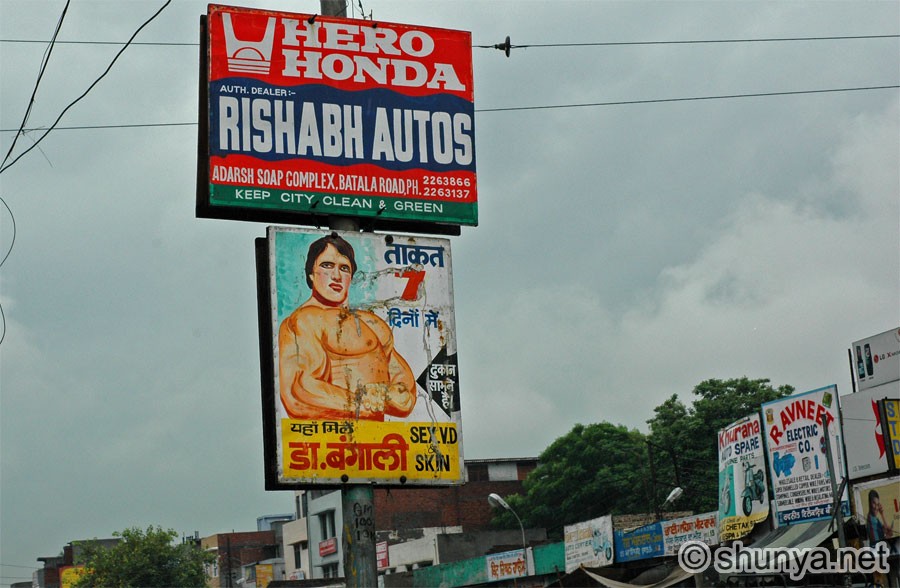 |
Amritsar bus stand 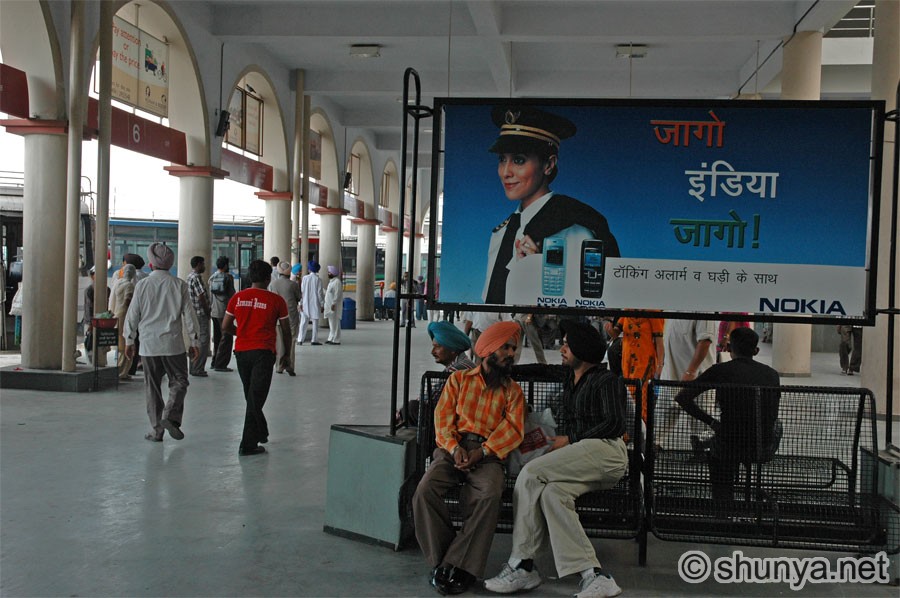 |
Designed in collaboration with Vitalect, Inc. All rights reserved. |